Waking up from a vivid dream and actually remembering it is one of the purest, most underrated signs that your brain has not completely surrendered to the modern meat grinder.
Most people stagger out of bed like lobotomized cattle, eyes glassy, muttering “I never dream” while they reach for the phone that spent the night irradiating their skull. That is peak “normal.” But this not healthy. It is your nervous system waving a little white flag. When you open your eyes and the dream is still clinging to you—colors too sharp, emotions too raw, plot so absurd it makes waking life look like a corporate PowerPoint—you should take a second to feel smug about it. Your mind is still alive in there.
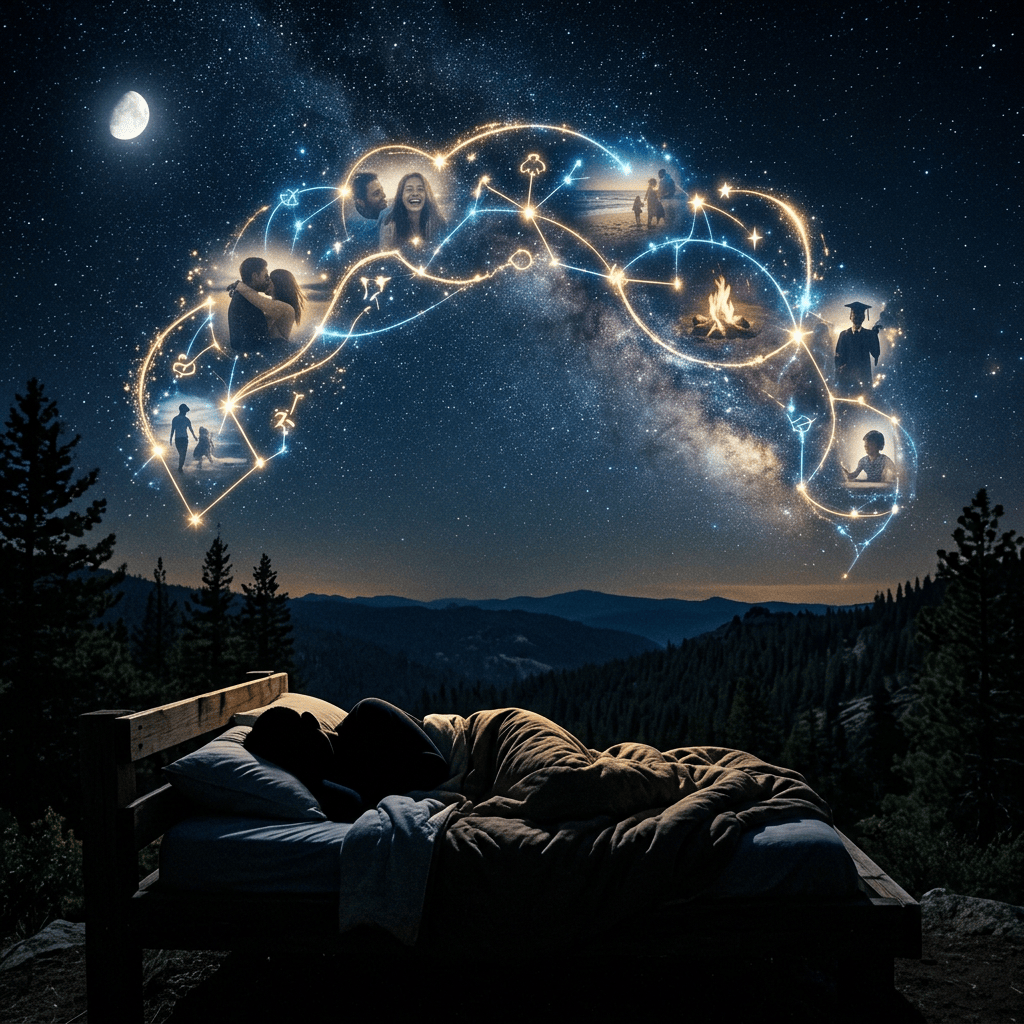
Dreams are the brain’s nightly audit. While the rest of the world is scrolling, numbing, medicating, and microdosing their way into emotional flatness, a vivid, sticky dream means the machinery is still running hot. REM sleep is doing its job. Memory consolidation is happening. Emotional processing is not completely bottled up behind a wall of SSRIs, blue light, and existential exhaustion. You are not just surviving the night; you are metabolizing the day like a functional animal instead of a medicated office drone.
The people who claim they “don’t dream” are usually lying to themselves or so sleep-deprived and chemically smoothed that their brains have stopped bothering to stage the nightly theater. Chronic stress, alcohol, weed every night, melatonin abuse, glowing rectangles until 2 a.m.—all of it blunts the signal. You wake up empty. No residual weirdness. No half-remembered chase sequences or conversations with dead relatives or the inexplicable feeling that you just lived an entire second life in six hours. That is not enlightenment. That is neurological quiet quitting.
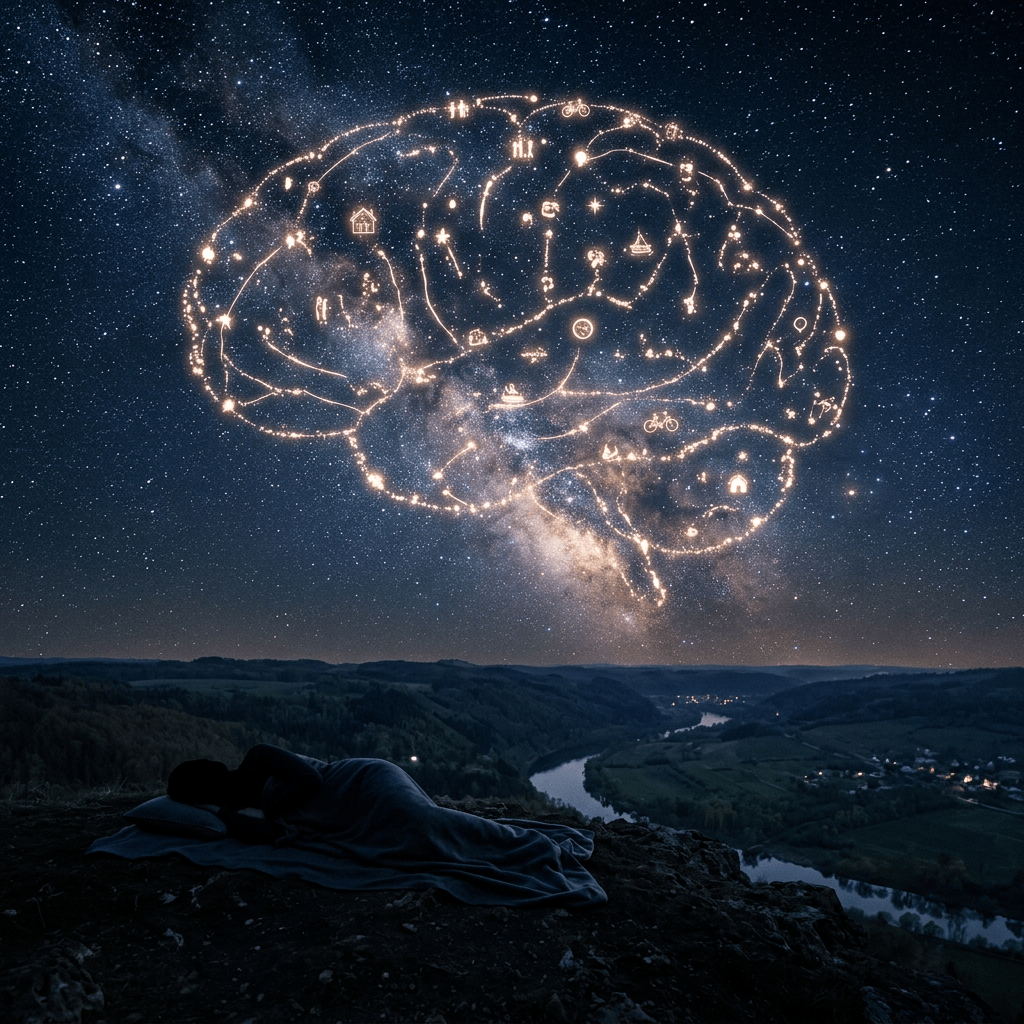
A remembered dream is evidence that the boundary between conscious and unconscious is still permeable. The subconscious is still allowed to throw its chaotic, unfiltered show and some of it lasts long enough for you to notice. That is healthy. That is human. In a culture that treats any unscripted internal experience as something to be pathologized or optimized away, remembering a vivid dream is almost subversive. You are not fully domesticated yet.
There is a reason ancient cultures treated dreams like messages, omens, or diagnostics. They were not just wrong. A mind that can produce and retain rich nocturnal narratives is a mind that still has bandwidth, plasticity, and a functioning emotional thermostat. The opposite—waking up blank, night after night—is often the first quiet symptom that something deeper is offline. Sleep architecture is crumbling. Anxiety is winning. The prefrontal cortex is too fried to even stage a proper nightmare.
So the next time you bolt upright at 3:47 a.m. with the full cinematic replay still burning behind your eyes, do not roll over and immediately open Instagram to forget it. Sit with the weirdness. Write it down if you are into that. Feel the residual charge. That jolt of aliveness is proof that the lights are still on upstairs. In an age where most people’s internal worlds have been reduced to algorithmic sludge and prescription fog, a vivid, remembered dream is a small, private rebellion.
Your brain just threw a wild, unfiltered party while the rest of the house was asleep. And you got the invite. That is not trivial. That is health.


Leave a Reply