Tag: life

  • Instant Gratification: The Sweet Poison We All Keep Sucking On

    Instant Gratification: The Sweet Poison We All Keep Sucking On

    We live in the age of now. Not tomorrow. Not next week. Now. Your ancestors waited months for a single letter, starved through brutal winters, and jerked off to cave drawings if they were lucky.

    You open an app and flood your brain with validation, food, outrage, or orgasms in under three seconds. Welcome to the golden age of instant gratification—the ultimate cheat code that quietly turning your brain into wet mush and your soul into a pit of greed.

    You know the drill. That little red notification bubble hits and your brain lights up like a slot machine. (I turned off my notifications for my own personal sanity). Social media is not a platform anymore—it is a premium-grade dopamine.dealer pushing TikTok, Instagram, X, whatever the flavor of the month is. Every scroll is a casino lever pull. Every like is a payout. We all check our phones at 3 AM, eyes bloodshot…

    Silhouette of person looking at phone surrounded by swirling digital notifications icons and messages
    A person stands surrounded by swirling social media and message notifications at night

    Dating apps turned romance into a vending machine: swipe, match, “u up?”—transaction complete. No slow burn. No tension. Just meat meeting meat with the emotional depth of a McDonald’s drive-thru. That is not how I met my forever. I do not do that empty soulless dopamine transaction.

    Vending machine with pink neon lights and heart decorations dispensing snacks and drinks
    A brightly lit vending machine named Heart & Glow dispenses snacks and drinks with a glowing pink heart theme.

    Want to “learn”? Why read a full book when some caricature on YouTube (or even AI) condenses it into a 45-second reel that makes you feel enlightened without any of that annoying retention or effort?

    Want to get rich? Crypto bros and OnlyFans “models” exist for this reason alone. Thus you have a lighter wallet and heavier self-loathing.

    And entertainment? Christ. We have all become allergic to waiting.

    Even my boyfriend refuses to start a new show until there are a fat stack of episodes ready to binge. He will wait weeks, sometimes months, just so we can tear through it together over a few nights. It is hilarious when you think about it—this is exactly how society used to watch television back in the day. You would tune in once a week, maybe catch the occasional rerun, and actually anticipate the next episode like a normal human with functioning patience.

    I personally do not mind the wait at all. Because that delay means something better: his arms wrapped around me on the couch, my head on his chest, sharing laughs and gasps in real time. No more staring at my laptop screen alone in my little corner of the dining table, eating my sad little snack while doomscrolling between scenes. The wait forces connection. It builds something warmer than the instant hit ever could.

    Your brain is still that of a caveman but now it is running on outdated hardware. It sees sugar, sex, status, or stimulation and screams “MINE like a toddler on Red Bull. Evolution never prepared us for infinite, on-demand pleasure at our fingertips 24/7.

    So we chase the hit. The hit gets weaker. Tolerance skyrockets. Vanilla porn stops cutting it. We want something harder. Freakier. Regular food tastes like regret. Your attention span disappears somewhere between the 50th reel and your 15th rage-tweet of the day. You become an unsatisfied junkie constantly upping the dose just to feel anything.

    Meanwhile, everything that actually builds a meaningful life requires the opposite: delayed gratification. That boring, unsexy grind.

    Yet we have been sold the lie that happiness equals constant pleasure with zero discomfort. Real satisfaction comes from the burn after a workout. The pride of work you actually bled for. The quiet warmth of waiting for something good with someone you love.

    Instant gratification is not pure evil. Life is too short to be like a disciplined monk. Eat the cake. Send the risky 2 AM text. Watch the porn. Chase that rush and feel alive for a minute.

    The danger is when it becomes your entire personality. When every evening is another solo scroll session. When you cannot sit with your own thoughts for five minutes without grabbing your phone like an addict.

    My boyfriend’s little TV rule is a small rebellion against all that. It is not revolutionary. It is just… human. It turns passive consumption into shared ritual. It trades the lonely instant dopamine dump for something that actually fills the tank longer.

    Society used to run on delayed rewards. Season finales meant something. Relationships took time to unfold. Success required seasons of invisible work. Now we want the finale tonight, the soulmate by morning, and six figures by next quarter.

  • From Black-Pilled to White-Pilled: A Mindset Shift

    From Black-Pilled to White-Pilled: A Mindset Shift

    I am not typically a negative person (read more here). I see the glass half full not half empty. However, I often feel that lack in my life—my man will say, “I wish they did that for you… you deserve a win” and my response? “That’s just how life works out for me now…. Whether it is my recovery, my relationship… I always have to wait”. Recovery crawling. Relationship hitting every red light. Opportunities? I am always waiting. Always.

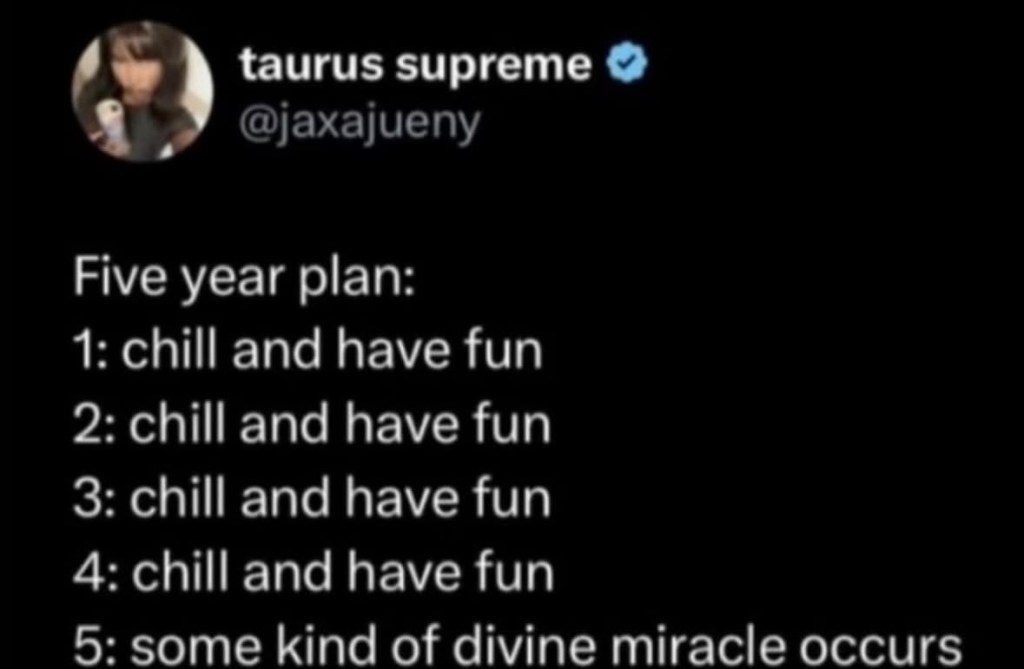
    Sounds like some emo, woe-is-me playlist on repeat, right? But I am owning this pattern like its designer. I have stopped fighting the current and started riding the wave. Everything—everything—is gonna drop when it is supposed to. Not a second sooner, not a millisecond later. The delays are not punishments; they are plot armor. Call me delulu if you want, but I am wearing that label.

    Now let us talk about the real cancer that is eating souls these days: being black-pilled. You know the type. These miserables look at society’s flaming dumpster fire and the wreckage of their own lives and decide the only logical response is to glorify the potential apocalypse. “It is all doomed. Women are finished. Men are finished. The future is soy, depression, and climate lockdowns. Might as well rot in bed.” Black-pillers do not see problems—they call it realism. They marinate in present-day suckage and future-cucked despair like it is a personality trait. Spoiler: this is not deep. It is just being an emotional with extra steps. Zero growth. All cope.

    Personally, I am riding the white-pill wave so hard. White-pilled is not some naive sunshine and rainbows. It is refined, razor-sharp clarity with a side of patience. You start seeing every “delay” as divine diversion for your own good. That job that ghosted you? Saved you from becoming a soulless cubicle zombie. The slow recovery? It is the universe wrapping you in bubble wrap so you do not shatter before you are ready to become the final version of yourself.

    DIVINE TIMING ✨✨✨

    Nothing takes “too long.” It takes exactly as long as it needs to. You are not being ignored—you are being protected. That glorious 20/20 hindsight always rolls up: Every closed door, every late blessing, every “not yet” is the cosmos playing 4D chess while you are still stuck on checkers.

    Thus , I am done romanticizing the wait. I am weaponizing it. The black-pillers can keep doom-scrolling and crying into their half-empty drinks. I will be over here, glass half full (of celebratory champagne,probably), watching the universe cook up my victory lap.

    Timing is not the enemy. It is the ultimate plot armor. And when my moment hits it is going to be so loud that even the black pillers will not be able to ignore it.

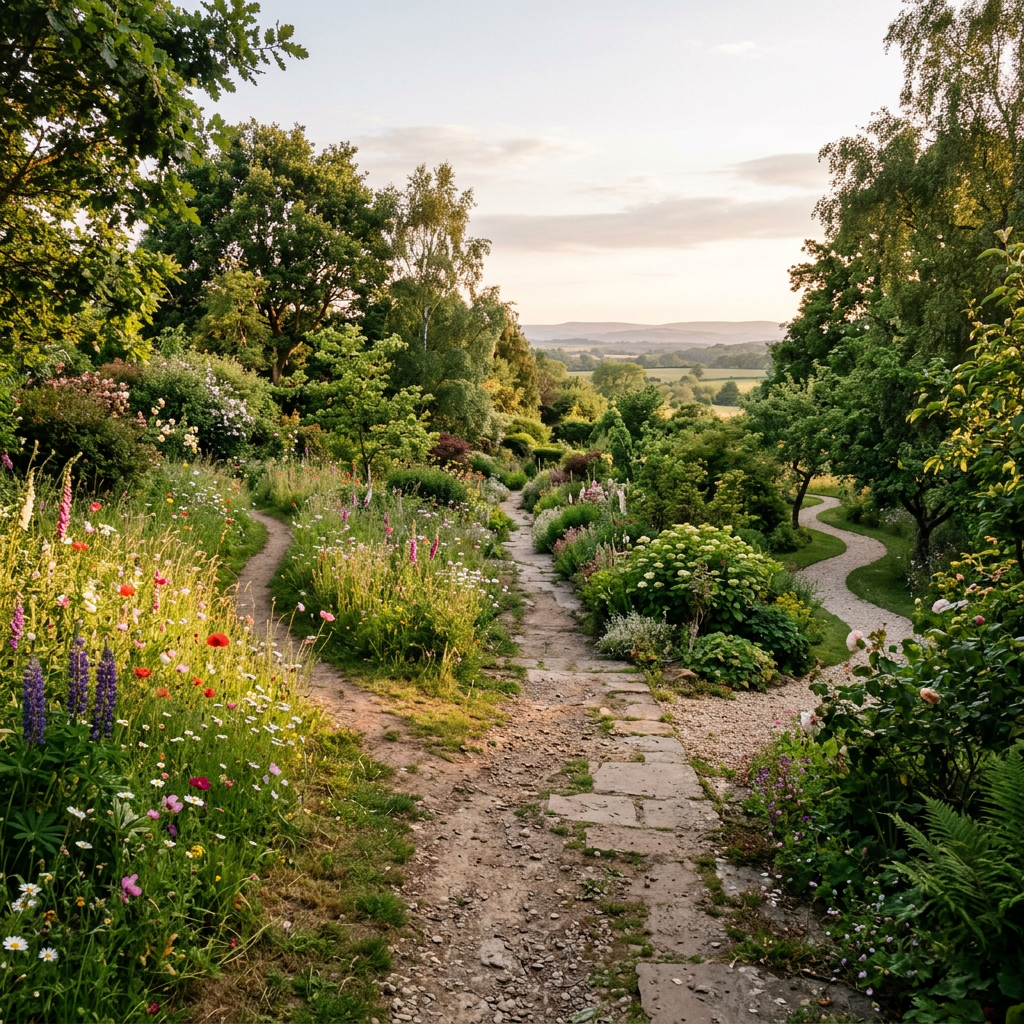
    Winding dirt path through vibrant wildflowers with sun setting behind distant hills
    A winding path through a colorful wildflower meadow at sunset

    Stay white-pilled, kings and queens. The wait sucks, but the glow-up? Worth every second.

  • Understanding Memorial Day: Origins and Observances

    Understanding Memorial Day: Origins and Observances


    This Memorial Day, my boyfriend and I will be doing what we do best lately: sharing our usual FaceTime coffee date from opposite sides of the country. We have spent several recent Memorial Day weekends physically together, but somehow these long holiday stretches still end up with us glued to our phones — sipping coffee, chatting, and wishing we were in the same room. His grandfather served in the Second World War (but passed away in 2010). Because of that, my history-buff boyfriend feels a deep, personal connection to this holiday that I, as a Russian immigrant, can never quite match.

    In Russia, we grow up honoring May 9th — Victory Day — with parades, red carnations, and stories of grandparents who fought in the Great Patriotic War. Patriotism there is loud, emotional, and woven into everyday life. Here in America, it feels quieter. More subdued. I understand why. This land has not seen the kind of devastation and loss that so many other countries have endured on their own soil. America’s wars have largely been fought far away, on someone else’s beaches and battlefields. That distance changes how the day lands in people’s hearts.Still, I find myself reflecting on the sacrifices made by those who came before — especially the ones who made my boyfriend’s family possible. Even from a screen, I am grateful to share this day with him.

    American flag at half-mast above Arlington National Cemetery with U.S. Capitol building and sunset sky

    Most people treat Memorial Day as the beginning of the summer. However, Memorial Day is more than just a long weekend marking the unofficial start of summer. It should not just be a holiday for another coffee date. It is a solemn national holiday dedicated to remembering and honoring the men and women of the United States Armed Forces who made the ultimate sacrifice in service to their country.

    A Brief History of Memorial Day

    The roots of Memorial Day trace back to the aftermath of the American Civil War, one of the bloodiest conflicts in U.S. history, which claimed the lives of approximately 620,000 soldiers. In the years following the war, communities across the nation began decorating the graves of fallen soldiers with flowers, wreaths, and flags—a practice that gave rise to the original name, “Decoration Day.”

    White house porch decorated with red, white, and blue patriotic bunting and American flags

    On May 5, 1868, General John A. Logan, commander-in-chief of the Grand Army of the Republic (an organization of Union veterans), issued a proclamation establishing Decoration Day on May 30. That first national observance drew thousands to Arlington National Cemetery, where flowers were placed on the graves of both Union and Confederate soldiers.

    While several locations claim to be the birthplace of the holiday (including Charleston, South Carolina, and Boalsburg, Pennsylvania), the tradition spread rapidly. After World War I, it expanded to honor all American service members who died in any war. The name officially became “Memorial Day,” and in 1971, Congress passed the Uniform Monday Holiday Act, moving it to the last Monday in May to create a three-day weekend.

    The True Meaning and Significance

    At its core, Memorial Day is about remembrance and gratitude. It acknowledges that freedom is not free and that countless individuals—sons, daughters, fathers, mothers, brothers, and sisters—paid with their lives to defend the ideals of liberty, democracy, and justice.

    This day serves as a powerful reminder of the human cost of conflict. From the Revolutionary War through today’s global operations, these heroes stepped forward when their nation called, often knowing the risks involved. Their sacrifice ensures that future generations can enjoy the blessings of peace and opportunity.

    Memorial Day also fosters national unity. It transcends politics, reminding Americans of shared values and the collective debt owed to those who defended them.

    How Americans Observe Memorial Day

    Traditions vary, but the spirit remains consistent:

    • Cemetery visits and grave decorations: Families and volunteers place American flags and flowers on the graves of fallen service members. National cemeteries like Arlington become seas of red, white, and blue.
    • Parades and ceremonies: Military parades, speeches, and moments of silence honor the fallen. The National Memorial Day Concert in Washington, D.C., is a highlight.
    • Flags at half-staff: From sunrise until noon, U.S. flags fly at half-staff to symbolize mourning, then raised to full staff to honor the living who continue the legacy.
    • BBQs and family gatherings: While celebrations often include cookouts, many use the time to reflect, teach children about history, and express thanks.
    World War I cemetery with crosses, poppies, and flags of UK, France, USA, and Canada at sunrise

    It is important to distinguish Memorial Day from Veterans Day (November 11 AKA my boyfriend and I’s physical anniversary!)), which honors all who have served—living and deceased. Memorial Day specifically focuses on those who died in service.

    Why It Still Matters Today

    In an increasingly fast-paced world, Memorial Day calls us to pause. It invites reflection on sacrifice, service, and the responsibilities that come with freedom. For Gold Star families—those who have lost loved ones—it is a day of both profound grief and national recognition.

    As we enjoy barbecues, beach trips, and time with loved ones, let us remember the true reason for the holiday.

    To all who gave their lives so we might live in freedom: Thank you. We will never forget.

    This Memorial Day, may we honor their memory not just with words, but with lives lived in gratitude and service to the country they loved.

  • Cottagecore: Embrace the Gentle Rebellion Against Hustle Culture

    Cottagecore: Embrace the Gentle Rebellion Against Hustle Culture

    In a world that glorifies the relentless grind—the 5 a.m. alarms, the overflowing inboxes, the endless cycle of productivity hacks and side hustles—there is a quiet revolution blooming in meadows and on windowsills. It is called cottagecore, and it is not just an aesthetic. It is a lifeline for those of us whose nervous systems have been fried by the modern expectation to do it all, be it all, and still look effortlessly polished while doing so.

    Cottagecore is the dream of soft mornings wrapped in linen, the scent of fresh bread cooling on the windowsill, hands stained with berry juice from jam-making rather than ink . It is the gentle rejection of a life that was never designed for human flourishing. And for many burned-out Zoomers (and yes, some of us who came just before them), it became the soft landing we desperately needed.

    Picture this: You are rushing out the door, hobbling in stilettos, latte in one hand, briefcase threatening to burst just like your barely-contained anxiety. You Uber across the city for a meeting that could have been an email, all while mentally preparing for happy hour later—because heaven forbid you miss the narrow window to “meet someone” who might join you for brunch on the weekend. Then, because society demands you remain a certain shape, you drag yourself to a workout class at dawn so you do not become one of those “sad piles of fat.”

    Businesswoman in suit crossing street quickly with coffee cup and folders
    A businesswoman confidently strides across a busy city street holding coffee and files

    Layer on top of that the constant family obligations, notifications that never stop pinging, and the quiet terror that if you slow down for even a moment, you can fall behind. Our nervous systems were never meant to handle this level of stimulation. We are wired for seasonal rhythms, for community in small doses, for rest that actually restores.

    The pandemic, for many, cracked the illusion wide open. Suddenly the hamster wheel paused. No more commuting. No more forced socializing that left us emptier than before. And in that stillness, a truth emerged: we do not actually want the girlboss life. We want to bake sourdough at 10 a.m. on a Tuesday. We want to knit by the window while it rains. We want to tend a garden that feeds us more than just vegetables—it feeds our souls.

    Hands planting a small herb seedling in soil with thyme label visible
    A person plants a young herb in a sunny garden bed surrounded by labeled plants and gardening tools.

    I am not Gen Z. I did not discover cottagecore because the hustle culture finally broke me during lockdown. I chose this life because I fell in love—with a person, with a pace, with a vision of days that felt like poetry instead of performance.

    While the world was collectively reevaluating during those strange years, my slower lifestyle was already taking root. The pandemic did not force my hand; it simply confirmed what my heart already knew. I did not want to optimize my life for maximum output. I wanted to nurture. To create a home that felt like an embrace. To build something sustainable not just for my bank account, but for my spirit.

    There is profound strength in choosing the wooden spoon over the corner office. In trading stilettos for wool socks and well-worn boots. In measuring success by how many jars of jam line your pantry shelves instead of how many LinkedIn connections you have made.

    This is not about cosplaying: romanticizing poverty or playing pretend farm. It is about reclaiming what actually makes us feel alive.

    Cottagecore reminds us that caring— for a home, a garden, a partner, ourselvesis not weakness. It is the most radical act in a culture that tells us to outsource our softness.

    Rustic kitchen interior with wooden table, bread, coffee, and a floral bouquet
    A warm rustic kitchen bathed in morning sunlight overlooking a garden

    We were not built for constant performance. Our bodies and minds crave the slow turn of seasons, the satisfaction of self-sufficiency, the deep peace that comes from creating rather than consuming.

    To every soul who feels the pull toward this softer path: you are not lazy. You are not failing at modern life. You are remembering something ancient and true.

    Cottagecore is not an escape. It is a homecoming.

  • Why I Embrace My Ego: A Counter to Eckhart Tolle’s Philosophy

    Why I Embrace My Ego: A Counter to Eckhart Tolle’s Philosophy

    Look, I am not here to hate on spirituality. I am deep in the gratitude game. I say my thank-yous to the universe, I journal my little wins, I burn sage when the vibe feels off. I am not some closed-off cynic. But The Power of Now? Eckhart Tolle’s whole “dissolve your ego and float in the present moment like a neutered zen monk” sermon? Hard pass. That does not sit right with me. It actually pisses me off a little.

    The core of his gospel is this idea that your ego — those loud, chaotic, nonstop voices in your head — is the enemy. The villain that keeps you trapped in regret about yesterday and anxiety about tomorrow. Just drop it, he says. Surrender. Become pure consciousness. Be here. Be now.

    Nah. I love my ego. I cherish it. The ego has been my ride-or-die since day one.

    I definitely do not dwell on the past like most people. No endless loops of “what if I’d done this differently” or chewing on ancient mistakes. I burned those bridges and kept going. But the future? Oh, I am projecting that, I am out here scripting scenes, imagining outcomes, weighing risks, and feeling a healthy dose of hesitation about what is coming. That is not a flaw. That is survival.

    My ego has always been the loudest voice in the room — and I like it that way. Sure, acting like I am slightly better than everyone else has slammed some doors in my face. I have been called arrogant. Intimidating. “Too much.” Whatever. Those doors probably led to boring rooms full of beige people anyway. The same ego that rubbed some the wrong way also pulled in the chaotic, brilliant, ride-or-die humans I actually stuck with. It carved out a life that is messy, dramatic, and mine. I am not trading that for some sterile, ego-less void where I am supposed to smile at my IKEA furniture and pretend the present moment is peak existence.

    Because let’s be real: I do not love the Now.

    My current living situation? It is mid at best. The walls are closing in, the vibe is stale, and every day I am reminded this is not where I am supposed to settle. Everything is improving — slowly. My love life finally exists after what felt like a years in the Sahara, which should be a win, right? Except it is not all butterflies and multiple orgasms nightly. It comes with this sharp, gnawing loneliness that hits at 2 a.m. and makes me stress-eat like a raccoon in a dumpster. The Now, in 2026, tastes like lukewarm disappointment with a side of “is this it?

    And Tolle wants me to dissolve into this? To stop thinking ahead and just marinate in the current flavor of meh? Sorry, Eckhart. I am not enlightened enough to find bliss in my fridge and relationship anxiety.

    I get it — rumination is a trap. Endless future-tripping can paralyze you. But pretending the ego is pure poison ignores how much fire it gives you. My ego is the part that says “I want more.” It is the voice that pushes me to level up, to demand better, to not settle for spiritual crumbs when I could build an empire (or at least a life that does not make me want to die ).

    So, I will keep my ego. I will keep my sharp edges, my projections, my cocky little strut through a world that keeps trying to humble me. I will stay ungrateful about certain parts of the Now because that discontent is rocket fuel. Maybe one day I will evolve into some floating consciousness who does not need anything external. But right now? I am stress-eating, plotting my next move, and loving the chaos in my head that refuses to shut up.

    Call it toxic. Call it resistance. I call it being alive.

  • Navigating Youthful Chaos: My High School Journey

    Navigating Youthful Chaos: My High School Journey

    My boyfriend and I have been mainlining our childhood like it is a caffeine drip—Beverly Hills, 90210, Melrose Place, and now it is my turn to open his eyes to my own high school drama—the glossy, sun-soaked fever dream that was The OC. God, I used to worship that world. I wanted the luxury car, the beach house, the effortless drama. Mostly I wanted the body. Marissa Cooper’s surfboard silhouette—long, lean, zero percent body fat, the kind of thin that makes clothes hang on your protruding bones. Paris Hilton-esque. vacant-eyed and untouchable. I wanted to be built like a surfboard. Instead, I got my own high school experience, which played out less like a Fox teen soap and more like a psychological horror.

    I changed school districts right before freshman year so that I could attend private school. Fresh start! New hallways, new faces, new chance to reinvent myself as someone people actually wanted to sit with at lunch. I showed up with the kind of desperate optimism only a fourteen-year-old can muster. I smiled too wide. I laughed at jokes that were not actually funny. I even joined the school soccer team, even though I was only a little speedster without any soccer ball skills. I was ready to collect friends like limited-edition.

    Middle school had already done its damage, though (read here). That was where I learned the rules of the game: be thin, get straight A’s, and the world will throw compliments at you like confetti. Teachers beamed. Boys stared. My mother bragged. It was the easiest dopamine I had ever scored. So when high school hit, I doubled down like a junkie with a new dealer. Social life? Optional. Body? A full-time job. Grades? Non-negotiable. Everything else could rot.

    I did try, in my own half-assed way. I met boys. Kissed one. The “bad boy” ala Ryan from The OC. Let him finger me through my Juicy Couture jeans (try explaining that hole in your jeans). I even went back to my old district just to play tennis for their team—commuting like a masochist because apparently I still needed some thread connecting me to “normal” teenage life. Those bus rides were surreal: me in my little skirt, racquet between my knees, pretending I was just like everyone else while my brain screamed calorie counts and tomorrow’s biology test.

    But the obsession was already metastasizing. One solid year of high school—that is all I really got before the sickness took the wheel. Freshman year had moments of light. I remember walking the halls in low-rise jeans that showed the sharp edges of my hip bones like trophies. I remember the rush when a senior looked twice. I remember thinking, This is working. Keep going.

    Then the mirror became my enemy, my priest, and my dealer all at once. I stopped eating lunch. I did sit-ups until 2 am. I measured my worth in the gap between my thighs and the numbers on the scale. Straight A’s were never enough anymore—they were just part of the game. The real prize was disappearing. Becoming so small that people worried. That kind of worry felt like love.

    The new school never really knew me. How could they? I was a ghost in Abercrombie. I showed up, aced everything, then vanished into my room to count ribs and cry over missed carbs. Friends tried. I pushed them away with the polite brutality of a girl who is already in love with her own destruction. Boys were easier—they wanted the fantasy, not the full dossier of my neuroses. So I became that girl… the boys’ friend. I gave them pieces. Never the whole haunted house.

    Looking back, it is grotesque how romantic I made it all seem. The OC soundtrack in my head  while I did crunches at midnight. The way I would stare at Marissa’s collarbones like they were scripture. I wanted that coastal California emptiness so badly I carved it into myself in the middle of nowhere suburbia. Meanwhile, the real kids around me were making memories—bonfires, breakups, bad decisions with cheap beer. I was making spreadsheets of my intake and hating myself in HD.

    There is something darkly funny about it now. I traded four years of messy, stupid, glorious teenage chaos for a body that still was not thin enough and a transcript that could not hug me back. I was the girl who had it “together.” Teachers loved me. My report cards were porn for my Russian parents. And I was rotting from the inside out, polite smile stapled to my face.

    If I could go back, I would tell that wide-eyed freshman something brutal: the praise feels good until it does not. The boys will not save you. The scale lies. And no amount of straight A’s will make you feel safe in your own skin. Sometimes the rebellion is not starving—it is eating the pizza and going to the dumb party anyway.

    But I cannot go back. So instead I am here, rewatching The OC with my boyfriend, laughing at how fake it all looks now. Marissa’s tragic glamour hits different when you have lived a version of it and survived. I am softer now. Older. Still fucked up in new and exciting ways. But at least I am not measuring my worth in negative space anymore.

    High school me would call that weak. Adult me calls it winning.

    What a twisted little victory lap.

  • So Much For Therapy’s Deficit Model: I’m Actually Winning Right Now

    So Much For Therapy’s Deficit Model: I’m Actually Winning Right Now

    I am done pretending I need to hunt for problems like some emotional truffle pig. Therapy loves to open every session with that tired script: “What’s been bothering you lately?” or the classic “What’s on your mind today?” Like clockwork. Every. Single. Time.

    It is exhausting. Not because I am repressing trauma or whatever buzzword they are peddling this week, but because it forces you into this permanent defeatist mindset. Your brain starts scanning for cracks in life.. I used to play along. I used to dutifully excavate my worries about recovery—will my body ever feel like mine again? Will the future with my boyfriend actually stick or are we just trauma-bonded?—and hand them over like a good little patient.

    Not lately though. Lately the script flipped and I am not apologizing for it.

    I have been incredibly blessed, and saying that out loud feels almost rebellious in a culture addicted to struggle porn. My recovery is not some fragile domino set anymore; it is steady. The kind of steady where I wake up and do not immediately audit every pain like a hypochondriac auditor. My relationship? We are not just surviving—we are actually building something that does not feel like it is one bad night away from collapsing. He promises me the world and I hold him to it. We are laughing more than we are spiraling. Wild concept.

    And then there was Friday.

    I met my friend at that little corner café—the one with the ketogenic goodies. She has not seen me in a couple months, but she was the only one I met with post-stroke-we reconnected in 2015– when I was still drooling all over the place and pissing myself. She has since divorced, remarried, birthed two children and dominated the business world.

    I just smirked and ordered my usual. Because, my own glow-up is also real. And yes I owe it mostly to him— making me less self-conscious about my body and showing me how I can be loved just by being me. Unfortunately, my entire existence has been riddled with the feeling that I am somehow “not good enough” (read more about that here and here). Enter him. My boyfriend. My knight in shining armor. Skin clearer, posture straighter, that quiet confidence that does not need to announce itself with neon. Quietly improving in all aspects of life. I have been working out with actual consistency instead of performative self-punishment. Eating like I respect my body instead of bargaining with it. Dressing like I actually want to be seen. The kind of changes that happen when you stop waiting for permission to feel good.

    She kept saying I looked “different.” Lighter. Like I have shed an invisible backpack full of other people’s expectations. And she is right. I have.

    Therapy wants me to pathologize this. To poke at it until I find the hidden rot. “But what if the other shoe drops?” “Are you avoiding processing—?” Nope. I am not avoiding. I am just refusing to live in the waiting room of my own life anymore, endlessly prepping for the next disaster that might not even show up.

    This is not toxic positivity. This is pattern recognition. For once the scale is tipping toward good, and I am not going to self-sabotage by being suspicious about it . The universe finally tossed me a W streak and I am milking it. I am wearing the glow like it is my princess crown. Let the worried voices stay with the parents; I am out here collecting evidence that healing does not have to be miserable theater.

    So next time some well-meaning therapist asks what is bothering me, I might just lean back, smile like the villain who won, and say:

    Nothing. For the first time in forever, absolutely fucking nothing. Next question.”

    The glow-up is not just skin-deep. It is systemic. And I am not going back to deficit mode just to make the session notes sound productive.

    Stay winning.

  • Retardmaxxing: Just Do It

    Retardmaxxing: Just Do It

    In a timeline where every girl and soyboy is perfecting and enhancing their looks via what is referred to as “looksmaxxing”(my man likes to say that we are “soulmatemaxxing”),there is a new trend called Retardmaxxing. So instead of journaling morning routines, tracking macros like an autist, and listening to productivity podcasts, the gods have delivered the ultimate middle finger for succeeding in life : Retardmaxxing.

    It is the philosophy of massive, glorious, unhinged action while telling your neurotic overthinking brain to shut up.

    Popularized by Elisha Long and boosted when based tech bro Marc Andreessen started tweeting “Day 19,977 of retardmaxxing. Things going really well.” I personally heard about it from Chamath Palihapitiya on his recent Joe Rogan podcast episode. The core thesis? Stop being a paralyzed genius. Start being a retarded warrior who just goes.

    It reminded me of a movie I adore: Forest Gump. I know, I know…. It is so original to love a cult classic movie, but my man literally just showed it to me a couple years ago!

    I love how Gump approaches life. He literally does not know any other options exist so he goes head first into literally anything he does!

    This is honestly even how I started approaching life. From diet to physical exercise to relationships— I just go. No overthinking or “Oh no” thoughts— just the simple “I want it. I do it.” Overthinking consequences manifests those consequences. Not “low IQ.” Not actual brain damage. It is weaponized anti-perfectionism. Throw everything at the wall so hard it leaves a dent. See what sticks. Adjust later. Momentum is king.

    This is the antidote to looksmaxxing, sigma male grindset, and every other sterilized self-improvement cult that has you measuring your jawline instead of living.

    It is spreading like wildfire because modern life turned everyone into anxious, over-educated bitches.

    Retardmaxxing says: Send the risky text. Launch the business. Lift the heavy weights like a caveman. Your brain is not smarter than reality. Reality rewards the guy who moves first and figures it out in the trenches.

    It is not recklessness. It is pattern recognition that overthinking is the real retard.

    “Oh no, think of the disabled people!”

    This is ironic internet warfare. We are reclaiming slurs faster than your therapist can prescribe your medication. The term exists to trigger exactly the pearl-clutching midwits who need retardmaxxing most. If you are too fragile for the packaging, you will never handle the content.

    The message stands: God blesses his most retarded warriors. The ones who charge headfirst while the smart kids are still running simulations.

    So find the thing you have been overthinking for months. That book? That cold approach? That risky career move? Good.

    Make the first step so braindead easy a goldfish could do it. Open the doc. Send the message. Put on shoes.

    Embrace public humiliation. Your first attempt will suck. Post it anyway. The second will suck less. By the tenth you should be cooking.

    Stop listening to/ skimming podcasts and articles. Stop consuming. Start producing like a degenerate with nothing to lose.

    When in doubt: be retarded. Calm when you need calm. Retarded when you need results. Never anxious.

    Stop waiting for perfect conditions. Conditions are never perfect. The universe runs on chaos, not your iCalendar.

    Bottom Line

    Retardmaxxing is not a lifestyle. It is a nuke for your inner voice.

    Intelligence without execution is mental masturbation. Stop jerking your ego and start painting the walls with your mistakes. So simply put— just do it!

  • Down Under Dreams: My Wild Teenage Adventure in Australia with People to People

    Down Under Dreams: My Wild Teenage Adventure in Australia with People to People

    At fifteen years old, I stepped off a plane into a world that felt like it had leaped straight out of a National Geographic. The air was warmer, drier, and carried the faint scent of eucalyptus. I was part of the People to People Ambassador Program, a life-changing opportunity that took a group of wide-eyed American teens halfway around the globe to Australia. What started as a simple cultural exchange trip quickly became a whirlwind of big-city glamour, rugged outback exploration, family-style homestays, and the kind of teenage chaos that only happens when you are far from home and the usual rules do not quite apply (the innocent kind though, not really what we see on teenager television shows).

    Our itinerary was perfectly balanced between urban sophistication and raw Australian wilderness. We bounced between the gleaming harbors of Sydney and Melbourne and endless stretches of red earth in the outback. Long bus rides became our moving classrooms—hours spent watching the landscape shift from bustling streets to golden grasslands. We stayed with local families who opened their homes (and hearts) to us, sharing meals, stories, and glimpses into everyday Aussie life that no guidebook could ever capture.

    Sydney hit me like a fever dream. The iconic Opera House rose like white sails against the sparkling harbor, its curves even more breathtaking in person than in any photo I had seen. We toured the Olympic facilities from the 2000 Games, walking through stadiums that once echoed with global cheers. I remember standing there, imagining the roar of the crowd, feeling tiny yet somehow part of something enormous.

    But beneath the excitement, I carried a heavy secret. This was the year after I started high school, and the pressure to look and be “perfect” had already taken root in my mind. Australia felt like the ultimate reset button—a chance to reinvent myself far from judgmental eyes back home. Before the trip even began, I emailed the volunteer chaperones with a carefully worded note: I would not be eating much, and they should not worry about me. Looking back now, it breaks my heart to think of that determined, insecure fifteen-year-old girl trying so hard to control the one thing she could in a brand-new country.

    On those long bus rides, packed lunches were handed out like clockwork—sandwiches thick with deli meats, crisp chips, and sweet treats. I would politely unwrap mine, eat only the apple, and quietly put the rest aside. The volunteers were kind, but I could feel their concerned glances. During our homestay in Melbourne, the warm “mom” of the house cooked a hearty Australian meal just for us. I pushed the plate away after a few bites, murmuring something about being full. Her disappointed but understanding look still lingers with me. Food became both enemy and background noise while the real adventure swirled around me.

    Of course, no trip at fifteen would be complete without plenty of youthful mischief. I flirted shamelessly with the boys in our group—stolen glances across bus aisles, whispered jokes during tours, and that electric buzz of first crushes amplified by the freedom of being overseas.

    The Australian sun, however, showed no mercy. Wanting to be perfect meant that I wanted golden skin. I ended up severely sunburned. My skin turned lobster-red, peeling in painful sheets for days. Lesson learned: respect the ozone hole Down Under.

    One of my biggest hurdles was begging my mother—via crackly payphone calls from a random shopping mall —to let me get my belly button pierced. I pleaded, I reasoned, I dramatically described how “everyone” was doing it. She held firm.

    Instead, I settled for a temporary tattoo from a quirky shop near the harbor. It was some butterfly design that I proudly showed off to the group. When I got home, I let everyone believe it was real, basking in the temporary cool factor before it faded in the shower. Small rebellions, big memories.

    The real soul of the trip was during our long bus tours through the outback. The landscape stretched endlessly—red dirt, scrubby bushes, and skies so vast they made you feel wonderfully insignificant. We learned about Aboriginal culture, their deep connection to the land, and the stories passed down through oldtime legends.

    Vehicle driving on winding red dirt road in arid outback landscape
    A vehicle traverses a winding red dirt road through arid outback terrain under a partly cloudy sky

    One unforgettable stop was a wildlife sanctuary where I finally got to hold a tiny koala. He was everything I imagined: fluffy gray fur, button eyes, and a sleepy demeanor (apparently they are constantly high from eating the eucalyptus). I beamed for the camera, arms gently cradling him. But internally? I was screaming. Those adorable little claws dug into my arm like tiny needles. Sharp did not even begin to describe it. Still, worth every scratch for that photo and the story.

    We spotted kangaroos hopping freely in the wild—elegant, powerful creatures that seemed to defy gravity. At the sanctuary, we got closer, feeding them and watching their curious faces up close. Later, in a remote outback experience hosted by Aboriginal elders, we were treated to kangaroo tail. It was an honor to share in their traditional food. The tail was tough, mostly dense muscle with very little fat or tenderness—chewy, gamey, and completely unlike anything I had eaten before. It was not about gourmet flavor; it was about connection, respect, and tasting a piece of the land itself.

    That trip to Australia did not magically fix my insecurities around food and body image. Those battles continued for years as I eventually got down to double digits on the bathroom scale. But it planted seeds of perspective. I saw a country that was both modern and ancient, vibrant and harsh, welcoming and wild. I learned that adventures are messy—full of sunburns, awkward flirtations, hidden struggles, and moments of pure wonder.

    Holding that koala, even through the pain, symbolized something bigger: sometimes the cutest, most picture-perfect experiences are actually concealing something painful. Pushing away plates did make me feel more in control; but it also made me miss out on shared meals and hospitality. The temporary tattoo washed off, but the memories never did.

    Years later, I look back on that fifteen-year-old girl with compassion. She was brave enough to travel across the world, curious enough to embrace new cultures, and human enough to make mistakes. Australia taught me that life is best experienced fully—sunburns, sharp claws, kangaroo tail, and all.

    If you ever get the chance to say yes to an adventure that scares and excites you, just do it (like Nike!). Whether it is Australia or somewhere closer to home, the outback of your own growth is waiting.

  • The Faux Pas of Following the Script in Life

    The Faux Pas of Following the Script in Life

    Faux pas.

    Literally, it means “false step” in French—like you tripped over your own feet in the middle of a crowded ballroom and everyone turned to stare. In American English, we have borrowed the term to describe any social blunder, any tiny (or not-so-tiny) violation of the invisible rulebook that supposedly keeps society running smoothly. Say the wrong thing at a dinner party. Wear white after Labor Day. Ask a woman when she is expecting … when she is not actually pregnant. Boom. Faux pas. Social death.

    The phrase has always fascinated me because it is so perfectly French in its elegance and so perfectly American in its judgment. It sounds sophisticated, almost romantic—but really it is just polite code for “you messed up and now everyone’s secretly judging you.”

    And that got me thinking.

    Why are we so obsessed with these invisible lines? Who drew them? Who keeps redrawing them every few years? And why does the mere idea of being told how I am“supposed” to behave in any given situation make my skin crawl and my inner rebel kick into overdrive?

    I have never been good at following scripts. Not in recitals, not in job interviews, and definitely not in the grand theater of adult life. The older I get, the more I realize that a huge chunk of my personal growth has come from deliberately stepping on the lines everyone else is so busy tiptoeing around. Not out of spite (okay, sometimes out of spite), but because performing for an invisible audience feels like slow suffocation.

    Let me give you an example. My lack of job or career. My relationship and its status.

    Translation: Sweetie, that’s a faux pas. You’re supposed to say you are a “marketing coordinator” or “nurse practitioner” or anything that sounds like you have a 401(k) and a five-year plan.

    And: He is suppossed to choose you immediately. You should live together, get married and become a family, like everyone else…

    Because apparently everyone is the same and has the same path in life.

    Stability is overrated when you are busy living the life you actually want. And I want to be his 100%.

    That moment I am told how to live my life is never about being rude. It is all about refusing to shrink myself into the neat little box labeled “Acceptable Adult Woman.” Society has a whole collection of those boxes—career boxes, relationship boxes, body boxes, personality boxes—and they all come with instruction manuals disguised as “just common sense” or “what everyone does.”  News flash: most people do not even have any sense whatsoever (so it is not really that common). 

    Here is the thing I have learned the hard way: those expectations are not there to protect us. They are there to keep things comfortable. Comfortable for everyone else. Predictable. Easy to categorize. If I follow the script—get the degree, land the safe job, marry at the right age, have the right number of kids, post the curated vacation photos, never admit I sometimes cry in my shower—then nobody has to feel awkward. Nobody has to question their own choices. The machine keeps humming.

    But what if the machine is boring? What if the script was written by people who were terrified of their own shadow? What if “fitting in” is just another way of saying “quietly dying inside”?

    I am not advocating for chaos. I still say please and thank you. Basic decency is not the enemy. The enemy is the quiet tyranny of “this is how it’s done” when “it” no longer fits who you actually are.

    I hate being told what to do because I spent too many years doing exactly that and waking up wondering whose life I was living. I hate performative expectations because they turn human connection into a performance review. And I especially hate the way media has turned every single faux pas into a public execution. One off-color political joke, one long distance relationship, one honest opinion and suddenly you are struggling to get followers on social networks.

    The irony is that the people quickest to call out faux pas are often the ones most trapped by them. They are not free; they are just better at pretending.

    So here is my quiet rebellion: I am going to keep committing the occasional faux pas. Not the cruel ones—never those—but the ones that come from refusing to edit myself for other people’s comfort. I am going to wear the “wrong” outfit, say the “wrong” thing at the “wrong” time, and build a life that looks messy and inconsistent and deeply, unapologetically mine.

    Because the real false step is not tripping over some arbitrary social rule.

    The real false step is spending your whole life walking someone else’s path so carefully that you forget how to walk your own.

    And relearning how to walk has taught me that:  I would rather stumble forward in my own Yeezys than glide perfectly in someone else’s shoes.