Tag: Nutrition

  • Weekend Snack Ideas for Healthy Living

    Weekend Snack Ideas for Healthy Living

    I am all about living a balanced, feel-good life, but I am not here to obsess over every single calorie. If I am reaching for real, whole foods (and skipping the breads, pastas, and heavy gluten stuff that I personally avoid), I give myself full permission to snack without the mental math. I literally do not count calories. My body feels better, my energy stays steady, and I do not spiral into restriction mode.

    On weekdays, my eating is pretty minimal and focused. I usually have one solid, satisfying meal—often something high-protein with plenty of veggies and healthy fats. Some days I add a simple side of apple slices dipped in nut butter for an afternoon snack. That is it. No endless snacking, just real hunger and real satisfaction.

    This approach keeps me lean, energized for my daily workouts, and… it just feels natural. I am not forcing tiny “meals” every three hours. I eat when I am actually hungry.

    Weekends are a totally different story—and I love it that way. This is when I actually enjoy spending time in the kitchen. Case in point: I make the fluffiest gluten-free waffles “for him”… while wearing nothing but a cute bra (and pants obviously) so he can admire the view (and yes, he takes plenty of pictures).

    Those waffles are dense, nutrient-packed, and satisfying enough (Simple Mills) that just one does the trick. They are gluten-free, made with better-for-you ingredients, and hit that weekend comfort-food craving without derailing how I feel in my body.

    After the waffles? I snack. Unapologetically. But I am strategic about it. I reach for options that taste indulgent but will not leave me bloated or uncomfortable—especially important when I know I will be filming more “cooking in a bra” content soon. Here are my go-to weekend snacks right now:

    • Siete Chips
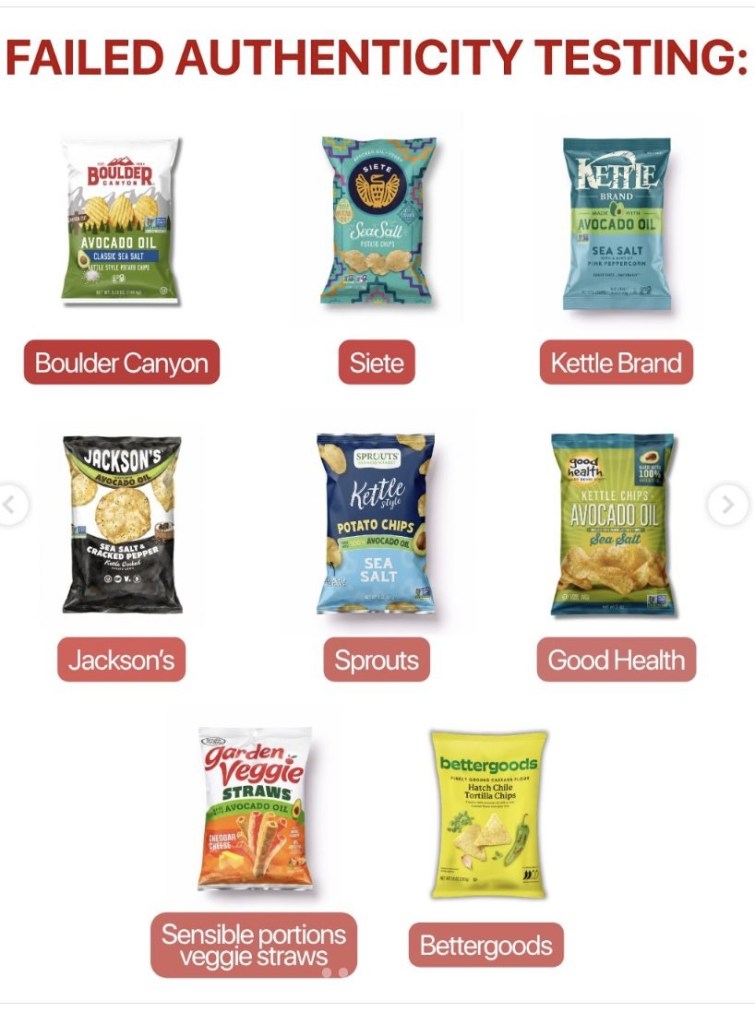
    These are my salty, crunchy obsession. Made from cassava or almond flour, they are grain-free, super crispy, and come in amazing flavors (the sea salt elite). I pair them with guacamole or just eat them straight. Plus they are made with avocado oil— no seed oils in sight! Zero guilt, big satisfaction.

    Masa Chips
    Another chip win—thicker, with that perfect corn-like taste but usually cleaner ingredients. They feel more “traditional” while still fitting my no-gluten, no-junk preferences.

    Honey Mamas Chocolate Bars
    If you have not tried these, you are missing out. They are raw, honey-sweetened, and packed with coconut and cacao. The texture is fudgy and rich, and they melt in your mouth. I break off a half for my espresso during an our “coffee date“.

    • Dried Fruit
    Mango, pineapple, even apple chips —whatever looks good. I love the natural chew and sweetness. But I also just love fruit and the sweetness and charcuterie vibe of dried figs or dates is too intoxicating to not indulge.

    Enjoy Life Chocolate Chips
    These are my secret weapon for “I need chocolate right now” moments. They are allergen-friendly (no dairy, no soy, no nuts if you get the right ones), and I like to either eat them by the handful or pick at them throughout the day while I keep them under my laptop.

    I do not eat bowls of cereal — I literally just stick my hand into this delicious mixture and enjoy!

    The key for me is choosing snacks that are light, but nutritious and not overly processed. These options keep my skin clear, my digestion happy, and my energy high enough to keep working out. I am not worried about “ruining” my next video because I know I am fueling with foods that love me back.

    I have learned that balance looks different for everyone. For me, it is strict during the week so I can play on the weekends—without shame or spreadsheets. Food is joy. Cooking (half-naked) is joy. Sharing it with my boyfriend is joy. And these snacks let me keep all of that while still feeling confident and strong in my body.

  • Beef Tallow: The Timeless Fat Making a Modern Comeback

    Beef Tallow: The Timeless Fat Making a Modern Comeback

    In a world obsessed with the latest superfoods and wellness trends, sometimes the best ingredients are the oldest ones. Beef tallow—rendered beef fat—has been used for centuries in cooking, skincare, and household goods. Today, it is experiencing a resurgence as people seek natural, stable alternatives to highly processed seed oils. Whether you are a home cook, skincare enthusiast, or simply curious about traditional fats, beef tallow deserves a spot in your pantry (and maybe your beauty routine).

    Beef tallow is the rendered (melted and purified) fat from beef, typically from suet (the hard fat around the kidneys and loins) or trimmings. When rendered properly, it becomes a creamy, white-to-pale-yellow solid at room temperature that melts easily for cooking.

    Its fatty acid profile includes a mix of saturated fats (like palmitic and stearic acid), monounsaturated fats (like oleic acid), and some polyunsaturated fats. It also naturally contains fat-soluble vitamins A, D, E, and K, especially when sourced from grass-fed cattle.

    Before vegetable oils dominated supermarket shelves in the 20th century, tallow was a kitchen staple. Ancient Egyptians, Greeks, and Romans used it for skincare and soaps. Traditional cooks relied on it for frying, baking, and preserving food due to its stability.

    Fast food chains like McDonald’s famously fried French fries in beef tallow until the 1990s for superior flavor and crispiness. Sounds amazing, right?!  Now, as concerns about ultra-processed oils grow, tallow is back on menus and in home kitchens.

    A tablespoon of beef tallow provides about 115 calories, mostly from fat. It is stable at high heat and contains no trans fats when rendered cleanly. Grass-fed versions offer more conjugated linoleic acid (CLA) and vitamins.

    Potential benefits:

    • High smoke point (around 400°F/204°C), making it excellent for frying without breaking down into harmful compounds.
    • Rich flavor that enhances savory dishes.
    • May support skin barrier function when used topically due to fatty acids. 

    Beef tallow excels in high-heat applications:

    • Frying: Crispy French fries, chicken, or fish and chips with restaurant-quality results.
    • Searing: Perfect crust on steaks or burgers.
    • Roasting: Toss vegetables or potatoes for golden, flavorful sides.
    • Baking: Use in pie crusts, biscuits, or cookies for flakiness and subtle richness.

    It adds a savory depth that vegetable oils cannot match.

    I have not personally tried it (yet ), but tallow’s composition closely mimics human skin oils, making it a popular natural moisturizer. Fans report it helps with dryness, eczema, and even acne for some due to its non-comedogenic properties in pure form. It can be used as a balm, lip moisturizer, or base for DIY soaps and candles. 

    Beef tallow represents a return to whole, traditional foods. It is versatile, flavorful, and nutrient-dense when used thoughtfully. Source it from reputable, grass-fed suppliers for the best quality, and enjoy it as part of a balanced diet.

    Whether you are frying up dinner or soothing dry skin, this “liquid gold” might just become your new kitchen (and bathroom) essential. 

  • Making A Snack is a Small Win:  Why I Would Rather Tremble Than Sit

    Making A Snack is a Small Win: Why I Would Rather Tremble Than Sit

    Every single day that I drag my ass through a physical therapy workout—and weekends too—I earn this one stupid, glorious ritual. It is not some Instagram-perfect thing (although I definitely try to make it as such). It is me, alone in my kitchen in the afternoon, slicing up a crisp apple/pear, then drowning it in thick, creamy mixed nut butter (Nuttzo). Spoonfuls. Fingerfuls. Straight-from-the-jar licks that leave my tongue sticky and my soul satisfied in a way no proper dinner ever could (my boyfriend loves when I go through an entire jar in one week/ask him to buy me more).

    But there is a catch—the part nobody sees, the part that turns this “reward” into a full-contact sport: I have to stand up and get the damn bowl first.

    I used to play it safe. I took dishes from the dishwasher only. Staying planted in my chair like a queen on her throne, never risking the wobble. Grab what I need without ever testing gravity. Easy. Predictable. Cowardly as hell. My body had already betrayed me enough; why invite more drama? I would tell myself it was smart. Strategic. But it was fear wearing a productivity mask.

    Not anymore.

    I crave the hard way. I need it. Standing on my own two feet—literally—feels like flipping off every limitation my recovery tried to slap on me. Because recovery is not a straight line or a cute little progress chart. Sometimes it is me making things way more complicated than it has to be, just to prove I still can. Just to remind the universe (and my own nervous system) that I am not done fighting.

    So here is how the ritual goes down:

    I wheel my chair up to the cabinet, perfectly parallel. Doors flung open—top two, still seated, no heroics yet. My fingers slide onto the top shelf while my thumb hooks through the bottom doors, creating this weird, improvised harness. The shelf becomes my lifeline. My crutch. My middle finger to the dizziness that still tries to own me.

    Then the real starts.

    I push up. Slow. Deliberate. Left foot always betrays me first—lifts clean off the floor because my brain, traitorous as it is, only trusts the right side. It is like my body has a built-in bias: “Right side strong, left side… eh, we’ll see.” Unless I consciously force it, I shift hard left, hips tilting, core screaming. I hover there for a second, half-standing, half-praying, every muscle in my legs and back locked in a death grip.

    Vertical. Finally.

    But I am still white-knuckling the shelf. Not free. Not yet.

    Now comes the money shot: I have to let go.

    My right hand releases. Then reaches deep into the cabinet for those elongated bowls—the big ones that actually hold a proper snack mountain instead of some sad little molehill. My legs start quivering.  I clench everything—glutes, quads, abs, even my goddamn jaw—just to stay upright. My left arm bends up toward my chest like it is trying to hug itself for comfort, sometimes flailing wild like a drunk. One wrong twitch and I am knocking over glasses, plates, the whole fragile ecosystem of my kitchen. Heart pounding. 

    For those three terrifying seconds, I am completely on my own. No shelf. No chair. No safety net. Just me, my shaky legs, and the stubborn refusal to sit back down like the old version of me would have.

    And then—boom—I snag the bowl.

    I drop back into the chair like I just summited Everest, grinning like an idiot, breathing hard, maybe even laughing at how ridiculous it all is. Because it is ridiculous. A grown woman turning a cabinet reach into a high-stakes balance beam routine just to eat fruit and nut butter. But that is the point. That quiver? That tremble is the sound of my body remembering it is still mine. That is recovery screaming, “Look at me, fucker—I stood.”

    The snack tastes better after that. Sweeter. Crunchier. The nut butter hits different when you earned it through actual effort instead of autopilot. I slice the apple, with one hand (and the edges of my counter for stabilizing said apple), into perfect wedges splayed around the edges of the bowl, dollop the butter, then lick the spoon clean and go back for finger scoops straight from the jar because rules are for people who did not just fight gravity and win.

    The snack!

    Every time I do this, I am rewriting the script. The old script said: Protect yourself. Stay small. Don’t risk falling. The new one says: Make it hard. Make it count. Stand anyway.

    Recovery is not always the big, flashy milestones—walking without aids, running a 5K, whatever the highlight reel sells you. Sometimes it is this. A bowl. A snack. A deliberate choice to do the scary thing because the easy way out stopped feeling like living.

    So yeah, I tremble. I wobble. I clench every muscle like my life depends on it (and some days, it kinda feels like it does). But I stand. I reach. I get the fucking bowl.

    And then I sit down and enjoy the hell out of my reward.  Some days I get it all over my clothes as I scoop straight from my lap in a sad attempt of stabilizing the jar and some days it takes me almost an entire hour– simply because I am eating my nut butter whilst parked in the kitchen.

    Ultimately I do not take the shortcut.

    I took the fight.

    And damn, it feels good.

  • Forget Diet Rules: Enjoy Ray Peat’s Nutrient-Rich Approach

    Forget Diet Rules: Enjoy Ray Peat’s Nutrient-Rich Approach

    You know that heavy, bloated, “I just swallowed a brick” feeling after smashing a carb- or protein-loaded meal? Yeah, that is not happening to me anymore. So I ditched the rules and went full “Eat Whatever the Fuck I Want” — and for me, that means going Ray Peat/ paleo.

    This is not some calorie-counting prison or macro-obsessed cult. It is a pro-metabolic, bioenergetic middle finger to the standard “choke down kale” or chicken breasts for every meal bullshit. Basically it is a scientific excuse for me to indulge in my dainty way of enjoying all sorts of goodies. 

    Developed by the late biologist Dr. Ray Peat, it is all about cranking your metabolism, supporting your thyroid, balancing hormones (more progesterone, less estrogen and cortisol chaos), and keeping inflammation down.

    Peat basically said most of our problems — fatigue, stubborn fat, hormonal issues, premature aging — boil down to one thing: a sluggish metabolism. I am 100% on board with that diagnosis.

    The goal is to create a safe, energy-rich environment inside your body with easy-to-digest, nutrient-dense foods that let your cells actually produce energy instead of just being stressed. 

    The Core Rules (that I mostly follow when I feel like it):

    • Carbs are king. Simple sugars from fruit, juice, honey, and sugar. Enough of the “sugar is poison” crowd — I am loading up on orange juice, mangoes, papayas, cherries, melons, ripe berries, and apples. I adore fruits!  Fast fuel, vitamins, minerals, antioxidants. Tastes like victory.
    • Saturated fats over everything. Butter, coconut oil, ghee, full-fat dairy, cocoa butter. Seed oils (canola, soy, sunflower, corn) are straight-up toxic according to Peat. I avoid that industrial sludge (I write about this, here).
    • Smart sources of protein: This is an aspect of my diet that I do not particularly prioritize. I am not some big hulking man   Gelatin, collagen, bone broth, shellfish, oysters, eggs, and dairy. I could see myself enjoying a nice cup of bone broth for lunch. 
    • Dairy is back and might be a new favorite: Milk, cheese, ice cream — preferably full-fat and high quality. Cheese. My new obsession.
    • Root veggies and well-cooked starches. Potatoes, sweet potatoes (I LOVE ME SOME SWEET POTATO!), carrots, squash. Cooked fully so your gut will not throw a tantrum.
    • Coffee, salt, sugar (in reason), and constant fluids. My black espresso still fits. Peat loved it with milk and sugar anyway.
    • Avoid the inflammatory: Most grains, legumes, raw cruciferous veggies,  fatty fish, and all that processed garbage loaded with iron and additives.

    Peat said eat frequently — no fasting, no severe restriction — to keep blood sugar and energy steady. Here is where we clash: I still love fasting and eating like a dainty fairy princess who barely needs calories to look after her man, run the house, and do activaties like Pilates. But I am playing with the Peaty principles because they feel better for me. 

    He wants you eating to appetite, 4-6 times a day, pairing protein with carbs and fat. I love to get these protein and fats in through avocado and nut butters for dipping, but I will never eat more than once a day (plus an evening snack). Plus, he suggests cooking everything well. I will cook most things well… but tartare and sushi still hit my personal menu because rules are suggestions when they taste good.

    People on this way of eating report better energy, thyroid function, digestion, skin, hair, hormones, and way fewer cravings. Ray Peat himself lived to 86, slamming orange juice and ice cream while most diet gurus look like they are one kale smoothie from the grave.

    Critics scream it is”too much sugar,” lacks big clinical trials, and laughs in the face of mainstream advice to avoid sat fat and eat more fiber. I love that part. If the mainstream says it, I am already suspicious.

    It might not work for everyone — dairy issues, specific conditions, etc. Talk to a doctor before you go full rebel, blah blah.

    Bottom line: This is a flexible framework inspired by Peat’s work (raypeat.com has the deep dives). I am not following it like scripture — I am stealing the parts that make me feel alive, energetic, and less bloated while still indulging my sweet tooth (plus I am stealing most of my dietary “rules” from the cavemen— paleo— but with a bit more sweetness). 

    So I stopped feeling weighted down. I would rather feel light, sharp, and fueled by fruit, ice cream, and spite.

  • My Cringey, Hungry, Blonde Obsession Years

    My Cringey, Hungry, Blonde Obsession Years

    When I was young, I was obsessed with Britney Spears (another basic bitch tendency). I know today she is a total mess, but there was a time when my walls were covered in pictures of her—I was straight-up obsessed with Britney Spears. The one with the flat stomach, tiny outfits, and that “Hit Me Baby One More Time” schoolgirl fantasy that made every pre-teen’s hormones go haywire.

    My bedroom walls were a full-on Britney shrine. Posters from floor to ceiling, magazine cutouts taped up in my closet. I wanted to be her — that perfect blend of innocent and filthy, the girl every guy wanted and every girl secretly envied. People definitely thought I was a lesbian back then. I mean, can you blame them? I was plastering my room with images of a half-naked pop princess. 

    And yes, I took it to the extreme. During the darkest days of my eating disorder, I followed her old workout routine religiously. Twelve hundred sit-ups a day. That was my way of insuring that I was working off every calorie I was forced to eat. No exaggeration. I would lie on my living room floor, starving, counting every crunch while imagining my stomach getting as flat and tight as hers. (Sometimes it would be until two in the morning and then I would be up at six). That kind of obsession is not cute — it is unhinged. But at the time it felt like devotion. Britney was my thinspiration, my goddess, my unattainable fuck-you to my own body.

    Then eighth grade hit and I had a full personality 180. I ditched the pop princess fantasy and became the ultimate “surfer girl.” Still skinny, but not glitzy and glamorous. You know the type — sun-bleached hair, golden skin (spray on tans FTW), that effortless, just-fucked beach vibe. I traded in my old wardrobe for head-to-toe Abercrombie & Fitch and Hollister. I lived in those graphic tees and low-rise jeans that sat dangerously on my hip bones. I wanted to look like I just rolled out of a beach bonfire with sand still in my hair and saltwater on my skin.

    I begged my parents to send me to surfing camp in California. I actually went all the way to Australia chasing that fantasy life. I studied the skinny beach bum girls like they were my new religion — the ones with long, tangled blonde hair, tiny bikini bodies, and that lazy, seductive way they carried themselves. I dyed my hair with platinum blonde streaks and spent hours perfecting the windswept look. I wanted to be the girl guys stared at while I walked down the beach carrying a surfboard, all tan legs and collarbones. 

    This was right in the middle of my most extreme anorexic era, too. The thinner I got, the better my “surfer girl” costume fit. My hip bones jutted out, my thighs did not touch, and my stomach was concave enough to make those Abercrombie shorts hang just right. I was starving myself into the aesthetic. Every wave I caught, every mile I ran, every skipped meal was part of the transformation. I was not just playing dress-up — I was trying to disappear into this fantasy version of myself: blonde, effortless, desired, and dangerously thin.

    Looking back, it was wild how seamlessly I went from worshipping Britney’s polished, sexy pop-star body to chasing the raw, sun-drenched, barely-there surfer chick fantasy. Both versions of me were starving — literally and figuratively — for the same thing: to be wanted. To be the fantasy. To be the girl that made people lose their minds a little.

    I chased that high hard. From bedroom Britney dances to riding waves, bleaching my hair until it snapped, and counting every single sit-up like it would bring me closer to perfection.

    Those years were intense, messy, desperate for attention, and strangely formative.

  • Organically Made

    Organically Made

    You all know that I am obsessed with organic foods. My distrust of the food industry runs deep—processed junk loaded with seed oils, additives, and mystery chemicals that wreck our metabolism, hormones, and energy. I believe in choosing clean, supportive fuel that helps our bodies thrive rather than fight constantly. Today, I want to apply that same scrutiny to everything I put in or on my body.

    But clothes? For the longest time, I gave them a pass. Sure, I knew polyester was basically plastic—petroleum-derived trash that is cheap to produce and insanely profitable for brands. They just slap a high price tag on something made from recycled water bottles while our skin pays the real cost. (Hence why I never bought into recycling!)

    I understood it traps heat, does not breathe, and sheds microplastics everywhere. But I shrugged it off. I was always a fashionista at heart. As long as I looked good for pictures, I did not care about what I was doing to my health. Until recently.
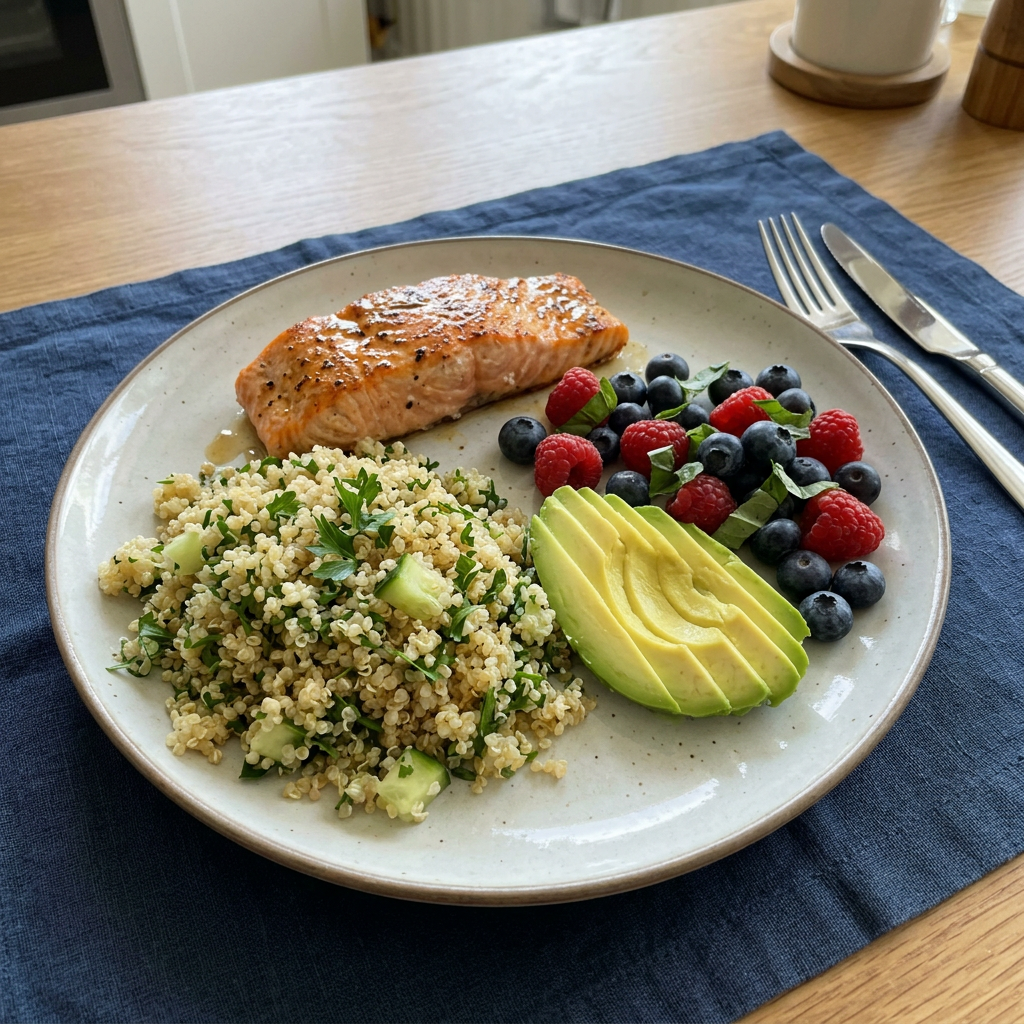
    Polyester (and its synthetic counterparts like nylon, spandex, and acrylic) is not just uncomfortable. It is problematic for health, especially hormones. These fabrics are loaded with or treated using endocrine-disrupting chemicals: phthalates, BPA, antimony, PFAS “forever chemicals,” and more. When you sweat, move, or just wear them all day, these can leach onto your skin and get absorbed, especially during workouts or in warm conditions.

    They mimic estrogen, mess with thyroid function, progesterone balance, fertility, and more. Microplastics shed with every wash and wear (hundreds of thousands per load) end up in our water, air, dust, and eventually our bodies. Research links this chronic exposure to inflammation, metabolic issues, and hormonal chaos—the exact opposite of the pro-metabolic, high-energy life I am going for.

    It is the clothing version of eating ultra-processed junk. Brands love it because it is dirt cheap and durable in a “will not biodegrade for 200+ years” kind of way. We are literally strapping plastic to our bodies for convenience and aesthetics.

    I used to roll my eyes at hemp, organic cotton, linen, and similar natural fabrics. They screamed crunchy granola, hipster vibes—flowy dresses, scratchy textures, and overpriced “ethical” lines that felt more performative than practical.

    Until now.

    After digging deeper (and begging my boyfriend to let me try some pieces), I get it. These are not hippie relics; they are superior, science-backed upgrades that align perfectly with a distrust-the-industry, body-honoring lifestyle.

    • Hemp: Incredibly durable (stronger and longer-lasting than cotton), naturally antimicrobial and UV-protective, breathable, and softens with wear. It requires minimal water/pesticides to grow, improves soil, and is biodegradable. Feels cooling and fresh—perfect for everyday wear without the plastic sweat-trap.
    • Organic Cotton: Soft, hypoallergenic, breathable. No toxic pesticides or GMOs like conventional cotton. Gentle on sensitive skin and does not hold onto odors or bacteria like synthetics.
    • Linen (from flax): The ultimate summer fabric—highly breathable, moisture-wicking, and antibacterial. It gets softer over time and has a beautiful, lived-in drape that looks effortlessly chic now, not dated.

    These fabrics support your body’s natural regulation: better temperature control, less irritation, no chemical leaching. They biodegrade instead of polluting forever. And once you experience how they feel—light, non-clingy, skin-friendly—you will never go back.

    This doesn’t mean overnight wardrobe overhaul or spending thousands.

    Start small— like making sure your loungewear and whatever you spend most time wearing is natural. Read labels!  I will no longer have my man buy me a date outfit that is made of plastic no matter how cute (because it will make me cold and uncomfortable), but I still wear leggings every day for my workouts so we have work to do!

    It feels empowering, just like choosing ripe fruit, fresh dairy, and avoiding PUFAs. Your skin, hormones, and peace of mind will thank you.

  • My Passion for Nutrition (pt. 3)

    My Passion for Nutrition (pt. 3)

    “Drink more water!” is solid advice, but the full story of staying hydrated is far more nuanced and fascinating than simply filling up a bottle and chugging it down.

    Your body is roughly 60% water, with your brain, heart, lungs, and muscles relying on a balance to function. Yet many people miss the mark by focusing only on volume while overlooking how the body actually absorbs and uses that water.

    True hydration is not just about quenching thirst—it is about delivering moisture to every cell, organ, and system efficiently. And that process depends heavily on electrolytes.

    Contrary to popular belief, simply drinking large amounts of plain water is not the most effective way to hydrate your entire body. Water from beverages primarily satisfies your tummy and immediate thirst signals, but it can pass through your system quickly without fully going into tissues if the right supporting minerals are not present.

    (Think of it like trying to water a garden with a hose but no proper soil or nutrients—the water might run off instead of nourishing the roots.)

    Instead, a significant portion of our daily hydration actually comes from the foods we eat, particularly water-rich fruits and vegetables. Cucumbers (ew), watermelon (ew), oranges, spinach, strawberries, celery (ew), and tomatoes are all examples. These foods deliver water along with natural electrolytes, vitamins, and fiber, allowing for better absorption and retention. This food-based hydration is gentler and more sustained than liquid alone.

    Electrolytes—primarily sodium, potassium, magnesium, and calcium—are essential minerals that carry an electric charge. They regulate fluid movement in and out of cells, support nerve impulses, muscle contractions, and pH balance. Without adequate electrolytes, water cannot do its job properly. Your cells essentially use these minerals as “gatekeepers” to pull water where it is needed most.

    When electrolyte levels are low (from sweating, stress, exercise, illness, and especially a typical modern diet), drinking plain water can lead to a phenomenon sometimes described as “cascading” through the body rather than deeply hydrating it. In extreme cases, overdoing plain water without electrolytes can dilute blood sodium levels, leading to symptoms like fatigue, headaches, muscle cramps, or brain fog. This is why athletes, people in hot climates, or those on low-carb/keto diets (speaking from personal experience here!) often feel dramatically better when they add electrolytes rather than just increasing water intake.

    Chugging large quantities of plain water in one go is a bit like waterboarding your digestive system—it overwhelms your stomach and kidneys without providing balanced support for the rest of your body. Your kidneys can only process so much fluid at once, and excess water without electrolytes gets peed out quickly, taking some valuable minerals with it. This can leave you feeling bloated or still dehydrated.

    The smarter approach is consistent, balanced intake throughout the day. Sip water steadily, pair it with electrolyte sources, and incorporate hydrating foods. This method supports better absorption, sustained energy, clearer thinking, glowing skin, and improved physical performance.

    Thankfully, getting electrolytes does not have to be boring or clinical. Nature provides plenty of yummy potassium-rich foods: avocados, bananas, sweet potatoes, and leafy greens., magnesium sources: nuts, seeds, dark chocolate, and pumpkin seeds, sodium: pinch of high-quality sea salt or Himalayan salt in your water or meals (especially if you sweat a lot or eat very clean).

    For ease, many people turn to quality electrolyte supplements. My man started getting me LMNT packets, and they have become a game-changer for my daily workouts. The lemonade flavor is my absolute favorite—tart, refreshing, and perfectly balanced without any junk. Or maybe you want a morning Jolly-Rancher-like drink— try the Watermelon or Raspberry (they both literally taste like sucking on candy!) I mix it into mineral water, and the combination is delicious.

    There is something luxurious about the fizz; it feels like a sophisticated treat, reminiscent of sipping champagne or San Pellegrino on a sunny afternoon. The bubbles make it extra enjoyable, turning hydration into something I actually look forward to. He also got me a machine for making my own bubbly water at home using filtered non-fluoride water (I want to try making bubbly coffee with it!)

    Bubbly mineral waters naturally contain trace minerals too, so pairing them with a good electrolyte mix elevates both taste and function. Whether you are post-workout, recovering from a long day, or just starting your morning, this combo keeps me feeling energized and balanced.

    Proper hydration with electrolytes is not about restriction or rigid rules. It is about listening to your body and giving it what it truly needs to thrive. When you get the balance right, the benefits show up everywhere: better focus, steadier mood, stronger workouts, and even improved sleep.

    Staying hydrated is one of the simplest/most powerful things you can do for your health. By shifting from “just drink more water” to a thoughtful approach that honors electrolytes and whole foods, you can experience deeper, more effective hydration.
  • From Sugar Baby to Trad. Wife:

    From Sugar Baby to Trad. Wife:

    I will say it out loud, no shame: I used to want to be a full-on Sugar Baby. Not the cheap fantasy version you see online, but the real thing—pampered, polished, and possessed by a man who could afford to keep me dripping in luxury and attention. I was never on Seeking Arrangements or any of those sites, but when I got really sick, that dream became my secret lifeline. While my body was failing me, my mind was busy painting a future where I was not disabled anymore. I imagined myself as this feminine goddess: luscious long hair cascading down my back, completely hairless and smooth everywhere that mattered, skinny, full makeup—the whole package. The kind of girl men could not look away from.

    I joined a private Facebook group full of girls who knew exactly how to weaponize their femininity. They taught me how to dress, how to move, how to speak, how to flirt with power and money. Every post, every tip, every “how to make him obsessed” thread lit a fire under me. It gave me something to fight for on the worst days. While I was stuck in a wheelchair, I was mentally rehearsing the version of me that would turn heads and drain wallets. I wanted to be noticed. I wanted to be admired. Craved. Spoiled. Chosen. Deep down, I did not feel worthy of any of it yet—but that fantasy made me believe I could be.

    And then… it actually happened.

    When we first connected on Twitter (yes, Twitter, before Elon Musk saved us with X) the sugar baby lifestyle was all that I hoped for and I absolutely was not looking for anything real. Commitment? Hard pass. Feelings? Too risky. But attention and shiny new toys? Those I could handle. So that was what I settled for. I strung him along, playing it cool, dropping hints about what I wanted without ever sounding desperate. He read between the lines perfectly.

    He knew the game from the jump. I gave him a PO Box instead of my real address at first—safety first,—and every single week, like clockwork, a new package would show up. AirPods? Delivered with a cheeky video of him on the Apple website ordering them while I was lounging in Cabo, both of us convinced our flirty Twitter phase was fizzling out. A Pretty Woman DVD (yes, an actual physical DVD, the man has taste and nostalgia). Barstool Sports gear for days because we bonded hard over the unfiltered sports talk that made us both laugh like idiots. He spoiled me rotten, and I let him. No guilt. No apologies.

    Every girl should experience sugar baby vibes at least once. There is something powerfully feminine about being pursued, pampered, and provided for while you keep your little heart in a little locked box. The hundred-dollar Venmos, the surprise drops, the thrill of knowing he is thinking about you every time he swipes his card—it is intoxicating. It is not just about the stuff. It is the power dynamic. The way it makes you feel desired, expensive, worth the chase.

    But then it got real. 

    The constant contact—the good-morning texts, the voice notes that made me smirk in public, the weekends that turned into three hour-long FaceTime coffee dates—started cracking my walls. What began as “he buys me things, I give him attention” slowly became I can’t quit him. The sugar daddy arrangement was the gateway drug, but the real addiction was him. His humor. His voice. The way he matched my chaotic energy and then some.

    Now? He still pays my bills. No more random Venmos, but the support is deeper, steadier, sexier in its reliability. He is not just a sugar daddy anymore—he is my man. My love. My favorite person on the planet.

    Yet those Baby and Daddy vibes? They never left. They evolved into something deliciously playful and immature that keeps the spark filthy and fun.

    We act like absolute children together. The kind of childish that involves wrestling over the remote (when we are physically together), ridiculous nicknames, and the kind of uncontrollable laughter that turns into happy tears and breathless squeals. I have never laughed as hard in my life as I do with him. The squeals he pulls out of me—they are embarrassing and addictive. When we first started talking, I used to slap my hand over my mouth— hiding my crooked smile from his view. We are talking full-on belly laughs that leave my abs sore and my face hurting. Pure, unfiltered joy. The man makes me happy in a way I did not know was possible. The kind of happy that makes you glow, that makes everyone side-eye you like, “Who the hell are you right now?”

    There is something profoundly hot about a relationship that can go from “Daddy’s spoiling his baby” to deep, soul-quenching love without losing the playfulness. The power exchange is still there. He provides, I tease. He leads, I challenge. He has me feeling both safe and completely unraveled.  A feeling I never expected. I thought that I would be the other woman. Or a sugar baby. Not the main event. 

    So if a man is willing to show up for you like that—financially, emotionally, playfully—do not be afraid to lean in. Sugar baby energy is not about being shallow; it is about knowing your worth and letting someone prove they can match it. And when the gifts turn into genuine love, when the “arrangement” becomes “forever,” it hits different. Deeper. Wetter. Louder.

    I went from stringing him along with a PO Box to being completely, stupidly in love with the man who still makes me feel like the most spoiled and cherished woman alive—went from a sick girl who did not feel worthy of being looked at to the woman who gets spoiled, and loved so intensely/passionately it leaves me ruined for anyone else.

    And those squeals? They are just getting started.

  • Stop Romanticizing the Past: Embrace Today

    Stop Romanticizing the Past: Embrace Today

    We have all heard it. We have all said it. “Man, things were better back then.” People are always yearning for the good old days—start appreciating everything today:

    Nostalgia is not a memory—it is a seductive liar.

    It edits out the bad.

    The ugly.

    We airbrush the boredom, the limited choices, the untreated depression, the rotten teeth (yay for healthcare!) and the way information trickled so slowly that ignorance felt like wisdom. I kind of do wish we ladies were still dumb, though… I rely more on my man to know what is going on in the world so that I can just be delulu about things.

    And while we are busy pining for that heavily filtered past, the actual miracles are all around us right now. We are living in the most abundant, connected, opportunistic era in human history, and most of us are too busy doom-scrolling and whining to notice.

    Technology seems to be sprinting. AI that writes better essays than most college students. Instant access to the entire library of human knowledge in your pocket. You can video call your grandmother on another continent while ordering takeout that arrives piping hot. And still, people scroll past miracles to complain that their coffee order took four minutes instead of three.

    This change terrifies people. It always has. That is why every generation thinks the next one is doomed. But here is my hot take: your nostalgia is a coping mechanism for your fear of the unknown. It is easier to idealize 1997 than confront 2026. People are afraid. What is going to happen tomorrow or next month?

    It seems easier to romanticize rotary phones than master and learn the new tools.

    Stop yearning. Start appreciating—aggressively.

    The secret is not in the past. It is in the lens. Shift it—or stay miserable.

    Look at your smartphone not as a distraction device but as a doorway for wonder. With it, you can learn a language in weeks, watch a live surgery in Tokyo, or hear the voice of someone who died decades ago (I know… Creepy.) We treat these luxuries like it is normal. It is not. It is insane.

    We find food in our grocery stores from every corner of the world. Planes and automobiles have actually united us. We consume other cultures and cuisines. This is the true meaning of America.

    Surgery and modern medicine (despite its faults) make it absolutely insane to continue complaining about the small aches and pains. Some of us do not even walk; are you really going to cry about a hangnail?

    The internet has also demolished geographic and social barriers. You can meet your person- someone who actually matches your weird frequency- instead of settling for the least awful option within a 10-mile radius. I personally would despise settling down with someone from around here. The old days had arranged marriages and shotgun weddings. We now have sad dating apps and yes, we rate each other based on our looks. So yes, trade-offs exist, but pretending the past was pure romance is historical fan-fiction.

    In a culture addicted to outrage and comparison, choosing to appreciate the present is rebellious. It is punk rock. It flips off the algorithm that profits from dissatisfaction. People really do love to complain, criticize, and comment.

    Essentially, the world is blossoming with possibility while you are staring at old yearbooks. One thing that has always bothered me is that most of our bodies are a biological marvel capable of running, dancing, orgasming, and healing—and yet people are mad about theirs not looking like a filtered influencer. It is called do something about it—if a disabled girl can lose more than one hundred pounds, you can do anything. The body is truly a marvel.

    The mind is too.
    Your mind can comprehend quantum physics (or silly girly things—like writing a blog!) and write love poems, yet you use it to relive 2008 politics.

    The good old days are a trap. They keep you small, bitter, and blind to the abundance screaming for your attention. Every moment you spend mourning a myth is a moment stolen from building something better.

    The world is changing so fast that if you blink too long in nostalgia, you will miss the best parts of being alive right here, right now. The coffee is hot. The internet works—until the power goes out, because living in the woods is great. Your heart is beating. The future is wide open.

    Appreciate it all—fiercely, obnoxiously, unapologetically.

    Or keep complaining. The past will not care, and the present will keep delivering miracles whether you notice them or not.

    The choice is yours. But only one of them feels like living.

  • The Princess Within: Embracing My Damsel in Distress Heart

    The Princess Within: Embracing My Damsel in Distress Heart

    From the moment I could dream, I wanted to be a princess. Not just any princess—This was not a fleeting childhood whim; it was the quiet heartbeat of my entire life. Even now, as an adult, that little girl inside me still looks at the world through tinted glasses. She hopes for magic and rescue. She dreams of a love that feels like it was written in the stars.

    Ever since I was a little girl, fairy tales were never just bedtime stories. They were blueprints for how life should feel. I grew up listening to different princess stories than you. I mean every culture has its own rendition of Cinderella, Sleeping Beauty, and Snow White. I devoured these stories. I was captivated by the princesses’ grace under pressure. Their kindness eventually led to their happily ever afters. I did not just want the happy ending; I wanted the entire experience. I longed for the gentle spoiling by a doting prince (and life itself). I yearned for the soft protection from the world’s harsher realities. I craved that undeniable sense of being seen and valued.

    I craved being spoiled by life in the sweetest ways. Surprise flowers would delight me. Someone remembering my favorite coffee order on a bad day would lift my spirits. I cherished simply feeling like the universe had my back. Beside my desire for abundance and delight, I also deeply wanted to be saved. I longed to be rescued from sadness and loneliness. I yearned to escape the weight of carrying everything alone. I wanted arms that would wrap around me and say, “You don’t have to be strong right now. I got you.”

    This is not about laziness or entitlement. It is about yearning for a softer existence. One where my vulnerability is met with strength and my sensitivity is celebrated rather than criticized.

    Of course, every good fairytale needs its villain, right? In my story, my cousin first played that role. I affectionately refer to her as my “evil stepsister.” Growing up, her teasing and bullying left deep marks on my young heart. She was seemingly perfect and she made sure I knew that I was not perfect. Her actions portrayed her as the ideal antagonist in my personal fairytale. I continued to question my worth throughout my life because of it. 

    Essentially, those experiences did not break me—they shaped me. They reinforced my identity as the misunderstood princess waiting for her turning point. I learned to retreat into my imagination, where I could be graceful and worthy instead of awkward and overlooked. I built emotional walls disguised as daydreams. I always held out hope that one day my real story would begin. To this day, my mother loves to tell me that I live in lala land. 

    Looking back, I see how that dynamic taught me resilience, even if it hurt at the time. But it also cemented something deeper: my tendency to frame my entire life around the “damsel in distress” archetype. (Thank you Pretty Woman!)

    I have basically organized my whole existence around this identity, and I am finally okay admitting it. I love romance that feels epic. I adore knights in shining armor who make me feel protected and adored. I thrive when life offers little sadness and provides moments of pampering. But unfortunately it is  not all sparkle and glass slippers. It means I feel emotions intensely—joy like fireworks, sadness like storms.

    I have had moments where I wondered if this part of me was too much. I have turned to my boyfriend with wide eyes and asked, “Am I simply too much?” His responses have been patient and loving. They remind me that wanting to feel cherished is not a flaw—it is a feature. I am not terribly spoiled. I do not demand the impossible or throw tantrums when things do not go my way. I just carry this princess heart. It believes life can be kinder. Relationships can be more. I deserve to be treated with tenderness.

    This identity has influenced my career choices (or lack thereof), my friendships, and especially my romantic life. I seek connections where I can be soft without being seen as weak. I want to give my all to someone who sees my sensitivity as a gift, not a burden. And yes, I still believe in being saved sometimes. It is not because I am helpless. It is because partnership should include lifting each other up.  And I know that I inspire/ motivate him.

    The older I get, the more I realize that being a princess does not mean waiting in a tower forever. It means wearing the crown despite the life limitations that are around me. 

    I still want the magic. I still hope for grand gestures and quiet moments of being adored. But I am also writing my own story now. In this story, the princess has agency—does not just lay down. She attracts people who match her energy rather than just rescue her from it. 

    So here I am—still that little girl at heart, but with bigger dreams and a stronger sense of self. Proving that wanting softness in a hard world is not weakness and craving love that feels protective and spoiling is not childish.

    Life has not always been a fairytale, but I am learning to create the chapters I always wanted. And who knows? Maybe my prince is already here while still leaving room for a little magic.