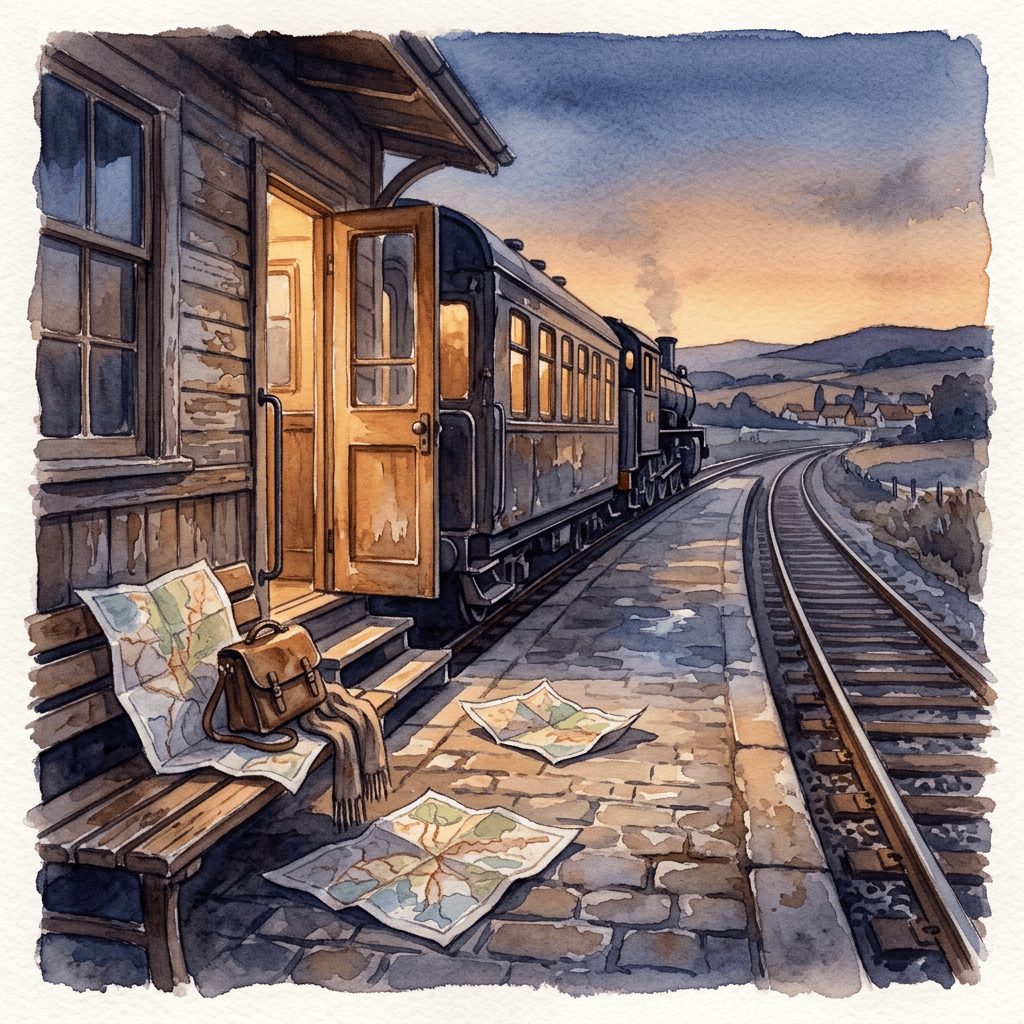
What’s the most spontaneous thing you’ve ever done?
I believe in spontaneity—flying by the seat of your pants. You feel it. Then you do as Nike says and just do it.

There is a particular electricity in deciding before the mind has time to assemble a committee. Before you can overthink. The body knows first. A sudden urge to love someone, take a different road home, to say yes to a last-minute invitation, to start the thing you have been circling for months. Spontaneity is not chaos for its own sake. It is trust that the present moment contains more information than the spreadsheet you made last Tuesday.
Over-planning has its place. Maps are useful. Budgets matter. But when every decision is pre-approved by fear of looking foolish or wasting time, life flattens into a sequence of safe rehearsals. You end up living a well-organized version of someone else’s idea of a good life. The seat of the pants is less dignified and far more honest. It is the part of you that still remembers how to move before it has justified the movement.

Nike’s slogan works because it is almost insultingly simple. “Just Do It” does not promise a perfect outcome. It does not require a five-year vision board (although I make one every year) or a mood board or a detailed risk assessment. It assumes the feeling is already there and that hesitation is the only remaining obstacle. The phrase is a permission slip to act while the spark is still hot.
That spark is fragile. Wait long enough and the inner critic arrives with questions: Is this practical? What will people think? What if it fails? By the time those questions are answered, the original impulse has usually cooled into a memory of something you almost did. Spontaneity is a race against that cooling.
This does not mean every whim deserves obedience. Some impulses are hunger, boredom, or avoidance wearing a costume. The useful distinction is between the cheap thrill and the deeper yes—the one that arrives with certainty rather than a loud craving. You learn the difference by acting often enough to notice the aftermath. Some spontaneous choices leave you lighter. Others teach you what not to do next time. Both are data.
People who live this way collect stories instead of regrets about missed chances. They remember the night they stayed online and met someone who changed their trajectory. They remember booking the ticket before the price went up and before they talked themselves out of it. They remember starting the project on a Tuesday afternoon because the idea would not leave them alone. The planned life can be admirable. The improvised one tends to be more alive.
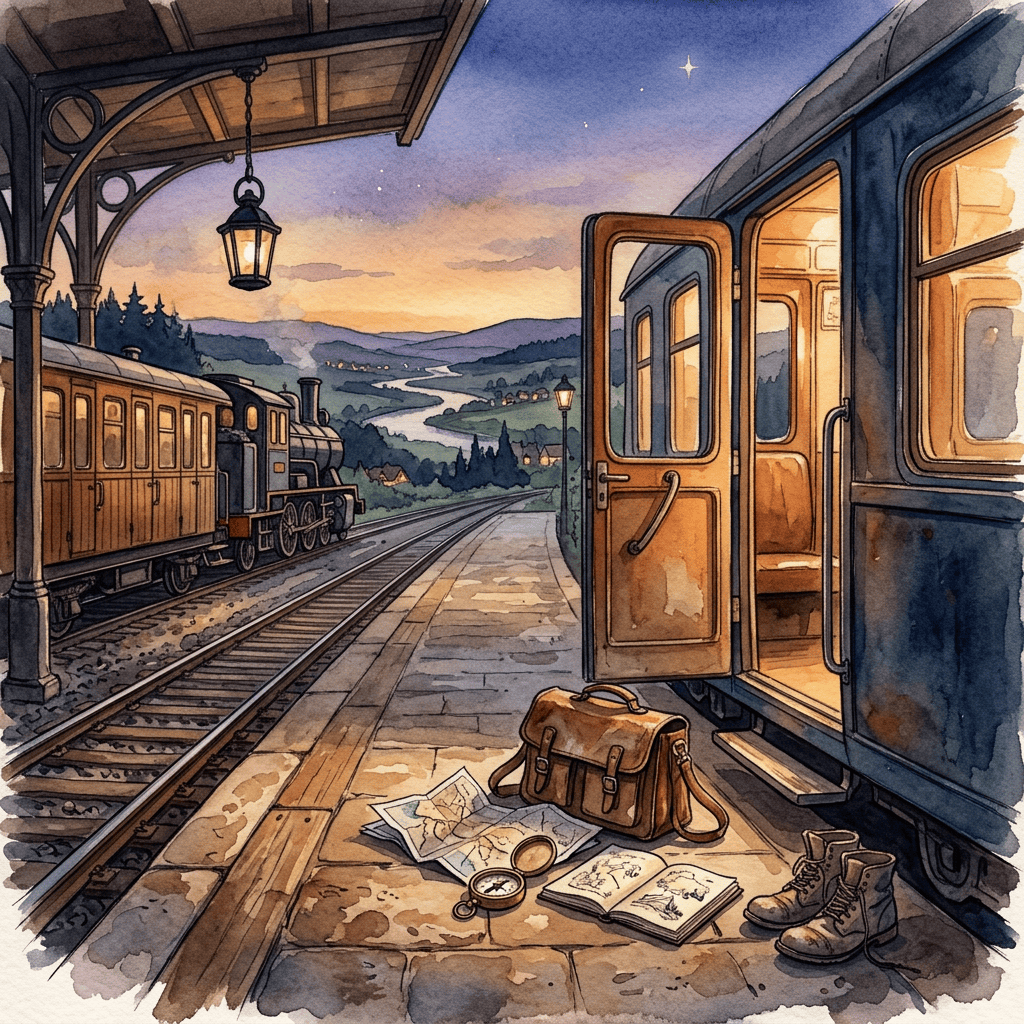
There is also a humility in it. Flying by the seat of your pants admits you do not have the full picture and that you are willing to find out by moving. Perfectionism pretends otherwise. It waits for certainty that never quite arrives. Spontaneity accepts that some of the best decisions look reckless from the outside and inevitable from the inside.
So when the feeling comes—clear, uninvited, a little inconvenient sometimes —treat it as information rather than an interruption. You do not need a manifesto. You need a small act of follow-through. Feel it. Then just do it. The rest of your life writes itself after you start moving.


Leave a comment