
Rewiring the Brain: The Quiet Revolution of Recovery
I keep coming back to this one blogger who writes with raw honesty about his journey out of alcoholism. His words do not preach; they map the territory. Every post reminds me that recovery is not a straight line or a one-size-fits-all checklist. It is deeply personal—yet strangely universal. Whether the wound is psychological or physical, mental or tangible, true healing demands the same fundamental act: rewiring the brain.
Most of us, when something in our body or mind breaks, learn to work around it. We compensate. We avoid. We build elaborate detours so we never have to feel the weakness again. Recovery asks the opposite. It invites us to look directly at the damaged part—liver, dopamine system, self-worth, prefrontal cortex, whatever it is—and declare: This can function perfectly again. Not by magic, but by deliberate, repeated practice.
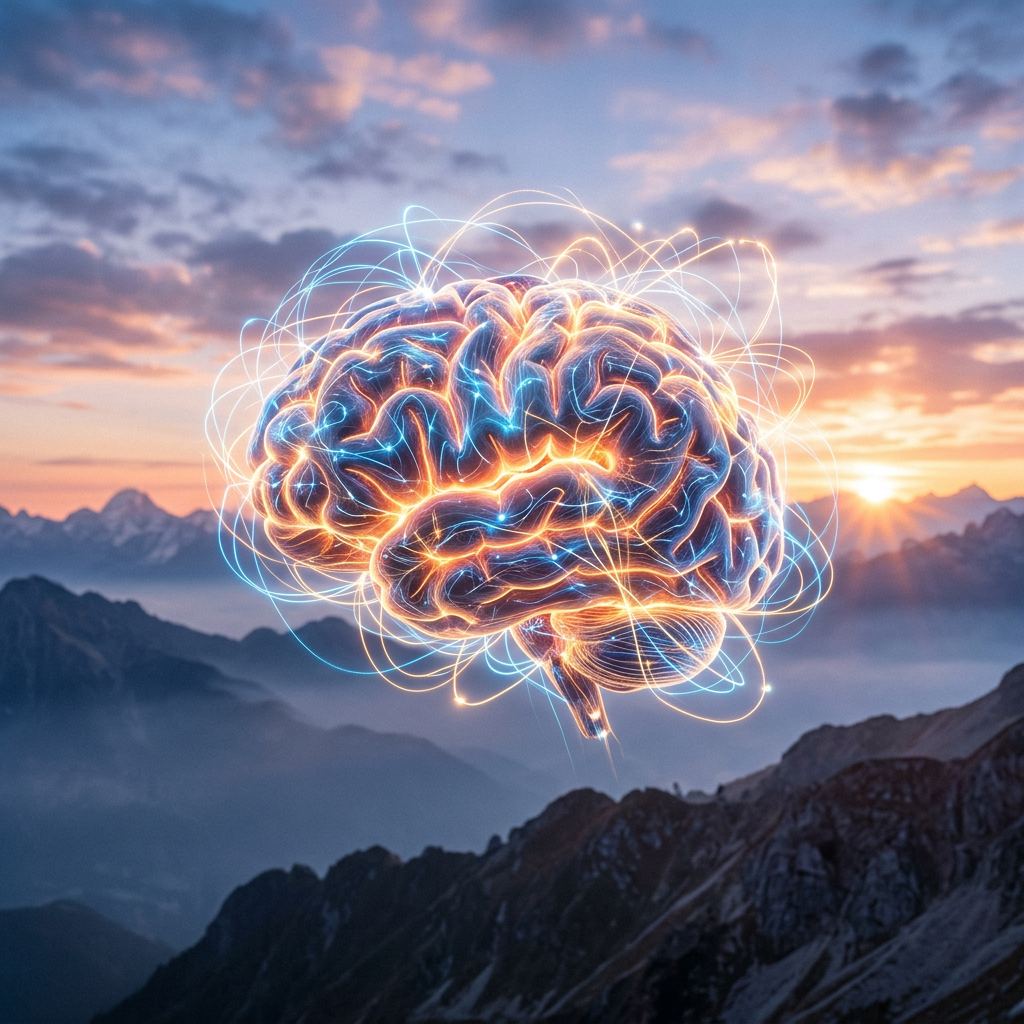
The brain is plastic. Neuroscientists have shown us this for decades now. Every thought, every choice, every reframed story lays down new neural pathways. Old ruts—deep, craving, shame, or despair—do not disappear overnight, but they lose power when we stop feeding them.
In active alcoholism, every minor inconvenience becomes license to drink. Traffic jam? Pour one. Argument? Pour two. Quiet Tuesday night? Might as well. The brain has been trained to treat discomfort as a fire that only ethanol can extinguish.
Recovery means installing a new operating system. You feel the bump, you notice the urge, and then you choose something else. You sit with the discomfort long enough for it to pass. You call a (boy)friend. You walk. You journal. You pray. You do anything except hand the wheel back to the old habit. Over months and years, the brain stops defaulting to the bottle. The neural highway to numbness grows over with grass while a smoother, healthier route gets paved.

My own history with disordered eating taught me a parallel lesson. Food had been weaponized—something to withhold when I felt unworthy, or to binge on when emotions overwhelmed me. Recovery required the radical act of neutralizing food.
Food is fuel. It is nourishment. It is information for your cells. Nothing more, nothing less.
I had to train my brain to stop assigning moral value to calories or macros. No food is “bad.” No day is “ruined” because I ate a cookie. The cookie is just a cookie (and I love cookies). The real victory was watching my nervous system calm down around meals. The old panic circuits quieted. Satiety signals started working again. My body and mind began to trust each other.
Some of us carry brain injuries that are not from substances at all—trauma, depression, chronic stress, concussions, strokes or even accidents. These conditions wire the brain toward threat detection, rumination, and bleak forecasts. Recovery here looks like gentle, persistent cognitive retraining.
You catch the automatic negative thought (“Everything always goes wrong for me”) and offer a more balanced alternative (“This is hard, but I’ve handled hard before”). You practice gratitude not as toxic positivity, but as data collection: What actually went well today? You expose yourself to small, manageable challenges and prove to your nervous system that safety is possible. Little by little, the default setting shifts from “scan for danger” to “notice what’s working.”
At their core, most addictions begin as something beautiful gone wrong. Alcohol was meant for celebration, connection, ritual, and relaxation. Food was meant for pleasure, sustenance, and community. Sex, gambling, scrolling, shopping—nearly every addictive behavior started as a legitimate human need or joy.
The disease twists celebration into escape, comfort into anesthesia, presence into numbness. Recovery restores the original purpose. You learn to celebrate without substances, soothe without self-destruction, feel without overindulgence. You reclaim the birthright of feeling fully alive.
This is where it gets almost spiritual. Choosing to view life through rose-colored glasses is not denial—it is strategic attention. Your brain has limited bandwidth. What you focus on grows stronger. When you habitually look for the good, the glorious, the tender, the funny, the meaningful, the neural networks for appreciation thicken. The old pathways of catastrophe and craving atrophy from disuse.
It is not that bad things stop happening. They do not. But your relationship to them changes. You stop treating every setback as proof that you are broken or that life is hopeless. You start treating them as data, as teachers, as temporary weather.
One day you realize the cravings are quieter. The shame is softer. Food tastes better. Sunsets hit different. You laugh more easily. You trust yourself more. You show up for your life instead of medicating it away.
That is the miracle of rewiring. You do not just stop the destructive behavior—you become someone who no longer needs it. Someone whose default state is presence, resilience, and wonder.
If you are in recovery—whether from alcohol, food, trauma, depression, or the general ache of being human—know this: your brain is listening. Every time you choose the new way, you are literally building a new you. The old pathways will call to you sometimes. That is okay. Just do not pave them again.
Keep going. The view from the other side is worth every uncomfortable, glorious, rewired step.


Leave a Reply