Tag: eating disorders

  • Curating My X Feed: Choosing Positivity, Personal Beliefs, and the Lifestyle I Crave

    In a world overflowing with noise, division, and endless hot takes, I made a deliberate choice to shape my X (formerly Twitter) experience around what truly matters to me. My entire account is now intentionally curated to reflect my personal beliefs and, above all, to center positivity.

    Smartphone held in hands showing time 07:18 and text Calm & Connected against fiery and smoky background
    A smartphone displaying ‘Calm & Connected’ held amid swirling fire and smoke effects

    I want my feed to uplift, inspire, and align with the kind of life I am actively building—one rooted in growth, joy, healing, and possibility. That does not mean I live in a bubble or ignore reality. It simply means I am protective of my mental and emotional space.

    Yes, I do follow a handful of accounts that could be described as strong Trump supporters—people who sometimes come across as riding the “Trump can do no wrong” wave. I am fully aware of the echo-chamber risk there. I approach them with the same healthy skepticism I apply to sports accounts, news outlets, or any single-source content. I do not take everything at face value, and I cross-reference when something feels off.

    I am not on X primarily for political analysis or to debate policy. I am there to be inundated with feel-good positivity and reminders of the lifestyle I crave—wellness, personal development, meaningful connections, beauty, humor, and inspiration. Those accounts, even with their strong biases, often deliver bursts of optimism, patriotism, or motivational energy that resonate with the uplifting vibe I want more of.

    At the end of the day, social media should serve you—not drain you, enrage you, or pull you into endless negativity loops. I have unfollowed, muted, and blocked enough accounts to create a space that feels like a warm, intentional garden rather than a battlefield.
    Smartphone with an assortment of blooming flowers, greenery, and succulents growing on its screen
    A smartphone displaying a vibrant mix of blooming garden plants and succulents

    My feed is not perfect, and it is not meant to be a complete reflection of the world. It is a reflection of the world I am choosing to create for myself. One post, one follow, and one boundary at a time.

    Some of my favorite social media follows are:
    Smartphone screen showing abstract swirling dark and golden light pattern
    A hand holding a smartphone displaying an abstract swirling light pattern
    •  @PeytonElroy : a wellness and spiritual healing-focused account with over 61,000 followers. Setting a consistent tone of optimism, empowerment, and alternative health perspectives, Peyton posts a mix of personal stories (especially her father’s recent stage 4 colon cancer “healing” journey). and practical health tips (e.g., hibiscus tea for inflammation, dates for heart rhythm stabilization via potassium, broccoli sprouts, blueberries, soursop). I particularly love the spiritual/energy concepts (auras, emotional states influencing physical health, colors affecting energy, the idea that everyone is inherently “spiritual”) and relationship/life advice (e.g., how to stand out when approaching beautiful women by complimenting non-physical traits).The tone is warm, encouraging, and emoji-heavy (lots of hearts, flowers, and green tones). Posts often include disclaimers like “I’m not claiming this cures cancer alone” while sharing strong opinions and anecdotes. Recent content has leaned heavily into cancer discussions—viewing it as inflammation, potentially linked to parasites or trauma, with emphasis on mindset, diet, and natural compounds rather than fear-based conventional narratives (my own personal belief). 
    • @mtnhousewife (Mountain Housewife🏠) is a Christian homemaking and traditional marriage account run by a 41-year-old wife, mother, grandmother (“mimi”), and homemaker.  Her posts promote biblical womanhood, wifely submission, contentment, and practical homemaking. Key themes include: Covenant marriage — Long-term harmony through scriptural roles (e.g., she highlights 42 years of marriage with “no conflict” due to submission as taught in scripture), Christian living — Bible study reflections (e.g., Philippians on contentment), faith encouragement, and church life, Homemaking — Simple recipes and tips (e.g., okra dishes, pimiento cheese). The tone is gentle, grateful, and encouraging, aimed at women seeking traditional roles. She emphasizes joy in submission, building a happy home, and living out a wife’s calling according to Christian principles. Content mixes personal testimony, scripture, practical advice, and light community interaction.
    • Maneesha (@ManeeshaSem) is a popular writer, content creator, and self-described “moonbathing apsarā” (celestial nymph) on X, with over 71,000 followers. @maneeshasem has built a significant following through poetic, feminine, and spiritually infused posts that emphasize beauty, serenity, nervous system regulation, self-love, and creating “paradise on Earth.” Her content blends mysticism, aesthetics, wellness, and gentle life philosophy, often evoking softness, harmony, and divine femininity. She frequently shares visions of serene villas, lush nature, silk robes, self-care rituals (e.g., affirmations, chocolate-covered strawberries, vanilla chai), intentional beauty, and protective auras created by harmonious environments. @maneeshasem posts focus on holding calm energy, avoiding urgency/dysregulation, beauty as spiritual protection, and aligning with cosmic/natural rhythms. 
    • @wolffdew (The Cooking Lady) is a Danish 22-year-old homemaker and from-scratch cooking content creator on X.She shares homemade recipes, cooking videos/processes, meal ideas, and everyday kitchen content with a warm, enthusiastic style. Posts often feature scratch cooking, traditional or comforting dishes, and personal touches as a young married woman. She promotes her two digital cookbooks directly in her bio. The account appeals to fans of simple, authentic home cooking, Scandinavian influences, and lifestyle content from a Gen Z homemaker perspective. It’s positive, food-focused, and interactive, with frequent replies to followers.
    • @amandaperera (Cleopatra 🪷 ✞) is a faith-centered self-improvement and relationship advice account on X with a strong emphasis on personal growth, emotional intelligence, and Christian values. The account mixes inspirational quotes, relationship insights, personal reflections, and calls to subscribe to her newsletter or book 1:1 sessions. It appeals to audiences interested in faith-based personal development, neuroscience-informed emotional health, and mature views on love and identity. Content is positive, relational, and growth-oriented rather than purely dating-strategy focused.This account is warm, empowering, and reflective. Posts often explore:
      • Healthy relationships and love dynamics (e.g., references to Yellowstone’s Rip and Beth as an ideal of a strong man supporting a fiery, intelligent woman; the importance of entering relationships as a “whole” person rather than seeking fulfillment from a partner). 
      • Self-acceptance, authenticity, and resilience (e.g., disagreement as a sign of staying true to yourself; embracing your “weird” side).
      • Faith-first mindset (“Jesus first always”), emotional wholeness, and devotional partnership.al advice, and light community interaction.
    •  @TrinaNuance (Trina Nuance || The Fractional Muse 🌿🌞🌊) is slightly different than my other follows. She is thoughtful writer, coach, and strategist with a philosophical, introspective style focused on personal growth, mindset, entrepreneurship, and human behavior. Trina shares long-form reflections, threads, and insights on: Self-awareness & transformation — Dark night of the soul, breaking self-sabotaging cycles, shifting from external to internal locus of control, and authoring new self-fulfilling prophecies., Parasocial relationships, narrative-building, perception biases, and cultural shifts (e.g., craving analog experiences like handwritten letters).  Her tone is wise, empathetic, and nuanced — often weaving personal experience, client stories, and cultural observations. She positions herself as a bridge between worlds (e.g., founders building in the dark, inner work vs. business goals) with a creative, almost poetic voice. Content resonates with introspective entrepreneurs, creators, and those on personal development journeys. It is more reflective/strategic than purely motivational or tactical.
    • And my kooky health beliefs lead me to accounts like @AlpacaAurelius (Carnivore Aurelius ©🥩 ☀️🦙) a highly popular health, wellness, and lifestyle influencer on X known for promoting carnivore/ancestral diets, natural living, and anti-modern-food messaging.He posts short, punchy advice, memes, book recommendations, and visual comparisons that criticize processed/seed-oil-heavy foods while praising meat, sunlight, walking, and traditional lifestyles. Common themes include: Diet & Nutrition — Strong advocacy for carnivore or nose-to-tail eating, local/farm-fresh produce over industrial options (e.g., local farm strawberries vs. Driscolls), and warnings against “the shit” in modern foods, Lifestyle — Sunlight, movement (walking), positive mindset, and simple joys (e.g., Spain’s longevity linked to meat, olive oil, wine, and activity), Mindset & Philosophy — Anti-worry messages, book lists blending spirituality (Tao Te Ching, Untethered Soul) with self-development and ancestral health (e.g., Nutrition and Physical Degeneration).  The tone is motivational, meme-friendly, contrarian, and humorous, often with a Stoic/Aurelius-inspired flair mixed with bro-science and wellness maximalism. He sells or promotes related products like clean collagen and coffee.

  • My deepest passion is nutrition — but ultimately, it’s all for him

    What are you passionate about?

    He is the prize at the end of the journey. To fully receive that gift and build the life I dream of with him, I have made my health non-negotiable. Nutrition is not just a hobby for me; it is something I can wax poetic about for hours with genuine excitement. I have explored it all — from the MAHA movement (seed oils, fluoride, ultra-processed additives, and all the hidden toxins) to Ray Peat’s principles and everything in between. I have lived the experiments myself: vegan, gluten-free, paleo, keto. I have been underweight and overweight. Through trial and error, I have learned what truly makes the body and mind thrive.

    Bright multicolored heart-shaped light swirl in starry cosmic background
    A glowing, multicolored heart-shaped swirl glimmers vividly in space.

    A brain injury years ago left me with some lasting effects I can be self-conscious about. It does not stop me from loving deeply or building a lasting relationship— as seen in my current form attracting him (thankfully, the “disability” does not seem to bother him at all), but I still carry that quiet desire to show up as my strongest, healthiest self. I want to move through life with ease — for me, and especially for him.

    Currently. Wifely duties from afar.

    Because more than anything, I long to be his perfect little housewife. I can already manage it beautifully with one hand, but two steady hands would let me pour even more love into our home. And yes — almost every girl dreams of the aisle. So I am committed to walking strong, not just so I can hold his hand while we stroll down the street or along the beach, but so I can walk down that damn aisle toward him, radiant and ready for forever.

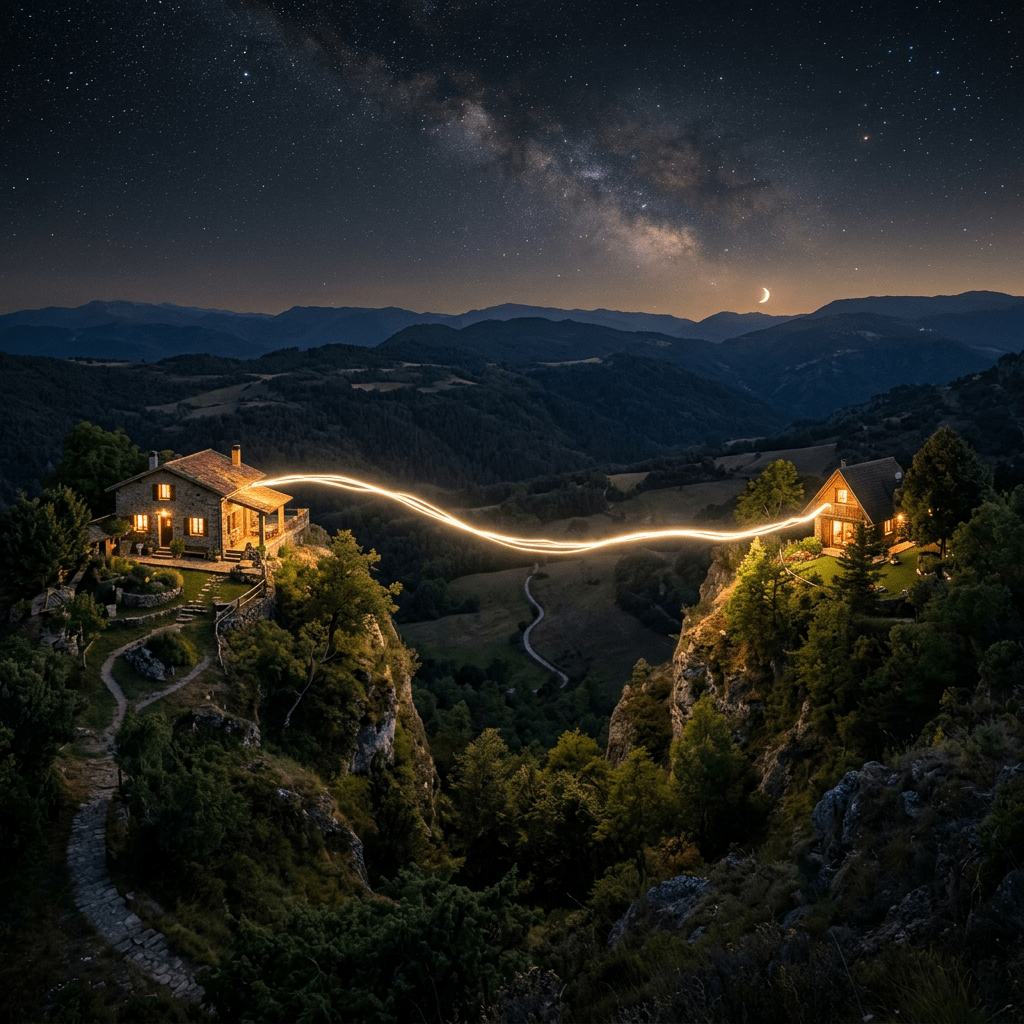
    Two illuminated houses on mountain cliffs linked by a glowing light trail under starry sky
    Love from a Distance.
  • Fasting: A Game Changer for Self-Control and Pleasure

    Fasting: A Game Changer for Self-Control and Pleasure

    I am not exaggerating, and this is not hyperbole: fasting legitimately saved my life.

    I am an all-or-nothing girl. Always have been. That same wired-in extremity that nearly destroyed me with anorexia is the exact thing that is now keeping me thriving. For years I could starve myself into oblivion without blinking. My body knew how to disappear. But here is the twisted part—I love food. Not in a “oh I enjoy a nice salad” way. I am talking deep, carnal, mouth-watering obsession. Decadent, buttery, chocolate-drenched, sprinkle-covered, still-warm-from-the-oven baked goods that make you moan when you bite into them. Yeah, those.

    University was a sad, hollow circus. I was not “enjoying food”—I was scarfing down everything that I would not allow myself to have before. Cabinets stuffed with chips, cookies, chocolate bars, fancy cheeses—anything I could get my hands on—but also chips, ramen and full trays from the dining hall. Whole pizzas and pints of ice cream. It was punishment dressed up as control. I was miserable and secretly dying inside.

    Then I flipped the script.

    Now I eat like a queen on my terms. I worship treats, but I do not let them run my life. I am not some joyless monk. I have boundaries.

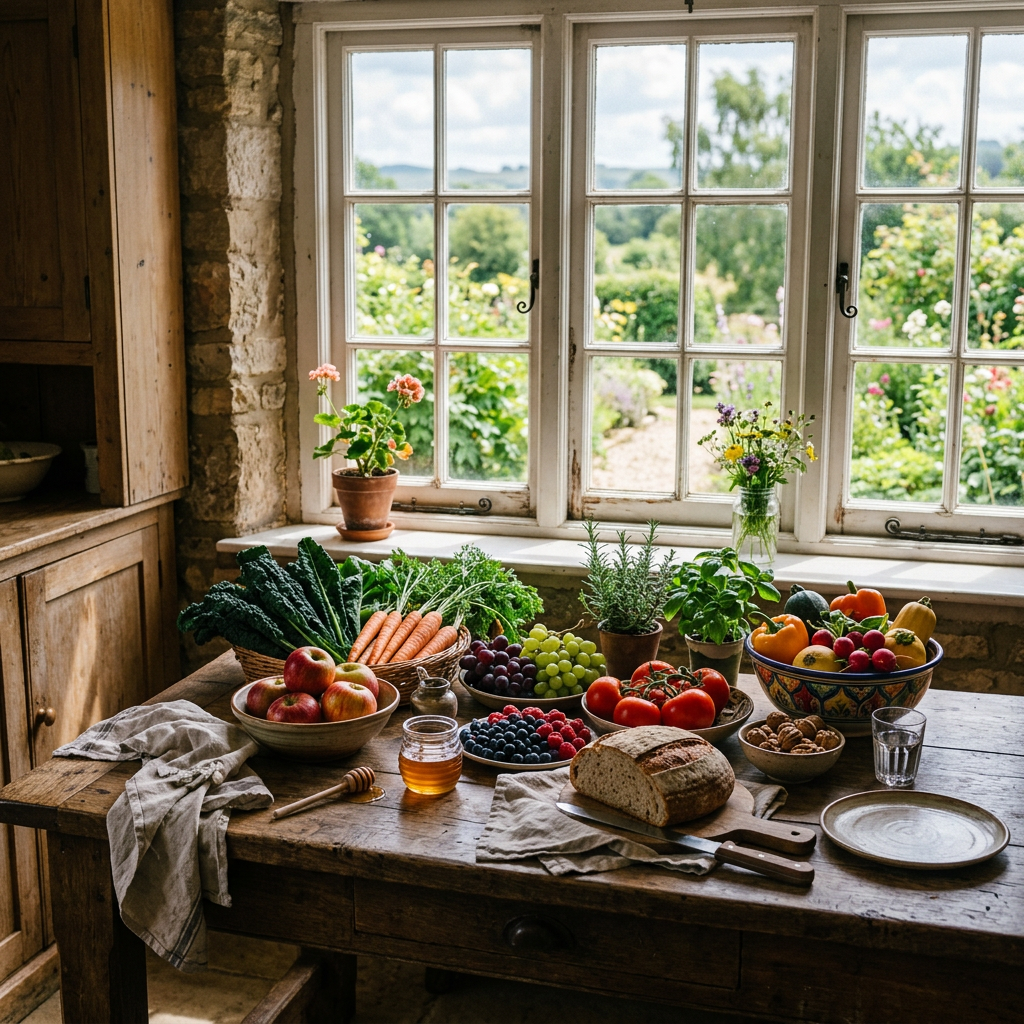
    Wooden table with apples, carrots, tomatoes, grapes, berries, bread, herbs, nuts, and honey in a rustic kitchen
    A wooden table in a rustic kitchen filled with fresh fruits, vegetables, bread, and herbs near a window

    I run a brutal but beautiful intermittent fasting schedule. Lunch around 11 a.m.—usually something vibrant, colorful, and actually nutritious, because I am not an idiot. Then one snack somewhere between 2 and 5 p.m. That is it. The rest of the day my body gets to chill, burn fat, repair itself, and stop being a slave to constant digestion.

    Eating out on holiday with my man.

    Weekends are when I let the beast out. Chocolate. Nuts. Freshly baked pastries. I go all out. And because I have kept my weekdays tight, I do not blow up or hate myself on Monday. This is not restriction for restriction’s sake. This is strategy. This is power.

    This way of eating does not look perfect for cohabitation. Living with my man means I am going to have some late dinners. And plenty of steak and potatoes (his favorites). But right now, this is how I learned to enjoy my life without turning into a bloated, anxious mess. I am still dedicated. I am still disciplined. And most importantly—I am still playing.

    I love my body now. I am done punishing it. Done with the war. Fasting showed me I could have both: the thrill of indulgence and the iron grip of self-control. It is the ultimate flex.

    Intermittent Fasting is my daily weapon—the one that actually fits real life. 16:8, 18:6, whatever. You shrink the window of the hours in which you allow yourself to eat, expand your freedom.

    But there is more. The dark arts:

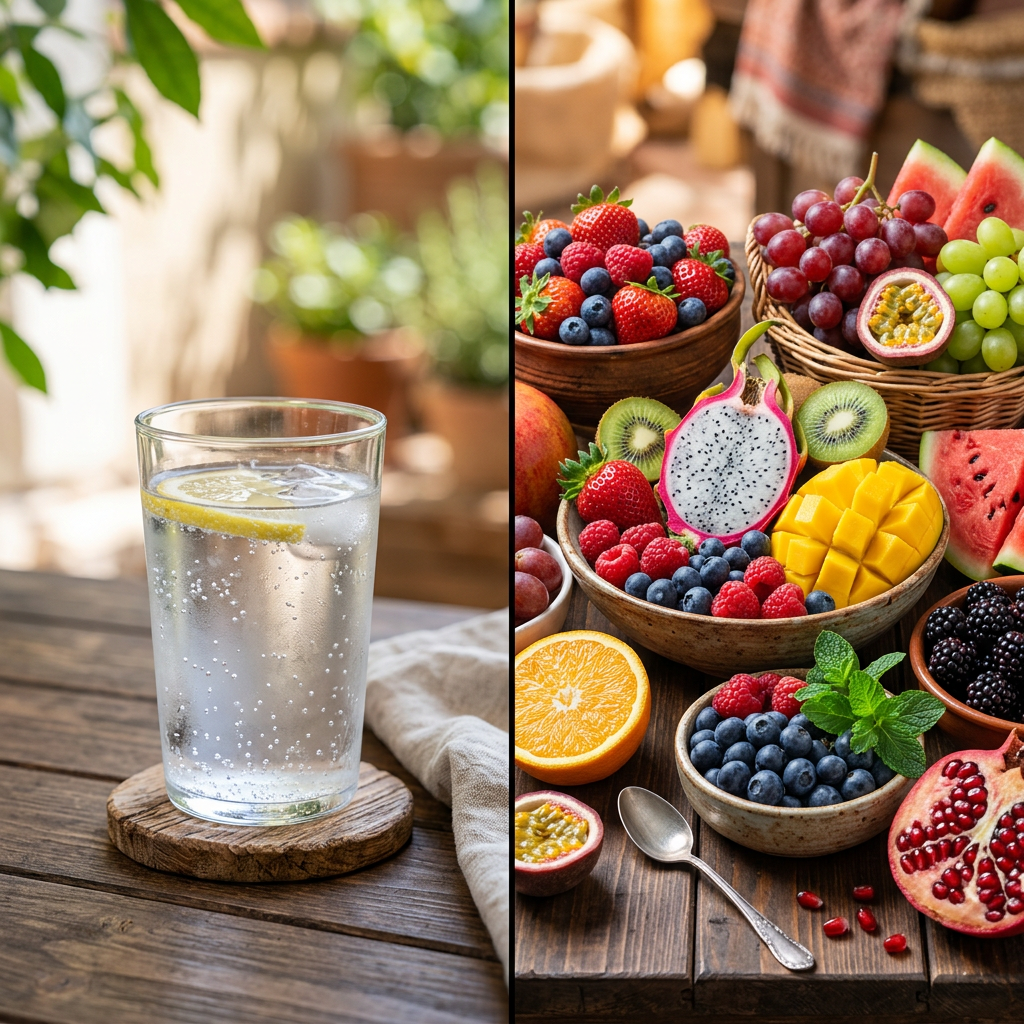
    Water Fasting—just water, sometimes electrolytes, for days. This one takes god-tier discipline. Your body goes full apocalypse mode: autophagy on steroids, inflammation crashing, mental clarity. I have done shorter ones. The first 48 hours can suck your soul out, but then something shifts. You float. You feel dangerous. Powerful. Like you could conquer anything on nothing but spite and sparkling water.

    Fruit Fasting—basically what I did during my high school years. Flooding your system with natural sugars and enzymes from fresh, ripe fruit only. It is a gentler cleanse, great for resetting taste buds and giving your gut a break without going full nuclear. Sweet, juicy, vibrant—feels less like punishment and more like a tropical vacation for your cells.

    Dry Fasting—the final boss. No food, no water. Absolute zero intake. This one is not for beginners or clout-chasers. It is extreme, it is controversial, and it forces your body into survival—pulling water from metabolic processes, accelerating repair like nothing else. I respect the hell out of it, but I approach with caution. Your body has to be ready.

    All of them revolve around the same truth: sometimes the most radical act of self-love is not putting food in your mouth 24/7.

    Fasting did not just fix my body. It rewired my relationship with control, pleasure, and power. I am no longer the girl hoarding snacks. I am the woman who decides when and how she feasts—and when she lets the fire burn clean.

    If you are all-or-nothing like me, maybe this is your answer too. Stop the endless grazing. Stop the guilt-shame spiral. Draw a hard line, protect your window, and then truly enjoy yourself when it is time.

    Your body is not a temple to be constantly decorated with snacks. It is a weapon. Sharpen it.

    I am living proof.

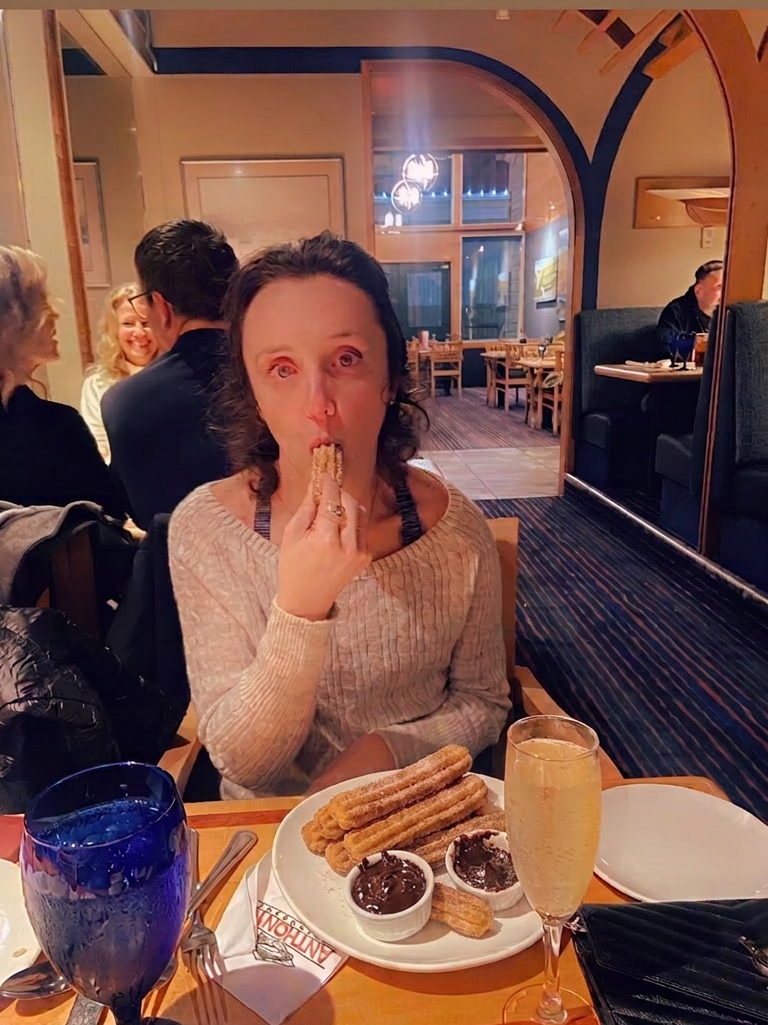
    He loves to take pictures of me indulging!

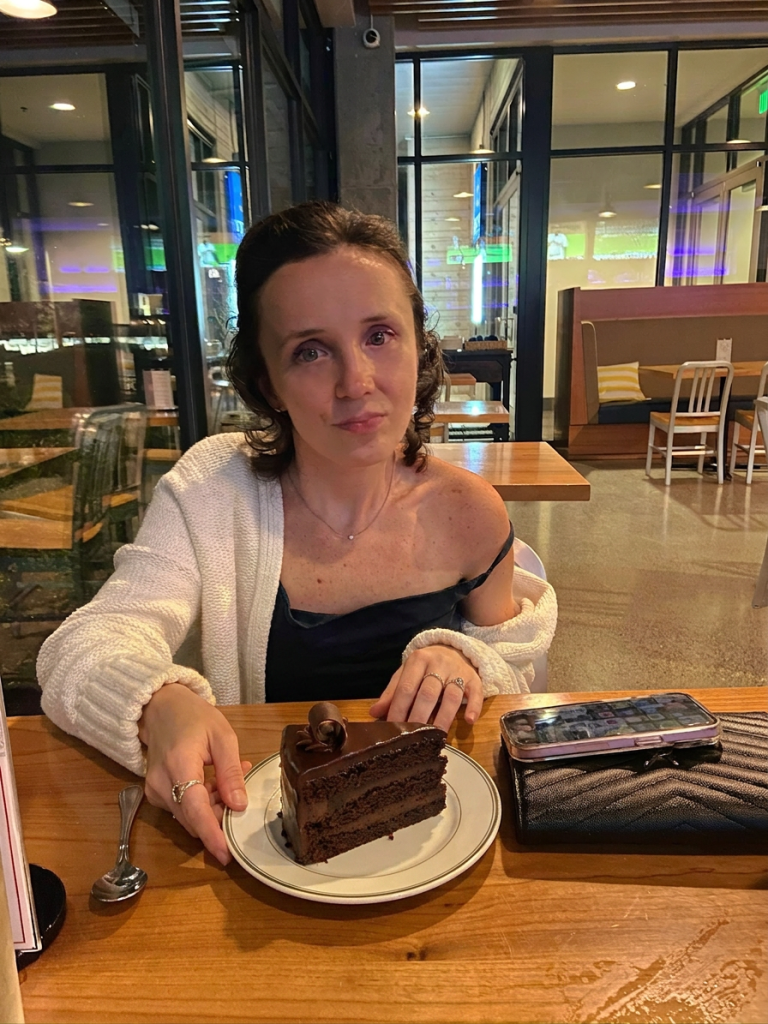
    Now if you will excuse me… it is Sunday. There is something chocolate calling my name.

  • Rewiring Your Brain: A Journey to Recovery

    Rewiring Your Brain: A Journey to Recovery

    Rewiring the Brain: The Quiet Revolution of Recovery

    I keep coming back to this one blogger who writes with raw honesty about his journey out of alcoholism. His words do not preach; they map the territory. Every post reminds me that recovery is not a straight line or a one-size-fits-all checklist. It is deeply personal—yet strangely universal. Whether the wound is psychological or physical, mental or tangible, true healing demands the same fundamental act: rewiring the brain.

    Most of us, when something in our body or mind breaks, learn to work around it. We compensate. We avoid. We build elaborate detours so we never have to feel the weakness again. Recovery asks the opposite. It invites us to look directly at the damaged part—liver, dopamine system, self-worth, prefrontal cortex, whatever it is—and declare: This can function perfectly again. Not by magic, but by deliberate, repeated practice.

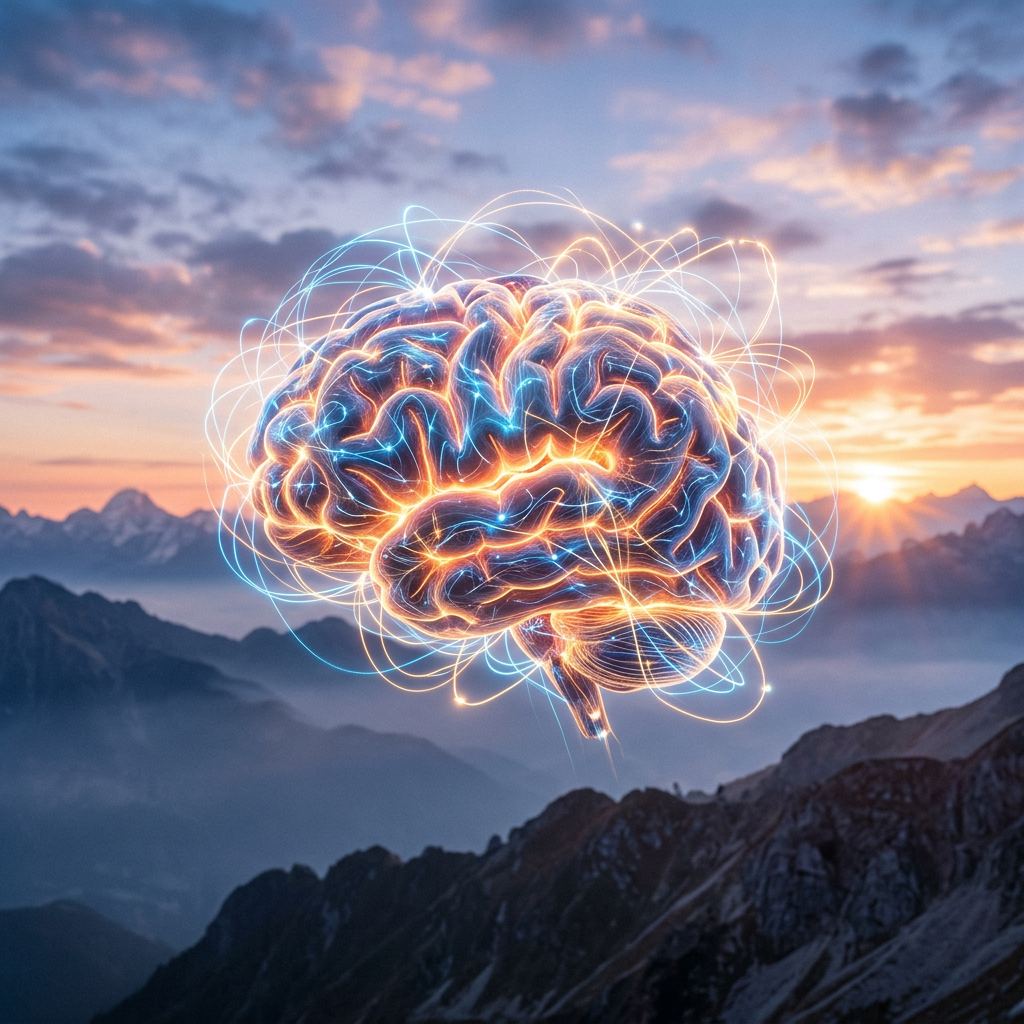
    Glowing human brain with blue and orange electric neural pathways above mountains at sunset
    A luminous brain with electric-like neural connections floats above mountain peaks during sunset.

    The brain is plastic. Neuroscientists have shown us this for decades now. Every thought, every choice, every reframed story lays down new neural pathways. Old ruts—deep, craving, shame, or despair—do not disappear overnight, but they lose power when we stop feeding them.

    In active alcoholism, every minor inconvenience becomes license to drink. Traffic jam? Pour one. Argument? Pour two. Quiet Tuesday night? Might as well. The brain has been trained to treat discomfort as a fire that only ethanol can extinguish.

    Recovery means installing a new operating system. You feel the bump, you notice the urge, and then you choose something else. You sit with the discomfort long enough for it to pass. You call a (boy)friend. You walk. You journal. You pray. You do anything except hand the wheel back to the old habit. Over months and years, the brain stops defaulting to the bottle. The neural highway to numbness grows over with grass while a smoother, healthier route gets paved.

    Dark storm clouds over calm ocean water with sunlight breaking through
    Massive dark storm clouds billow over a serene ocean under clear sky (from chaos to calm)

    My own history with disordered eating taught me a parallel lesson. Food had been weaponized—something to withhold when I felt unworthy, or to binge on when emotions overwhelmed me. Recovery required the radical act of neutralizing food.

    Food is fuel. It is nourishment. It is information for your cells. Nothing more, nothing less.

    I had to train my brain to stop assigning moral value to calories or macros. No food is “bad.” No day is “ruined” because I ate a cookie. The cookie is just a cookie (and I love cookies). The real victory was watching my nervous system calm down around meals. The old panic circuits quieted. Satiety signals started working again. My body and mind began to trust each other.

    Some of us carry brain injuries that are not from substances at all—trauma, depression, chronic stress, concussions, strokes or even accidents. These conditions wire the brain toward threat detection, rumination, and bleak forecasts. Recovery here looks like gentle, persistent cognitive retraining.

    You catch the automatic negative thought (“Everything always goes wrong for me”) and offer a more balanced alternative (“This is hard, but I’ve handled hard before”). You practice gratitude not as toxic positivity, but as data collection: What actually went well today? You expose yourself to small, manageable challenges and prove to your nervous system that safety is possible. Little by little, the default setting shifts from “scan for danger” to “notice what’s working.”

    At their core, most addictions begin as something beautiful gone wrong. Alcohol was meant for celebration, connection, ritual, and relaxation. Food was meant for pleasure, sustenance, and community. Sex, gambling, scrolling, shopping—nearly every addictive behavior started as a legitimate human need or joy.

    The disease twists celebration into escape, comfort into anesthesia, presence into numbness. Recovery restores the original purpose. You learn to celebrate without substances, soothe without self-destruction, feel without overindulgence. You reclaim the birthright of feeling fully alive.

    This is where it gets almost spiritual. Choosing to view life through rose-colored glasses is not denial—it is strategic attention. Your brain has limited bandwidth. What you focus on grows stronger. When you habitually look for the good, the glorious, the tender, the funny, the meaningful, the neural networks for appreciation thicken. The old pathways of catastrophe and craving atrophy from disuse.

    It is not that bad things stop happening. They do not. But your relationship to them changes. You stop treating every setback as proof that you are broken or that life is hopeless. You start treating them as data, as teachers, as temporary weather.

    One day you realize the cravings are quieter. The shame is softer. Food tastes better. Sunsets hit different. You laugh more easily. You trust yourself more. You show up for your life instead of medicating it away.

    That is the miracle of rewiring. You do not just stop the destructive behavior—you become someone who no longer needs it. Someone whose default state is presence, resilience, and wonder.

    If you are in recovery—whether from alcohol, food, trauma, depression, or the general ache of being human—know this: your brain is listening. Every time you choose the new way, you are literally building a new you. The old pathways will call to you sometimes. That is okay. Just do not pave them again.

    Keep going. The view from the other side is worth every uncomfortable, glorious, rewired step.

  • Down Under Dreams: My Wild Teenage Adventure in Australia with People to People

    Down Under Dreams: My Wild Teenage Adventure in Australia with People to People

    At fifteen years old, I stepped off a plane into a world that felt like it had leaped straight out of a National Geographic. The air was warmer, drier, and carried the faint scent of eucalyptus. I was part of the People to People Ambassador Program, a life-changing opportunity that took a group of wide-eyed American teens halfway around the globe to Australia. What started as a simple cultural exchange trip quickly became a whirlwind of big-city glamour, rugged outback exploration, family-style homestays, and the kind of teenage chaos that only happens when you are far from home and the usual rules do not quite apply (the innocent kind though, not really what we see on teenager television shows).

    Our itinerary was perfectly balanced between urban sophistication and raw Australian wilderness. We bounced between the gleaming harbors of Sydney and Melbourne and endless stretches of red earth in the outback. Long bus rides became our moving classrooms—hours spent watching the landscape shift from bustling streets to golden grasslands. We stayed with local families who opened their homes (and hearts) to us, sharing meals, stories, and glimpses into everyday Aussie life that no guidebook could ever capture.

    Sydney hit me like a fever dream. The iconic Opera House rose like white sails against the sparkling harbor, its curves even more breathtaking in person than in any photo I had seen. We toured the Olympic facilities from the 2000 Games, walking through stadiums that once echoed with global cheers. I remember standing there, imagining the roar of the crowd, feeling tiny yet somehow part of something enormous.

    But beneath the excitement, I carried a heavy secret. This was the year after I started high school, and the pressure to look and be “perfect” had already taken root in my mind. Australia felt like the ultimate reset button—a chance to reinvent myself far from judgmental eyes back home. Before the trip even began, I emailed the volunteer chaperones with a carefully worded note: I would not be eating much, and they should not worry about me. Looking back now, it breaks my heart to think of that determined, insecure fifteen-year-old girl trying so hard to control the one thing she could in a brand-new country.

    On those long bus rides, packed lunches were handed out like clockwork—sandwiches thick with deli meats, crisp chips, and sweet treats. I would politely unwrap mine, eat only the apple, and quietly put the rest aside. The volunteers were kind, but I could feel their concerned glances. During our homestay in Melbourne, the warm “mom” of the house cooked a hearty Australian meal just for us. I pushed the plate away after a few bites, murmuring something about being full. Her disappointed but understanding look still lingers with me. Food became both enemy and background noise while the real adventure swirled around me.

    Of course, no trip at fifteen would be complete without plenty of youthful mischief. I flirted shamelessly with the boys in our group—stolen glances across bus aisles, whispered jokes during tours, and that electric buzz of first crushes amplified by the freedom of being overseas.

    The Australian sun, however, showed no mercy. Wanting to be perfect meant that I wanted golden skin. I ended up severely sunburned. My skin turned lobster-red, peeling in painful sheets for days. Lesson learned: respect the ozone hole Down Under.

    One of my biggest hurdles was begging my mother—via crackly payphone calls from a random shopping mall —to let me get my belly button pierced. I pleaded, I reasoned, I dramatically described how “everyone” was doing it. She held firm.

    Instead, I settled for a temporary tattoo from a quirky shop near the harbor. It was some butterfly design that I proudly showed off to the group. When I got home, I let everyone believe it was real, basking in the temporary cool factor before it faded in the shower. Small rebellions, big memories.

    The real soul of the trip was during our long bus tours through the outback. The landscape stretched endlessly—red dirt, scrubby bushes, and skies so vast they made you feel wonderfully insignificant. We learned about Aboriginal culture, their deep connection to the land, and the stories passed down through oldtime legends.

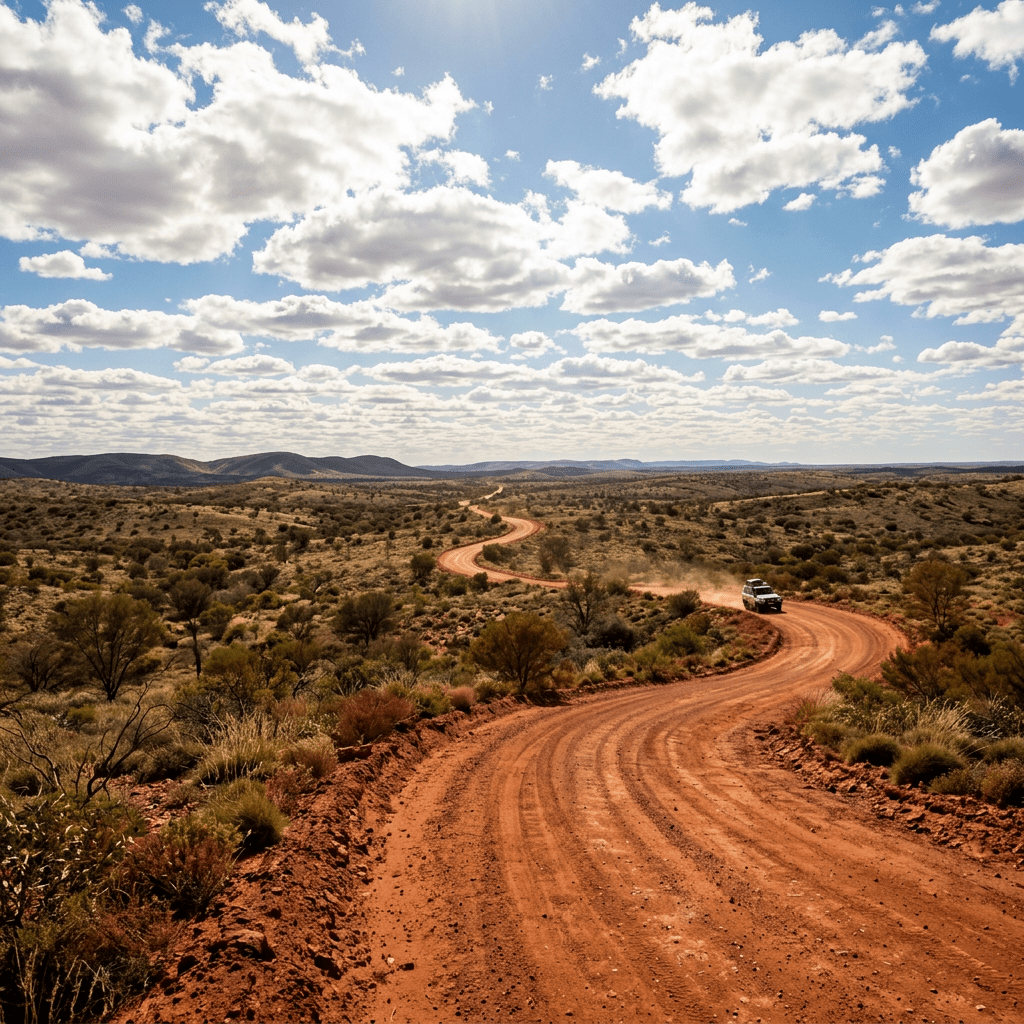
    Vehicle driving on winding red dirt road in arid outback landscape
    A vehicle traverses a winding red dirt road through arid outback terrain under a partly cloudy sky

    One unforgettable stop was a wildlife sanctuary where I finally got to hold a tiny koala. He was everything I imagined: fluffy gray fur, button eyes, and a sleepy demeanor (apparently they are constantly high from eating the eucalyptus). I beamed for the camera, arms gently cradling him. But internally? I was screaming. Those adorable little claws dug into my arm like tiny needles. Sharp did not even begin to describe it. Still, worth every scratch for that photo and the story.

    We spotted kangaroos hopping freely in the wild—elegant, powerful creatures that seemed to defy gravity. At the sanctuary, we got closer, feeding them and watching their curious faces up close. Later, in a remote outback experience hosted by Aboriginal elders, we were treated to kangaroo tail. It was an honor to share in their traditional food. The tail was tough, mostly dense muscle with very little fat or tenderness—chewy, gamey, and completely unlike anything I had eaten before. It was not about gourmet flavor; it was about connection, respect, and tasting a piece of the land itself.

    That trip to Australia did not magically fix my insecurities around food and body image. Those battles continued for years as I eventually got down to double digits on the bathroom scale. But it planted seeds of perspective. I saw a country that was both modern and ancient, vibrant and harsh, welcoming and wild. I learned that adventures are messy—full of sunburns, awkward flirtations, hidden struggles, and moments of pure wonder.

    Holding that koala, even through the pain, symbolized something bigger: sometimes the cutest, most picture-perfect experiences are actually concealing something painful. Pushing away plates did make me feel more in control; but it also made me miss out on shared meals and hospitality. The temporary tattoo washed off, but the memories never did.

    Years later, I look back on that fifteen-year-old girl with compassion. She was brave enough to travel across the world, curious enough to embrace new cultures, and human enough to make mistakes. Australia taught me that life is best experienced fully—sunburns, sharp claws, kangaroo tail, and all.

    If you ever get the chance to say yes to an adventure that scares and excites you, just do it (like Nike!). Whether it is Australia or somewhere closer to home, the outback of your own growth is waiting.

  • My Cringey, Hungry, Blonde Obsession Years

    My Cringey, Hungry, Blonde Obsession Years

    When I was young, I was obsessed with Britney Spears (another basic bitch tendency). I know today she is a total mess, but there was a time when my walls were covered in pictures of her—I was straight-up obsessed with Britney Spears. The one with the flat stomach, tiny outfits, and that “Hit Me Baby One More Time” schoolgirl fantasy that made every pre-teen’s hormones go haywire.

    My bedroom walls were a full-on Britney shrine. Posters from floor to ceiling, magazine cutouts taped up in my closet. I wanted to be her — that perfect blend of innocent and filthy, the girl every guy wanted and every girl secretly envied. People definitely thought I was a lesbian back then. I mean, can you blame them? I was plastering my room with images of a half-naked pop princess. 

    And yes, I took it to the extreme. During the darkest days of my eating disorder, I followed her old workout routine religiously. Twelve hundred sit-ups a day. That was my way of insuring that I was working off every calorie I was forced to eat. No exaggeration. I would lie on my living room floor, starving, counting every crunch while imagining my stomach getting as flat and tight as hers. (Sometimes it would be until two in the morning and then I would be up at six). That kind of obsession is not cute — it is unhinged. But at the time it felt like devotion. Britney was my thinspiration, my goddess, my unattainable fuck-you to my own body.

    Then eighth grade hit and I had a full personality 180. I ditched the pop princess fantasy and became the ultimate “surfer girl.” Still skinny, but not glitzy and glamorous. You know the type — sun-bleached hair, golden skin (spray on tans FTW), that effortless, just-fucked beach vibe. I traded in my old wardrobe for head-to-toe Abercrombie & Fitch and Hollister. I lived in those graphic tees and low-rise jeans that sat dangerously on my hip bones. I wanted to look like I just rolled out of a beach bonfire with sand still in my hair and saltwater on my skin.

    I begged my parents to send me to surfing camp in California. I actually went all the way to Australia chasing that fantasy life. I studied the skinny beach bum girls like they were my new religion — the ones with long, tangled blonde hair, tiny bikini bodies, and that lazy, seductive way they carried themselves. I dyed my hair with platinum blonde streaks and spent hours perfecting the windswept look. I wanted to be the girl guys stared at while I walked down the beach carrying a surfboard, all tan legs and collarbones. 

    This was right in the middle of my most extreme anorexic era, too. The thinner I got, the better my “surfer girl” costume fit. My hip bones jutted out, my thighs did not touch, and my stomach was concave enough to make those Abercrombie shorts hang just right. I was starving myself into the aesthetic. Every wave I caught, every mile I ran, every skipped meal was part of the transformation. I was not just playing dress-up — I was trying to disappear into this fantasy version of myself: blonde, effortless, desired, and dangerously thin.

    Looking back, it was wild how seamlessly I went from worshipping Britney’s polished, sexy pop-star body to chasing the raw, sun-drenched, barely-there surfer chick fantasy. Both versions of me were starving — literally and figuratively — for the same thing: to be wanted. To be the fantasy. To be the girl that made people lose their minds a little.

    I chased that high hard. From bedroom Britney dances to riding waves, bleaching my hair until it snapped, and counting every single sit-up like it would bring me closer to perfection.

    Those years were intense, messy, desperate for attention, and strangely formative.

  • Shattered.

    Shattered.

    If we are going to go through the character arc of my not being good enough and the affect that it had on my life thus far , we have to further elaborate on what led me into my post-high-school downward spiral and my current health issues. 

    In high school, I tried extremely hard. After my middle school experience at being an overweight/ flunking embarrassment, I was shown how people only gave me praise and attention if I wore a size zero and excelled in my studies. So I withered away and took notes/ highlighted my books until my fingers bled. I tried to keep a social life, but eventually the obsession with my food and appearance gave way. 

    I even drove myself to school (once I got my license) hours earlier so that I could sit in the computer lab and search for homes where an adolescent can live on her own (I always thought that living on my own was the answer to my prayers!) 

    And then of course there was a boy. He was a firefighter, did not go to my school and actually showed interest in me. I was not used to this. I was deprived of romance and even though I had no interest in him, I craved his touch, his kisses and his text messages as if I had been trekking through the desert for years and he was a fresh spring of water. 

    But I never slept with him. I must have had some kind of moral code, because this would continue in university. We would do everything but as soon as it came to the actual act, I became dismissive. That did not please the twenty-year-old-playboy -firefighter, and suddenly his attention turned elsewhere. He went back to his ex-girlfriend— an easy get— fake tanned, a bit chubby and dumb as rocks. 

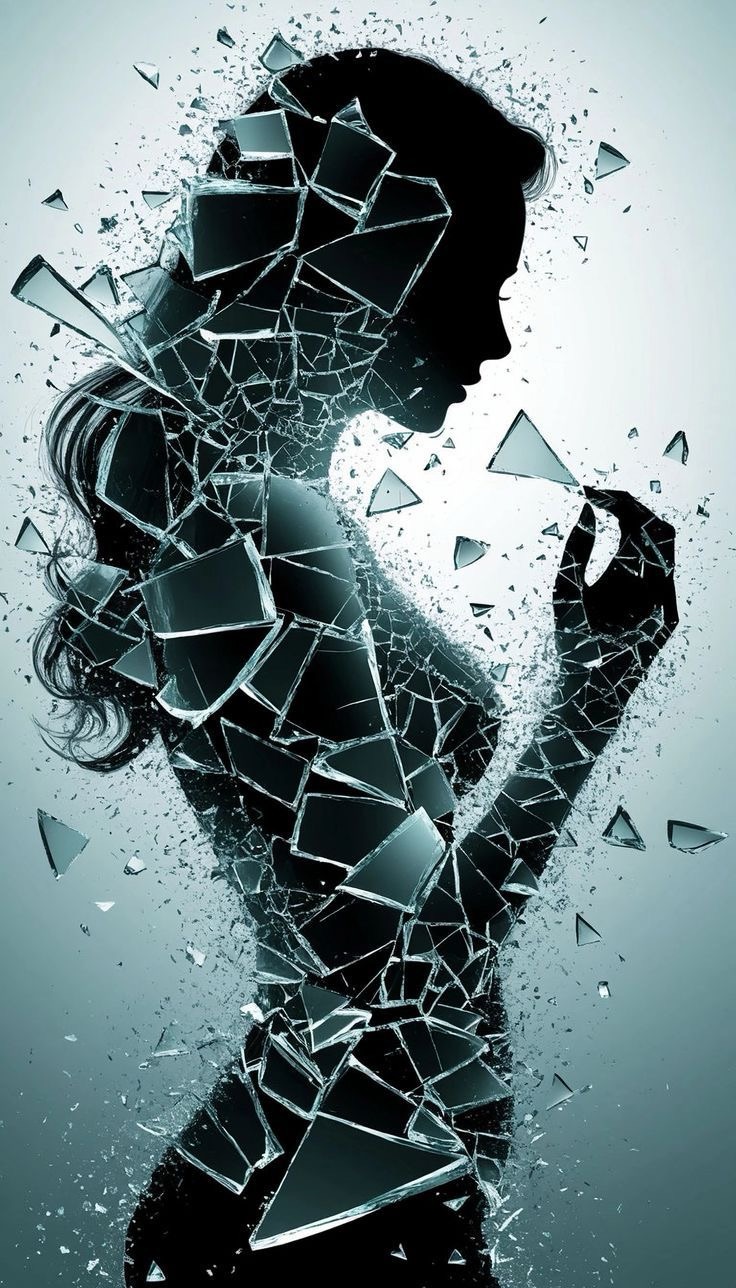
    My ego was absolutely shattered. My heart cracked open—like someone took a hammer to a glass jar and just let it shatter. Even though I had spent years not eating or enjoying life in order to be at the top of my class and in order to look like I was perfect—even though I made myself better than anyone else—I was once again still not good enough. My carefully curated Kate Moss-esque figure and resume quickly became crumpled trash in the midst of a “normie” high school girl. So I officially gave up. 

    I literally just stopped caring. I threw my hands up and started eating everything that I was missing out on for years. I stopped studying too. I took my tests after spending the night binging a television series (and binging copious amounts of snacks!). I would skip my classes the day that a major paper was due so that I could get it done the second before it was due.

    I gained more than twice the amount of weight that I weighed in high school. My parents were shocked when they saw me, they had me workout with a personal trainer, as if that was the issue—I simply had to move more not eat less.  However , the judgements only made me eat more. Still not good enough. 

    I reached out to some of the family friends I had grown up with so that I could have some semblance of a social life. And they helped. Invited me out. Made me laugh. But now everything felt fake.

    I was avoiding everyone from high school who knew me as the “anorexic girl “— the one who would only wear high heels and dresses or skirts instead of the jeans and sneakers of everyone around me— because I used to be better than everyone around me (or at least I believed I was). 

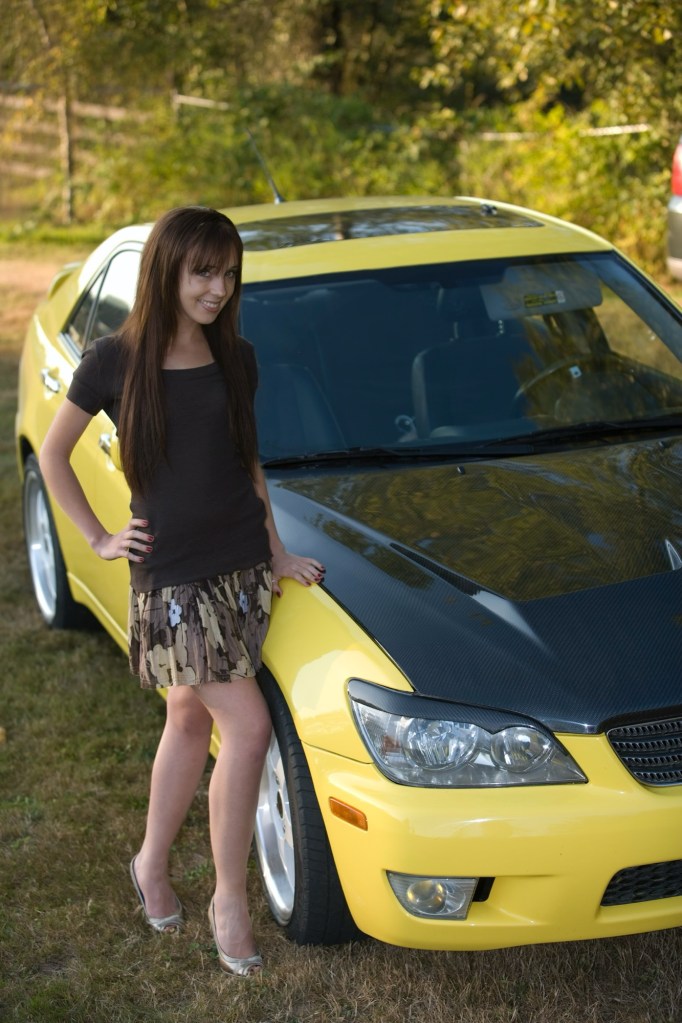
    Now I was ashamed. Now high heels would pinch my chunky toes and instead of flaunting my slender legs in skirts, I hid my giant slabs of meat in sweatpants and size thirty-two jeans. I avoided posting pictures of myself. I used to be so beautiful. I used to take immense pleasure in hearing my father tell his friends, “isn’t my daughter so hot?” He stopped saying that…

    Essentially the high school “breakup” did not just end a relationship—it ended me.  Once we had met, once I had tasted the attention I had been yearning for; I had built my whole senior year around him: I had started eating again (but not too much and of course I would never let myself go to sleep without working off every calorie I had eaten that day), late-night texts so that he could get more attention than my studies did, and fantasies about life together. 

    College was supposed to be freedom. Instead it felt like punishment. Instead of being lithe and studious, I was just studying myself—how to numb out, how to fake smiles, how to avoid anyone who might matter. I “slutted” around, but obviously nothing stuck. Every kiss tasted like betrayal. Every “I like you” sounded like a lie, because why would anyone like an over-two-hundred-pound girl?  I drank too much and I slept too much (making up for sleeping only a few hours every night in high school). 

    The worst part? I blamed him. For years. Like if he had never cheated, I would have gone to Yale, had a perfect GPA and had a perfect boyfriend. But It took recovering from my upcoming disability for me to realize: heartbreak does not ruin college. It does not ruin life. You do. You ruin it when you stop showing up. When you decide you are too broken to try. When you treat every new person like a ticking bomb. 

    Do not let one bad love story become the whole plot. Because the truth is, the boy who broke me? He is probably still in his mom’s basement, playing Fortnite. And I am here—yes, I do not like my current situation but I am surviving—writing this, breathing, alive and planning for a future. That is the real win.

    Essentially this entire experience taught me that everything happens for a reason— as corny as it may sound. Because honestly? The real damage was not the “breakup”—it was how I let it define me. I let one boy’s cowardice rewrite my future. I let shame decide my friends and my life.

    It is not something that I should look back on and regret, because what is really the point of that?!  If I was never made to feel like I was not good enough and thus never imploded, I would not have gone through the whole process of finding my voice and who I am, that means that I would not have started with the Twitter account full of snarky comments and controversial statements (seriously— people would constantly accuse me of either being a federal agent or a man pretending to run a girl’s account) and that would not have led me to meet the someone three thousand miles away— the man of my dreams. Maybe he is that perfect boyfriend I had envisioned finding in college. 

    Senior Year High School
    Post University

  • Undefeated.

    Undefeated.

    I have been struggling with this body for my entire existence. At first, I had to wear suspenders in order for me keep my pants from falling off. Then, as a little girl who just moved to America, I discovered my love for loaves of white bread, snickers and Coke-A-Cola.  The combination not only made me into a chubby elementary-middle school girl who was constantly made to feel like the ugly duckling in her own house (by my beautiful and perfect cousin), but led to the most pivotal moment in my young development. 

    In the summer before the sixth grade, my parents and I returned to our motherland (Russia). It was terrible. I had not seen any of my family since I was four years old and now as soon as my grandmother opened the front door she exclaimed, “Oh my!  You look so American!” I had no idea what that meant but I knew that it was not good. It was like my cousin had been telling me —  I simply was not good enough—at this point, she had moved out and was sent to boarding school.

    My other grandmother would also partake in the criticism of my appearance. I remember having my hand smacked away as I reached for the bread basket. Listen, I get it. The family should not be embarrassed. But I was just a kid, not some morbidly obese adult who just sat around and ate junk food all day . I had not even gone through puberty!  (All little girls puff up before their bodies release the excess storage). 

    Turns out, I would not even go through puberty until the end of high school because as a result of that criticism and the immense shame I felt, I simply stopped eating (and showing my body that it simply was not worth growing and developing). 

    It started innocently. The summer after the horrendous seventh grade— in which I ballooned into a new heavy weight category and began failing classes/ not trying—I started eating only fruits after 5 pm. No more snacking. No more junk food. 

    My parents loved my new look and would constantly praise me. I even started trying hard in school and I finally got straight As. I loved the praise and attention that came with this. Life was so much easier. I made lifelong friends and I loved the attention I would receive. Even from the teachers. No one talks about that part. 

    Ultimately, my body and I have been in a toxic on-again, off-again relationship for years. One minute I’m squeezing into size-sixteen (big kid) jeans, feeling sad and defeated—convinced I would never see my collarbones again (my favorite body part!). Then it gets extreme. The only-fruit diet turned into full-on anorexia. Not the glamorous kind you see in movies—just me, a bathroom scale, and a daily tally of how many grapes I could stomach before crying. I’d stare at my ribs like they were trophies, I would flush my food down the toilet—until one day my mom would see me pass out after a day of a few Venti americanos from Starbucks and she dragged me to a counselor. 

    I lied to that counselor about everything. I told her that I was gaining weight and that I was being forced to eat more. Ultimately it was the counselor’s fault though. I was an adolescent girl whose soul purpose is to be perfect— why would you put your full faith in me?  (She should have weighed me!)

    College flipped the script. Depression rolled in like fog, and food became comfort. I ballooned—obese, sure, but also numb. I’d eat a whole pizza alone in my dorm, then hate myself for it, then eat another slice because why stop now? I was broken hearted when a dumb high school fling showed me that I was not good enough (here we go again!) and I carried that pain all the way to Syracuse University in New York.

     I ended up not caring anymore. The straight As turned into Cs and Ds. When I could no longer befriend the beautiful people around me, I decided to hide from the world— only finding temporary solace in strange college boys who enjoyed plushy emo girls. 

    Now? I am actually happy and extremely healthy. I love everything about this government’s whole MAHA movement. I have been following “bro-science” accounts for a while now and have been obsessed with the detrimental impact of everyday products— like fluoride and seed oils.  So yeah…I am no longer eating whole pizzas alone in my room. 

    Years after the bleed, I also managed to lose over one hundred pounds— all while being bound to a wheelchair. I did this ultimately because my mindset had changed and I had finally discovered my own voice. Maybe it was because of Functional Neurology, but I had to learn that bodies were made in the kitchen and while I cannot currently take a walk or go for a run— I can show determination and discipline. This is what finding my own voice and personality taught me…. That I am invincible. I still yo-yo, I still binge eat when I get stressed or anxious, but I know how to stop it. 

    This reminds me I’m not broken, just… human. And yeah, my weight has been a mess. But I know that I can win. I can be better than human. So here’s to the yo-yo: up, down, sideways, whatever. I’m still here. Undefeated.