“Drink more water!” is solid advice, but the full story of staying hydrated is far more nuanced and fascinating than simply filling up a bottle and chugging it down.
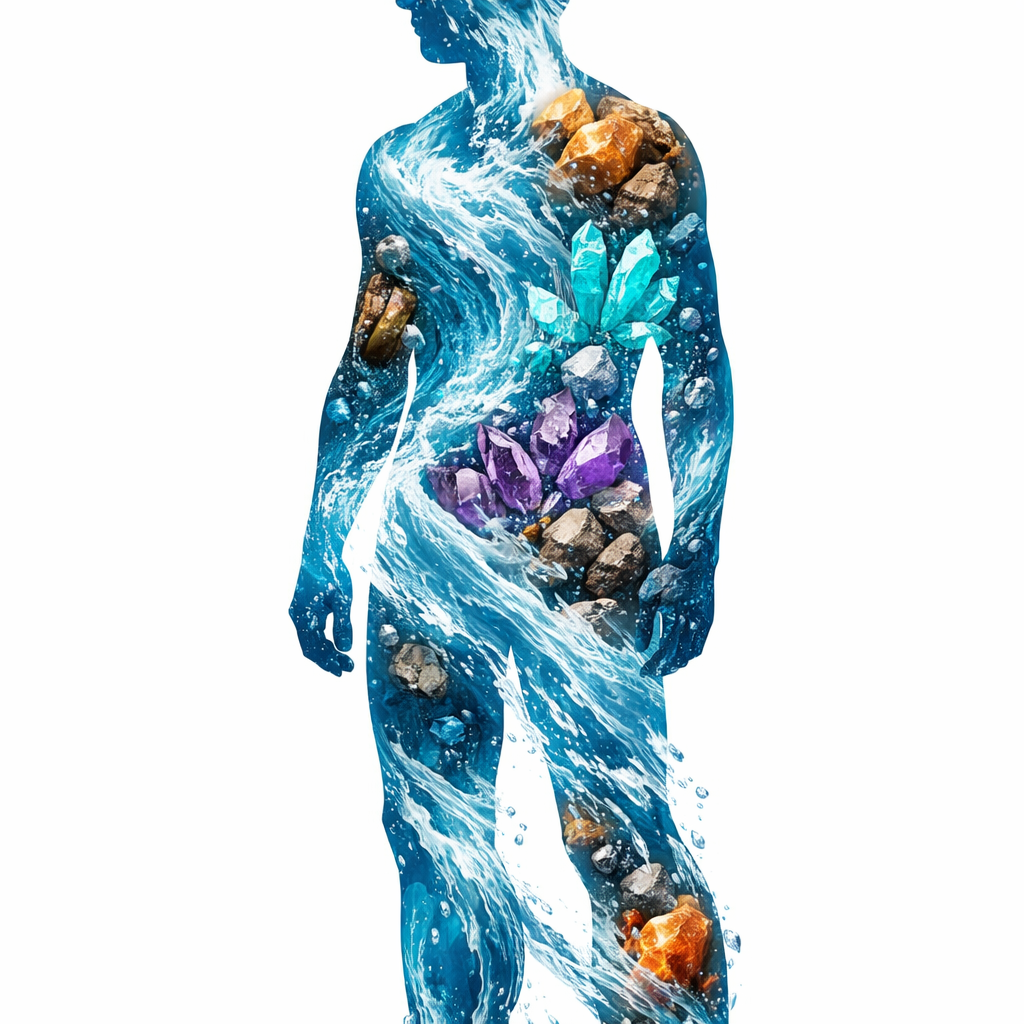
Your body is roughly 60% water, with your brain, heart, lungs, and muscles relying on a balance to function. Yet many people miss the mark by focusing only on volume while overlooking how the body actually absorbs and uses that water.
True hydration is not just about quenching thirst—it is about delivering moisture to every cell, organ, and system efficiently. And that process depends heavily on electrolytes.
Contrary to popular belief, simply drinking large amounts of plain water is not the most effective way to hydrate your entire body. Water from beverages primarily satisfies your tummy and immediate thirst signals, but it can pass through your system quickly without fully going into tissues if the right supporting minerals are not present.
(Think of it like trying to water a garden with a hose but no proper soil or nutrients—the water might run off instead of nourishing the roots.)
Instead, a significant portion of our daily hydration actually comes from the foods we eat, particularly water-rich fruits and vegetables. Cucumbers (ew), watermelon (ew), oranges, spinach, strawberries, celery (ew), and tomatoes are all examples. These foods deliver water along with natural electrolytes, vitamins, and fiber, allowing for better absorption and retention. This food-based hydration is gentler and more sustained than liquid alone.
Electrolytes—primarily sodium, potassium, magnesium, and calcium—are essential minerals that carry an electric charge. They regulate fluid movement in and out of cells, support nerve impulses, muscle contractions, and pH balance. Without adequate electrolytes, water cannot do its job properly. Your cells essentially use these minerals as “gatekeepers” to pull water where it is needed most.
When electrolyte levels are low (from sweating, stress, exercise, illness, and especially a typical modern diet), drinking plain water can lead to a phenomenon sometimes described as “cascading” through the body rather than deeply hydrating it. In extreme cases, overdoing plain water without electrolytes can dilute blood sodium levels, leading to symptoms like fatigue, headaches, muscle cramps, or brain fog. This is why athletes, people in hot climates, or those on low-carb/keto diets (speaking from personal experience here!) often feel dramatically better when they add electrolytes rather than just increasing water intake.
Chugging large quantities of plain water in one go is a bit like waterboarding your digestive system—it overwhelms your stomach and kidneys without providing balanced support for the rest of your body. Your kidneys can only process so much fluid at once, and excess water without electrolytes gets peed out quickly, taking some valuable minerals with it. This can leave you feeling bloated or still dehydrated.
The smarter approach is consistent, balanced intake throughout the day. Sip water steadily, pair it with electrolyte sources, and incorporate hydrating foods. This method supports better absorption, sustained energy, clearer thinking, glowing skin, and improved physical performance.
Thankfully, getting electrolytes does not have to be boring or clinical. Nature provides plenty of yummy potassium-rich foods: avocados, bananas, sweet potatoes, and leafy greens., magnesium sources: nuts, seeds, dark chocolate, and pumpkin seeds, sodium: pinch of high-quality sea salt or Himalayan salt in your water or meals (especially if you sweat a lot or eat very clean).
For ease, many people turn to quality electrolyte supplements. My man started getting me LMNT packets, and they have become a game-changer for my daily workouts. The lemonade flavor is my absolute favorite—tart, refreshing, and perfectly balanced without any junk. Or maybe you want a morning Jolly-Rancher-like drink— try the Watermelon or Raspberry (they both literally taste like sucking on candy!) I mix it into mineral water, and the combination is delicious.
There is something luxurious about the fizz; it feels like a sophisticated treat, reminiscent of sipping champagne or San Pellegrino on a sunny afternoon. The bubbles make it extra enjoyable, turning hydration into something I actually look forward to. He also got me a machine for making my own bubbly water at home using filtered non-fluoride water (I want to try making bubbly coffee with it!)
Bubbly mineral waters naturally contain trace minerals too, so pairing them with a good electrolyte mix elevates both taste and function. Whether you are post-workout, recovering from a long day, or just starting your morning, this combo keeps me feeling energized and balanced.
Proper hydration with electrolytes is not about restriction or rigid rules. It is about listening to your body and giving it what it truly needs to thrive. When you get the balance right, the benefits show up everywhere: better focus, steadier mood, stronger workouts, and even improved sleep.
Staying hydrated is one of the simplest/most powerful things you can do for your health. By shifting from “just drink more water” to a thoughtful approach that honors electrolytes and whole foods, you can experience deeper, more effective hydration.

 Kat’s Musings
Leave a comment