Tag: electrolytes

  • Embracing MAHA: Reclaiming Our Health, One Pure Sip at a Time

    Embracing MAHA: Reclaiming Our Health, One Pure Sip at a Time

    I have always been passionate about the Make America Healthy Again (MAHA) movement. In a world full of processed foods, additives, and policies that seem more interested in managing sickness than preventing it, MAHA feels like an awakening. Under this administration, we are finally seeing the government prioritizing nutrition, whole foods, and root-cause solutions to the chronic disease epidemic plaguing our families.

    From reforming SNAP benefits to restrict unhealthy items (the average weight of a woman on SNAP is ~211 pounds versus ~146 pounds for the average woman!), to turning the dietary guidelines upside down — they put real, nutrient-dense foods front and center. They are also pushing Farm to School programs that connect kids with fresh produce from American farmers—this is the kind of change I have dreamed about (I adore farm-to-table dining!). MAHA is not just a slogan; it is a commitment to making our children healthier, our communities stronger, and our nation resilient again.

    But one issue hits especially close to home for me: fluoride in our water supply (read my blogpost about water and hydration here). It has been a controversial topic for decades, amplified by memes, podcasts, and the bro-science community who refuse to accept the official narrative. The question that keeps echoing in my mind—and in so many conversations online—is this: Do you really believe the government added fluoride to our drinking water purely to fight cavities?

    For years, we have been told that community water fluoridation is one of the greatest public health achievements of the 20th century. At optimal levels (around 0.7 mg/L), it supposedly strengthens tooth enamel and reduces decay, especially for those without regular dental care.

    Yet, the skepticism runs deep—and for good reason. Large doses of fluoride have been linked in studies and discussions to brittle bones (skeletal fluorosis), lower IQ in children, memory issues, and other neurological concerns. So you are actually poisoning yourselves by boiling healthy foods, like vegetables. Podcasts and viral content often highlight how fluoride accumulates in the body, potentially crossing the blood-brain barrier and affecting cognitive development (funnily/ironically enough, the kids who test the lowest in cognitive abilities, etc. live in communities who cannot afford to filter their water). And would it not be beneficial for the people who you rule over you to be dumb and ignorant?  Animal and epidemiological studies, particularly from areas with naturally high fluoride levels, raise red flags about neurotoxicity, thyroid disruption, and weakened bone structure.

    RFK Jr. has been vocal about this for years, calling fluoride a neurotoxin and industrial byproduct that does not belong in our taps. Under MAHA, we are seeing action: efforts to review CDC recommendations, state-level bans or restrictions (like in Utah and Florida), and a broader push for transparency on what we are actually ingesting every single day.

    Was it ever really just about teeth? Whether you lean toward conspiracy theories or simply demand better evidence, the pattern is clear: mass medication via water supply bypasses individual choice and informed consent.

    We now have alternatives for dental health: better diets low in sugar and ultra-processed foods and improved access to dental care. MAHA’s focus on nutrition and real food aligns perfectly here: stronger teeth and bodies come from the inside out, not from a chemical added to every glass of water, shower, or boiled meal.

    Chronic disease is skyrocketing—diabetes, obesity, cognitive issues in kids. If even a portion of that stems from exposures like fluoride, then removing it is common-sense (something that is not necessarily common) prevention. MAHA is about ending corporate capture of our food and health systems, questioning outdated beliefs, and empowering people with pure water, clean air, and nourishing food.
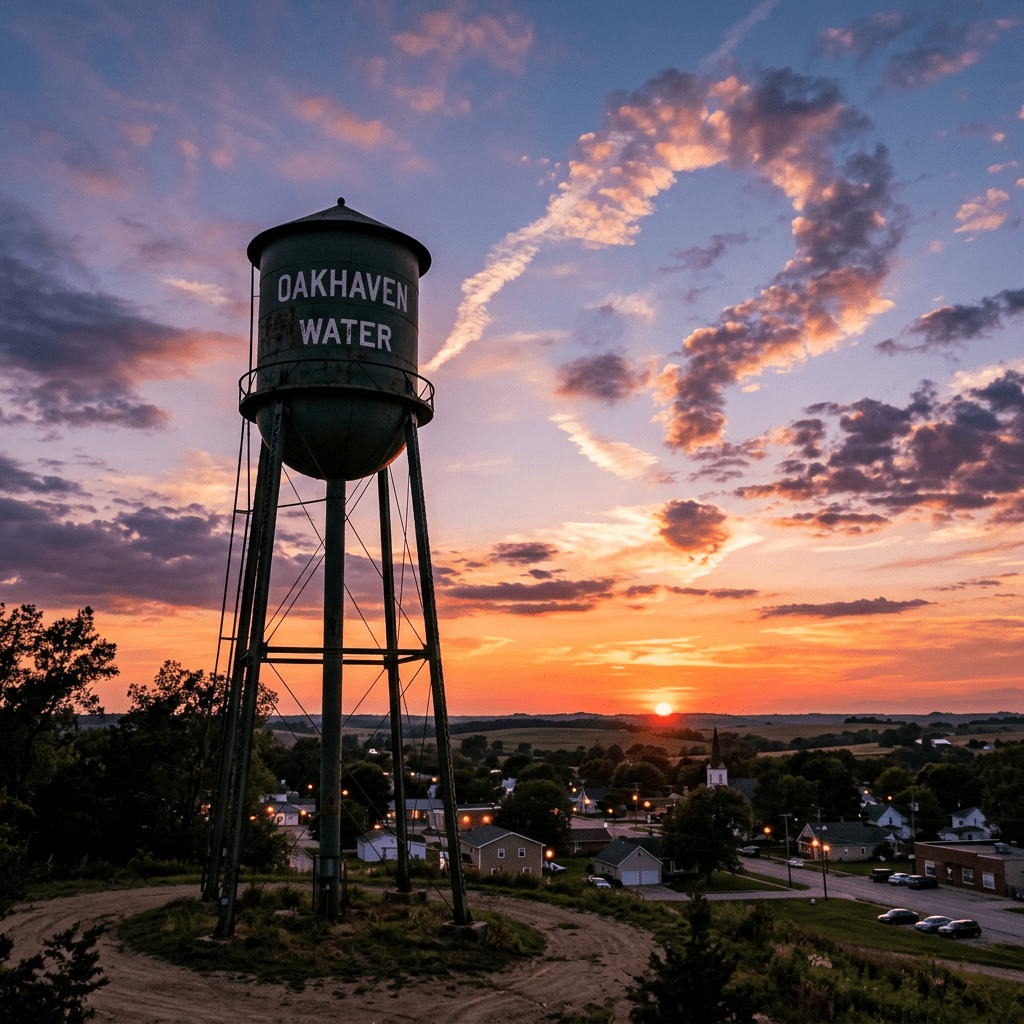
    Oakhaven water tower with sunset and town in background
    Questions about small town water supply

    I love how this administration is tackling nutrition head-on: new dietary guidelines emphasizing whole foods, proteins, healthy fats, and vegetables over junk. States experimenting with SNAP reforms. Investments in soil health and regenerative farming. These steps build a foundation where we do not need bandaids like mass fluoridation. 

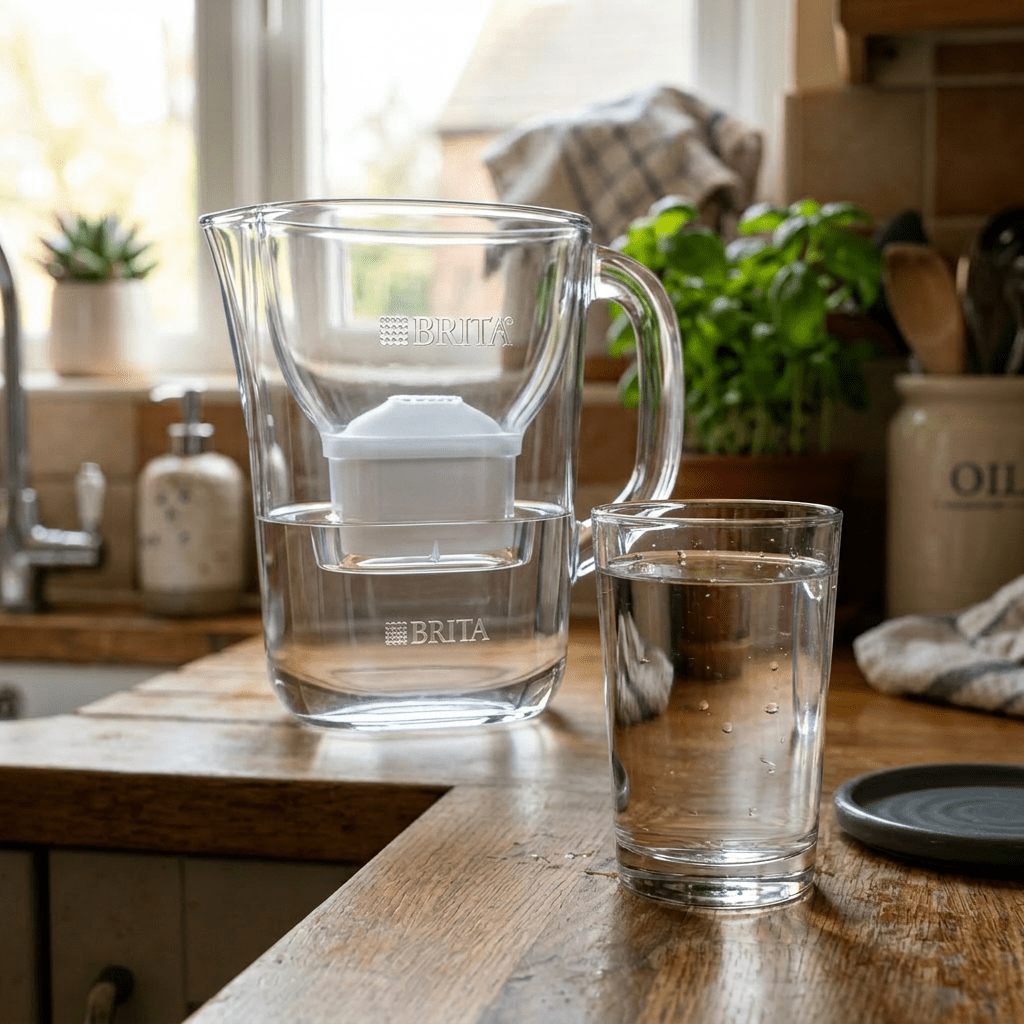
    Personally, I have switched to filtered water , researched remineralization options (electrolytes!), and focused on mineral-rich diets. My love for MAHA grows with every new ruling. The memes are funny, but the science and lived experience are compelling.

    Fluoride in water might have started with good intentions (or not), but in 2026, with better tools and awareness, it is time to rethink it. Support local efforts to review or remove it. Back MAHA initiatives that prioritize transparency and choice. Demand studies that look at total exposure from all sources, not just narrow dental metrics.

    This movement is not anti-science—it is pro-truth, pro-freedom, and pro-health. I am all in because I want to thrive without hidden burdens in our most basic necessity: water.
    Water surface with DNA helix and medical icons alongside liquid drops from a pipette
    Water ripples with DNA strand and medical icons in a lab setting
  • My Passion for Nutrition (pt. 3)

    My Passion for Nutrition (pt. 3)

    “Drink more water!” is solid advice, but the full story of staying hydrated is far more nuanced and fascinating than simply filling up a bottle and chugging it down.

    Your body is roughly 60% water, with your brain, heart, lungs, and muscles relying on a balance to function. Yet many people miss the mark by focusing only on volume while overlooking how the body actually absorbs and uses that water.

    True hydration is not just about quenching thirst—it is about delivering moisture to every cell, organ, and system efficiently. And that process depends heavily on electrolytes.

    Contrary to popular belief, simply drinking large amounts of plain water is not the most effective way to hydrate your entire body. Water from beverages primarily satisfies your tummy and immediate thirst signals, but it can pass through your system quickly without fully going into tissues if the right supporting minerals are not present.

    (Think of it like trying to water a garden with a hose but no proper soil or nutrients—the water might run off instead of nourishing the roots.)

    Instead, a significant portion of our daily hydration actually comes from the foods we eat, particularly water-rich fruits and vegetables. Cucumbers (ew), watermelon (ew), oranges, spinach, strawberries, celery (ew), and tomatoes are all examples. These foods deliver water along with natural electrolytes, vitamins, and fiber, allowing for better absorption and retention. This food-based hydration is gentler and more sustained than liquid alone.

    Electrolytes—primarily sodium, potassium, magnesium, and calcium—are essential minerals that carry an electric charge. They regulate fluid movement in and out of cells, support nerve impulses, muscle contractions, and pH balance. Without adequate electrolytes, water cannot do its job properly. Your cells essentially use these minerals as “gatekeepers” to pull water where it is needed most.

    When electrolyte levels are low (from sweating, stress, exercise, illness, and especially a typical modern diet), drinking plain water can lead to a phenomenon sometimes described as “cascading” through the body rather than deeply hydrating it. In extreme cases, overdoing plain water without electrolytes can dilute blood sodium levels, leading to symptoms like fatigue, headaches, muscle cramps, or brain fog. This is why athletes, people in hot climates, or those on low-carb/keto diets (speaking from personal experience here!) often feel dramatically better when they add electrolytes rather than just increasing water intake.

    Chugging large quantities of plain water in one go is a bit like waterboarding your digestive system—it overwhelms your stomach and kidneys without providing balanced support for the rest of your body. Your kidneys can only process so much fluid at once, and excess water without electrolytes gets peed out quickly, taking some valuable minerals with it. This can leave you feeling bloated or still dehydrated.

    The smarter approach is consistent, balanced intake throughout the day. Sip water steadily, pair it with electrolyte sources, and incorporate hydrating foods. This method supports better absorption, sustained energy, clearer thinking, glowing skin, and improved physical performance.

    Thankfully, getting electrolytes does not have to be boring or clinical. Nature provides plenty of yummy potassium-rich foods: avocados, bananas, sweet potatoes, and leafy greens., magnesium sources: nuts, seeds, dark chocolate, and pumpkin seeds, sodium: pinch of high-quality sea salt or Himalayan salt in your water or meals (especially if you sweat a lot or eat very clean).

    For ease, many people turn to quality electrolyte supplements. My man started getting me LMNT packets, and they have become a game-changer for my daily workouts. The lemonade flavor is my absolute favorite—tart, refreshing, and perfectly balanced without any junk. Or maybe you want a morning Jolly-Rancher-like drink— try the Watermelon or Raspberry (they both literally taste like sucking on candy!) I mix it into mineral water, and the combination is delicious.

    There is something luxurious about the fizz; it feels like a sophisticated treat, reminiscent of sipping champagne or San Pellegrino on a sunny afternoon. The bubbles make it extra enjoyable, turning hydration into something I actually look forward to. He also got me a machine for making my own bubbly water at home using filtered non-fluoride water (I want to try making bubbly coffee with it!)

    Bubbly mineral waters naturally contain trace minerals too, so pairing them with a good electrolyte mix elevates both taste and function. Whether you are post-workout, recovering from a long day, or just starting your morning, this combo keeps me feeling energized and balanced.

    Proper hydration with electrolytes is not about restriction or rigid rules. It is about listening to your body and giving it what it truly needs to thrive. When you get the balance right, the benefits show up everywhere: better focus, steadier mood, stronger workouts, and even improved sleep.

    Staying hydrated is one of the simplest/most powerful things you can do for your health. By shifting from “just drink more water” to a thoughtful approach that honors electrolytes and whole foods, you can experience deeper, more effective hydration.