Tag: bubbles

  • Dinner with F. Scott Fitzgerald: The Allure of Literary Luxury

    Dinner with F. Scott Fitzgerald: The Allure of Literary Luxury

    Which author would you love to have dinner with?

    If I were to have dinner with an author, it would be F. Scott Fitzgerald. Not because of the obvious masterpiece everyone names first—The Great Gatsby—but because he understood luxury as a temperature, a texture, a way of moving through a room. He did not merely describe wealth. He lived inside its shimmer and its hangover, and he wrote as if both were equally sacred.

    Ornate wood-paneled library with bookshelves, seating, chandelier, and city views
    A richly appointed library lounge invites quiet reading beneath a glowing chandelier and tall arched windows.

    I have never been especially moved by stories that ask me to stay where I already am. Many people prefer fantasy worlds they can visit and leave, or novels that feel “relatable,” which often means ordinary kitchens, ordinary disappointments, ordinary weather. I have always been drawn the other way: toward silk, late hours, expensive mistakes, and the particular loneliness that arrives when the party is still going and you realize you are the only one who notices the light has changed. Fitzgerald paints that picture better than almost anyone. He makes luxury look not like a shopping list but like a climate.

    The Great Gatsby is the public cathedral. It is the book of the green light, the orchestra, the rumor. It is magnificent. But The Beautiful and Damned is the private room. Anthony Patch and Gloria Gilbert are not striving toward a dream so much as they are already inside one and slowly ruining the furniture. They are beautiful, idle, certain the future will keep paying their bills because it always has. They drink, they quarrel, they buy a second house they cannot afford because the idea of a gray country house is prettier than the math. They treat inheritance like weather: something that will arrive if you wait long enough in the right clothes. I recognize that hunger. Not the poverty of wanting more, but the more dangerous appetite of people who already have enough to be ruined by taste.
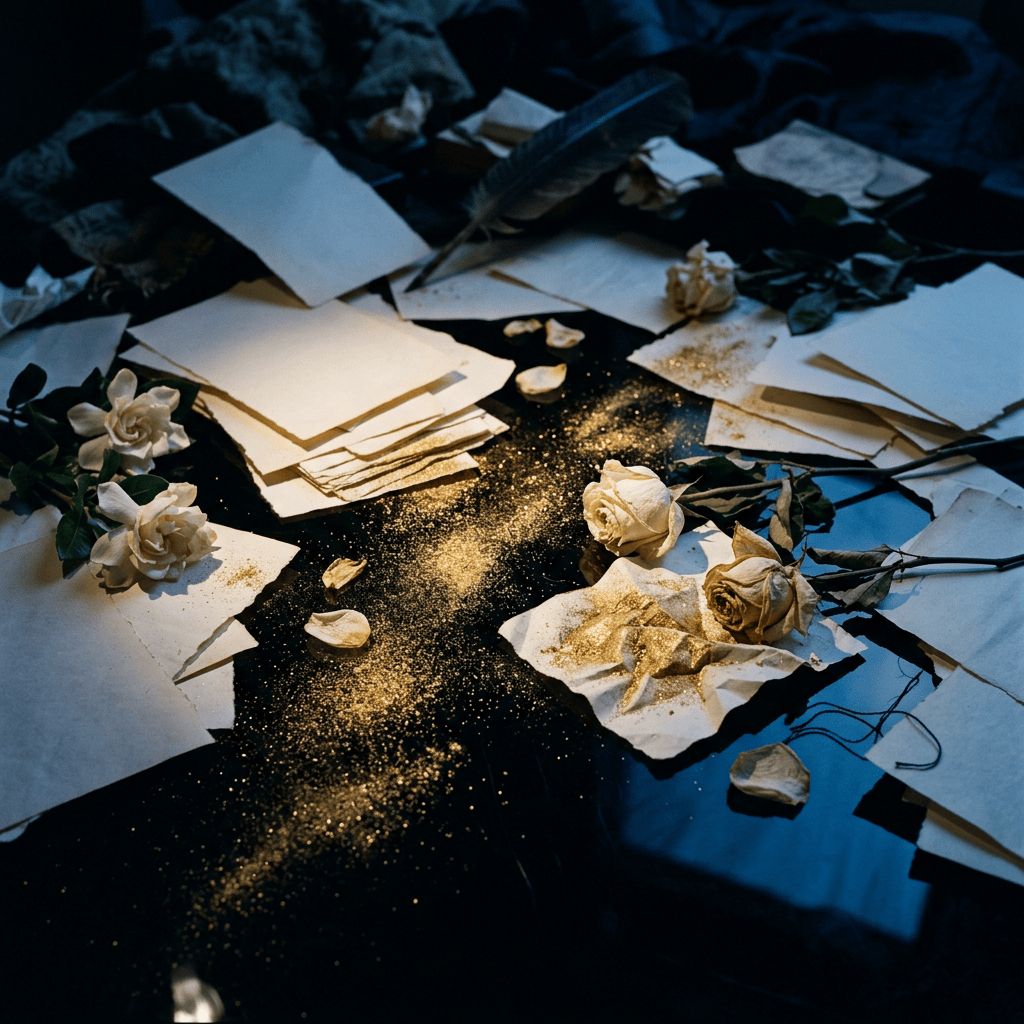
    Dried roses and scattered letters covered in golden dust on dark fabric
    Dried roses, scattered letters, and golden dust create a hauntingly romantic still life.

    Fitzgerald and his wife Zelda lived the same plot in public. Newly famous, they took over hotel lobbies as if the city were a set built for them. They spun in revolving doors, slid down banisters, jumped into fountains, arrived at parties on all fours, locked a jazz band in a bedroom and made it play until morning. They crossed the Atlantic with too much luggage and rented villas above the Mediterranean because New York had become too loud and too expensive for the kind of living they refused to scale back. He wrote about living on practically nothing a year while still ordering champagne. The contradiction is the point. Luxury, in Fitzgerald, is never only possession. It is performance, mood, and the brief conviction that beauty can postpone consequence.

    Elegant dinner table beside a roaring fireplace with champagne and flowers
    A warmly lit fireside table is prepared with champagne, flowers, and handwritten invitations.

    That is why I want dinner with him rather than a seminar on his most famous novel. I do not want the monument. I want the man who knew that parties are intimate precisely because they are large, that the very rich are different because they possess early and grow soft and cynical in places the rest of us stay hard, that “eat, drink, and be merry” is both a philosophy and a slow form of suicide. I want the writer who could make a cloth-of-gold dress and a platinum ring feel like plot. Zelda once advertised The Beautiful and Damned by listing the clothes she could buy if enough people purchased the book. That is not a joke to me. That is the aesthetic I live toward: art that funds the next beautiful object, beauty that funds the next sentence.

    Dinner would not be modest. I imagine a table that looks casually expensive and is, in fact, carefully so: low light, heavy silver, something cold and gold in the glass, a room that smells of perfume, cigarette smoke, and citrus from a bowl no one will eat. He would talk too much and then go quiet in a way that makes you lean in. He would notice the cut of a jacket before the content of a confession. He would be funny about money and then suddenly exact about it. He would understand, without needing it explained, why some of us do not want stories that return us to the life we already know how to survive. We want stories we can project onto the life we are trying to inhabit: the late dinner, the borrowed glamour, the risk that beauty is both the prize and the damage.

    The Beautiful and Damned is that projection. It is not a cautionary tale I read in order to become more responsible. It is a mirror I hold up when I want to see the version of myself that still believes atmosphere is a moral category. Anthony and Gloria fail, of course. They waste time, money, youth, and each other. Fitzgerald knew the bill always comes. He just refused to pretend the evening was not worth it while the candles were still lit.

    More stories about that, please. Not more worlds of dragons or more kitchens of quiet endurance. More rooms where the lighting is unforgivable, the clothes are too fine for the bank balance, the conversation is half seduction and half autopsy, and someone at the table still believes that if you live beautifully enough, the universe might keep the lights on a little longer. Fitzgerald made that belief look like literature. I would like to sit across from him and see whether, for one night, it still looks like a plan.

  • My deepest passion is nutrition — but ultimately, it’s all for him

    What are you passionate about?

    He is the prize at the end of the journey. To fully receive that gift and build the life I dream of with him, I have made my health non-negotiable. Nutrition is not just a hobby for me; it is something I can wax poetic about for hours with genuine excitement. I have explored it all — from the MAHA movement (seed oils, fluoride, ultra-processed additives, and all the hidden toxins) to Ray Peat’s principles and everything in between. I have lived the experiments myself: vegan, gluten-free, paleo, keto. I have been underweight and overweight. Through trial and error, I have learned what truly makes the body and mind thrive.

    Bright multicolored heart-shaped light swirl in starry cosmic background
    A glowing, multicolored heart-shaped swirl glimmers vividly in space.

    A brain injury years ago left me with some lasting effects I can be self-conscious about. It does not stop me from loving deeply or building a lasting relationship— as seen in my current form attracting him (thankfully, the “disability” does not seem to bother him at all), but I still carry that quiet desire to show up as my strongest, healthiest self. I want to move through life with ease — for me, and especially for him.

    Currently. Wifely duties from afar.

    Because more than anything, I long to be his perfect little housewife. I can already manage it beautifully with one hand, but two steady hands would let me pour even more love into our home. And yes — almost every girl dreams of the aisle. So I am committed to walking strong, not just so I can hold his hand while we stroll down the street or along the beach, but so I can walk down that damn aisle toward him, radiant and ready for forever.

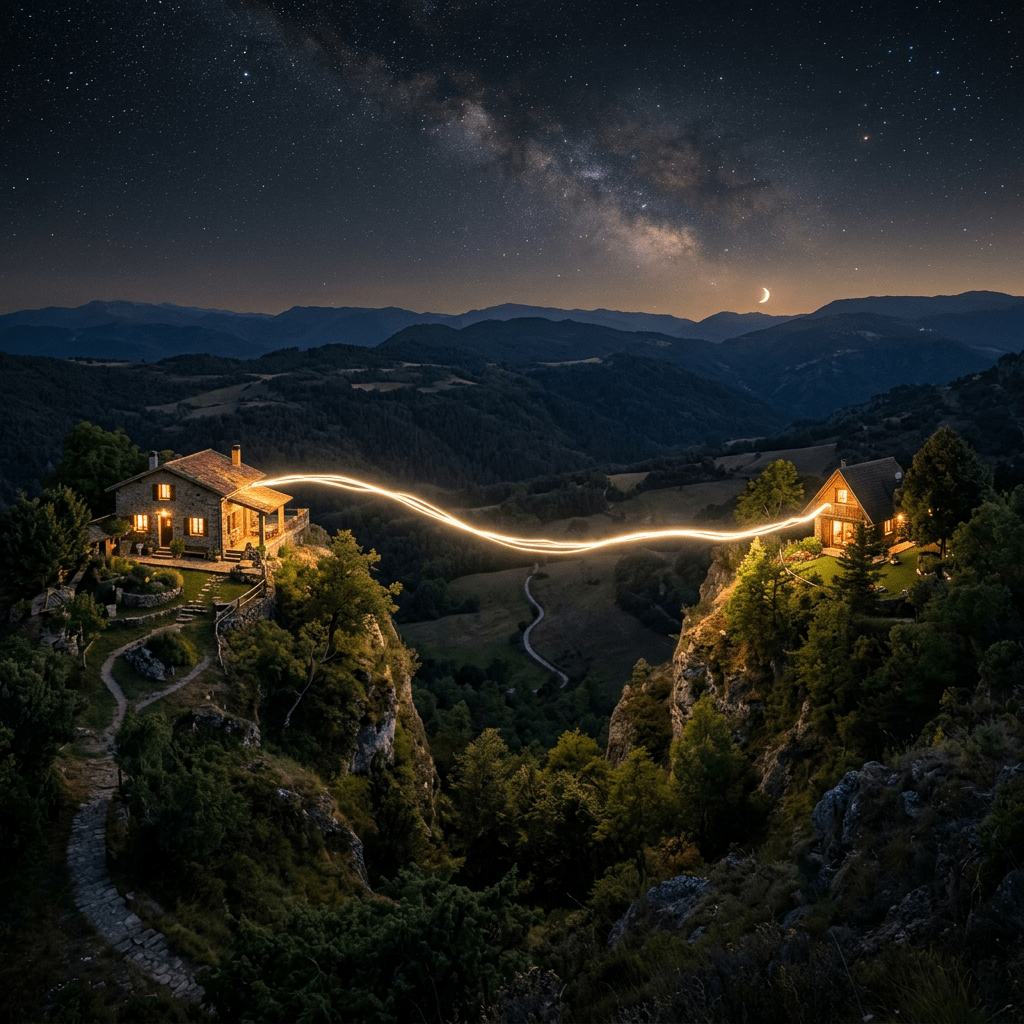
    Two illuminated houses on mountain cliffs linked by a glowing light trail under starry sky
    Love from a Distance.
  • My Passion for Nutrition (pt. 3)

    My Passion for Nutrition (pt. 3)

    “Drink more water!” is solid advice, but the full story of staying hydrated is far more nuanced and fascinating than simply filling up a bottle and chugging it down.

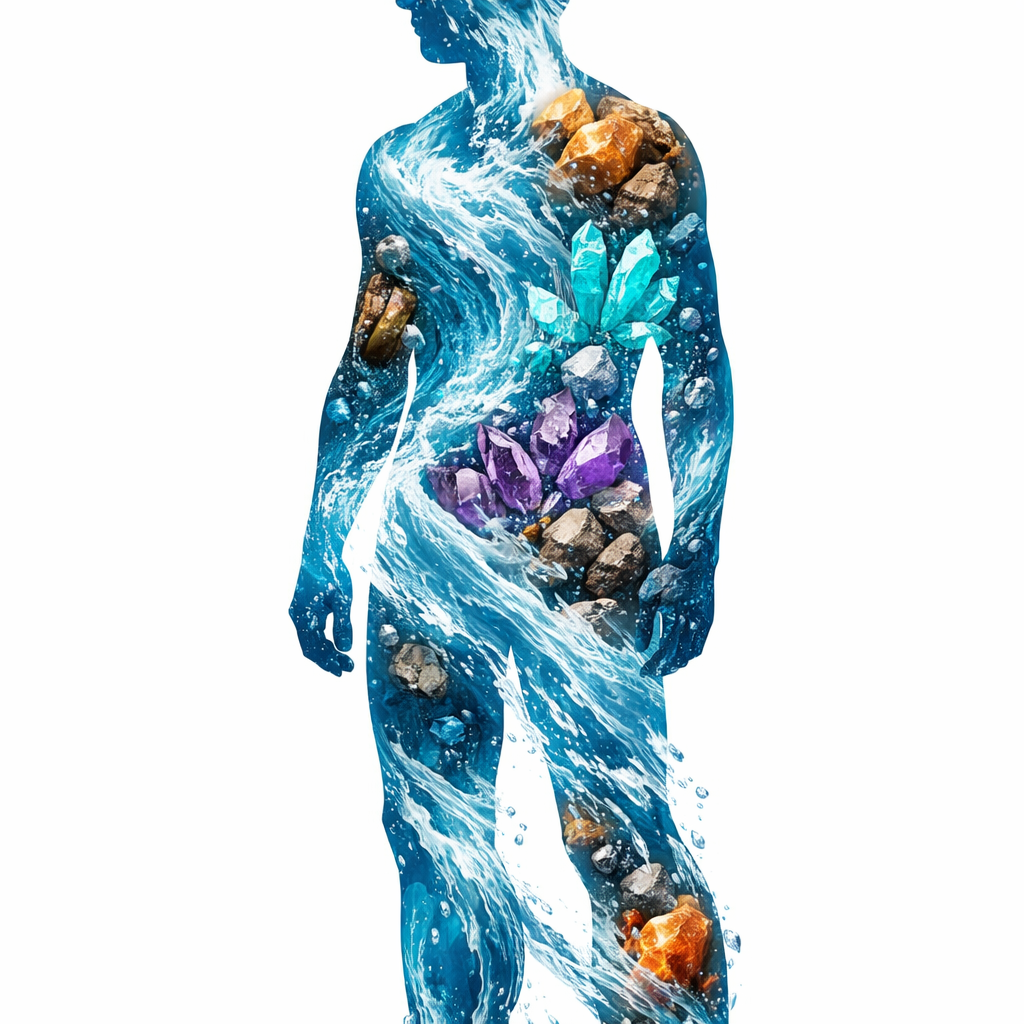
    Your body is roughly 60% water, with your brain, heart, lungs, and muscles relying on a balance to function. Yet many people miss the mark by focusing only on volume while overlooking how the body actually absorbs and uses that water.

    True hydration is not just about quenching thirst—it is about delivering moisture to every cell, organ, and system efficiently. And that process depends heavily on electrolytes.

    Contrary to popular belief, simply drinking large amounts of plain water is not the most effective way to hydrate your entire body. Water from beverages primarily satisfies your tummy and immediate thirst signals, but it can pass through your system quickly without fully going into tissues if the right supporting minerals are not present.

    (Think of it like trying to water a garden with a hose but no proper soil or nutrients—the water might run off instead of nourishing the roots.)

    Instead, a significant portion of our daily hydration actually comes from the foods we eat, particularly water-rich fruits and vegetables. Cucumbers (ew), watermelon (ew), oranges, spinach, strawberries, celery (ew), and tomatoes are all examples. These foods deliver water along with natural electrolytes, vitamins, and fiber, allowing for better absorption and retention. This food-based hydration is gentler and more sustained than liquid alone.

    Electrolytes—primarily sodium, potassium, magnesium, and calcium—are essential minerals that carry an electric charge. They regulate fluid movement in and out of cells, support nerve impulses, muscle contractions, and pH balance. Without adequate electrolytes, water cannot do its job properly. Your cells essentially use these minerals as “gatekeepers” to pull water where it is needed most.

    When electrolyte levels are low (from sweating, stress, exercise, illness, and especially a typical modern diet), drinking plain water can lead to a phenomenon sometimes described as “cascading” through the body rather than deeply hydrating it. In extreme cases, overdoing plain water without electrolytes can dilute blood sodium levels, leading to symptoms like fatigue, headaches, muscle cramps, or brain fog. This is why athletes, people in hot climates, or those on low-carb/keto diets (speaking from personal experience here!) often feel dramatically better when they add electrolytes rather than just increasing water intake.

    Chugging large quantities of plain water in one go is a bit like waterboarding your digestive system—it overwhelms your stomach and kidneys without providing balanced support for the rest of your body. Your kidneys can only process so much fluid at once, and excess water without electrolytes gets peed out quickly, taking some valuable minerals with it. This can leave you feeling bloated or still dehydrated.

    The smarter approach is consistent, balanced intake throughout the day. Sip water steadily, pair it with electrolyte sources, and incorporate hydrating foods. This method supports better absorption, sustained energy, clearer thinking, glowing skin, and improved physical performance.

    Thankfully, getting electrolytes does not have to be boring or clinical. Nature provides plenty of yummy potassium-rich foods: avocados, bananas, sweet potatoes, and leafy greens., magnesium sources: nuts, seeds, dark chocolate, and pumpkin seeds, sodium: pinch of high-quality sea salt or Himalayan salt in your water or meals (especially if you sweat a lot or eat very clean).

    For ease, many people turn to quality electrolyte supplements. My man started getting me LMNT packets, and they have become a game-changer for my daily workouts. The lemonade flavor is my absolute favorite—tart, refreshing, and perfectly balanced without any junk. Or maybe you want a morning Jolly-Rancher-like drink— try the Watermelon or Raspberry (they both literally taste like sucking on candy!) I mix it into mineral water, and the combination is delicious.

    There is something luxurious about the fizz; it feels like a sophisticated treat, reminiscent of sipping champagne or San Pellegrino on a sunny afternoon. The bubbles make it extra enjoyable, turning hydration into something I actually look forward to. He also got me a machine for making my own bubbly water at home using filtered non-fluoride water (I want to try making bubbly coffee with it!)

    Bubbly mineral waters naturally contain trace minerals too, so pairing them with a good electrolyte mix elevates both taste and function. Whether you are post-workout, recovering from a long day, or just starting your morning, this combo keeps me feeling energized and balanced.

    Proper hydration with electrolytes is not about restriction or rigid rules. It is about listening to your body and giving it what it truly needs to thrive. When you get the balance right, the benefits show up everywhere: better focus, steadier mood, stronger workouts, and even improved sleep.

    Staying hydrated is one of the simplest/most powerful things you can do for your health. By shifting from “just drink more water” to a thoughtful approach that honors electrolytes and whole foods, you can experience deeper, more effective hydration.