Tag: past

  • Losing Friends and Achieving Goals Through Physical Therapy

    Losing Friends and Achieving Goals Through Physical Therapy

    I have been through a lot of physical therapy throughout the years. One thing that I noticed was that many people treat their patients as a protocol and not just a person. 

    It can definitely be life changing. Still, you may need to wade through a series of therapists. I will admit that— at first— I used my physical therapy as a way to indulge my social cravings. I did not speak coherently. It was not easy for me to speak. But, I felt great pride and took immense pleasure in being capable of speaking. (I was mute from June thirtieth- August thirteenth, twenty-ten).  

     I became absolutely starved of social interaction. Even my friends faded away from me once I got ill and became unable to go out. My body betrayed me, and doctors only shrugged. It felt like a life on pause type of sickness. It started small. Texts went unanswered. Group chats dried up until it became absolutely nothing. Not even a heart emoji. Like I had vanished. At first I blamed the timing. People are busy, right? Work, kids, their own drama. But then weeks turned into months. The invites stopped. Just silence. 

    For the first few years, a few hung around but they eventually had to live their own lives. They finished school. Got jobs. They got married. Had babies.   All while I was drooling every time I went out in public and spent years in adult diapers.  I get it. Illness is not sexy. It is not funny. It is not a vibe. It is just… heavy. And nobody wants to carry that. But here was the part that stung: they did not leave because I changed. They left because I cannot keep up. Could not laugh at their jokes. Not pretend everything was fine. So they ghosted—not out of malice, but out of convenience— people vanish when it becomes too hard to stay. 

    At this point in my life, I needed someone to gossip with about the shows I was watching. I also wanted to discuss current events with them. Thus, I used physical therapy to cure my newly found loneliness.

    All the while I was desperate to recover but the many therapists I saw did not care about my recovery. They gave me false hope and promised to fix me. 

    Essentially, physical therapy only appeased my craving to chat. No tweaks to the recovery plan. No follow-up questions. They simply saw me as a paycheck. Someone who they could put through cookie-cutter exercise routines while they were on the clock. It seemed like a scam. 

    Now I have a physical therapist who actually watches how I move. He sees that I am compensating for my lack of strength in my left side. We both love sport. I no longer desire to talk about television or popular culture. So, I still get a good battery recharge from the quick recap we do during our sessions. But he also applies sports knowledge to the exercise program that he designs for me. It is crucial for me to understand the why behind my actions. I don’t want to be treated like a robot on a conveyor belt. 

    I also love getting to walk and I absolutely adore that he acknowledges it. He allows me to explore walking around without any cane or walker. I get teary-eyed when I am allowed to operate like a regular human being. It seems silly. Stupid. But it means so much. No one else did this for me. I find that odd because it is the point of my ultimate goal in physical therapy. My goal in physical therapy is walking around by myself on my own. 

    Good physical therapists exist. They are the ones who treat you like a person, not a protocol. And they will stay— not dismiss you because you do not fit conveniently into their narrative. 

  • Choose Your Fighter

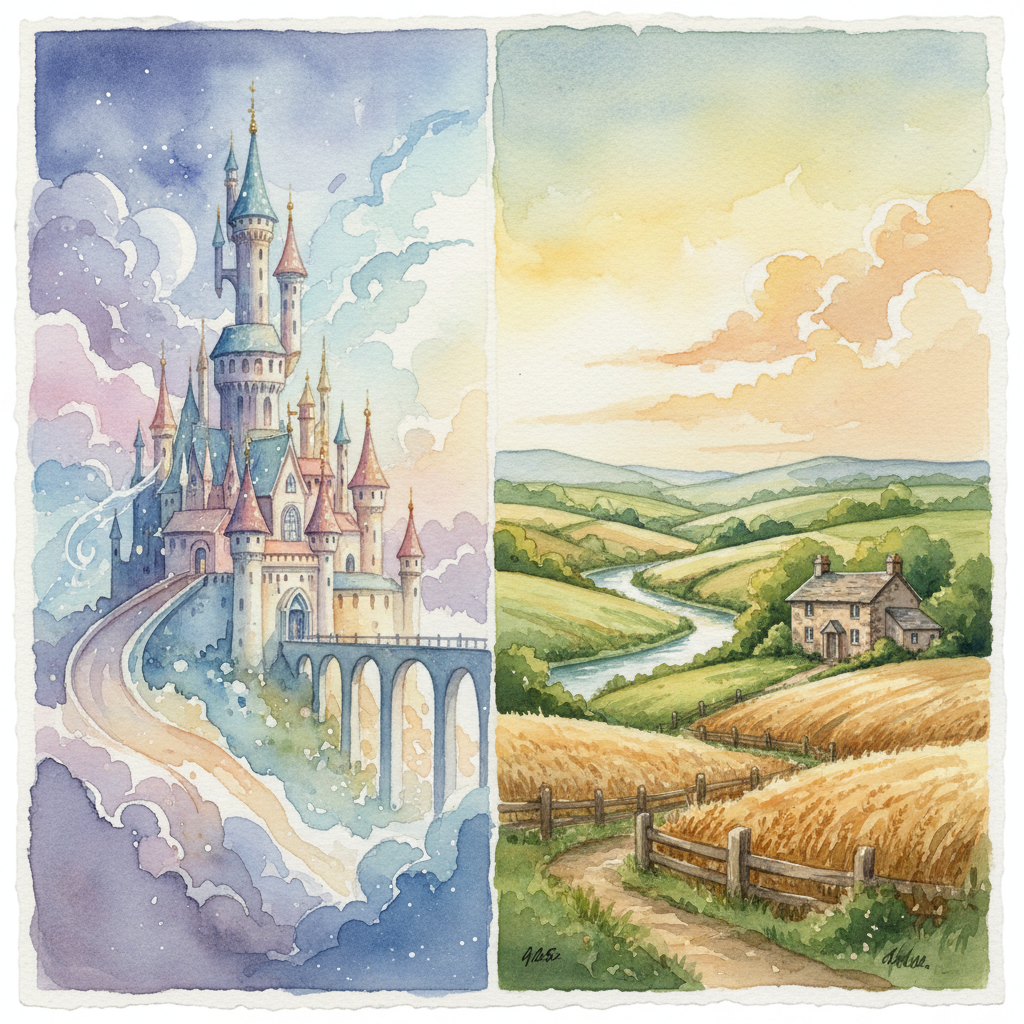
    Choose Your Fighter

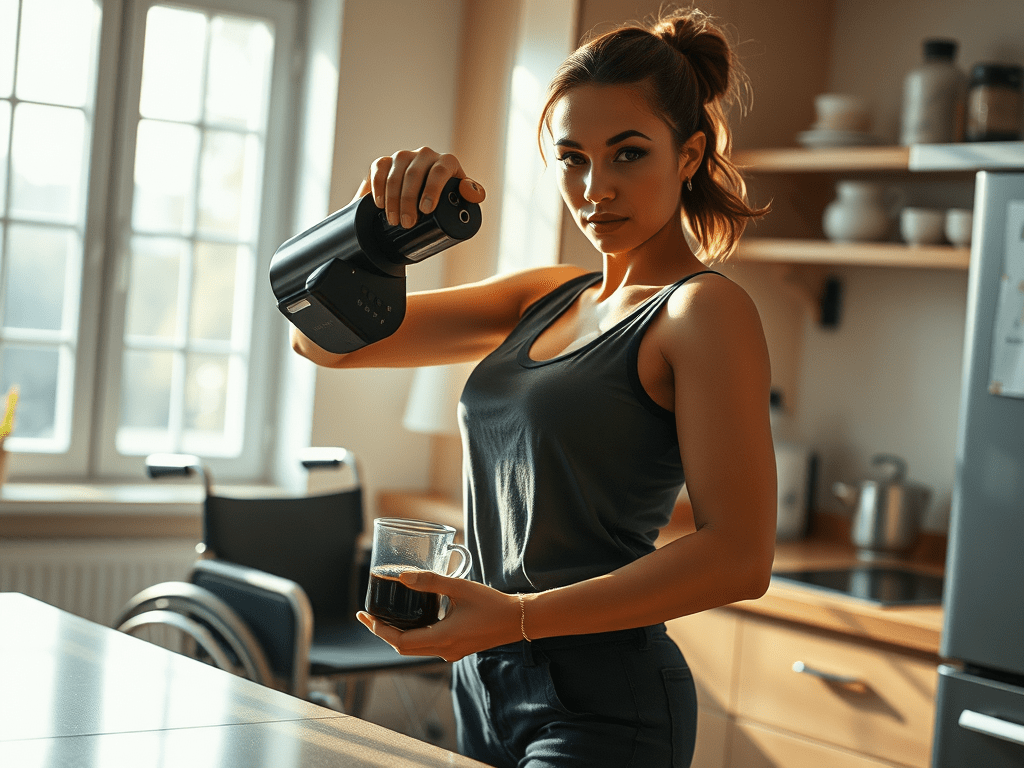
    Transformation: from disability to housewife-in-training (throughout the years of my illness)

  • My Journey: From Veganism to Weight Loss Success

    My Journey: From Veganism to Weight Loss Success

    A friend of mine recently reminded me about the five year stint I took from eating meat. It was from twenty-twelve until twenty-seventeen. I was vegan during this period. Eating meat again reopened my eyes. This reminds me of the many “fad” diets that I have tried. 

    After initially getting sick, I had testing to find out which foods I had an intolerance to. 

    At first, we saw a woo woo type doctor. He had me place my hands on a stone. I could do only my right one obviously. He told me that the stone showed I need to stay away from anything that comes from beef. My mother bought into everything that that “doctor” was shilling. However, my father and I had a hard time believing that prognosis. So I had my blood tested by an actual naturopath. 

    My blood tests showed that I had an intolerance to dairy and chicken eggs. I was extremely overweight at the time. So, I figured that I might as well cut out all meat and fish, as well. I did not quit because meat was too heavy, or bad for the planet, or—worst of all— too expensive.

     (Now I have a conspiracy theory that the doctors doctored those tests because I was so big and so sick). 

    Being vegan did nothing for me. It definitely was not difficult for me to give up meat; but I absolutely love sushi, ice cream and cheese.  But I knew that I could no longer overindulge in these anymore (that is the issue here— overindulgence)

    I mostly had a diet of carbohydrates during those years. This was obviously before I started my gluten free lifestyle. I could eat anything fried, doughy, and all of the pasta. And I still adhered to the diet. I also ate a diet full of beans and legumes. This ultimately made my body reject absorbing bean protein. Sigh. I do miss my hummus!—This recipe is not conducive to weight loss. 

    Now I simply eat whatever I desire. Because the second that that steak hit my tongue in twenty- seventeen everything clicked back into place. As if my body had been quietly waiting, storing up all this dumb, primal hunger. No guilt. No lecture. Just… meat. Warm, real, alive on the plate.

    Now, compared to when I decided to go vegan, I can demonstrate discipline. This change has been in effect as of twenty-seventeen. I control how much I eat. This was the major difference. How much I am consuming. As I have mentioned, I managed to lose more than one hundred pounds. 

    The body is created in the kitchen, not the gym. When I initially gained more than one hundred pounds— I killed myself in the gym and my parents had me see a personal trainer, but I kept eating more of anything and everything. That is why my weight barely budged. I was extremely unhappy and this—reflected in the mirror—and ultimately reflected in my health. 

    I have learned that weight loss and body image are based on my mental state. I finally found my voice and accepted my opinions instead of following the crowd. As a result, I got happier and met the man of my dreams. I also saw my body transform to mirror my state of mind. 

     I guess what I am saying is—sometimes you quit because you are scared. Or lazy. Or—in my case—it seemed the easiest way to lose the weight I gained. At least, I thought it was. And then one day you bite into something again, and remember: “This is why I liked it.” Not because it is fancy— although I do love that aspect. Not because it is trendy. Just because it is good. And good makes me happy. Happy equals healthy. 

  • Americana.

    Americana.

    I have lived in the tiny town of Snohomish, Washington,since I was seven years old. Snohomish is not flashy. It is not Seattle. It is the kind of place where you grow up slow. The biggest drama is who forgot to lock the barn. In Snohomish, “good morning” still means something.

    I used to hate that. I wanted to be a big city girl (ala Samantha Jones in Sex and the City). I even went away from the public school I was supposed to attend. I did this so I could dress and be a little more high class. 

    The girls who live in Snohomish pride themselves for living in a Bodunk town. “Fancy” usually means that you will sink into the muddy fields. It is not the norm.  But I did not like that. I did not want to wear pajamas and slippers to class. I wanted to wear stilettos and I dreamt of living in a penthouse. 

     None of that ended up happening. It became dangerous to even visit a city. Now I have a different perspective of this small town. It feels like living inside a postcard and that postcard smells like rain and fresh-cut grass most days. 

    This town is tiny, maybe ten thousand people. Main Street still looks like it did in the nineteen-twenties. It has brick storefronts, a hardware store that sells everything from nails to fudge, and diners. The river runs right through the middle—Snohomish River, wide and slow. Packed with sunburned locals in July. Around here, summers are for the county fair (something that I do not partake in). It is not the flashy kind with Ferris wheels taller than trees. It’s just a dusty field off Second Street, filled with goats baaa-ing, cotton candy, and sketchy ride operators. Winters are quieter. Fog rolls in off of Puget Sound like a blanket, and school buses crawl through it, headlights glowing. 

    People here do not rush. You wave at strangers because you have seen them before— since the town is so small. Everyone knows everyone’s business. They do not judge, or at least, they do not judge out loud. This was new to this little Russian girl. I left for college, came back since. The river still smells the same. The hardware store still sells fudge. And yes it rains, but it rains softly— as if this place is giving you a hug. 

    I want to share this hug with the love of my life. Convincing my boyfriend to move out to Washington state was like my experience of recognizing my hometown in the past. It is different from the postcard version I see now. 

    While we would not be living in Snohomish, small towns are so much more attractive than the big bad cities. While I do not want to dress like a slob or float down a river in the summer— I would rather that than be raped by an immigrant and encounter needles in the storefronts.  He would rather cheer for the teams that his family has always supported and not be surrounded by “aw shucks” coworkers. 

    So I do not belong in Snohomish, Washington, but I have definitely developed an appreciation for small towns. I might live in a small “Americana” town in Montana or the Carolinas. Wherever I end up, I will always waive “hello” and will not judge (out loud). 

  • Healing vs. Believing

    Healing vs. Believing

    I have traveled the entire world, read every book and attended countless therapies in order to heal. Through all of this experience, I have learned that if you do not want the help— if you do not believe—you will not heal. 

    Healing does not come when you chase it, it comes when you are quiet enough to listen. My parents took me all the way to Brazil to see a Seeing Eye “doctor” called John of God. John of God—real name João Teixeira de Faria—was a Brazilian faith healer who claimed to channel spirits to perform invisible surgeries without tools or anesthesia. He ran a center in Abadiânia (until the Me Too movement got him in twenty-eighteen because apparently the eighty-year-old man was sexually harassing women during his procedures) drawing thousands of desperate people—cancer patients, chronic pain sufferers, even celebrities—hoping for miracles. My parents wanted this miracle to happen for me us. 

    John of God would go into trances, say he was guided by dead doctors or saints, then operate by pressing fingers into eyes, scraping skin, or just waving hands. Some swore it worked: tumors vanished, backs straightened, pain gone. Others called it placebo at best, fraud at worst.

    I was in the placebo group and I can confirm that I was not mentally ready to take in any miracles or will his strategies to work. I was just along for the ride. Not understanding why this was happening to me but knowing that it would get better. 

    I mean— the place was magnificent.  Abadiânia is a little mountain-top village; there are no giant statues of Jesus Christ. Throughout the night, you can hear the stray cats fighting and roosters crow in order wake you every morning— as if it is an order. We had to wear all white clothing (this is best for letting in the spirit world). We wrote down our prayers/ wishes every day and stood in long lines in order to visit with John of God. We were prescribed herbal remedies and crystal “baths”— in which you lay in a tanning-like bed amongst the crystals for hours. I could not wrap my head around the fact that every single “patient” would be given the same prescription— despite their ailment. How could that help you if it was not designed specifically to your needs?

    Now I understand that it is all about intention. I can consume the same herbs as you but— for me— tumors would shrink/disappear and I would be cured of my paralysis, but others bones would be healed and bleeding would stop— with the same herbs. I guess sacred does not always mean that it is holy, because I would pray. For years, I was searching for a higher power, but I was asking the wrong questions. Healing is not always gentle— sometimes you need to be shoved. Life has shoved and shoved— now I am ready to listen. 

  • Shattered.

    Shattered.

    If we are going to go through the character arc of my not being good enough and the affect that it had on my life thus far , we have to further elaborate on what led me into my post-high-school downward spiral and my current health issues. 

    In high school, I tried extremely hard. After my middle school experience at being an overweight/ flunking embarrassment, I was shown how people only gave me praise and attention if I wore a size zero and excelled in my studies. So I withered away and took notes/ highlighted my books until my fingers bled. I tried to keep a social life, but eventually the obsession with my food and appearance gave way. 

    I even drove myself to school (once I got my license) hours earlier so that I could sit in the computer lab and search for homes where an adolescent can live on her own (I always thought that living on my own was the answer to my prayers!) 

    And then of course there was a boy. He was a firefighter, did not go to my school and actually showed interest in me. I was not used to this. I was deprived of romance and even though I had no interest in him, I craved his touch, his kisses and his text messages as if I had been trekking through the desert for years and he was a fresh spring of water. 

    But I never slept with him. I must have had some kind of moral code, because this would continue in university. We would do everything but as soon as it came to the actual act, I became dismissive. That did not please the twenty-year-old-playboy -firefighter, and suddenly his attention turned elsewhere. He went back to his ex-girlfriend— an easy get— fake tanned, a bit chubby and dumb as rocks. 

    My ego was absolutely shattered. My heart cracked open—like someone took a hammer to a glass jar and just let it shatter. Even though I had spent years not eating or enjoying life in order to be at the top of my class and in order to look like I was perfect—even though I made myself better than anyone else—I was once again still not good enough. My carefully curated Kate Moss-esque figure and resume quickly became crumpled trash in the midst of a “normie” high school girl. So I officially gave up. 

    I literally just stopped caring. I threw my hands up and started eating everything that I was missing out on for years. I stopped studying too. I took my tests after spending the night binging a television series (and binging copious amounts of snacks!). I would skip my classes the day that a major paper was due so that I could get it done the second before it was due.

    I gained more than twice the amount of weight that I weighed in high school. My parents were shocked when they saw me, they had me workout with a personal trainer, as if that was the issue—I simply had to move more not eat less.  However , the judgements only made me eat more. Still not good enough. 

    I reached out to some of the family friends I had grown up with so that I could have some semblance of a social life. And they helped. Invited me out. Made me laugh. But now everything felt fake.

    I was avoiding everyone from high school who knew me as the “anorexic girl “— the one who would only wear high heels and dresses or skirts instead of the jeans and sneakers of everyone around me— because I used to be better than everyone around me (or at least I believed I was). 

    Now I was ashamed. Now high heels would pinch my chunky toes and instead of flaunting my slender legs in skirts, I hid my giant slabs of meat in sweatpants and size thirty-two jeans. I avoided posting pictures of myself. I used to be so beautiful. I used to take immense pleasure in hearing my father tell his friends, “isn’t my daughter so hot?” He stopped saying that…

    Essentially the high school “breakup” did not just end a relationship—it ended me.  Once we had met, once I had tasted the attention I had been yearning for; I had built my whole senior year around him: I had started eating again (but not too much and of course I would never let myself go to sleep without working off every calorie I had eaten that day), late-night texts so that he could get more attention than my studies did, and fantasies about life together. 

    College was supposed to be freedom. Instead it felt like punishment. Instead of being lithe and studious, I was just studying myself—how to numb out, how to fake smiles, how to avoid anyone who might matter. I “slutted” around, but obviously nothing stuck. Every kiss tasted like betrayal. Every “I like you” sounded like a lie, because why would anyone like an over-two-hundred-pound girl?  I drank too much and I slept too much (making up for sleeping only a few hours every night in high school). 

    The worst part? I blamed him. For years. Like if he had never cheated, I would have gone to Yale, had a perfect GPA and had a perfect boyfriend. But It took recovering from my upcoming disability for me to realize: heartbreak does not ruin college. It does not ruin life. You do. You ruin it when you stop showing up. When you decide you are too broken to try. When you treat every new person like a ticking bomb. 

    Do not let one bad love story become the whole plot. Because the truth is, the boy who broke me? He is probably still in his mom’s basement, playing Fortnite. And I am here—yes, I do not like my current situation but I am surviving—writing this, breathing, alive and planning for a future. That is the real win.

    Essentially this entire experience taught me that everything happens for a reason— as corny as it may sound. Because honestly? The real damage was not the “breakup”—it was how I let it define me. I let one boy’s cowardice rewrite my future. I let shame decide my friends and my life.

    It is not something that I should look back on and regret, because what is really the point of that?!  If I was never made to feel like I was not good enough and thus never imploded, I would not have gone through the whole process of finding my voice and who I am, that means that I would not have started with the Twitter account full of snarky comments and controversial statements (seriously— people would constantly accuse me of either being a federal agent or a man pretending to run a girl’s account) and that would not have led me to meet the someone three thousand miles away— the man of my dreams. Maybe he is that perfect boyfriend I had envisioned finding in college. 

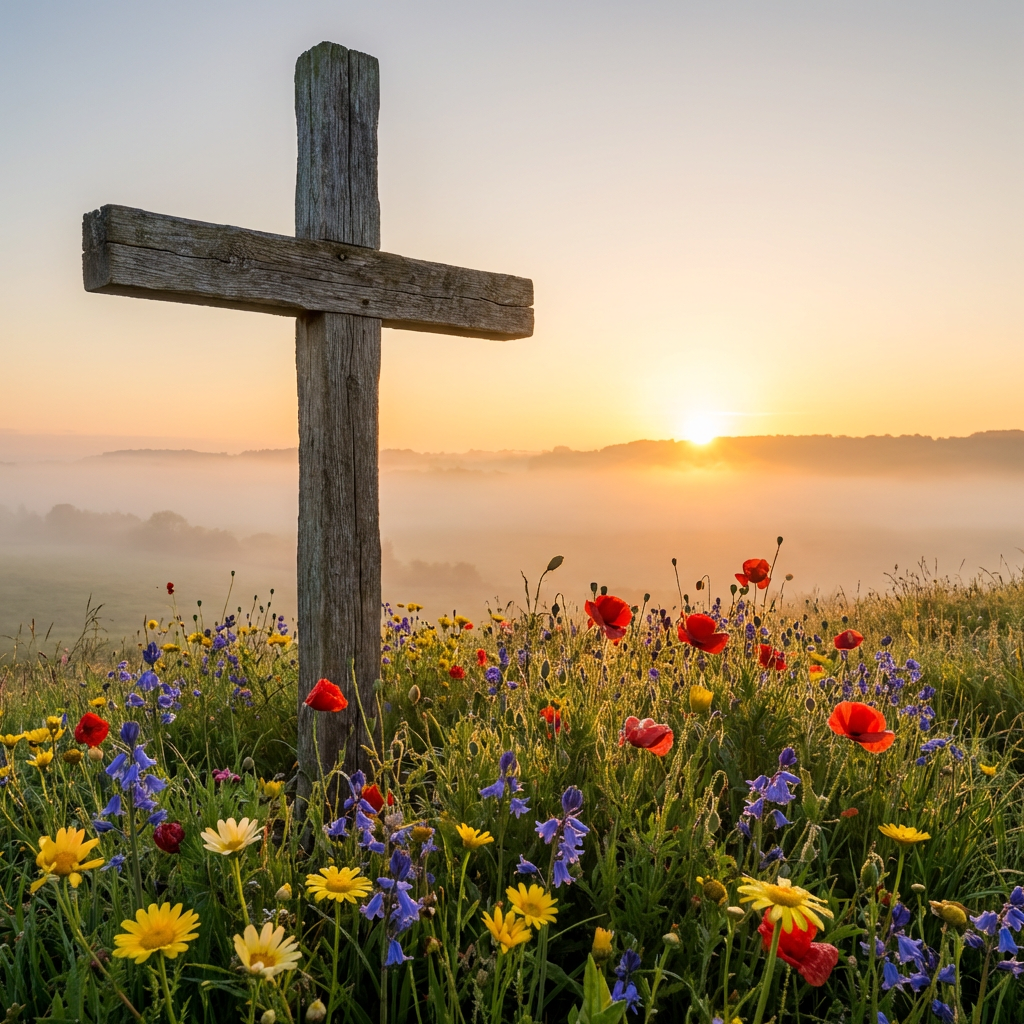
    Senior Year High School
    Post University

  • Coming to America.

    Coming to America.

    Growing up Russian in the heart of America felt like living in two worlds at once—one where borscht simmered on the stove while the neighbor’s barbecue smoke drifted through the window. 

    My parents landed in a quiet Montana suburb in nineteen-ninety-four, after the Soviet collapse. They brought suitcases stuffed with pickled mushrooms, a samovar (Russian wood burning tea kettle) and a stubborn belief that silence was louder than shouting. My father delivered pizzas while my mother cleaned houses while watching English speaking soap operas to grasp the language. 

    School was the real culture shock. I showed up to first grade with a thick accent and a lunchbox full of black bread and salo—pig fat, basically. Kids stared. I had a terrible time making friends. None of my classmates were wearing the clothes that mother picked out for me. Instead of ironed on puppies and monkeys from stores like Gap and Old Navy, I was wearing thick Pippy Longstocking type tights underneath short overalls and turtleneck shirts. Hot. 

    Home was different. Dinner wasn’t tacos or pizza—it was pelmeni, cabbage rolls, or whatever my mother could stretch from a single chicken. We ate together—no phones, no TV. I could not be a kid who watched cartoons, I had to attend Russian school in order to learn Russian language, writing and enhance my culture by learning Pushkin poetry. I just wanted to be normal. Going to Russian school was not going to diminish my thick accent and my weird way of speaking— I needed to watch the cartoons and I wanted my parents to shop at popular places. 

    The holidays were wild. New Year’s Eve wasn’t about fireworks and resolutions—it was about Old New Year, January thirteenth, when we’d stay up until two in the morning eating Olivier salad and watching Soviet cartoons on VHS. We would toast to surviving another year, like it was a victory. 

    But America crept in. I learned to love American food (unfortunately), begged for Halloween costumes and even made a few friends. My parents hated it. Instead of drinking hot tea in the mornings, friends would ask for some soda alongside the hot pancakes my mother made. You’re turning American, my family grumbled, watching me eat cereal straight from the box. It hurt, but eventually I laughed—because yeah, I was. 

    Because now I am in love with an American and no one can convince me otherwise. This man actually sees me for me. My Russian and my American. I tell him about how I grew up and he amazes me with stories about life in an American family. Stories that I never even thought were possible. Yes, we are different but if this country is supposed to be a melting pot then we are it. Mixed together and forever making each other better. 

    So I guess some things stuck. I did not choose to be one culture or another. Because that is what growing up Russian in the middle of America teaches you: you don’t pick a side. You just mix everything together until it tastes like home.  And I found that home. 

  • Undefeated.

    Undefeated.

    I have been struggling with this body for my entire existence. At first, I had to wear suspenders in order for me keep my pants from falling off. Then, as a little girl who just moved to America, I discovered my love for loaves of white bread, snickers and Coke-A-Cola.  The combination not only made me into a chubby elementary-middle school girl who was constantly made to feel like the ugly duckling in her own house (by my beautiful and perfect cousin), but led to the most pivotal moment in my young development. 

    In the summer before the sixth grade, my parents and I returned to our motherland (Russia). It was terrible. I had not seen any of my family since I was four years old and now as soon as my grandmother opened the front door she exclaimed, “Oh my!  You look so American!” I had no idea what that meant but I knew that it was not good. It was like my cousin had been telling me —  I simply was not good enough—at this point, she had moved out and was sent to boarding school.

    My other grandmother would also partake in the criticism of my appearance. I remember having my hand smacked away as I reached for the bread basket. Listen, I get it. The family should not be embarrassed. But I was just a kid, not some morbidly obese adult who just sat around and ate junk food all day . I had not even gone through puberty!  (All little girls puff up before their bodies release the excess storage). 

    Turns out, I would not even go through puberty until the end of high school because as a result of that criticism and the immense shame I felt, I simply stopped eating (and showing my body that it simply was not worth growing and developing). 

    It started innocently. The summer after the horrendous seventh grade— in which I ballooned into a new heavy weight category and began failing classes/ not trying—I started eating only fruits after 5 pm. No more snacking. No more junk food. 

    My parents loved my new look and would constantly praise me. I even started trying hard in school and I finally got straight As. I loved the praise and attention that came with this. Life was so much easier. I made lifelong friends and I loved the attention I would receive. Even from the teachers. No one talks about that part. 

    Ultimately, my body and I have been in a toxic on-again, off-again relationship for years. One minute I’m squeezing into size-sixteen (big kid) jeans, feeling sad and defeated—convinced I would never see my collarbones again (my favorite body part!). Then it gets extreme. The only-fruit diet turned into full-on anorexia. Not the glamorous kind you see in movies—just me, a bathroom scale, and a daily tally of how many grapes I could stomach before crying. I’d stare at my ribs like they were trophies, I would flush my food down the toilet—until one day my mom would see me pass out after a day of a few Venti americanos from Starbucks and she dragged me to a counselor. 

    I lied to that counselor about everything. I told her that I was gaining weight and that I was being forced to eat more. Ultimately it was the counselor’s fault though. I was an adolescent girl whose soul purpose is to be perfect— why would you put your full faith in me?  (She should have weighed me!)

    College flipped the script. Depression rolled in like fog, and food became comfort. I ballooned—obese, sure, but also numb. I’d eat a whole pizza alone in my dorm, then hate myself for it, then eat another slice because why stop now? I was broken hearted when a dumb high school fling showed me that I was not good enough (here we go again!) and I carried that pain all the way to Syracuse University in New York.

     I ended up not caring anymore. The straight As turned into Cs and Ds. When I could no longer befriend the beautiful people around me, I decided to hide from the world— only finding temporary solace in strange college boys who enjoyed plushy emo girls. 

    Now? I am actually happy and extremely healthy. I love everything about this government’s whole MAHA movement. I have been following “bro-science” accounts for a while now and have been obsessed with the detrimental impact of everyday products— like fluoride and seed oils.  So yeah…I am no longer eating whole pizzas alone in my room. 

    Years after the bleed, I also managed to lose over one hundred pounds— all while being bound to a wheelchair. I did this ultimately because my mindset had changed and I had finally discovered my own voice. Maybe it was because of Functional Neurology, but I had to learn that bodies were made in the kitchen and while I cannot currently take a walk or go for a run— I can show determination and discipline. This is what finding my own voice and personality taught me…. That I am invincible. I still yo-yo, I still binge eat when I get stressed or anxious, but I know how to stop it. 

    This reminds me I’m not broken, just… human. And yeah, my weight has been a mess. But I know that I can win. I can be better than human. So here’s to the yo-yo: up, down, sideways, whatever. I’m still here. Undefeated. 

  • Insecurities/ Love Is In The Air.

    The insecurity began when I was just ten years old. I used to hate looking in the mirror. Not because I was ugly—just because I was not her . My cousin was three years older, but honestly? She looked like she had stepped out of a magazine before she even hit puberty. Blonde hair and a waist so tiny I could circle it with one hand, and yeah… those boobs. They showed up way too early, like nature decided to fast-forward her body while I was still wearing training bras and praying for a growth spurt. She’d walk into a room and every head turned. I’d follow behind, invisible. And I would constantly hear about it. 

    Every morning I’d wake up to her stretching like a cat, hair perfect even before breakfast, while I’d tug my pajama shirt down over my flat chest and wish I could disappear. 

    Eventually I would hear “you’re not enough” from family, friends and the universe as a whole. As if I was supposed to be grateful for second place. 

    I would cry in the shower until the water went cold. But eventually, something shifted. Not because I suddenly loved my body— but because he does. I finally found someone who taught me how to be good enough.  I realized: my cousin wasn’t perfect. She was loud, clumsy, terrible at math, and secretly terrified of being just a pretty face. We were both insecure. Hers was just louder. 

    Years after she left ,the scars remained: I had a battle with an eating disorder and I even began competing against my own mother. It was not until I fell into the depths of hell and was pulled out by the greatest man alive, that I grasped the fact that I could be good enough too.

    Now I find myself struggling to drown out the “you are not good enough” feeling again as I prepare for last solo flight to Boston this week.

    I have always loved flying first class. Not because of the champagne or the extra legroom—though yeah, those help—but because it is the one place where no one needs anything from me. No texts, no calls, no small talk. Just me, an aisle seat, and five hours of quiet. I can finally exhale. 

    This trip will be different. Like it is final. Like I am closing a chapter mid-flight. For years,  I have  been doing this dance: Boston one weekend, home the next. He’d send the ticket, I’d pack, we’d laugh and spend time together and pretend the miles didn’t matter. First class made it bearable—luxury as a bandage. 

    But bandages don’t heal distance. They just keep the wound from bleeding on the carpet. 

    This is my last solo trip. Next time I land in Boston, I’ll be stepping off with him—or not at all. I love the flight. I love the quiet. But I don’t love the back-and-forth. I’m done commuting. As I introduced myself as the obedient good girl, he had never pictured me saying no. And honestly? That felt better than the seat upgrade. It might have made me cry in the shower again. But I am not giving up on us and I am not going to hit rock bottom again. I’m just giving up on pretending this works. Love shouldn’t feel like a layover. 

    This is goodbye to the solo aisle, the complimentary mimosa, the little blanket they fold into a square. And hello to whatever comes next. Maybe it will be messy, but I know that I cannot be ruined like before. At least it won’t be 30,000 feet apart. I think I’ll miss the quiet. But I won’t miss the goodbye.

    The goodbye is the worst. We spend time together at the airport— having drinks, getting food and maybe he even buys me some memorabilia. But then at the gate, I rehearse it in my head—keep it cool, keep it short trying not to get too clingy. But then my throat does that stupid thing where it knots up and suddenly I am choking on “see you later” like it’s a confession— something that I am ashamed of . Worst part? He always knows. He hears the crack in my voice, the way my eyes flick away from his. And we both pretend it’s fine, because saying “I don’t want you to go” feels too real, too needy. 

    But honestly? I just say it. I have hidden for far too long. Maybe I should have just told my cousin to stop calling me “Miss Piggy” and actually stood up for myself instead of letting my insecurities morph into a brain tumor that would eventually steal half my body. 

    I guess the real glow-up isn’t boobs or blonde hair. It’s deciding you don’t need to be anyone else to be enough.  He shows me that I am good enough so I will let it hurt. Goodbye tastes like metal anyway—might as well make it honest.

    Well I am done hurting. Maybe this is the way