Tag: past

  • The Faux Pas of Following the Script in Life

    The Faux Pas of Following the Script in Life

    Faux pas.

    Literally, it means “false step” in French—like you tripped over your own feet in the middle of a crowded ballroom and everyone turned to stare. In American English, we have borrowed the term to describe any social blunder, any tiny (or not-so-tiny) violation of the invisible rulebook that supposedly keeps society running smoothly. Say the wrong thing at a dinner party. Wear white after Labor Day. Ask a woman when she is expecting … when she is not actually pregnant. Boom. Faux pas. Social death.

    The phrase has always fascinated me because it is so perfectly French in its elegance and so perfectly American in its judgment. It sounds sophisticated, almost romantic—but really it is just polite code for “you messed up and now everyone’s secretly judging you.”

    And that got me thinking.

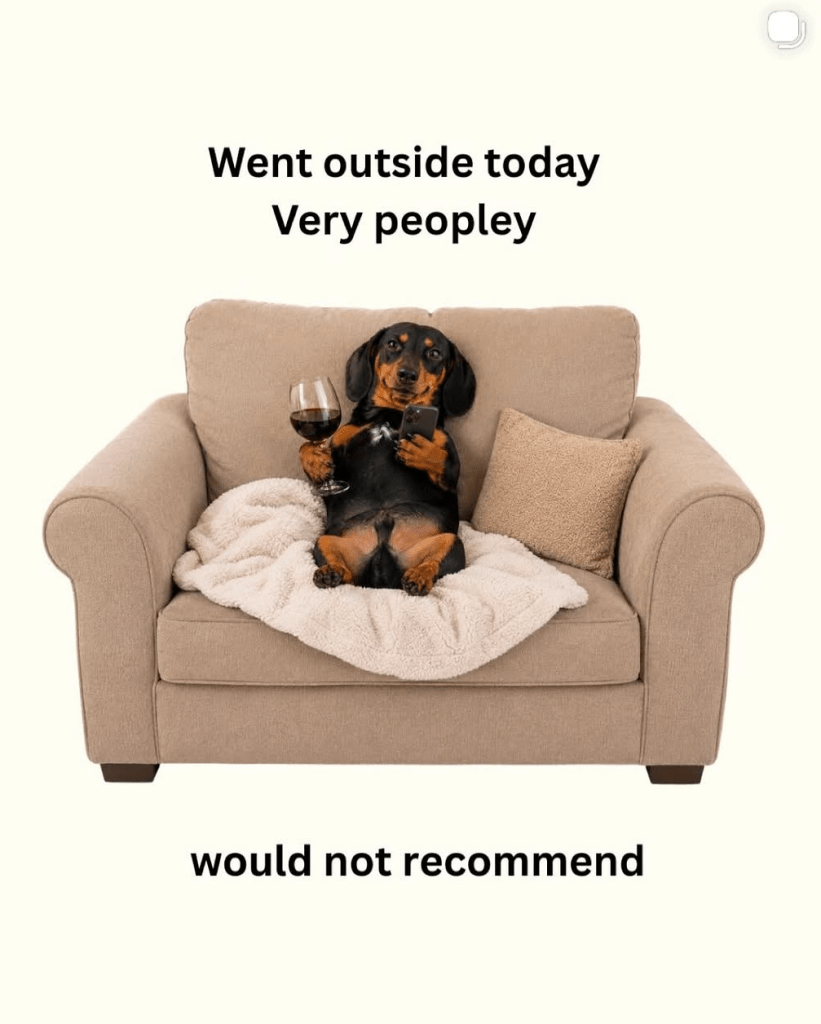
    Why are we so obsessed with these invisible lines? Who drew them? Who keeps redrawing them every few years? And why does the mere idea of being told how I am“supposed” to behave in any given situation make my skin crawl and my inner rebel kick into overdrive?

    I have never been good at following scripts. Not in recitals, not in job interviews, and definitely not in the grand theater of adult life. The older I get, the more I realize that a huge chunk of my personal growth has come from deliberately stepping on the lines everyone else is so busy tiptoeing around. Not out of spite (okay, sometimes out of spite), but because performing for an invisible audience feels like slow suffocation.

    Let me give you an example. My lack of job or career. My relationship and its status.

    Translation: Sweetie, that’s a faux pas. You’re supposed to say you are a “marketing coordinator” or “nurse practitioner” or anything that sounds like you have a 401(k) and a five-year plan.

    And: He is suppossed to choose you immediately. You should live together, get married and become a family, like everyone else…

    Because apparently everyone is the same and has the same path in life.

    Stability is overrated when you are busy living the life you actually want. And I want to be his 100%.

    That moment I am told how to live my life is never about being rude. It is all about refusing to shrink myself into the neat little box labeled “Acceptable Adult Woman.” Society has a whole collection of those boxes—career boxes, relationship boxes, body boxes, personality boxes—and they all come with instruction manuals disguised as “just common sense” or “what everyone does.”  News flash: most people do not even have any sense whatsoever (so it is not really that common). 

    Here is the thing I have learned the hard way: those expectations are not there to protect us. They are there to keep things comfortable. Comfortable for everyone else. Predictable. Easy to categorize. If I follow the script—get the degree, land the safe job, marry at the right age, have the right number of kids, post the curated vacation photos, never admit I sometimes cry in my shower—then nobody has to feel awkward. Nobody has to question their own choices. The machine keeps humming.

    But what if the machine is boring? What if the script was written by people who were terrified of their own shadow? What if “fitting in” is just another way of saying “quietly dying inside”?

    I am not advocating for chaos. I still say please and thank you. Basic decency is not the enemy. The enemy is the quiet tyranny of “this is how it’s done” when “it” no longer fits who you actually are.

    I hate being told what to do because I spent too many years doing exactly that and waking up wondering whose life I was living. I hate performative expectations because they turn human connection into a performance review. And I especially hate the way media has turned every single faux pas into a public execution. One off-color political joke, one long distance relationship, one honest opinion and suddenly you are struggling to get followers on social networks.

    The irony is that the people quickest to call out faux pas are often the ones most trapped by them. They are not free; they are just better at pretending.

    So here is my quiet rebellion: I am going to keep committing the occasional faux pas. Not the cruel ones—never those—but the ones that come from refusing to edit myself for other people’s comfort. I am going to wear the “wrong” outfit, say the “wrong” thing at the “wrong” time, and build a life that looks messy and inconsistent and deeply, unapologetically mine.

    Because the real false step is not tripping over some arbitrary social rule.

    The real false step is spending your whole life walking someone else’s path so carefully that you forget how to walk your own.

    And relearning how to walk has taught me that:  I would rather stumble forward in my own Yeezys than glide perfectly in someone else’s shoes. 

  • The Rise of Comfort: Embracing the Free-Bra Movement

    The Rise of Comfort: Embracing the Free-Bra Movement

    Remember when getting a bra that actually fit felt like a sacred, slightly humiliating pilgrimage? We would trek to the mall, hearts pounding, ready to surrender our bare chests to a stranger armed with nothing but a measuring tape and a clipboard. Victoria’s Secret was not just a store—it was a temple. And the goddess was that perfectly coiffed sales associate with the tape dangling around her neck.

    You would stand there in a tiny fitting room that smelled faintly of vanilla candles and desperation, arms raised while she poked, prodded, lifted, and adjusted. “Okay, honey, breathe out… now inhale… A cup? Or is that a B on a heavy day?” Brassiere itself sounds like industrial equipment. We endured it all for the promise of “lift and separation,” for the illusion of perfect, perky cleavage that could launch a thousand thirsty glances in high school. We contorted our bodies, sucked in our stomachs, and prayed the underwire would make us look like a goddess instead of committing war crimes on our young teenage bodies.

    Those were the days.

    Fast-forward to now, and the entire ritual has collapsed. I do not even think most women under 36 could tell you their real bra size if you held a gun to their head. We have collectively ghosted the fitting rooms. The measuring tape is an old relic only used by the boys now. Victoria’s Secret angels? Still gorgeous, but we are no longer buying what they are selling—literally.

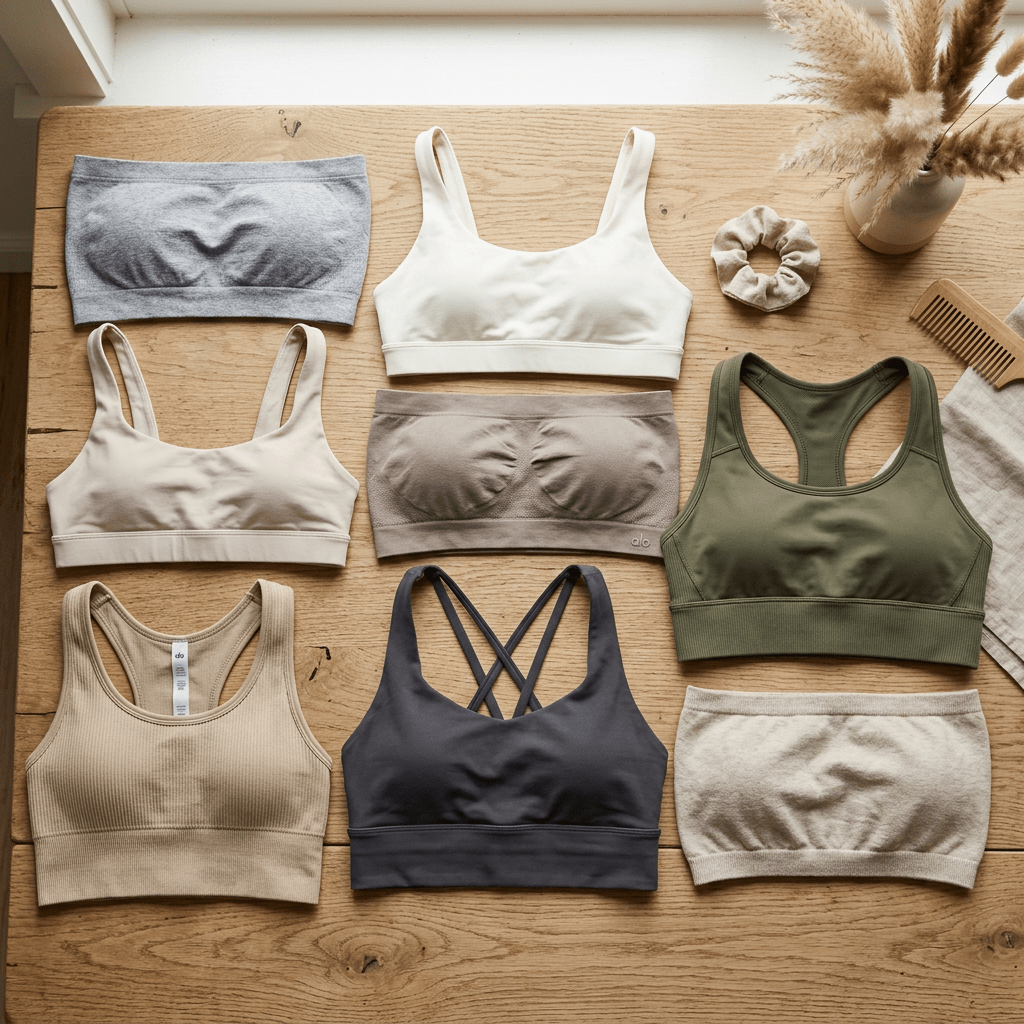
    Instead, we are out here living our best soft-girl lives in cute little bandeaus, buttery-soft sports bras, and those barely-there bralettes that feel like a gentle hug from a cloud rather than a structural engineering project. No more wires digging into our ribs (I have a large ribcage!) like medieval torture devices. No more adjusting straps in public like a nervous tic. We are free-boobing it through Zoom calls, grocery runs, and yes, even date nights if the vibe is right (plus, my man enjoys my itty bittys).

    Let’s be real—this shift is not just about laziness. It is a quiet revolution.

    Society spent decades telling us our boobs needed to be contained, supported, weaponized. Push-up bras. Minimizer bras. Convertible bras with more hooks than a slasher film. We bought into the lie that comfort was secondary to looking “put together.” All for the boys to pay attention to us. That a proper lady had to have everything strapped down and presented like gift-wrapped perfection.

    Then came the pandemic. Sweatpants became uniforms. Loungewear went mainstream. And suddenly, we realized something revolutionary: our boobs do not actually need constant structural support to be valid. They are not structural hazards waiting to collapse. They are just… there. Soft, warm, part of us. And when we stopped squeezing them into unnatural shapes for eight hours a day, the world did not end. In fact, it got better. For me, nothing changed whether there was a pandemic or not. So I was free- boobing before it was “cool”.

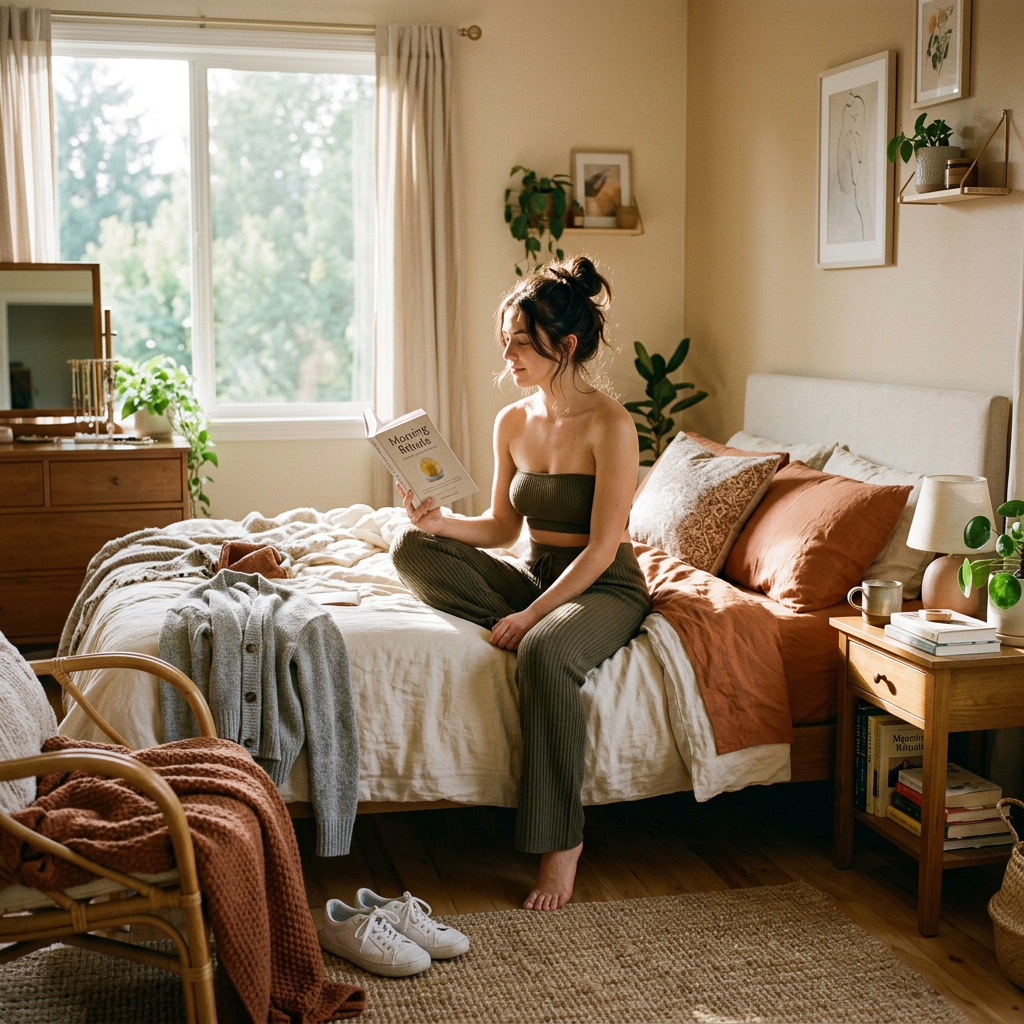
    Woman sitting cross-legged on bed reading a book in cozy bedroom with natural light
    A woman enjoys a quiet morning reading a book in a sunlit bedroom.

    We discovered the joy of the bandeau—that rebellious little tube top that says, “I’m cute, I’m comfy, and I’m not apologizing for jiggle.” Sports bras that handle actual movement without turning us into armored tanks. Wireless wonders that whisper sweet nothings like, “Girl, breathe.”

    And let us talk about the knowledge gap. Ask a group of women their bra size today and watch the panic. “Umm… medium? Whatever fits” We have stopped obsessing over the numbers because the numbers were always a scam anyway. Bra sizing is notoriously inconsistent across brands. One store’s 32C is another’s 34B. It was all smoke, mirrors, and marketing.

    Ditching the heavy-duty bra is not just about comfort. It also is about reclaiming ownership of our bodies in a world that has long tried to dictate their shape, size, and presentation. I personally prefer being on the Itty Bitty Titty Committee , but advertisements and media companies love to shove triple Ds and Sydney Sweeney in my face…

    We are done performing for the male gaze with engineered cleavage. Done pretending that underwire equals empowerment. The free-boob movement—yes, I am calling it that—feels like the only level of body positivity I accept. It says: my breasts do not need to be edited, lifted, or minimized to be worthy.

    Of course, not everyone is on board. Older women clutch their pearls. The fitness bros complain about the materials in said bras. Some days even I miss the old sculpted look, but mostly I love sliding into a soft bralette and feeling like my natural body is enough.

    We traded poking and prodding for stretchy, breathable freedom. And I do not think we are going back.

    So next time you catch yourself reaching for that lacy, restrictive contraption out of habit, ask yourself: Do I really need this? Or am I just performing femininity from 2007?

    Throw on the bandeau. Rock the sports bra. Let them breathe.

  • Lessons from Dogs: Unconditional Love and Healing

    Lessons from Dogs: Unconditional Love and Healing

    I have never been much of a people person. Crowds exhaust me, small talk feels like a chore, and I have always found it easier to connect with animals than with most humans. But dogs? Dogs have been my constants, my comforters, my chaos-makers, and my greatest teachers in love. From the high-energy terriers of my childhood to the massive guardians who came later, each one has left paw prints on my heart—some gentle, some chaotic, and a few that healed wounds I did not even know were bleeding.

    Our first dog arrived when we moved to America: Visa, a spirited Jack Russell Terrier. She was pure gasoline wrapped in a small, wiry body—endless energy, boundless affection, and an ability to produce litters of adorable puppies every few years. We sold those puppies, but keeping Visa was never a question. She was family. She lived with us until my senior year of high school, long enough to see me through the awkward years with her wagging tail and zoomies that could clear a room.

    Then there was Boy, our gentle giant Rottweiler. He was the ultimate teddy bear—massive, sweet, and protective in that quiet, soulful way Rottweilers can be. Losing him to choking on a golf ball felt like losing a piece of the family in a cruel way. I still remember the heavy silence in the house after he was gone. He was replaced by Toby— a Pitt Bull who was also a sweetheart of a burly dog. He died of cancer as my family and I were in Cuba– one year before I got sick.

    In high school, I went through a full Paris Hilton phase. You know the one—tiny dog in a designer carrier, strutting like it was a runway. In order to properly cosplay, I begged my parents relentlessly until they surprised me with Gucci, a toy Maltese so small and fluffy he looked like a living stuffed animal (I did not want a chihuahua-like creature). He rode proudly in his carrier as I paraded him around, living my best Y2K celebrity fantasy. Gucci was my accessory and my buddy.

    But college changed everything. When I left for school, my mother “babysat” him, and by the time I returned, he was a completely different dog—yappy, spoiled, and obsessed with spinning in circles for treats. The quiet cuddles we once shared were replaced by constant begging and zoomie demands. I loved him, but it was a lesson in how dogs absorb the energy of their environment.

    While I was away at university, my parents brought home Max, an Argentinian Mastiff built like a tank. He was… a character. He growled at me whenever I tried to lie down on my childhood bed and he had expensive taste—specifically, my mother’s designer shoes. Our relationship was tense at best.

    Then came the day the wheelchair van dropped me off from the hospital after the stroke. As soon as the door opened, Max made his great escape. He bolted and never looked back. Respect. Even the big tough dog knew when it was time to hit the road.

    Not long after, my father brought home a Cane Corso puppy from Oregon that we named Polo. From the moment he entered our lives, we clicked. By then I was navigating life as a disabled young woman, and Polo only ever knew me that way. He did not see limitations—he saw his person. We became inseparable. He would lean his solid, muscular body against me for support (both literal and emotional), and his calm presence grounded me on the hardest days.

    Losing Polo in 2018 shattered me. My friends had drifted away as my health changed, and I felt profoundly alone. Polo’s death left a hole that nothing else could fill. I was heartbroken in a way I still feel echoes of today. He was not just a dog; he was my solace, my companion through isolation, and proof that unconditional love can come with fur and a wet nose.

    A couple years later, my parents rescued Xena from a trailer park nearby. An Anatolian Shepherd. She was scruffy, wild, and full of attitude. I could not stand her. I would lovingly (or not-so-lovingly) call her “Trash” and physically squirm away whenever she tried to get close. She was too much—too… everything.

    Then, a year later, they brought home Zorro, a Black Russian Terrier puppy. I was instantly smitten. He was tiny, ridiculously cute, and fit perfectly in my lap. I met him over FaceTime with my boyfriend, who watched my face light up and immediately got on board with the new puppy fever. Zorro was pure joy in a fluffy black coat.

    When my boyfriend finally met the whole crew in person, something magical happened. He fell in love with Xena—the dog I had written off. He played with her, doted on her, and treated her like the treasure she actually was. Seeing his genuine affection for my “Trash” dog melted every wall I had built. Suddenly, I saw Xena through new eyes. Now, on lonely days, I find myself talking to her. Her kind eyes see deep into my soul. She has become a source of comfort I never expected.

    Zorro, of course, grew into a massive, still-adorable giant. He is a total mama’s boy these days and mostly ignores me in favor of my mother. That is okay—dogs get to choose their favorites too.

    Looking back across Visa, Boy, Gucci, Max, Polo, Xena, and Zorro, I realize dogs have been consistent relationships in my life. They do not care about social performance or perfect health. They meet you where you are—whether you are a high schooler dreaming of Paris Hilton fame or a disabled woman learning to rebuild her world.

    They have brought chaos (puppies, chewed shoes, runaway Mastiffs), heartbreak (medical incidents, cancer, putting down beloved companions), and healing (lap-sized puppies and unexpected second chances with “Trash” dogs). Through it all, they have reminded me that love does not always come from people. Sometimes it barks and teaches you that even the dogs you initially reject can become the ones you talk to when you feel alone.

    If you are not a people person either, consider this your sign: open your heart to a dog (or several). They might just turn your “Trash” into treasure—and fill your life with more loyalty and laughter than you ever thought possible.

  • From Homewrecker to Homemaker.

    From Homewrecker to Homemaker.

    What is your career plan?

    The “It” Girls—the glossy, untouchable, “main character” women who once defined the era—are quietly, deliciously, scandalously… going domestic. Yes, those girls. The ones who used to jet-set to Mykonos in mini dresses, post mirror selfies in vintage Dior, and make “hot girl summer” a global brand. We are now knee-deep in homemade pasta, linen napkins, and 6 a.m. lattes brewed in our own perfectly imperfect kitchens.

    This is not your grandmother’s homemaking. This is haute homemaking. Cottagecore on ‘roids and cashmere. The new “It” Girl is not just nesting—she is curating a whole aesthetic religion around it. Think: barefoot in a silk slip dress whisking eggs, filming 45-second reels of her sourdough rising while her engagement ring catches the golden hour light, (🙏🏼🙏🏼🙏🏼). She is not hiding the domestic labor. She is flaunting it because it is the ultimate flex.

    Remember the 2010s “It” Girl blueprint? Hustle. Club to boardroom. Rosé all day. Side hustle turned empire (you can still rosè in the kitchen!). Burnout was a badge of honor. “I have not slept in three days but the bag is secure.” We were sold the fantasy that real power looked like never being home long enough to need a vacuum.

    I am not someone who claims that the pandemic caused this renaissance. Articles claim that post-pandemic exhaustion hit like a truck and that is why we are choosing to stay home. The “girlboss” script started sounding hollow—lonely hotel rooms, endless content creation, dating apps full of situationships, and a quiet ache that no amount of brand deal could fill. Personally, I see that the same women who once bragged about never cooking (famously Carrie Bradshaw in Sex in the City kept her sweaters in the oven!) are posting stories of them slow-roasting a chicken with rosemary from their windowsill garden.

    It is seen as rebellious/ controversial because it is a direct middle finger to the narrative we have been force-fed for decades: domesticity equals oppression. That wanting a beautiful home, a stocked fridge, and a man who comes home to the smell of garlic and love is somehow regressive. The hottest, most followed, most desired women on the planet are proving the opposite—homemaking done right is high-value, high-status, and insanely seductive.

    Walk into any cool girl’s apartment in 2026 and you can see it: the Le Creuset Dutch oven in a tasteful color, the vintage rolling pin displayed like art, and of course the sourdough starter. They are not just cooking—they are romanticizing the mundane. Morning dewy skin routines followed by watering herbs. Evening candlelit dinners they actually prepared instead of ordering from some immigrant driver.

    This is not tradwife cosplay for the poor. These are women with options. Models. Influencers. Actresses. They could be on yachts in Ibiza but they are choosing farmers’ markets and Sunday roasts. Why? Because it feels good. It feels feminine. It feels like control in a chaotic world.

    And let me be brutally honest—the men are losing their minds over it (at least mine is!). There is something primal about watching a beautiful woman who could have the world at her feet choose to pour that energy into creating a sanctuary. It hits different. It is not submission; it is sovereignty. She is not forced into the kitchen. She claimed it as her “queendom.”

    Hence, modern career feminism sold women a version of success that left many emotionally bankrupt. The “It” Girls who are “opting in” to homemaking are not rejecting ambition—they are redefining it. They are building empires in the home. We are not anti-work. We are anti-misery.

    Of course the purists are furious. “This is anti-feminist!” “You are setting women back!” Meanwhile those same critics are stress-eating takeout alone in their minimalist apartments wondering why their stress is through the roof. The new homemaker “It” Girl does not care. She is too busy teaching her followers how to make the perfect bolognese while looking like a Renaissance painting.

    This movement exposes the lie: that fulfillment can only come from cubicles and corner offices. That domestic skills are beneath a “modern woman.” The “It” Girls are proving domesticity—when chosen freely and done beautifully—is one of the ultimate luxuries.

    They are not trapped. They are thriving. Soft lighting, slow mornings, real food, real connection. And yes, sometimes a hot husband who worships the ground they walk on because they make the house feel like heaven.

    You do not need to quit your job tomorrow. But maybe the “It” Girl homemaker renaissance is permission to stop demonizing the domestic. To light the damn candle. To learn how to roast vegetables everyone asks for the recipe. To make your space so warm and intentional that people feel it the second they walk in.

  • The Power of Positive Thinking on Health

    The Power of Positive Thinking on Health

    A positive mindset does not just make you feel fuzzy and motivated. It straight-up rewires your biology, dials down inflammation, cranks up your immune system, and turns everyday movement into fat-burning rocket fuel.

    A negative mindset is slow-motion poison. It floods your veins with stress hormones, tanks your recovery, packs on visceral fat, and basically programs your body to break down faster.

    This is no woo-woo Instagram spirituality. This is hard science meeting cold, hard reality. And yeah, I am saying it loud because I have lived the nightmare version.

    I truly believe the reason I am sitting here in my current health status—in a wheelchair and the use of only one arm—is because for years I viewed myself and my life like absolute garbage. I woke up every day expecting the worst, replaying every failure on loop, and treating my body like it was already doomed. Surprise: it started acting doomed.

    The Brutal Science: Your Brain Is Running the Show Whether You Like It or Not

    Your thoughts are not cute little clouds floating in your head. They are chemical commands. Sugar coating this fact is keeping people sick. 

    Every time you think “I’m such a worthless piece of shit” or “Nothing ever works out for me,” your brain hits the panic button. Cortisol and adrenaline spike. Inflammation skyrockets. Your immune system gets told to stand down. Sleep quality tanks. Cravings for junk food go nuclear because your body is now in survival mode, hoarding energy (calories).

    Chronic negative mindset is not“just stress.” It is a physiological wrecking ball [enter Miley Cyrus “Wrecking Ball”]. Studies show people who marinate in pessimism have higher rates of heart disease, slower wound healing, weaker immune responses, and even faster cellular aging. Your telomeres—the protective caps on your DNA—literally shorten faster when you are stuck in doom-scroll mode.

    Flip it around, like a pancake: shift to a positive, resilient mindset and the opposite happens. Blood pressure drops. Recovery speeds up. You actually enjoy moving your body instead of dragging yourself through workouts like punishment. Inflammation cools off. Your gut stops revolting. Hell, even the placebo effect proves it—people who believe a sugar pill will fix them often get real, measurable improvements because their brain buys in and starts the repair work.

    The nocebo effect is the evil twin: tell someone a harmless thing will make them sick and watch their body obey. Expectation is that powerful. Your mindset is not a passenger—it is the driver.

    I used to roll my eyes at this stuff. “Yeah, sure, just think happy thoughts and your autoimmune issues vanish.” But the data does not lie, and neither does my mirror. I spent years in that negative spiral, and my body paid the bill.

    Look, I am not here to play victim. I am just here to own it.

    For the longest time I looked at myself and saw failure. “Too broken to fix. Too tired to try. Life’s already screwed me, why fight it?” I would stare at my reflection and pick apart every flaw, every pound, every missed workout. I would doom-scroll through other people’s perfect lives and feel physically sick with envy and resentment. That is one reason why I deleted all of my social media.

    That constant inner monologue was never harmless. It was a full-time job for my stress response. My sleep turned to garbage. My digestion went haywire. I gained weight— more than doubled it—because my body was too busy pumping out cortisol to let any real healing or fat-burning happen.

    I genuinely believe that is exactly why I am in the health spot I am in right now. The mindset that I have been carrying around throughout this life. So it was not one bad year. Not “bad luck.” It was years of treating myself like I did not deserve better. Years of expecting my body to fail because that is what I kept telling it.

    And the craziest part was that once I started calling myself on that toxic bullshit, things began to shift. Not overnight fairy-tale magic, but measurable changes. Energy crept back. Cravings got quieter. My body started responding to the same workouts and meals that used to do nothing.

    Thus. your mindset is not just affecting your health—it is the architect of it.

    A positive mindset does not mean pretending everything is sunshine and rainbows while your life burns down.

    That is toxic positivity and it is just as damaging. Real positive mindset is gritty optimism: “This sucks right now, but I’m capable of handling it and coming out stronger.” It also is hope. How I approach Boston Sports. It is choosing to see your body as an ally that has been waiting for better instructions, not an enemy that is out to get you.

    People with this mindset move more because exercise stops feeling like torture and starts feeling like investment. They recover faster because they are not marinating in self-sabotaging thoughts. Their immune systems stay online. Their hormones chill out. Even food tastes better and digests better when you are not eating it with a side of guilt and shame.

    Alia Crum’s Stanford research proved it in real life: hotel housekeepers who were told their daily grind counted as exercise suddenly dropped weight, lowered blood pressure, and improved body composition—without changing a single thing about their routine. Same work, different story in their heads. Same bodies, different outcomes. Mindset flipped the switch.

    That is not motivational poster nonsense. That is biology bending to belief.

    The Bottom Line: Your Mindset Is Either Medicine or Poison—Choose

    I am not claiming positive thinking cures everything. You still need sleep, real food, movement, and actual medical care when shit is broken. But your mindset is the multiplier. It decides whether those things work for you or against you.

    I believe—deep in my bones—that my own health turnaround started the day I stopped viewing myself as a lost cause and started viewing myself as worth the fight. My body is finally listening.

    Stop feeding the negative loop. Start rewriting the story. Your body is waiting for new orders.

  • Walking Ten Feet at a Time: My Daily Dance with Recovery

    Walking Ten Feet at a Time: My Daily Dance with Recovery

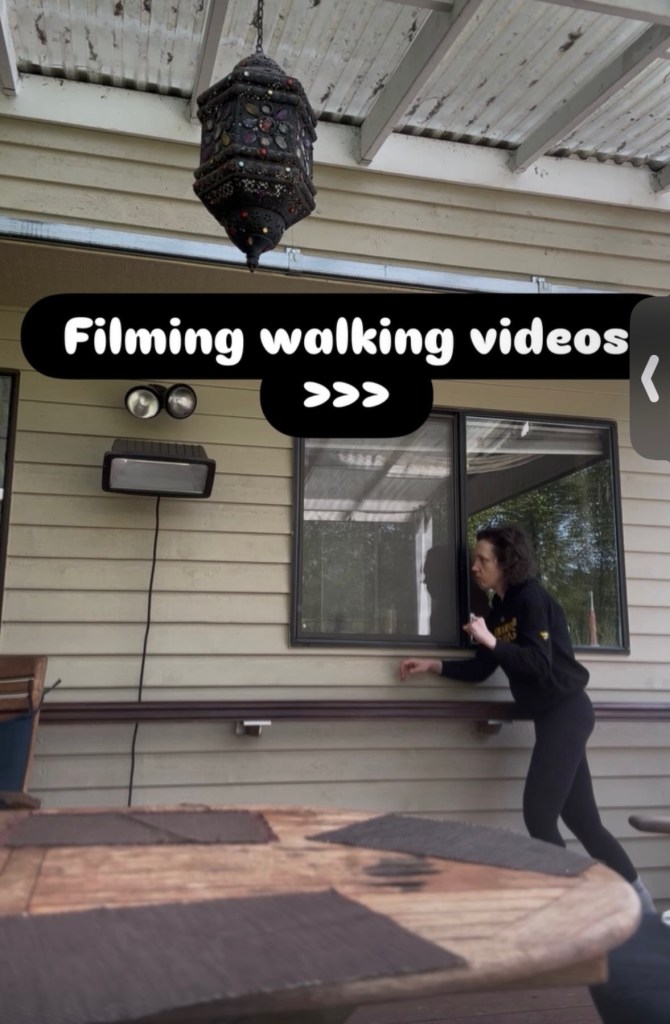
    Every single afternoon, after the nap my body demands like a stubborn toddler, I film myself walking. It is only about ten feet. To most people, that probably looks like nothing at all. But to me, those ten feet are everything. A step closer. They are proof that I am still moving forward—literally—one brave, wobbly step at a time. It feels incredible.

    My days start brutally early. I am up at 4 a.m., already chasing the version of myself I desire. By the time lunch is over, my body is spent from the morning’s workout and the constant grind of rehabilitation. My eyes grow heavy, my muscles scream for mercy, and I surrender to the bed like a little baby who earned her nap time. I used to fight it, but I learned to listen. The nap is not weakness; it is fuel. When I wake up an hour or two later, something magical happens. Energy surges back. Determination reignites. And suddenly I am excited—actually excited—to challenge myself again.

    That is when I head to the back deck.

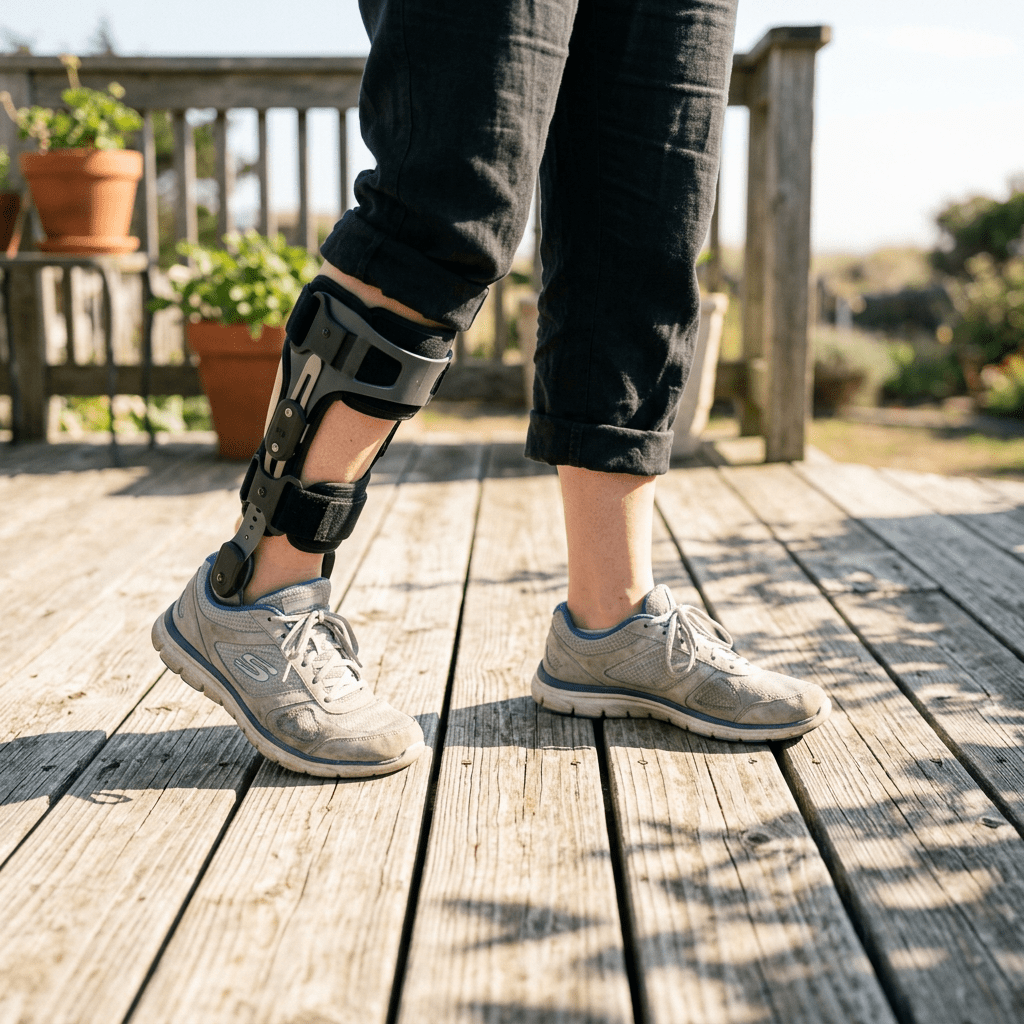
    I strap on my brace even though I hate it. Most days I go without, stubborn as hell, refusing any device that reminds me I am not “normal” yet. But when I am about to push my limits, safety first applies (*eye roll*). The deck has a sturdy railing on one side—my own private parallel bar. I used to grip it at first, today I just walk along it slowly, no longer feeling the wood warm under my palm. At the end of the railing, I just stand there, working on my balance. Feet planted, core engaged, eyes focused on a spot in the distance (the heating lamp usually). The world narrows to that single task: don’t fall.

    I film every attempt. Sometimes it is a clean walk. Sometimes it is shaky. First, my left (weak) leg pushes forward. That is the easy one. I do not need balance or strength help on this side, but then I have to shift onto this weak side and move my right leg forward. Sometimes the left side refuses to hold me up. Sometimes I end up on the ground. I have fallen more times than I can count out there—head cracking against the deck, shoulder slamming into the wall. Each bruise is a story. Each tumble is data.

    I send the videos to my boyfriend anyway. I do not even know if he is watching them but the simple act of having an audience changes everything. It turns a lonely struggle into a performance. It makes me bolder. I love showing off for him. There is something powerful about letting the person you love witness your rawest, most determined moments.

    I remember the early days when I had to clutch that railing for dear life, knuckles white, heart pounding. Letting go felt terrifying—like stepping off a cliff (hence why I wear my brace out there— in case my weak side refuses to hold me upright). But I did it anyway. Because I want this more than I fear the falls. I want to walk across a room without thinking. I want to stroll through a park holding his hand instead of a cane or brace. I want zero differentiation between me and everyone else. No explanations. No pitying glances. Just me, moving through the world the way I used to—freely, confidently, joyfully.

    This recovery is not linear. Some days the ten feet feel like a marathon. Other days I surprise myself and push for more. The falls rarely happen anymore , but they sting a little less because I know they are temporary. Every time I stand back up, dust myself off, and hit record again, I am rewriting my story.

    Small steps matter. Naps are not laziness; they are strategy. Now I see that my stubborn refusal to stay down is beautiful. I keep filming. Keep showing off. Keep chasing the version othat refuses to be defined by limitations.

    I am not there yet. But every afternoon, after my nap, I get a little closer. Ten feet at a time.

    And it feels amazing.


    I am already dreaming bigger—longer distances, no railing, maybe even a real walk around the block. I will keep sharing the journey here, bruises and all.

  • Reconnecting Through Documentaries: JFK Jr. & Carolyn Bessette

    Reconnecting Through Documentaries: JFK Jr. & Carolyn Bessette

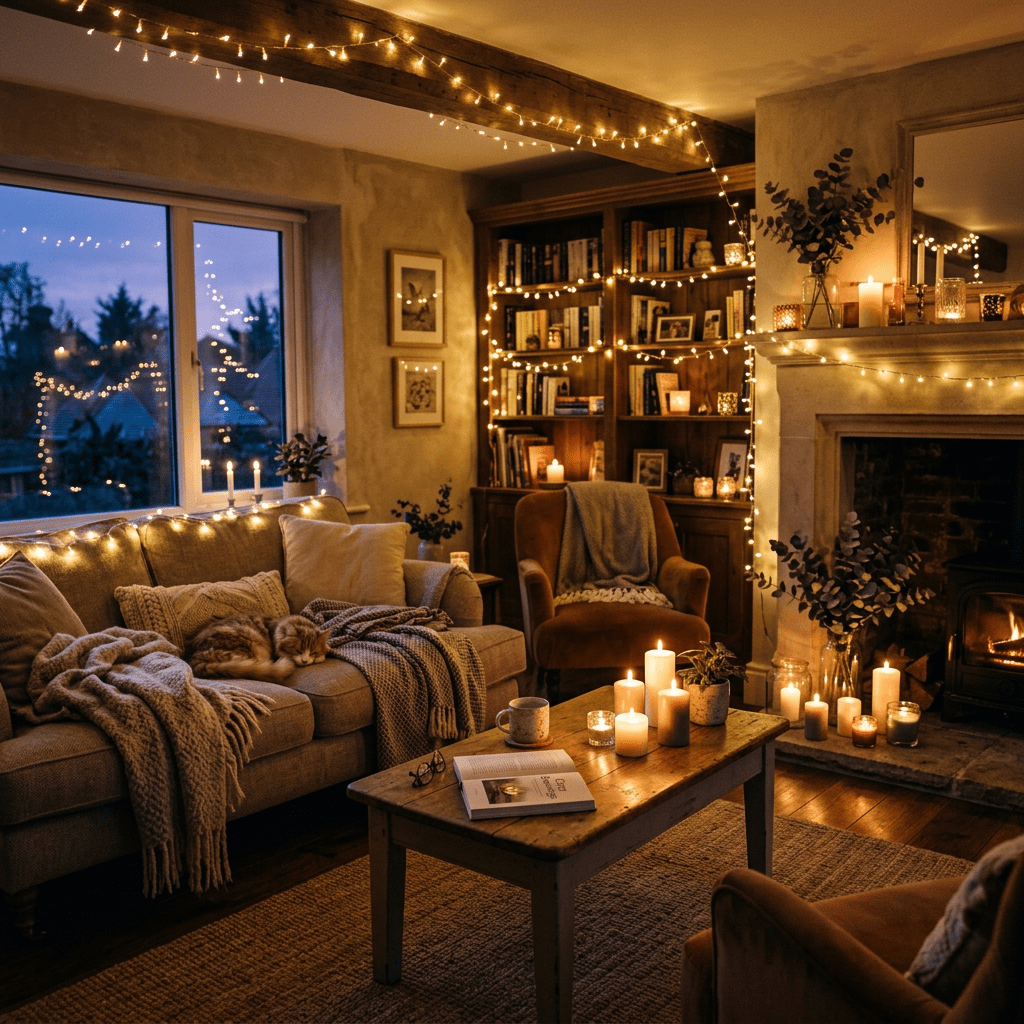
    In the whirlwind of modern life, where days blur between deadlines, workouts, and endless to-do lists, my boyfriend and I have carved out a sacred little sanctuary each afternoon. After powering through afternoon gym sessions—and once the work emails have finally been answered (by him), I take my afternoon shower and settle down with my MacBook…Lights dimmed, blankets/ sweatshirt draped just so and the show waiting for me to delve into (hopefully we will do this with a couple of glasses of wine someday soon!).

    This is our time to disconnect from the chaos and plug into something that feels both entertaining and enriching. This past week, our nightly ritual transported us back to the glittering, tragic world of the Kennedy family with a captivating streaming documentary series focused on John F. Kennedy Jr. and his whirlwind romance with Carolyn Bessette (Love Story on Hulu).

    Our routine is simple but intentional. By the time the sun dips below the horizon, we have earned this pause. Exercise clears the mental fog, work gives him purpose, and then… release. We dim the lights, queue up the show, and for about an hour , the outside world fades. No scrolling social media (well…. Occasionally), no multitasking. Just us, the story unfolding, and the occasional pause to chat about what we are watching. It has become our favorite way to reconnect after busy days—sharing laughs, theories, and those “wait, did that really happen?” moments that make history feel alive.

    This last week’s choice was particularly mesmerizing: a deep-dive documentary chronicling the life of JFK Jr., the golden boy of American royalty, and his intense, fairytale-like love story with Carolyn Bessette. Carolyn was not some “random girl”—she was a stylish, former publicist at Calvin Klein, the kind of woman whose effortless New York cool turned heads in the fashion world long before she stepped into the spotlight as a Kennedy. She plays the hard-to-get game and follows “The Rules”—like I did when I first met him.

    I could not help comparing the two. A man who is simultaneously a boy who needs a woman to rescue him (like Edward in Pretty Woman). He craves for a soulmate to hold his hand through his traumatic past. It was full of dramatic recreations of history to paint a portrait of two people who found each other amid the blinding flash of fame.

    What struck us most was how the series humanized them. John F. Kennedy Jr.—“John-John” to the world—grew up in the shadow of his father’s assassination, America’s Camelot dream, and relentless media scrutiny. He was the handsome, charming magazine publisher (George magazine) who could have coasted on his name but chose ambition and adventure instead: piloting planes, kayaking dangerous waters, and searching for something real. Enter Carolyn, a Calvin Klein insider known for her icy-blonde elegance, razor-sharp intellect, and quiet confidence. Their meeting in the ‘90s New York scene was electric from the start. The documentary does not shy away from the messiness—the paparazzi chases, the strain of constant public eyes, the pressures of blending her low-key fashion life with his high-profile legacy.  She gave up her job (and seemingly her life) for him. And she was constantly criticized for it by her normie family members. 

    We were glued to the screen as it explored their secret courtship, the whirlwind 1996 wedding on a tiny island off Georgia (Cumberland Island, with its rustic charm and zero media seclusion), and the honeymoon phase that looked picture-perfect from afar. But the show also delves into the harder truths: the tabloid frenzy that followed them everywhere (and how this very frenzy killed Princess Diana), rumors of relationship strains, Carolyn’s discomfort with the spotlight, and the tragic end that still feels surreal decades later—their fatal 1999 plane crash off Martha’s Vineyard.

    The producers did an excellent job balancing the glamour with the grit, showing how love can be both a sanctuary and a casualty of fame.

    Watching it together sparked so many conversations between us. We would pause and debate: How would we handle that level of intrusion? What does it say about privacy in the age of influencers and 24/7 news? My boyfriend, ever the history buff, pointed out parallels to today’s celebrity culture—how little has changed since the ‘90s in terms of media obsession. I loved the fashion details; Carolyn’s minimalist, sleek style (think slip dresses, oversized sunglasses, and that iconic wedding gown by Narciso Rodriguez) still influences runways and Pinterest boards today. It made us reflect on our own relationship—grateful for the quiet normalcy we share, the ability to just be without cameras flashing.

    Beyond the romance, the series touched on broader Kennedy lore: glimpses of Jackie O.‘s influence, the weight of the family name, and John’s quest to forge his own path. It was never just a love story; it was a meditation on legacy, loss, and the price of being “American royalty.” By the final episode, we were both a little misty-eyed, discussing how stories like this remind us to cherish the present.

    Our nightly shows have become more than entertainment—they are little windows into other worlds that make our own feel richer. Whether it is his beloved historical documentaries or something romantic —our exercises crushed, (his) work conquered, and stories that linger long after the credits roll.

    My advice is to pair this show with your own unwind ritual: maybe some cozy socks, a charcuterie board, (or a nut butter snack?!) or just the comfort of someone you love beside you.

  • Chaos and Comeback: My Journey and the Red Sox 2026

    Chaos and Comeback: My Journey and the Red Sox 2026

    I know that I have compared my recovery to the sports I watch, but this 2026 season for the Boston Red Sox has been a full-on dumpster fire from the jump. They are out here looking like a team that got dropped into the wrong league, scraping by on duct tape and middle fingers instead of the superstar payroll everyone keeps demanding. This is hitting me square in the chest because this exact brand of chaos is the same thing I have been wading through since my brain injury turned my life into a war zone.

    I was never supposed to be this version of me. Pre-injury, I was the golden kid—top of the class, social as hell, wired for success like some overachieving robot programmed by ambitious parents. The doctors sat my folks down, looked them dead in the eye, and swore I would bounce back fast. Cue the laugh track. Instead of rebounding, I rebelled like a freed caged animal. The injury did not politely fix itself; it rewired my brain into something feral and pissed off. I ditched the straight-A script, flipped off every expectation, and dove headfirst into the kind of self-destructive, rule-breaking spiral that makes for a killer story later but feels like pure hell in the moment. 

    No tidy recovery montage. 

    No inspirational TED Talk ending. 

    Just me, raw and ugly, clawing my way out on my own twisted terms.

    That is exactly why I am not buying the doomsaying around the Sox. They were not built to be this gritty, scrappy, underdog circus either. The blueprint—the one the front office/ analytics nerds should have jerked off to—was supposed to be different: load up on flashy big bats, drop obscene money on free-agents, and cruise into October. John Henry’s wallet was meant to be the cheat code. But nope.  Underperformance and whatever voodoo curse hangs over Fenway this year have left them looking like a bro-league that somehow wandered into the majors. And Christ, the whining from the fans is next-level. “Henry won’t spend! No big bats! We’re cheap!” they scream from their barstools and posts on X, like owning a baseball team is some moral obligation to make their childhood fantasies reality. Shut the fuck up. Those same loudmouths would be bored to tears if the Sox were just another bloated, checkbook dynasty. Where is the soul in that? Where is the blood, the sweat, the “fuck you” energy that makes October baseball feel like revenge porn?

    The scrappy story is infinitely more compelling. When this ragtag crew of misfits—guys playing above their pay grade, grinding through slumps, and flipping the script on every “expert” prediction—somehow claws their way into the playoffs? Or hell, shocks the world and wins the whole damn thing? It is not the predictable parade of overpaid stars; it is the beautiful, messy rebellion of proving every hater wrong. Just like my recovery. Doctors, expectations, the whole “you’ll be fine” chorus—they all got it dead wrong. I did not rebound. I revolted. I turned the wreckage into fuel and built something fiercer, darker, and way more interesting than the polite, pre-injury version of me ever could have been. My scars are not a bug; they are the whole feature.

    Thus, I am not panicking about the Sox. Not yet. Because I live a kind of comeback that nobody saw coming. The shaky start is just the opening act. The real show is what happens when the underdogs stop asking for permission and start taking what is theirs. The Red Sox will find their way. I seem to have found mine. And when they do—when we both do—it will not be because some owner wrote a bigger check. It will be because we fought dirty, bled real, and turned “not supposed to be like this” into the greatest plot twist in the game.

    Let’s fucking go, Boston. The rebellion is just getting started.

  • My Cringey, Hungry, Blonde Obsession Years

    My Cringey, Hungry, Blonde Obsession Years

    When I was young, I was obsessed with Britney Spears (another basic bitch tendency). I know today she is a total mess, but there was a time when my walls were covered in pictures of her—I was straight-up obsessed with Britney Spears. The one with the flat stomach, tiny outfits, and that “Hit Me Baby One More Time” schoolgirl fantasy that made every pre-teen’s hormones go haywire.

    My bedroom walls were a full-on Britney shrine. Posters from floor to ceiling, magazine cutouts taped up in my closet. I wanted to be her — that perfect blend of innocent and filthy, the girl every guy wanted and every girl secretly envied. People definitely thought I was a lesbian back then. I mean, can you blame them? I was plastering my room with images of a half-naked pop princess. 

    And yes, I took it to the extreme. During the darkest days of my eating disorder, I followed her old workout routine religiously. Twelve hundred sit-ups a day. That was my way of insuring that I was working off every calorie I was forced to eat. No exaggeration. I would lie on my living room floor, starving, counting every crunch while imagining my stomach getting as flat and tight as hers. (Sometimes it would be until two in the morning and then I would be up at six). That kind of obsession is not cute — it is unhinged. But at the time it felt like devotion. Britney was my thinspiration, my goddess, my unattainable fuck-you to my own body.

    Then eighth grade hit and I had a full personality 180. I ditched the pop princess fantasy and became the ultimate “surfer girl.” Still skinny, but not glitzy and glamorous. You know the type — sun-bleached hair, golden skin (spray on tans FTW), that effortless, just-fucked beach vibe. I traded in my old wardrobe for head-to-toe Abercrombie & Fitch and Hollister. I lived in those graphic tees and low-rise jeans that sat dangerously on my hip bones. I wanted to look like I just rolled out of a beach bonfire with sand still in my hair and saltwater on my skin.

    I begged my parents to send me to surfing camp in California. I actually went all the way to Australia chasing that fantasy life. I studied the skinny beach bum girls like they were my new religion — the ones with long, tangled blonde hair, tiny bikini bodies, and that lazy, seductive way they carried themselves. I dyed my hair with platinum blonde streaks and spent hours perfecting the windswept look. I wanted to be the girl guys stared at while I walked down the beach carrying a surfboard, all tan legs and collarbones. 

    This was right in the middle of my most extreme anorexic era, too. The thinner I got, the better my “surfer girl” costume fit. My hip bones jutted out, my thighs did not touch, and my stomach was concave enough to make those Abercrombie shorts hang just right. I was starving myself into the aesthetic. Every wave I caught, every mile I ran, every skipped meal was part of the transformation. I was not just playing dress-up — I was trying to disappear into this fantasy version of myself: blonde, effortless, desired, and dangerously thin.

    Looking back, it was wild how seamlessly I went from worshipping Britney’s polished, sexy pop-star body to chasing the raw, sun-drenched, barely-there surfer chick fantasy. Both versions of me were starving — literally and figuratively — for the same thing: to be wanted. To be the fantasy. To be the girl that made people lose their minds a little.

    I chased that high hard. From bedroom Britney dances to riding waves, bleaching my hair until it snapped, and counting every single sit-up like it would bring me closer to perfection.

    Those years were intense, messy, desperate for attention, and strangely formative.

  • Why Mean Girls Is the Ultimate Guide to Human Nature

    Why Mean Girls Is the Ultimate Guide to Human Nature

    Despite everything that I have gone through and my trad ways: I can be a full-blown basic millennial bitch sometimes. And nothing makes that more obvious than the fact that I still rewatch Mean Girls. Lindsay Lohan’s Cady Heron, Regina George’s icy glare, that iconic burn book— I am obsessed. But here is the part that actually pisses people off: this so-called silly teen comedy from 2004 is not just funny. It is one of the most brutally honest dissections of human behavior ever made. It exposes the raw, ugly truth that high school is not some quirky phase we all grow out of. It also is an example of the entire human condition.

    We like to pretend that we evolved. We tell ourselves that survival, food, shelter, sex, and basic needs are what really drive us. Bullshit. Mean Girls rips that illusion to shreds and laughs. The real engine of human behavior—the thing that makes us lie, scheme, backstab, conform, and sometimes destroy each other—is not hunger or safety (sometimes it is sex, though!). It is the desperate need to be popular. To be liked. To be loved. To belong. To win the social game.

    And we never outgrow it. We just trade the cafeteria for Instagram, the Burn Book for group chats, and plastic crowns for clout.

    Think about it. In the movie, these girls are not fighting over food or territory in some primal sense. They are clawing for the throne of the cafeteria. Regina George does not need to steal your lunch money—she needs to own your entire personality. She wants you wearing her approved jeans, repeating her approved phrases, and fearing her. That power is currency. Social currency. And once you have it, you control the tribe.

    This is not exaggeration. Everything in this life revolves around power. This is evolutionary psychology wearing a pink “On Wednesdays we wear pink” shirt.

    Evolutionary biologists can talk all day about Maslow’s Hierarchy of Needs and how we are wired for shelter and reproduction. Cool story, bro. But watch Mean Girls and tell me the real hierarchy is not social status first. Cady literally abandons her authentic math-nerd self, her values, and her real friends the second she gets a taste of the Plastics’ world. All of this, because the rewards center of the primate brain lights up when it senses acceptance from the high-status group. Being exiled is death in social terms. In ancient tribes, it basically was death. Today it feels like it too—ask anyone who has ever been canceled, ghosted, or removed from the group chat.

    We are not rational actors driven by logic. We are status-obsessed monkeys in Lululemon who would rather be feared and desired than safe and anonymous. Mean Girls just had the balls to make it hilarious and horrifying at the same time.

    High School never ends—it just gets better lighting and Venmos.

    This movie is not about teenagers. It is about all of us. The Plastics run the school the same way certain women run certain friend groups, the same way certain men dominate certain industries, the same way influencers dictate what we are all supposed to want this week.

    We all see it everywhere: the coworkers who sabotage your promotion, the “wellness” ladies who passive-aggressively shame others’ choices, judging people on their appearance in their dating profiles or any other social media where low interaction results in social death.

    We mock high school cliques, but then spend our adulthood curating the exact same hierarchies online. “I’m not like other girls” energy? I hear/say it all the time, still alive and thriving. Now, the Burn Book has just been digitized.

    We all know it is all fake. We all know the game is ridiculous. Yet we keep playing because the alternative—being invisible, unliked, uncool—is apparently worse than selling pieces of our soul.

    It says that humans are all vain. Shallow. Tribal. Cruel. And painfully human.

    Mean Girls celebrates this chaos. It shows that the desire to be loved and admired can make you brilliant, strategic, funny, and ruthless all at once. Cady’s transformation is not just a plot device—it is every person who has ever reinvented themselves to fit in. Every time you bought the “right” bag, posted the “right” vacation photo, or bit your tongue to stay in the group, you were living your own Mean Girls moment.

    So call me basic. Call me obsessed. But I will keep rewatching because every single time I do, I see myself, my enemies, everyone I know, and the entire trajectory of human civilization reflected back in those chaotic cafeteria scenes.

    Popularity does not just matter… In the grand scheme of things, it might matter most.