Tag: past

  • The Ripple Effect: More of What You Love

    The Ripple Effect: More of What You Love

    It is easy to overlook the quiet “miracles” that surround us every single day. Yet one of the most profound truths about human fulfillment—and about creating even more goodness in our lives—is this: It is vital to be thankful for everything that is good in your life.

    Gratitude has become an overused buzzword. Gratitude is not just a polite “thank you” or a fleeting warm feeling. It is a deliberate, heart-centered practice that shifts your entire energy, perspective, and ultimately, your reality. We all know, on some level, that we should not take the basics for granted. Running water that flows clean and hot at the turn of a tap. Reliable heating that keeps your home cozy when winter bites (this is uber important to my constantly freezing body!). A solid roof overhead that shields you from rain, wind, and the elements. Yet for many of us, these “luxuries” become background noise.

    The same goes for the people in our lives. Friends and family. My family—especially—have shown up, even imperfectly. I am beyond grateful that I was not tossed out when I became needy and helpless. Typically, we appreciate them in moments of crisis or celebration, but how often do we pause in ordinary moments to truly feel the gift of our family’s presence?

    Here is where the magic happens. Casual appreciation is nice, but to bring about more in our lives, we need to feel truly grateful for everything and everyone—not just the obvious blessings, but the small, the mundane, and even the challenging things that shape us.

    Think about it. When you wake up and genuinely feel thankful for the bed that held you through the night, the air filling your lungs, the sunlight (or even the rain) outside your window, something inside you softens and expands. Your nervous system calms. Your mind clears. Opportunities that once hid in plain sight suddenly become visible. Psychologists call this the “broaden-and-build” theory: positive emotions like gratitude widen our awareness and help us build resources—relationships, skills, resilience—for the future.

    On a more spiritual or energetic level, many traditions and modern manifestation teachings emphasize that what you appreciate appreciates. Gratitude acts like a magnet. When you radiate sincere thanks for what you already have, you signal to the universe that you are a good steward of blessings. You are ready for more. Contrast this with the scarcity mindset: constant wanting, complaining, or comparing. That energy tends to keep us stuck exactly where we are, focused on lack.

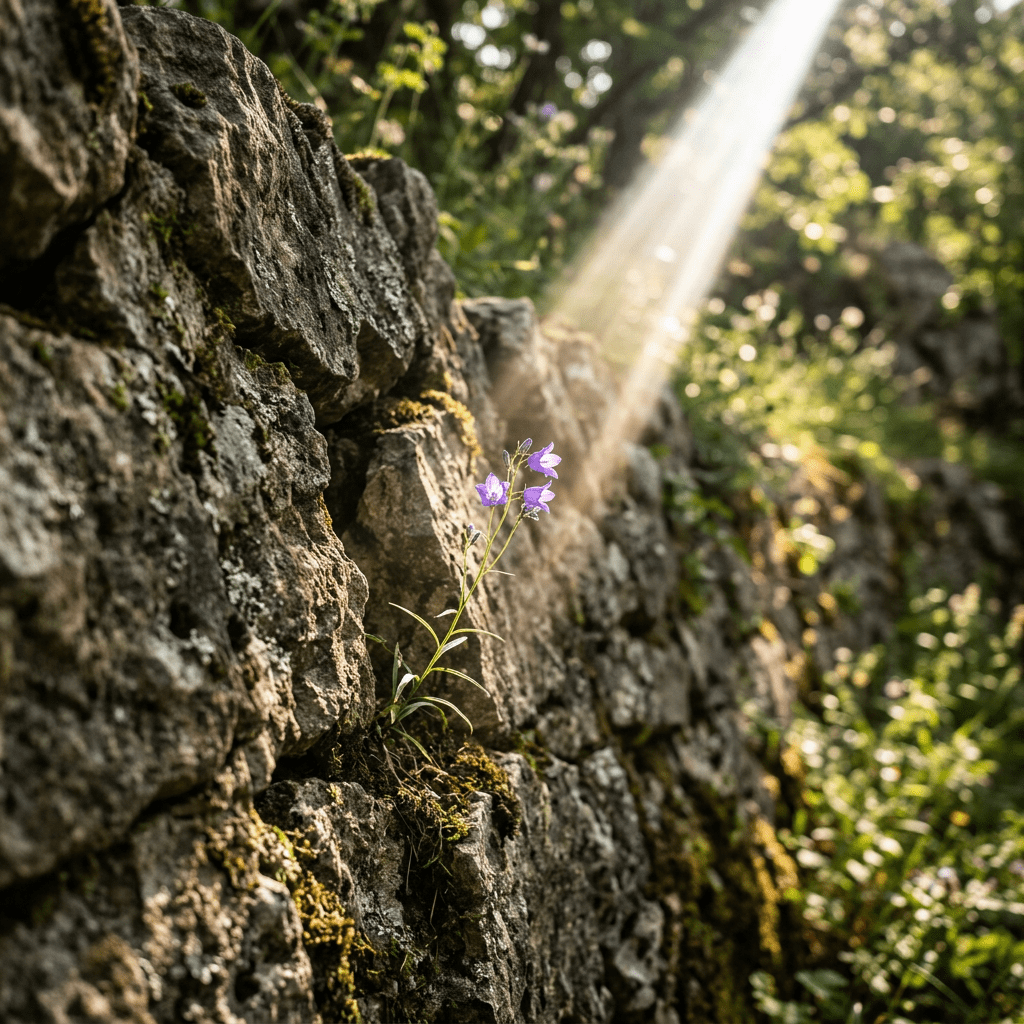
    Purple wildflower growing out of a crevice in a moss-covered stone wall with sunbeam
    A delicate purple wildflower blooms from a crack in a mossy stone wall illuminated by sunlight

    Even in hardship, gratitude works its alchemy. Being grateful for the quiet strength you discover in loss is something that I had to discover. These are not toxic positivity exercises—they are honest acknowledgments that every experience contains seeds of growth.

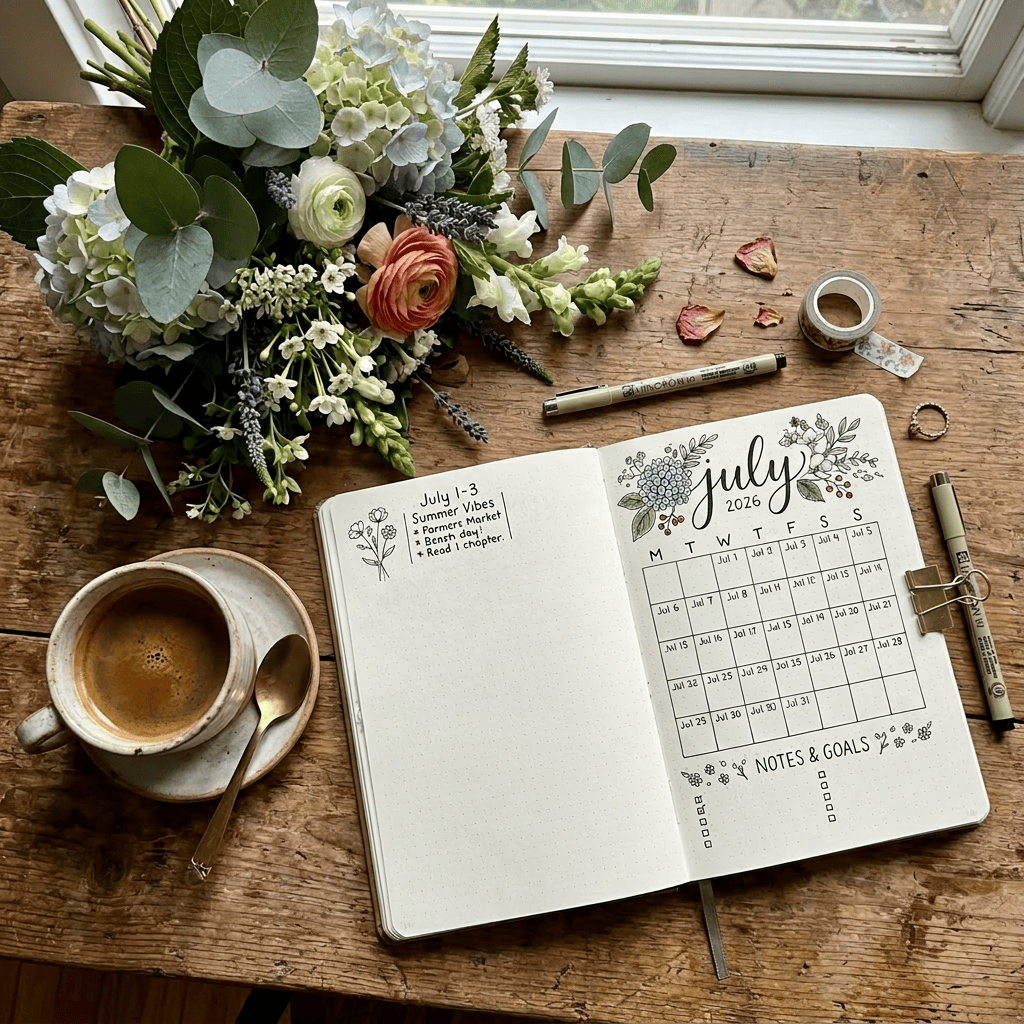
    Turning gratitude into a life-changing habit does not require hours of your day. Ask, “What is this situation trying to teach me?” Then thank it in advance for the wisdom or strength it will bring.Bookend your day with gratitude. Start with thanks for the day ahead and end with thanks for what unfolded.

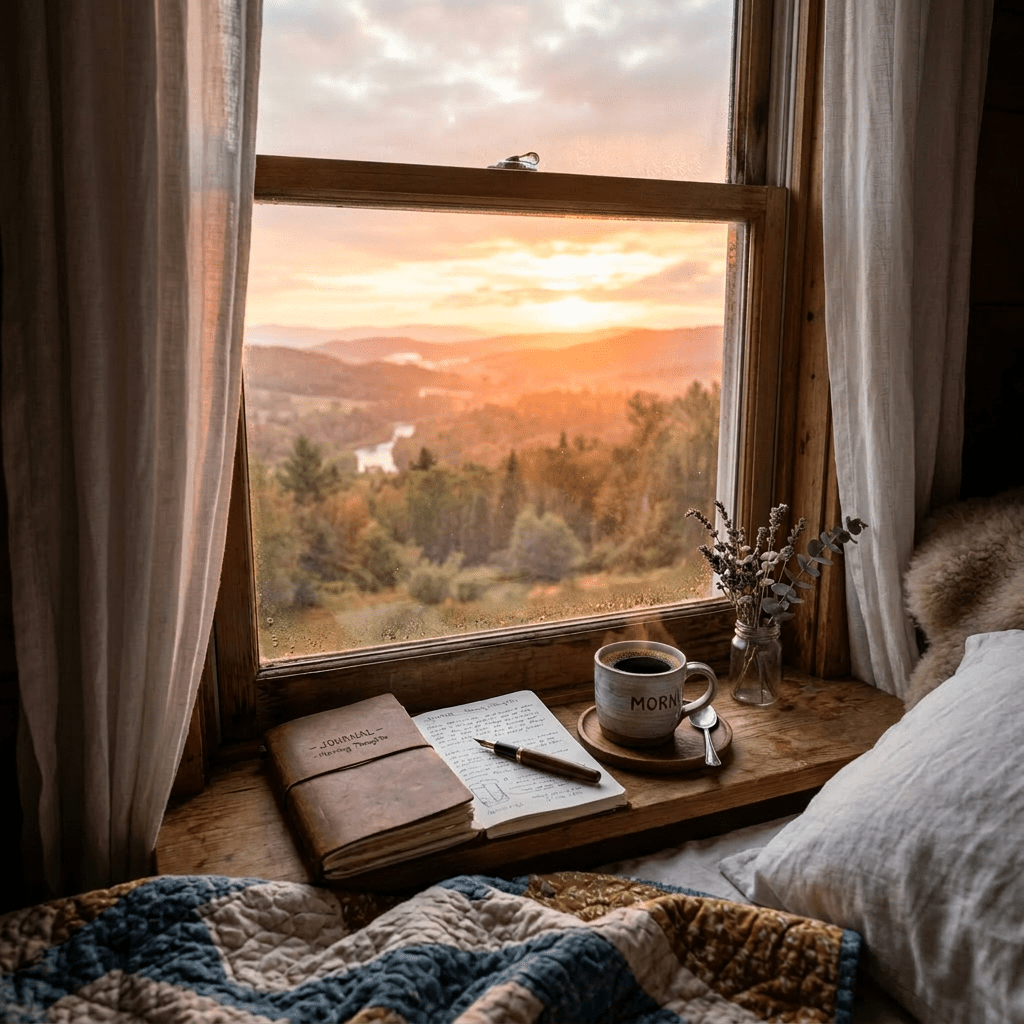
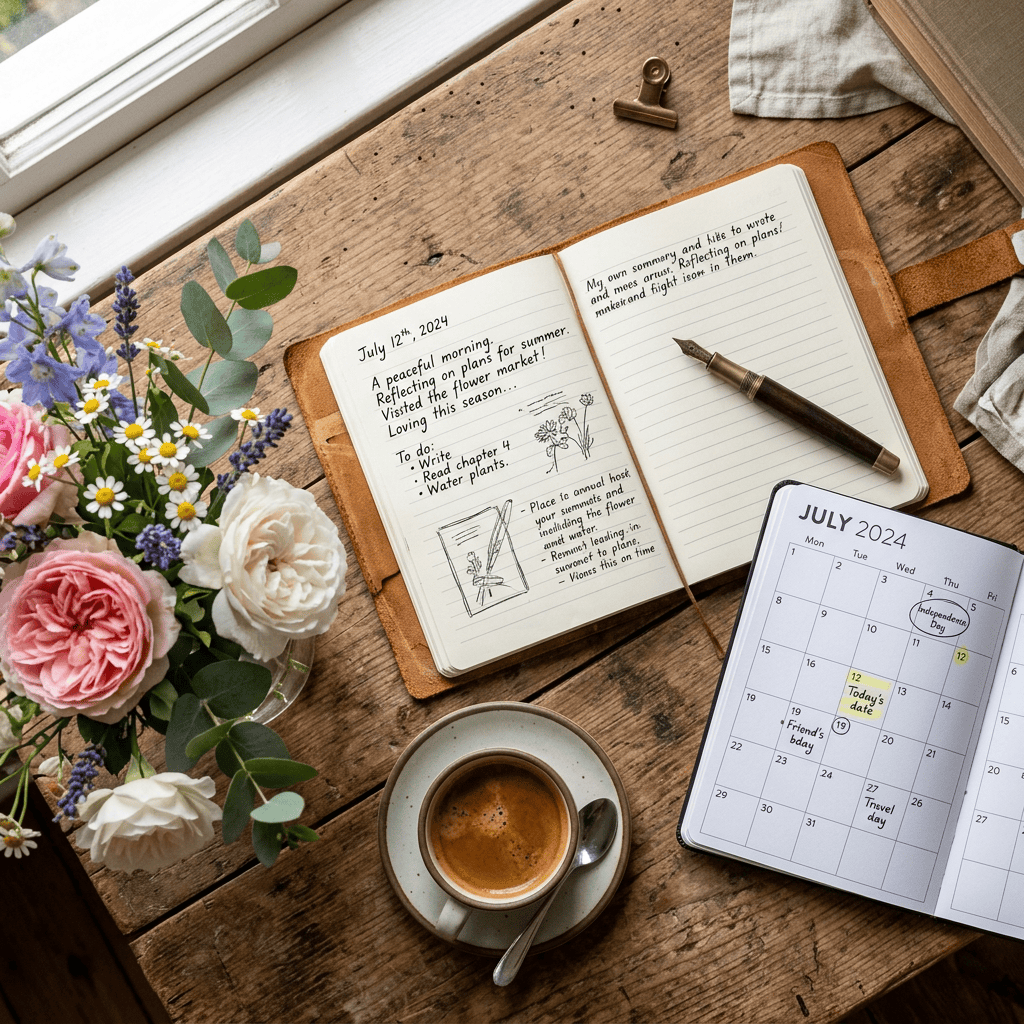
    Journal, pen, steaming coffee cup, and vase on a windowsill with sunrise over mountains
    A peaceful morning scene with a journal, coffee, and sunrise view

    When you embody this level of gratitude, life responds. Relationships deepen because people feel genuinely valued. Health improves as stress decreases and joy increases. Abundance flows—at least in steady, meaningful ways: unexpected help, creative ideas, synchronicities, and a profound sense of “enough” that paradoxically opens the door to more.

    So today, pause. Look around. Feel the chair supporting you, the device in your hands bringing these words, the breath moving through you. Say thank you—and really mean it. For the basics. For the people. For the lessons. For everything.

  • Nature vs. Materialism: A Personal Journey

    Nature vs. Materialism: A Personal Journey

    I used to be a full-blown materialistic whore for all things glamour. Not the cute, “I like nice things” version. The real one. The kind where I would scroll Instagram all day drooling over limited-edition Birkins all while strapped on a wheelchair with not even a tinge of Birkin-esque lifestyle in sight, convinced that if I just owned the right bag, the right shoes, the right filtered face, my life would finally hit peak meaning.

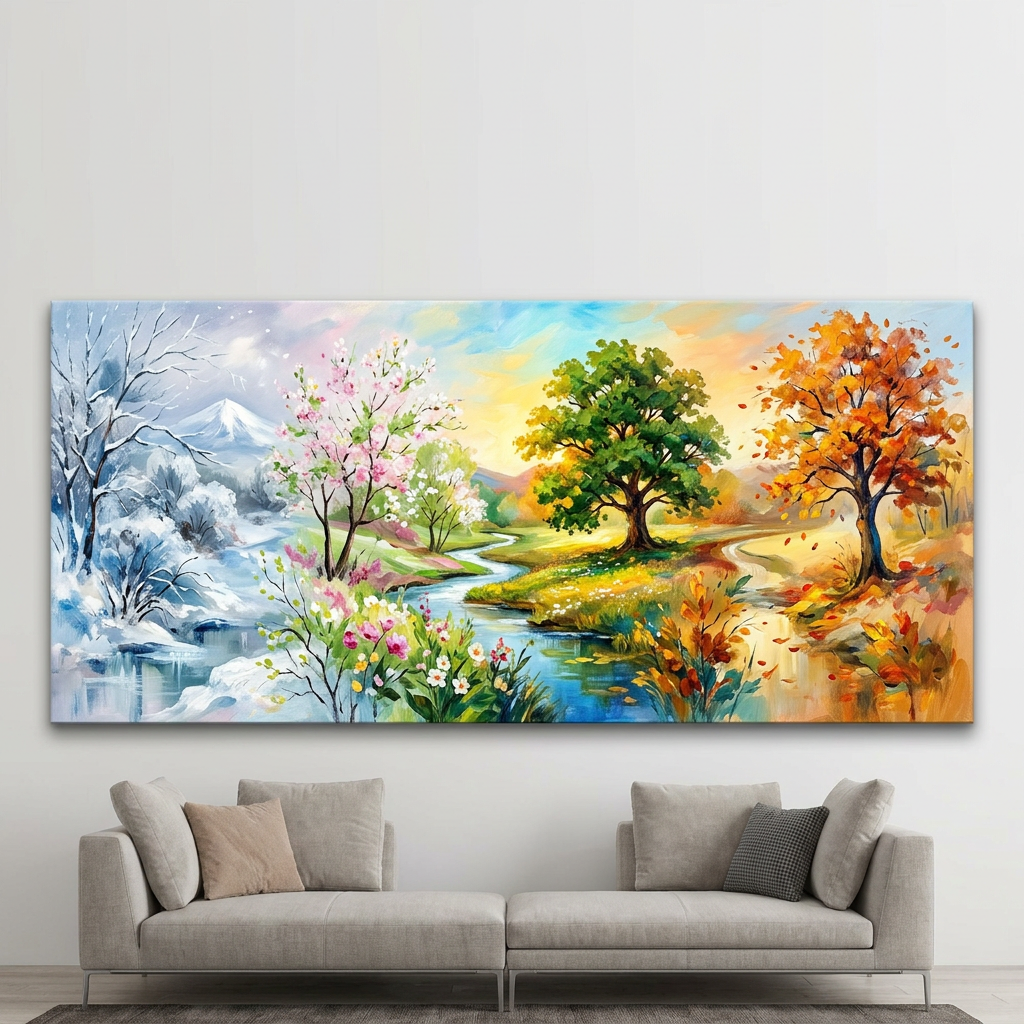
    Painting showing four trees representing the seasons with a river flowing through snowy, blossoming, green, and autumnal landscapes.
    A vibrant painting depicting aging like the seasons.

    Beauty, to younger me, was engineered. It sparkled under club lights, smelled like expensive perfume mixed with desperation, and came with a four-figure price tag. I slobbered over it. I measured my worth in carats and designer logos. A sunset? Cute, whatever. A flower? Unless it was wrapped in $100 bills, I was not interested.

    Then I got older. Not “wise elder” older—just old enough to fall in love and daydream about a beautiful life. And somewhere between one recovery phase and finding someone who adores me , something shifted.

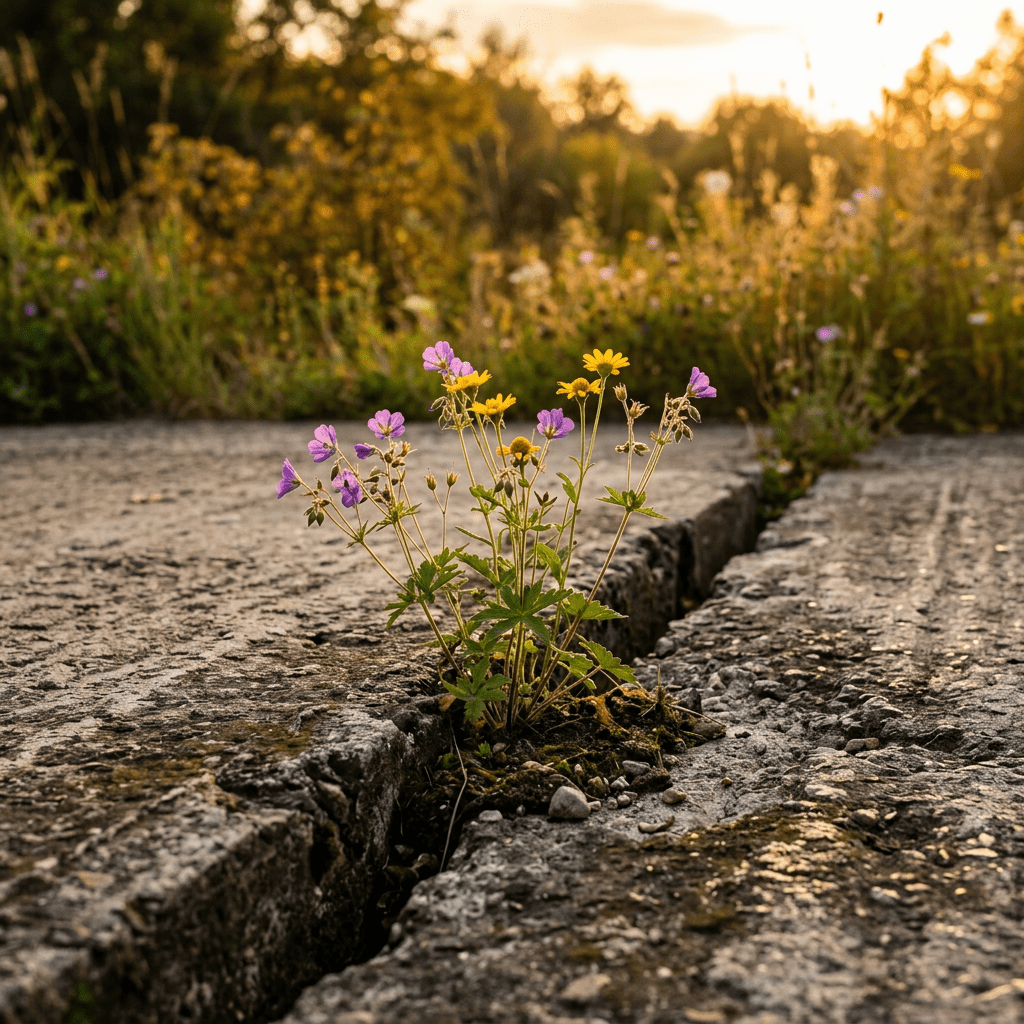
    Purple and yellow wildflowers growing through a crack in concrete pavement
    Delicate wildflowers bloom through a crack in weathered pavement at sunset

    Now, I lose my mind over a random wildflower pushing through sidewalk cracks. A proper sunset will stop me dead in my tracks and prove the power of the universe. That soft, violent orange bleeding into purple, the sky putting on a show for free while we all scroll past it for more filtered asses and sponsored content? It is obscene how beautiful it is. Nature does not need a retoucher. It does not need validation. It just is—raw, indifferent, and infinitely superior to anything we slap a logo on.

    Do not get it twisted though. I am not out here becoming a barefoot hippie who renounces possessions and starts smelling her own patchouli armpits. I still love the glamorous fabrics that make my ass look illegal. I still want the luxurious purses and sunglasses that cost more than rent in most cities. The difference is I no longer pretend they are the pinnacle of beauty. They are fun. They are armor. They are expensive toys for adults who like shiny things. But they are not it.

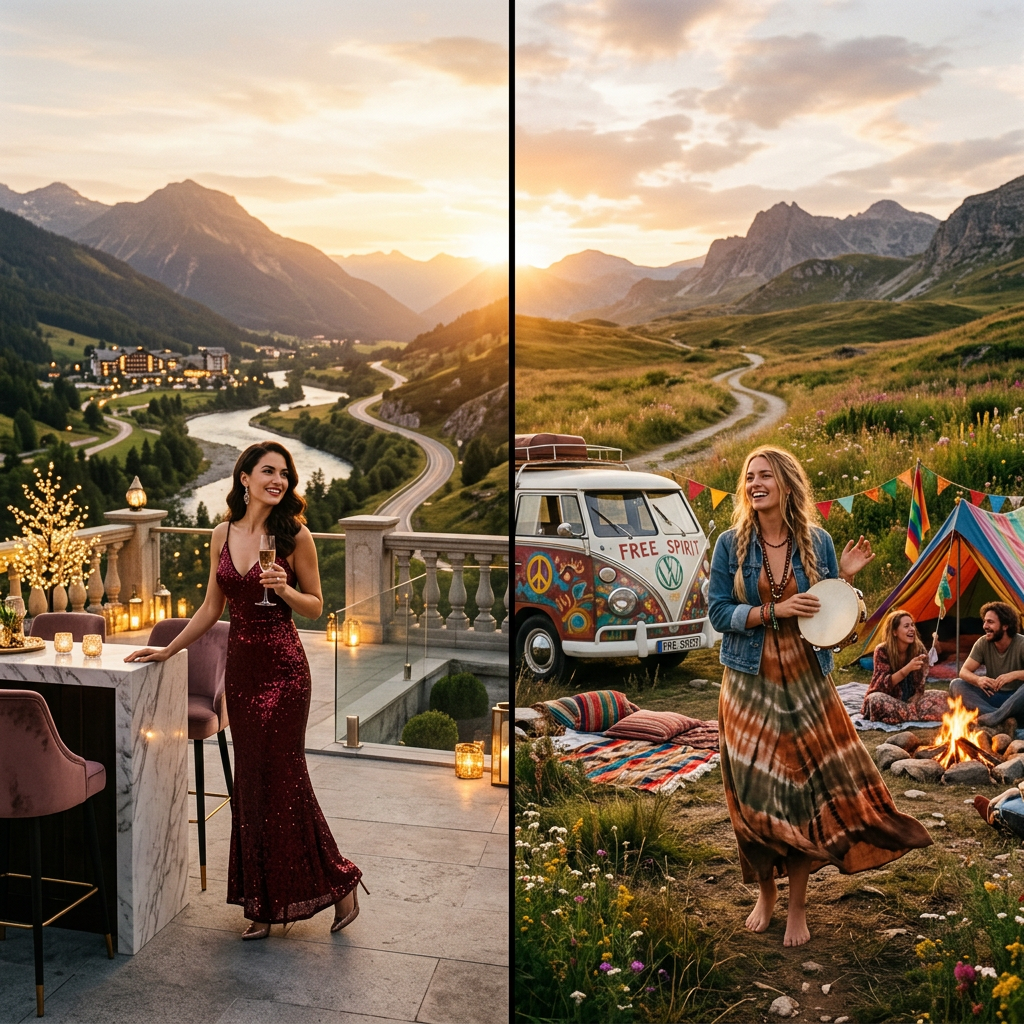
    Woman in elegant dress with champagne on terrace and woman playing tambourine by campfire with colorful van and tents
    Two contrasting lifestyles: elegant terrace sunset and colorful boho camping scene

    The real—the breathtaking, soul-shaking kind—does not come with a barcode. It is the way light hits tree leaves after rain.  It is waking up in your true love’s arms and giggling to the birdsong outside the window. It is a dandelion growing in the gutter, flipping off the entire concrete jungle. Nature does not care about your follower count, your tax bracket, or your carefully curated aesthetic. It just keeps being majestic while we cosplay relevance.

    Society hates this realization, by the way. The entire economy is built on convincing you that beauty is something you buy, inject, or filter. Influencers will sell you $90 “clean girl” serums while preaching about not wearing makeup and finding self-love. Billion-dollar industries thrive on your insecurity. And here I am, getting older and increasingly unimpressed by the whole grift.

    Getting older did not make me soft. It made me savage in a different way. I fought disability and I fell in love. Now I am less tolerant of artificial beauty standards and more feral about the real thing. Fighting for life taught me to appreciate life… I still wish that I could wear the heels that make men stupid, but I will also stop mid-walk attempt to stare at a moss-covered rock (if I can even see it— as I do not wear my eyeglasses to physical activity).

  • Why Settle for Basic When You Can Be His Ultimate Arm Candy?

    Why Settle for Basic When You Can Be His Ultimate Arm Candy?

    In a world drowning in sloppy sweatpants, filtered selfies, and the exhausting cult of “I’m a strong independent woman who don’t need no man,”: a woman should not only be beautiful. She should be dangerously interesting.

    Beauty opens doors, sure. It turns heads, stops conversations mid-sentence, and makes weak men stutter. But beauty without substance? That is just expensive wallpaper. Pretty to look at until someone better walks by.  Why do you think men are always leaving the Halle Berrys and Victoria’s Secret models?!

    It is a honor to be beautiful. Own it. Revel in it. Wake up every morning and treat your femininity like the rare, intoxicating weapon it is. Keep your legs (and the rest of your body) smooth like it is foreplay. Move with the kind of grace that makes other women clutch their pearls and men adjust their pants. Speak with eloquence that drips like honey—slow, deliberate, unforgettable. Wear the dress that shows off every bone like it is personally offended by fabric. Because your body, your presence, your entire aura is a privilege, not a participation trophy.

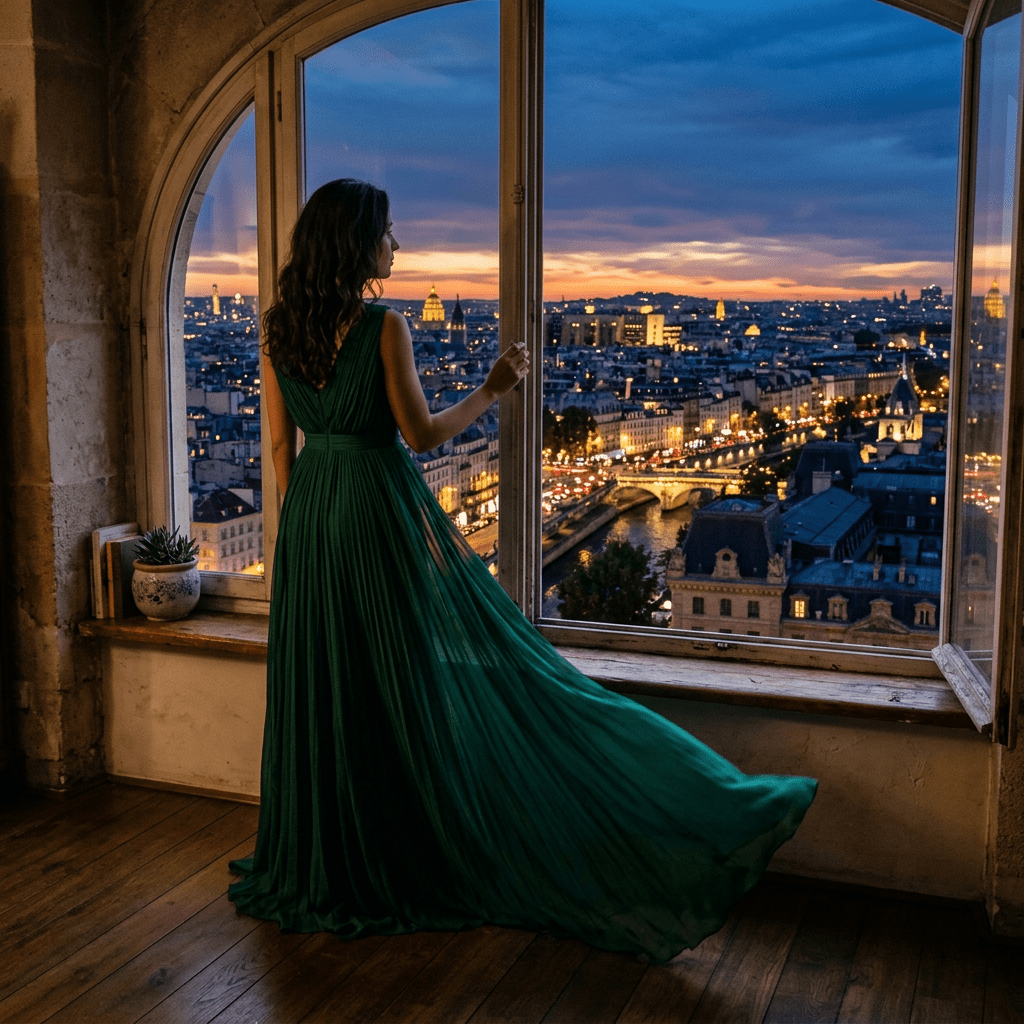
    Woman in green dress looking out window at city skyline during sunset
    Be elegant, not powerful

    But here is where the modern girlies lose the plot: please do not dare stop there.

    Your man does not just want a pretty face on his arm at events. He wants a woman who makes his blood run hot, his mind race, and his ego feel like that of a king. Beauty gets you in the door. Depth keeps you locked in his bed, his heart, and his future. Cook for him like you are seducing his soul. Laugh at his jokes even when they are mid, but roast him when he deserves it—sharp, playful, never bitter. Read books. Have opinions that are not just recycled social media drivel. Know when to be soft and yielding and when to challenge him just enough.

    My boyfriend was initially drawn to me because of my edgy and controversial personality that I exhibited on my old X account (Twitter). I have always been book smart— not naturally intelligent— but my man is always amazed by the amount of information I retain. I am obsessed with listening to podcasts (although I have been on a bit of a hiatus) and yes I read X.com like it is my personality curated newspaper. So I tend to be well versed and able to discuss his interests with him. (But I also had a fire profile picture…)

    How I do the “news”/ stay interesting now

    Yes, it has always been my number one goal to be arm candy for my husband.

    YES, please

    I did not stumble into this. I craved it for years before I even met him. While my friends were out chasing careers, validation from strangers, and that mythical “self-love” that somehow always required new hair dye and more therapy, I was curating myself like a masterpiece. I was sitting there in my wheelchair all fat and bloated— just daydreaming about the day my husband can show me off. I wanted to be the woman other men envy and other women quietly resent. I still do. The one who turns heads in the restaurant and makes his hand instinctively tighten on my waist. The trophy that is not just shiny but sharp as a blade underneath.

    And now? I take immense pleasure in being exactly that for my man.

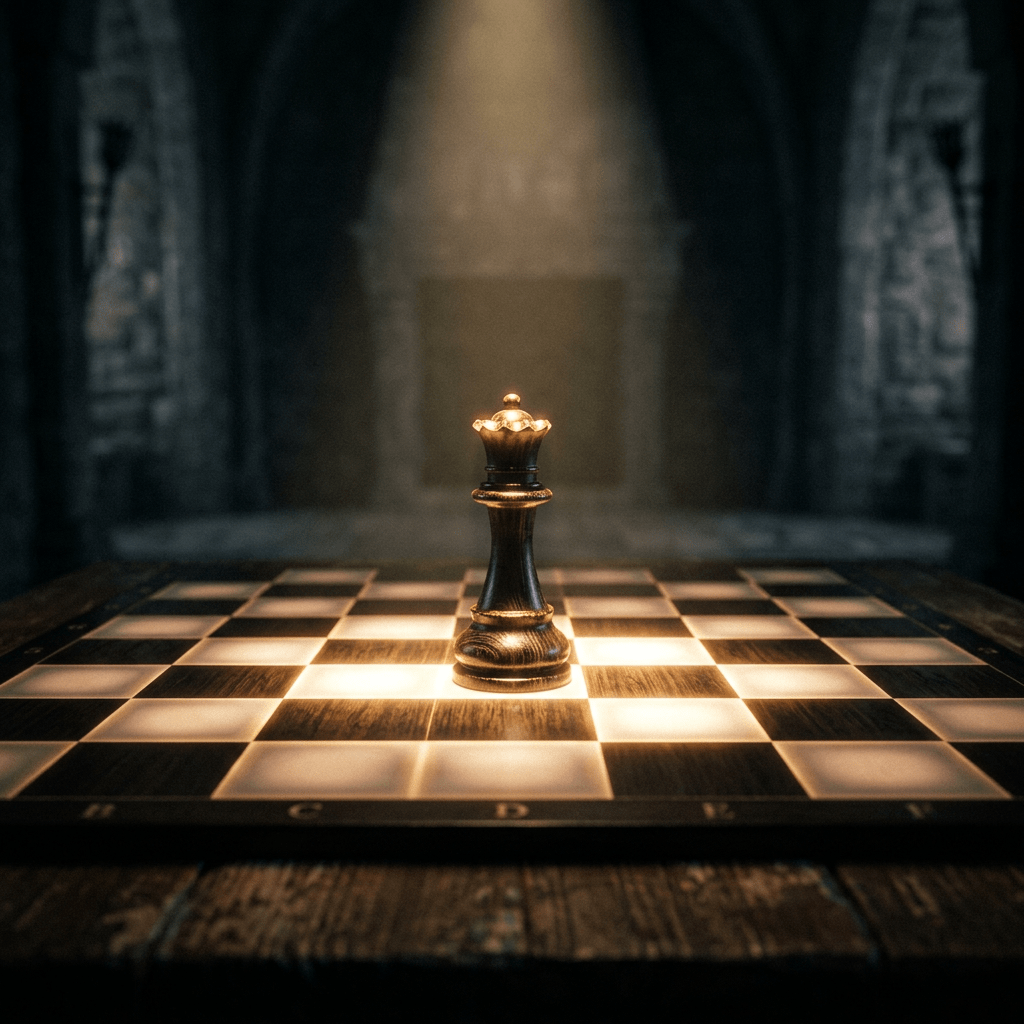
    Chess queen piece standing alone on a wooden chessboard with spotlight
    A single chess queen piece illuminated on a wooden chessboard in a dim room

    There is something deliciously powerful about being on his arm, knowing every eye is on us—and that I am the one he gets to take home, unwrap, and ruin. I love being the visual feast he shows off and the private obsession he devours behind closed doors. I crave the way people glance a second too long and then look away because they know they could never have this. I love the quiet pride in his eyes when I charm, when I look flawless at four a.m. with bed hair that somehow still looks intentionality messy, when I anticipate his needs before he voices them.

    Call it outdated. Call it anti-feminist. I call it honest.

    Because let me be real: the “girlboss” who spends her nights crying into takeout because her “high-value” standards left her with a vibrator and an empty calendar is not winning. She is exhausted. Meanwhile, I am glowing, desired, and secure in the kind of traditional dynamic that actually satisfies something primal in both of us.

    Femininity is not weakness. It is strategy. It is power wrapped in silk and perfume. Being beautiful is the baseline. Being interesting—the kind of interesting that makes him obsessed—is the flex. And being unapologetically his arm candy? That is the victory lap.

    Maybe it is time to stop competing with men and start completing the one worth keeping.

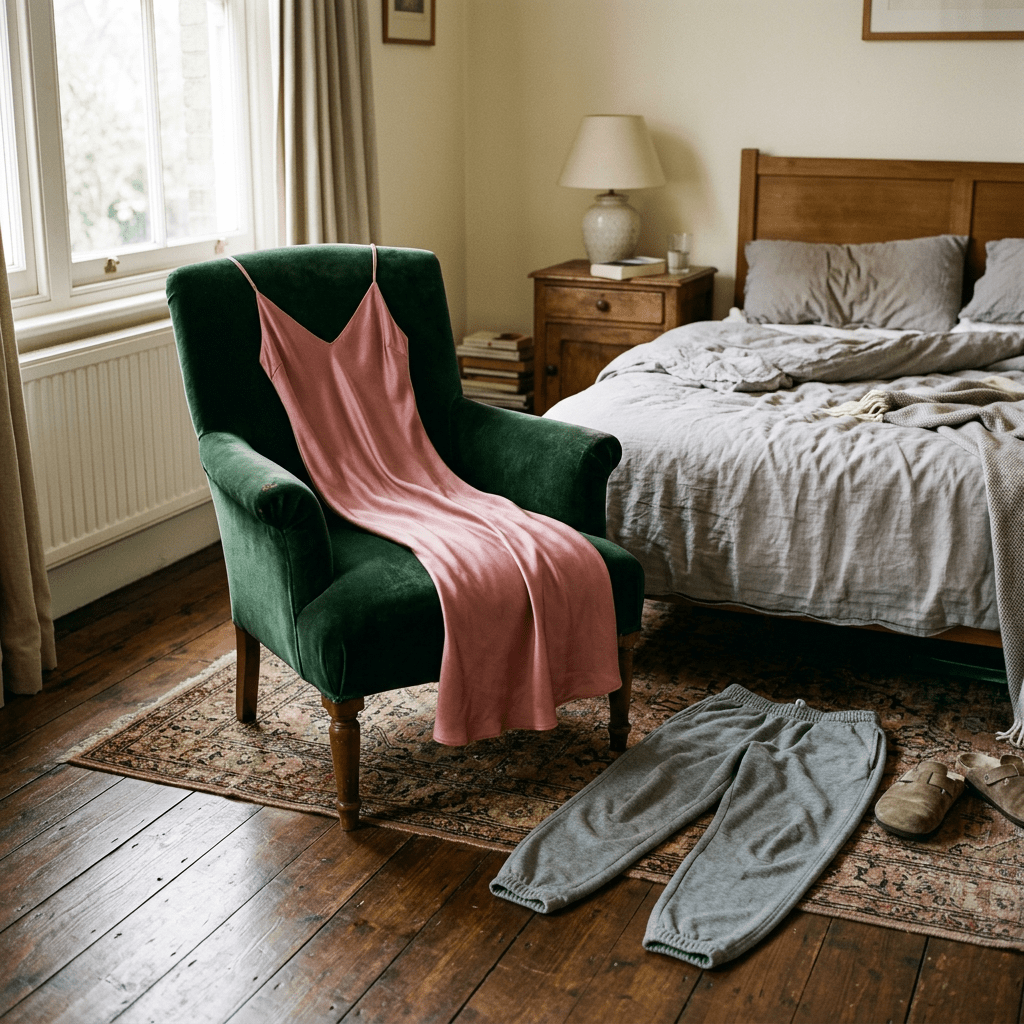
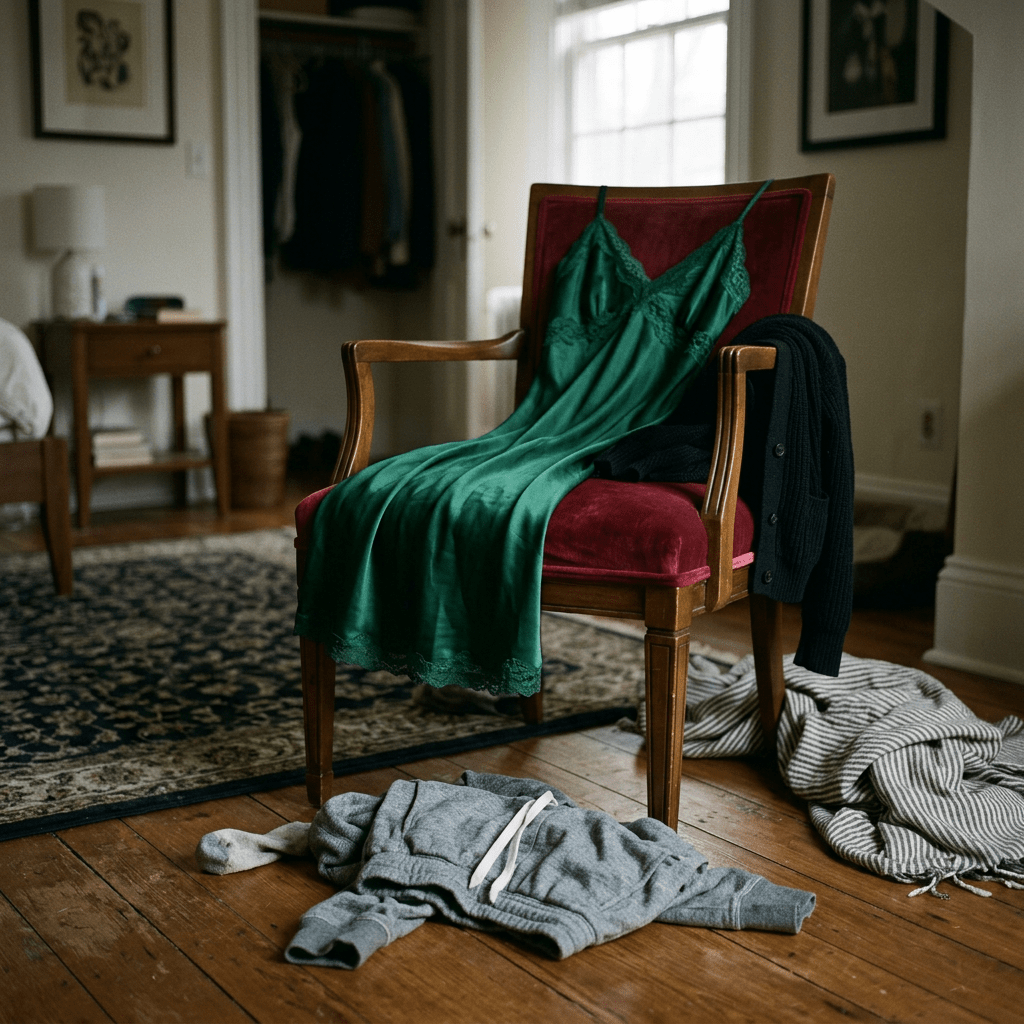
    Green silk dress on a red velvet chair with casual clothes on the floor
    A green silky dress and casual clothing draped on a vintage chair in a cozy room.
  • Understanding Candida: Your Gut’s Hidden Struggle

    Understanding Candida: Your Gut’s Hidden Struggle

    I have been known for mainlining sugar, stress, and antibiotics like they are essential vitamins (add in some coffee and bubbles and I am in nutrition heaven!). That often leads to a condition called Candida.

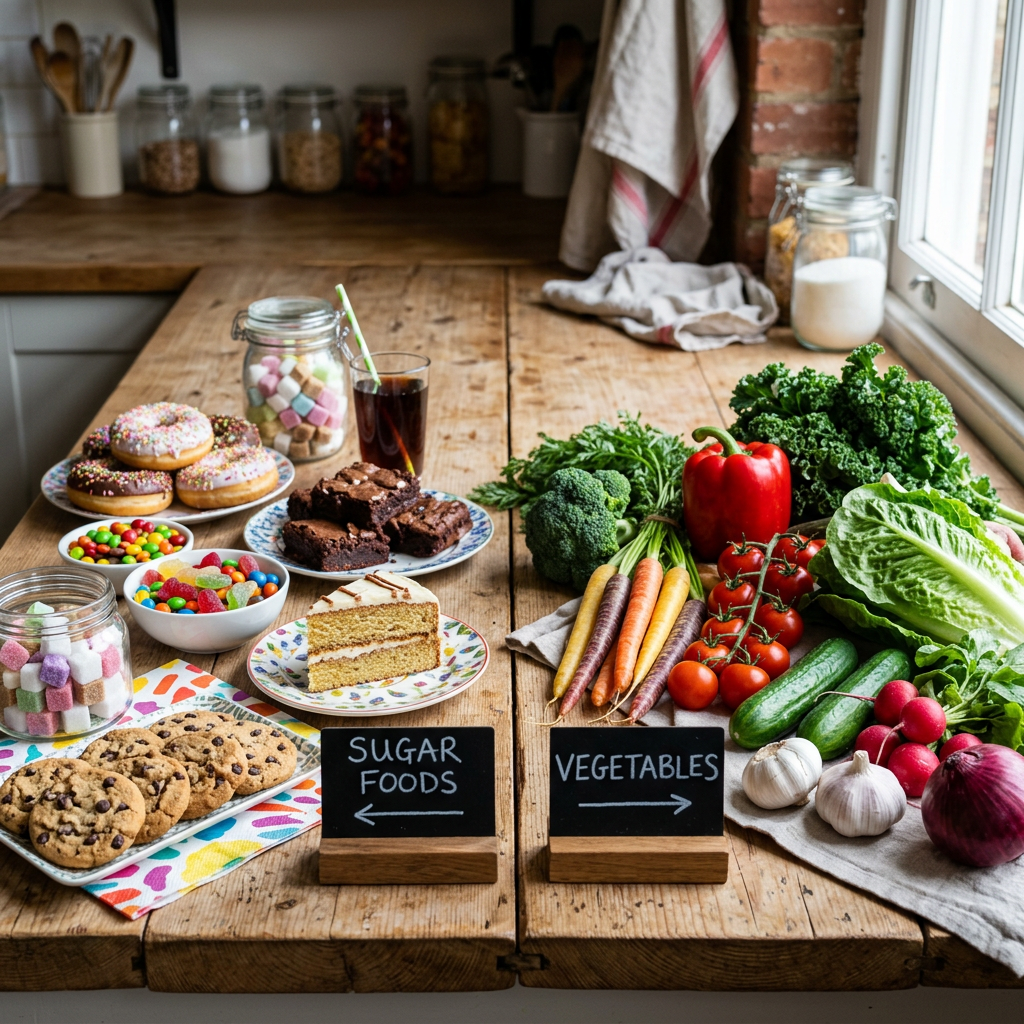
    Sugary foods including donuts, brownies, cookies, candy, and a slice of cake on the left; fresh vegetables such as carrots, broccoli, tomatoes, cucumbers, lettuce, garlic, and radishes on the right.
    An array of sugary treats contrasts with fresh vegetables on a wooden kitchen table.

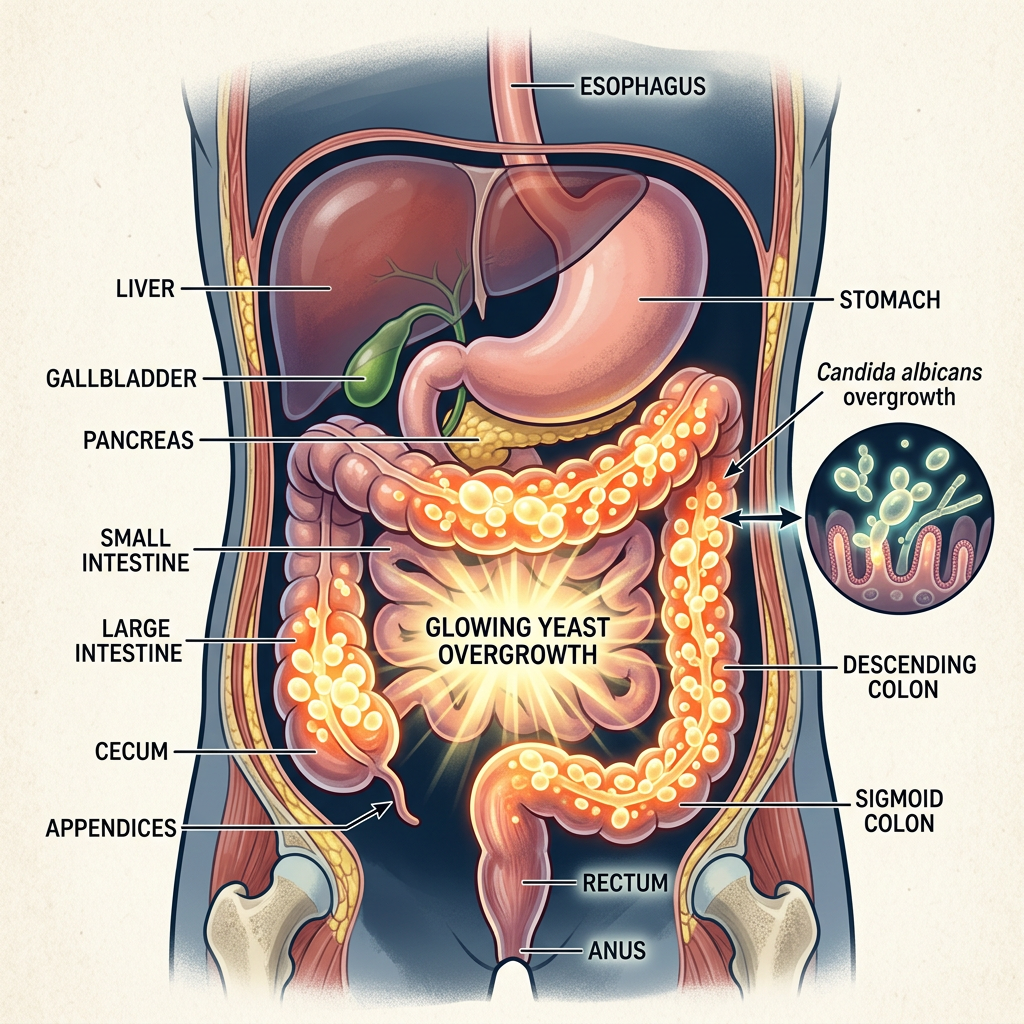
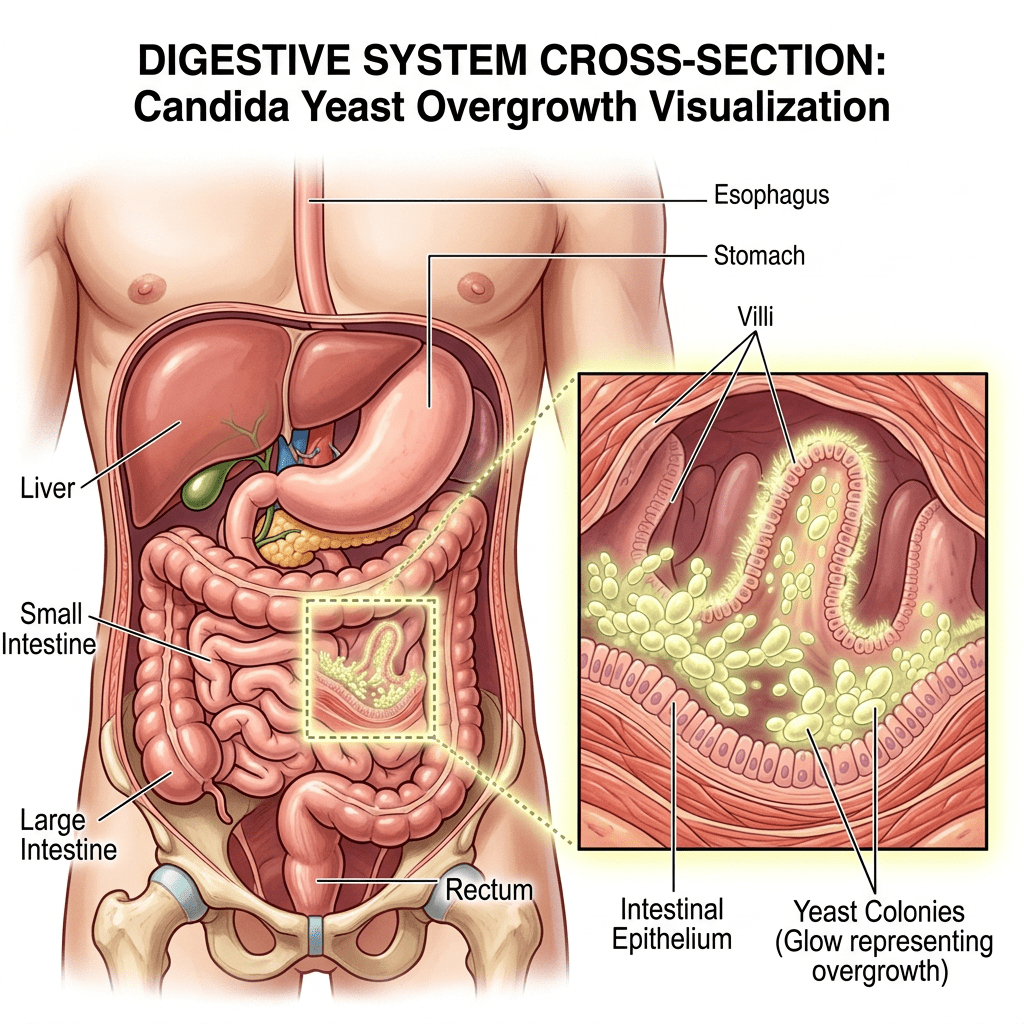
    If you have never heard of it, Candida is not a bacterial infection. It is a yeast, a type of fungus that lives in all of us in small amounts. But when your gut ecosystem goes haywire, it throws a wild party and multiplies like crazy. The result is extreme bloating that makes your jeans beg for mercy and brain fog so thick you could cut it with a knife.

    I have always been the queen of “Treat Yourself” and yes, sometimes stress can make me take the playing a bit too far. I have always had a preference for fruits and sweets. Plus I would hydrate myself only with caffeine and I would treat drinking as if it was a medical necessity (aperol spritz, champagne, Chardonnay?)— and , we cannot forget obsession for my bubbly water with yummy flavored electrolytes!

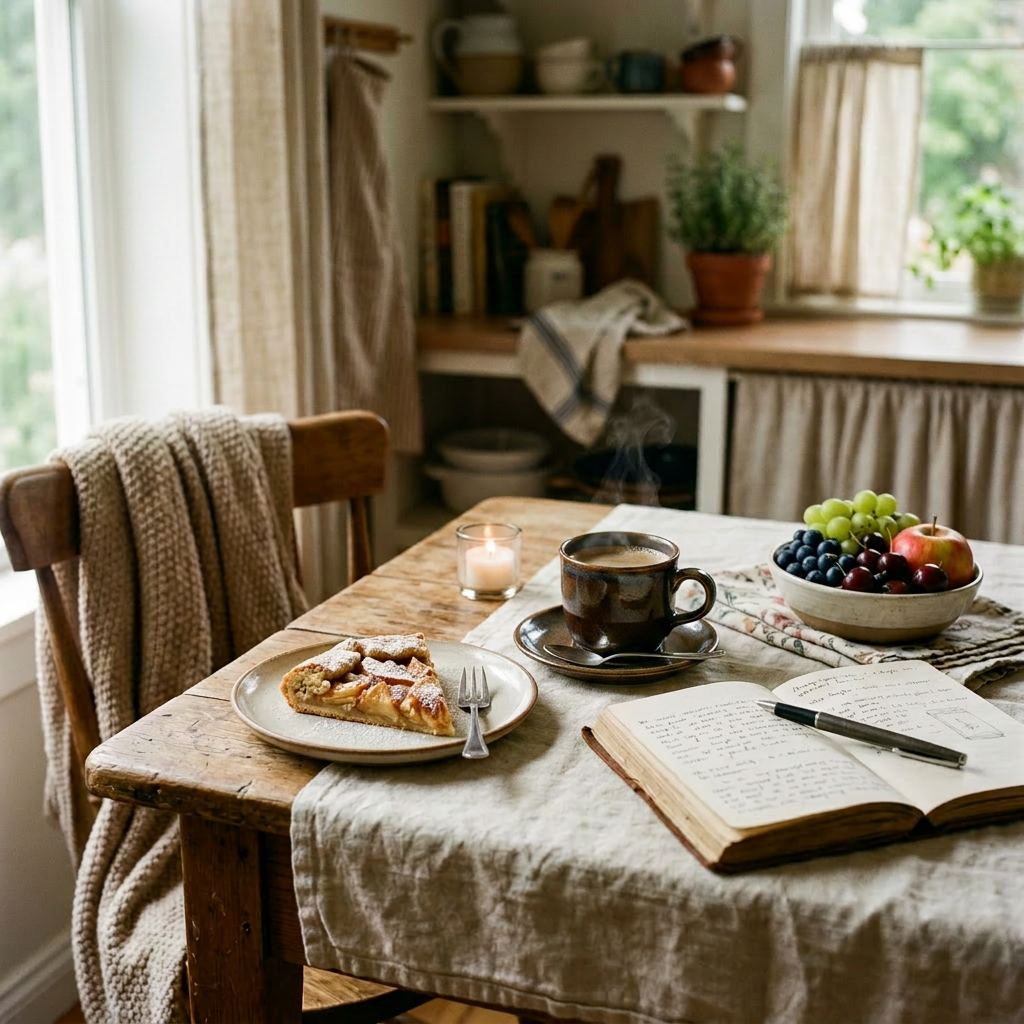
    Tea cup, fruit bowl, pie slice on plate with fork, and open journal on wooden kitchen table
    A peaceful morning scene with coffee fruit, pie, and a journal on a rustic table

    Yes, I thought I was functioning. But looking years back, my body was waving red flags. That post-meal bloat was not just “I ate too much.” That mental haze where I could not remember simple tasks or focus for more than 10 minutes was never just the side effect of brain damage. It was my gut screaming for help.

    Sugar and refined carbs are Candida’s favorite fuel. These are also the main sources that make up my diet. Stress pumps out cortisol, which further imbalances your microbiome and weakens immunity. Coffee keeps the party going. It is a vicious cycle: the yeast craves sugar, you feed it, it grows, symptoms worsen, you stress-eat more. Heaven for Candida, hell for me.

    Then it stopped. I did not seek help from the western medical establishment… as you ask them for help and they turn into pill pushers (telling you that Big Pharma will heal you— never mind what the blood work etc shows).

    It is sneaky because symptoms overlap with so many other things—stress, thyroid issues, etc. Many people (myself included) brush it off for years. Fatigue that no amount of coffee can cure and intense sugar cravings.

    Digestive system cross-section with labeled organs and inset showing candida yeast overgrowth on intestinal villi
    Cross-section of the digestive system showing candida yeast overgrowth in the small intestine

    Candida overgrowth is not always a formal medical diagnosis everyone agrees on (some doctors are skeptical of “systemic” claims), but the symptoms are real, and addressing the root causes helps a ton of people feel better. Realizing that any gut issue is an issue with something that you are eating is the first step. Yes, most doctors will say that you have some sort of Irritable Bowel Syndrome (IBS), but I have found that starving out the yeast is the way to go. Plus, eliminating any stress in your life. So ultimately mindfulness is most important. Not some sort of medicine.

    No, I am not eliminating all of the yummy joy out of my life— I am not about to spend my life being miserable. I simply added in fasting, limiting the overly sugary/ processed and voila! I get to play again. I will treat myself and then practice self discipline. Weekends are often for indulgence. Weekdays are definitely disciplined. One meal per day and always full of vibrant and nutritious foods. It is pretty fun (plus the reflection in my mirror and the look on my my boyfriend’s face are both ecstatic!)

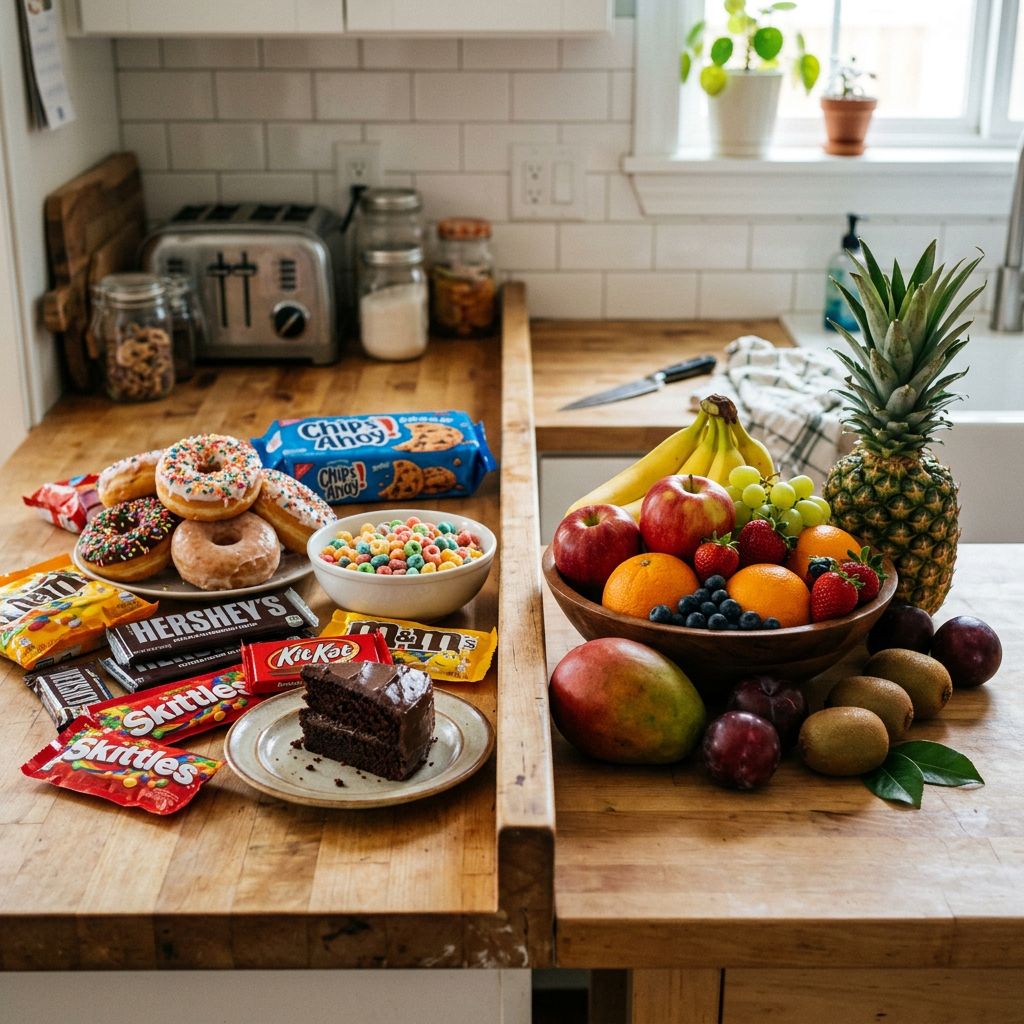
    Plate of donuts, chocolate bars, cookies, candy, and bowl of cereal next to a bowl of fresh fruits including bananas, apples, grapes, strawberries, oranges, pineapple, mango, plums, and kiwis
    Side-by-side display of sugary snacks and fresh fruits on a kitchen counter
  • Ivermectin’s Role in Modern Medicine and Parasite Awareness

    Ivermectin’s Role in Modern Medicine and Parasite Awareness

    This might as well be a part of ‘My Passion for Nutrition’ series…

    Remember the “Horse Paste” Hysteria? Time to Talk Honestly About Parasites and Ivermectin

    Back in the chaotic 2020s, when the world felt like it was spinning out of control, one of the strangest battles was the all-out demonization of ivermectin. Labeled everything from “horse paste” to dangerous misinformation, it became a cultural exclamation point. But it is time to step back from the noise: Ivermectin is a legitimate, Nobel Prize-winning antiparasitic medication with a proven track record in human medicine. And yes—there is a broader conversation worth having about whether most of us could benefit from thinking more seriously about parasites in our modern lives.

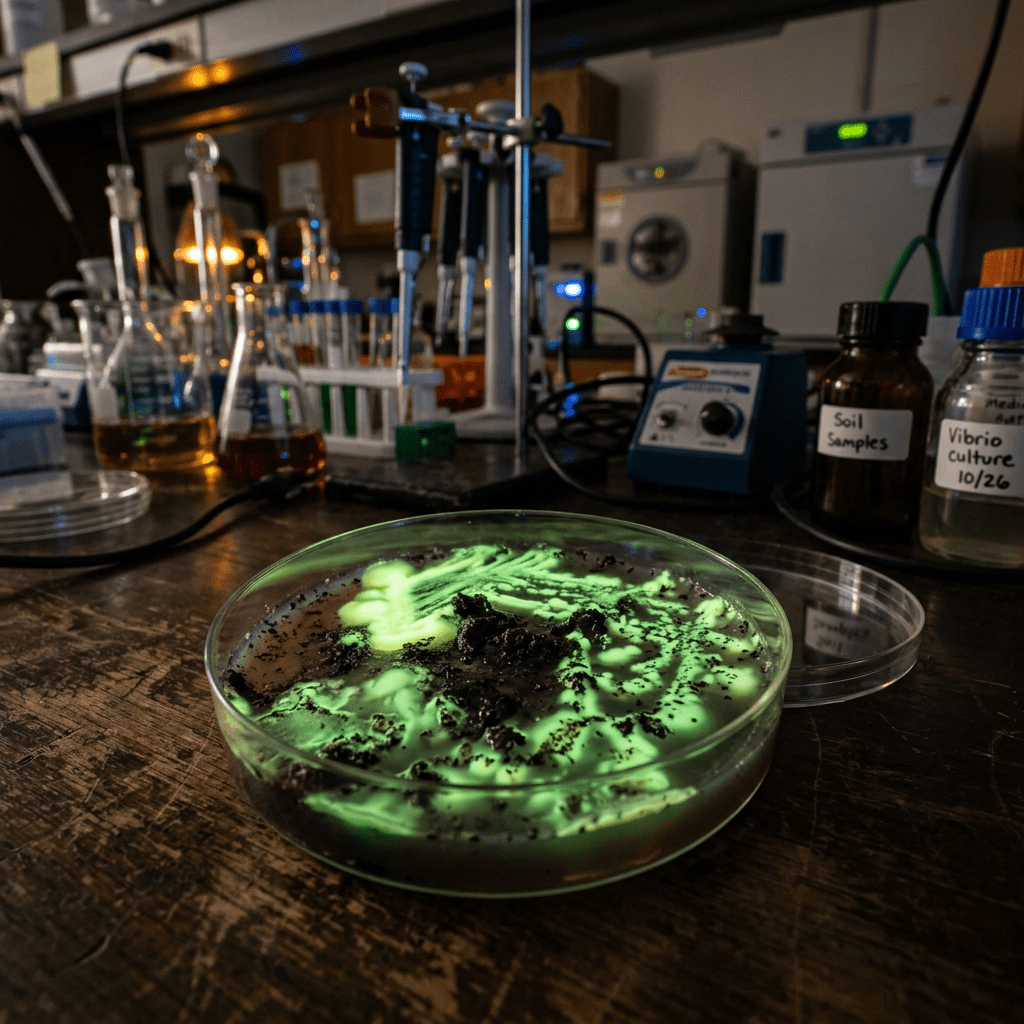
    Discovered from soil bacteria in Japan and developed into a powerful tool against parasites, ivermectin has transformed global health. It paralyzes and kills certain worms and parasites by disrupting their nerve and muscle functions. It earned its discoverers the 2015 Nobel Prize in Physiology or Medicine for its impact on river blindness (onchocerciasis) and lymphatic filariasis—diseases that blinded and debilitated millions.

    Petri dish containing glowing green bacterial colonies with soil samples in a laboratory
    A petri dish with glowing bacterial colonies under lab conditions

    It is incredibly inexpensive to manufacture—estimates put production costs as low as two pennies (I guess you should round up to a full nickel now!) per dose in bulk. Generic versions sell affordably (often under $50–$100 for a treatment course in the US with discounts), which means it does not line Big Pharma’s pockets like patented drugs. Through donation programs, billions of doses have been distributed for free in endemic regions. This accessibility is part of what makes it such a public health success story.

    Here is where things get uncomfortable but real. Many of us in developed countries like the US do not wash our hands as thoroughly as we should. Fresh produce (especially organic!) is not always perfectly cleaned. Pets track in dirt, fleas, or other critters. International travel, imported foods, and close contact with others can introduce risks. Thus,intestinal parasites like Giardia, pinworms (Enterobius vermicularis), or others are not unheard of—even in “clean” societies.

    I am not here to advocate staring into your toilet bowl (I am a lady, after all).But cleanses can rid us of all the environmental toxins that infiltrate our daily lives.

    Earth with illustrations of bacteria, viruses, DNA, medical symbols, and scientific instruments around it
    An artistic portrayal of Earth surrounded by microorganisms and medical symbols, highlighting global health connections.

    Ivermectin remains a wonder drug for what it was designed to do. The 2020s taught us many lessons about questioning narratives, but also about respecting evidence-based medicine (even if it does not bring in the big bucks!). Routine cleansing for everyone may be necessary, even for most in sanitary environments. Disease invades those in developed countries. Parasites can also make us ladies act like “lunatics” during full moons (The word “lunatic” comes from Latin luna (moon), reflecting ancient beliefs that the full moon drove people—especially women—mad)…Greater awareness and targeted use of something like Ivermectin is absolutely worth discussing without the {political} drama.

  • From Black-Pilled to White-Pilled: A Mindset Shift

    From Black-Pilled to White-Pilled: A Mindset Shift

    I am not typically a negative person (read more here). I see the glass half full not half empty. However, I often feel that lack in my life—my man will say, “I wish they did that for you… you deserve a win” and my response? “That’s just how life works out for me now…. Whether it is my recovery, my relationship… I always have to wait”. Recovery crawling. Relationship hitting every red light. Opportunities? I am always waiting. Always.

    Sounds like some emo, woe-is-me playlist on repeat, right? But I am owning this pattern like its designer. I have stopped fighting the current and started riding the wave. Everything—everything—is gonna drop when it is supposed to. Not a second sooner, not a millisecond later. The delays are not punishments; they are plot armor. Call me delulu if you want, but I am wearing that label.

    Now let us talk about the real cancer that is eating souls these days: being black-pilled. You know the type. These miserables look at society’s flaming dumpster fire and the wreckage of their own lives and decide the only logical response is to glorify the potential apocalypse. “It is all doomed. Women are finished. Men are finished. The future is soy, depression, and climate lockdowns. Might as well rot in bed.” Black-pillers do not see problems—they call it realism. They marinate in present-day suckage and future-cucked despair like it is a personality trait. Spoiler: this is not deep. It is just being an emotional with extra steps. Zero growth. All cope.

    Personally, I am riding the white-pill wave so hard. White-pilled is not some naive sunshine and rainbows. It is refined, razor-sharp clarity with a side of patience. You start seeing every “delay” as divine diversion for your own good. That job that ghosted you? Saved you from becoming a soulless cubicle zombie. The slow recovery? It is the universe wrapping you in bubble wrap so you do not shatter before you are ready to become the final version of yourself.

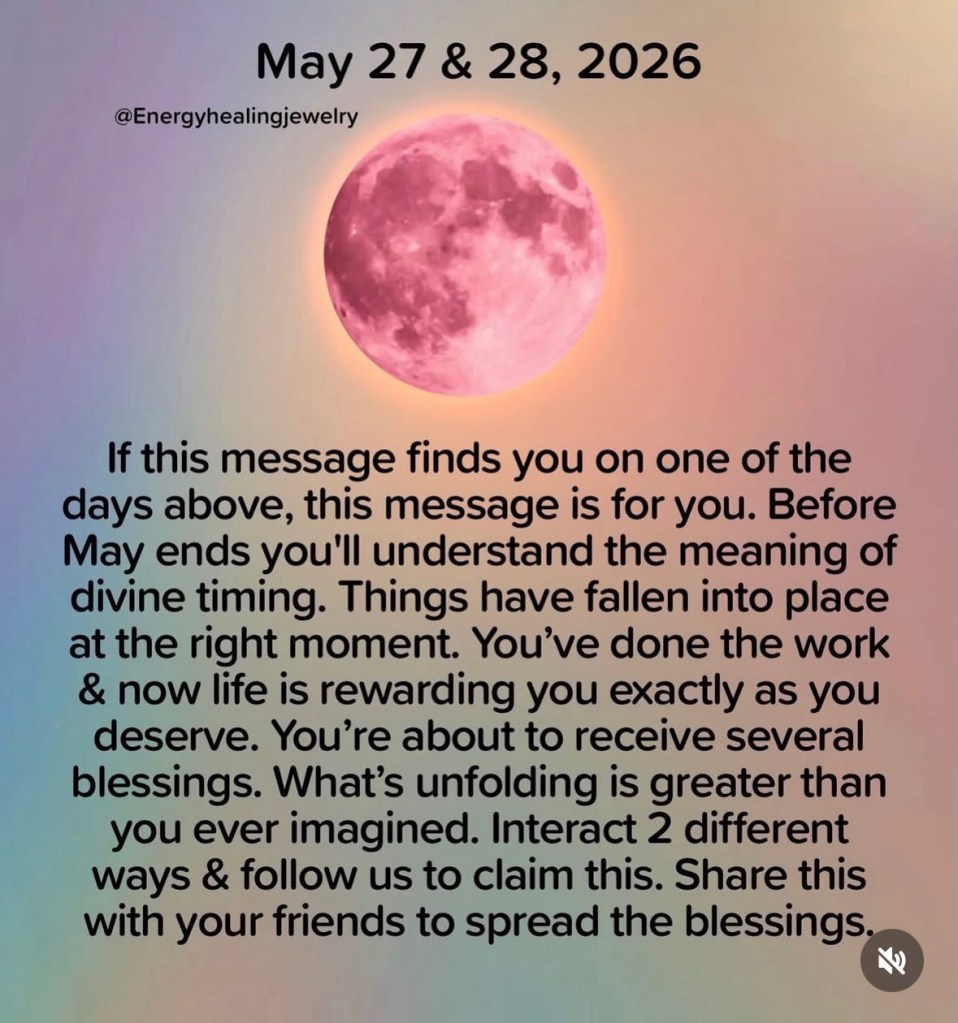
    DIVINE TIMING ✨✨✨

    Nothing takes “too long.” It takes exactly as long as it needs to. You are not being ignored—you are being protected. That glorious 20/20 hindsight always rolls up: Every closed door, every late blessing, every “not yet” is the cosmos playing 4D chess while you are still stuck on checkers.

    Thus , I am done romanticizing the wait. I am weaponizing it. The black-pillers can keep doom-scrolling and crying into their half-empty drinks. I will be over here, glass half full (of celebratory champagne,probably), watching the universe cook up my victory lap.

    Timing is not the enemy. It is the ultimate plot armor. And when my moment hits it is going to be so loud that even the black pillers will not be able to ignore it.
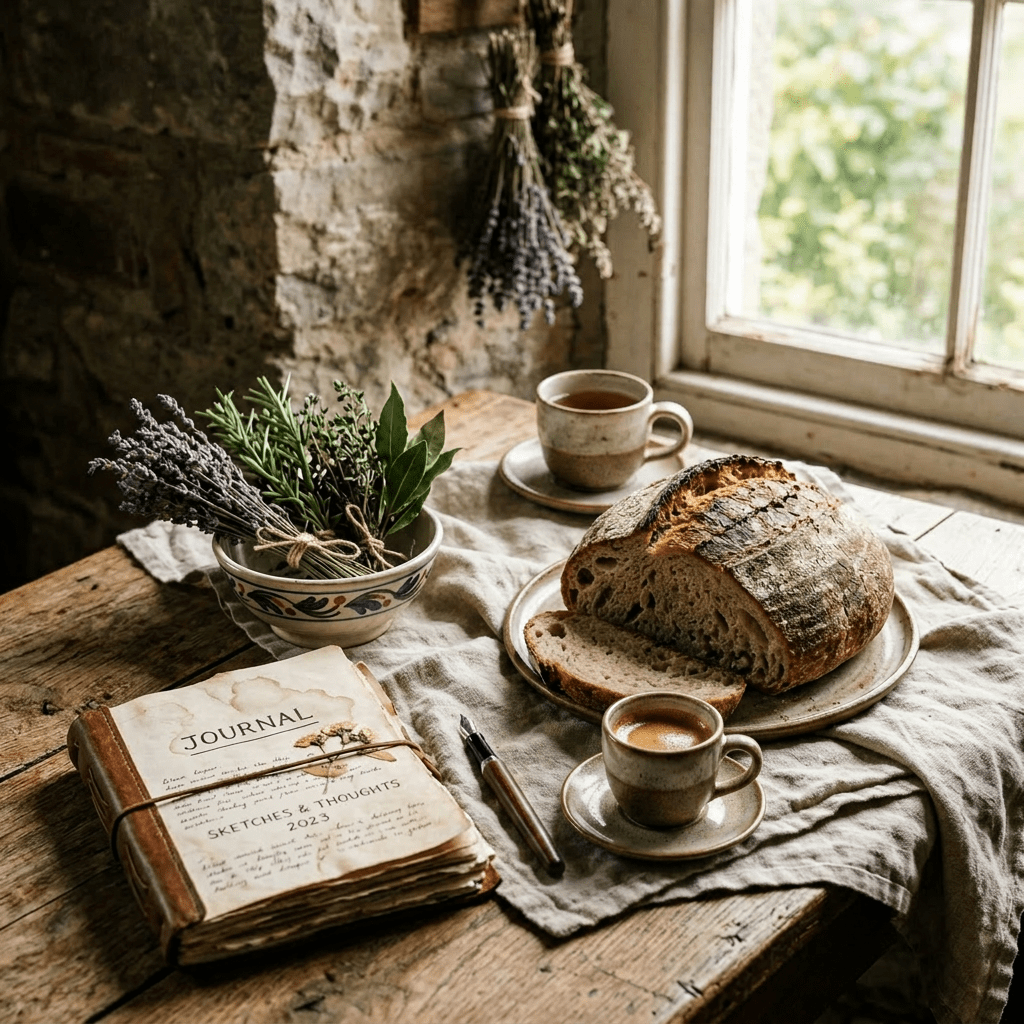
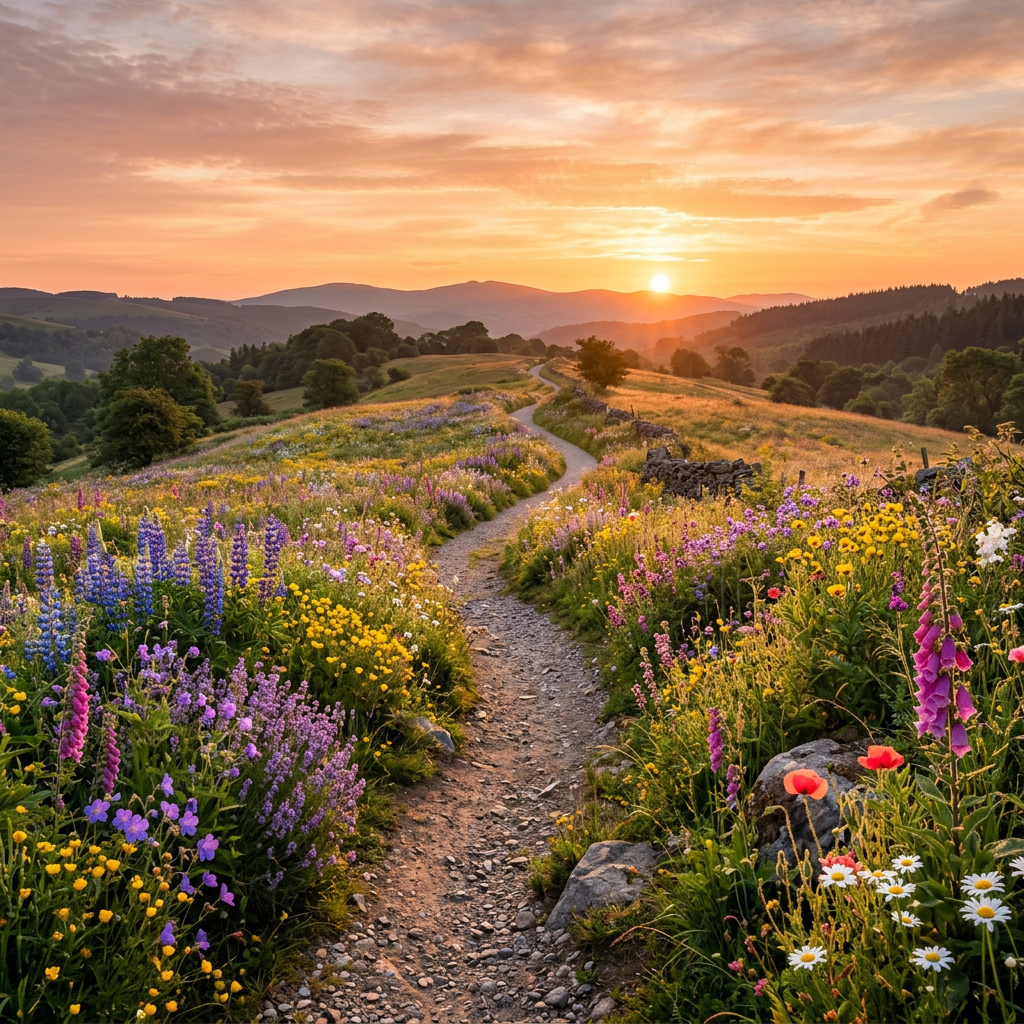
    Winding dirt path through vibrant wildflowers with sun setting behind distant hills
    A winding path through a colorful wildflower meadow at sunset

    Stay white-pilled, kings and queens. The wait sucks, but the glow-up? Worth every second.

  • Understanding Memorial Day: Origins and Observances

    Understanding Memorial Day: Origins and Observances


    This Memorial Day, my boyfriend and I will be doing what we do best lately: sharing our usual FaceTime coffee date from opposite sides of the country. We have spent several recent Memorial Day weekends physically together, but somehow these long holiday stretches still end up with us glued to our phones — sipping coffee, chatting, and wishing we were in the same room. His grandfather served in the Second World War (but passed away in 2010). Because of that, my history-buff boyfriend feels a deep, personal connection to this holiday that I, as a Russian immigrant, can never quite match.

    In Russia, we grow up honoring May 9th — Victory Day — with parades, red carnations, and stories of grandparents who fought in the Great Patriotic War. Patriotism there is loud, emotional, and woven into everyday life. Here in America, it feels quieter. More subdued. I understand why. This land has not seen the kind of devastation and loss that so many other countries have endured on their own soil. America’s wars have largely been fought far away, on someone else’s beaches and battlefields. That distance changes how the day lands in people’s hearts.Still, I find myself reflecting on the sacrifices made by those who came before — especially the ones who made my boyfriend’s family possible. Even from a screen, I am grateful to share this day with him.

    American flag at half-mast above Arlington National Cemetery with U.S. Capitol building and sunset sky

    Most people treat Memorial Day as the beginning of the summer. However, Memorial Day is more than just a long weekend marking the unofficial start of summer. It should not just be a holiday for another coffee date. It is a solemn national holiday dedicated to remembering and honoring the men and women of the United States Armed Forces who made the ultimate sacrifice in service to their country.

    A Brief History of Memorial Day

    The roots of Memorial Day trace back to the aftermath of the American Civil War, one of the bloodiest conflicts in U.S. history, which claimed the lives of approximately 620,000 soldiers. In the years following the war, communities across the nation began decorating the graves of fallen soldiers with flowers, wreaths, and flags—a practice that gave rise to the original name, “Decoration Day.”

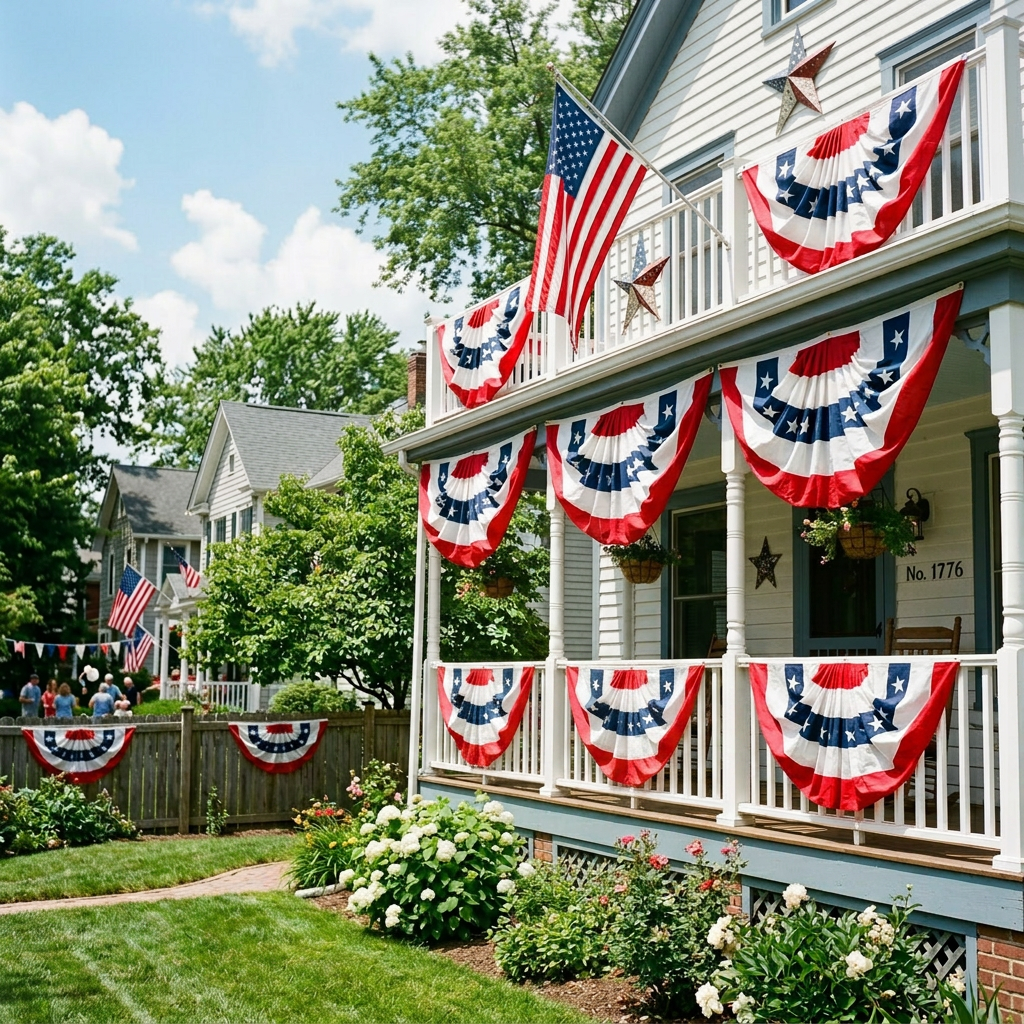
    White house porch decorated with red, white, and blue patriotic bunting and American flags

    On May 5, 1868, General John A. Logan, commander-in-chief of the Grand Army of the Republic (an organization of Union veterans), issued a proclamation establishing Decoration Day on May 30. That first national observance drew thousands to Arlington National Cemetery, where flowers were placed on the graves of both Union and Confederate soldiers.

    While several locations claim to be the birthplace of the holiday (including Charleston, South Carolina, and Boalsburg, Pennsylvania), the tradition spread rapidly. After World War I, it expanded to honor all American service members who died in any war. The name officially became “Memorial Day,” and in 1971, Congress passed the Uniform Monday Holiday Act, moving it to the last Monday in May to create a three-day weekend.

    The True Meaning and Significance

    At its core, Memorial Day is about remembrance and gratitude. It acknowledges that freedom is not free and that countless individuals—sons, daughters, fathers, mothers, brothers, and sisters—paid with their lives to defend the ideals of liberty, democracy, and justice.

    This day serves as a powerful reminder of the human cost of conflict. From the Revolutionary War through today’s global operations, these heroes stepped forward when their nation called, often knowing the risks involved. Their sacrifice ensures that future generations can enjoy the blessings of peace and opportunity.

    Memorial Day also fosters national unity. It transcends politics, reminding Americans of shared values and the collective debt owed to those who defended them.

    How Americans Observe Memorial Day

    Traditions vary, but the spirit remains consistent:

    • Cemetery visits and grave decorations: Families and volunteers place American flags and flowers on the graves of fallen service members. National cemeteries like Arlington become seas of red, white, and blue.
    • Parades and ceremonies: Military parades, speeches, and moments of silence honor the fallen. The National Memorial Day Concert in Washington, D.C., is a highlight.
    • Flags at half-staff: From sunrise until noon, U.S. flags fly at half-staff to symbolize mourning, then raised to full staff to honor the living who continue the legacy.
    • BBQs and family gatherings: While celebrations often include cookouts, many use the time to reflect, teach children about history, and express thanks.
    World War I cemetery with crosses, poppies, and flags of UK, France, USA, and Canada at sunrise

    It is important to distinguish Memorial Day from Veterans Day (November 11 AKA my boyfriend and I’s physical anniversary!)), which honors all who have served—living and deceased. Memorial Day specifically focuses on those who died in service.

    Why It Still Matters Today

    In an increasingly fast-paced world, Memorial Day calls us to pause. It invites reflection on sacrifice, service, and the responsibilities that come with freedom. For Gold Star families—those who have lost loved ones—it is a day of both profound grief and national recognition.

    As we enjoy barbecues, beach trips, and time with loved ones, let us remember the true reason for the holiday.

    To all who gave their lives so we might live in freedom: Thank you. We will never forget.

    This Memorial Day, may we honor their memory not just with words, but with lives lived in gratitude and service to the country they loved.

  • Cottagecore: Embrace the Gentle Rebellion Against Hustle Culture

    Cottagecore: Embrace the Gentle Rebellion Against Hustle Culture

    In a world that glorifies the relentless grind—the 5 a.m. alarms, the overflowing inboxes, the endless cycle of productivity hacks and side hustles—there is a quiet revolution blooming in meadows and on windowsills. It is called cottagecore, and it is not just an aesthetic. It is a lifeline for those of us whose nervous systems have been fried by the modern expectation to do it all, be it all, and still look effortlessly polished while doing so.

    Cottagecore is the dream of soft mornings wrapped in linen, the scent of fresh bread cooling on the windowsill, hands stained with berry juice from jam-making rather than ink . It is the gentle rejection of a life that was never designed for human flourishing. And for many burned-out Zoomers (and yes, some of us who came just before them), it became the soft landing we desperately needed.

    Picture this: You are rushing out the door, hobbling in stilettos, latte in one hand, briefcase threatening to burst just like your barely-contained anxiety. You Uber across the city for a meeting that could have been an email, all while mentally preparing for happy hour later—because heaven forbid you miss the narrow window to “meet someone” who might join you for brunch on the weekend. Then, because society demands you remain a certain shape, you drag yourself to a workout class at dawn so you do not become one of those “sad piles of fat.”

    Businesswoman in suit crossing street quickly with coffee cup and folders
    A businesswoman confidently strides across a busy city street holding coffee and files

    Layer on top of that the constant family obligations, notifications that never stop pinging, and the quiet terror that if you slow down for even a moment, you can fall behind. Our nervous systems were never meant to handle this level of stimulation. We are wired for seasonal rhythms, for community in small doses, for rest that actually restores.

    The pandemic, for many, cracked the illusion wide open. Suddenly the hamster wheel paused. No more commuting. No more forced socializing that left us emptier than before. And in that stillness, a truth emerged: we do not actually want the girlboss life. We want to bake sourdough at 10 a.m. on a Tuesday. We want to knit by the window while it rains. We want to tend a garden that feeds us more than just vegetables—it feeds our souls.

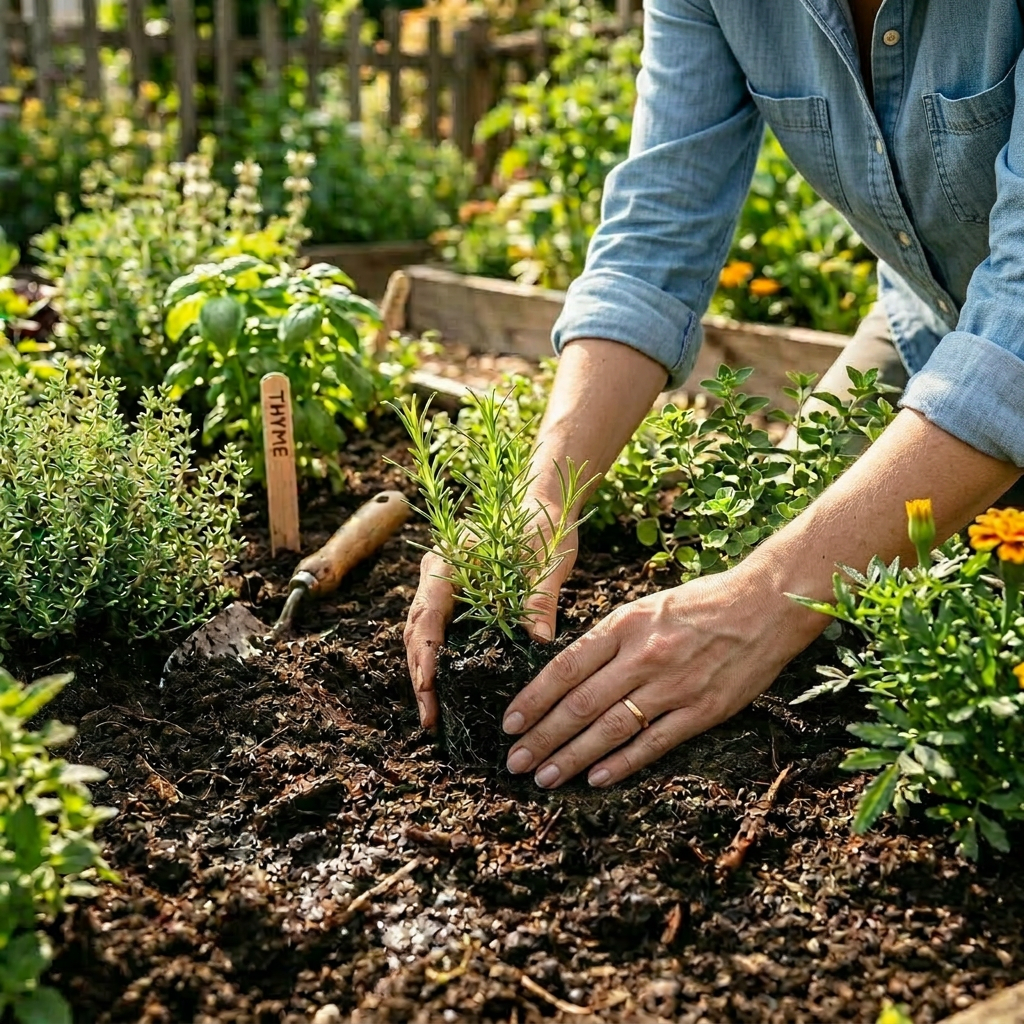
    Hands planting a small herb seedling in soil with thyme label visible
    A person plants a young herb in a sunny garden bed surrounded by labeled plants and gardening tools.

    I am not Gen Z. I did not discover cottagecore because the hustle culture finally broke me during lockdown. I chose this life because I fell in love—with a person, with a pace, with a vision of days that felt like poetry instead of performance.

    While the world was collectively reevaluating during those strange years, my slower lifestyle was already taking root. The pandemic did not force my hand; it simply confirmed what my heart already knew. I did not want to optimize my life for maximum output. I wanted to nurture. To create a home that felt like an embrace. To build something sustainable not just for my bank account, but for my spirit.

    There is profound strength in choosing the wooden spoon over the corner office. In trading stilettos for wool socks and well-worn boots. In measuring success by how many jars of jam line your pantry shelves instead of how many LinkedIn connections you have made.

    This is not about cosplaying: romanticizing poverty or playing pretend farm. It is about reclaiming what actually makes us feel alive.

    Cottagecore reminds us that caring— for a home, a garden, a partner, ourselvesis not weakness. It is the most radical act in a culture that tells us to outsource our softness.

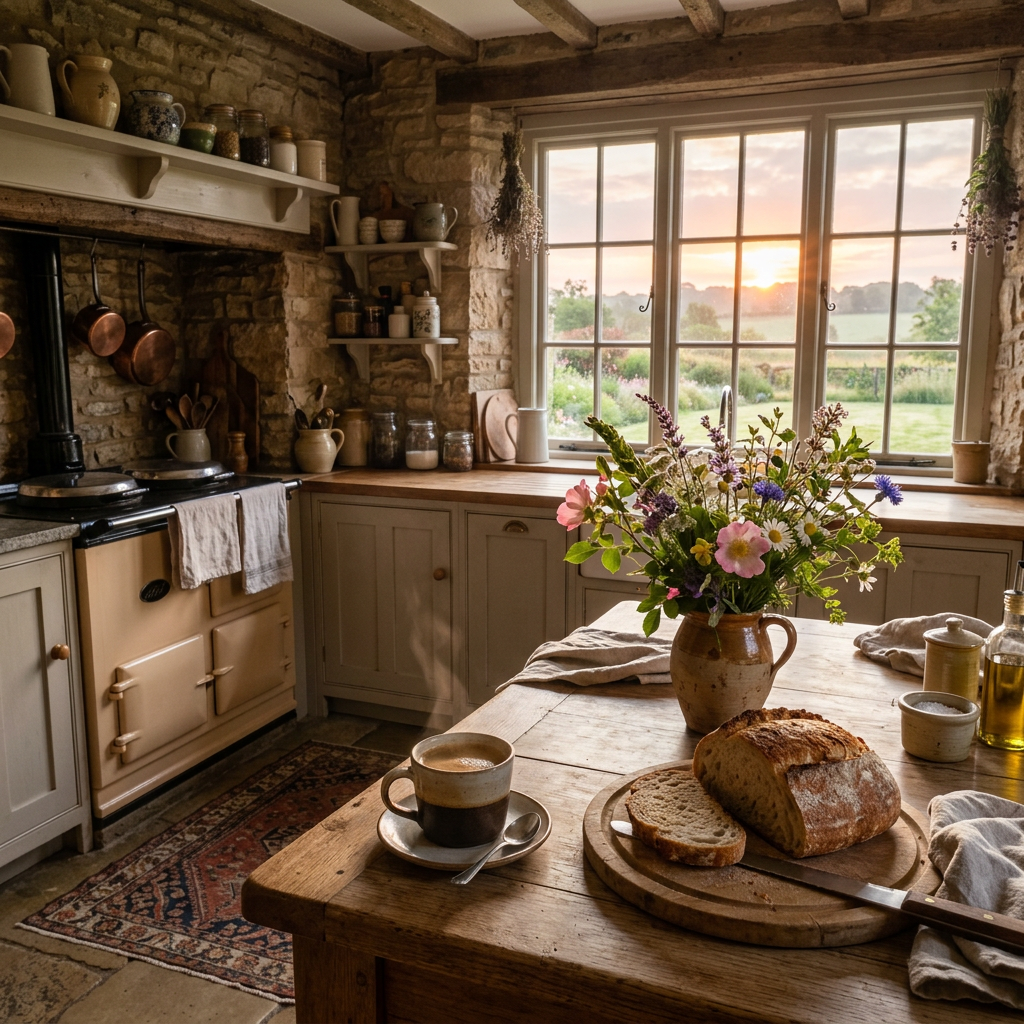
    Rustic kitchen interior with wooden table, bread, coffee, and a floral bouquet
    A warm rustic kitchen bathed in morning sunlight overlooking a garden

    We were not built for constant performance. Our bodies and minds crave the slow turn of seasons, the satisfaction of self-sufficiency, the deep peace that comes from creating rather than consuming.

    To every soul who feels the pull toward this softer path: you are not lazy. You are not failing at modern life. You are remembering something ancient and true.

    Cottagecore is not an escape. It is a homecoming.

  • Why I Embrace My Ego: A Counter to Eckhart Tolle’s Philosophy

    Why I Embrace My Ego: A Counter to Eckhart Tolle’s Philosophy

    Look, I am not here to hate on spirituality. I am deep in the gratitude game. I say my thank-yous to the universe, I journal my little wins, I burn sage when the vibe feels off. I am not some closed-off cynic. But The Power of Now? Eckhart Tolle’s whole “dissolve your ego and float in the present moment like a neutered zen monk” sermon? Hard pass. That does not sit right with me. It actually pisses me off a little.

    The core of his gospel is this idea that your ego — those loud, chaotic, nonstop voices in your head — is the enemy. The villain that keeps you trapped in regret about yesterday and anxiety about tomorrow. Just drop it, he says. Surrender. Become pure consciousness. Be here. Be now.

    Nah. I love my ego. I cherish it. The ego has been my ride-or-die since day one.

    I definitely do not dwell on the past like most people. No endless loops of “what if I’d done this differently” or chewing on ancient mistakes. I burned those bridges and kept going. But the future? Oh, I am projecting that, I am out here scripting scenes, imagining outcomes, weighing risks, and feeling a healthy dose of hesitation about what is coming. That is not a flaw. That is survival.

    My ego has always been the loudest voice in the room — and I like it that way. Sure, acting like I am slightly better than everyone else has slammed some doors in my face. I have been called arrogant. Intimidating. “Too much.” Whatever. Those doors probably led to boring rooms full of beige people anyway. The same ego that rubbed some the wrong way also pulled in the chaotic, brilliant, ride-or-die humans I actually stuck with. It carved out a life that is messy, dramatic, and mine. I am not trading that for some sterile, ego-less void where I am supposed to smile at my IKEA furniture and pretend the present moment is peak existence.

    Because let’s be real: I do not love the Now.

    My current living situation? It is mid at best. The walls are closing in, the vibe is stale, and every day I am reminded this is not where I am supposed to settle. Everything is improving — slowly. My love life finally exists after what felt like a years in the Sahara, which should be a win, right? Except it is not all butterflies and multiple orgasms nightly. It comes with this sharp, gnawing loneliness that hits at 2 a.m. and makes me stress-eat like a raccoon in a dumpster. The Now, in 2026, tastes like lukewarm disappointment with a side of “is this it?

    And Tolle wants me to dissolve into this? To stop thinking ahead and just marinate in the current flavor of meh? Sorry, Eckhart. I am not enlightened enough to find bliss in my fridge and relationship anxiety.

    I get it — rumination is a trap. Endless future-tripping can paralyze you. But pretending the ego is pure poison ignores how much fire it gives you. My ego is the part that says “I want more.” It is the voice that pushes me to level up, to demand better, to not settle for spiritual crumbs when I could build an empire (or at least a life that does not make me want to die ).

    So, I will keep my ego. I will keep my sharp edges, my projections, my cocky little strut through a world that keeps trying to humble me. I will stay ungrateful about certain parts of the Now because that discontent is rocket fuel. Maybe one day I will evolve into some floating consciousness who does not need anything external. But right now? I am stress-eating, plotting my next move, and loving the chaos in my head that refuses to shut up.

    Call it toxic. Call it resistance. I call it being alive.

  • Down Under Dreams: My Wild Teenage Adventure in Australia with People to People

    Down Under Dreams: My Wild Teenage Adventure in Australia with People to People

    At fifteen years old, I stepped off a plane into a world that felt like it had leaped straight out of a National Geographic. The air was warmer, drier, and carried the faint scent of eucalyptus. I was part of the People to People Ambassador Program, a life-changing opportunity that took a group of wide-eyed American teens halfway around the globe to Australia. What started as a simple cultural exchange trip quickly became a whirlwind of big-city glamour, rugged outback exploration, family-style homestays, and the kind of teenage chaos that only happens when you are far from home and the usual rules do not quite apply (the innocent kind though, not really what we see on teenager television shows).

    Our itinerary was perfectly balanced between urban sophistication and raw Australian wilderness. We bounced between the gleaming harbors of Sydney and Melbourne and endless stretches of red earth in the outback. Long bus rides became our moving classrooms—hours spent watching the landscape shift from bustling streets to golden grasslands. We stayed with local families who opened their homes (and hearts) to us, sharing meals, stories, and glimpses into everyday Aussie life that no guidebook could ever capture.

    Sydney hit me like a fever dream. The iconic Opera House rose like white sails against the sparkling harbor, its curves even more breathtaking in person than in any photo I had seen. We toured the Olympic facilities from the 2000 Games, walking through stadiums that once echoed with global cheers. I remember standing there, imagining the roar of the crowd, feeling tiny yet somehow part of something enormous.

    But beneath the excitement, I carried a heavy secret. This was the year after I started high school, and the pressure to look and be “perfect” had already taken root in my mind. Australia felt like the ultimate reset button—a chance to reinvent myself far from judgmental eyes back home. Before the trip even began, I emailed the volunteer chaperones with a carefully worded note: I would not be eating much, and they should not worry about me. Looking back now, it breaks my heart to think of that determined, insecure fifteen-year-old girl trying so hard to control the one thing she could in a brand-new country.

    On those long bus rides, packed lunches were handed out like clockwork—sandwiches thick with deli meats, crisp chips, and sweet treats. I would politely unwrap mine, eat only the apple, and quietly put the rest aside. The volunteers were kind, but I could feel their concerned glances. During our homestay in Melbourne, the warm “mom” of the house cooked a hearty Australian meal just for us. I pushed the plate away after a few bites, murmuring something about being full. Her disappointed but understanding look still lingers with me. Food became both enemy and background noise while the real adventure swirled around me.

    Of course, no trip at fifteen would be complete without plenty of youthful mischief. I flirted shamelessly with the boys in our group—stolen glances across bus aisles, whispered jokes during tours, and that electric buzz of first crushes amplified by the freedom of being overseas.

    The Australian sun, however, showed no mercy. Wanting to be perfect meant that I wanted golden skin. I ended up severely sunburned. My skin turned lobster-red, peeling in painful sheets for days. Lesson learned: respect the ozone hole Down Under.

    One of my biggest hurdles was begging my mother—via crackly payphone calls from a random shopping mall —to let me get my belly button pierced. I pleaded, I reasoned, I dramatically described how “everyone” was doing it. She held firm.
    Instead, I settled for a temporary tattoo from a quirky shop near the harbor. It was some butterfly design that I proudly showed off to the group. When I got home, I let everyone believe it was real, basking in the temporary cool factor before it faded in the shower. Small rebellions, big memories.

    The real soul of the trip was during our long bus tours through the outback. The landscape stretched endlessly—red dirt, scrubby bushes, and skies so vast they made you feel wonderfully insignificant. We learned about Aboriginal culture, their deep connection to the land, and the stories passed down through oldtime legends.
    Vehicle driving on winding red dirt road in arid outback landscape
    A vehicle traverses a winding red dirt road through arid outback terrain under a partly cloudy sky

    One unforgettable stop was a wildlife sanctuary where I finally got to hold a tiny koala. He was everything I imagined: fluffy gray fur, button eyes, and a sleepy demeanor (apparently they are constantly high from eating the eucalyptus). I beamed for the camera, arms gently cradling him. But internally? I was screaming. Those adorable little claws dug into my arm like tiny needles. Sharp did not even begin to describe it. Still, worth every scratch for that photo and the story.

    We spotted kangaroos hopping freely in the wild—elegant, powerful creatures that seemed to defy gravity. At the sanctuary, we got closer, feeding them and watching their curious faces up close. Later, in a remote outback experience hosted by Aboriginal elders, we were treated to kangaroo tail. It was an honor to share in their traditional food. The tail was tough, mostly dense muscle with very little fat or tenderness—chewy, gamey, and completely unlike anything I had eaten before. It was not about gourmet flavor; it was about connection, respect, and tasting a piece of the land itself.

    That trip to Australia did not magically fix my insecurities around food and body image. Those battles continued for years as I eventually got down to double digits on the bathroom scale. But it planted seeds of perspective. I saw a country that was both modern and ancient, vibrant and harsh, welcoming and wild. I learned that adventures are messy—full of sunburns, awkward flirtations, hidden struggles, and moments of pure wonder.

    Holding that koala, even through the pain, symbolized something bigger: sometimes the cutest, most picture-perfect experiences are actually concealing something painful. Pushing away plates did make me feel more in control; but it also made me miss out on shared meals and hospitality. The temporary tattoo washed off, but the memories never did.

    Years later, I look back on that fifteen-year-old girl with compassion. She was brave enough to travel across the world, curious enough to embrace new cultures, and human enough to make mistakes. Australia taught me that life is best experienced fully—sunburns, sharp claws, kangaroo tail, and all.

    If you ever get the chance to say yes to an adventure that scares and excites you, just do it (like Nike!). Whether it is Australia or somewhere closer to home, the outback of your own growth is waiting.