Author: katandrea111

  • Astrology: The Cosmic Guide

    Astrology: The Cosmic Guide

    Normies just love to say that “it’s just pseudoscience” when it comes to astrology— most likely while checking their daily horoscope in secret. I believe in astrology. Not the watered-down, “Mercury’s in retrograde so my coffee spilled” version. But the real, raw, uncomfortably accurate version. The kind that maps your personality like a psychological X-ray, predicts your chaos, and explains why certain people drain your soul while others feel like home.

    Stars, planets, birth charts, aspects, houses—I am in deep. And before you roll your eyes and call me delulu, hear me out: this shit has been right about me more times than my personal relationships.

    I have always felt it. That eerie sense that the universe is scripting the drama while we are just improvising. As a kid I thought it was coincidence. Then life kicked my ass enough times that I started paying attention. There are no coincidences. Breakups (friendships and lovers) that hit exactly during Venus retrogrades. Life explosions timed perfectly with Jupiter returns. That one ex who was textbook toxic energy—intense, magnetic, and left a trail of emotions.. Every time I ignored the transits, I paid for it. Every time I worked with them? Doors flew open.

    People love to scream “bias!” like they just discovered critical thinking last week. Cool story, bro. But explain why every fire sign I know is a chaotic adrenaline junkie who ghosts after lighting the match. Why my fellow water placements cry during commercials and feel everyone’s emotions like a psychic sponge (hand up, but not commercials— just movies sometimes). Why earth signs are out here building empires while air signs cannot commit to a dinner plan. The patterns are too loud to ignore unless you are deliberately plugging your ears.

    Modern science worshippers act like believing in planetary influence is dumber than flat Earth. Meanwhile they swallow SSRIs, “trust the science,” and think that physics can give their life meaning. The same crowd that cannot explain consciousness, dark matter, or why their relationships keep imploding will lecture me about rationality. Please. The ancients tracked this shit for thousands of years across cultures. Babylonians, Egyptians, Mayans—they were never idiots (Neanderthal species and all!). They saw the sky writing the story long before we invented therapy-speak and productivity hacks.

    Astrology is the ultimate red pill for self-awareness in a world drowning in fake personas. Your birth chart does not let you hide. Got a stellium in the 8th house? Congrats, you are magnetically drawn to sex, death, and other people’s money—own it. Moon in Capricorn? You process emotions like a robot CEO and wonder why you feel empty at 2 a.m. It forces radical honesty. No wonder so many people hate it. They would rather stay comfortably deluded.

    I have used it like a cheat code. Checking synastry charts before getting too deep with someone. Understanding why certain seasons wreck me emotionally (looking at you, Saturn returns). It is not fatalistic—it is strategic. The planets do not force your hand; they set the weather. You choose how to play it. You still choose whether to dance in the rain or drown in it.

    I have had moments where it felt spooky accurate. That week Pluto stationed direct and my entire life philosophy shifted overnight. The solar return that predicted a creative explosion right before it happened. The nodal return that dragged every abandoned dream back to my doorstep screaming “deal with me.” Coincidence? Statistically improbable at this point.

    The haters always say the same tired crap: “It’s vague enough to apply to anyone.” Bullshit. Get a proper reading from someone who knows their shit and watch your jaw drop. Or keep coping with “I’m not like other girls/guys” while your chart laughs at you.

    Believing in astrology does not make me weak or woo-woo. It makes me tuned in. In an era where everything feels chaotic and meaningless, it gives me pattern, purpose, and a cosmic middle finger to the illusion of total control. The universe has rhythm. Deny it if you want. I will be over here reading charts, dodging Mercury retrograde, and living more intentionally because of it.

    I believe. Unapologetically. And if that makes me “crazy” in your sterile, materialist worldview, fine. I will enjoy richer relationships, better timing, and deeper self-knowledge while you pretend your personality is just random chemicals and childhood trauma with no celestial fingerprint.

  • Farmers Markets: My Glorious, Pretentious, Overpriced Heaven on Earth

    Farmers Markets: My Glorious, Pretentious, Overpriced Heaven on Earth

    Listen up, you cynical pricks hiding behind your Costco hauls—I adore farmers’ markets. Every time I am there like I am visiting a Holy Land, ready to worship at the church of rainbow chard and $12 avocados (you will never see me with one of those reusable tote bags though!). This is where the real ones gather. This is my happy place.

    Yeah, I am that girl. Like the ones in the thrifted overalls and clogs that cost more than your rent, filming a slow-living reel while their gas guzzling SUV gently idles (because parking here is a mess). I want to pay $9 for eggs laid by chickens that live better than most humans. I crave that smug little rush when he (or my mother) drops $17 on a sourdough loaf that tastes like it was kissed by actual angels and fermented in someone’s grandma’s basement. Keep your sad plastic-wrapped bread, normies. I will take the one with the charmingly inconsistent crumble.

    The smells? Intoxicating. Patchouli, dirt, overripe peaches, and that faint hint of unwashed authenticity—it is the scent of people who decided life is too short for deodorant politics (AKA cosplaying as hippies). I breathe it in deep while some trust-fund “farmer” with perfect teeth tells me about his heirloom tomatoes like he is reciting poetry. I eat that shit up. Literally. Those tomatoes probably cost more than therapy, but until I get my own garden, they will be worth every penny.

    I love the performers. The wellness girlies comparing fermentation jars. The melting pot of cuisines from different cultures. The dudes in linen who lecture you about soil health while smelling like they just rolled. But this is peak Americana. This is community, baby. Chaotic, expensive, beautiful community.

    Call me a mark. I wear that label with pride while sipping my $6 mason jar iced coffee and pretending that a single peach cannot bankrupt you . I know half this produce probably took a scenic route from the next town over, but I really could not care less about carbon emissions. I know I could get functionally the same shit cheaper at a local grocery store, but can that store guarantee health or allow every customer to be zany and beautifully weird? I do not want functional. I want vibes. I want to role play as a peasant who is gifted $300 linen and feels morally superior.

    This is peak modern romance: pretending we are connected to the land while dropping stupid money on vegetables. And I am here for every hypocritical, joyfully overpriced second of it. The grass-fed beef guy who eyes me like I am about to ask if it is grass-fed? Legend. The honey Chad with his ayahuasca stories? Pour it straight into my soul (and my latte).

    Clearly, I adore farmers’ markets. They are ridiculous. They are pretentious. They are everything I never knew I needed in a weekend morning ritual. Keep your conventional meat and your pesticides. I will be over here, grinning like an idiot, biting into a tomato that costs as much as a latte and tasting pure, unfiltered bliss.

    The Historical Timeline Of This Glorious Phenomenon:

    My history-buff-man has me looking up the why behind farmers’ markets and my sudden desire to be a whimsy, pretentious health nut. Ultimately, farmers’ markets are history. Farmers’ markets have ancient roots in Europe and have evolved as direct links between food producers and consumers for thousands of years.

    The earliest recorded open-air markets resembling farmers’ markets date back over 5,000 years to ancient Egypt along the Nile River (ala Aladdin). People bartered or sold staples like wheat, fruits, vegetables, and other goods. Similar marketplaces existed in many ancient civilizations, where farmers and producers gathered to trade directly with buyers. The introduction of currency helped formalize these exchanges into structures more like modern markets.

    European settlers brought the tradition to North America in the 1600s. Like everything else: we copied it from Europe!

    One of the first recorded European-style farmers’ markets in what is now the United States was established in Boston in 1634 (no wonder I love!). It started as an open-air market and later included a wooden building by 1662. Other early markets followed in places like Hartford (1643), New York City (by 1686), and Philadelphia (1693).

    These markets quickly became focal points of urban commerce and social life, where farmers sold fresh produce, meats, dairy, and other goods directly to consumers.

    Markets flourished through the 1800s and early 1900s as cities expanded and rail lines improved access. They were essential for fresh food distribution before widespread refrigeration and supermarkets.

    A resurgence began in the late 20th century, driven by interest in fresh, local, and sustainable food, support for small farms, environmental concerns, and community building. Plus it is simply a vibe. Way more character than a simp grocery store.

    This growth aligns with broader movements for healthier eating, preserving local varieties, and connecting urban and rural communities.

    Today, farmers’ markets vary widely—from small weekly gatherings to large established ones—and often include crafts, prepared foods, and entertainment alongside produce.

    The core purpose of a farmers’ market is linking producers and consumers. It has remained remarkably consistent across millennia, even as the context shifts with technology, economics, and culture.

    They continue to emphasize direct farm-to-consumer connections, though challenges like seasonality and competition with grocery stores persist. I personally think that we just like to pretend that we are all hipsters and that a grocery shop will never produce these feelings.

  • M.I.L.F (Man I Love Fruit!)

    M.I.L.F (Man I Love Fruit!)

    I adore the sharp, explosive taste of real fruit. Not that syrupy canned bullshit or sad mealy apples from the back of the fridge — I am talking proper, juicy, nature’s middle finger to boring snacks. I demolish fruit. An entire 4 lb. box of grapes? Vaporized in one sitting. Massive haul of berries or cherries? Do not test me. I will finish them while you are probably still peeling the plastic off of yours.

    My ranking right now:

    1. Green Grapes — Crisp snappy globes that snap like they are personally offended by your eating them. They are basically edible crack. Zero mush tolerance. These things keep me hydrated and sane.
    2. Rainier Cherries (Yellow ones especially) — These golden-reds taste like someone spiked a peach with caramel and told it to get sexy. Sweet as hell and low acid. I hoard them in the summer.
    3. Blueberries — Tiny antioxidant grenades. I shove handfuls in my face straight from the carton. They stain everything and I definitely do not give a shit. Brain food that actually works.
    4. Banana — especially coupled with espresso — Creamy and potassium-packed. But here is the move: semi-green banana + fresh espresso shot = sweet-bitter chaos that hits better than most desserts.
    5. Obviously my top tier fruits are tropical fruits(pineapple, mango, kiwi etc)! However living around here makes it difficult to get good quality (organic!) ones. Once you have sunk your teeth into a giant mango sold at the Cuban roadside by a local vendor, you will turn your nose up at the plastic-tasting ones here. (I went to Cuba in 2009– the last trip I had taken before my disability)

    Apples and pears stay in heavy rotation too. Reliable crunch dealers. And perfect vehicles for nut butter.

    Plus I love dried fruits!! Charcuterie boards are my ultimate meal. Especially figs and dates! I adore fresh figs too— they are very pretty!

    My boyfriend has also gotten me hooked on dehydrated fruits (thanks to Top Chef!) so I can easily polish those apple/ banana chips off without the guilt (there is literally only one ingredient— no added sugars or oils)

    I am weird as hell about texture and I own it. If it is mushy, it is dead to me. Overripe pears, peaches, nectarines — straight to the trash or the compost. I want bite. That satisfying resistance before the juice explodes. Give me a pear that fights back. A peach that still has attitude. Nectarines with actual structure.

    Semi-green bananas? Hell yes. That starchy, firm snap is elite. Perfectly ripe is a myth peddled by people who enjoy sadness in their mouth. I prefer borderline unripe over sloppy any day

    This is no cute “healthy eating” talk. It is fuel. Fruit is not some gentle wellness trend. It is raw, seasonal, messy joy that reminds you that you are alive.In complete disregard for those around me, I literally have an entire meal. of just fruits at times.If it was acceptable, I would only eat fruits! As for now, I will keep devouring it like a savage while the mush-lovers suffer in silence.

    Photo credit to @PeytonElroy on X.com
  • The Healing Power of a Good Nap:

    The Healing Power of a Good Nap:

    Why Rest Is My Secret Weapon in Recovery (and Why It Could Help You Too)

    In the midst of my recovery journey, I have learned that some of the most profound healing does not happen through pushing harder or doing more—it happens in the quiet, intentional moments of surrender to rest. For me, taking long naps is not just a luxury or a nice-to-have. It also has become one of the non-negotiables that helps me get through each day. Without them, my body and mind simply would not recover at the pace they need to. But here is the beautiful part: the benefits of napping are not reserved only for those in recovery. I truly believe strategic napping can enhance life for almost everyone.

    Recovery—whether from illness, injury, mental health challenges, burnout, or any deep personal work—demands an enormous amount of energy from your system. Your body is busy repairing tissues, recalibrating hormones, processing emotions, and rebuilding neural pathways. It is like running a full-time construction crew inside yourself 24/7.

    For me, long naps (often 60–120 minutes or more) have become sacred. They allow my nervous system to drop out of the constant low-level stress response that recovery can trigger. During these naps, my body shifts into deeper restorative stages—slow-wave sleep where physical repair accelerates, inflammation decreases, and emotional processing happens without me having to “do” anything.

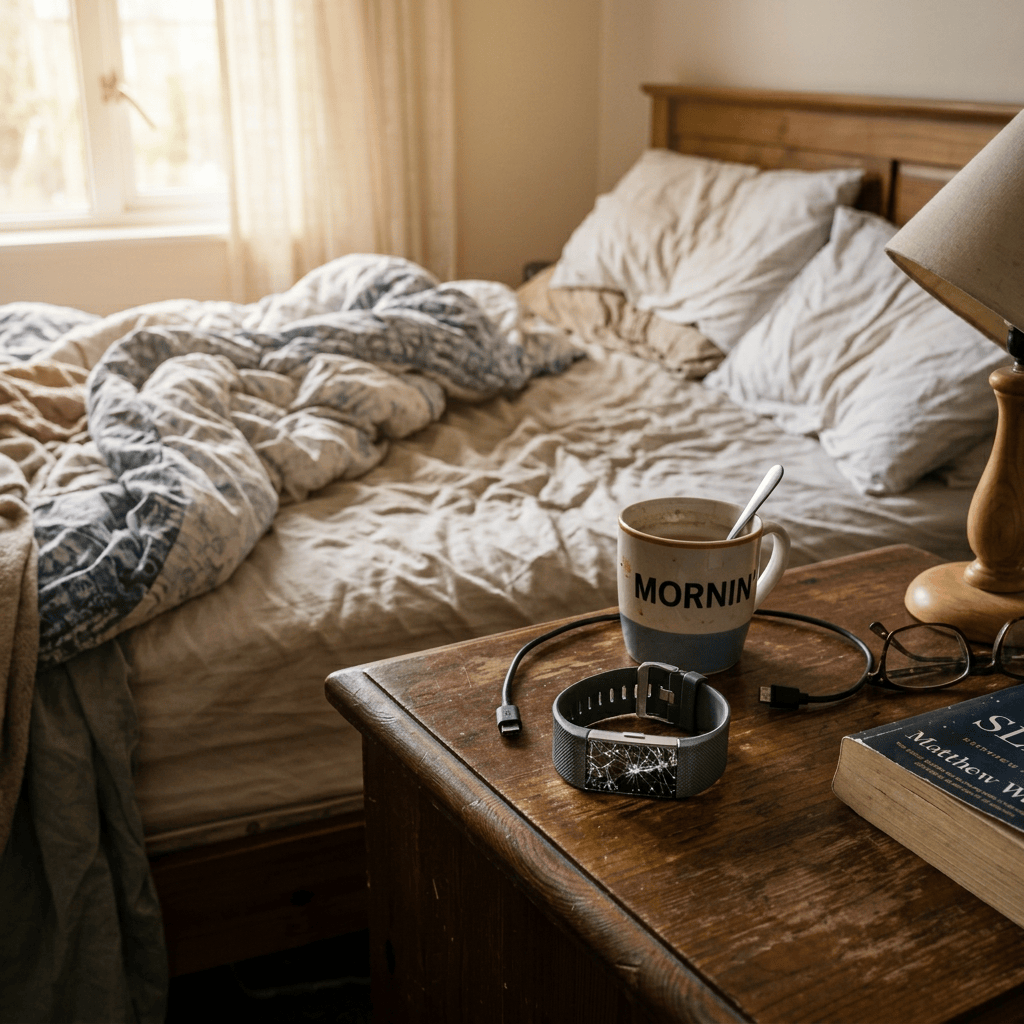
    When he takes pictures of me during my nap ritual

    On days when I skip or shorten my nap, I feel it immediately: fogier thinking, higher pain levels, shorter emotional fuse, and a general sense that I am running on empty (AKA I get very cranky). When I do get this beauty sleep, I wake up clearer, steadier, and more capable of handling the next part of my day. Napping has taught me that true strength sometimes looks like lying down and trusting the process.

    You do need to be in a formal recovery period to reap the rewards. When you are using your body or brain, your body needs to recharge. Research consistently shows that napping can be a powerful tool for cognitive, emotional, and physical health:

    • Improved Memory and Learning: A nap can help absorb information you have taken in during the day.
    • Enhanced Mood and Emotional Regulation: Naps reduce cortisol (the stress hormone) and give your brain a chance to reset. Many people report feeling less irritable and more optimistic after resting (Not cranky!)
    • Better Physical Recovery: During sleep, your body releases growth hormone, repairs muscles, and strengthens your immune system. In our always-on culture, this natural repair process often gets the short end of the stick.
    • Increased Alertness and Productivity: A well-timed nap can reduce afternoon fatigue more effectively than another cup of coffee. Studies on pilots, shift workers, and students show measurable improvements in reaction time and focus after napping.
    • Creativity Boost: That dreamy state between wakefulness and sleep (hypnagogia) is fertile ground for new ideas. Some of history’s most innovative minds were famous nappers.

    In our hustle-obsessed world, rest is often stigmatized as laziness. But biology does not lie: humans are not designed for relentless output. We are designed for cycles—work, rest, restore, repeat.

    Not all naps are created equal. Here are some practical tips:

    1. Timing Matters: Early to mid-afternoon (roughly 1–3 PM) tends to be ideal. Napping too late can interfere with nighttime sleep.
    2. Length Is Personal 😜: I have never believed that short power naps (10–20 minutes) are great for quick refreshment. (It often takes me 20 minutes to fall asleep!) Longer ones (60–90 minutes) allow you to reach deeper restorative stages, which is what I usually need in recovery.
    3. Create a Ritual: Dark room, eye mask, comfortable temperature, maybe some white noise or calming music/ sports radio like me. Treat it like an appointment with yourself.
    4. Listen to Your Body: If you are exhausted, do not force productivity. That nap might be the most productive thing you do all day.
    5. Combine with Gentle Movement: A short walk afterwards can enhance the benefits by improving circulation and mood.

    Of course, there can be challenges. Some people worry about sleep inertia (that groggy feeling after waking). Starting with shorter naps or using an alarm (I definitely do not use alarms– no bedroom electronics!) set for 90 minutes (one full sleep cycle) can help. Others fear it will disrupt their nighttime sleep, if you are truly tired, a good nap actually improves nighttime rest by reducing sleep pressure overload.

    Rest is productive. It is not giving up— it is refueling. Whether you are navigating recovery like me, juggling a demanding career, parenting, studying, or simply living in this fast-paced world, giving yourself permission to nap is an act of self-respect.

    My long naps have become non-negotiable acts of self-compassion. They have carried me through some of the hardest stretches of my journey. And while your reasons might be different—maybe you are a night owl fighting afternoon slumps, a creative needing mental space, or just someone who wants to feel more vibrant—napping can support you too.

    So the next time you feel that midday dip, instead of fighting it with more caffeine or scrolling, consider lying down. Close your eyes. Let your body do what it does best when given the chance: heal, integrate, and prepare you for whatever comes next.

    Your future self (and your present self) will thank you.


  • Walking Ten Feet at a Time: My Daily Dance with Recovery

    Walking Ten Feet at a Time: My Daily Dance with Recovery

    Every single afternoon, after the nap my body demands like a stubborn toddler, I film myself walking. It is only about ten feet. To most people, that probably looks like nothing at all. But to me, those ten feet are everything. A step closer. They are proof that I am still moving forward—literally—one brave, wobbly step at a time. It feels incredible.

    My days start brutally early. I am up at 4 a.m., already chasing the version of myself I desire. By the time lunch is over, my body is spent from the morning’s workout and the constant grind of rehabilitation. My eyes grow heavy, my muscles scream for mercy, and I surrender to the bed like a little baby who earned her nap time. I used to fight it, but I learned to listen. The nap is not weakness; it is fuel. When I wake up an hour or two later, something magical happens. Energy surges back. Determination reignites. And suddenly I am excited—actually excited—to challenge myself again.

    That is when I head to the back deck.

    I strap on my brace even though I hate it. Most days I go without, stubborn as hell, refusing any device that reminds me I am not “normal” yet. But when I am about to push my limits, safety first applies (*eye roll*). The deck has a sturdy railing on one side—my own private parallel bar. I used to grip it at first, today I just walk along it slowly, no longer feeling the wood warm under my palm. At the end of the railing, I just stand there, working on my balance. Feet planted, core engaged, eyes focused on a spot in the distance (the heating lamp usually). The world narrows to that single task: don’t fall.

    I film every attempt. Sometimes it is a clean walk. Sometimes it is shaky. First, my left (weak) leg pushes forward. That is the easy one. I do not need balance or strength help on this side, but then I have to shift onto this weak side and move my right leg forward. Sometimes the left side refuses to hold me up. Sometimes I end up on the ground. I have fallen more times than I can count out there—head cracking against the deck, shoulder slamming into the wall. Each bruise is a story. Each tumble is data.

    I send the videos to my boyfriend anyway. I do not even know if he is watching them but the simple act of having an audience changes everything. It turns a lonely struggle into a performance. It makes me bolder. I love showing off for him. There is something powerful about letting the person you love witness your rawest, most determined moments.

    I remember the early days when I had to clutch that railing for dear life, knuckles white, heart pounding. Letting go felt terrifying—like stepping off a cliff (hence why I wear my brace out there— in case my weak side refuses to hold me upright). But I did it anyway. Because I want this more than I fear the falls. I want to walk across a room without thinking. I want to stroll through a park holding his hand instead of a cane or brace. I want zero differentiation between me and everyone else. No explanations. No pitying glances. Just me, moving through the world the way I used to—freely, confidently, joyfully.

    This recovery is not linear. Some days the ten feet feel like a marathon. Other days I surprise myself and push for more. The falls rarely happen anymore , but they sting a little less because I know they are temporary. Every time I stand back up, dust myself off, and hit record again, I am rewriting my story.

    Small steps matter. Naps are not laziness; they are strategy. Now I see that my stubborn refusal to stay down is beautiful. I keep filming. Keep showing off. Keep chasing the version othat refuses to be defined by limitations.

    I am not there yet. But every afternoon, after my nap, I get a little closer. Ten feet at a time.

    And it feels amazing.


    I am already dreaming bigger—longer distances, no railing, maybe even a real walk around the block. I will keep sharing the journey here, bruises and all.

  • A League of Their Own: Reimagining Feminism

    A League of Their Own: Reimagining Feminism

    In a world drowning in performative activism and corporate girlboss-ness, I find myself returning to one movie that actually gets feminism right: Penny Marshall’s 1992 classic A League of Their Own.

    The film does not lecture you. It does not scream about the patriarchy or demand that you affirm anyone’s feelings. Instead, it shows women rolling up their sleeves, stepping onto the baseball diamond, and proving they belong—not because someone owed them a spot, but because they earned it through talent, grit, and sheer stubbornness.

    Real Empowerment, No Victimhood Required

    Set during World War II, A League of Their Own tells the story of the All-American Girls Professional Baseball League. With the men off fighting, these women were not waiting for permission or special treatment. They tried out, competed fiercely, and played real baseball in front of skeptical crowds. The movie nails the tension between traditional expectations (“be ladylike!”) and the raw reality of sliding into bases, spitting tobacco, and throwing like you mean it.

    The women face ridicule, ridiculous uniforms, and mandatory charm school, yet they respond by getting better at the game. That is the kind of feminism worth celebrating: one that expands opportunity through excellence rather than lowering standards or rewriting rules.

    Tom Hanks delivers one of his most quotable performances as Jimmy Dugan, the washed-up, foul-mouthed and drunken manager who starts off dismissive of his new team. He dives into his arsenal of acting skills and proves to one of the greatest/ all encompassing talents to watch. His arc from cynical has-been to proud coach is pure gold, and his legendary “There’s no crying in baseball!” rant remains one of the funniest moments. Hanks does not mansplain or apologize for his initial attitude—he grows because the women force him to see their competence. It is organic character development, not a scripted takedown of toxic masculinity (because clearly there is no such thing!).

    The supporting cast is stacked in the most 90s way possible. Madonna as “All the Way” Mae brings swagger and showmanship, and Rosie O’Donnell as Doris provides heart and humor. Watching them now is oddly nostalgic—they were vibrant, funny, and unapologetic without being cringe with the heavy ideological baggage they now adopt. It is a reminder of a time when pop culture could just be fun instead of a constant sermon.

    The whole ensemble feels like a genuine team. These characters have flaws, rivalries, and personal stakes, but they are never reduced to their gender or used as props for a message. The feminism emerges naturally from the story: women being capable, competitive, and resilient when given the chance. Not women who think that they are superior to men.

    A League of Their Own celebrates women’s strength without tearing down men or pretending biology does not matter on the field (obviously women sports are not as competitive/ popular as men’s and that is OK). It shows sisterhood that includes healthy competition. It acknowledges hardship, (as the whole reasoning behind this team is the separation from loved ones during war) without wallowing in it. It is, thus, extremely patriotic—Most importantly, the women win respect by playing well, not by demanding it (*cough, cough * Women’s USA Soccer Team).

    In contrast to today’s discourse, which often frames women as perpetual victims needing protection from “the system,” this movie says: Here is an opportunity—go seize it. And they did. The real AAGPBL players inspired the film, and their legacy still feels refreshing thirty-plus years later.

    If more modern feminism looked like the Rockford Peaches—tough, talented, and focused on achievement rather than outrage—I suspect a lot more people would get on board.

  • The Manifesting Hypocrite

    The Manifesting Hypocrite

    I have been obsessed with manifesting since before it had a cute little hashtag and a million crystal-toting influencers peddling it. Manifesting was not some trendy side hustle for me. It was my religion, my coping mechanism, my secret weapon against a world that kept kicking me. Positive thinking? Law of attraction? I inhaled it. The Secret, Abraham Hicks, that one girl on YouTube who swore visualizing a text from her ex would make him crawl back begging—yeah, I did it all. I had vision boards that looked like a schizophrenic Pinterest board exploded. Affirmations taped to my mirror like some deranged motivational cult leader.

    And then I met him. My boyfriend. The guy who walked into my life like a plot twist I did not see coming. From day one, I positioned myself as the enlightened guru. Every time we talked turned into a TED Talk. “Babe, you gotta shift your energy. Stop focusing on what you don’t want and start vibrating on the frequency of what you do.” I would tell him how the universe responds to your dominant thoughts, how negative vibes are just low-frequency bullshit blocking your blessings. I would listen to him soften, this big, skeptical dude nodding along like I just unlocked the cheat code to life.

    Little did he know, I was a complete and total fraud.

    I was teaching him the gospel of manifestation while my own life was quietly imploding in the background. I did not tell him about the disability. My (lack of) experience with men. My self doubt. Every morning I would wake up, scroll my phone for five seconds, and feel that familiar pit in my stomach—the one that whispered, This isn’t working. You’re not enough. Nothing’s coming. I would paste on the smile, brew my overpriced matcha (I used to drink it with MCT oil— because #Keto), and recite my affirmations like a psychopath: “I am worthy. Abundance flows to me effortlessly. My relationship is thriving and secure.Bullshit. I was drowning in the exact opposite. Anxiety that made my chest feel like it was caving in. Old traumas I thought I had “vibrated away” crawling back up my throat at 1 a.m. And the worst part was the fear that if I admitted any of it out loud—especially to him—the whole fragile house of cards would collapse.

    So I did not dare tell him I was struggling.

    I kept up the act like my sanity depended on it. Because in my head, admitting the struggle meant I was doing manifesting wrong. I would think, If I just keep teaching him, maybe it will rub off on me. Fake it till you make it, right? I would send him links to podcasts and quotes about “raising your vibration” while I was secretly doom-scrolling Reddit threads titled “Manifestation Isn’t Working For Me—Am I Broken?” I would hype him up when he landed a small win—“See? You shifted your mindset!”—all while my own manifestations felt like they were being held hostage by some cosmic middle finger.

    I was the queen of that double life. Outwardly: serene manifesting queen. Inwardly: a contradiction with imposter syndrome so loud it had its own echo. I would catch myself mid-lecture to him—“You have to believe it before you see it”—and feel this sharp little stab of hypocrisy right between the ribs. Because I did not believe it. Not really. I was clinging to it, hoping the sheer force of my performance would trick the universe into delivering.

    And yeah, some of it worked. Or at least, that is what I tell myself on the good days. Meeting him felt like a manifestation win on paper. But I was trying to manifest stability into my own chaotic existence while pretending I was already there. I wanted the relationship to feel effortless, wanted the love to feel abundant, wanted to stop feeling like I was one bad mood away from sabotaging everything. So I overcompensated. I became the teacher because admitting I was the student felt too vulnerable, too raw, too human.

    Then I read Reality Transurfing last year—Reality Transurfing is a philosophical and practical model for consciously shaping your life, developed by Russian author and quantum physics enthusiast Vadim Zeland in his multi-volume book series (starting with Reality Transurfing Steps I-V).

    It blends ideas from quantum mechanics, psychology, esotericism, and practical self-development. The core idea: Reality is not fixed—it is a vast “space of variations” with infinite possible paths (lifelines or sectors), and you can “surf” or slide between them by managing your thoughts, emotions, energy, and intentions rather than forcing outcomes through struggle.

    Turns out, vulnerability is not the opposite of manifestation—it is the prerequisite. You cannot call in the real if you are too busy performing perfection for the universe (and your boyfriend). Now we manifest together, messily. Mostly for sports. And sometimes for us— our relationship. We call out the bullshit days. We hope for the vision boards I make annually. And obviously, I still teach him stuff—but only after I have admitted I am still figuring it out too.

    So if you are out there right now, preaching positivity while your insides are screaming? Stop. Drop the act. The universe does not need your flawless performance. It needs your honest, ugly, unfiltered truth.

    That was me. Still is, some days. But at least now I am not pretending otherwise.

    Manifest that, universe.

    Imagine the universe as an infinite menu of realities. Every possible outcome, decision, and scenario already exists as a “variation” in this field. Your current life is just one “lifeline” you’re experiencing. You don’t create reality from scratch; you choose and shift to different versions by tuning your inner state.

    • Thoughts and emotions act like a tuner or slide projector.
    • Consistent focus + emotional energy pulls you toward matching sectors.
    • It’s less “I manifest this out of nothing” (like some Law of Attraction teachings) and more “I align with and slide into the version where this already exists.”

    Key Concepts

    1. Pendulums
      These are energetic “structures” or collective thought-forms created by groups of people fixated on the same idea (e.g., politics, social media outrage, religions, trends, even your office drama). They swing and feed on your emotional energy, pulling you into their agenda and draining you.
      • Example: Getting hooked on bad news or arguments gives the pendulum power over your mood and path.
      • Solution: Detach. Observe without strong emotional investment. Starve it of energy to reclaim yours.
    2. Intention
      Zeland distinguishes two types:
      • Inner Intention: Willpower, forcing, grinding (“I must make this happen”). Often leads to resistance.
      • Outer Intention: A calm, detached knowing that the world will arrange itself. It’s like ordering from the menu and trusting delivery without micromanaging.
        Pure outer intention, aligned with low “importance,” is the real power tool.
    3. Importance (Excess Potential)
      Placing too much importance on a goal or outcome creates “excess potential”—energetic tension that the balancing forces of the universe try to equalize (often by creating obstacles).
      • Desire something desperately → reality pushes back.
      • Goal: Reduce importance. Treat goals lightly while still intending them. Act “as if” it’s no big deal.
    4. Soul vs. Mind
      Your soul (heart, inner knowing) knows your true path and feels lightness/joy when aligned.
      Your mind (logic, fears, societal programming) often overrides it with “shoulds” and anxiety.
      Harmony between them is key—listen to the soul’s subtle signals (gut feelings, inspiration) and let the mind serve rather than rule. True goals energize you; false ones drain you.
    5. Slides / Visualization
      Create mental “slides” (vivid, positive scenarios of your desired reality) and revisit them to tune your perception. The world acts like a mirror reflecting your dominant inner state.
    6. The Mirror Principle / Coordination
      Reality mirrors your inner world. To change the reflection (outer events), change the image (your thoughts/emotions). Find advantage in everything—even setbacks—as it helps maintain balance and positive flow

    How to Practice It (Practical Takeaways)

    • Reduce importance of desires and problems.
    • Detach from pendulums — limit reactive emotions to draining influences.
    • Align soul + mind — choose goals that feel light and exciting, not obligatory.
    • Use outer intention — visualize the end result, take inspired action, then release and flow.
    • Go with the current — don’t fight life; navigate opportunities that arise.
    • Claim your right to a personal miracle: You have the power to choose better lifelines.

    Differences from Standard Manifestation

    Unlike pure positive-thinking approaches, Transurfing emphasizes detachment, energy management, and avoiding struggle. It’s not about forcing positivity 24/7 or ignoring reality—it’s about conscious navigation with awareness of balancing forces and collective energies. Many describe it as more grounded and less “woo-woo” than The Secret, with a quantum-inspired framework.

    Reality Transurfing has a dedicated following for its empowering, no-BS worldview: You’re not a victim of circumstances—you’re a surfer who can choose better waves. It requires practice, self-awareness, and consistency, like any mindset shift.

    If you’re diving in, start with summaries or the original books (they’re dense but transformative). It pairs well with the manifesting interest you mentioned earlier—think of it as a more strategic, less “fake it till you make it” upgrade.

  • Big Pharma’s Sleep Scam Is Peak Clown World (And Your Brain Is Laughing at You)

    Big Pharma’s Sleep Scam Is Peak Clown World (And Your Brain Is Laughing at You)

    This morning I was leaning on the counter like a zombie in my kitchen, waiting for the espresso machine to spit out liquid salvation, when my eyes land on it: a shiny new jar of melatonin pills, perched innocently next to the vitamins like it was just another harmless little health hack. Boom. Instant flashback to that Huberman Lab episode that my man and I devoured years ago. Your body already makes melatonin. It is this beautiful, natural hormone your pineal gland pumps out when the sun dips and your circadian rhythm says “lights out, bitch.” Pop a supplement and you are not “helping” sleep—you are straight-up telling your brain, “Nah, I got this from the factory now, you can stop producing the real stuff.” Congrats, you have just trained your own biology to go on strike.

    And yeah, I am that person who deeply despises every single unnatural aid cooked up by Big Pharma. Those greedy corporate vampires do not give a damn about your actual health; they are too busy counting cash while you swallow side effects that make the original problem look cute. Groggy mornings? Check. Hormone chaos? Check. Dependency that turns you into a walking zombie who cannot sleep without their chemical crutch? Double check. Is it really worth it? For what—maybe shaving off ten extra minutes of tossing and turning? Hard pass. I would rather stare at the ceiling counting conspiracy theories than hand my sleep over to the same people who brought us opioid epidemics and “trust the science” campaigns that aged like milk.

    Look, I am not pretending I am some flawless sleeper. Some nights my brain decides 1 a.m. is the perfect time to freak out about my life. I have tried the classic “count sheep” method and somehow ended up at 1,000 because my brain would not turn off. Absolutely pathetic . But here is the thing I have learned the hard way: it is not about the sheep, the pills, or even how many hours you are actually logging. It is about your routine and the ruthless power of your mindset.

    Every single day after lunch I crash for a nap like it is my duty. Is it because I am magically fixing some sleep debt? Nah. It is the ritual. The signal to my brain that says, “We’ve got this handled, queen.” And that is where the real happens. 

    I dug into this wild study on PubMed (yeah, the actual peer-reviewed one, not some social media “sleep guru” nonsense): “Placebo Sleep Affects Cognitive Functioning.” Researchers straight-up gaslit people about their sleep quality using fake data—told half of them they had amazing REM sleep and the other half they had garbage sleep. The group told they slept like champions crushed cognitive tests—faster processing, sharper attention, better everything—even if their actual sleep was trash. The “bad sleep” group tanked, even when they had actually rested fine.  So stop strapping on those dorky looking smart watches/ rings. 

    Mindset is not some woo-woo buzzword. It is the cheat code. Your brain decides how wrecked (or unstoppable) your day is going to be way more than the raw hours on the clock. Big Pharma wants you chasing pills because pills = repeat customers. Your brain wants you to own the narrative: “I slept like shit but I’m still running this day.” That placebo effect? It is not fake—it is proof that perception is king. I am not saying ignore real insomnia or medical issues (talk to a real doctor, not Dr. Google). But for the average “I scroll social media till 2 a.m. and wonder why I’m tired” crowd? Ditch the jar. Build the routine. Tell your brain it is the boss, not some synthetic hormone from a lab that treats your pineal gland like it is optional.

    So I guess I will take my espresso, my post-lunch nap ritual, and the smug satisfaction of knowing my own brain is running the show. Sleep poorly? Sure. But I refuse to let it own me.

    Your move, sheeple. The revolution will not be supplemented.

  • Weekend Snack Ideas for Healthy Living

    Weekend Snack Ideas for Healthy Living

    I am all about living a balanced, feel-good life, but I am not here to obsess over every single calorie. If I am reaching for real, whole foods (and skipping the breads, pastas, and heavy gluten stuff that I personally avoid), I give myself full permission to snack without the mental math. I literally do not count calories. My body feels better, my energy stays steady, and I do not spiral into restriction mode.

    On weekdays, my eating is pretty minimal and focused. I usually have one solid, satisfying meal—often something high-protein with plenty of veggies and healthy fats. Some days I add a simple side of apple slices dipped in nut butter for an afternoon snack. That is it. No endless snacking, just real hunger and real satisfaction.

    This approach keeps me lean, energized for my daily workouts, and… it just feels natural. I am not forcing tiny “meals” every three hours. I eat when I am actually hungry.

    Weekends are a totally different story—and I love it that way. This is when I actually enjoy spending time in the kitchen. Case in point: I make the fluffiest gluten-free waffles “for him”… while wearing nothing but a cute bra (and pants obviously) so he can admire the view (and yes, he takes plenty of pictures).

    Those waffles are dense, nutrient-packed, and satisfying enough (Simple Mills) that just one does the trick. They are gluten-free, made with better-for-you ingredients, and hit that weekend comfort-food craving without derailing how I feel in my body.

    After the waffles? I snack. Unapologetically. But I am strategic about it. I reach for options that taste indulgent but will not leave me bloated or uncomfortable—especially important when I know I will be filming more “cooking in a bra” content soon. Here are my go-to weekend snacks right now:

    • Siete Chips
    These are my salty, crunchy obsession. Made from cassava or almond flour, they are grain-free, super crispy, and come in amazing flavors (the sea salt elite). I pair them with guacamole or just eat them straight. Plus they are made with avocado oil— no seed oils in sight! Zero guilt, big satisfaction.

    Masa Chips
    Another chip win—thicker, with that perfect corn-like taste but usually cleaner ingredients. They feel more “traditional” while still fitting my no-gluten, no-junk preferences.

    Honey Mamas Chocolate Bars
    If you have not tried these, you are missing out. They are raw, honey-sweetened, and packed with coconut and cacao. The texture is fudgy and rich, and they melt in your mouth. I break off a half for my espresso during an our “coffee date“.

    • Dried Fruit
    Mango, pineapple, even apple chips —whatever looks good. I love the natural chew and sweetness. But I also just love fruit and the sweetness and charcuterie vibe of dried figs or dates is too intoxicating to not indulge.

    Enjoy Life Chocolate Chips
    These are my secret weapon for “I need chocolate right now” moments. They are allergen-friendly (no dairy, no soy, no nuts if you get the right ones), and I like to either eat them by the handful or pick at them throughout the day while I keep them under my laptop.

    I do not eat bowls of cereal — I literally just stick my hand into this delicious mixture and enjoy!

    The key for me is choosing snacks that are light, but nutritious and not overly processed. These options keep my skin clear, my digestion happy, and my energy high enough to keep working out. I am not worried about “ruining” my next video because I know I am fueling with foods that love me back.

    I have learned that balance looks different for everyone. For me, it is strict during the week so I can play on the weekends—without shame or spreadsheets. Food is joy. Cooking (half-naked) is joy. Sharing it with my boyfriend is joy. And these snacks let me keep all of that while still feeling confident and strong in my body.

  • From Concrete Jungles to Barnyard Bliss

    From Concrete Jungles to Barnyard Bliss

    There was a time—not so long ago—when the ultimate female fantasy smelled like subway steam, expensive perfume, and the faint tang of a dirty martini. Picture it: a twentysomething woman in a crisp blazer and heels, striding through a sea of yellow taxis, her oversized handbag swinging (AKA the ultimate boss bitch!). The city was her playground and her reward for rejecting the picket-fence script her mothers and grandmothers had followed. Sex and the City was not just a TV show; it was a manifesto. It was my personal Bible. Carrie Bradshaw and her crew embodied the promise: live loud, love recklessly, shop unapologetically, and never, ever apologize for wanting more than a quiet life in the suburbs. The concrete jungle was not a cliché—it was the dream. Skyscrapers as catwalks. Roof parties as therapy. The allure of ambition drowning out any doubt that you may have had.

    Fast-forward to right now, and that dream has quietly packed its Louis Vuitton bags and moved to the country. Scroll through any social feed and you can see it: young women in linen dresses, hair in messy braids, grinning beside a Jersey cow or with dirt under their fingernails as they dig into a garden. Their feeds are a montage of raised garden beds bursting with heirloom tomatoes, mason jars of fermenting kombucha lined up like soldiers, and crusty sourdough loaves cooling on reclaimed-wood counters. The caption is always something like, “Trading spreadsheets for soil. Never been happier.”

    The shift is not subtle. It seismic. Girls, like me, who once pinned “NYC apartment goals” on their vision boards are now pinning “homestead layout diagrams” and “how to raise chickens for eggs” What happened? How did the concrete jungle lose its roar?

    The Glamour That Started to Feel Hollow

    The city life we were sold was always half marketing, half myth. Yes, there were the glittering nights—brunch that lasted until 4 p.m., spontaneous gallery openings, the electric thrill of possibility around every corner. And I still do want a lot of that. But there was also the other side: rent that devoured 60% of your paycheck, commutes that threatened murder, and a quiet anxiety that never quite switched off. The city demanded you be on all the time—networking, dating, curating the perfect Instagram life that proved you were thriving. Burnout was not a bug; it was the feature.
    Then came the shitshow of 2020. Lockdowns stripped the city bare. I used to think that I was craving the trad life, because I fell in love/ developed a new mindset. But, in reality, the vibrant energy looked a lot like empty sidewalks and $18 oat-milk lattes delivered by masked strangers. For the first time in decades, young professionals could actually feel the weight of urban living: polluted air, constant noise, zero connection to anything that grew or breathed without a price tag. Remote work cracked the door open. Suddenly you did not need to be in a cubicle in Midtown to pay the bills. The question everyone started asking—quietly at first, then louder—was: Why am I here?

    The answer, for a surprising number of women, was: “I don’t have to be.”

    For someone like me, the city life dream/ the Trump Tower penthouse Pinterest boards screeched to a halt.

    Enter the sourdough starter. Enter the garden. Enter the cow.

    There is something profoundly satisfying about watching yeast do its ancient magic in a jar on your counter. It is slow, it is patient, it is alive in a way that a $14 avocado toast never was. Pulling a carrot from the soil you planted and watered feels like a tiny victory. Gardening is not just growing food; it is growing agency. You become the leader of your little patch of earth. No middleman. No barcode. Just you, the sun, and the satisfaction of biting into a sun-warm tomato still warm from the vine.

    This is not nostalgia for a past that never existed. It is a rebellion against the disposability of modern life. And I absolutely love rebelling! Fast fashion, fast food, fast everything left us starved for something real. Sourdough takes days. Gardens take seasons. Cows demand you show up every single morning, rain or shine. That commitment feels like freedom in a world that sells us endless options but zero roots.

    Social media, for once, is not the villain here—it is the megaphone. Cottagecore aesthetics exploded during the pandemic for a reason. Those dreamy videos of women in linen dresses harvesting lavender are not just escapism; they are blueprints. Influencers with 200-acre homesteads show the beauty, but the comments sections reveal the deeper truth: “I’m so tired of pretending the city fulfills me.” Young women are realizing that the independence they were promised does not have to look like a corner office. It can look like a corner of a picket fence. 

    This is not just about aesthetics. It is about values doing a 180. The feminist script of the late ’90s and 2000s told us career + city + freedom = happiness. Many of us ran that experiment and discovered the equation was missing variables: community that is not transactional, food that does not come in plastic, children who run barefoot instead of dodging human feces on sidewalks.

    Of course, reality check: homesteading is hard. Cows do not care about your feelings when they are sick at 2 a.m. Gardens fail spectacularly in hailstorms. Sourdough can turn into a science experiment gone wrong. Social media does not show the back-breaking work, the isolation when the nearest store is 45 minutes away. The dream is romantic. The reality is often muddy boots and calloused hands.

    Yet the longing persists. Because even if you never fully move to a 10-acre plot, the idea of it heals something. It is permission to slow down. To value skill over status. To measure success by how many jars of preserves line your pantry instead of how many followers like your brunch pics.

    The New American Dream Is not Urban Anymore

    We are watching a quiet exodus. Not everyone is selling their apartment and buying a tractor (though plenty are). Many are doing the hybrid version: suburban plots with chickens in the backyard, balcony gardens that somehow produce enough basil to top your pizzas, weekend farmers market visits that feel like church. The point is not that every woman wants to become Elinore Pruitt Stewart. It is that the cultural current has shifted. The city no longer feels like the only place where life happens. The countryside—once dismissed as boring, backward, or basicnow feels like the final frontier of authenticity.

    So here we are. A generation that was raised on Sex and the City reruns is now trading stilettos for muck boots. We still want adventure, success, and connection. We just want it to smell like fresh hay and warm bread instead of exhaust and ambition.

    The concrete jungle had its moment. It taught us how to hustle, how to dream big, how to stand tall in heels. But now we are learning something gentler: sometimes the biggest flex is knowing how to keep a sourdough starter alive through a winter. Sometimes the most radical act is planting seeds and trusting they will grow.