Author: katandrea111

  • From Black-Pilled to White-Pilled: A Mindset Shift

    From Black-Pilled to White-Pilled: A Mindset Shift

    I am not typically a negative person (read more here). I see the glass half full not half empty. However, I often feel that lack in my life—my man will say, “I wish they did that for you… you deserve a win” and my response? “That’s just how life works out for me now…. Whether it is my recovery, my relationship… I always have to wait”. Recovery crawling. Relationship hitting every red light. Opportunities? I am always waiting. Always.

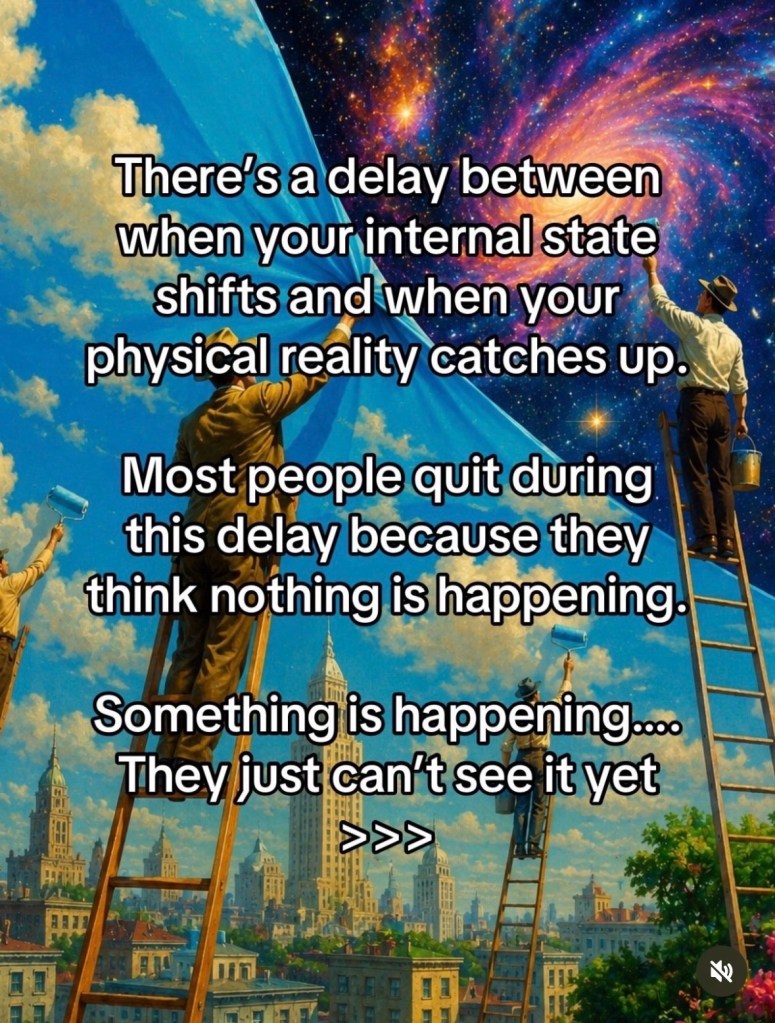
    Sounds like some emo, woe-is-me playlist on repeat, right? But I am owning this pattern like its designer. I have stopped fighting the current and started riding the wave. Everything—everything—is gonna drop when it is supposed to. Not a second sooner, not a millisecond later. The delays are not punishments; they are plot armor. Call me delulu if you want, but I am wearing that label.

    Now let us talk about the real cancer that is eating souls these days: being black-pilled. You know the type. These miserables look at society’s flaming dumpster fire and the wreckage of their own lives and decide the only logical response is to glorify the potential apocalypse. “It is all doomed. Women are finished. Men are finished. The future is soy, depression, and climate lockdowns. Might as well rot in bed.” Black-pillers do not see problems—they call it realism. They marinate in present-day suckage and future-cucked despair like it is a personality trait. Spoiler: this is not deep. It is just being an emotional with extra steps. Zero growth. All cope.

    Personally, I am riding the white-pill wave so hard. White-pilled is not some naive sunshine and rainbows. It is refined, razor-sharp clarity with a side of patience. You start seeing every “delay” as divine diversion for your own good. That job that ghosted you? Saved you from becoming a soulless cubicle zombie. The slow recovery? It is the universe wrapping you in bubble wrap so you do not shatter before you are ready to become the final version of yourself.
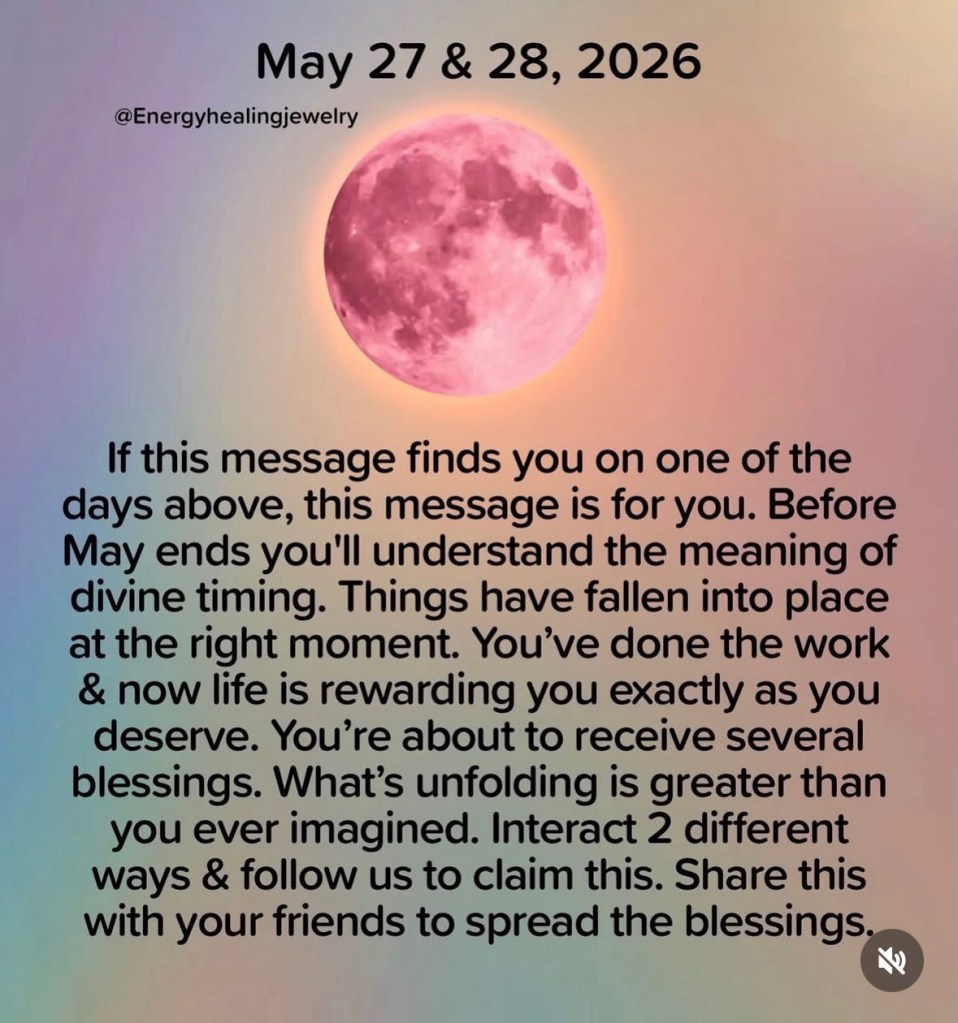
    DIVINE TIMING ✨✨✨

    Nothing takes “too long.” It takes exactly as long as it needs to. You are not being ignored—you are being protected. That glorious 20/20 hindsight always rolls up: Every closed door, every late blessing, every “not yet” is the cosmos playing 4D chess while you are still stuck on checkers.

    Thus , I am done romanticizing the wait. I am weaponizing it. The black-pillers can keep doom-scrolling and crying into their half-empty drinks. I will be over here, glass half full (of celebratory champagne,probably), watching the universe cook up my victory lap.

    Timing is not the enemy. It is the ultimate plot armor. And when my moment hits it is going to be so loud that even the black pillers will not be able to ignore it.

    Winding dirt path through vibrant wildflowers with sun setting behind distant hills
    A winding path through a colorful wildflower meadow at sunset

    Stay white-pilled, kings and queens. The wait sucks, but the glow-up? Worth every second.

  • The Sun: Nature’s Medicine for Mood and Immunity

    The Sun: Nature’s Medicine for Mood and Immunity

    Modern day medicine turned the single most abundant, free, life-giving force on this planet—the magnificent sun—into Public Enemy Number One. Slather on the chemicals, hide indoors like a pasty little gremlin, and for the love of God, never let a single UV ray touch your precious skin. Meanwhile, humanity somehow survived ice ages, plagues, and zero SPF for hundreds of thousands of years without dropping dead from “sun exposure.” Funny how that works.

    Our ancestors were not cowering in caves with broad-spectrum lotion and a sun umbrella. They were out there hunting, farming, fucking, and fighting under the blazing sky every single day. Skin cancer? Melanoma? Those numbers stayed relatively quiet until the sunscreen industry exploded onto the scene in the mid-20th century. Suddenly we are all marinating in titanium dioxide smoothies and wondering why skin cancer rates keep climbing.

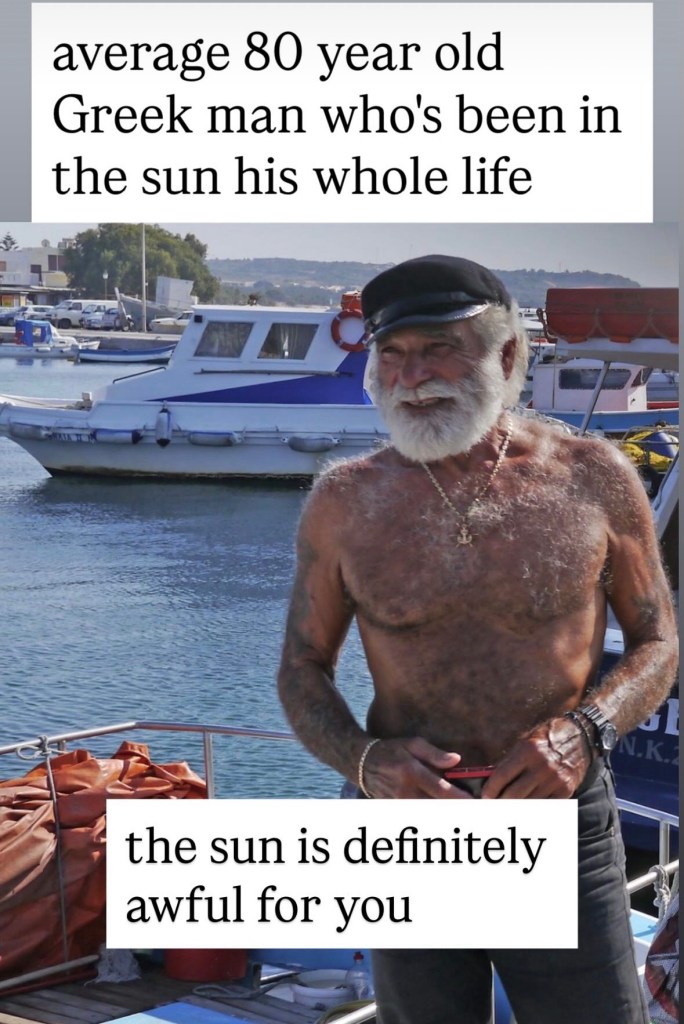
    He looks happy to me!

    Do not get me wrong—there are decent mineral-based sunscreens out there that actually reflect the rays instead of turning your skin into a chemical refinery. But the cheap shit most people glob on? That is basically endocrine-disrupting soup with a side of hormone messiness. The kind of goop that probably does more long-term damage than a mild burn ever could. Yet the “experts” keep pushing it like it is holy water while conveniently ignoring the data that does not fit their narrative.

    If you really want to see the sun’s power, look at what happens when you actually use it like nature intended. Andrew Huberman (neuroscientist chad who actually talks sense) hammers this constantly: get outside within the first hour of waking and stare at that beautiful bastard in the sky. Not directly—peripheral view only, soak it in. That morning light slams the reset button on your circadian rhythm harder than a triple espresso and a cold plunge combined.

    Man sitting in an ice-filled wooden hot tub drinking coffee outdoors in a snowy mountain setting
    A man enjoys a cup of coffee while sitting in an ice-filled wooden hot tub outdoors.

    Your body clock starts firing on all cylinders. Cortisol wakes you up properly instead of that pathetic artificial spike from your phone screen. Melatonin production later at night becomes sharp and clean because you did not spend the whole day hiding from photons like some vitamin D-deficient basement dweller. Low levels of vitamin D is associated with many autoimmune issues and fatigue/ depression. Blue light from lamps and screens at night? That is the real villain, flooding your house- wrecking sleep, mood, and testosterone. But sure, let us keep blaming the sun.

    People who get consistent, smart sun exposure report better energy, clearer skin, stronger immune systems, and yes—often better moods. The sun triggers nitric oxide release, helps with blood pressure, boosts mood via serotonin pathways, and is literally the reason you can synthesize vitamin D, which controls everything from bone density to immune regulation to cancer protection. That is right—proper sun exposure is anti-cancer in the bigger picture.

    Modern medicine loves a good villain. Cholesterol was the bad guy until it was not . Fat was evil until keto took over. Now it is the sun’s turn to be demonized so they can sell you more pills, creams, and procedures. Meanwhile, populations living closer to the equator with higher natural sun exposure often show lower rates of certain internal cancers and autoimmune issues when their vitamin D levels are optimized. But do not expect that on the evening news.

    The real message is not “go get third-degree burns, bro.” It is use your brain. Build tolerance gradually. Get morning light. Get midday sun when your shadow is shorter than you. Cover up or use good mineral protection during peak hours if you are pale if you want . Eat foods that support skin health. Stop treating the sun like a toxic ex when it’s been keeping life on this rock going since day one.

    We have become a society of fluorescent-lit, screen-staring, sunscreen-caked weaklings who are shocked—shocked—that we feel like shit and need SSRIs and sleeping pills. Maybe, just maybe, the glowing ball in the sky that every ancient culture worshipped for a reason is not trying to murder you.

    Men used to fight wars, now “men” like Bryan Johnston are hiding from the sun

    Get outside. Touch grass. Stare at the sun (responsibly). Feel alive for once.

    Your ancestors are laughing at us, wondering what the hell happened to their descendants.

  • Spencer Pratt’s Mayoral Bid: Unpacking Local Political Rot

    Spencer Pratt’s Mayoral Bid: Unpacking Local Political Rot

    There is something refreshingly raw about a figure like Spencer Pratt, the infamous “villain” from The Hills, stepping into the political arena. Yes, I admit it: I have always been drawn to the villain in the story— the one who everyone else seems to hate. And right now, as Pratt campaigns for Mayor of Los Angeles in the 2026 race, that glossing over him is driving me absolutely insane.

    The 2026 Experience

    Pratt, who announced his bid on the one-year anniversary of the devastating Palisades Fire that claimed his own home, is not running a conventional campaign. He is on a mission to expose what he calls deep-seated fraud, mismanagement, and dysfunction in California. He talks boldly about cleaning up the streets, tackling homelessness (those “zombies”— as he calls them— wandering the city in a drug-fueled haze), and holding the powers-that-be accountable. It is the kind of outsider energy that resonates in a city plagued by visible decay. Yet the media and political insiders treat him like a punchline rather than a serious contender polling in the twenties and surging with real voter frustration. There should be a lesson in that.

    Here is the core lesson I have learned from observing politics at every level, and this is not a partisan jab—it is a structural truth that transcends red, blue, or whatever color-coded tribe you belong to: If you truly want meaningful change, you have to drive it locally. Primarily, start with yourself. National spectacles and global posturing grab headlines, but the day-to-day realities that crush or elevate ordinary lives—trash on the sidewalks, skyrocketing rents, failing schools, unchecked crime—are decided in city halls, county offices, and state capitals. The so-called “global elite,” do not lose sleep over the average taxpayer scraping by. They are insulated by distance, wealth, and influence. Real accountability starts at the street level.

    Yes, Pratt promises to shine a light on the waste, the fraud, and the entrenched interests that have turned parts of LA into an open-air disaster zone. But let us be brutally honest: do we really believe the system will simply let him? The mayor’s office sits beneath the governor’s shadow in the hierarchy of power. Look at the Zohran guy who won the mayoral election in NYC. never mind that I personally do not support his policies, I am pretty sure that he was never allowed to install his vision. It is because the governor makes the policies. And governors, like California’s Gavin Newsom, are in the business of creating jobs and opportunities—or at least the appearance of them. Here is where the cynical machinery reveals itself:

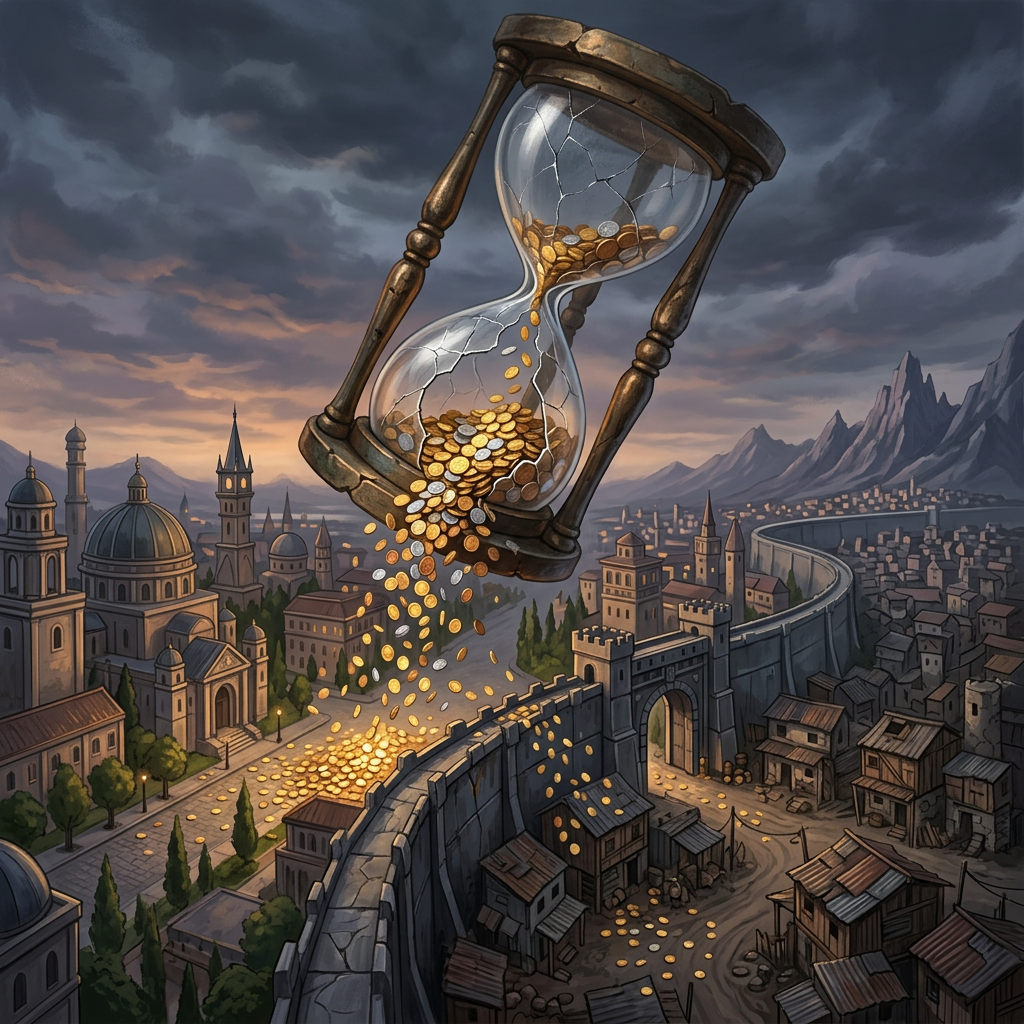
    A cracked hourglass leaking gold and silver coins over a wall separating two contrasting city areas.
    An hourglass with coins spilling over divides a prosperous city from a poorer settlement below.

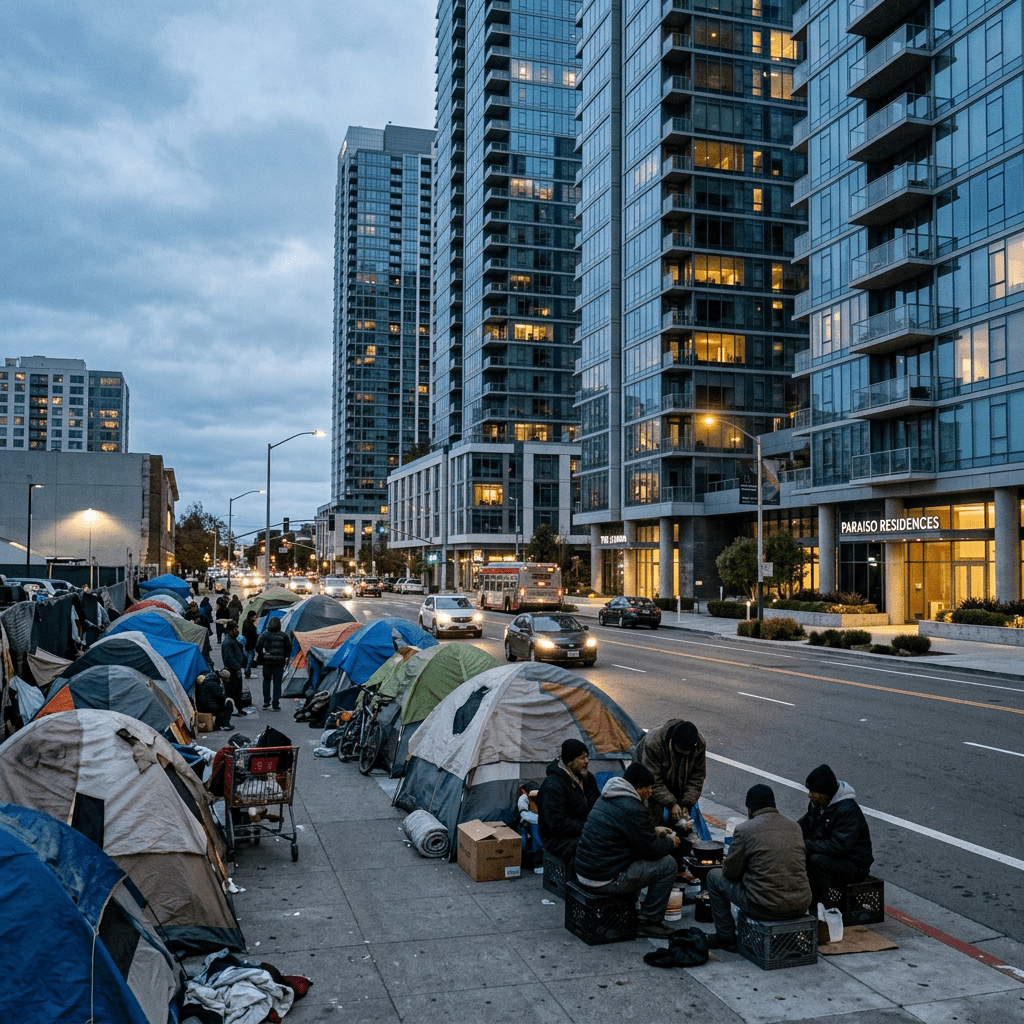
    Imagine a city where homelessness and open drug use are largely erased. No more tent encampments. No more “zombies” shuffling through downtown or Venice Beach. On the surface, that sounds like victory. But zoom out: entire industries, nonprofits, task forces, union contracts, consulting gigs, and government programs depend on the existence of these problems. Cleanup crews, social workers, outreach teams, mental health contractors, housing initiative funders—the list goes on. If the problem vanishes, so does the justification for the budgets, the grants, and the jobs that flow from it.

    This is not conspiracy; it is economics 101. Problems that fester generate employment. Politicians can campaign on “solutions” year after year, securing votes from those dependent on the system while reassuring the frustrated public that help is always just one more program, one more tax increase, one more initiative away. “We’re working on it,” they say, as the tents multiply and the needles pile up. Clean it all up too effectively, and suddenly there is a surplus of idle bureaucrats and contractors wondering where their next paycheck comes from. Better to manage the crisis than solve it outright.

    That is the quiet cynicism at the heart of so much local governance. The people are left in a dependent loop, turning to “daddy government” for salvation while the same officials who presided over the decline promise yet another fresh start. Meanwhile, the average Angeleno deals with the fallout: unsafe streets, businesses fleeing, quality of life evaporating. Pratt’s outsider status—reality TV fame, no long political résumé—might be exactly what makes him threatening to this ecosystem. He does not owe favors to the same players as the regular politicians. He lost his home to what he sees as failed leadership. That personal stake could fuel genuine disruption, or it could highlight just how immovable the bureaucratic blob really is. We will see how this all plays out…

    I am not endorsing every plank of Pratt’s platform, nor am I blind to the spectacle of a Hills villain turned mayoral hopeful. But the visceral reaction against him from certain corners says more about the defenders of the status quo than about Pratt himself. In an era where frustration with visible failure is boiling over, his surge in the polls (recent numbers putting him in striking distance) reflects an electorate tired of the same scripted failures. But I remain skeptical whether his lofty vision is plausible.

    I know that is not how the political game is played. Local politics matters because it is where we see the proof in action. If we keep waiting for distant saviors or global resets, we will stay stuck in this cycle of decline. Whether Pratt can actually break it remains to be seen on June 2 and beyond. But ignoring the messenger because of his reality TV past, while the city continues its slide, would be the real insanity. Change starts local. The question is whether we will let the problems keep paying the salaries, or finally demand they end.

  • Understanding Memorial Day: Origins and Observances

    Understanding Memorial Day: Origins and Observances


    This Memorial Day, my boyfriend and I will be doing what we do best lately: sharing our usual FaceTime coffee date from opposite sides of the country. We have spent several recent Memorial Day weekends physically together, but somehow these long holiday stretches still end up with us glued to our phones — sipping coffee, chatting, and wishing we were in the same room. His grandfather served in the Second World War (but passed away in 2010). Because of that, my history-buff boyfriend feels a deep, personal connection to this holiday that I, as a Russian immigrant, can never quite match.

    In Russia, we grow up honoring May 9th — Victory Day — with parades, red carnations, and stories of grandparents who fought in the Great Patriotic War. Patriotism there is loud, emotional, and woven into everyday life. Here in America, it feels quieter. More subdued. I understand why. This land has not seen the kind of devastation and loss that so many other countries have endured on their own soil. America’s wars have largely been fought far away, on someone else’s beaches and battlefields. That distance changes how the day lands in people’s hearts.Still, I find myself reflecting on the sacrifices made by those who came before — especially the ones who made my boyfriend’s family possible. Even from a screen, I am grateful to share this day with him.

    American flag at half-mast above Arlington National Cemetery with U.S. Capitol building and sunset sky

    Most people treat Memorial Day as the beginning of the summer. However, Memorial Day is more than just a long weekend marking the unofficial start of summer. It should not just be a holiday for another coffee date. It is a solemn national holiday dedicated to remembering and honoring the men and women of the United States Armed Forces who made the ultimate sacrifice in service to their country.

    A Brief History of Memorial Day

    The roots of Memorial Day trace back to the aftermath of the American Civil War, one of the bloodiest conflicts in U.S. history, which claimed the lives of approximately 620,000 soldiers. In the years following the war, communities across the nation began decorating the graves of fallen soldiers with flowers, wreaths, and flags—a practice that gave rise to the original name, “Decoration Day.”

    White house porch decorated with red, white, and blue patriotic bunting and American flags

    On May 5, 1868, General John A. Logan, commander-in-chief of the Grand Army of the Republic (an organization of Union veterans), issued a proclamation establishing Decoration Day on May 30. That first national observance drew thousands to Arlington National Cemetery, where flowers were placed on the graves of both Union and Confederate soldiers.

    While several locations claim to be the birthplace of the holiday (including Charleston, South Carolina, and Boalsburg, Pennsylvania), the tradition spread rapidly. After World War I, it expanded to honor all American service members who died in any war. The name officially became “Memorial Day,” and in 1971, Congress passed the Uniform Monday Holiday Act, moving it to the last Monday in May to create a three-day weekend.

    The True Meaning and Significance

    At its core, Memorial Day is about remembrance and gratitude. It acknowledges that freedom is not free and that countless individuals—sons, daughters, fathers, mothers, brothers, and sisters—paid with their lives to defend the ideals of liberty, democracy, and justice.

    This day serves as a powerful reminder of the human cost of conflict. From the Revolutionary War through today’s global operations, these heroes stepped forward when their nation called, often knowing the risks involved. Their sacrifice ensures that future generations can enjoy the blessings of peace and opportunity.

    Memorial Day also fosters national unity. It transcends politics, reminding Americans of shared values and the collective debt owed to those who defended them.

    How Americans Observe Memorial Day

    Traditions vary, but the spirit remains consistent:

    • Cemetery visits and grave decorations: Families and volunteers place American flags and flowers on the graves of fallen service members. National cemeteries like Arlington become seas of red, white, and blue.
    • Parades and ceremonies: Military parades, speeches, and moments of silence honor the fallen. The National Memorial Day Concert in Washington, D.C., is a highlight.
    • Flags at half-staff: From sunrise until noon, U.S. flags fly at half-staff to symbolize mourning, then raised to full staff to honor the living who continue the legacy.
    • BBQs and family gatherings: While celebrations often include cookouts, many use the time to reflect, teach children about history, and express thanks.
    World War I cemetery with crosses, poppies, and flags of UK, France, USA, and Canada at sunrise

    It is important to distinguish Memorial Day from Veterans Day (November 11 AKA my boyfriend and I’s physical anniversary!)), which honors all who have served—living and deceased. Memorial Day specifically focuses on those who died in service.

    Why It Still Matters Today

    In an increasingly fast-paced world, Memorial Day calls us to pause. It invites reflection on sacrifice, service, and the responsibilities that come with freedom. For Gold Star families—those who have lost loved ones—it is a day of both profound grief and national recognition.

    As we enjoy barbecues, beach trips, and time with loved ones, let us remember the true reason for the holiday.

    To all who gave their lives so we might live in freedom: Thank you. We will never forget.

    This Memorial Day, may we honor their memory not just with words, but with lives lived in gratitude and service to the country they loved.

  • From Wishful Thinking to Conscious Creation

    From Wishful Thinking to Conscious Creation

    When I first met my boyfriend, I was deep in what I now laughingly call my “fake it till you make it” era (read more about this, here). Acting like I had already mastered the art of manifestation. I talked about energy, alignment, and “calling in” the life he wanted with total confidence, even though inside I was still figuring it all out, myself. I pretended I was some wise manifestation guru who had her entire reality on lock.

    Funny thing is… it worked. Not just in landing the relationship, but in sparking a genuine passion that has completely transformed how I move through the world. Is it ideal and perfect? No, but it is my first manifestation “win.”

    Today, manifestation is not a performance for me anymore. It is a daily practice, a philosophy, and one of the most empowering tools I ever discovered. And the cornerstone of it all? Acting as if it has already happened.

    A hiker standing on a rocky peak overlooking cloud-covered valleys and distant mountains at sunrise
    A hiker enjoys a breathtaking sunrise above a sea of clouds in the mountains

    We have all heard the phrase “fake it till you make it,” but manifestation takes this concept much deeper. It is not about pretending in a superficial way. It is about embodying the version of yourself who already lives in the reality you desire.

    When you act as if your dream has already come true, you shift your vibration, your decisions, your energy, and even the opportunities that cross your path. You stop waiting for permission from the universe and start living like the universe has already said yes.

    Open journal with handwritten notes and drawing next to a cup of coffee by a window
    A cozy scene of journaling by a sunlit window with a cup of coffee

    Think about it: How would you carry yourself if the love of your life was already by your side? How would you speak, dress, and spend your money if financial abundance was already flowing? How would your thoughts sound if your dream career or body or home was already yours?

    That energetic shift is everything.

    One of the ideas that completely blew my mind (and made manifestation feel less “woo-woo” and more practical) is this:

    Everything is made of particles. And those particles already exist.

    The relationship, the money, the opportunities, the health, the experiences you want—they are not being created out of thin air. They are already here, existing as potential in the quantum field. The house you dream of? Its particles are floating around. The love you desire? Those particles of connection and chemistry are already present in the universe. The success you are calling in? Those particles of achievement are waiting to organize themselves into form.

    The missing piece? Recognition.

    Until your consciousness tunes into them with clarity, emotion, and belief, those particles stay in a state of potential rather than physical reality. Your focused thoughts, feelings, and actions are what collapse the wave of possibility into your actual experience.

    Particles of Possibility-Spiral galaxy emitting vivid blue and gold light surrounded by stars
    A luminous spiral galaxy glowing with vibrant blue and gold light in deep space

    This is not just spiritual talk. It echoes concepts from quantum physics—observer effect, entanglement, the idea that reality is far more malleable and responsive than we were taught in school. When you understand this, manifestation stops feeling like wishful thinking and starts feeling like conscious creation.

    The Power of Positive Thoughts + Gratitude + Excitement

    Here’s the practical formula I live by now:

    1. Think the thought — Get crystal clear on what you want. Write it down. Visualize it. Speak it out loud.
    2. Feel the feeling — This is where most people fall short. You cannot just think it. You have to feel it. Feel the gratitude as if it is already here. Feel the excitement bubbling up in your chest. Feel the relief, the joy, the pride.
    3. Act as if — Make decisions from that place. Show up as that version of you. Say no to things that don’t align. Say yes to things that do.

    The combination of gratitude and excitement is an incredibly powerful emotional cocktail. Gratitude sends a clear message to the universe — “Thank you for delivering this” — while excitement broadcasts a high-frequency signal that draws even more of what you desire. You can also spark this excitement by assigning special meaning to a number, animal, or symbol. When you begin seeing it repeatedly, it becomes a beautiful confirmation that your desire is already on its way to you.

    I make it a non-negotiable part of my morning routine. Before I close my eyes every night (after our nightly FaceTime session), I feel great gratitude and thank the universe for bringing me beautiful new experiences, this way I am already feeling grateful for the beautiful things that are on their way. I do this every morning, too… I write and talk as if they have already happened. I celebrate tiny wins like they are massive victories (like getting the bowl for my snack!). And the results? They keep showing up.

    Looking back, pretending to be that manifestation guru when I met my boyfriend was never really pretending. It was me stepping into the energy of the woman I wanted to become. I was rehearsing my future self.

    And now? I do not have to rehearse anymore. I am her.

    Manifestation has helped me call in deeper love, creative opportunities, better health, and a sense of peace I did not know was possible. It is not about toxic positivity or ignoring real challenges. It is about choosing where you place your focus and refusing to let fear write the story.

    The universe is listening. The particles are ready. Your only job is to recognize what is already yours.

  • Cottagecore: Embrace the Gentle Rebellion Against Hustle Culture

    Cottagecore: Embrace the Gentle Rebellion Against Hustle Culture

    In a world that glorifies the relentless grind—the 5 a.m. alarms, the overflowing inboxes, the endless cycle of productivity hacks and side hustles—there is a quiet revolution blooming in meadows and on windowsills. It is called cottagecore, and it is not just an aesthetic. It is a lifeline for those of us whose nervous systems have been fried by the modern expectation to do it all, be it all, and still look effortlessly polished while doing so.

    Cottagecore is the dream of soft mornings wrapped in linen, the scent of fresh bread cooling on the windowsill, hands stained with berry juice from jam-making rather than ink . It is the gentle rejection of a life that was never designed for human flourishing. And for many burned-out Zoomers (and yes, some of us who came just before them), it became the soft landing we desperately needed.

    Picture this: You are rushing out the door, hobbling in stilettos, latte in one hand, briefcase threatening to burst just like your barely-contained anxiety. You Uber across the city for a meeting that could have been an email, all while mentally preparing for happy hour later—because heaven forbid you miss the narrow window to “meet someone” who might join you for brunch on the weekend. Then, because society demands you remain a certain shape, you drag yourself to a workout class at dawn so you do not become one of those “sad piles of fat.”

    Businesswoman in suit crossing street quickly with coffee cup and folders
    A businesswoman confidently strides across a busy city street holding coffee and files

    Layer on top of that the constant family obligations, notifications that never stop pinging, and the quiet terror that if you slow down for even a moment, you can fall behind. Our nervous systems were never meant to handle this level of stimulation. We are wired for seasonal rhythms, for community in small doses, for rest that actually restores.

    The pandemic, for many, cracked the illusion wide open. Suddenly the hamster wheel paused. No more commuting. No more forced socializing that left us emptier than before. And in that stillness, a truth emerged: we do not actually want the girlboss life. We want to bake sourdough at 10 a.m. on a Tuesday. We want to knit by the window while it rains. We want to tend a garden that feeds us more than just vegetables—it feeds our souls.

    Hands planting a small herb seedling in soil with thyme label visible
    A person plants a young herb in a sunny garden bed surrounded by labeled plants and gardening tools.

    I am not Gen Z. I did not discover cottagecore because the hustle culture finally broke me during lockdown. I chose this life because I fell in love—with a person, with a pace, with a vision of days that felt like poetry instead of performance.

    While the world was collectively reevaluating during those strange years, my slower lifestyle was already taking root. The pandemic did not force my hand; it simply confirmed what my heart already knew. I did not want to optimize my life for maximum output. I wanted to nurture. To create a home that felt like an embrace. To build something sustainable not just for my bank account, but for my spirit.

    There is profound strength in choosing the wooden spoon over the corner office. In trading stilettos for wool socks and well-worn boots. In measuring success by how many jars of jam line your pantry shelves instead of how many LinkedIn connections you have made.

    This is not about cosplaying: romanticizing poverty or playing pretend farm. It is about reclaiming what actually makes us feel alive.

    Cottagecore reminds us that caring— for a home, a garden, a partner, ourselves—is not weakness. It is the most radical act in a culture that tells us to outsource our softness.

    Rustic kitchen interior with wooden table, bread, coffee, and a floral bouquet
    A warm rustic kitchen bathed in morning sunlight overlooking a garden

    We were not built for constant performance. Our bodies and minds crave the slow turn of seasons, the satisfaction of self-sufficiency, the deep peace that comes from creating rather than consuming.

    To every soul who feels the pull toward this softer path: you are not lazy. You are not failing at modern life. You are remembering something ancient and true.

    Cottagecore is not an escape. It is a homecoming.

  • Why I Embrace My Ego: A Counter to Eckhart Tolle’s Philosophy

    Why I Embrace My Ego: A Counter to Eckhart Tolle’s Philosophy

    Look, I am not here to hate on spirituality. I am deep in the gratitude game. I say my thank-yous to the universe, I journal my little wins, I burn sage when the vibe feels off. I am not some closed-off cynic. But The Power of Now? Eckhart Tolle’s whole “dissolve your ego and float in the present moment like a neutered zen monk” sermon? Hard pass. That does not sit right with me. It actually pisses me off a little.

    The core of his gospel is this idea that your ego — those loud, chaotic, nonstop voices in your head — is the enemy. The villain that keeps you trapped in regret about yesterday and anxiety about tomorrow. Just drop it, he says. Surrender. Become pure consciousness. Be here. Be now.

    Nah. I love my ego. I cherish it. The ego has been my ride-or-die since day one.

    I definitely do not dwell on the past like most people. No endless loops of “what if I’d done this differently” or chewing on ancient mistakes. I burned those bridges and kept going. But the future? Oh, I am projecting that, I am out here scripting scenes, imagining outcomes, weighing risks, and feeling a healthy dose of hesitation about what is coming. That is not a flaw. That is survival.

    My ego has always been the loudest voice in the room — and I like it that way. Sure, acting like I am slightly better than everyone else has slammed some doors in my face. I have been called arrogant. Intimidating. “Too much.” Whatever. Those doors probably led to boring rooms full of beige people anyway. The same ego that rubbed some the wrong way also pulled in the chaotic, brilliant, ride-or-die humans I actually stuck with. It carved out a life that is messy, dramatic, and mine. I am not trading that for some sterile, ego-less void where I am supposed to smile at my IKEA furniture and pretend the present moment is peak existence.

    Because let’s be real: I do not love the Now.

    My current living situation? It is mid at best. The walls are closing in, the vibe is stale, and every day I am reminded this is not where I am supposed to settle. Everything is improving — slowly. My love life finally exists after what felt like a years in the Sahara, which should be a win, right? Except it is not all butterflies and multiple orgasms nightly. It comes with this sharp, gnawing loneliness that hits at 2 a.m. and makes me stress-eat like a raccoon in a dumpster. The Now, in 2026, tastes like lukewarm disappointment with a side of “is this it?”

    And Tolle wants me to dissolve into this? To stop thinking ahead and just marinate in the current flavor of meh? Sorry, Eckhart. I am not enlightened enough to find bliss in my fridge and relationship anxiety.

    I get it — rumination is a trap. Endless future-tripping can paralyze you. But pretending the ego is pure poison ignores how much fire it gives you. My ego is the part that says “I want more.” It is the voice that pushes me to level up, to demand better, to not settle for spiritual crumbs when I could build an empire (or at least a life that does not make me want to die ).

    So, I will keep my ego. I will keep my sharp edges, my projections, my cocky little strut through a world that keeps trying to humble me. I will stay ungrateful about certain parts of the Now because that discontent is rocket fuel. Maybe one day I will evolve into some floating consciousness who does not need anything external. But right now? I am stress-eating, plotting my next move, and loving the chaos in my head that refuses to shut up.

    Call it toxic. Call it resistance. I call it being alive.

  • Navigating Youthful Chaos: My High School Journey

    Navigating Youthful Chaos: My High School Journey

    My boyfriend and I have been mainlining our childhood like it is a caffeine drip—Beverly Hills, 90210, Melrose Place, and now it is my turn to open his eyes to my own high school drama—the glossy, sun-soaked fever dream that was The OC. God, I used to worship that world. I wanted the luxury car, the beach house, the effortless drama. Mostly I wanted the body. Marissa Cooper’s surfboard silhouette—long, lean, zero percent body fat, the kind of thin that makes clothes hang on your protruding bones. Paris Hilton-esque. vacant-eyed and untouchable. I wanted to be built like a surfboard. Instead, I got my own high school experience, which played out less like a Fox teen soap and more like a psychological horror.

    I changed school districts right before freshman year so that I could attend private school. Fresh start! New hallways, new faces, new chance to reinvent myself as someone people actually wanted to sit with at lunch. I showed up with the kind of desperate optimism only a fourteen-year-old can muster. I smiled too wide. I laughed at jokes that were not actually funny. I even joined the school soccer team, even though I was only a little speedster without any soccer ball skills. I was ready to collect friends like limited-edition.

    Middle school had already done its damage, though (read here). That was where I learned the rules of the game: be thin, get straight A’s, and the world will throw compliments at you like confetti. Teachers beamed. Boys stared. My mother bragged. It was the easiest dopamine I had ever scored. So when high school hit, I doubled down like a junkie with a new dealer. Social life? Optional. Body? A full-time job. Grades? Non-negotiable. Everything else could rot.

    I did try, in my own half-assed way. I met boys. Kissed one. The “bad boy” ala Ryan from The OC. Let him finger me through my Juicy Couture jeans (try explaining that hole in your jeans). I even went back to my old district just to play tennis for their team—commuting like a masochist because apparently I still needed some thread connecting me to “normal” teenage life. Those bus rides were surreal: me in my little skirt, racquet between my knees, pretending I was just like everyone else while my brain screamed calorie counts and tomorrow’s biology test.

    But the obsession was already metastasizing. One solid year of high school—that is all I really got before the sickness took the wheel. Freshman year had moments of light. I remember walking the halls in low-rise jeans that showed the sharp edges of my hip bones like trophies. I remember the rush when a senior looked twice. I remember thinking, This is working. Keep going.

    Then the mirror became my enemy, my priest, and my dealer all at once. I stopped eating lunch. I did sit-ups until 2 am. I measured my worth in the gap between my thighs and the numbers on the scale. Straight A’s were never enough anymore—they were just part of the game. The real prize was disappearing. Becoming so small that people worried. That kind of worry felt like love.

    The new school never really knew me. How could they? I was a ghost in Abercrombie. I showed up, aced everything, then vanished into my room to count ribs and cry over missed carbs. Friends tried. I pushed them away with the polite brutality of a girl who is already in love with her own destruction. Boys were easier—they wanted the fantasy, not the full dossier of my neuroses. So I became that girl… the boys’ friend. I gave them pieces. Never the whole haunted house.

    Looking back, it is grotesque how romantic I made it all seem. The OC soundtrack in my head  while I did crunches at midnight. The way I would stare at Marissa’s collarbones like they were scripture. I wanted that coastal California emptiness so badly I carved it into myself in the middle of nowhere suburbia. Meanwhile, the real kids around me were making memories—bonfires, breakups, bad decisions with cheap beer. I was making spreadsheets of my intake and hating myself in HD.

    There is something darkly funny about it now. I traded four years of messy, stupid, glorious teenage chaos for a body that still was not thin enough and a transcript that could not hug me back. I was the girl who had it “together.” Teachers loved me. My report cards were porn for my Russian parents. And I was rotting from the inside out, polite smile stapled to my face.

    If I could go back, I would tell that wide-eyed freshman something brutal: the praise feels good until it does not. The boys will not save you. The scale lies. And no amount of straight A’s will make you feel safe in your own skin. Sometimes the rebellion is not starving—it is eating the pizza and going to the dumb party anyway.

    But I cannot go back. So instead I am here, rewatching The OC with my boyfriend, laughing at how fake it all looks now. Marissa’s tragic glamour hits different when you have lived a version of it and survived. I am softer now. Older. Still fucked up in new and exciting ways. But at least I am not measuring my worth in negative space anymore.

    High school me would call that weak. Adult me calls it winning.

    What a twisted little victory lap.

  • So Much For Therapy’s Deficit Model: I’m Actually Winning Right Now

    So Much For Therapy’s Deficit Model: I’m Actually Winning Right Now

    I am done pretending I need to hunt for problems like some emotional truffle pig. Therapy loves to open every session with that tired script: “What’s been bothering you lately?” or the classic “What’s on your mind today?” Like clockwork. Every. Single. Time.

    It is exhausting. Not because I am repressing trauma or whatever buzzword they are peddling this week, but because it forces you into this permanent defeatist mindset. Your brain starts scanning for cracks in life.. I used to play along. I used to dutifully excavate my worries about recovery—will my body ever feel like mine again? Will the future with my boyfriend actually stick or are we just trauma-bonded?—and hand them over like a good little patient.

    Not lately though. Lately the script flipped and I am not apologizing for it.

    I have been incredibly blessed, and saying that out loud feels almost rebellious in a culture addicted to struggle porn. My recovery is not some fragile domino set anymore; it is steady. The kind of steady where I wake up and do not immediately audit every pain like a hypochondriac auditor. My relationship? We are not just surviving—we are actually building something that does not feel like it is one bad night away from collapsing. He promises me the world and I hold him to it. We are laughing more than we are spiraling. Wild concept.

    And then there was Friday.

    I met my friend at that little corner café—the one with the ketogenic goodies. She has not seen me in a couple months, but she was the only one I met with post-stroke-we reconnected in 2015– when I was still drooling all over the place and pissing myself. She has since divorced, remarried, birthed two children and dominated the business world.

    I just smirked and ordered my usual. Because, my own glow-up is also real. And yes I owe it mostly to him— making me less self-conscious about my body and showing me how I can be loved just by being me. Unfortunately, my entire existence has been riddled with the feeling that I am somehow “not good enough” (read more about that here and here). Enter him. My boyfriend. My knight in shining armor. Skin clearer, posture straighter, that quiet confidence that does not need to announce itself with neon. Quietly improving in all aspects of life. I have been working out with actual consistency instead of performative self-punishment. Eating like I respect my body instead of bargaining with it. Dressing like I actually want to be seen. The kind of changes that happen when you stop waiting for permission to feel good.

    She kept saying I looked “different.” Lighter. Like I have shed an invisible backpack full of other people’s expectations. And she is right. I have.

    Therapy wants me to pathologize this. To poke at it until I find the hidden rot. “But what if the other shoe drops?” “Are you avoiding processing—?” Nope. I am not avoiding. I am just refusing to live in the waiting room of my own life anymore, endlessly prepping for the next disaster that might not even show up.

    This is not toxic positivity. This is pattern recognition. For once the scale is tipping toward good, and I am not going to self-sabotage by being suspicious about it . The universe finally tossed me a W streak and I am milking it. I am wearing the glow like it is my princess crown. Let the worried voices stay with the parents; I am out here collecting evidence that healing does not have to be miserable theater.

    So next time some well-meaning therapist asks what is bothering me, I might just lean back, smile like the villain who won, and say:

    “Nothing. For the first time in forever, absolutely fucking nothing. Next question.”

    The glow-up is not just skin-deep. It is systemic. And I am not going back to deficit mode just to make the session notes sound productive.

    Stay winning.

  • Retardmaxxing: Just Do It

    Retardmaxxing: Just Do It

    In a timeline where every girl and soyboy is perfecting and enhancing their looks via what is referred to as “looksmaxxing”(my man likes to say that we are “soulmatemaxxing”),there is a new trend called Retardmaxxing. So instead of journaling morning routines, tracking macros like an autist, and listening to productivity podcasts, the gods have delivered the ultimate middle finger for succeeding in life : Retardmaxxing.

    It is the philosophy of massive, glorious, unhinged action while telling your neurotic overthinking brain to shut up.

    Popularized by Elisha Long and boosted when based tech bro Marc Andreessen started tweeting “Day 19,977 of retardmaxxing. Things going really well.” I personally heard about it from Chamath Palihapitiya on his recent Joe Rogan podcast episode. The core thesis? Stop being a paralyzed genius. Start being a retarded warrior who just goes.

    It reminded me of a movie I adore: Forest Gump. I know, I know…. It is so original to love a cult classic movie, but my man literally just showed it to me a couple years ago!

    I love how Gump approaches life. He literally does not know any other options exist so he goes head first into literally anything he does!

    This is honestly even how I started approaching life. From diet to physical exercise to relationships— I just go. No overthinking or “Oh no” thoughts— just the simple “I want it. I do it.” Overthinking consequences manifests those consequences. Not “low IQ.” Not actual brain damage. It is weaponized anti-perfectionism. Throw everything at the wall so hard it leaves a dent. See what sticks. Adjust later. Momentum is king.

    This is the antidote to looksmaxxing, sigma male grindset, and every other sterilized self-improvement cult that has you measuring your jawline instead of living.

    It is spreading like wildfire because modern life turned everyone into anxious, over-educated bitches.

    Retardmaxxing says: Send the risky text. Launch the business. Lift the heavy weights like a caveman. Your brain is not smarter than reality. Reality rewards the guy who moves first and figures it out in the trenches.

    It is not recklessness. It is pattern recognition that overthinking is the real retard.

    “Oh no, think of the disabled people!”

    This is ironic internet warfare. We are reclaiming slurs faster than your therapist can prescribe your medication. The term exists to trigger exactly the pearl-clutching midwits who need retardmaxxing most. If you are too fragile for the packaging, you will never handle the content.

    The message stands: God blesses his most retarded warriors. The ones who charge headfirst while the smart kids are still running simulations.

    So find the thing you have been overthinking for months. That book? That cold approach? That risky career move? Good.

    Make the first step so braindead easy a goldfish could do it. Open the doc. Send the message. Put on shoes.

    Embrace public humiliation. Your first attempt will suck. Post it anyway. The second will suck less. By the tenth you should be cooking.

    Stop listening to/ skimming podcasts and articles. Stop consuming. Start producing like a degenerate with nothing to lose.

    When in doubt: be retarded. Calm when you need calm. Retarded when you need results. Never anxious.

    Stop waiting for perfect conditions. Conditions are never perfect. The universe runs on chaos, not your iCalendar.

    Bottom Line

    Retardmaxxing is not a lifestyle. It is a nuke for your inner voice.

    Intelligence without execution is mental masturbation. Stop jerking your ego and start painting the walls with your mistakes. So simply put— just do it!