Why Rest Is My Secret Weapon in Recovery (and Why It Could Help You Too)
In the midst of my recovery journey, I have learned that some of the most profound healing does not happen through pushing harder or doing more—it happens in the quiet, intentional moments of surrender to rest. For me, taking long naps is not just a luxury or a nice-to-have. It also has become one of the non-negotiables that helps me get through each day. Without them, my body and mind simply would not recover at the pace they need to. But here is the beautiful part: the benefits of napping are not reserved only for those in recovery. I truly believe strategic napping can enhance life for almost everyone.
Recovery—whether from illness, injury, mental health challenges, burnout, or any deep personal work—demands an enormous amount of energy from your system. Your body is busy repairing tissues, recalibrating hormones, processing emotions, and rebuilding neural pathways. It is like running a full-time construction crew inside yourself 24/7.
For me, long naps (often 60–120 minutes or more) have become sacred. They allow my nervous system to drop out of the constant low-level stress response that recovery can trigger. During these naps, my body shifts into deeper restorative stages—slow-wave sleep where physical repair accelerates, inflammation decreases, and emotional processing happens without me having to “do” anything.
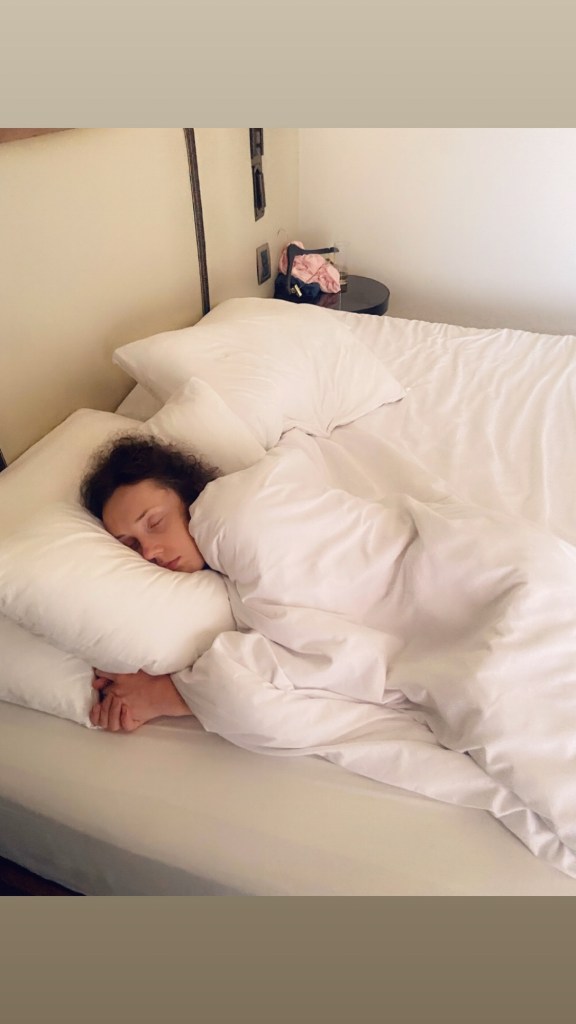
On days when I skip or shorten my nap, I feel it immediately: fogier thinking, higher pain levels, shorter emotional fuse, and a general sense that I am running on empty (AKA I get very cranky). When I do get this beauty sleep, I wake up clearer, steadier, and more capable of handling the next part of my day. Napping has taught me that true strength sometimes looks like lying down and trusting the process.
You do need to be in a formal recovery period to reap the rewards. When you are using your body or brain, your body needs to recharge. Research consistently shows that napping can be a powerful tool for cognitive, emotional, and physical health:
- Improved Memory and Learning: A nap can help absorb information you have taken in during the day.
- Enhanced Mood and Emotional Regulation: Naps reduce cortisol (the stress hormone) and give your brain a chance to reset. Many people report feeling less irritable and more optimistic after resting (Not cranky!)
- Better Physical Recovery: During sleep, your body releases growth hormone, repairs muscles, and strengthens your immune system. In our always-on culture, this natural repair process often gets the short end of the stick.
- Increased Alertness and Productivity: A well-timed nap can reduce afternoon fatigue more effectively than another cup of coffee. Studies on pilots, shift workers, and students show measurable improvements in reaction time and focus after napping.
- Creativity Boost: That dreamy state between wakefulness and sleep (hypnagogia) is fertile ground for new ideas. Some of history’s most innovative minds were famous nappers.
In our hustle-obsessed world, rest is often stigmatized as laziness. But biology does not lie: humans are not designed for relentless output. We are designed for cycles—work, rest, restore, repeat.
Not all naps are created equal. Here are some practical tips:
- Timing Matters: Early to mid-afternoon (roughly 1–3 PM) tends to be ideal. Napping too late can interfere with nighttime sleep.
- Length Is Personal 😜: I have never believed that short power naps (10–20 minutes) are great for quick refreshment. (It often takes me 20 minutes to fall asleep!) Longer ones (60–90 minutes) allow you to reach deeper restorative stages, which is what I usually need in recovery.
- Create a Ritual: Dark room, eye mask, comfortable temperature, maybe some white noise or calming music/ sports radio like me. Treat it like an appointment with yourself.
- Listen to Your Body: If you are exhausted, do not force productivity. That nap might be the most productive thing you do all day.
- Combine with Gentle Movement: A short walk afterwards can enhance the benefits by improving circulation and mood.
Of course, there can be challenges. Some people worry about sleep inertia (that groggy feeling after waking). Starting with shorter naps or using an alarm (I definitely do not use alarms– no bedroom electronics!) set for 90 minutes (one full sleep cycle) can help. Others fear it will disrupt their nighttime sleep, if you are truly tired, a good nap actually improves nighttime rest by reducing sleep pressure overload.
Rest is productive. It is not giving up— it is refueling. Whether you are navigating recovery like me, juggling a demanding career, parenting, studying, or simply living in this fast-paced world, giving yourself permission to nap is an act of self-respect.
My long naps have become non-negotiable acts of self-compassion. They have carried me through some of the hardest stretches of my journey. And while your reasons might be different—maybe you are a night owl fighting afternoon slumps, a creative needing mental space, or just someone who wants to feel more vibrant—napping can support you too.
So the next time you feel that midday dip, instead of fighting it with more caffeine or scrolling, consider lying down. Close your eyes. Let your body do what it does best when given the chance: heal, integrate, and prepare you for whatever comes next.
Your future self (and your present self) will thank you.

 Kat’s Musings
Leave a comment