Tag: writing

  • The Rise of Comfort: Embracing the Free-Bra Movement

    The Rise of Comfort: Embracing the Free-Bra Movement

    Remember when getting a bra that actually fit felt like a sacred, slightly humiliating pilgrimage? We would trek to the mall, hearts pounding, ready to surrender our bare chests to a stranger armed with nothing but a measuring tape and a clipboard. Victoria’s Secret was not just a store—it was a temple. And the goddess was that perfectly coiffed sales associate with the tape dangling around her neck.

    You would stand there in a tiny fitting room that smelled faintly of vanilla candles and desperation, arms raised while she poked, prodded, lifted, and adjusted. “Okay, honey, breathe out… now inhale… A cup? Or is that a B on a heavy day?” Brassiere itself sounds like industrial equipment. We endured it all for the promise of “lift and separation,” for the illusion of perfect, perky cleavage that could launch a thousand thirsty glances in high school. We contorted our bodies, sucked in our stomachs, and prayed the underwire would make us look like a goddess instead of committing war crimes on our young teenage bodies.

    Those were the days.

    Fast-forward to now, and the entire ritual has collapsed. I do not even think most women under 36 could tell you their real bra size if you held a gun to their head. We have collectively ghosted the fitting rooms. The measuring tape is an old relic only used by the boys now. Victoria’s Secret angels? Still gorgeous, but we are no longer buying what they are selling—literally.

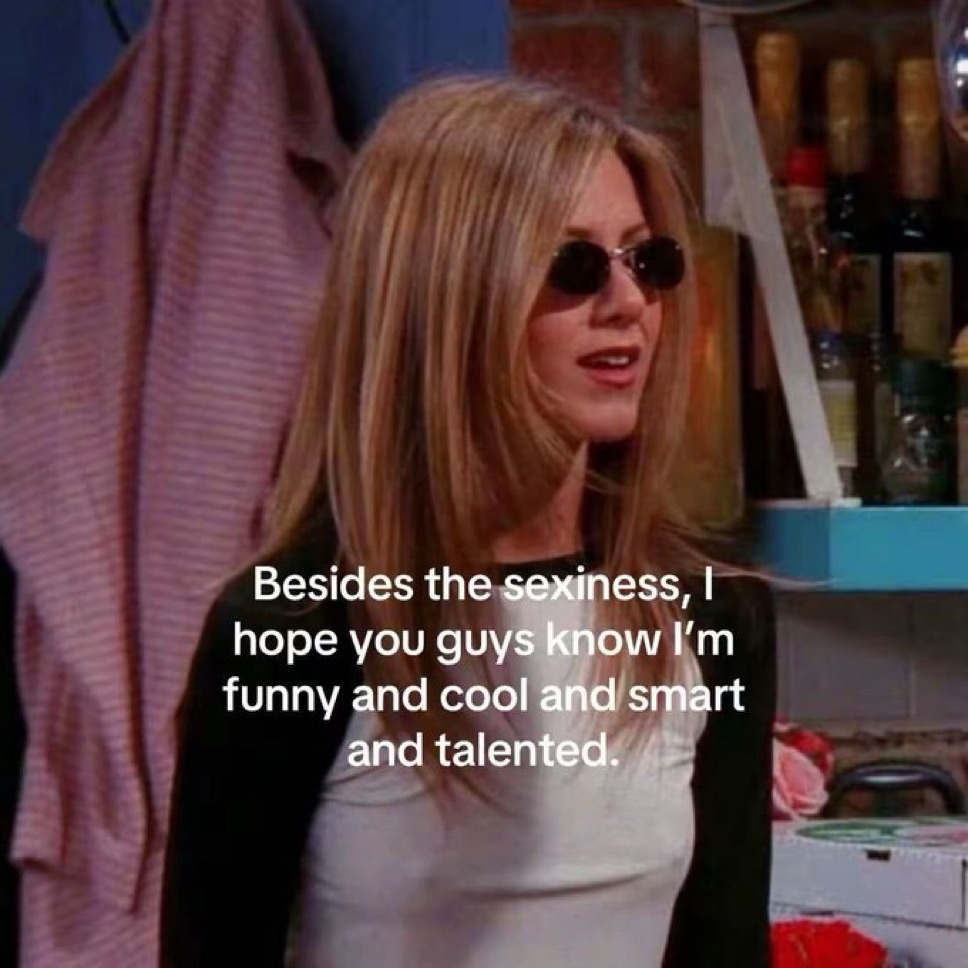
    Instead, we are out here living our best soft-girl lives in cute little bandeaus, buttery-soft sports bras, and those barely-there bralettes that feel like a gentle hug from a cloud rather than a structural engineering project. No more wires digging into our ribs (I have a large ribcage!) like medieval torture devices. No more adjusting straps in public like a nervous tic. We are free-boobing it through Zoom calls, grocery runs, and yes, even date nights if the vibe is right (plus, my man enjoys my itty bittys).

    Let’s be real—this shift is not just about laziness. It is a quiet revolution.

    Society spent decades telling us our boobs needed to be contained, supported, weaponized. Push-up bras. Minimizer bras. Convertible bras with more hooks than a slasher film. We bought into the lie that comfort was secondary to looking “put together.” All for the boys to pay attention to us. That a proper lady had to have everything strapped down and presented like gift-wrapped perfection.

    Then came the pandemic. Sweatpants became uniforms. Loungewear went mainstream. And suddenly, we realized something revolutionary: our boobs do not actually need constant structural support to be valid. They are not structural hazards waiting to collapse. They are just… there. Soft, warm, part of us. And when we stopped squeezing them into unnatural shapes for eight hours a day, the world did not end. In fact, it got better. For me, nothing changed whether there was a pandemic or not. So I was free- boobing before it was “cool”.

    Woman sitting cross-legged on bed reading a book in cozy bedroom with natural light
    A woman enjoys a quiet morning reading a book in a sunlit bedroom.

    We discovered the joy of the bandeau—that rebellious little tube top that says, “I’m cute, I’m comfy, and I’m not apologizing for jiggle.” Sports bras that handle actual movement without turning us into armored tanks. Wireless wonders that whisper sweet nothings like, “Girl, breathe.”

    And let us talk about the knowledge gap. Ask a group of women their bra size today and watch the panic. “Umm… medium? Whatever fits” We have stopped obsessing over the numbers because the numbers were always a scam anyway. Bra sizing is notoriously inconsistent across brands. One store’s 32C is another’s 34B. It was all smoke, mirrors, and marketing.

    Ditching the heavy-duty bra is not just about comfort. It also is about reclaiming ownership of our bodies in a world that has long tried to dictate their shape, size, and presentation. I personally prefer being on the Itty Bitty Titty Committee , but advertisements and media companies love to shove triple Ds and Sydney Sweeney in my face…

    We are done performing for the male gaze with engineered cleavage. Done pretending that underwire equals empowerment. The free-boob movement—yes, I am calling it that—feels like the only level of body positivity I accept. It says: my breasts do not need to be edited, lifted, or minimized to be worthy.

    Of course, not everyone is on board. Older women clutch their pearls. The fitness bros complain about the materials in said bras. Some days even I miss the old sculpted look, but mostly I love sliding into a soft bralette and feeling like my natural body is enough.

    We traded poking and prodding for stretchy, breathable freedom. And I do not think we are going back.

    So next time you catch yourself reaching for that lacy, restrictive contraption out of habit, ask yourself: Do I really need this? Or am I just performing femininity from 2007?

    Throw on the bandeau. Rock the sports bra. Let them breathe.

  • From Homewrecker to Homemaker.

    From Homewrecker to Homemaker.

    What is your career plan?

    The “It” Girls—the glossy, untouchable, “main character” women who once defined the era—are quietly, deliciously, scandalously… going domestic. Yes, those girls. The ones who used to jet-set to Mykonos in mini dresses, post mirror selfies in vintage Dior, and make “hot girl summer” a global brand. We are now knee-deep in homemade pasta, linen napkins, and 6 a.m. lattes brewed in our own perfectly imperfect kitchens.

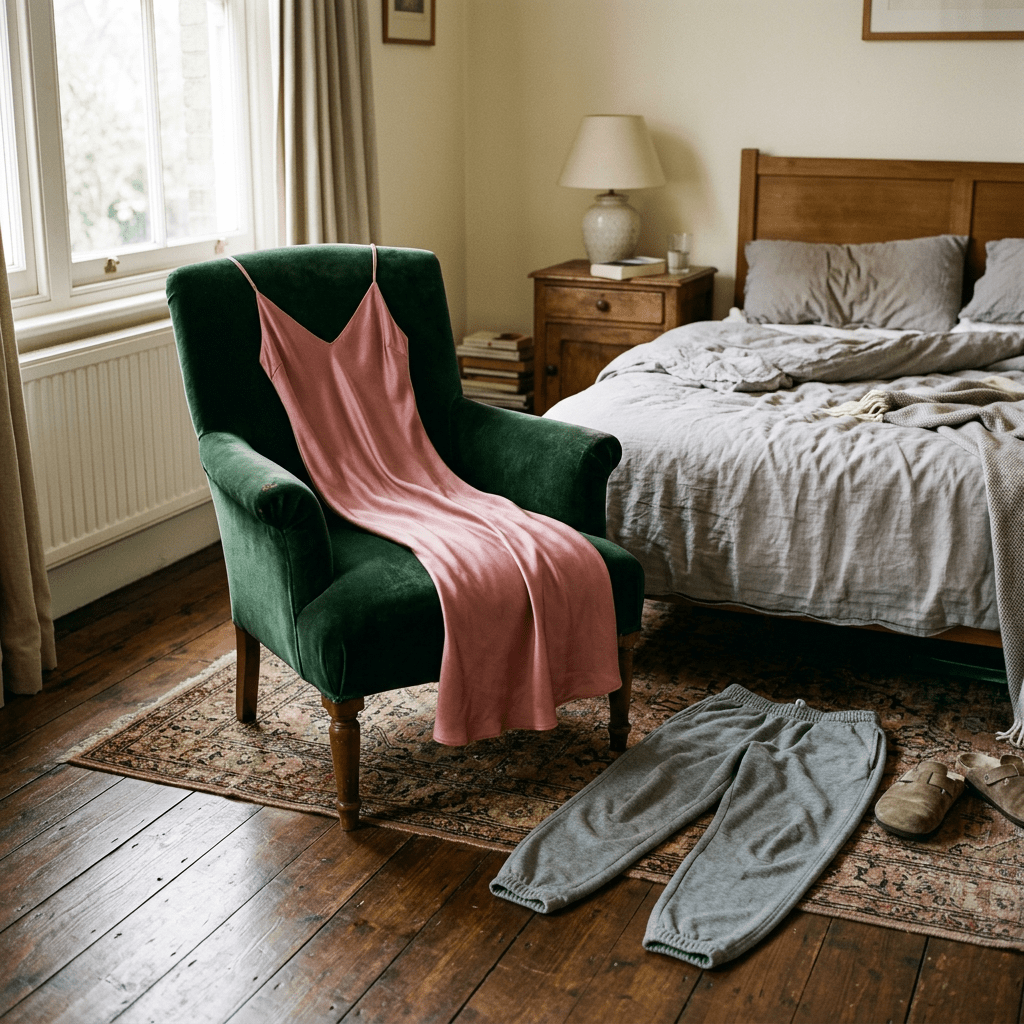
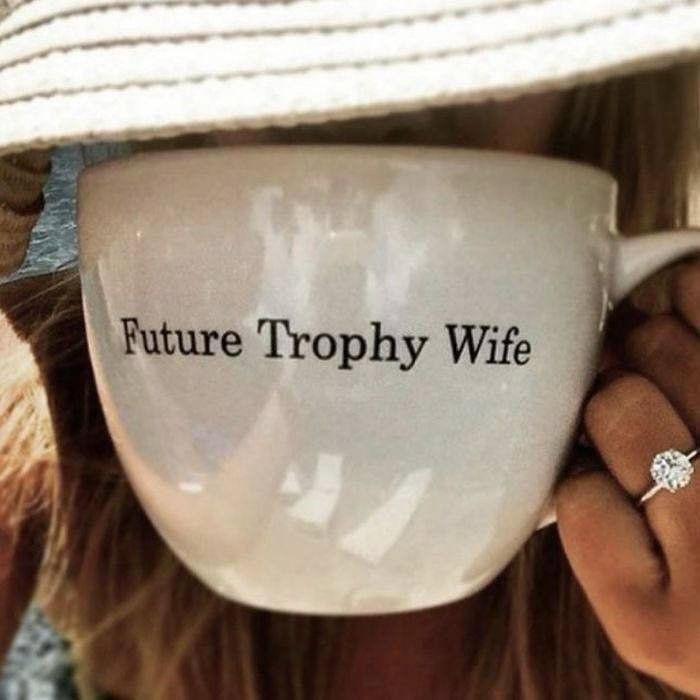
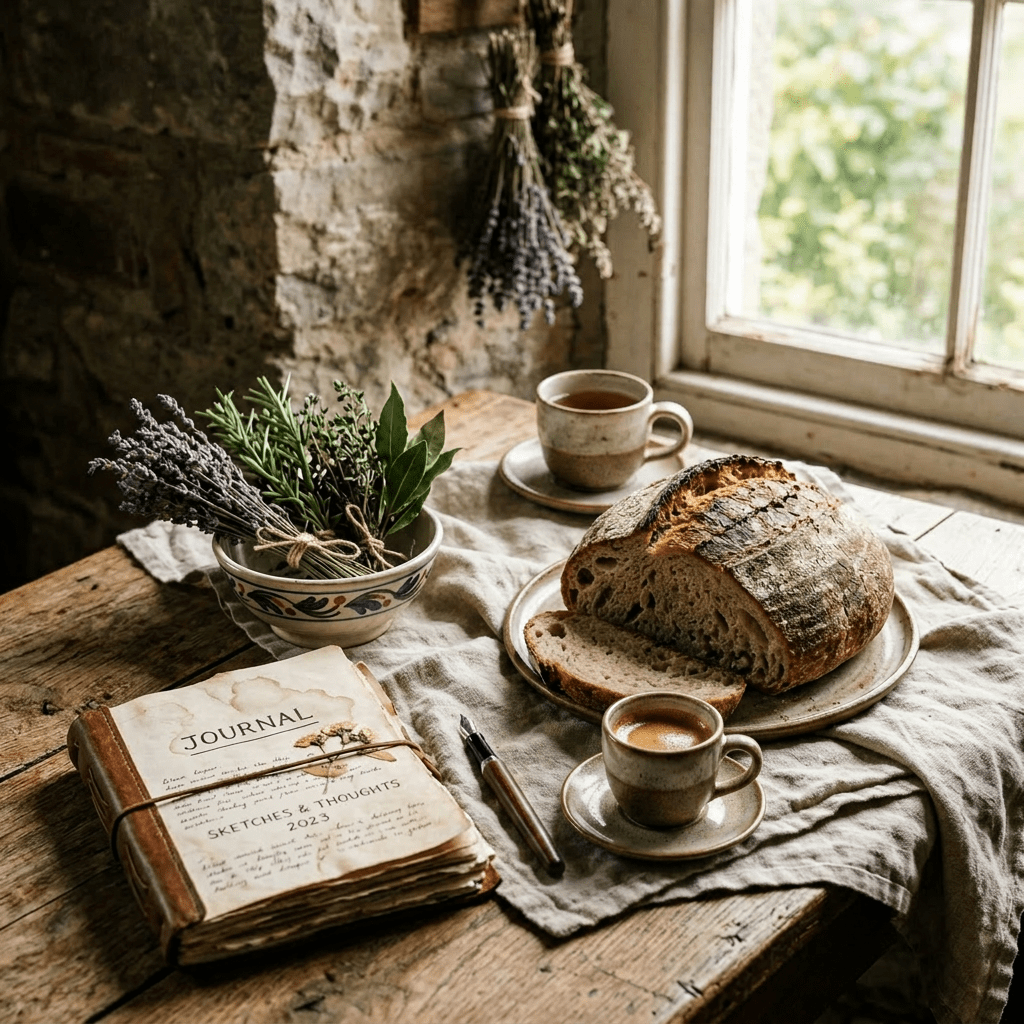
    This is not your grandmother’s homemaking. This is haute homemaking. Cottagecore on ‘roids and cashmere. The new “It” Girl is not just nesting—she is curating a whole aesthetic religion around it. Think: barefoot in a silk slip dress whisking eggs, filming 45-second reels of her sourdough rising while her engagement ring catches the golden hour light, (🙏🏼🙏🏼🙏🏼). She is not hiding the domestic labor. She is flaunting it because it is the ultimate flex.

    Remember the 2010s “It” Girl blueprint? Hustle. Club to boardroom. Rosé all day. Side hustle turned empire (you can still rosè in the kitchen!). Burnout was a badge of honor. “I have not slept in three days but the bag is secure.” We were sold the fantasy that real power looked like never being home long enough to need a vacuum.

    I am not someone who claims that the pandemic caused this renaissance. Articles claim that post-pandemic exhaustion hit like a truck and that is why we are choosing to stay home. The “girlboss” script started sounding hollow—lonely hotel rooms, endless content creation, dating apps full of situationships, and a quiet ache that no amount of brand deal could fill. Personally, I see that the same women who once bragged about never cooking (famously Carrie Bradshaw in Sex in the City kept her sweaters in the oven!) are posting stories of them slow-roasting a chicken with rosemary from their windowsill garden.

    It is seen as rebellious/ controversial because it is a direct middle finger to the narrative we have been force-fed for decades: domesticity equals oppression. That wanting a beautiful home, a stocked fridge, and a man who comes home to the smell of garlic and love is somehow regressive. The hottest, most followed, most desired women on the planet are proving the opposite—homemaking done right is high-value, high-status, and insanely seductive.

    Walk into any cool girl’s apartment in 2026 and you can see it: the Le Creuset Dutch oven in a tasteful color, the vintage rolling pin displayed like art, and of course the sourdough starter. They are not just cooking—they are romanticizing the mundane. Morning dewy skin routines followed by watering herbs. Evening candlelit dinners they actually prepared instead of ordering from some immigrant driver.

    This is not tradwife cosplay for the poor. These are women with options. Models. Influencers. Actresses. They could be on yachts in Ibiza but they are choosing farmers’ markets and Sunday roasts. Why? Because it feels good. It feels feminine. It feels like control in a chaotic world.

    And let me be brutally honest—the men are losing their minds over it (at least mine is!). There is something primal about watching a beautiful woman who could have the world at her feet choose to pour that energy into creating a sanctuary. It hits different. It is not submission; it is sovereignty. She is not forced into the kitchen. She claimed it as her “queendom.”

    Hence, modern career feminism sold women a version of success that left many emotionally bankrupt. The “It” Girls who are “opting in” to homemaking are not rejecting ambition—they are redefining it. They are building empires in the home. We are not anti-work. We are anti-misery.

    Of course the purists are furious. “This is anti-feminist!” “You are setting women back!” Meanwhile those same critics are stress-eating takeout alone in their minimalist apartments wondering why their stress is through the roof. The new homemaker “It” Girl does not care. She is too busy teaching her followers how to make the perfect bolognese while looking like a Renaissance painting.

    This movement exposes the lie: that fulfillment can only come from cubicles and corner offices. That domestic skills are beneath a “modern woman.” The “It” Girls are proving domesticity—when chosen freely and done beautifully—is one of the ultimate luxuries.

    They are not trapped. They are thriving. Soft lighting, slow mornings, real food, real connection. And yes, sometimes a hot husband who worships the ground they walk on because they make the house feel like heaven.

    You do not need to quit your job tomorrow. But maybe the “It” Girl homemaker renaissance is permission to stop demonizing the domestic. To light the damn candle. To learn how to roast vegetables everyone asks for the recipe. To make your space so warm and intentional that people feel it the second they walk in.

  • The Power of Positive Thinking on Health

    The Power of Positive Thinking on Health

    A positive mindset does not just make you feel fuzzy and motivated. It straight-up rewires your biology, dials down inflammation, cranks up your immune system, and turns everyday movement into fat-burning rocket fuel.

    A negative mindset is slow-motion poison. It floods your veins with stress hormones, tanks your recovery, packs on visceral fat, and basically programs your body to break down faster.

    This is no woo-woo Instagram spirituality. This is hard science meeting cold, hard reality. And yeah, I am saying it loud because I have lived the nightmare version.

    I truly believe the reason I am sitting here in my current health status—in a wheelchair and the use of only one arm—is because for years I viewed myself and my life like absolute garbage. I woke up every day expecting the worst, replaying every failure on loop, and treating my body like it was already doomed. Surprise: it started acting doomed.

    The Brutal Science: Your Brain Is Running the Show Whether You Like It or Not

    Your thoughts are not cute little clouds floating in your head. They are chemical commands. Sugar coating this fact is keeping people sick. 

    Every time you think “I’m such a worthless piece of shit” or “Nothing ever works out for me,” your brain hits the panic button. Cortisol and adrenaline spike. Inflammation skyrockets. Your immune system gets told to stand down. Sleep quality tanks. Cravings for junk food go nuclear because your body is now in survival mode, hoarding energy (calories).

    Chronic negative mindset is not“just stress.” It is a physiological wrecking ball [enter Miley Cyrus “Wrecking Ball”]. Studies show people who marinate in pessimism have higher rates of heart disease, slower wound healing, weaker immune responses, and even faster cellular aging. Your telomeres—the protective caps on your DNA—literally shorten faster when you are stuck in doom-scroll mode.

    Flip it around, like a pancake: shift to a positive, resilient mindset and the opposite happens. Blood pressure drops. Recovery speeds up. You actually enjoy moving your body instead of dragging yourself through workouts like punishment. Inflammation cools off. Your gut stops revolting. Hell, even the placebo effect proves it—people who believe a sugar pill will fix them often get real, measurable improvements because their brain buys in and starts the repair work.

    The nocebo effect is the evil twin: tell someone a harmless thing will make them sick and watch their body obey. Expectation is that powerful. Your mindset is not a passenger—it is the driver.

    I used to roll my eyes at this stuff. “Yeah, sure, just think happy thoughts and your autoimmune issues vanish.” But the data does not lie, and neither does my mirror. I spent years in that negative spiral, and my body paid the bill.

    Look, I am not here to play victim. I am just here to own it.

    For the longest time I looked at myself and saw failure. “Too broken to fix. Too tired to try. Life’s already screwed me, why fight it?” I would stare at my reflection and pick apart every flaw, every pound, every missed workout. I would doom-scroll through other people’s perfect lives and feel physically sick with envy and resentment. That is one reason why I deleted all of my social media.

    That constant inner monologue was never harmless. It was a full-time job for my stress response. My sleep turned to garbage. My digestion went haywire. I gained weight— more than doubled it—because my body was too busy pumping out cortisol to let any real healing or fat-burning happen.

    I genuinely believe that is exactly why I am in the health spot I am in right now. The mindset that I have been carrying around throughout this life. So it was not one bad year. Not “bad luck.” It was years of treating myself like I did not deserve better. Years of expecting my body to fail because that is what I kept telling it.

    And the craziest part was that once I started calling myself on that toxic bullshit, things began to shift. Not overnight fairy-tale magic, but measurable changes. Energy crept back. Cravings got quieter. My body started responding to the same workouts and meals that used to do nothing.

    Thus. your mindset is not just affecting your health—it is the architect of it.

    A positive mindset does not mean pretending everything is sunshine and rainbows while your life burns down.

    That is toxic positivity and it is just as damaging. Real positive mindset is gritty optimism: “This sucks right now, but I’m capable of handling it and coming out stronger.” It also is hope. How I approach Boston Sports. It is choosing to see your body as an ally that has been waiting for better instructions, not an enemy that is out to get you.

    People with this mindset move more because exercise stops feeling like torture and starts feeling like investment. They recover faster because they are not marinating in self-sabotaging thoughts. Their immune systems stay online. Their hormones chill out. Even food tastes better and digests better when you are not eating it with a side of guilt and shame.

    Alia Crum’s Stanford research proved it in real life: hotel housekeepers who were told their daily grind counted as exercise suddenly dropped weight, lowered blood pressure, and improved body composition—without changing a single thing about their routine. Same work, different story in their heads. Same bodies, different outcomes. Mindset flipped the switch.

    That is not motivational poster nonsense. That is biology bending to belief.

    The Bottom Line: Your Mindset Is Either Medicine or Poison—Choose

    I am not claiming positive thinking cures everything. You still need sleep, real food, movement, and actual medical care when shit is broken. But your mindset is the multiplier. It decides whether those things work for you or against you.

    I believe—deep in my bones—that my own health turnaround started the day I stopped viewing myself as a lost cause and started viewing myself as worth the fight. My body is finally listening.

    Stop feeding the negative loop. Start rewriting the story. Your body is waiting for new orders.

  • Waxing Poetic

    Waxing Poetic

    I do not shave. And I never will. I wax. Every. Single. Inch. And yes, I know exactly what you are thinking—that little eyebrow raise, the sly smirk, the unspoken “high-maintenance princess alert.Guilty as charged. But here is the delicious truth: I have been doing this since I was old enough to beg my mother for it, and after all these years, my skin is so flawlessly smooth, so impossibly touchable, that I would never trade the ritual for anything. Not for a razor, not for convenience, not even for the illusion of “low effort.” Because when I come out of that room—pink, tingling, and utterly bare—I do not just feel clean. I feel dangerous. Like a secret weapon wrapped in silk. Like every curve, every hollow, every secret place on my body is now an open invitation to pure, unfiltered pleasure.

    Let me take you back to the beginning, because this obsession did not start in some fancy spa. Picture recess in elementary school—sun beating down on scraped knees and grass-stained sneakers. The cool girls were already rolling up their shorts just enough to flash those freshly shaved legs, all glossy and defiant under the playground lights. They would strut like they owned the world, whispering about razors and lotion and how “grown-up” it felt. I was desperate to join them. I wanted that same shiny confidence, that same “look at me” glow. But my mother? Oh, she shut it down with one firm, no-nonsense glare. “The hair isn’t long enough yet,” she would say, arms crossed like a fortress. I sulked for weeks, staring at my own legs in the mirror, willing those fine little strands to hurry up and become something worth taming. Little did I know, she was planting the seed for something far more luxurious than a cheap disposable razor ever could.

    Fast-forward through the years, and waxing became my religion. Not just legs—everything. Underarms, brows, and the full Brazilian (front, back). I have surrendered it all to hot wax and skilled hands more times than I can count. And here is the wicked little secret no one tells you about lifelong waxing: your body eventually surrenders right back. The hair grows back thinner, fairer, almost translucent. These days, it is barely there at all—like a whisper of a secret rather than a bold declaration. I can go weeks without a touch-up and still feel like a goddess who just stepped out of a dream. No five o’clock shadow. No prickly regrowth that ruins the mood mid-makeout. Just endless, velvety smoothness that makes my skin look lit from within, like I am permanently photoshopped in real life.

    But the real magic happens the second that last strip is ripped away and I run my palms over my freshly waxed body. The heat lingers. The skin flushes a soft, satisfied pink. And suddenly, I am smooth as a baby seal—that is the only way to describe it. Sleek. Gleaming. Utterly irresistible. I feel it in my bones: a rush of pure, unapologetic confidence that radiates outward like perfume. It is not just about looking good. It is about feeling like every inch of me has been polished for pleasure.

    Shaving is a scam sold to women who do not want to admit they are scared of a little pain.

    Waxing hurts like a bitch the first few times. Good. Pain is honest. It reminds you are in control. You are choosing this. Every strip yanked off is a middle finger to the idea that we should quietly deal with constant maintenance. I go out of every appointment raw, red, and victorious. My skin feels brand new, like I have been factory reset. Smooth as a baby seal . Zero drag. Zero surprises.

    And the confidence is feral. I am not “glowing softly” — I feel sharp. Untouchable in the best way. Like my body is finally on my terms. No more hiding, no more half-measures. Full send or nothing.

    Shower after a fresh wax?The water just glides. No catching, no friction, no bullshit. Lounging in an oversized shirt post-hotel check-in? I feel light, clean, dangerous in my own skin. No prickly reminders that I “forgot” to shave. Just pure, unapologetic smoothness that makes me move different.

    People love to preach about “body positivity” while still secretly shaving. Cool story, bro. I am over here committing war crimes on my own follicles because half-measures are for cowards. Waxing is no self-care. It is self-warfare. Taking territory back from genetics and lazy societal expectations.

    If you are still dragging a razor across every other day, leaving micro-cuts and ingrowns like landmines, I am judging you. Harshly. Book the wax. Embrace the scream. Your future self — and anyone who gets to touch you — will thank you.

    I look like temptation personified. Hairless, carefree, radiating that elusive je ne sais quoi that makes my man (and honestly, myself) weak in the knees. It is not arrogance. It is alchemy. The wax turns maintenance into foreplay. It turns my body into a playground that is always open, always ready, always more.

    I get it—waxing sounds extreme to the uninitiated. The sting, the cost, the commitment. But for me, it is the ultimate act of self-indulgence. It is saying, “My body deserves this level of devotion.” It is choosing long-term seduction over quick fixes. And the payoff is a quiet, constant sensuality that follows me everywhere. One day I will be lounging by the pool in the tiniest bikini. Slipping into lingerie that clings like a second skin. Or simply being naked in front of my reflection after a long day, running my hands down my sides and feeling nothing but soft, flawless perfection. 

  • Crying vs. Weakness: A New Perspective on Masculinity

    Crying vs. Weakness: A New Perspective on Masculinity

    I have said it before, loud and proud: a crying man is no man at all. I have written it, I have posted it (here), I have probably screenshot it. And I still stand by that… mostly.

    But when my man cries because he is feeling my pain—because something is ripping me apart and he cannot fix it, no matter how big, strong, or capable he is? Fuck. That shit is incredibly hot.

    Please do not get it twisted. This is not some Hallmark-movie, sensitive-new-age-guy bullshit. I am not talking about the dude who was snifflling into his popcorn during The Notebook or ugly-crying because the Packers lost in overtime. That is not emotion, that is weakness with a side of emotional diarrhea.

    And do not even get me started on Victor Wembanyama—yeah, the 7’4” alien freak of nature who was out here sobbing like a toddler after a playoff first round clinch that literally means nothing in the grand scheme of basketball. Bro, you just won a game. Plenty of other people do this. The league does not hand out participation trophies for feelings. Sit down.

    Real men do not cry over fiction.

    Real men do not cry over insignificant victories. Real men sure as hell do not cry because someone was “mean” to them on the internet or their fantasy football team tanked. That is not depth. That is soft. That is the sound of a man auditioning for the role of “emotional support boytoy ” while the rest of us are out here looking for someone who can actually carry the weight.

    But when the tears come because I am hurting? When he is staring at me with those red-rimmed eyes, jaw clenched so tight, because he is watching me go through something dark and heavy and he cannot punch it, fix it, or make it disappear? That is certainly different. That is raw. That is the moment masculinity actually shows up and says, “I’m strong enough to feel this with you—and still be the one who holds it together when you can’t.

    It is not weakness. It is power in its most dangerous form. It is proof he is not some emotionless robot programmed by Andrew Tate. It is proof he cares. Deeply. Violently. In a way that makes my stomach flip because I know, right then, that I am not just another notch or a warm body. I am the thing that can crack his armor

    Society has got it all fucked up. We spent decades screaming at men to “get in touch with their feelings” and now, post #MeToo, we have got a generation of dudes who think therapy-speak and public meltdowns make them enlightened. Nah. Emotional intelligence is not crying at every little thing. It is knowing when to let the mask slip—and only letting it slip for the woman who earned it. For the pain that actually matters. For the moment where he looks at you and says, without words, “This is destroying me too, but I’m still here. Still yours. Still the man who will burn the world down the second there’s something I can do.

    So should grown men cry?

    Yes. But only when it counts. Only when it is for something real. Only when it is private, raw, and reserved for the person who makes his whole chest throb. Anything else? Keep that shit private with your therapist and the rest of the soft boys.

    I want a man who can handle my problems and still let me see the crack in the foundation when he cannot. I want the tears that prove he is not unbreakable—he is just unbreakable for me.

    And if that makes me a hypocrite? Fine. I own it. Because at the end of the day, I do not want a robot. (Maybe one of those Optimus robots ala Elon Musk). I do not want a crybaby. I want a man who is strong enough to cry… and dangerous enough that those tears are the rarest, most intimate thing I will ever get from him.

  • A Mothers Unbreakable Love: The Trials, the Shame, and the Grace That Saved Me

    A Mothers Unbreakable Love: The Trials, the Shame, and the Grace That Saved Me

    I never planned to write this. For years, the story of my mother and me felt too raw, too private, too tangled in guilt and gratitude to share with anyone outside our small circle. But lately, as I watch her move through the house we have shared for forever, I realize that silence does not honor her. It erases her. So here it is—the unfiltered truth of how one woman gave up her entire life so that her broken daughter could keep breathing, keep growing, and finally start learning how to live.

    Happy Mother's Day to my beautiful mother!
    Happy Mother’s Day to my beautiful mother!

    My mother and I been through fire together. Not the dramatic, movie-style fire with heroic rescues and swelling music. Ours was quieter, messier, the kind that burns slowly for decades and leaves scars you only notice when you talk about your life with your boyfriend and a therapist (or even write about it in a blog!)

    It started in high school. I was the liar with the hollow eyes and the secret bathroom rituals. Anorexia had me in its grip, and I lied about everything—how much I had eaten, how much I weighed, where I had been after school. I lied to her face while she begged me to eat just one more bite of a bagel and cheese. She yelled. She showed frustration. And I detested it. She sat on the edge of my bed at 2 a.m., stroking my hair while I cried and swore I was fine. I was her only child, and I was disappearing right in front of her.

    Then came college. The pendulum swung hard the other way. I ballooned to over two hundred pounds in what felt like the blink of an eye. The shame I brought on my family was visceral. Family friends whispered behind their hands. Holiday photos where I tried to hide behind my parents. My mother’s face when she saw the stretch marks and the way my clothes no longer fit. I had gone from starving myself to bingeing in secret, using food the way I once used starvation—as armor, as punishment, as the only thing I could control. She never shamed me publicly. Instead, she was forced to drive me to doctors and therapies. Always reprimanding. Still not good enough.

    And then life changed in the way no one prepares you for. Fifteen years ago—more than fifteen now—I moved back home from Syracuse University. Not just to my parent’s house. But to my mother’s house. She just turned 40 then, a woman who had built a career she loved, who had friends who adored her, who had dreams that extended beyond the four walls of caregiving. She gave it all up. Just a quiet choice to stay home, to be the one who was always there.

    Because I needed her in ways that still make my chest tighten when I think about it.

    At twenty years old, I had to be changed like a baby. My mother acted as if changing the diaper of her grown daughter was the most normal thing in the world. Afterward she would help me into clean clothes and bedsheets. She did this day after day, week after week, for longer than any mother should ever have to.

    And she is still teaching me. Even now, in my thirties, she teaches me etiquette on how to live. Not the surface stuff—fork on the left, napkin in your lap. The real etiquette: how to show up for yourself when no one is watching. How to speak kindly to the body that has betrayed you. How to answer the phone. How to make a bed properly, how to load a dishwasher so it actually gets clean, how to look someone in the eye and ask for help without the shame that used to choke me. She teaches me by example, every single day.

    She gave up her career— the colleagues who became more like family—she walked away from all of it so I would not have to navigate this alone. She gave up friendships that required travel and late nights and spontaneity. She gave up the version of herself that existed before my struggles swallowed the oxygen in our home. I saw the resentment. I know there were nights she cried. I know there were mornings she stared at old photos of herself smiling and wondered what might have been. And , yes, after years of my being sick, she weaponized that grief against me.

    How do I live with this guilt?The honest answer is: I do not . Not anymore. Guilt used to paralyze me. It kept me stuck in the same cycles, convinced that I was not enough: too broken, too expensive in every possible way. What changed was not some magical self-love epiphany. It was watching my mother choose me every day and realizing that her love wasn’t a debt I had to repay by being perfect. It was a gift I could only honor by getting better—slowly, imperfectly, one small step at a time.

    I’m not “fixed.” I still struggle. My body is a battlefield of old wars and new compromises. There are days I need help with things most adults take for granted. But I am here. I am learning. She sees the woman I am becoming because she refused to let the girl I was disappear.

  • Celebrating Russia’s Victory Day in America: A Day of Remembrance Across Borders

    Celebrating Russia’s Victory Day in America: A Day of Remembrance Across Borders

    Every year on May 9, Russia and many post-Soviet nations (Ukraine…) pause to mark Victory Day (Den’ Pobedy), commemorating the Soviet Union’s hard-won triumph over Nazi Germany in World War II.

    While the grand military parades unfold on Red Square in Moscow, Russian-American communities across the United States quietly yet passionately observe this solemn holiday in their own way—blending deep historical pride, family stories, and cultural traditions on American soil.

    The Historical Significance

    Victory Day honors the immense sacrifices of the “Great Patriotic War.” The Soviet Union lost an estimated 27 million lives—soldiers and civilians alike—in the brutal fight against fascism. The German surrender was signed late on May 8, 1945 (Reims time), but due to the time difference, it became May 9 in Moscow. What began as a Soviet holiday gained renewed importance under leaders like Leonid Brezhnev and has become Russia’s most sacred secular observance under Vladimir Putin.

    In the U.S., where V-E Day (May 8) is acknowledged more quietly as part of the broader Allied victory, Russian immigrants and their descendants often frame May 9 as a personal and communal tribute to ancestors who fought, endured, or perished. It is less about geopolitics and more about remembering the human cost and the resilience of families.

    How Russian-Americans Celebrate

    Russian communities in places like New York, Boston, Los Angeles, Seattle, and smaller hubs turn out for events that feel both intimate and vibrant:

    • Community Gatherings and Veteran Honors: Elderly veterans or their descendants don medals and share stories at Russian community centers. In Lynn, Massachusetts, for example, the Russian-Jewish community has long gathered at places like the “Care” center for celebrations that mix food, music, and reflection.
    • The Immortal Regiment: This moving worldwide tradition sees participants carry portraits of relatives who served. Marches have taken place in Washington, D.C., and other U.S. cities, creating living tributes that connect generations.
    • Cultural Performances: Expect wartime songs like “Katyusha” (my namesake!) or “Den’ Pobedy,” folk dances, poetry readings, and screenings of classic Soviet films. Orange-and-black St. George ribbons—symbols of military glory—appear on lapels and car antennas.
    • Parades and Rallies: Smaller processions or embassy-adjacent events sometimes occur, though they can draw counter-protests amid current events. The focus for most remains personal remembrance rather than spectacle.

    Many celebrations include traditional Russian foods: borscht, Olivier salad, blini, and toasts with vodka (or champagne or wine for the ladies) to the fallen and the veterans. Younger generations often participate through school projects, social media posts of family photos, or visits to local WWII memorials.

    A Bridge Between Histories

    America itself played a crucial role in WWII through Lend-Lease aid to the Soviets and joint Allied efforts. Some older celebrations even featured moments of shared history, such as U.S. troops marching in Moscow parades in past decades.

    For Russian-Americans, Victory Day offers a way to honor one heritage while fully embracing life in the United States. It is a day of gratitude for survival and freedom, even as it carries the weight of loss. In an era of complex international relations, these community observances often emphasize universal themes: the horror of war, the value of sacrifice, and the hope for peace.

    Why It Matters in America

    Celebrating Victory Day in the U.S. highlights the richness of immigrant stories. We do not have family here, so celebrating this day with my family can be a powerful act of solidarity with the Greatest Generation—on both sides of the former Iron Curtain— even though we just have family friends over to drink.

    Thus, history lives on through the people who remember it.

    С Днём Победы — Happy Victory Day. May the lessons of the past guide us toward a better future.

  • Walking Ten Feet at a Time: My Daily Dance with Recovery

    Walking Ten Feet at a Time: My Daily Dance with Recovery

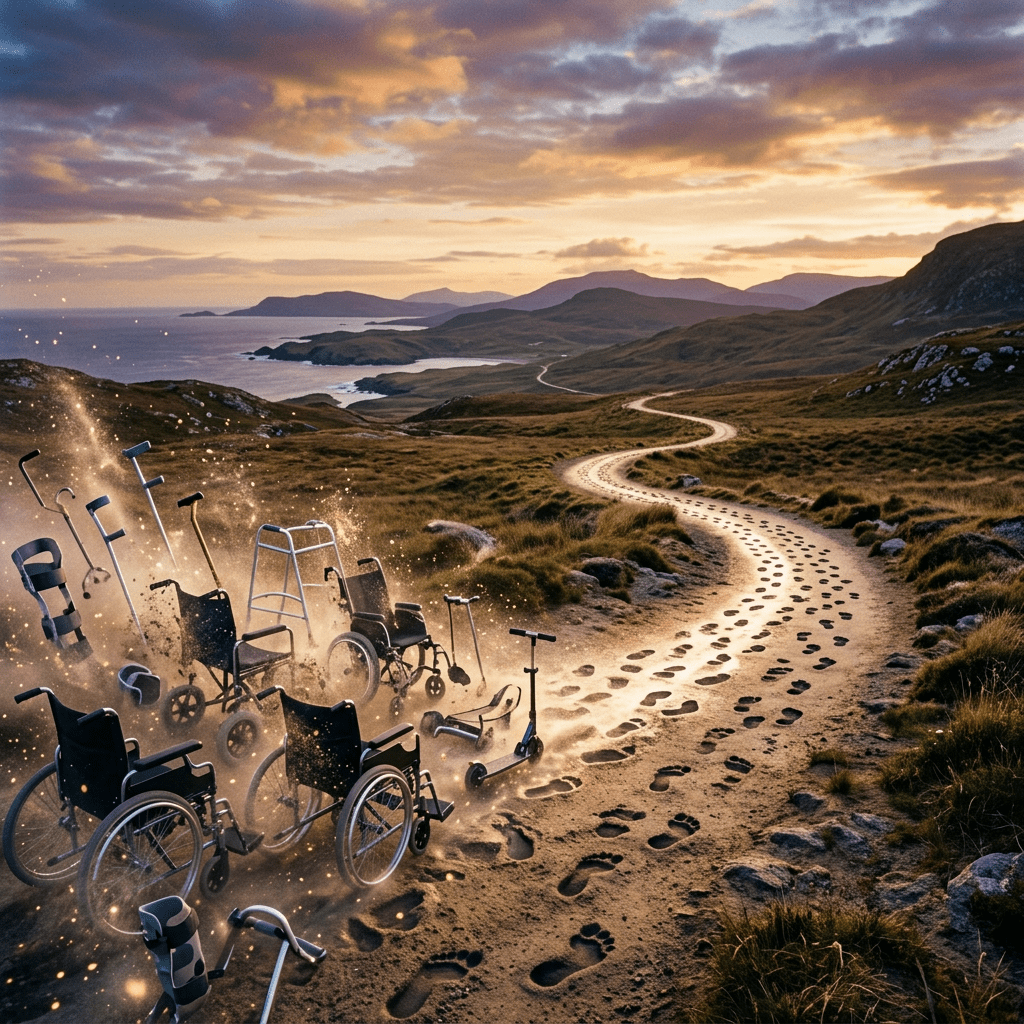
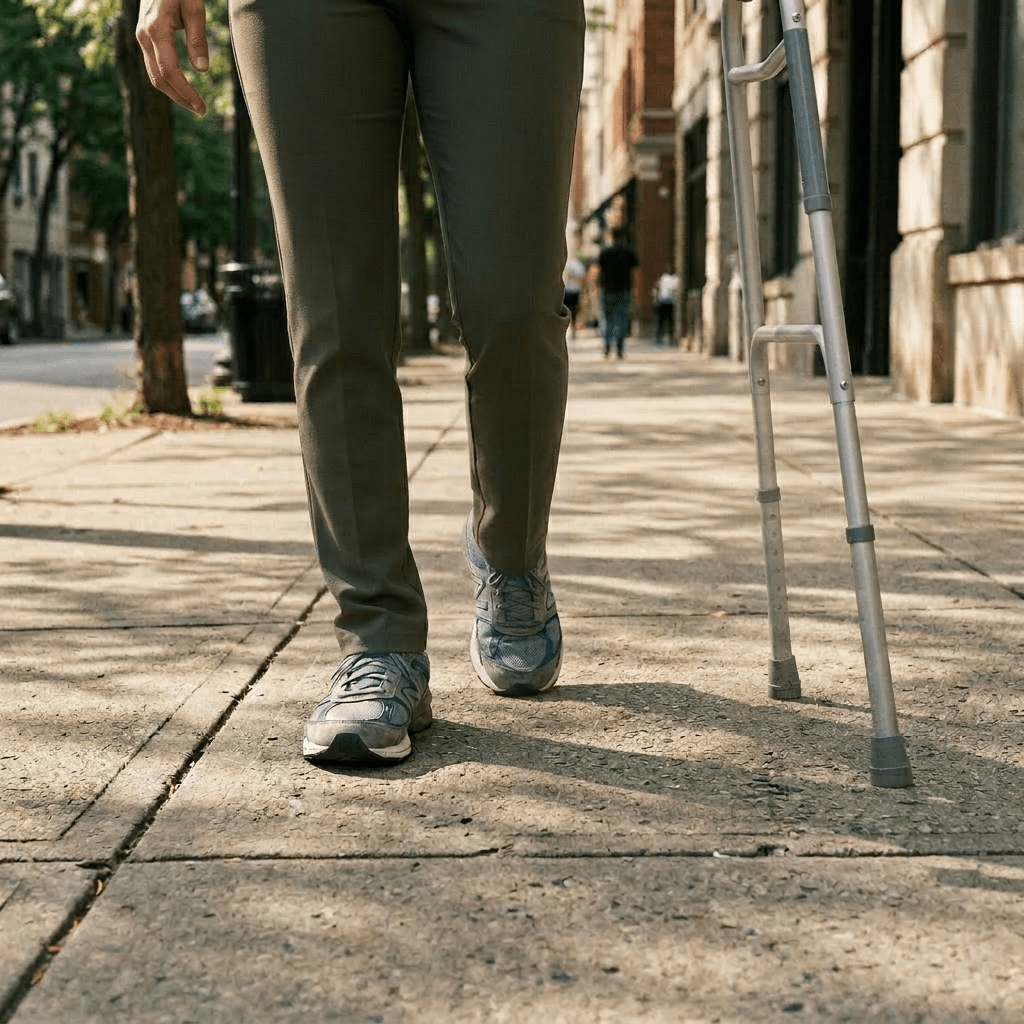
    Every single afternoon, after the nap my body demands like a stubborn toddler, I film myself walking. It is only about ten feet. To most people, that probably looks like nothing at all. But to me, those ten feet are everything. A step closer. They are proof that I am still moving forward—literally—one brave, wobbly step at a time. It feels incredible.

    My days start brutally early. I am up at 4 a.m., already chasing the version of myself I desire. By the time lunch is over, my body is spent from the morning’s workout and the constant grind of rehabilitation. My eyes grow heavy, my muscles scream for mercy, and I surrender to the bed like a little baby who earned her nap time. I used to fight it, but I learned to listen. The nap is not weakness; it is fuel. When I wake up an hour or two later, something magical happens. Energy surges back. Determination reignites. And suddenly I am excited—actually excited—to challenge myself again.

    That is when I head to the back deck.

    I strap on my brace even though I hate it. Most days I go without, stubborn as hell, refusing any device that reminds me I am not “normal” yet. But when I am about to push my limits, safety first applies (*eye roll*). The deck has a sturdy railing on one side—my own private parallel bar. I used to grip it at first, today I just walk along it slowly, no longer feeling the wood warm under my palm. At the end of the railing, I just stand there, working on my balance. Feet planted, core engaged, eyes focused on a spot in the distance (the heating lamp usually). The world narrows to that single task: don’t fall.

    I film every attempt. Sometimes it is a clean walk. Sometimes it is shaky. First, my left (weak) leg pushes forward. That is the easy one. I do not need balance or strength help on this side, but then I have to shift onto this weak side and move my right leg forward. Sometimes the left side refuses to hold me up. Sometimes I end up on the ground. I have fallen more times than I can count out there—head cracking against the deck, shoulder slamming into the wall. Each bruise is a story. Each tumble is data.

    I send the videos to my boyfriend anyway. I do not even know if he is watching them but the simple act of having an audience changes everything. It turns a lonely struggle into a performance. It makes me bolder. I love showing off for him. There is something powerful about letting the person you love witness your rawest, most determined moments.

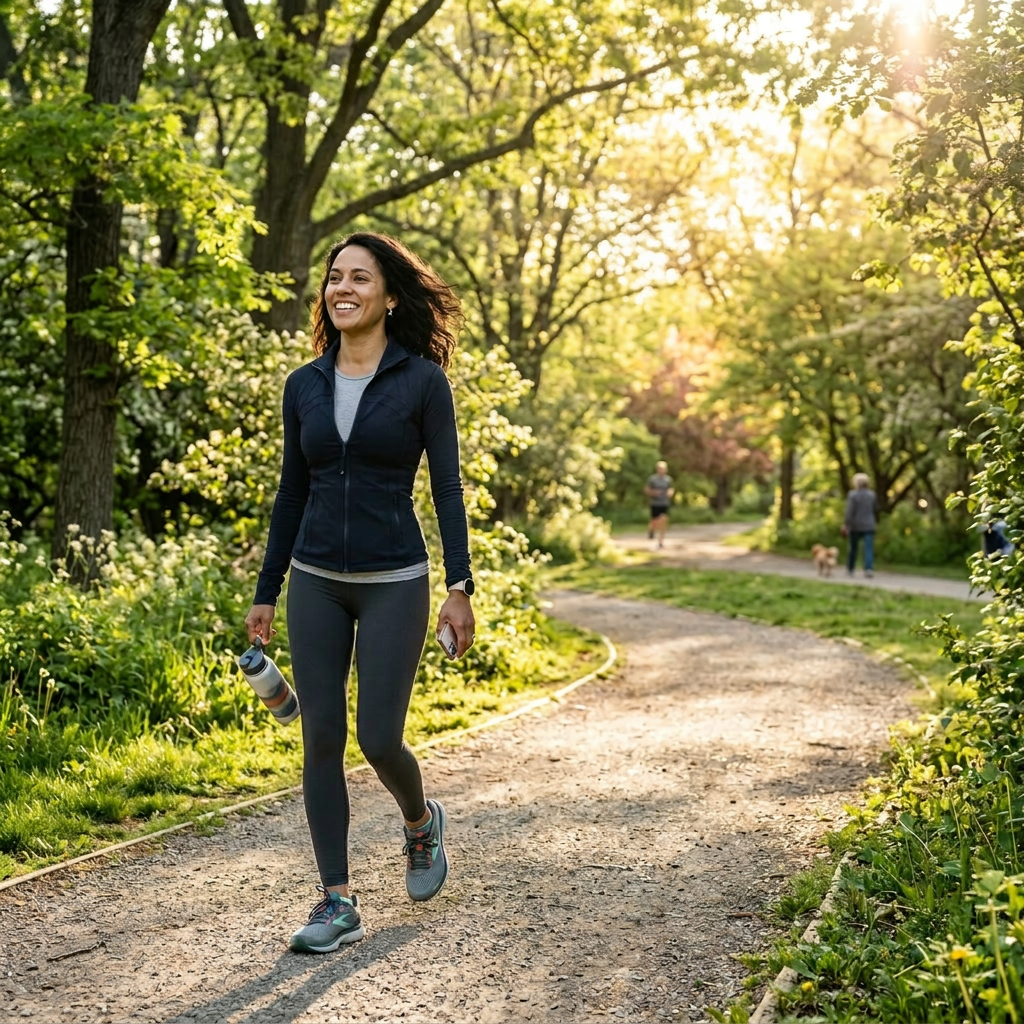
    I remember the early days when I had to clutch that railing for dear life, knuckles white, heart pounding. Letting go felt terrifying—like stepping off a cliff (hence why I wear my brace out there— in case my weak side refuses to hold me upright). But I did it anyway. Because I want this more than I fear the falls. I want to walk across a room without thinking. I want to stroll through a park holding his hand instead of a cane or brace. I want zero differentiation between me and everyone else. No explanations. No pitying glances. Just me, moving through the world the way I used to—freely, confidently, joyfully.

    This recovery is not linear. Some days the ten feet feel like a marathon. Other days I surprise myself and push for more. The falls rarely happen anymore , but they sting a little less because I know they are temporary. Every time I stand back up, dust myself off, and hit record again, I am rewriting my story.

    Small steps matter. Naps are not laziness; they are strategy. Now I see that my stubborn refusal to stay down is beautiful. I keep filming. Keep showing off. Keep chasing the version othat refuses to be defined by limitations.

    I am not there yet. But every afternoon, after my nap, I get a little closer. Ten feet at a time.

    And it feels amazing.


    I am already dreaming bigger—longer distances, no railing, maybe even a real walk around the block. I will keep sharing the journey here, bruises and all.

  • A League of Their Own: Reimagining Feminism

    A League of Their Own: Reimagining Feminism

    In a world drowning in performative activism and corporate girlboss-ness, I find myself returning to one movie that actually gets feminism right: Penny Marshall’s 1992 classic A League of Their Own.

    The film does not lecture you. It does not scream about the patriarchy or demand that you affirm anyone’s feelings. Instead, it shows women rolling up their sleeves, stepping onto the baseball diamond, and proving they belong—not because someone owed them a spot, but because they earned it through talent, grit, and sheer stubbornness.

    Real Empowerment, No Victimhood Required

    Set during World War II, A League of Their Own tells the story of the All-American Girls Professional Baseball League. With the men off fighting, these women were not waiting for permission or special treatment. They tried out, competed fiercely, and played real baseball in front of skeptical crowds. The movie nails the tension between traditional expectations (“be ladylike!”) and the raw reality of sliding into bases, spitting tobacco, and throwing like you mean it.

    The women face ridicule, ridiculous uniforms, and mandatory charm school, yet they respond by getting better at the game. That is the kind of feminism worth celebrating: one that expands opportunity through excellence rather than lowering standards or rewriting rules.

    Tom Hanks delivers one of his most quotable performances as Jimmy Dugan, the washed-up, foul-mouthed and drunken manager who starts off dismissive of his new team. He dives into his arsenal of acting skills and proves to one of the greatest/ all encompassing talents to watch. His arc from cynical has-been to proud coach is pure gold, and his legendary “There’s no crying in baseball!” rant remains one of the funniest moments. Hanks does not mansplain or apologize for his initial attitude—he grows because the women force him to see their competence. It is organic character development, not a scripted takedown of toxic masculinity (because clearly there is no such thing!).

    The supporting cast is stacked in the most 90s way possible. Madonna as “All the Way” Mae brings swagger and showmanship, and Rosie O’Donnell as Doris provides heart and humor. Watching them now is oddly nostalgic—they were vibrant, funny, and unapologetic without being cringe with the heavy ideological baggage they now adopt. It is a reminder of a time when pop culture could just be fun instead of a constant sermon.

    The whole ensemble feels like a genuine team. These characters have flaws, rivalries, and personal stakes, but they are never reduced to their gender or used as props for a message. The feminism emerges naturally from the story: women being capable, competitive, and resilient when given the chance. Not women who think that they are superior to men.

    A League of Their Own celebrates women’s strength without tearing down men or pretending biology does not matter on the field (obviously women sports are not as competitive/ popular as men’s and that is OK). It shows sisterhood that includes healthy competition. It acknowledges hardship, (as the whole reasoning behind this team is the separation from loved ones during war) without wallowing in it. It is, thus, extremely patriotic—Most importantly, the women win respect by playing well, not by demanding it (*cough, cough * Women’s USA Soccer Team).

    In contrast to today’s discourse, which often frames women as perpetual victims needing protection from “the system,” this movie says: Here is an opportunity—go seize it. And they did. The real AAGPBL players inspired the film, and their legacy still feels refreshing thirty-plus years later.

    If more modern feminism looked like the Rockford Peaches—tough, talented, and focused on achievement rather than outrage—I suspect a lot more people would get on board.

  • From Concrete Jungles to Barnyard Bliss

    From Concrete Jungles to Barnyard Bliss

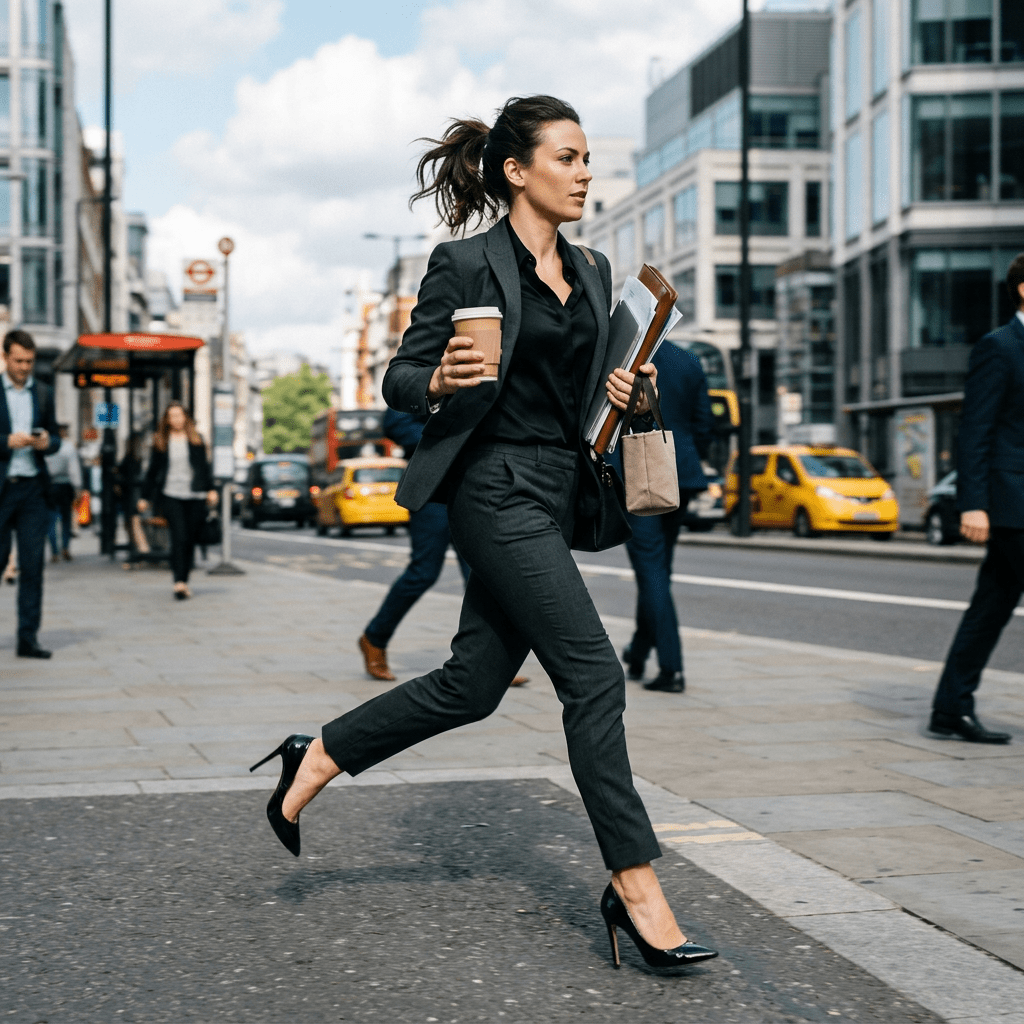
    There was a time—not so long ago—when the ultimate female fantasy smelled like subway steam, expensive perfume, and the faint tang of a dirty martini. Picture it: a twentysomething woman in a crisp blazer and heels, striding through a sea of yellow taxis, her oversized handbag swinging (AKA the ultimate boss bitch!). The city was her playground and her reward for rejecting the picket-fence script her mothers and grandmothers had followed. Sex and the City was not just a TV show; it was a manifesto. It was my personal Bible. Carrie Bradshaw and her crew embodied the promise: live loud, love recklessly, shop unapologetically, and never, ever apologize for wanting more than a quiet life in the suburbs. The concrete jungle was not a cliché—it was the dream. Skyscrapers as catwalks. Roof parties as therapy. The allure of ambition drowning out any doubt that you may have had.

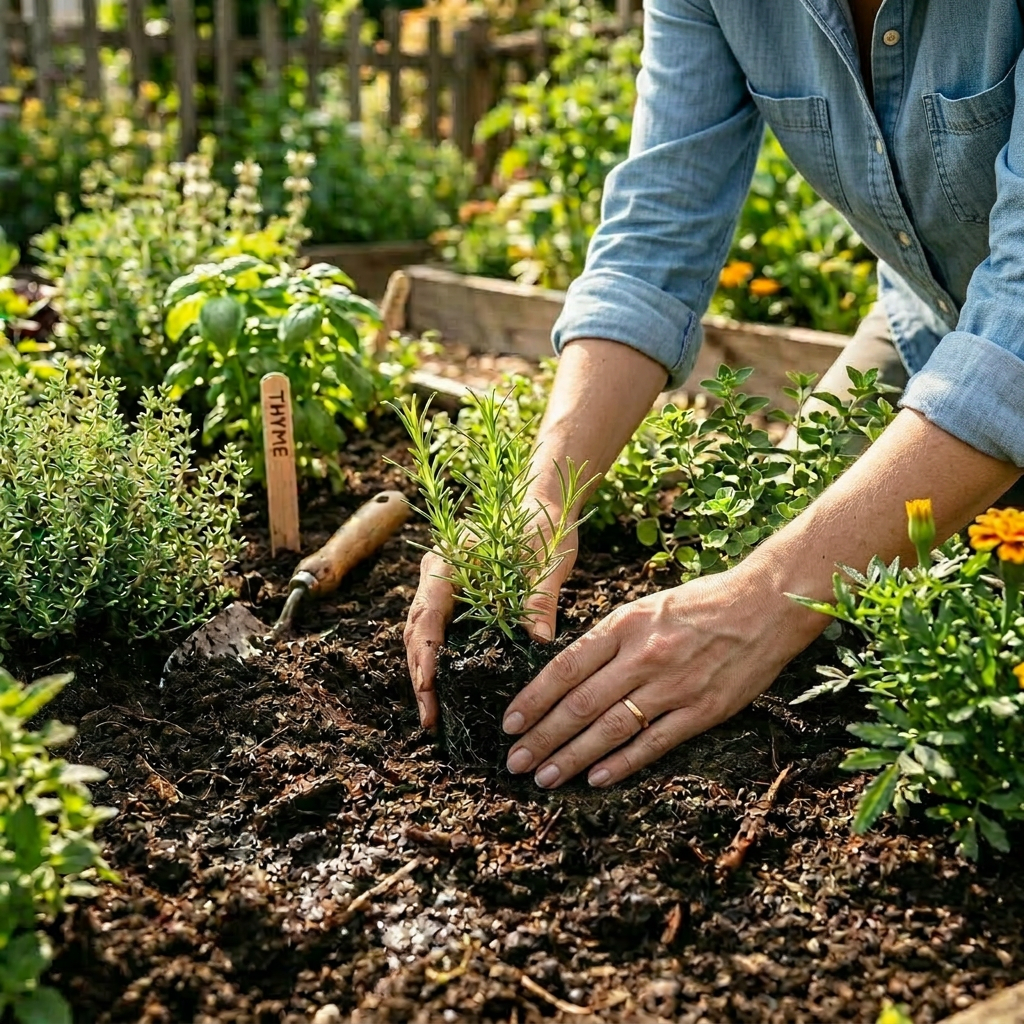
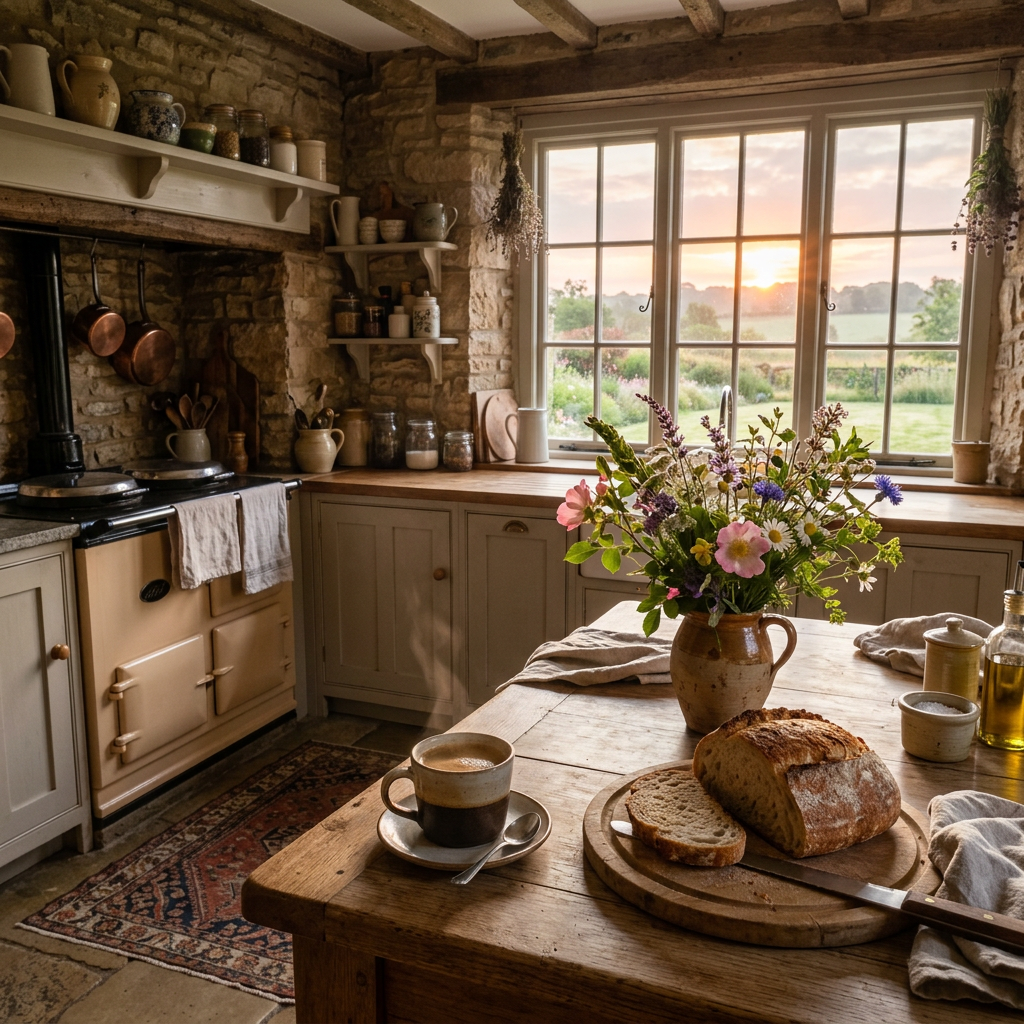
    Fast-forward to right now, and that dream has quietly packed its Louis Vuitton bags and moved to the country. Scroll through any social feed and you can see it: young women in linen dresses, hair in messy braids, grinning beside a Jersey cow or with dirt under their fingernails as they dig into a garden. Their feeds are a montage of raised garden beds bursting with heirloom tomatoes, mason jars of fermenting kombucha lined up like soldiers, and crusty sourdough loaves cooling on reclaimed-wood counters. The caption is always something like, “Trading spreadsheets for soil. Never been happier.”

    The shift is not subtle. It seismic. Girls, like me, who once pinned “NYC apartment goals” on their vision boards are now pinning “homestead layout diagrams” and “how to raise chickens for eggs” What happened? How did the concrete jungle lose its roar?

    The Glamour That Started to Feel Hollow

    The city life we were sold was always half marketing, half myth. Yes, there were the glittering nights—brunch that lasted until 4 p.m., spontaneous gallery openings, the electric thrill of possibility around every corner. And I still do want a lot of that. But there was also the other side: rent that devoured 60% of your paycheck, commutes that threatened murder, and a quiet anxiety that never quite switched off. The city demanded you be on all the time—networking, dating, curating the perfect Instagram life that proved you were thriving. Burnout was not a bug; it was the feature.

    Then came the shitshow of 2020. Lockdowns stripped the city bare. I used to think that I was craving the trad life, because I fell in love/ developed a new mindset. But, in reality, the vibrant energy looked a lot like empty sidewalks and $18 oat-milk lattes delivered by masked strangers. For the first time in decades, young professionals could actually feel the weight of urban living: polluted air, constant noise, zero connection to anything that grew or breathed without a price tag. Remote work cracked the door open. Suddenly you did not need to be in a cubicle in Midtown to pay the bills. The question everyone started asking—quietly at first, then louder—was: Why am I here?

    The answer, for a surprising number of women, was: “I don’t have to be.”

    For someone like me, the city life dream/ the Trump Tower penthouse Pinterest boards screeched to a halt.

    Enter the sourdough starter. Enter the garden. Enter the cow.

    There is something profoundly satisfying about watching yeast do its ancient magic in a jar on your counter. It is slow, it is patient, it is alive in a way that a $14 avocado toast never was. Pulling a carrot from the soil you planted and watered feels like a tiny victory. Gardening is not just growing food; it is growing agency. You become the leader of your little patch of earth. No middleman. No barcode. Just you, the sun, and the satisfaction of biting into a sun-warm tomato still warm from the vine.

    This is not nostalgia for a past that never existed. It is a rebellion against the disposability of modern life. And I absolutely love rebelling! Fast fashion, fast food, fast everything left us starved for something real. Sourdough takes days. Gardens take seasons. Cows demand you show up every single morning, rain or shine. That commitment feels like freedom in a world that sells us endless options but zero roots.

    Social media, for once, is not the villain here—it is the megaphone. Cottagecore aesthetics exploded during the pandemic for a reason. Those dreamy videos of women in linen dresses harvesting lavender are not just escapism; they are blueprints. Influencers with 200-acre homesteads show the beauty, but the comments sections reveal the deeper truth: “I’m so tired of pretending the city fulfills me.” Young women are realizing that the independence they were promised does not have to look like a corner office. It can look like a corner of a picket fence. 

    This is not just about aesthetics. It is about values doing a 180. The feminist script of the late ’90s and 2000s told us career + city + freedom = happiness. Many of us ran that experiment and discovered the equation was missing variables: community that is not transactional, food that does not come in plastic, children who run barefoot instead of dodging human feces on sidewalks.

    Of course, reality check: homesteading is hard. Cows do not care about your feelings when they are sick at 2 a.m. Gardens fail spectacularly in hailstorms. Sourdough can turn into a science experiment gone wrong. Social media does not show the back-breaking work, the isolation when the nearest store is 45 minutes away. The dream is romantic. The reality is often muddy boots and calloused hands.

    Yet the longing persists. Because even if you never fully move to a 10-acre plot, the idea of it heals something. It is permission to slow down. To value skill over status. To measure success by how many jars of preserves line your pantry instead of how many followers like your brunch pics.

    The New American Dream Is not Urban Anymore

    We are watching a quiet exodus. Not everyone is selling their apartment and buying a tractor (though plenty are). Many are doing the hybrid version: suburban plots with chickens in the backyard, balcony gardens that somehow produce enough basil to top your pizzas, weekend farmers market visits that feel like church. The point is not that every woman wants to become Elinore Pruitt Stewart. It is that the cultural current has shifted. The city no longer feels like the only place where life happens. The countryside—once dismissed as boring, backward, or basicnow feels like the final frontier of authenticity.

    So here we are. A generation that was raised on Sex and the City reruns is now trading stilettos for muck boots. We still want adventure, success, and connection. We just want it to smell like fresh hay and warm bread instead of exhaust and ambition.

    The concrete jungle had its moment. It taught us how to hustle, how to dream big, how to stand tall in heels. But now we are learning something gentler: sometimes the biggest flex is knowing how to keep a sourdough starter alive through a winter. Sometimes the most radical act is planting seeds and trusting they will grow.