Tag: walk

  • From Complaint to Gratitude: A Life Transformation

    From Complaint to Gratitude: A Life Transformation

    I roll my eyes so hard it almost hurts, as I (not so secretly) loathe it when people complain. Not the occasional vent after a genuinely brutal day. The habit. The reflex. The way some people turn every inconvenience into a monologue, as if the universe personally owes them cheaper gas, a bigger kitchen, quieter neighbors, and a life that never pinches.

    To me it is one of the most unattractive things a person can do. Not morally unforgivable. Just ugly. It changes the face. It slumps the shoulders. It makes the voice thinner and more entitled at the same time. You can watch someone become less magnetic in real time the second they start listing everything that is “so unfair” and acting like a victim over something that you cannot even control.

    Gas prices too high? Oh no. Whatever are you going to do? Not drive? Walk a little? Combine errands? Sit with the fact that the world does not run on your preferred numbers? I am not saying prices cannot be painful.

    I am a millennial after all. I watched people lose houses, jobs, and the story they had been told about adulthood in 2008. I was handed student debt as if it were a rite of passage. I lived through the surreal, politicized, isolating stretch we still casually call “the pandemic.” I was even priced out of the little boondocks hometown I once assumed would always have a place for me. None of that made complaining noble. It made it tempting. Tempting is not the same as useful.

    Abstract dark storm clouds above a warmly lit house silhouette
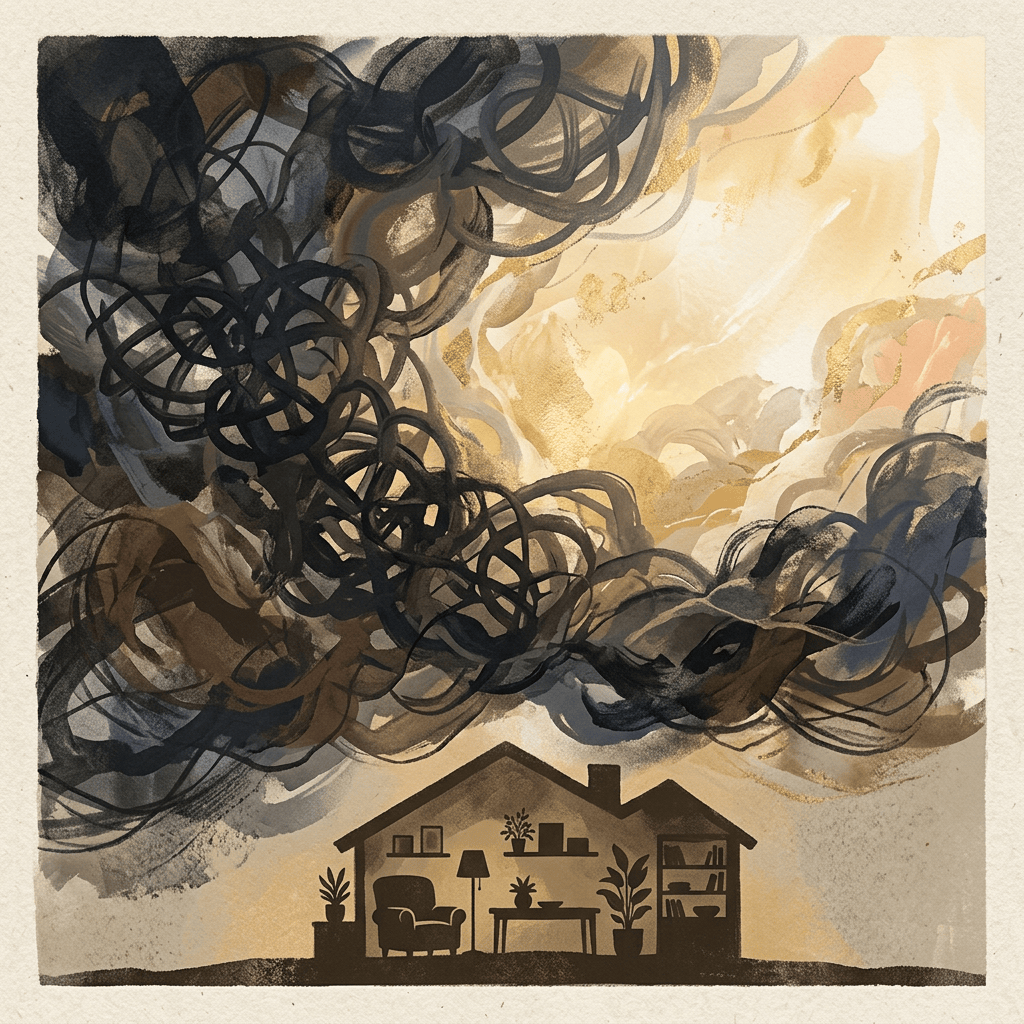
    An abstract storm gathers above a warmly grounded home interior, suggesting emotional refuge and resilience.

    There is also the energetic piece people skip because it sounds soft until you watch it happen in real time. Complaining is not just words. It is a frequency. You glow differently when you live in grievance. The jaw tightens. The eyes scan for the next offense. The body rehearses scarcity.

    Appreciation does the opposite. It does not pretend the apartment is a penthouse. It notices that there is a roof and running water. It does not erase the bill. It refuses to let the bill become the whole identity.

    Yes, your place could be better. The kitchen is small. The landlord is slow. The neighborhood is louder than you wanted. And you still have shelter. Heat. A door that locks. A toilet that flushes. Those are not consolation prizes. For a lot of human history, and for a lot of people alive right now, they are the prize.

    Cozy armchair beside a table with coffee and potted plant
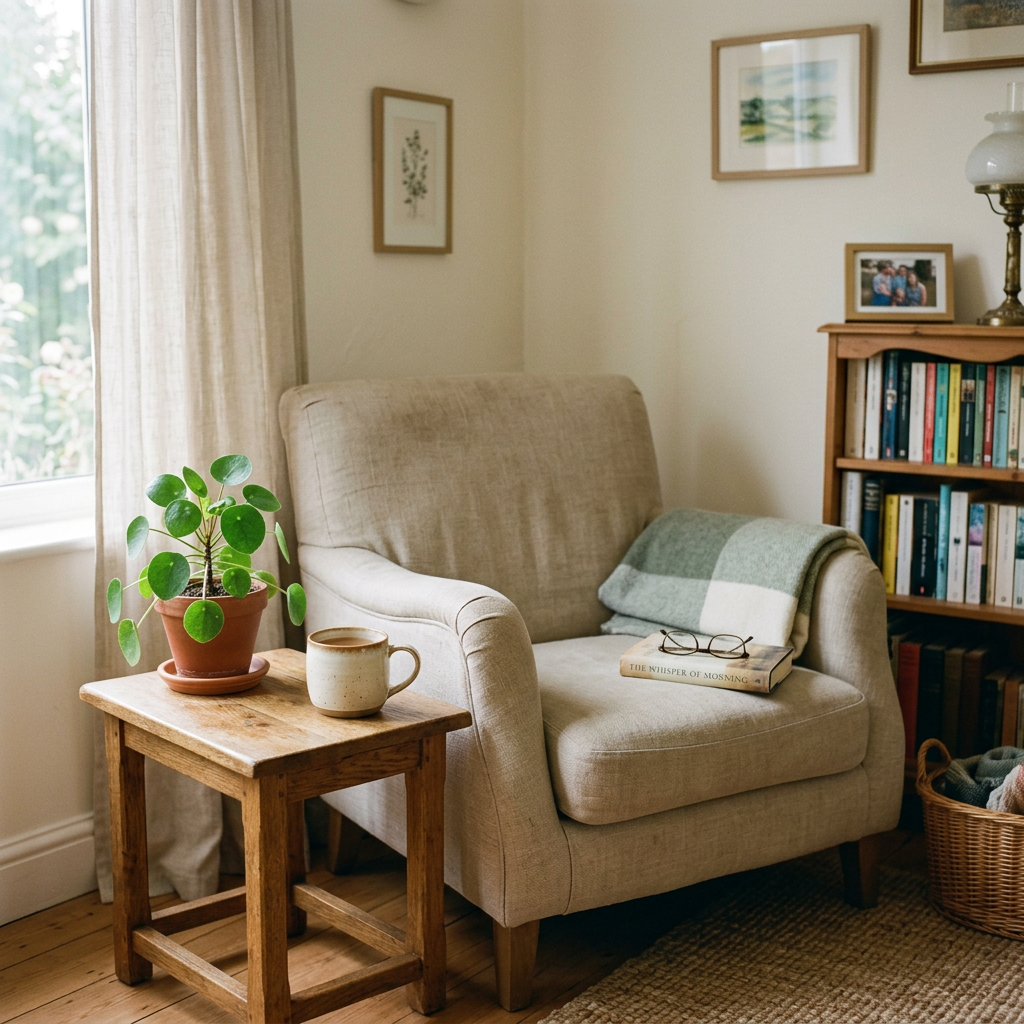
    A sunlit reading nook pairs a cozy armchair with coffee, books, and greenery.

    I say this from a body that does not let me pretend otherwise. I sit here in a wheelchair with one working hand and reteach myself how to use the restroom or reteach myself how to breathe/how to talk. The learning is not poetic— it is slow, humiliating, necessary, and occasionally holy. Occasionally it can feel terrifying. Some days the victory is simply that I did the thing without panicking. Some days the victory is that I did not scream.

    From that seat, a lot of the usual complaints sound like luxury noise. You still get to stand up and walk to the fridge. You still get to drive. You still get two hands that do what you ask. And—this is the part that lands hardest—you at least get to live with the person you love. Same rooms. Same ordinary evenings. The privilege of proximity that people treat as background furniture until it is threatened or gone.

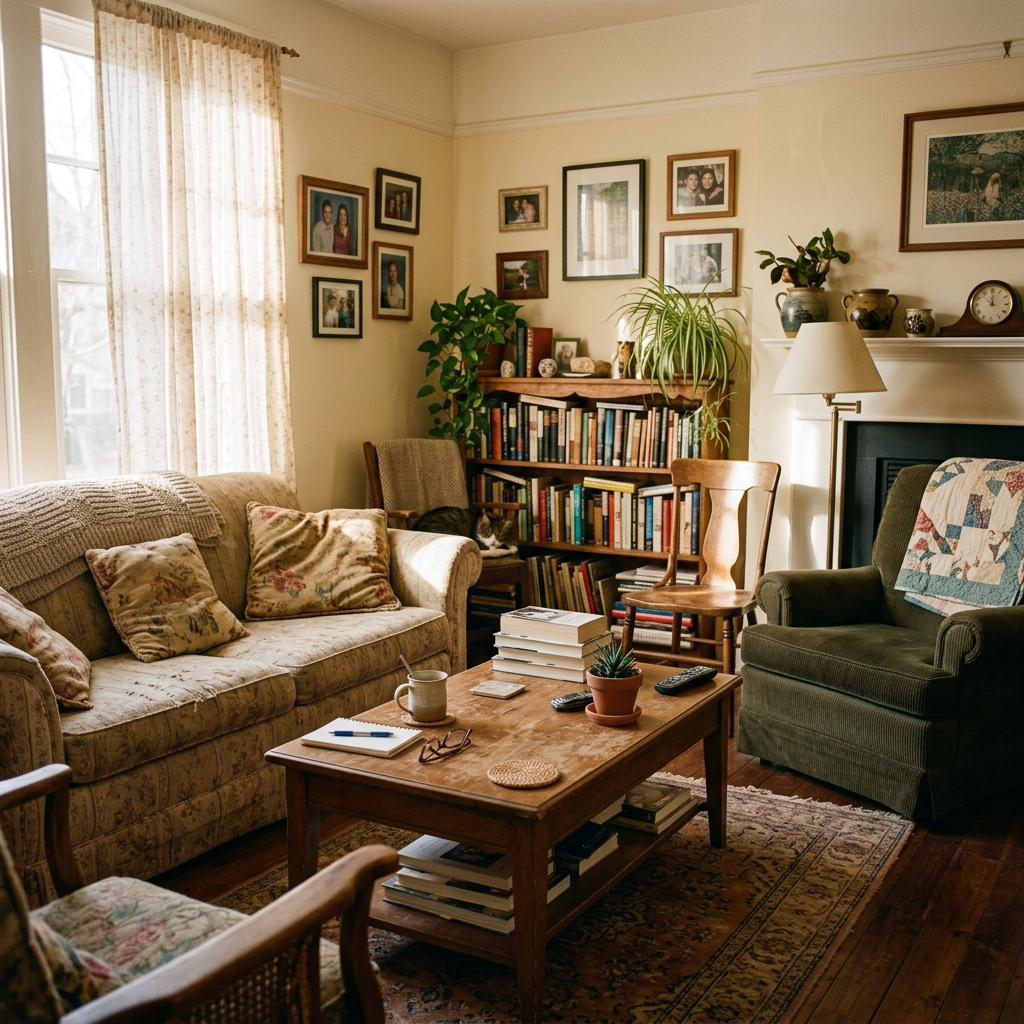
    Sunlit living room with bookshelves, plants, framed photos, and seating
    Sunlight fills this welcoming living room, centered around books, plants, and comfortable seating.

    You get to turn toward your person in the night without asking a body that no longer cooperates. You get to share a joke across a room without calculating air and effort. You get ordinary proximity. Do not waste that on a running commentary about what is missing.

    Gratitude is not denial. It is discipline. It is the decision to name what is still intact before you catalog what is broken. It will not lower gas prices. It will not erase student debt or bring a hometown back within reach. It will change the way you inhabit the life you actually have. And that life, even when it is smaller, stranger, or harder than the one you pictured, is still a life. Treat it like one.

    The performance of outrage has become a social default, and it is exhausting to witness. The same goes for the apartment that “could be better.” Of course it could. Almost everything could. And yet: roof. Walls. Running water. A door that locks. Heat or at least the possibility of it. That is not nothing.

    I am not asking anyone to perform fake cheer or pretend pain is not real. Pain is real. Limits are real. Money stress is real. I am asking for proportion. For a pause before the reflex. For the humility to notice what is already working before you catalog what is missing.

    Appreciation is not denial. It is orientation. It is choosing, again and again, to look at the roof before you curse the square footage. It is remembering that a working body, a shared home, a person who comes back to you at night—these are not small things. They are the whole plot for a lot of us.

    So yes. I will keep rolling my eyes at the soundtrack of complaint. And I will keep trying, from this smaller, harder life, to glow like someone who still knows how lucky some of the unglamorous parts actually are.

  • I Cannot Erase Any Part of My Life

    I Cannot Erase Any Part of My Life

    If you could erase one event from your history, what would it be?

    There are days when the weight of everything I have lived through presses so heavily on my chest that the temptation to rewrite history feels almost unbearable. I catch myself wondering what it would be like to go back—to delete the chapters filled with pain, the choices I regret, the nights I barely survived. Yet every time that thought surfaces, I stop myself cold. I cannot erase any part of my life. Because if I did, I would not have met him. The love of my life.

    It is a strange and beautiful paradox, is it not? The very path that brought me to my lowest points is the same one that led me straight into his arms. Every wrong turn, every heartbreak, every season of darkness carved the version of me that was ready to recognize him when he appeared. Had I skipped the struggle, I might never have developed the depth, the resilience, or the quiet hunger for real connection that allowed me to see him—and to be seen by him in return.

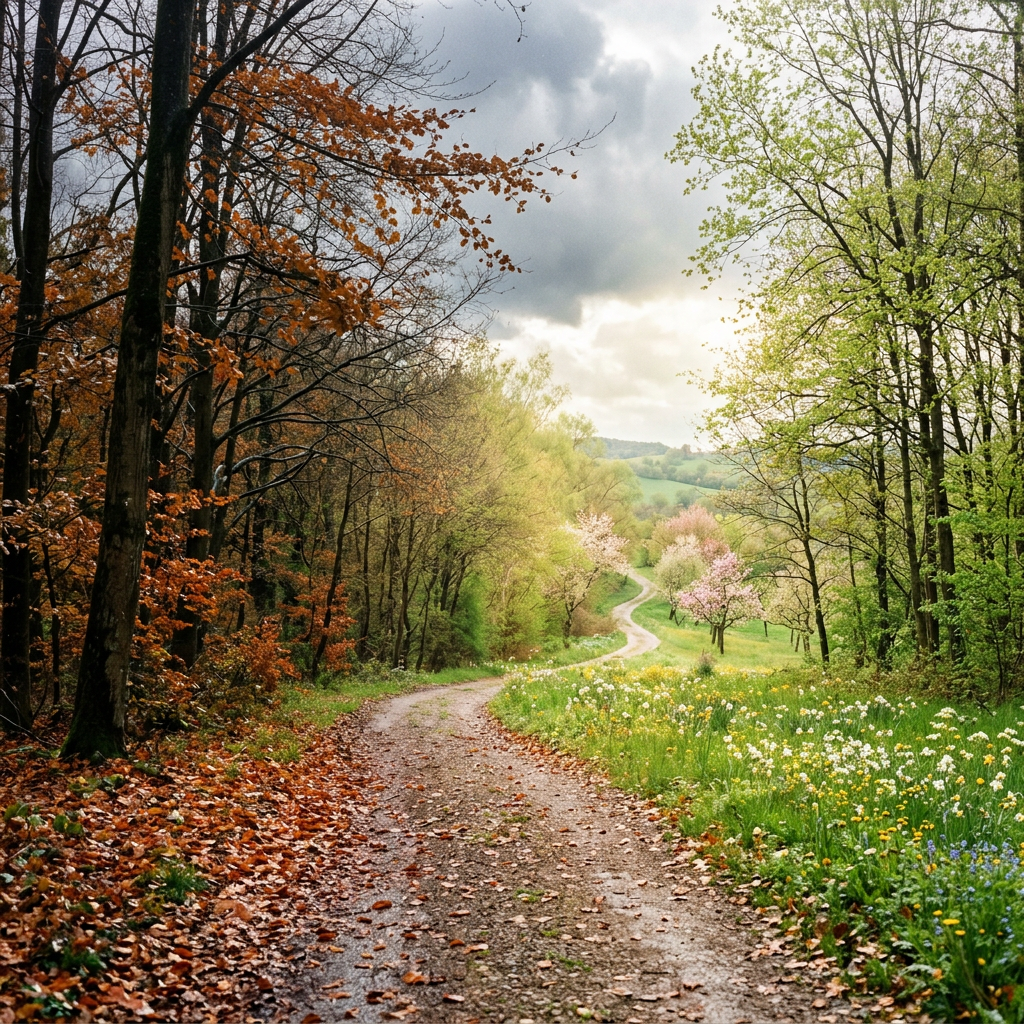
    Winding path through woodland with autumn leaves, spring flowers, and distant green hills
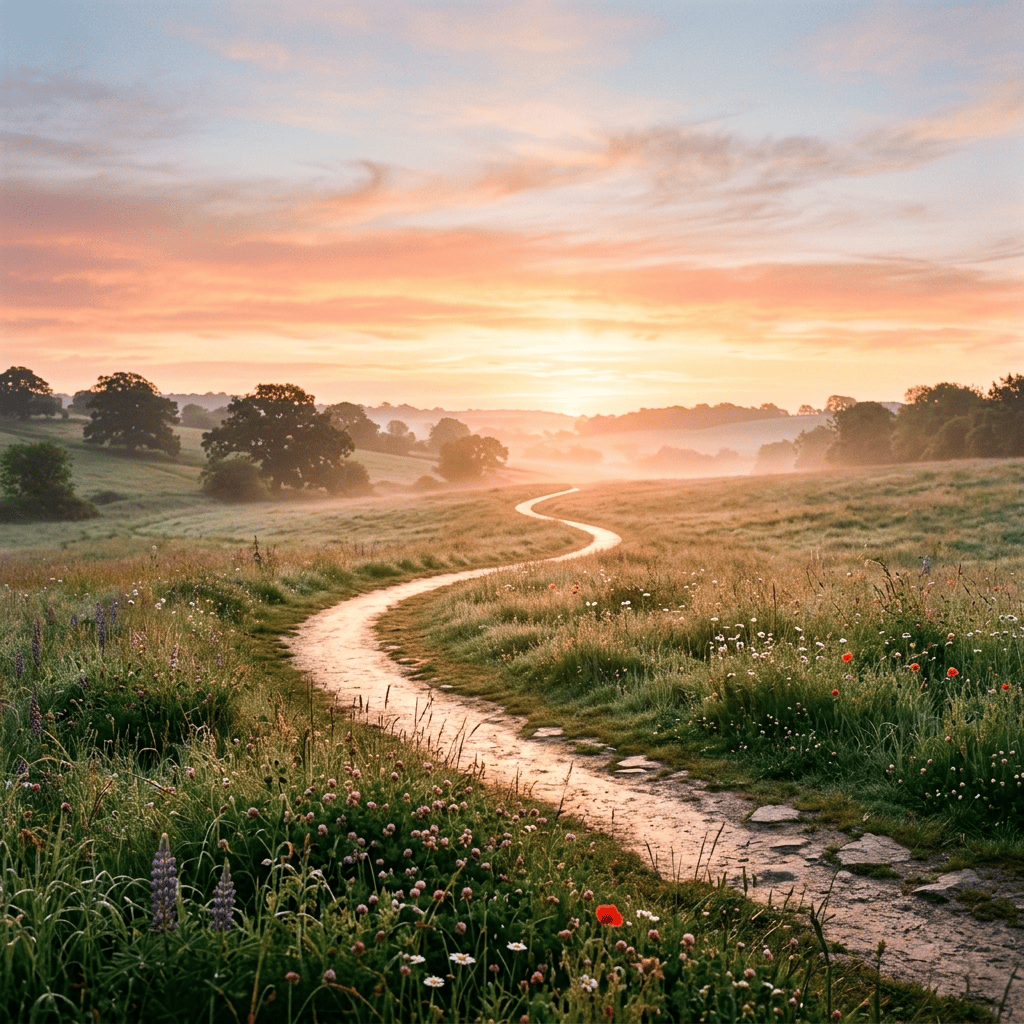
    A winding woodland path leads through autumn leaves and spring wildflowers toward sunlit hills.

    I know I am not where I need to be in life. My recovery is still a work in progress, messy and nonlinear. Some mornings I wake up feeling strong, only to find myself slipping by afternoon. There are still triggers I have not fully disarmed, still patterns I catch myself repeating, still days when the old version of me tries to reclaim the driver’s seat. Progress is not a straight line; it is a spiral. I revisit the same lessons at higher altitudes, learning them more gently each time. And while I can acknowledge that I am not yet the healed, steady person I aspire to become, I also know this truth with absolute clarity: I would not trade a single moment of the journey that brought me here.

    Because “here” includes him. Even if he is not physically here.

    He did not arrive after I had everything figured out. He showed up in the middle of the unfinished story. He has seen the raw edges of my recovery—the days I struggle, the moments when old “wounds” reopen without warning, the quiet battles I still fight behind a brave face. And somehow, instead of turning away, he stays He stays even though no one wants this. To be a part of this.. Yet, he holds space for the parts of me that are still healing. In his presence I feel both completely known and completely safe, a rare combination I never believed I would find.

    Looking back, I can trace the invisible thread that connects every hardship to this love. The loneliness that came with my disability taught me how to cherish companionship. The heartbreak (that I received from my own family) taught me what I would never again settle for. The rock bottom taught me that I am worth fighting for—and that lesson made me capable of receiving the kind of love that does not demand perfection, only honesty. If I had erased the pain, I would have erased the soil in which this relationship took root.

    So I choose, again and again, to keep the whole story. The beautiful and the broken. The triumphs and the near-misses. The version of me who fell is the same version who eventually looked up and found him standing there. I may still be climbing toward the place I need to be in my recovery, but I carry no desire to rewrite the map that led me to this love.

    I cannot erase any part of my life.
    And more than that—I no longer want to, despite the fact that I still get frustrated and incredibly sad/ angry (I just do my best to be positive about it).

  • Overcoming Fear: The Psychology of Walking Again

    Overcoming Fear: The Psychology of Walking Again

    I think at this point I know how to walk.
    I can. Mechanically, neurologically, structurally—I can. The circuitry is there. The muscles fire. The joints articulate. The proprioceptors still report in. I have proven it enough times under controlled conditions that the evidence is no longer debatable. I just don’t. Not when it counts. Not when the room empties and the only person left holding the responsibility for my body is me.

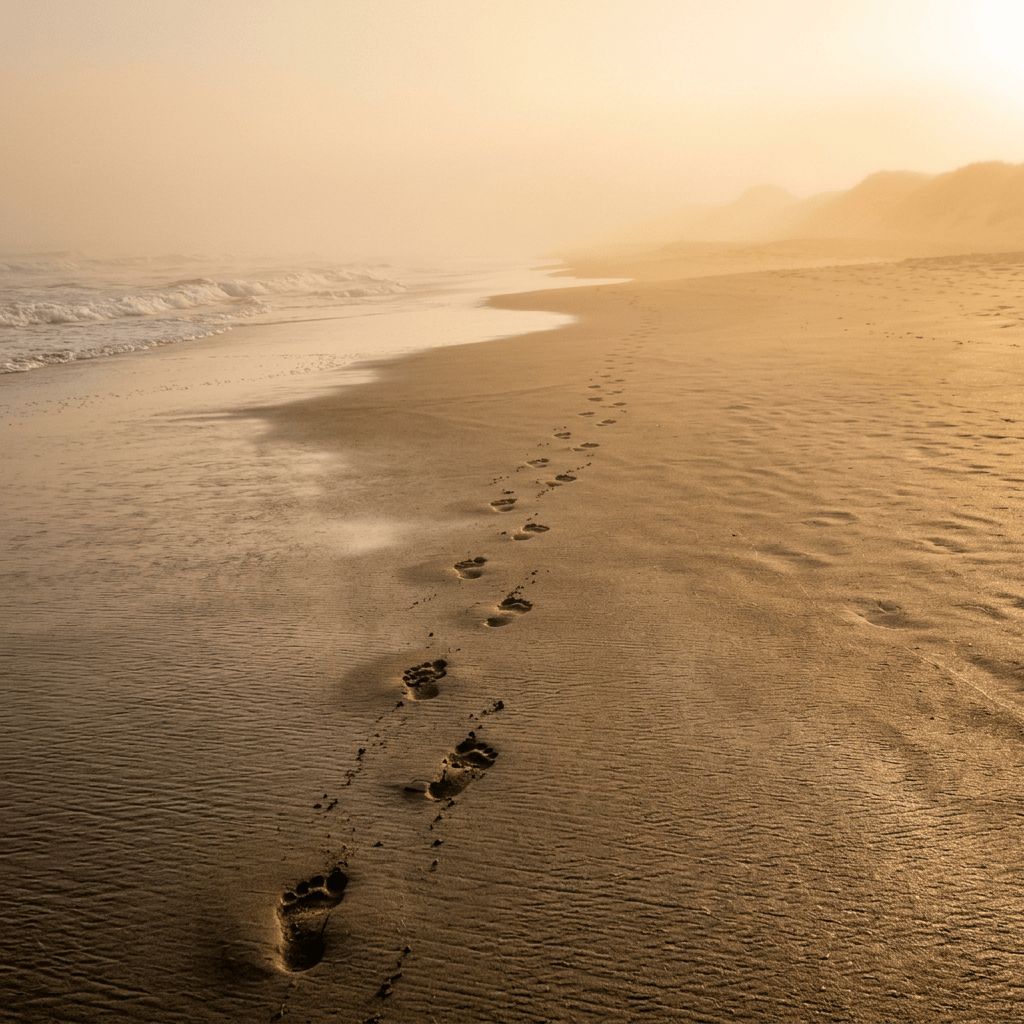
    Footprints in sand along a misty beach with gentle waves nearby
    Footprints trail along a quiet, misty shoreline at dawn

    The only time the machinery truly fails—when my legs turn to wet rope, when the floor starts pitching like a boat deck, when my ankles decide they no longer trust the ground—is when fear arrives. Not the polite, manageable kind of fear. The full-body, ancient, animal kind. The kind that floods the nervous system with so much chemical static that every signal coming up from my feet gets scrambled on the way to the brain. Balance does not disappear because the hardware is broken. Balance disappears because the software has decided the body is under lethal threat and starts aborting non-essential processes. Walking, apparently, is non-essential when the mind has already decided you are about to die.

    Ultimately, my recovery is almost entirely psychological now. The physical work is largely done. What is left is the terror of being alone with a body that once betrayed me and might—according to the most primitive parts of my brain—betray me again at any second.

    Abstract colorful human figure walking with multiple overlapping silhouettes showing motion
    A colorful abstract illustration depicting a human figure in fluid motion.

    When I am with my physical therapist, something almost arrogant wakes up in me. A cold, sharp confidence. Sometimes it edges into cockiness. I know he has a hand near my gait belt clipped around my waist. That single point of contact is enough. It is not even that I need the physical support—most of the time he never has to catch me. It is the knowledge that the safety net exists. In that narrow window of external reassurance, I can walk. Long distances. Steady. Controlled. Almost normal. My stride lengthens. I can even get a little reckless with it, testing edges, turning faster than I should, because some part of me is performing. Showing off. Proving a point to both of us.

    Silhouette of a running person enveloped in fiery flames and dynamic energy streaks
    An abstract figure bursts forward surrounded by flames and energy trails.

    Then I am alone.

    The door closes. The professional competence leaves the room. And the fear that was waiting in the house walks in and takes the controls. Suddenly the same legs that just carried me fifty meters without drama start trembling like they are made of paper. My ankles soften and roll without warning. The ground tilts. My center of gravity becomes a rumor. I throw all caution to the wind not because I am brave, but because the alternative—moving carefully, deliberately, with awareness—feels even more dangerous. Carefulness requires trust. And trust is exactly what fear has already revoked.

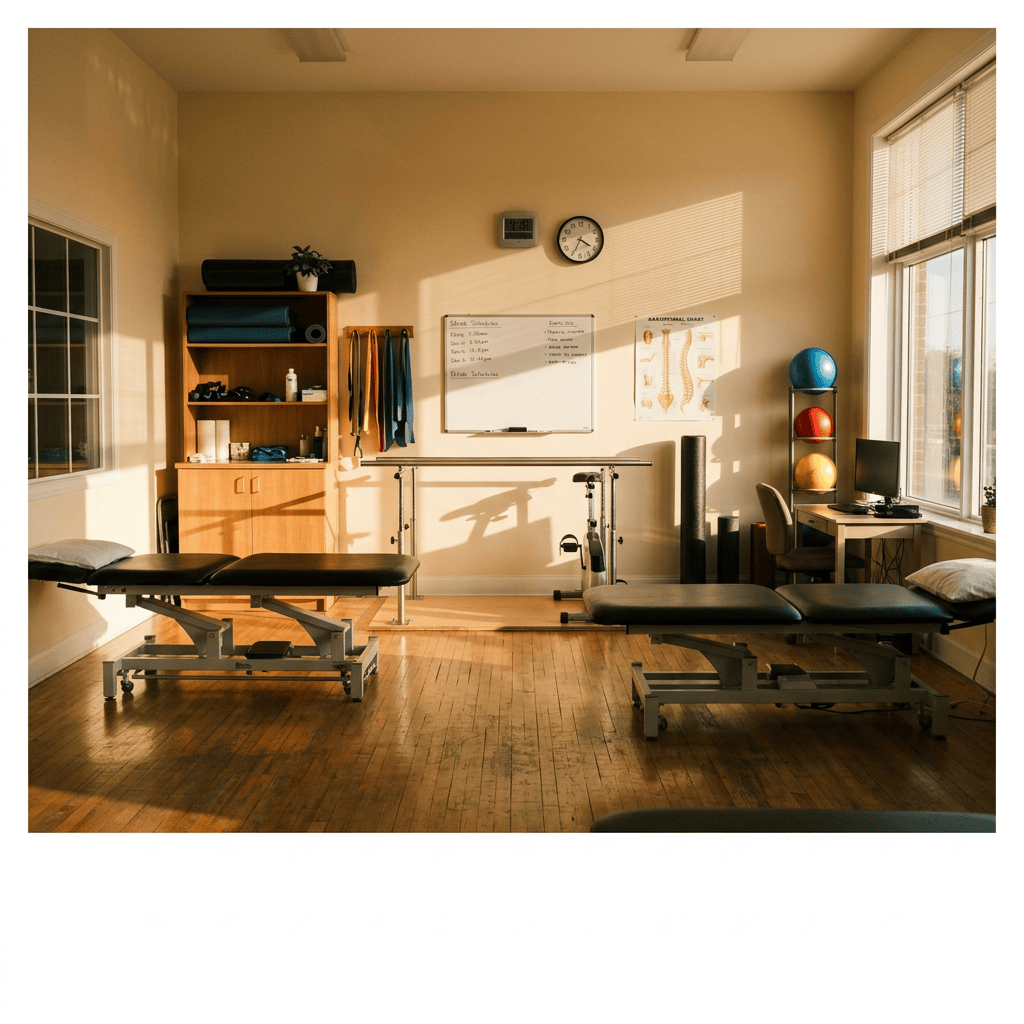
    Physical therapy room with two treatment tables, exercise bands, stability balls, and anatomical charts
    A bright physical therapy room with treatment tables and exercise equipment bathed in warm sunlight.

    So I lurch. I overcorrect. I plant my feet too hard or too soft. I start shaking, and the shaking makes the ankle turn, and the turned ankle makes the leg weaker, and the weakness feeds the fear, and the fear deepens the shaking. It is a closed loop, elegant in its cruelty. The body is not failing because it is incapable. It is failing because the mind has already written the ending and is simply forcing the body to act it out.

    I know how to walk.


    I just do not know how to walk while terrified of what walking might cost me.

  • Curating My X Feed: Choosing Positivity, Personal Beliefs, and the Lifestyle I Crave

    In a world overflowing with noise, division, and endless hot takes, I made a deliberate choice to shape my X (formerly Twitter) experience around what truly matters to me. My entire account is now intentionally curated to reflect my personal beliefs and, above all, to center positivity.

    Smartphone held in hands showing time 07:18 and text Calm & Connected against fiery and smoky background
    A smartphone displaying ‘Calm & Connected’ held amid swirling fire and smoke effects

    I want my feed to uplift, inspire, and align with the kind of life I am actively building—one rooted in growth, joy, healing, and possibility. That does not mean I live in a bubble or ignore reality. It simply means I am protective of my mental and emotional space.

    Yes, I do follow a handful of accounts that could be described as strong Trump supporters—people who sometimes come across as riding the “Trump can do no wrong” wave. I am fully aware of the echo-chamber risk there. I approach them with the same healthy skepticism I apply to sports accounts, news outlets, or any single-source content. I do not take everything at face value, and I cross-reference when something feels off.

    I am not on X primarily for political analysis or to debate policy. I am there to be inundated with feel-good positivity and reminders of the lifestyle I crave—wellness, personal development, meaningful connections, beauty, humor, and inspiration. Those accounts, even with their strong biases, often deliver bursts of optimism, patriotism, or motivational energy that resonate with the uplifting vibe I want more of.

    At the end of the day, social media should serve you—not drain you, enrage you, or pull you into endless negativity loops. I have unfollowed, muted, and blocked enough accounts to create a space that feels like a warm, intentional garden rather than a battlefield.

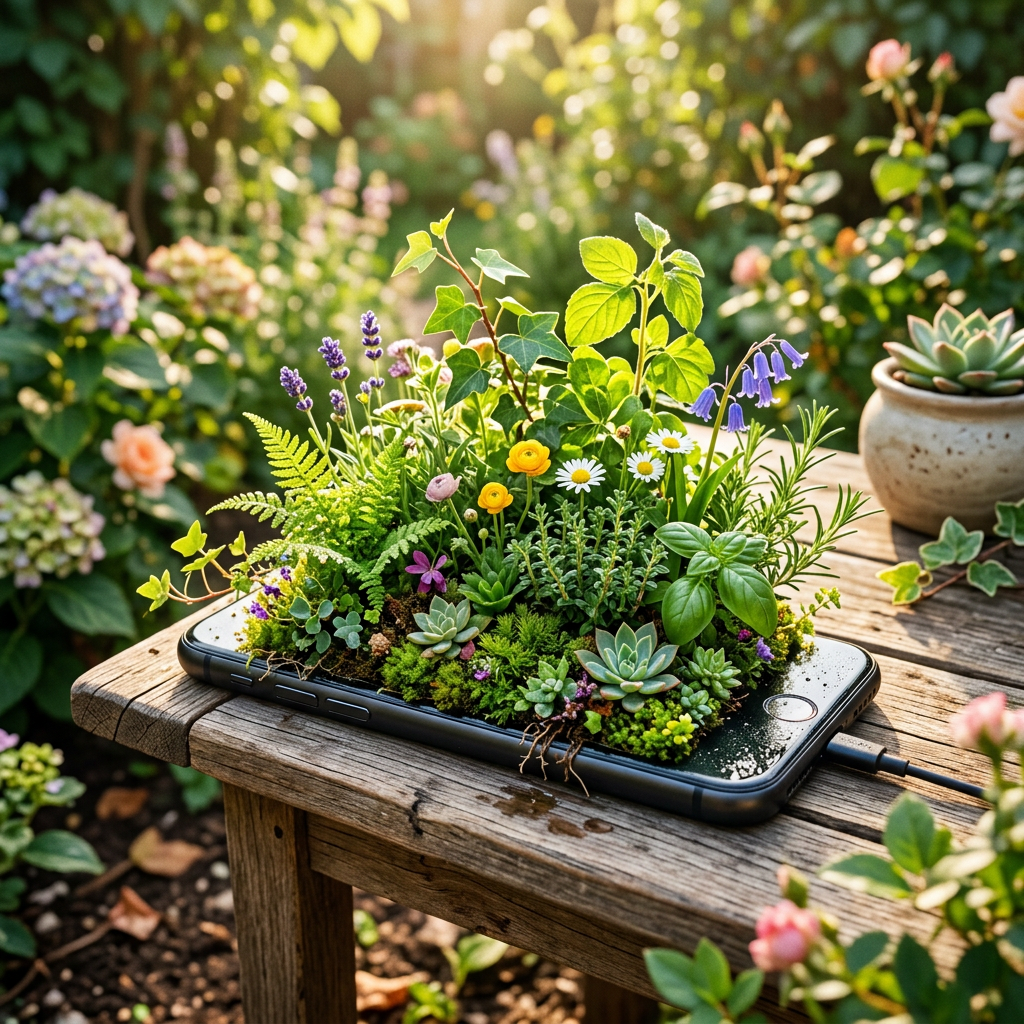
    Smartphone with an assortment of blooming flowers, greenery, and succulents growing on its screen
    A smartphone displaying a vibrant mix of blooming garden plants and succulents

    My feed is not perfect, and it is not meant to be a complete reflection of the world. It is a reflection of the world I am choosing to create for myself. One post, one follow, and one boundary at a time.

    Some of my favorite social media follows are:

    Smartphone screen showing abstract swirling dark and golden light pattern
    A hand holding a smartphone displaying an abstract swirling light pattern
    •  @PeytonElroy : a wellness and spiritual healing-focused account with over 61,000 followers. Setting a consistent tone of optimism, empowerment, and alternative health perspectives, Peyton posts a mix of personal stories (especially her father’s recent stage 4 colon cancer “healing” journey). and practical health tips (e.g., hibiscus tea for inflammation, dates for heart rhythm stabilization via potassium, broccoli sprouts, blueberries, soursop). I particularly love the spiritual/energy concepts (auras, emotional states influencing physical health, colors affecting energy, the idea that everyone is inherently “spiritual”) and relationship/life advice (e.g., how to stand out when approaching beautiful women by complimenting non-physical traits).The tone is warm, encouraging, and emoji-heavy (lots of hearts, flowers, and green tones). Posts often include disclaimers like “I’m not claiming this cures cancer alone” while sharing strong opinions and anecdotes. Recent content has leaned heavily into cancer discussions—viewing it as inflammation, potentially linked to parasites or trauma, with emphasis on mindset, diet, and natural compounds rather than fear-based conventional narratives (my own personal belief). 
    • @mtnhousewife (Mountain Housewife🏠) is a Christian homemaking and traditional marriage account run by a 41-year-old wife, mother, grandmother (“mimi”), and homemaker.  Her posts promote biblical womanhood, wifely submission, contentment, and practical homemaking. Key themes include: Covenant marriage — Long-term harmony through scriptural roles (e.g., she highlights 42 years of marriage with “no conflict” due to submission as taught in scripture), Christian living — Bible study reflections (e.g., Philippians on contentment), faith encouragement, and church life, Homemaking — Simple recipes and tips (e.g., okra dishes, pimiento cheese). The tone is gentle, grateful, and encouraging, aimed at women seeking traditional roles. She emphasizes joy in submission, building a happy home, and living out a wife’s calling according to Christian principles. Content mixes personal testimony, scripture, practical advice, and light community interaction.
    • Maneesha (@ManeeshaSem) is a popular writer, content creator, and self-described “moonbathing apsarā” (celestial nymph) on X, with over 71,000 followers. @maneeshasem has built a significant following through poetic, feminine, and spiritually infused posts that emphasize beauty, serenity, nervous system regulation, self-love, and creating “paradise on Earth.” Her content blends mysticism, aesthetics, wellness, and gentle life philosophy, often evoking softness, harmony, and divine femininity. She frequently shares visions of serene villas, lush nature, silk robes, self-care rituals (e.g., affirmations, chocolate-covered strawberries, vanilla chai), intentional beauty, and protective auras created by harmonious environments. @maneeshasem posts focus on holding calm energy, avoiding urgency/dysregulation, beauty as spiritual protection, and aligning with cosmic/natural rhythms. 
    • @wolffdew (The Cooking Lady) is a Danish 22-year-old homemaker and from-scratch cooking content creator on X.She shares homemade recipes, cooking videos/processes, meal ideas, and everyday kitchen content with a warm, enthusiastic style. Posts often feature scratch cooking, traditional or comforting dishes, and personal touches as a young married woman. She promotes her two digital cookbooks directly in her bio. The account appeals to fans of simple, authentic home cooking, Scandinavian influences, and lifestyle content from a Gen Z homemaker perspective. It’s positive, food-focused, and interactive, with frequent replies to followers.
    • @amandaperera (Cleopatra 🪷 ✞) is a faith-centered self-improvement and relationship advice account on X with a strong emphasis on personal growth, emotional intelligence, and Christian values. The account mixes inspirational quotes, relationship insights, personal reflections, and calls to subscribe to her newsletter or book 1:1 sessions. It appeals to audiences interested in faith-based personal development, neuroscience-informed emotional health, and mature views on love and identity. Content is positive, relational, and growth-oriented rather than purely dating-strategy focused.This account is warm, empowering, and reflective. Posts often explore:
      • Healthy relationships and love dynamics (e.g., references to Yellowstone’s Rip and Beth as an ideal of a strong man supporting a fiery, intelligent woman; the importance of entering relationships as a “whole” person rather than seeking fulfillment from a partner). 
      • Self-acceptance, authenticity, and resilience (e.g., disagreement as a sign of staying true to yourself; embracing your “weird” side).
      • Faith-first mindset (“Jesus first always”), emotional wholeness, and devotional partnership.al advice, and light community interaction.
    •  @TrinaNuance (Trina Nuance || The Fractional Muse 🌿🌞🌊) is slightly different than my other follows. She is thoughtful writer, coach, and strategist with a philosophical, introspective style focused on personal growth, mindset, entrepreneurship, and human behavior. Trina shares long-form reflections, threads, and insights on: Self-awareness & transformation — Dark night of the soul, breaking self-sabotaging cycles, shifting from external to internal locus of control, and authoring new self-fulfilling prophecies., Parasocial relationships, narrative-building, perception biases, and cultural shifts (e.g., craving analog experiences like handwritten letters).  Her tone is wise, empathetic, and nuanced — often weaving personal experience, client stories, and cultural observations. She positions herself as a bridge between worlds (e.g., founders building in the dark, inner work vs. business goals) with a creative, almost poetic voice. Content resonates with introspective entrepreneurs, creators, and those on personal development journeys. It is more reflective/strategic than purely motivational or tactical.
    • And my kooky health beliefs lead me to accounts like @AlpacaAurelius (Carnivore Aurelius ©🥩 ☀️🦙) a highly popular health, wellness, and lifestyle influencer on X known for promoting carnivore/ancestral diets, natural living, and anti-modern-food messaging.He posts short, punchy advice, memes, book recommendations, and visual comparisons that criticize processed/seed-oil-heavy foods while praising meat, sunlight, walking, and traditional lifestyles. Common themes include: Diet & Nutrition — Strong advocacy for carnivore or nose-to-tail eating, local/farm-fresh produce over industrial options (e.g., local farm strawberries vs. Driscolls), and warnings against “the shit” in modern foods, Lifestyle — Sunlight, movement (walking), positive mindset, and simple joys (e.g., Spain’s longevity linked to meat, olive oil, wine, and activity), Mindset & Philosophy — Anti-worry messages, book lists blending spirituality (Tao Te Ching, Untethered Soul) with self-development and ancestral health (e.g., Nutrition and Physical Degeneration).  The tone is motivational, meme-friendly, contrarian, and humorous, often with a Stoic/Aurelius-inspired flair mixed with bro-science and wellness maximalism. He sells or promotes related products like clean collagen and coffee.
  • Celebrating Life After a Stroke: My Other “Birthday”

    Celebrating Life After a Stroke: My Other “Birthday”

    Today marks a day unlike any other in my calendar. It is my anniversary—not the kind with candlelit dinners and whispered sweet nothings (though we do plenty of that too)—but my second birthday. The day I chose, or rather, was given the chance to keep on living. This year, it is the sixteenth anniversary of the stroke that rewrote my entire story.

    I still remember the moment with a clarity that surprises me. It was an ordinary evening, the kind where plans feel light and full of promise. I was supposed to go out to sushi with my girlfriends. Instead, I found myself clutching my phone, heart hammering, as an alarm louder than any fire siren screamed inside my skull. I called my parents first, my voice cracking with panic. “Something’s wrong,” I gasped. “It’s so loud in my head.” Then I fired off a quick text to the girls: Sorry, I can’t make it tonight. Not feeling well. I hit send, set the phone down, and the world went black.

    I did not wake up for the next two weeks.

    Those fourteen days were a blur I only know through other people’s stories—my parents’ exhausted faces at my bedside, the beeps of machines, having to be resuscitated back to life, the slow crawl back to consciousness. When I finally opened my eyes, everything had changed. My body felt foreign. (I thought it was a dream that I could wake up from, for another few weeks). My mind had to relearn basic things. The recovery stretched on for years: physical therapy, speech exercises, the quiet frustration of realizing my old life had slipped away while I slept.

    Dirt trail through forest opening to sunlit meadow with trees and grass
    A winding dirt path leads from a shaded forest into a sunny, open meadow.

    The friends I texted that night? We drifted. Life has a way of pruning relationships that no longer fit the new version of you, and that is okay. I do not shoot off last-minute texts to that crew anymore. I just built a quieter, deeper connection since then.

    But here is what I have learned after sixteen years: this day is not about mourning what was lost. It is about throwing the biggest, brightest celebration for what was gained.

    Every year on this date, my boyfriend turns home into a sanctuary of joy. There are gifts—thoughtful ones that make me laugh and tear up in equal measure. He knows this day is sacred. Eventually we will sit together, most likely with coffee in hand or a special dinner on the table, and marvel at how perfectly the stars aligned in the aftermath of my darkest moment.

    Person walking on beach near calm ocean at sunset
    A couple walks along the beach during a peaceful sunset.

    If that stroke had never happened, I would not have needed to switch to online school to finish my degree on my own timeline. I would not have taken that Communications class where the professor required us to create a Twitter account for the semester. That account—meant to be a temporary school project—became the bridge that carried me straight to him.

    I was deep in my Boston sports and controversial era back then, posting passionately about teams I had only ever watched on TV and opinions that I was no longer afraid to share. Admittedly I became kind of “bitchy.” I had never set foot in the city, but my feed was full of red, blue and silver, stats, and unfiltered excitement. He noticed. I messaged. What started as playful banter about games and rivalries slowly unfolded into something real, something lasting.

    At the same time, I was quietly reinventing myself. The long recovery gave me time to reflect on what kind of woman I wanted to be. I studied the art of keeping a home—not out of obligation, but out of love. I learned to create peaceful spaces, to put the man I loved at the center of my efforts without losing myself. I trained myself in patience, in thoughtfulness, in the small daily acts that say “you matter” louder than any grand gesture. And somehow, in doing so, I became exactly the person capable of attracting and holding onto a love like his.

    We talk about it often—how my greatest trial became the unlikely matchmaker for our story. Without that terrifying night, without my ultimate bitter and bitchy heart, without the years of healing, without the pivot to online classes and that single Twitter assignment, our paths might never have crossed. I would not be here, in this beautiful life, celebrating sixteen years of survival and counting.

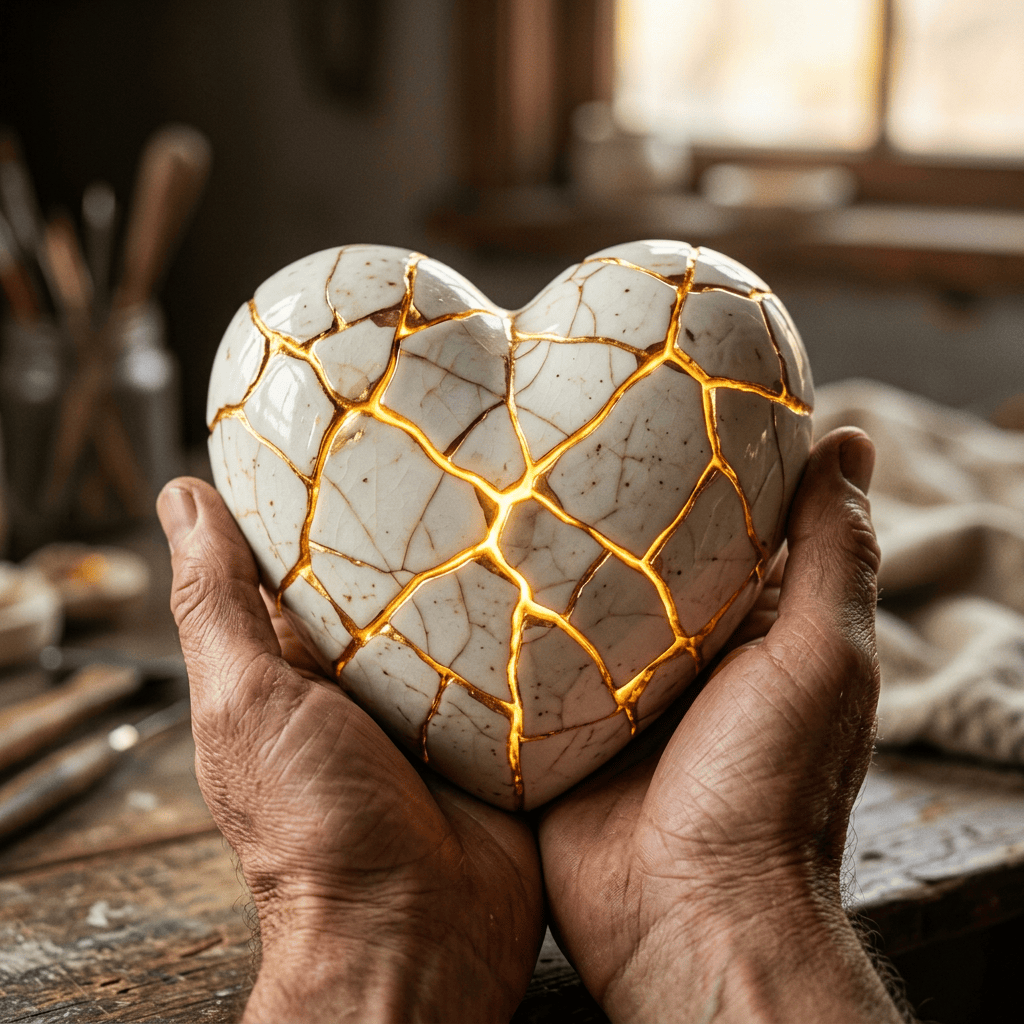
    Heart-shaped ceramic cracked and repaired with glowing gold seams held in hands
    A heart-shaped ceramic piece repaired with glowing gold cracks held carefully in hands

    Before I met him, I was constantly reminded that I was not good enough (hence the bitchy-ness)… Now I am all about loving and celebrating!

    So today, I choose gratitude. I choose celebration. I choose to look at the scar tissue—both visible and invisible—and see it as proof of resilience. Life does not always give us the path we planned, but sometimes it hands us a detour that leads to something far sweeter than we could have imagined.

    Relearning how to walk (2010)

    Cheers to second birthdays. Here is to surviving. And here is to the love that makes every extra day feel like the greatest gift.

  • The Ripple Effect: More of What You Love

    The Ripple Effect: More of What You Love

    It is easy to overlook the quiet “miracles” that surround us every single day. Yet one of the most profound truths about human fulfillment—and about creating even more goodness in our lives—is this: It is vital to be thankful for everything that is good in your life.

    Gratitude has become an overused buzzword. Gratitude is not just a polite “thank you” or a fleeting warm feeling. It is a deliberate, heart-centered practice that shifts your entire energy, perspective, and ultimately, your reality. We all know, on some level, that we should not take the basics for granted. Running water that flows clean and hot at the turn of a tap. Reliable heating that keeps your home cozy when winter bites (this is uber important to my constantly freezing body!). A solid roof overhead that shields you from rain, wind, and the elements. Yet for many of us, these “luxuries” become background noise.

    The same goes for the people in our lives. Friends and family. My family—especially—have shown up, even imperfectly. I am beyond grateful that I was not tossed out when I became needy and helpless. Typically, we appreciate them in moments of crisis or celebration, but how often do we pause in ordinary moments to truly feel the gift of our family’s presence?

    Here is where the magic happens. Casual appreciation is nice, but to bring about more in our lives, we need to feel truly grateful for everything and everyone—not just the obvious blessings, but the small, the mundane, and even the challenging things that shape us.

    Think about it. When you wake up and genuinely feel thankful for the bed that held you through the night, the air filling your lungs, the sunlight (or even the rain) outside your window, something inside you softens and expands. Your nervous system calms. Your mind clears. Opportunities that once hid in plain sight suddenly become visible. Psychologists call this the “broaden-and-build” theory: positive emotions like gratitude widen our awareness and help us build resources—relationships, skills, resilience—for the future.

    On a more spiritual or energetic level, many traditions and modern manifestation teachings emphasize that what you appreciate appreciates. Gratitude acts like a magnet. When you radiate sincere thanks for what you already have, you signal to the universe that you are a good steward of blessings. You are ready for more. Contrast this with the scarcity mindset: constant wanting, complaining, or comparing. That energy tends to keep us stuck exactly where we are, focused on lack.

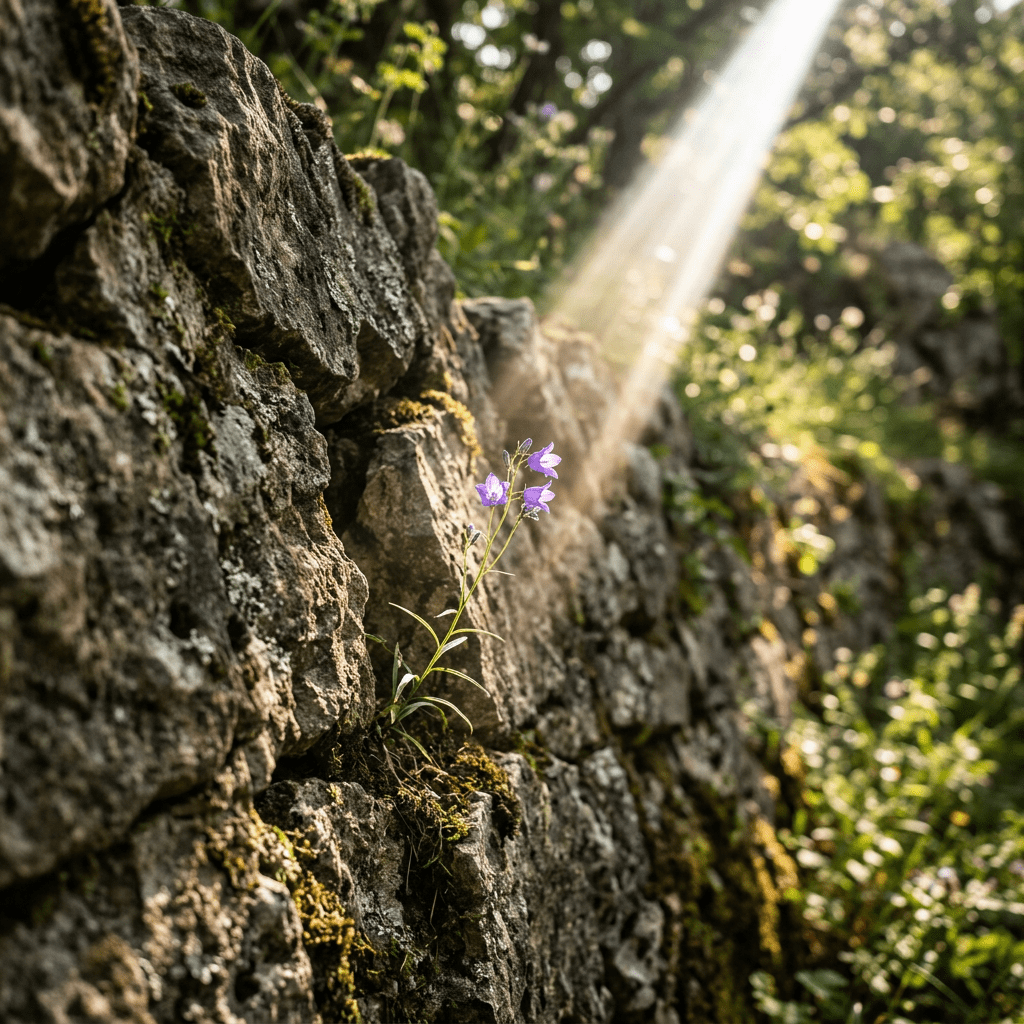
    Purple wildflower growing out of a crevice in a moss-covered stone wall with sunbeam
    A delicate purple wildflower blooms from a crack in a mossy stone wall illuminated by sunlight

    Even in hardship, gratitude works its alchemy. Being grateful for the quiet strength you discover in loss is something that I had to discover. These are not toxic positivity exercises—they are honest acknowledgments that every experience contains seeds of growth.

    Turning gratitude into a life-changing habit does not require hours of your day. Ask, “What is this situation trying to teach me?” Then thank it in advance for the wisdom or strength it will bring.Bookend your day with gratitude. Start with thanks for the day ahead and end with thanks for what unfolded.

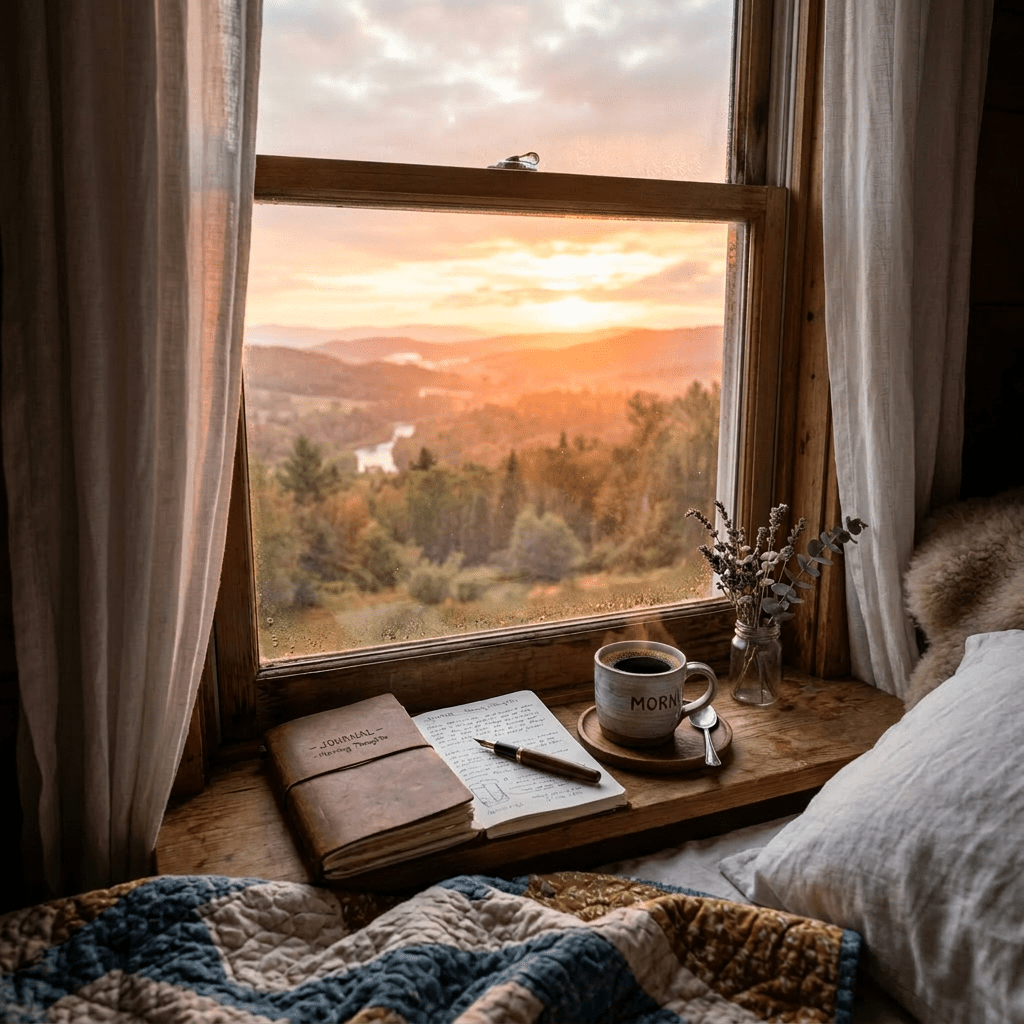
    Journal, pen, steaming coffee cup, and vase on a windowsill with sunrise over mountains
    A peaceful morning scene with a journal, coffee, and sunrise view

    When you embody this level of gratitude, life responds. Relationships deepen because people feel genuinely valued. Health improves as stress decreases and joy increases. Abundance flows—at least in steady, meaningful ways: unexpected help, creative ideas, synchronicities, and a profound sense of “enough” that paradoxically opens the door to more.

    So today, pause. Look around. Feel the chair supporting you, the device in your hands bringing these words, the breath moving through you. Say thank you—and really mean it. For the basics. For the people. For the lessons. For everything.

  • My deepest passion is nutrition — but ultimately, it’s all for him

    What are you passionate about?

    He is the prize at the end of the journey. To fully receive that gift and build the life I dream of with him, I have made my health non-negotiable. Nutrition is not just a hobby for me; it is something I can wax poetic about for hours with genuine excitement. I have explored it all — from the MAHA movement (seed oils, fluoride, ultra-processed additives, and all the hidden toxins) to Ray Peat’s principles and everything in between. I have lived the experiments myself: vegan, gluten-free, paleo, keto. I have been underweight and overweight. Through trial and error, I have learned what truly makes the body and mind thrive.

    Bright multicolored heart-shaped light swirl in starry cosmic background
    A glowing, multicolored heart-shaped swirl glimmers vividly in space.

    A brain injury years ago left me with some lasting effects I can be self-conscious about. It does not stop me from loving deeply or building a lasting relationship— as seen in my current form attracting him (thankfully, the “disability” does not seem to bother him at all), but I still carry that quiet desire to show up as my strongest, healthiest self. I want to move through life with ease — for me, and especially for him.

    Currently. Wifely duties from afar.

    Because more than anything, I long to be his perfect little housewife. I can already manage it beautifully with one hand, but two steady hands would let me pour even more love into our home. And yes — almost every girl dreams of the aisle. So I am committed to walking strong, not just so I can hold his hand while we stroll down the street or along the beach, but so I can walk down that damn aisle toward him, radiant and ready for forever.

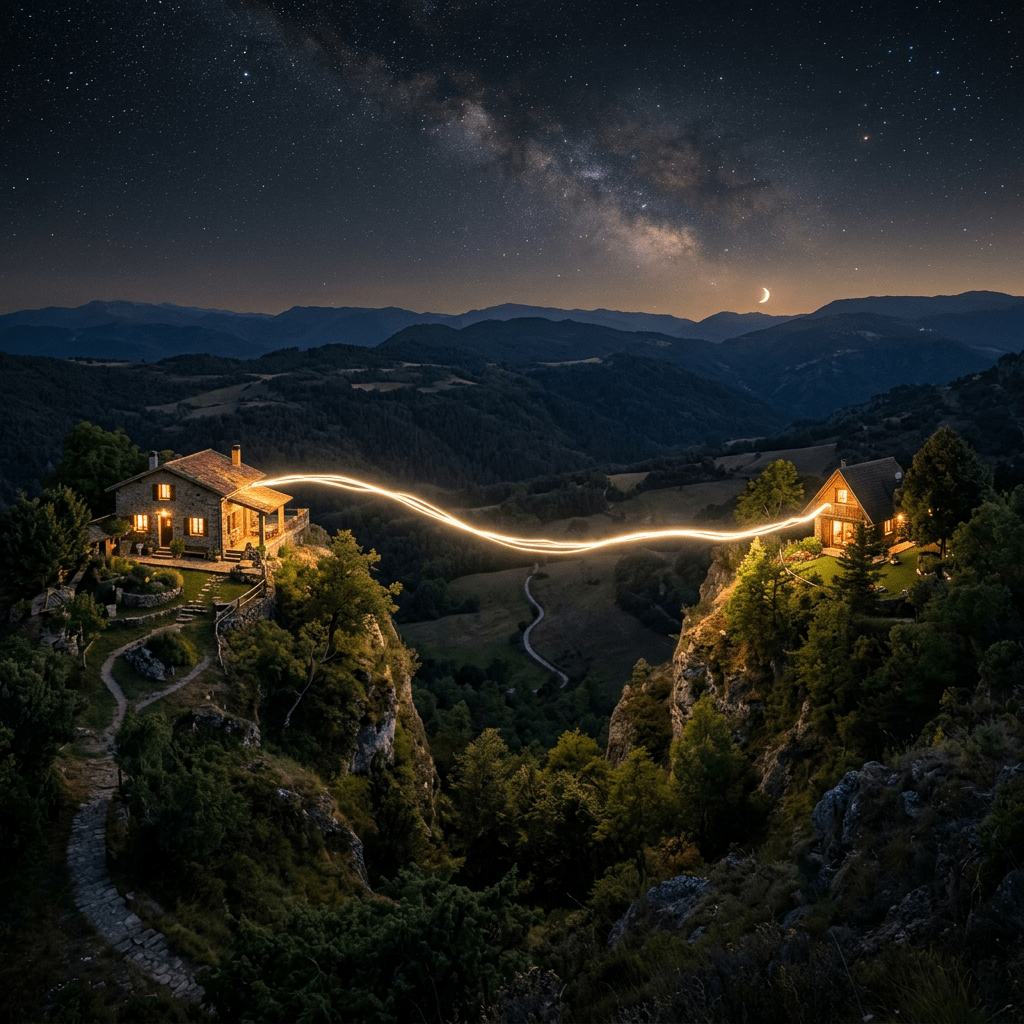
    Two illuminated houses on mountain cliffs linked by a glowing light trail under starry sky
    Love from a Distance.
  • Overcoming Challenges: My Journey to Walking Again

    Overcoming Challenges: My Journey to Walking Again

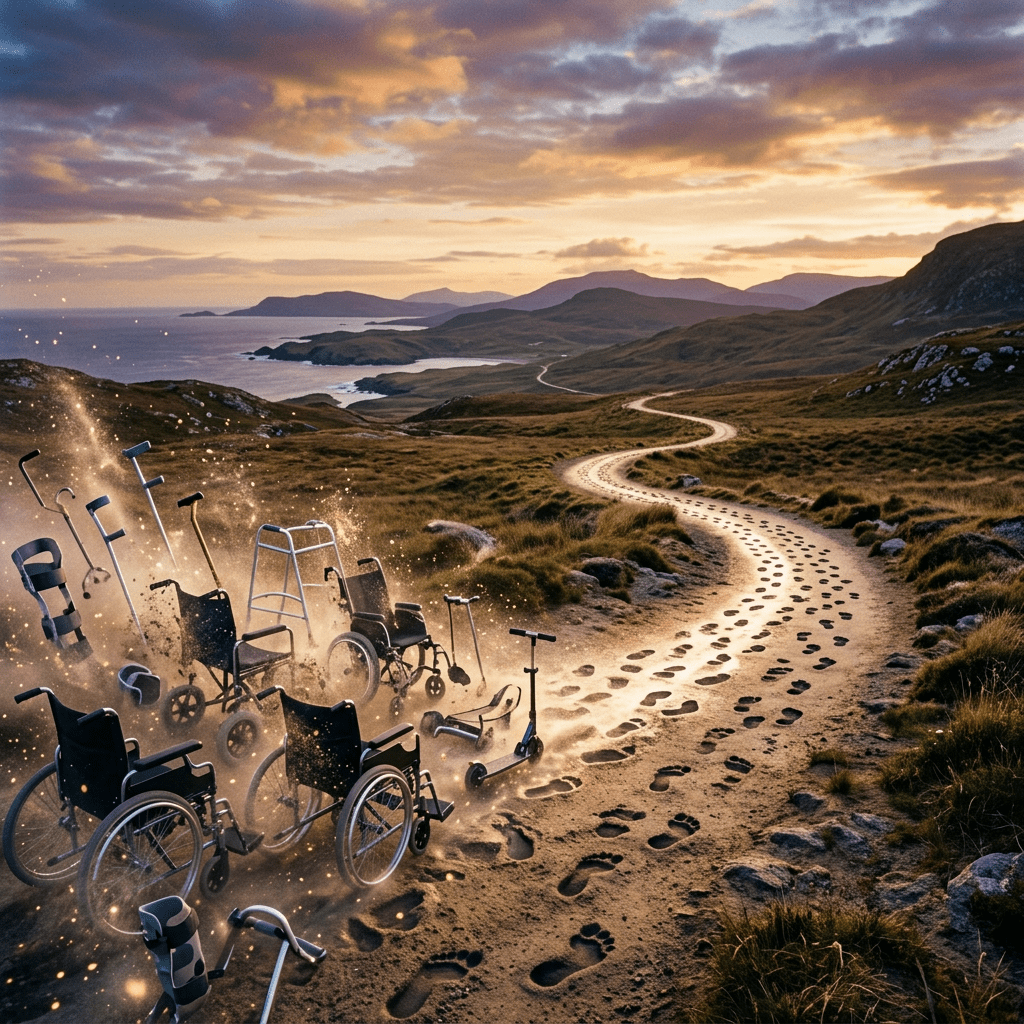
    There is something viciously satisfying about stomping up a grassy knoll with nothing but your own two shaky legs and your physical therapist’s hand clamped on the gait belt like a human safety harness. No clanking metal nightmare beside you. Just dirt under your sneakers, wind slapping your face, and the quiet middle finger you are flipping to the broken version of yourself that once existed…. Every step feels like a small rebellion against the version of me that once was told that walking again might not be feasible.

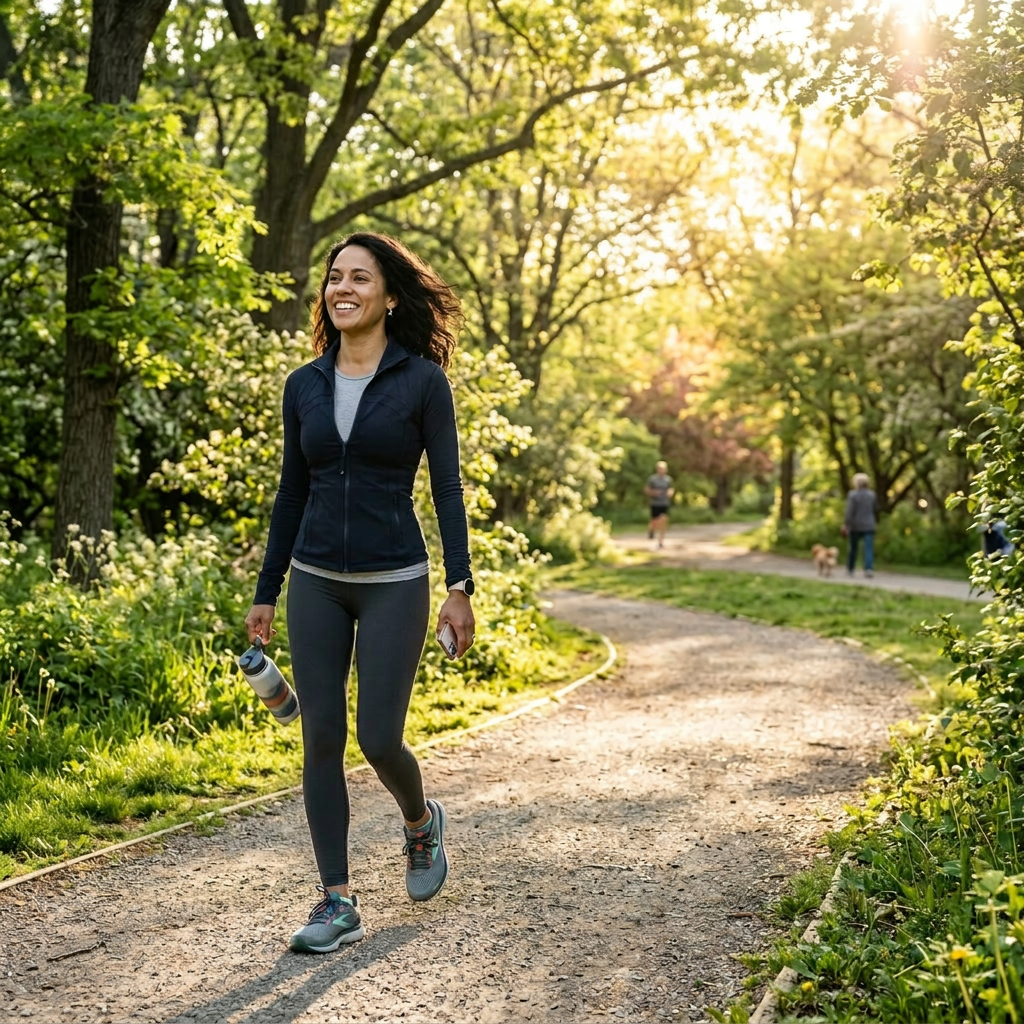
    Woman walking along a sunlit park path holding a water bottle
    A smiling woman takes a leisurely walk on a sunny park trail.

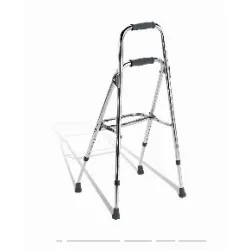
    I carry immense pride in these walks. Not just because I am challenging my body, but because I remember—vividly—how it all began. The early days of rehabilitation were a blur of frustration, disbelief, and a stubborn refusal to accept what my body had become. I kept envisioning the woman that I desired to be… Yet, I could not walk. And balance was a foreign concept, something I had taken for granted like breathing. I was like a baby giraffe on an ice rink. When my parents and therapists first brought out the walker, I stared at it like it was an alien artifact dropped into my life. This clunky, industrial-looking one sided thing

    Given that my entire left side does not function, I have to use this contraption

    with its ugly gray frame was supposed to be my new normal?

    I was young. Walkers were for “the olds,” for geriatrics with silver hair and stories spanning decades. Not for me. In my head, I was still the person who moved through the world with effortless confidence. So I resisted. I would not lean into it properly. I refused to put meaningful weight through my arms, convinced it looked weak, pitiful, unnatural. Seeing someone else shuffle along with a cane or walker had always struck me as heartbreakingly vulnerable. Now that vulnerability was mine, and I rejected it outright.It looks weird,” I would think, as if aesthetics could somehow override physics or healing.

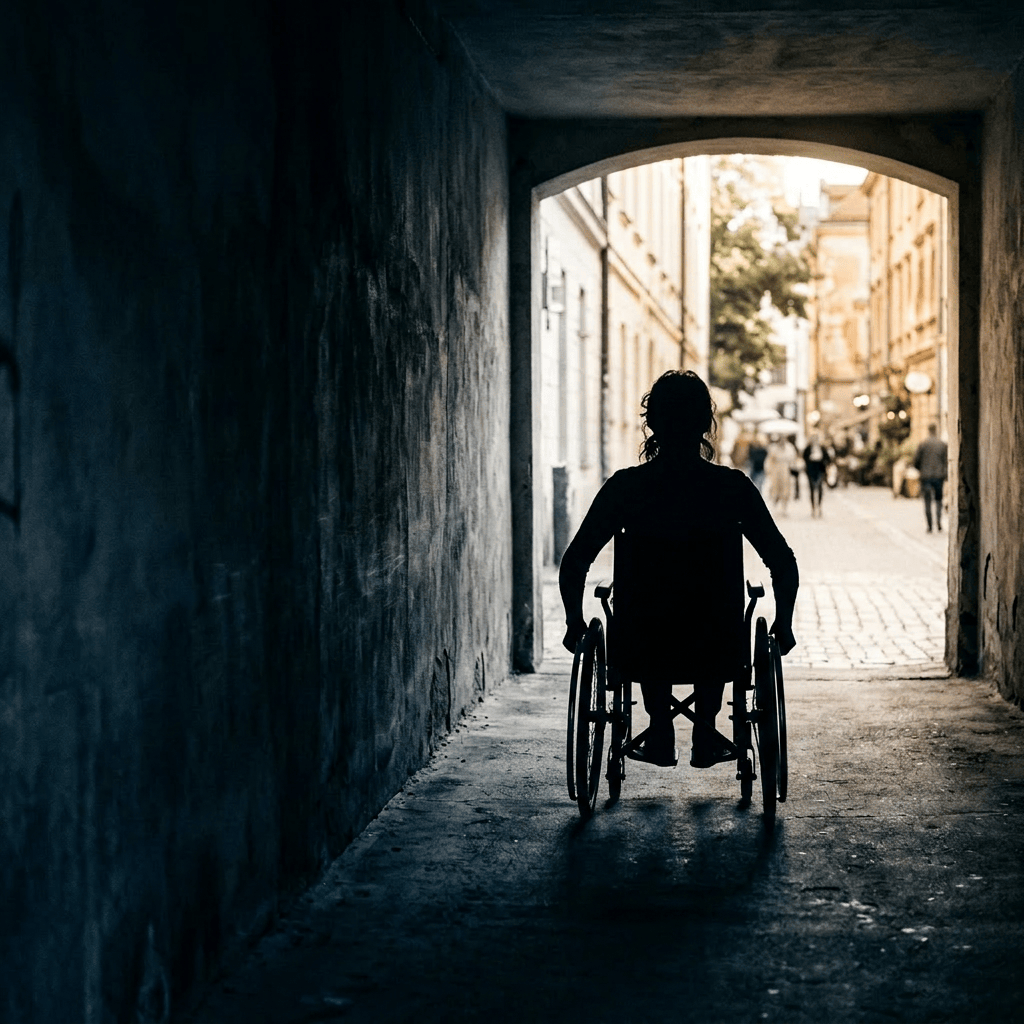
    The wheelchair, oddly enough, felt more palatable. Sleeker. Less like an admission of defeat and more like a temporary chariot. I could sit tall, roll with some semblance of dignity, and pretend this was just a phase. Anything but gripping that handle and hobbling along like I was suddenly ancient at a young age. Like I had given up. Denial is a powerful force—it shields you from the full weight of loss, but it also delays the work of rebuilding.

    Years passed in that strange space. Progress came slowly, measured in inches and small victories that felt monumental. There were falls. Many falls. There were days when fear gripped my chest so tightly that my legs simply refused to cooperate, as if my brain and body had declared a temporary truce that fear could shatter in seconds. That is when the gait belt became more than a safety tool—it became psychological armor. My therapist’s steady hand there gives me the permission to take risks. Without it, panic creeps in, muscles lock, and suddenly I am frozen, overthinking every shift of weight. With it, I can push. I can try. I can be.

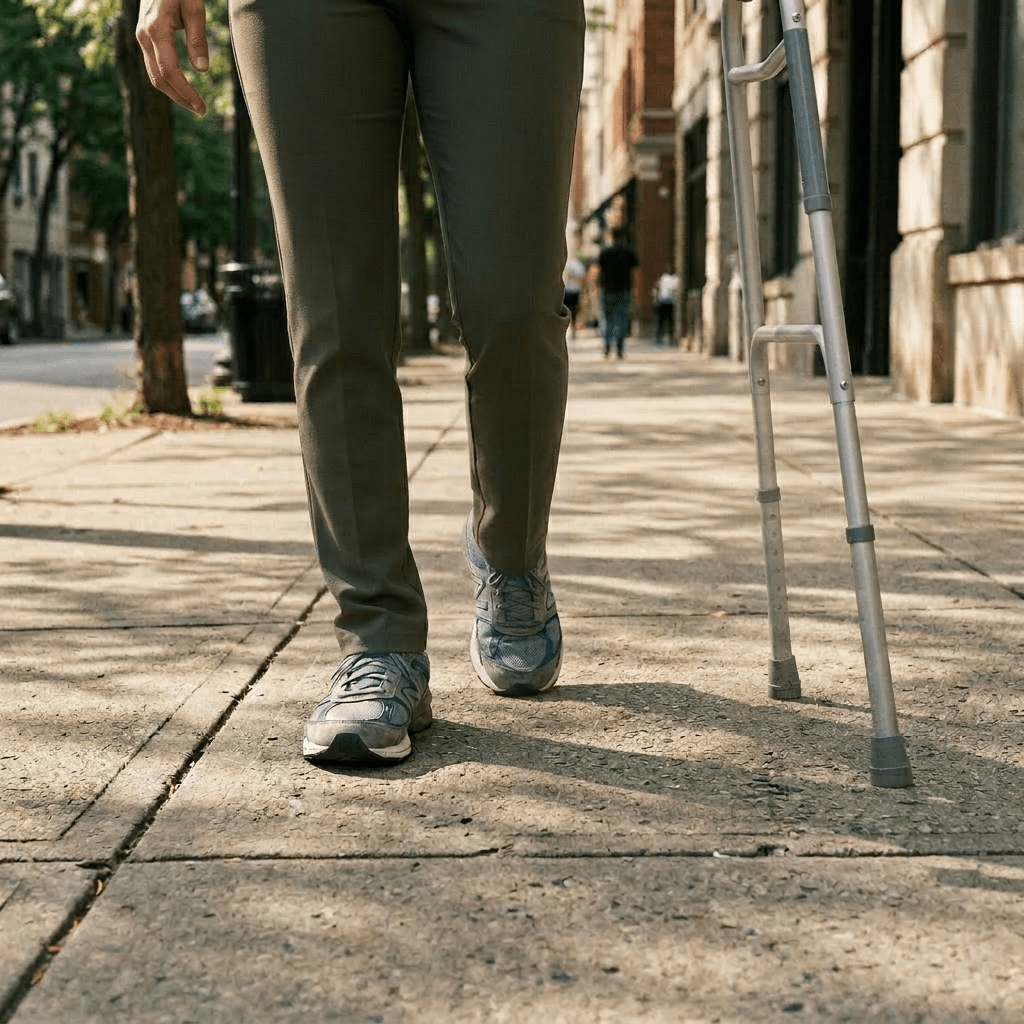
    Legs of a person walking on a sidewalk with a crutch
    A person walking on a sidewalk using a support

    And now? I am walking without devices. Real, unassisted (mostly) steps outdoors, feeling the breeze, hearing birds, noticing how the ground changes texture from pavement to grass to mulch. The pride swells in my chest because I fought for this. I outlasted the version of myself that was not good enough. Thankfully, I was too proud, too vain, too scared to accept help in the “ugly” forms it took. Healing is not always graceful or Instagram-worthy. Sometimes it looks like tight muscles and shaky legs. Sometimes it requires stubbornness, not swallowing your ego and refusing to grip the walker that you swore you would never need.

    I still cannot stand the walker, if I am honest. I am still vain. The idea of using my arms to walk feels fundamentally wrong to me—like recruiting the wrong tools for the job. Legs are for walking. Arms are for reaching, hugging, creating. For a long time, that mental block held me back. But I have learned that true strength is in believing. Even if it is believing you do not need support.

    These outdoor walks with my therapist are more than exercise. They are proof of resilience. They are quiet celebrations of a body that was broken and is mending. They are reminders that “human again” is not about returning to who you were before (I do not want to be that person)—it is about becoming someone new, someone wiser…

    Cheers to every awkward, eyesore-assisted mile that led me here. And to every device-free one still ahead.

  • Walking Ten Feet at a Time: My Daily Dance with Recovery

    Walking Ten Feet at a Time: My Daily Dance with Recovery

    Every single afternoon, after the nap my body demands like a stubborn toddler, I film myself walking. It is only about ten feet. To most people, that probably looks like nothing at all. But to me, those ten feet are everything. A step closer. They are proof that I am still moving forward—literally—one brave, wobbly step at a time. It feels incredible.

    My days start brutally early. I am up at 4 a.m., already chasing the version of myself I desire. By the time lunch is over, my body is spent from the morning’s workout and the constant grind of rehabilitation. My eyes grow heavy, my muscles scream for mercy, and I surrender to the bed like a little baby who earned her nap time. I used to fight it, but I learned to listen. The nap is not weakness; it is fuel. When I wake up an hour or two later, something magical happens. Energy surges back. Determination reignites. And suddenly I am excited—actually excited—to challenge myself again.

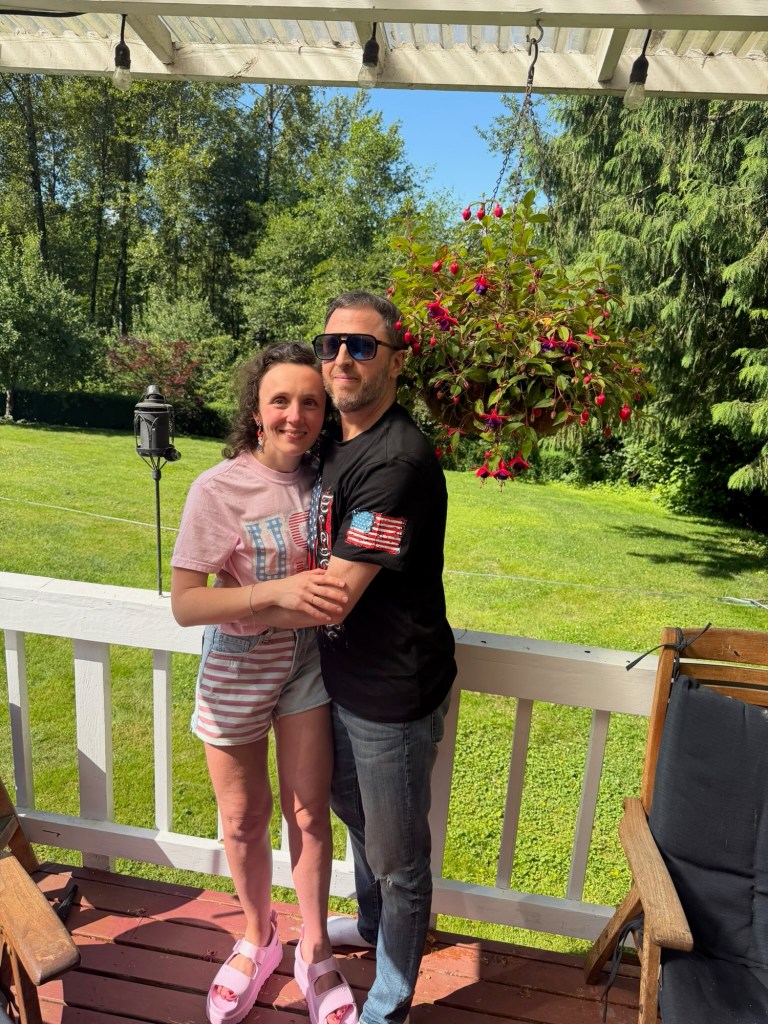
    That is when I head to the back deck.

    I strap on my brace even though I hate it. Most days I go without, stubborn as hell, refusing any device that reminds me I am not “normal” yet. But when I am about to push my limits, safety first applies (*eye roll*). The deck has a sturdy railing on one side—my own private parallel bar. I used to grip it at first, today I just walk along it slowly, no longer feeling the wood warm under my palm. At the end of the railing, I just stand there, working on my balance. Feet planted, core engaged, eyes focused on a spot in the distance (the heating lamp usually). The world narrows to that single task: don’t fall.

    I film every attempt. Sometimes it is a clean walk. Sometimes it is shaky. First, my left (weak) leg pushes forward. That is the easy one. I do not need balance or strength help on this side, but then I have to shift onto this weak side and move my right leg forward. Sometimes the left side refuses to hold me up. Sometimes I end up on the ground. I have fallen more times than I can count out there—head cracking against the deck, shoulder slamming into the wall. Each bruise is a story. Each tumble is data.

    I send the videos to my boyfriend anyway. I do not even know if he is watching them but the simple act of having an audience changes everything. It turns a lonely struggle into a performance. It makes me bolder. I love showing off for him. There is something powerful about letting the person you love witness your rawest, most determined moments.

    I remember the early days when I had to clutch that railing for dear life, knuckles white, heart pounding. Letting go felt terrifying—like stepping off a cliff (hence why I wear my brace out there— in case my weak side refuses to hold me upright). But I did it anyway. Because I want this more than I fear the falls. I want to walk across a room without thinking. I want to stroll through a park holding his hand instead of a cane or brace. I want zero differentiation between me and everyone else. No explanations. No pitying glances. Just me, moving through the world the way I used to—freely, confidently, joyfully.

    This recovery is not linear. Some days the ten feet feel like a marathon. Other days I surprise myself and push for more. The falls rarely happen anymore , but they sting a little less because I know they are temporary. Every time I stand back up, dust myself off, and hit record again, I am rewriting my story.

    Small steps matter. Naps are not laziness; they are strategy. Now I see that my stubborn refusal to stay down is beautiful. I keep filming. Keep showing off. Keep chasing the version othat refuses to be defined by limitations.

    I am not there yet. But every afternoon, after my nap, I get a little closer. Ten feet at a time.

    And it feels amazing.


    I am already dreaming bigger—longer distances, no railing, maybe even a real walk around the block. I will keep sharing the journey here, bruises and all.