Tag: love

  • Love. Health. Happiness.

    Love. Health. Happiness.

    What are the most important things needed to live a good life?

    The Essential Ingredients for a Good Life: Love, Health, and Happiness

    Silhouette of a person standing on a dock at lake during sunset with three glowing heart shapes on the water
    A person watches a sunset with three glowing heart shapes over the lake

    In a world obsessed with success metrics—bank balances, career ladders, and social media likes—it is easy to lose sight of what truly matters. At the end of the day, when the noise fades, most of us crave the same thing: a life filled with love, health, and happiness. These are not just feel-good buzzwords. They are the causes of human flourishing. Without them, even the greatest achievements feel hollow.

    Glowing tree with intertwining branches and heart-shaped roots in a forest at twilight
    A luminous tree with glowing branches and heart-shaped roots against a twilight forest backdrop

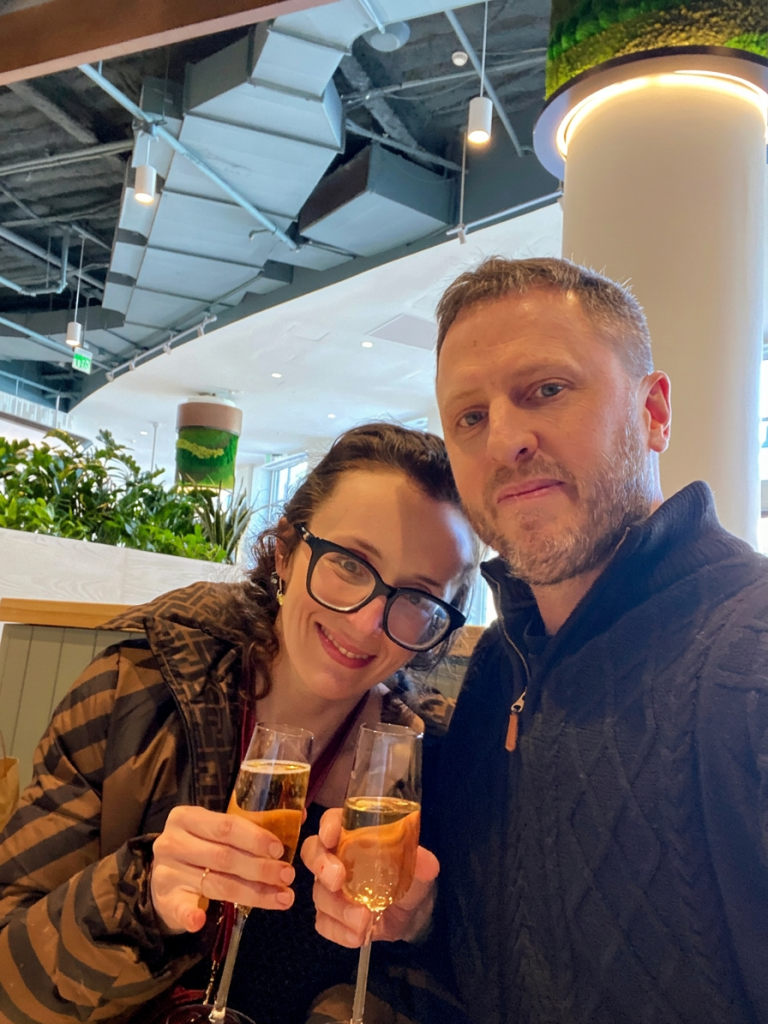
    Love is the glue that holds everything together. I never imagined finding true love. It really is like nothing else. A life without meaningful connections is like a beautiful house with no one to share it.

    Being lazy and cozymaxxing with my true love!

    Research consistently shows that strong relationships are one of the strongest predictors of long-term well-being. People with robust social ties live longer, recover faster from illness, and report higher life satisfaction.

    Remember: Love is not always easy or constant butterflies. It is choosing commitment, empathy, and repair when things get messy.

    Even in my current health status, love has led to greater happiness in all aspects (even seeing my health improve!)

    Yoga mat with bowl of fruit and open journal titled 'Morning Thoughts' on a wooden deck at sunrise with mountain view
    A peaceful sunrise scene with a yoga mat, fresh fruit, and a journal on a wooden deck overlooking mountains

    You can have all the love and ambition in the world, but without health, enjoying them becomes incredibly difficult. Health is both physical and mental—your body’s ability to move and your mind’s ability to thrive.

    Poor health creates a domino effect. Chronic fatigue or pain steals joy from relationships and makes happiness feel out of reach. Good health, on the other hand, gives you energy, clarity, and resilience.

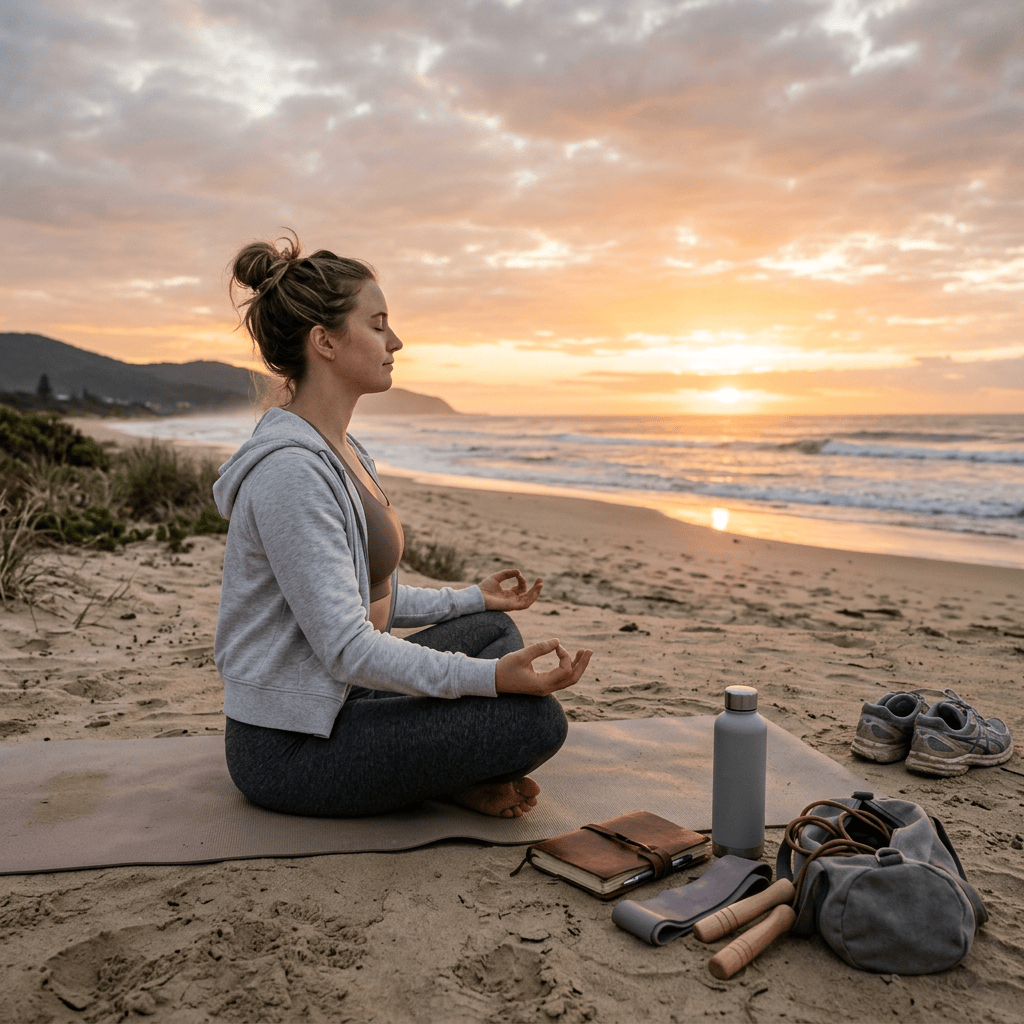
    Moving your body is important. You do not need to become a gym rat. Walking, dancing, yoga, or playing a sport you enjoy—consistency beats intensity. Aim for strength, mobility, and cardiovascular health.

    But make sure you fuel wisely. Bodies are made in the kitchen. Eat mostly whole foods that make you feel vibrant. Hydrate. Limit ultra-processed junk. Small, sustainable changes (like adding vegetables to every meal) outperform restrictive diets.

    You can meditate and get therapy too. Apparently mental health is pretty important. I have found that I am able to mentally relax the most when I talk to my boyfriend/am physically with him. I learn about my life and its patterns from this. My writing. This is the way that I manage my stress— thus I do not really have any anymore.

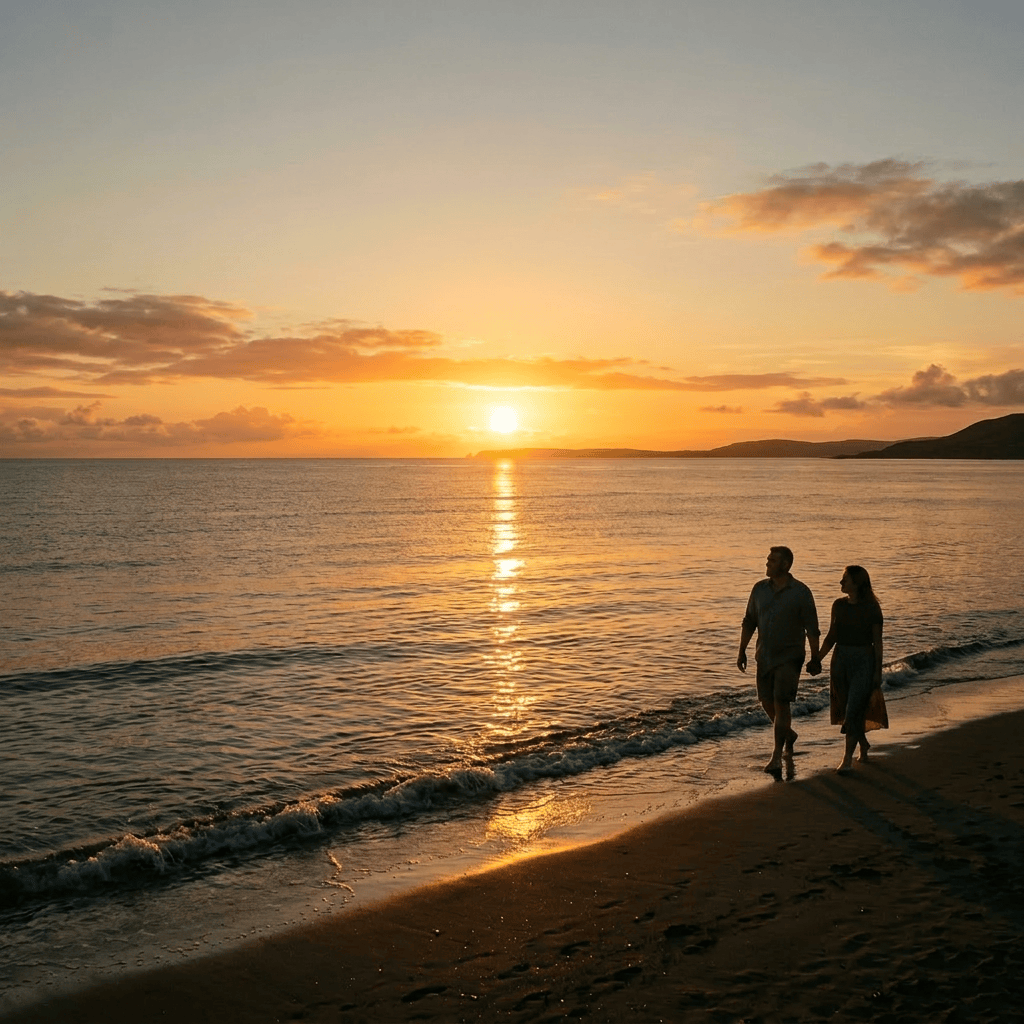
    Health is not about six-packs or never getting sick. It is about having the vitality to chase sunsets with people you love and wake up excited for the day.

    Happiness is not a destination or a constant high. It is a skill—It arises from collecting memories rather than just things. And being grateful for what is. We often get bogged down about what we want in life vs. what we have. This leads to anxiety and a general sadness.

    Thus, without happiness, love feels like a duty and health feels like a chore. Happiness amplifies everything good in your life and helps you weather the inevitable storms.

    True happiness often feels quiet: contentment with what is, while gently striving for better.The magic happens when love, health, and happiness reinforce each other: Healthy people have more energy to invest in relationships. Plus healthy people tend to be more attractive to others. Loving relationships buffer stress and boost mental health. Being happy makes you healthy. Happy individuals attract positive people and make healthier choices.

    They create a virtuous cycle. Neglect one, and the others suffer. Prioritize all three, and life becomes richer than you imagined.

  • Beauty—It Matters How You Get There

    Beauty—It Matters How You Get There

    We have been sold a glittering lie wrapped in Instagram filters and “self-love” seminars. The message is everywhere: chase perfection at any cost. Slice, dice, starve, inject, filter, and suffocate yourself in the name of beauty. Yes, beauty matters, but it matters how you get there.

    We are not talking about a little mascara or hitting the gym. We are talking about the epidemic of women volunteering for the surgical meat grinder, the Ozempic famine, the rib-removal trends, and poisoning their bodies with fast fashion that leaches microplastics and endocrine disruptors. This is not empowerment. This is slow-motion self-harm dressed up as glow-up.

    Botox by 25. Boobs, lips, ass, jawline—booked before brunch. “Just a little work” has become the starter pack for existing as a woman under 40 in 2026. Plastic surgeons are the new gods. Girls were told their natural faces were “mid.”

    What happens when you chase that? Nerve damage. Chronic pain. That frozen, uncanny valley stare that makes you look forever surprised. And the repeated surgeries? That is where the real money is. One procedure snowballs into a lifetime subscription of maintenance. Your body becomes a renovation project that never ends.

    Meanwhile, fertility tanks. The same hormones we flood ourselves with to stay “ snatched” screw with ovulation, egg quality, and the very biology that lets us continue the species.

    We even rebranded anorexia as “clean eating” and “discipline.” Ozempic parties. 500-calorie days washed down with self-hatred. The result? Brittle bones by 30, hair falling out in clumps, skin like crepes, and a metabolism so destroyed you need medical intervention just to eat like a normal human again.

    Transparent human figure with glowing skeleton standing on table

    Bones do not lie. Peak bone density hits in your 20s and 30s. Starve through that window and you are signing up for osteoporosis, stress fractures, and looking 50 at 40 (I guess it is good that I spent my 20s over-indulging). Skin? Collagen does not regenerate when you are running on caffeine and spite. That “glow” from restriction is just dehydration and jaw lines.

    And do not get me started on the toxic fabrics. Shein hauls, polyester everything, “sustainable” activewear that is basically plastic lingerie. These clothes are full of chemicals that mess with your hormones, inflame your skin, and quite literally embed microplastics into your fat tissue. It is not cute. It is chemical warfare on your endocrine system (especially when you do not wear panties) while you pose in the mirror doing the duck face.

    The Real Crime: We Did This to Ourselves

    Beauty standards have always existed. Cleopatra bathed in donkey milk. Victorian women crushed their ribs. But the difference now is scale and speed. Social media turned up the dial. Algorithms reward the extreme: the most inflated lips, the smallest waist, the most obvious work. Natural beauty has been buried under 47 layers of photoshop.

    Men are not innocent here either—they swipe right on the filtered fantasy and wonder why real women feel inadequate. But the buck stops with us. We are the ones doom-scrolling, comparing, and carving ourselves up to compete in a rigged game. The “body positivity” crowd screams acceptance while secretly getting BBLs. The trad girlies preach fertility but still chase that snatched waist…

    This is not about hating pretty women. Hot girls have always existed and always will. The issue is the how. Natural beauty earned through sleep, protein, sunlight, and not treating your face like a Pinterest board has a different quality. It radiates health. It signals vitality. It ages like wine.

    Woman performing overhead barbell lift in gym with others exercising

    The women who age like fine wine—They invested in the foundations: muscle, bone density, hormone balance, skin from the inside out. That kind of beauty slaps harder because it is real. It whispers competence and resilience instead of screaming “I paid $15k to look like this.”

    Woman sitting on wooden bench in garden with greenery and flowers.
    A beautiful woman sits peacefully on a bench in a lush garden during golden hour.

    Beauty matters. Health is beauty. Strength is beauty. A face that moves when you laugh, skin that tells the story of a life well-lived, and a body that can actually do things—these are not consolation prizes. They are the main character energy.

    Chase beauty the right way or watch it destroy you the wrong way. The scalpel, the Ozempic, the toxic trends—they are all shortcuts to nowhere good. Real glow does not come from a syringe. It comes from refusing to break yourself for a standard that was never built for human women in the first place.

  • Fasting: A Game Changer for Self-Control and Pleasure

    Fasting: A Game Changer for Self-Control and Pleasure

    I am not exaggerating, and this is not hyperbole: fasting legitimately saved my life.

    I am an all-or-nothing girl. Always have been. That same wired-in extremity that nearly destroyed me with anorexia is the exact thing that is now keeping me thriving. For years I could starve myself into oblivion without blinking. My body knew how to disappear. But here is the twisted part—I love food. Not in a “oh I enjoy a nice salad” way. I am talking deep, carnal, mouth-watering obsession. Decadent, buttery, chocolate-drenched, sprinkle-covered, still-warm-from-the-oven baked goods that make you moan when you bite into them. Yeah, those.

    University was a sad, hollow circus. I was not “enjoying food”—I was scarfing down everything that I would not allow myself to have before. Cabinets stuffed with chips, cookies, chocolate bars, fancy cheeses—anything I could get my hands on—but also chips, ramen and full trays from the dining hall. Whole pizzas and pints of ice cream. It was punishment dressed up as control. I was miserable and secretly dying inside.

    Then I flipped the script.

    Now I eat like a queen on my terms. I worship treats, but I do not let them run my life. I am not some joyless monk. I have boundaries.

    Wooden table with apples, carrots, tomatoes, grapes, berries, bread, herbs, nuts, and honey in a rustic kitchen
    A wooden table in a rustic kitchen filled with fresh fruits, vegetables, bread, and herbs near a window

    I run a brutal but beautiful intermittent fasting schedule. Lunch around 11 a.m.—usually something vibrant, colorful, and actually nutritious, because I am not an idiot. Then one snack somewhere between 2 and 5 p.m. That is it. The rest of the day my body gets to chill, burn fat, repair itself, and stop being a slave to constant digestion.

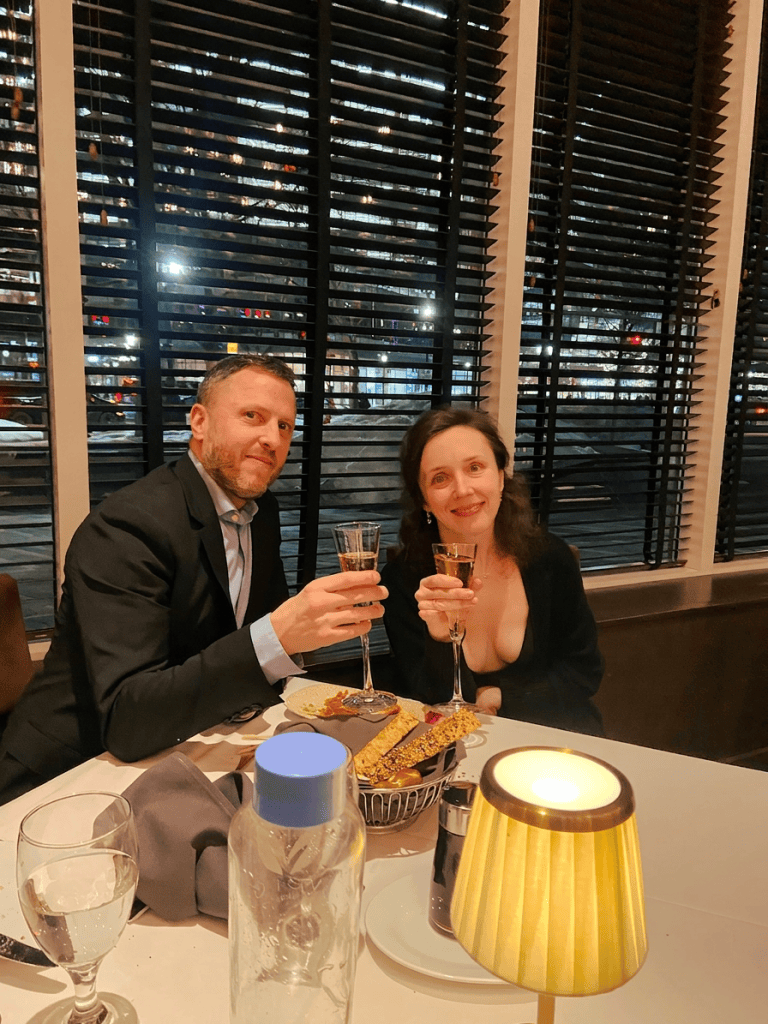
    Eating out on holiday with my man.

    Weekends are when I let the beast out. Chocolate. Nuts. Freshly baked pastries. I go all out. And because I have kept my weekdays tight, I do not blow up or hate myself on Monday. This is not restriction for restriction’s sake. This is strategy. This is power.

    This way of eating does not look perfect for cohabitation. Living with my man means I am going to have some late dinners. And plenty of steak and potatoes (his favorites). But right now, this is how I learned to enjoy my life without turning into a bloated, anxious mess. I am still dedicated. I am still disciplined. And most importantly—I am still playing.

    I love my body now. I am done punishing it. Done with the war. Fasting showed me I could have both: the thrill of indulgence and the iron grip of self-control. It is the ultimate flex.

    Intermittent Fasting is my daily weapon—the one that actually fits real life. 16:8, 18:6, whatever. You shrink the window of the hours in which you allow yourself to eat, expand your freedom.

    But there is more. The dark arts:

    Water Fasting—just water, sometimes electrolytes, for days. This one takes god-tier discipline. Your body goes full apocalypse mode: autophagy on steroids, inflammation crashing, mental clarity. I have done shorter ones. The first 48 hours can suck your soul out, but then something shifts. You float. You feel dangerous. Powerful. Like you could conquer anything on nothing but spite and sparkling water.

    Fruit Fasting—basically what I did during my high school years. Flooding your system with natural sugars and enzymes from fresh, ripe fruit only. It is a gentler cleanse, great for resetting taste buds and giving your gut a break without going full nuclear. Sweet, juicy, vibrant—feels less like punishment and more like a tropical vacation for your cells.
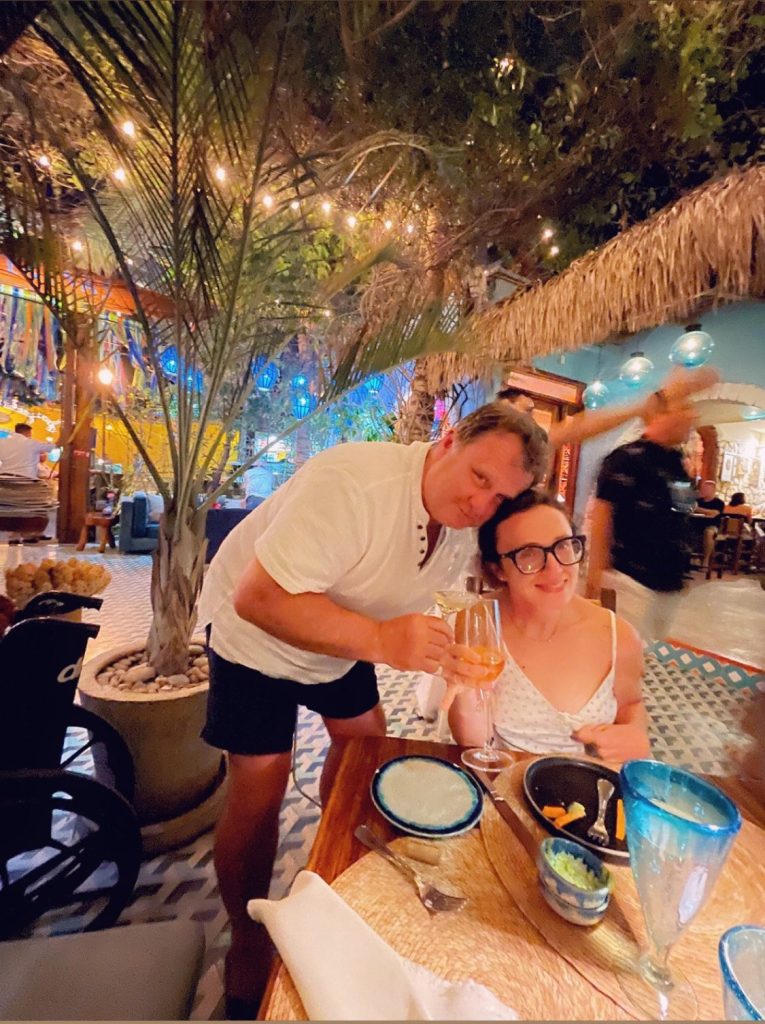
    Dry Fasting—the final boss. No food, no water. Absolute zero intake. This one is not for beginners or clout-chasers. It is extreme, it is controversial, and it forces your body into survival—pulling water from metabolic processes, accelerating repair like nothing else. I respect the hell out of it, but I approach with caution. Your body has to be ready.
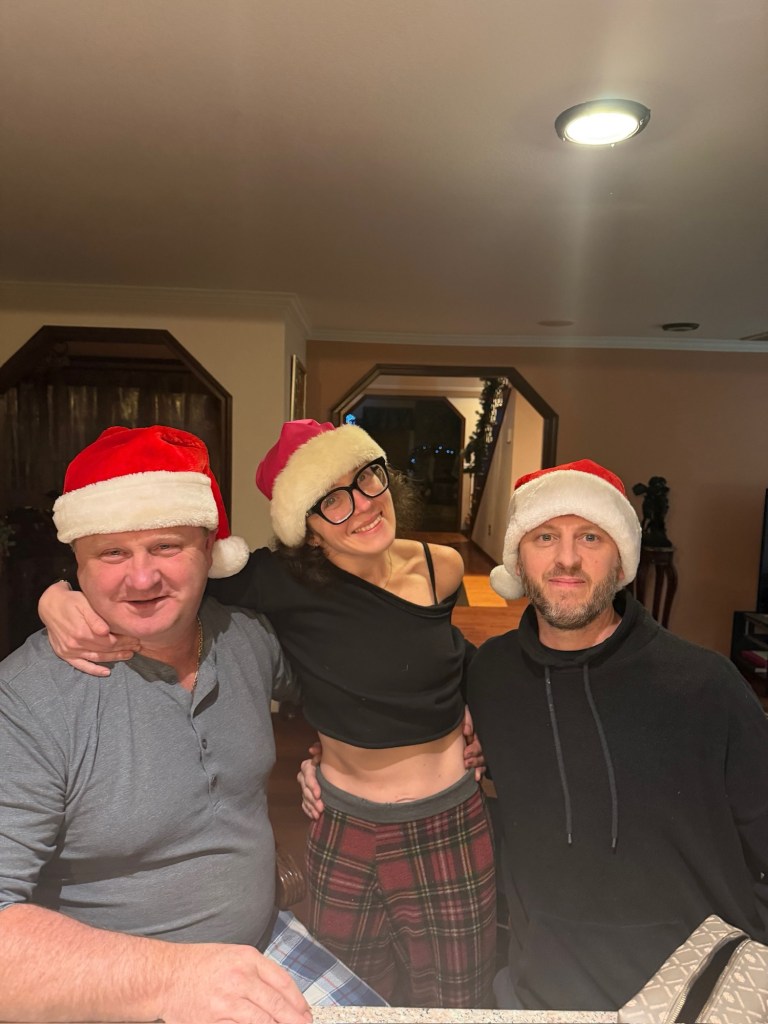

    All of them revolve around the same truth: sometimes the most radical act of self-love is not putting food in your mouth 24/7.

    Fasting did not just fix my body. It rewired my relationship with control, pleasure, and power. I am no longer the girl hoarding snacks. I am the woman who decides when and how she feasts—and when she lets the fire burn clean.

    If you are all-or-nothing like me, maybe this is your answer too. Stop the endless grazing. Stop the guilt-shame spiral. Draw a hard line, protect your window, and then truly enjoy yourself when it is time.

    Your body is not a temple to be constantly decorated with snacks. It is a weapon. Sharpen it.

    I am living proof.

    He loves to take pictures of me indulging!

    Now if you will excuse me… it is Sunday. There is something chocolate calling my name.

  • Rewiring Your Brain: A Journey to Recovery

    Rewiring Your Brain: A Journey to Recovery

    Rewiring the Brain: The Quiet Revolution of Recovery

    I keep coming back to this one blogger who writes with raw honesty about his journey out of alcoholism. His words do not preach; they map the territory. Every post reminds me that recovery is not a straight line or a one-size-fits-all checklist. It is deeply personal—yet strangely universal. Whether the wound is psychological or physical, mental or tangible, true healing demands the same fundamental act: rewiring the brain.

    Most of us, when something in our body or mind breaks, learn to work around it. We compensate. We avoid. We build elaborate detours so we never have to feel the weakness again. Recovery asks the opposite. It invites us to look directly at the damaged part—liver, dopamine system, self-worth, prefrontal cortex, whatever it is—and declare: This can function perfectly again. Not by magic, but by deliberate, repeated practice.

    Glowing human brain with blue and orange electric neural pathways above mountains at sunset
    A luminous brain with electric-like neural connections floats above mountain peaks during sunset.

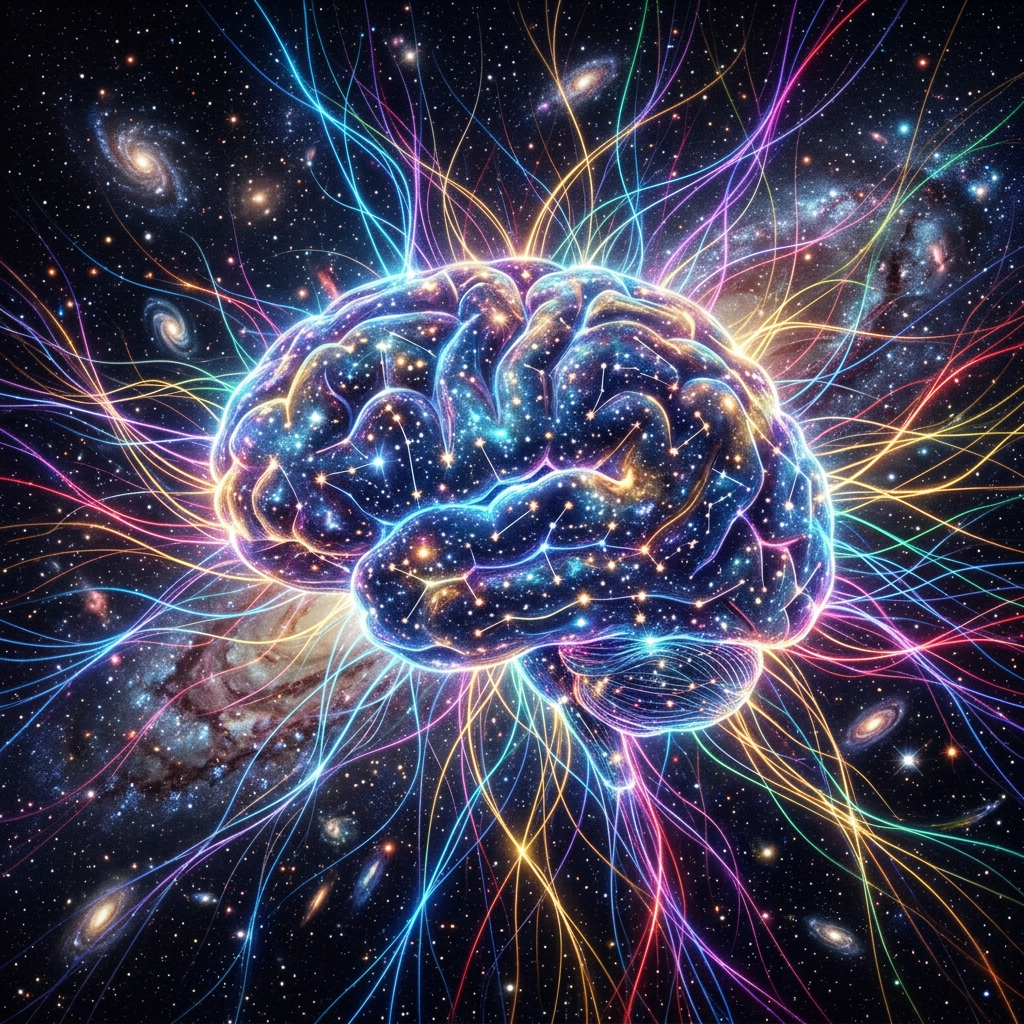
    The brain is plastic. Neuroscientists have shown us this for decades now. Every thought, every choice, every reframed story lays down new neural pathways. Old ruts—deep, craving, shame, or despair—do not disappear overnight, but they lose power when we stop feeding them.

    In active alcoholism, every minor inconvenience becomes license to drink. Traffic jam? Pour one. Argument? Pour two. Quiet Tuesday night? Might as well. The brain has been trained to treat discomfort as a fire that only ethanol can extinguish.

    Recovery means installing a new operating system. You feel the bump, you notice the urge, and then you choose something else. You sit with the discomfort long enough for it to pass. You call a (boy)friend. You walk. You journal. You pray. You do anything except hand the wheel back to the old habit. Over months and years, the brain stops defaulting to the bottle. The neural highway to numbness grows over with grass while a smoother, healthier route gets paved.

    Dark storm clouds over calm ocean water with sunlight breaking through
    Massive dark storm clouds billow over a serene ocean under clear sky (from chaos to calm)

    My own history with disordered eating taught me a parallel lesson. Food had been weaponized—something to withhold when I felt unworthy, or to binge on when emotions overwhelmed me. Recovery required the radical act of neutralizing food.

    Food is fuel. It is nourishment. It is information for your cells. Nothing more, nothing less.

    I had to train my brain to stop assigning moral value to calories or macros. No food is “bad.” No day is “ruined” because I ate a cookie. The cookie is just a cookie (and I love cookies). The real victory was watching my nervous system calm down around meals. The old panic circuits quieted. Satiety signals started working again. My body and mind began to trust each other.

    Some of us carry brain injuries that are not from substances at all—trauma, depression, chronic stress, concussions, strokes or even accidents. These conditions wire the brain toward threat detection, rumination, and bleak forecasts. Recovery here looks like gentle, persistent cognitive retraining.

    You catch the automatic negative thought (“Everything always goes wrong for me”) and offer a more balanced alternative (“This is hard, but I’ve handled hard before”). You practice gratitude not as toxic positivity, but as data collection: What actually went well today? You expose yourself to small, manageable challenges and prove to your nervous system that safety is possible. Little by little, the default setting shifts from “scan for danger” to “notice what’s working.”

    At their core, most addictions begin as something beautiful gone wrong. Alcohol was meant for celebration, connection, ritual, and relaxation. Food was meant for pleasure, sustenance, and community. Sex, gambling, scrolling, shopping—nearly every addictive behavior started as a legitimate human need or joy.

    The disease twists celebration into escape, comfort into anesthesia, presence into numbness. Recovery restores the original purpose. You learn to celebrate without substances, soothe without self-destruction, feel without overindulgence. You reclaim the birthright of feeling fully alive.

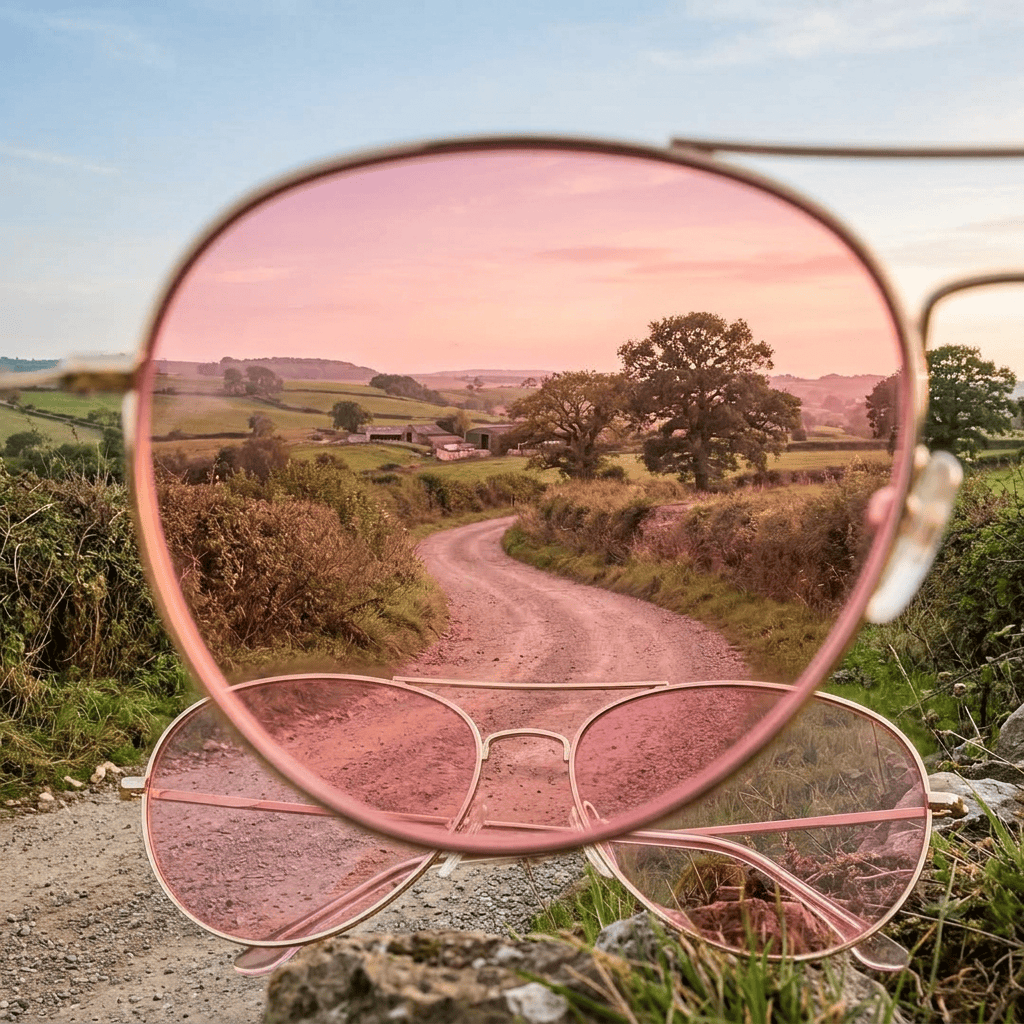
    This is where it gets almost spiritual. Choosing to view life through rose-colored glasses is not denial—it is strategic attention. Your brain has limited bandwidth. What you focus on grows stronger. When you habitually look for the good, the glorious, the tender, the funny, the meaningful, the neural networks for appreciation thicken. The old pathways of catastrophe and craving atrophy from disuse.

    It is not that bad things stop happening. They do not. But your relationship to them changes. You stop treating every setback as proof that you are broken or that life is hopeless. You start treating them as data, as teachers, as temporary weather.

    One day you realize the cravings are quieter. The shame is softer. Food tastes better. Sunsets hit different. You laugh more easily. You trust yourself more. You show up for your life instead of medicating it away.

    That is the miracle of rewiring. You do not just stop the destructive behavior—you become someone who no longer needs it. Someone whose default state is presence, resilience, and wonder.

    If you are in recovery—whether from alcohol, food, trauma, depression, or the general ache of being human—know this: your brain is listening. Every time you choose the new way, you are literally building a new you. The old pathways will call to you sometimes. That is okay. Just do not pave them again.

    Keep going. The view from the other side is worth every uncomfortable, glorious, rewired step.

  • Why Settle for Basic When You Can Be His Ultimate Arm Candy?

    Why Settle for Basic When You Can Be His Ultimate Arm Candy?

    In a world drowning in sloppy sweatpants, filtered selfies, and the exhausting cult of “I’m a strong independent woman who don’t need no man,”: a woman should not only be beautiful. She should be dangerously interesting.

    Beauty opens doors, sure. It turns heads, stops conversations mid-sentence, and makes weak men stutter. But beauty without substance? That is just expensive wallpaper. Pretty to look at until someone better walks by.  Why do you think men are always leaving the Halle Berrys and Victoria’s Secret models?!

    It is a honor to be beautiful. Own it. Revel in it. Wake up every morning and treat your femininity like the rare, intoxicating weapon it is. Keep your legs (and the rest of your body) smooth like it is foreplay. Move with the kind of grace that makes other women clutch their pearls and men adjust their pants. Speak with eloquence that drips like honey—slow, deliberate, unforgettable. Wear the dress that shows off every bone like it is personally offended by fabric. Because your body, your presence, your entire aura is a privilege, not a participation trophy.

    Woman in green dress looking out window at city skyline during sunset
    Be elegant, not powerful

    But here is where the modern girlies lose the plot: please do not dare stop there.

    Your man does not just want a pretty face on his arm at events. He wants a woman who makes his blood run hot, his mind race, and his ego feel like that of a king. Beauty gets you in the door. Depth keeps you locked in his bed, his heart, and his future. Cook for him like you are seducing his soul. Laugh at his jokes even when they are mid, but roast him when he deserves it—sharp, playful, never bitter. Read books. Have opinions that are not just recycled social media drivel. Know when to be soft and yielding and when to challenge him just enough.

    My boyfriend was initially drawn to me because of my edgy and controversial personality that I exhibited on my old X account (Twitter). I have always been book smart— not naturally intelligent— but my man is always amazed by the amount of information I retain. I am obsessed with listening to podcasts (although I have been on a bit of a hiatus) and yes I read X.com like it is my personality curated newspaper. So I tend to be well versed and able to discuss his interests with him. (But I also had a fire profile picture…)

    How I do the “news”/ stay interesting now

    Yes, it has always been my number one goal to be arm candy for my husband.

    YES, please

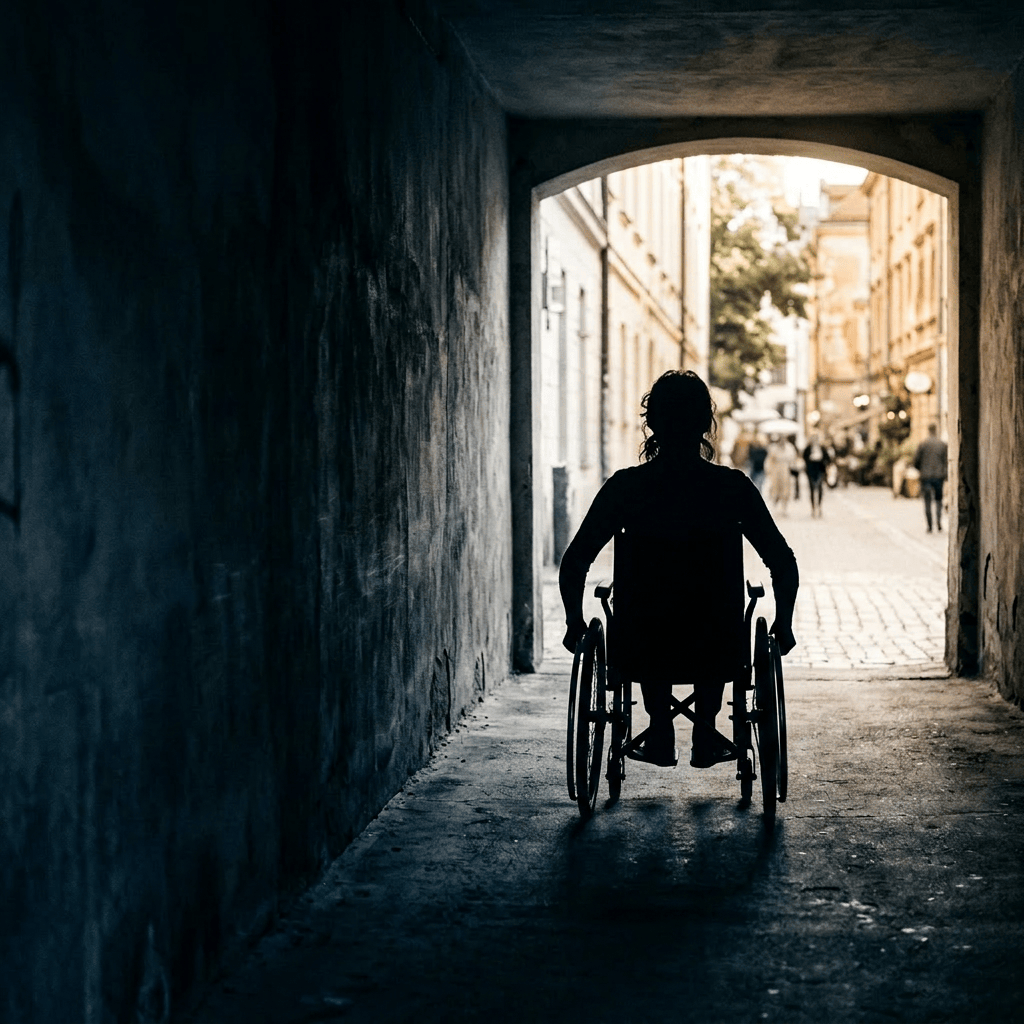
    I did not stumble into this. I craved it for years before I even met him. While my friends were out chasing careers, validation from strangers, and that mythical “self-love” that somehow always required new hair dye and more therapy, I was curating myself like a masterpiece. I was sitting there in my wheelchair all fat and bloated— just daydreaming about the day my husband can show me off. I wanted to be the woman other men envy and other women quietly resent. I still do. The one who turns heads in the restaurant and makes his hand instinctively tighten on my waist. The trophy that is not just shiny but sharp as a blade underneath.

    And now? I take immense pleasure in being exactly that for my man.

    Chess queen piece standing alone on a wooden chessboard with spotlight
    A single chess queen piece illuminated on a wooden chessboard in a dim room

    There is something deliciously powerful about being on his arm, knowing every eye is on us—and that I am the one he gets to take home, unwrap, and ruin. I love being the visual feast he shows off and the private obsession he devours behind closed doors. I crave the way people glance a second too long and then look away because they know they could never have this. I love the quiet pride in his eyes when I charm, when I look flawless at four a.m. with bed hair that somehow still looks intentionality messy, when I anticipate his needs before he voices them.

    Call it outdated. Call it anti-feminist. I call it honest.

    Because let me be real: the “girlboss” who spends her nights crying into takeout because her “high-value” standards left her with a vibrator and an empty calendar is not winning. She is exhausted. Meanwhile, I am glowing, desired, and secure in the kind of traditional dynamic that actually satisfies something primal in both of us.

    Femininity is not weakness. It is strategy. It is power wrapped in silk and perfume. Being beautiful is the baseline. Being interesting—the kind of interesting that makes him obsessed—is the flex. And being unapologetically his arm candy? That is the victory lap.

    Maybe it is time to stop competing with men and start completing the one worth keeping.

    Green silk dress on a red velvet chair with casual clothes on the floor
    A green silky dress and casual clothing draped on a vintage chair in a cozy room.
  • Transform Your Life with Good Vibes

    Transform Your Life with Good Vibes

    In any relationship, any home, any corner of your chaotic life—positive vibes are not optional. They are survival. Good vibes only. No exceptions, no participation trophies for misery.

    Cozy armchair with blanket and pillow near window with plants, side table with lamp and book

    This is not some glittery, crystal-wearing motto. It is a brutal mindset shift. You either decide to see the glass half full or you drown in the half-empty pity party. Most people choose the latter and wonder why their life tastes like expired regret.

    Relationships die in negativity. Bring that low-frequency, eye-rolling, passive-aggressive energy into a room and watch people emotionally ghost you mid-conversation. But walk in with real, unforced good vibes—sharp humor, zero tolerance for drama, actual warmth—and suddenly doors open, tension evaporates, and people actually want you around.

    At home it is even more palpable. Turn your house into a complaint factory and it stops being a sanctuary. It becomes a cage with WiFi. Help each other, laugh together and speak gratitude out loud like you mean it. Your space transforms from a pressure cooker a sanctuary..

    Life in general is a war of perception. Things happen —bills, breakups, betrayals, the whole soul-crushing playlist. The half-full mindset does not erase the sucky part. It just refuses to let the it win every round.

    This is no toxic positivity where you smile through a house fire. That would be a little too delulu even for me . This is strategic. It is choosing not to be a whiny little brat about things you cannot control while fighting like hell for the ones you can.

    Traffic crawling? Instead of seething, crank a podcast and enjoy the rare moment nobody can demand your attention. Be thankful for your bills, because that means you are lucky enough to have utilities (i.e a heat bill means you have a warm home). Fighting with your lover? Drop the “you never/you always” garbage and get to the actual point like an adult.

    Multiple lanes of traffic with cars and buses congested on wet freeway near city skyline at sunset

    Your brain wants to doom-scroll and catastrophize. It is wired for it (thanks to our caveman survival instincts). Tell it to shut off the overthinking and rewire. Gratitude lists, cold exposure, brutal honesty with yourself—whatever works. Just stop marinating in negativity like it is a personality trait.

    Grief, betrayal, rock bottom—good vibes feel like a sick joke then. That is when “good vibes only” means getting out of bed, making coffee, and refusing to let the darkness take permanent residence. Small acts of defiance against the suck. That can be enough.

    Good vibes are not about pretending everything is sunshine and rainbows. They are just about refusing to let the rain ruin every day anyway.

    Positive energy compounds. It attracts better people, better opportunities, better nights. Negativity does too—it just attracts more of the same garbage.

    Good vibes only.

  • Unapologetic New Beginnings: Crush Your Old Patterns

    Unapologetic New Beginnings: Crush Your Old Patterns

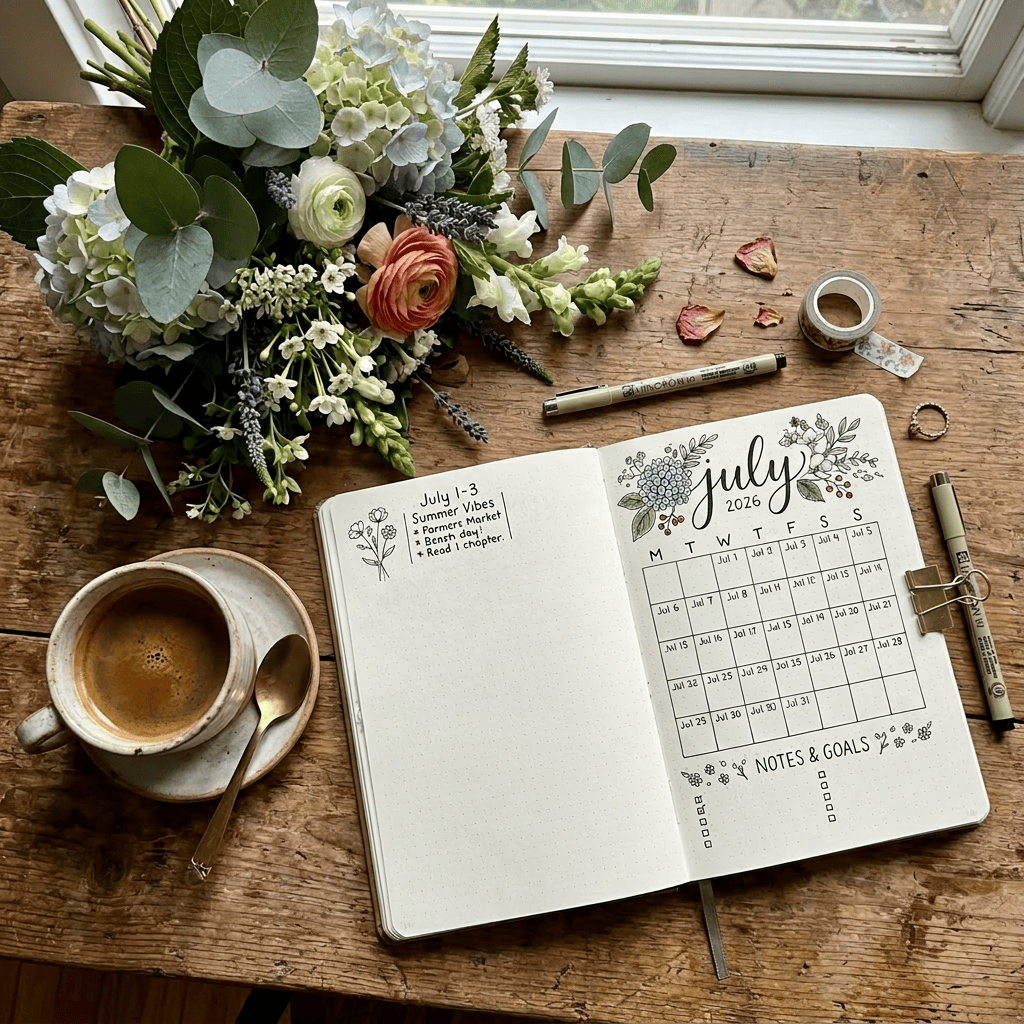
    I am unapologetically obsessed with new beginnings. New year? Yes, please. New season? Sign me up. New day? Gladly take it. But new months? That is my drug of choice. That clean page on the calendar hits different—

    This one is for the ones who want the raw, unfiltered version: the middle-finger-to-the-past, let’s-actually-change energy.

    Every 30–31 days, the clock resets whether your life is together or a flaming dumpster. That is the beauty and the brutality of it. You do not get to negotiate. The month ends. Old excuses expire. The universe does not care if you ghosted your goals or finally told your toxicity off—it just hands you a new battlefield.

    I crave that. It is proof we are not trapped. Last month you might have been spiraling, people-pleasing, doom-scrolling, or quietly dying inside. This month? You get to be the chaotic, glorious version of yourself that actually follows through. Or at least tries harder before self-sabotaging again. Progress, baby.

    New months expose the lie that you are “stuck.” You are not. You are just dramatic about continuity. The calendar calls your bluff every single time.

    The hope is not fragile and sparkly. It is gritty. It is the voice in your head that says “this month could be the one” even after you have failed spectacularly before. New months do not fix you. They just give you a fresh arena to fight in.

    I am always looking forward to something shiny and new. I am like a child with a new toy or puppy…. People generally get bored and stagnant when things are no longer new and exciting. So I am always trying to find ways to make the mundane worth celebrating.

    You do not need permission to want better. You do not need everything figured out. You just need to stop romanticizing your own stagnation.

    So when the clock strikes midnight on the 31st, feel that delicious little jolt. That is your cue. The old month is dead. And you do not need to attend the funeral.

  • Understanding Candida: Your Gut’s Hidden Struggle

    Understanding Candida: Your Gut’s Hidden Struggle

    I have been known for mainlining sugar, stress, and antibiotics like they are essential vitamins (add in some coffee and bubbles and I am in nutrition heaven!). That often leads to a condition called Candida.

    Sugary foods including donuts, brownies, cookies, candy, and a slice of cake on the left; fresh vegetables such as carrots, broccoli, tomatoes, cucumbers, lettuce, garlic, and radishes on the right.
    An array of sugary treats contrasts with fresh vegetables on a wooden kitchen table.

    If you have never heard of it, Candida is not a bacterial infection. It is a yeast, a type of fungus that lives in all of us in small amounts. But when your gut ecosystem goes haywire, it throws a wild party and multiplies like crazy. The result is extreme bloating that makes your jeans beg for mercy and brain fog so thick you could cut it with a knife.

    I have always been the queen of “Treat Yourself” and yes, sometimes stress can make me take the playing a bit too far. I have always had a preference for fruits and sweets. Plus I would hydrate myself only with caffeine and I would treat drinking as if it was a medical necessity (aperol spritz, champagne, Chardonnay?)— and , we cannot forget obsession for my bubbly water with yummy flavored electrolytes!

    Tea cup, fruit bowl, pie slice on plate with fork, and open journal on wooden kitchen table
    A peaceful morning scene with coffee fruit, pie, and a journal on a rustic table

    Yes, I thought I was functioning. But looking years back, my body was waving red flags. That post-meal bloat was not just “I ate too much.” That mental haze where I could not remember simple tasks or focus for more than 10 minutes was never just the side effect of brain damage. It was my gut screaming for help.

    Sugar and refined carbs are Candida’s favorite fuel. These are also the main sources that make up my diet. Stress pumps out cortisol, which further imbalances your microbiome and weakens immunity. Coffee keeps the party going. It is a vicious cycle: the yeast craves sugar, you feed it, it grows, symptoms worsen, you stress-eat more. Heaven for Candida, hell for me.

    Then it stopped. I did not seek help from the western medical establishment… as you ask them for help and they turn into pill pushers (telling you that Big Pharma will heal you— never mind what the blood work etc shows).

    It is sneaky because symptoms overlap with so many other things—stress, thyroid issues, etc. Many people (myself included) brush it off for years. Fatigue that no amount of coffee can cure and intense sugar cravings.

    Digestive system cross-section with labeled organs and inset showing candida yeast overgrowth on intestinal villi
    Cross-section of the digestive system showing candida yeast overgrowth in the small intestine

    Candida overgrowth is not always a formal medical diagnosis everyone agrees on (some doctors are skeptical of “systemic” claims), but the symptoms are real, and addressing the root causes helps a ton of people feel better. Realizing that any gut issue is an issue with something that you are eating is the first step. Yes, most doctors will say that you have some sort of Irritable Bowel Syndrome (IBS), but I have found that starving out the yeast is the way to go. Plus, eliminating any stress in your life. So ultimately mindfulness is most important. Not some sort of medicine.

    No, I am not eliminating all of the yummy joy out of my life— I am not about to spend my life being miserable. I simply added in fasting, limiting the overly sugary/ processed and voila! I get to play again. I will treat myself and then practice self discipline. Weekends are often for indulgence. Weekdays are definitely disciplined. One meal per day and always full of vibrant and nutritious foods. It is pretty fun (plus the reflection in my mirror and the look on my my boyfriend’s face are both ecstatic!)

    Plate of donuts, chocolate bars, cookies, candy, and bowl of cereal next to a bowl of fresh fruits including bananas, apples, grapes, strawberries, oranges, pineapple, mango, plums, and kiwis
    Side-by-side display of sugary snacks and fresh fruits on a kitchen counter
  • From Black-Pilled to White-Pilled: A Mindset Shift

    From Black-Pilled to White-Pilled: A Mindset Shift

    I am not typically a negative person (read more here). I see the glass half full not half empty. However, I often feel that lack in my life—my man will say, “I wish they did that for you… you deserve a win” and my response? “That’s just how life works out for me now…. Whether it is my recovery, my relationship… I always have to wait”. Recovery crawling. Relationship hitting every red light. Opportunities? I am always waiting. Always.

    Sounds like some emo, woe-is-me playlist on repeat, right? But I am owning this pattern like its designer. I have stopped fighting the current and started riding the wave. Everything—everything—is gonna drop when it is supposed to. Not a second sooner, not a millisecond later. The delays are not punishments; they are plot armor. Call me delulu if you want, but I am wearing that label.

    Now let us talk about the real cancer that is eating souls these days: being black-pilled. You know the type. These miserables look at society’s flaming dumpster fire and the wreckage of their own lives and decide the only logical response is to glorify the potential apocalypse. “It is all doomed. Women are finished. Men are finished. The future is soy, depression, and climate lockdowns. Might as well rot in bed.” Black-pillers do not see problems—they call it realism. They marinate in present-day suckage and future-cucked despair like it is a personality trait. Spoiler: this is not deep. It is just being an emotional with extra steps. Zero growth. All cope.

    Personally, I am riding the white-pill wave so hard. White-pilled is not some naive sunshine and rainbows. It is refined, razor-sharp clarity with a side of patience. You start seeing every “delay” as divine diversion for your own good. That job that ghosted you? Saved you from becoming a soulless cubicle zombie. The slow recovery? It is the universe wrapping you in bubble wrap so you do not shatter before you are ready to become the final version of yourself.

    DIVINE TIMING ✨✨✨

    Nothing takes “too long.” It takes exactly as long as it needs to. You are not being ignored—you are being protected. That glorious 20/20 hindsight always rolls up: Every closed door, every late blessing, every “not yet” is the cosmos playing 4D chess while you are still stuck on checkers.

    Thus , I am done romanticizing the wait. I am weaponizing it. The black-pillers can keep doom-scrolling and crying into their half-empty drinks. I will be over here, glass half full (of celebratory champagne,probably), watching the universe cook up my victory lap.

    Timing is not the enemy. It is the ultimate plot armor. And when my moment hits it is going to be so loud that even the black pillers will not be able to ignore it.

    Winding dirt path through vibrant wildflowers with sun setting behind distant hills
    A winding path through a colorful wildflower meadow at sunset

    Stay white-pilled, kings and queens. The wait sucks, but the glow-up? Worth every second.

  • Understanding Memorial Day: Origins and Observances

    Understanding Memorial Day: Origins and Observances


    This Memorial Day, my boyfriend and I will be doing what we do best lately: sharing our usual FaceTime coffee date from opposite sides of the country. We have spent several recent Memorial Day weekends physically together, but somehow these long holiday stretches still end up with us glued to our phones — sipping coffee, chatting, and wishing we were in the same room. His grandfather served in the Second World War (but passed away in 2010). Because of that, my history-buff boyfriend feels a deep, personal connection to this holiday that I, as a Russian immigrant, can never quite match.

    In Russia, we grow up honoring May 9th — Victory Day — with parades, red carnations, and stories of grandparents who fought in the Great Patriotic War. Patriotism there is loud, emotional, and woven into everyday life. Here in America, it feels quieter. More subdued. I understand why. This land has not seen the kind of devastation and loss that so many other countries have endured on their own soil. America’s wars have largely been fought far away, on someone else’s beaches and battlefields. That distance changes how the day lands in people’s hearts.Still, I find myself reflecting on the sacrifices made by those who came before — especially the ones who made my boyfriend’s family possible. Even from a screen, I am grateful to share this day with him.

    American flag at half-mast above Arlington National Cemetery with U.S. Capitol building and sunset sky

    Most people treat Memorial Day as the beginning of the summer. However, Memorial Day is more than just a long weekend marking the unofficial start of summer. It should not just be a holiday for another coffee date. It is a solemn national holiday dedicated to remembering and honoring the men and women of the United States Armed Forces who made the ultimate sacrifice in service to their country.

    A Brief History of Memorial Day

    The roots of Memorial Day trace back to the aftermath of the American Civil War, one of the bloodiest conflicts in U.S. history, which claimed the lives of approximately 620,000 soldiers. In the years following the war, communities across the nation began decorating the graves of fallen soldiers with flowers, wreaths, and flags—a practice that gave rise to the original name, “Decoration Day.”

    White house porch decorated with red, white, and blue patriotic bunting and American flags

    On May 5, 1868, General John A. Logan, commander-in-chief of the Grand Army of the Republic (an organization of Union veterans), issued a proclamation establishing Decoration Day on May 30. That first national observance drew thousands to Arlington National Cemetery, where flowers were placed on the graves of both Union and Confederate soldiers.

    While several locations claim to be the birthplace of the holiday (including Charleston, South Carolina, and Boalsburg, Pennsylvania), the tradition spread rapidly. After World War I, it expanded to honor all American service members who died in any war. The name officially became “Memorial Day,” and in 1971, Congress passed the Uniform Monday Holiday Act, moving it to the last Monday in May to create a three-day weekend.

    The True Meaning and Significance

    At its core, Memorial Day is about remembrance and gratitude. It acknowledges that freedom is not free and that countless individuals—sons, daughters, fathers, mothers, brothers, and sisters—paid with their lives to defend the ideals of liberty, democracy, and justice.

    This day serves as a powerful reminder of the human cost of conflict. From the Revolutionary War through today’s global operations, these heroes stepped forward when their nation called, often knowing the risks involved. Their sacrifice ensures that future generations can enjoy the blessings of peace and opportunity.

    Memorial Day also fosters national unity. It transcends politics, reminding Americans of shared values and the collective debt owed to those who defended them.

    How Americans Observe Memorial Day

    Traditions vary, but the spirit remains consistent:

    • Cemetery visits and grave decorations: Families and volunteers place American flags and flowers on the graves of fallen service members. National cemeteries like Arlington become seas of red, white, and blue.
    • Parades and ceremonies: Military parades, speeches, and moments of silence honor the fallen. The National Memorial Day Concert in Washington, D.C., is a highlight.
    • Flags at half-staff: From sunrise until noon, U.S. flags fly at half-staff to symbolize mourning, then raised to full staff to honor the living who continue the legacy.
    • BBQs and family gatherings: While celebrations often include cookouts, many use the time to reflect, teach children about history, and express thanks.
    World War I cemetery with crosses, poppies, and flags of UK, France, USA, and Canada at sunrise

    It is important to distinguish Memorial Day from Veterans Day (November 11 AKA my boyfriend and I’s physical anniversary!)), which honors all who have served—living and deceased. Memorial Day specifically focuses on those who died in service.

    Why It Still Matters Today

    In an increasingly fast-paced world, Memorial Day calls us to pause. It invites reflection on sacrifice, service, and the responsibilities that come with freedom. For Gold Star families—those who have lost loved ones—it is a day of both profound grief and national recognition.

    As we enjoy barbecues, beach trips, and time with loved ones, let us remember the true reason for the holiday.

    To all who gave their lives so we might live in freedom: Thank you. We will never forget.

    This Memorial Day, may we honor their memory not just with words, but with lives lived in gratitude and service to the country they loved.