Tag: health

  • Big Pharma’s Sleep Scam Is Peak Clown World (And Your Brain Is Laughing at You)

    Big Pharma’s Sleep Scam Is Peak Clown World (And Your Brain Is Laughing at You)

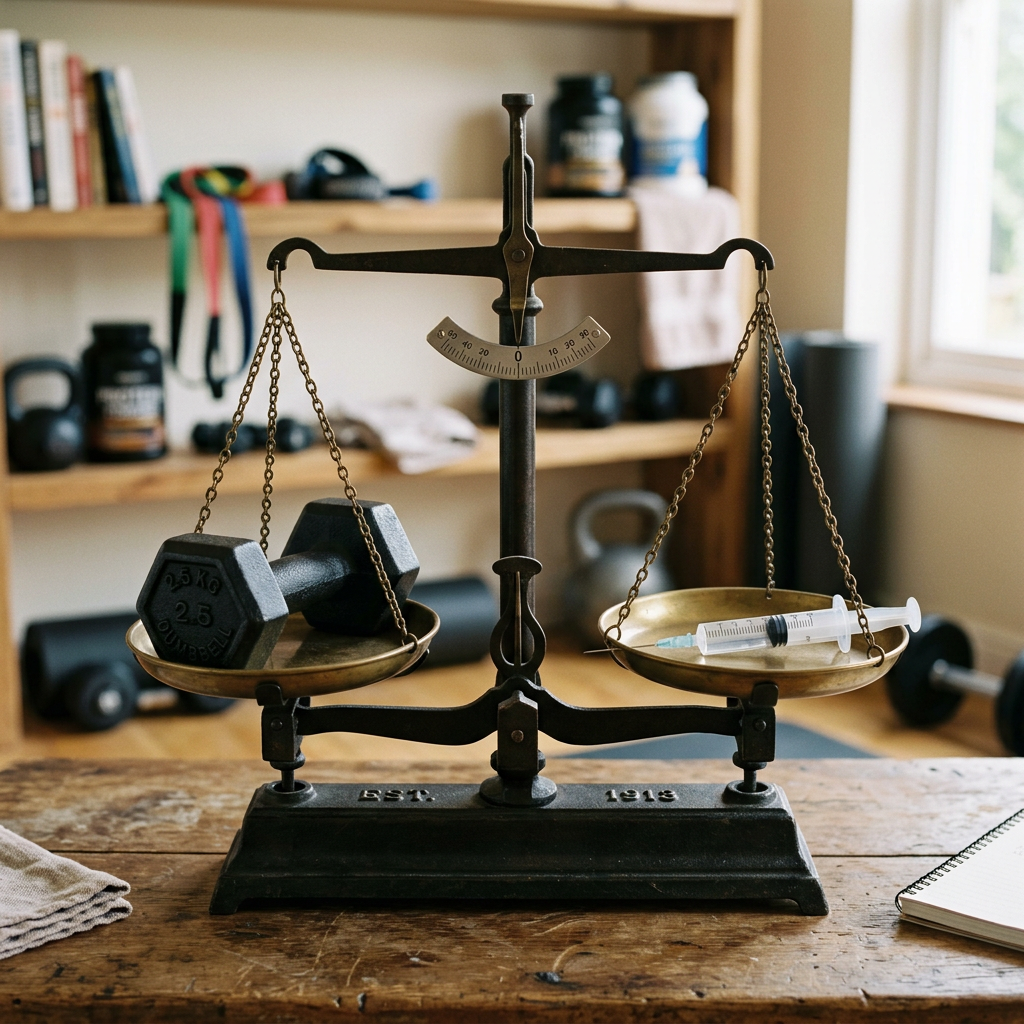
    This morning I was leaning on the counter like a zombie in my kitchen, waiting for the espresso machine to spit out liquid salvation, when my eyes land on it: a shiny new jar of melatonin pills, perched innocently next to the vitamins like it was just another harmless little health hack. Boom. Instant flashback to that Huberman Lab episode that my man and I devoured years ago. Your body already makes melatonin. It is this beautiful, natural hormone your pineal gland pumps out when the sun dips and your circadian rhythm says “lights out, bitch.” Pop a supplement and you are not “helping” sleep—you are straight-up telling your brain, “Nah, I got this from the factory now, you can stop producing the real stuff.” Congrats, you have just trained your own biology to go on strike.

    And yeah, I am that person who deeply despises every single unnatural aid cooked up by Big Pharma. Those greedy corporate vampires do not give a damn about your actual health; they are too busy counting cash while you swallow side effects that make the original problem look cute. Groggy mornings? Check. Hormone chaos? Check. Dependency that turns you into a walking zombie who cannot sleep without their chemical crutch? Double check. Is it really worth it? For what—maybe shaving off ten extra minutes of tossing and turning? Hard pass. I would rather stare at the ceiling counting conspiracy theories than hand my sleep over to the same people who brought us opioid epidemics and “trust the science” campaigns that aged like milk.

    Look, I am not pretending I am some flawless sleeper. Some nights my brain decides 1 a.m. is the perfect time to freak out about my life. I have tried the classic “count sheep” method and somehow ended up at 1,000 because my brain would not turn off. Absolutely pathetic . But here is the thing I have learned the hard way: it is not about the sheep, the pills, or even how many hours you are actually logging. It is about your routine and the ruthless power of your mindset.

    Every single day after lunch I crash for a nap like it is my duty. Is it because I am magically fixing some sleep debt? Nah. It is the ritual. The signal to my brain that says, “We’ve got this handled, queen.” And that is where the real happens. 

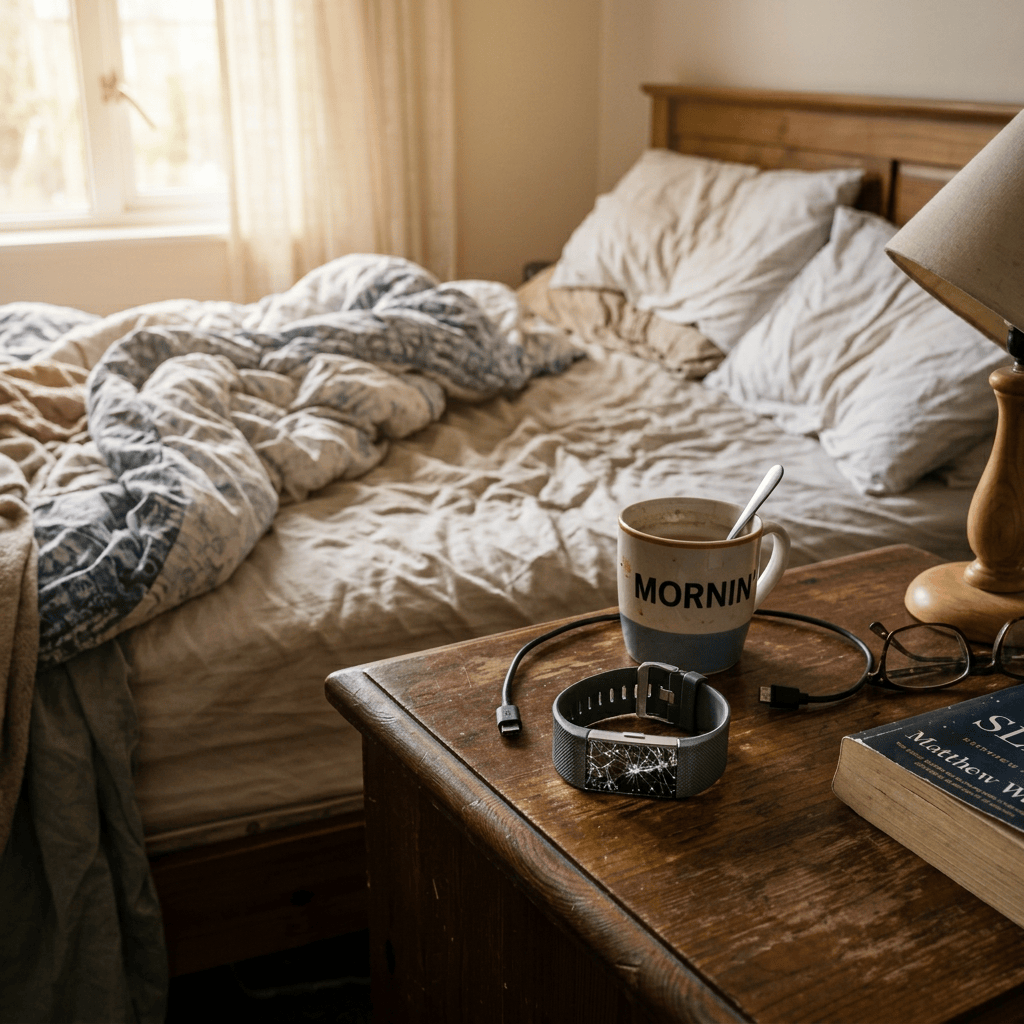
    I dug into this wild study on PubMed (yeah, the actual peer-reviewed one, not some social media “sleep guru” nonsense): “Placebo Sleep Affects Cognitive Functioning.” Researchers straight-up gaslit people about their sleep quality using fake data—told half of them they had amazing REM sleep and the other half they had garbage sleep. The group told they slept like champions crushed cognitive tests—faster processing, sharper attention, better everything—even if their actual sleep was trash. The “bad sleep” group tanked, even when they had actually rested fine.  So stop strapping on those dorky looking smart watches/ rings. 

    Mindset is not some woo-woo buzzword. It is the cheat code. Your brain decides how wrecked (or unstoppable) your day is going to be way more than the raw hours on the clock. Big Pharma wants you chasing pills because pills = repeat customers. Your brain wants you to own the narrative: “I slept like shit but I’m still running this day.” That placebo effect? It is not fake—it is proof that perception is king. I am not saying ignore real insomnia or medical issues (talk to a real doctor, not Dr. Google). But for the average “I scroll social media till 2 a.m. and wonder why I’m tired” crowd? Ditch the jar. Build the routine. Tell your brain it is the boss, not some synthetic hormone from a lab that treats your pineal gland like it is optional.

    So I guess I will take my espresso, my post-lunch nap ritual, and the smug satisfaction of knowing my own brain is running the show. Sleep poorly? Sure. But I refuse to let it own me.

    Your move, sheeple. The revolution will not be supplemented.

  • Weekend Snack Ideas for Healthy Living

    Weekend Snack Ideas for Healthy Living

    I am all about living a balanced, feel-good life, but I am not here to obsess over every single calorie. If I am reaching for real, whole foods (and skipping the breads, pastas, and heavy gluten stuff that I personally avoid), I give myself full permission to snack without the mental math. I literally do not count calories. My body feels better, my energy stays steady, and I do not spiral into restriction mode.

    On weekdays, my eating is pretty minimal and focused. I usually have one solid, satisfying meal—often something high-protein with plenty of veggies and healthy fats. Some days I add a simple side of apple slices dipped in nut butter for an afternoon snack. That is it. No endless snacking, just real hunger and real satisfaction.

    This approach keeps me lean, energized for my daily workouts, and… it just feels natural. I am not forcing tiny “meals” every three hours. I eat when I am actually hungry.

    Weekends are a totally different story—and I love it that way. This is when I actually enjoy spending time in the kitchen. Case in point: I make the fluffiest gluten-free waffles “for him”… while wearing nothing but a cute bra (and pants obviously) so he can admire the view (and yes, he takes plenty of pictures).

    Those waffles are dense, nutrient-packed, and satisfying enough (Simple Mills) that just one does the trick. They are gluten-free, made with better-for-you ingredients, and hit that weekend comfort-food craving without derailing how I feel in my body.

    After the waffles? I snack. Unapologetically. But I am strategic about it. I reach for options that taste indulgent but will not leave me bloated or uncomfortable—especially important when I know I will be filming more “cooking in a bra” content soon. Here are my go-to weekend snacks right now:

    • Siete Chips
    These are my salty, crunchy obsession. Made from cassava or almond flour, they are grain-free, super crispy, and come in amazing flavors (the sea salt elite). I pair them with guacamole or just eat them straight. Plus they are made with avocado oil— no seed oils in sight! Zero guilt, big satisfaction.

    Masa Chips
    Another chip win—thicker, with that perfect corn-like taste but usually cleaner ingredients. They feel more “traditional” while still fitting my no-gluten, no-junk preferences.

    Honey Mamas Chocolate Bars
    If you have not tried these, you are missing out. They are raw, honey-sweetened, and packed with coconut and cacao. The texture is fudgy and rich, and they melt in your mouth. I break off a half for my espresso during an our “coffee date“.

    • Dried Fruit
    Mango, pineapple, even apple chips —whatever looks good. I love the natural chew and sweetness. But I also just love fruit and the sweetness and charcuterie vibe of dried figs or dates is too intoxicating to not indulge.

    Enjoy Life Chocolate Chips
    These are my secret weapon for “I need chocolate right now” moments. They are allergen-friendly (no dairy, no soy, no nuts if you get the right ones), and I like to either eat them by the handful or pick at them throughout the day while I keep them under my laptop.

    I do not eat bowls of cereal — I literally just stick my hand into this delicious mixture and enjoy!

    The key for me is choosing snacks that are light, but nutritious and not overly processed. These options keep my skin clear, my digestion happy, and my energy high enough to keep working out. I am not worried about “ruining” my next video because I know I am fueling with foods that love me back.

    I have learned that balance looks different for everyone. For me, it is strict during the week so I can play on the weekends—without shame or spreadsheets. Food is joy. Cooking (half-naked) is joy. Sharing it with my boyfriend is joy. And these snacks let me keep all of that while still feeling confident and strong in my body.

  • From Concrete Jungles to Barnyard Bliss

    From Concrete Jungles to Barnyard Bliss

    There was a time—not so long ago—when the ultimate female fantasy smelled like subway steam, expensive perfume, and the faint tang of a dirty martini. Picture it: a twentysomething woman in a crisp blazer and heels, striding through a sea of yellow taxis, her oversized handbag swinging (AKA the ultimate boss bitch!). The city was her playground and her reward for rejecting the picket-fence script her mothers and grandmothers had followed. Sex and the City was not just a TV show; it was a manifesto. It was my personal Bible. Carrie Bradshaw and her crew embodied the promise: live loud, love recklessly, shop unapologetically, and never, ever apologize for wanting more than a quiet life in the suburbs. The concrete jungle was not a cliché—it was the dream. Skyscrapers as catwalks. Roof parties as therapy. The allure of ambition drowning out any doubt that you may have had.

    Fast-forward to right now, and that dream has quietly packed its Louis Vuitton bags and moved to the country. Scroll through any social feed and you can see it: young women in linen dresses, hair in messy braids, grinning beside a Jersey cow or with dirt under their fingernails as they dig into a garden. Their feeds are a montage of raised garden beds bursting with heirloom tomatoes, mason jars of fermenting kombucha lined up like soldiers, and crusty sourdough loaves cooling on reclaimed-wood counters. The caption is always something like, “Trading spreadsheets for soil. Never been happier.”

    The shift is not subtle. It seismic. Girls, like me, who once pinned “NYC apartment goals” on their vision boards are now pinning “homestead layout diagrams” and “how to raise chickens for eggs” What happened? How did the concrete jungle lose its roar?

    The Glamour That Started to Feel Hollow

    The city life we were sold was always half marketing, half myth. Yes, there were the glittering nights—brunch that lasted until 4 p.m., spontaneous gallery openings, the electric thrill of possibility around every corner. And I still do want a lot of that. But there was also the other side: rent that devoured 60% of your paycheck, commutes that threatened murder, and a quiet anxiety that never quite switched off. The city demanded you be on all the time—networking, dating, curating the perfect Instagram life that proved you were thriving. Burnout was not a bug; it was the feature.

    Then came the shitshow of 2020. Lockdowns stripped the city bare. I used to think that I was craving the trad life, because I fell in love/ developed a new mindset. But, in reality, the vibrant energy looked a lot like empty sidewalks and $18 oat-milk lattes delivered by masked strangers. For the first time in decades, young professionals could actually feel the weight of urban living: polluted air, constant noise, zero connection to anything that grew or breathed without a price tag. Remote work cracked the door open. Suddenly you did not need to be in a cubicle in Midtown to pay the bills. The question everyone started asking—quietly at first, then louder—was: Why am I here?

    The answer, for a surprising number of women, was: “I don’t have to be.”

    For someone like me, the city life dream/ the Trump Tower penthouse Pinterest boards screeched to a halt.

    Enter the sourdough starter. Enter the garden. Enter the cow.

    There is something profoundly satisfying about watching yeast do its ancient magic in a jar on your counter. It is slow, it is patient, it is alive in a way that a $14 avocado toast never was. Pulling a carrot from the soil you planted and watered feels like a tiny victory. Gardening is not just growing food; it is growing agency. You become the leader of your little patch of earth. No middleman. No barcode. Just you, the sun, and the satisfaction of biting into a sun-warm tomato still warm from the vine.

    This is not nostalgia for a past that never existed. It is a rebellion against the disposability of modern life. And I absolutely love rebelling! Fast fashion, fast food, fast everything left us starved for something real. Sourdough takes days. Gardens take seasons. Cows demand you show up every single morning, rain or shine. That commitment feels like freedom in a world that sells us endless options but zero roots.

    Social media, for once, is not the villain here—it is the megaphone. Cottagecore aesthetics exploded during the pandemic for a reason. Those dreamy videos of women in linen dresses harvesting lavender are not just escapism; they are blueprints. Influencers with 200-acre homesteads show the beauty, but the comments sections reveal the deeper truth: “I’m so tired of pretending the city fulfills me.” Young women are realizing that the independence they were promised does not have to look like a corner office. It can look like a corner of a picket fence. 

    This is not just about aesthetics. It is about values doing a 180. The feminist script of the late ’90s and 2000s told us career + city + freedom = happiness. Many of us ran that experiment and discovered the equation was missing variables: community that is not transactional, food that does not come in plastic, children who run barefoot instead of dodging human feces on sidewalks.

    Of course, reality check: homesteading is hard. Cows do not care about your feelings when they are sick at 2 a.m. Gardens fail spectacularly in hailstorms. Sourdough can turn into a science experiment gone wrong. Social media does not show the back-breaking work, the isolation when the nearest store is 45 minutes away. The dream is romantic. The reality is often muddy boots and calloused hands.

    Yet the longing persists. Because even if you never fully move to a 10-acre plot, the idea of it heals something. It is permission to slow down. To value skill over status. To measure success by how many jars of preserves line your pantry instead of how many followers like your brunch pics.

    The New American Dream Is not Urban Anymore

    We are watching a quiet exodus. Not everyone is selling their apartment and buying a tractor (though plenty are). Many are doing the hybrid version: suburban plots with chickens in the backyard, balcony gardens that somehow produce enough basil to top your pizzas, weekend farmers market visits that feel like church. The point is not that every woman wants to become Elinore Pruitt Stewart. It is that the cultural current has shifted. The city no longer feels like the only place where life happens. The countryside—once dismissed as boring, backward, or basicnow feels like the final frontier of authenticity.

    So here we are. A generation that was raised on Sex and the City reruns is now trading stilettos for muck boots. We still want adventure, success, and connection. We just want it to smell like fresh hay and warm bread instead of exhaust and ambition.

    The concrete jungle had its moment. It taught us how to hustle, how to dream big, how to stand tall in heels. But now we are learning something gentler: sometimes the biggest flex is knowing how to keep a sourdough starter alive through a winter. Sometimes the most radical act is planting seeds and trusting they will grow.

  • Beef Tallow: The Timeless Fat Making a Modern Comeback

    Beef Tallow: The Timeless Fat Making a Modern Comeback

    In a world obsessed with the latest superfoods and wellness trends, sometimes the best ingredients are the oldest ones. Beef tallow—rendered beef fat—has been used for centuries in cooking, skincare, and household goods. Today, it is experiencing a resurgence as people seek natural, stable alternatives to highly processed seed oils. Whether you are a home cook, skincare enthusiast, or simply curious about traditional fats, beef tallow deserves a spot in your pantry (and maybe your beauty routine).

    Beef tallow is the rendered (melted and purified) fat from beef, typically from suet (the hard fat around the kidneys and loins) or trimmings. When rendered properly, it becomes a creamy, white-to-pale-yellow solid at room temperature that melts easily for cooking.

    Its fatty acid profile includes a mix of saturated fats (like palmitic and stearic acid), monounsaturated fats (like oleic acid), and some polyunsaturated fats. It also naturally contains fat-soluble vitamins A, D, E, and K, especially when sourced from grass-fed cattle.

    Before vegetable oils dominated supermarket shelves in the 20th century, tallow was a kitchen staple. Ancient Egyptians, Greeks, and Romans used it for skincare and soaps. Traditional cooks relied on it for frying, baking, and preserving food due to its stability.

    Fast food chains like McDonald’s famously fried French fries in beef tallow until the 1990s for superior flavor and crispiness. Sounds amazing, right?!  Now, as concerns about ultra-processed oils grow, tallow is back on menus and in home kitchens.

    A tablespoon of beef tallow provides about 115 calories, mostly from fat. It is stable at high heat and contains no trans fats when rendered cleanly. Grass-fed versions offer more conjugated linoleic acid (CLA) and vitamins.

    Potential benefits:

    • High smoke point (around 400°F/204°C), making it excellent for frying without breaking down into harmful compounds.
    • Rich flavor that enhances savory dishes.
    • May support skin barrier function when used topically due to fatty acids. 

    Beef tallow excels in high-heat applications:

    • Frying: Crispy French fries, chicken, or fish and chips with restaurant-quality results.
    • Searing: Perfect crust on steaks or burgers.
    • Roasting: Toss vegetables or potatoes for golden, flavorful sides.
    • Baking: Use in pie crusts, biscuits, or cookies for flakiness and subtle richness.

    It adds a savory depth that vegetable oils cannot match.

    I have not personally tried it (yet ), but tallow’s composition closely mimics human skin oils, making it a popular natural moisturizer. Fans report it helps with dryness, eczema, and even acne for some due to its non-comedogenic properties in pure form. It can be used as a balm, lip moisturizer, or base for DIY soaps and candles. 

    Beef tallow represents a return to whole, traditional foods. It is versatile, flavorful, and nutrient-dense when used thoughtfully. Source it from reputable, grass-fed suppliers for the best quality, and enjoy it as part of a balanced diet.

    Whether you are frying up dinner or soothing dry skin, this “liquid gold” might just become your new kitchen (and bathroom) essential. 

  • Lounge in Style: My Favorite Sustainable Pants Reviewed

    Lounge in Style: My Favorite Sustainable Pants Reviewed

    You probably remember me gushing a few weeks ago about my latest fixation: organic and sustainable fabrics. After years of living in Lululemon and ALO Yoga pants (you know the ones — buttery soft, compressive, and basically a second skin), I finally hit a wall with all that polyester. Do not get me wrong, those pieces served me well through countless workouts, lazy days, and everything in between (and they are simply beautiful!) But the constant grinding against synthetic materials started to feel… off. My hormones, my comfort, and honestly my entire vibe were ready for a change.

    Enter my amazing man, who always knows exactly how to spoil me in the most thoughtful ways. He surprised me with not one, but two incredible new sustainable pairs of pants that have completely transformed my daily wardrobe. I am officially obsessed, and I need to tell you all about them.

    First Up: Lotus and Luna Harem Pants — My New Fairytale Lounge Uniform

    Luna and Lotus 🪷
    NEW!! #OperationHouseWifey

    The first pair are these absolutely adorable harem pants from Lotus and Luna. They are a soft, light blue base with delicate white pinstripes that catch the light just right. From the moment I slipped them on, I was in love. These are not workout pants — they’re pure lounge luxury. Lightweight, breathable, and ridiculously comfortable, they feel like wearing a gentle cloud around the house.

    What really gets me? They look like they walked straight out of Aladdin. The relaxed, flowy silhouette with that subtle taper at the ankle gives major Jasmine-meets-modern-boho energy. I’ve been wearing them while making morning coffee, curling up with a book on the couch, and even running quick errands. They’re the kind of pants that make you feel both cozy and a little bit magical. Every time I catch my reflection, I can’t help but smile. Sustainable fashion that feels this good? Yes, please.

    Then Came the Pact Black Workout Leggings — And My Doubts Melted Away

    I will be honest — when my guy first mentioned switching to organic cotton workout leggings from Pact, I was a little skeptical. I had this mental image of thin, flimsy fabric that would not hold up to movement or offer any support. Boy, was I wrong.

    These black Pact leggings are an absolute game-changer. They hug my body in all the right places without feeling restrictive. The fabric is surprisingly thick and substantial (the opposite of flimsy!), with a beautiful weight to it that makes me feel supported as I move through my day. They move with me like they were custom-made.

    The organic cotton feels so much kinder on my skin compared to traditional synthetics. Most importantly, I am not constantly freezing! There is no weird static, no overheating, and that synthetic “clammy” feeling after a few hours. I am genuinely enamored. So much so that we have already ordered two more pairs. At this rate, my entire clothing rack is about to undergo a full sustainable makeover.

    Organic fabrics like the ones from Lotus and Luna and Pact are grown without harmful pesticides, support ethical farming practices, and often come from brands that prioritize transparency and sustainability. For someone who lives in activewear as much as I do, making this swap feels like a small but meaningful step.

    I am already planning my summer wardrobe around these discoveries. The Pact leggings are so versatile that I woprobably live in their biker short version when the temperatures climb. And those Lotus and Luna harem pants? They are going to be my go-to for everything.

    My experience switching out my yoga pants has been nothing short of delightful. These pants have not just replaced my old favorites; they have elevated how I feel in my own skin every single day.

  • Crunchy Life: Organic Edition.

    Crunchy Life: Organic Edition.

    You all know that I absolutely love eating healthy (fruit!), but no matter what I eat it should always be organic!  I know, I know…. The higher price point, but it is so worth it. Organic refers to foods produced according to specific standards that emphasize natural processes. In the United States (and similar systems in the EU and elsewhere), organic certification requires:

    • No synthetic pesticides, herbicides, or fertilizers
    • No genetically modified organisms (GMOs)
    • No sewage sludge as fertilizer
    • For animals: access to outdoors, organic feed, and no routine antibiotics or growth hormones

    The USDA Organic seal is the most recognized marker in the U.S. Seek it out!—products labeled “made with organic ingredients” contain at least 70% organic content, while “100% organic” is the strictest.


    Studies consistently show lower levels of pesticide residues in organic produce compared to conventional. Switching to organic versions of crops that contain the most residues (strawberries, grapes, etc. OH MY!) can meaningfully cut your pesticide intake.


    Organic farming practices promote soil health (you would have to eat nine oranges today to consume the same amount of vitamin C that was in one orange in the 70s), biodiversity, and water quality. I personally am obsessed with Regenerative Farming. Letting chickens run around the yard and peck at the ground?  So cute.

    They often use crop rotation, cover crops, and natural pest control, which can reduce runoff pollution and support pollinators like bees. Long-term, this supports more resilient ecosystems.
    Some research suggests organic fruits and vegetables may have higher levels of certain antioxidants and nutrients. The differences are often modest, but for frequent consumers, they can add up. Organic dairy and meat frequently show better fatty acid profiles (more omega-3s).
    Organic livestock standards require more space, outdoor access, and prohibit routine antibiotic use. This means no “Bird Flu” or “Mad Cow Disease.”

    Organic is not perfect, and it is not always necessary (foods with natural protection, like oranges and bananas do not contain extra sprayed on chemicals).:

    • Higher Cost: Organic foods typically cost 20–50% more (sometimes double for meat and dairy). Supply chain limitations and certification expenses drive this.
    • Availability and Shelf Life: Not every store carries a full range, and organic produce can sometimes spoil faster without synthetic preservatives.
    • Not Automatically Healthier: An organic cookie is still a cookie. Processing matters. It could contain oils and synthetic chemicals…A conventionally grown apple is far healthier than ultra-processed organic snacks.
    • Yield and Global Impact: Some studies debate whether widespread organic adoption could feed the planet at current yields, though regenerative organic methods are improving this picture.

    The bottom line: Organic is a tool, not a magic bullet. Prioritizing it for high-residue items and animal products often gives the best return on investment.

    How to Choose Organic Smartly

    Use this tiered approach:

    1. Start with the Dirty Dozen (more here) (EWG’s latest high-pesticide list includes strawberries, spinach, kale/collard/mustard greens, grapes, peaches, pears, nectarines, apples, bell/hot peppers, cherries, blueberries, and green beans). Buy these organic when possible.
    2. Relax on the Clean Fifteen (avocados, sweet corn, pineapples, onions, papaya, frozen sweet peas, asparagus, honeydew melon, kiwi, cabbage, watermelon, mushrooms, mangoes, sweet potatoes, carrots). These have very low residues even when conventional.
    3. Focus on Animal Products: Organic milk, eggs, and meat deliver clearer benefits for hormones, antibiotics, and omega-3 content.
    4. Check Labels Carefully:
      • USDA Organic seal
      • For imported foods: Look for equivalent certifications (EU Organic, etc.)
      • Local farmers’ markets: Many small farms use organic methods but skip expensive certification—ask them directly.

    Budget Tips:

    • Buy in season and from bulk bins
    • Prioritize organic for the “big three”: produce on Dirty Dozen, dairy, and eggs
    • Frozen organic fruits and vegetables are often cheaper and just as nutritious
    • Wash all produce thoroughly regardless of organic status

    Going 100% organic overnight is not realistic for most households. Aim for progress, not perfection. Many families find that shifting 30–50% of their budget toward targeted organic items delivers noticeable peace of mind without breaking the bank.

    Pair organic choices with other healthy habits: eating more plants overall, reducing food waste, and supporting regenerative farmers when you can. Your health and the planet both benefit from thoughtful, consistent decisions rather than all-or-nothing extremes.

    Final Thought
    Choosing organic is ultimately about aligning your purchases with your priorities—whether that is minimizing synthetic chemicals,or voting with your dollars for animal welfare. Start small, stay informed, and adjust as your budget and values evolve.

  • Transforming Style: From Lounge to Elegant Outfits

    Transforming Style: From Lounge to Elegant Outfits

    Let’s be honest, most days, I am living in what I lovingly call my daily “uniform.”

    You know those super soft, buttery lounge leggings that feel like a second skin (Felina)? Pair them with a sports bra and an oversized sweatshirt featuring a Boston sports logo, and I am basically set for the day. Whether I am doing a home workout or just cozying up with my laptop, this combo is my go-to. It is comfortable, practical, and requires zero effort. I can move freely, stay warm (I even wear my sweatshirts in the summer, but with shorts!), and still feel put-together enough not to scare the delivery driver when I answer the door.

    But on the days I actually leave the house for physical therapy/for a quick workout, things level up a bit. That is when I reach for one of my thirty-six pairs of Lululemon or ALO leggings—the ones my man has generously spoiled me with over time. These pieces are a whole vibe: high-waisted, sculpting in all the right places, and made to move with you. I slip into one of the matching sports bras he has picked out for me, and before I layer on a top (also courtesy of his excellent taste), I take a few quick selfies or mirror pictures. It is my little ritual—capturing how the outfit hugs my body, how confident it makes me feel, and showing appreciation for the thoughtful gifts that make me feel seen and supported.

    So , I admit—I am not very fancy on an everyday basis. I hope to one day prance around our place in a silk bathrobe amongst Jo Malone and Diptyque home fragrances and Sade tunes in the background. But right now, my style is rooted in comfort and functionality more than high fashion most of the time.

    That said, I have been doing some reading lately about the materials used in a lot of activewear, and it has made me pause. Those thirty-six pairs of leggings are all on notice. They might need to be gradually phased out or swapped for cleaner, more conscious alternatives as we learn more about what is in the fabrics we wear daily. Fashion should feel good and be better for our bodies long-term, right? (Plus, I live a commando lifestyle so having that part near those toxins is a no-no). 

    But here is where my style really shines: when my man and I have plans to go out. That is when I come alive. I transform. He knows how much I crave designer labels, and dressing up is one of my absolute favorite types of foreplay. I still wear designer clothes that my mother bought me (even if she says that I take them for granted). But, there is nothing like slipping into a chic cocktail dress that makes me feel elegant and feminine. The silhouette, the fabric, the way it moves—it is pure joy. My signature twist is pairing that dress with a fresh pair of Jordans. Yes, really. There is something so fun and unexpected about high-end glam mixed with cool, comfortable sneakers. It is edgy, it is me, and it always gets compliments.

    Sometimes I keep it more casual even on nights out—just a great pair of designer jeans and a cozy flannel shirt. But even then, the details matter. The jeans are a size zero/24 and have that perfect fit/premium feel that makes basic outfits look intentional.

    It is funny how it takes very little effort to actually make an effort and look good. A few thoughtful pieces, the right fit, and the confidence that comes from feeling comfortable in your skin (and your clothes) can completely change how your day—or night—feels.

    Whether I am in lounge mode or dressed to the nines, the common thread is pieces that make me feel good, supported by a man who loves spoiling me with things that bring me happiness. 

  • Chaos and Comeback: My Journey and the Red Sox 2026

    Chaos and Comeback: My Journey and the Red Sox 2026

    I know that I have compared my recovery to the sports I watch, but this 2026 season for the Boston Red Sox has been a full-on dumpster fire from the jump. They are out here looking like a team that got dropped into the wrong league, scraping by on duct tape and middle fingers instead of the superstar payroll everyone keeps demanding. This is hitting me square in the chest because this exact brand of chaos is the same thing I have been wading through since my brain injury turned my life into a war zone.

    I was never supposed to be this version of me. Pre-injury, I was the golden kid—top of the class, social as hell, wired for success like some overachieving robot programmed by ambitious parents. The doctors sat my folks down, looked them dead in the eye, and swore I would bounce back fast. Cue the laugh track. Instead of rebounding, I rebelled like a freed caged animal. The injury did not politely fix itself; it rewired my brain into something feral and pissed off. I ditched the straight-A script, flipped off every expectation, and dove headfirst into the kind of self-destructive, rule-breaking spiral that makes for a killer story later but feels like pure hell in the moment. 

    No tidy recovery montage. 

    No inspirational TED Talk ending. 

    Just me, raw and ugly, clawing my way out on my own twisted terms.

    That is exactly why I am not buying the doomsaying around the Sox. They were not built to be this gritty, scrappy, underdog circus either. The blueprint—the one the front office/ analytics nerds should have jerked off to—was supposed to be different: load up on flashy big bats, drop obscene money on free-agents, and cruise into October. John Henry’s wallet was meant to be the cheat code. But nope.  Underperformance and whatever voodoo curse hangs over Fenway this year have left them looking like a bro-league that somehow wandered into the majors. And Christ, the whining from the fans is next-level. “Henry won’t spend! No big bats! We’re cheap!” they scream from their barstools and posts on X, like owning a baseball team is some moral obligation to make their childhood fantasies reality. Shut the fuck up. Those same loudmouths would be bored to tears if the Sox were just another bloated, checkbook dynasty. Where is the soul in that? Where is the blood, the sweat, the “fuck you” energy that makes October baseball feel like revenge porn?

    The scrappy story is infinitely more compelling. When this ragtag crew of misfits—guys playing above their pay grade, grinding through slumps, and flipping the script on every “expert” prediction—somehow claws their way into the playoffs? Or hell, shocks the world and wins the whole damn thing? It is not the predictable parade of overpaid stars; it is the beautiful, messy rebellion of proving every hater wrong. Just like my recovery. Doctors, expectations, the whole “you’ll be fine” chorus—they all got it dead wrong. I did not rebound. I revolted. I turned the wreckage into fuel and built something fiercer, darker, and way more interesting than the polite, pre-injury version of me ever could have been. My scars are not a bug; they are the whole feature.

    Thus, I am not panicking about the Sox. Not yet. Because I live a kind of comeback that nobody saw coming. The shaky start is just the opening act. The real show is what happens when the underdogs stop asking for permission and start taking what is theirs. The Red Sox will find their way. I seem to have found mine. And when they do—when we both do—it will not be because some owner wrote a bigger check. It will be because we fought dirty, bled real, and turned “not supposed to be like this” into the greatest plot twist in the game.

    Let’s fucking go, Boston. The rebellion is just getting started.

  • Making A Snack is a Small Win:  Why I Would Rather Tremble Than Sit

    Making A Snack is a Small Win: Why I Would Rather Tremble Than Sit

    Every single day that I drag my ass through a physical therapy workout—and weekends too—I earn this one stupid, glorious ritual. It is not some Instagram-perfect thing (although I definitely try to make it as such). It is me, alone in my kitchen in the afternoon, slicing up a crisp apple/pear, then drowning it in thick, creamy mixed nut butter (Nuttzo). Spoonfuls. Fingerfuls. Straight-from-the-jar licks that leave my tongue sticky and my soul satisfied in a way no proper dinner ever could (my boyfriend loves when I go through an entire jar in one week/ask him to buy me more).

    But there is a catch—the part nobody sees, the part that turns this “reward” into a full-contact sport: I have to stand up and get the damn bowl first.

    I used to play it safe. I took dishes from the dishwasher only. Staying planted in my chair like a queen on her throne, never risking the wobble. Grab what I need without ever testing gravity. Easy. Predictable. Cowardly as hell. My body had already betrayed me enough; why invite more drama? I would tell myself it was smart. Strategic. But it was fear wearing a productivity mask.

    Not anymore.

    I crave the hard way. I need it. Standing on my own two feet—literally—feels like flipping off every limitation my recovery tried to slap on me. Because recovery is not a straight line or a cute little progress chart. Sometimes it is me making things way more complicated than it has to be, just to prove I still can. Just to remind the universe (and my own nervous system) that I am not done fighting.

    So here is how the ritual goes down:

    I wheel my chair up to the cabinet, perfectly parallel. Doors flung open—top two, still seated, no heroics yet. My fingers slide onto the top shelf while my thumb hooks through the bottom doors, creating this weird, improvised harness. The shelf becomes my lifeline. My crutch. My middle finger to the dizziness that still tries to own me.

    Then the real starts.

    I push up. Slow. Deliberate. Left foot always betrays me first—lifts clean off the floor because my brain, traitorous as it is, only trusts the right side. It is like my body has a built-in bias: “Right side strong, left side… eh, we’ll see.” Unless I consciously force it, I shift hard left, hips tilting, core screaming. I hover there for a second, half-standing, half-praying, every muscle in my legs and back locked in a death grip.

    Vertical. Finally.

    But I am still white-knuckling the shelf. Not free. Not yet.

    Now comes the money shot: I have to let go.

    My right hand releases. Then reaches deep into the cabinet for those elongated bowls—the big ones that actually hold a proper snack mountain instead of some sad little molehill. My legs start quivering.  I clench everything—glutes, quads, abs, even my goddamn jaw—just to stay upright. My left arm bends up toward my chest like it is trying to hug itself for comfort, sometimes flailing wild like a drunk. One wrong twitch and I am knocking over glasses, plates, the whole fragile ecosystem of my kitchen. Heart pounding. 

    For those three terrifying seconds, I am completely on my own. No shelf. No chair. No safety net. Just me, my shaky legs, and the stubborn refusal to sit back down like the old version of me would have.

    And then—boom—I snag the bowl.

    I drop back into the chair like I just summited Everest, grinning like an idiot, breathing hard, maybe even laughing at how ridiculous it all is. Because it is ridiculous. A grown woman turning a cabinet reach into a high-stakes balance beam routine just to eat fruit and nut butter. But that is the point. That quiver? That tremble is the sound of my body remembering it is still mine. That is recovery screaming, “Look at me, fucker—I stood.”

    The snack tastes better after that. Sweeter. Crunchier. The nut butter hits different when you earned it through actual effort instead of autopilot. I slice the apple, with one hand (and the edges of my counter for stabilizing said apple), into perfect wedges splayed around the edges of the bowl, dollop the butter, then lick the spoon clean and go back for finger scoops straight from the jar because rules are for people who did not just fight gravity and win.

    The snack!

    Every time I do this, I am rewriting the script. The old script said: Protect yourself. Stay small. Don’t risk falling. The new one says: Make it hard. Make it count. Stand anyway.

    Recovery is not always the big, flashy milestones—walking without aids, running a 5K, whatever the highlight reel sells you. Sometimes it is this. A bowl. A snack. A deliberate choice to do the scary thing because the easy way out stopped feeling like living.

    So yeah, I tremble. I wobble. I clench every muscle like my life depends on it (and some days, it kinda feels like it does). But I stand. I reach. I get the fucking bowl.

    And then I sit down and enjoy the hell out of my reward.  Some days I get it all over my clothes as I scoop straight from my lap in a sad attempt of stabilizing the jar and some days it takes me almost an entire hour– simply because I am eating my nut butter whilst parked in the kitchen.

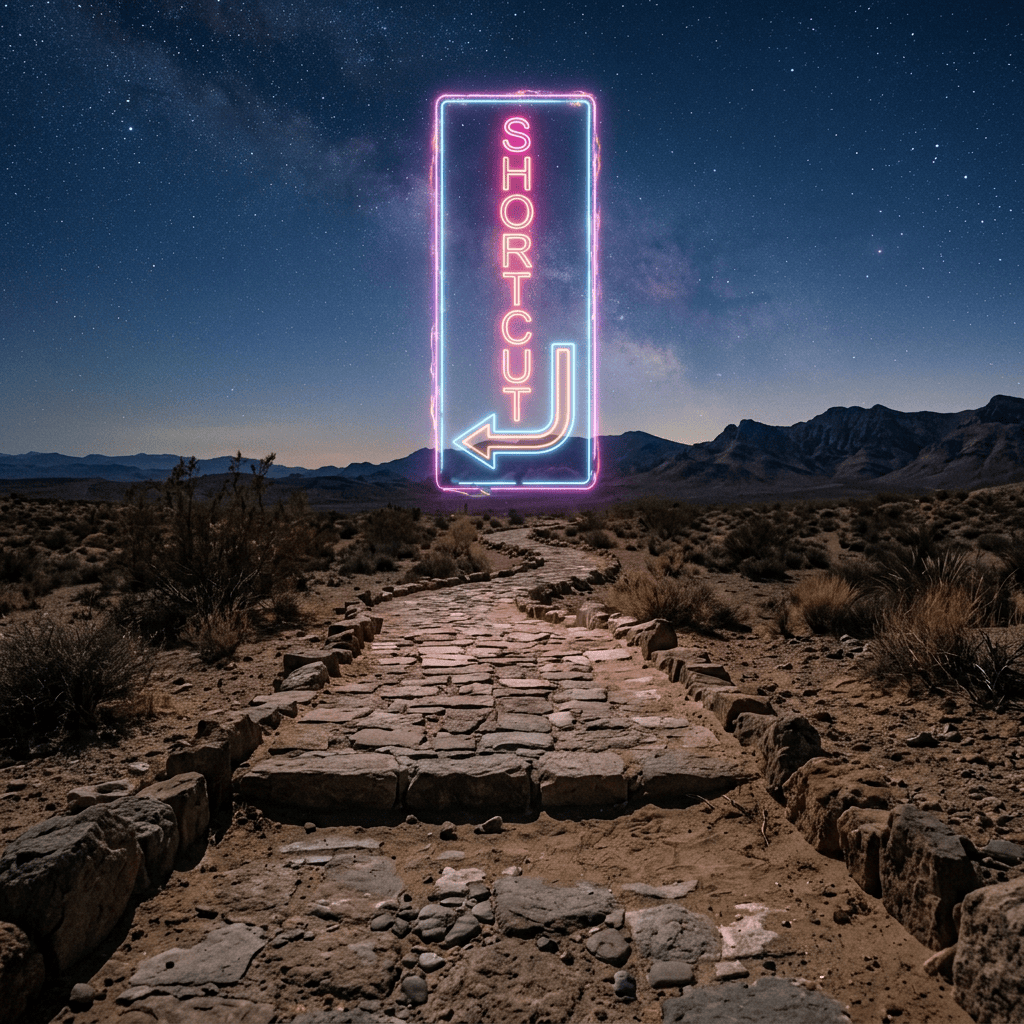
    Ultimately I do not take the shortcut.

    I took the fight.

    And damn, it feels good.

  • Forget Diet Rules: Enjoy Ray Peat’s Nutrient-Rich Approach

    Forget Diet Rules: Enjoy Ray Peat’s Nutrient-Rich Approach

    You know that heavy, bloated, “I just swallowed a brick” feeling after smashing a carb- or protein-loaded meal? Yeah, that is not happening to me anymore. So I ditched the rules and went full “Eat Whatever the Fuck I Want” — and for me, that means going Ray Peat/ paleo.

    This is not some calorie-counting prison or macro-obsessed cult. It is a pro-metabolic, bioenergetic middle finger to the standard “choke down kale” or chicken breasts for every meal bullshit. Basically it is a scientific excuse for me to indulge in my dainty way of enjoying all sorts of goodies. 

    Developed by the late biologist Dr. Ray Peat, it is all about cranking your metabolism, supporting your thyroid, balancing hormones (more progesterone, less estrogen and cortisol chaos), and keeping inflammation down.

    Peat basically said most of our problems — fatigue, stubborn fat, hormonal issues, premature aging — boil down to one thing: a sluggish metabolism. I am 100% on board with that diagnosis.

    The goal is to create a safe, energy-rich environment inside your body with easy-to-digest, nutrient-dense foods that let your cells actually produce energy instead of just being stressed. 

    The Core Rules (that I mostly follow when I feel like it):

    • Carbs are king. Simple sugars from fruit, juice, honey, and sugar. Enough of the “sugar is poison” crowd — I am loading up on orange juice, mangoes, papayas, cherries, melons, ripe berries, and apples. I adore fruits!  Fast fuel, vitamins, minerals, antioxidants. Tastes like victory.
    • Saturated fats over everything. Butter, coconut oil, ghee, full-fat dairy, cocoa butter. Seed oils (canola, soy, sunflower, corn) are straight-up toxic according to Peat. I avoid that industrial sludge (I write about this, here).
    • Smart sources of protein: This is an aspect of my diet that I do not particularly prioritize. I am not some big hulking man   Gelatin, collagen, bone broth, shellfish, oysters, eggs, and dairy. I could see myself enjoying a nice cup of bone broth for lunch. 
    • Dairy is back and might be a new favorite: Milk, cheese, ice cream — preferably full-fat and high quality. Cheese. My new obsession.
    • Root veggies and well-cooked starches. Potatoes, sweet potatoes (I LOVE ME SOME SWEET POTATO!), carrots, squash. Cooked fully so your gut will not throw a tantrum.
    • Coffee, salt, sugar (in reason), and constant fluids. My black espresso still fits. Peat loved it with milk and sugar anyway.
    • Avoid the inflammatory: Most grains, legumes, raw cruciferous veggies,  fatty fish, and all that processed garbage loaded with iron and additives.

    Peat said eat frequently — no fasting, no severe restriction — to keep blood sugar and energy steady. Here is where we clash: I still love fasting and eating like a dainty fairy princess who barely needs calories to look after her man, run the house, and do activaties like Pilates. But I am playing with the Peaty principles because they feel better for me. 

    He wants you eating to appetite, 4-6 times a day, pairing protein with carbs and fat. I love to get these protein and fats in through avocado and nut butters for dipping, but I will never eat more than once a day (plus an evening snack). Plus, he suggests cooking everything well. I will cook most things well… but tartare and sushi still hit my personal menu because rules are suggestions when they taste good.

    People on this way of eating report better energy, thyroid function, digestion, skin, hair, hormones, and way fewer cravings. Ray Peat himself lived to 86, slamming orange juice and ice cream while most diet gurus look like they are one kale smoothie from the grave.

    Critics scream it is”too much sugar,” lacks big clinical trials, and laughs in the face of mainstream advice to avoid sat fat and eat more fiber. I love that part. If the mainstream says it, I am already suspicious.

    It might not work for everyone — dairy issues, specific conditions, etc. Talk to a doctor before you go full rebel, blah blah.

    Bottom line: This is a flexible framework inspired by Peat’s work (raypeat.com has the deep dives). I am not following it like scripture — I am stealing the parts that make me feel alive, energetic, and less bloated while still indulging my sweet tooth (plus I am stealing most of my dietary “rules” from the cavemen— paleo— but with a bit more sweetness). 

    So I stopped feeling weighted down. I would rather feel light, sharp, and fueled by fruit, ice cream, and spite.