Blog

  • The Power of Remembering Vivid Dreams

    The Power of Remembering Vivid Dreams

    Waking up from a vivid dream and actually remembering it is one of the purest, most underrated signs that your brain has not completely surrendered to the modern meat grinder.

    Most people stagger out of bed like lobotomized cattle, eyes glassy, muttering “I never dream” while they reach for the phone that spent the night irradiating their skull. That is peak “normal.” But this not healthy. It is your nervous system waving a little white flag. When you open your eyes and the dream is still clinging to you—colors too sharp, emotions too raw, plot so absurd it makes waking life look like a corporate PowerPoint—you should take a second to feel smug about it. Your mind is still alive in there.

    Couple sleeping outdoors beneath stars with glowing scenes connected overhead
    A couple sleeps beneath a star-filled sky as glowing connections evoke shared memories and dreams.

    Dreams are the brain’s nightly audit. While the rest of the world is scrolling, numbing, medicating, and microdosing their way into emotional flatness, a vivid, sticky dream means the machinery is still running hot. REM sleep is doing its job. Memory consolidation is happening. Emotional processing is not completely bottled up behind a wall of SSRIs, blue light, and existential exhaustion. You are not just surviving the night; you are metabolizing the day like a functional animal instead of a medicated office drone.

    The people who claim they “don’t dream” are usually lying to themselves or so sleep-deprived and chemically smoothed that their brains have stopped bothering to stage the nightly theater. Chronic stress, alcohol, weed every night, melatonin abuse, glowing rectangles until 2 a.m.—all of it blunts the signal. You wake up empty. No residual weirdness. No half-remembered chase sequences or conversations with dead relatives or the inexplicable feeling that you just lived an entire second life in six hours. That is not enlightenment. That is neurological quiet quitting.
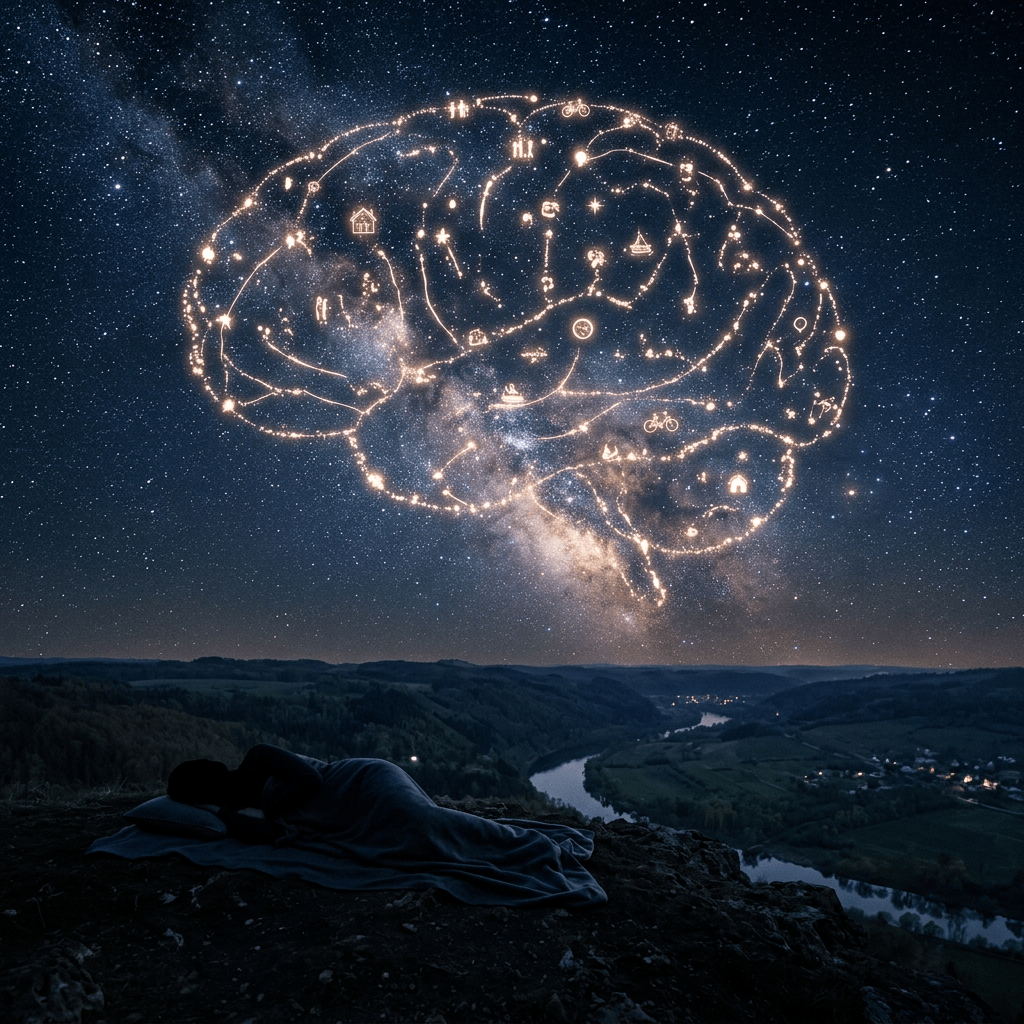
    Sleeping figure beneath glowing brain-shaped constellation over a river valley
    A sleeping figure rests beneath a glowing constellation shaped like a connected world of ideas.

    A remembered dream is evidence that the boundary between conscious and unconscious is still permeable. The subconscious is still allowed to throw its chaotic, unfiltered show and some of it lasts long enough for you to notice. That is healthy. That is human. In a culture that treats any unscripted internal experience as something to be pathologized or optimized away, remembering a vivid dream is almost subversive. You are not fully domesticated yet.

    There is a reason ancient cultures treated dreams like messages, omens, or diagnostics. They were not just wrong. A mind that can produce and retain rich nocturnal narratives is a mind that still has bandwidth, plasticity, and a functioning emotional thermostat. The opposite—waking up blank, night after night—is often the first quiet symptom that something deeper is offline. Sleep architecture is crumbling. Anxiety is winning. The prefrontal cortex is too fried to even stage a proper nightmare.

    So the next time you bolt upright at 3:47 a.m. with the full cinematic replay still burning behind your eyes, do not roll over and immediately open Instagram to forget it. Sit with the weirdness. Write it down if you are into that. Feel the residual charge. That jolt of aliveness is proof that the lights are still on upstairs. In an age where most people’s internal worlds have been reduced to algorithmic sludge and prescription fog, a vivid, remembered dream is a small, private rebellion.

    Your brain just threw a wild, unfiltered party while the rest of the house was asleep. And you got the invite. That is not trivial. That is health.


  • The Allure of TV’s Most Powerful Men

    The Allure of TV’s Most Powerful Men

    Television (and me humbly) has always had a soft spot for powerful men. Not the polite, boardroom variety who smile for cameras and donate to the right charities—the ones who bend the world to their will through force, cunning, money, charisma, or sheer force of personality. And, yes, my boyfriend does know about my affinity with these men. These characters dominate screens because power, when portrayed honestly, is magnetic, messy, and often corrosive. Here are some of the most compelling examples of powerful men in TV history, and what makes their authority so gripping. (I am the one person who has never seen Breaking Bad so I have not included those simpletons).

    Tony Soprano – The Sopranos

    Tony Soprano remains the gold standard. A New Jersey mob boss who juggles therapy sessions, family dinners, and brutal enforcement of his criminal empire, Tony wields power that is both institutional and deeply personal. His authority comes from fear, loyalty, and an almost animalistic ability to read the room. What makes him unforgettable is the contradiction: the same man who orders hits also frets about his kids’ futures and panics over ducks in his pool. Power, The Sopranos argues, does not erase vulnerability—it amplifies it.

    Don Draper – Mad Men

    Don Draper’s power is quieter, more seductive, and rooted in the art of persuasion. As the creative director of a top Madison Avenue advertising agency, he does not rule through violence or political office—he shapes desire itself. In the smoke-filled offices of the 1960s, Don’s authority comes from his unmatched ability to sell not just products, but identities and dreams. His charisma is effortless, his insights razor-sharp, and his personal mythology carefully constructed. Yet beneath the tailored suits and cool detachment lies a man permanently on the run from his own past. Mad Men shows that cultural power—the ability to define what people want—can be just as absolute, and just as isolating, as any other form of dominance.

    Harvey Specter – Suits

    Harvey Specter walks into a room and owns it. As the best closer in New York, the sharp-dressed senior partner at Pearson Hardman (and its later iterations) wields power through unmatched legal brilliance, psychological warfare, and an unshakable confidence that borders on arrogance. Harvey does not just win cases—he dismantles opponents, negotiates impossible deals, and operates by a personal code that prioritizes loyalty and results above all else. His authority is performative and intellectual: the perfect suit, the perfect line, the perfect read of every angle. Yet Suits continually reveals the cost of that invincibility, showing a man whose greatest battles are often with his own need for control and the vulnerabilities he works so hard to conceal.

    Bobby Axelrod – Billions

    Bobby “Axe” Axelrod is the embodiment of modern financial power—raw, street-smart, and relentlessly competitive. A self-made billionaire hedge-fund titan, he built his empire from nothing and defends it with a mix of genius strategy, loyalty to his people, and a willingness to play dirtier than anyone else in the room. Axe’s power is both economic and personal: he moves markets, outmaneuvers regulators and rivals, and treats every confrontation like a high-stakes game he intends to win. What makes him compelling is the contradiction at his core—a blue-collar kid who never forgot where he came from, even as he lives in a world of private jets and political influence. Billions thrives on watching Axe turn every threat into an opportunity for greater dominance.

    Logan Roy – Succession

    Logan Roy does not need guns or superpowers. He has money, media empires, and an unparalleled talent for psychological warfare. The aging media titan in Succession treats his children like pieces on a chessboard and the world like a family business he refuses to relinquish. His power is cold, transactional, and absolute within his domain. Every boardroom confrontation and holiday dinner becomes a demonstration of dominance. Logan proves that the most terrifying power is often the quietest—and the one that never needs to raise its voice.

    Frank Underwood – House of Cards

    Frank Underwood operates in the highest corridors of American politics with the precision of a surgeon and the morality of a snake. His power is procedural and performative: he masters the rules of the game so thoroughly that he can rewrite them. The direct-to-camera asides make the audience complicit in his rise. Underwood’s authority rests on information, timing, and an absolute willingness to sacrifice anyone—including those closest to him. He is the purest expression of political power as performance art.

    Desk with gavel, quill, books labeled AUTHORITY, eagle marked POWER, and hourglass
    A richly styled study desk brings together objects symbolizing law, power, and authority.

    Across these characters, certain patterns emerge. Power on television is rarely clean. It is usually bought with compromise, isolation, or violence. The most interesting portrayals show men who are simultaneously architects and prisoners of their own authority. Tony’s panic attacks,

    , Don’s carefully guarded emptiness, Harvey’s carefully maintained invincibility, Axe’s relentless competitiveness, Logan’s loneliness and Frank’s emptiness all suggest the same uncomfortable truth: absolute power rarely delivers the satisfaction its seekers expect.

    Television keeps returning to these figures because audiences recognize something true in them. We are drawn to competence, to dominance, to the fantasy of control in an unpredictable world. At the same time, the best shows refuse to let us enjoy that fantasy uncritically. They force us to sit with the human cost.

    The powerful men of television do not just rule their fictional worlds. They hold up a mirror to our own complicated relationship with power—its allure, its price, and the quiet ways it can hollow a person out from the inside. And as long as that tension remains unresolved in real life, these characters will keep commanding our attention.

  • Why So Many “Settled” Health Rules Are Overhyped or Outright Wrong

    Why So Many “Settled” Health Rules Are Overhyped or Outright Wrong

    I know some of my health beliefs sound unhinged to people raised on the standard public-health script. I am fine with that. I sincerely believe the mind and mindset are primary drivers—capable of causing, amplifying, or resolving far more of what ails us than most mainstream advice admits. Chronic stress, unresolved emotional patterns, expectation, and the stories we tell ourselves about our bodies shape immune function, inflammation, hormone balance, pain perception, and recovery far more powerfully than the average wellness checklist acknowledges. Placebo and nocebo effects are no-nonsense; they are measurable physiology. When someone is convinced they are broken, poisoned, or doomed, the body often cooperates. When someone refuses that story and orients toward agency and resilience, outcomes frequently improve—even in the face of imperfect “lifestyle hygiene.” This is not magical thinking. It is an insistence that the organism is not a passive machine waiting for external inputs to dictate its fate.

    That same skepticism extends to several specific claims that get treated as gospel.

    Cancer is largely a product of the modern chemical environment, not the sun.

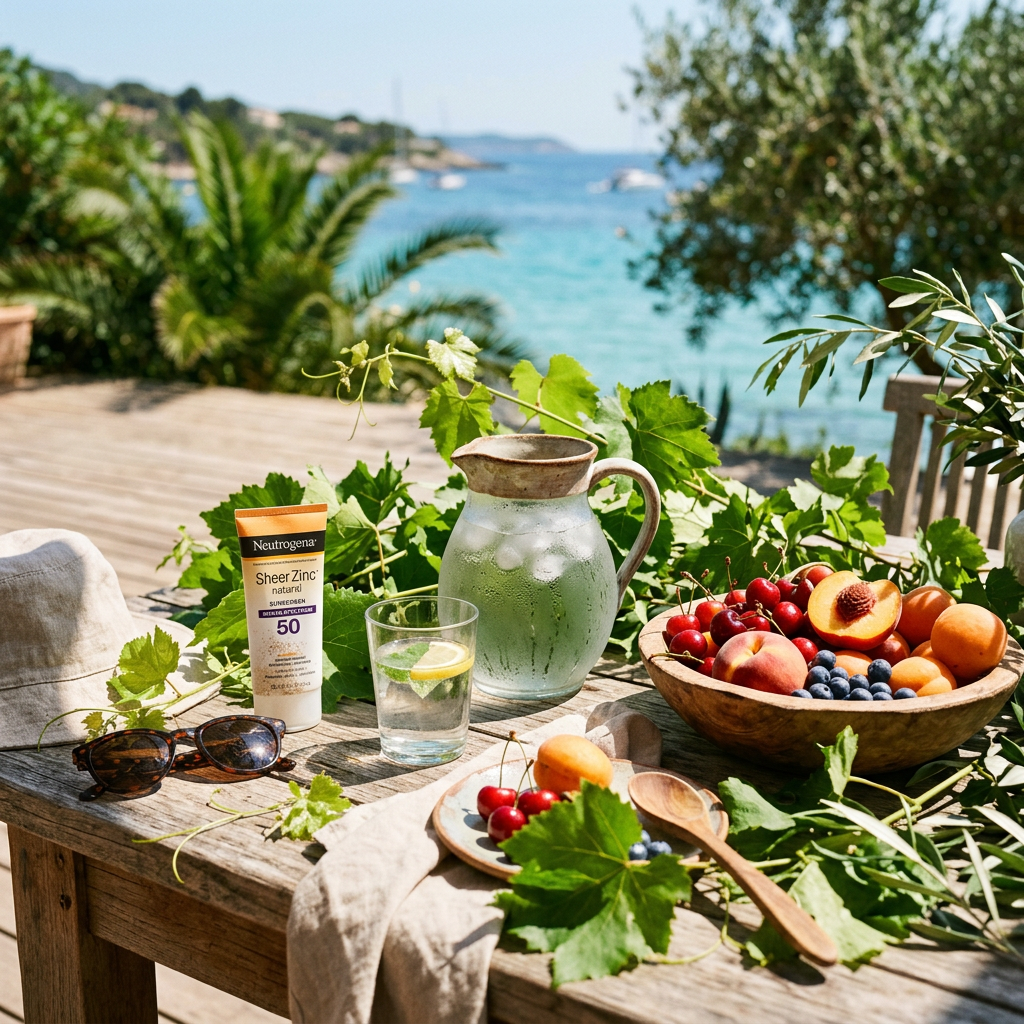
    Seaside table with Neutrogena Sheer Zinc sunscreen, fruit, water, and sunglasses
    A sunlit seaside table pairs sunscreen with fresh fruit, chilled water, and summer accessories.

    I do not accept that the sun—the same source of vitamin D, circadian signaling, and the light that has bathed life for billions of years—is the primary villain behind skin cancer. Melanoma and other skin cancers existed long before industrial chemistry, but the sharp rise in diagnoses tracks far more closely with the explosion of synthetic compounds, persistent organic pollutants, endocrine disruptors, processed foods, and novel exposures than with people suddenly spending more time outdoors. The idea that a “beautiful ball of fire in the sky” was waiting all this time to randomly attack us while we invent new solvents, plastics, and preservatives every decades seems suspicious.

    Sunscreen deserves particular scrutiny. The dramatic increase in reported skin-cancer rates after the widespread adoption of chemical sunscreens is not a coincidence I am willing to ignore. Many conventional formulas rely on ingredients that themselves raise questions about systemic absorption, hormonal interference, and oxidative stress under UV exposure. Mineral-based options (non-nano zinc oxide and titanium dioxide without the aluminum or chemical filters) are a far less concerning compromise when protection is genuinely needed. The larger point remains: treating the sun as the enemy while treating the chemical soup of modern life as background noise is a category error. Focus on reducing the big toxins first.

    The “eight glasses of water a day” rule is arbitrary dogma

    Hydration matters. Obsessive water-chugging does not. The body is not a simple tank that requires a fixed volume of plain water regardless of climate, activity, diet, or individual physiology. Electrolyte balance—sodium, potassium, magnesium, and the rest—determines whether fluid actually stays where it is useful. People eating real food, salting to taste, and paying attention to thirst and urine color generally do better than those forcing down liters of plain water out of fear of “dehydration.” Overhydration is real; electrolyte dilution is real. The eight-glass mantra is a marketing-friendly oversimplification that ignores context.

    Eight hours of sleep every night is not a universal law

    Sleep is essential. The idea that every adult must hit exactly eight hours or face inevitable decline is not. Could I even sleep eight straight hours? Individual variation is large. Some people function optimally on less, others need more, and quality (continuity, depth, alignment with natural light cycles) often matters more than the raw number. Rigid enforcement of an eight-hour quota can itself become a source of anxiety that undermines the very rest it claims to protect. Track how you actually feel and perform rather than worshiping a round number. Or purchasing a tacky tracking device.

    Wrinkles are not a disease

    The cultural war on wrinkles treats a normal consequence of decades of facial expression, sun exposure, and collagen changes as a medical emergency requiring endless products, procedures, and self-surveillance. Aging skin is not a failure of willpower or product compliance. Accepting that some lines are inevitable—and that they often signal a life lived—is more coherent than the anti-aging industry’s promise of perpetual smoothness.

    Sugar does not uniquely “feed” tumors in the way the slogan implies

    Cancer cells are metabolically greedy and often rely heavily on glucose. That observation has been stretched into the claim that dietary sugar is the direct fuel that keeps tumors growing, so cutting sugar starves them. The reality is more complicated. The body tightly regulates blood glucose; restricting dietary sugar does not selectively deprive malignant cells while leaving healthy tissue untouched. Tumors can use other substrates, and the metabolic flexibility of both cancer and host is not reducible to “sugar feeds cancer.” Obsessing over every gram of carbohydrate while ignoring overall metabolic health, inflammation, and the rest of the diet is another example of a partial truth turned into a rigid rule.

    Eat what makes you feel good—happiness is not optional

    The final point is the practical corollary of the first. Chronic stress from rigid dietary rules, moralizing food choices, and constant self-monitoring is itself a health risk. People who eat in a way that supports stable energy, digestion, and genuine enjoyment—without the background noise of guilt or fear—tend to do better long-term than those locked in perpetual restriction or purity contests. This is not a license for chaos. It is a recognition that psychological well-being and physiological well-being are not separate ledgers. When the rules become the stressor, the rules have failed.

    None of this requires rejecting every useful medical intervention or every piece of evidence-based guidance. It does require refusing to treat every official recommendation as sacred, every correlation as causation, and every commercial product as the solution to a problem the product may have helped create. The mind is not a side character in health. The modern chemical environment is not neutral. And many of the tidy rules we are handed—water quotas, sleep quotas, sunscreen as non-negotiable shield, sugar as tumor fertilizer—are simpler and less accurate than the marketing suggests.

  • Avocado Oils in Processed Foods.

    Avocado Oils in Processed Foods.

    I love me some avocado! So obviously I was ecstatic when foods were created using avocado oil instead of the disgusting seed oils (read more about my position on seed oils here!).

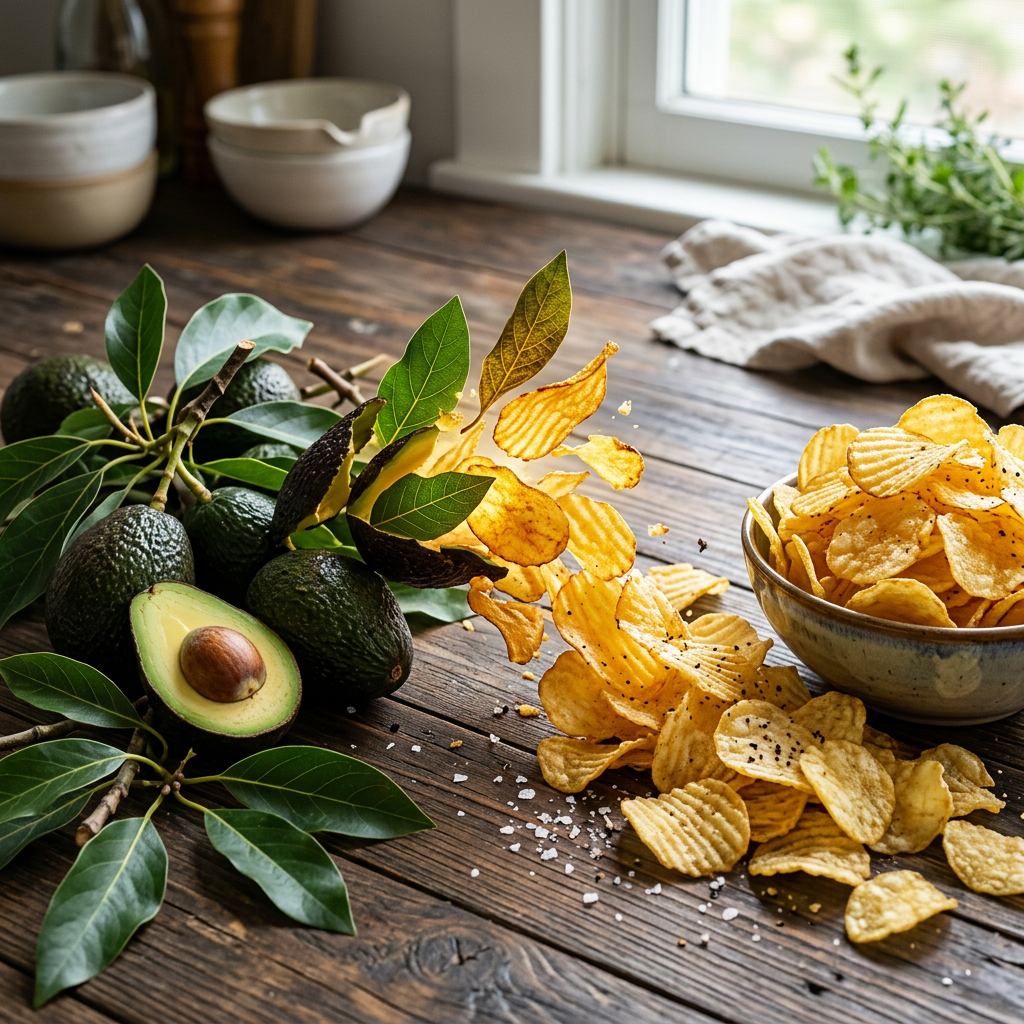
    Potato chips suck up oil like a sponge. The final product is usually 30–40% fat by weight. That means 8–11 grams of pure frying fat per one-ounce serving, whether the bag screams “avocado oil” or just “vegetable oil (and/or whatever is cheapest this week).”

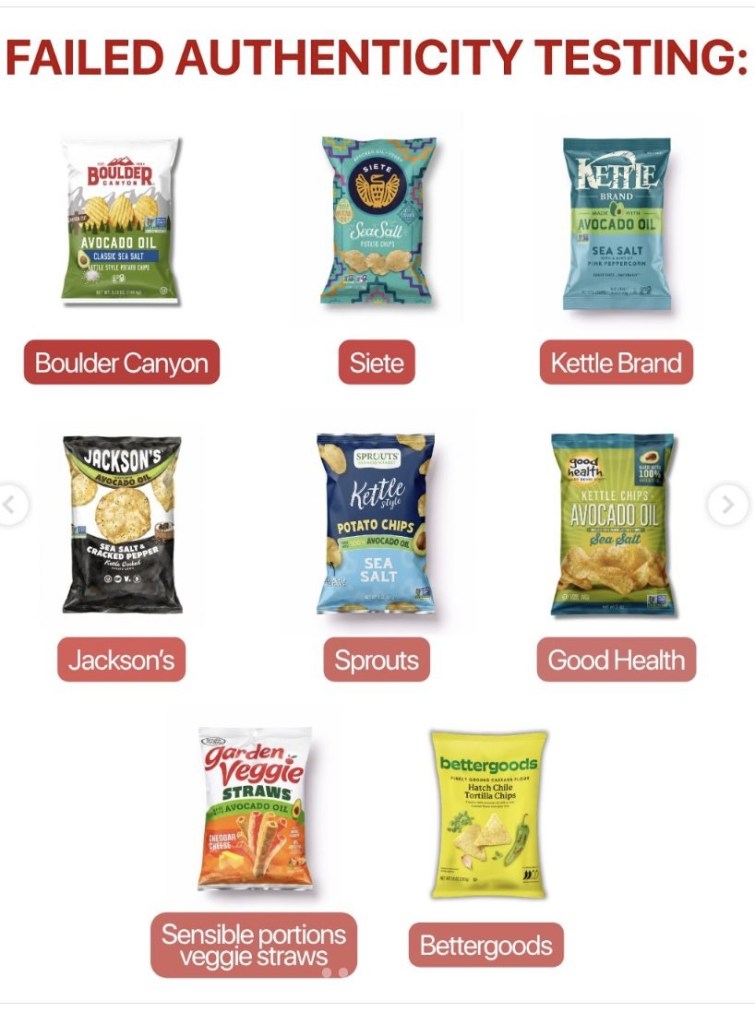
    Boulder Canyon’s classic sea salt version clocks in at 9g fat (mostly monounsaturated on the label). Jackson’s, Kettle Brand avocado lines, the works—same ballpark. The number is not magic. It is just how much oil the potato decided to keep after the fryer.

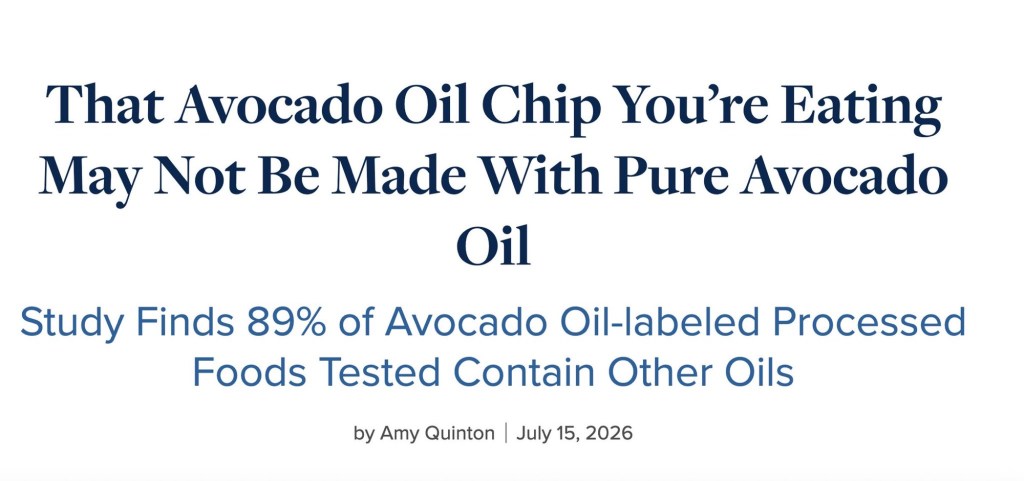
    Avocado oil should be the upgrade: high smoke point, heavy on oleic acid, less of the inflammatory omega-6 circus that seed oils bring to the party. On paper it looks cleaner. In practice a July 2026 UC Davis study checked 54 products that listed avocado oil as the only oil. 89% were adulterated. Chips specifically 93% failed the chemical fingerprint test. Fatty acids and sterols did not match real avocado oil. Cheaper oils (soybean, canola, the usual suspects) were riding shotgun or driving the whole thing.

    Boulder Canyon, Jackson’s, Siete, Kettle Brand avocado versions, Good Health, Sprouts—multiple brands flunked. A couple of samples from Lesser Evil and Simply Tostitos scraped by on one lot and failed the next. Nobody’s chip brand went two-for-two clean. Meanwhile, olive oil products mostly passed the same tests. Avocado oil is expensive. The incentive to dilute it is obvious. The supply chain apparently has no accountability.

    So when the bag says “made with avocado oil” or “100% avocado oil,” treat it like a dating-app bio: optimistic at best, full of it at worst. You are still eating a calorie bomb of fried starch. The fat profile might be better if the oil is real. Most of the time it is not. You are paying the premium for the green-washed label while the actual oil composition is closer to the cheap stuff you were trying to avoid.

    Want actual control? Make your own with a bottle of avocado oil that does not come from a random bulk supplier, or switch to brands frying in tallow, coconut, or verified olive oil. Or just accept that chips are a vice and stop pretending the oil type turns them into a wellness product. The study did not invent the problem—it just held up the receipt.

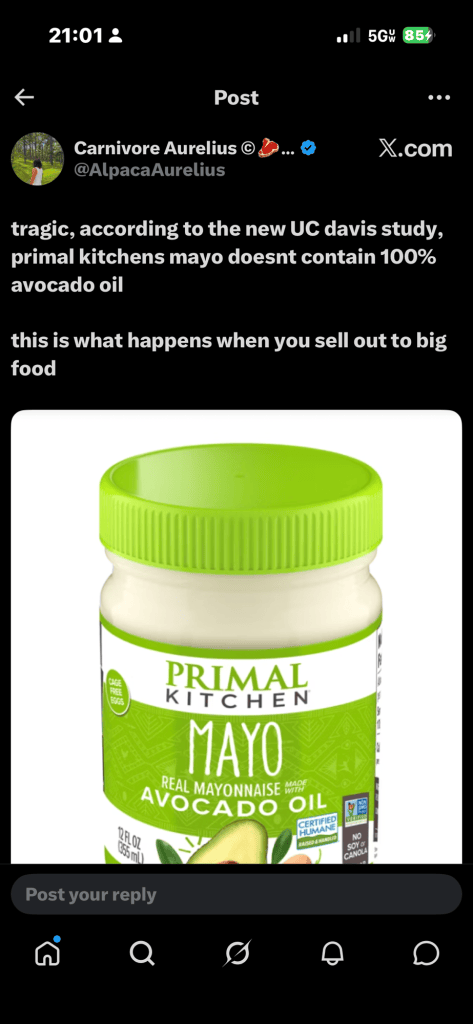
    Even one of my favorite condiment brands has sold out to Big Food and found fraudulent
  • Wrinkles—They Are the Story Written on Your Skin

    Wrinkles—They Are the Story Written on Your Skin

    I have never accepted the common claim that wrinkles are simply the unavoidable result of the natural aging process. That explanation has always felt incomplete, almost lazy, as if the body is programmed to crease and collapse on a fixed timetable no matter how we live. What I see instead is a far more personal and revealing process: the gradual recording of a life lived fully, of emotions felt deeply, and of the daily choices that either nourish or deplete the body.

    Profile of a woman's face in abstract line art with flowing lines
    A serene female profile illustrated with flowing contour lines

    There is something profoundly beautiful about a face that shows its history. Smile lines that fan out from the corners of the mouth, the soft crinkles that gather around the eyes when someone laughs—these are not flaws to be erased. They are evidence of joy. They mean a person has smiled often enough, laughed hard enough, and connected with others deeply enough for those expressions to leave a gentle, permanent imprint. A face without any such marks can sometimes look strangely blank, as if the emotions never quite landed. I prefer the lived-in face. It carries warmth and authenticity that no perfectly smooth surface can match.

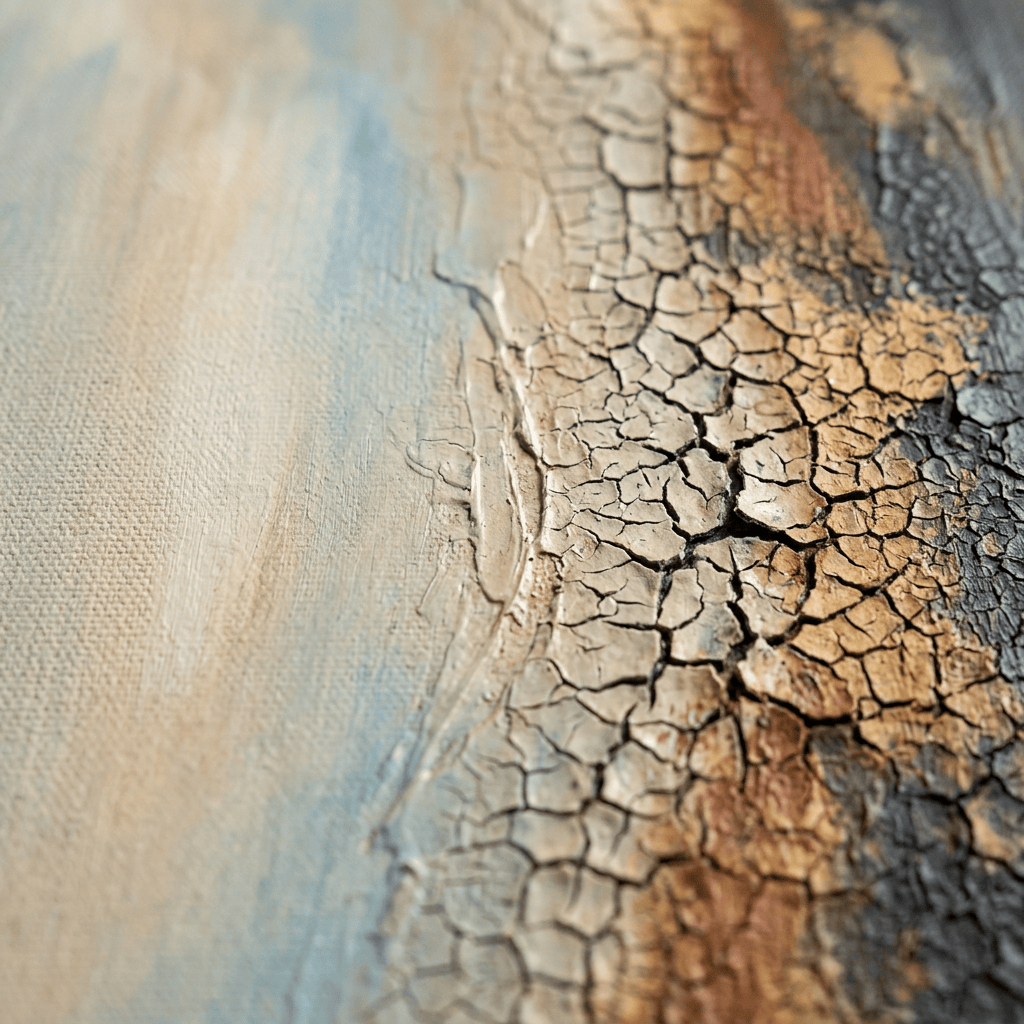
    Canvas transitioning smooth to cracked textured surface

    Of course, the canvas itself matters. What we put into our bodies shapes how that emotional history is recorded. Eating real food—fruits, vegetables, whole foods rich in water and nutrients—supports the skin’s ability to stay plump and resilient. When the diet is dominated by processed foods, endless cups of coffee, and regular alcohol, the body is steadily dried out from the inside. Hydration is not just about drinking [sparkling] water; it is about whether the cells themselves are receiving the fluids and minerals they need to remain supple.

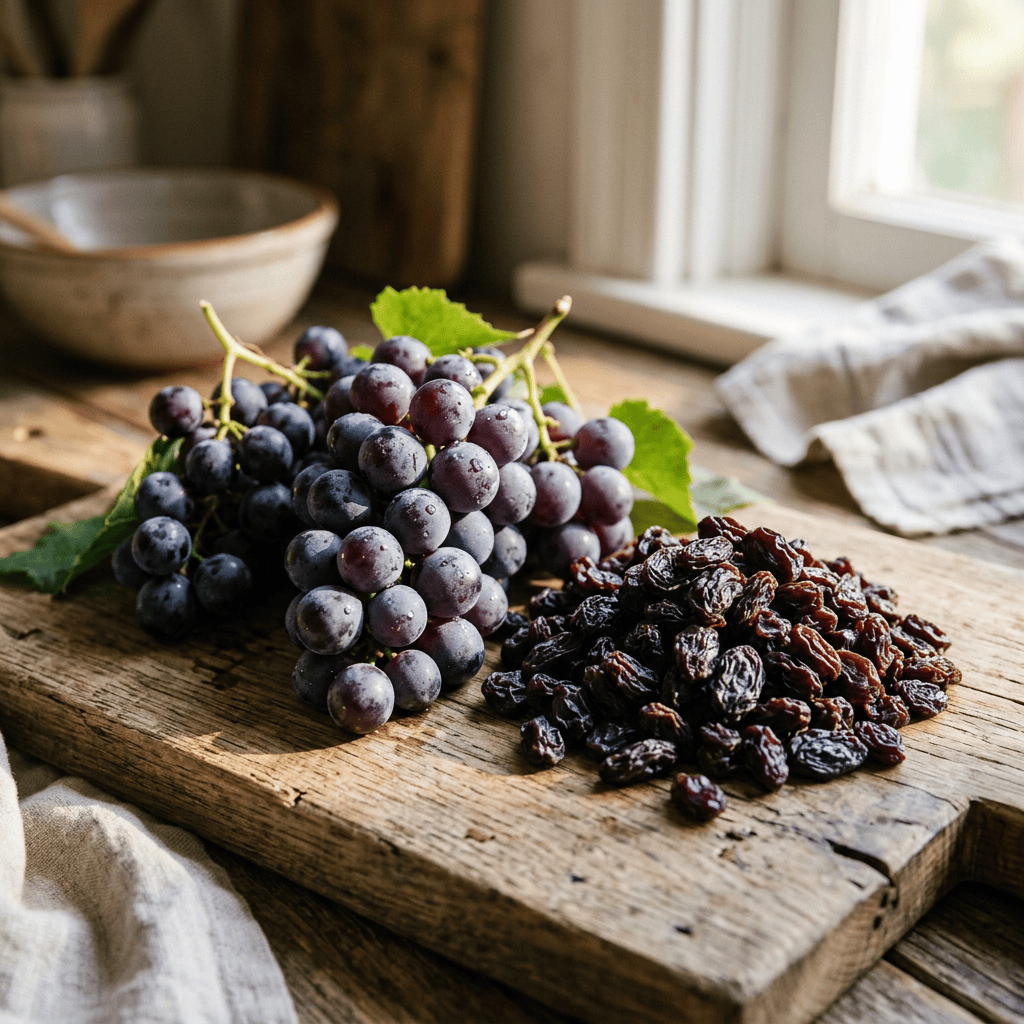
    Think about how we make raisins and other dried fruit. Fresh grapes are full of juice, plump and smooth. Place them in the sun or on a drying rack long enough, and the water is drawn out. What remains is wrinkled, concentrated, and smaller. The process is simple and visible. The same principle applies to human skin. When we chronically dehydrate ourselves through poor food choices and dehydrating habits, the skin loses its internal moisture reserves. Over years, that loss becomes visible as fine lines and deeper creases. It is not mysterious aging at work so much as the cumulative effect of drying out the very tissue that once held water so effortlessly.
    Fresh purple grapes with leaves beside a pile of dark raisins on wooden board
    A bunch of fresh grapes next to a pile of raisins on a rustic wooden board

    A baby’s face stays smooth for a reason that goes beyond mere youth. A baby has not yet accumulated all of the emotions, the repeated facial movements of a lifetime, or the gradual consequences of how the organs and systems have been treated. There has been no decades-long record of smiles, worries, laughter, or stress etched into the skin. There has also been no extended period of internal dehydration or nutritional neglect. The face remains an unmarked page because the story has only just begun.

    None of this is meant as a rigid set of rules or a promise that perfect habits will freeze time. It is simply an invitation to look at wrinkles differently. They are not a failure of biology or a sentence handed down by the calendar. They are the visible result of a life that has been felt and a body that has been either tended or neglected. When the lines appear from genuine happiness, they can be worn with quiet pride. And when we choose to feed and hydrate ourselves with care, we give the skin a better chance to hold its softness longer, so that the story it tells remains one of vitality rather than depletion.

    In the end, the face that interests me most is the one that has lived—creased by laughter, softened by time, and still capable of lighting up with the next smile. That is not aging. That is evidence of a human being who has been fully present.

  • Beyond Destinations

    Beyond Destinations

    What are your top 10 travel destinations?

    I have finally accepted the unsexy truth that every travel brochure, Instagram reel, and mid-century movie tried to hide: the place itself is mostly irrelevant. It can be a five-star suite overlooking the Mediterranean or a shitty hotel. What actually registers is whether the person you love is standing next to you when you go through the door.

    Couple hugging on rocky cliff with sunset over ocean and coastline
    A couple shares a warm embrace atop cliffs overlooking a glowing sunset over the ocean.

    I love traveling with my man. Even just staying in hotels in our own hometowns. Not the soft, pastel version of “love” that sells couples’ retreats. The real kind—where any new experience becomes sharper because he is there. New food, new streets, new chaos. I watch his face light up when something unexpected hits, and that look alone makes the entire trip worth it. The destination can be mediocre; his excitement is not. It is the only metric that still works.

    But safety has to sit at the table now. I want to show him pieces of France—the France that still lives in my head from old Audrey Hepburn films, all cigarette smoke, black dresses, and effortless glamour. That version is mostly gone. It is all homeless immigrants now. What is left is more complicated, more tense, and less willing to play along with the fantasy. The French Riviera still holds the top spot in my ranking, mostly out of stubborn nostalgia and residual beauty, (plus lounging pool/ beach side so that we can look sexy in our swimsuits trumps all), but even there the calculus has changed. You do not get to pretend the old postcard still exists without checking the fine print.

    Cabo 2025

    There is the part I hate admitting out loud: my own body and the limits it brings. Accessibility is not a buzzword when you are the one calculating elevators, distances, fatigue, and whether a charming cobblestone street or sandy beach is about to become a personal obstacle course. I refuse to turn into the logistical problem of the trip. I do not want him carrying extra weight—literal or emotional—because I insisted on a destination that looks better in photographs than it functions in real life. Being a burden is not romantic. It is just exhausting for everyone involved.

    Map, compass, German passport, coffee cups, and travel journal on wooden table
    Coffee and travel essentials set on a rustic table overlooking alpine mountains

    So the plan keeps getting rewritten. Fewer grand gestures, more honest ones. Fewer places chosen for their reputation, more chosen for the simple fact that we can actually move through them without one of us pretending everything is fine. The map still matters a little. The company matters a lot more. And the quiet calculation of “can we both enjoy this without someone suffering in silence” matters most of all.

    I will still go almost anywhere with him. I just will not pretend the world is the same postcard it used to be, or that my body is an afterthought. The excitement in his eyes is still worth the ticket [that he buys]. Everything else has to earn its place.

    Maybe we could travel by luxury cruise ship? The idea of experiencing the French Riviera, island-hopping in the Maldives, exploring Italy, and even discovering parts of our own country—Alaska, Hawaii, South Carolina, and Florida, where no cruise is needed—excites me more than anything.

    Luxury cruise ship Ocean Embrace sailing on calm sea at sunset near coastline
    The Ocean Embrace cruise ship sails near a scenic coastline during sunset.
  • The 8/8 Portal is Open.

    The 8/8 Portal is Open.

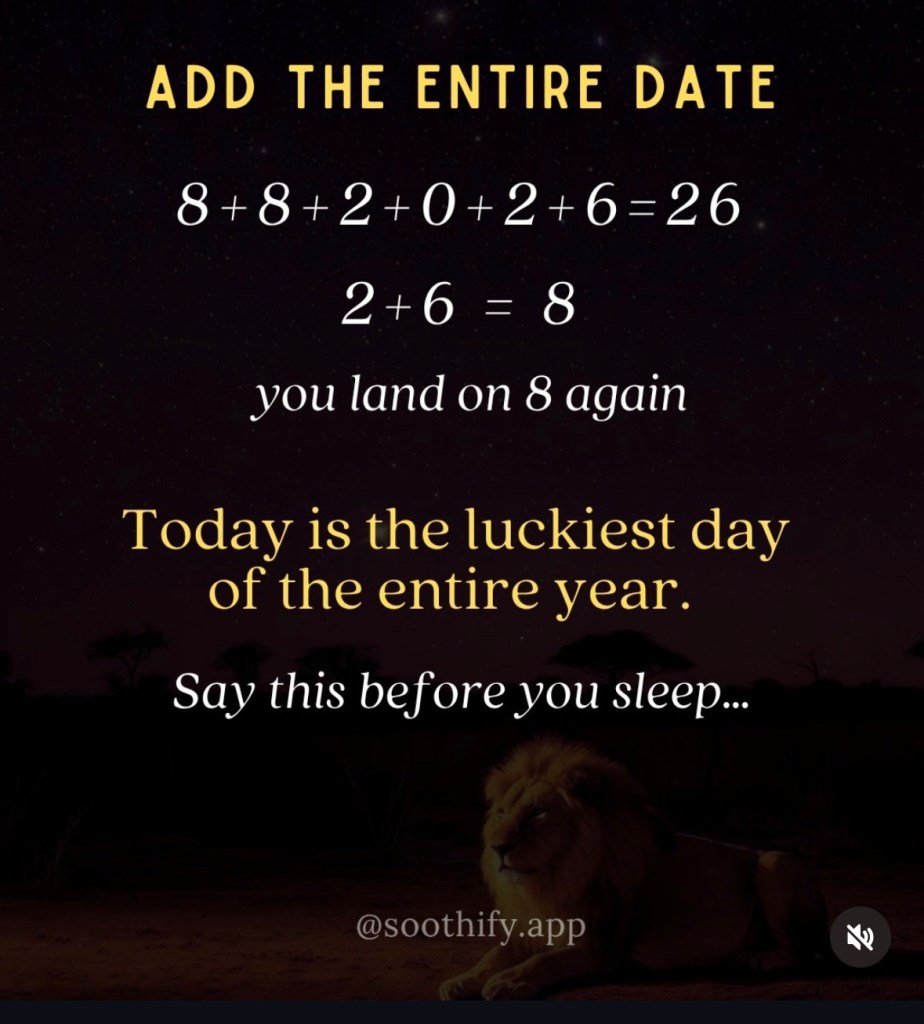
    Today—Saturday, August 8, 2026—marks the peak of one of the most talked-about energetic windows of the year: the Lion’s Gate Portal, also known simply as the 8/8 portal. Whether you approach it as astrology, numerology, ancient star lore, or pure modern spirituality, this date carries a collective invitation to step into greater power, clarity, and manifestation.

    Every year during Leo season (roughly July 23–August 22), the Sun moves through the sign of the Lion. Around this time, the bright star Sirius—the brightest in our night sky and often called the “spiritual sun”—makes its heliacal rising, becoming visible again just before dawn after a period of being hidden by the Sun’s glare.

    Spiritual traditions describe this as an alignment of Earth, the Sun in Leo, Sirius, and sometimes Orion’s Belt, creating what many call a cosmic “portal” or gateway of heightened energy. The window typically stretches from about July 28 to August 12, with the strongest focus on August 8 (8/8).

    The name “Lion’s Gate” comes from Leo’s symbolism—courage, heart-centered leadership, authenticity, and radiant self-expression. Ancient Egyptians watched Sirius closely because its rising coincided with the annual flooding of the Nile, a time of renewal, abundance, and new beginnings. While the specific term “Lion’s Gate Portal” is a modern spiritual concept rather than an ancient ritual, the star’s historical importance is real.

    The Power of the Number 8

    Why August 8 specifically? Numerology plays a starring role. The number 8 is associated with infinity (turn it on its side and you see the ∞ symbol), abundance, material achievement, personal power, discipline, and the bridge between the spiritual and physical worlds.

    On 8/8 the energy doubles. In 2026 it triples: add the digits of 8 + 8 + 2 + 0 + 2 + 6 = 26, then 2 + 6 = 8. Many are calling this a powerful 8/8/8 manifestation day.

    This year’s portal arrives with extra cosmic support. Jupiter, the planet of expansion, luck, and abundance, is currently in Leo—amplifying the bold, creative, heart-led energy of the season. The portal also sits just before a total solar eclipse in Leo on August 12, adding a layer of transformation and fresh starts.

    Many spiritual practitioners describe the Lion’s Gate as a time when the veil between the physical and higher realms feels thinner, intuition sharpens, and intentions set with clear focus can gain extra momentum.

    You do not need elaborate rituals to engage with this portal. The most effective practices are simple, intentional, and heartfelt

    Some people incorporate crystals (citrine, sunstone, or clear quartz), light a candle, or simply sit under the open sky and connect with Sirius if visible. The key is sincerity over complexity.6

    It is worth noting that mainstream science does not recognize a literal energetic “portal.” So obviously I am all for it. The astronomy of Sirius’s heliacal rising is real and has been observed for millennia; the amplified spiritual significance is a matter of belief, symbolism, and personal experience.

    Many find value in the portal simply as a cultural and seasonal reminder: a built-in annual checkpoint to pause, realign with what matters, and deliberately create rather than drift.

    Whether you fully embrace the mysticism or simply appreciate the poetic timing of midsommer Leo energy meeting the brightest star, August 8 offers a potent symbolic moment. The Lion’s Gate invites you to roar a little louder, dream a little bigger, and trust the infinite loop of giving to the Universe and receiving what the number 8 represents.

    Stepping is key here

    The portal is open. What will you walk through it toward?

    May your intentions be clear, your heart open, and your path illuminated. Happy 8/8.

  • I don’t worry anymore

    I don’t worry anymore

    What’s something you used to worry about but don’t anymore?

    I Don’t Worry Anymore

    I used to be a head case about everything.

    Every possible future lived rent-free in my mind. “What if X happens?” “What if Y falls apart?” My brain ran constant disaster simulations—late at night, early in the morning, in the middle of ordinary days. I could turn a neutral silence into a catastrophe, a delayed text into abandonment, a quiet stretch of life into proof that something was about to go wrong. Restless, sleepless nights became normal. Imagined scenarios would tighten my chest and fill my eyes with tears before anything real had even occurred. Our brains do not know the difference between the real and the imagined. Worry is not just a habit; for many, it is the operating system.

    That is not who I am anymore.

    Now I simply let go. I trust the universe and its divine timing.

    It did not happen overnight, and it was not some dramatic single revelation. It was the slow, repeated evidence of my own life. Things that once felt unbearable eventually rearranged themselves. Doors I thought were permanently closed opened in unexpected places. Losses that seemed final made space for something better, or at least something necessary. Again and again, the story resolved—not always the way I wanted in the moment, but in a way that eventually made sense. The universe, it turns out, has a longer timeline and a wider view than my anxious mind ever did.

    I still fall back into the old ways sometimes. The old machinery is still there, dusty but functional. A trigger hits, the familiar spiral starts, and for a brief moment I am right back in it—restless, sleepless, eyes welling up over something that has not happened and probably never will. The difference is that the spiral no longer owns the whole night. It lasts only a mere moment before I catch myself.

    In that moment I remind myself of everything I have already been through. I inventory the storms I have survived, the outcomes that looked impossible until they were not, the quiet proof that life has a way of working itself out even when I could not see how. That reminder is enough. The worry loosens its grip. I return to trust—not a passive, naive kind of trust, but an active one rooted in lived experience.

    This shift has not made me careless or indifferent. I still plan, still care, still show up. What I have released is the exhausting belief that constant mental vigilance is the only thing holding the world together. It never was. The world kept turning while I was busy catastrophizing. Divine timing kept arranging the pieces whether I was watching or not.

    If you are still living inside the “what ifs,” I will not pretend the jump is easy. The mind loves its old stories. It is comfortable. But every time you catch the spiral early and choose to remember what has already worked out, you weaken the old pattern a little more. Over time the moments of relapse get shorter. The trust gets quieter and more solid. Eventually you look up and realize you are no longer a head case about everything. You are just living—present, imperfect, and surprisingly okay with not knowing how the next chapter will unfold.

    Because it always works out.
    Not always on your preferred schedule.
    Not always in the form you first imagined.
    But it works out.

  • Stop Forcing: Embrace Natural Progress

    Stop Forcing: Embrace Natural Progress

    You Should Never Have to Force Anything

    If something requires constant force, it is probably not meant to be.

    Forcing feels productive in the moment. We push harder on the relationship that is slipping away. We grind through the career that drains us because “success takes sacrifice.” We shove creativity out on a deadline, muscle through decisions that do not sit right, or try to accelerate growth that simply is not ready. And for a while, force can produce results. Doors open. Boxes get checked. People stay. Projects ship.

    But the cost is almost always higher than it looks.

    Force creates resistance. Physics (and the Transurfing manifestation technique that I use) has a blunt lesson for us here. Every action has an equal and opposite reaction. Push something that does not want to move and it pushes back—sometimes immediately, sometimes after months or years of quiet accumulation. The same principle shows up in human systems.

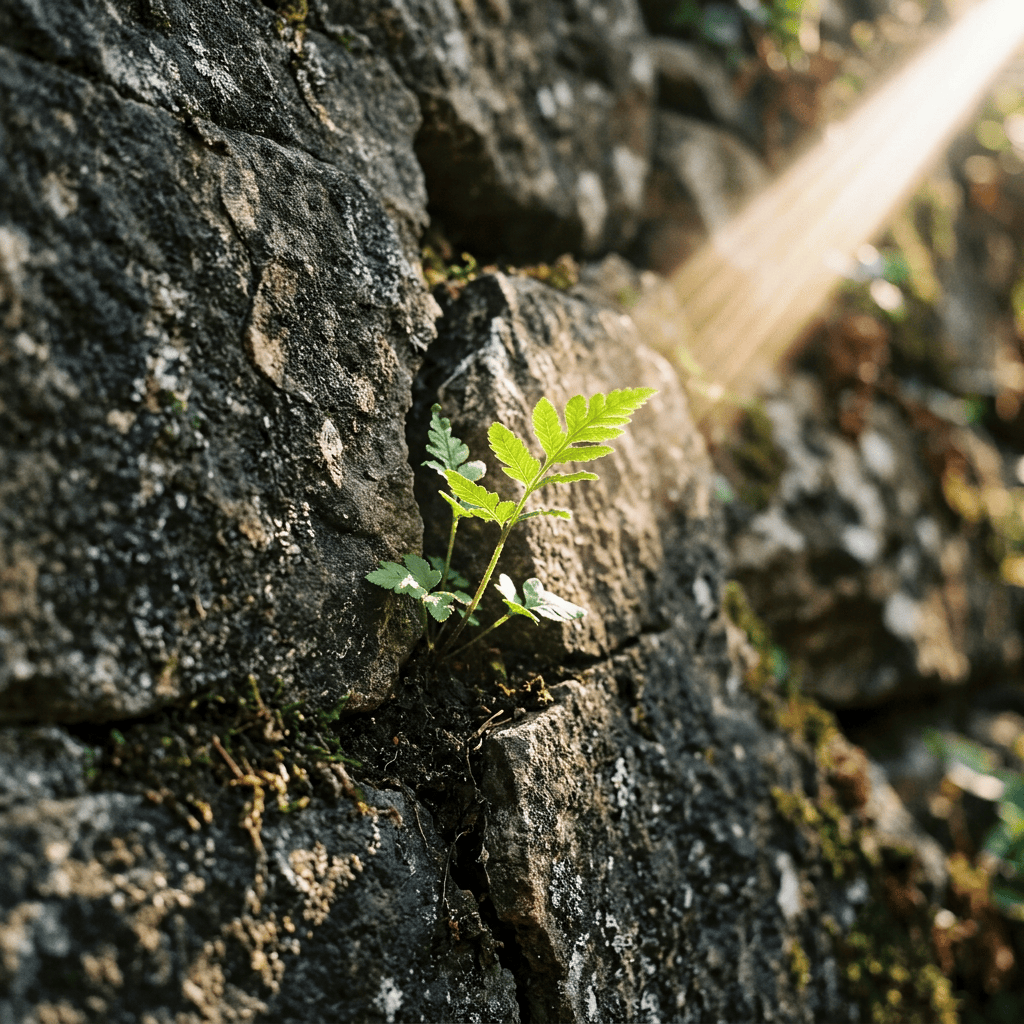
    Small green fern growing from a crack in a gray stone wall with sunlight shining on it
    A small fern grows resiliently from a crack in a stone wall illuminated by sunlight.

    When you force a connection, you create subtle (or not-so-subtle) resentment. When you force yourself into a role that does not fit, your energy leaks. When you force an outcome that is not aligned, you burn willpower instead of building momentum. Exhaustion, anxiety, and that vague sense of “this should not be this hard” are usually the early warning lights.

    Natural progress has a different texture. It still requires effort—often significant effort—but the effort feels like channeling a current rather than pushing a boulder uphill. There is less internal friction. Things click more than they grind.

    This is seen in all places people most often try to muscle outcomes into existence. Like in relationships. If love, respect, or reciprocity have to be constantly extracted, negotiated, or performed, the foundation is already compromised. Healthy connections have a baseline ease. They require work, but not perpetual force. You also see it in work and ambition. Pushing for a promotion, a business milestone, or external validation that does not match your actual strengths or values usually leads to burnout dressed up as dedication. Alignment compounds. Force depletes. Even in creativity and ideas. Trying to wring inspiration out of a dry well rarely produces anything worth keeping. The best work tends to arrive when the conditions are right and you stop strangling the process. You obviously cannot force personal change. Forcing yourself to become a different person overnight almost always triggers rebound. Sustainable growth happens through consistent, mostly gentle pressure applied in the direction of what already wants to emerge.

    In each case, the alternative is not passivity. It is discernment. It is learning to tell the difference between productive effort and self-violence.

    The difference between effort and force is that effort is showing up, practicing, refining, enduring temporary discomfort for a meaningful goal. Force is overriding clear signals—your body, your intuition, the environment, the other person—that something is misaligned.

    You can work extremely hard without forcing. Athletes train intensely. Artists revise obsessively. Builders iterate for years. The difference is whether the work is moving with the grain of reality or against it. When you are aligned, difficulty feels like resistance training. When you are forcing, it feels like fighting the universe.

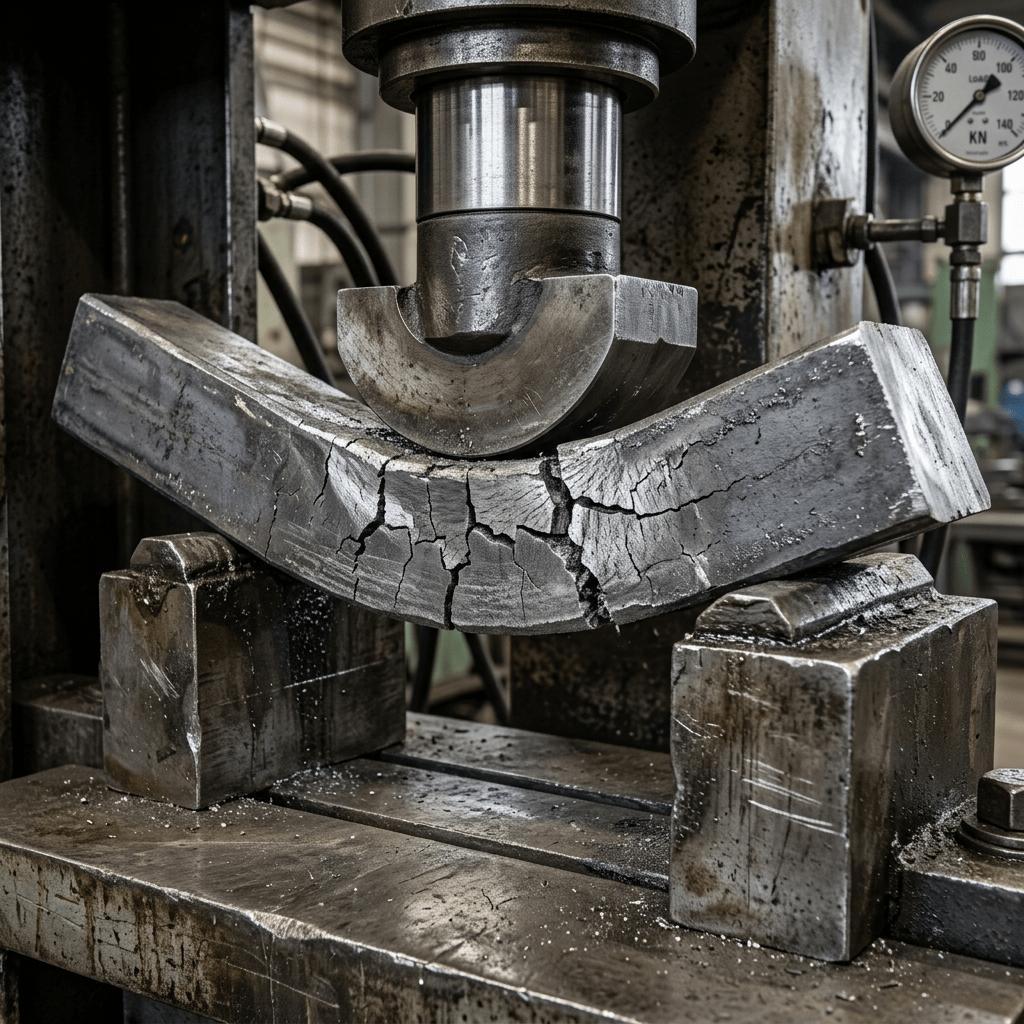
    Metal beam cracking under hydraulic press in industrial testing machine
    A metal beam fractures during a stress testing process in an industrial machine

    Start noticing the sensation. Forcing usually comes with a tight chest, clenched jaw, rising irritation, or the need to justify why “this time it will be different.” Ease (even when the work is hard) tends to feel cleaner.

    Practice patience.

    Patience is not the same as inaction. Trust is not the same as naivety. Letting things unfold does not mean abandoning standards or agency. It means refusing to treat life like a series of locked doors you have to kick in.

    When you stop forcing, two things tend to happen. First, a lot of unnecessary struggle falls away. Second, the things that are meant for you have room to arrive without competition from your frantic efforts to manufacture substitutes.

    You still work. You still choose. You still care deeply. You just stop treating reality like an adversary that must be bent to your will.

    The next time you catch yourself pushing harder and harder against something that refuses to yield, consider the possibility that the resistance itself is information. Sometimes the kindest, wisest, and most effective thing you can do is stop forcing it—and see what becomes possible when you do.

  • The Power of Conviction: Choosing Natural Over Synthetic

    The Power of Conviction: Choosing Natural Over Synthetic

    I have always been a bit stubborn when it comes to my convictions. Not the everyday kind of stubbornness that digs in over which restaurant to choose or which route to take home. Mine runs deeper. It is the kind that settles into the bones, that refuses negotiation even when the cost is high, even when the path leads straight into an operating room. Convictions, for me, are not opinions to be updated with new data or softened by social pressure. They are lines drawn in permanent ink. Cross them, and something essential in me fractures.

    That stubbornness once led me to talk a doctor into performing brain surgery. Not for a tumor. Not for trauma. For removal. Years earlier, a shunt had been placed in my head to drain excess fluid—standard medical intervention for a condition that, left unchecked, can press against the brain and threaten life itself. The device did its job. It kept the pressure down. It kept me functional. And yet, every day I lived with the knowledge that something foreign—metal, plastic, tubing that did not belong to the original design of a human body—was sitting inside my skull.

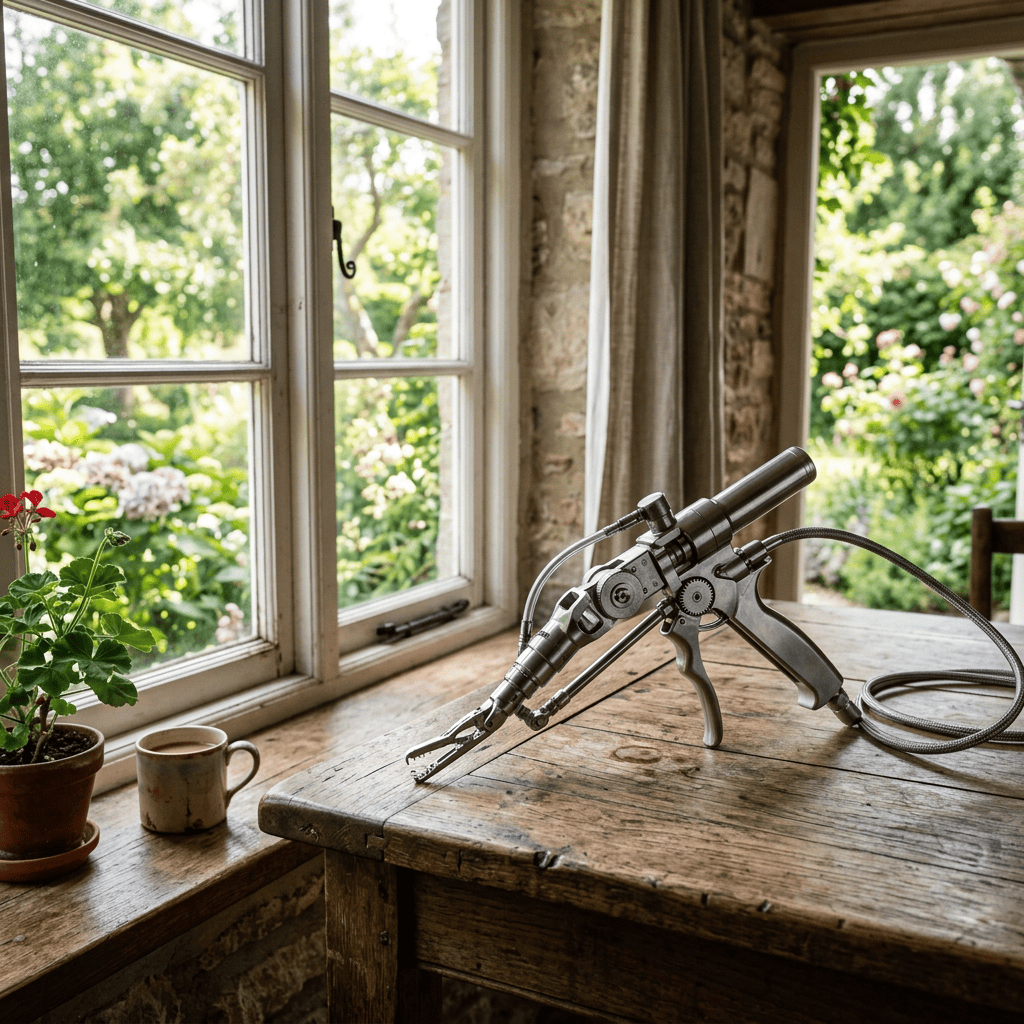
    Antique surgical instrument resting on wooden table by window with plant and cup
    An antique surgical tool is displayed on a rustic wooden table near a bright window.

    I do not believe in having anything in my body that is not naturally supposed to be there. Metals. Plastics. Synthetic valves. Permanent implants. To me they represent a quiet violation. The body is not a machine to be endlessly upgraded or patched with industrial materials. It is a living system shaped by forces far older and more intricate than any operating theater. If that system cannot fight off whatever illness or imbalance is ailing it, perhaps it is not meant to. Perhaps the struggle itself is part of a larger design. Maybe this is God’s plan.

    I know how that sounds. In an age that treats every physical limitation as a technical problem awaiting a better device, the idea that some conditions might simply be allowed to run their course feels almost heretical. Modern medicine has achieved miracles—lives extended, suffering reduced, functions restored that once would have ended in early graves. I do not deny the skill of the surgeons or the ingenuity of the engineers who design these interventions. What I reject is the assumption that every intervention is automatically an improvement, or that the body is incomplete without the latest hardware.

    The decision to remove the shunt was not impulsive. It grew from years of living with the quiet presence of something that felt alien. I researched. I prayed. I examined the risks with the same intensity most people reserve for deciding whether to undergo the implant in the first place. The fluid imbalance that once required the device could return. Pressure could rebuild. But what I cared most about was that I had just started losing weight and I could start to feel the tube that dangled down the side of my throat (from my brain and into my stomach). Aesthetics matter. There were no guarantees. Still, the conviction held: better to face whatever came next with a body returned to its natural state than to continue carrying an object that, in my view, did not belong.

    Glass vase breaking into many pieces illuminated by sunlight beam
    A glass vase shatters dramatically in a sunlit rustic room

    Convincing a surgeon was its own ordeal. My own neurologist told me that I would have to have it for my entire life. Suddenly I imagined having to go through airport security with a chunk of metal lodged in my head. Doctors are trained to preserve function and prevent harm. Asking one to open a skull in order to extract a working device runs against every protective instinct the profession cultivates. I had to sweet talk my way. I had gotten good at this and got my way again obviously. I did not demand recklessness. I presented the case as a considered philosophical and spiritual position, not a whim. I accepted full responsibility for the outcome. Eventually the procedure happened. The shunt came out. The recovery was not simple. There were adjustments, monitoring, moments of uncertainty. But the foreign object was gone. The body was, as much as possible, itself again.

    This experience did not turn me into an opponent of all medicine. Infections still require treatment. Broken bones still need setting. Acute crises still call for intervention. What it clarified is the boundary I refuse to cross: the permanent installation of materials that the body did not generate and cannot fully integrate. That boundary is rooted in a larger view of human limitation and divine order. If the body’s own systems cannot overcome a particular challenge, the solution may not always be to override those systems with hardware. Sometimes the wiser path is to accept the constraint, to live within it, or to trust that the constraint itself carries meaning.

    Conviction of this intensity is not comfortable. It isolates. It invites judgment. People hear the story and see either reckless defiance or admirable consistency, rarely anything in between. Yet I have found that living without such anchors leaves a person drifting—susceptible to every new medical fashion, every technological promise, every cultural pressure to optimize and upgrade. Stubbornness in conviction is the refusal to be optimized according to someone else’s blueprint.

    I do not claim this path is for everyone. Bodies differ. Beliefs differ. Risk tolerances differ. What I do claim is the right—and the responsibility—to inhabit my own body according to the deepest principles I hold. For me those principles include the integrity of the natural form, the acceptance of mortality as part of a larger design, and the willingness to act on those beliefs even when the action is extreme. The brain surgery was not a rejection of life. It was an affirmation of a particular way of living it: unadorned, uncompromised, and aligned with the conviction that what is meant to be will find its way, and what is not may be better left untouched.

    In the end, the devices we install and the ones we refuse both say something about what we believe a human being is for. My answer has always been the same. We are not projects under continuous construction. We are creatures living inside a plan larger than our own engineering. Sometimes that plan includes the hard choice to remove what was once thought necessary. Sometimes it simply asks us to stand firm in the belief that the body, left as close as possible to its original state, is already enough.