What’s something you used to worry about but don’t anymore?
I Don’t Worry Anymore
I used to be a head case about everything.
Every possible future lived rent-free in my mind. “What if X happens?” “What if Y falls apart?” My brain ran constant disaster simulations—late at night, early in the morning, in the middle of ordinary days. I could turn a neutral silence into a catastrophe, a delayed text into abandonment, a quiet stretch of life into proof that something was about to go wrong. Restless, sleepless nights became normal. Imagined scenarios would tighten my chest and fill my eyes with tears before anything real had even occurred. Our brains do not know the difference between the real and the imagined. Worry is not just a habit; for many, it is the operating system.
That is not who I am anymore.
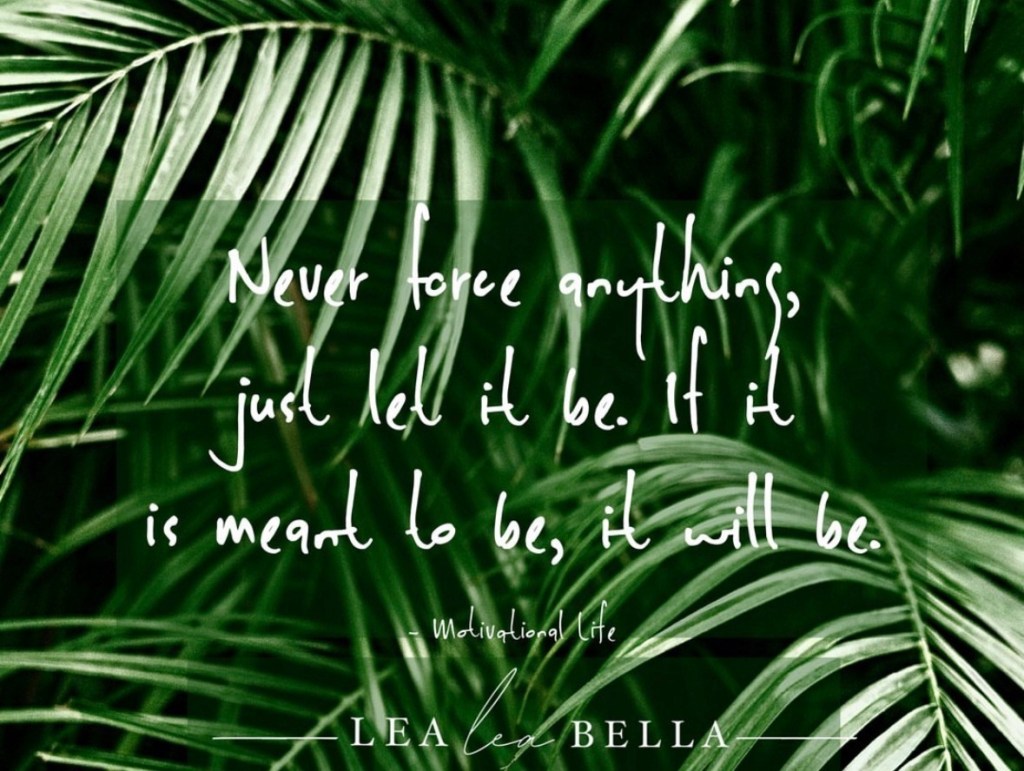
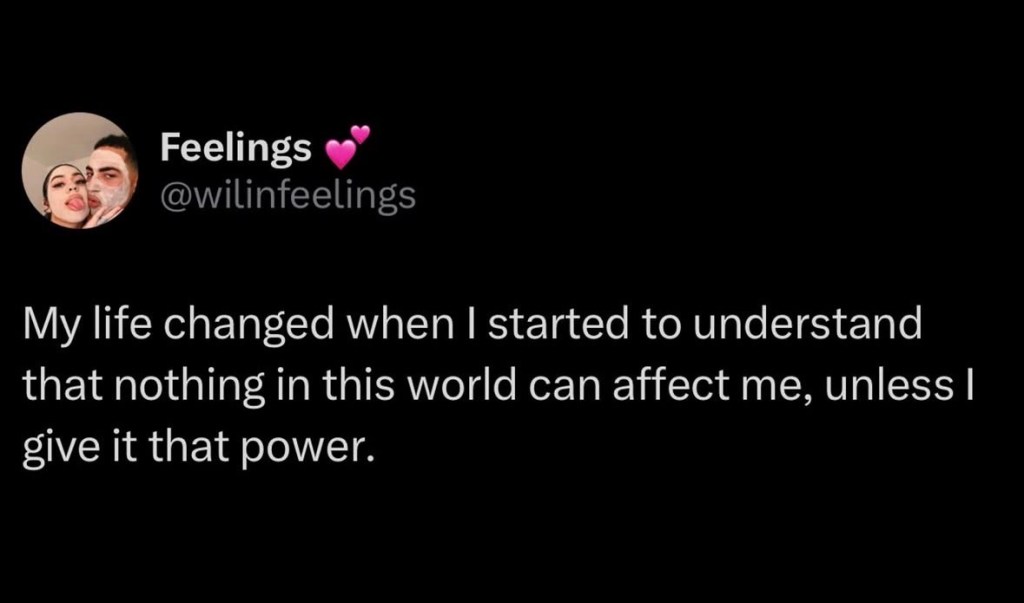
Now I simply let go. I trust the universe and its divine timing.
It did not happen overnight, and it was not some dramatic single revelation. It was the slow, repeated evidence of my own life. Things that once felt unbearable eventually rearranged themselves. Doors I thought were permanently closed opened in unexpected places. Losses that seemed final made space for something better, or at least something necessary. Again and again, the story resolved—not always the way I wanted in the moment, but in a way that eventually made sense. The universe, it turns out, has a longer timeline and a wider view than my anxious mind ever did.
I still fall back into the old ways sometimes. The old machinery is still there, dusty but functional. A trigger hits, the familiar spiral starts, and for a brief moment I am right back in it—restless, sleepless, eyes welling up over something that has not happened and probably never will. The difference is that the spiral no longer owns the whole night. It lasts only a mere moment before I catch myself.
In that moment I remind myself of everything I have already been through. I inventory the storms I have survived, the outcomes that looked impossible until they were not, the quiet proof that life has a way of working itself out even when I could not see how. That reminder is enough. The worry loosens its grip. I return to trust—not a passive, naive kind of trust, but an active one rooted in lived experience.
This shift has not made me careless or indifferent. I still plan, still care, still show up. What I have released is the exhausting belief that constant mental vigilance is the only thing holding the world together. It never was. The world kept turning while I was busy catastrophizing. Divine timing kept arranging the pieces whether I was watching or not.
If you are still living inside the “what ifs,” I will not pretend the jump is easy. The mind loves its old stories. It is comfortable. But every time you catch the spiral early and choose to remember what has already worked out, you weaken the old pattern a little more. Over time the moments of relapse get shorter. The trust gets quieter and more solid. Eventually you look up and realize you are no longer a head case about everything. You are just living—present, imperfect, and surprisingly okay with not knowing how the next chapter will unfold.
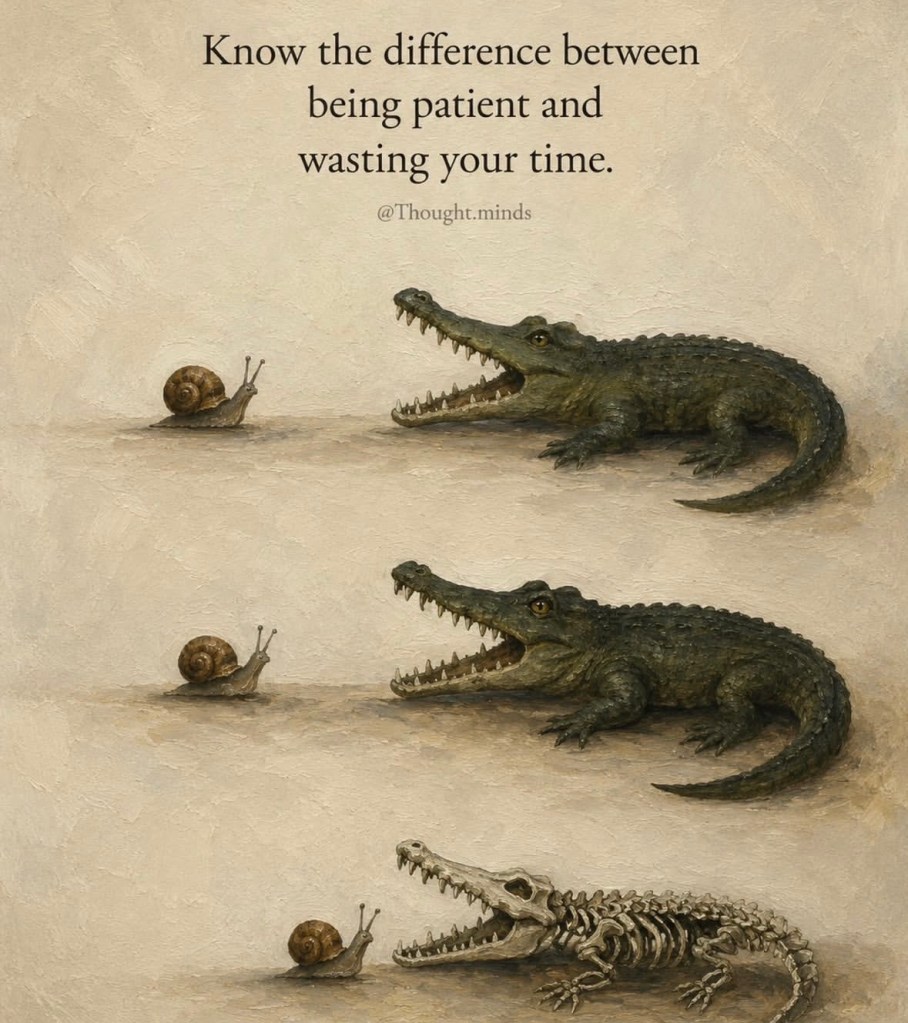
Because it always works out.
Not always on your preferred schedule.
Not always in the form you first imagined.
But it works out.