Category: Healing

  • From Struggles to Triumph: My Journey with the Red Sox

    From Struggles to Triumph: My Journey with the Red Sox

    I once wrote about the Boston Red Sox and how their direction seemed inextricably linked to my own recovery (here). It was not some forced metaphor or clever narrative device—it felt real, visceral, almost spiritual in the way certain things align when you’re clawing your way back from the edge. Their early-season struggles mirrored the quiet battles I was fighting privately: the setbacks, the doubts, the days when progress felt invisible. I poured those thoughts onto the page, half-convinced that if the Sox could find their footing, so could I. Sports , after all, have always been more than a game to me. Baseball is a rhythm, a season-long story of resilience, failure, and redemption played out under the lights of Fenway.

    Then came the free fall. What started as a promising campaign devolved into one of the worst stretches in recent Red Sox history. Losses piled up like unwashed dishes. The standings grew uglier by the day. Some people gave up on them. Some people said that this was the worst team in their lifetime. And somewhere in the middle of it all, I began to sweat a little—literally and figuratively. (And I do not sweat!) Anxiety crept in during the quiet moments: late at night after another disappointing box score, or mid-afternoon when the score app flashed another L. I found myself refreshing standings more often than was healthy, as if the numbers might suddenly rearrange themselves into something hopeful. My boyfriend’s hopes even started waning and I would force a smile. “They’re bound to turn everything around,” I kept telling him, more mantra than prediction. “You’ll see. This is just the part of the story before the comeback.

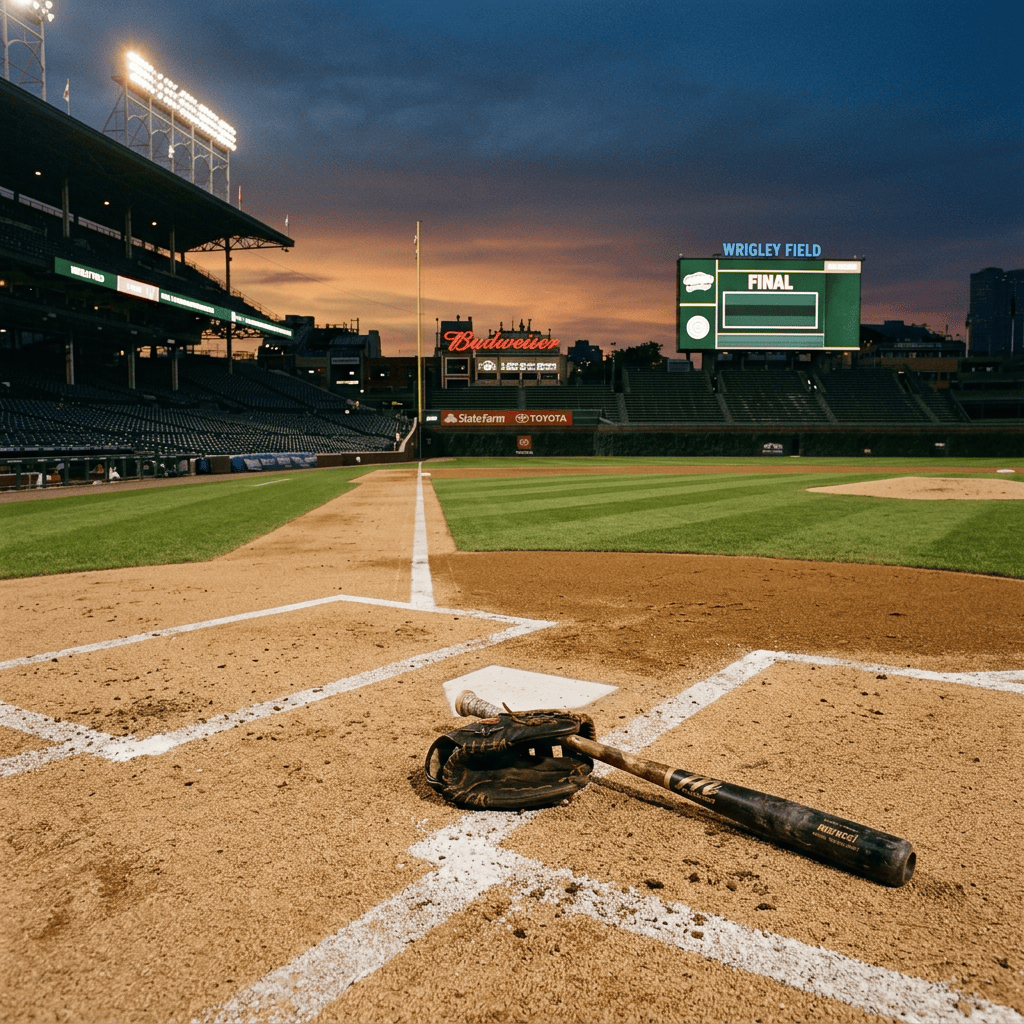
    Baseball bat and glove on dirt near home plate at sunset in empty Wrigley Field
    An empty baseball diamond at sunset with bat and glove near home plate

    I clung to that hope with a kind of stubborn, almost irrational faith. Night after night I prayed—not in any formal sense, but in the quiet, desperate way you do when something bigger than yourself feels like the only light left. I prayed that this team I had zero control over, these twenty-five players and the coaches and the front office (who fired the entire coaching staff 27 games in) and the ghosts of Fenway itself, would somehow become the guiding force I needed. That their turnaround would pull me forward on my own journey. Recovery is not linear; anyone who has walked it knows that. There are plateaus and backslides and moments when the path disappears entirely. In those stretches, I borrowed belief from the Red Sox. If they could dig out of a hole this deep, maybe the same was possible for me.

    And then—suddenly, almost impossiblythey started winning.

    Baseball shattering on impact with another baseball at a stadium
    A high-speed baseball shatters another in a dramatic collision at a stadium

    Not just winning. Dominating. A streak that began quietly and then gathered unstoppable momentum until it stretched to fifteen games in a row. Fifteen. A number that only occurred in 1946 with baseball legends like Ted Williams— the kind of run that ties franchise records and forces even the most cynical fans to sit up and pay attention. Night after night the wins kept coming: blowouts, gritty one-run battles, complete-game gems. The offense clicked. The pitching stabilized. The defense made plays that felt scripted by someone who still believed in magic. By the time the streak finally ended, the Red Sox had rewritten their season’s narrative in real time.

    Now I can celebrate. I can puff my chest out a little and feel that rare, clean pride that comes when hope is rewarded. My Boston Red Sox have not only climbed back into relevance—they have solidified a Wild Card playoff spot. Are we sitting in first place in the division? No. But we swept the team that is in first, and over the month of July we have posted the best record in all of baseball. That is not just a hot streak. That is a statement. That is a team remembering who it is supposed to be.
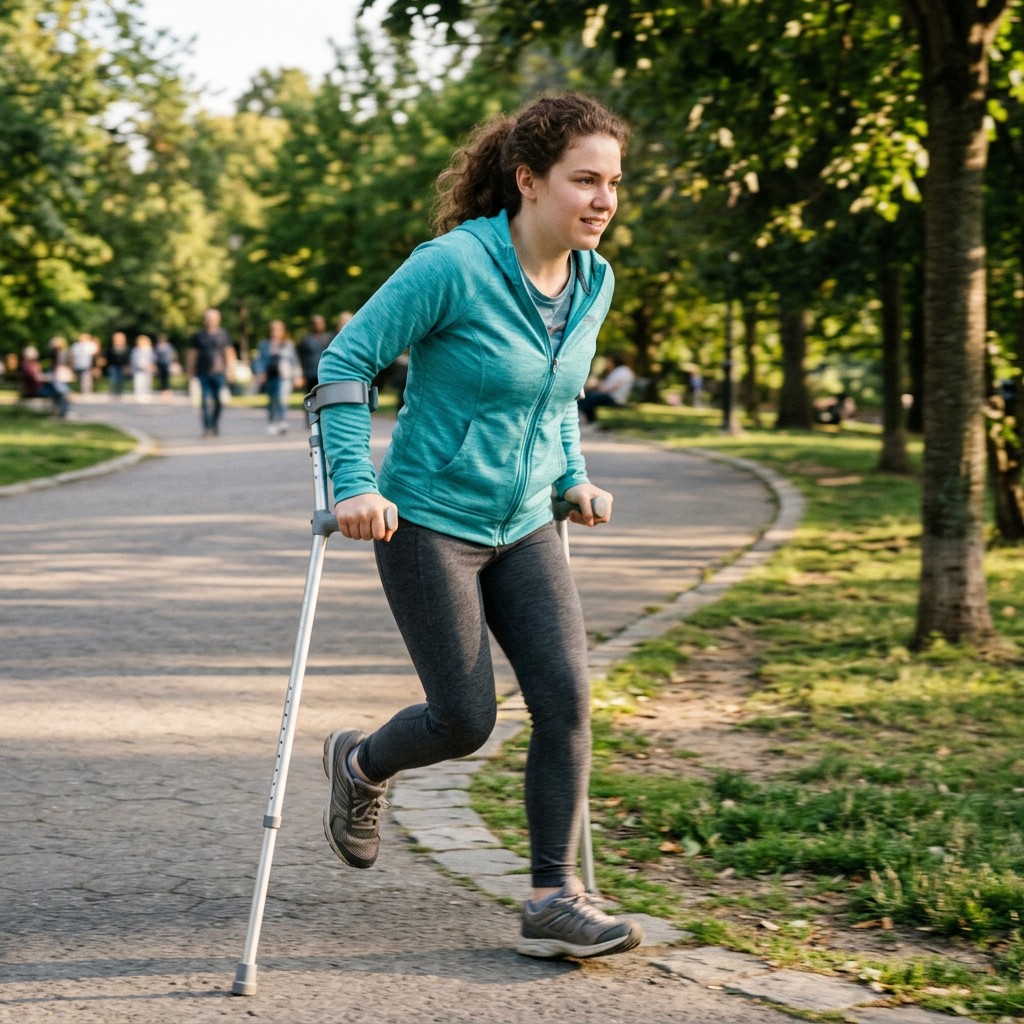
    Young woman jogging outdoors using crutches on a paved path in a park
    A young woman confidently jogging in the park using crutches for support

    Watching it unfold has felt like watching my own recovery accelerate in parallel. The same stubborn belief I forced myself to hold onto during the darkest stretch is now being validated in bright, undeniable winning. Every win has been a small reminder that the story is not over until it is over—that the middle chapters full of struggle do not define the ending. I have found myself smiling at the broadcast more, texting my boyfriend mid-game with pure, unfiltered joy, sleeping a little easier knowing that the team I tied so tightly to my own progress is finally moving in the right direction.

    Of course the season is not finished. Playoff spots can still slip away. Streaks end. Baseball remains gloriously, frustratingly unpredictable. But right now, in this moment, I actually get to stand a little taller. I get to believe a little louder. The Red Sox have given me proof that turnarounds are real—that the light you pray for can actually arrive, even after you have started to sweat through the waiting.

    And for that, I will keep rooting, keep hoping, and keep walking my own path forward, one inning at a time.

  • The Silent Epidemic of Bloat: Why Modern Life Is Breaking Our Bodies and Minds

    The Silent Epidemic of Bloat: Why Modern Life Is Breaking Our Bodies and Minds

    Walk through any mall, airport, or public space today and the pattern is impossible to ignore. Everywhere you look, people carry an unnatural puffiness—an extra layer of swelling that goes far beyond simple “weight gain.” Faces look rounded and heavy, midsections strain against clothing, and movements seem labored. I used to feel a flash of disgust at the sight. Now I mostly feel a deep, quiet sadness. These are not people who simply “let themselves go.” They are victims of a lifestyle that wages war on the human body every single day, and most of them do not even realize the enemy has taken up permanent residence in their homes, their kitchens, and their pockets.

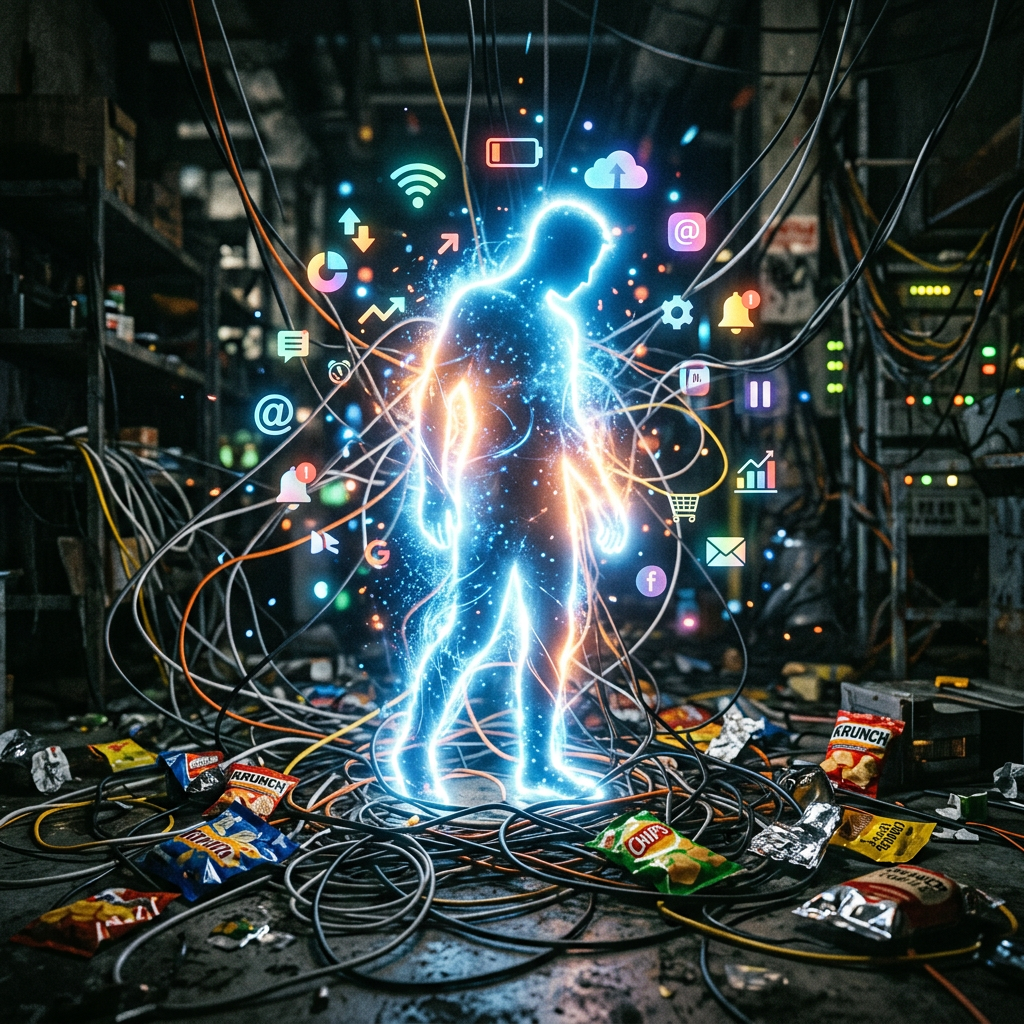
    Luminous human silhouette connected to multiple data cables with floating digital icons
    A glowing human figure surrounded by digital icons and cables in a cluttered room

    At the root of much of this bloating lies something deceptively simple: elevated cortisol. This is caused by excessive amounts of estrogen (men can have that too!)

    Our bodies were never designed to live in a state of low-grade, perpetual stress. Yet that is exactly the environment we have engineered for ourselves. Cortisol, the primary stress hormone, tells the body to hold onto fluid and fat—especially around the midsection—as a survival mechanism. When cortisol stays high for months or years, the result is that characteristic swollen, inflamed look that no amount of “clean eating” alone can fully fix.

    The solution is not another restrictive diet or punishing workout plan (although fasting can help). It is choosing the simpler, easier route that actually aligns with how our biology evolved: reduce the unnecessary stressors and give the body what it needs.

    Let us start with the most obvious offender. The modern human spends the majority of waking hours indoors, bathed in artificial blue light from screens, LEDs, and overhead fixtures. Our ancestors rose with the sun and rested when it set. We scroll until 1 a.m. under harsh white and blue glows that suppress melatonin, disrupt circadian rhythms, and keep cortisol elevated long after it should drop (AKA disrupting sleep).

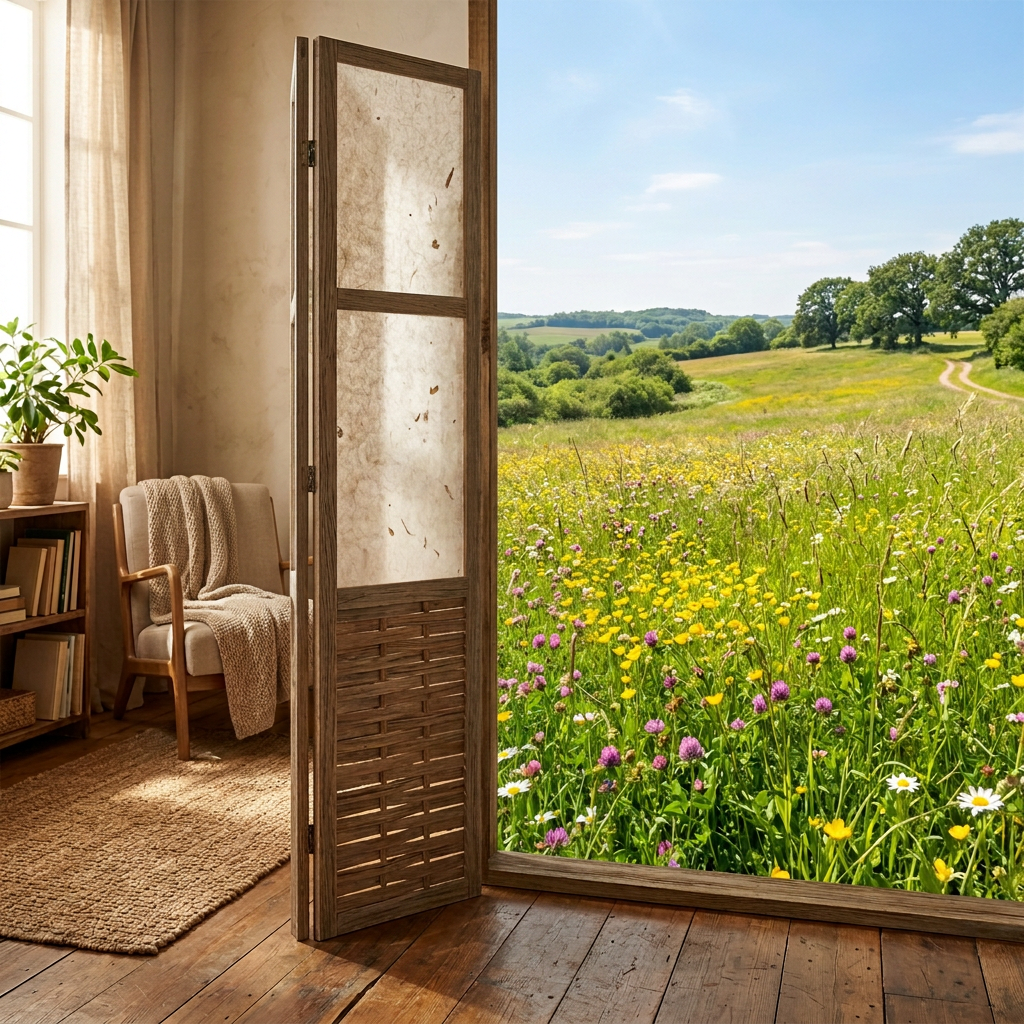
    Split scene screens room and sunny meadow

    This constant indoor, screen-saturated existence does more than ruin sleep. It weakens vitamin D levels— which harms the human health, dulls mood, inflames the body, and signals to our physiology that we are still under threat. The body responds by holding water, slowing metabolism, and storing energy wherever it can. No wonder so many feel perpetually uncomfortable in their own skin.

    Diet is the next major piece. Walk down the center aisles of any grocery store and you will find row after row of products engineered to last on shelves for months or years. These ultra-processed foods—loaded with seed oils, refined sugars, emulsifiers, and additives—trigger inflammation and mess with gut health, which in turn affects everything from hormone balance to fluid retention.

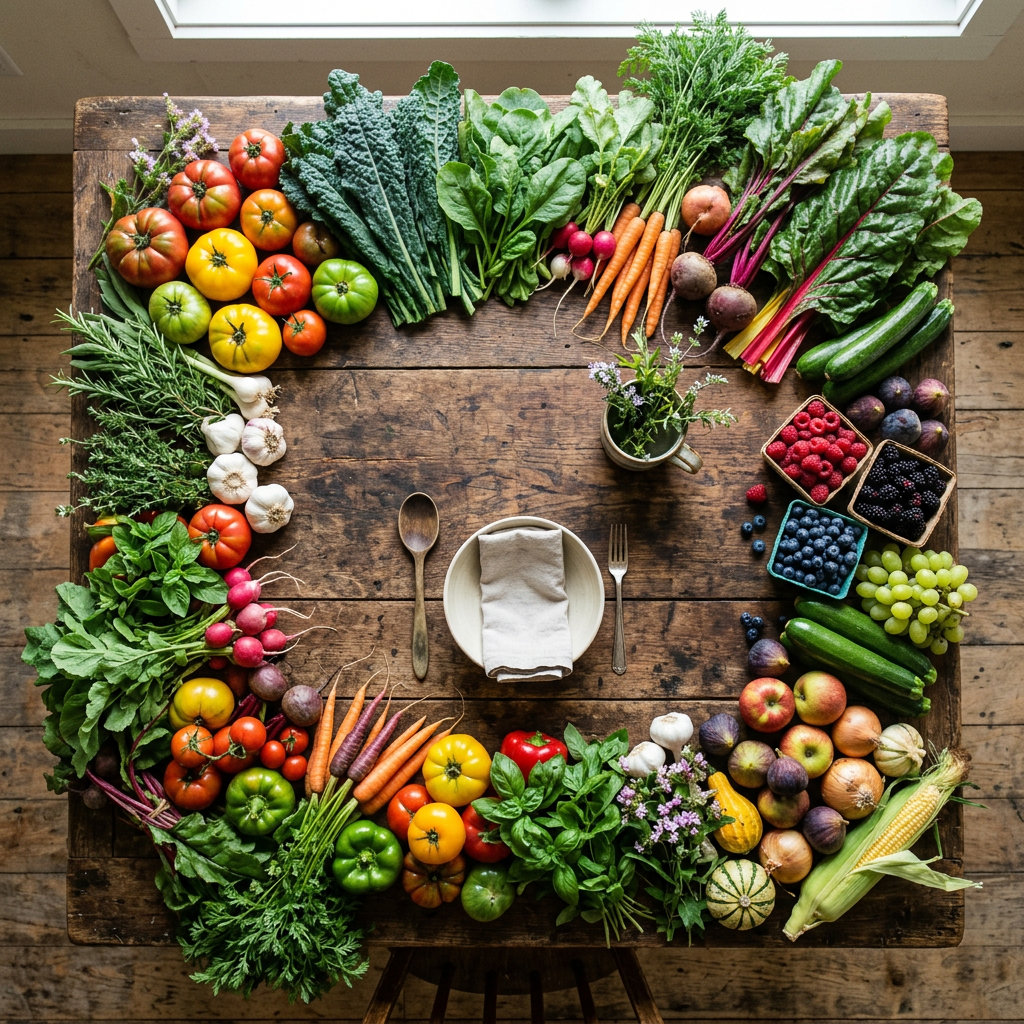
    Fresh colorful vegetables and fruits arranged in a circle around a plate with a napkin, spoon, and fork
    A vibrant assortment of fresh vegetables and fruits arranged in a circular pattern around a plate and utensils

    Contrast that with the outer edges of the store and the local farmers’ market. Bright, colorful produce. Leafy greens still carrying dirt from the field. Berries, citrus, cruciferous vegetables, and root crops packed with fiber, micronutrients, polyphenols, and water. These foods do not just nourish; they actively reduce inflammation and help regulate cortisol. Your body recognizes them. It relaxes. It stops operating in emergency mode.

    When you consistently feed yourself shelf-stable, junk, your body eventually begins to rebel. Bloating, fatigue, brain fog, and that constant low-level discomfort become the new normal. Many people accept this as “getting older.” It is not . It is a dietary mismatch.

    We rarely talk about the other kind of food we consume daily: information and stimulation. Most people feed their minds a steady diet of gossip, outrage, political hysteria, and endless comparison via social media. Doomscrolling floods the brain with cortisol-spiking stimuli. Pornography, OnlyFans etc. offers cheap dopamine hits that further dysregulate reward systems. None of this builds resilience. None of it nourishes the psyche.

    Compare that to spending an evening with someone you love—really present, sharing stories, laughing, touching, connecting. The nervous system downregulates. Oxytocin rises. Cortisol falls. The difference in how your body feels the next day is profound.

    Real human connection, time in nature, creative hobbies, deep reading, or even quiet reflection—these are the “nutritious foods” for the mind. They do not cost anything extra, yet they deliver returns that no supplement or fitness tracker can match.

    The beautiful truth is that fixing this does not require heroic discipline or expensive interventions. It asks for small, consistent realignments:

    • Get outside in natural light, especially in the morning.
    • Replace even one processed meal a day with something fresh and colorful.
    • Set hard boundaries on screens after sunset.
    • Trade thirty minutes of scrolling for a walk (or at least an attempt!) with someone you love or a real conversation.
    • Prioritize sleep like it is the most important supplement you will ever take.

    These choices feel almost embarrassingly basic. That is why they work. Your body does not need another complicated protocol. It needs you to stop fighting its natural design.

    The way out is simpler than we have been led to believe. It starts with awareness, continues with small daily acts of respect toward your body and mind, and compounds into a version of yourself that feels lighter—not just in weight, but in spirit.

    Your body is not the enemy. The lifestyle we have normalized is. Choose the easier route. Choose alignment. The relief you have been searching for might be closer than you think.

  • Would I Actually Do It? Seriously Considering a Year in a Cabin in the Woods

    Would I Actually Do It? Seriously Considering a Year in a Cabin in the Woods

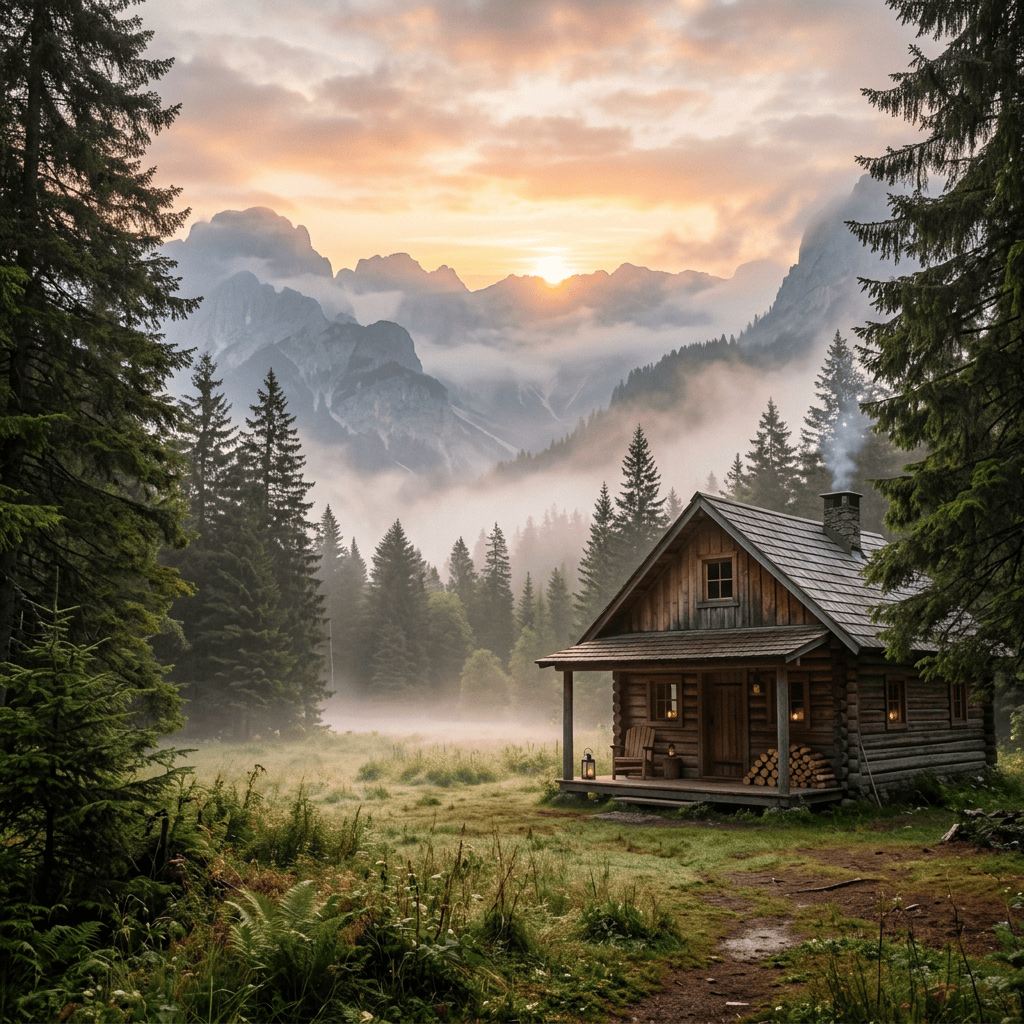
    My boyfriend brought it up one quiet evening, the way he sometimes floats wild ideas when the lights feel too bright and the notifications keep buzzing. “What if we just… disappeared for a year?” he said. “A real cabin. Middle of nowhere. No Wi-Fi. No neighbors. Just us and the trees.”

    I laughed at first. Then I stopped.

    Because the longer I sat with the thought, the more it stopped feeling like a fantasy and started feeling like an answer to questions I didn’t even know I was asking.

    The best part? We would have each other — uninterrupted.

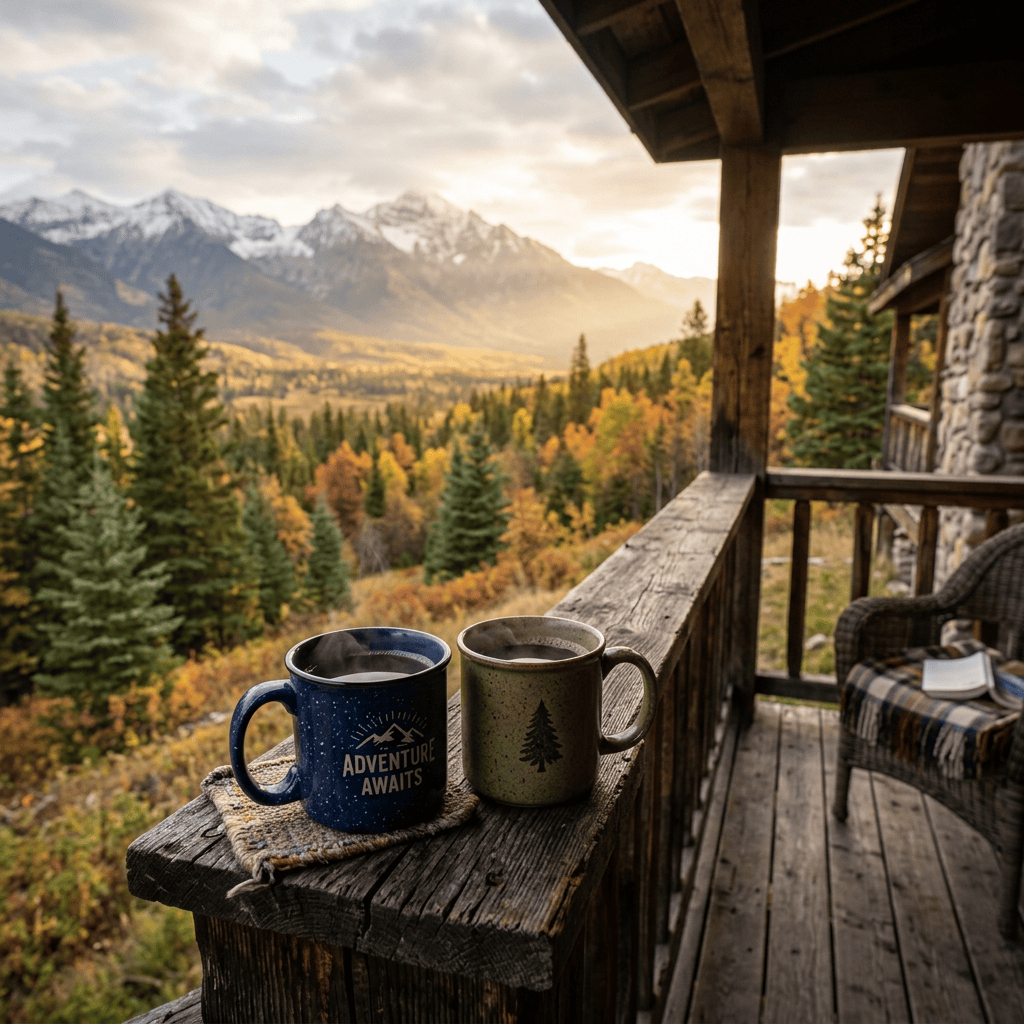
    Two coffee mugs on a wooden cabin railing with mountain and forest view
    Two steaming mugs sit on a cabin railing overlooking autumn mountains

    We are already a little obsessed with each other(in the healthiest, most affectionate way). We can spend entire weekends wrapped up in each other and still want more. A year in the woods would be quality time on steroids. Morning coffee on the porch, maybe even long hikes, and definitely nights by the fire reading aloud or playing cards. We could have the deep conversations we always say we will get to “when things slow down.”

    But I am not naive. I worry about him.

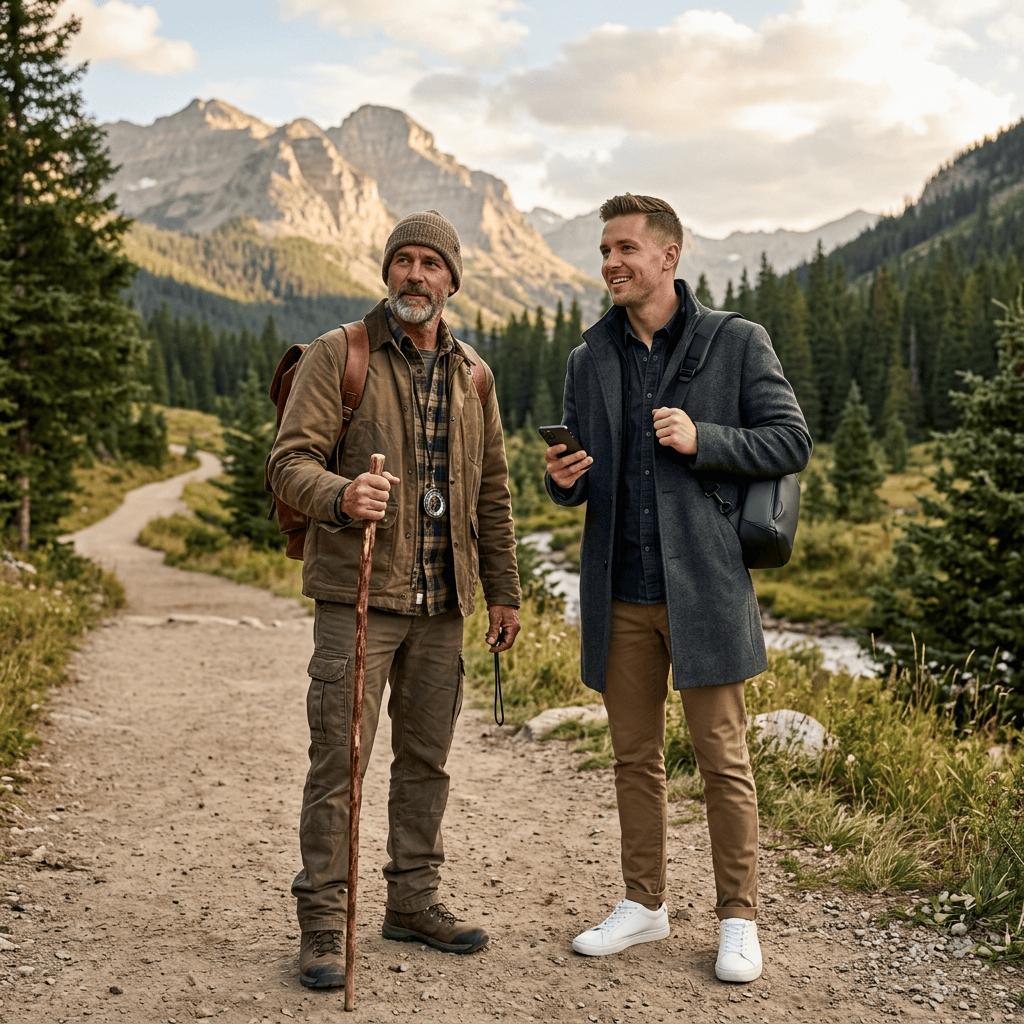
    Two men standing on a forest trail with mountains in the background, one holding a walking stick and the other holding a smartphone
    Two different types of men enjoy a hike together on a mountain trail surrounded by trees and rocky peaks.

    My man loves his sports with a passion that rivals my own. He thrives on the instant gratification of modern life — one-click ordering whatever we need, same-day delivery, the dopamine hit of new gadgets or screens. Could he trade Sunday football for splitting logs and checking trap lines? Would the quiet eventually feel like peace… or punishment?

    We would need to be honest with ourselves. He would have to become the hunter, the protector, the one who keeps our little haven safe and supplied. I would handle the hearth — cooking, preserving, nesting. Traditional roles. If we can align on that vision, I think we could thrive.

    Imagine waking up and the only sound is wind moving through pine needles or the distant call of a bird you cannot name yet. No breaking news. No endless scroll of other people’s highlight reels. No pressure to know what everyone is mad about this week or who won last night’s game.

    I have been a die-hard Boston sports fan for many years now. The kind who listens to sports radio before I even get out of bed. But that constant checking, that emotional investment in games I have zero control over, is just another form of distraction. A socially acceptable one, sure—but still a distraction from my actual life. I need to start walking. I need to learn how to take care of my man. 

    For one year, I would give it up. All of it. The news, the scores, the Instagram stories. I would let the world keep spinning without my commentary. And I have a feeling the world would be just fine.

    The part that keeps pulling me back to this idea is what we would gain in exchange.

    With nothing else competing for my attention, I could give my entire heart and soul to the person I love. Not the distracted, half-present version of me that exists between blog research and doom-scrolling. The real version.

    I picture slow mornings making coffee on a wood stove. Long afternoons where “housewife duties” stop feeling like chores and start feeling like care—chopping vegetables we foraged or grew, mending clothes by hand (or learning how), keeping a fire going so the cabin stays warm when the snow comes. I want to learn how to do these things well. Not because I have to prove anything to anyone else, but because I want to become someone who can take care of our little world completely.

    No grocery deliveries. No DoorDash. No running to the store because we forgot milk. We would have to plan, preserve, forage, hunt (or at least learn how). The learning curve would be steep. I know that. Right now I am not exactly the type to “prance through the woods” with confidence. I can barely stand. I get cold easily. I have never skinned anything in my life.

    But here is what I keep coming back to: right now I have every possible distraction in the world, and I still feel scattered. What would happen if every single distraction was removed? What kind of person would I become with 365 days of focused, deliberate living?

    A year is not just one long summer afternoon. It is four seasons of learning.

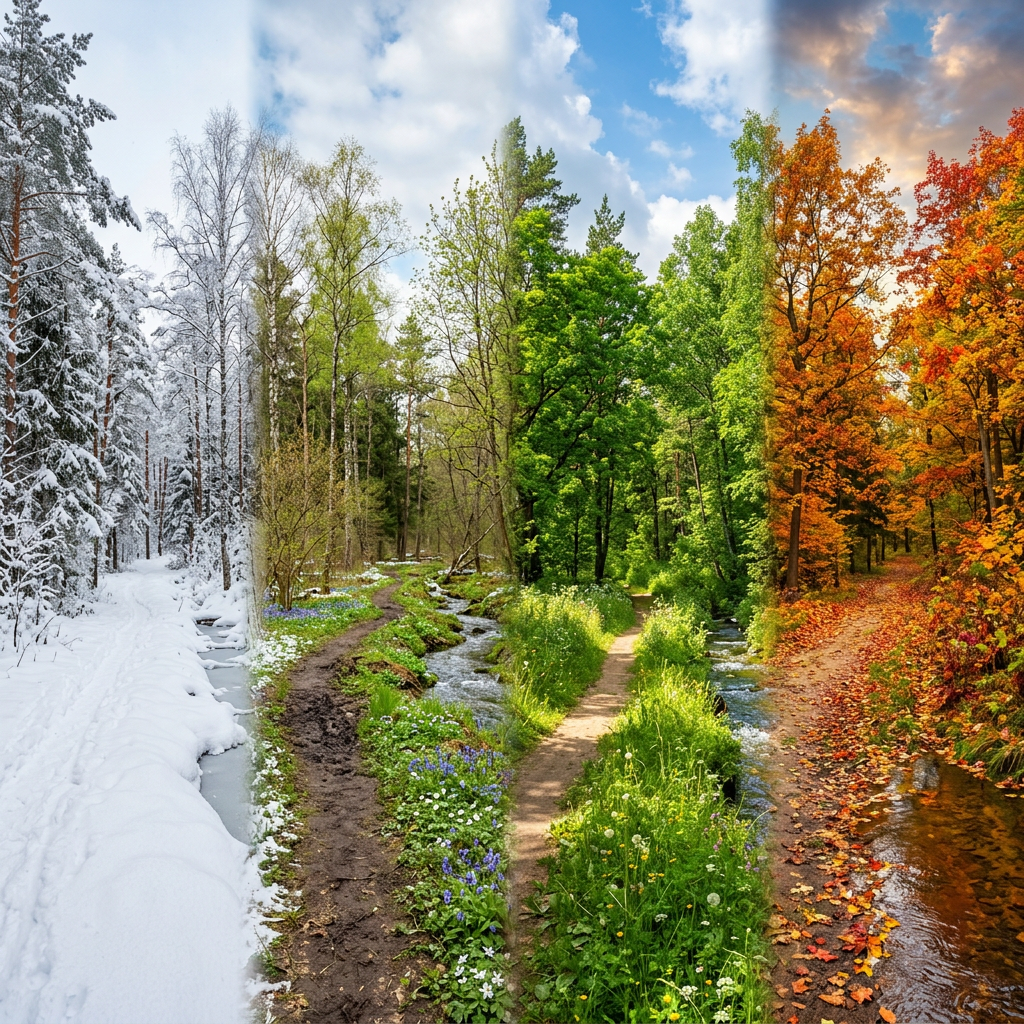
    Forest trail transitioning through winter snow, spring blossoms, summer greenery, and autumn leaves
    A forest path showing winter, spring, summer, and autumn side by side.

    Spring would be about rebirth—planting whatever we could, watching things grow, dealing with mud and rain and the first ticks of the season. Summer would be abundance and bugs and long days of work that leave your muscles sore in the best way. Fall would be preservation—canning, drying, stacking wood like our lives depend on it (because they would). Winter would be the real test: short days, long nights, the kind of quiet that makes you confront yourself.

    I do not romanticize it. I know there will be days I miss hot showers that last longer than five minutes. Days I crave takeout or a movie or just the simple comfort of walking into a store and buying whatever I want. There will be moments of real frustration—when the roof leaks or the generator will not start or we argue because we are the only two people for miles and there is nowhere to storm off to.

    But those are exactly the moments I think we need.

    The version of me that exists right now is shaped by modern life. She is good at a lot of things that do not actually matter in the woods. She is also anxious, overstimulated, and constantly measuring herself against invisible standards.

    The version of me that could survive a year in a cabin would have to be different. (Like Cara Dutton in the Yellowstone spinoff 1923).

    More patient. More resourceful. More present. She would know how to start a fire in the rain, how to read animal tracks, how to sit with silence instead of reaching for her phone. She would know how to love someone without the constant noise of the outside world telling her what love is supposed to look like.

    I do not know if that person already lives inside me or if she is someone I would have to become. Either way, I am curious enough to find out.

    I am still thinking about it. Really thinking about it. Not as a cute Instagram story or a temporary “digital detox,” but as a serious, year-long commitment to a completely different way of living.

    The things I am most afraid of losing—news, sports, convenience, constant connection—are also the things keeping me from becoming the person I say I want to be.

    And the things I might gain—deep focus, real self-reliance, an unshakable partnership, and the kind of peace that only comes when there is nothing left to hide behind—feel worth the risk.

    So I am sitting with the question.

    Would you live in a cabin in the middle of the woods for an entire year?

    Not as a vacation. Not as content. As your actual life.

    I am closer to saying yes than I ever thought I would be.

  • Embracing the Grind: Why I’m Rejecting the GLP-1 Shortcut Culture

    Embracing the Grind: Why I’m Rejecting the GLP-1 Shortcut Culture

    In a world obsessed with instant results, everyone seems addicted to the path of least resistance. We scroll for 30-second life hacks, pop Adderral pills for focus, and chase apps that promise transformation without sacrifice. Nowhere is this more glaring than in the realm of weight loss. The sudden explosion in popularity of GLP-1 agonists—those injectable drugs like semaglutide (Ozempic, Wegovy) and their cousins—perfectly encapsulates our collective allergy to hard work and extreme discipline. As someone who has fought my own battles with weight, food, and inertia, I am deeply opposed to this trend. It feels like giving up before the fight even begins.

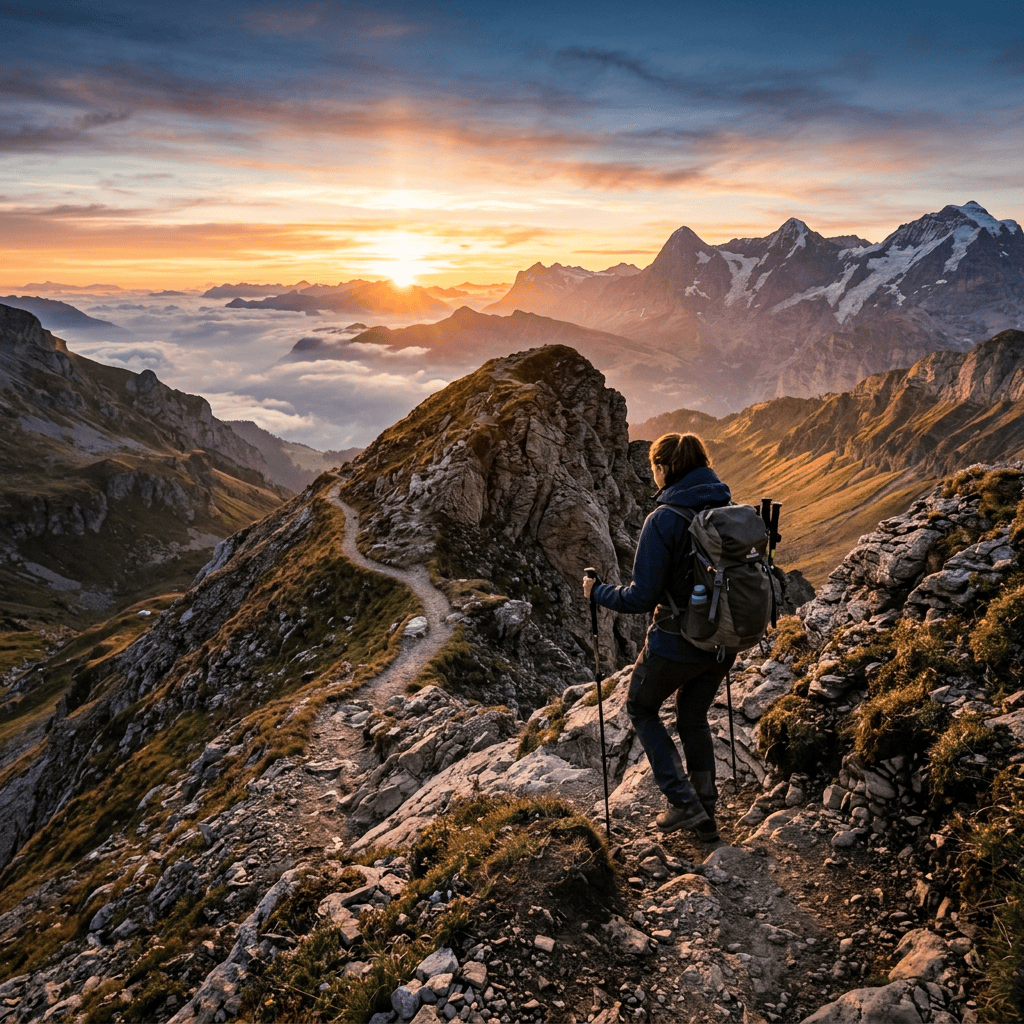
    Hiker walking a rocky mountain path during sunset with distant snow-capped peaks and clouds
    A hiker enjoying a scenic mountain trail at sunset with dramatic peaks and clouds below.

    I know, I know: discipline is uncomfortable. It demands you sit with hunger, boredom, and the quiet voice that whispers “just one more.” Modern society has engineered that discomfort out of existence wherever possible. DoorDash at all hours, endless streaming, productivity tools that gamify focus— we have built an ecosystem that rewards avoidance. GLP-1s fit right into this. They suppress appetite so powerfully that many users report food simply stops calling their name. No more white-knuckling past the pantry. No more staring down cravings like an opponent in the ring. Just a weekly shot and the pounds melt away.

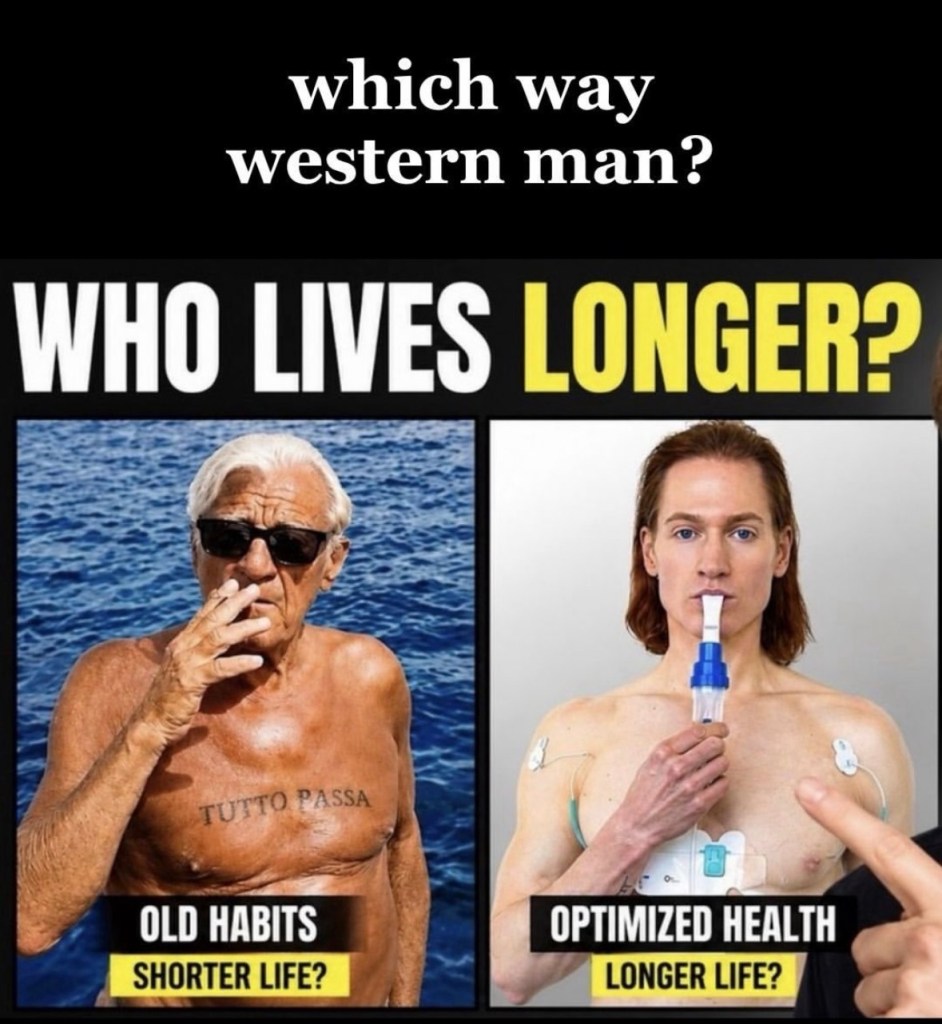
    One of my all time favorite health bro Huberman

    I get the temptation. The before-and-after photos flood social media. Celebrities and influencers rave about how they “finally feel normal.” So much for the “Fat is Beautiful” movement. Doctors prescribe them at record rates. Insurance even covers them. It is convenient, medically endorsed, and culturally celebrated. But that is exactly why it worries me. When did we decide that bypassing the mental and physical forging process was a win? These drugs do not teach you how to live in a world full of hyper-palatable food engineered to hijack your brain. They just mute the signal. Turn the volume down on biology until the drug wears off or you stop—then what?

    I have lost significant weight while remaining permanently seated for large stretches of my life. Thanks to my elongated recovery periods. Whatever the reason, I was not out here running marathons or transforming into a gym rat. My transformation happened in the quiet moments of choice: feeling the gnawing hunger in my stomach and choosing not to raid the fridge anyway. Sitting with that discomfort until it passed. Learning that hunger is not an emergency—it is information.

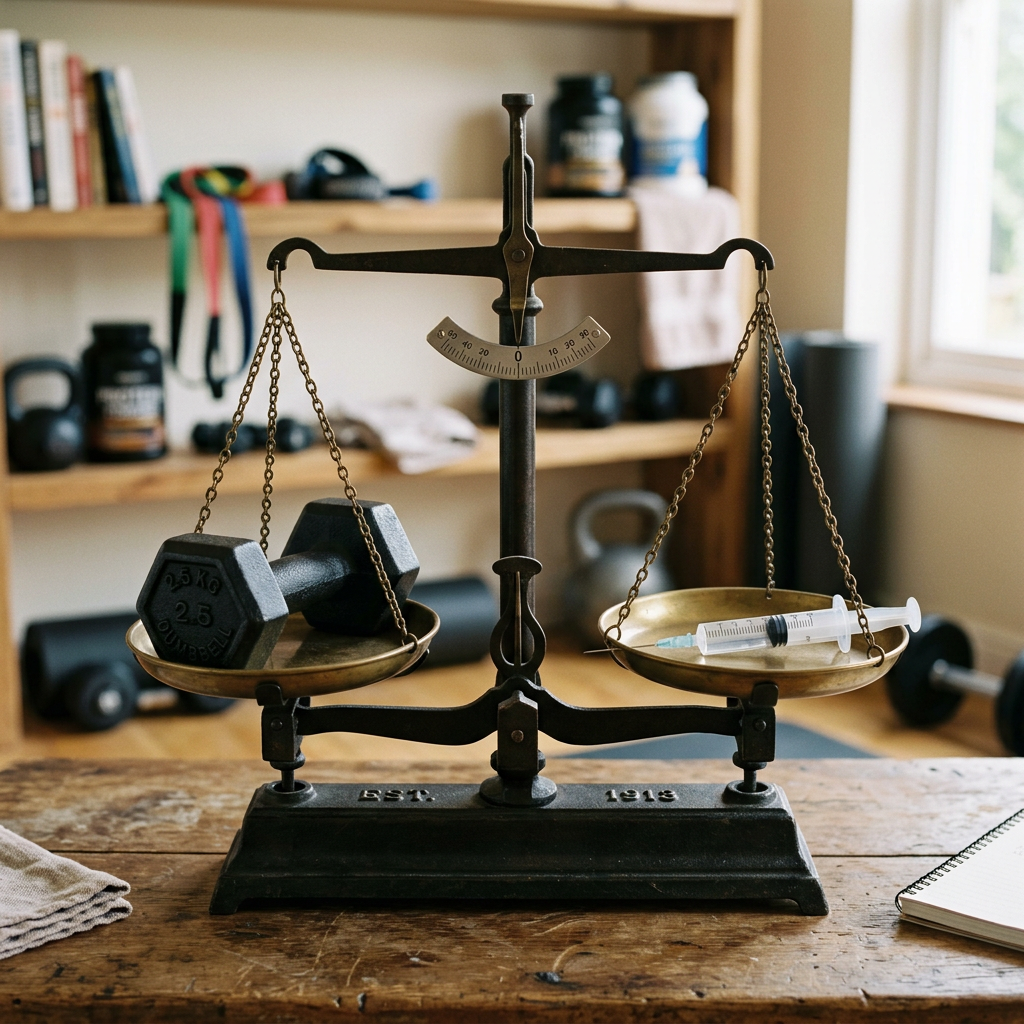
    Balance scale with dumbbell on one side and syringe on the other
    An old-fashioned balance scale comparing a dumbbell and a syringe

    I am so proud of this. Not in a smug, performative way, but in the deep, private satisfaction of knowing I built the skill. I still allow myself “play” periods. My boyfriend can attest to the glorious chaos: pints of ice cream devoured in one sitting, tubes of cookie dough demolished, late-night deliveries of chocolate, chips, and jars of nut butter showing up on my doorstep. Those windows exist. Life is not about perfection or endless restriction. But the difference is what comes after.

    After the play comes the recalibration. Pure discipline. Determination that borders on stubbornness. I lean into the hunger again, not as punishment but as a reset. I track, I adjust, I feel the signals my body sends without panic. I do not need a medication to make treats stop tasting good—I just need to remember who I am becoming. That muscle of restraint gets stronger every time I use it. It spills into other areas of life: focus, emotional regulation, delayed gratification. Shortcuts cannot give you that transferable strength.

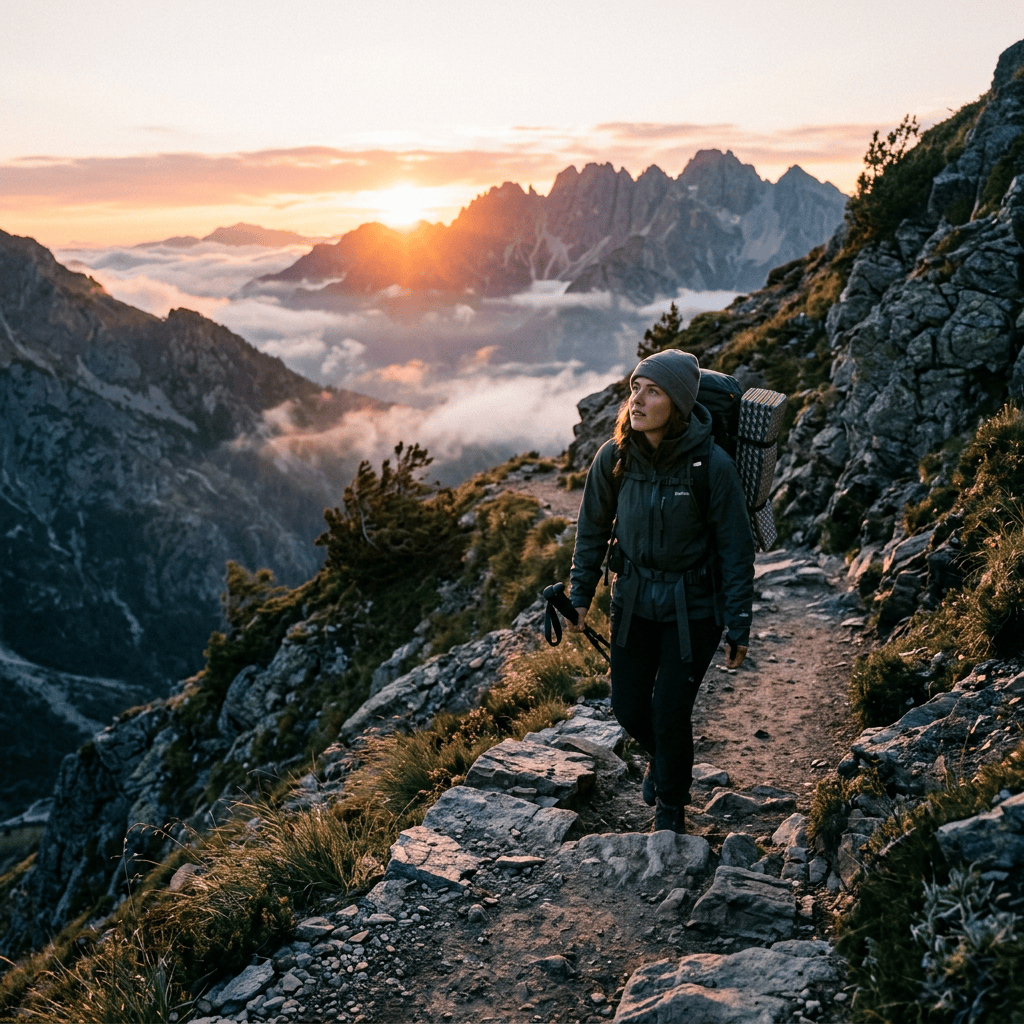
    Hiker walking on a rocky mountain path at sunrise with sunrise and foggy peaks
    A hiker pauses on a rocky trail during sunrise with dramatic mountain peaks in the background

    People have called me lazy. Fair enough on some days—I am not pretending to be a productivity saint. I love plopping down in front of a good television show and I maintain my relationship through social media and FaceTime. I mean, I write a goddamn blog (and hopefully a book too). But injecting yourself with a powerful peptide that alters gut hormones, slows gastric emptying, and comes with a laundry list of side effects just so you can coexist with a bag of chips without losing control? That strikes me as the lazier move. And not just lazy—idiotic.

    We are talking about a class of drugs originally developed for Type 2 diabetes, now being used as lifestyle aids. Muscle loss, nausea, “Ozempic face,” potential long-term unknowns about the brain-gut axis, and the very real risk of dependency on the suppression effect. Some users regain weight rapidly once they stop because they never rebuilt their internal compass around food. You are essentially outsourcing your willpower to a syringe. Where is the growth in that?

    I am not anti-medicine. There are legitimate medical cases where these drugs save lives or restore health when nothing else worked. But the cultural frenzy—the trendy testimonials, the party-line prescriptions, the normalization of “I just do not want to crave treats anymore”—that is what feels idiotic to me. It is another layer of numbness in a society already drowning in distractions. We are medicating away the very friction that makes us resilient.

    Real, sustainable change is not sexy. It is repetitive. It is logging another day where you ate enough but not too much. It is choosing water over soda for the hundredth time (fizzy water works wonders!). It is feeling the itch for something sweet at 9 p.m. and redirecting that energy into simply sitting with it. Over months and years, those small acts compound into a fundamentally different relationship with your body and your impulses.

    I am not saying everyone must suffer. I am saying the suffering is part of the curriculum. Discipline is not punishment—it is the tuition you pay for freedom. Freedom from being controlled by every craving. Freedom from the cycle of shame and rebound. Freedom to enjoy treats without them owning you.

    If GLP-1s are a tool for some in genuine need, fine. But let’s stop pretending the mass adoption is a triumph of progress. It is a symptom of a deeper cultural surrender. We have decided the hard way is too hard, so we will engineer the hardness out.

    I know that I will keep doing it the old-fashioned way. Hopefully not seated. Hungry sometimes. Indulgent when I choose. Disciplined when it counts. And I will keep patting myself on the back for every single time I choose the discomfort that builds something real. Because in the end, the person who emerges from that process is not just lighter in body—they are stronger in spirit.

  • From Globetrotting Toddler Slut to Aspiring Housewife: How Life Broke My Promiscuity and Built My Domestic Cage

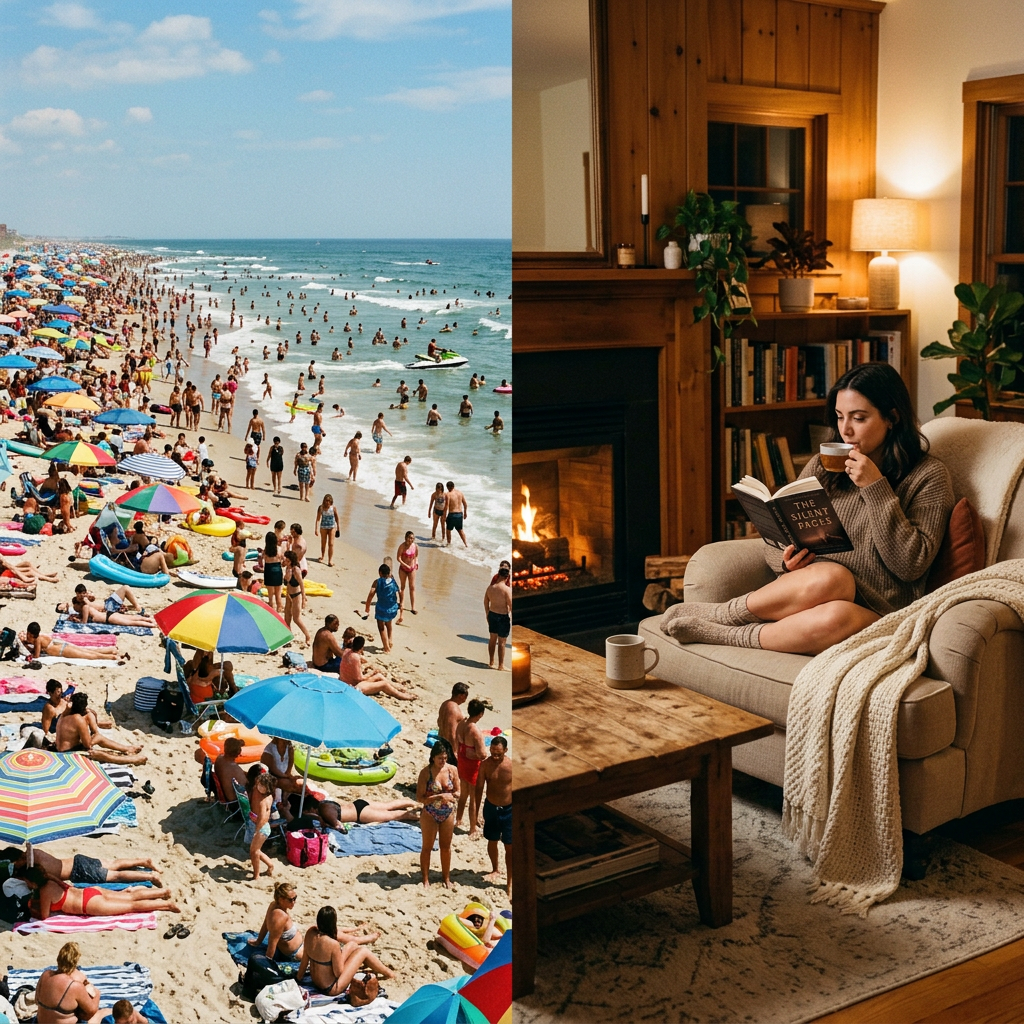
    Crowded beach with colorful umbrellas and people swimming alongside a woman reading by a fireplace indoors
    A bustling beach day contrasted with a quiet evening reading by the fire

    My early years were pure, unfiltered chaos — the kind that would get a kid checked on today. My parents and I traveled the globe like it was our personal playground. No five-star resorts or curated “experiences.” Just raw movement. My father had this mountain bike with a little seat rigged to the back, and I would perch there like a tiny, curious creature , wind whipping my face while he pedaled through foreign cities. I could not even reach the pedals, but I was along for the ride anyway. That was me: five years old, zero fear, maximum adventure.

    And yeah, I was incredibly promiscuous. Do not clutch your pearls — I am not talking anything illegal or tragic, just the raw, unashamed chaos of a feral kid who had not yet internalized society’s shame software. I would flirt with strangers in markets, wrote love letters to my classmates, and I even had a little boyfriend who I was constantly kissing and laying naked with. I collected attention like currency. I especially did not believe in boundaries. I was a walking diplomatic incident in pigtails. From little boys, grown men and even a girl cousin. I was living proof that toddlers can be absolute heathens if you let them.

    Silhouette of hiker holding glowing compass with mountain range at sunset
    A hiker holds an illuminated compass while overlooking rugged mountains at sunset.

    Fast-forward to now, and holy shit, the contrast is brutal. I still chase adventure, but it is domesticated. I demolish raw meat and fish, organs and I still fantasize about packing a bag and disappearing. The itch is there. But the execution is different now. I am a homebody now, and it feels almost traitorous to admit. The girl who once rode shotgun on a mountain bike across continents now dreams of becoming his housewife. Not in some tradwife cosplay way for clout, but genuinely. Apron on, dinner simmering, waiting for the door to open so I can hand him a drink and melt into that quiet, possessive domestic bliss. Something that I got a little taste of this last week.

    Life happened I guess. Adulthood installs its updates whether you want them or not. Never mind the disability that has shackled me to the house. The same kid who thrived on constant motion discovered that true comfort can be found in one well-chosen address. The promiscuity died somewhere along the way — not with shame, exactly, but with the realization that cheap thrills and scattered attention leave you hollow. I traded the dopamine hits of “everyone likes me” for something deeper, rarer, and way more dangerous: wanting to belong to one person so completely it rewires your entire operating system.

    Wooden desk with a steaming blue cup of tea, a green journal, a pen, and a lamp by a rain-speckled window showing rough ocean waves and dark clouds
    A steaming cup of coffee and a journal sit on a wooden desk by a window overlooking a stormy ocean.

    I still get the urge to book a one-way ticket and vanish. I used to scroll through flight deals like a junkie. But then I picture coming home to him — the house smelling like whatever chaotic fusion dish I attempted that day, laundry folded (badly), me barefoot in the kitchen wearing nothing but his oversized shirt. That fantasy hits harder than any passport stamp ever did. The bike seat on the back of father’s mountain bike taught me motion. Adulthood taught me anchorage. And weirdly, I am greedy for both.

    Replace tea with glass of wine

    Ultimately, I guess I am out here living this schizophrenic existence: still ordering the rarest thing on the menu, still plotting future escapes, but happiest when I am nesting. The former global toddler slut has been tamed — not by force, but by choice. And if that makes me basic or boring or a walking contradiction, fine. I will own it while I perfect his favorite recipe and secretly plan my next chaotic food order.

    The adventure did not die. It just moved inside the house, put on an apron, and started calling one man “home.”

    Deal with it. I am thriving in this paradox.

  • Curating My X Feed: Choosing Positivity, Personal Beliefs, and the Lifestyle I Crave

    In a world overflowing with noise, division, and endless hot takes, I made a deliberate choice to shape my X (formerly Twitter) experience around what truly matters to me. My entire account is now intentionally curated to reflect my personal beliefs and, above all, to center positivity.

    Smartphone held in hands showing time 07:18 and text Calm & Connected against fiery and smoky background
    A smartphone displaying ‘Calm & Connected’ held amid swirling fire and smoke effects

    I want my feed to uplift, inspire, and align with the kind of life I am actively building—one rooted in growth, joy, healing, and possibility. That does not mean I live in a bubble or ignore reality. It simply means I am protective of my mental and emotional space.

    Yes, I do follow a handful of accounts that could be described as strong Trump supporters—people who sometimes come across as riding the “Trump can do no wrong” wave. I am fully aware of the echo-chamber risk there. I approach them with the same healthy skepticism I apply to sports accounts, news outlets, or any single-source content. I do not take everything at face value, and I cross-reference when something feels off.

    I am not on X primarily for political analysis or to debate policy. I am there to be inundated with feel-good positivity and reminders of the lifestyle I crave—wellness, personal development, meaningful connections, beauty, humor, and inspiration. Those accounts, even with their strong biases, often deliver bursts of optimism, patriotism, or motivational energy that resonate with the uplifting vibe I want more of.

    At the end of the day, social media should serve you—not drain you, enrage you, or pull you into endless negativity loops. I have unfollowed, muted, and blocked enough accounts to create a space that feels like a warm, intentional garden rather than a battlefield.

    Smartphone with an assortment of blooming flowers, greenery, and succulents growing on its screen
    A smartphone displaying a vibrant mix of blooming garden plants and succulents

    My feed is not perfect, and it is not meant to be a complete reflection of the world. It is a reflection of the world I am choosing to create for myself. One post, one follow, and one boundary at a time.
    Some of my favorite social media follows are:

    Smartphone screen showing abstract swirling dark and golden light pattern
    A hand holding a smartphone displaying an abstract swirling light pattern
    •  @PeytonElroy : a wellness and spiritual healing-focused account with over 61,000 followers. Setting a consistent tone of optimism, empowerment, and alternative health perspectives, Peyton posts a mix of personal stories (especially her father’s recent stage 4 colon cancer “healing” journey). and practical health tips (e.g., hibiscus tea for inflammation, dates for heart rhythm stabilization via potassium, broccoli sprouts, blueberries, soursop). I particularly love the spiritual/energy concepts (auras, emotional states influencing physical health, colors affecting energy, the idea that everyone is inherently “spiritual”) and relationship/life advice (e.g., how to stand out when approaching beautiful women by complimenting non-physical traits).The tone is warm, encouraging, and emoji-heavy (lots of hearts, flowers, and green tones). Posts often include disclaimers like “I’m not claiming this cures cancer alone” while sharing strong opinions and anecdotes. Recent content has leaned heavily into cancer discussions—viewing it as inflammation, potentially linked to parasites or trauma, with emphasis on mindset, diet, and natural compounds rather than fear-based conventional narratives (my own personal belief). 
    • @mtnhousewife (Mountain Housewife🏠) is a Christian homemaking and traditional marriage account run by a 41-year-old wife, mother, grandmother (“mimi”), and homemaker.  Her posts promote biblical womanhood, wifely submission, contentment, and practical homemaking. Key themes include: Covenant marriage — Long-term harmony through scriptural roles (e.g., she highlights 42 years of marriage with “no conflict” due to submission as taught in scripture), Christian living — Bible study reflections (e.g., Philippians on contentment), faith encouragement, and church life, Homemaking — Simple recipes and tips (e.g., okra dishes, pimiento cheese). The tone is gentle, grateful, and encouraging, aimed at women seeking traditional roles. She emphasizes joy in submission, building a happy home, and living out a wife’s calling according to Christian principles. Content mixes personal testimony, scripture, practical advice, and light community interaction.
    • Maneesha (@ManeeshaSem) is a popular writer, content creator, and self-described “moonbathing apsarā” (celestial nymph) on X, with over 71,000 followers. @maneeshasem has built a significant following through poetic, feminine, and spiritually infused posts that emphasize beauty, serenity, nervous system regulation, self-love, and creating “paradise on Earth.” Her content blends mysticism, aesthetics, wellness, and gentle life philosophy, often evoking softness, harmony, and divine femininity. She frequently shares visions of serene villas, lush nature, silk robes, self-care rituals (e.g., affirmations, chocolate-covered strawberries, vanilla chai), intentional beauty, and protective auras created by harmonious environments. @maneeshasem posts focus on holding calm energy, avoiding urgency/dysregulation, beauty as spiritual protection, and aligning with cosmic/natural rhythms. 
    • @wolffdew (The Cooking Lady) is a Danish 22-year-old homemaker and from-scratch cooking content creator on X.She shares homemade recipes, cooking videos/processes, meal ideas, and everyday kitchen content with a warm, enthusiastic style. Posts often feature scratch cooking, traditional or comforting dishes, and personal touches as a young married woman. She promotes her two digital cookbooks directly in her bio. The account appeals to fans of simple, authentic home cooking, Scandinavian influences, and lifestyle content from a Gen Z homemaker perspective. It’s positive, food-focused, and interactive, with frequent replies to followers.
    • @amandaperera (Cleopatra 🪷 ✞) is a faith-centered self-improvement and relationship advice account on X with a strong emphasis on personal growth, emotional intelligence, and Christian values. The account mixes inspirational quotes, relationship insights, personal reflections, and calls to subscribe to her newsletter or book 1:1 sessions. It appeals to audiences interested in faith-based personal development, neuroscience-informed emotional health, and mature views on love and identity. Content is positive, relational, and growth-oriented rather than purely dating-strategy focused.This account is warm, empowering, and reflective. Posts often explore:
      • Healthy relationships and love dynamics (e.g., references to Yellowstone’s Rip and Beth as an ideal of a strong man supporting a fiery, intelligent woman; the importance of entering relationships as a “whole” person rather than seeking fulfillment from a partner). 
      • Self-acceptance, authenticity, and resilience (e.g., disagreement as a sign of staying true to yourself; embracing your “weird” side).
      • Faith-first mindset (“Jesus first always”), emotional wholeness, and devotional partnership.al advice, and light community interaction.
    •  @TrinaNuance (Trina Nuance || The Fractional Muse 🌿🌞🌊) is slightly different than my other follows. She is thoughtful writer, coach, and strategist with a philosophical, introspective style focused on personal growth, mindset, entrepreneurship, and human behavior. Trina shares long-form reflections, threads, and insights on: Self-awareness & transformation — Dark night of the soul, breaking self-sabotaging cycles, shifting from external to internal locus of control, and authoring new self-fulfilling prophecies., Parasocial relationships, narrative-building, perception biases, and cultural shifts (e.g., craving analog experiences like handwritten letters).  Her tone is wise, empathetic, and nuanced — often weaving personal experience, client stories, and cultural observations. She positions herself as a bridge between worlds (e.g., founders building in the dark, inner work vs. business goals) with a creative, almost poetic voice. Content resonates with introspective entrepreneurs, creators, and those on personal development journeys. It is more reflective/strategic than purely motivational or tactical.
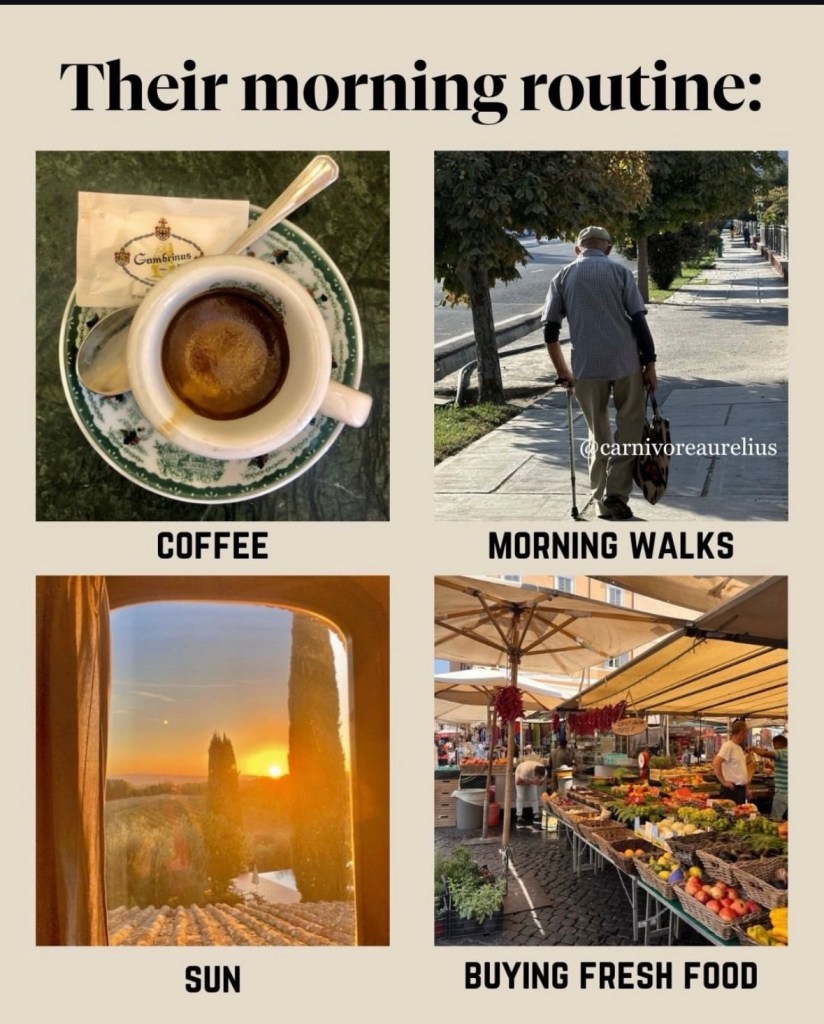
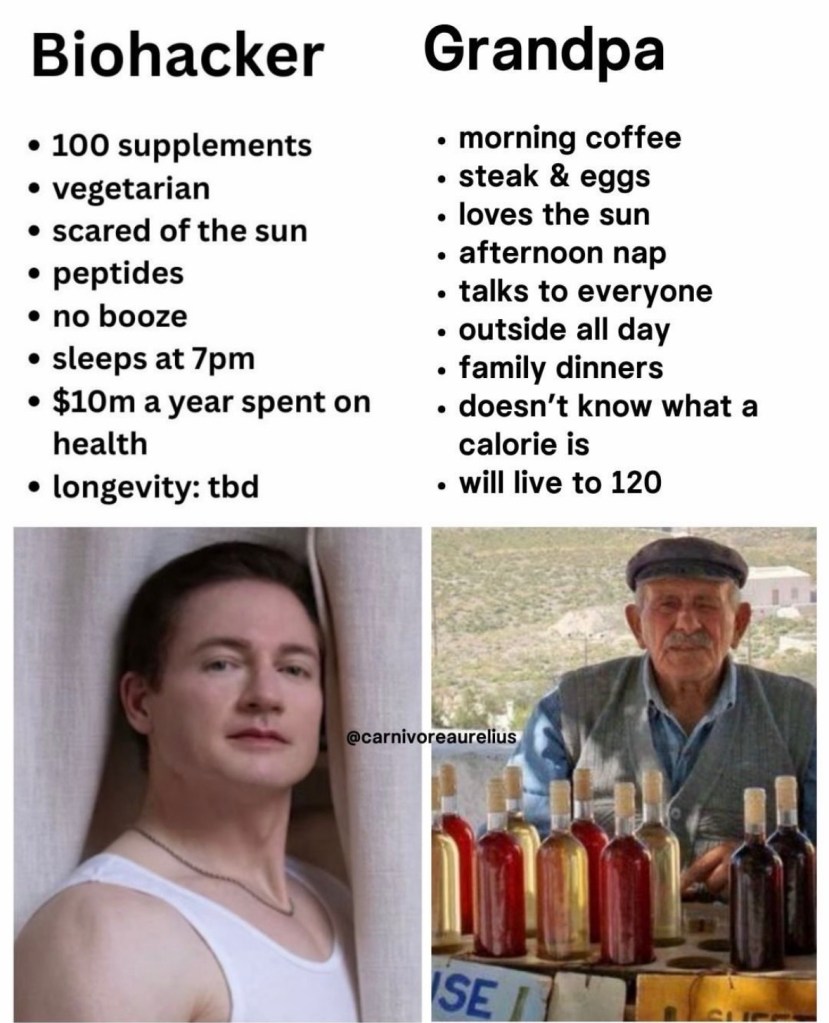
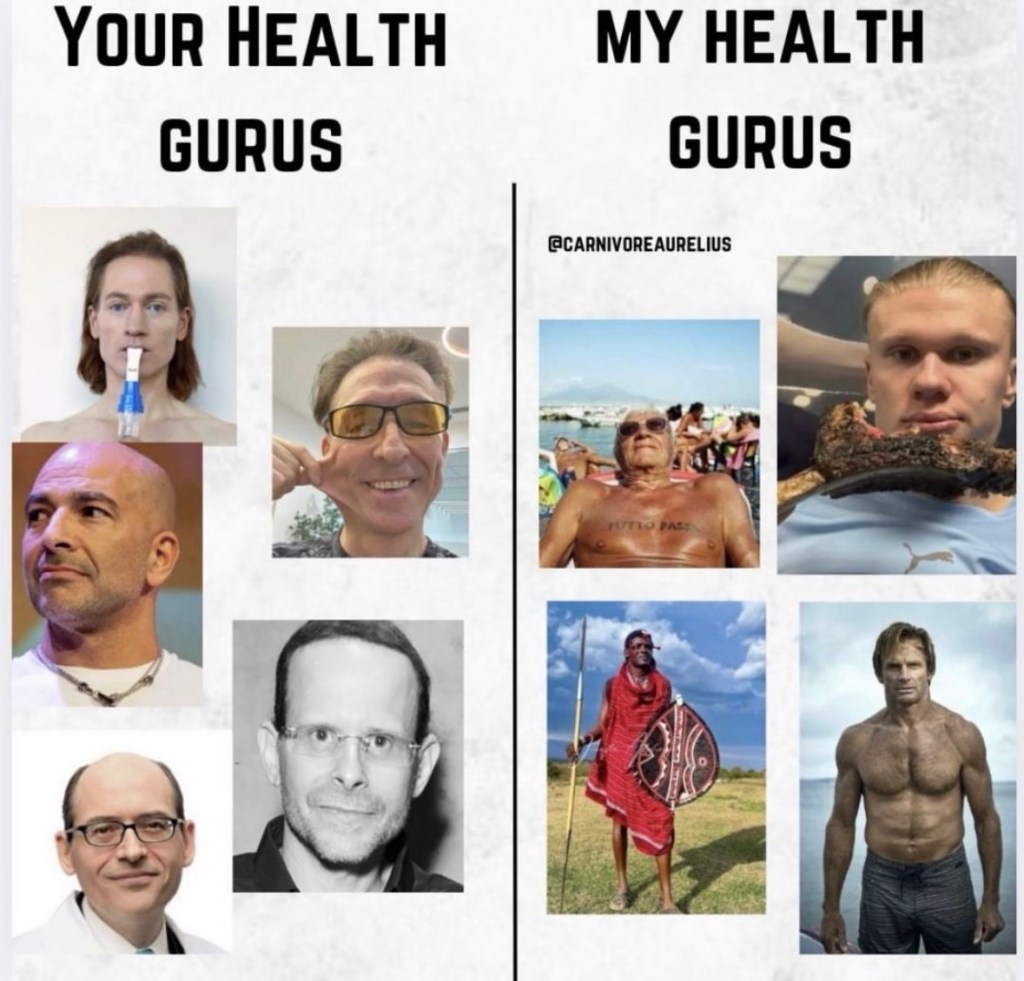
    • And my kooky health beliefs lead me to accounts like @AlpacaAurelius (Carnivore Aurelius ©🥩 ☀️🦙) a highly popular health, wellness, and lifestyle influencer on X known for promoting carnivore/ancestral diets, natural living, and anti-modern-food messaging.He posts short, punchy advice, memes, book recommendations, and visual comparisons that criticize processed/seed-oil-heavy foods while praising meat, sunlight, walking, and traditional lifestyles. Common themes include: Diet & Nutrition — Strong advocacy for carnivore or nose-to-tail eating, local/farm-fresh produce over industrial options (e.g., local farm strawberries vs. Driscolls), and warnings against “the shit” in modern foods, Lifestyle — Sunlight, movement (walking), positive mindset, and simple joys (e.g., Spain’s longevity linked to meat, olive oil, wine, and activity), Mindset & Philosophy — Anti-worry messages, book lists blending spirituality (Tao Te Ching, Untethered Soul) with self-development and ancestral health (e.g., Nutrition and Physical Degeneration).  The tone is motivational, meme-friendly, contrarian, and humorous, often with a Stoic/Aurelius-inspired flair mixed with bro-science and wellness maximalism. He sells or promotes related products like clean collagen and coffee.
  • Alone Again, But Still Full of Us

    Alone Again, But Still Full of Us

    The house is quiet once more. He left for Boston yesterday, and the silence settled in before the door even closed behind him. It will be another month before I feel his arms around me again, before I hear his laugh echoing through these rooms.

    I hate sleeping alone. The bed feels too cringe, the pillows too cold. I hate watching television alone too—there is no one to nudge when something ridiculous happens, no one to pause the show so we can debate plot twists or quote our favorite lines back and forth. Most of all, I miss the little things: the easy banter that danced between bites of cookie dough or ice cream , the way we could turn an ordinary meal into something playful and intimate.

    This visit was supposed to hold answers. I thought we would finally talk through the big questions about our future—what comes next, where we go from here. Those conversations hovered around us, but never quite landed. So—as per usual— I am still waiting, still hoping, still trusting that the path will reveal itself in its own time.

    But even without those answers, this trip gave us so much.

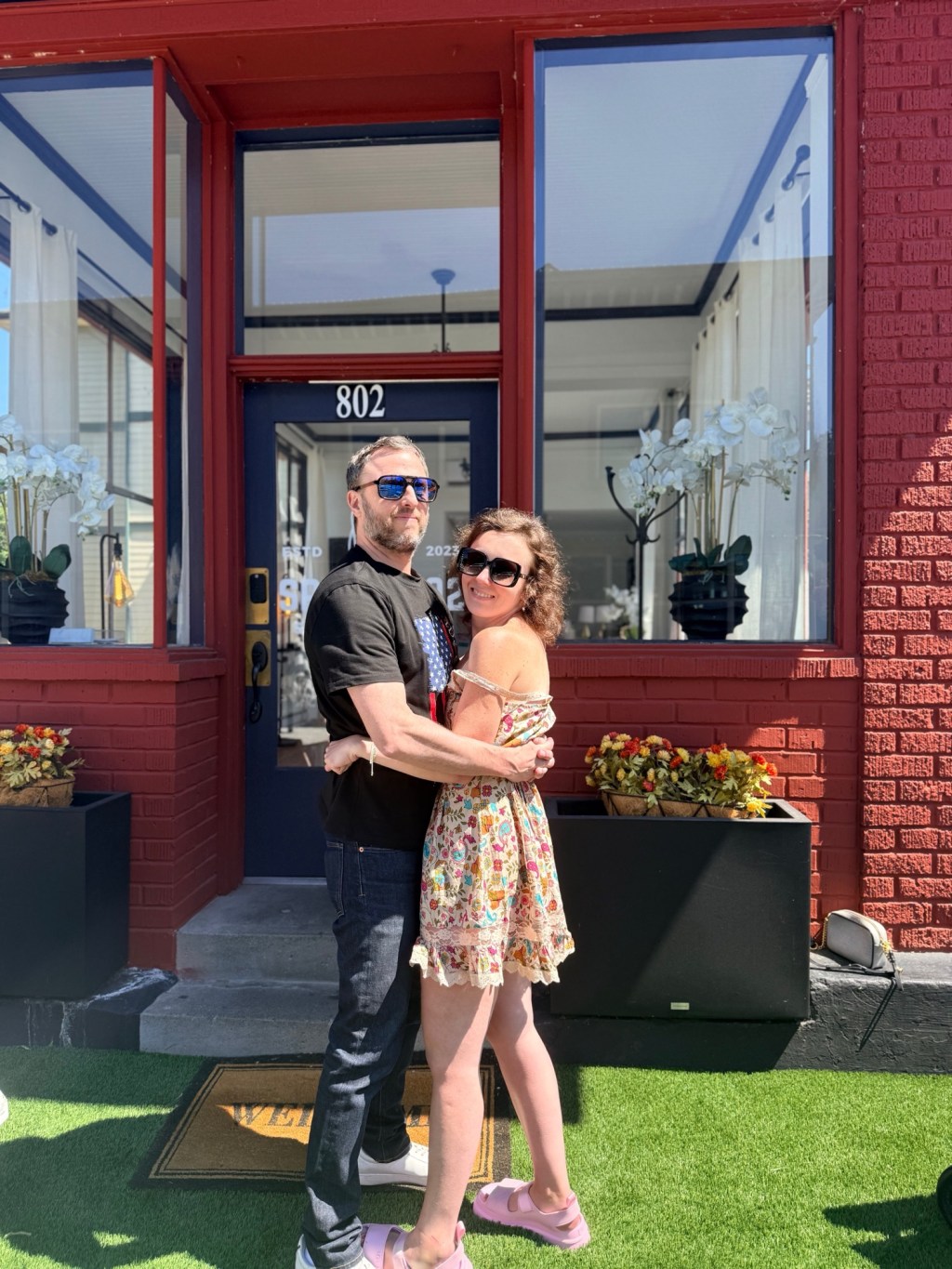
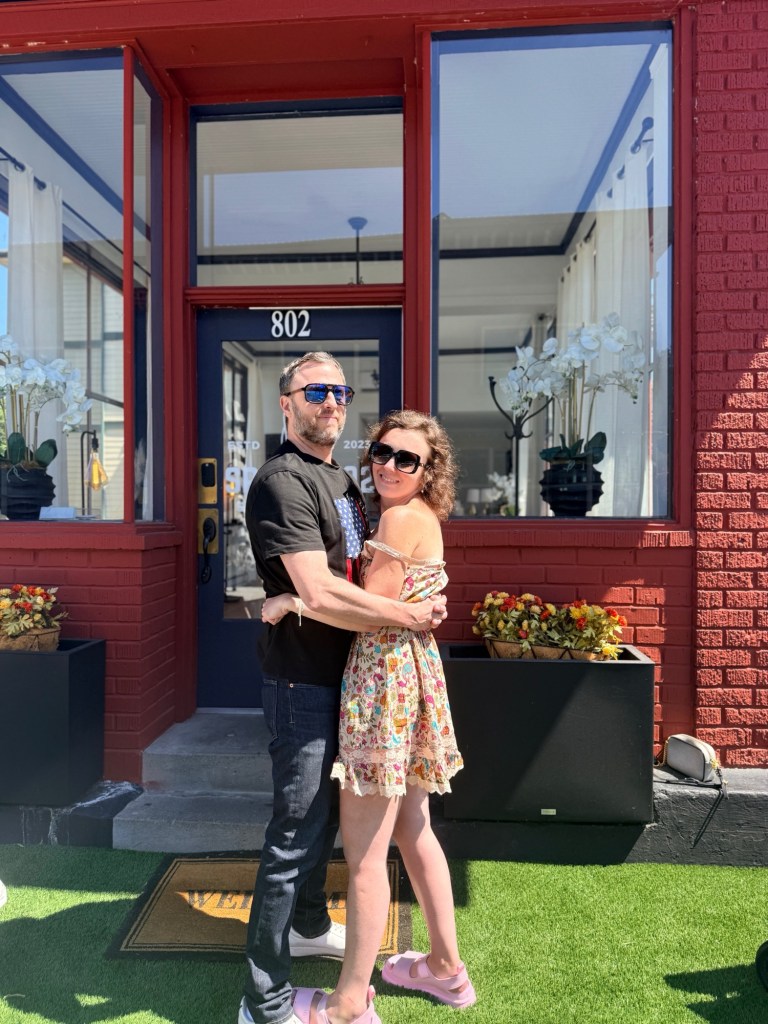
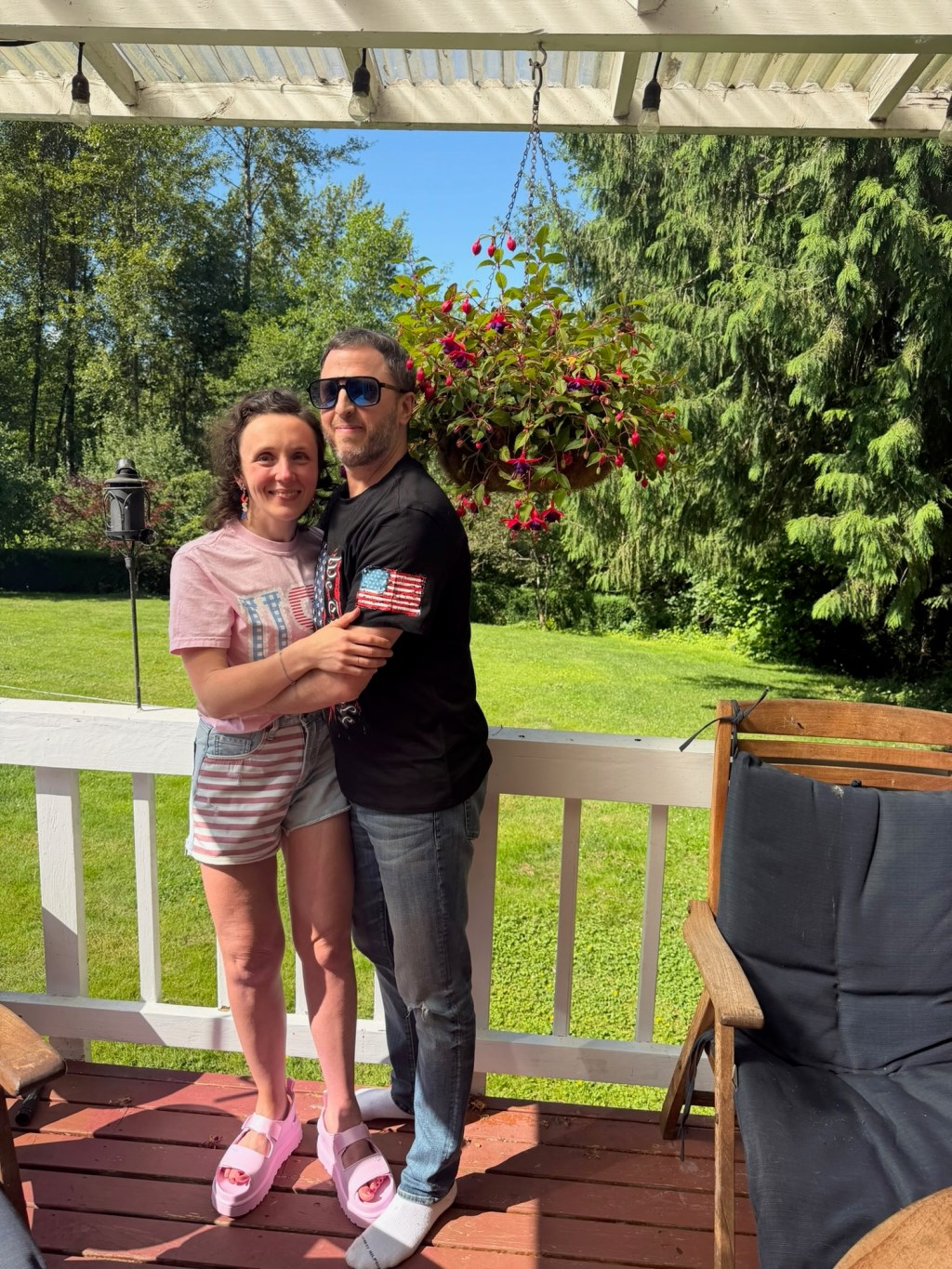
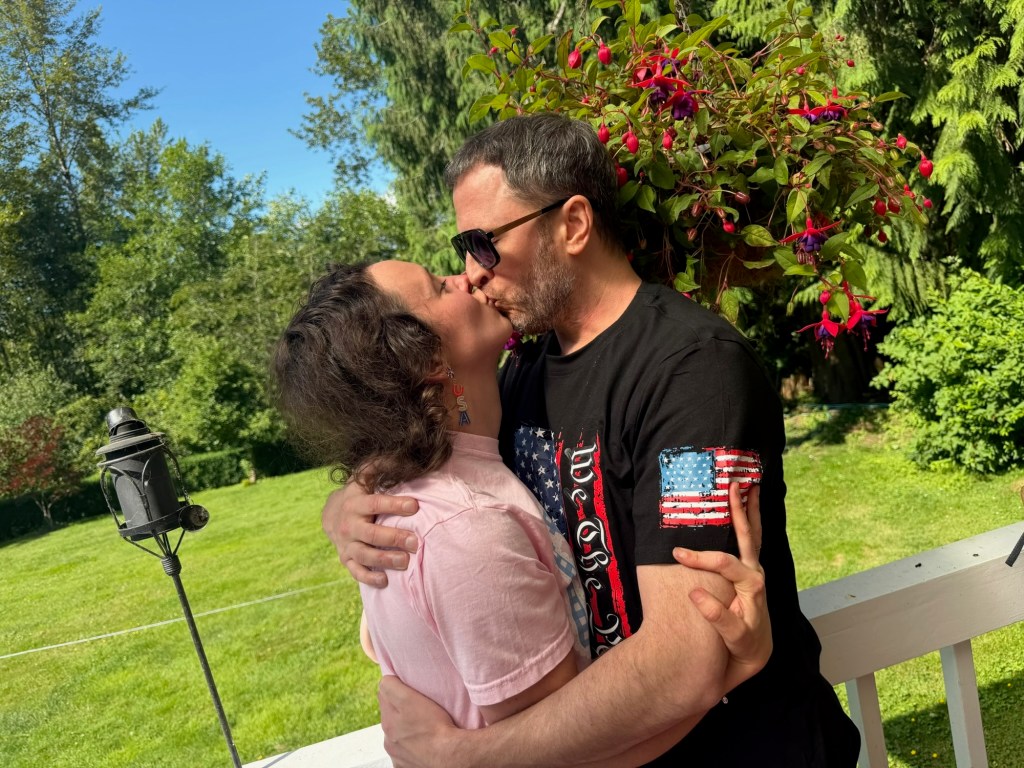
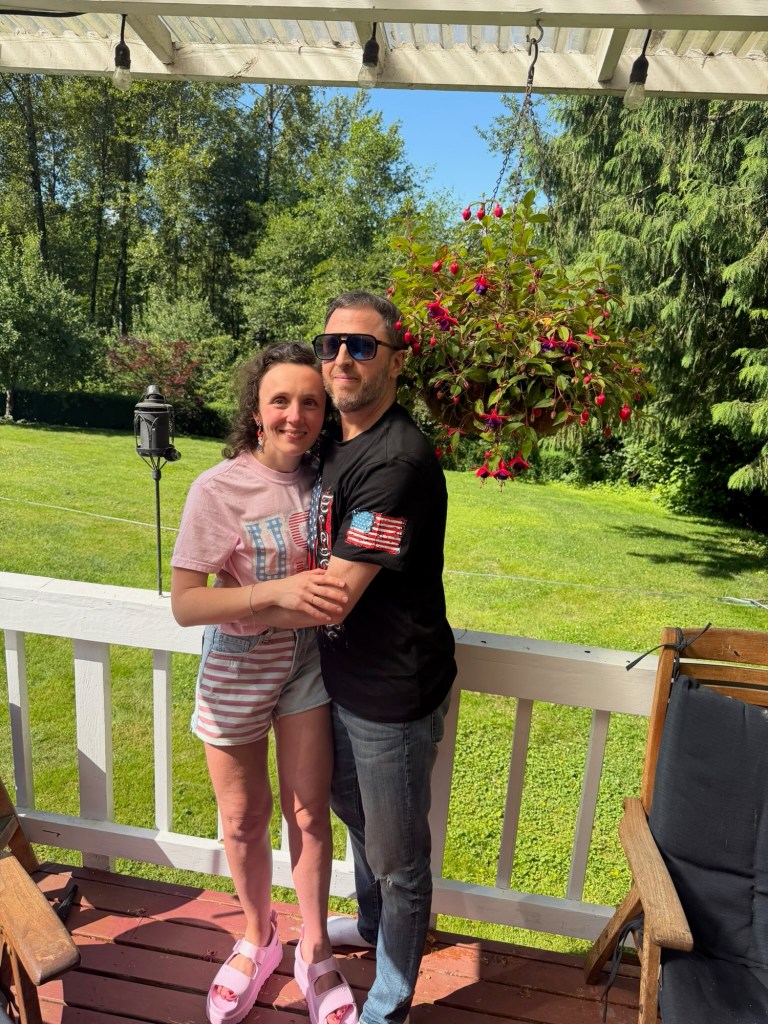
    We celebrated this incredible country together—its firework [sounds], its spirit, its messy, beautiful freedom. We soaked up quality family time, the kind that fills your heart and reminds you why roots matter. He even came with me to physical therapy, walking along patiently through the exercises and offering quiet encouragement that meant more than he could ever know. The kind of support I am not really used to.

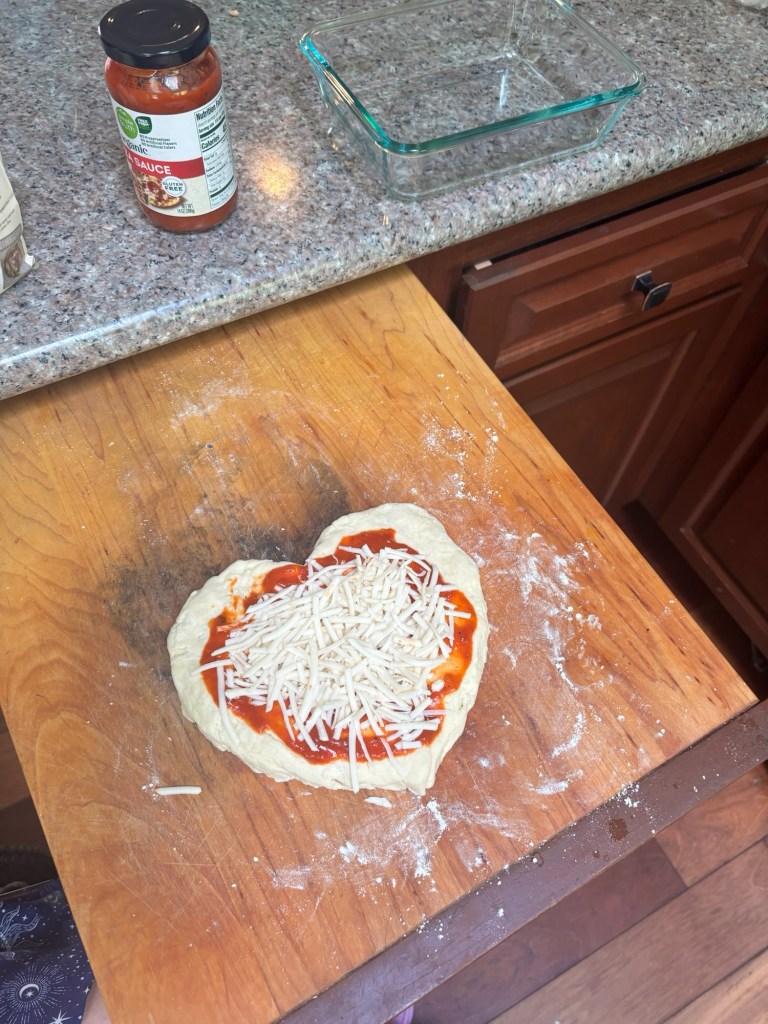
    Then, when my parents headed out of town, we got to play house. Just the two of us. I cooked for him multiple times a day, pouring love into every dish, and he made most beautiful heart-shaped pizza —crispy, cheesy, and made with such care that I nearly melted right there in the kitchen. We wandered through Old Town, soaking in the charm of cobblestone streets and golden-hour light. We spent lazy hours cuddling on the couch, talking about everything and nothing, sharing those delicious conversations that make distance feel survivable.

    For those precious days, we built a little world that felt like home. Even now, as I sit here missing him, I can still taste the pizza, hear his voice in the quiet, and feel the warmth of his hand in mine.

    Long-distance love is hard. The goodbyes sting, the empty spaces ache, and the uncertainty can be heavy. But these visits are proof that what we have is real. They are fuel for the weeks apart. They remind me that even when I am sleeping alone and the house feels too quiet, I am not truly by myself.

    I carry him with me—in the memories we made, in the future we are still writing, and in this stubborn, hopeful heart that believes it is all worth it.

    Until next month, my love. Come back soon.

    The beautiful heart shaped pizza he made for me
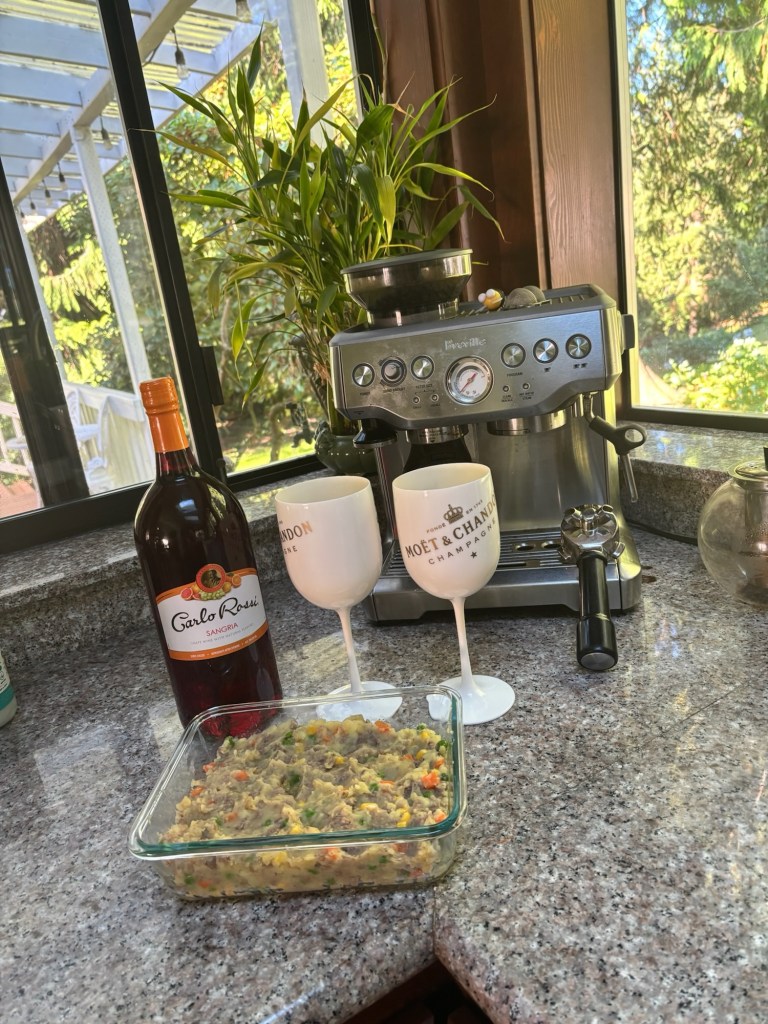
    My version of Shepherds Pie I made
  • HAPPY 250th AMERICA 🇺🇸

    HAPPY 250th AMERICA 🇺🇸

    The Paradox of American Self-Loathing: Hating the Country While Living (and Thriving) in It

    I live in Washington State, so I am very aware that many people love to hate on this country while living in it. You see it everywhere—from social media rants and campus protests to the floor of Congress. Politicians, pundits, academics, and activists routinely describe the United States as “utterly racist,” “systemically sexist,” or irredeemably oppressive. They do this while enjoying the safety, prosperity, legal protections, and opportunities that few nations in human history have matched.

    Snow-capped mountain with forested valley at sunset
    A stunning sunset illuminates a snow-covered mountain and lush green valley below.

    If the country were truly as broken as the rhetoric claims, why stay? We know a few Russian/ Americans who do this and I just want to tell them to leave…Why not emigrate to one of the many places that supposedly handle race and gender “better”? The answer, of course, is that deep down most people know the truth: America, for all its flaws, remains one of the best places on Earth to live—especially if you want freedom, economics, and the right to complain loudly about it.

    Critics love to focus on remaining disparities. Those exist. But they rarely acknowledge how far we have actually come in a remarkably short time.
    Compare this to global reality. Many countries still have formal legal discrimination against women, ethnic or tribal violence, caste systems, or severe restrictions on speech and movement. Some people (including me) think that this country has taken equality a little too far. The United States ranks imperfectly on some international indices of “equal treatment,” but it allows open criticism, protest, and legal recourse in ways that are rare or nonexistent elsewhere. People from every corner of the globe have been seeking entry here—not the reverse.

    Many of the loudest voices—especially politicians and cultural elites—thrive under the very system they condemn. They live in safe, affluent areas (often in progressive strongholds like parts of Washington State), send their children to excellent schools, enjoy world-class healthcare and technology, and wield real power. Yet they frame America as a perpetual oppressor narrative that justifies endless grievance and policy intervention.

    In Washington State specifically, you see this tension up close. It is a deep-blue state with progressive policies on wages, environment, and social issues. Seattle, in particular, has poured enormous resources into homelessness programs—over a billion dollars in some periods—yet visible encampments, open drug use, and related crime persisted as major challenges for years. Progressive approaches emphasizing “housing first” and reduced enforcement faced pushback as outcomes lagged.

    A glowing balance scale with dark storm clouds and lightning on the left side and bright sunlight with fluffy clouds on the right side
    A glowing scale balances dark storm clouds against bright sunlight in a dramatic sky.

    National politicians from both parties sometimes criticize aspects of America, but the specific “utterly racist and sexist” framing tends to come from one side. It serves a political purpose: it mobilizes voters, justifies expansive government programs, and signals moral virtue in certain circles. The problem is that it often flattens nuance. It treats every disparity as proof of ongoing systemic malice while downplaying culture, family structure, behavior, individual choices, and group differences in outcomes that exist even in the most egalitarian environments.

    America’s genius has always included the freedom to criticize itself. That self-scrutiny helped drive abolition, suffrage, civil rights, and other reforms. But there’s a difference between constructive criticism aimed at improvement and a reflexive “America is the problem” posture that ignores context and progress.

    If the country were as irredeemably racist and sexist as claimed, the data on attitudes, legal equality, and outcomes would not show such dramatic improvement. Persistent gaps deserve honest examination—without the hyperbole that turns every statistic into proof of eternal villainy. Cultural and behavioral factors matter alongside any remaining bias. Pretending otherwise doesn’t help anyone.

    As a Washington resident surrounded by both stunning natural beauty and the realities of urban policy experiments, I see the value in clear-eyed realism. Love of country does not require ignoring flaws (same with love of people). It means recognizing that this imperfect experiment in self-government has delivered unprecedented freedom and opportunity to more people than almost any alternative in history.

    The people who most loudly proclaim America’s total moral failure while enjoying its fruits are often the ones least willing to acknowledge how good they have it—or how much progress has already occurred. Gratitude and ambition can coexist. We can demand better without pretending the foundation is rotten.

    America is not perfect. No country is. But the constant “utterly broken” narrative from people who choose to stay, succeed, and raise families here rings hollow.

  • Ditch the Metrics: Embrace Your Unique Fitness Journey

    Ditch the Metrics: Embrace Your Unique Fitness Journey

    Hit 5,000 steps today and drop your achievement here — we’re cheering you on!

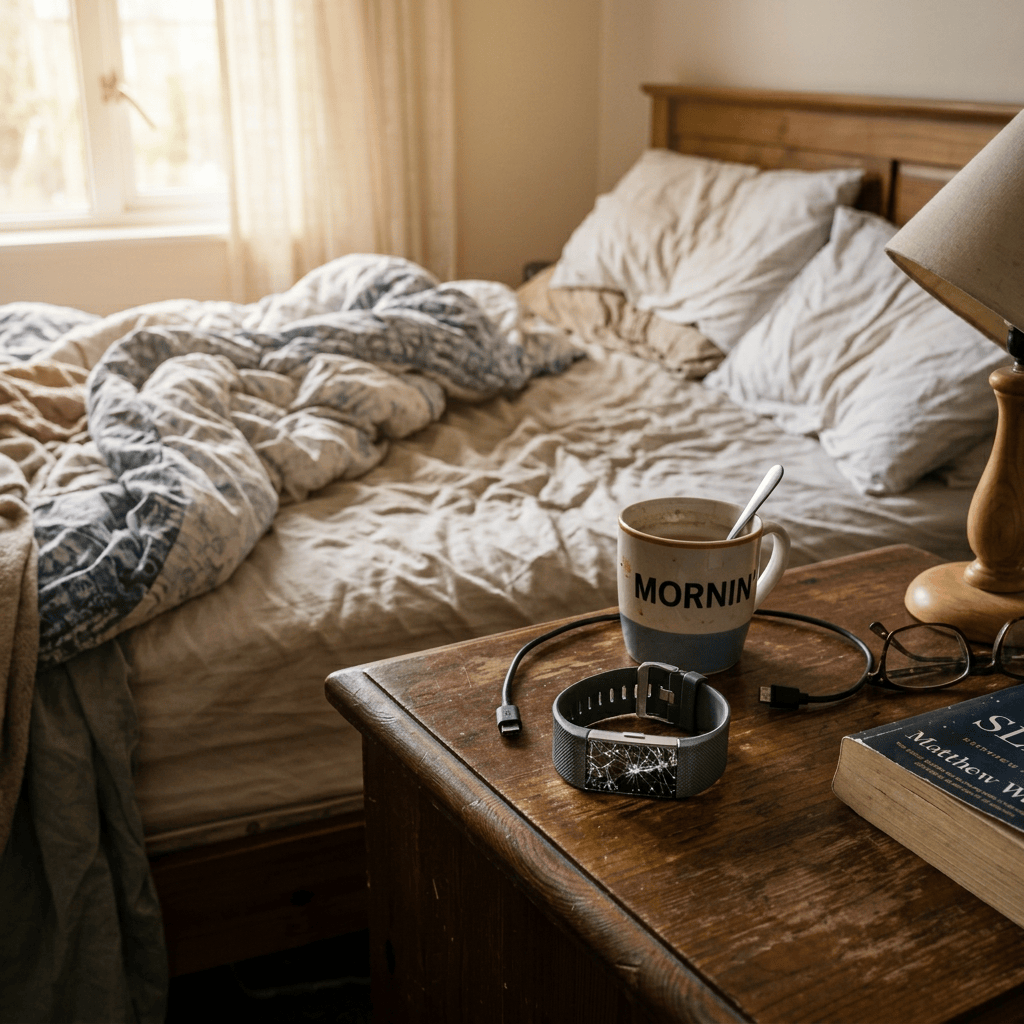
    I cannot stand the numbers. Not the step counts, not the graphs, not the glowing little rectangles on everyone’s wrist telling me whether I “performed” as a human last night. They are ugly, they are loud, and they lie. They turn the only thing that actually matters—how your body feels when you open your eyes—into a report card written by engineers who have never had to relearn how to stand up.

    Blue and orange digital numbers blending and dissolving into wisps of blue and orange smoke on a black background
    Colorful digital numbers emerge and dissolve within swirling smoke against a dark background.

    If I wake up and feel like I could take on the day, that is a good sleep. Full stop. I do not need some algorithm to grade my brainstem on a scale of 1–100. I lived through the real thing. I know what broken feels like.

    The same rule applies to movement. You do not need 10,000 steps to prove you are alive. You need to get your body off the chair and into the world in whatever broken, limping, half-assed way it currently allows. Sitting in front of a screen all day while your legs atrophy is not natural. It is slow suicide dressed up as “work.” I know, because I did it for years. College turned into a black hole of heartbreak and takeout containers. I ballooned to more than twice the size I am now. No one was tracking my steps back then either. The only metric that existed was the mirror and the way my clothes stopped fitting.

    When you cannot move more, you eat less. That is not complicated math. That is survival. Bodies are built in the kitchen long before they are ever sculpted in the gym. I dropped over a hundred pounds while completely sedentary, because I decided the fork was the only variable I could still control. Willpower is not some cute hashtag. It is the ugly, daily choice to put the food down when every instinct is screaming to numb the pain with it. I did that. No app congratulated me. No little trophy popped up on my phone. Just me, in a body that finally felt like mine again.

    Brainstem hemorrhages do not mess around. Ninety percent (90%) of people who get them die. I lived. Barely. And every single day since has been a negotiation with a nervous system that still thinks it is under attack. People love to throw the word “lazy” around like it is some moral failing instead of a medical reality. They have no idea what it costs just to exist in this body right now—how much energy it takes to simply stay upright, to speak without slurring, to keep the depression from swallowing the progress. Calling that lazy is not just ignorant. It is cruel.

    Whether it is a relationship, a recovery or just a pair of skinny jeans, you should never have to force it. Anything. It is not lazy when you are simply putting your trust in the universe’s power to turn life around while also standing up as much as possible and walking around (with help). The universe responds to our vibrational energy not by how much energy and force we exert.

    Person walking on coastal trail at sunset with colorful sky
    A lone hiker walks along a coastal trail during a vibrant sunset

    So no, I am not hitting 5,000 steps today. I am moving as much as this body will safely allow and eating like someone who respects the fact that food is fuel, not therapy. That is the entire program. No pretty graphs. No weekly reports. No optimization.

    The quantified-self crowd wants you to believe there is an optimal human being and that their little devices will show you how to become it. What they never tell you is that the second you hand your body over to the data, you stop listening to the only sensor that actually matters: the one between your ears and under your ribs. That sensor is loud, it is inconvenient, and it does not come with a subscription. But it has kept me alive through things that should have killed me.

    So keep your ugly wrist device. Keep refreshing your sleep score. I will be over here working on my body until it begs for sleep,; deciding how I feel, moving what I can move, and eating like my life depends on it—because it does. The numbers never saved anyone. The quiet, stubborn decision to keep going when every metric says you should not have survived is the only score that has ever mattered.

    PS I am taking some much needed personal time. My man is coming over for a couple weeks and I am devoting every second to him. It is such an honor to dedicate myself to my man. This has become a major part of “getting my life together.” Track that.