This Memorial Day, my boyfriend and I will be doing what we do best lately: sharing our usual FaceTime coffee date from opposite sides of the country. We have spent several recent Memorial Day weekends physically together, but somehow these long holiday stretches still end up with us glued to our phones — sipping coffee, chatting, and wishing we were in the same room. His grandfather served in the Second World War (but passed away in 2010). Because of that, my history-buff boyfriend feels a deep, personal connection to this holiday that I, as a Russian immigrant, can never quite match.
In Russia, we grow up honoring May 9th — Victory Day — with parades, red carnations, and stories of grandparents who fought in the Great Patriotic War. Patriotism there is loud, emotional, and woven into everyday life. Here in America, it feels quieter. More subdued. I understand why. This land has not seen the kind of devastation and loss that so many other countries have endured on their own soil. America’s wars have largely been fought far away, on someone else’s beaches and battlefields. That distance changes how the day lands in people’s hearts.Still, I find myself reflecting on the sacrifices made by those who came before — especially the ones who made my boyfriend’s family possible. Even from a screen, I am grateful to share this day with him.
Most people treat Memorial Day as the beginning of the summer. However, Memorial Day is more than just a long weekend marking the unofficial start of summer. It should not just be a holiday for another coffee date. It is a solemn national holiday dedicated to remembering and honoring the men and women of the United States Armed Forces who made the ultimate sacrifice in service to their country.
A Brief History of Memorial Day
The roots of Memorial Day trace back to the aftermath of the American Civil War, one of the bloodiest conflicts in U.S. history, which claimed the lives of approximately 620,000 soldiers. In the years following the war, communities across the nation began decorating the graves of fallen soldiers with flowers, wreaths, and flags—a practice that gave rise to the original name, “Decoration Day.”
On May 5, 1868, General John A. Logan, commander-in-chief of the Grand Army of the Republic (an organization of Union veterans), issued a proclamation establishing Decoration Day on May 30. That first national observance drew thousands to Arlington National Cemetery, where flowers were placed on the graves of both Union and Confederate soldiers.
While several locations claim to be the birthplace of the holiday (including Charleston, South Carolina, and Boalsburg, Pennsylvania), the tradition spread rapidly. After World War I, it expanded to honor all American service members who died in any war. The name officially became “Memorial Day,” and in 1971, Congress passed the Uniform Monday Holiday Act, moving it to the last Monday in May to create a three-day weekend.
The True Meaning and Significance
At its core, Memorial Day is about remembrance and gratitude. It acknowledges that freedom is not free and that countless individuals—sons, daughters, fathers, mothers, brothers, and sisters—paid with their lives to defend the ideals of liberty, democracy, and justice.
This day serves as a powerful reminder of the human cost of conflict. From the Revolutionary War through today’s global operations, these heroes stepped forward when their nation called, often knowing the risks involved. Their sacrifice ensures that future generations can enjoy the blessings of peace and opportunity.
Memorial Day also fosters national unity. It transcends politics, reminding Americans of shared values and the collective debt owed to those who defended them.
How Americans Observe Memorial Day
Traditions vary, but the spirit remains consistent:
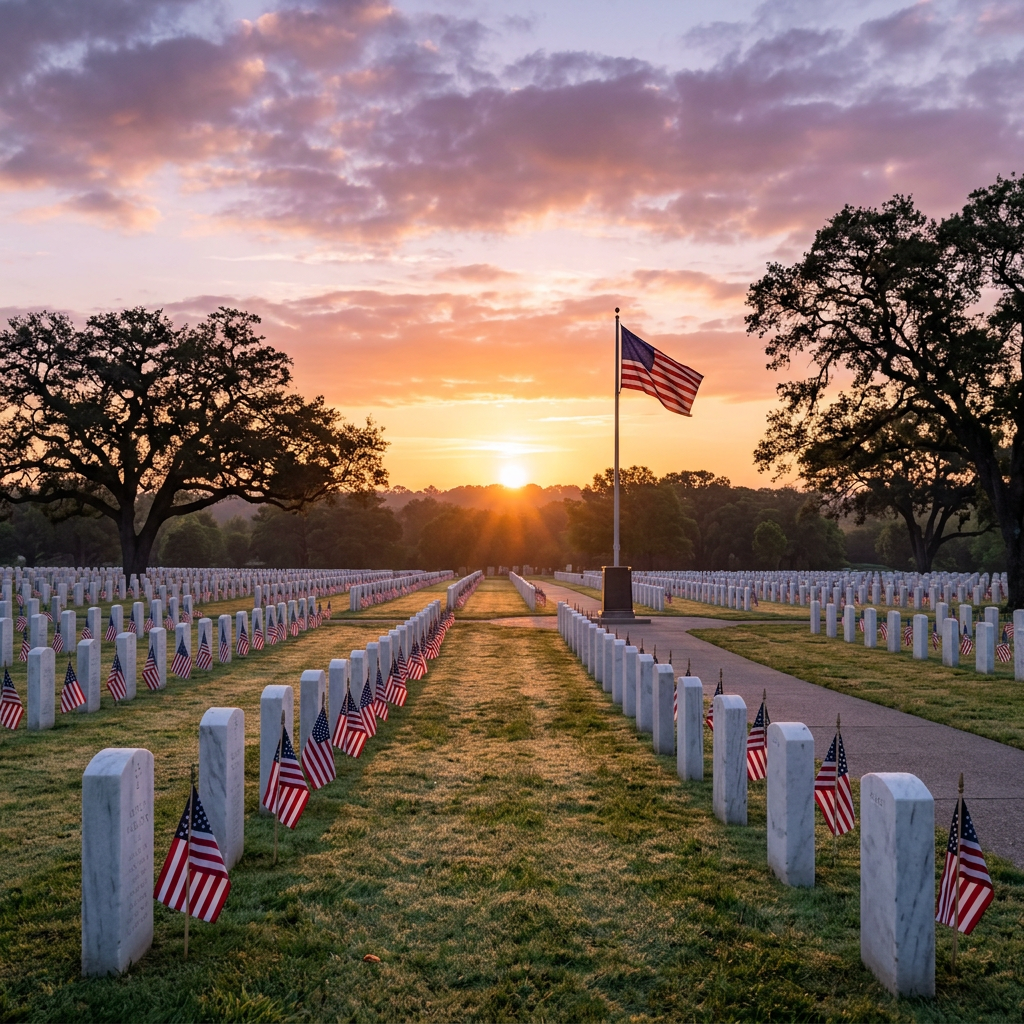
- Cemetery visits and grave decorations: Families and volunteers place American flags and flowers on the graves of fallen service members. National cemeteries like Arlington become seas of red, white, and blue.
- Parades and ceremonies: Military parades, speeches, and moments of silence honor the fallen. The National Memorial Day Concert in Washington, D.C., is a highlight.
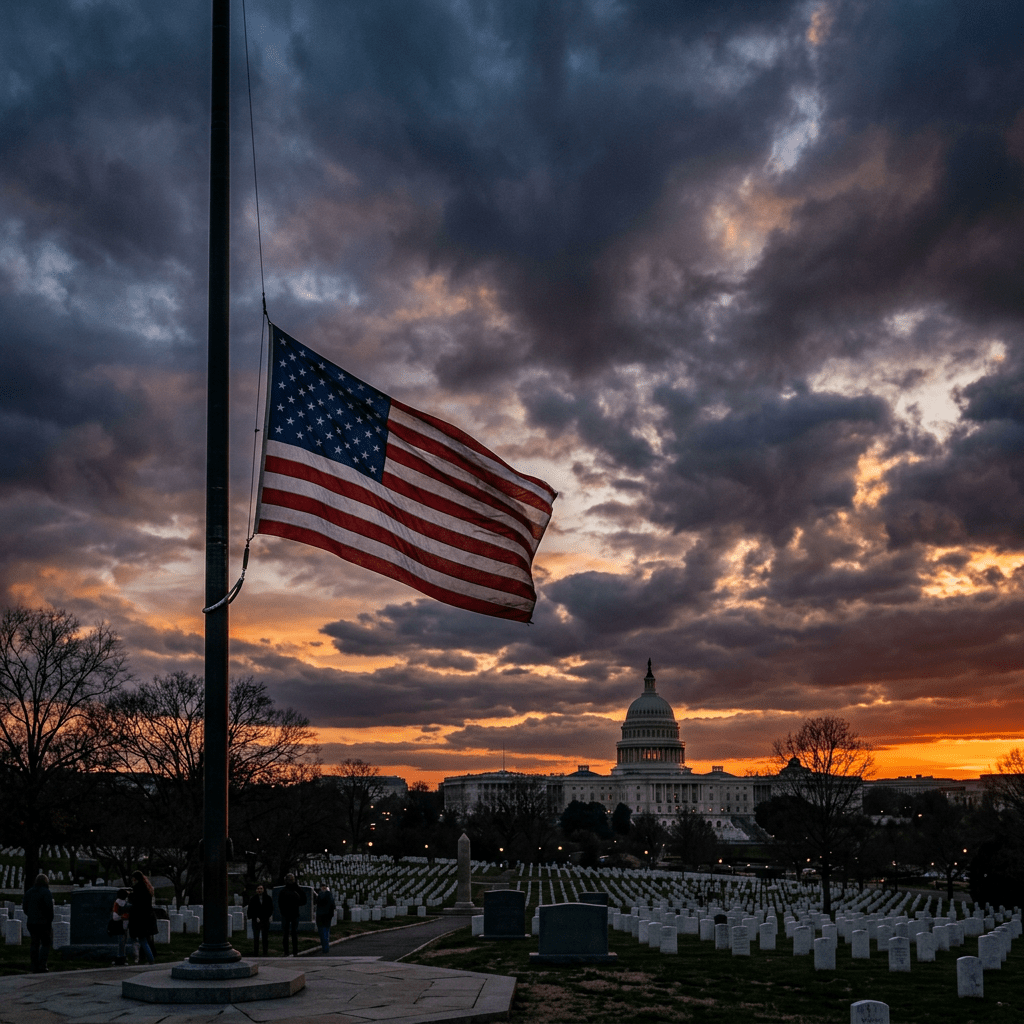
- Flags at half-staff: From sunrise until noon, U.S. flags fly at half-staff to symbolize mourning, then raised to full staff to honor the living who continue the legacy.
- BBQs and family gatherings: While celebrations often include cookouts, many use the time to reflect, teach children about history, and express thanks.
It is important to distinguish Memorial Day from Veterans Day (November 11 AKA my boyfriend and I’s physical anniversary!)), which honors all who have served—living and deceased. Memorial Day specifically focuses on those who died in service.
Why It Still Matters Today
In an increasingly fast-paced world, Memorial Day calls us to pause. It invites reflection on sacrifice, service, and the responsibilities that come with freedom. For Gold Star families—those who have lost loved ones—it is a day of both profound grief and national recognition.
As we enjoy barbecues, beach trips, and time with loved ones, let us remember the true reason for the holiday.
To all who gave their lives so we might live in freedom: Thank you. We will never forget.
This Memorial Day, may we honor their memory not just with words, but with lives lived in gratitude and service to the country they loved.

