Tag: trauma

  • Down Under Dreams: My Wild Teenage Adventure in Australia with People to People

    Down Under Dreams: My Wild Teenage Adventure in Australia with People to People

    At fifteen years old, I stepped off a plane into a world that felt like it had leaped straight out of a National Geographic. The air was warmer, drier, and carried the faint scent of eucalyptus. I was part of the People to People Ambassador Program, a life-changing opportunity that took a group of wide-eyed American teens halfway around the globe to Australia. What started as a simple cultural exchange trip quickly became a whirlwind of big-city glamour, rugged outback exploration, family-style homestays, and the kind of teenage chaos that only happens when you are far from home and the usual rules do not quite apply (the innocent kind though, not really what we see on teenager television shows).

    Our itinerary was perfectly balanced between urban sophistication and raw Australian wilderness. We bounced between the gleaming harbors of Sydney and Melbourne and endless stretches of red earth in the outback. Long bus rides became our moving classrooms—hours spent watching the landscape shift from bustling streets to golden grasslands. We stayed with local families who opened their homes (and hearts) to us, sharing meals, stories, and glimpses into everyday Aussie life that no guidebook could ever capture.

    Sydney hit me like a fever dream. The iconic Opera House rose like white sails against the sparkling harbor, its curves even more breathtaking in person than in any photo I had seen. We toured the Olympic facilities from the 2000 Games, walking through stadiums that once echoed with global cheers. I remember standing there, imagining the roar of the crowd, feeling tiny yet somehow part of something enormous.

    But beneath the excitement, I carried a heavy secret. This was the year after I started high school, and the pressure to look and be “perfect” had already taken root in my mind. Australia felt like the ultimate reset button—a chance to reinvent myself far from judgmental eyes back home. Before the trip even began, I emailed the volunteer chaperones with a carefully worded note: I would not be eating much, and they should not worry about me. Looking back now, it breaks my heart to think of that determined, insecure fifteen-year-old girl trying so hard to control the one thing she could in a brand-new country.

    On those long bus rides, packed lunches were handed out like clockwork—sandwiches thick with deli meats, crisp chips, and sweet treats. I would politely unwrap mine, eat only the apple, and quietly put the rest aside. The volunteers were kind, but I could feel their concerned glances. During our homestay in Melbourne, the warm “mom” of the house cooked a hearty Australian meal just for us. I pushed the plate away after a few bites, murmuring something about being full. Her disappointed but understanding look still lingers with me. Food became both enemy and background noise while the real adventure swirled around me.

    Of course, no trip at fifteen would be complete without plenty of youthful mischief. I flirted shamelessly with the boys in our group—stolen glances across bus aisles, whispered jokes during tours, and that electric buzz of first crushes amplified by the freedom of being overseas.

    The Australian sun, however, showed no mercy. Wanting to be perfect meant that I wanted golden skin. I ended up severely sunburned. My skin turned lobster-red, peeling in painful sheets for days. Lesson learned: respect the ozone hole Down Under.

    One of my biggest hurdles was begging my mother—via crackly payphone calls from a random shopping mall —to let me get my belly button pierced. I pleaded, I reasoned, I dramatically described how “everyone” was doing it. She held firm.

    Instead, I settled for a temporary tattoo from a quirky shop near the harbor. It was some butterfly design that I proudly showed off to the group. When I got home, I let everyone believe it was real, basking in the temporary cool factor before it faded in the shower. Small rebellions, big memories.

    The real soul of the trip was during our long bus tours through the outback. The landscape stretched endlessly—red dirt, scrubby bushes, and skies so vast they made you feel wonderfully insignificant. We learned about Aboriginal culture, their deep connection to the land, and the stories passed down through oldtime legends.

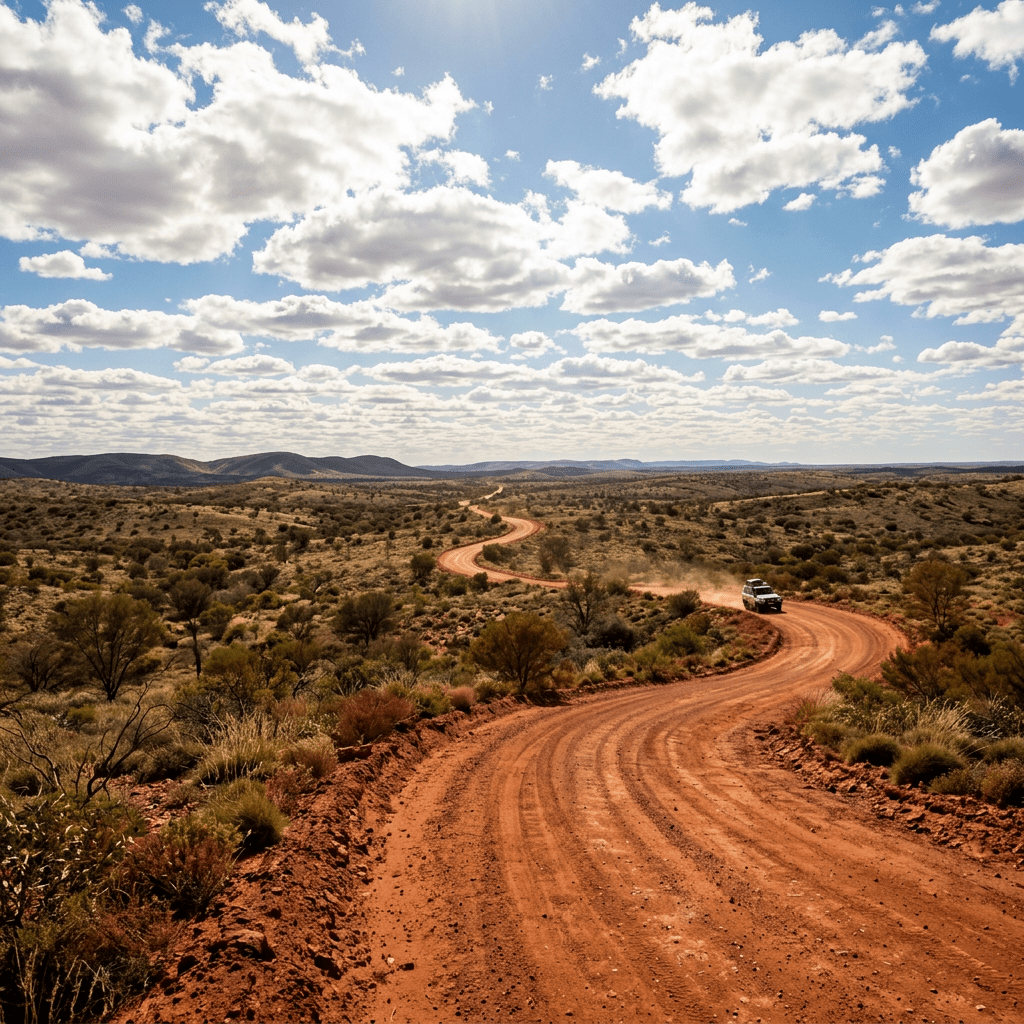
    Vehicle driving on winding red dirt road in arid outback landscape
    A vehicle traverses a winding red dirt road through arid outback terrain under a partly cloudy sky

    One unforgettable stop was a wildlife sanctuary where I finally got to hold a tiny koala. He was everything I imagined: fluffy gray fur, button eyes, and a sleepy demeanor (apparently they are constantly high from eating the eucalyptus). I beamed for the camera, arms gently cradling him. But internally? I was screaming. Those adorable little claws dug into my arm like tiny needles. Sharp did not even begin to describe it. Still, worth every scratch for that photo and the story.

    We spotted kangaroos hopping freely in the wild—elegant, powerful creatures that seemed to defy gravity. At the sanctuary, we got closer, feeding them and watching their curious faces up close. Later, in a remote outback experience hosted by Aboriginal elders, we were treated to kangaroo tail. It was an honor to share in their traditional food. The tail was tough, mostly dense muscle with very little fat or tenderness—chewy, gamey, and completely unlike anything I had eaten before. It was not about gourmet flavor; it was about connection, respect, and tasting a piece of the land itself.

    That trip to Australia did not magically fix my insecurities around food and body image. Those battles continued for years as I eventually got down to double digits on the bathroom scale. But it planted seeds of perspective. I saw a country that was both modern and ancient, vibrant and harsh, welcoming and wild. I learned that adventures are messy—full of sunburns, awkward flirtations, hidden struggles, and moments of pure wonder.

    Holding that koala, even through the pain, symbolized something bigger: sometimes the cutest, most picture-perfect experiences are actually concealing something painful. Pushing away plates did make me feel more in control; but it also made me miss out on shared meals and hospitality. The temporary tattoo washed off, but the memories never did.

    Years later, I look back on that fifteen-year-old girl with compassion. She was brave enough to travel across the world, curious enough to embrace new cultures, and human enough to make mistakes. Australia taught me that life is best experienced fully—sunburns, sharp claws, kangaroo tail, and all.

    If you ever get the chance to say yes to an adventure that scares and excites you, just do it (like Nike!). Whether it is Australia or somewhere closer to home, the outback of your own growth is waiting.

  • The Faux Pas of Following the Script in Life

    The Faux Pas of Following the Script in Life

    Faux pas.

    Literally, it means “false step” in French—like you tripped over your own feet in the middle of a crowded ballroom and everyone turned to stare. In American English, we have borrowed the term to describe any social blunder, any tiny (or not-so-tiny) violation of the invisible rulebook that supposedly keeps society running smoothly. Say the wrong thing at a dinner party. Wear white after Labor Day. Ask a woman when she is expecting … when she is not actually pregnant. Boom. Faux pas. Social death.

    The phrase has always fascinated me because it is so perfectly French in its elegance and so perfectly American in its judgment. It sounds sophisticated, almost romantic—but really it is just polite code for “you messed up and now everyone’s secretly judging you.”

    And that got me thinking.

    Why are we so obsessed with these invisible lines? Who drew them? Who keeps redrawing them every few years? And why does the mere idea of being told how I am“supposed” to behave in any given situation make my skin crawl and my inner rebel kick into overdrive?

    I have never been good at following scripts. Not in recitals, not in job interviews, and definitely not in the grand theater of adult life. The older I get, the more I realize that a huge chunk of my personal growth has come from deliberately stepping on the lines everyone else is so busy tiptoeing around. Not out of spite (okay, sometimes out of spite), but because performing for an invisible audience feels like slow suffocation.

    Let me give you an example. My lack of job or career. My relationship and its status.

    Translation: Sweetie, that’s a faux pas. You’re supposed to say you are a “marketing coordinator” or “nurse practitioner” or anything that sounds like you have a 401(k) and a five-year plan.

    And: He is suppossed to choose you immediately. You should live together, get married and become a family, like everyone else…

    Because apparently everyone is the same and has the same path in life.

    Stability is overrated when you are busy living the life you actually want. And I want to be his 100%.

    That moment I am told how to live my life is never about being rude. It is all about refusing to shrink myself into the neat little box labeled “Acceptable Adult Woman.” Society has a whole collection of those boxes—career boxes, relationship boxes, body boxes, personality boxes—and they all come with instruction manuals disguised as “just common sense” or “what everyone does.”  News flash: most people do not even have any sense whatsoever (so it is not really that common). 

    Here is the thing I have learned the hard way: those expectations are not there to protect us. They are there to keep things comfortable. Comfortable for everyone else. Predictable. Easy to categorize. If I follow the script—get the degree, land the safe job, marry at the right age, have the right number of kids, post the curated vacation photos, never admit I sometimes cry in my shower—then nobody has to feel awkward. Nobody has to question their own choices. The machine keeps humming.

    But what if the machine is boring? What if the script was written by people who were terrified of their own shadow? What if “fitting in” is just another way of saying “quietly dying inside”?

    I am not advocating for chaos. I still say please and thank you. Basic decency is not the enemy. The enemy is the quiet tyranny of “this is how it’s done” when “it” no longer fits who you actually are.

    I hate being told what to do because I spent too many years doing exactly that and waking up wondering whose life I was living. I hate performative expectations because they turn human connection into a performance review. And I especially hate the way media has turned every single faux pas into a public execution. One off-color political joke, one long distance relationship, one honest opinion and suddenly you are struggling to get followers on social networks.

    The irony is that the people quickest to call out faux pas are often the ones most trapped by them. They are not free; they are just better at pretending.

    So here is my quiet rebellion: I am going to keep committing the occasional faux pas. Not the cruel ones—never those—but the ones that come from refusing to edit myself for other people’s comfort. I am going to wear the “wrong” outfit, say the “wrong” thing at the “wrong” time, and build a life that looks messy and inconsistent and deeply, unapologetically mine.

    Because the real false step is not tripping over some arbitrary social rule.

    The real false step is spending your whole life walking someone else’s path so carefully that you forget how to walk your own.

    And relearning how to walk has taught me that:  I would rather stumble forward in my own Yeezys than glide perfectly in someone else’s shoes. 

  • The Power of Positive Thinking on Health

    The Power of Positive Thinking on Health

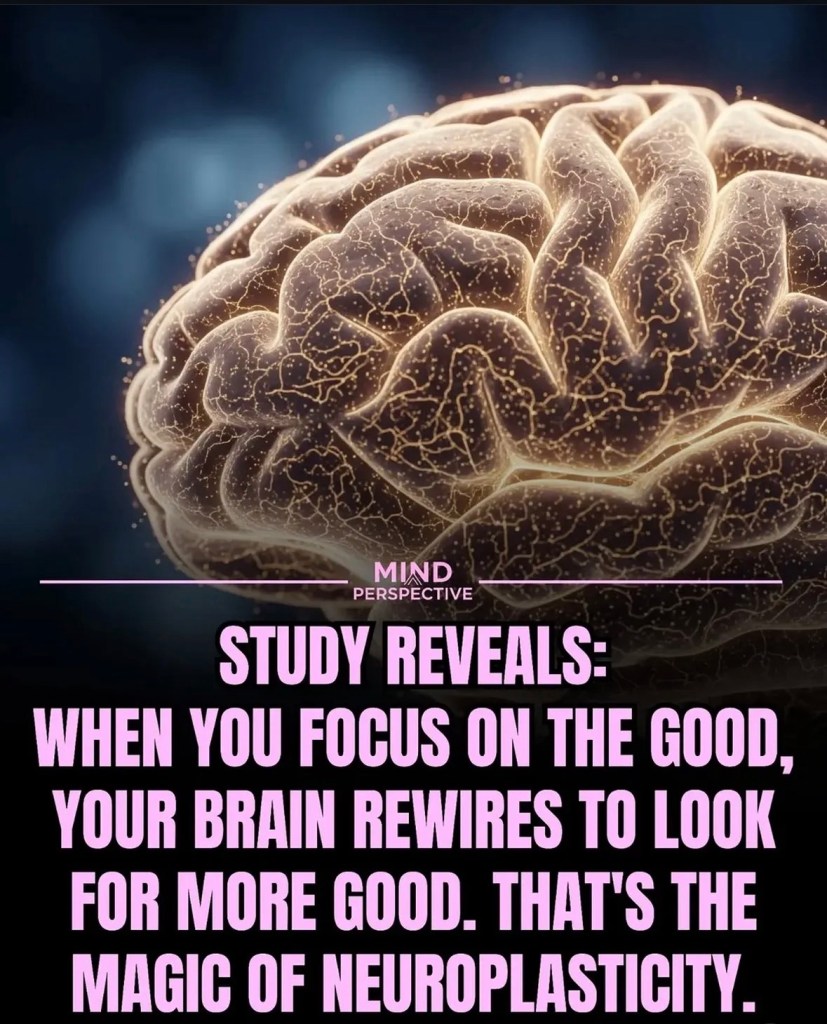
    A positive mindset does not just make you feel fuzzy and motivated. It straight-up rewires your biology, dials down inflammation, cranks up your immune system, and turns everyday movement into fat-burning rocket fuel.

    A negative mindset is slow-motion poison. It floods your veins with stress hormones, tanks your recovery, packs on visceral fat, and basically programs your body to break down faster.

    This is no woo-woo Instagram spirituality. This is hard science meeting cold, hard reality. And yeah, I am saying it loud because I have lived the nightmare version.

    I truly believe the reason I am sitting here in my current health status—in a wheelchair and the use of only one arm—is because for years I viewed myself and my life like absolute garbage. I woke up every day expecting the worst, replaying every failure on loop, and treating my body like it was already doomed. Surprise: it started acting doomed.

    The Brutal Science: Your Brain Is Running the Show Whether You Like It or Not

    Your thoughts are not cute little clouds floating in your head. They are chemical commands. Sugar coating this fact is keeping people sick. 

    Every time you think “I’m such a worthless piece of shit” or “Nothing ever works out for me,” your brain hits the panic button. Cortisol and adrenaline spike. Inflammation skyrockets. Your immune system gets told to stand down. Sleep quality tanks. Cravings for junk food go nuclear because your body is now in survival mode, hoarding energy (calories).

    Chronic negative mindset is not“just stress.” It is a physiological wrecking ball [enter Miley Cyrus “Wrecking Ball”]. Studies show people who marinate in pessimism have higher rates of heart disease, slower wound healing, weaker immune responses, and even faster cellular aging. Your telomeres—the protective caps on your DNA—literally shorten faster when you are stuck in doom-scroll mode.

    Flip it around, like a pancake: shift to a positive, resilient mindset and the opposite happens. Blood pressure drops. Recovery speeds up. You actually enjoy moving your body instead of dragging yourself through workouts like punishment. Inflammation cools off. Your gut stops revolting. Hell, even the placebo effect proves it—people who believe a sugar pill will fix them often get real, measurable improvements because their brain buys in and starts the repair work.

    The nocebo effect is the evil twin: tell someone a harmless thing will make them sick and watch their body obey. Expectation is that powerful. Your mindset is not a passenger—it is the driver.

    I used to roll my eyes at this stuff. “Yeah, sure, just think happy thoughts and your autoimmune issues vanish.” But the data does not lie, and neither does my mirror. I spent years in that negative spiral, and my body paid the bill.

    Look, I am not here to play victim. I am just here to own it.

    For the longest time I looked at myself and saw failure. “Too broken to fix. Too tired to try. Life’s already screwed me, why fight it?” I would stare at my reflection and pick apart every flaw, every pound, every missed workout. I would doom-scroll through other people’s perfect lives and feel physically sick with envy and resentment. That is one reason why I deleted all of my social media.

    That constant inner monologue was never harmless. It was a full-time job for my stress response. My sleep turned to garbage. My digestion went haywire. I gained weight— more than doubled it—because my body was too busy pumping out cortisol to let any real healing or fat-burning happen.

    I genuinely believe that is exactly why I am in the health spot I am in right now. The mindset that I have been carrying around throughout this life. So it was not one bad year. Not “bad luck.” It was years of treating myself like I did not deserve better. Years of expecting my body to fail because that is what I kept telling it.

    And the craziest part was that once I started calling myself on that toxic bullshit, things began to shift. Not overnight fairy-tale magic, but measurable changes. Energy crept back. Cravings got quieter. My body started responding to the same workouts and meals that used to do nothing.

    Thus. your mindset is not just affecting your health—it is the architect of it.

    A positive mindset does not mean pretending everything is sunshine and rainbows while your life burns down.

    That is toxic positivity and it is just as damaging. Real positive mindset is gritty optimism: “This sucks right now, but I’m capable of handling it and coming out stronger.” It also is hope. How I approach Boston Sports. It is choosing to see your body as an ally that has been waiting for better instructions, not an enemy that is out to get you.

    People with this mindset move more because exercise stops feeling like torture and starts feeling like investment. They recover faster because they are not marinating in self-sabotaging thoughts. Their immune systems stay online. Their hormones chill out. Even food tastes better and digests better when you are not eating it with a side of guilt and shame.

    Alia Crum’s Stanford research proved it in real life: hotel housekeepers who were told their daily grind counted as exercise suddenly dropped weight, lowered blood pressure, and improved body composition—without changing a single thing about their routine. Same work, different story in their heads. Same bodies, different outcomes. Mindset flipped the switch.

    That is not motivational poster nonsense. That is biology bending to belief.

    The Bottom Line: Your Mindset Is Either Medicine or Poison—Choose

    I am not claiming positive thinking cures everything. You still need sleep, real food, movement, and actual medical care when shit is broken. But your mindset is the multiplier. It decides whether those things work for you or against you.

    I believe—deep in my bones—that my own health turnaround started the day I stopped viewing myself as a lost cause and started viewing myself as worth the fight. My body is finally listening.

    Stop feeding the negative loop. Start rewriting the story. Your body is waiting for new orders.

  • Are You a Marilyn Monroe or a Jackie O? The Filthy, Fabulous Femininity Test

    Are You a Marilyn Monroe or a Jackie O? The Filthy, Fabulous Femininity Test

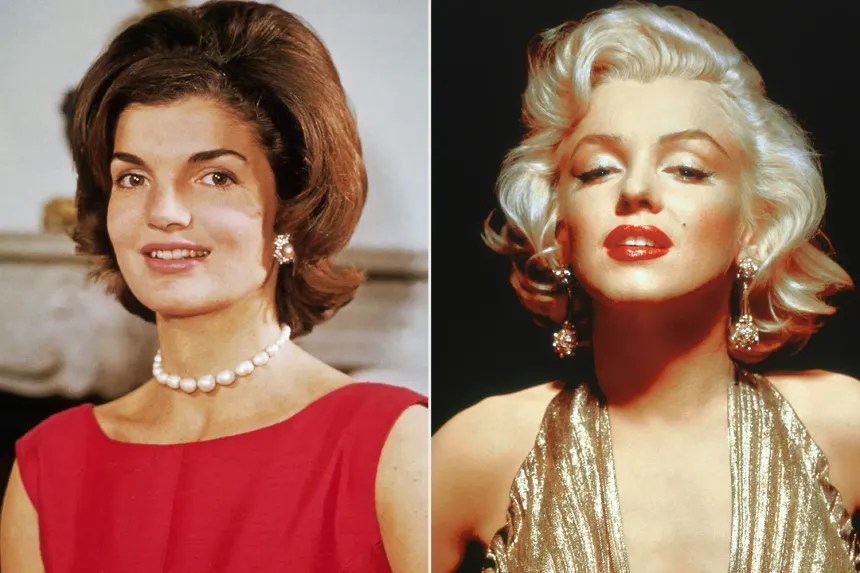
    Forget the polite little personality quizzes. Once a question asked on an episode of Mad Men and very appropriate as I recently watched the JFK junior/Carolyn Besset Love Story. Let’s get raw: Are you the blonde/ brunette bombshell who makes men (and women) lose their minds, or the untouchable ice queen whose quiet power leaves them begging for more? Marilyn Monroe dripped pure sex and vulnerability. Jackie Kennedy Onassis weaponized elegance, mystery, and class into something dangerously seductive.

    In 2026, where everyone is half-naked on Instagram yet starving for realness, knowing your dominant archetype is not just fun—it is foreplay for how you move through the world, the bedroom, and the boardroom.

    Marilyn was curves that would never quit, a whispery voice that sounded like she had just rolled out of bed, and a willingness to bare it all—literally and emotionally. She was champagne poured over naked skin, red lips wrapped around a martini glass, and that famous subway grate scene where she let the world look up her skirt and loved every second.

    You are Marilyn if:

    • You wear the dress that is one deep breath away from a wardrobe malfunction and own the room like it is your personal strip club.
    • Flirting is not optional—it is your native language. You touch, tease, laugh too loud, and leave them haunted.
    • Your sensuality is not hidden; it is the main event. You love your body, your desires, your wetness, your power to make people stupid with lust.
    • Chaos turns you on. Late nights, bad decisions, messy sheets, and waking up infamous
    • Deep down you crave to be devoured, worshipped, and remembered as the woman who set the world on fire.

    Marilyn is the party. She does not just attend it.

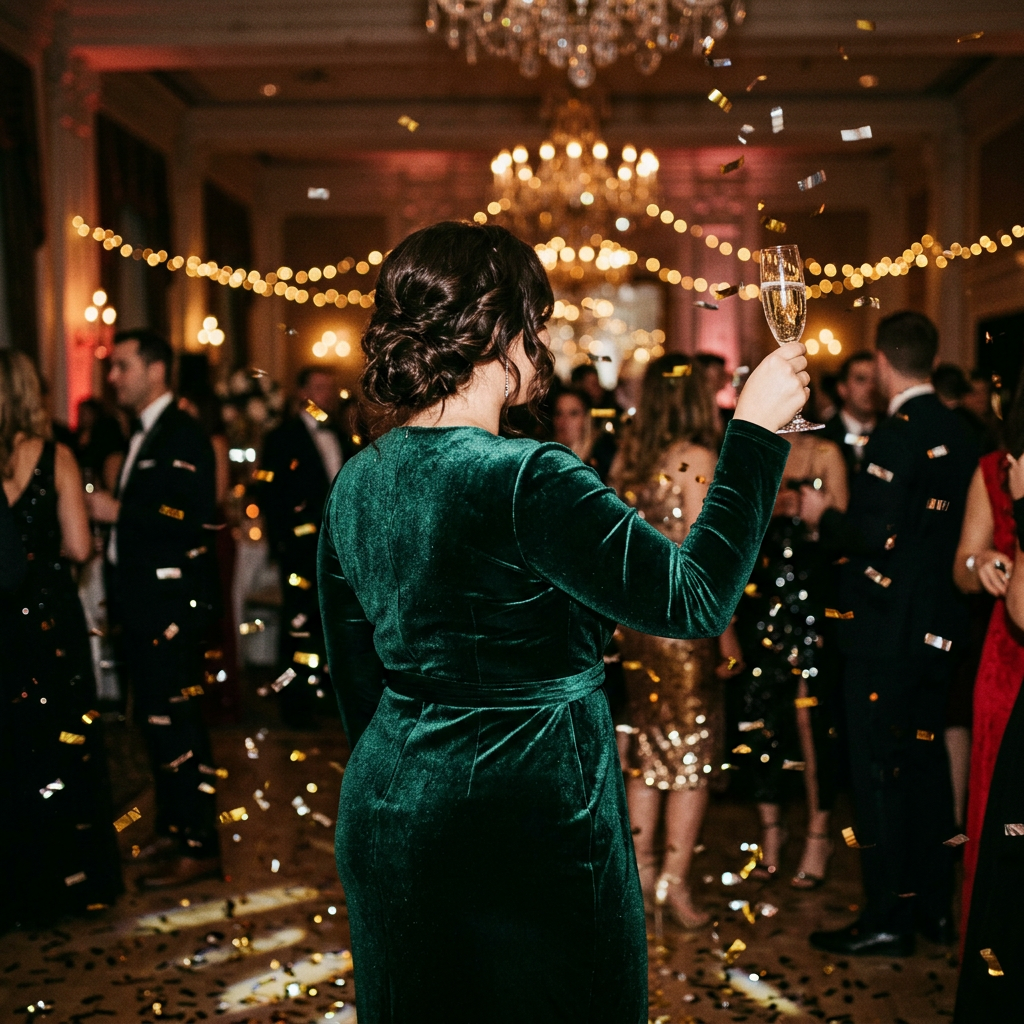
    Glamorous party, curvy silhouette, confetti, champagne, velvet

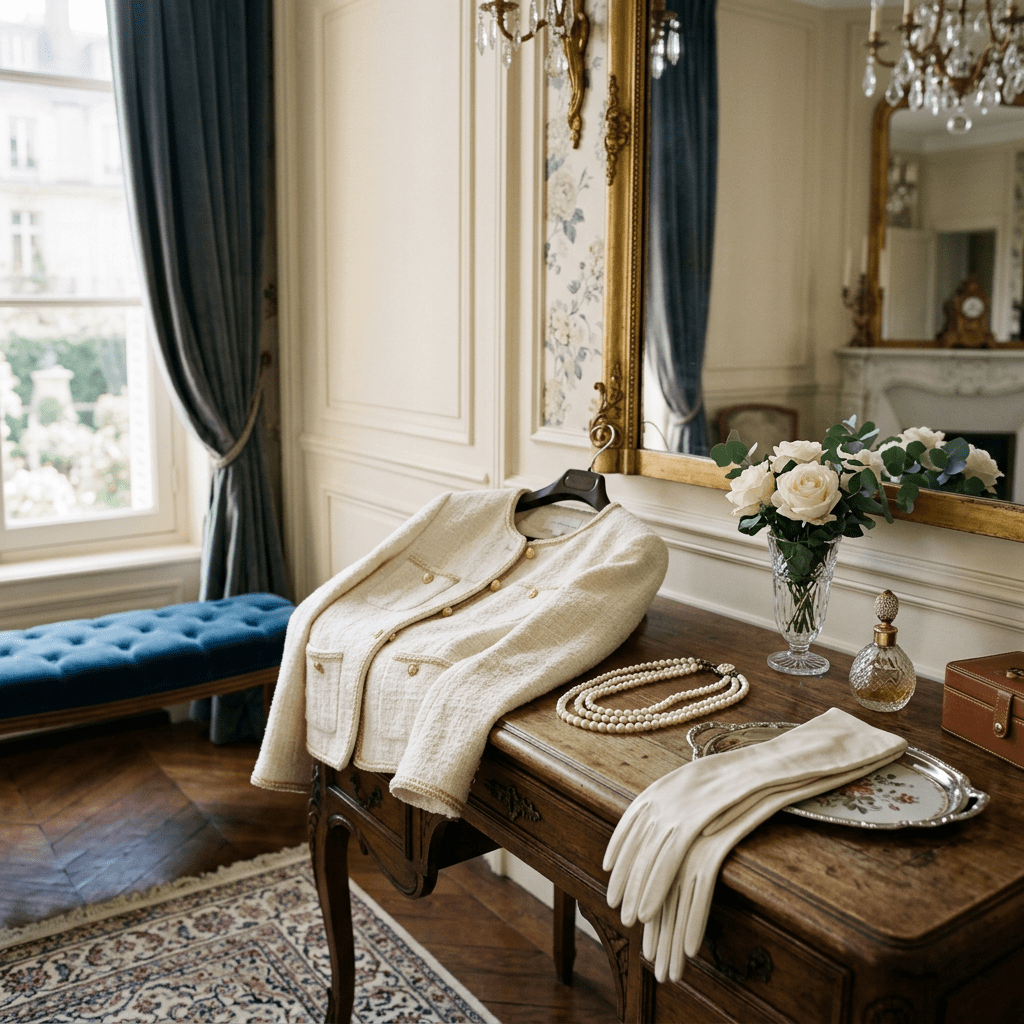
    Jackie was pearls (and I do not do pearls!), pillbox hats, and a stare that could castrate a man in public while making him ache in private. She survived scandal, buried husbands, and still emerged as the most desired, respected woman on the planet. Her power was in what she withheld—those long silences, the perfectly tailored suits hiding what everyone would kill to see, the intellectual foreplay that made smart men weak.

    Elegant interior with jacket, pearls, gloves

    You are Jackie if:

    • Your style is so sharp it cuts: tailored everything, bare skin only when it is strategic, and an aura that says “look but don’t you fucking dare touch unless I allow it.”
    • You dominate through composure. One raised eyebrow, one perfectly timed sentence, and people are on their knees—figuratively, and sometimes literally.
    • You fuck with minds, not just bodies. Art, literature, history, and quiet dominance are your aphrodisiacs. You collect powerful lovers like trophies while not letting them in. 
    • Privacy is your kink. The more they want to expose you, the more untouchable you become.
    • Your strength is steel wrapped in silk: grief, betrayal, and public eyes only make you more exquisite and dangerous.

    Jackie does not chase. She selects. And when she lets you in, it ruins you for everyone else.

    The Quiz: No Bullshit, Just Truth

    Answer fast. No overthinking. A = Marilyn, B = Jackie.

    1. Your fantasy Friday night?
      A) Skin-tight dress, no panties, dancing dirty until someone worthy takes you home.
      B) Candlelit dinner where the conversation is foreplay, then slow, deliberate seduction behind closed doors.
    2. Signature “fuck me” accessory?
      A) Blood-red lipstick smeared just enough to look freshly kissed…
      B) A single strand of pearls and oversized sunglasses that hide everything while promising nothing.
    3. How do you handle intense desire or drama?
      A) Feel it between your legs, express it loud and messy, then ride the wave.
      B) Stay ice-cool in public, then unleash it privately like a controlled explosion.
    4. Dream escape?
      A) Bikini, tequila, and a yacht full of beautiful people who all want a taste.
      B) Private island or Paris penthouse where the only one who gets close is the one you choose.
    5. Your seductive superpower?
      A) Making strangers obsessed with one look, one laugh, one deliberate bend.
      B) Leaving them wondering what is underneath the perfection—and making them earn every glimpse.

    Mostly A’s: You are a Marilyn—raw, juicy, addictive trouble. The world needs your heat.
    Mostly B’s: You are Jackie—elegant, lethal, unforgettable. Your restraint is the ultimate tease.


    I am definitely a split
    . I am the deadly hybrid: I used to have Marilyn’s body and I definitely sexualized it. I have learned to adore my body. Properly displaying it. That topped with Jackie’s mind. Dangerous as hell. I played the unattainable ice princess for years when I met my love. Telling him (and myself) how I did not feel any emotions. Craving to be a mystery, I would not reveal anything. 

    I try to be purely Jackie- serious but I still speak with the Marilyn “baby voice” and he has definitely made me more bubbly and playful. 

    We were told to be “empowered” by being everything. Bullshit. The real power move is knowing when to unleash your inner slutty goddess and when to wield untouchable queen energy. Marilyn reminds us that desire is holy. Jackie proves that withholding it can be even hotter.

    Some mornings you wake up wanting to be bent over in heels. Others, you want to sip espresso in a trench coat with nothing underneath and make them wait.

  • Reconnecting Through Documentaries: JFK Jr. & Carolyn Bessette

    Reconnecting Through Documentaries: JFK Jr. & Carolyn Bessette

    In the whirlwind of modern life, where days blur between deadlines, workouts, and endless to-do lists, my boyfriend and I have carved out a sacred little sanctuary each afternoon. After powering through afternoon gym sessions—and once the work emails have finally been answered (by him), I take my afternoon shower and settle down with my MacBook…Lights dimmed, blankets/ sweatshirt draped just so and the show waiting for me to delve into (hopefully we will do this with a couple of glasses of wine someday soon!).

    This is our time to disconnect from the chaos and plug into something that feels both entertaining and enriching. This past week, our nightly ritual transported us back to the glittering, tragic world of the Kennedy family with a captivating streaming documentary series focused on John F. Kennedy Jr. and his whirlwind romance with Carolyn Bessette (Love Story on Hulu).

    Our routine is simple but intentional. By the time the sun dips below the horizon, we have earned this pause. Exercise clears the mental fog, work gives him purpose, and then… release. We dim the lights, queue up the show, and for about an hour , the outside world fades. No scrolling social media (well…. Occasionally), no multitasking. Just us, the story unfolding, and the occasional pause to chat about what we are watching. It has become our favorite way to reconnect after busy days—sharing laughs, theories, and those “wait, did that really happen?” moments that make history feel alive.

    This last week’s choice was particularly mesmerizing: a deep-dive documentary chronicling the life of JFK Jr., the golden boy of American royalty, and his intense, fairytale-like love story with Carolyn Bessette. Carolyn was not some “random girl”—she was a stylish, former publicist at Calvin Klein, the kind of woman whose effortless New York cool turned heads in the fashion world long before she stepped into the spotlight as a Kennedy. She plays the hard-to-get game and follows “The Rules”—like I did when I first met him.

    I could not help comparing the two. A man who is simultaneously a boy who needs a woman to rescue him (like Edward in Pretty Woman). He craves for a soulmate to hold his hand through his traumatic past. It was full of dramatic recreations of history to paint a portrait of two people who found each other amid the blinding flash of fame.

    What struck us most was how the series humanized them. John F. Kennedy Jr.—“John-John” to the world—grew up in the shadow of his father’s assassination, America’s Camelot dream, and relentless media scrutiny. He was the handsome, charming magazine publisher (George magazine) who could have coasted on his name but chose ambition and adventure instead: piloting planes, kayaking dangerous waters, and searching for something real. Enter Carolyn, a Calvin Klein insider known for her icy-blonde elegance, razor-sharp intellect, and quiet confidence. Their meeting in the ‘90s New York scene was electric from the start. The documentary does not shy away from the messiness—the paparazzi chases, the strain of constant public eyes, the pressures of blending her low-key fashion life with his high-profile legacy.  She gave up her job (and seemingly her life) for him. And she was constantly criticized for it by her normie family members. 

    We were glued to the screen as it explored their secret courtship, the whirlwind 1996 wedding on a tiny island off Georgia (Cumberland Island, with its rustic charm and zero media seclusion), and the honeymoon phase that looked picture-perfect from afar. But the show also delves into the harder truths: the tabloid frenzy that followed them everywhere (and how this very frenzy killed Princess Diana), rumors of relationship strains, Carolyn’s discomfort with the spotlight, and the tragic end that still feels surreal decades later—their fatal 1999 plane crash off Martha’s Vineyard.

    The producers did an excellent job balancing the glamour with the grit, showing how love can be both a sanctuary and a casualty of fame.

    Watching it together sparked so many conversations between us. We would pause and debate: How would we handle that level of intrusion? What does it say about privacy in the age of influencers and 24/7 news? My boyfriend, ever the history buff, pointed out parallels to today’s celebrity culture—how little has changed since the ‘90s in terms of media obsession. I loved the fashion details; Carolyn’s minimalist, sleek style (think slip dresses, oversized sunglasses, and that iconic wedding gown by Narciso Rodriguez) still influences runways and Pinterest boards today. It made us reflect on our own relationship—grateful for the quiet normalcy we share, the ability to just be without cameras flashing.

    Beyond the romance, the series touched on broader Kennedy lore: glimpses of Jackie O.‘s influence, the weight of the family name, and John’s quest to forge his own path. It was never just a love story; it was a meditation on legacy, loss, and the price of being “American royalty.” By the final episode, we were both a little misty-eyed, discussing how stories like this remind us to cherish the present.

    Our nightly shows have become more than entertainment—they are little windows into other worlds that make our own feel richer. Whether it is his beloved historical documentaries or something romantic —our exercises crushed, (his) work conquered, and stories that linger long after the credits roll.

    My advice is to pair this show with your own unwind ritual: maybe some cozy socks, a charcuterie board, (or a nut butter snack?!) or just the comfort of someone you love beside you.

  • From Sugar Baby to Trad. Wife:

    From Sugar Baby to Trad. Wife:

    I will say it out loud, no shame: I used to want to be a full-on Sugar Baby. Not the cheap fantasy version you see online, but the real thing—pampered, polished, and possessed by a man who could afford to keep me dripping in luxury and attention. I was never on Seeking Arrangements or any of those sites, but when I got really sick, that dream became my secret lifeline. While my body was failing me, my mind was busy painting a future where I was not disabled anymore. I imagined myself as this feminine goddess: luscious long hair cascading down my back, completely hairless and smooth everywhere that mattered, skinny, full makeup—the whole package. The kind of girl men could not look away from.

    I joined a private Facebook group full of girls who knew exactly how to weaponize their femininity. They taught me how to dress, how to move, how to speak, how to flirt with power and money. Every post, every tip, every “how to make him obsessed” thread lit a fire under me. It gave me something to fight for on the worst days. While I was stuck in a wheelchair, I was mentally rehearsing the version of me that would turn heads and drain wallets. I wanted to be noticed. I wanted to be admired. Craved. Spoiled. Chosen. Deep down, I did not feel worthy of any of it yet—but that fantasy made me believe I could be.

    And then… it actually happened.

    When we first connected on Twitter (yes, Twitter, before Elon Musk saved us with X) the sugar baby lifestyle was all that I hoped for and I absolutely was not looking for anything real. Commitment? Hard pass. Feelings? Too risky. But attention and shiny new toys? Those I could handle. So that was what I settled for. I strung him along, playing it cool, dropping hints about what I wanted without ever sounding desperate. He read between the lines perfectly.

    He knew the game from the jump. I gave him a PO Box instead of my real address at first—safety first,—and every single week, like clockwork, a new package would show up. AirPods? Delivered with a cheeky video of him on the Apple website ordering them while I was lounging in Cabo, both of us convinced our flirty Twitter phase was fizzling out. A Pretty Woman DVD (yes, an actual physical DVD, the man has taste and nostalgia). Barstool Sports gear for days because we bonded hard over the unfiltered sports talk that made us both laugh like idiots. He spoiled me rotten, and I let him. No guilt. No apologies.

    Every girl should experience sugar baby vibes at least once. There is something powerfully feminine about being pursued, pampered, and provided for while you keep your little heart in a little locked box. The hundred-dollar Venmos, the surprise drops, the thrill of knowing he is thinking about you every time he swipes his card—it is intoxicating. It is not just about the stuff. It is the power dynamic. The way it makes you feel desired, expensive, worth the chase.

    But then it got real. 

    The constant contact—the good-morning texts, the voice notes that made me smirk in public, the weekends that turned into three hour-long FaceTime coffee dates—started cracking my walls. What began as “he buys me things, I give him attention” slowly became I can’t quit him. The sugar daddy arrangement was the gateway drug, but the real addiction was him. His humor. His voice. The way he matched my chaotic energy and then some.

    Now? He still pays my bills. No more random Venmos, but the support is deeper, steadier, sexier in its reliability. He is not just a sugar daddy anymore—he is my man. My love. My favorite person on the planet.

    Yet those Baby and Daddy vibes? They never left. They evolved into something deliciously playful and immature that keeps the spark filthy and fun.

    We act like absolute children together. The kind of childish that involves wrestling over the remote (when we are physically together), ridiculous nicknames, and the kind of uncontrollable laughter that turns into happy tears and breathless squeals. I have never laughed as hard in my life as I do with him. The squeals he pulls out of me—they are embarrassing and addictive. When we first started talking, I used to slap my hand over my mouth— hiding my crooked smile from his view. We are talking full-on belly laughs that leave my abs sore and my face hurting. Pure, unfiltered joy. The man makes me happy in a way I did not know was possible. The kind of happy that makes you glow, that makes everyone side-eye you like, “Who the hell are you right now?”

    There is something profoundly hot about a relationship that can go from “Daddy’s spoiling his baby” to deep, soul-quenching love without losing the playfulness. The power exchange is still there. He provides, I tease. He leads, I challenge. He has me feeling both safe and completely unraveled.  A feeling I never expected. I thought that I would be the other woman. Or a sugar baby. Not the main event. 

    So if a man is willing to show up for you like that—financially, emotionally, playfully—do not be afraid to lean in. Sugar baby energy is not about being shallow; it is about knowing your worth and letting someone prove they can match it. And when the gifts turn into genuine love, when the “arrangement” becomes “forever,” it hits different. Deeper. Wetter. Louder.

    I went from stringing him along with a PO Box to being completely, stupidly in love with the man who still makes me feel like the most spoiled and cherished woman alive—went from a sick girl who did not feel worthy of being looked at to the woman who gets spoiled, and loved so intensely/passionately it leaves me ruined for anyone else.

    And those squeals? They are just getting started.

  • Stop Romanticizing the Past: Embrace Today

    Stop Romanticizing the Past: Embrace Today

    We have all heard it. We have all said it. “Man, things were better back then.” People are always yearning for the good old days—start appreciating everything today:

    Nostalgia is not a memory—it is a seductive liar.

    It edits out the bad.

    The ugly.

    We airbrush the boredom, the limited choices, the untreated depression, the rotten teeth (yay for healthcare!) and the way information trickled so slowly that ignorance felt like wisdom. I kind of do wish we ladies were still dumb, though… I rely more on my man to know what is going on in the world so that I can just be delulu about things.

    And while we are busy pining for that heavily filtered past, the actual miracles are all around us right now. We are living in the most abundant, connected, opportunistic era in human history, and most of us are too busy doom-scrolling and whining to notice.

    Technology seems to be sprinting. AI that writes better essays than most college students. Instant access to the entire library of human knowledge in your pocket. You can video call your grandmother on another continent while ordering takeout that arrives piping hot. And still, people scroll past miracles to complain that their coffee order took four minutes instead of three.

    This change terrifies people. It always has. That is why every generation thinks the next one is doomed. But here is my hot take: your nostalgia is a coping mechanism for your fear of the unknown. It is easier to idealize 1997 than confront 2026. People are afraid. What is going to happen tomorrow or next month?

    It seems easier to romanticize rotary phones than master and learn the new tools.

    Stop yearning. Start appreciating—aggressively.

    The secret is not in the past. It is in the lens. Shift it—or stay miserable.

    Look at your smartphone not as a distraction device but as a doorway for wonder. With it, you can learn a language in weeks, watch a live surgery in Tokyo, or hear the voice of someone who died decades ago (I know… Creepy.) We treat these luxuries like it is normal. It is not. It is insane.

    We find food in our grocery stores from every corner of the world. Planes and automobiles have actually united us. We consume other cultures and cuisines. This is the true meaning of America.

    Surgery and modern medicine (despite its faults) make it absolutely insane to continue complaining about the small aches and pains. Some of us do not even walk; are you really going to cry about a hangnail?

    The internet has also demolished geographic and social barriers. You can meet your person- someone who actually matches your weird frequency- instead of settling for the least awful option within a 10-mile radius. I personally would despise settling down with someone from around here. The old days had arranged marriages and shotgun weddings. We now have sad dating apps and yes, we rate each other based on our looks. So yes, trade-offs exist, but pretending the past was pure romance is historical fan-fiction.

    In a culture addicted to outrage and comparison, choosing to appreciate the present is rebellious. It is punk rock. It flips off the algorithm that profits from dissatisfaction. People really do love to complain, criticize, and comment.

    Essentially, the world is blossoming with possibility while you are staring at old yearbooks. One thing that has always bothered me is that most of our bodies are a biological marvel capable of running, dancing, orgasming, and healing—and yet people are mad about theirs not looking like a filtered influencer. It is called do something about it—if a disabled girl can lose more than one hundred pounds, you can do anything. The body is truly a marvel.

    The mind is too.
    Your mind can comprehend quantum physics (or silly girly things—like writing a blog!) and write love poems, yet you use it to relive 2008 politics.

    The good old days are a trap. They keep you small, bitter, and blind to the abundance screaming for your attention. Every moment you spend mourning a myth is a moment stolen from building something better.

    The world is changing so fast that if you blink too long in nostalgia, you will miss the best parts of being alive right here, right now. The coffee is hot. The internet works—until the power goes out, because living in the woods is great. Your heart is beating. The future is wide open.

    Appreciate it all—fiercely, obnoxiously, unapologetically.

    Or keep complaining. The past will not care, and the present will keep delivering miracles whether you notice them or not.

    The choice is yours. But only one of them feels like living.

  • Binge-Watching: Seeking Depth Over Distraction

    Binge-Watching: Seeking Depth Over Distraction

    Most people binge-watch television like addicts chasing a cheap high. They want easy laughs. They seek mindless escape (admittedly I sometimes do that too). They desire to stay culturally relevant so they can make small-talk at the water cooler. I am not one of those people.

    I am not looking for comfort food for the brain when I watch a show. I want it to stir something deeply human inside me. I want to feel desire, rage, longing, betrayal, and triumph. I want to experience the full spectrum of what it actually means to be alive in this broken, beautiful world. Shallow sitcoms and trendy Netflix garbage? Hard pass. They leave me colder than before I started (and I am always cold). 

    My man and I are the same in this. We do not use screens to numb out. We use them to ignite.

    I only caved and watched Game of Thrones recently because he practically dragged me to it. Yes, I held out for years while the rest of the world lost their minds over it. I am stubborn like that. But once I finally gave in, the dragons or monsters did not hook me. I actually hated those parts. I was hooked by the power plays, the savage loyalty, the raw masculine and feminine energies clashing on screen (especially the incest part— hot!). 

    Still, it took his insistence to get me there. When left to my own devices, I prefer stories that resonate with real life. I am drawn to themes of love and legacy. And wealth. No poors for this girl.

    That is why Mad Men is sacred to us. That show does not just entertain. It dissects the soul of mid-century Americana. It explores the seduction of ambition. The show reveals beautiful women trapped in pretty cages. It portrays the unapologetic masculinity of men who built empires while quietly falling apart. We watch Don Draper pour another drink and we feel it. We see the cost of desire, status, and self-destruction (cost is not always about the money!)

    And then there is anything in the Yellowstone universe. God, yes. I know it is quite culturally popular, but popularity does not make it less true for me. I am unapologetically obsessed with that world. I am all about the Trad Life. I particularly admire the woman’s role in the 1923 spin-off. The rugged land. The fierce protection of her man. The clear lines between men and women. The willingness to bleed for what is yours. That hits me on a primal level. In a culture that mocks tradition, it celebrates weakness. It tells women that submission is oppression and strength is “toxic.” Yellowstone feels like rebellion. It reminds me what men and women were built for. They were meant to fight for something. They were meant to claim it and to pass it down.

    We do not just watch and scroll to the next thing like zombies. After every episode, we pause. We talk. We dissect how what just happened mirrors our own relationship, our values, our (potential) struggles, and our future. We ask the dangerous questions: How would we handle that betrayal? What does that kind of loyalty look like to us? Are we too soft? Where do we need to be harder, sharper, more ruthless?

    This is what real intimacy looks like in 2026. It is not just sharing a bed. It involves sharing a worldview so deep that even fiction becomes foreplay for deeper conversation.

    So no, I am not watching to laugh. I am not watching because “everyone else is.” I watch to feel alive. To be reminded of the kind of woman I want to be and the kind of man I chose. And doing it beside him, then tearing it apart together afterward? That is not entertainment.

    That is devotion. I binge because I am devoted.

  • The Truth About My “Jet-Setting” Life: Wheelchair Edition

    The Truth About My “Jet-Setting” Life: Wheelchair Edition

    Let us get one thing straight right out of the gate. If you think I have been out here living some glamorous, globe-trotting influencer fantasy, you are cute. But you are dead wrong. 

    For people who rarely leave their own state, my recent passport stamps might look impressive. Brazil. Spain. London. Paris. Dubai. “Wow, she’s been everywhere!” Yeah, well, news flash: I have not. Not really. These trips happened in the era my body decided to betray me and park me in a wheelchair. 

    There was no carefree frolicking through exotic streets. No sexy bikini photo shoots with golden-hour lighting and a cocktail in hand (sad!). Most of the time I was either hooked up to treatments or too exhausted to do anything but stare at clinic walls.

    Brazil and Spain? Those were not vacations. They were medical missions. Spiritual awakening. Healing quests. I traded sandy beaches and nightlife for IV drips, experimental protocols, and the sterile smell of hope. I saw the inside of healing centers far more than I saw the actual countries. The world outside my treatment room might as well have been a postcard.

    But here is the provocative part most “wellness girlies” will never admit: even when your body is falling apart, your appetite for life (and flavor) does not die. I refused to be that sad girl. I did not want to just order chicken tenders.. Especially not in some of the most delicious countries on Earth.

    When I was on Spain’s stunning coastline, I was mostly inside of a wellness treatment, but I was not playing it safe. I dove straight into the deep end — squid ink paella that turned my teeth and tongue midnight black, sardine pizza that made more than a few locals raise an eyebrow. I wanted the real Spain, not the sanitized tourist version. Same energy in France: I devoured crusty, glyphosate-free bread finally and happily slurped down garlicky escargot. 

    I do not clutch my pearls or wrinkle my nose at “weird” foreign food. That closed-minded attitude is for cowards who travel just to take photos and brag later. Eating like a local is how you actually touch the culture. It is intimate. It is sensual. It is one of the few ways a broken body can still fully say “yes” to the world.

    Dubai was a completely different beast. That trip was not about healing — it was about living dangerously, even if my version of danger looked different. I have this “uncle” who has powerful friends in the Emirates. So off I went. I stood (well, sat) in front of the Burj Khalifa like a proper tourist. I felt unworthy beneath all that glittering excess. And yes, I rode a camel through the desert — an experience that was equal parts magical and chaotic. My sitting balance was trash at the time. My father had to squeeze in behind me. He was like some kind of reluctant bodyguard. He held me steady while the camel swayed beneath us. 

    Picture it: a wheelchair user, her dad, and a camel in the middle of the Arabian desert. The poor thing was carrying around 500 pounds (I was still a big girl). Not exactly the sexy desert romance novel scene, but it was unforgettable in its own ridiculous way.

    The point is not that I have “seen the world.” The point is that I have clawed my way into experiences most people in my condition would never dare attempt. I have eaten the strange foods. I have ridden the camels. I have stared down some of the most beautiful skylines on Earth. Meanwhile, my body screamed at me to stay in bed. 

    I am not sharing this for sympathy. I am sharing it because I am sick of the sanitized, filtered version of disabled travel people expect. I may have had to get help getting into the plane but in all of my travels— I did not go gently. I went hungry for flavor, for views, for stories — even when it hurt. Even when it was messy. Even when I had to be held upright on a damn camel.

    So yeah, I have been places. But not in the way you think. So here I am… unapologetically eating squid ink. While half-broken might not be as interesting as the bikini-on-the-beach photograph, it is me… part of my story.

  • The Princess Within: Embracing My Damsel in Distress Heart

    The Princess Within: Embracing My Damsel in Distress Heart

    From the moment I could dream, I wanted to be a princess. Not just any princess—This was not a fleeting childhood whim; it was the quiet heartbeat of my entire life. Even now, as an adult, that little girl inside me still looks at the world through tinted glasses. She hopes for magic and rescue. She dreams of a love that feels like it was written in the stars.

    Ever since I was a little girl, fairy tales were never just bedtime stories. They were blueprints for how life should feel. I grew up listening to different princess stories than you. I mean every culture has its own rendition of Cinderella, Sleeping Beauty, and Snow White. I devoured these stories. I was captivated by the princesses’ grace under pressure. Their kindness eventually led to their happily ever afters. I did not just want the happy ending; I wanted the entire experience. I longed for the gentle spoiling by a doting prince (and life itself). I yearned for the soft protection from the world’s harsher realities. I craved that undeniable sense of being seen and valued.

    I craved being spoiled by life in the sweetest ways. Surprise flowers would delight me. Someone remembering my favorite coffee order on a bad day would lift my spirits. I cherished simply feeling like the universe had my back. Beside my desire for abundance and delight, I also deeply wanted to be saved. I longed to be rescued from sadness and loneliness. I yearned to escape the weight of carrying everything alone. I wanted arms that would wrap around me and say, “You don’t have to be strong right now. I got you.”

    This is not about laziness or entitlement. It is about yearning for a softer existence. One where my vulnerability is met with strength and my sensitivity is celebrated rather than criticized.

    Of course, every good fairytale needs its villain, right? In my story, my cousin first played that role. I affectionately refer to her as my “evil stepsister.” Growing up, her teasing and bullying left deep marks on my young heart. She was seemingly perfect and she made sure I knew that I was not perfect. Her actions portrayed her as the ideal antagonist in my personal fairytale. I continued to question my worth throughout my life because of it. 

    Essentially, those experiences did not break me—they shaped me. They reinforced my identity as the misunderstood princess waiting for her turning point. I learned to retreat into my imagination, where I could be graceful and worthy instead of awkward and overlooked. I built emotional walls disguised as daydreams. I always held out hope that one day my real story would begin. To this day, my mother loves to tell me that I live in lala land. 

    Looking back, I see how that dynamic taught me resilience, even if it hurt at the time. But it also cemented something deeper: my tendency to frame my entire life around the “damsel in distress” archetype. (Thank you Pretty Woman!)

    I have basically organized my whole existence around this identity, and I am finally okay admitting it. I love romance that feels epic. I adore knights in shining armor who make me feel protected and adored. I thrive when life offers little sadness and provides moments of pampering. But unfortunately it is  not all sparkle and glass slippers. It means I feel emotions intensely—joy like fireworks, sadness like storms.

    I have had moments where I wondered if this part of me was too much. I have turned to my boyfriend with wide eyes and asked, “Am I simply too much?” His responses have been patient and loving. They remind me that wanting to feel cherished is not a flaw—it is a feature. I am not terribly spoiled. I do not demand the impossible or throw tantrums when things do not go my way. I just carry this princess heart. It believes life can be kinder. Relationships can be more. I deserve to be treated with tenderness.

    This identity has influenced my career choices (or lack thereof), my friendships, and especially my romantic life. I seek connections where I can be soft without being seen as weak. I want to give my all to someone who sees my sensitivity as a gift, not a burden. And yes, I still believe in being saved sometimes. It is not because I am helpless. It is because partnership should include lifting each other up.  And I know that I inspire/ motivate him.

    The older I get, the more I realize that being a princess does not mean waiting in a tower forever. It means wearing the crown despite the life limitations that are around me. 

    I still want the magic. I still hope for grand gestures and quiet moments of being adored. But I am also writing my own story now. In this story, the princess has agency—does not just lay down. She attracts people who match her energy rather than just rescue her from it. 

    So here I am—still that little girl at heart, but with bigger dreams and a stronger sense of self. Proving that wanting softness in a hard world is not weakness and craving love that feels protective and spoiling is not childish.

    Life has not always been a fairytale, but I am learning to create the chapters I always wanted. And who knows? Maybe my prince is already here while still leaving room for a little magic.