Tag: small town

  • The Rise of Comfort: Embracing the Free-Bra Movement

    The Rise of Comfort: Embracing the Free-Bra Movement

    Remember when getting a bra that actually fit felt like a sacred, slightly humiliating pilgrimage? We would trek to the mall, hearts pounding, ready to surrender our bare chests to a stranger armed with nothing but a measuring tape and a clipboard. Victoria’s Secret was not just a store—it was a temple. And the goddess was that perfectly coiffed sales associate with the tape dangling around her neck.

    You would stand there in a tiny fitting room that smelled faintly of vanilla candles and desperation, arms raised while she poked, prodded, lifted, and adjusted. “Okay, honey, breathe out… now inhale… A cup? Or is that a B on a heavy day?” Brassiere itself sounds like industrial equipment. We endured it all for the promise of “lift and separation,” for the illusion of perfect, perky cleavage that could launch a thousand thirsty glances in high school. We contorted our bodies, sucked in our stomachs, and prayed the underwire would make us look like a goddess instead of committing war crimes on our young teenage bodies.

    Those were the days.

    Fast-forward to now, and the entire ritual has collapsed. I do not even think most women under 36 could tell you their real bra size if you held a gun to their head. We have collectively ghosted the fitting rooms. The measuring tape is an old relic only used by the boys now. Victoria’s Secret angels? Still gorgeous, but we are no longer buying what they are selling—literally.

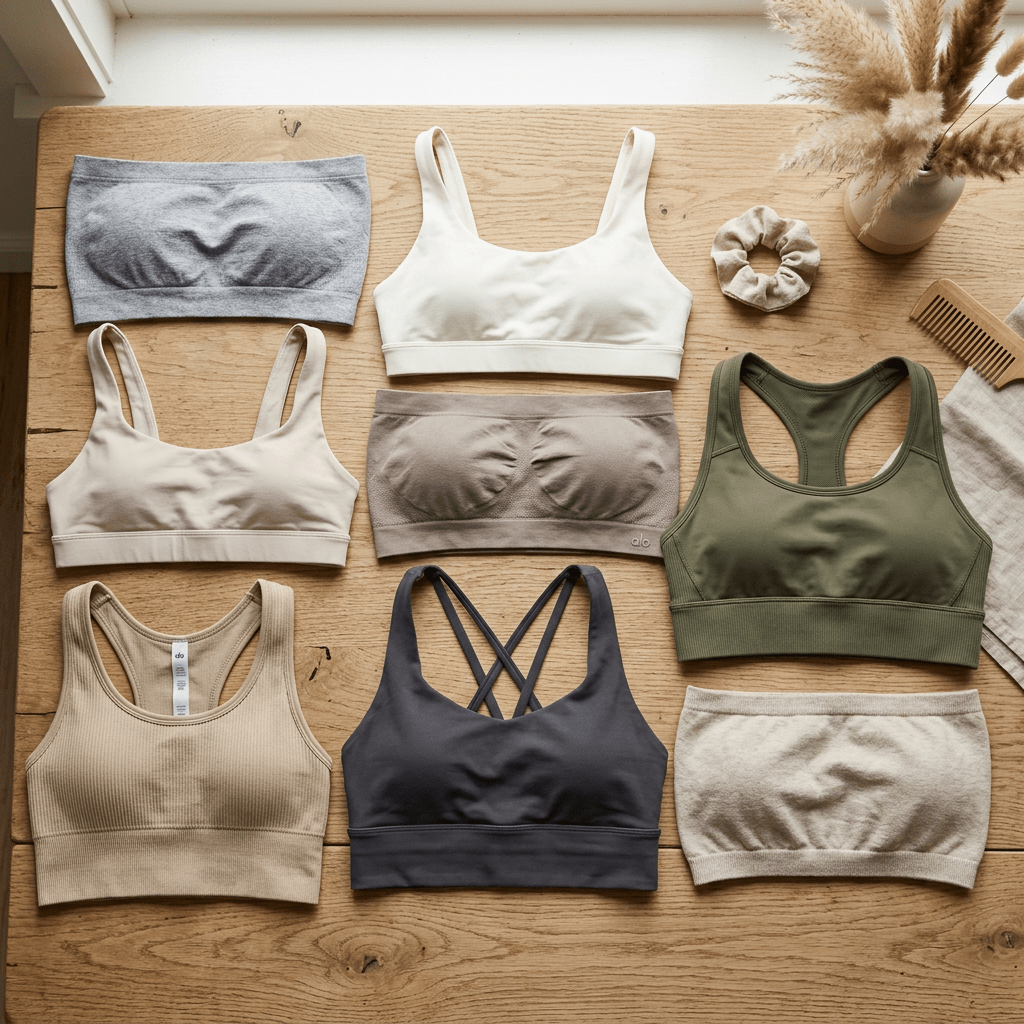
    Instead, we are out here living our best soft-girl lives in cute little bandeaus, buttery-soft sports bras, and those barely-there bralettes that feel like a gentle hug from a cloud rather than a structural engineering project. No more wires digging into our ribs (I have a large ribcage!) like medieval torture devices. No more adjusting straps in public like a nervous tic. We are free-boobing it through Zoom calls, grocery runs, and yes, even date nights if the vibe is right (plus, my man enjoys my itty bittys).

    Let’s be real—this shift is not just about laziness. It is a quiet revolution.

    Society spent decades telling us our boobs needed to be contained, supported, weaponized. Push-up bras. Minimizer bras. Convertible bras with more hooks than a slasher film. We bought into the lie that comfort was secondary to looking “put together.” All for the boys to pay attention to us. That a proper lady had to have everything strapped down and presented like gift-wrapped perfection.

    Then came the pandemic. Sweatpants became uniforms. Loungewear went mainstream. And suddenly, we realized something revolutionary: our boobs do not actually need constant structural support to be valid. They are not structural hazards waiting to collapse. They are just… there. Soft, warm, part of us. And when we stopped squeezing them into unnatural shapes for eight hours a day, the world did not end. In fact, it got better. For me, nothing changed whether there was a pandemic or not. So I was free- boobing before it was “cool”.

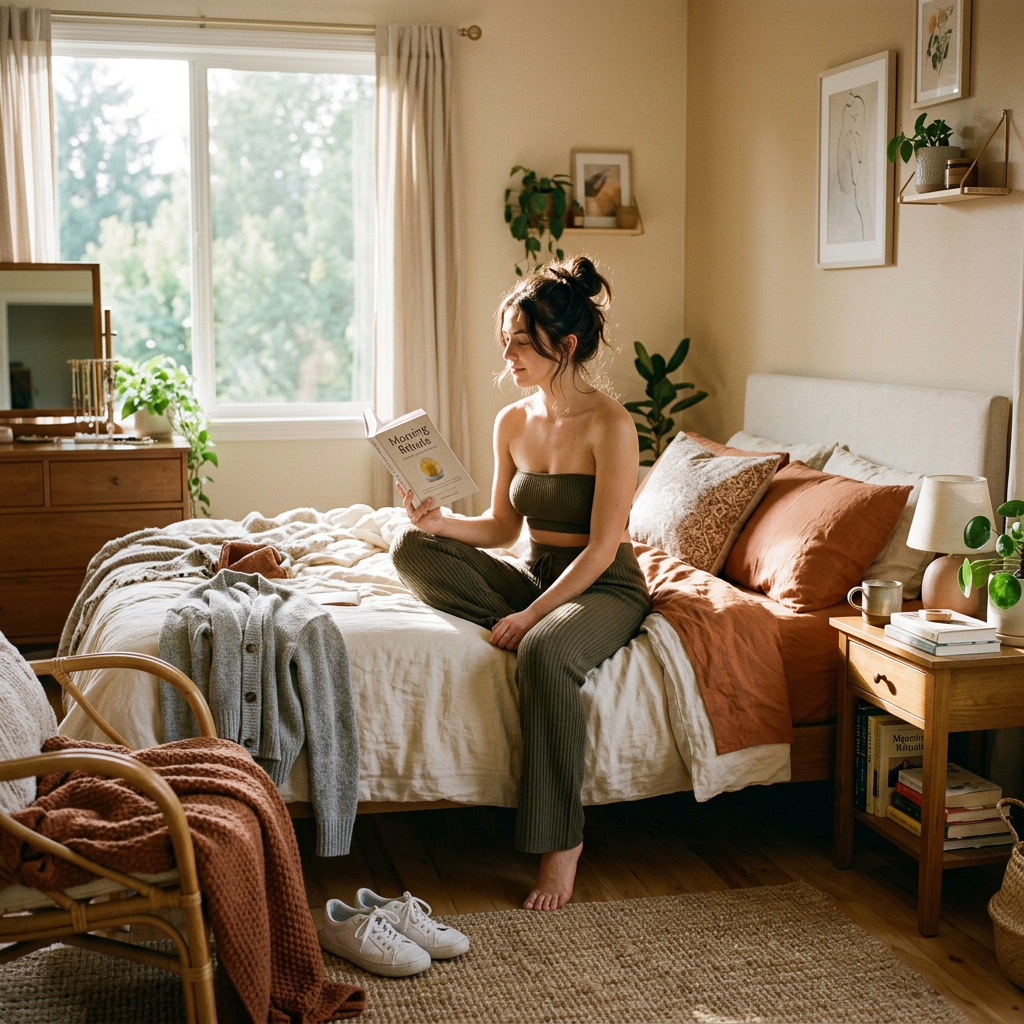
    Woman sitting cross-legged on bed reading a book in cozy bedroom with natural light
    A woman enjoys a quiet morning reading a book in a sunlit bedroom.

    We discovered the joy of the bandeau—that rebellious little tube top that says, “I’m cute, I’m comfy, and I’m not apologizing for jiggle.” Sports bras that handle actual movement without turning us into armored tanks. Wireless wonders that whisper sweet nothings like, “Girl, breathe.”

    And let us talk about the knowledge gap. Ask a group of women their bra size today and watch the panic. “Umm… medium? Whatever fits” We have stopped obsessing over the numbers because the numbers were always a scam anyway. Bra sizing is notoriously inconsistent across brands. One store’s 32C is another’s 34B. It was all smoke, mirrors, and marketing.

    Ditching the heavy-duty bra is not just about comfort. It also is about reclaiming ownership of our bodies in a world that has long tried to dictate their shape, size, and presentation. I personally prefer being on the Itty Bitty Titty Committee , but advertisements and media companies love to shove triple Ds and Sydney Sweeney in my face…

    We are done performing for the male gaze with engineered cleavage. Done pretending that underwire equals empowerment. The free-boob movement—yes, I am calling it that—feels like the only level of body positivity I accept. It says: my breasts do not need to be edited, lifted, or minimized to be worthy.

    Of course, not everyone is on board. Older women clutch their pearls. The fitness bros complain about the materials in said bras. Some days even I miss the old sculpted look, but mostly I love sliding into a soft bralette and feeling like my natural body is enough.

    We traded poking and prodding for stretchy, breathable freedom. And I do not think we are going back.

    So next time you catch yourself reaching for that lacy, restrictive contraption out of habit, ask yourself: Do I really need this? Or am I just performing femininity from 2007?

    Throw on the bandeau. Rock the sports bra. Let them breathe.

  • A League of Their Own: Reimagining Feminism

    A League of Their Own: Reimagining Feminism

    In a world drowning in performative activism and corporate girlboss-ness, I find myself returning to one movie that actually gets feminism right: Penny Marshall’s 1992 classic A League of Their Own.

    The film does not lecture you. It does not scream about the patriarchy or demand that you affirm anyone’s feelings. Instead, it shows women rolling up their sleeves, stepping onto the baseball diamond, and proving they belong—not because someone owed them a spot, but because they earned it through talent, grit, and sheer stubbornness.

    Real Empowerment, No Victimhood Required

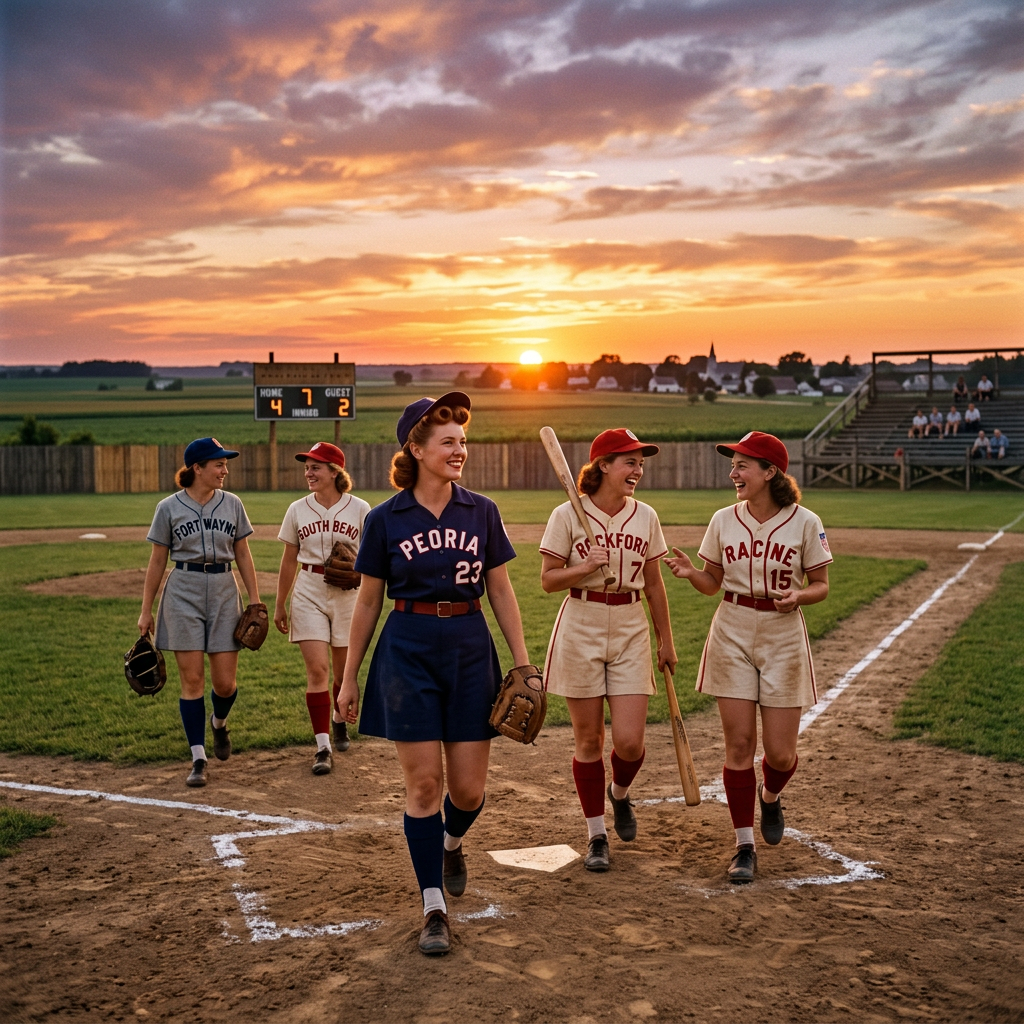
    Set during World War II, A League of Their Own tells the story of the All-American Girls Professional Baseball League. With the men off fighting, these women were not waiting for permission or special treatment. They tried out, competed fiercely, and played real baseball in front of skeptical crowds. The movie nails the tension between traditional expectations (“be ladylike!”) and the raw reality of sliding into bases, spitting tobacco, and throwing like you mean it.

    The women face ridicule, ridiculous uniforms, and mandatory charm school, yet they respond by getting better at the game. That is the kind of feminism worth celebrating: one that expands opportunity through excellence rather than lowering standards or rewriting rules.

    Tom Hanks delivers one of his most quotable performances as Jimmy Dugan, the washed-up, foul-mouthed and drunken manager who starts off dismissive of his new team. He dives into his arsenal of acting skills and proves to one of the greatest/ all encompassing talents to watch. His arc from cynical has-been to proud coach is pure gold, and his legendary “There’s no crying in baseball!” rant remains one of the funniest moments. Hanks does not mansplain or apologize for his initial attitude—he grows because the women force him to see their competence. It is organic character development, not a scripted takedown of toxic masculinity (because clearly there is no such thing!).

    The supporting cast is stacked in the most 90s way possible. Madonna as “All the Way” Mae brings swagger and showmanship, and Rosie O’Donnell as Doris provides heart and humor. Watching them now is oddly nostalgic—they were vibrant, funny, and unapologetic without being cringe with the heavy ideological baggage they now adopt. It is a reminder of a time when pop culture could just be fun instead of a constant sermon.

    The whole ensemble feels like a genuine team. These characters have flaws, rivalries, and personal stakes, but they are never reduced to their gender or used as props for a message. The feminism emerges naturally from the story: women being capable, competitive, and resilient when given the chance. Not women who think that they are superior to men.

    A League of Their Own celebrates women’s strength without tearing down men or pretending biology does not matter on the field (obviously women sports are not as competitive/ popular as men’s and that is OK). It shows sisterhood that includes healthy competition. It acknowledges hardship, (as the whole reasoning behind this team is the separation from loved ones during war) without wallowing in it. It is, thus, extremely patriotic—Most importantly, the women win respect by playing well, not by demanding it (*cough, cough * Women’s USA Soccer Team).

    In contrast to today’s discourse, which often frames women as perpetual victims needing protection from “the system,” this movie says: Here is an opportunity—go seize it. And they did. The real AAGPBL players inspired the film, and their legacy still feels refreshing thirty-plus years later.

    If more modern feminism looked like the Rockford Peaches—tough, talented, and focused on achievement rather than outrage—I suspect a lot more people would get on board.

  • Americana.

    Americana.

    I have lived in the tiny town of Snohomish, Washington,since I was seven years old. Snohomish is not flashy. It is not Seattle. It is the kind of place where you grow up slow. The biggest drama is who forgot to lock the barn. In Snohomish, “good morning” still means something.

    I used to hate that. I wanted to be a big city girl (ala Samantha Jones in Sex and the City). I even went away from the public school I was supposed to attend. I did this so I could dress and be a little more high class. 

    The girls who live in Snohomish pride themselves for living in a Bodunk town. “Fancy” usually means that you will sink into the muddy fields. It is not the norm.  But I did not like that. I did not want to wear pajamas and slippers to class. I wanted to wear stilettos and I dreamt of living in a penthouse. 

     None of that ended up happening. It became dangerous to even visit a city. Now I have a different perspective of this small town. It feels like living inside a postcard and that postcard smells like rain and fresh-cut grass most days. 

    This town is tiny, maybe ten thousand people. Main Street still looks like it did in the nineteen-twenties. It has brick storefronts, a hardware store that sells everything from nails to fudge, and diners. The river runs right through the middle—Snohomish River, wide and slow. Packed with sunburned locals in July. Around here, summers are for the county fair (something that I do not partake in). It is not the flashy kind with Ferris wheels taller than trees. It’s just a dusty field off Second Street, filled with goats baaa-ing, cotton candy, and sketchy ride operators. Winters are quieter. Fog rolls in off of Puget Sound like a blanket, and school buses crawl through it, headlights glowing. 

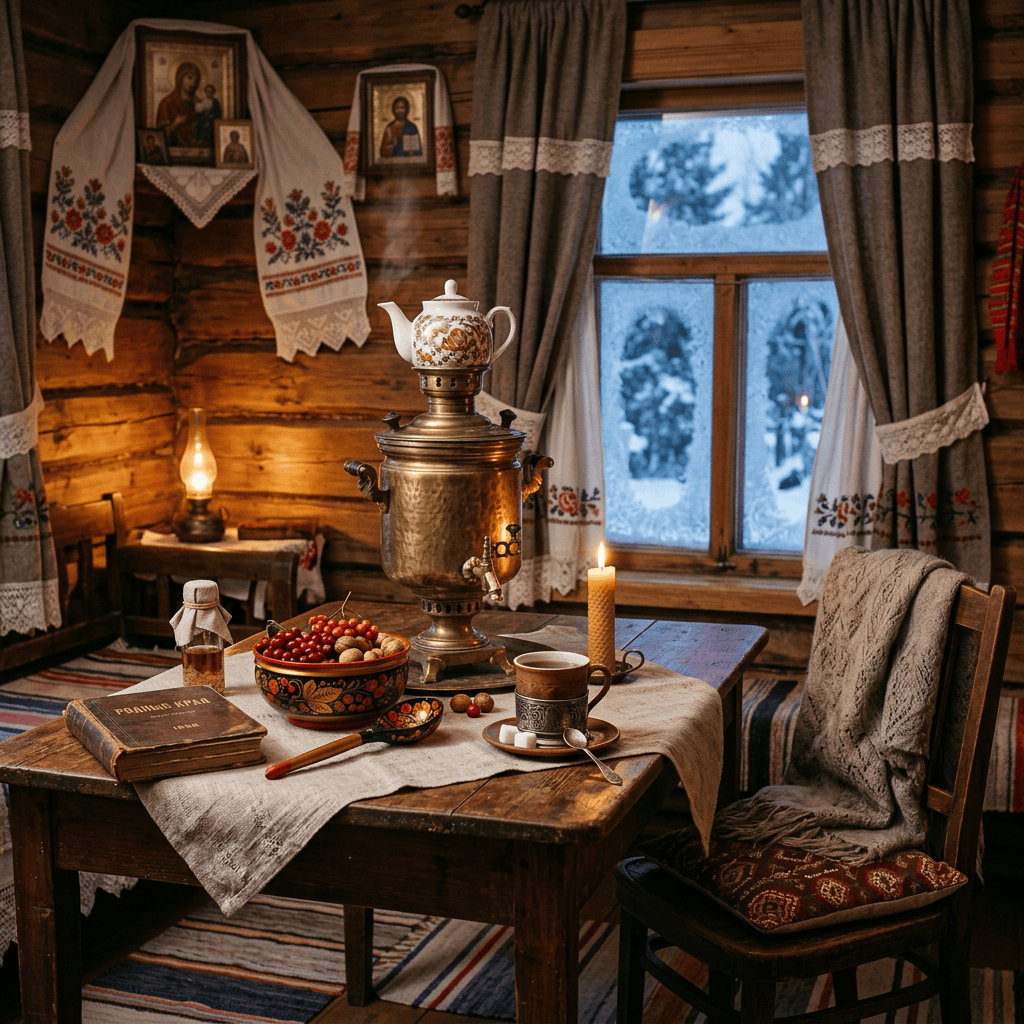
    People here do not rush. You wave at strangers because you have seen them before— since the town is so small. Everyone knows everyone’s business. They do not judge, or at least, they do not judge out loud. This was new to this little Russian girl. I left for college, came back since. The river still smells the same. The hardware store still sells fudge. And yes it rains, but it rains softly— as if this place is giving you a hug. 

    I want to share this hug with the love of my life. Convincing my boyfriend to move out to Washington state was like my experience of recognizing my hometown in the past. It is different from the postcard version I see now. 

    While we would not be living in Snohomish, small towns are so much more attractive than the big bad cities. While I do not want to dress like a slob or float down a river in the summer— I would rather that than be raped by an immigrant and encounter needles in the storefronts.  He would rather cheer for the teams that his family has always supported and not be surrounded by “aw shucks” coworkers. 

    So I do not belong in Snohomish, Washington, but I have definitely developed an appreciation for small towns. I might live in a small “Americana” town in Montana or the Carolinas. Wherever I end up, I will always waive “hello” and will not judge (out loud).