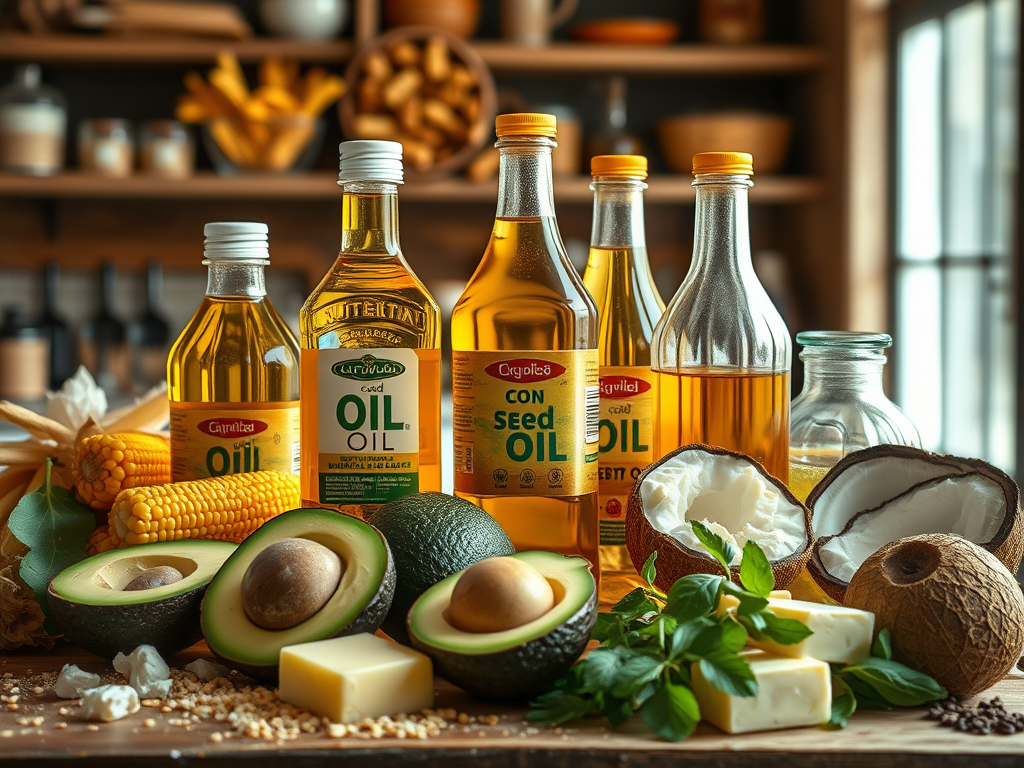
In a world obsessed with the latest superfoods and wellness trends, sometimes the best ingredients are the oldest ones. Beef tallow—rendered beef fat—has been used for centuries in cooking, skincare, and household goods. Today, it is experiencing a resurgence as people seek natural, stable alternatives to highly processed seed oils. Whether you are a home cook, skincare enthusiast, or simply curious about traditional fats, beef tallow deserves a spot in your pantry (and maybe your beauty routine).
Beef tallow is the rendered (melted and purified) fat from beef, typically from suet (the hard fat around the kidneys and loins) or trimmings. When rendered properly, it becomes a creamy, white-to-pale-yellow solid at room temperature that melts easily for cooking.
Its fatty acid profile includes a mix of saturated fats (like palmitic and stearic acid), monounsaturated fats (like oleic acid), and some polyunsaturated fats. It also naturally contains fat-soluble vitamins A, D, E, and K, especially when sourced from grass-fed cattle.
Before vegetable oils dominated supermarket shelves in the 20th century, tallow was a kitchen staple. Ancient Egyptians, Greeks, and Romans used it for skincare and soaps. Traditional cooks relied on it for frying, baking, and preserving food due to its stability.
Fast food chains like McDonald’s famously fried French fries in beef tallow until the 1990s for superior flavor and crispiness. Sounds amazing, right?! Now, as concerns about ultra-processed oils grow, tallow is back on menus and in home kitchens.
A tablespoon of beef tallow provides about 115 calories, mostly from fat. It is stable at high heat and contains no trans fats when rendered cleanly. Grass-fed versions offer more conjugated linoleic acid (CLA) and vitamins.
Potential benefits:
- High smoke point (around 400°F/204°C), making it excellent for frying without breaking down into harmful compounds.
- Rich flavor that enhances savory dishes.
- May support skin barrier function when used topically due to fatty acids.
Beef tallow excels in high-heat applications:
- Frying: Crispy French fries, chicken, or fish and chips with restaurant-quality results.
- Searing: Perfect crust on steaks or burgers.
- Roasting: Toss vegetables or potatoes for golden, flavorful sides.
- Baking: Use in pie crusts, biscuits, or cookies for flakiness and subtle richness.
It adds a savory depth that vegetable oils cannot match.
I have not personally tried it (yet ), but tallow’s composition closely mimics human skin oils, making it a popular natural moisturizer. Fans report it helps with dryness, eczema, and even acne for some due to its non-comedogenic properties in pure form. It can be used as a balm, lip moisturizer, or base for DIY soaps and candles.
Beef tallow represents a return to whole, traditional foods. It is versatile, flavorful, and nutrient-dense when used thoughtfully. Source it from reputable, grass-fed suppliers for the best quality, and enjoy it as part of a balanced diet.
Whether you are frying up dinner or soothing dry skin, this “liquid gold” might just become your new kitchen (and bathroom) essential.