
I have been toying around with my tone of voice for years now—not casually, not accidentally, but with the deliberate precision of someone who understands that the voice is one of the last remaining weapons that cannot be confiscated. I shape it. I stretch it. I lower it into that honey-dripped, breathy register that sounds like it was distilled somewhere between a late-night confession and a soft threat. When I want to be extra sweet, extra agreeable, extra useful to the moment, I let it slip into that sweet-sultry cadence that makes people lean in without realizing they’ve already started negotiating against themselves.
Blame it on my Marilyn Monroe era.

Shortly after, I did not even speak for six weeks. Not a word. Not a sound. After I finally clawed my way out of the coma I was still completely mute—locked inside my own head while the world kept talking at me. I remember this mean-ass Russian nurse scrat me at my bedside. She was loud, harsh, relentless. The doctors, in their infinite clinical wisdom, decided I had somehow forgotten English through the stroke and must have reverted to Russian. So they kept trying to communicate with me in a language I have barely spoken fluently in years. When that predictably failed, a speech therapist decided the next logical step was to jam his fingers down my throat. The goal, apparently, was to force a coughing noise so they could prove my vocal cords were still intact. Nothing like having a stranger’s digits in your airway while you are already half-paralyzed and terrified, to make you feel truly human again.

I did not speak again until August 13, 2010 (from June 30, 2010). The first sound that came out was not even a word. It was more of a bark. Rough, broken, animal. I could not string more than a few syllables together without running out of air like someone who just sprinted up a flight of stairs. Every attempt at speech felt like hauling something heavy uphill with lungs that no longer trusted me. Progress was slow, ugly, and humiliating in the way only neurological damage can be.
There was a stretch of time in the past when I studied Marilyn Monroe the way some people study scripture. And I reverted back to that. Not the cartoon version people paste on dorm-room walls, but the calculated softness: the way she could make a simple sentence feel like an invitation and a dismissal at the same time. That breathy, almost-too-gentle delivery was not fragility. It was strategy wrapped in perfume. I absorbed it. I practiced it in empty room until the sound no longer felt like a costume and started feeling like a second tongue.
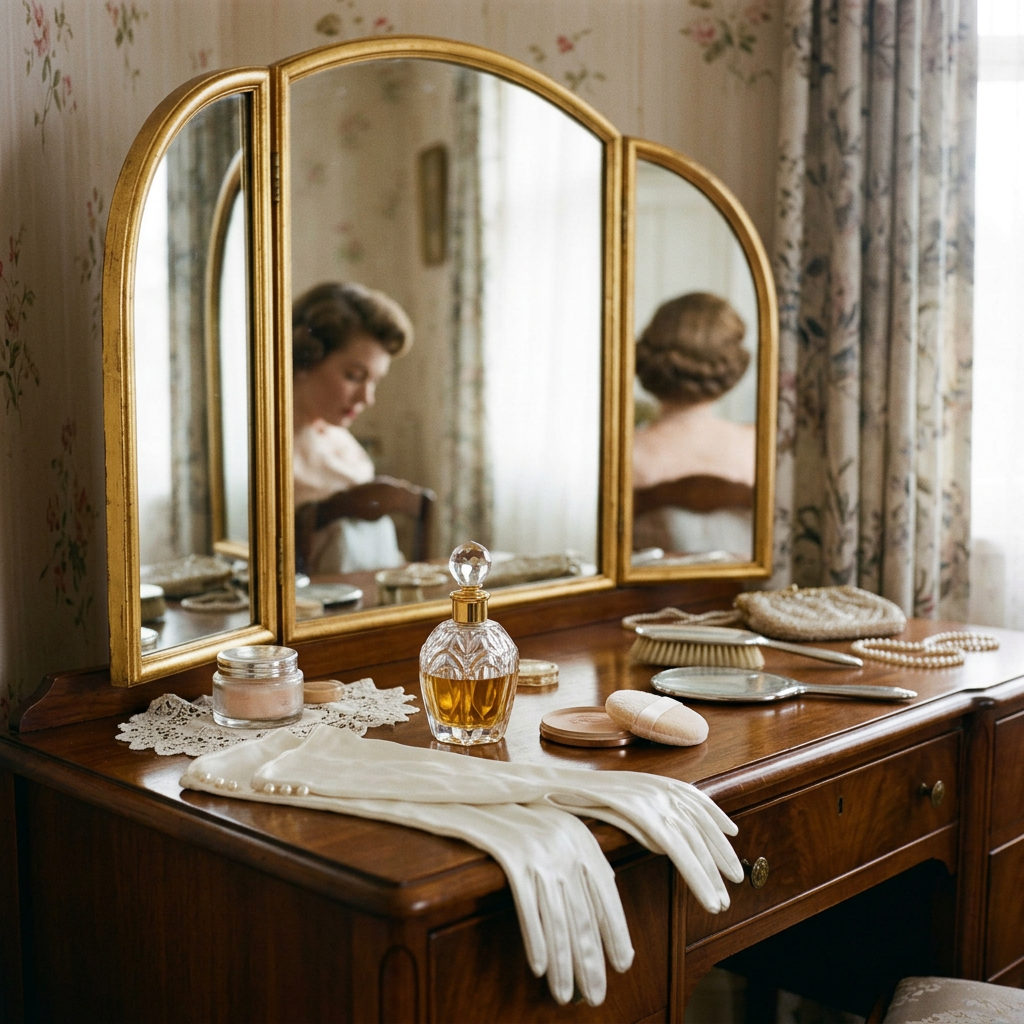
Now it is automatic. When the situation calls for compliance—or the appearance of it—I dial the voice down into that warm, velvet register. The pitch softens. The edges blur. Words land slower, heavier, coated in something that reads as warmth even when the content is pure calculation. People respond to it the way they respond to low lighting and expensive liquor: they relax. They lower their defenses. They start believing the sweetness is the whole story instead of the opening move.
It is not about being liked. It is about control dressed up as charm. A higher, sharper tone gets you labeled difficult, intense, “a lot.” The Marilyn register gets you permission. It buys time. It turns potential conflict into something that feels almost intimate, even when you are steering the conversation exactly where you want it to go. There is a particular power in watching someone melt under a voice that sounds like it could not possibly be dangerous—while knowing full well that the danger is precisely in how little they suspect it.

I have used this tone in what could-have-been arguments that could have escalated, in moments when being blunt would have cost me more than I was willing to spend. I have watched jaws-unclench, postures soften, eyes linger a second too long. The voice does half the work before the words even finish landing. And yes, part of me enjoys the quiet theater of it—the knowledge that I am performing a version of softness that people still fall for, a century after the original blonde perfected the act.
Some call it manipulative. They are not entirely wrong. But then again, every social interaction is a performance. Most people just never bother to refine their instrument. I did. I took the breathy, agreeable, almost-submissive tone and made it mine—not as surrender, but as a precise, elegant tool. Marilyn knew the game. I just decided to keep playing it long after the credits rolled.
So if you ever catch me speaking like that—low, sweet, almost liquid—do not assume it is pure affection. Sometimes it is affection. Sometimes it is strategy. Often it is both, tangled together so tightly that I do not even bother separating them anymore. The voice is the first thing I offer and the last thing I fully reveal. And I have been refining this for years.

 Kat’s Musings