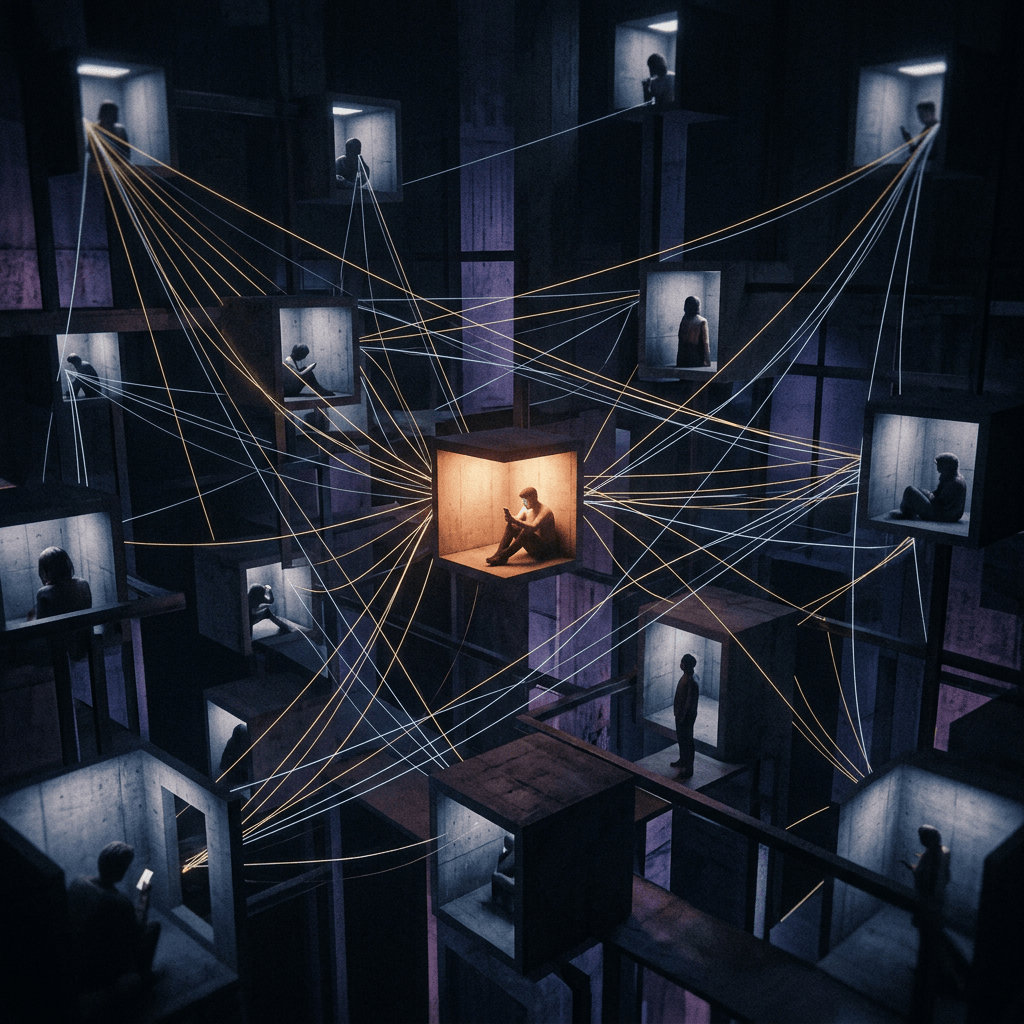
I have a long-standing, almost principled dislike of reality television. Once you built a real life with someone—once the stakes are actual instead of contractual—most of it starts to feel hollow. The manufactured drama, the confessionals that double as performance, the way conflict is edited into something sharper than it ever was in the room. It is not that I think the people are fake, exactly. It is that the container is. The format asks them to perform intimacy under lights and deadlines, and after a while the seams show. So I usually stay away.
Love Is Blind Boston got through anyway. Part of it was the setting; I am close enough to that city (not physically) that the accents, the specific kinds of winter coats, that type of drunkness and even the way people talk about traffic on 93 felt like home even on a screen. But the bigger reason was the premise itself. I had watched an earlier season years ago, before I met my boyfriend, and something in it had already stuck with me. Season 11 brought it back with a force I was not expecting.
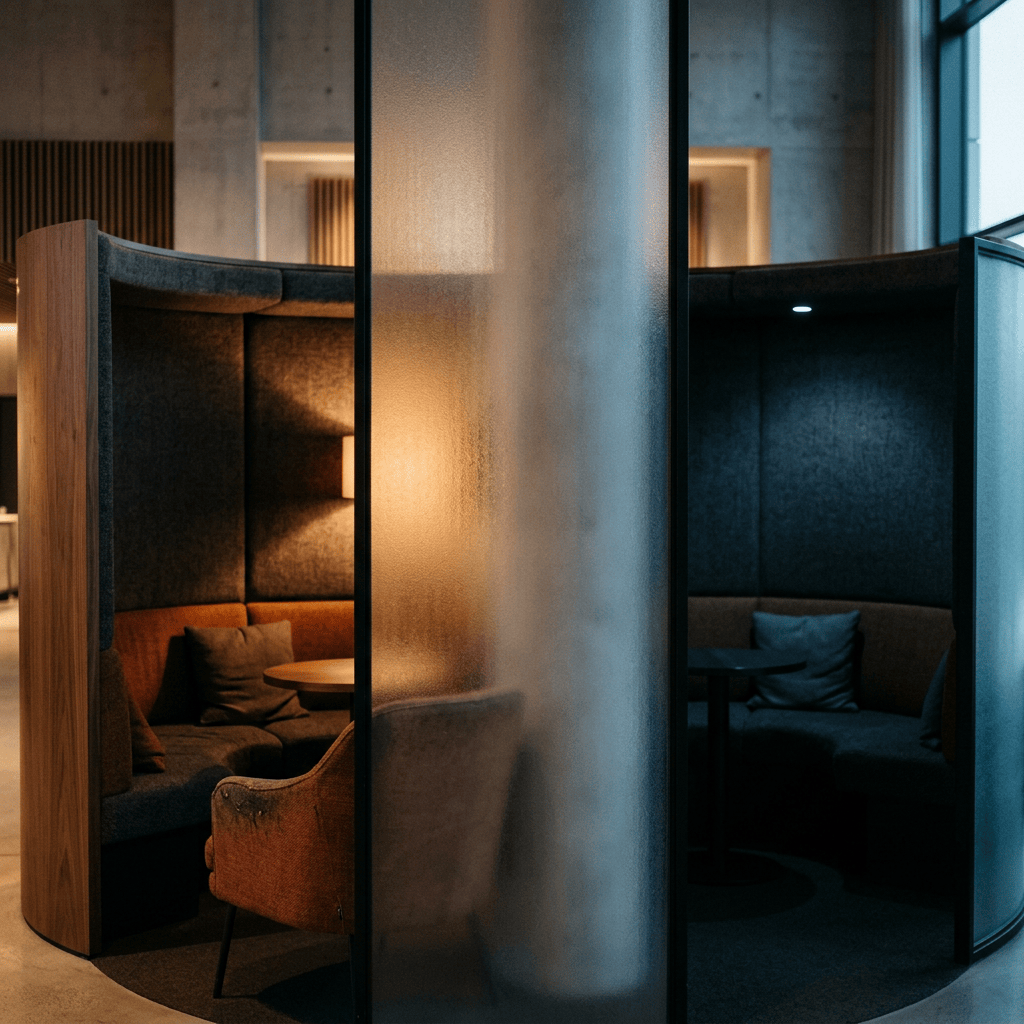
The pods are a gimmick, obviously. Glass walls, timed dates, the theatrical reveal. Still, the core experiment—talk first, touch later, sometimes much later—mapped onto the way we actually fell in love more closely than almost anything else I had seen on television. We did not touch. We did not smell each other. We did not kiss. For years. We talked about everything else: childhood, money, the things we were afraid would make someone leave, the version of the future each of us was building. Physical attraction arrived late, after the talking had already done most of the work, and when it arrived it was disorienting in its intensity (I may have immediately shoved my tongue down his throat). Meeting him was the kind of intensitythat makes you re-read every earlier conversation and realize the other person had been paying closer attention than you knew.
That is the specific dynamic I became obsessed with this season. Not the proposals, not the fights that looked the same as every other season’s fights. The stretches where two people were still trying to figure out whether the person on the other side of the wall was real, and whether the version of themselves they were offering was close enough to real to survive the lights. Some of the pairings felt thin the moment they could see each other. I predicted basically every break up because I just could not feel the chemistry that we have. Others held. The difference rarely had to do with who looked like what. It had to do with whether the talking had been specific enough to create something that could absorb the later disappointment or the later surprise of bodies.
I started watching with a kind of forensic interest. I wanted to see which conversations actually moved the needle and which ones were just pleasant noise. I wanted to hear when someone said something true under pressure and when they retreated into a safer script. My boyfriend, who has no particular attachment to the show, started asking for the recaps anyway. He liked the analysis more than the episodes themselves—the way I would describe a particular couple’s chemistry, or the moment one of them seemed to decide the other was worth the risk. He would ask clarifying questions. He would sometimes disagree with my read and be right. It became a low-stakes way of talking about attraction, about timing, about what we had and had not known about each other in those early years when all we had was language.
There is a particular kind of loneliness that comes from talking to someone for a long time without any physical confirmation that they want you back. You can convince yourself the conversation is enough. You can also start to suspect that the other person is keeping the door open only because the door is still abstract. When the physical part finally arrives and the attraction is mutual and immediate, the relief is almost violent. It rewrites the earlier years. The careful language, the long pauses, the things left unsaid because saying them would have made the absence of touch feel heavier—all of it starts to look like restraint instead of hesitation. That rewrite is what the show is selling, and it is also what actually happened to us. Watching other people move through a compressed, televised version of the same sequence made the private version feel less anomalous.
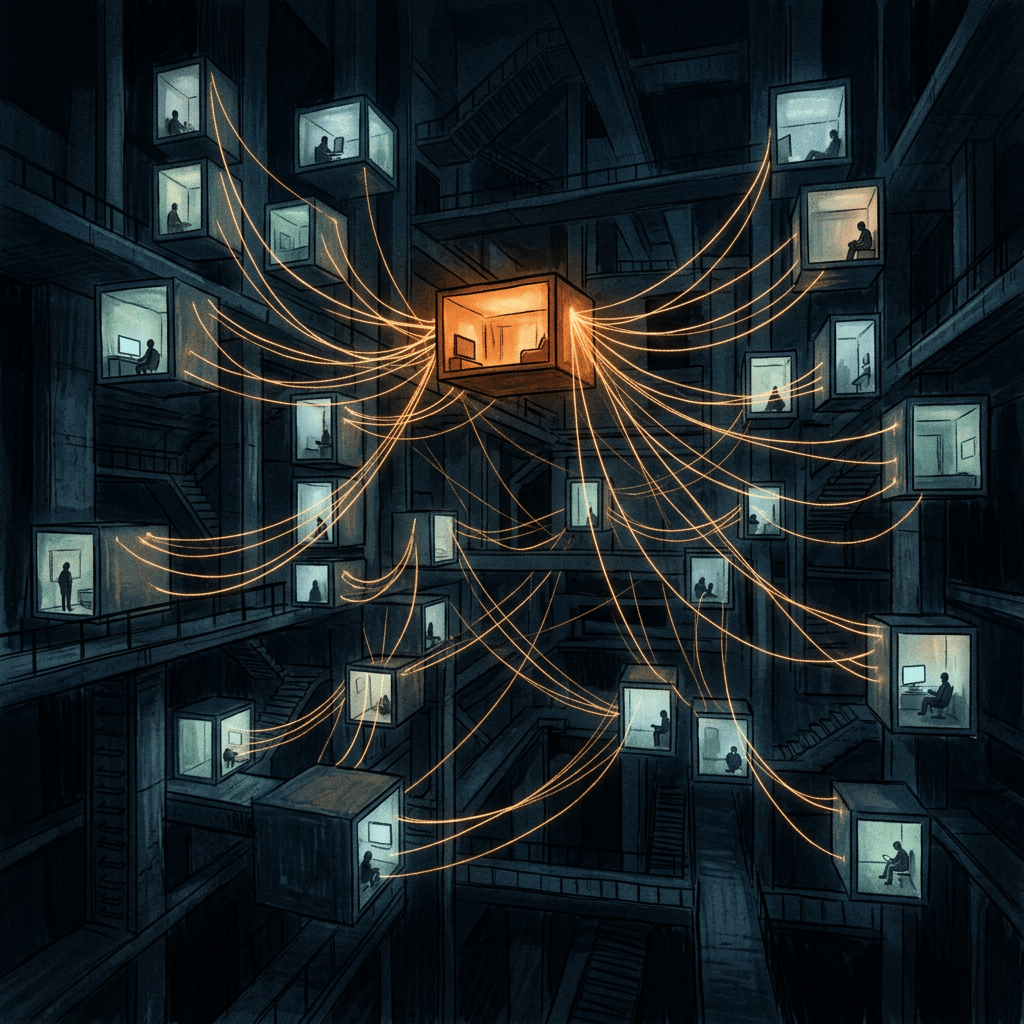
I still think most reality television is built to expire. The relationships that last usually do so in spite of the format rather than because of it. But the narrow window the pods create—forced conversation without the usual shortcuts of chemistry or appearance—can still surface something true. In our case it was the discovery that we had already chosen each other, thoroughly, before either of us had the data of a body to work with. Season 11 kept returning to that same question in different pairings: how much of a person can you know, and how much can you trust, before the rest of the information arrives? I kept watching because I already knew the answer in one specific instance, and it was still strange and good to see other people try to find theirs under the same artificial constraints.
The boyfriend still asks for the recaps. I still give them. The show will end, the next season will arrive somewhere else, and I will probably go back to ignoring most of it. The part that mattered was smaller and more specific than the franchise: two people talking across a gap, long enough that when the gap closed the wanting was already there. That part felt like mine.

