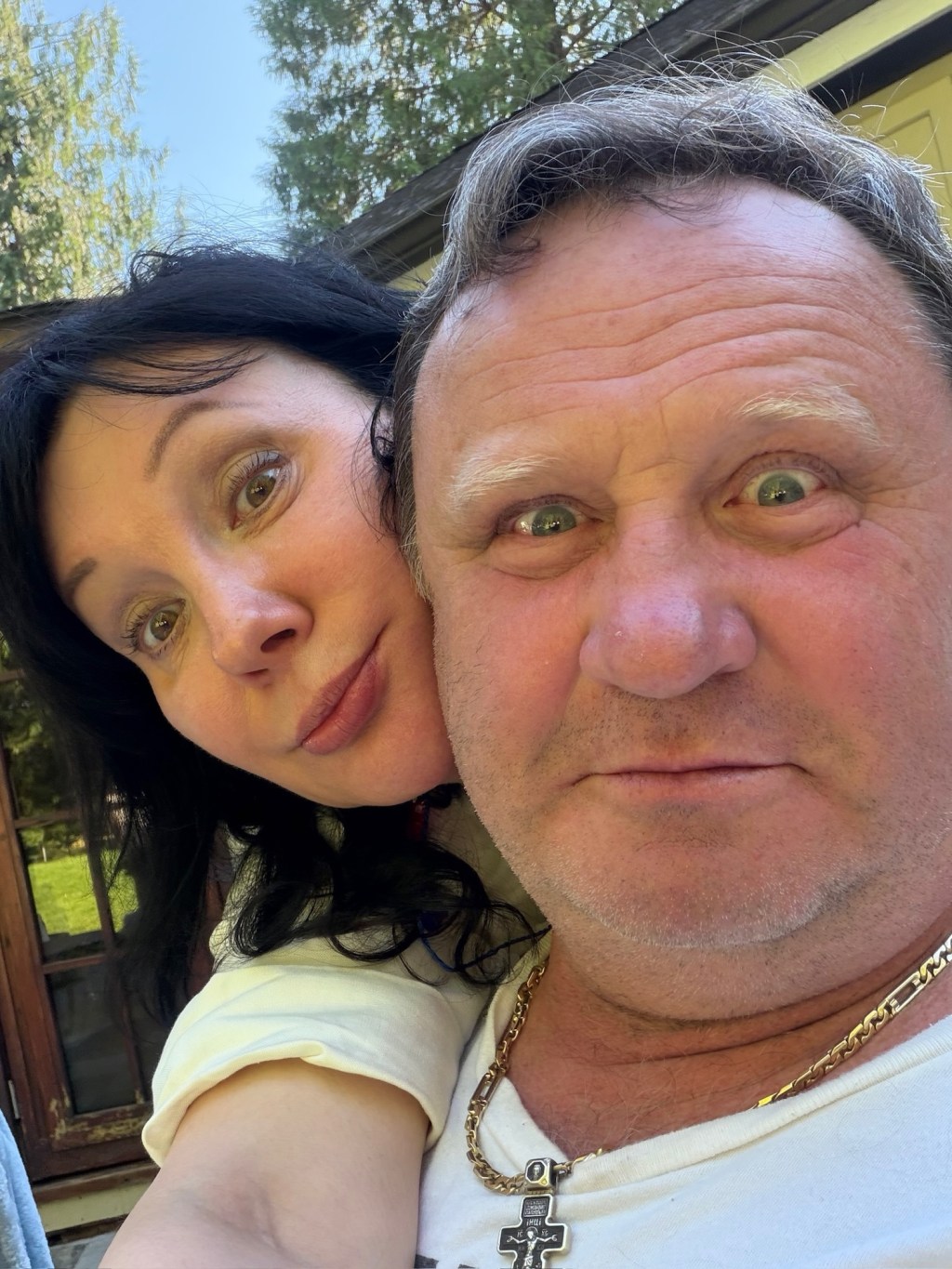
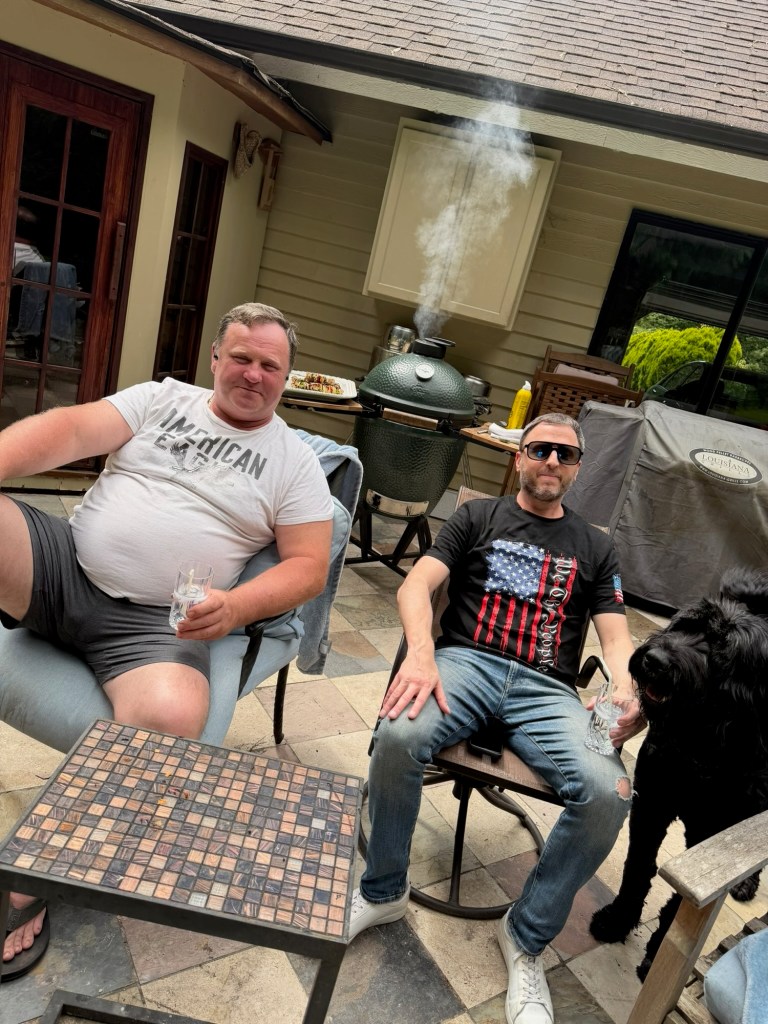
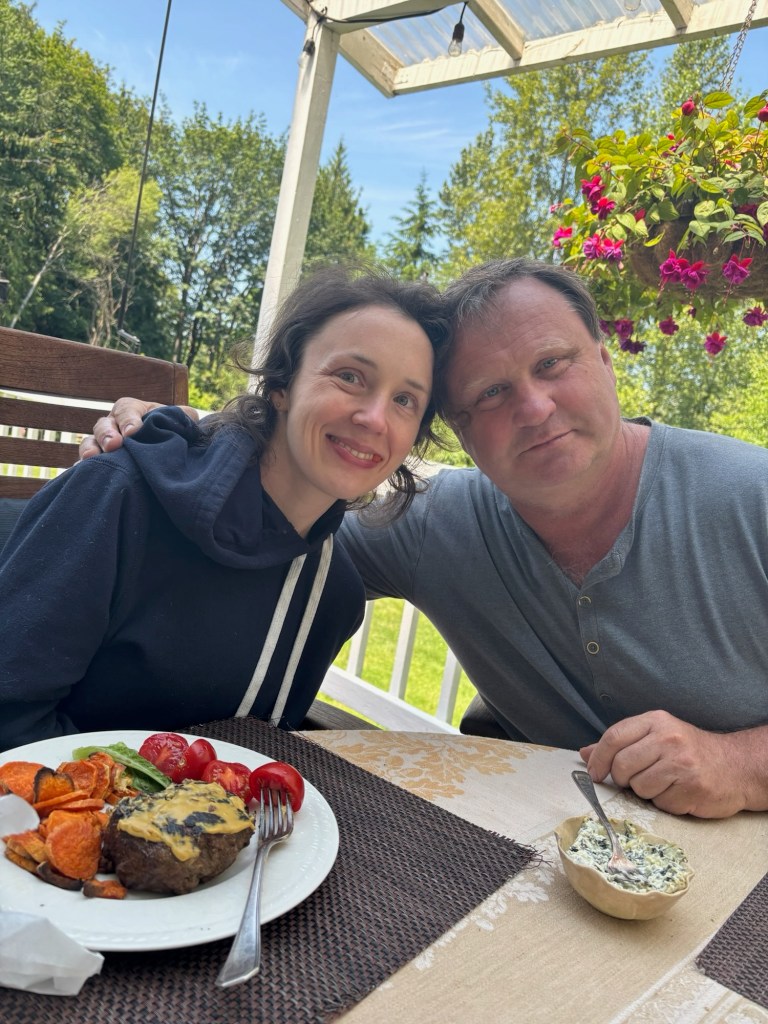
Today marks another trip around the sun for the man who has quietly shaped every corner of my life—the one who taught me what strength looks like when it is wrapped in laughter, what loyalty feels like when it is served with a side of sarcasm, and what unconditional love actually is. Happy Birthday, Dad.
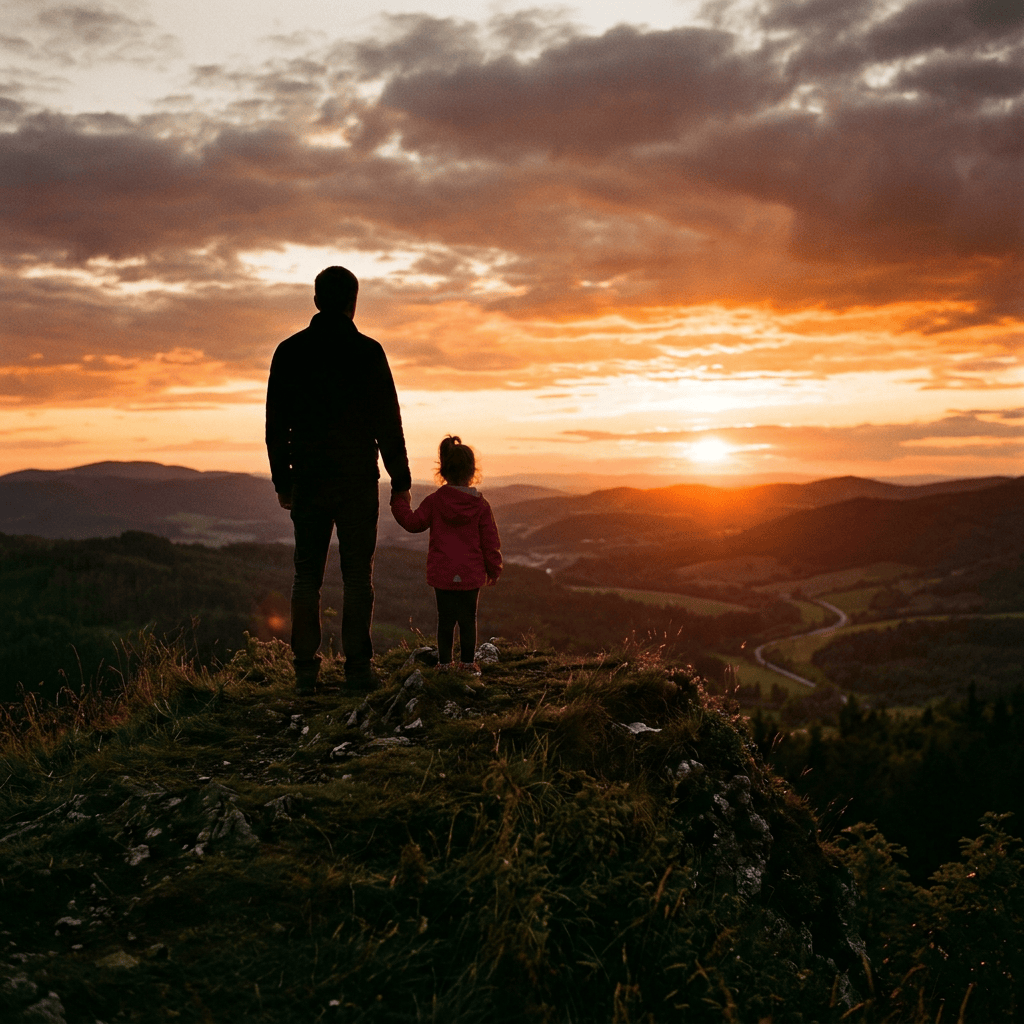
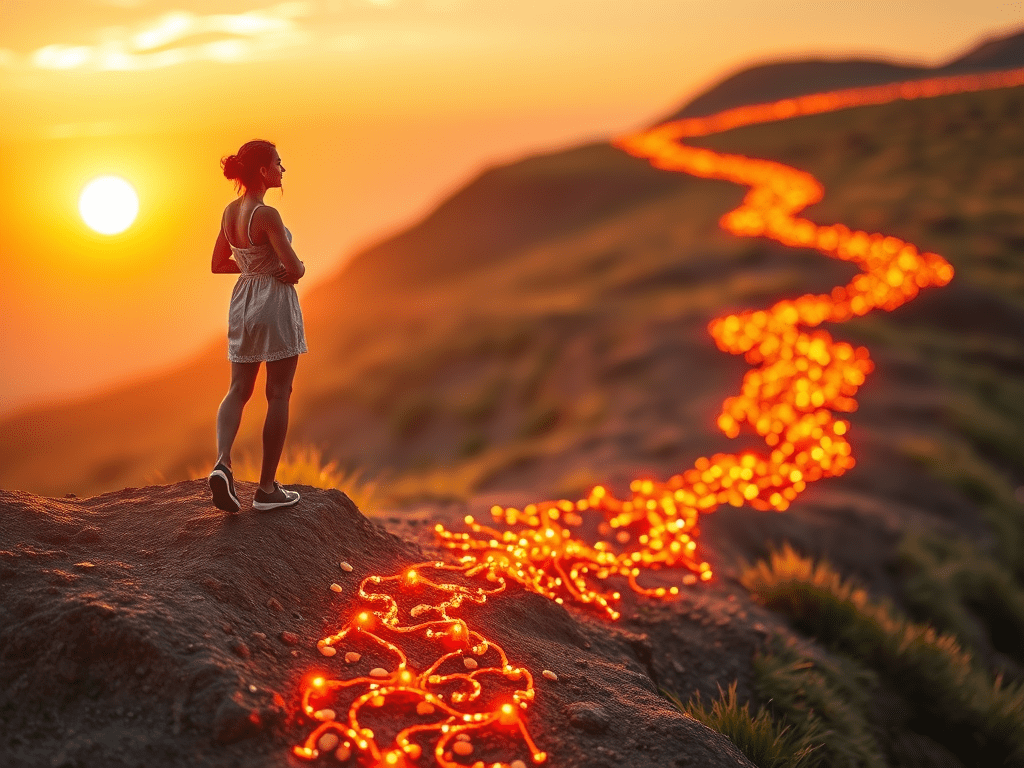
A father and his young daughter hold hands while watching a vibrant sunset from a hilltop.
From the moment I entered this world, you have been my benchmark. You did not just raise me; you modeled the kind of man I should look for one day. Patient but firm. Protective but playful. Someone who shows up, every single time, even when life throws curveballs. You became more than a father—you became my friend. The kind of friend I can call with zero judgment,
Then there are the political debates. Oh lord, the debates. You with your Russian-state-media deep dives and me with my Fox News/ X.com rabbit holes. We yell, we gesture wildly, we both refuse to back down… and then we laugh about it over ice cream because at the end of the day, none of it matters as much as the fact that we can still sit across from each other. That is us—passionate, opinionated, and bonded by something far stronger than any headline.
You have always been an incredibly hardworking silly goose. I used to call you my little brother when I was small because you were more fun than any grown-up had a right to be. You built/drew my school projects like an architect, and you would turn grocery runs into adventures. Yet the moment life demanded it, that military toughness kicked in. Stoic. Disciplined. The man who could fix anything with the right tools and sheer willpower. You taught me resilience without ever making it feel like a lecture—just by living it.
And yes, the spoiling. You spoiled your baby girl rotten, and I have zero shame in admitting it. Whatever craving hit me, luxury trips, and endless courage to chase dreams that probably sounded delulu to you. You turned me into this proud delulu queen who believes anything is possible because you made me feel like the world was soft enough to catch me if I fell. Thank you for that safety net. Thank you for letting me stay your little girl even when I am all grown up and pretending to have it all together.
Father, you are my first love. The love that taught me how to love others. The steady heartbeat I measure my current relationship against. The voice that still calms me, the arms that still feel like the safest place on earth.
The steady heartbeat I measure my current relationship against
So on your birthday, I hope you feel every ounce of gratitude and love I carry for you. I hope the year ahead brings you desserts worth drooling over, jokes that make you snort-laugh, and maybe—just maybe—a story where we both pretend to agree.
Happy Birthday, my favorite silly goose, my hero, my friend. I love you more than all the words in every language combined.
At fifteen years old, I stepped off a plane into a world that felt like it had leaped straight out of a National Geographic. The air was warmer, drier, and carried the faint scent of eucalyptus. I was part of the People to People Ambassador Program, a life-changing opportunity that took a group of wide-eyed American teens halfway around the globe to Australia. What started as a simple cultural exchange trip quickly became a whirlwind of big-city glamour, rugged outback exploration, family-style homestays, and the kind of teenage chaos that only happens when you are far from home and the usual rules do not quite apply (the innocent kind though, not really what we see on teenager television shows).
Our itinerary was perfectly balanced between urban sophistication and raw Australian wilderness. We bounced between the gleaming harbors of Sydney and Melbourne and endless stretches of red earth in the outback. Long bus rides became our moving classrooms—hours spent watching the landscape shift from bustling streets to golden grasslands. We stayed with local families who opened their homes (and hearts) to us, sharing meals, stories, and glimpses into everyday Aussie life that no guidebook could ever capture.
Sydney hit me like a fever dream. The iconic Opera House rose like white sails against the sparkling harbor, its curves even more breathtaking in person than in any photo I had seen. We toured the Olympic facilities from the 2000 Games, walking through stadiums that once echoed with global cheers. I remember standing there, imagining the roar of the crowd, feeling tiny yet somehow part of something enormous.
But beneath the excitement, I carried a heavy secret. This was the year after I started high school, and the pressure to look and be “perfect” had already taken root in my mind. Australia felt like the ultimate reset button—a chance to reinvent myself far from judgmental eyes back home. Before the trip even began, I emailed the volunteer chaperones with a carefully worded note: I would not be eating much, and they should not worry about me. Looking back now, it breaks my heart to think of that determined, insecure fifteen-year-old girl trying so hard to control the one thing she could in a brand-new country.
On those long bus rides, packed lunches were handed out like clockwork—sandwiches thick with deli meats, crisp chips, and sweet treats. I would politely unwrap mine, eat only the apple, and quietly put the rest aside. The volunteers were kind, but I could feel their concerned glances. During our homestay in Melbourne, the warm “mom” of the house cooked a hearty Australian meal just for us. I pushed the plate away after a few bites, murmuring something about being full. Her disappointed but understanding look still lingers with me. Food became both enemy and background noise while the real adventure swirled around me.
Of course, no trip at fifteen would be complete without plenty of youthful mischief. I flirted shamelessly with the boys in our group—stolen glances across bus aisles, whispered jokes during tours, and that electric buzz of first crushes amplified by the freedom of being overseas.
The Australian sun, however, showed no mercy. Wanting to be perfect meant that I wanted golden skin. I ended up severely sunburned. My skin turned lobster-red, peeling in painful sheets for days. Lesson learned: respect the ozone hole Down Under.
One of my biggest hurdles was begging my mother—via crackly payphone calls from a random shopping mall —to let me get my belly button pierced. I pleaded, I reasoned, I dramatically described how “everyone” was doing it. She held firm.
Instead, I settled for a temporary tattoo from a quirky shop near the harbor. It was some butterfly design that I proudly showed off to the group. When I got home, I let everyone believe it was real, basking in the temporary cool factor before it faded in the shower. Small rebellions, big memories.
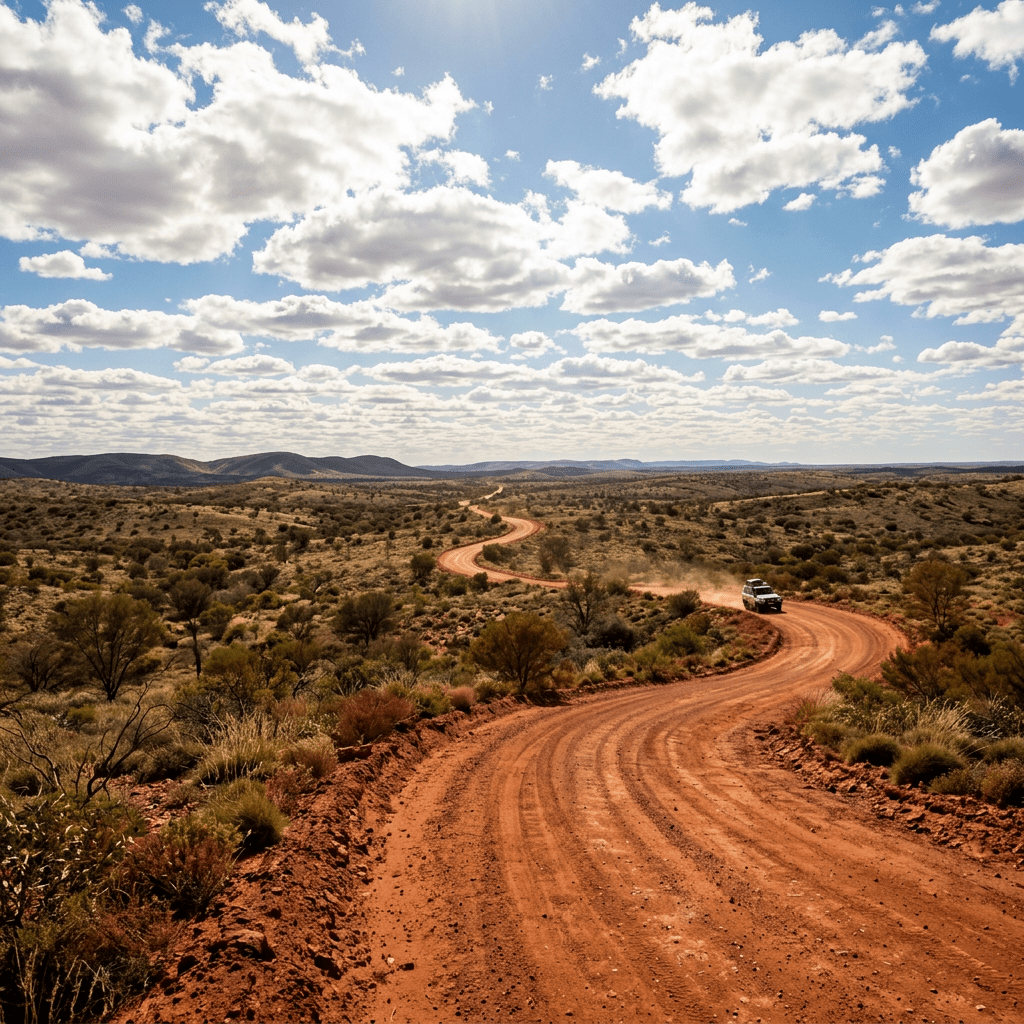
The real soul of the trip was during our long bus tours through the outback. The landscape stretched endlessly—red dirt, scrubby bushes, and skies so vast they made you feel wonderfully insignificant. We learned about Aboriginal culture, their deep connection to the land, and the stories passed down through oldtime legends.
A vehicle traverses a winding red dirt road through arid outback terrain under a partly cloudy sky
One unforgettable stop was a wildlife sanctuary where I finally got to hold a tiny koala. He was everything I imagined: fluffy gray fur, button eyes, and a sleepy demeanor (apparently they are constantly high from eating the eucalyptus). I beamed for the camera, arms gently cradling him. But internally? I was screaming. Those adorable little claws dug into my arm like tiny needles. Sharp did not even begin to describe it. Still, worth every scratch for that photo and the story.
We spotted kangaroos hopping freely in the wild—elegant, powerful creatures that seemed to defy gravity. At the sanctuary, we got closer, feeding them and watching their curious faces up close. Later, in a remote outback experience hosted by Aboriginal elders, we were treated to kangaroo tail. It was an honor to share in their traditional food. The tail was tough, mostly dense muscle with very little fat or tenderness—chewy, gamey, and completely unlike anything I had eaten before. It was not about gourmet flavor; it was about connection, respect, and tasting a piece of the land itself.
That trip to Australia did not magically fix my insecurities around food and body image. Those battles continued for years as I eventually got down to double digits on the bathroom scale. But it planted seeds of perspective. I saw a country that was both modern and ancient, vibrant and harsh, welcoming and wild. I learned that adventures are messy—full of sunburns, awkward flirtations, hidden struggles, and moments of pure wonder.
Holding that koala, even through the pain, symbolized something bigger: sometimes the cutest, most picture-perfect experiences are actually concealing something painful. Pushing away plates did make me feel more in control; but it also made me miss out on shared meals and hospitality. The temporary tattoo washed off, but the memories never did.
Years later, I look back on that fifteen-year-old girl with compassion. She was brave enough to travel across the world, curious enough to embrace new cultures, and human enough to make mistakes. Australia taught me that life is best experienced fully—sunburns, sharp claws, kangaroo tail, and all.
If you ever get the chance to say yes to an adventure that scares and excites you, justdo it (like Nike!). Whether it is Australia or somewhere closer to home, the outback of your own growth is waiting.
Literally, it means “false step” in French—like you tripped over your own feet in the middle of a crowded ballroom and everyone turned to stare. In American English, we have borrowed the term to describe any social blunder, any tiny (or not-so-tiny) violation of the invisible rulebook that supposedly keeps society running smoothly. Say the wrong thing at a dinner party. Wear white after Labor Day. Ask a woman when she is expecting … when she is not actually pregnant. Boom. Faux pas. Social death.
The phrase has always fascinated me because it is so perfectly French in its elegance and so perfectly American in its judgment. It sounds sophisticated, almost romantic—but really it is just polite code for “you messed up and now everyone’s secretly judging you.”
And that got me thinking.
Why are we so obsessed with these invisible lines? Who drew them? Who keeps redrawing them every few years? And why does the mere idea of being told how I am“supposed” to behave in any given situation make my skin crawl and my inner rebel kick into overdrive?
I have never been good at following scripts. Not in recitals, not in job interviews, and definitely not in the grand theater of adult life. The older I get, the more I realize that a huge chunk of my personal growth has come from deliberately stepping on the lines everyone else is so busy tiptoeing around. Not out of spite (okay, sometimes out of spite), but because performing for an invisible audience feels like slow suffocation.
Let me give you an example. My lack of job or career. My relationship and its status.
Translation: Sweetie, that’s a faux pas. You’re supposed to say you are a “marketing coordinator” or “nurse practitioner” or anything that sounds like you have a 401(k) and a five-year plan.
And: He is suppossed to choose you immediately. You should live together, get married and become a family, like everyone else…
Because apparently everyone is the same and has the same path in life.
Stability is overrated when you are busy living the life you actually want. And I want to be his 100%.
That moment I am told how to live my life is never about being rude. It is all about refusing to shrink myself into the neat little box labeled “Acceptable Adult Woman.” Society has a whole collection of those boxes—career boxes, relationship boxes, body boxes, personality boxes—and they all come with instruction manuals disguised as “just common sense” or “what everyone does.” News flash: most people do not even have any sense whatsoever (so it is not really that common).
Here is the thing I have learned the hard way: those expectations are not there to protect us. They are there to keep things comfortable. Comfortable for everyone else. Predictable. Easy to categorize. If I follow the script—get the degree, land the safe job, marry at the right age, have the right number of kids, post the curated vacation photos, never admit I sometimes cry in my shower—then nobody has to feel awkward. Nobody has to question their own choices. The machine keeps humming.
But what if the machine is boring? What if the script was written by people who were terrified of their own shadow? What if “fitting in” is just another way of saying “quietly dying inside”?
I am not advocating for chaos. I still say please and thank you. Basic decency is not the enemy. The enemy is the quiet tyranny of “this is how it’s done” when “it” no longer fits who you actually are.
I hate being told what to do because I spent too many years doing exactly that and waking up wondering whose life I was living. I hate performative expectations because they turn human connection into a performance review. And I especially hate the way media has turned every single faux pas into a public execution. One off-color political joke, one long distance relationship, one honest opinion and suddenly you are struggling to get followers on social networks.
The irony is that the people quickest to call out faux pas are often the ones most trapped by them. They are not free; they are just better at pretending.
So here is my quiet rebellion: I am going to keep committing the occasional faux pas. Not the cruel ones—never those—but the ones that come from refusing to edit myself for other people’s comfort. I am going to wear the “wrong” outfit, say the “wrong” thing at the “wrong” time, and build a life that looks messy and inconsistent and deeply, unapologetically mine.
Because the real false step is not tripping over some arbitrary social rule.
The real false step is spending your whole life walking someone else’s path so carefully that you forget how to walk your own.
And relearning how to walk has taught me that: I would rather stumble forward in my own Yeezys than glide perfectly in someone else’s shoes.
When I was young, I was obsessed with Britney Spears (another basic bitch tendency). I know today she is a total mess, but there was a time when my walls were covered in pictures of her—I was straight-up obsessed with Britney Spears. The one with the flat stomach, tiny outfits, and that “Hit Me Baby One More Time” schoolgirl fantasy that made every pre-teen’s hormones go haywire.
My bedroom walls were a full-on Britney shrine. Posters from floor to ceiling, magazine cutouts taped up in my closet. I wanted to be her — that perfect blend of innocent and filthy, the girl every guy wanted and every girl secretly envied. People definitely thought I was a lesbian back then. I mean, can you blame them? I was plastering my room with images of a half-naked pop princess.
And yes, I took it to the extreme. During the darkest days of my eating disorder, I followed her old workout routine religiously. Twelve hundred sit-ups a day. That was my way of insuring that I was working off every calorie I was forced to eat. No exaggeration. I would lie on my living room floor, starving, counting every crunch while imagining my stomach getting as flat and tight as hers. (Sometimes it would be until two in the morning and then I would be up at six). That kind of obsession is not cute — it is unhinged. But at the time it felt like devotion. Britney was my thinspiration, my goddess, my unattainable fuck-you to my own body.
Then eighth grade hit and I had a full personality 180. I ditched the pop princess fantasy and became the ultimate “surfer girl.” Still skinny, but not glitzy and glamorous. You know the type — sun-bleached hair, golden skin (spray on tans FTW), that effortless, just-fucked beach vibe. I traded in my old wardrobe for head-to-toe Abercrombie & Fitch and Hollister. I lived in those graphic tees and low-rise jeans that sat dangerously on my hip bones. I wanted to look like I just rolled out of a beach bonfire with sand still in my hair and saltwater on my skin.
I begged my parents to send me to surfing camp in California. I actually went all the way to Australia chasing that fantasy life. I studied the skinny beach bum girls like they were my new religion — the ones with long, tangled blonde hair, tiny bikini bodies, and that lazy, seductive way they carried themselves. I dyed my hair with platinum blonde streaks and spent hours perfecting the windswept look. I wanted to be the girl guys stared at while I walked down the beach carrying a surfboard, all tan legs and collarbones.
This was right in the middle of my most extreme anorexic era, too. The thinner I got, the better my “surfer girl” costume fit. My hip bones jutted out, my thighs did not touch, and my stomach was concave enough to make those Abercrombie shorts hang just right. I was starving myself into the aesthetic. Every wave I caught, every mile I ran, every skipped meal was part of the transformation. I was not just playing dress-up — I was trying to disappear into this fantasy version of myself: blonde, effortless, desired, and dangerously thin.
Looking back, it was wild how seamlessly I went from worshipping Britney’s polished, sexy pop-star body to chasing the raw, sun-drenched, barely-there surfer chick fantasy. Both versions of me were starving — literally and figuratively — for the same thing: to be wanted. To be the fantasy. To be the girl that made people lose their minds a little.
I chased that high hard. From bedroom Britney dances to riding waves, bleaching my hair until it snapped, and counting every single sit-up like it would bring me closer to perfection.
Those years were intense, messy, desperate for attention, and strangely formative.
We have all heard it. We have all said it. “Man, things were better back then.” People are always yearning for the good old days—start appreciating everything today:
Nostalgia is not a memory—it is a seductive liar.
It edits out the bad.
The ugly.
We airbrush the boredom, the limited choices, the untreated depression, the rotten teeth (yay for healthcare!) and the way information trickled so slowly that ignorance felt like wisdom. I kind of do wish we ladies were still dumb, though… I rely more on my man to know what is going on in the world so that I can just be delulu about things.
And while we are busy pining for that heavily filtered past, the actual miracles are all around us right now. We are living in the most abundant, connected, opportunistic era in human history, and most of us are too busy doom-scrolling and whining to notice.
Technology seems to be sprinting. AI that writes better essays than most college students. Instant access to the entire library of human knowledge in your pocket. You can video call your grandmother on another continent while ordering takeout that arrives piping hot. And still, people scroll past miracles to complain that their coffee order took four minutes instead of three.
This change terrifies people. It always has. That is why every generation thinks the next one is doomed. But here is my hot take: your nostalgia is a coping mechanism for your fear of the unknown. It is easier to idealize 1997 than confront 2026. People are afraid. What is going to happen tomorrow or next month?
It seems easier to romanticize rotary phones than master and learn the new tools.
Stop yearning. Start appreciating—aggressively.
The secret is not in the past. It is in the lens. Shift it—or stay miserable.
Look at your smartphone not as a distraction device but as a doorway for wonder. With it, you can learn a language in weeks, watch a live surgery in Tokyo, or hear the voice of someone who died decades ago (I know… Creepy.) We treat these luxuries like it is normal. It is not. It is insane.
We find food in our grocery stores from every corner of the world. Planes and automobiles have actually united us. We consume other cultures and cuisines. This is the true meaning of America.
Surgery and modern medicine (despite its faults) make it absolutely insane to continue complaining about the small aches and pains. Some of us do not even walk; are you really going to cry about a hangnail?
The internet has also demolished geographic and social barriers. You can meet your person- someone who actually matches your weird frequency- instead of settling for the least awful option within a 10-mile radius. I personally would despise settling down with someone from around here. The old days had arranged marriages and shotgun weddings. We now have sad dating apps and yes, we rate each other based on our looks. So yes, trade-offs exist, but pretending the past was pure romance is historical fan-fiction.
In a culture addicted to outrage and comparison, choosing to appreciate the present is rebellious. It is punk rock. It flips off the algorithm that profits from dissatisfaction. People really do love to complain, criticize, and comment.
Essentially, the world is blossoming with possibility while you are staring at old yearbooks. One thing that has always bothered me is that most of our bodies are a biological marvel capable of running, dancing, orgasming, and healing—and yet people are mad about theirs not looking like a filtered influencer. It is called do something about it—if a disabled girl can lose more than one hundred pounds, you can do anything. The body is truly a marvel.
The mind is too.
Your mind can comprehend quantum physics (or silly girly things—like writing a blog!) and write love poems, yet you use it to relive 2008 politics.
The good old days are a trap. They keep you small, bitter, and blind to the abundance screaming for your attention. Every moment you spend mourning a myth is a moment stolen from building something better.
The world is changing so fast that if you blink too long in nostalgia, you will miss the best parts of being alive right here, right now. The coffee is hot. The internet works—until the power goes out, because living in the woods is great. Your heart is beating. The future is wide open.
Appreciate it all—fiercely, obnoxiously, unapologetically.
Or keep complaining. The past will not care, and the present will keep delivering miracles whether you notice them or not.
The choice is yours. But only one of them feels like living.
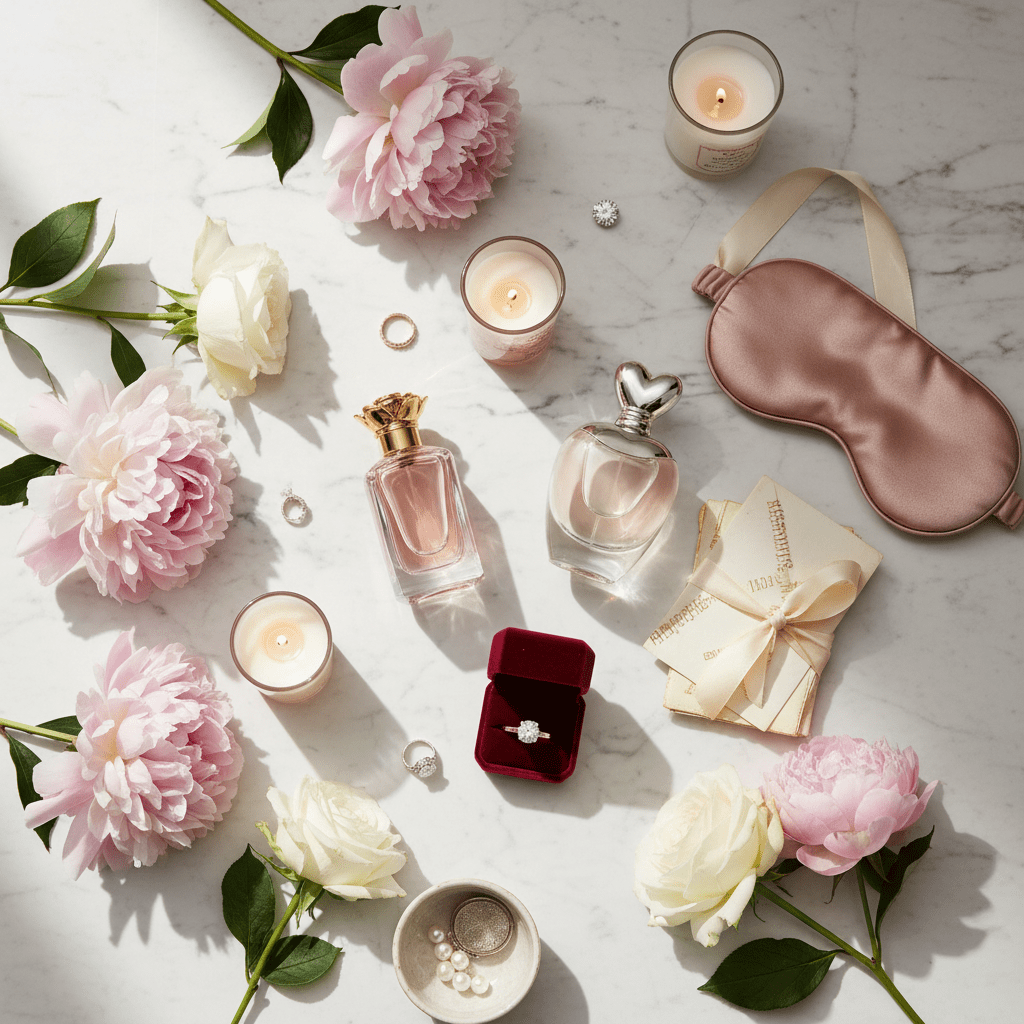
My boyfriend is obsessed with fragrances in the most delicious way. He can spend hours watching reviews. He dissects notes like a mad scientist. He chases the perfect dry-down and obsesses over base notes. Years ago, he introduced me to Jeremy Fragrance. Back then, Jeremy was still deep in the fragrance rabbit hole. He was not preaching fitness and health yet. Now my man plays with layers of tonka bean. He experiments with creamy vanillas, warm spices, and light, fresh sea-notes. It is as if he was composing his own signature pheromone. I am not a certified nose. However, I have become dangerously good at finding scents. These scents will drive him insane. Those scents are especially anything heavy with tonka bean. The rich, sweet, almost edible warmth clings to his skin. It makes me want to bury my face in his neck for hours.
I never really had “my” scent growing up. In college, I went through a shameless phase where I only wore men’s cologne—bold, woody, masculine fragrances that screamed confidence. (I even wore Old Spice deodorant). I did it on purpose. I wanted every man who spent the night tangled in my sheets to walk out the door carrying my scent. It lingered on his skin, his clothes, and his hair. Let his girlfriend or wife catch a whiff of something undeniably male when he got home. A little floral or berry note from me would have been too obvious, too sweet, too feminine. No—I wanted to mark them. Quietly. Dangerously. Provocatively.
I NEVER EXPECTED THAT THE UNIVERSE WOULD PUNISH ME FOR IT—
Now that I am proudly spoken for, I have embraced my own rotation of scents. These scents make me feel like pure sin wrapped in silk. I adore my YSL Mon Paris. Its massive, unapologetic floral notes bloom loud and wet on my skin. Then there is Baccarat Rouge 540. It is expensive and addictive, with its fiery saffron and ambergris edge. It feels like liquid luxury. I wear Kai Ali Santal Wedding Silk more often than I probably should, partly because of the ridiculously romantic name. But honestly? I steal his Missoni Wave constantly. It is fresh, aquatic, and a little citrusy. It carries that signature Italian warmth. It smells like him—clean and expensive, yet somehow still filthy in all the right ways. I spray it on my wrists. I also spray between my breasts and along the inside of my thighs. It mixes with my own scent to convey that he is with me. I do this with all of his colognes. I have a nice little collection so that I can smell him at every moment of every day.
In this collection is his Abercrombie cologne—the one we bought purely for the scent memories it drags up. That one hits different. It pulls me straight back to those dimly lit, aggressively cologned stores of my teenage years. It was the kind of place where the bass thumped low. The lights were turned down just enough to make everything feel forbidden. Half-naked male models stared down from every wall and catalog page like gods you were not allowed to touch. I remember standing there as a high school girl. I was desperate to buy enough clothes to finally belong. I wanted to look like one of those catalog girls. They had sun-kissed skin and tiny waists. They radiated that effortless “fuck me” energy. I wanted to be wanted that badly. I wanted to be the fantasy.
Scent memory is such a beautiful thing. My boyfriend surprised me with Tom Ford Tobacco Vanille one day, and I became instantly obsessed. That rich, boozy tobacco takes me right back. The thick vanilla and warm spice remind me of the skinny French cigarettes. My “Auntie” (who is not actually related, but a really good family friend) used to smoke them when I was little. She smoked those elegant little sticks, lighting them with a flick of her lighter. The smoke would curl around her red lips like a dirty little secret. I used to crave sucking on those delectables when visiting a little French cafe in the future (I will never though, unfortunately, because they are no longer sold!) It is nostalgic and erotic all at once, like childhood innocence mixed with grown-woman hunger.
Every spray now feels layered with meaning. His cologne on my body. My perfume on his neck after I bury myself in it. Our scents collide and create something new. It says we belong to each other in the most primal, possessive way. We are together even when we are apart. It is foreplay. It is memory. It is identity. It is pure, delicious obsession.
There was a time when I saw life as nothing more than a chaotic tangle of random events—senseless pain. I spent years fighting against the current, clenching my fists at the universe, demanding answers for every unfair event. But one day, exhausted from the resistance, I finally let go. I stopped fighting the detours and started tracing the threads that connected them. What I discovered surprised me deeply.
Every heartbreak, every closed door, every tear-soaked “why me?” moment… none of it was an accident. They were (gluten free) breadcrumbs scattered along a path I could not yet see.
The misery was not punishment. It was preparation — raw, necessary preparation for the woman I was becoming.
I think about the guys who chose other girls over me. At the time, the rejection felt devastating, like a statement that I was not good enough. It cut deep. But looking back now, I see how those experiences were teaching me something important. I had been shrinking myself. I dimmed my light and apologized for my ambitions and my desires. I did this just to fit into someone else’s limited version of love. I hid who I truly was with certain friends. I also did this with family members to keep the peace or earn approval. Those painful rejections became the jumping off point that forced me to stop. They motivated me to stand taller. I reclaimed my voice. I refused to apologize anymore for wanting more. I wanted real, deep, reciprocal love and respect.
Because I finally stopped shrinking, I created space for something better. Now I am with a man who does not just tolerate me — he truly sees me. He celebrates the parts of me that others overlooked or asked me to tone down. The beautiful truth is that I can accept love now. I finally learned to see and value myself first.
The brain injury was terrifying. Those life-altering chapters turned out to be crucial. It became one of the most important turning points of all. It felt like the universe hitting the brakes on a car speeding toward disaster. Without that sudden stop, I honestly do not know. I would have ever slowed down enough to notice how far off course I had drifted.
I was heading down a dark, exhausting path— chasing things that were never meant for me, ignoring the universe’s warnings. The injury forced me to pause. I had to seek the help I had been avoiding. In that healing process, I met the real me. This was the version of myself that had been buried under layers of fat: pain, expectations, and survival mode.
Rediscovering myself changed everything. This version of myself found the courage to take a completely different path. This path eventually led me to the man I now share my life with.
I do not know exactly what the future holds. I feel a deep sense of trust and excitement as we step into it together. The universe has surprised me before, and I believe it will again. I am ready to see what beautiful, unexpected chapters it has planned for us — for our forever.
It is not magic, though sometimes it feels that way. It is a pattern — one I can finally recognize when I look back (20/20 right?!)
Every “no” was a redirection, gently (or sometimes forcefully) steering me away from what was not mine. Every scar I carry has become armor. I have plenty of those scars now, and I wear them with pride instead of shame. The universe never handed me a neat script or a perfectly mapped-out plan. It simply kept nudging me — through joy and through pain — until I stopped resisting and started listening.
So yes… I truly believe everything has happened for a reason. Not because some distant cosmic puppet master was orchestrating every detail from above. But because I kept showing up, kept moving forward even when it hurt, and kept choosing growth over bitterness.
Somewhere along the way, without me even realizing it at first, the chaos began to transform. The random, messy pieces started falling into place. What once looked like pure disaster slowly revealed itself as something far more elegant. It was a kind of dance. A dance I was always meant to learn, step by imperfect step.
I remember the first day of college. I thought I would rebel. I imagined I would transform and emerge into a much stronger, skinnier, and beautiful person. This was post high school downfall.
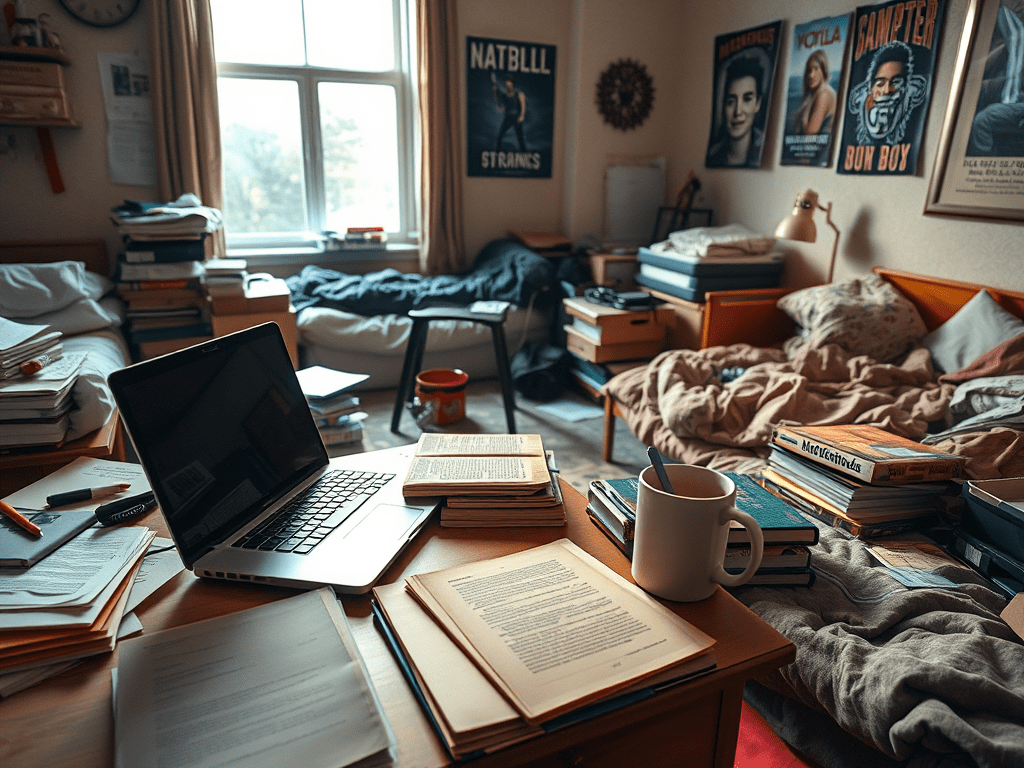
I moved into a dorm. It smelled like old pizza and someone else’s regret. My roommate was an atheist/ anarchist.
People talk about college like it is this crucible—late-night debates, soul-searching walks across campus, professors who become mentors. These people did not know how emotional I was/ how much I would overreact.
Thus, it was mostly lukewarm coffee, group projects where one guy did everything, and a syllabus I skimmed once. I did not even get the degree. I got the debt though. But formative? Nah.
The big moments—the ones you are supposed to remember—felt scripted. The boys? The parties? If I wanted to drown my sorrows, they were easy enough to find. Dumb drunk boys are always willing to canoodle with a sad fatty. And it was college… Cheap beer is always available. Whether you are lonely or a in a group of friends, Natty Light is there.
Philosophy 101? I nodded along while thinking about lunch— I was always thinking about lunch. There even was a bit of heartbreak as I briefly got involved with a guy who had a girlfriend. I did learn how to fake confidence. I also learned how to survive. Another skill I picked up was how to dodge eye contact in the dining hall. As I basically lived there… Useful? Sure. Life-altering? Not really. I was just a broken person—slightly more caffeinated, slightly more cynical, but still emotional and down-bad me. College was not a plot twist. It was background noise. The real stuff happened after. Outside the quad. No cap and gown required.
The myth says it has to be epic. Reality says: it is just school.
If we are going to go through the character arc of my not being good enough and the affect that it had on my life thus far , we have to further elaborate on what led me into my post-high-school downward spiral and my current health issues.
In high school, I tried extremely hard. After my middle school experience at being an overweight/ flunking embarrassment, I was shown how people only gave me praise and attention if I wore a size zero and excelled in my studies. So I withered away and took notes/ highlighted my books until my fingers bled. I tried to keep a social life, but eventually the obsession with my food and appearance gave way.
I even drove myself to school (once I got my license) hours earlier so that I could sit in the computer lab and search for homes where an adolescent can live on her own (I always thought that living on my own was the answer to my prayers!)
And then of course there was a boy. He was a firefighter, did not go to my school and actually showed interest in me. I was not used to this. I was deprived of romance and even though I had no interest in him, I craved his touch, his kisses and his text messages as if I had been trekking through the desert for years and he was a fresh spring of water.
But I never slept with him. I must have had some kind of moral code, because this would continue in university. We would do everything but as soon as it came to the actual act, I became dismissive. That did not please the twenty-year-old-playboy -firefighter, and suddenly his attention turned elsewhere. He went back to his ex-girlfriend— an easy get— fake tanned, a bit chubby and dumb as rocks.
My ego was absolutely shattered. My heart cracked open—like someone took a hammer to a glass jar and just let it shatter. Even though I had spent years not eating or enjoying life in order to be at the top of my class and in order to look like I was perfect—even though I made myself better than anyone else—I was once again still not good enough. My carefully curated Kate Moss-esque figure and resume quickly became crumpled trash in the midst of a “normie” high school girl. So I officially gave up.
I literally just stopped caring. I threw my hands up and started eating everything that I was missing out on for years. I stopped studying too. I took my tests after spending the night binging a television series (and binging copious amounts of snacks!). I would skip my classes the day that a major paper was due so that I could get it done the second before it was due.
I gained more than twice the amount of weight that I weighed in high school. My parents were shocked when they saw me, they had me workout with a personal trainer, as if that was the issue—I simply had to move more not eat less. However , the judgements only made me eat more. Still not good enough.
I reached out to some of the family friends I had grown up with so that I could have some semblance of a social life. And they helped. Invited me out. Made me laugh. But now everything felt fake.
I was avoiding everyone from high school who knew me as the “anorexic girl “— the one who would only wear high heels and dresses or skirts instead of the jeans and sneakers of everyone around me— because I used to be better than everyone around me (or at least I believed I was).
Now I was ashamed. Now high heels would pinch my chunky toes and instead of flaunting my slender legs in skirts, I hid my giant slabs of meat in sweatpants and size thirty-two jeans. I avoided posting pictures of myself. I used to be so beautiful. I used to take immense pleasure in hearing my father tell his friends, “isn’t my daughter so hot?” He stopped saying that…
Essentially the high school “breakup” did not just end a relationship—it ended me. Once we had met, once I had tasted the attention I had been yearning for; I had built my whole senior year around him: I had started eating again (but not too much and of course I would never let myself go to sleep without working off every calorie I had eaten that day), late-night texts so that he could get more attention than my studies did, and fantasies about life together.
College was supposed to be freedom. Instead it felt like punishment. Instead of being lithe and studious, I was just studying myself—how to numb out, how to fake smiles, how to avoid anyone who might matter. I “slutted” around, but obviously nothing stuck. Every kiss tasted like betrayal. Every “I like you” sounded like a lie, because why would anyone like an over-two-hundred-pound girl? I drank too much and I slept too much (making up for sleeping only a few hours every night in high school).
The worst part? I blamed him. For years. Like if he had never cheated, I would have gone to Yale, had a perfect GPA and had a perfect boyfriend. But It took recovering from my upcoming disability for me to realize: heartbreak does not ruin college. It does not ruin life. You do. You ruin it when you stop showing up. When you decide you are too broken to try. When you treat every new person like a ticking bomb.
Do not let one bad love story become the whole plot. Because the truth is, the boy who broke me? He is probably still in his mom’s basement, playing Fortnite. And I am here—yes, I do not like my current situation but I am surviving—writing this, breathing, alive and planning for a future. That is the real win.
Essentially this entire experience taught me that everything happens for a reason— as corny as it may sound. Because honestly? The real damage was not the “breakup”—it was how I let it define me. I let one boy’s cowardice rewrite my future. I let shame decide my friends and my life.
It is not something that I should look back on and regret, because what is really the point of that?! If I was never made to feel like I was not good enough and thus never imploded, I would not have gone through the whole process of finding my voice and who I am, that means that I would not have started with the Twitter account full of snarky comments and controversial statements (seriously— people would constantly accuse me of either being a federal agent or a man pretending to run a girl’s account) and that would not have led me to meet the someone three thousand miles away— the man of my dreams. Maybe he is that perfect boyfriend I had envisioned finding in college.
Growing up Russian in the heart of America felt like living in two worlds at once—one where borscht simmered on the stove while the neighbor’s barbecue smoke drifted through the window.
My parents landed in a quiet Montana suburb in nineteen-ninety-four, after the Soviet collapse. They brought suitcases stuffed with pickled mushrooms, a samovar (Russian wood burning tea kettle) and a stubborn belief that silence was louder than shouting. My father delivered pizzas while my mother cleaned houses while watching English speaking soap operas to grasp the language.
School was the real culture shock. I showed up to first grade with a thick accent and a lunchbox full of black bread and salo—pig fat, basically. Kids stared. I had a terrible time making friends. None of my classmates were wearing the clothes that mother picked out for me. Instead of ironed on puppies and monkeys from stores like Gap and Old Navy, I was wearing thick Pippy Longstocking type tights underneath short overalls and turtleneck shirts. Hot.
Home was different. Dinner wasn’t tacos or pizza—it was pelmeni, cabbage rolls, or whatever my mother could stretch from a single chicken. We ate together—no phones, no TV. I could not be a kid who watched cartoons, I had to attend Russian school in order to learn Russian language, writing and enhance my culture by learning Pushkin poetry. I just wanted to be normal. Going to Russian school was not going to diminish my thick accent and my weird way of speaking— I needed to watch the cartoons and I wanted my parents to shop at popular places.
The holidays were wild. New Year’s Eve wasn’t about fireworks and resolutions—it was about Old New Year, January thirteenth, when we’d stay up until two in the morning eating Olivier salad and watching Soviet cartoons on VHS. We would toast to surviving another year, like it was a victory.
But America crept in. I learned to love American food (unfortunately), begged for Halloween costumes and even made a few friends. My parents hated it. Instead of drinking hot tea in the mornings, friends would ask for some soda alongside the hot pancakes my mother made. You’re turning American, my family grumbled, watching me eat cereal straight from the box. It hurt, but eventually I laughed—because yeah, I was.
Because now I am in love with an American and no one can convince me otherwise. This man actually sees me for me. My Russian and my American. I tell him about how I grew up and he amazes me with stories about life in an American family. Stories that I never even thought were possible. Yes, we are different but if this country is supposed to be a melting pot then we are it. Mixed together and forever making each other better.
So I guess some things stuck. I did not choose to be one culture or another. Because that is what growing up Russian in the middle of America teaches you: you don’t pick a side. You just mix everything together until it tastes like home. And I found that home.