Tag: Russian

  • A Blended Easter: Chocolate, Kulich, and the Joy of Pascha

    A Blended Easter: Chocolate, Kulich, and the Joy of Pascha

    This morning, I celebrated with my love over one of our weekly coffee dates—savoring the sweet decadence of chocolate bunnies and chocolate eggs. Now, I am celebrating with my other family—my parents—to continue the festivities diving fully into the spiritual heart of Russian Orthodox Easter.

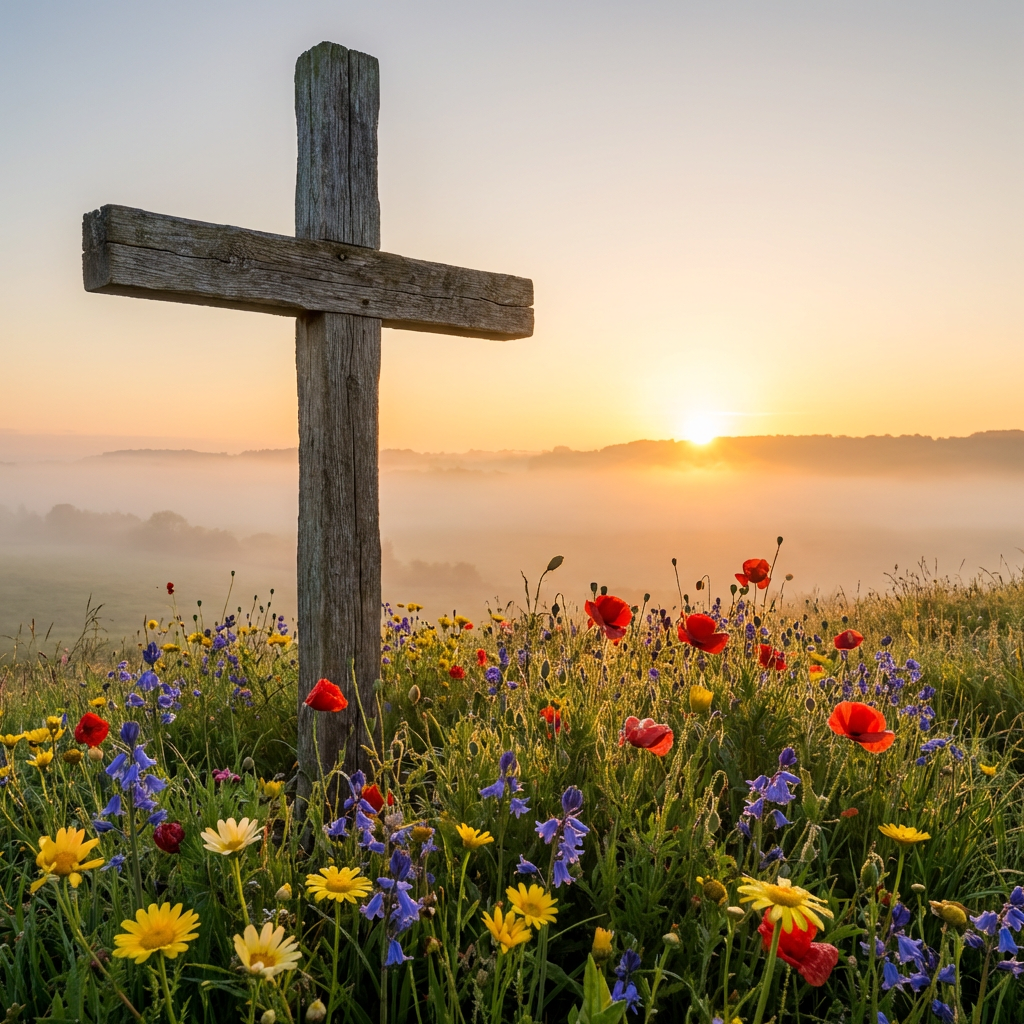
    In Russia and the Orthodox world, spring’s arrival is marked by Pascha (Пасха), a profoundly moving celebration of Christ’s Resurrection. Far less commercial than Western Easter, Orthodox Pascha is a deeply spiritual observance that unfolds over weeks, centered entirely on the triumph of life over death.

    We no longer attend church services as regularly, but the traditions remain vivid. Pascha falls according to the Julian calendar, often several weeks after Catholic and Protestant Easter—sometimes as much as five weeks later. Its date is calculated as the first Sunday after the first full moon following the spring equinox.

    The journey to Pascha begins with Great Lent: a rigorous 40-day period of fasting, prayer, and introspection. The fast is stricter—no meat, dairy, or eggs for anyone (unless you are ill)—making the eventual Easter feast all the more glorious.

    The peak of the celebration is the Paschal Midnight Service. On Saturday night, churches fill with worshippers holding unlit candles. Just before midnight, the priest leads a solemn procession around the church three times, carrying the icon of the Resurrection. At the stroke of midnight, the church doors swing open, lights flood the space, and the triumphant cry echoes:

    The service overflows with hymns, the Easter Gospel read in multiple languages, and the blessing of food baskets. Many stay until dawn, basking in the victory of light over darkness.

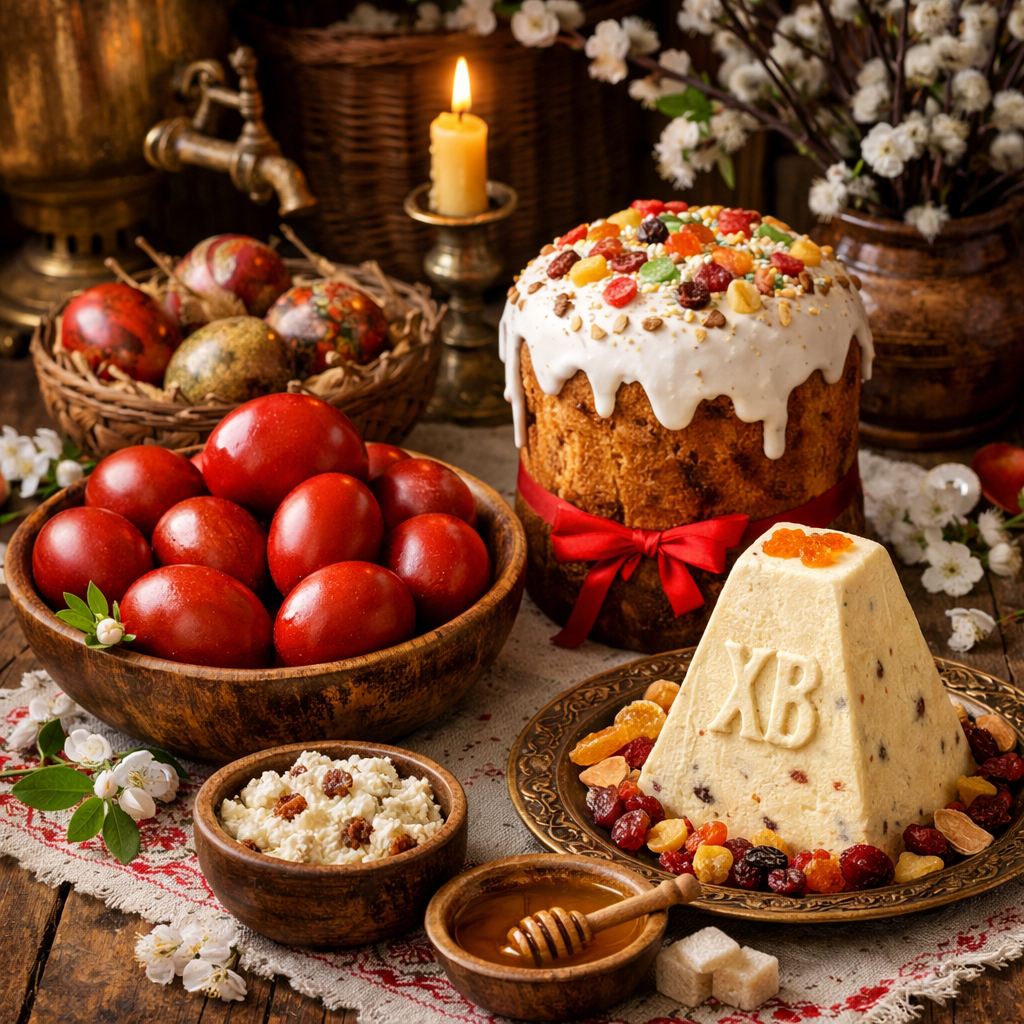
    Families traditionally bring their baskets to church for blessing before the grand Sunday feast begins.

    Even though church attendance has varied since the Soviet years when religion was not allowed (your President is supposed to be the almighty one!), Pascha remains one of Russia’s most beloved holidays. In Moscow and St. Petersburg, cathedrals overflow at midnight. Across the Orthodox observers—from New York to Sydney—Russian Orthodox communities celebrate with deep passion and tradition.

    Pascha truly feels like the Russian soul’s awakening—after the long, dark winter and the discipline of Lent comes light, renewal, warmth, and peace. (Read my Spring post here)!

    Christ is Risen! Truly He is Risen!

  • Easter Reflections: A Blended Faith Journey

    Easter Reflections: A Blended Faith Journey

    Today is Easter Sunday for much of the Western world. However, in my home growing up, the day feels a little different. My family is Russian Orthodox. This means we follow the Julian calendar rather than the Gregorian one. Yes, our holidays often land on different dates than everyone else’s. Friends and social media are filled with pastel eggs, chocolate bunnies, and sunrise services this weekend. My family’s Easter—Pascha—will not arrive for another week, but I still crave those mainstream Easter goodies. As a child, I coveted my classmates’ holiday treats. It is a rhythm I have known my whole life. It always made me feel a bit out of step with mainstream culture. 

    I was baptized in the Russian Orthodox Church. I attended Orthodox services every Sunday for years. It was during a very tender, searching time in my life. This was especially true when I first got sick. But, my spiritual path has taken some beautiful turns. These days, my boyfriend and I celebrate his Roman Catholic traditions with real enthusiasm and joy. We throw ourselves into it fully. We plan on attending Mass. We will observe the full Holy Week. We will also share in the resurrection joy on his Easter morning.

    It feels natural and right. I attended a Catholic high school, and those years left a lasting imprint on me. The rituals resonated with me. I was touched by the reverence and the rich sense of community. The deep focus on Christ’s sacrifice and triumph all resonated with me. There is something profoundly moving about the the solemnity of Good Friday, and the triumphant Easter Vigil. I learned to love the beauty and structure of Catholic worship, and that appreciation has only grown stronger in adulthood.

    My biological family is preparing for their Paschal celebration next weekend. My chosen family—my boyfriend and I—will be lighting candles in the future. We will sing church songs and soak in every moment of our future Easter Sundays together. It is a lovely reminder that faith is not always one straight path. Sometimes it weaves together different traditions, calendars, and experiences into something uniquely meaningful.

    I feel incredibly blessed. I hold space for both my Orthodox heritage and the Catholic traditions I have come to cherish. They both point to the same risen Lord, after all. This year, my heart is full of gratitude. Love has expanded my spiritual world. It has not shrunk it.

    Happy Easter to all who are celebrating today. And to my fellow Orthodox family and friends—see you next week when our Pascha arrives. ️

  • In My Marilyn Monroe Era.

    In My Marilyn Monroe Era.

    Sophomore year of college, I finally felt like I was finding my groove.

    I had made a new friend I planned to live with the following year, and I was starting to get ahead academically after a rocky freshman year. That year, I roomed with a Russian girl from the university’s swim team. We clicked almost immediately and became genuinely close friends. 

    I was slowly gaining confidence in my new, more voluptuous body, even if I still struggled with it. We had a surprising amount in common, and she helped me adjust to living on my own while everything back home continued to unravel. We met in a Russian language class. I signed up thinking it would be an easy A. Even though, I was basically fluent in Spanish in high school. But, I was burned out and did not want anything too demanding. Because she was still very new to the U.S., I got to play guide, showing her the ropes of American college life.

    She only lived with me for one semester. When the swim team at Syracuse was cut, she moved out. But I kept thriving (*exaggerating*) and it was all thanks to that Russian class. Through it, I met another girl — an American — who quickly became one of my closest friends. She lived off-campus in a chaotic house full of eccentric roommates. The place was straight out of *Fight Club*. It was filthy. Everything seemed to be broken. I vividly  remember waking up on the couch one morning to see a rat-size cockroach scurrying across the coffee table.

    Every weekend, I would take the bus and then hike up the snowy hills just to get there. I loved it. I loved the weird mix of characters who lived in that house. Looking back, I know they were mostly low-class, pot-smoking losers, but at the time, I finally felt needed. And God, I needed that feeling more than anything.

    One weekend, they threw a Valentine’s Day house party. That’s where I met him.

    He was very attractive, and he gave me real attention. We ended up spending the entire night together. No, we did not sleep together, but… we did everything else.

    At that point in my life, I was still deeply disgusted with myself. My new friends were helping rebuild my self-esteem, but I still could not stand looking at myself in the mirror. Every time I saw the size on my clothes tags, a wave of shame came over me. 

    I always struggled to understand how overweight people can genuinely seem happy and confident. I see it all the time. There are plus-size celebrities and popular friends of skinny people. These individuals are living their lives without apparent shame. 

    Even now, I sometimes feel bloated or insecure about my body. I tell my boyfriend he can cheat on me. He always reassures me that he would never and says I am just being a silly little girl. 

    — —

    Now, back to the guy I met over Valentine’s weekend in 2009.

    Through my new chaotic houseful of misfits, I quickly learned the truth. The guy I had holed up with was in a very serious relationship. His girlfriend was just out of town that weekend.

    But he kept texting me. Kept reaching out.

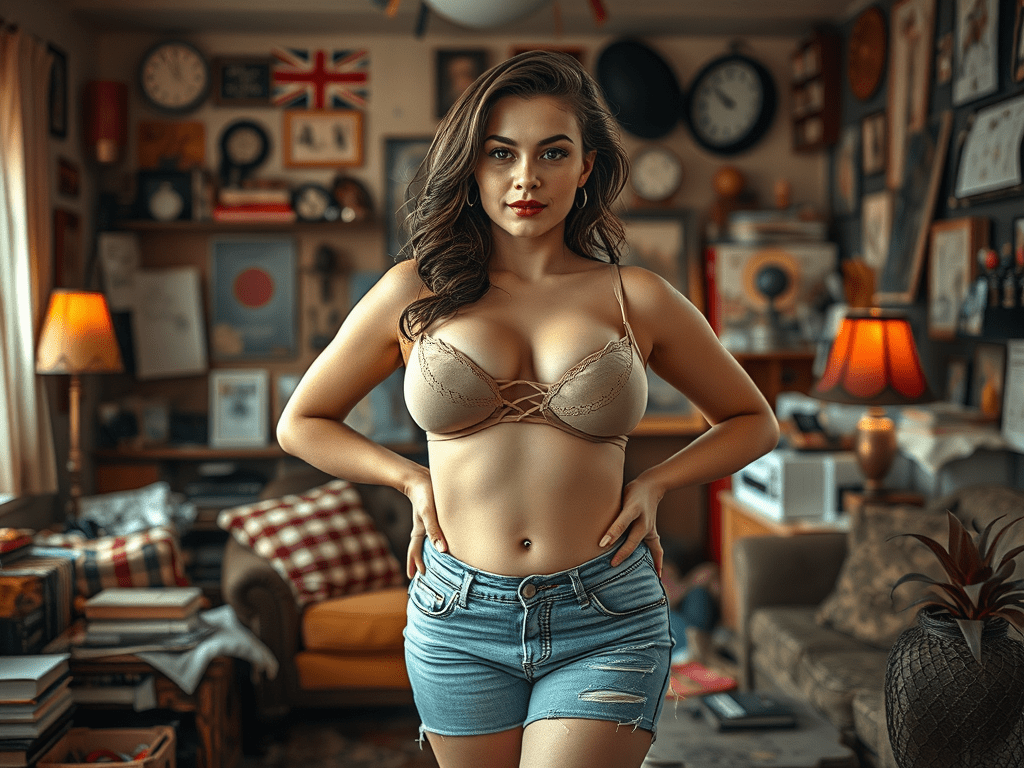
    So I made a decision. If I could not be the one someone chose, I would settle for being the other woman. My experience with love was limited. Up to that point, it had already convinced me I was unlovable. I felt unworthy of anything real. Being the secret side piece felt like the best I could hope for. I felt like a modern, broken version of Marilyn Monroe. I was the girl you have fun with, but never marry.

    I leaned hard into the role. I started dressing more provocatively—low-cut shirts, fishnet tights stretched over my thick thighs. We made plans to keep sneaking around behind her back. I even stalked his girlfriend on social media, studying her life, picking apart what I thought I was missing.

    Sexualized Me (3rd from the right )

    It did not take long to realize he was just another loser misfit with a habit of cheating. But the thrill was still there. The secrecy. The danger. I went home and bragged to everyone that I was “the other woman” (okay, I may have white-lied about actually sleeping with him). I even made plans to finally give in to him during junior year.

    Fate, however, had other plans.

    I never made it back to Syracuse University. I never got that apartment with my new friend. And thankfully—thankfully—I never became the other woman.

    (I still love Marilyn Monroe, though.)

  • How Pretty Woman Shaped My Understanding of Love

    How Pretty Woman Shaped My Understanding of Love

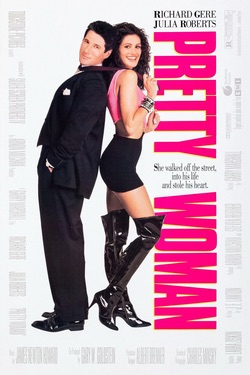
    I want to elaborate on this post. Pretty Woman was one of the first movies that I watched in America. I was four years old. I did not speak any English. But I understood it completely. 


    To me, it is not a story about a sex worker. This contrasts with the Oscar movie Anora, which I was told was a modern version of Pretty Woman. It is a story of a woman who needs saving. So I spent my entire life aspiring to be a damsel in distress.

    At four years old, I was not sure what I would need to be saved from. I knew that Vivienne also saved Edward. So, I aspired that I would need to be a savior to my own man. 

    Ultimately, this is how I have arranged my own life. I am strong enough for him but I need him to save me from..myself? And everything that have been through. Women are not supposed to be “I do not need a man” strong—and while I do not blame anyone or anything that has happened to me— I simply should have reacted differently.

    Therefore, I need some saving. I need my man to save me from overreacting and overthinking everything that happens.


    I guess that is what I admire about this character and this story. Vivienne did not simply demand a check or cash to cure her status in life. She needed a man who actually cared enough about her and gave her guidance to achieve a better life. She also showed him that there is more to life than the money and status that he was chasing. She helped him overcome his fear of heights etc. overall, this movie is a beautiful fairytale for girls of all ages. 


    After viewing this fairytale throughout the years, I now know what is happening in the dialogue and the story. While Vivienne is definitely sharp and witty, she is a character who I am proud to have embodied as an influence

  • Americana.

    Americana.

    I have lived in the tiny town of Snohomish, Washington,since I was seven years old. Snohomish is not flashy. It is not Seattle. It is the kind of place where you grow up slow. The biggest drama is who forgot to lock the barn. In Snohomish, “good morning” still means something.

    I used to hate that. I wanted to be a big city girl (ala Samantha Jones in Sex and the City). I even went away from the public school I was supposed to attend. I did this so I could dress and be a little more high class. 

    The girls who live in Snohomish pride themselves for living in a Bodunk town. “Fancy” usually means that you will sink into the muddy fields. It is not the norm.  But I did not like that. I did not want to wear pajamas and slippers to class. I wanted to wear stilettos and I dreamt of living in a penthouse. 

     None of that ended up happening. It became dangerous to even visit a city. Now I have a different perspective of this small town. It feels like living inside a postcard and that postcard smells like rain and fresh-cut grass most days. 

    This town is tiny, maybe ten thousand people. Main Street still looks like it did in the nineteen-twenties. It has brick storefronts, a hardware store that sells everything from nails to fudge, and diners. The river runs right through the middle—Snohomish River, wide and slow. Packed with sunburned locals in July. Around here, summers are for the county fair (something that I do not partake in). It is not the flashy kind with Ferris wheels taller than trees. It’s just a dusty field off Second Street, filled with goats baaa-ing, cotton candy, and sketchy ride operators. Winters are quieter. Fog rolls in off of Puget Sound like a blanket, and school buses crawl through it, headlights glowing. 

    People here do not rush. You wave at strangers because you have seen them before— since the town is so small. Everyone knows everyone’s business. They do not judge, or at least, they do not judge out loud. This was new to this little Russian girl. I left for college, came back since. The river still smells the same. The hardware store still sells fudge. And yes it rains, but it rains softly— as if this place is giving you a hug. 

    I want to share this hug with the love of my life. Convincing my boyfriend to move out to Washington state was like my experience of recognizing my hometown in the past. It is different from the postcard version I see now. 

    While we would not be living in Snohomish, small towns are so much more attractive than the big bad cities. While I do not want to dress like a slob or float down a river in the summer— I would rather that than be raped by an immigrant and encounter needles in the storefronts.  He would rather cheer for the teams that his family has always supported and not be surrounded by “aw shucks” coworkers. 

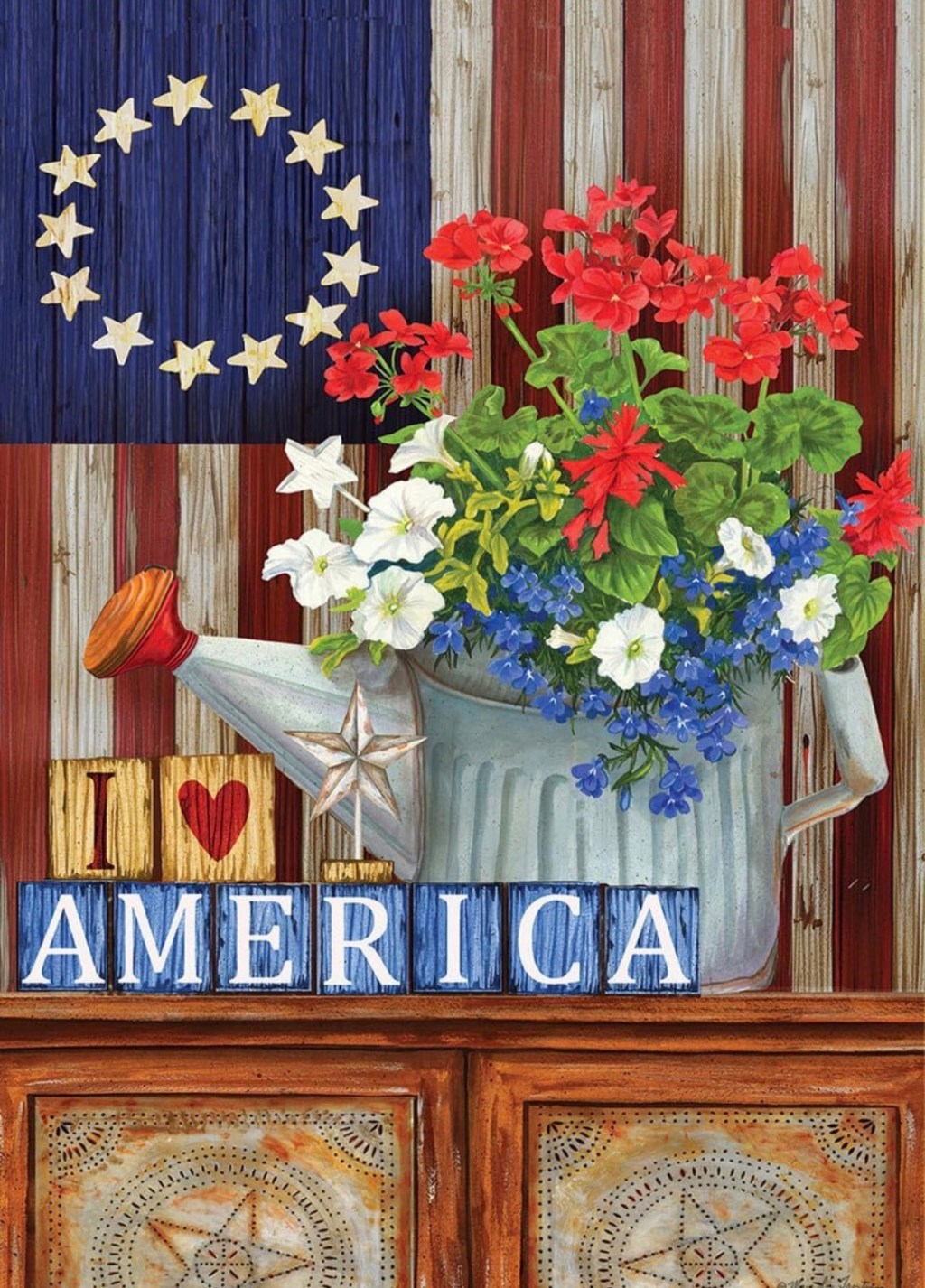
    So I do not belong in Snohomish, Washington, but I have definitely developed an appreciation for small towns. I might live in a small “Americana” town in Montana or the Carolinas. Wherever I end up, I will always waive “hello” and will not judge (out loud). 

  • Coming to America.

    Coming to America.

    Growing up Russian in the heart of America felt like living in two worlds at once—one where borscht simmered on the stove while the neighbor’s barbecue smoke drifted through the window. 

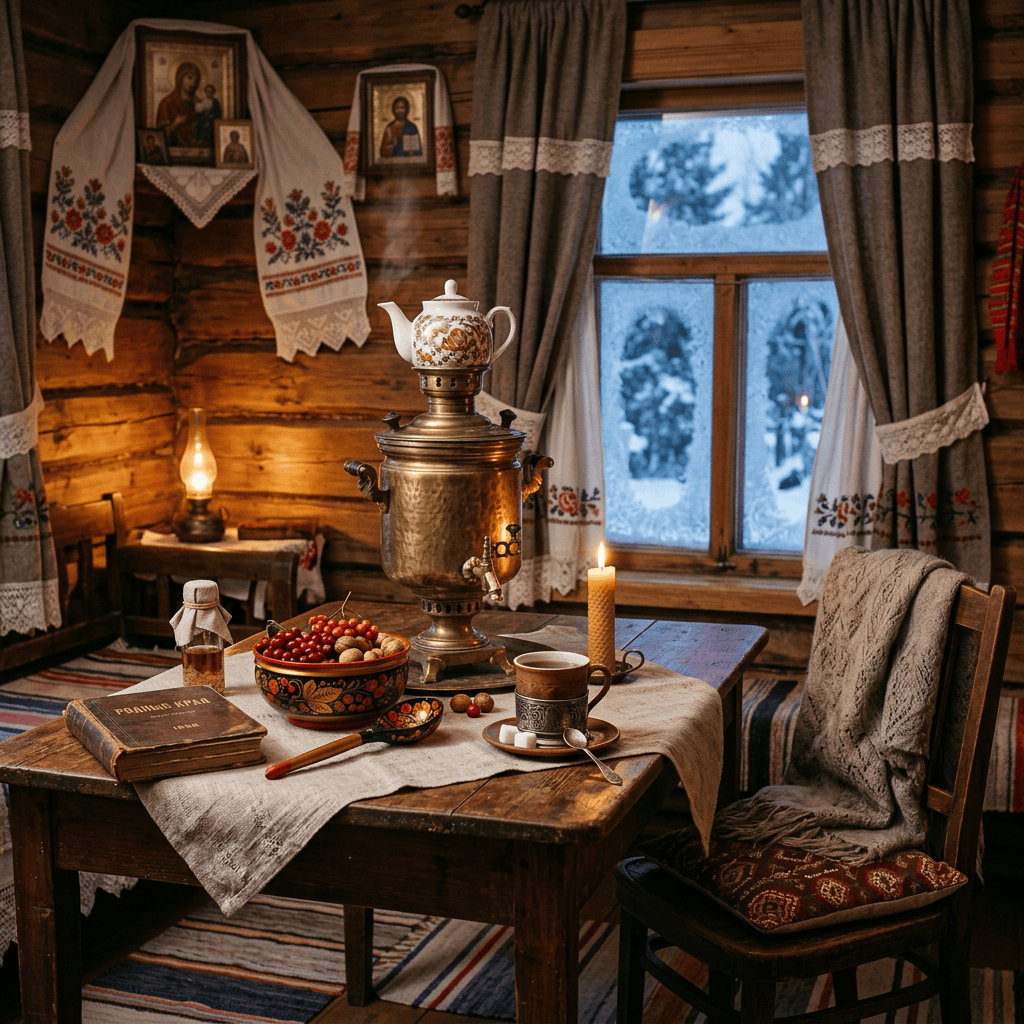
    My parents landed in a quiet Montana suburb in nineteen-ninety-four, after the Soviet collapse. They brought suitcases stuffed with pickled mushrooms, a samovar (Russian wood burning tea kettle) and a stubborn belief that silence was louder than shouting. My father delivered pizzas while my mother cleaned houses while watching English speaking soap operas to grasp the language. 

    School was the real culture shock. I showed up to first grade with a thick accent and a lunchbox full of black bread and salo—pig fat, basically. Kids stared. I had a terrible time making friends. None of my classmates were wearing the clothes that mother picked out for me. Instead of ironed on puppies and monkeys from stores like Gap and Old Navy, I was wearing thick Pippy Longstocking type tights underneath short overalls and turtleneck shirts. Hot. 

    Home was different. Dinner wasn’t tacos or pizza—it was pelmeni, cabbage rolls, or whatever my mother could stretch from a single chicken. We ate together—no phones, no TV. I could not be a kid who watched cartoons, I had to attend Russian school in order to learn Russian language, writing and enhance my culture by learning Pushkin poetry. I just wanted to be normal. Going to Russian school was not going to diminish my thick accent and my weird way of speaking— I needed to watch the cartoons and I wanted my parents to shop at popular places. 

    The holidays were wild. New Year’s Eve wasn’t about fireworks and resolutions—it was about Old New Year, January thirteenth, when we’d stay up until two in the morning eating Olivier salad and watching Soviet cartoons on VHS. We would toast to surviving another year, like it was a victory. 

    But America crept in. I learned to love American food (unfortunately), begged for Halloween costumes and even made a few friends. My parents hated it. Instead of drinking hot tea in the mornings, friends would ask for some soda alongside the hot pancakes my mother made. You’re turning American, my family grumbled, watching me eat cereal straight from the box. It hurt, but eventually I laughed—because yeah, I was. 

    Because now I am in love with an American and no one can convince me otherwise. This man actually sees me for me. My Russian and my American. I tell him about how I grew up and he amazes me with stories about life in an American family. Stories that I never even thought were possible. Yes, we are different but if this country is supposed to be a melting pot then we are it. Mixed together and forever making each other better. 

    So I guess some things stuck. I did not choose to be one culture or another. Because that is what growing up Russian in the middle of America teaches you: you don’t pick a side. You just mix everything together until it tastes like home.  And I found that home.