Tag: recovery

  • The Ripple Effect: More of What You Love

    The Ripple Effect: More of What You Love

    It is easy to overlook the quiet “miracles” that surround us every single day. Yet one of the most profound truths about human fulfillment—and about creating even more goodness in our lives—is this: It is vital to be thankful for everything that is good in your life.

    Gratitude has become an overused buzzword. Gratitude is not just a polite “thank you” or a fleeting warm feeling. It is a deliberate, heart-centered practice that shifts your entire energy, perspective, and ultimately, your reality. We all know, on some level, that we should not take the basics for granted. Running water that flows clean and hot at the turn of a tap. Reliable heating that keeps your home cozy when winter bites (this is uber important to my constantly freezing body!). A solid roof overhead that shields you from rain, wind, and the elements. Yet for many of us, these “luxuries” become background noise.

    The same goes for the people in our lives. Friends and family. My family—especially—have shown up, even imperfectly. I am beyond grateful that I was not tossed out when I became needy and helpless. Typically, we appreciate them in moments of crisis or celebration, but how often do we pause in ordinary moments to truly feel the gift of our family’s presence?

    Here is where the magic happens. Casual appreciation is nice, but to bring about more in our lives, we need to feel truly grateful for everything and everyone—not just the obvious blessings, but the small, the mundane, and even the challenging things that shape us.

    Think about it. When you wake up and genuinely feel thankful for the bed that held you through the night, the air filling your lungs, the sunlight (or even the rain) outside your window, something inside you softens and expands. Your nervous system calms. Your mind clears. Opportunities that once hid in plain sight suddenly become visible. Psychologists call this the “broaden-and-build” theory: positive emotions like gratitude widen our awareness and help us build resources—relationships, skills, resilience—for the future.

    On a more spiritual or energetic level, many traditions and modern manifestation teachings emphasize that what you appreciate appreciates. Gratitude acts like a magnet. When you radiate sincere thanks for what you already have, you signal to the universe that you are a good steward of blessings. You are ready for more. Contrast this with the scarcity mindset: constant wanting, complaining, or comparing. That energy tends to keep us stuck exactly where we are, focused on lack.

    Purple wildflower growing out of a crevice in a moss-covered stone wall with sunbeam
    A delicate purple wildflower blooms from a crack in a mossy stone wall illuminated by sunlight

    Even in hardship, gratitude works its alchemy. Being grateful for the quiet strength you discover in loss is something that I had to discover. These are not toxic positivity exercises—they are honest acknowledgments that every experience contains seeds of growth.

    Turning gratitude into a life-changing habit does not require hours of your day. Ask, “What is this situation trying to teach me?” Then thank it in advance for the wisdom or strength it will bring.Bookend your day with gratitude. Start with thanks for the day ahead and end with thanks for what unfolded.

    Journal, pen, steaming coffee cup, and vase on a windowsill with sunrise over mountains
    A peaceful morning scene with a journal, coffee, and sunrise view

    When you embody this level of gratitude, life responds. Relationships deepen because people feel genuinely valued. Health improves as stress decreases and joy increases. Abundance flows—at least in steady, meaningful ways: unexpected help, creative ideas, synchronicities, and a profound sense of “enough” that paradoxically opens the door to more.

    So today, pause. Look around. Feel the chair supporting you, the device in your hands bringing these words, the breath moving through you. Say thank you—and really mean it. For the basics. For the people. For the lessons. For everything.

  • My deepest passion is nutrition — but ultimately, it’s all for him

    What are you passionate about?

    He is the prize at the end of the journey. To fully receive that gift and build the life I dream of with him, I have made my health non-negotiable. Nutrition is not just a hobby for me; it is something I can wax poetic about for hours with genuine excitement. I have explored it all — from the MAHA movement (seed oils, fluoride, ultra-processed additives, and all the hidden toxins) to Ray Peat’s principles and everything in between. I have lived the experiments myself: vegan, gluten-free, paleo, keto. I have been underweight and overweight. Through trial and error, I have learned what truly makes the body and mind thrive.

    Bright multicolored heart-shaped light swirl in starry cosmic background
    A glowing, multicolored heart-shaped swirl glimmers vividly in space.

    A brain injury years ago left me with some lasting effects I can be self-conscious about. It does not stop me from loving deeply or building a lasting relationship— as seen in my current form attracting him (thankfully, the “disability” does not seem to bother him at all), but I still carry that quiet desire to show up as my strongest, healthiest self. I want to move through life with ease — for me, and especially for him.

    Currently. Wifely duties from afar.

    Because more than anything, I long to be his perfect little housewife. I can already manage it beautifully with one hand, but two steady hands would let me pour even more love into our home. And yes — almost every girl dreams of the aisle. So I am committed to walking strong, not just so I can hold his hand while we stroll down the street or along the beach, but so I can walk down that damn aisle toward him, radiant and ready for forever.

    Two illuminated houses on mountain cliffs linked by a glowing light trail under starry sky
    Love from a Distance.
  • Rewiring Your Brain: A Journey to Recovery

    Rewiring Your Brain: A Journey to Recovery

    Rewiring the Brain: The Quiet Revolution of Recovery

    I keep coming back to this one blogger who writes with raw honesty about his journey out of alcoholism. His words do not preach; they map the territory. Every post reminds me that recovery is not a straight line or a one-size-fits-all checklist. It is deeply personal—yet strangely universal. Whether the wound is psychological or physical, mental or tangible, true healing demands the same fundamental act: rewiring the brain.

    Most of us, when something in our body or mind breaks, learn to work around it. We compensate. We avoid. We build elaborate detours so we never have to feel the weakness again. Recovery asks the opposite. It invites us to look directly at the damaged part—liver, dopamine system, self-worth, prefrontal cortex, whatever it is—and declare: This can function perfectly again. Not by magic, but by deliberate, repeated practice.

    Glowing human brain with blue and orange electric neural pathways above mountains at sunset
    A luminous brain with electric-like neural connections floats above mountain peaks during sunset.

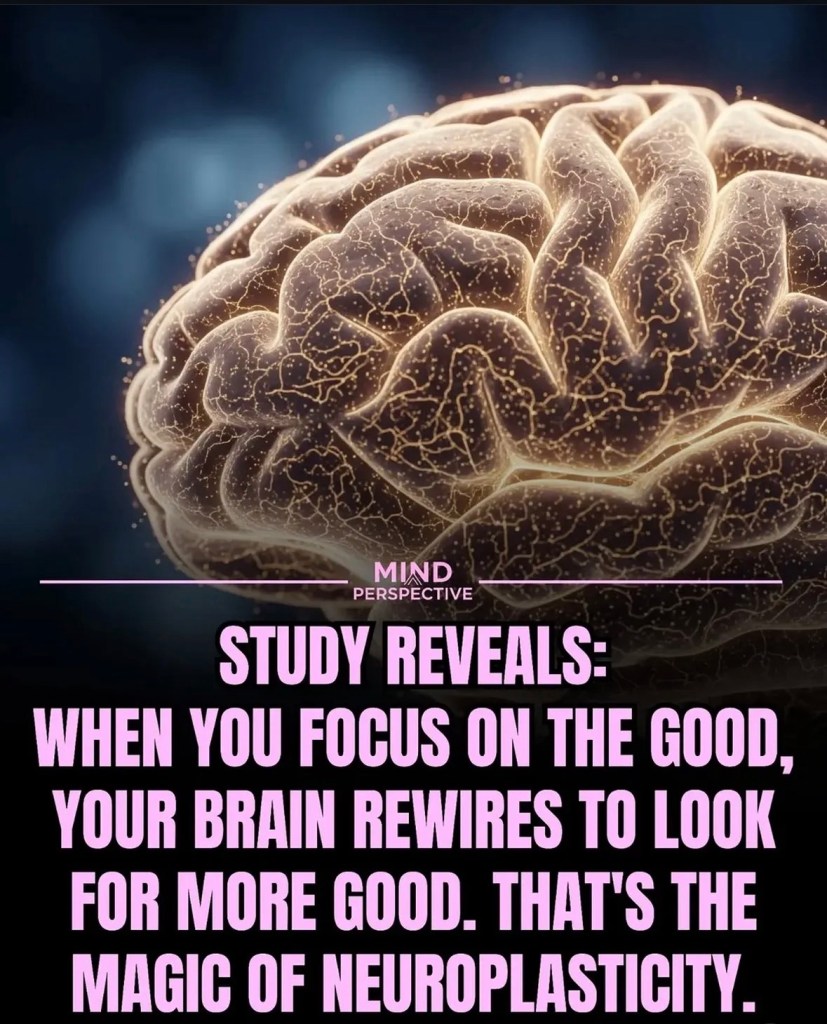
    The brain is plastic. Neuroscientists have shown us this for decades now. Every thought, every choice, every reframed story lays down new neural pathways. Old ruts—deep, craving, shame, or despair—do not disappear overnight, but they lose power when we stop feeding them.

    In active alcoholism, every minor inconvenience becomes license to drink. Traffic jam? Pour one. Argument? Pour two. Quiet Tuesday night? Might as well. The brain has been trained to treat discomfort as a fire that only ethanol can extinguish.

    Recovery means installing a new operating system. You feel the bump, you notice the urge, and then you choose something else. You sit with the discomfort long enough for it to pass. You call a (boy)friend. You walk. You journal. You pray. You do anything except hand the wheel back to the old habit. Over months and years, the brain stops defaulting to the bottle. The neural highway to numbness grows over with grass while a smoother, healthier route gets paved.

    Dark storm clouds over calm ocean water with sunlight breaking through
    Massive dark storm clouds billow over a serene ocean under clear sky (from chaos to calm)

    My own history with disordered eating taught me a parallel lesson. Food had been weaponized—something to withhold when I felt unworthy, or to binge on when emotions overwhelmed me. Recovery required the radical act of neutralizing food.

    Food is fuel. It is nourishment. It is information for your cells. Nothing more, nothing less.

    I had to train my brain to stop assigning moral value to calories or macros. No food is “bad.” No day is “ruined” because I ate a cookie. The cookie is just a cookie (and I love cookies). The real victory was watching my nervous system calm down around meals. The old panic circuits quieted. Satiety signals started working again. My body and mind began to trust each other.

    Some of us carry brain injuries that are not from substances at all—trauma, depression, chronic stress, concussions, strokes or even accidents. These conditions wire the brain toward threat detection, rumination, and bleak forecasts. Recovery here looks like gentle, persistent cognitive retraining.

    You catch the automatic negative thought (“Everything always goes wrong for me”) and offer a more balanced alternative (“This is hard, but I’ve handled hard before”). You practice gratitude not as toxic positivity, but as data collection: What actually went well today? You expose yourself to small, manageable challenges and prove to your nervous system that safety is possible. Little by little, the default setting shifts from “scan for danger” to “notice what’s working.”

    At their core, most addictions begin as something beautiful gone wrong. Alcohol was meant for celebration, connection, ritual, and relaxation. Food was meant for pleasure, sustenance, and community. Sex, gambling, scrolling, shopping—nearly every addictive behavior started as a legitimate human need or joy.

    The disease twists celebration into escape, comfort into anesthesia, presence into numbness. Recovery restores the original purpose. You learn to celebrate without substances, soothe without self-destruction, feel without overindulgence. You reclaim the birthright of feeling fully alive.

    This is where it gets almost spiritual. Choosing to view life through rose-colored glasses is not denial—it is strategic attention. Your brain has limited bandwidth. What you focus on grows stronger. When you habitually look for the good, the glorious, the tender, the funny, the meaningful, the neural networks for appreciation thicken. The old pathways of catastrophe and craving atrophy from disuse.

    It is not that bad things stop happening. They do not. But your relationship to them changes. You stop treating every setback as proof that you are broken or that life is hopeless. You start treating them as data, as teachers, as temporary weather.

    One day you realize the cravings are quieter. The shame is softer. Food tastes better. Sunsets hit different. You laugh more easily. You trust yourself more. You show up for your life instead of medicating it away.

    That is the miracle of rewiring. You do not just stop the destructive behavior—you become someone who no longer needs it. Someone whose default state is presence, resilience, and wonder.

    If you are in recovery—whether from alcohol, food, trauma, depression, or the general ache of being human—know this: your brain is listening. Every time you choose the new way, you are literally building a new you. The old pathways will call to you sometimes. That is okay. Just do not pave them again.

    Keep going. The view from the other side is worth every uncomfortable, glorious, rewired step.

  • The Healing Power of a Good Nap:

    The Healing Power of a Good Nap:

    Why Rest Is My Secret Weapon in Recovery (and Why It Could Help You Too)

    In the midst of my recovery journey, I have learned that some of the most profound healing does not happen through pushing harder or doing more—it happens in the quiet, intentional moments of surrender to rest. For me, taking long naps is not just a luxury or a nice-to-have. It also has become one of the non-negotiables that helps me get through each day. Without them, my body and mind simply would not recover at the pace they need to. But here is the beautiful part: the benefits of napping are not reserved only for those in recovery. I truly believe strategic napping can enhance life for almost everyone.

    Recovery—whether from illness, injury, mental health challenges, burnout, or any deep personal work—demands an enormous amount of energy from your system. Your body is busy repairing tissues, recalibrating hormones, processing emotions, and rebuilding neural pathways. It is like running a full-time construction crew inside yourself 24/7.

    For me, long naps (often 60–120 minutes or more) have become sacred. They allow my nervous system to drop out of the constant low-level stress response that recovery can trigger. During these naps, my body shifts into deeper restorative stages—slow-wave sleep where physical repair accelerates, inflammation decreases, and emotional processing happens without me having to “do” anything.

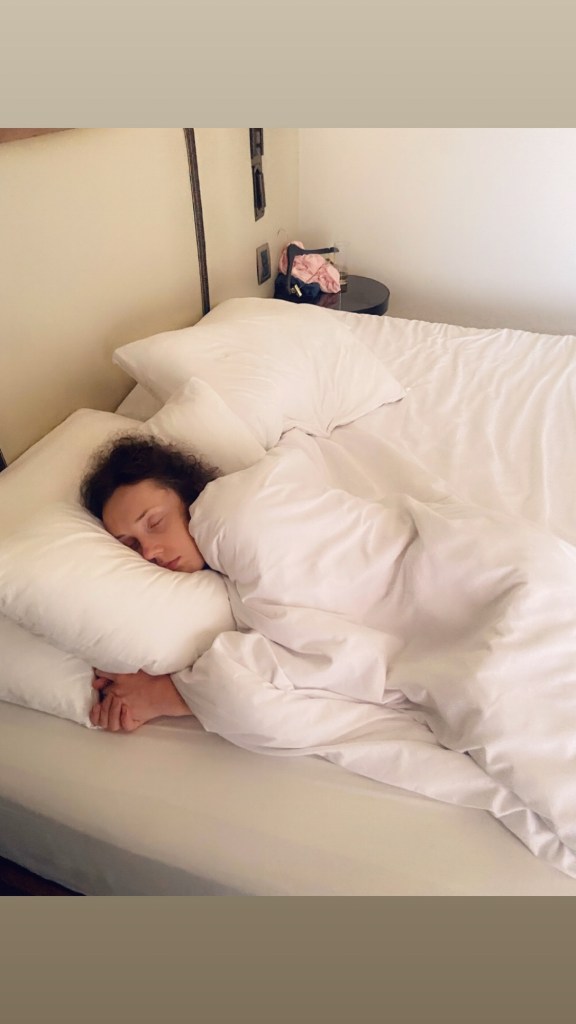
    When he takes pictures of me during my nap ritual

    On days when I skip or shorten my nap, I feel it immediately: fogier thinking, higher pain levels, shorter emotional fuse, and a general sense that I am running on empty (AKA I get very cranky). When I do get this beauty sleep, I wake up clearer, steadier, and more capable of handling the next part of my day. Napping has taught me that true strength sometimes looks like lying down and trusting the process.

    You do need to be in a formal recovery period to reap the rewards. When you are using your body or brain, your body needs to recharge. Research consistently shows that napping can be a powerful tool for cognitive, emotional, and physical health:

    • Improved Memory and Learning: A nap can help absorb information you have taken in during the day.
    • Enhanced Mood and Emotional Regulation: Naps reduce cortisol (the stress hormone) and give your brain a chance to reset. Many people report feeling less irritable and more optimistic after resting (Not cranky!)
    • Better Physical Recovery: During sleep, your body releases growth hormone, repairs muscles, and strengthens your immune system. In our always-on culture, this natural repair process often gets the short end of the stick.
    • Increased Alertness and Productivity: A well-timed nap can reduce afternoon fatigue more effectively than another cup of coffee. Studies on pilots, shift workers, and students show measurable improvements in reaction time and focus after napping.
    • Creativity Boost: That dreamy state between wakefulness and sleep (hypnagogia) is fertile ground for new ideas. Some of history’s most innovative minds were famous nappers.

    In our hustle-obsessed world, rest is often stigmatized as laziness. But biology does not lie: humans are not designed for relentless output. We are designed for cycles—work, rest, restore, repeat.

    Not all naps are created equal. Here are some practical tips:

    1. Timing Matters: Early to mid-afternoon (roughly 1–3 PM) tends to be ideal. Napping too late can interfere with nighttime sleep.
    2. Length Is Personal 😜: I have never believed that short power naps (10–20 minutes) are great for quick refreshment. (It often takes me 20 minutes to fall asleep!) Longer ones (60–90 minutes) allow you to reach deeper restorative stages, which is what I usually need in recovery.
    3. Create a Ritual: Dark room, eye mask, comfortable temperature, maybe some white noise or calming music/ sports radio like me. Treat it like an appointment with yourself.
    4. Listen to Your Body: If you are exhausted, do not force productivity. That nap might be the most productive thing you do all day.
    5. Combine with Gentle Movement: A short walk afterwards can enhance the benefits by improving circulation and mood.

    Of course, there can be challenges. Some people worry about sleep inertia (that groggy feeling after waking). Starting with shorter naps or using an alarm (I definitely do not use alarms– no bedroom electronics!) set for 90 minutes (one full sleep cycle) can help. Others fear it will disrupt their nighttime sleep, if you are truly tired, a good nap actually improves nighttime rest by reducing sleep pressure overload.

    Rest is productive. It is not giving up— it is refueling. Whether you are navigating recovery like me, juggling a demanding career, parenting, studying, or simply living in this fast-paced world, giving yourself permission to nap is an act of self-respect.

    My long naps have become non-negotiable acts of self-compassion. They have carried me through some of the hardest stretches of my journey. And while your reasons might be different—maybe you are a night owl fighting afternoon slumps, a creative needing mental space, or just someone who wants to feel more vibrant—napping can support you too.

    So the next time you feel that midday dip, instead of fighting it with more caffeine or scrolling, consider lying down. Close your eyes. Let your body do what it does best when given the chance: heal, integrate, and prepare you for whatever comes next.

    Your future self (and your present self) will thank you.


  • Chaos and Comeback: My Journey and the Red Sox 2026

    Chaos and Comeback: My Journey and the Red Sox 2026

    I know that I have compared my recovery to the sports I watch, but this 2026 season for the Boston Red Sox has been a full-on dumpster fire from the jump. They are out here looking like a team that got dropped into the wrong league, scraping by on duct tape and middle fingers instead of the superstar payroll everyone keeps demanding. This is hitting me square in the chest because this exact brand of chaos is the same thing I have been wading through since my brain injury turned my life into a war zone.

    I was never supposed to be this version of me. Pre-injury, I was the golden kid—top of the class, social as hell, wired for success like some overachieving robot programmed by ambitious parents. The doctors sat my folks down, looked them dead in the eye, and swore I would bounce back fast. Cue the laugh track. Instead of rebounding, I rebelled like a freed caged animal. The injury did not politely fix itself; it rewired my brain into something feral and pissed off. I ditched the straight-A script, flipped off every expectation, and dove headfirst into the kind of self-destructive, rule-breaking spiral that makes for a killer story later but feels like pure hell in the moment. 

    No tidy recovery montage. 

    No inspirational TED Talk ending. 

    Just me, raw and ugly, clawing my way out on my own twisted terms.

    That is exactly why I am not buying the doomsaying around the Sox. They were not built to be this gritty, scrappy, underdog circus either. The blueprint—the one the front office/ analytics nerds should have jerked off to—was supposed to be different: load up on flashy big bats, drop obscene money on free-agents, and cruise into October. John Henry’s wallet was meant to be the cheat code. But nope.  Underperformance and whatever voodoo curse hangs over Fenway this year have left them looking like a bro-league that somehow wandered into the majors. And Christ, the whining from the fans is next-level. “Henry won’t spend! No big bats! We’re cheap!” they scream from their barstools and posts on X, like owning a baseball team is some moral obligation to make their childhood fantasies reality. Shut the fuck up. Those same loudmouths would be bored to tears if the Sox were just another bloated, checkbook dynasty. Where is the soul in that? Where is the blood, the sweat, the “fuck you” energy that makes October baseball feel like revenge porn?

    The scrappy story is infinitely more compelling. When this ragtag crew of misfits—guys playing above their pay grade, grinding through slumps, and flipping the script on every “expert” prediction—somehow claws their way into the playoffs? Or hell, shocks the world and wins the whole damn thing? It is not the predictable parade of overpaid stars; it is the beautiful, messy rebellion of proving every hater wrong. Just like my recovery. Doctors, expectations, the whole “you’ll be fine” chorus—they all got it dead wrong. I did not rebound. I revolted. I turned the wreckage into fuel and built something fiercer, darker, and way more interesting than the polite, pre-injury version of me ever could have been. My scars are not a bug; they are the whole feature.

    Thus, I am not panicking about the Sox. Not yet. Because I live a kind of comeback that nobody saw coming. The shaky start is just the opening act. The real show is what happens when the underdogs stop asking for permission and start taking what is theirs. The Red Sox will find their way. I seem to have found mine. And when they do—when we both do—it will not be because some owner wrote a bigger check. It will be because we fought dirty, bled real, and turned “not supposed to be like this” into the greatest plot twist in the game.

    Let’s fucking go, Boston. The rebellion is just getting started.