Tag: recipes

  • My deepest passion is nutrition — but ultimately, it’s all for him

    What are you passionate about?

    He is the prize at the end of the journey. To fully receive that gift and build the life I dream of with him, I have made my health non-negotiable. Nutrition is not just a hobby for me; it is something I can wax poetic about for hours with genuine excitement. I have explored it all — from the MAHA movement (seed oils, fluoride, ultra-processed additives, and all the hidden toxins) to Ray Peat’s principles and everything in between. I have lived the experiments myself: vegan, gluten-free, paleo, keto. I have been underweight and overweight. Through trial and error, I have learned what truly makes the body and mind thrive.

    Bright multicolored heart-shaped light swirl in starry cosmic background
    A glowing, multicolored heart-shaped swirl glimmers vividly in space.

    A brain injury years ago left me with some lasting effects I can be self-conscious about. It does not stop me from loving deeply or building a lasting relationship— as seen in my current form attracting him (thankfully, the “disability” does not seem to bother him at all), but I still carry that quiet desire to show up as my strongest, healthiest self. I want to move through life with ease — for me, and especially for him.

    Currently. Wifely duties from afar.

    Because more than anything, I long to be his perfect little housewife. I can already manage it beautifully with one hand, but two steady hands would let me pour even more love into our home. And yes — almost every girl dreams of the aisle. So I am committed to walking strong, not just so I can hold his hand while we stroll down the street or along the beach, but so I can walk down that damn aisle toward him, radiant and ready for forever.

    Two illuminated houses on mountain cliffs linked by a glowing light trail under starry sky
    Love from a Distance.
  • My Passion for Nutrition (pt. 4)

    My Passion for Nutrition (pt. 4)

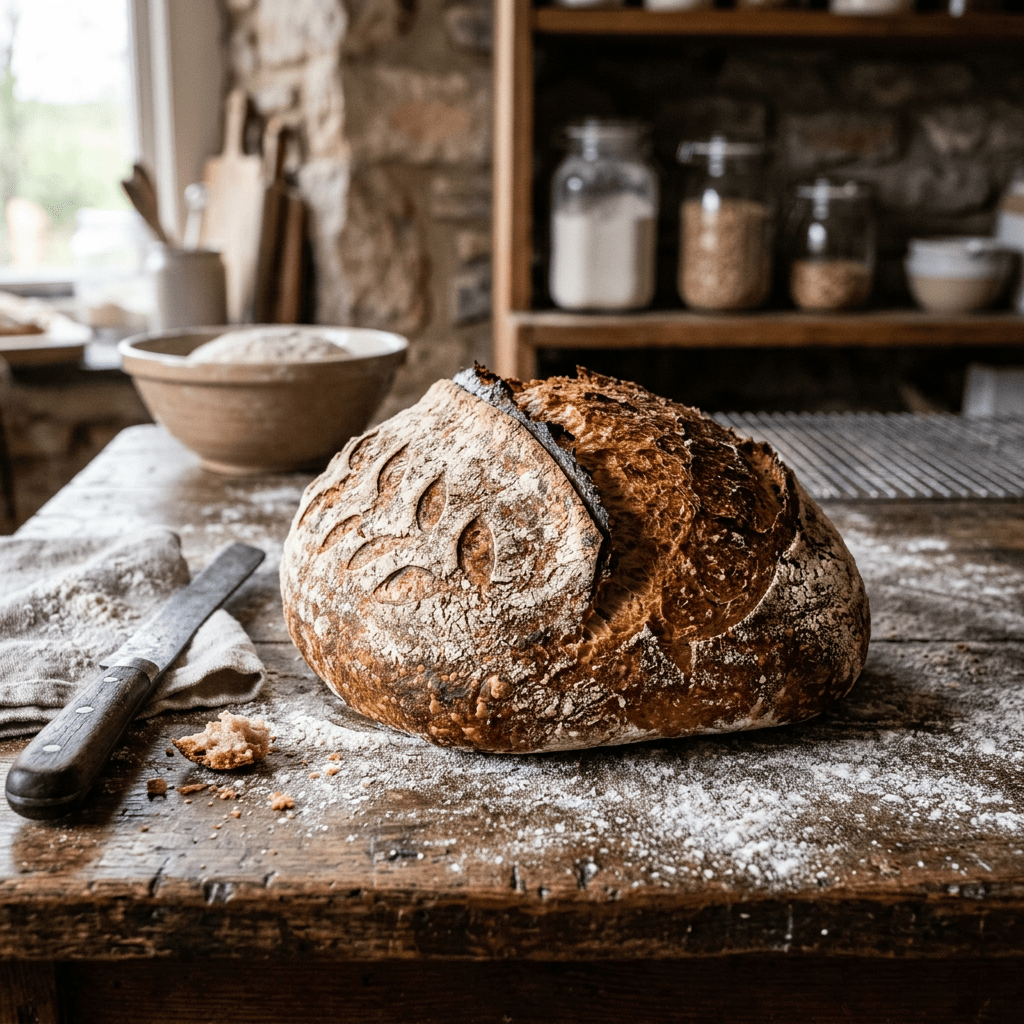
    Bread has been a dietary staple for thousands of years, but not all loaves are created equal. Sourdough — the ancient, tangy favorite that has seen a massive resurgence in home kitchens— is not only a cottagecore trend in which people are opting to live a quiet and peaceful lifestyle. Conventional bread — the convenient, soft slices that fill supermarket shelves— is basically just considered optimal because of the mass production ability of it.

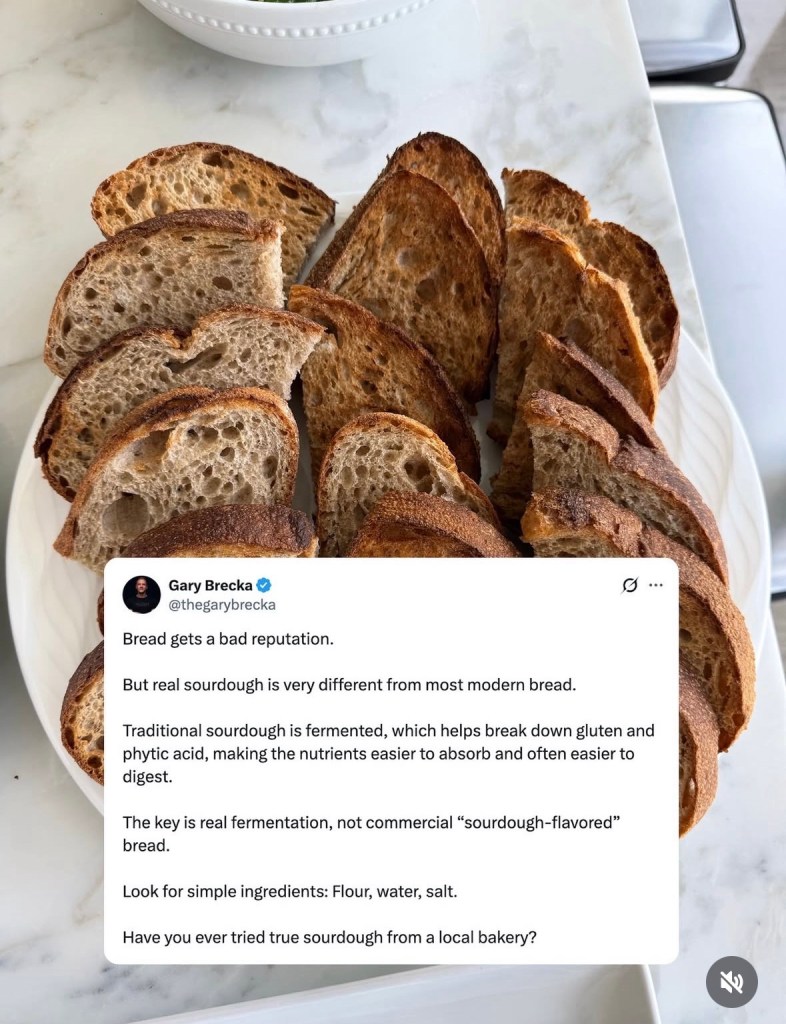
    The great health guru- Gary Brecka!

    Sourdough Bread vs. Conventional Bread: Which One Deserves a Spot on Your Table?

    Sourdough is one of the oldest forms of leavened bread, dating back to ancient Egypt around 1500 BCE (with even earlier evidence possibly from 3700 BCE in Switzerland). It likely started accidentally when dough was left out and colonized by wild yeast and bacteria. This method spread to the Greeks and Romans and remained the primary way to make bread for most of human history until the late 19th and early 20th centuries.

    Commercial baker’s yeast, isolated in the 19th century, revolutionized bread-making by speeding up the process. This enabled mass production of consistent, soft loaves.

    Sourdough stuck around in places like San Francisco (famous during the Gold Rush, where miners kept starters warm), but conventional bread became the everyday norm.

    The biggest distinction between the two types lies in leavening and fermentation:

    • Sourdough: Made with a “starter” — a live culture of flour and water harboring wild yeast and lactic acid bacteria. The dough ferments slowly (often 12–48 hours or more). Ingredients are simple: flour, water, salt, and the starter. No commercial yeast needed. This long fermentation creates lactic and acetic acids, giving the signature tang.
    • Conventional bread: Uses fast-acting commercial yeast for a quick rise (often just 1–2 hours). Many store-bought versions include additives like dough conditioners, preservatives (e.g., calcium propionate), emulsifiers, sugars, or even vinegar for fake “sour” flavor. “Sourdough” labels on grocery shelves are not always true sourdough — check ingredients! It should literally be 3-4 items listed.

    True artisan sourdough is a labor of love. Handmade from the loving baker in your home (or a small local bakery). Conventional bread prioritizes speed, shelf life, and uniformity (a sad state of affairs).

    Sourdough often helps with digestion and blood sugar, thanks to fermentation.

    Fermentation breaks down phytic acid (which binds minerals), reducing it significantly more than yeast alone (up to 62% vs. 38%). It also lowers hard-to-digest carbs. Fermentation also partially breaks down gluten, helping many with sensitivities. Result: Less bloating!

    Sourdough bread has a lower glycemic index (GI): Sourdough typically has a lower GI (~54) than white bread (~71), leading to steadier blood sugar and potentially more satiety.

    It also has a better absorption of minerals like magnesium, iron, and zinc. It may support gut health via prebiotics from the fermentation.

    Unfortunately, sourdough can be similar or slightly higher in calories/protein/fiber depending on the flour. This is why most normies prefer regular shelf life. They think that the less calories the better. Never mind the quality and nutrients.

    Conventional breads are often fortified with vitamins. Whole-grain conventional options can be healthy too. Sourdough is definitely not a miracle food, but the slow process generally makes it more “gut-friendly.”

    Sourdough is very complex and tangy in flavor with nutty, acidic notes. It has a chewy crumb, crisp crust, and open holes from the long fermentation. It toasts beautifully and pairs with everything from butter to soups.

    Conventional bread is a milder, sweeter taste. Softer, more uniform texture — great for sandwiches or French toast, but often lacks depth.

    Many prefer sourdough for its artisanal appeal, though it stales faster without preservatives. All natural is not always cute. Think of sourdough as a beautiful woman who does not get work done versus all the “Instagram models” who often look identical full of plastic surgery.

    Sourdough bread is certainly superior in flavor, with potential health perks, and very minimal ingredients, (plus it is satisfying to make!) however it is often time-intensive (or pricier if buying), with variable results and a shorter shelf life.

    Personally, I adore sourdough… We get fresh loaves from a local (gluten free!) bakery. It is so scrumptious; literally whenever I feel like I am wasting away, I go to the kitchen and fist the inside of the loaf- leaving the inside for everyone else (smirk)…

  • Farmers Markets: My Glorious, Pretentious, Overpriced Heaven on Earth

    Farmers Markets: My Glorious, Pretentious, Overpriced Heaven on Earth

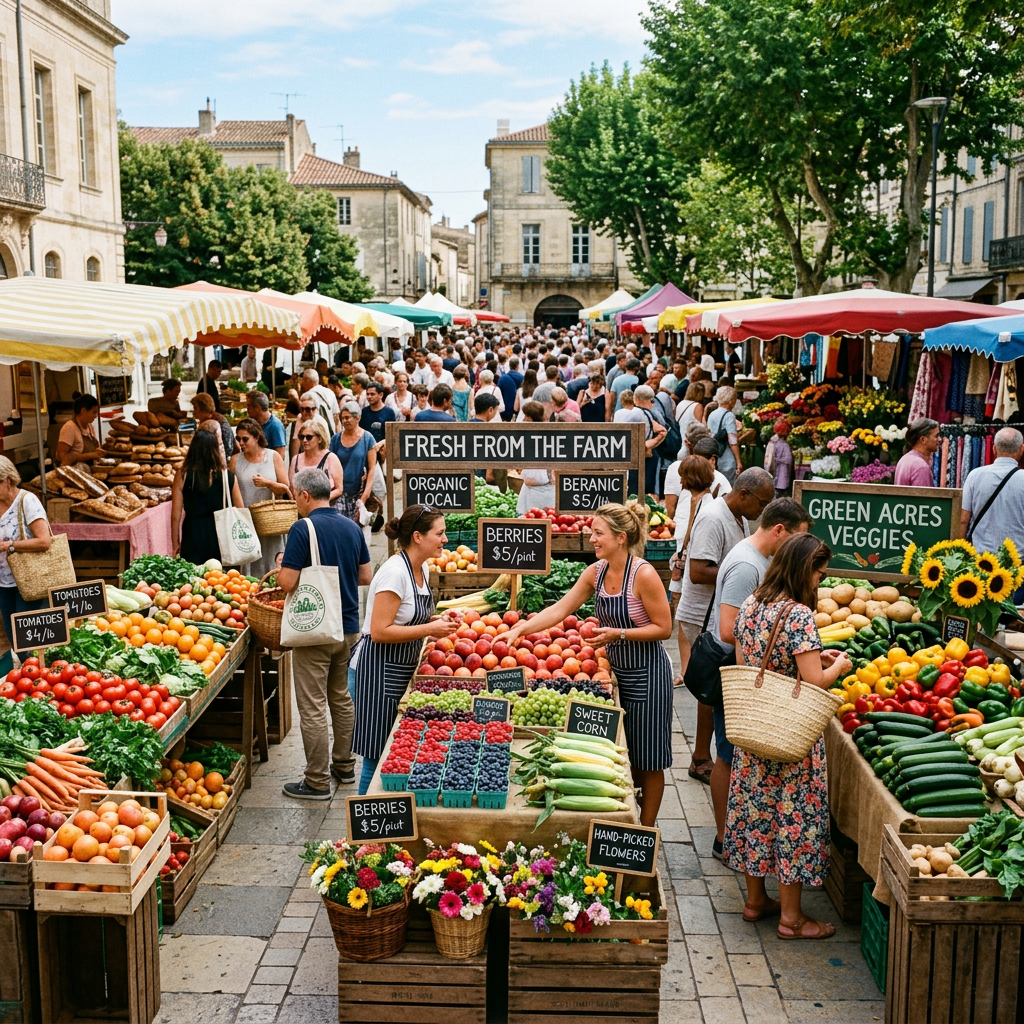
    Listen up, you cynical pricks hiding behind your Costco hauls—I adore farmers’ markets. Every time I am there like I am visiting a Holy Land, ready to worship at the church of rainbow chard and $12 avocados (you will never see me with one of those reusable tote bags though!). This is where the real ones gather. This is my happy place.

    Yeah, I am that girl. Like the ones in the thrifted overalls and clogs that cost more than your rent, filming a slow-living reel while their gas guzzling SUV gently idles (because parking here is a mess). I want to pay $9 for eggs laid by chickens that live better than most humans. I crave that smug little rush when he (or my mother) drops $17 on a sourdough loaf that tastes like it was kissed by actual angels and fermented in someone’s grandma’s basement. Keep your sad plastic-wrapped bread, normies. I will take the one with the charmingly inconsistent crumble.

    The smells? Intoxicating. Patchouli, dirt, overripe peaches, and that faint hint of unwashed authenticity—it is the scent of people who decided life is too short for deodorant politics (AKA cosplaying as hippies). I breathe it in deep while some trust-fund “farmer” with perfect teeth tells me about his heirloom tomatoes like he is reciting poetry. I eat that shit up. Literally. Those tomatoes probably cost more than therapy, but until I get my own garden, they will be worth every penny.

    I love the performers. The wellness girlies comparing fermentation jars. The melting pot of cuisines from different cultures. The dudes in linen who lecture you about soil health while smelling like they just rolled. But this is peak Americana. This is community, baby. Chaotic, expensive, beautiful community.

    Call me a mark. I wear that label with pride while sipping my $6 mason jar iced coffee and pretending that a single peach cannot bankrupt you . I know half this produce probably took a scenic route from the next town over, but I really could not care less about carbon emissions. I know I could get functionally the same shit cheaper at a local grocery store, but can that store guarantee health or allow every customer to be zany and beautifully weird? I do not want functional. I want vibes. I want to role play as a peasant who is gifted $300 linen and feels morally superior.

    This is peak modern romance: pretending we are connected to the land while dropping stupid money on vegetables. And I am here for every hypocritical, joyfully overpriced second of it. The grass-fed beef guy who eyes me like I am about to ask if it is grass-fed? Legend. The honey Chad with his ayahuasca stories? Pour it straight into my soul (and my latte).

    Clearly, I adore farmers’ markets. They are ridiculous. They are pretentious. They are everything I never knew I needed in a weekend morning ritual. Keep your conventional meat and your pesticides. I will be over here, grinning like an idiot, biting into a tomato that costs as much as a latte and tasting pure, unfiltered bliss.

    The Historical Timeline Of This Glorious Phenomenon:

    My history-buff-man has me looking up the why behind farmers’ markets and my sudden desire to be a whimsy, pretentious health nut. Ultimately, farmers’ markets are history. Farmers’ markets have ancient roots in Europe and have evolved as direct links between food producers and consumers for thousands of years.

    The earliest recorded open-air markets resembling farmers’ markets date back over 5,000 years to ancient Egypt along the Nile River (ala Aladdin). People bartered or sold staples like wheat, fruits, vegetables, and other goods. Similar marketplaces existed in many ancient civilizations, where farmers and producers gathered to trade directly with buyers. The introduction of currency helped formalize these exchanges into structures more like modern markets.

    European settlers brought the tradition to North America in the 1600s. Like everything else: we copied it from Europe!

    One of the first recorded European-style farmers’ markets in what is now the United States was established in Boston in 1634 (no wonder I love!). It started as an open-air market and later included a wooden building by 1662. Other early markets followed in places like Hartford (1643), New York City (by 1686), and Philadelphia (1693).

    These markets quickly became focal points of urban commerce and social life, where farmers sold fresh produce, meats, dairy, and other goods directly to consumers.

    Markets flourished through the 1800s and early 1900s as cities expanded and rail lines improved access. They were essential for fresh food distribution before widespread refrigeration and supermarkets.

    A resurgence began in the late 20th century, driven by interest in fresh, local, and sustainable food, support for small farms, environmental concerns, and community building. Plus it is simply a vibe. Way more character than a simp grocery store.

    This growth aligns with broader movements for healthier eating, preserving local varieties, and connecting urban and rural communities.

    Today, farmers’ markets vary widely—from small weekly gatherings to large established ones—and often include crafts, prepared foods, and entertainment alongside produce.

    The core purpose of a farmers’ market is linking producers and consumers. It has remained remarkably consistent across millennia, even as the context shifts with technology, economics, and culture.

    They continue to emphasize direct farm-to-consumer connections, though challenges like seasonality and competition with grocery stores persist. I personally think that we just like to pretend that we are all hipsters and that a grocery shop will never produce these feelings.
  • Weekend Snack Ideas for Healthy Living

    Weekend Snack Ideas for Healthy Living

    I am all about living a balanced, feel-good life, but I am not here to obsess over every single calorie. If I am reaching for real, whole foods (and skipping the breads, pastas, and heavy gluten stuff that I personally avoid), I give myself full permission to snack without the mental math. I literally do not count calories. My body feels better, my energy stays steady, and I do not spiral into restriction mode.

    On weekdays, my eating is pretty minimal and focused. I usually have one solid, satisfying meal—often something high-protein with plenty of veggies and healthy fats. Some days I add a simple side of apple slices dipped in nut butter for an afternoon snack. That is it. No endless snacking, just real hunger and real satisfaction.

    This approach keeps me lean, energized for my daily workouts, and… it just feels natural. I am not forcing tiny “meals” every three hours. I eat when I am actually hungry.

    Weekends are a totally different story—and I love it that way. This is when I actually enjoy spending time in the kitchen. Case in point: I make the fluffiest gluten-free waffles “for him”… while wearing nothing but a cute bra (and pants obviously) so he can admire the view (and yes, he takes plenty of pictures).

    Those waffles are dense, nutrient-packed, and satisfying enough (Simple Mills) that just one does the trick. They are gluten-free, made with better-for-you ingredients, and hit that weekend comfort-food craving without derailing how I feel in my body.

    After the waffles? I snack. Unapologetically. But I am strategic about it. I reach for options that taste indulgent but will not leave me bloated or uncomfortable—especially important when I know I will be filming more “cooking in a bra” content soon. Here are my go-to weekend snacks right now:

    • Siete Chips
    These are my salty, crunchy obsession. Made from cassava or almond flour, they are grain-free, super crispy, and come in amazing flavors (the sea salt elite). I pair them with guacamole or just eat them straight. Plus they are made with avocado oil— no seed oils in sight! Zero guilt, big satisfaction.

    Masa Chips
    Another chip win—thicker, with that perfect corn-like taste but usually cleaner ingredients. They feel more “traditional” while still fitting my no-gluten, no-junk preferences.

    Honey Mamas Chocolate Bars
    If you have not tried these, you are missing out. They are raw, honey-sweetened, and packed with coconut and cacao. The texture is fudgy and rich, and they melt in your mouth. I break off a half for my espresso during an our “coffee date“.

    • Dried Fruit
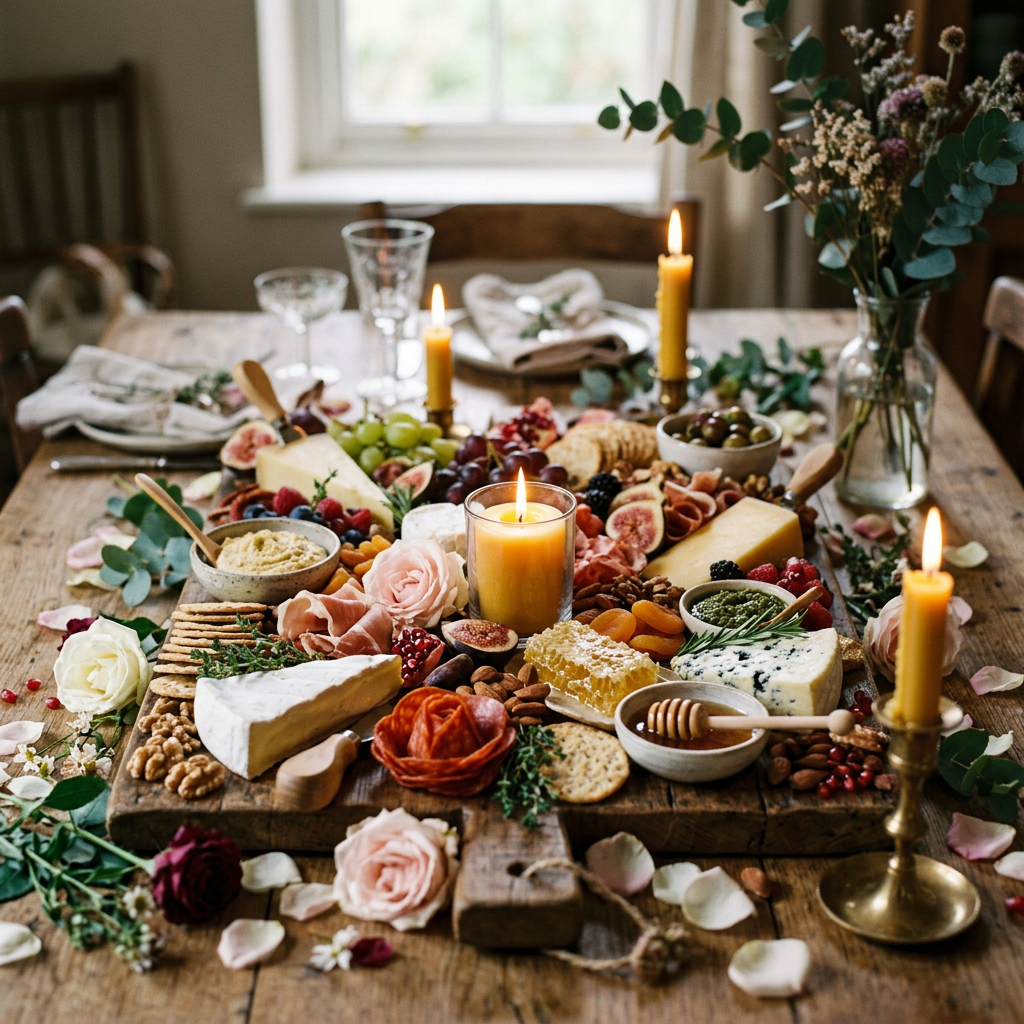
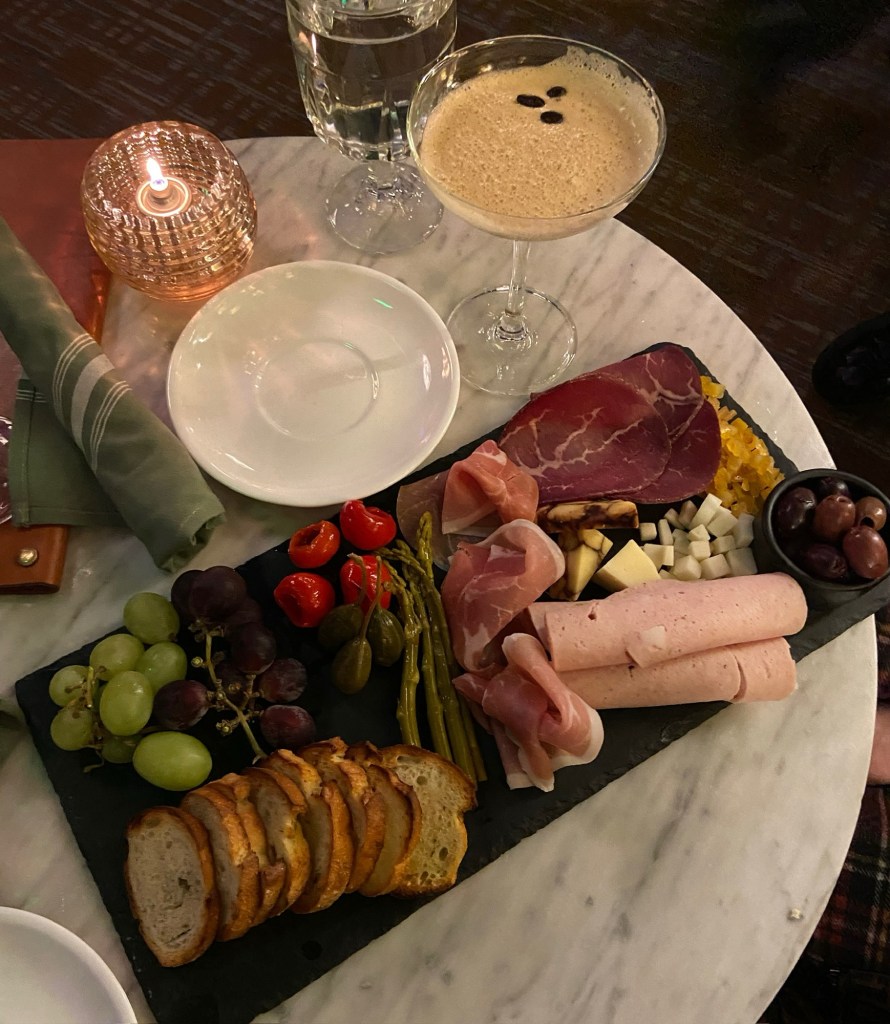
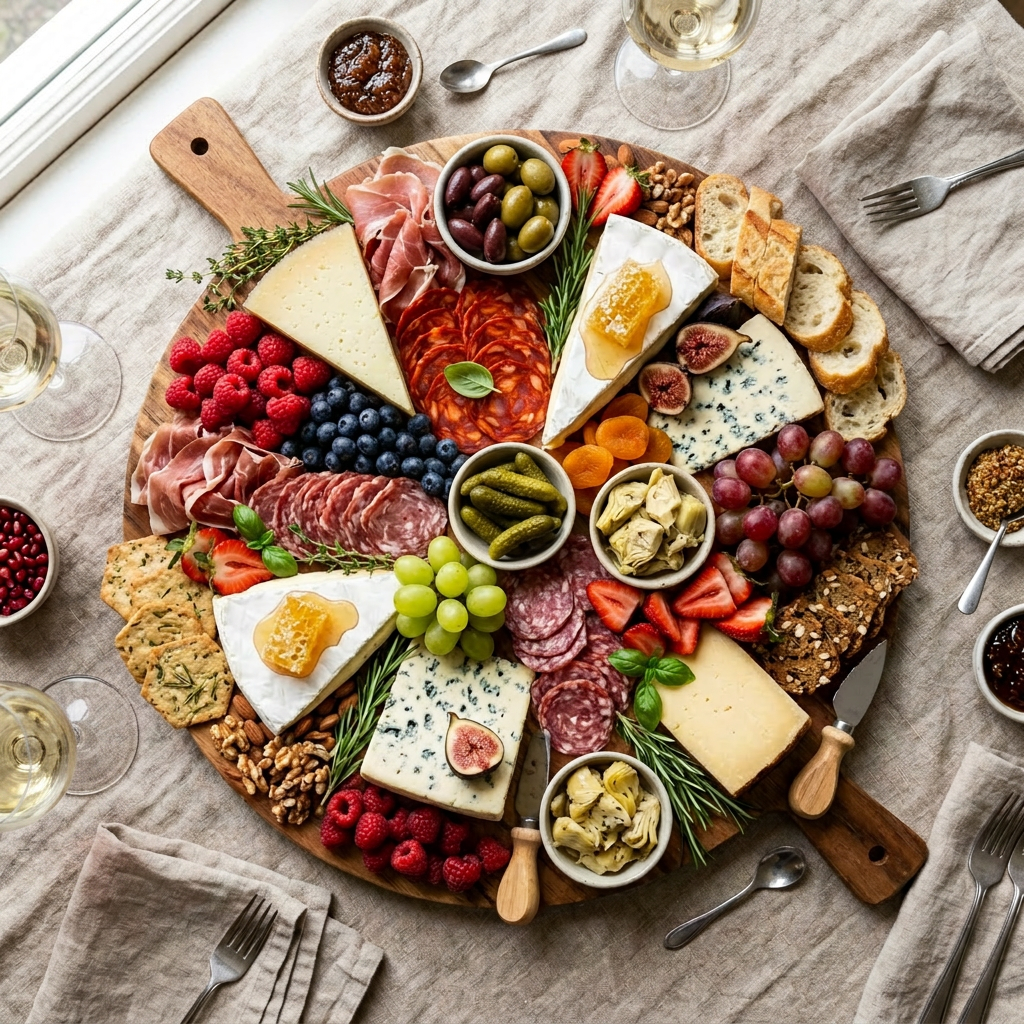
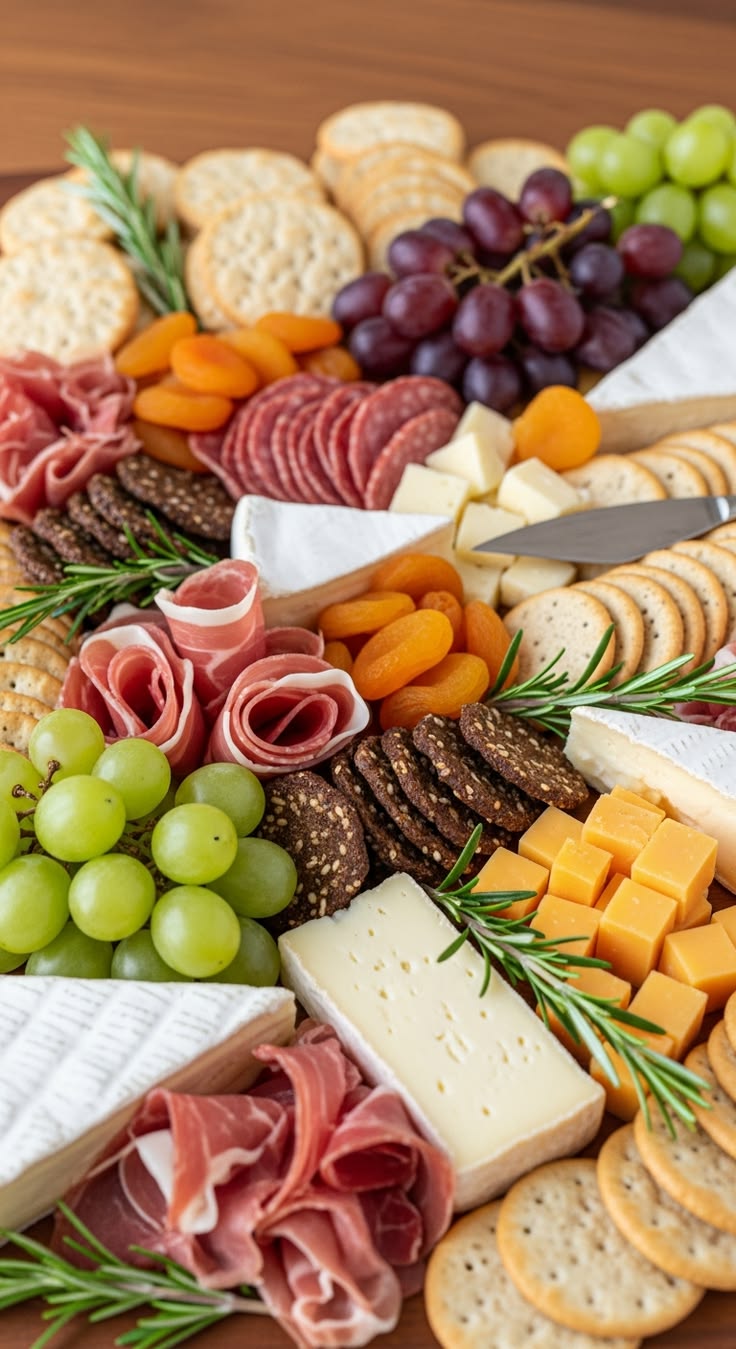
    Mango, pineapple, even apple chips —whatever looks good. I love the natural chew and sweetness. But I also just love fruit and the sweetness and charcuterie vibe of dried figs or dates is too intoxicating to not indulge.

    Enjoy Life Chocolate Chips
    These are my secret weapon for “I need chocolate right now” moments. They are allergen-friendly (no dairy, no soy, no nuts if you get the right ones), and I like to either eat them by the handful or pick at them throughout the day while I keep them under my laptop.

    I do not eat bowls of cereal — I literally just stick my hand into this delicious mixture and enjoy!

    The key for me is choosing snacks that are light, but nutritious and not overly processed. These options keep my skin clear, my digestion happy, and my energy high enough to keep working out. I am not worried about “ruining” my next video because I know I am fueling with foods that love me back.

    I have learned that balance looks different for everyone. For me, it is strict during the week so I can play on the weekends—without shame or spreadsheets. Food is joy. Cooking (half-naked) is joy. Sharing it with my boyfriend is joy. And these snacks let me keep all of that while still feeling confident and strong in my body.