September is here. The calendar has flipped, the light is shifting, and the year has entered its most transitional stretch: still warm in many places, already carrying the first hints of autumn in others.
A new month is a clean page. It is also a reminder that most of what we actually do with time is continue the conversations we were already having. If we have been talking about routines, projects, travel, food, or how to start something again, September is a useful month to pick those threads back up instead of pretending we are starting from zero.
Labor Day weekend in the United States and Canada marks the unofficial close of summer. Schools reopen. The autumnal equinox arrives around the 22nd or 23rd, when day and night briefly balance. Around the world there are observances for literacy, peace, the ozone layer, and tourism. None of these dates require you to reinvent yourself. They simply give the month a rhythm.
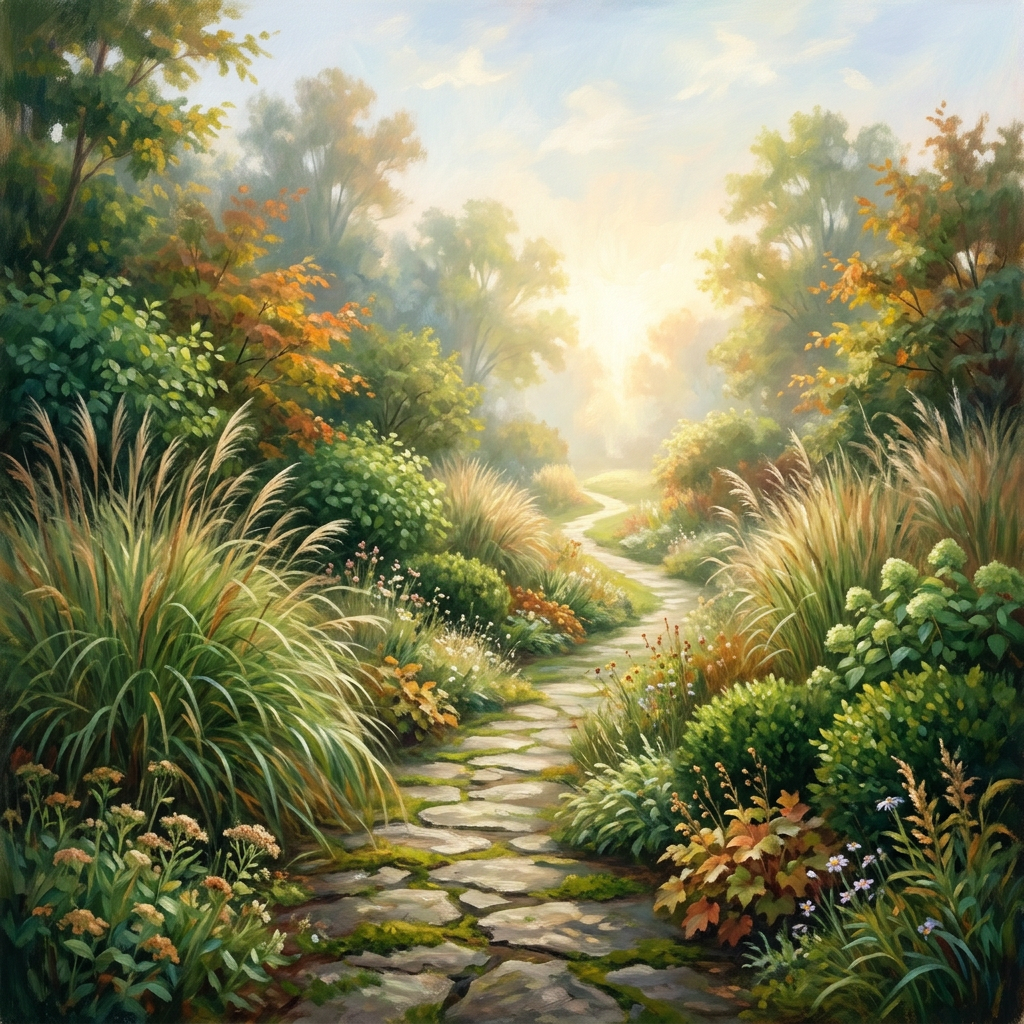
A sunlit stone path winds through lush grasses, flowers, and colorful autumn foliage.
The useful move is usually modest. Finish the half-done thing you mentioned last time you asked how to get unstuck. Try the recipe or the itinerary you were weighing. Adjust the schedule you were already trying to make work. September rewards continuation more than spectacle.
The days are still long enough to use. The evenings are starting to feel different as now when I get outside to write, my body covers itself in goose pimples. That is enough of a reason to treat the month as an invitation rather than a demand.
Welcome to September. Let’s keep going with whatever we were already working on.
Television (and me humbly) has always had a soft spot for powerful men. Not the polite, boardroom variety who smile for cameras and donate to the right charities—the ones who bend the world to their will through force, cunning, money, charisma, or sheer force of personality. And, yes, my boyfriend does know about my affinity with these men. These characters dominate screens because power, when portrayed honestly, is magnetic, messy, and often corrosive. Here are some of the most compelling examples of powerful men in TV history, and what makes their authority so gripping. (I am the one person who has never seen Breaking Bad so I have not included those simpletons).
Tony Soprano – The Sopranos
Tony Soprano remains the gold standard. A New Jersey mob boss who juggles therapy sessions, family dinners, and brutal enforcement of his criminal empire, Tony wields power that is both institutional and deeply personal. His authority comes from fear, loyalty, and an almost animalistic ability to read the room. What makes him unforgettable is the contradiction: the same man who orders hits also frets about his kids’ futures and panics over ducks in his pool. Power, The Sopranos argues, does not erase vulnerability—it amplifies it.
Don Draper – Mad Men
Don Draper’s power is quieter, more seductive, and rooted in the art of persuasion. As the creative director of a top Madison Avenue advertising agency, he does not rule through violence or political office—he shapes desire itself. In the smoke-filled offices of the 1960s, Don’s authority comes from his unmatched ability to sell not just products, but identities and dreams. His charisma is effortless, his insights razor-sharp, and his personal mythology carefully constructed. Yet beneath the tailored suits and cool detachment lies a man permanently on the run from his own past. Mad Men shows that cultural power—the ability to define what people want—can be just as absolute, and just as isolating, as any other form of dominance.
Harvey Specter – Suits
Harvey Specter walks into a room and owns it. As the best closer in New York, the sharp-dressed senior partner at Pearson Hardman (and its later iterations) wields power through unmatched legal brilliance, psychological warfare, and an unshakable confidence that borders on arrogance. Harvey does not just win cases—he dismantles opponents, negotiates impossible deals, and operates by a personal code that prioritizes loyalty and results above all else. His authority is performative and intellectual: the perfect suit, the perfect line, the perfect read of every angle. Yet Suits continually reveals the cost of that invincibility, showing a man whose greatest battles are often with his own need for control and the vulnerabilities he works so hard to conceal.
Bobby Axelrod – Billions
Bobby “Axe” Axelrod is the embodiment of modern financial power—raw, street-smart, and relentlessly competitive. A self-made billionaire hedge-fund titan, he built his empire from nothing and defends it with a mix of genius strategy, loyalty to his people, and a willingness to play dirtier than anyone else in the room. Axe’s power is both economic and personal: he moves markets, outmaneuvers regulators and rivals, and treats every confrontation like a high-stakes game he intends to win. What makes him compelling is the contradiction at his core—a blue-collar kid who never forgot where he came from, even as he lives in a world of private jets and political influence. Billions thrives on watching Axe turn every threat into an opportunity for greater dominance.
Logan Roy – Succession
Logan Roy does not need guns or superpowers. He has money, media empires, and an unparalleled talent for psychological warfare. The aging media titan in Succession treats his children like pieces on a chessboard and the world like a family business he refuses to relinquish. His power is cold, transactional, and absolute within his domain. Every boardroom confrontation and holiday dinner becomes a demonstration of dominance. Logan proves that the most terrifying power is often the quietest—and the one that never needs to raise its voice.
Frank Underwood – House of Cards
Frank Underwood operates in the highest corridors of American politics with the precision of a surgeon and the morality of a snake. His power is procedural and performative: he masters the rules of the game so thoroughly that he can rewrite them. The direct-to-camera asides make the audience complicit in his rise. Underwood’s authority rests on information, timing, and an absolute willingness to sacrifice anyone—including those closest to him. He is the purest expression of political power as performance art.
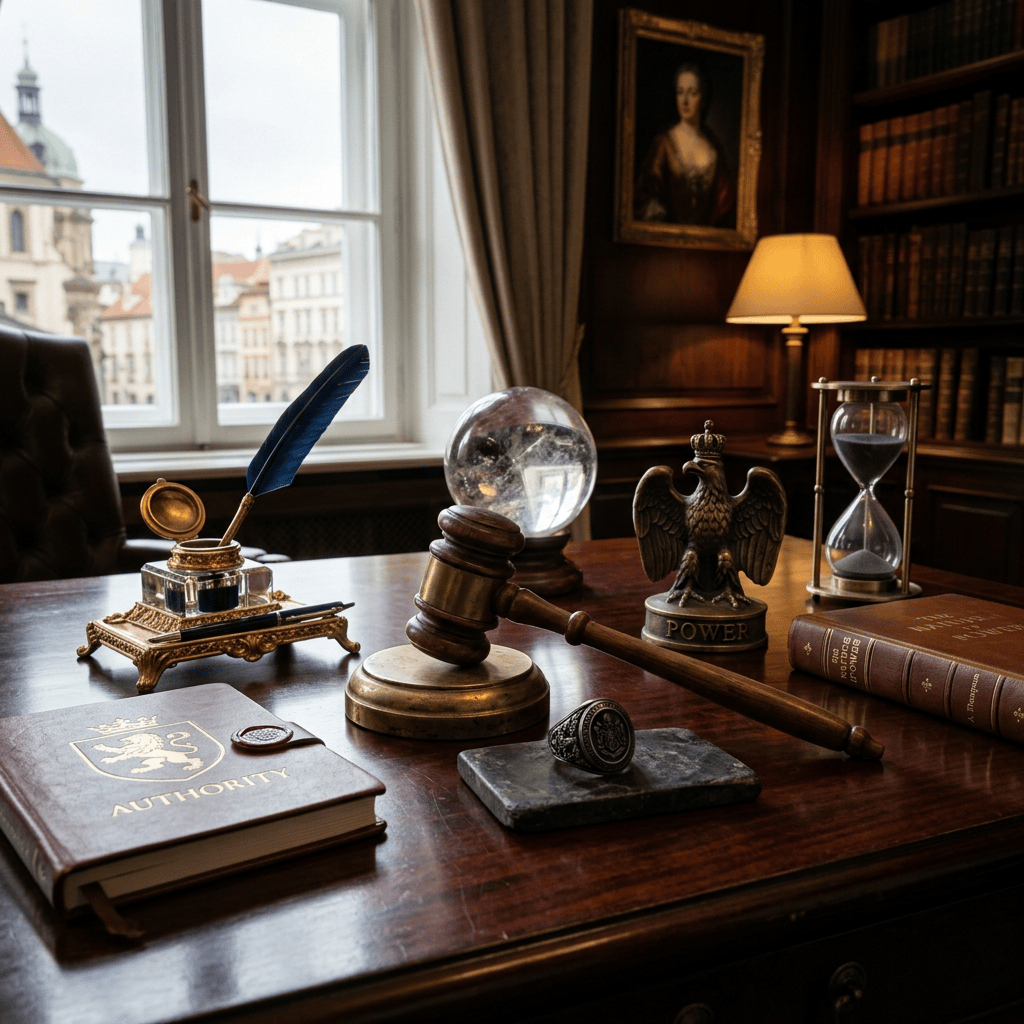
A richly styled study desk brings together objects symbolizing law, power, and authority.
Across these characters, certain patterns emerge. Power on television is rarely clean. It is usually bought with compromise, isolation, or violence. The most interesting portrayals show men who are simultaneously architects and prisoners of their own authority. Tony’s panic attacks,
, Don’s carefully guarded emptiness, Harvey’s carefully maintained invincibility, Axe’s relentless competitiveness, Logan’s loneliness and Frank’s emptiness all suggest the same uncomfortable truth: absolute power rarely delivers the satisfaction its seekers expect.
Television keeps returning to these figures because audiences recognize something true in them. We are drawn to competence, to dominance, to the fantasy of control in an unpredictable world. At the same time, the best shows refuse to let us enjoy that fantasy uncritically. They force us to sit with the human cost.
The powerful men of television do not just rule their fictional worlds. They hold up a mirror to our own complicated relationship with power—its allure, its price, and the quiet ways it can hollow a person out from the inside. And as long as that tension remains unresolved in real life, these characters will keep commanding our attention.
In a world overflowing with noise, division, and endless hot takes, I made a deliberate choice to shape my X (formerly Twitter) experience around what truly matters to me. My entire account is now intentionally curated to reflect my personal beliefs and, above all, to center positivity.
A smartphone displaying ‘Calm & Connected’ held amid swirling fire and smoke effects
I want my feed to uplift, inspire, and align with the kind of life I am actively building—one rooted in growth, joy, healing, and possibility. That does not mean I live in a bubble or ignore reality. It simply means I am protective of my mental and emotional space.
Yes, I do follow a handful of accounts that could be described as strong Trump supporters—people who sometimes come across as riding the “Trump can do no wrong” wave. I am fully aware of the echo-chamber risk there. I approach them with the same healthy skepticism I apply to sports accounts, news outlets, or any single-source content. I do not take everything at face value, and I cross-reference when something feels off.
I am not on X primarily for political analysis or to debate policy. I am there to be inundated with feel-good positivity and reminders of the lifestyle I crave—wellness, personal development, meaningful connections, beauty, humor, and inspiration. Those accounts, even with their strong biases, often deliver bursts of optimism, patriotism, or motivational energy that resonate with the uplifting vibe I want more of.
At the end of the day, social media should serve you—not drain you, enrage you, or pull you into endless negativity loops. I have unfollowed, muted, and blocked enough accounts to create a space that feels like a warm, intentional garden rather than a battlefield.
A smartphone displaying a vibrant mix of blooming garden plants and succulents
My feed is not perfect, and it is not meant to be a complete reflection of the world. It is a reflection of the world I am choosing to create for myself. One post, one follow, and one boundary at a time.
Some of my favorite social media follows are:
A hand holding a smartphone displaying an abstract swirling light pattern
@PeytonElroy : a wellness and spiritual healing-focused account with over 61,000 followers. Setting a consistent tone of optimism, empowerment, and alternative health perspectives, Peyton posts a mix of personal stories (especially her father’s recent stage 4 colon cancer “healing” journey). and practical health tips (e.g., hibiscus tea for inflammation, dates for heart rhythm stabilization via potassium, broccoli sprouts, blueberries, soursop). I particularly love the spiritual/energy concepts (auras, emotional states influencing physical health, colors affecting energy, the idea that everyone is inherently “spiritual”) and relationship/life advice (e.g., how to stand out when approaching beautiful women by complimenting non-physical traits).The tone is warm, encouraging, and emoji-heavy (lots of hearts, flowers, and green tones). Posts often include disclaimers like “I’m not claiming this cures cancer alone” while sharing strong opinions and anecdotes. Recent content has leaned heavily into cancer discussions—viewing it as inflammation, potentially linked to parasites or trauma, with emphasis on mindset, diet, and natural compounds rather than fear-based conventional narratives (my own personal belief).
@mtnhousewife (Mountain Housewife🏠) is a Christian homemaking and traditional marriage account run by a 41-year-old wife, mother, grandmother (“mimi”), and homemaker. Her posts promote biblical womanhood, wifely submission, contentment, and practical homemaking. Key themes include: Covenant marriage — Long-term harmony through scriptural roles (e.g., she highlights 42 years of marriage with “no conflict” due to submission as taught in scripture), Christian living — Bible study reflections (e.g., Philippians on contentment), faith encouragement, and church life, Homemaking — Simple recipes and tips (e.g., okra dishes, pimiento cheese). The tone is gentle, grateful, and encouraging, aimed at women seeking traditional roles. She emphasizes joy in submission, building a happy home, and living out a wife’s calling according to Christian principles. Content mixes personal testimony, scripture, practical advice, and light community interaction.
Maneesha (@ManeeshaSem) is a popular writer, content creator, and self-described “moonbathing apsarā” (celestial nymph) on X, with over 71,000 followers. @maneeshasem has built a significant following through poetic, feminine, and spiritually infused posts that emphasize beauty, serenity, nervous system regulation, self-love, and creating “paradise on Earth.” Her content blends mysticism, aesthetics, wellness, and gentle life philosophy, often evoking softness, harmony, and divine femininity. She frequently shares visions of serene villas, lush nature, silk robes, self-care rituals (e.g., affirmations, chocolate-covered strawberries, vanilla chai), intentional beauty, and protective auras created by harmonious environments. @maneeshasem posts focus on holding calm energy, avoiding urgency/dysregulation, beauty as spiritual protection, and aligning with cosmic/natural rhythms.
@wolffdew (The Cooking Lady) is a Danish 22-year-old homemaker and from-scratch cooking content creator on X.She shares homemade recipes, cooking videos/processes, meal ideas, and everyday kitchen content with a warm, enthusiastic style. Posts often feature scratch cooking, traditional or comforting dishes, and personal touches as a young married woman. She promotes her two digital cookbooks directly in her bio. The account appeals to fans of simple, authentic home cooking, Scandinavian influences, and lifestyle content from a Gen Z homemaker perspective. It’s positive, food-focused, and interactive, with frequent replies to followers.
@amandaperera (Cleopatra 🪷 ✞) is a faith-centered self-improvement and relationship advice account on X with a strong emphasis on personal growth, emotional intelligence, and Christian values. The account mixes inspirational quotes, relationship insights, personal reflections, and calls to subscribe to her newsletter or book 1:1 sessions. It appeals to audiences interested in faith-based personal development, neuroscience-informed emotional health, and mature views on love and identity. Content is positive, relational, and growth-oriented rather than purely dating-strategy focused.This account is warm, empowering, and reflective. Posts often explore:
Healthy relationships and love dynamics (e.g., references to Yellowstone’s Rip and Beth as an ideal of a strong man supporting a fiery, intelligent woman; the importance of entering relationships as a “whole” person rather than seeking fulfillment from a partner).
Self-acceptance, authenticity, and resilience (e.g., disagreement as a sign of staying true to yourself; embracing your “weird” side).
Faith-first mindset (“Jesus first always”), emotional wholeness, and devotional partnership.al advice, and light community interaction.
@TrinaNuance (Trina Nuance || The Fractional Muse 🌿🌞🌊) is slightly different than my other follows. She is thoughtful writer, coach, and strategist with a philosophical, introspective style focused on personal growth, mindset, entrepreneurship, and human behavior. Trina shares long-form reflections, threads, and insights on: Self-awareness & transformation — Dark night of the soul, breaking self-sabotaging cycles, shifting from external to internal locus of control, and authoring new self-fulfilling prophecies., Parasocial relationships, narrative-building, perception biases, and cultural shifts (e.g., craving analog experiences like handwritten letters). Her tone is wise, empathetic, and nuanced — often weaving personal experience, client stories, and cultural observations. She positions herself as a bridge between worlds (e.g., founders building in the dark, inner work vs. business goals) with a creative, almost poetic voice. Content resonates with introspective entrepreneurs, creators, and those on personal development journeys. It is more reflective/strategic than purely motivational or tactical.
Today marks another trip around the sun for the man who has quietly shaped every corner of my life—the one who taught me what strength looks like when it is wrapped in laughter, what loyalty feels like when it is served with a side of sarcasm, and what unconditional love actually is. Happy Birthday, Dad.
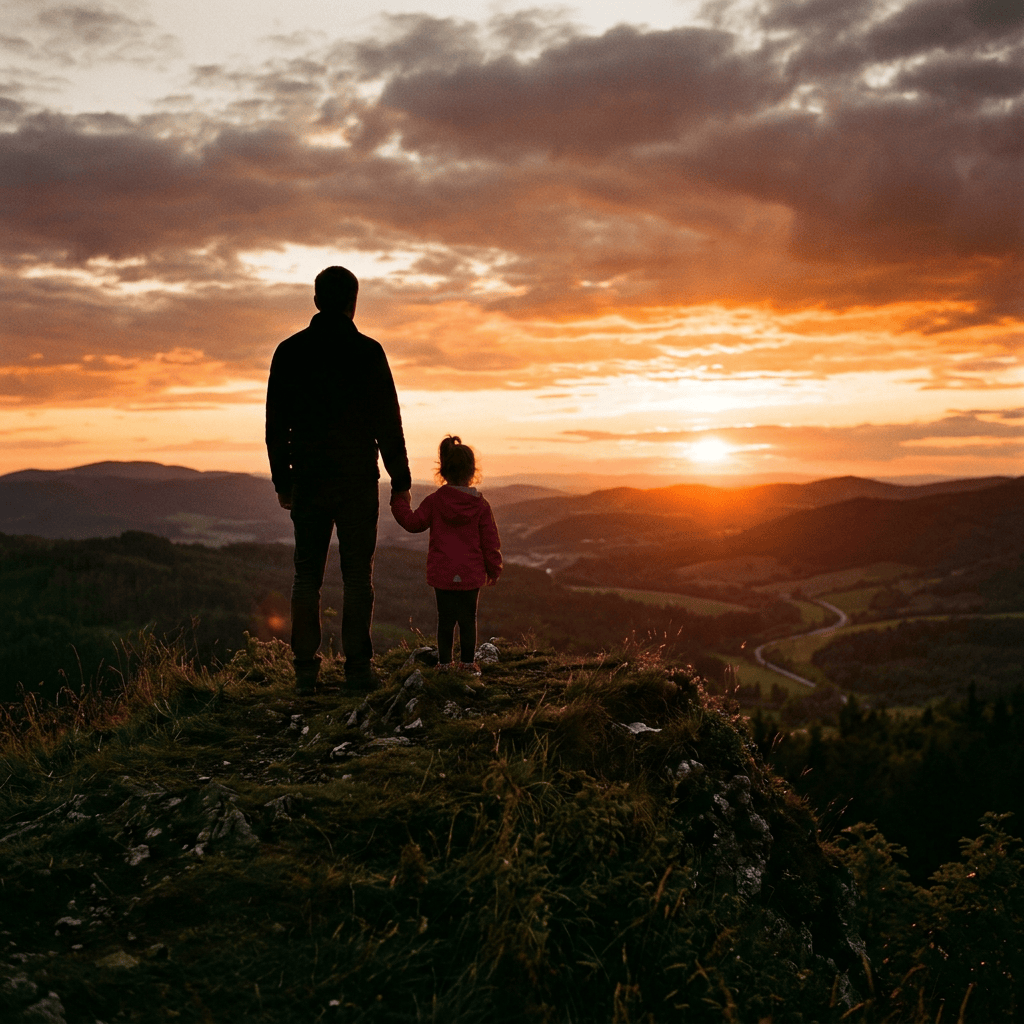
A father and his young daughter hold hands while watching a vibrant sunset from a hilltop.
From the moment I entered this world, you have been my benchmark. You did not just raise me; you modeled the kind of man I should look for one day. Patient but firm. Protective but playful. Someone who shows up, every single time, even when life throws curveballs. You became more than a father—you became my friend. The kind of friend I can call with zero judgment,
Then there are the political debates. Oh lord, the debates. You with your Russian-state-media deep dives and me with my Fox News/ X.com rabbit holes. We yell, we gesture wildly, we both refuse to back down… and then we laugh about it over ice cream because at the end of the day, none of it matters as much as the fact that we can still sit across from each other. That is us—passionate, opinionated, and bonded by something far stronger than any headline.
You have always been an incredibly hardworking silly goose. I used to call you my little brother when I was small because you were more fun than any grown-up had a right to be. You built/drew my school projects like an architect, and you would turn grocery runs into adventures. Yet the moment life demanded it, that military toughness kicked in. Stoic. Disciplined. The man who could fix anything with the right tools and sheer willpower. You taught me resilience without ever making it feel like a lecture—just by living it.
And yes, the spoiling. You spoiled your baby girl rotten, and I have zero shame in admitting it. Whatever craving hit me, luxury trips, and endless courage to chase dreams that probably sounded delulu to you. You turned me into this proud delulu queen who believes anything is possible because you made me feel like the world was soft enough to catch me if I fell. Thank you for that safety net. Thank you for letting me stay your little girl even when I am all grown up and pretending to have it all together.
Father, you are my first love. The love that taught me how to love others. The steady heartbeat I measure my current relationship against. The voice that still calms me, the arms that still feel like the safest place on earth.
The steady heartbeat I measure my current relationship against
So on your birthday, I hope you feel every ounce of gratitude and love I carry for you. I hope the year ahead brings you desserts worth drooling over, jokes that make you snort-laugh, and maybe—just maybe—a story where we both pretend to agree.
Happy Birthday, my favorite silly goose, my hero, my friend. I love you more than all the words in every language combined.
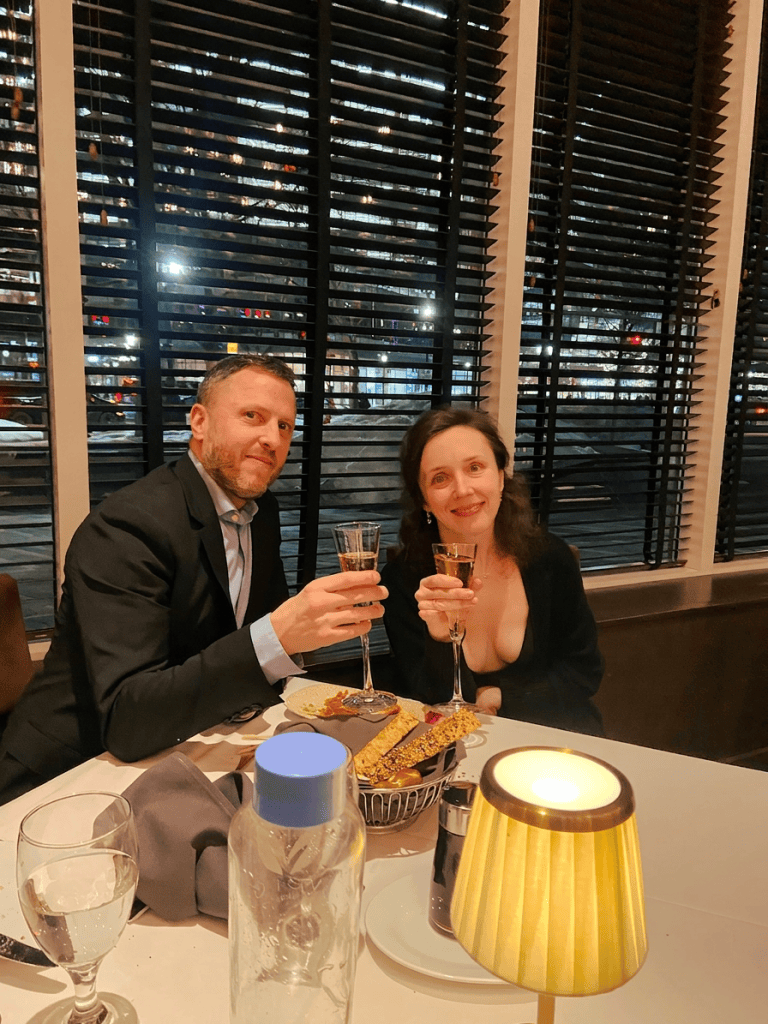
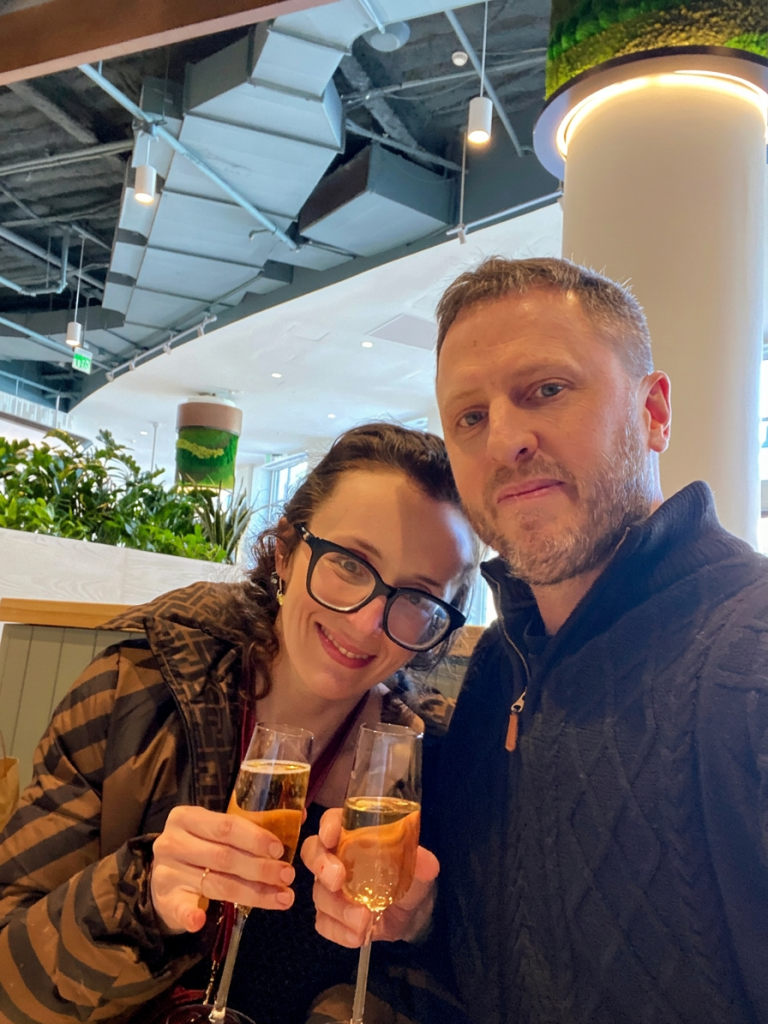
The wellness industrial complex has it wrong. While everyone else is out here microdosing mushrooms and journaling their feelings, my boyfriend and I have discovered the ancient, time-tested secret to actually enjoying this ridiculous existence: popping bottles like the world owes us a party. And it kind of does.
Every single time we get to steal a few days together in this soul-crushing timeline, we treat it like the main event (I still remember how loudly I celebrated when he uncorked our first bottle!) Not “date night.” Not “quality time.” A full-blown, no-apologies celebration. We live for collecting moments and creating memories.
Because if you are not celebrating the fact that you both made it through another timeline without each other— does anything really matter?
I had to personally educate my man on the sacred hierarchy of bubbles. Champagne is not just “fancy sparkling wine.” It is the French aristocrat with a protected designation of origin. The bubbles were originally an accident as the fermentation process caused stored wines to explode, delivering that signature toasty, brioche-y complexity and those aggressive, fine bubbles that taste much more superior than synthetically created ones. Prosecco is the fun, flirty Italian cousin — brighter, fruitier, cheaper, and happy to show up to literally any occasion without an attitude. And then there is generic sparkling wine, the chaotic neutral workhorse that gets the job done when the good stuff is sold out or you are feeling budget-conscious.
We now exclusively order and stock the goods. Delivery drivers, grocery stores, bars or restaurants we are forever part of some elite sparkling wine cartel. No more settling. Life is too short for mid bubbles.
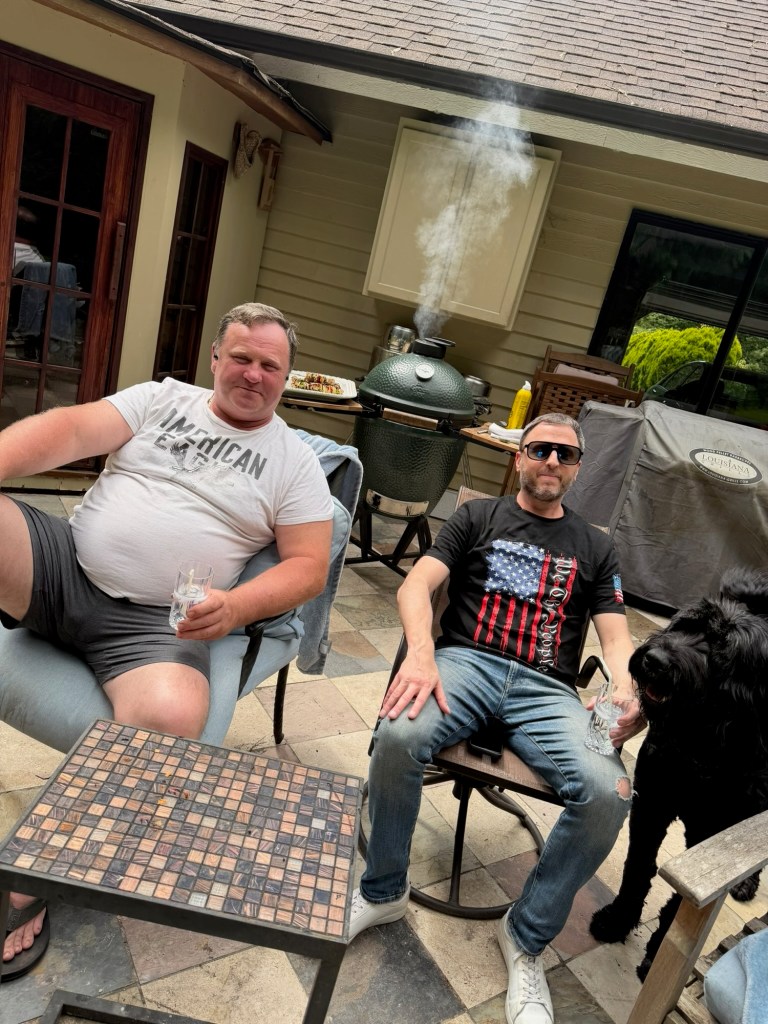
And yes — my boyfriend occasionally does shots with my father. Because bonding. Because tradition. Because nothing forges that sacred father-in-law/son-in-law alliance quite like grimacing through a round of vodka while pretending they are not both slightly terrified of each other. I sit back with my drink and watch these two grown men bond over the universal language of “let’s burn our throats and talk about Trump so we don’t have to talk about feelings.” It is disgusting. It is wholesome. It is peak masculinity.
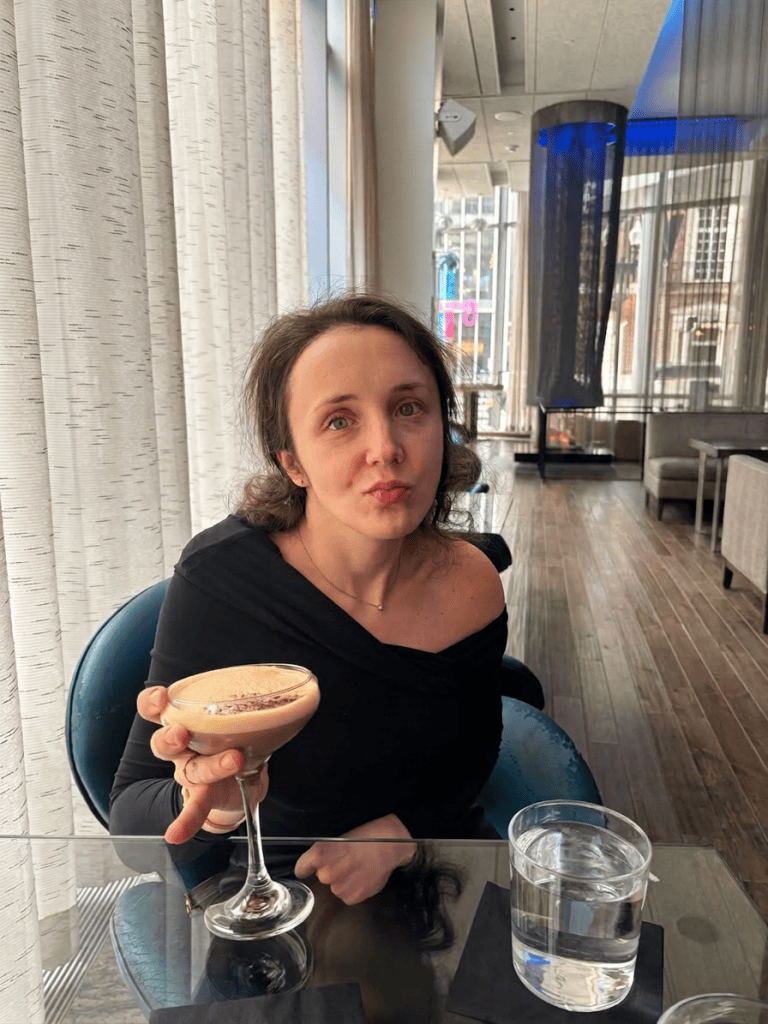
I on the other hand am a disciplined one-espresso-martini woman. That perfect, caffeinated, slightly dangerous little monster in a martini glass. One is elegant. The rest of the drinks are for celebration purposes only.
This is what the sobriety police failed to understand: drinking is how we weaponize joy against the void. Why would I care if alcohol prematurely ages my cells when my man is forever babying me and making my life silly, fun and easy? It pushes us to create more memories and experiences.
It turns ordinary moments into legendary ones. That random dinner I made becomes “the night we popped the good bottle and laughed until we cried.”
It lowers the volume on the noise. The anxiety of not being together, the overthinking, the endless mental tabs open in my brain — alcohol (and him) is the world’s most reliable (if imperfect) volume knob.
It creates actual memories instead of just content. Sobriety is great for optimization. But you know what is better? Happiness. Celebrating that happy moment is great for living a story worth telling.
It is rebellion in a glass. Every time you choose celebration over optimization, you are flipping off the wellness grifters— your sleep scores and your hormone levels do not provide a full picture of how your life is going to go.
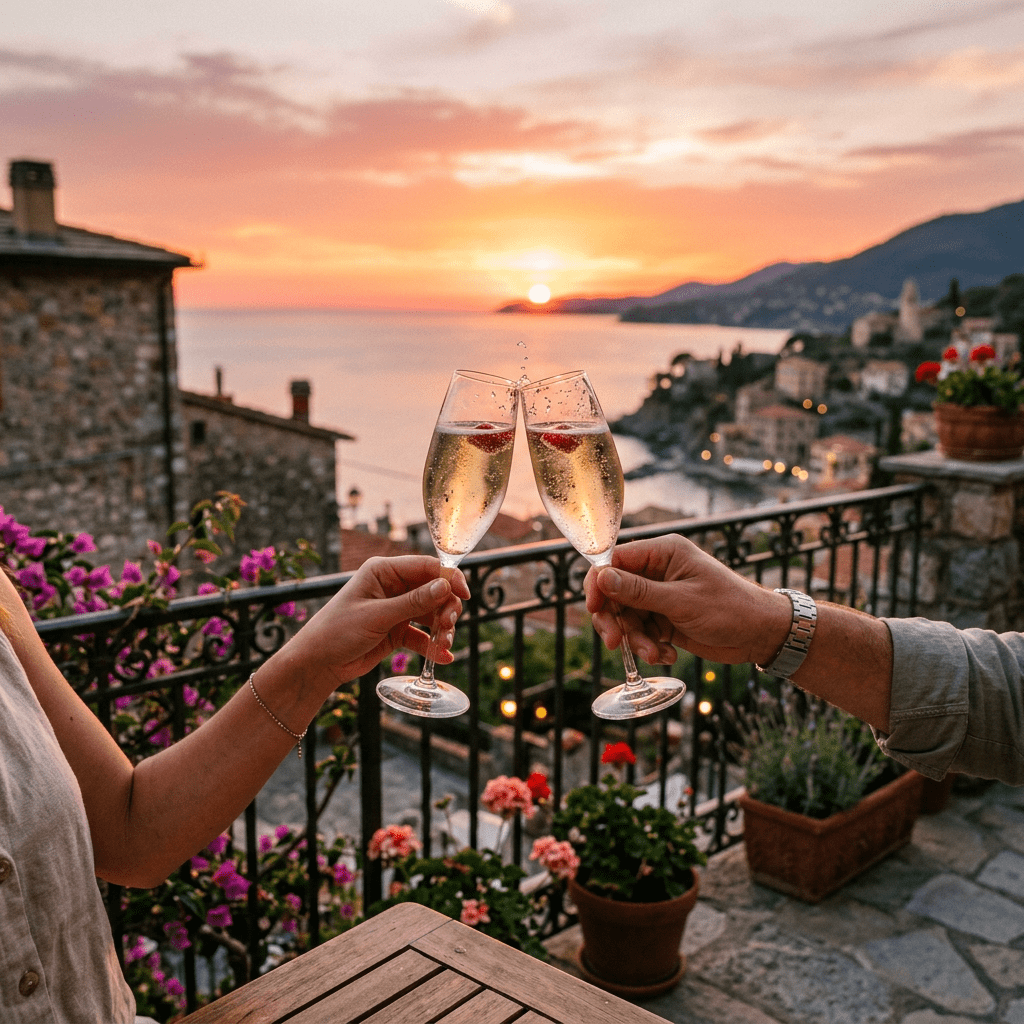
Two people clink champagne glasses on a terrace overlooking a coastal sunset town.
Life is already one giant, absurd, painful, hilarious win just by virtue of you still being here. The universe is actively trying to humble you every single day. Might as well humble it back with some bubbles and bad decisions that turn into good stories.
So yeah. We drink. We celebrate. We treat every shared hour like it is New Year’s Eve because the alternative is pretending this is all very serious and we should be optimizing our sleep scores instead of making questionable choices with each other.
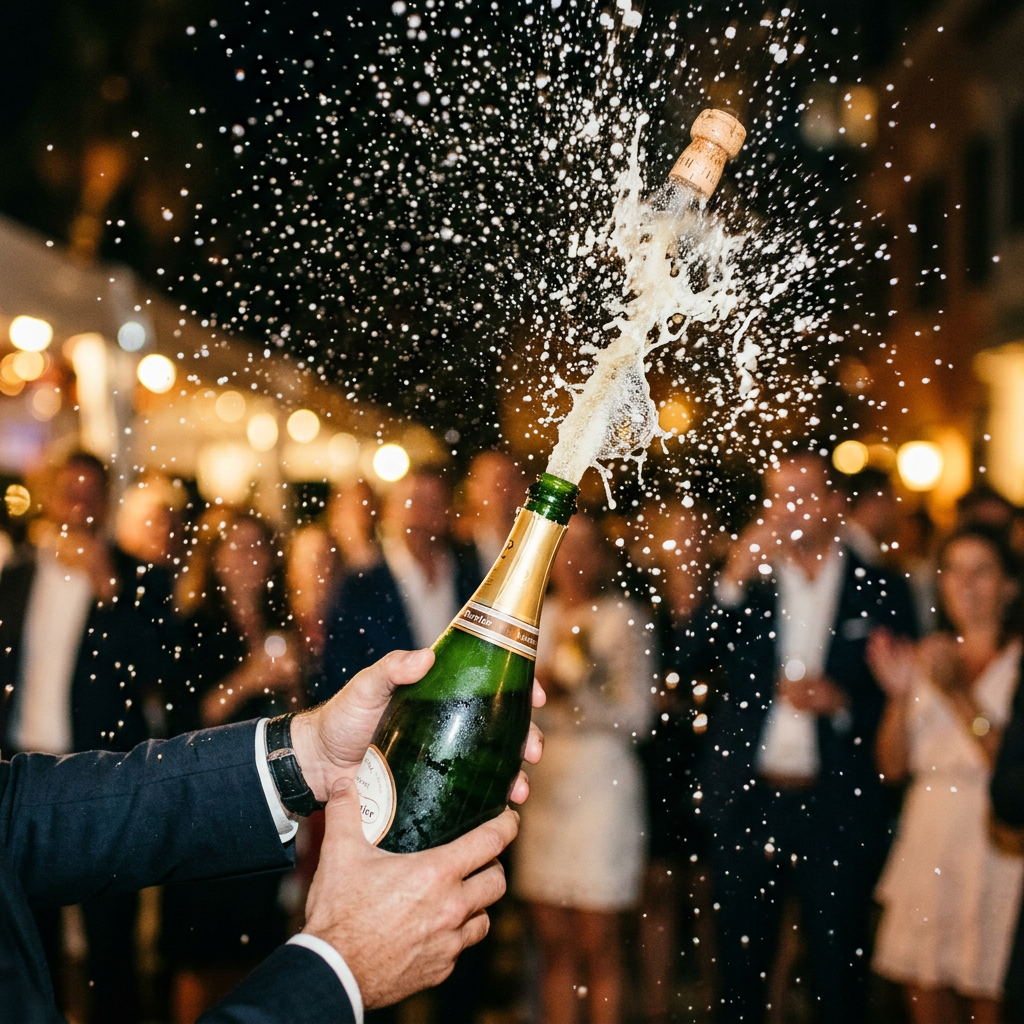
A champagne bottle is popped open, spraying bubbly foam at a festive gathering.
Pop it. Live a little. The sober police will still be there tomorrow, miserable and well-rested.
It is easy to overlook the quiet “miracles” that surround us every single day. Yet one of the most profound truths about human fulfillment—and about creating even more goodness in our lives—is this: It is vital to be thankful for everything that is good in your life.
Gratitude has become an overused buzzword. Gratitude is not just a polite “thank you” or a fleeting warm feeling. It is a deliberate, heart-centered practice that shifts your entire energy, perspective, and ultimately, your reality. We all know, on some level, that we should not take the basics for granted. Running water that flows clean and hot at the turn of a tap. Reliable heating that keeps your home cozy when winter bites (this is uber important to my constantly freezing body!). A solid roof overhead that shields you from rain, wind, and the elements. Yet for many of us, these “luxuries” become background noise.
The same goes for the people in our lives. Friends and family. My family—especially—have shown up, even imperfectly. I am beyond grateful that I was not tossed out when I became needy and helpless. Typically, we appreciate them in moments of crisis or celebration, but how often do we pause in ordinary moments to truly feel the gift of our family’s presence?
Here is where the magic happens. Casual appreciation is nice, but to bring about more in our lives, we need to feel truly grateful for everything and everyone—not just the obvious blessings, but the small, the mundane, and even the challenging things that shape us.
Think about it. When you wake up and genuinely feel thankful for the bed that held you through the night, the air filling your lungs, the sunlight (or even the rain) outside your window, something inside you softens and expands. Your nervous system calms. Your mind clears. Opportunities that once hid in plain sight suddenly become visible. Psychologists call this the “broaden-and-build” theory: positive emotions like gratitude widen our awareness and help us build resources—relationships, skills, resilience—for the future.
On a more spiritual or energetic level, many traditions and modern manifestation teachings emphasize that what you appreciate appreciates. Gratitude acts like a magnet. When you radiate sincere thanks for what you already have, you signal to the universe that you are a good steward of blessings. You are ready for more. Contrast this with the scarcity mindset: constant wanting, complaining, or comparing. That energy tends to keep us stuck exactly where we are, focused on lack.
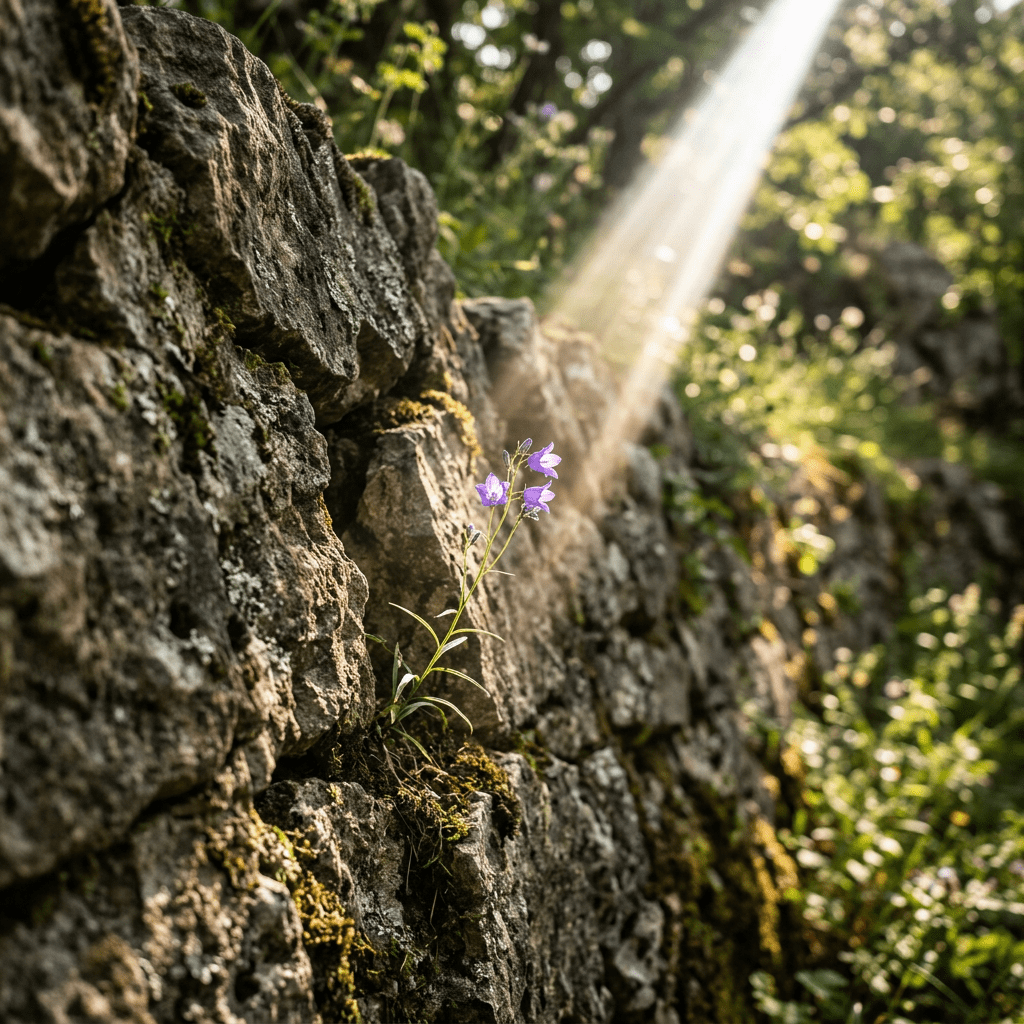
A delicate purple wildflower blooms from a crack in a mossy stone wall illuminated by sunlight
Even in hardship, gratitude works its alchemy. Being grateful for the quiet strength you discover in loss is something that I had to discover. These are not toxic positivity exercises—they are honest acknowledgments that every experience contains seeds of growth.
Turning gratitude into a life-changing habit does not require hours of your day. Ask, “What is this situation trying to teach me?” Then thank it in advance for the wisdom or strength it will bring.Bookend your day with gratitude. Start with thanks for the day ahead and end with thanks for what unfolded.
A peaceful morning scene with a journal, coffee, and sunrise view
When you embody this level of gratitude, life responds. Relationships deepen because people feel genuinely valued. Health improves as stress decreases and joy increases. Abundance flows—at least in steady, meaningful ways: unexpected help, creative ideas, synchronicities, and a profound sense of “enough” that paradoxically opens the door to more.
So today, pause. Look around. Feel the chair supporting you, the device in your hands bringing these words, the breath moving through you. Say thank you—and really mean it. For the basics. For the people. For the lessons. For everything.
He is the prize at the end of the journey. To fully receive that gift and build the life I dream of with him, I have made my health non-negotiable. Nutrition is not just a hobby for me; it is something I can wax poetic about for hours with genuine excitement. I have explored it all — from the MAHA movement (seed oils, fluoride, ultra-processed additives, and all the hidden toxins) to Ray Peat’s principles and everything in between. I have lived the experiments myself: vegan, gluten-free, paleo, keto. I have been underweight and overweight. Through trial and error, I have learned what truly makes the body and mind thrive.
A glowing, multicolored heart-shaped swirl glimmers vividly in space.
A brain injury years ago left me with some lasting effects I can be self-conscious about. It does not stop me from loving deeply or building a lasting relationship— as seen in my current form attracting him (thankfully, the “disability” does not seem to bother him at all), but I still carry that quiet desire to show up as my strongest, healthiest self. I want to move through life with ease — for me, and especially for him.
Currently. Wifely duties from afar.
Because more than anything, I long to be his perfect little housewife. I can already manage it beautifully with one hand, but two steady hands would let me pour even more love into our home. And yes — almost every girl dreams of the aisle. So I am committed to walking strong, not just so I can hold his hand while we stroll down the street or along the beach, but so I can walk down that damn aisle toward him, radiant and ready for forever.
At fifteen years old, I stepped off a plane into a world that felt like it had leaped straight out of a National Geographic. The air was warmer, drier, and carried the faint scent of eucalyptus. I was part of the People to People Ambassador Program, a life-changing opportunity that took a group of wide-eyed American teens halfway around the globe to Australia. What started as a simple cultural exchange trip quickly became a whirlwind of big-city glamour, rugged outback exploration, family-style homestays, and the kind of teenage chaos that only happens when you are far from home and the usual rules do not quite apply (the innocent kind though, not really what we see on teenager television shows).
Our itinerary was perfectly balanced between urban sophistication and raw Australian wilderness. We bounced between the gleaming harbors of Sydney and Melbourne and endless stretches of red earth in the outback. Long bus rides became our moving classrooms—hours spent watching the landscape shift from bustling streets to golden grasslands. We stayed with local families who opened their homes (and hearts) to us, sharing meals, stories, and glimpses into everyday Aussie life that no guidebook could ever capture.
Sydney hit me like a fever dream. The iconic Opera House rose like white sails against the sparkling harbor, its curves even more breathtaking in person than in any photo I had seen. We toured the Olympic facilities from the 2000 Games, walking through stadiums that once echoed with global cheers. I remember standing there, imagining the roar of the crowd, feeling tiny yet somehow part of something enormous.
But beneath the excitement, I carried a heavy secret. This was the year after I started high school, and the pressure to look and be “perfect” had already taken root in my mind. Australia felt like the ultimate reset button—a chance to reinvent myself far from judgmental eyes back home. Before the trip even began, I emailed the volunteer chaperones with a carefully worded note: I would not be eating much, and they should not worry about me. Looking back now, it breaks my heart to think of that determined, insecure fifteen-year-old girl trying so hard to control the one thing she could in a brand-new country.
On those long bus rides, packed lunches were handed out like clockwork—sandwiches thick with deli meats, crisp chips, and sweet treats. I would politely unwrap mine, eat only the apple, and quietly put the rest aside. The volunteers were kind, but I could feel their concerned glances. During our homestay in Melbourne, the warm “mom” of the house cooked a hearty Australian meal just for us. I pushed the plate away after a few bites, murmuring something about being full. Her disappointed but understanding look still lingers with me. Food became both enemy and background noise while the real adventure swirled around me.
Of course, no trip at fifteen would be complete without plenty of youthful mischief. I flirted shamelessly with the boys in our group—stolen glances across bus aisles, whispered jokes during tours, and that electric buzz of first crushes amplified by the freedom of being overseas.
The Australian sun, however, showed no mercy. Wanting to be perfect meant that I wanted golden skin. I ended up severely sunburned. My skin turned lobster-red, peeling in painful sheets for days. Lesson learned: respect the ozone hole Down Under.
One of my biggest hurdles was begging my mother—via crackly payphone calls from a random shopping mall —to let me get my belly button pierced. I pleaded, I reasoned, I dramatically described how “everyone” was doing it. She held firm.
Instead, I settled for a temporary tattoo from a quirky shop near the harbor. It was some butterfly design that I proudly showed off to the group. When I got home, I let everyone believe it was real, basking in the temporary cool factor before it faded in the shower. Small rebellions, big memories.
The real soul of the trip was during our long bus tours through the outback. The landscape stretched endlessly—red dirt, scrubby bushes, and skies so vast they made you feel wonderfully insignificant. We learned about Aboriginal culture, their deep connection to the land, and the stories passed down through oldtime legends.
A vehicle traverses a winding red dirt road through arid outback terrain under a partly cloudy sky
One unforgettable stop was a wildlife sanctuary where I finally got to hold a tiny koala. He was everything I imagined: fluffy gray fur, button eyes, and a sleepy demeanor (apparently they are constantly high from eating the eucalyptus). I beamed for the camera, arms gently cradling him. But internally? I was screaming. Those adorable little claws dug into my arm like tiny needles. Sharp did not even begin to describe it. Still, worth every scratch for that photo and the story.
We spotted kangaroos hopping freely in the wild—elegant, powerful creatures that seemed to defy gravity. At the sanctuary, we got closer, feeding them and watching their curious faces up close. Later, in a remote outback experience hosted by Aboriginal elders, we were treated to kangaroo tail. It was an honor to share in their traditional food. The tail was tough, mostly dense muscle with very little fat or tenderness—chewy, gamey, and completely unlike anything I had eaten before. It was not about gourmet flavor; it was about connection, respect, and tasting a piece of the land itself.
That trip to Australia did not magically fix my insecurities around food and body image. Those battles continued for years as I eventually got down to double digits on the bathroom scale. But it planted seeds of perspective. I saw a country that was both modern and ancient, vibrant and harsh, welcoming and wild. I learned that adventures are messy—full of sunburns, awkward flirtations, hidden struggles, and moments of pure wonder.
Holding that koala, even through the pain, symbolized something bigger: sometimes the cutest, most picture-perfect experiences are actually concealing something painful. Pushing away plates did make me feel more in control; but it also made me miss out on shared meals and hospitality. The temporary tattoo washed off, but the memories never did.
Years later, I look back on that fifteen-year-old girl with compassion. She was brave enough to travel across the world, curious enough to embrace new cultures, and human enough to make mistakes. Australia taught me that life is best experienced fully—sunburns, sharp claws, kangaroo tail, and all.
If you ever get the chance to say yes to an adventure that scares and excites you, justdo it (like Nike!). Whether it is Australia or somewhere closer to home, the outback of your own growth is waiting.
Despite everything that I have gone through and my trad ways: I can be a full-blown basic millennial bitch sometimes. And nothing makes that more obvious than the fact that I still rewatch Mean Girls. Lindsay Lohan’s Cady Heron, Regina George’s icy glare, that iconic burn book— I am obsessed. But here is the part that actually pisses people off: this so-called silly teen comedy from 2004 is not just funny. It is one of the most brutally honest dissections of human behavior ever made. It exposes the raw, ugly truth that high school is not some quirky phase we all grow out of. It also is an example of the entire human condition.
We like to pretend that we evolved. We tell ourselves that survival, food, shelter, sex, and basic needs are what really drive us. Bullshit. Mean Girls rips that illusion to shreds and laughs. The real engine of human behavior—the thing that makes us lie, scheme, backstab, conform, and sometimes destroy each other—is not hunger or safety (sometimes it is sex, though!). It is the desperate need to be popular. To be liked. To be loved. To belong. To win the social game.
And we never outgrow it. We just trade the cafeteria for Instagram, the Burn Book for group chats, and plastic crowns for clout.
Think about it. In the movie, these girls are not fighting over food or territory in some primal sense. They are clawing for the throne of the cafeteria. Regina George does not need to steal your lunch money—she needs to own your entire personality. She wants you wearing her approved jeans, repeating her approved phrases, and fearing her. That power is currency. Social currency. And once you have it, you control the tribe.
This is not exaggeration. Everything in this life revolves around power. This is evolutionary psychology wearing a pink “On Wednesdays we wear pink” shirt.
Evolutionary biologists can talk all day about Maslow’s Hierarchy of Needs and how we are wired for shelter and reproduction. Cool story, bro. But watch Mean Girls and tell me the real hierarchy is not social status first. Cady literally abandons her authentic math-nerd self, her values, and her real friends the second she gets a taste of the Plastics’ world. All of this, because the rewards center of the primate brain lights up when it senses acceptance from the high-status group. Being exiled is death in social terms. In ancient tribes, it basically was death. Today it feels like it too—ask anyone who has ever been canceled, ghosted, or removed from the group chat.
We are not rational actors driven by logic. We are status-obsessed monkeys in Lululemon who would rather be feared and desired than safe and anonymous. Mean Girls just had the balls to make it hilarious and horrifying at the same time.
High School never ends—it just gets better lighting and Venmos.
This movie is not about teenagers. It is about all of us. The Plastics run the school the same way certain women run certain friend groups, the same way certain men dominate certain industries, the same way influencers dictate what we are all supposed to want this week.
We all see it everywhere: the coworkers who sabotage your promotion, the “wellness” ladies who passive-aggressively shame others’ choices, judging people on their appearance in their dating profiles or any other social media where low interaction results in social death.
We mock high school cliques, but then spend our adulthood curating the exact same hierarchies online. “I’m not like other girls” energy? I hear/say it all the time, still alive and thriving. Now, the Burn Book has just been digitized.
We all know it is all fake. We all know the game is ridiculous. Yet we keep playing because the alternative—being invisible, unliked, uncool—is apparently worse than selling pieces of our soul.
It says that humans are all vain. Shallow. Tribal. Cruel. And painfully human.
Mean Girls celebrates this chaos. It shows that the desire to be loved and admired can make you brilliant, strategic, funny, and ruthless all at once. Cady’s transformation is not just a plot device—it is every person who has ever reinvented themselves to fit in. Every time you bought the “right” bag, posted the “right” vacation photo, or bit your tongue to stay in the group, you were living your own Mean Girls moment.
So call me basic. Call me obsessed. But I will keep rewatching because every single time I do, I see myself, my enemies, everyone I know, and the entire trajectory of human civilization reflected back in those chaotic cafeteria scenes.
Popularity does not just matter… In the grand scheme of things, it might matter most.