Tag: physical-health

  • Beauty—It Matters How You Get There

    Beauty—It Matters How You Get There

    We have been sold a glittering lie wrapped in Instagram filters and “self-love” seminars. The message is everywhere: chase perfection at any cost. Slice, dice, starve, inject, filter, and suffocate yourself in the name of beauty. Yes, beauty matters, but it matters how you get there.

    We are not talking about a little mascara or hitting the gym. We are talking about the epidemic of women volunteering for the surgical meat grinder, the Ozempic famine, the rib-removal trends, and poisoning their bodies with fast fashion that leaches microplastics and endocrine disruptors. This is not empowerment. This is slow-motion self-harm dressed up as glow-up.

    Botox by 25. Boobs, lips, ass, jawline—booked before brunch. “Just a little work” has become the starter pack for existing as a woman under 40 in 2026. Plastic surgeons are the new gods. Girls were told their natural faces were “mid.”

    What happens when you chase that? Nerve damage. Chronic pain. That frozen, uncanny valley stare that makes you look forever surprised. And the repeated surgeries? That is where the real money is. One procedure snowballs into a lifetime subscription of maintenance. Your body becomes a renovation project that never ends.

    Meanwhile, fertility tanks. The same hormones we flood ourselves with to stay “ snatched” screw with ovulation, egg quality, and the very biology that lets us continue the species.

    We even rebranded anorexia as “clean eating” and “discipline.” Ozempic parties. 500-calorie days washed down with self-hatred. The result? Brittle bones by 30, hair falling out in clumps, skin like crepes, and a metabolism so destroyed you need medical intervention just to eat like a normal human again.
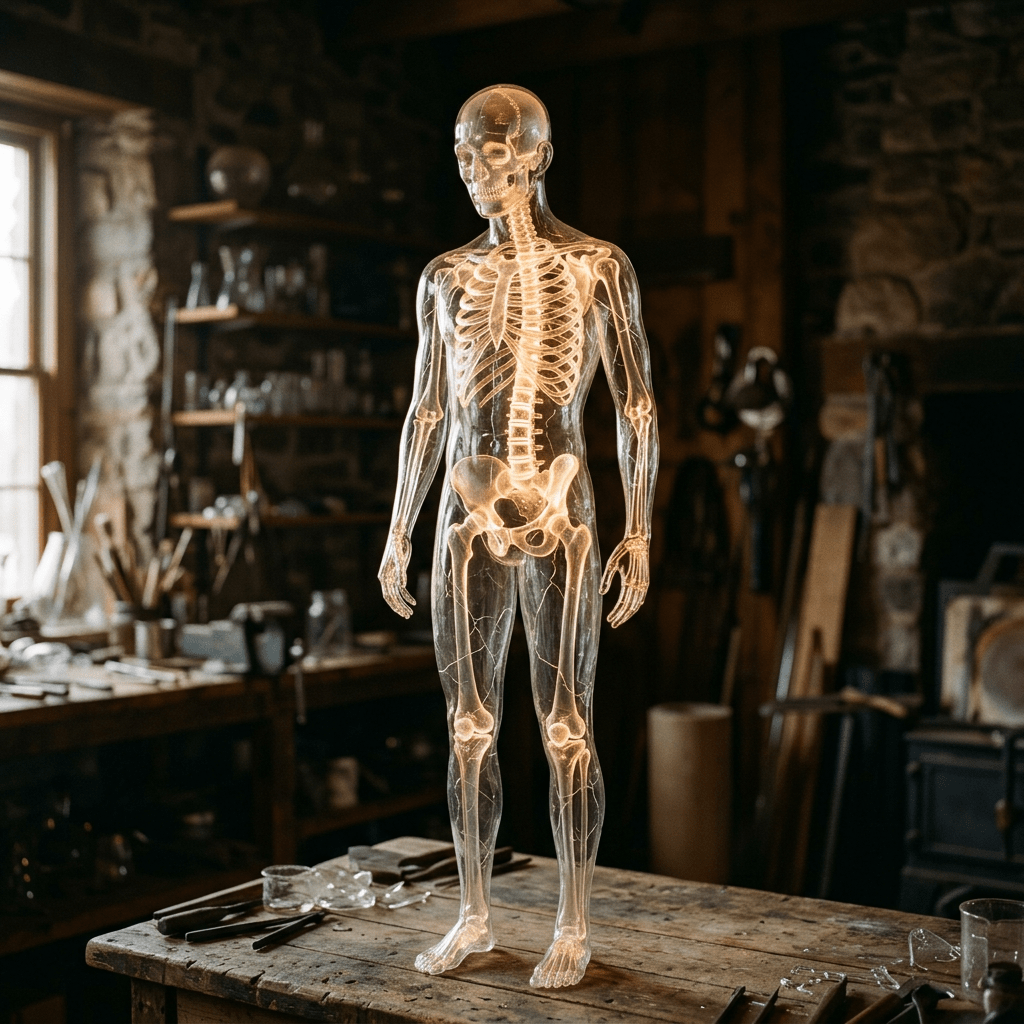
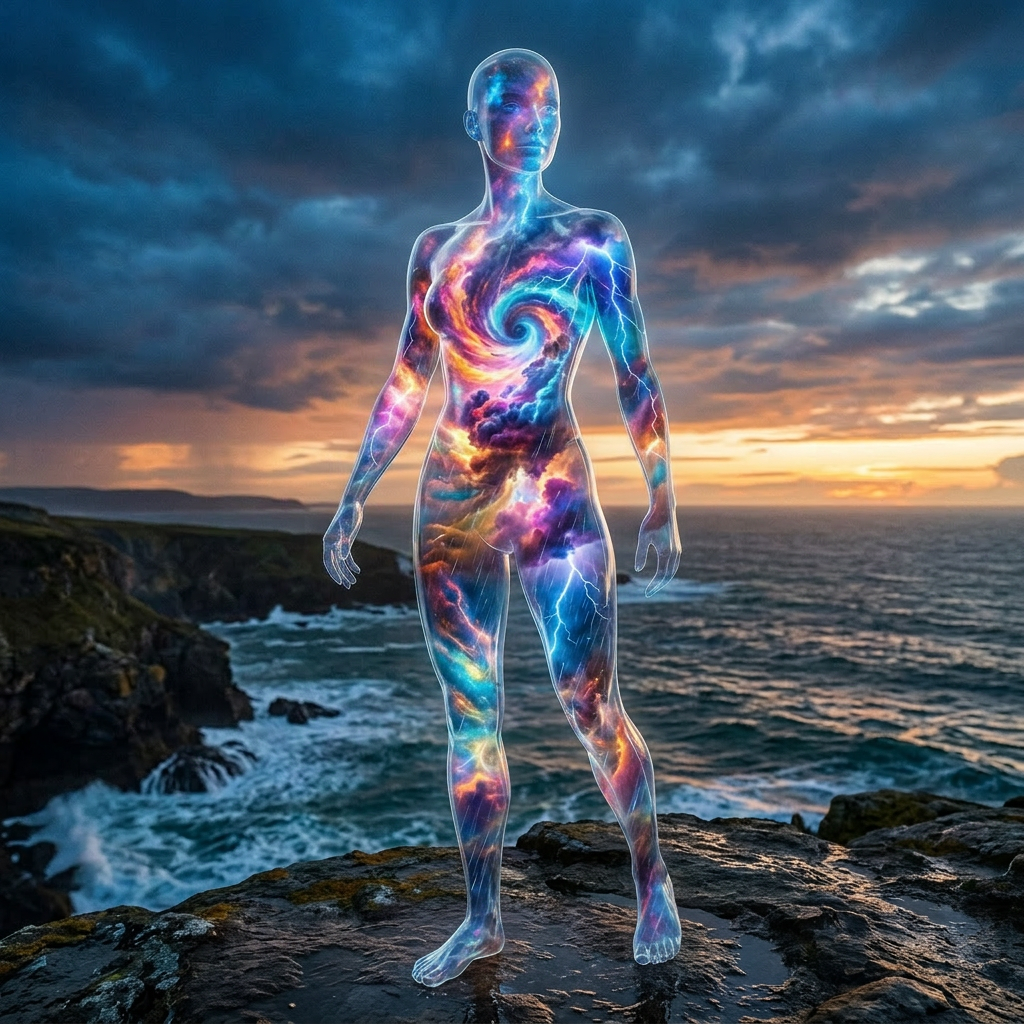
    Transparent human figure with glowing skeleton standing on table

    Bones do not lie. Peak bone density hits in your 20s and 30s. Starve through that window and you are signing up for osteoporosis, stress fractures, and looking 50 at 40 (I guess it is good that I spent my 20s over-indulging). Skin? Collagen does not regenerate when you are running on caffeine and spite. That “glow” from restriction is just dehydration and jaw lines.

    And do not get me started on the toxic fabrics. Shein hauls, polyester everything, “sustainable” activewear that is basically plastic lingerie. These clothes are full of chemicals that mess with your hormones, inflame your skin, and quite literally embed microplastics into your fat tissue. It is not cute. It is chemical warfare on your endocrine system (especially when you do not wear panties) while you pose in the mirror doing the duck face.

    The Real Crime: We Did This to Ourselves

    Beauty standards have always existed. Cleopatra bathed in donkey milk. Victorian women crushed their ribs. But the difference now is scale and speed. Social media turned up the dial. Algorithms reward the extreme: the most inflated lips, the smallest waist, the most obvious work. Natural beauty has been buried under 47 layers of photoshop.

    Men are not innocent here either—they swipe right on the filtered fantasy and wonder why real women feel inadequate. But the buck stops with us. We are the ones doom-scrolling, comparing, and carving ourselves up to compete in a rigged game. The “body positivity” crowd screams acceptance while secretly getting BBLs. The trad girlies preach fertility but still chase that snatched waist…

    This is not about hating pretty women. Hot girls have always existed and always will. The issue is the how. Natural beauty earned through sleep, protein, sunlight, and not treating your face like a Pinterest board has a different quality. It radiates health. It signals vitality. It ages like wine.
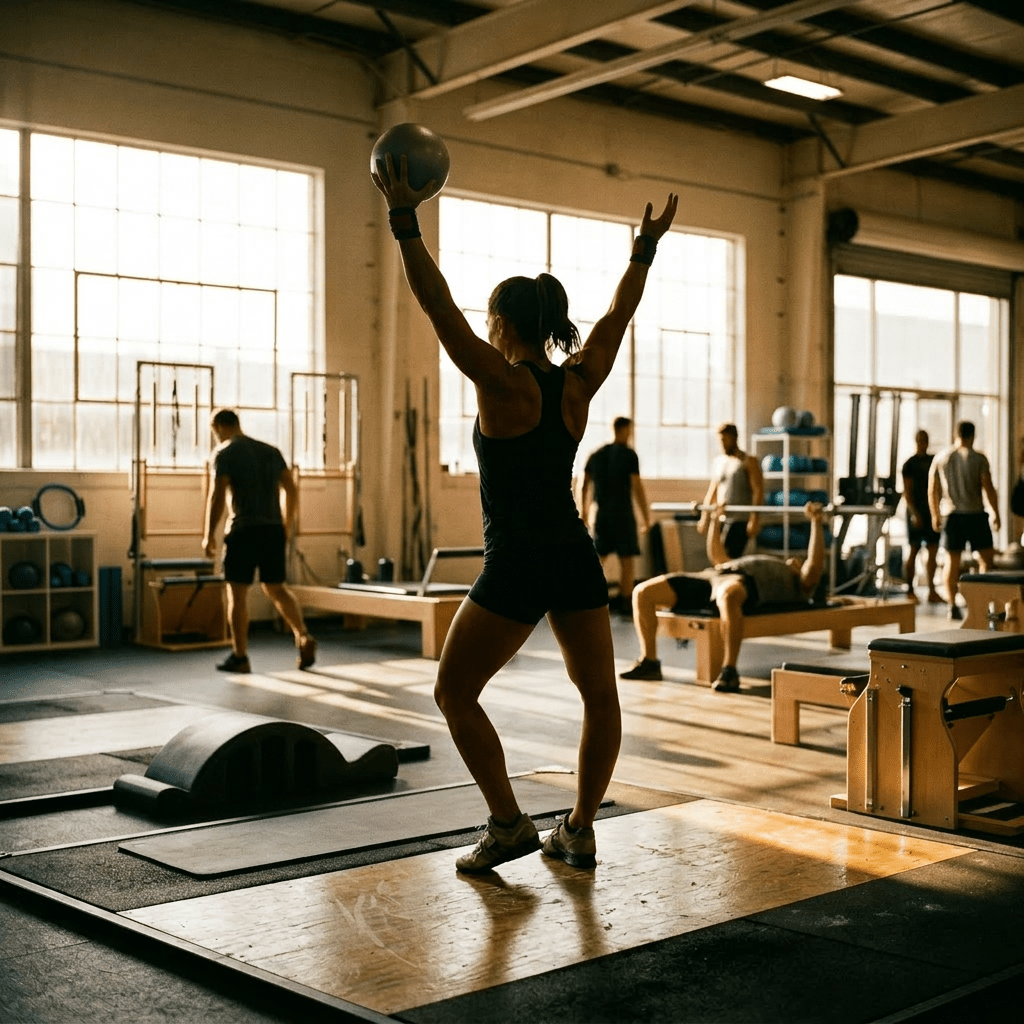
    Woman performing overhead barbell lift in gym with others exercising

    The women who age like fine wine—They invested in the foundations: muscle, bone density, hormone balance, skin from the inside out. That kind of beauty slaps harder because it is real. It whispers competence and resilience instead of screaming “I paid $15k to look like this.”
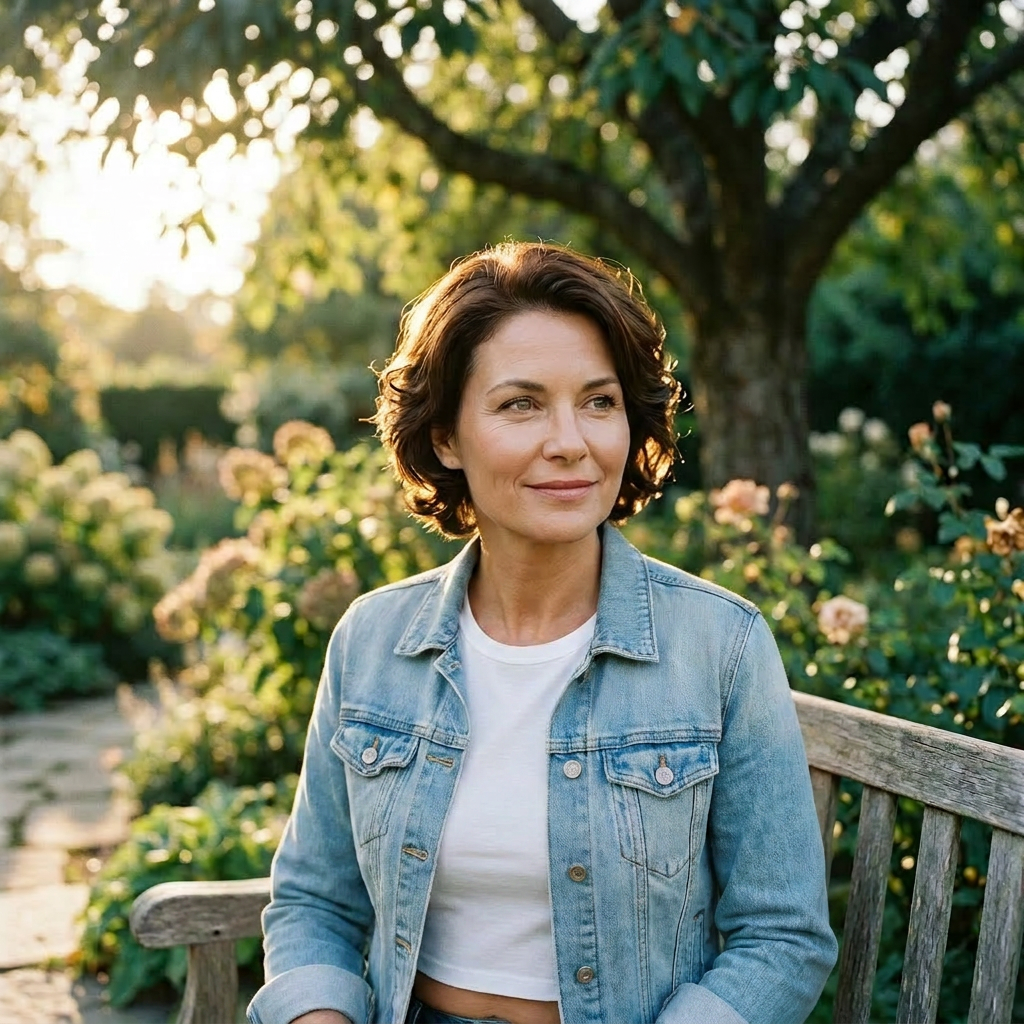
    Woman sitting on wooden bench in garden with greenery and flowers.
    A beautiful woman sits peacefully on a bench in a lush garden during golden hour.

    Beauty matters. Health is beauty. Strength is beauty. A face that moves when you laugh, skin that tells the story of a life well-lived, and a body that can actually do things—these are not consolation prizes. They are the main character energy.

    Chase beauty the right way or watch it destroy you the wrong way. The scalpel, the Ozempic, the toxic trends—they are all shortcuts to nowhere good. Real glow does not come from a syringe. It comes from refusing to break yourself for a standard that was never built for human women in the first place.
  • Fasting: A Game Changer for Self-Control and Pleasure

    Fasting: A Game Changer for Self-Control and Pleasure

    I am not exaggerating, and this is not hyperbole: fasting legitimately saved my life.

    I am an all-or-nothing girl. Always have been. That same wired-in extremity that nearly destroyed me with anorexia is the exact thing that is now keeping me thriving. For years I could starve myself into oblivion without blinking. My body knew how to disappear. But here is the twisted part—I love food. Not in a “oh I enjoy a nice salad” way. I am talking deep, carnal, mouth-watering obsession. Decadent, buttery, chocolate-drenched, sprinkle-covered, still-warm-from-the-oven baked goods that make you moan when you bite into them. Yeah, those.

    University was a sad, hollow circus. I was not “enjoying food”—I was scarfing down everything that I would not allow myself to have before. Cabinets stuffed with chips, cookies, chocolate bars, fancy cheeses—anything I could get my hands on—but also chips, ramen and full trays from the dining hall. Whole pizzas and pints of ice cream. It was punishment dressed up as control. I was miserable and secretly dying inside.

    Then I flipped the script.

    Now I eat like a queen on my terms. I worship treats, but I do not let them run my life. I am not some joyless monk. I have boundaries.

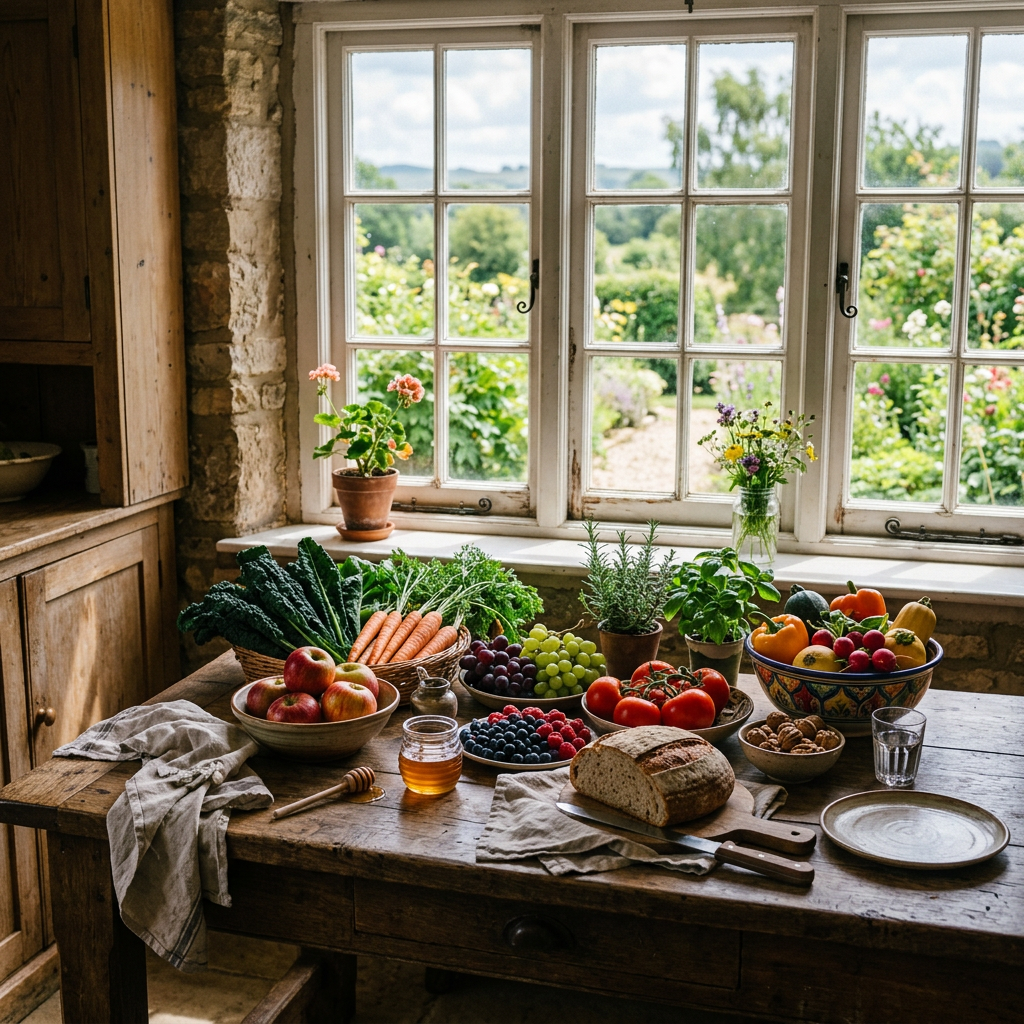
    Wooden table with apples, carrots, tomatoes, grapes, berries, bread, herbs, nuts, and honey in a rustic kitchen
    A wooden table in a rustic kitchen filled with fresh fruits, vegetables, bread, and herbs near a window

    I run a brutal but beautiful intermittent fasting schedule. Lunch around 11 a.m.—usually something vibrant, colorful, and actually nutritious, because I am not an idiot. Then one snack somewhere between 2 and 5 p.m. That is it. The rest of the day my body gets to chill, burn fat, repair itself, and stop being a slave to constant digestion.

    Eating out on holiday with my man.

    Weekends are when I let the beast out. Chocolate. Nuts. Freshly baked pastries. I go all out. And because I have kept my weekdays tight, I do not blow up or hate myself on Monday. This is not restriction for restriction’s sake. This is strategy. This is power.

    This way of eating does not look perfect for cohabitation. Living with my man means I am going to have some late dinners. And plenty of steak and potatoes (his favorites). But right now, this is how I learned to enjoy my life without turning into a bloated, anxious mess. I am still dedicated. I am still disciplined. And most importantly—I am still playing.

    I love my body now. I am done punishing it. Done with the war. Fasting showed me I could have both: the thrill of indulgence and the iron grip of self-control. It is the ultimate flex.

    Intermittent Fasting is my daily weapon—the one that actually fits real life. 16:8, 18:6, whatever. You shrink the window of the hours in which you allow yourself to eat, expand your freedom.

    But there is more. The dark arts:

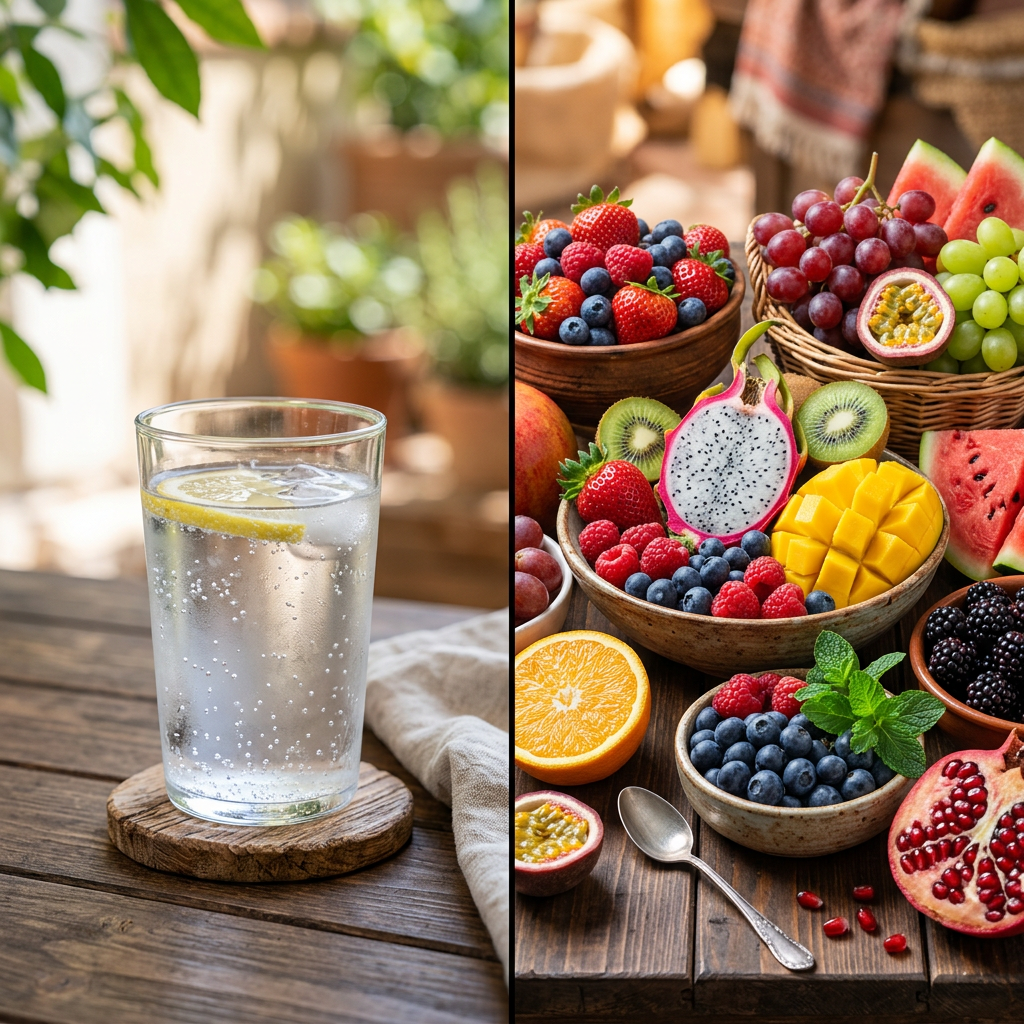
    Water Fasting—just water, sometimes electrolytes, for days. This one takes god-tier discipline. Your body goes full apocalypse mode: autophagy on steroids, inflammation crashing, mental clarity. I have done shorter ones. The first 48 hours can suck your soul out, but then something shifts. You float. You feel dangerous. Powerful. Like you could conquer anything on nothing but spite and sparkling water.

    Fruit Fasting—basically what I did during my high school years. Flooding your system with natural sugars and enzymes from fresh, ripe fruit only. It is a gentler cleanse, great for resetting taste buds and giving your gut a break without going full nuclear. Sweet, juicy, vibrant—feels less like punishment and more like a tropical vacation for your cells.

    Dry Fasting—the final boss. No food, no water. Absolute zero intake. This one is not for beginners or clout-chasers. It is extreme, it is controversial, and it forces your body into survival—pulling water from metabolic processes, accelerating repair like nothing else. I respect the hell out of it, but I approach with caution. Your body has to be ready.

    All of them revolve around the same truth: sometimes the most radical act of self-love is not putting food in your mouth 24/7.

    Fasting did not just fix my body. It rewired my relationship with control, pleasure, and power. I am no longer the girl hoarding snacks. I am the woman who decides when and how she feasts—and when she lets the fire burn clean.

    If you are all-or-nothing like me, maybe this is your answer too. Stop the endless grazing. Stop the guilt-shame spiral. Draw a hard line, protect your window, and then truly enjoy yourself when it is time.

    Your body is not a temple to be constantly decorated with snacks. It is a weapon. Sharpen it.

    I am living proof.

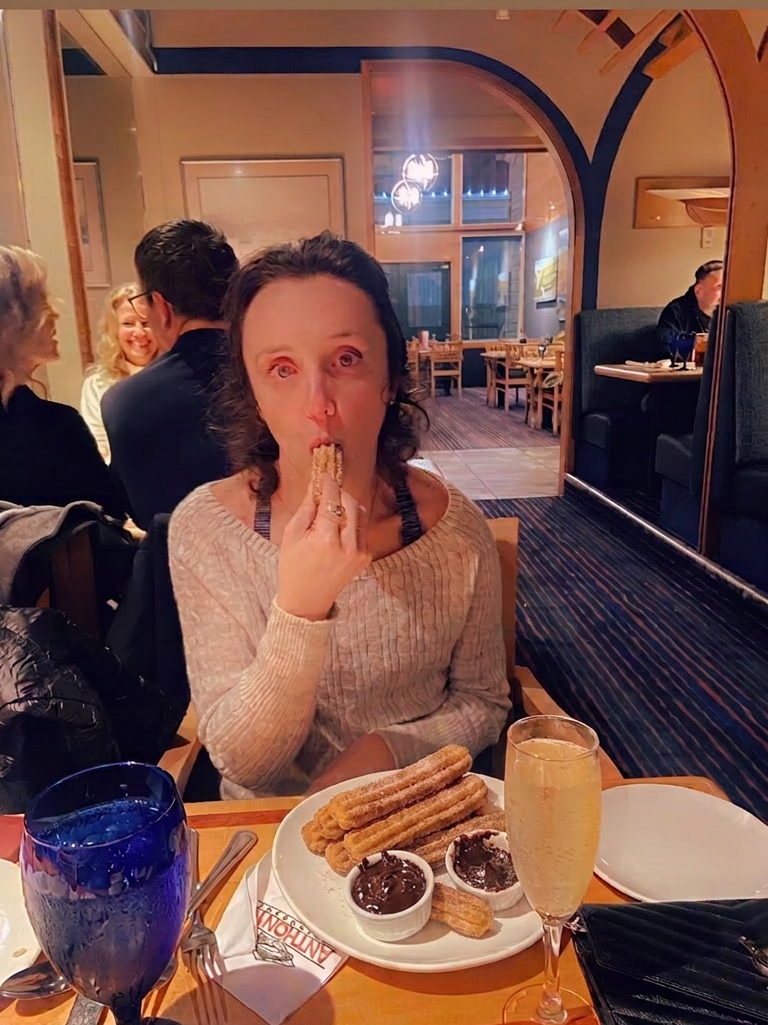
    He loves to take pictures of me indulging!

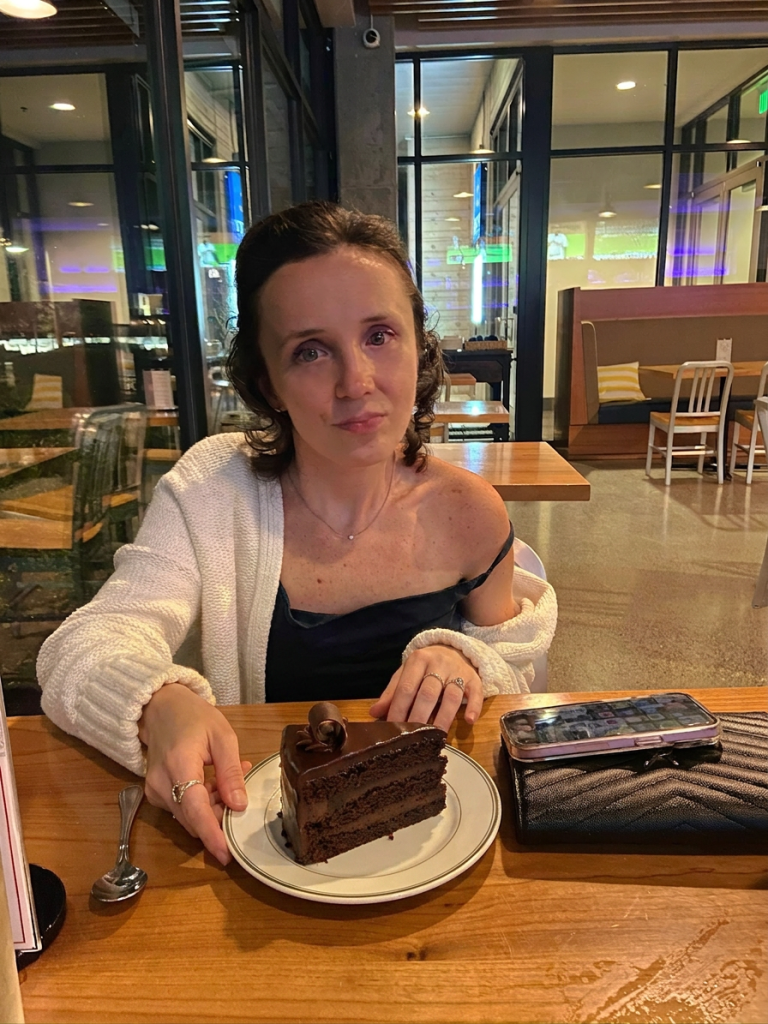
    Now if you will excuse me… it is Sunday. There is something chocolate calling my name.

  • Embracing MAHA: Reclaiming Our Health, One Pure Sip at a Time

    Embracing MAHA: Reclaiming Our Health, One Pure Sip at a Time

    I have always been passionate about the Make America Healthy Again (MAHA) movement. In a world full of processed foods, additives, and policies that seem more interested in managing sickness than preventing it, MAHA feels like an awakening. Under this administration, we are finally seeing the government prioritizing nutrition, whole foods, and root-cause solutions to the chronic disease epidemic plaguing our families.

    From reforming SNAP benefits to restrict unhealthy items (the average weight of a woman on SNAP is ~211 pounds versus ~146 pounds for the average woman!), to turning the dietary guidelines upside down — they put real, nutrient-dense foods front and center. They are also pushing Farm to School programs that connect kids with fresh produce from American farmers—this is the kind of change I have dreamed about (I adore farm-to-table dining!). MAHA is not just a slogan; it is a commitment to making our children healthier, our communities stronger, and our nation resilient again.

    But one issue hits especially close to home for me: fluoride in our water supply (read my blogpost about water and hydration here). It has been a controversial topic for decades, amplified by memes, podcasts, and the bro-science community who refuse to accept the official narrative. The question that keeps echoing in my mind—and in so many conversations online—is this: Do you really believe the government added fluoride to our drinking water purely to fight cavities?

    For years, we have been told that community water fluoridation is one of the greatest public health achievements of the 20th century. At optimal levels (around 0.7 mg/L), it supposedly strengthens tooth enamel and reduces decay, especially for those without regular dental care.

    Yet, the skepticism runs deep—and for good reason. Large doses of fluoride have been linked in studies and discussions to brittle bones (skeletal fluorosis), lower IQ in children, memory issues, and other neurological concerns. So you are actually poisoning yourselves by boiling healthy foods, like vegetables. Podcasts and viral content often highlight how fluoride accumulates in the body, potentially crossing the blood-brain barrier and affecting cognitive development (funnily/ironically enough, the kids who test the lowest in cognitive abilities, etc. live in communities who cannot afford to filter their water). And would it not be beneficial for the people who you rule over you to be dumb and ignorant?  Animal and epidemiological studies, particularly from areas with naturally high fluoride levels, raise red flags about neurotoxicity, thyroid disruption, and weakened bone structure.

    RFK Jr. has been vocal about this for years, calling fluoride a neurotoxin and industrial byproduct that does not belong in our taps. Under MAHA, we are seeing action: efforts to review CDC recommendations, state-level bans or restrictions (like in Utah and Florida), and a broader push for transparency on what we are actually ingesting every single day.

    Was it ever really just about teeth? Whether you lean toward conspiracy theories or simply demand better evidence, the pattern is clear: mass medication via water supply bypasses individual choice and informed consent.

    We now have alternatives for dental health: better diets low in sugar and ultra-processed foods and improved access to dental care. MAHA’s focus on nutrition and real food aligns perfectly here: stronger teeth and bodies come from the inside out, not from a chemical added to every glass of water, shower, or boiled meal.

    Chronic disease is skyrocketing—diabetes, obesity, cognitive issues in kids. If even a portion of that stems from exposures like fluoride, then removing it is common-sense (something that is not necessarily common) prevention. MAHA is about ending corporate capture of our food and health systems, questioning outdated beliefs, and empowering people with pure water, clean air, and nourishing food.

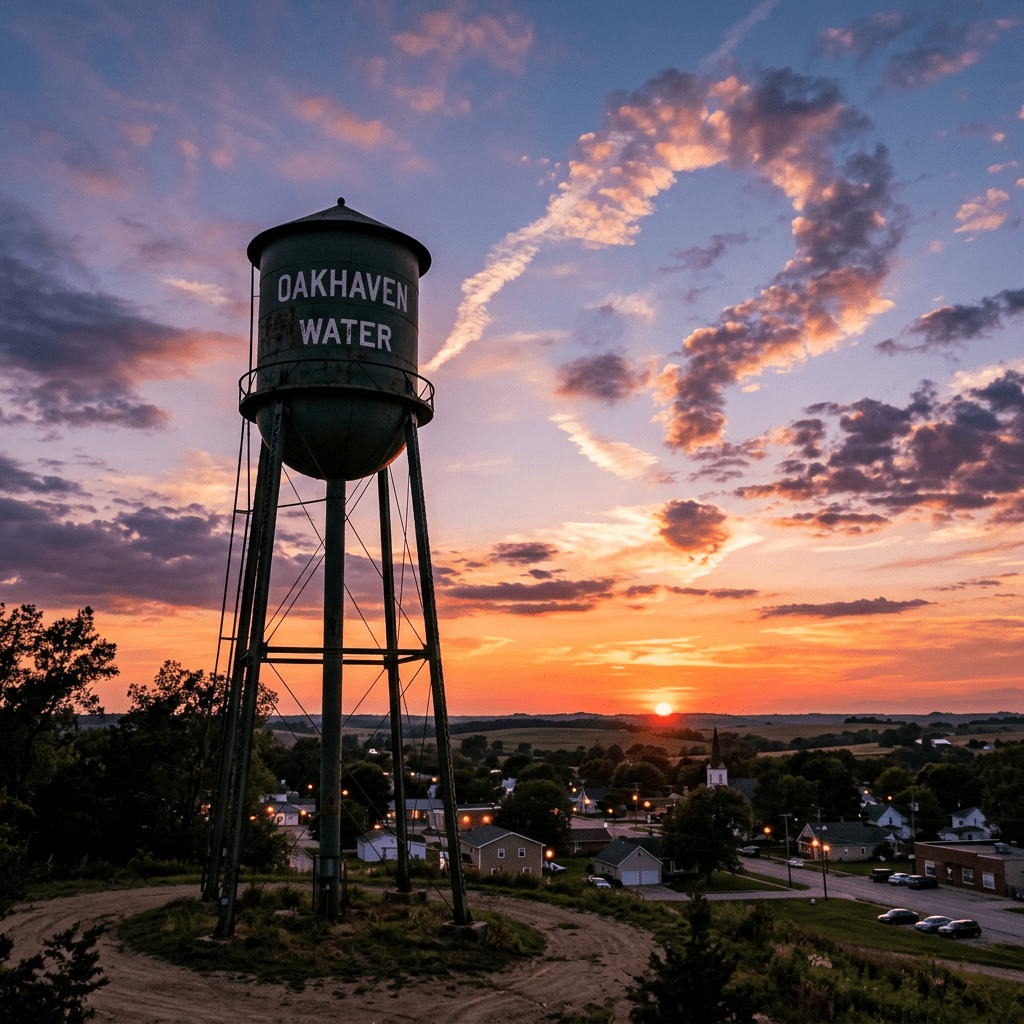
    Oakhaven water tower with sunset and town in background
    Questions about small town water supply

    I love how this administration is tackling nutrition head-on: new dietary guidelines emphasizing whole foods, proteins, healthy fats, and vegetables over junk. States experimenting with SNAP reforms. Investments in soil health and regenerative farming. These steps build a foundation where we do not need bandaids like mass fluoridation. 

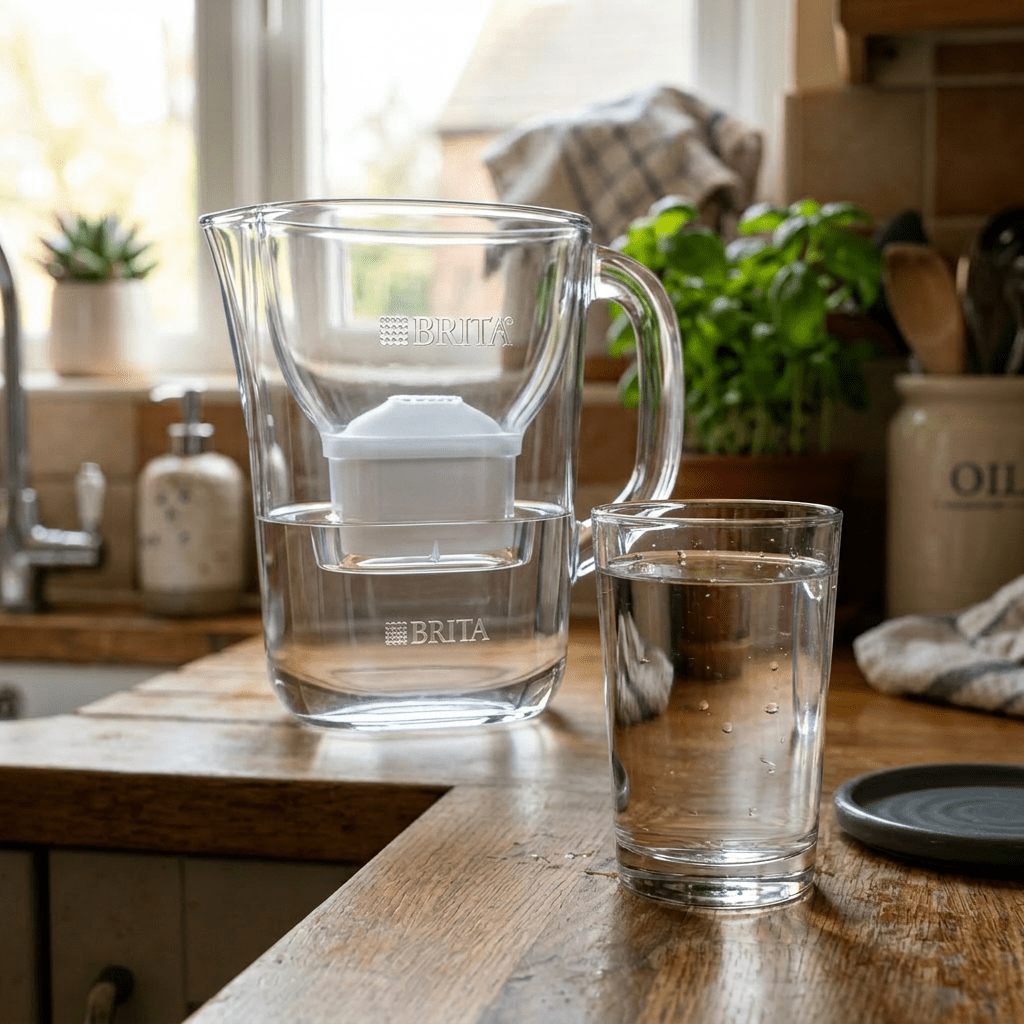
    Personally, I have switched to filtered water , researched remineralization options (electrolytes!), and focused on mineral-rich diets. My love for MAHA grows with every new ruling. The memes are funny, but the science and lived experience are compelling.

    Fluoride in water might have started with good intentions (or not), but in 2026, with better tools and awareness, it is time to rethink it. Support local efforts to review or remove it. Back MAHA initiatives that prioritize transparency and choice. Demand studies that look at total exposure from all sources, not just narrow dental metrics.

    This movement is not anti-science—it is pro-truth, pro-freedom, and pro-health. I am all in because I want to thrive without hidden burdens in our most basic necessity: water.

    Water surface with DNA helix and medical icons alongside liquid drops from a pipette
    Water ripples with DNA strand and medical icons in a lab setting
  • Why Settle for Basic When You Can Be His Ultimate Arm Candy?

    Why Settle for Basic When You Can Be His Ultimate Arm Candy?

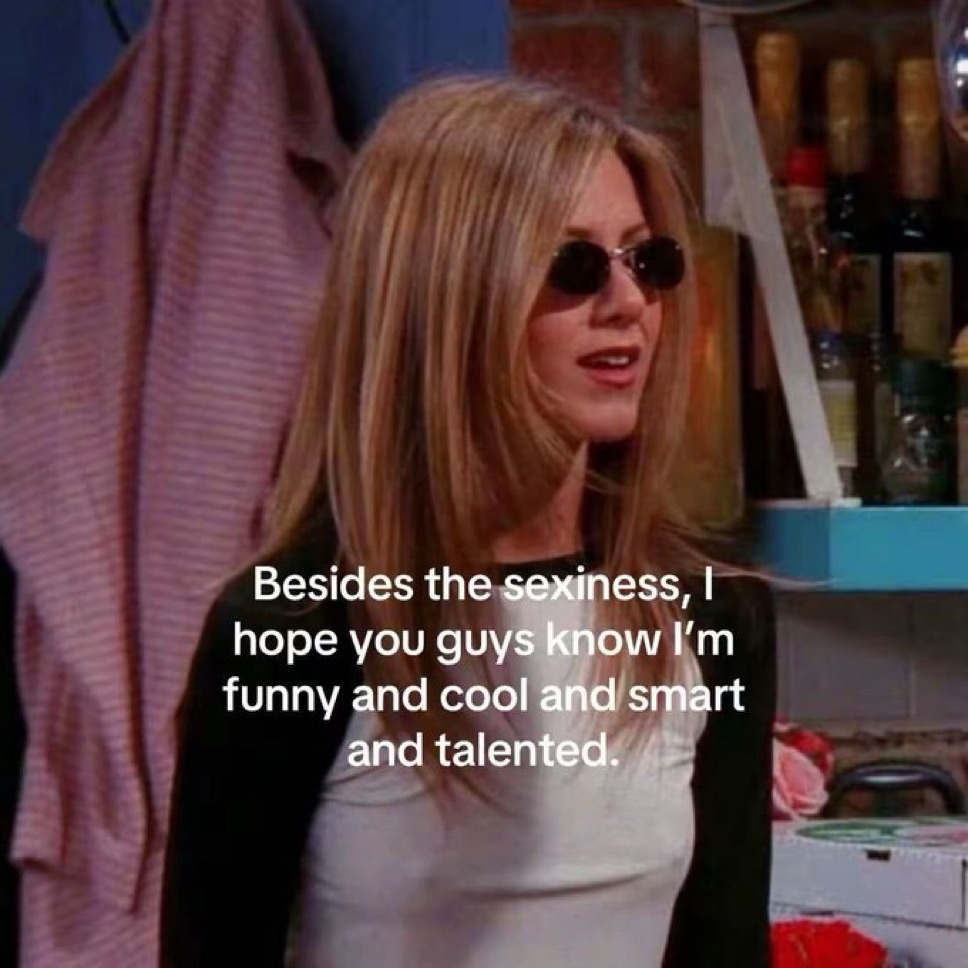
    In a world drowning in sloppy sweatpants, filtered selfies, and the exhausting cult of “I’m a strong independent woman who don’t need no man,”: a woman should not only be beautiful. She should be dangerously interesting.

    Beauty opens doors, sure. It turns heads, stops conversations mid-sentence, and makes weak men stutter. But beauty without substance? That is just expensive wallpaper. Pretty to look at until someone better walks by.  Why do you think men are always leaving the Halle Berrys and Victoria’s Secret models?!

    It is a honor to be beautiful. Own it. Revel in it. Wake up every morning and treat your femininity like the rare, intoxicating weapon it is. Keep your legs (and the rest of your body) smooth like it is foreplay. Move with the kind of grace that makes other women clutch their pearls and men adjust their pants. Speak with eloquence that drips like honey—slow, deliberate, unforgettable. Wear the dress that shows off every bone like it is personally offended by fabric. Because your body, your presence, your entire aura is a privilege, not a participation trophy.

    Woman in green dress looking out window at city skyline during sunset
    Be elegant, not powerful

    But here is where the modern girlies lose the plot: please do not dare stop there.

    Your man does not just want a pretty face on his arm at events. He wants a woman who makes his blood run hot, his mind race, and his ego feel like that of a king. Beauty gets you in the door. Depth keeps you locked in his bed, his heart, and his future. Cook for him like you are seducing his soul. Laugh at his jokes even when they are mid, but roast him when he deserves it—sharp, playful, never bitter. Read books. Have opinions that are not just recycled social media drivel. Know when to be soft and yielding and when to challenge him just enough.

    My boyfriend was initially drawn to me because of my edgy and controversial personality that I exhibited on my old X account (Twitter). I have always been book smart— not naturally intelligent— but my man is always amazed by the amount of information I retain. I am obsessed with listening to podcasts (although I have been on a bit of a hiatus) and yes I read X.com like it is my personality curated newspaper. So I tend to be well versed and able to discuss his interests with him. (But I also had a fire profile picture…)

    How I do the “news”/ stay interesting now

    Yes, it has always been my number one goal to be arm candy for my husband.

    YES, please

    I did not stumble into this. I craved it for years before I even met him. While my friends were out chasing careers, validation from strangers, and that mythical “self-love” that somehow always required new hair dye and more therapy, I was curating myself like a masterpiece. I was sitting there in my wheelchair all fat and bloated— just daydreaming about the day my husband can show me off. I wanted to be the woman other men envy and other women quietly resent. I still do. The one who turns heads in the restaurant and makes his hand instinctively tighten on my waist. The trophy that is not just shiny but sharp as a blade underneath.

    And now? I take immense pleasure in being exactly that for my man.

    Chess queen piece standing alone on a wooden chessboard with spotlight
    A single chess queen piece illuminated on a wooden chessboard in a dim room

    There is something deliciously powerful about being on his arm, knowing every eye is on us—and that I am the one he gets to take home, unwrap, and ruin. I love being the visual feast he shows off and the private obsession he devours behind closed doors. I crave the way people glance a second too long and then look away because they know they could never have this. I love the quiet pride in his eyes when I charm, when I look flawless at four a.m. with bed hair that somehow still looks intentionality messy, when I anticipate his needs before he voices them.

    Call it outdated. Call it anti-feminist. I call it honest.

    Because let me be real: the “girlboss” who spends her nights crying into takeout because her “high-value” standards left her with a vibrator and an empty calendar is not winning. She is exhausted. Meanwhile, I am glowing, desired, and secure in the kind of traditional dynamic that actually satisfies something primal in both of us.

    Femininity is not weakness. It is strategy. It is power wrapped in silk and perfume. Being beautiful is the baseline. Being interesting—the kind of interesting that makes him obsessed—is the flex. And being unapologetically his arm candy? That is the victory lap.

    Maybe it is time to stop competing with men and start completing the one worth keeping.

    Green silk dress on a red velvet chair with casual clothes on the floor
    A green silky dress and casual clothing draped on a vintage chair in a cozy room.
  • Understanding Candida: Your Gut’s Hidden Struggle

    Understanding Candida: Your Gut’s Hidden Struggle

    I have been known for mainlining sugar, stress, and antibiotics like they are essential vitamins (add in some coffee and bubbles and I am in nutrition heaven!). That often leads to a condition called Candida.

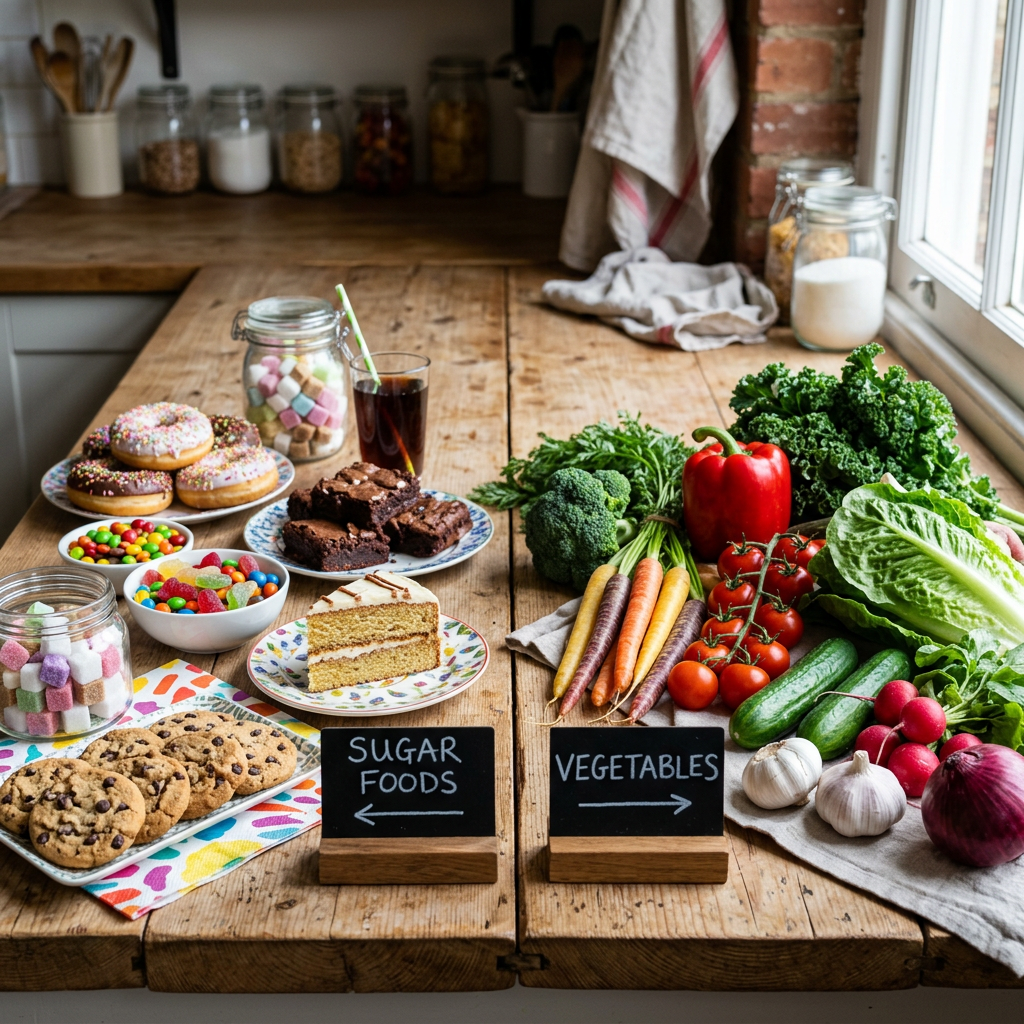
    Sugary foods including donuts, brownies, cookies, candy, and a slice of cake on the left; fresh vegetables such as carrots, broccoli, tomatoes, cucumbers, lettuce, garlic, and radishes on the right.
    An array of sugary treats contrasts with fresh vegetables on a wooden kitchen table.

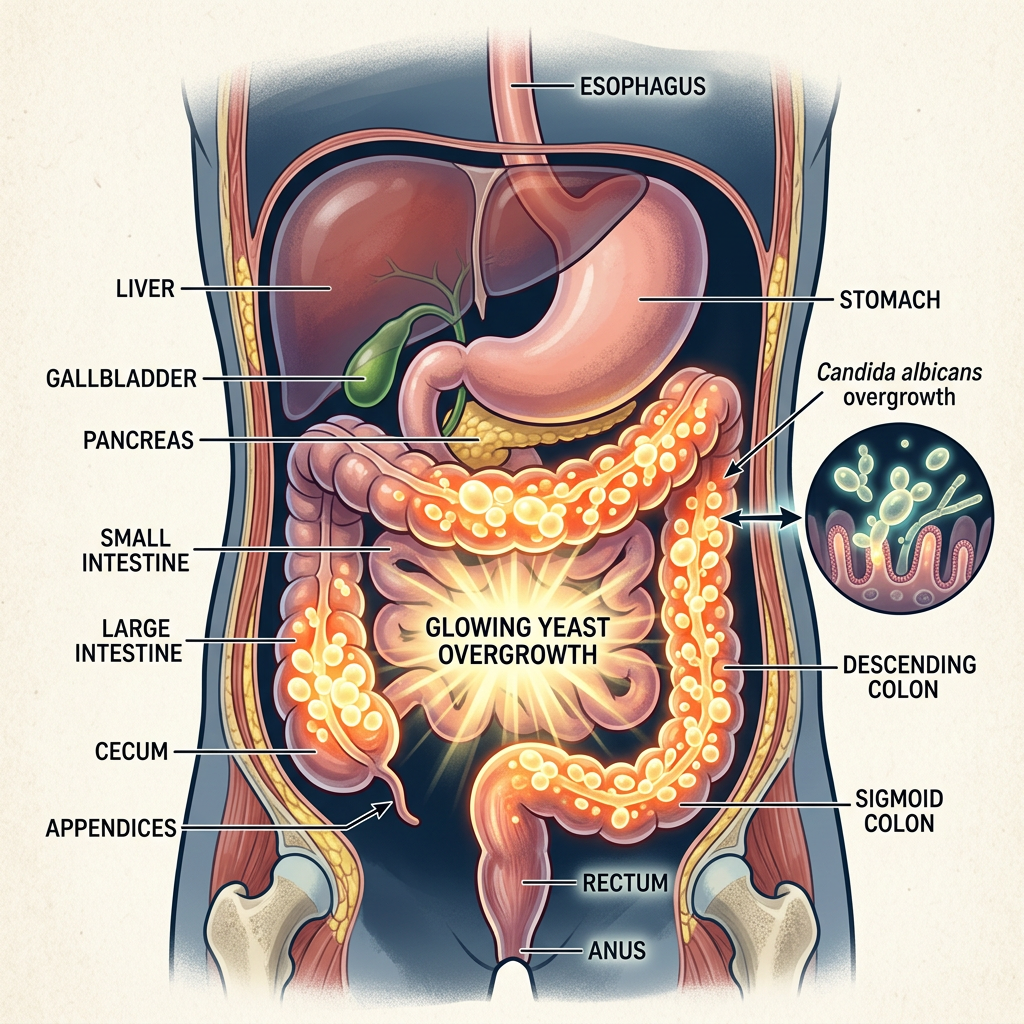
    If you have never heard of it, Candida is not a bacterial infection. It is a yeast, a type of fungus that lives in all of us in small amounts. But when your gut ecosystem goes haywire, it throws a wild party and multiplies like crazy. The result is extreme bloating that makes your jeans beg for mercy and brain fog so thick you could cut it with a knife.

    I have always been the queen of “Treat Yourself” and yes, sometimes stress can make me take the playing a bit too far. I have always had a preference for fruits and sweets. Plus I would hydrate myself only with caffeine and I would treat drinking as if it was a medical necessity (aperol spritz, champagne, Chardonnay?)— and , we cannot forget obsession for my bubbly water with yummy flavored electrolytes!

    Tea cup, fruit bowl, pie slice on plate with fork, and open journal on wooden kitchen table
    A peaceful morning scene with coffee fruit, pie, and a journal on a rustic table

    Yes, I thought I was functioning. But looking years back, my body was waving red flags. That post-meal bloat was not just “I ate too much.” That mental haze where I could not remember simple tasks or focus for more than 10 minutes was never just the side effect of brain damage. It was my gut screaming for help.

    Sugar and refined carbs are Candida’s favorite fuel. These are also the main sources that make up my diet. Stress pumps out cortisol, which further imbalances your microbiome and weakens immunity. Coffee keeps the party going. It is a vicious cycle: the yeast craves sugar, you feed it, it grows, symptoms worsen, you stress-eat more. Heaven for Candida, hell for me.

    Then it stopped. I did not seek help from the western medical establishment… as you ask them for help and they turn into pill pushers (telling you that Big Pharma will heal you— never mind what the blood work etc shows).

    It is sneaky because symptoms overlap with so many other things—stress, thyroid issues, etc. Many people (myself included) brush it off for years. Fatigue that no amount of coffee can cure and intense sugar cravings.

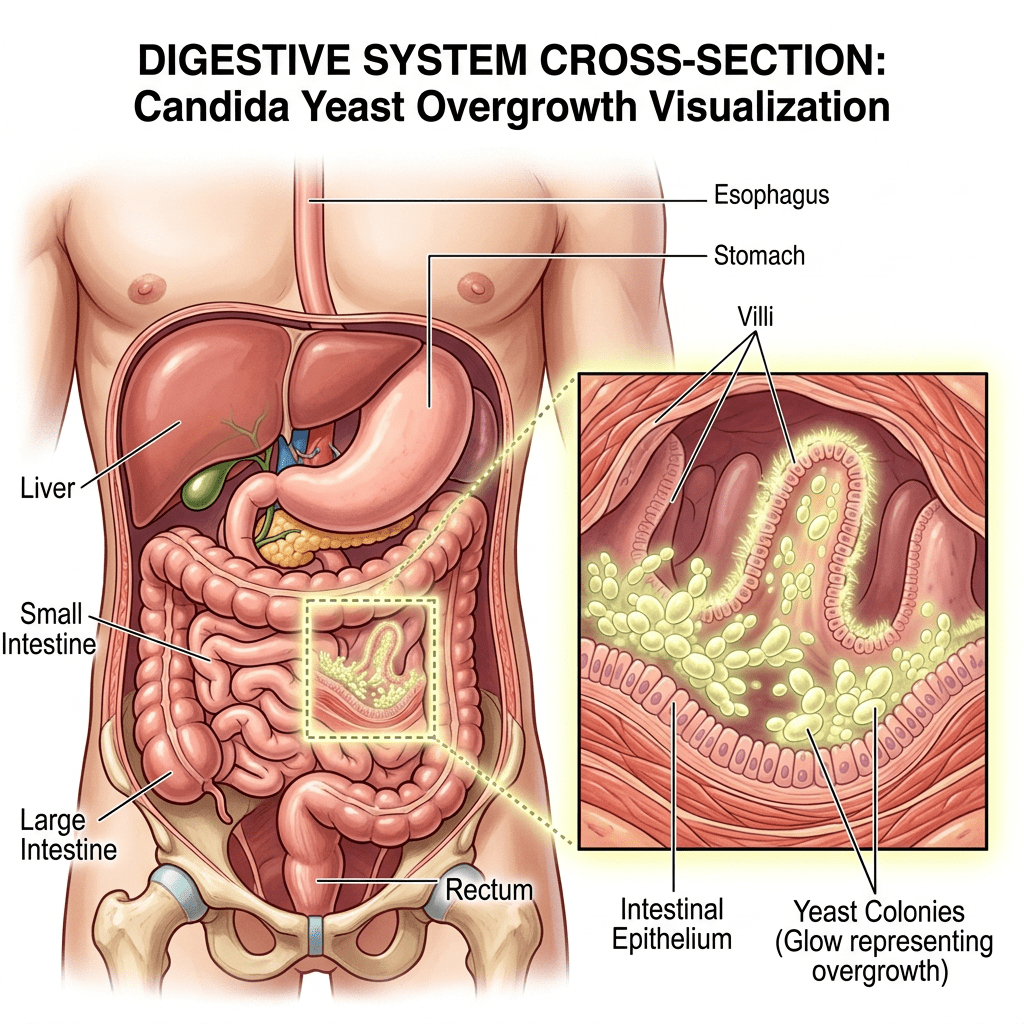
    Digestive system cross-section with labeled organs and inset showing candida yeast overgrowth on intestinal villi
    Cross-section of the digestive system showing candida yeast overgrowth in the small intestine

    Candida overgrowth is not always a formal medical diagnosis everyone agrees on (some doctors are skeptical of “systemic” claims), but the symptoms are real, and addressing the root causes helps a ton of people feel better. Realizing that any gut issue is an issue with something that you are eating is the first step. Yes, most doctors will say that you have some sort of Irritable Bowel Syndrome (IBS), but I have found that starving out the yeast is the way to go. Plus, eliminating any stress in your life. So ultimately mindfulness is most important. Not some sort of medicine.

    No, I am not eliminating all of the yummy joy out of my life— I am not about to spend my life being miserable. I simply added in fasting, limiting the overly sugary/ processed and voila! I get to play again. I will treat myself and then practice self discipline. Weekends are often for indulgence. Weekdays are definitely disciplined. One meal per day and always full of vibrant and nutritious foods. It is pretty fun (plus the reflection in my mirror and the look on my my boyfriend’s face are both ecstatic!)

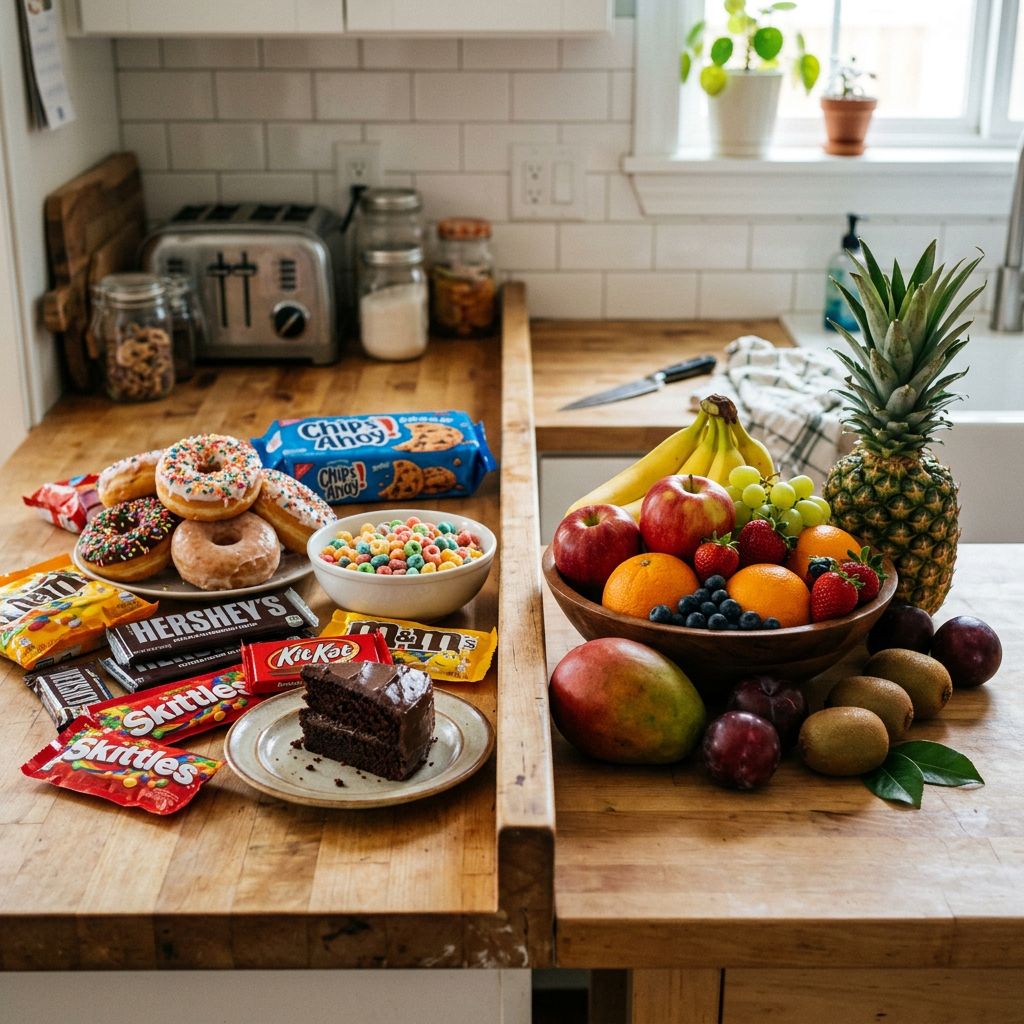
    Plate of donuts, chocolate bars, cookies, candy, and bowl of cereal next to a bowl of fresh fruits including bananas, apples, grapes, strawberries, oranges, pineapple, mango, plums, and kiwis
    Side-by-side display of sugary snacks and fresh fruits on a kitchen counter
  • From Black-Pilled to White-Pilled: A Mindset Shift

    From Black-Pilled to White-Pilled: A Mindset Shift

    I am not typically a negative person (read more here). I see the glass half full not half empty. However, I often feel that lack in my life—my man will say, “I wish they did that for you… you deserve a win” and my response? “That’s just how life works out for me now…. Whether it is my recovery, my relationship… I always have to wait”. Recovery crawling. Relationship hitting every red light. Opportunities? I am always waiting. Always.

    Sounds like some emo, woe-is-me playlist on repeat, right? But I am owning this pattern like its designer. I have stopped fighting the current and started riding the wave. Everything—everything—is gonna drop when it is supposed to. Not a second sooner, not a millisecond later. The delays are not punishments; they are plot armor. Call me delulu if you want, but I am wearing that label.

    Now let us talk about the real cancer that is eating souls these days: being black-pilled. You know the type. These miserables look at society’s flaming dumpster fire and the wreckage of their own lives and decide the only logical response is to glorify the potential apocalypse. “It is all doomed. Women are finished. Men are finished. The future is soy, depression, and climate lockdowns. Might as well rot in bed.” Black-pillers do not see problems—they call it realism. They marinate in present-day suckage and future-cucked despair like it is a personality trait. Spoiler: this is not deep. It is just being an emotional with extra steps. Zero growth. All cope.

    Personally, I am riding the white-pill wave so hard. White-pilled is not some naive sunshine and rainbows. It is refined, razor-sharp clarity with a side of patience. You start seeing every “delay” as divine diversion for your own good. That job that ghosted you? Saved you from becoming a soulless cubicle zombie. The slow recovery? It is the universe wrapping you in bubble wrap so you do not shatter before you are ready to become the final version of yourself.

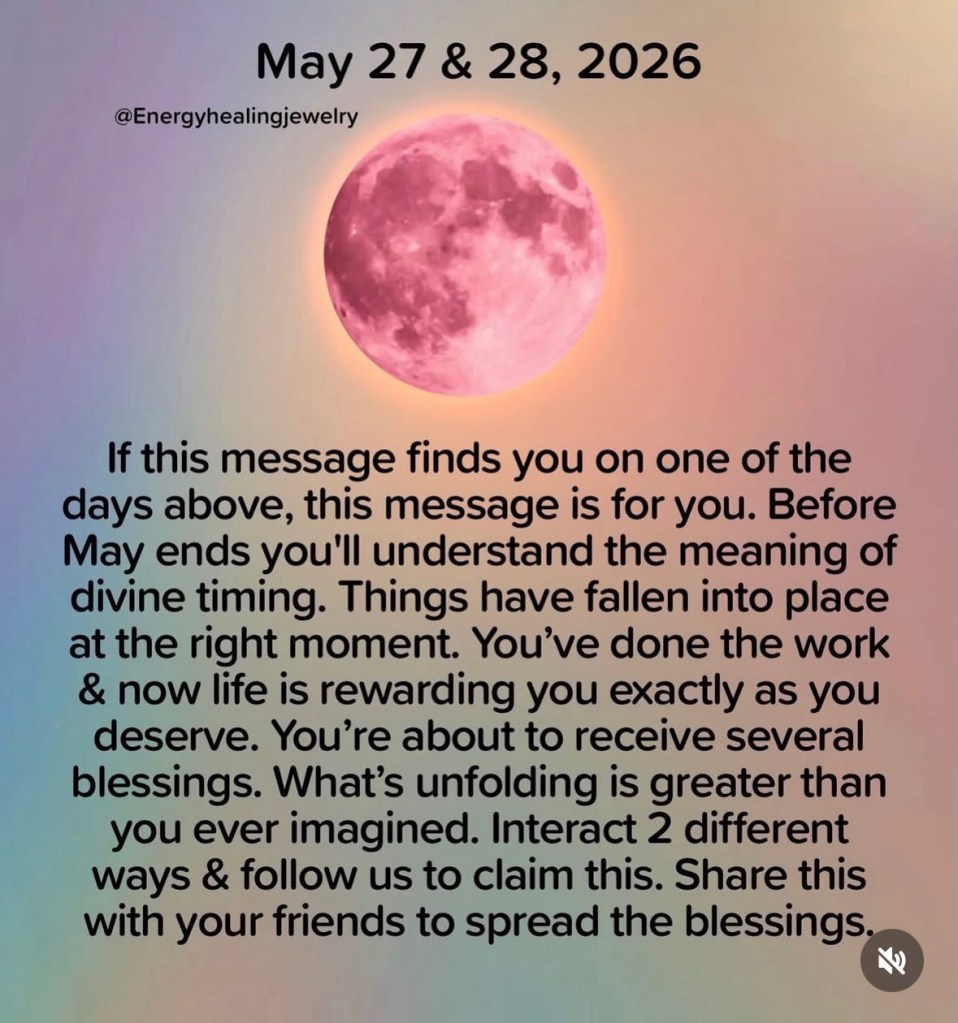
    DIVINE TIMING ✨✨✨

    Nothing takes “too long.” It takes exactly as long as it needs to. You are not being ignored—you are being protected. That glorious 20/20 hindsight always rolls up: Every closed door, every late blessing, every “not yet” is the cosmos playing 4D chess while you are still stuck on checkers.

    Thus , I am done romanticizing the wait. I am weaponizing it. The black-pillers can keep doom-scrolling and crying into their half-empty drinks. I will be over here, glass half full (of celebratory champagne,probably), watching the universe cook up my victory lap.

    Timing is not the enemy. It is the ultimate plot armor. And when my moment hits it is going to be so loud that even the black pillers will not be able to ignore it.

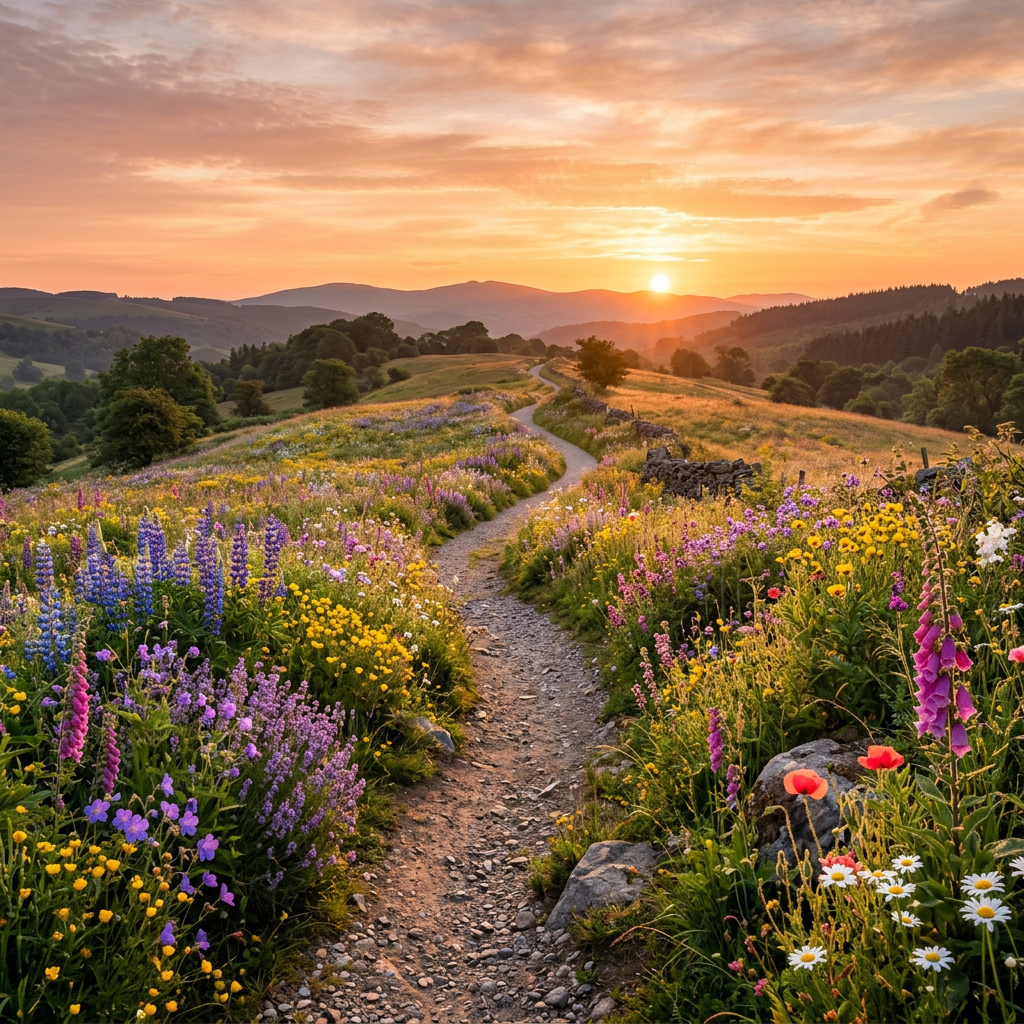
    Winding dirt path through vibrant wildflowers with sun setting behind distant hills
    A winding path through a colorful wildflower meadow at sunset

    Stay white-pilled, kings and queens. The wait sucks, but the glow-up? Worth every second.

  • Cottagecore: Embrace the Gentle Rebellion Against Hustle Culture

    Cottagecore: Embrace the Gentle Rebellion Against Hustle Culture

    In a world that glorifies the relentless grind—the 5 a.m. alarms, the overflowing inboxes, the endless cycle of productivity hacks and side hustles—there is a quiet revolution blooming in meadows and on windowsills. It is called cottagecore, and it is not just an aesthetic. It is a lifeline for those of us whose nervous systems have been fried by the modern expectation to do it all, be it all, and still look effortlessly polished while doing so.

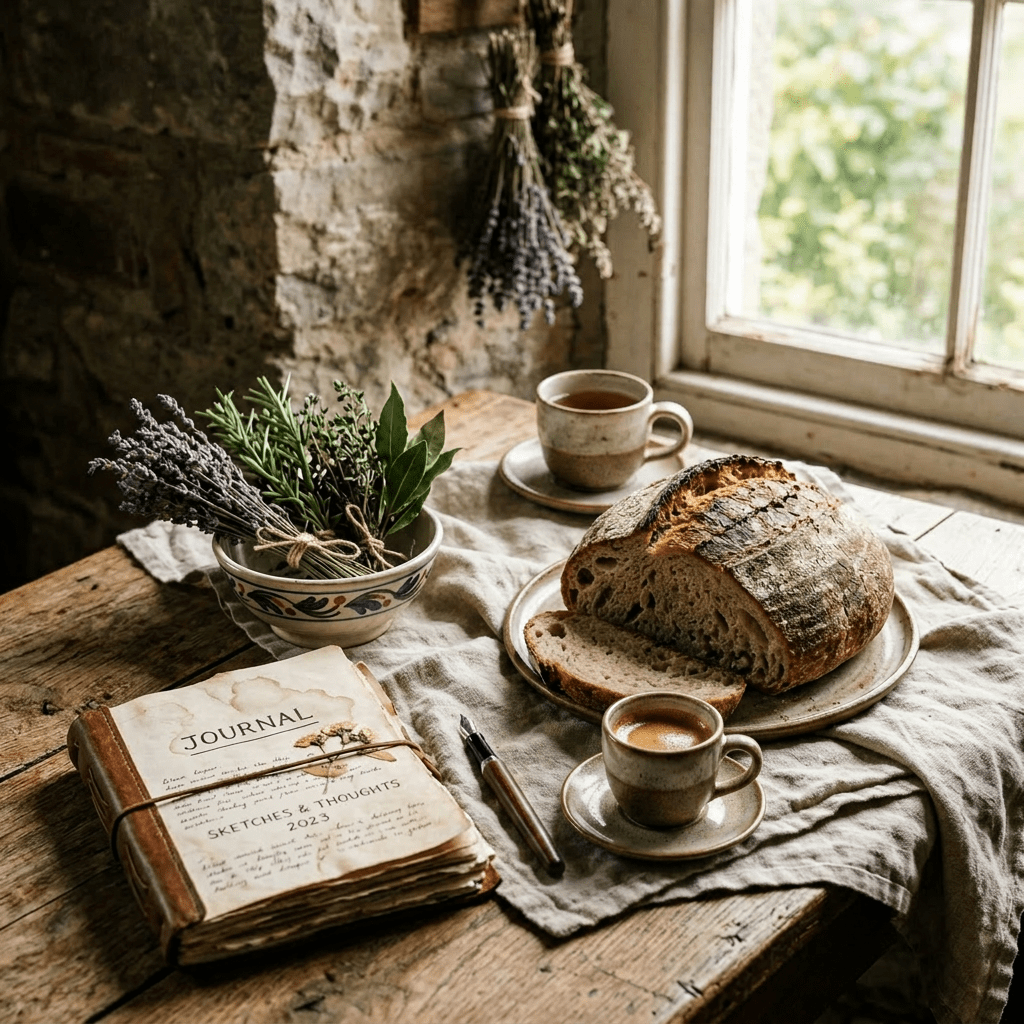
    Cottagecore is the dream of soft mornings wrapped in linen, the scent of fresh bread cooling on the windowsill, hands stained with berry juice from jam-making rather than ink . It is the gentle rejection of a life that was never designed for human flourishing. And for many burned-out Zoomers (and yes, some of us who came just before them), it became the soft landing we desperately needed.

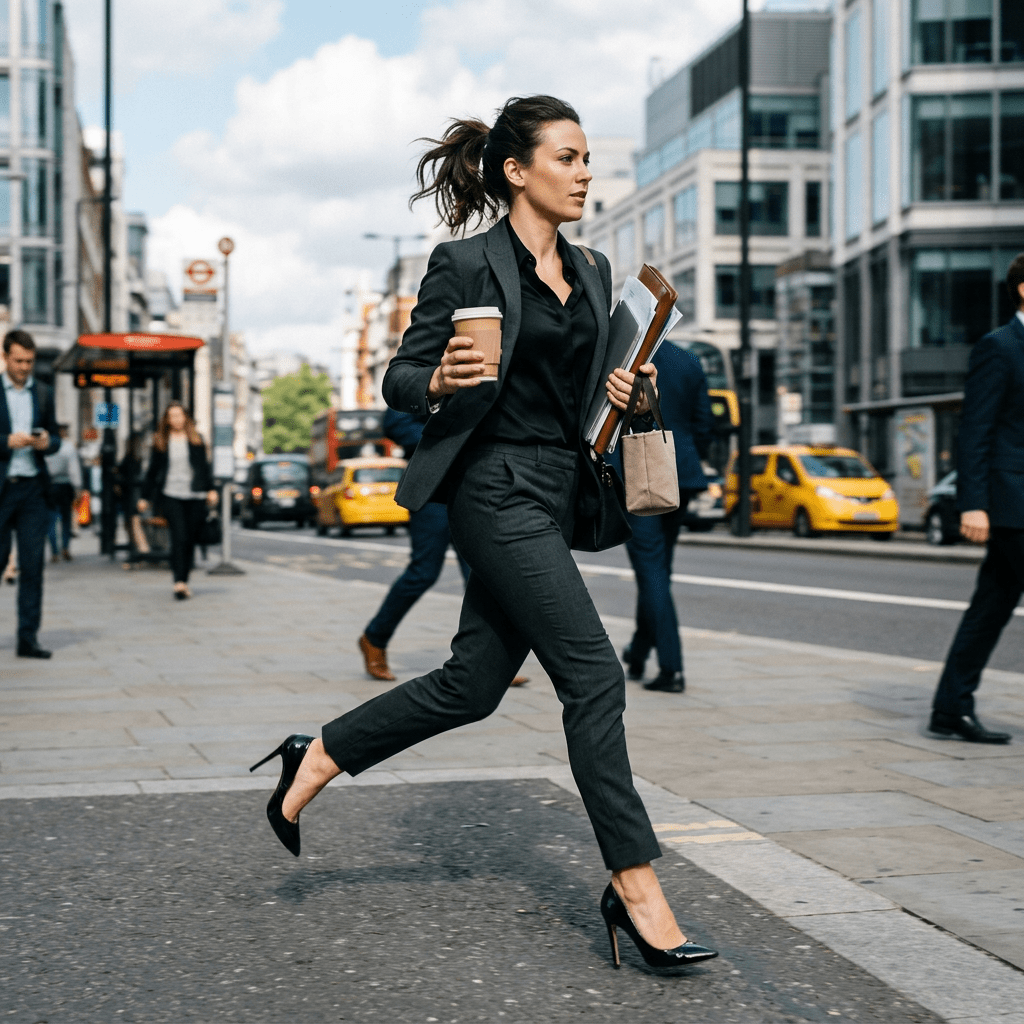
    Picture this: You are rushing out the door, hobbling in stilettos, latte in one hand, briefcase threatening to burst just like your barely-contained anxiety. You Uber across the city for a meeting that could have been an email, all while mentally preparing for happy hour later—because heaven forbid you miss the narrow window to “meet someone” who might join you for brunch on the weekend. Then, because society demands you remain a certain shape, you drag yourself to a workout class at dawn so you do not become one of those “sad piles of fat.”

    Businesswoman in suit crossing street quickly with coffee cup and folders
    A businesswoman confidently strides across a busy city street holding coffee and files

    Layer on top of that the constant family obligations, notifications that never stop pinging, and the quiet terror that if you slow down for even a moment, you can fall behind. Our nervous systems were never meant to handle this level of stimulation. We are wired for seasonal rhythms, for community in small doses, for rest that actually restores.

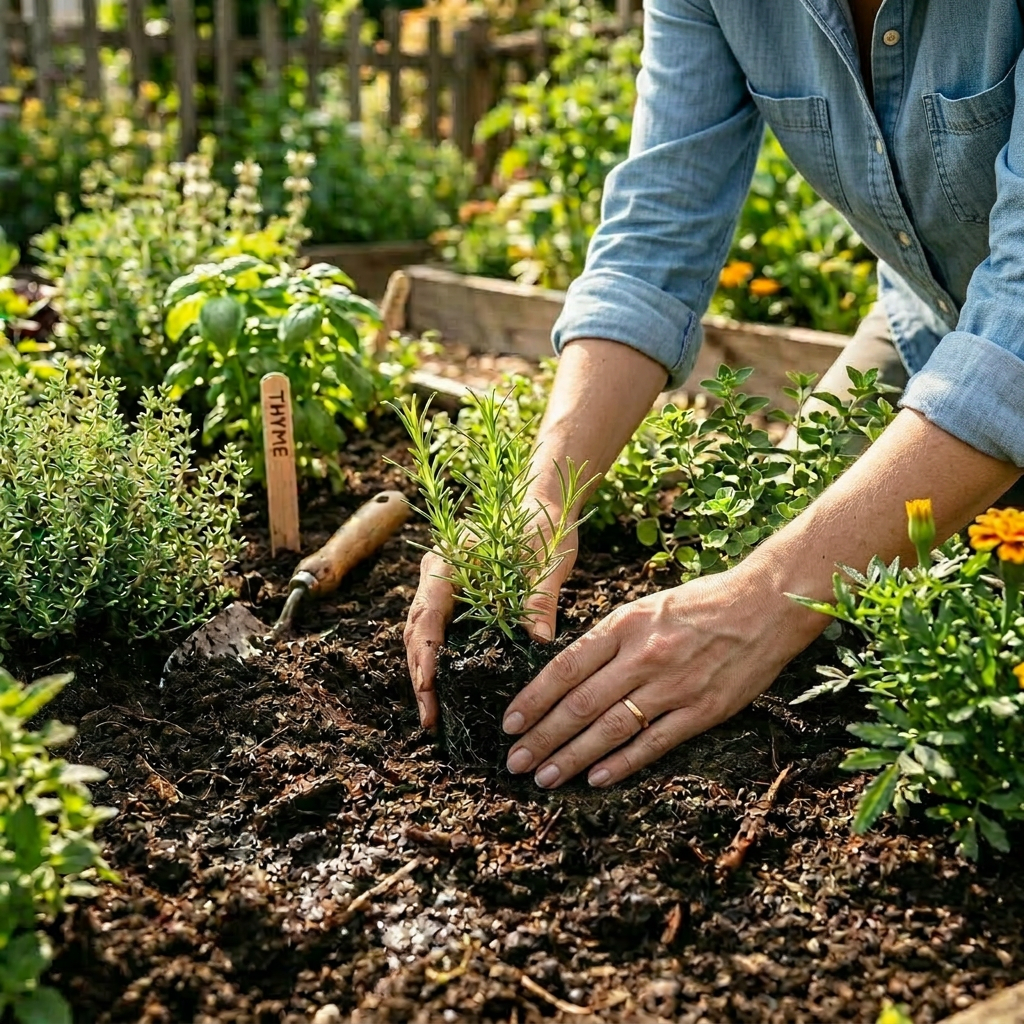
    The pandemic, for many, cracked the illusion wide open. Suddenly the hamster wheel paused. No more commuting. No more forced socializing that left us emptier than before. And in that stillness, a truth emerged: we do not actually want the girlboss life. We want to bake sourdough at 10 a.m. on a Tuesday. We want to knit by the window while it rains. We want to tend a garden that feeds us more than just vegetables—it feeds our souls.

    Hands planting a small herb seedling in soil with thyme label visible
    A person plants a young herb in a sunny garden bed surrounded by labeled plants and gardening tools.

    I am not Gen Z. I did not discover cottagecore because the hustle culture finally broke me during lockdown. I chose this life because I fell in love—with a person, with a pace, with a vision of days that felt like poetry instead of performance.

    While the world was collectively reevaluating during those strange years, my slower lifestyle was already taking root. The pandemic did not force my hand; it simply confirmed what my heart already knew. I did not want to optimize my life for maximum output. I wanted to nurture. To create a home that felt like an embrace. To build something sustainable not just for my bank account, but for my spirit.

    There is profound strength in choosing the wooden spoon over the corner office. In trading stilettos for wool socks and well-worn boots. In measuring success by how many jars of jam line your pantry shelves instead of how many LinkedIn connections you have made.

    This is not about cosplaying: romanticizing poverty or playing pretend farm. It is about reclaiming what actually makes us feel alive.

    Cottagecore reminds us that caring— for a home, a garden, a partner, ourselves—is not weakness. It is the most radical act in a culture that tells us to outsource our softness.

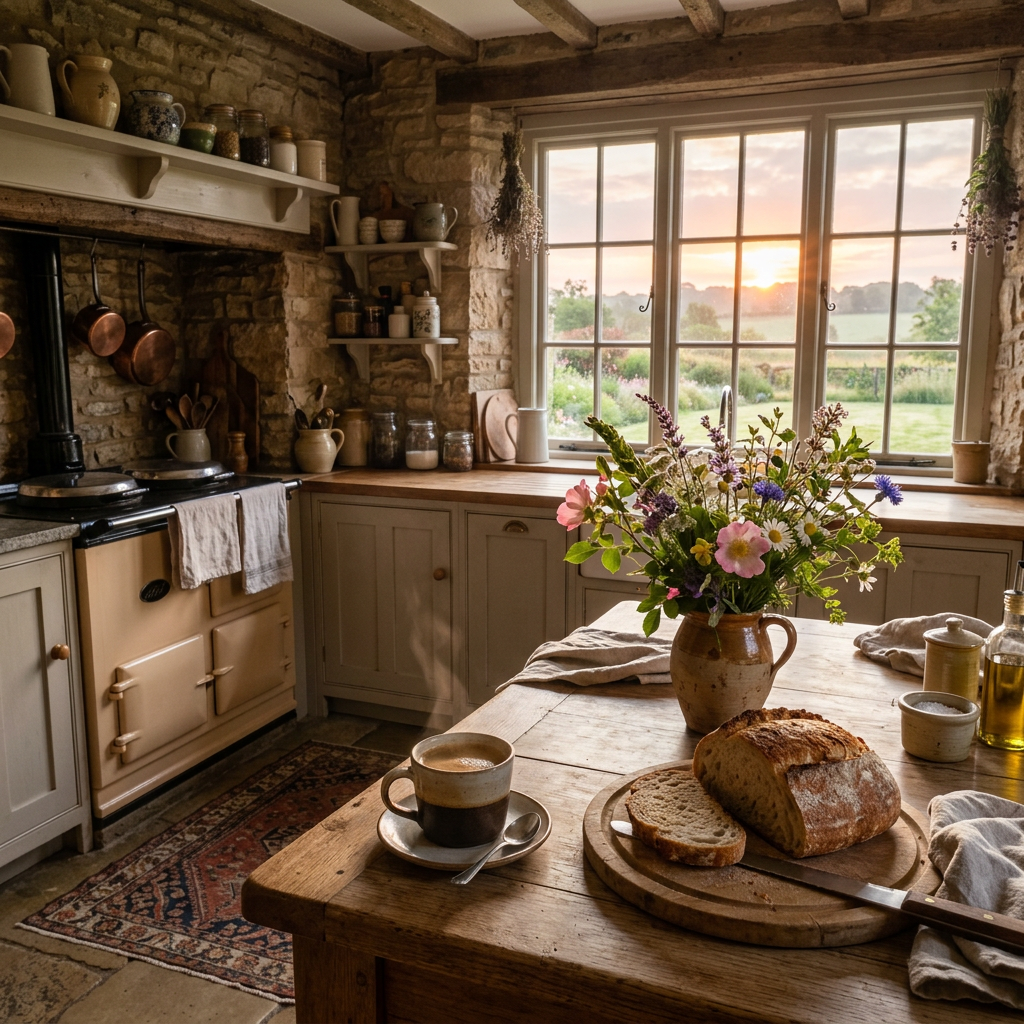
    Rustic kitchen interior with wooden table, bread, coffee, and a floral bouquet
    A warm rustic kitchen bathed in morning sunlight overlooking a garden

    We were not built for constant performance. Our bodies and minds crave the slow turn of seasons, the satisfaction of self-sufficiency, the deep peace that comes from creating rather than consuming.

    To every soul who feels the pull toward this softer path: you are not lazy. You are not failing at modern life. You are remembering something ancient and true.

    Cottagecore is not an escape. It is a homecoming.

  • Why I Embrace My Ego: A Counter to Eckhart Tolle’s Philosophy

    Why I Embrace My Ego: A Counter to Eckhart Tolle’s Philosophy

    Look, I am not here to hate on spirituality. I am deep in the gratitude game. I say my thank-yous to the universe, I journal my little wins, I burn sage when the vibe feels off. I am not some closed-off cynic. But The Power of Now? Eckhart Tolle’s whole “dissolve your ego and float in the present moment like a neutered zen monk” sermon? Hard pass. That does not sit right with me. It actually pisses me off a little.

    The core of his gospel is this idea that your ego — those loud, chaotic, nonstop voices in your head — is the enemy. The villain that keeps you trapped in regret about yesterday and anxiety about tomorrow. Just drop it, he says. Surrender. Become pure consciousness. Be here. Be now.

    Nah. I love my ego. I cherish it. The ego has been my ride-or-die since day one.

    I definitely do not dwell on the past like most people. No endless loops of “what if I’d done this differently” or chewing on ancient mistakes. I burned those bridges and kept going. But the future? Oh, I am projecting that, I am out here scripting scenes, imagining outcomes, weighing risks, and feeling a healthy dose of hesitation about what is coming. That is not a flaw. That is survival.

    My ego has always been the loudest voice in the room — and I like it that way. Sure, acting like I am slightly better than everyone else has slammed some doors in my face. I have been called arrogant. Intimidating. “Too much.” Whatever. Those doors probably led to boring rooms full of beige people anyway. The same ego that rubbed some the wrong way also pulled in the chaotic, brilliant, ride-or-die humans I actually stuck with. It carved out a life that is messy, dramatic, and mine. I am not trading that for some sterile, ego-less void where I am supposed to smile at my IKEA furniture and pretend the present moment is peak existence.

    Because let’s be real: I do not love the Now.

    My current living situation? It is mid at best. The walls are closing in, the vibe is stale, and every day I am reminded this is not where I am supposed to settle. Everything is improving — slowly. My love life finally exists after what felt like a years in the Sahara, which should be a win, right? Except it is not all butterflies and multiple orgasms nightly. It comes with this sharp, gnawing loneliness that hits at 2 a.m. and makes me stress-eat like a raccoon in a dumpster. The Now, in 2026, tastes like lukewarm disappointment with a side of “is this it?”

    And Tolle wants me to dissolve into this? To stop thinking ahead and just marinate in the current flavor of meh? Sorry, Eckhart. I am not enlightened enough to find bliss in my fridge and relationship anxiety.

    I get it — rumination is a trap. Endless future-tripping can paralyze you. But pretending the ego is pure poison ignores how much fire it gives you. My ego is the part that says “I want more.” It is the voice that pushes me to level up, to demand better, to not settle for spiritual crumbs when I could build an empire (or at least a life that does not make me want to die ).

    So, I will keep my ego. I will keep my sharp edges, my projections, my cocky little strut through a world that keeps trying to humble me. I will stay ungrateful about certain parts of the Now because that discontent is rocket fuel. Maybe one day I will evolve into some floating consciousness who does not need anything external. But right now? I am stress-eating, plotting my next move, and loving the chaos in my head that refuses to shut up.

    Call it toxic. Call it resistance. I call it being alive.

  • Down Under Dreams: My Wild Teenage Adventure in Australia with People to People

    Down Under Dreams: My Wild Teenage Adventure in Australia with People to People

    At fifteen years old, I stepped off a plane into a world that felt like it had leaped straight out of a National Geographic. The air was warmer, drier, and carried the faint scent of eucalyptus. I was part of the People to People Ambassador Program, a life-changing opportunity that took a group of wide-eyed American teens halfway around the globe to Australia. What started as a simple cultural exchange trip quickly became a whirlwind of big-city glamour, rugged outback exploration, family-style homestays, and the kind of teenage chaos that only happens when you are far from home and the usual rules do not quite apply (the innocent kind though, not really what we see on teenager television shows).

    Our itinerary was perfectly balanced between urban sophistication and raw Australian wilderness. We bounced between the gleaming harbors of Sydney and Melbourne and endless stretches of red earth in the outback. Long bus rides became our moving classrooms—hours spent watching the landscape shift from bustling streets to golden grasslands. We stayed with local families who opened their homes (and hearts) to us, sharing meals, stories, and glimpses into everyday Aussie life that no guidebook could ever capture.

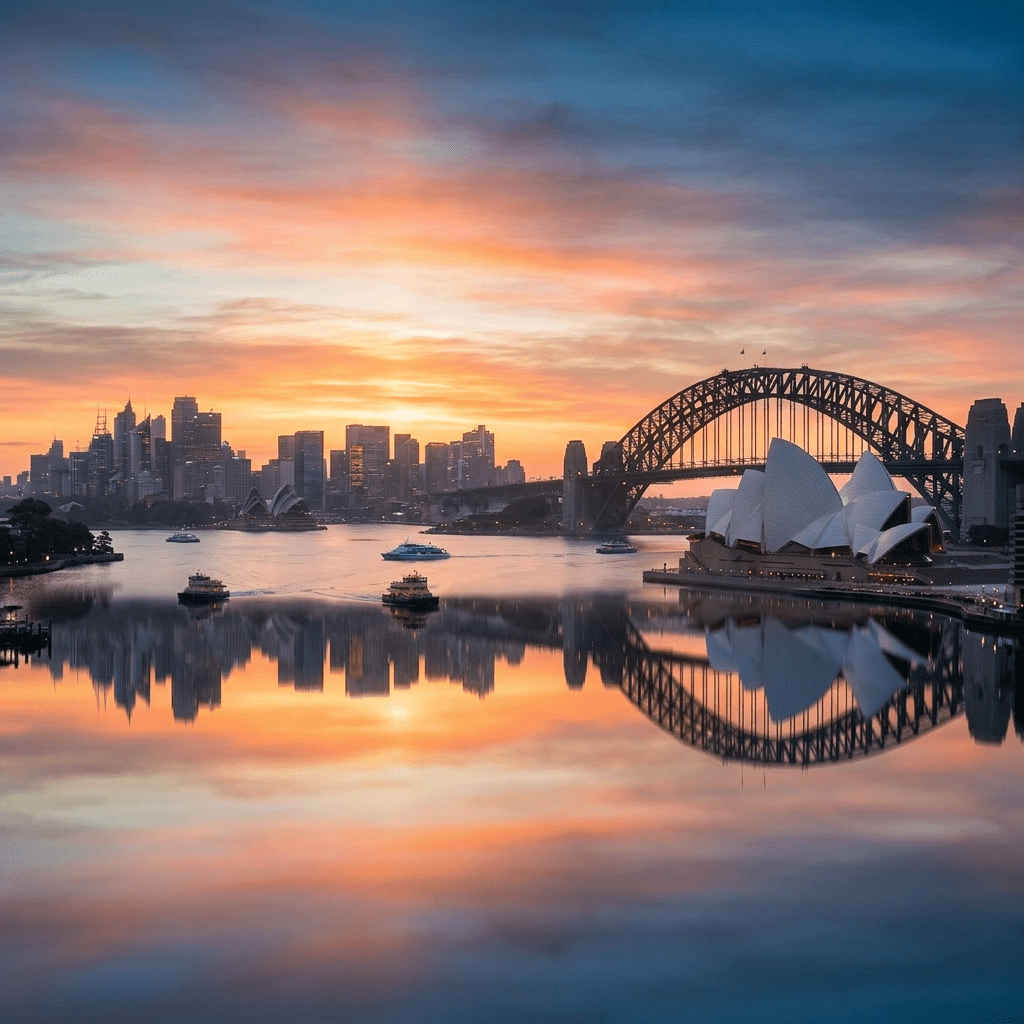
    Sydney hit me like a fever dream. The iconic Opera House rose like white sails against the sparkling harbor, its curves even more breathtaking in person than in any photo I had seen. We toured the Olympic facilities from the 2000 Games, walking through stadiums that once echoed with global cheers. I remember standing there, imagining the roar of the crowd, feeling tiny yet somehow part of something enormous.

    But beneath the excitement, I carried a heavy secret. This was the year after I started high school, and the pressure to look and be “perfect” had already taken root in my mind. Australia felt like the ultimate reset button—a chance to reinvent myself far from judgmental eyes back home. Before the trip even began, I emailed the volunteer chaperones with a carefully worded note: I would not be eating much, and they should not worry about me. Looking back now, it breaks my heart to think of that determined, insecure fifteen-year-old girl trying so hard to control the one thing she could in a brand-new country.

    On those long bus rides, packed lunches were handed out like clockwork—sandwiches thick with deli meats, crisp chips, and sweet treats. I would politely unwrap mine, eat only the apple, and quietly put the rest aside. The volunteers were kind, but I could feel their concerned glances. During our homestay in Melbourne, the warm “mom” of the house cooked a hearty Australian meal just for us. I pushed the plate away after a few bites, murmuring something about being full. Her disappointed but understanding look still lingers with me. Food became both enemy and background noise while the real adventure swirled around me.

    Of course, no trip at fifteen would be complete without plenty of youthful mischief. I flirted shamelessly with the boys in our group—stolen glances across bus aisles, whispered jokes during tours, and that electric buzz of first crushes amplified by the freedom of being overseas.

    The Australian sun, however, showed no mercy. Wanting to be perfect meant that I wanted golden skin. I ended up severely sunburned. My skin turned lobster-red, peeling in painful sheets for days. Lesson learned: respect the ozone hole Down Under.

    One of my biggest hurdles was begging my mother—via crackly payphone calls from a random shopping mall —to let me get my belly button pierced. I pleaded, I reasoned, I dramatically described how “everyone” was doing it. She held firm.

    Instead, I settled for a temporary tattoo from a quirky shop near the harbor. It was some butterfly design that I proudly showed off to the group. When I got home, I let everyone believe it was real, basking in the temporary cool factor before it faded in the shower. Small rebellions, big memories.

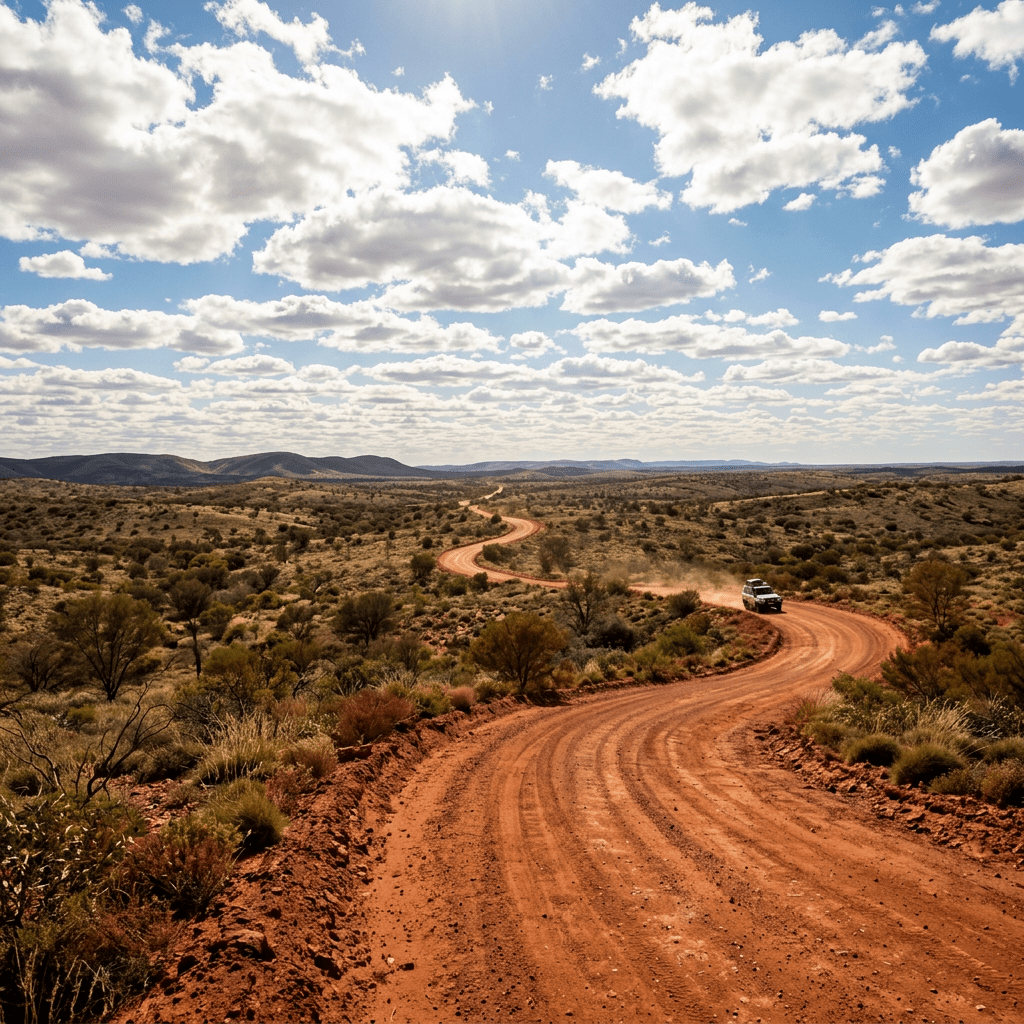
    The real soul of the trip was during our long bus tours through the outback. The landscape stretched endlessly—red dirt, scrubby bushes, and skies so vast they made you feel wonderfully insignificant. We learned about Aboriginal culture, their deep connection to the land, and the stories passed down through oldtime legends.

    Vehicle driving on winding red dirt road in arid outback landscape
    A vehicle traverses a winding red dirt road through arid outback terrain under a partly cloudy sky

    One unforgettable stop was a wildlife sanctuary where I finally got to hold a tiny koala. He was everything I imagined: fluffy gray fur, button eyes, and a sleepy demeanor (apparently they are constantly high from eating the eucalyptus). I beamed for the camera, arms gently cradling him. But internally? I was screaming. Those adorable little claws dug into my arm like tiny needles. Sharp did not even begin to describe it. Still, worth every scratch for that photo and the story.

    We spotted kangaroos hopping freely in the wild—elegant, powerful creatures that seemed to defy gravity. At the sanctuary, we got closer, feeding them and watching their curious faces up close. Later, in a remote outback experience hosted by Aboriginal elders, we were treated to kangaroo tail. It was an honor to share in their traditional food. The tail was tough, mostly dense muscle with very little fat or tenderness—chewy, gamey, and completely unlike anything I had eaten before. It was not about gourmet flavor; it was about connection, respect, and tasting a piece of the land itself.

    That trip to Australia did not magically fix my insecurities around food and body image. Those battles continued for years as I eventually got down to double digits on the bathroom scale. But it planted seeds of perspective. I saw a country that was both modern and ancient, vibrant and harsh, welcoming and wild. I learned that adventures are messy—full of sunburns, awkward flirtations, hidden struggles, and moments of pure wonder.

    Holding that koala, even through the pain, symbolized something bigger: sometimes the cutest, most picture-perfect experiences are actually concealing something painful. Pushing away plates did make me feel more in control; but it also made me miss out on shared meals and hospitality. The temporary tattoo washed off, but the memories never did.

    Years later, I look back on that fifteen-year-old girl with compassion. She was brave enough to travel across the world, curious enough to embrace new cultures, and human enough to make mistakes. Australia taught me that life is best experienced fully—sunburns, sharp claws, kangaroo tail, and all.

    If you ever get the chance to say yes to an adventure that scares and excites you, just do it (like Nike!). Whether it is Australia or somewhere closer to home, the outback of your own growth is waiting.

  • The Faux Pas of Following the Script in Life

    The Faux Pas of Following the Script in Life

    Faux pas.

    Literally, it means “false step” in French—like you tripped over your own feet in the middle of a crowded ballroom and everyone turned to stare. In American English, we have borrowed the term to describe any social blunder, any tiny (or not-so-tiny) violation of the invisible rulebook that supposedly keeps society running smoothly. Say the wrong thing at a dinner party. Wear white after Labor Day. Ask a woman when she is expecting … when she is not actually pregnant. Boom. Faux pas. Social death.

    The phrase has always fascinated me because it is so perfectly French in its elegance and so perfectly American in its judgment. It sounds sophisticated, almost romantic—but really it is just polite code for “you messed up and now everyone’s secretly judging you.”

    And that got me thinking.

    Why are we so obsessed with these invisible lines? Who drew them? Who keeps redrawing them every few years? And why does the mere idea of being told how I am“supposed” to behave in any given situation make my skin crawl and my inner rebel kick into overdrive?

    I have never been good at following scripts. Not in recitals, not in job interviews, and definitely not in the grand theater of adult life. The older I get, the more I realize that a huge chunk of my personal growth has come from deliberately stepping on the lines everyone else is so busy tiptoeing around. Not out of spite (okay, sometimes out of spite), but because performing for an invisible audience feels like slow suffocation.

    Let me give you an example. My lack of job or career. My relationship and its status.

    Translation: Sweetie, that’s a faux pas. You’re supposed to say you are a “marketing coordinator” or “nurse practitioner” or anything that sounds like you have a 401(k) and a five-year plan.

    And: He is suppossed to choose you immediately. You should live together, get married and become a family, like everyone else…

    Because apparently everyone is the same and has the same path in life.

    Stability is overrated when you are busy living the life you actually want. And I want to be his 100%.

    That moment I am told how to live my life is never about being rude. It is all about refusing to shrink myself into the neat little box labeled “Acceptable Adult Woman.” Society has a whole collection of those boxes—career boxes, relationship boxes, body boxes, personality boxes—and they all come with instruction manuals disguised as “just common sense” or “what everyone does.”  News flash: most people do not even have any sense whatsoever (so it is not really that common). 

    Here is the thing I have learned the hard way: those expectations are not there to protect us. They are there to keep things comfortable. Comfortable for everyone else. Predictable. Easy to categorize. If I follow the script—get the degree, land the safe job, marry at the right age, have the right number of kids, post the curated vacation photos, never admit I sometimes cry in my shower—then nobody has to feel awkward. Nobody has to question their own choices. The machine keeps humming.

    But what if the machine is boring? What if the script was written by people who were terrified of their own shadow? What if “fitting in” is just another way of saying “quietly dying inside”?

    I am not advocating for chaos. I still say please and thank you. Basic decency is not the enemy. The enemy is the quiet tyranny of “this is how it’s done” when “it” no longer fits who you actually are.

    I hate being told what to do because I spent too many years doing exactly that and waking up wondering whose life I was living. I hate performative expectations because they turn human connection into a performance review. And I especially hate the way media has turned every single faux pas into a public execution. One off-color political joke, one long distance relationship, one honest opinion and suddenly you are struggling to get followers on social networks.

    The irony is that the people quickest to call out faux pas are often the ones most trapped by them. They are not free; they are just better at pretending.

    So here is my quiet rebellion: I am going to keep committing the occasional faux pas. Not the cruel ones—never those—but the ones that come from refusing to edit myself for other people’s comfort. I am going to wear the “wrong” outfit, say the “wrong” thing at the “wrong” time, and build a life that looks messy and inconsistent and deeply, unapologetically mine.

    Because the real false step is not tripping over some arbitrary social rule.

    The real false step is spending your whole life walking someone else’s path so carefully that you forget how to walk your own.

    And relearning how to walk has taught me that:  I would rather stumble forward in my own Yeezys than glide perfectly in someone else’s shoes.