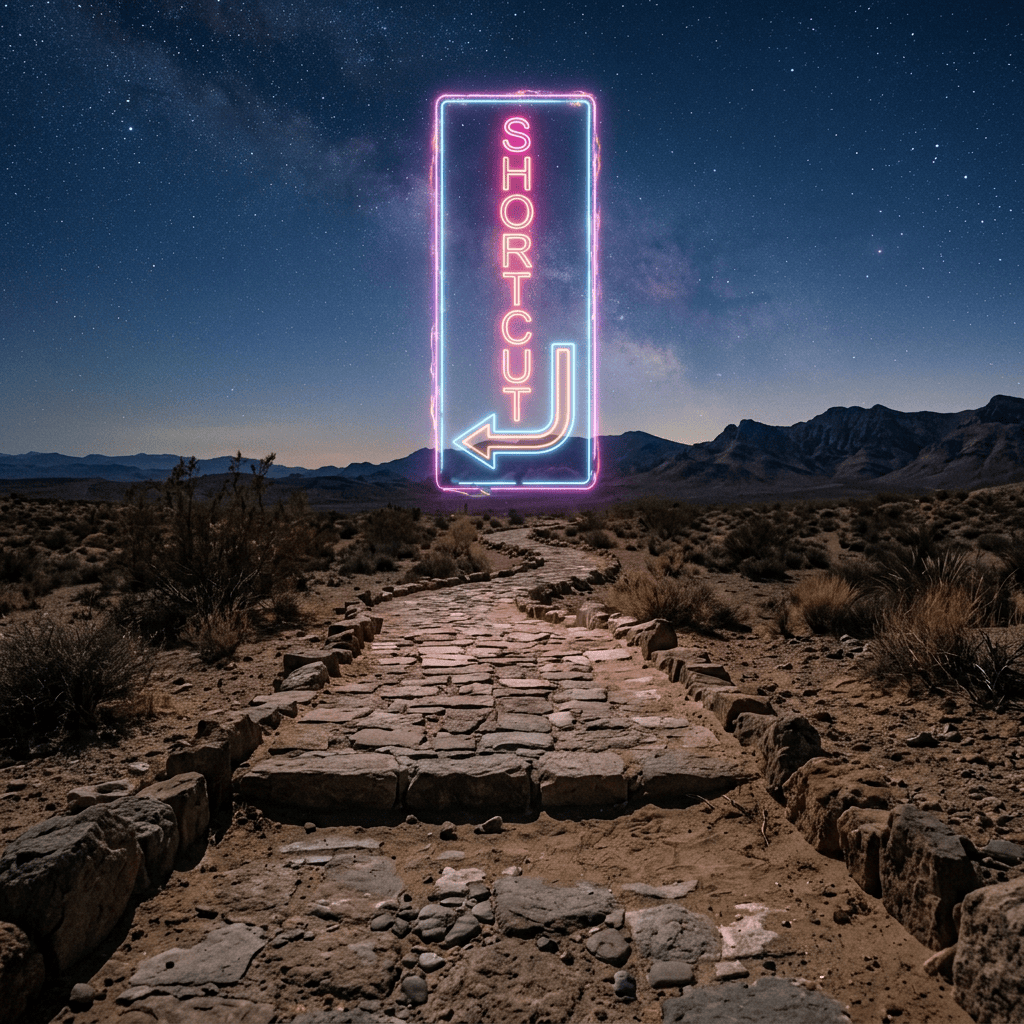
In a world obsessed with instant results, everyone seems addicted to the path of least resistance. We scroll for 30-second life hacks, pop Adderral pills for focus, and chase apps that promise transformation without sacrifice. Nowhere is this more glaring than in the realm of weight loss. The sudden explosion in popularity of GLP-1 agonists—those injectable drugs like semaglutide (Ozempic, Wegovy) and their cousins—perfectly encapsulates our collective allergy to hard work and extreme discipline. As someone who has fought my own battles with weight, food, and inertia, I am deeply opposed to this trend. It feels like giving up before the fight even begins.

I know, I know: discipline is uncomfortable. It demands you sit with hunger, boredom, and the quiet voice that whispers “just one more.” Modern society has engineered that discomfort out of existence wherever possible. DoorDash at all hours, endless streaming, productivity tools that gamify focus— we have built an ecosystem that rewards avoidance. GLP-1s fit right into this. They suppress appetite so powerfully that many users report food simply stops calling their name. No more white-knuckling past the pantry. No more staring down cravings like an opponent in the ring. Just a weekly shot and the pounds melt away.
I get the temptation. The before-and-after photos flood social media. Celebrities and influencers rave about how they “finally feel normal.” So much for the “Fat is Beautiful” movement. Doctors prescribe them at record rates. Insurance even covers them. It is convenient, medically endorsed, and culturally celebrated. But that is exactly why it worries me. When did we decide that bypassing the mental and physical forging process was a win? These drugs do not teach you how to live in a world full of hyper-palatable food engineered to hijack your brain. They just mute the signal. Turn the volume down on biology until the drug wears off or you stop—then what?
I have lost significant weight while remaining permanently seated for large stretches of my life. Thanks to my elongated recovery periods. Whatever the reason, I was not out here running marathons or transforming into a gym rat. My transformation happened in the quiet moments of choice: feeling the gnawing hunger in my stomach and choosing not to raid the fridge anyway. Sitting with that discomfort until it passed. Learning that hunger is not an emergency—it is information.
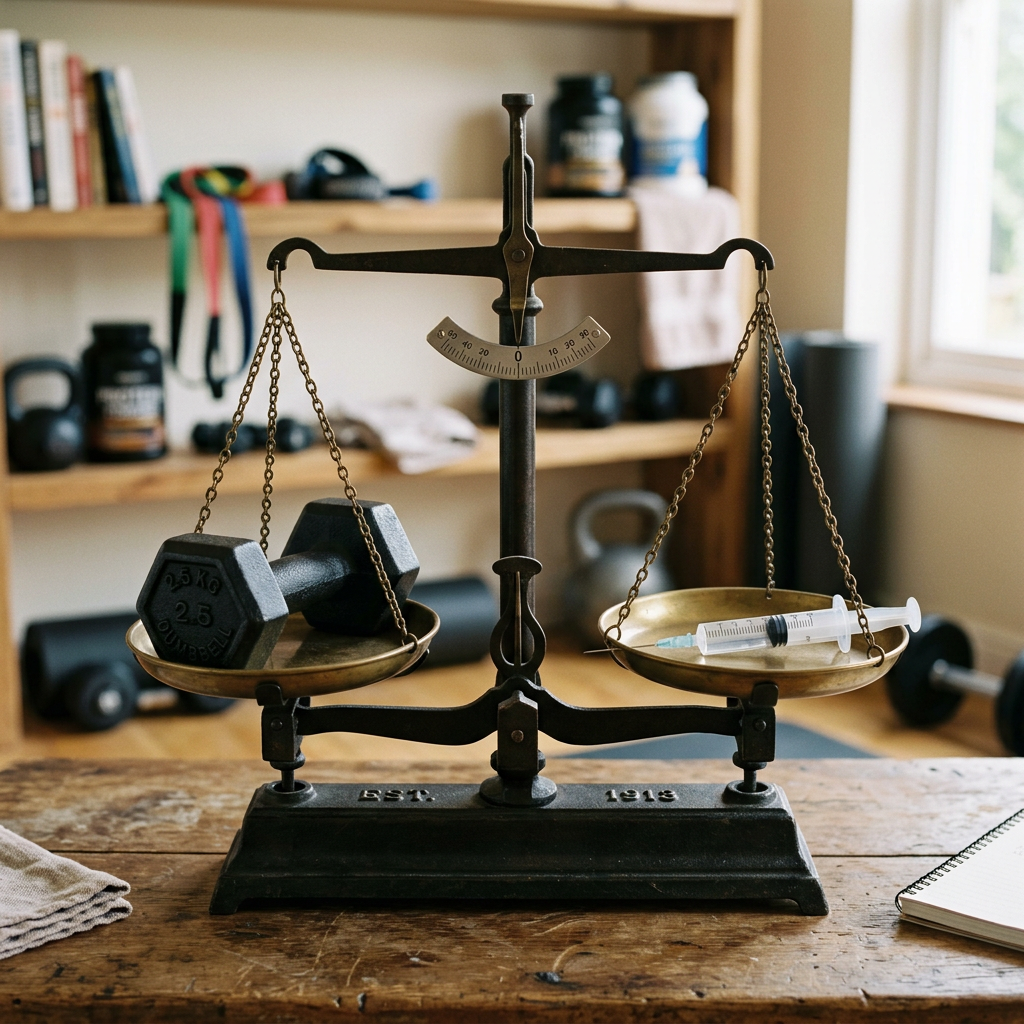
I am so proud of this. Not in a smug, performative way, but in the deep, private satisfaction of knowing I built the skill. I still allow myself “play” periods. My boyfriend can attest to the glorious chaos: pints of ice cream devoured in one sitting, tubes of cookie dough demolished, late-night deliveries of chocolate, chips, and jars of nut butter showing up on my doorstep. Those windows exist. Life is not about perfection or endless restriction. But the difference is what comes after.
After the play comes the recalibration. Pure discipline. Determination that borders on stubbornness. I lean into the hunger again, not as punishment but as a reset. I track, I adjust, I feel the signals my body sends without panic. I do not need a medication to make treats stop tasting good—I just need to remember who I am becoming. That muscle of restraint gets stronger every time I use it. It spills into other areas of life: focus, emotional regulation, delayed gratification. Shortcuts cannot give you that transferable strength.

People have called me lazy. Fair enough on some days—I am not pretending to be a productivity saint. I love plopping down in front of a good television show and I maintain my relationship through social media and FaceTime. I mean, I write a goddamn blog (and hopefully a book too). But injecting yourself with a powerful peptide that alters gut hormones, slows gastric emptying, and comes with a laundry list of side effects just so you can coexist with a bag of chips without losing control? That strikes me as the lazier move. And not just lazy—idiotic.
We are talking about a class of drugs originally developed for Type 2 diabetes, now being used as lifestyle aids. Muscle loss, nausea, “Ozempic face,” potential long-term unknowns about the brain-gut axis, and the very real risk of dependency on the suppression effect. Some users regain weight rapidly once they stop because they never rebuilt their internal compass around food. You are essentially outsourcing your willpower to a syringe. Where is the growth in that?
I am not anti-medicine. There are legitimate medical cases where these drugs save lives or restore health when nothing else worked. But the cultural frenzy—the trendy testimonials, the party-line prescriptions, the normalization of “I just do not want to crave treats anymore”—that is what feels idiotic to me. It is another layer of numbness in a society already drowning in distractions. We are medicating away the very friction that makes us resilient.
Real, sustainable change is not sexy. It is repetitive. It is logging another day where you ate enough but not too much. It is choosing water over soda for the hundredth time (fizzy water works wonders!). It is feeling the itch for something sweet at 9 p.m. and redirecting that energy into simply sitting with it. Over months and years, those small acts compound into a fundamentally different relationship with your body and your impulses.
I am not saying everyone must suffer. I am saying the suffering is part of the curriculum. Discipline is not punishment—it is the tuition you pay for freedom. Freedom from being controlled by every craving. Freedom from the cycle of shame and rebound. Freedom to enjoy treats without them owning you.
If GLP-1s are a tool for some in genuine need, fine. But let’s stop pretending the mass adoption is a triumph of progress. It is a symptom of a deeper cultural surrender. We have decided the hard way is too hard, so we will engineer the hardness out.
I know that I will keep doing it the old-fashioned way. Hopefully not seated. Hungry sometimes. Indulgent when I choose. Disciplined when it counts. And I will keep patting myself on the back for every single time I choose the discomfort that builds something real. Because in the end, the person who emerges from that process is not just lighter in body—they are stronger in spirit.
 Kat’s Musings