He is the prize at the end of the journey. To fully receive that gift and build the life I dream of with him, I have made my health non-negotiable. Nutrition is not just a hobby for me; it is something I can wax poetic about for hours with genuine excitement. I have explored it all — from the MAHA movement (seed oils, fluoride, ultra-processed additives, and all the hidden toxins) to Ray Peat’s principles and everything in between. I have lived the experiments myself: vegan, gluten-free, paleo, keto. I have been underweight and overweight. Through trial and error, I have learned what truly makes the body and mind thrive.
A glowing, multicolored heart-shaped swirl glimmers vividly in space.
A brain injury years ago left me with some lasting effects I can be self-conscious about. It does not stop me from loving deeply or building a lasting relationship— as seen in my current form attracting him (thankfully, the “disability” does not seem to bother him at all), but I still carry that quiet desire to show up as my strongest, healthiest self. I want to move through life with ease — for me, and especially for him.
Currently. Wifely duties from afar.
Because more than anything, I long to be his perfect little housewife. I can already manage it beautifully with one hand, but two steady hands would let me pour even more love into our home. And yes — almost every girl dreams of the aisle. So I am committed to walking strong, not just so I can hold his hand while we stroll down the street or along the beach, but so I can walk down that damn aisle toward him, radiant and ready for forever.
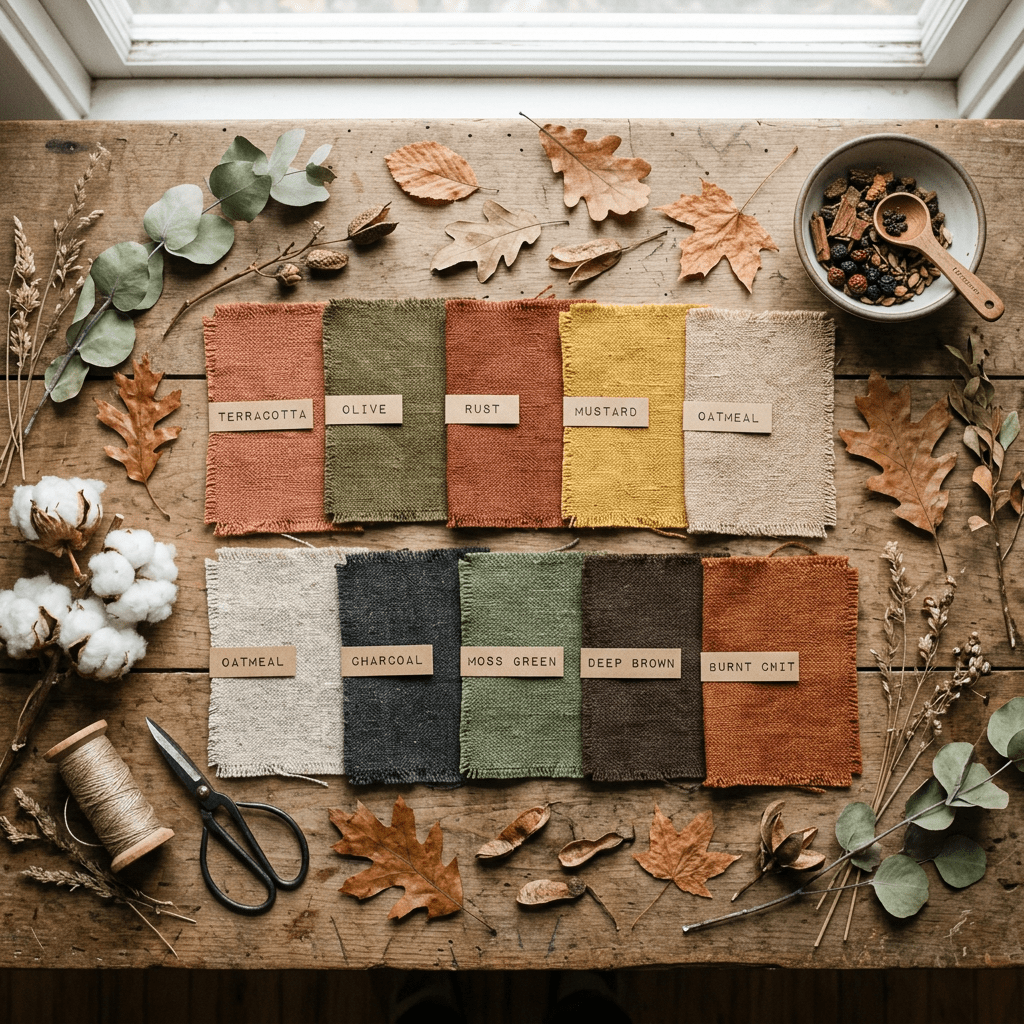
You probably remember me gushing a few weeks ago about my latest fixation: organic and sustainable fabrics. After years of living in Lululemon and ALO Yoga pants (you know the ones — buttery soft, compressive, and basically a second skin), I finally hit a wall with all that polyester. Do not get me wrong, those pieces served me well through countless workouts, lazy days, and everything in between (and they are simply beautiful!) But the constant grinding against synthetic materials started to feel… off. My hormones, my comfort, and honestly my entire vibe were ready for a change.
Enter my amazing man, who always knows exactly how to spoil me in the most thoughtful ways. He surprised me with not one, but two incredible new sustainable pairs of pants that have completely transformed my daily wardrobe. I am officially obsessed, and I need to tell you all about them.
First Up: Lotus and Luna Harem Pants — My New Fairytale Lounge Uniform
Luna and Lotus 🪷
NEW!! #OperationHouseWifey
The first pair are these absolutely adorable harem pants from Lotus and Luna. They are a soft, light blue base with delicate white pinstripes that catch the light just right. From the moment I slipped them on, I was in love. These are not workout pants — they’re pure lounge luxury. Lightweight, breathable, and ridiculously comfortable, they feel like wearing a gentle cloud around the house.
What really gets me? They look like they walked straight out of Aladdin. The relaxed, flowy silhouette with that subtle taper at the ankle gives major Jasmine-meets-modern-boho energy. I’ve been wearing them while making morning coffee, curling up with a book on the couch, and even running quick errands. They’re the kind of pants that make you feel both cozy and a little bit magical. Every time I catch my reflection, I can’t help but smile. Sustainable fashion that feels this good? Yes, please.
Then Came the Pact Black Workout Leggings — And My Doubts Melted Away
I will be honest — when my guy first mentioned switching to organic cotton workout leggings from Pact, I was a little skeptical. I had this mental image of thin, flimsy fabric that would not hold up to movement or offer any support. Boy, was I wrong.
These black Pact leggings are an absolute game-changer. They hug my body in all the right places without feeling restrictive. The fabric is surprisingly thick and substantial (the opposite of flimsy!), with a beautiful weight to it that makes me feel supported as I move through my day. They move with me like they were custom-made.
The organic cotton feels so much kinder on my skin compared to traditional synthetics. Most importantly, I am not constantly freezing! There is no weird static, no overheating, and that synthetic “clammy” feeling after a few hours. I am genuinely enamored. So much so that we have already ordered two more pairs. At this rate, my entire clothing rack is about to undergo a full sustainable makeover.
Organic fabrics like the ones from Lotus and Luna and Pact are grown without harmful pesticides, support ethical farming practices, and often come from brands that prioritize transparency and sustainability. For someone who lives in activewear as much as I do, making this swap feels like a small but meaningful step.
I am already planning my summer wardrobe around these discoveries. The Pact leggings are so versatile that I woprobably live in their biker short version when the temperatures climb. And those Lotus and Luna harem pants? They are going to be my go-to for everything.
My experience switching out my yoga pants has been nothing short of delightful. These pants have not just replaced my old favorites; they have elevated how I feel in my own skin every single day.
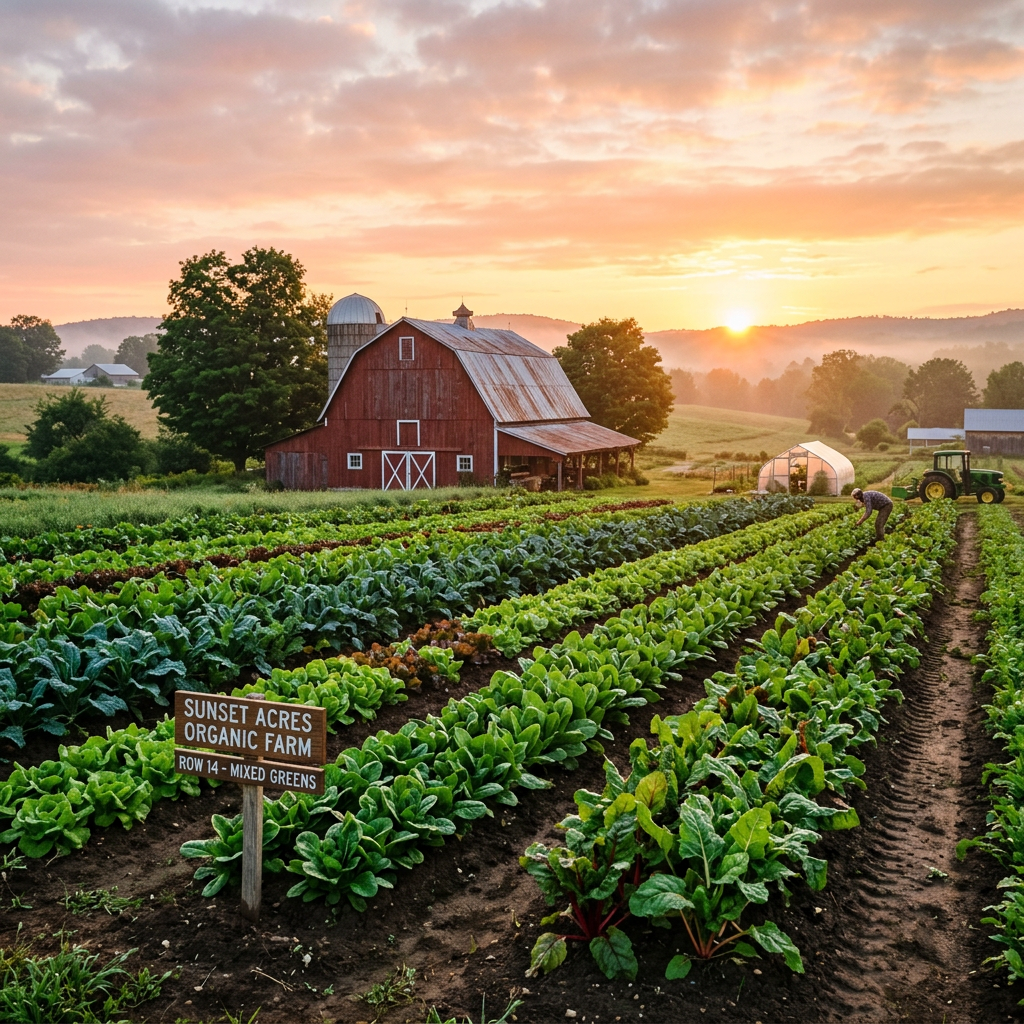
You all know that I absolutely love eating healthy (fruit!), but no matter what I eat it should always be organic! I know, I know…. The higher price point, but it is so worth it. Organic refers to foods produced according to specific standards that emphasize natural processes. In the United States (and similar systems in the EU and elsewhere), organic certification requires:
No synthetic pesticides, herbicides, or fertilizers
No genetically modified organisms (GMOs)
No sewage sludge as fertilizer
For animals: access to outdoors, organic feed, and no routine antibiotics or growth hormones
The USDA Organic seal is the most recognized marker in the U.S. Seek it out!—products labeled “made with organic ingredients” contain at least 70% organic content, while “100% organic” is the strictest.
Studies consistently show lower levels of pesticide residues in organic produce compared to conventional. Switching to organic versions of crops that contain the most residues (strawberries, grapes, etc. OH MY!) can meaningfully cut your pesticide intake.
Organic farming practices promote soil health (you would have to eat nine oranges today to consume the same amount of vitamin C that was in one orange in the 70s), biodiversity, and water quality. I personally am obsessed with Regenerative Farming. Letting chickens run around the yard and peck at the ground? So cute.
They often use crop rotation, cover crops, and natural pest control, which can reduce runoff pollution and support pollinators like bees. Long-term, this supports more resilient ecosystems. Some research suggests organic fruits and vegetables may have higher levels of certain antioxidants and nutrients. The differences are often modest, but for frequent consumers, they can add up. Organic dairy and meat frequently show better fatty acid profiles (more omega-3s). Organic livestock standards require more space, outdoor access, and prohibit routine antibiotic use. This means no “Bird Flu” or “Mad Cow Disease.”
Organic is not perfect, and it is not always necessary (foods with natural protection, like oranges and bananas do not contain extra sprayed on chemicals).:
Higher Cost: Organic foods typically cost 20–50% more (sometimes double for meat and dairy). Supply chain limitations and certification expenses drive this.
Availability and Shelf Life: Not every store carries a full range, and organic produce can sometimes spoil faster without synthetic preservatives.
Not Automatically Healthier: An organic cookie is still a cookie. Processing matters. It could contain oils and synthetic chemicals…A conventionally grown apple is far healthier than ultra-processed organic snacks.
Yield and Global Impact: Some studies debate whether widespread organic adoption could feed the planet at current yields, though regenerative organic methods are improving this picture.
The bottom line: Organic is a tool, not a magic bullet. Prioritizing it for high-residue items and animal products often gives the best return on investment.
How to Choose Organic Smartly
Use this tiered approach:
Start with the Dirty Dozen (more here) (EWG’s latest high-pesticide list includes strawberries, spinach, kale/collard/mustard greens, grapes, peaches, pears, nectarines, apples, bell/hot peppers, cherries, blueberries, and green beans). Buy these organic when possible.
Relax on the Clean Fifteen (avocados, sweet corn, pineapples, onions, papaya, frozen sweet peas, asparagus, honeydew melon, kiwi, cabbage, watermelon, mushrooms, mangoes, sweet potatoes, carrots). These have very low residues even when conventional.
Focus on Animal Products: Organic milk, eggs, and meat deliver clearer benefits for hormones, antibiotics, and omega-3 content.
Check Labels Carefully:
USDA Organic seal
For imported foods: Look for equivalent certifications (EU Organic, etc.)
Local farmers’ markets: Many small farms use organic methods but skip expensive certification—ask them directly.
Budget Tips:
Buy in season and from bulk bins
Prioritize organic for the “big three”: produce on Dirty Dozen, dairy, and eggs
Frozen organic fruits and vegetables are often cheaper and just as nutritious
Wash all produce thoroughly regardless of organic status
Going 100% organic overnight is not realistic for most households. Aim for progress, not perfection. Many families find that shifting 30–50% of their budget toward targeted organic items delivers noticeable peace of mind without breaking the bank.
Pair organic choices with other healthy habits: eating more plants overall, reducing food waste, and supporting regenerative farmers when you can. Your health and the planet both benefit from thoughtful, consistent decisions rather than all-or-nothing extremes.
Final Thought Choosing organic is ultimately about aligning your purchases with your priorities—whether that is minimizing synthetic chemicals,or voting with your dollars for animal welfare. Start small, stay informed, and adjust as your budget and values evolve.