Tag: mindfulness

  • Embrace the Summer Solstice: A Celebration of the Season

    I love the Summer time— and I really love celebrating. Summer solstice is my ideal. It is finally here — the longest day of the year, the sun’s victory lap, and the official middle finger to cold, dark, depressive days. My favorite goal for me and my man is to be out here treating it like the whimsical rave it was always meant to be.

    In ancient history, midsummer (the celebration of the summer season) was dedicated to Pagan gods, fertility, crops etc. but I do not see why we should not be celebrating the solstice in the religious sense (thanking God’s/the Universe’s creation).

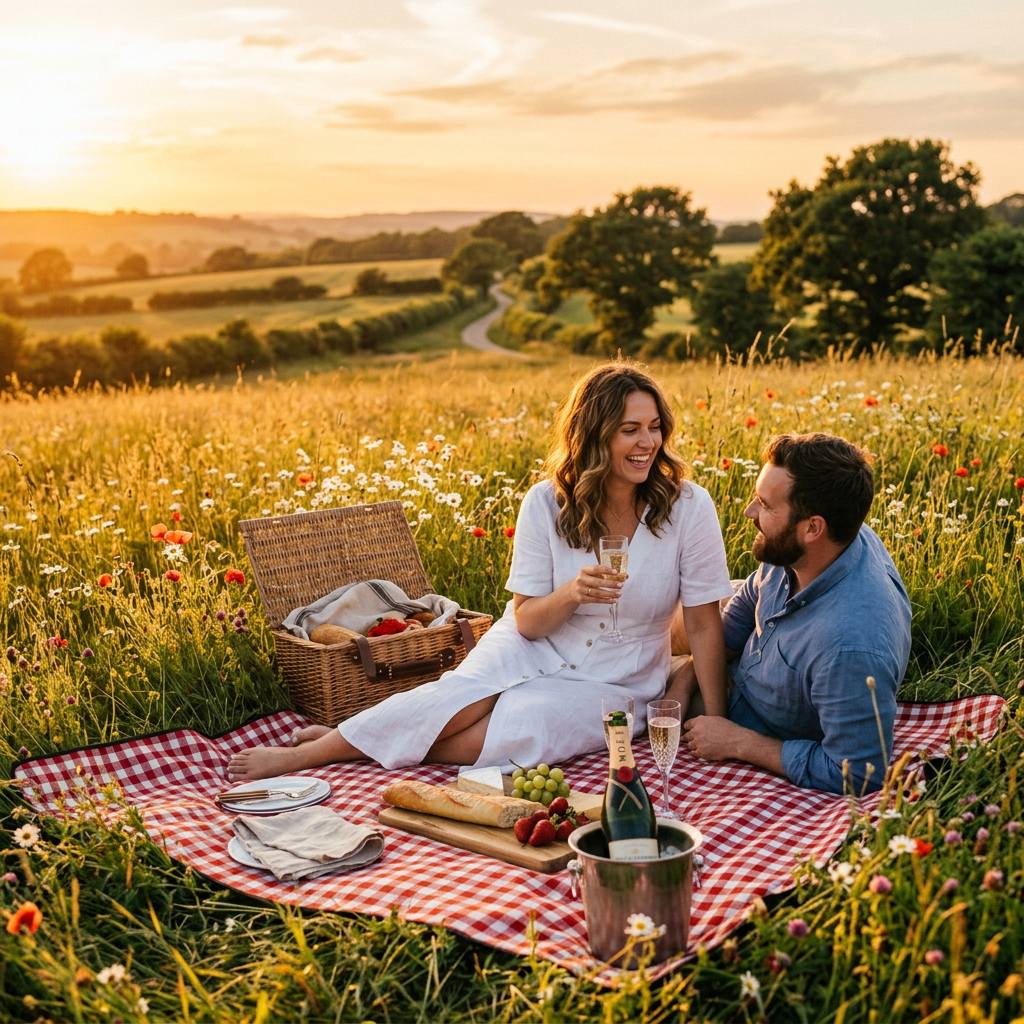
    I am talking quiet little picnics with iced drinks and polite conversation. I also want bonfires that scare the neighbors. I want to stay up until the sky finally gives up and turns dark (which, thanks to the solstice, feels like never). I want to chase the last rays of sunlight. Because this is the one day the universe hands us maximum daylight and says, “Go be reckless, animals.

    Couple sitting on red checkered blanket having a picnic in a wildflower meadow at sunset
    A couple enjoys a sunset picnic in a vibrant wildflower meadow

    Ancient cultures got it right. They lit massive fires, danced until they dropped, mated in the fields, and basically celebrated the sun. Modern life turned it into “wear white linen and drink rosé on a rooftop.” Cute. But weak. I am here for the chaos edition.

    We start at sunrise like lunatics who respect the assignment. (Iced) coffee, loud music, minimal clothing. We drag ourselves outside because the sun is literally showing off and we are not wasting a single golden hour. Then it is beach, lake, rooftop, forest — anywhere the light hits hardest.

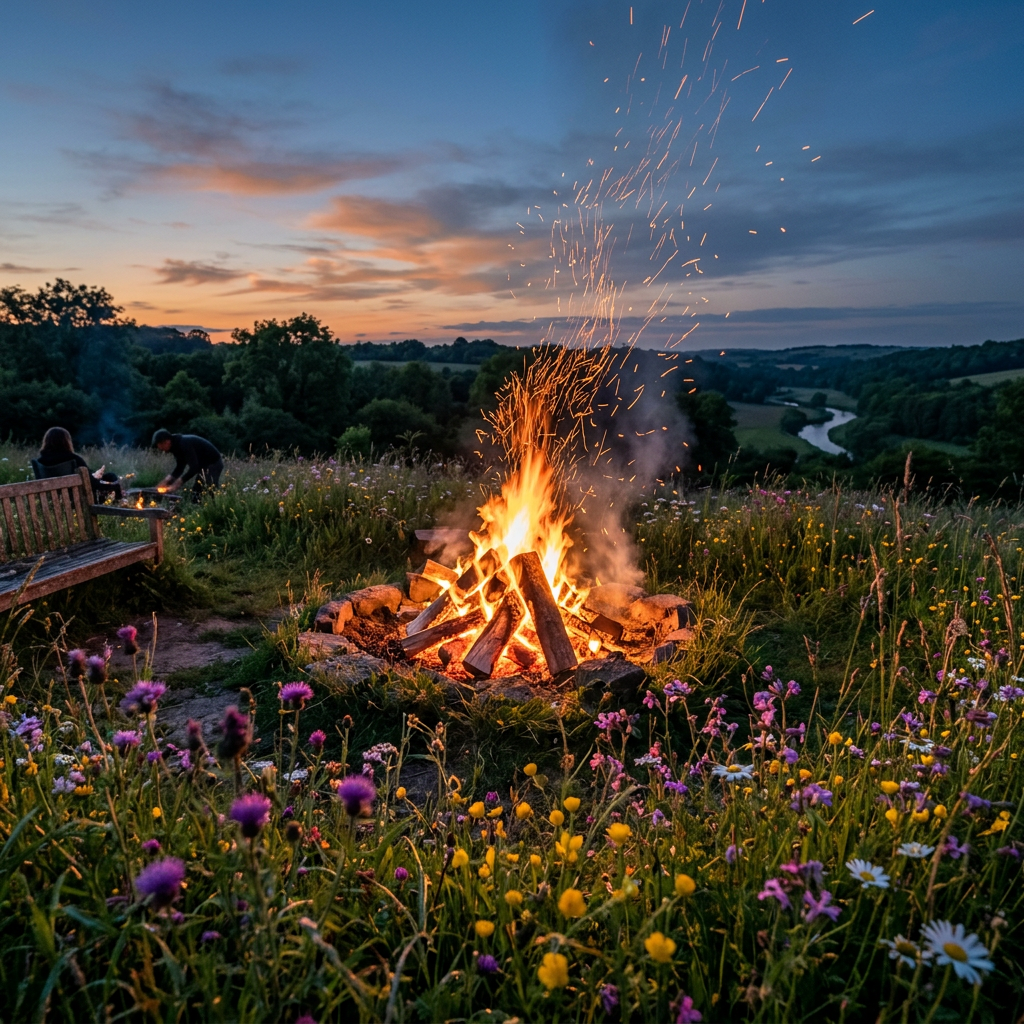
    Bonfire burning in a stone fire pit surrounded by wildflowers and grassy meadow at sunset
    A glowing bonfire lights up a colorful meadow at dusk with people nearby

    We eat: grilled everything, fresh fruit that drips down your arm, cold wine or champagne because yes, we are always on that bottle-a-night agenda.

    At night? Bonfire mandatory. Even if it is a little fire pit in the backyard, I want my Americana s’more snack. Throw in some herbs, some music that makes your ancestors proud, and dance like the veil between worlds is thin (because on solstice it kinda is). Light sparklers. Howl at the sky. Jump over the flames if you are brave enough. Make out like teenagers because the sun blessed the whole day (and season).

    Life is mostly gray office lighting and existential dread. The summer solstice is one of the few times the planet throws us a proper party. The sun is at its strongest, the earth is fertile, and everything feels electric. Do not spend it folding laundry or doing the mundane.

    Get outside. Get loud. Get a little unhinged. Burn something. Fuck someone. Worship the light while it lasts because in six months we will be back in the void, writing about seasonal depression.

    This is our peak. Our longest day. Our reminder that even in this clown timeline, the sun still shows up and cooks the planet just to watch us thrive.

    So celebrate like you mean it.

    Strip down. Heat up. Light it up.

    Happy solstice (I am waiting to properly celebrate with him).

    See you at the bonfire. Bring champagne.

    Radiant sun with flowing flames and glowing flowers against a starry space background
    A radiant sun surrounded by glowing floral motifs in a cosmic background
  • The Ripple Effect: More of What You Love

    The Ripple Effect: More of What You Love

    It is easy to overlook the quiet “miracles” that surround us every single day. Yet one of the most profound truths about human fulfillment—and about creating even more goodness in our lives—is this: It is vital to be thankful for everything that is good in your life.

    Gratitude has become an overused buzzword. Gratitude is not just a polite “thank you” or a fleeting warm feeling. It is a deliberate, heart-centered practice that shifts your entire energy, perspective, and ultimately, your reality. We all know, on some level, that we should not take the basics for granted. Running water that flows clean and hot at the turn of a tap. Reliable heating that keeps your home cozy when winter bites (this is uber important to my constantly freezing body!). A solid roof overhead that shields you from rain, wind, and the elements. Yet for many of us, these “luxuries” become background noise.

    The same goes for the people in our lives. Friends and family. My family—especially—have shown up, even imperfectly. I am beyond grateful that I was not tossed out when I became needy and helpless. Typically, we appreciate them in moments of crisis or celebration, but how often do we pause in ordinary moments to truly feel the gift of our family’s presence?

    Here is where the magic happens. Casual appreciation is nice, but to bring about more in our lives, we need to feel truly grateful for everything and everyone—not just the obvious blessings, but the small, the mundane, and even the challenging things that shape us.

    Think about it. When you wake up and genuinely feel thankful for the bed that held you through the night, the air filling your lungs, the sunlight (or even the rain) outside your window, something inside you softens and expands. Your nervous system calms. Your mind clears. Opportunities that once hid in plain sight suddenly become visible. Psychologists call this the “broaden-and-build” theory: positive emotions like gratitude widen our awareness and help us build resources—relationships, skills, resilience—for the future.

    On a more spiritual or energetic level, many traditions and modern manifestation teachings emphasize that what you appreciate appreciates. Gratitude acts like a magnet. When you radiate sincere thanks for what you already have, you signal to the universe that you are a good steward of blessings. You are ready for more. Contrast this with the scarcity mindset: constant wanting, complaining, or comparing. That energy tends to keep us stuck exactly where we are, focused on lack.

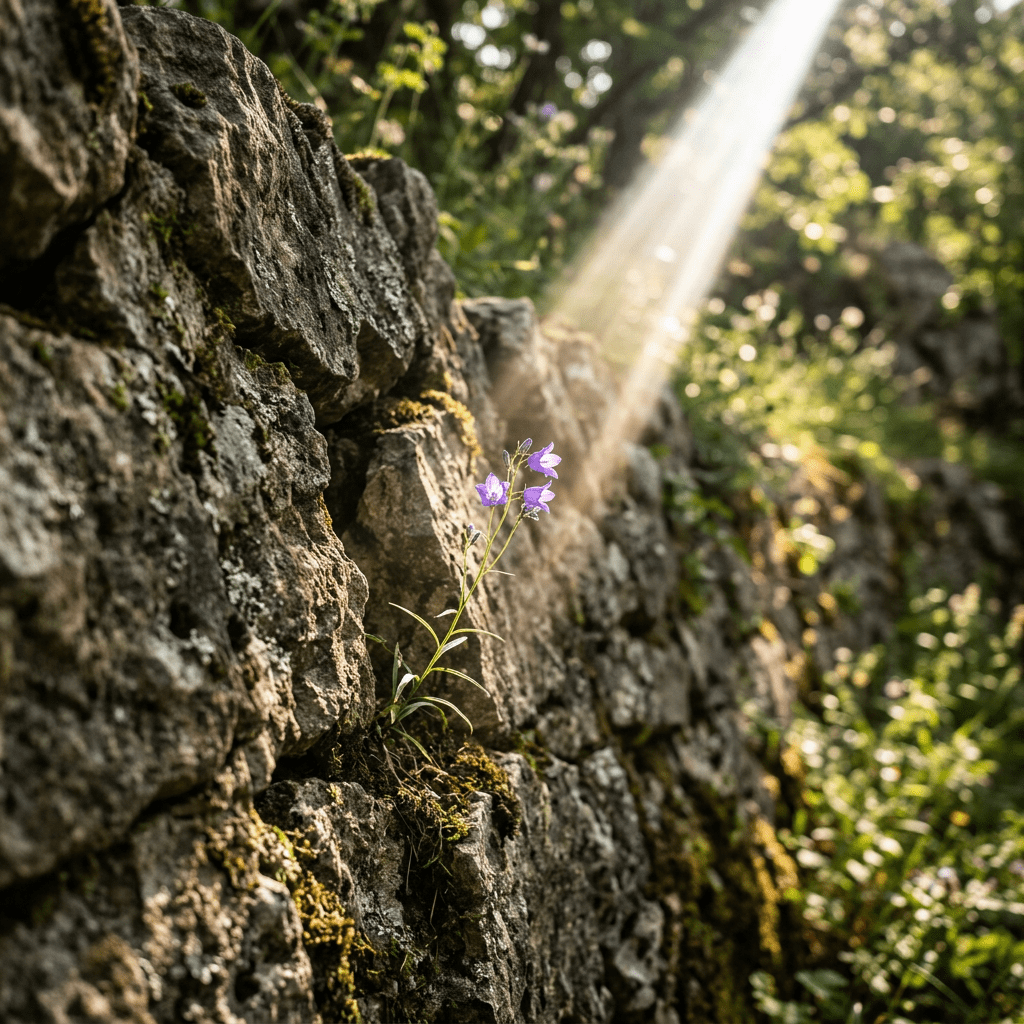
    Purple wildflower growing out of a crevice in a moss-covered stone wall with sunbeam
    A delicate purple wildflower blooms from a crack in a mossy stone wall illuminated by sunlight

    Even in hardship, gratitude works its alchemy. Being grateful for the quiet strength you discover in loss is something that I had to discover. These are not toxic positivity exercises—they are honest acknowledgments that every experience contains seeds of growth.

    Turning gratitude into a life-changing habit does not require hours of your day. Ask, “What is this situation trying to teach me?” Then thank it in advance for the wisdom or strength it will bring.Bookend your day with gratitude. Start with thanks for the day ahead and end with thanks for what unfolded.

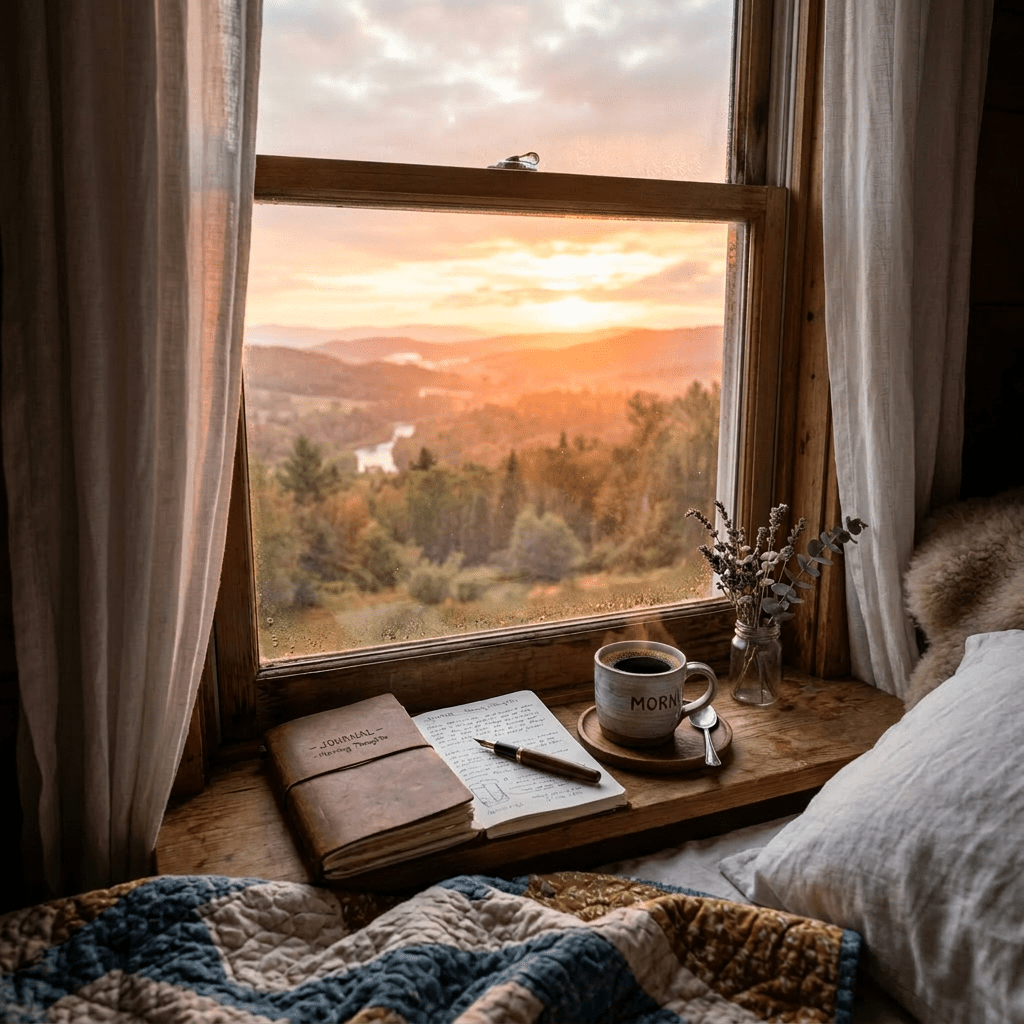
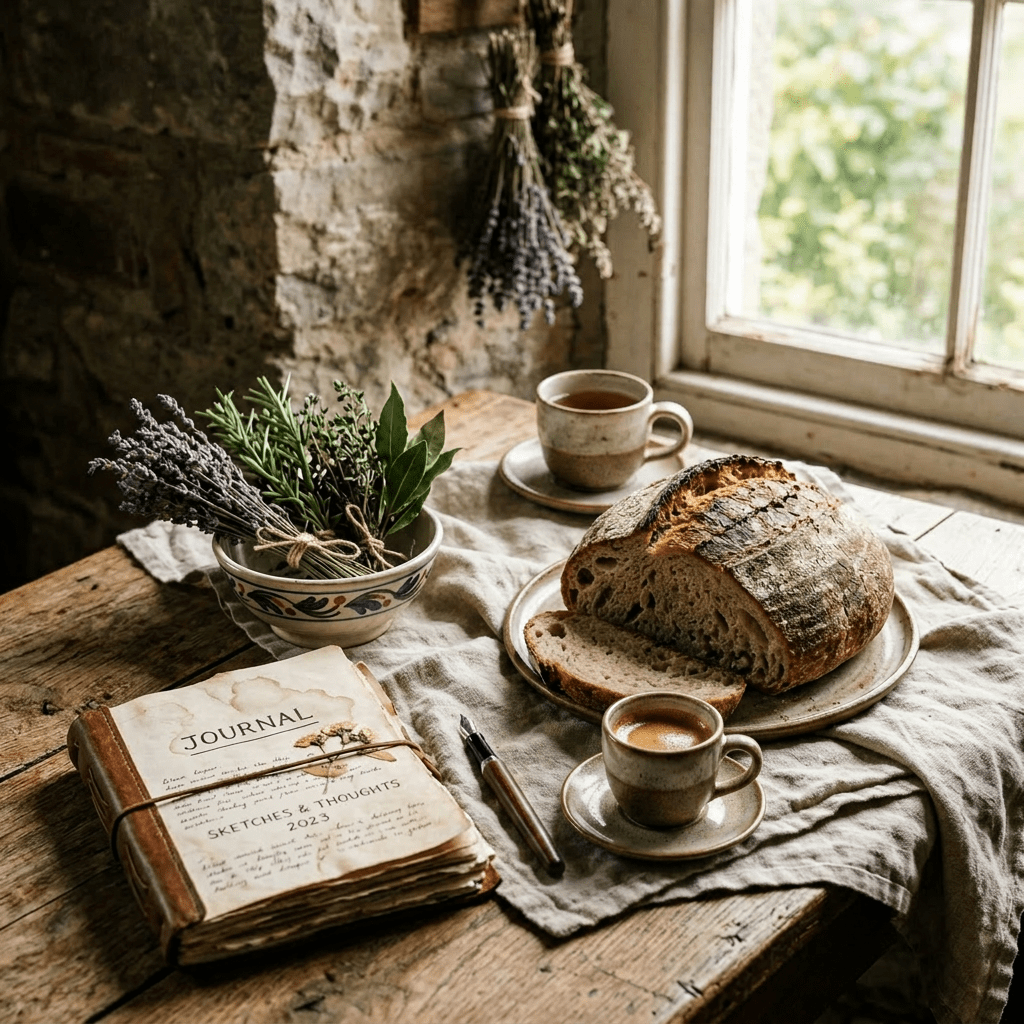
    Journal, pen, steaming coffee cup, and vase on a windowsill with sunrise over mountains
    A peaceful morning scene with a journal, coffee, and sunrise view

    When you embody this level of gratitude, life responds. Relationships deepen because people feel genuinely valued. Health improves as stress decreases and joy increases. Abundance flows—at least in steady, meaningful ways: unexpected help, creative ideas, synchronicities, and a profound sense of “enough” that paradoxically opens the door to more.

    So today, pause. Look around. Feel the chair supporting you, the device in your hands bringing these words, the breath moving through you. Say thank you—and really mean it. For the basics. For the people. For the lessons. For everything.

  • My deepest passion is nutrition — but ultimately, it’s all for him

    What are you passionate about?

    He is the prize at the end of the journey. To fully receive that gift and build the life I dream of with him, I have made my health non-negotiable. Nutrition is not just a hobby for me; it is something I can wax poetic about for hours with genuine excitement. I have explored it all — from the MAHA movement (seed oils, fluoride, ultra-processed additives, and all the hidden toxins) to Ray Peat’s principles and everything in between. I have lived the experiments myself: vegan, gluten-free, paleo, keto. I have been underweight and overweight. Through trial and error, I have learned what truly makes the body and mind thrive.

    Bright multicolored heart-shaped light swirl in starry cosmic background
    A glowing, multicolored heart-shaped swirl glimmers vividly in space.

    A brain injury years ago left me with some lasting effects I can be self-conscious about. It does not stop me from loving deeply or building a lasting relationship— as seen in my current form attracting him (thankfully, the “disability” does not seem to bother him at all), but I still carry that quiet desire to show up as my strongest, healthiest self. I want to move through life with ease — for me, and especially for him.

    Currently. Wifely duties from afar.

    Because more than anything, I long to be his perfect little housewife. I can already manage it beautifully with one hand, but two steady hands would let me pour even more love into our home. And yes — almost every girl dreams of the aisle. So I am committed to walking strong, not just so I can hold his hand while we stroll down the street or along the beach, but so I can walk down that damn aisle toward him, radiant and ready for forever.

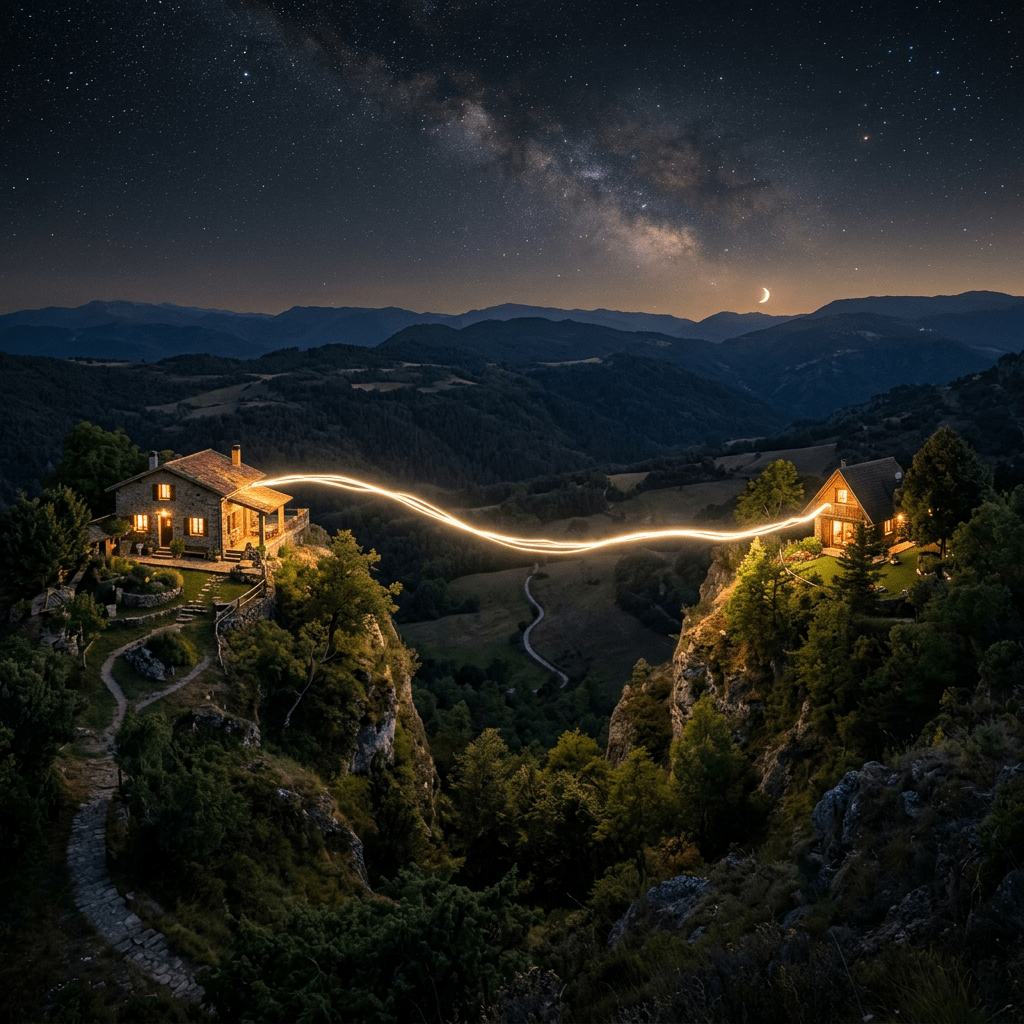
    Two illuminated houses on mountain cliffs linked by a glowing light trail under starry sky
    Love from a Distance.
  • Rewiring Your Brain: A Journey to Recovery

    Rewiring Your Brain: A Journey to Recovery

    Rewiring the Brain: The Quiet Revolution of Recovery

    I keep coming back to this one blogger who writes with raw honesty about his journey out of alcoholism. His words do not preach; they map the territory. Every post reminds me that recovery is not a straight line or a one-size-fits-all checklist. It is deeply personal—yet strangely universal. Whether the wound is psychological or physical, mental or tangible, true healing demands the same fundamental act: rewiring the brain.

    Most of us, when something in our body or mind breaks, learn to work around it. We compensate. We avoid. We build elaborate detours so we never have to feel the weakness again. Recovery asks the opposite. It invites us to look directly at the damaged part—liver, dopamine system, self-worth, prefrontal cortex, whatever it is—and declare: This can function perfectly again. Not by magic, but by deliberate, repeated practice.

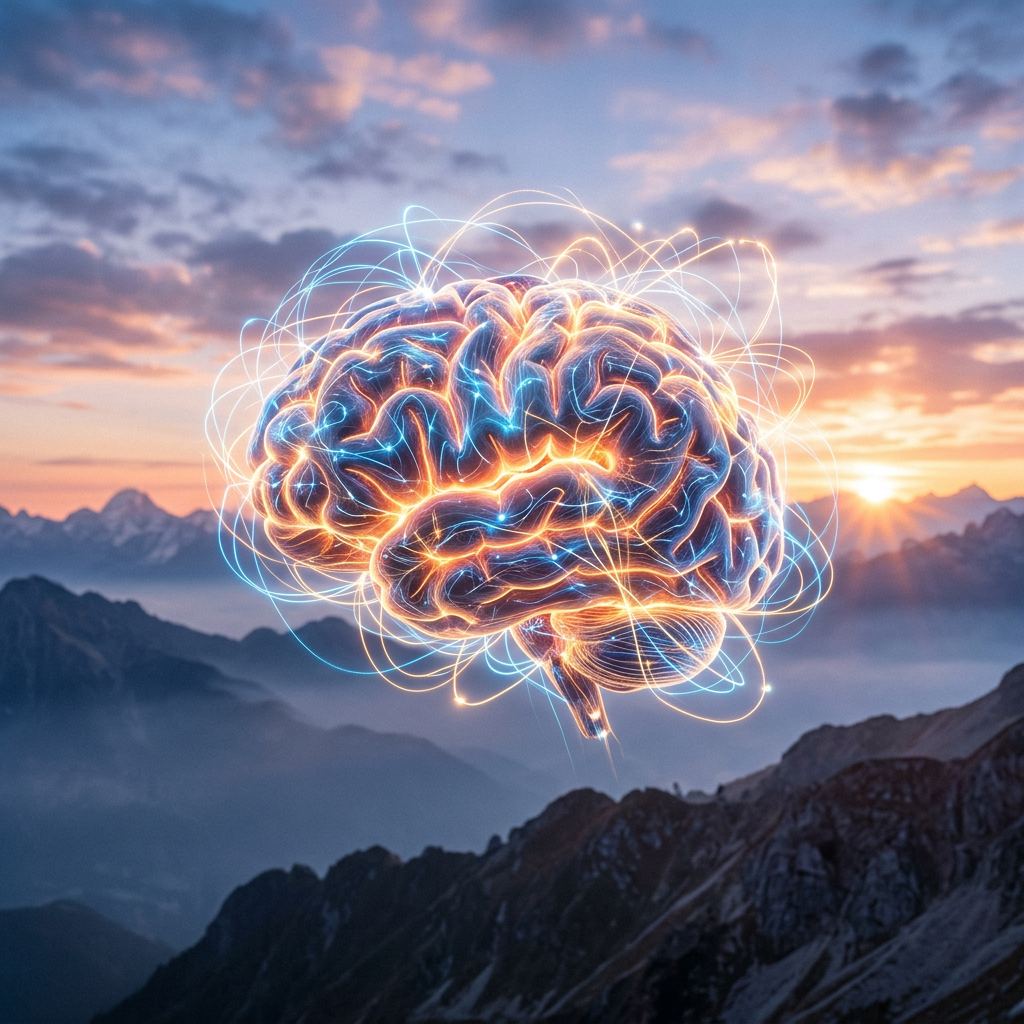
    Glowing human brain with blue and orange electric neural pathways above mountains at sunset
    A luminous brain with electric-like neural connections floats above mountain peaks during sunset.

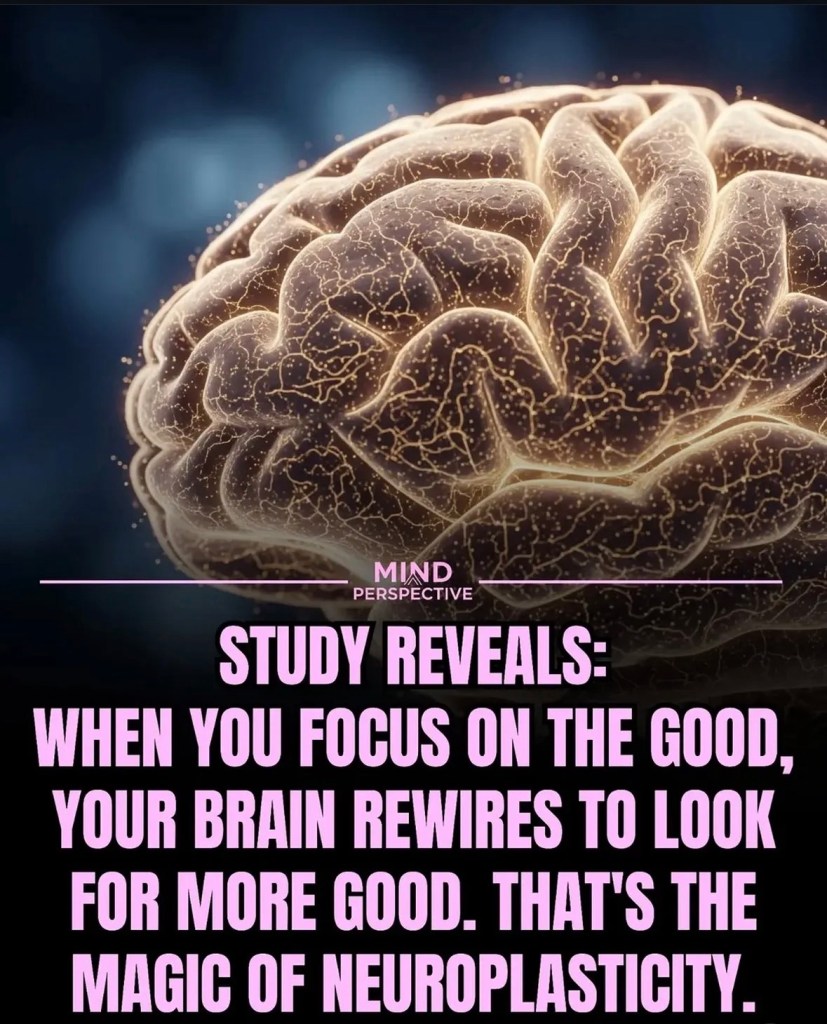
    The brain is plastic. Neuroscientists have shown us this for decades now. Every thought, every choice, every reframed story lays down new neural pathways. Old ruts—deep, craving, shame, or despair—do not disappear overnight, but they lose power when we stop feeding them.

    In active alcoholism, every minor inconvenience becomes license to drink. Traffic jam? Pour one. Argument? Pour two. Quiet Tuesday night? Might as well. The brain has been trained to treat discomfort as a fire that only ethanol can extinguish.

    Recovery means installing a new operating system. You feel the bump, you notice the urge, and then you choose something else. You sit with the discomfort long enough for it to pass. You call a (boy)friend. You walk. You journal. You pray. You do anything except hand the wheel back to the old habit. Over months and years, the brain stops defaulting to the bottle. The neural highway to numbness grows over with grass while a smoother, healthier route gets paved.

    Dark storm clouds over calm ocean water with sunlight breaking through
    Massive dark storm clouds billow over a serene ocean under clear sky (from chaos to calm)

    My own history with disordered eating taught me a parallel lesson. Food had been weaponized—something to withhold when I felt unworthy, or to binge on when emotions overwhelmed me. Recovery required the radical act of neutralizing food.

    Food is fuel. It is nourishment. It is information for your cells. Nothing more, nothing less.

    I had to train my brain to stop assigning moral value to calories or macros. No food is “bad.” No day is “ruined” because I ate a cookie. The cookie is just a cookie (and I love cookies). The real victory was watching my nervous system calm down around meals. The old panic circuits quieted. Satiety signals started working again. My body and mind began to trust each other.

    Some of us carry brain injuries that are not from substances at all—trauma, depression, chronic stress, concussions, strokes or even accidents. These conditions wire the brain toward threat detection, rumination, and bleak forecasts. Recovery here looks like gentle, persistent cognitive retraining.

    You catch the automatic negative thought (“Everything always goes wrong for me”) and offer a more balanced alternative (“This is hard, but I’ve handled hard before”). You practice gratitude not as toxic positivity, but as data collection: What actually went well today? You expose yourself to small, manageable challenges and prove to your nervous system that safety is possible. Little by little, the default setting shifts from “scan for danger” to “notice what’s working.”

    At their core, most addictions begin as something beautiful gone wrong. Alcohol was meant for celebration, connection, ritual, and relaxation. Food was meant for pleasure, sustenance, and community. Sex, gambling, scrolling, shopping—nearly every addictive behavior started as a legitimate human need or joy.

    The disease twists celebration into escape, comfort into anesthesia, presence into numbness. Recovery restores the original purpose. You learn to celebrate without substances, soothe without self-destruction, feel without overindulgence. You reclaim the birthright of feeling fully alive.

    This is where it gets almost spiritual. Choosing to view life through rose-colored glasses is not denial—it is strategic attention. Your brain has limited bandwidth. What you focus on grows stronger. When you habitually look for the good, the glorious, the tender, the funny, the meaningful, the neural networks for appreciation thicken. The old pathways of catastrophe and craving atrophy from disuse.

    It is not that bad things stop happening. They do not. But your relationship to them changes. You stop treating every setback as proof that you are broken or that life is hopeless. You start treating them as data, as teachers, as temporary weather.

    One day you realize the cravings are quieter. The shame is softer. Food tastes better. Sunsets hit different. You laugh more easily. You trust yourself more. You show up for your life instead of medicating it away.

    That is the miracle of rewiring. You do not just stop the destructive behavior—you become someone who no longer needs it. Someone whose default state is presence, resilience, and wonder.

    If you are in recovery—whether from alcohol, food, trauma, depression, or the general ache of being human—know this: your brain is listening. Every time you choose the new way, you are literally building a new you. The old pathways will call to you sometimes. That is okay. Just do not pave them again.

    Keep going. The view from the other side is worth every uncomfortable, glorious, rewired step.

  • Transform Your Life with Good Vibes

    Transform Your Life with Good Vibes

    In any relationship, any home, any corner of your chaotic life—positive vibes are not optional. They are survival. Good vibes only. No exceptions, no participation trophies for misery.

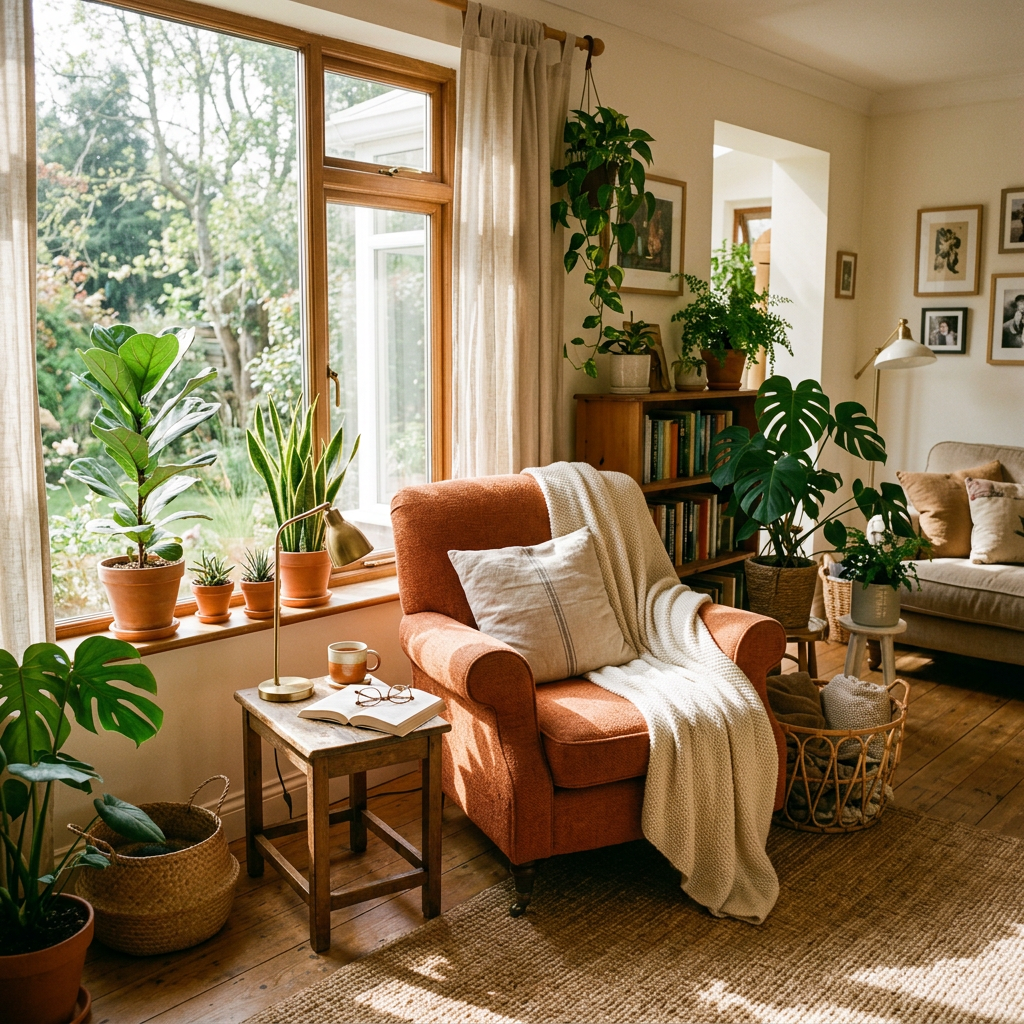
    Cozy armchair with blanket and pillow near window with plants, side table with lamp and book

    This is not some glittery, crystal-wearing motto. It is a brutal mindset shift. You either decide to see the glass half full or you drown in the half-empty pity party. Most people choose the latter and wonder why their life tastes like expired regret.

    Relationships die in negativity. Bring that low-frequency, eye-rolling, passive-aggressive energy into a room and watch people emotionally ghost you mid-conversation. But walk in with real, unforced good vibes—sharp humor, zero tolerance for drama, actual warmth—and suddenly doors open, tension evaporates, and people actually want you around.

    At home it is even more palpable. Turn your house into a complaint factory and it stops being a sanctuary. It becomes a cage with WiFi. Help each other, laugh together and speak gratitude out loud like you mean it. Your space transforms from a pressure cooker a sanctuary..

    Life in general is a war of perception. Things happen —bills, breakups, betrayals, the whole soul-crushing playlist. The half-full mindset does not erase the sucky part. It just refuses to let the it win every round.

    This is no toxic positivity where you smile through a house fire. That would be a little too delulu even for me . This is strategic. It is choosing not to be a whiny little brat about things you cannot control while fighting like hell for the ones you can.

    Traffic crawling? Instead of seething, crank a podcast and enjoy the rare moment nobody can demand your attention. Be thankful for your bills, because that means you are lucky enough to have utilities (i.e a heat bill means you have a warm home). Fighting with your lover? Drop the “you never/you always” garbage and get to the actual point like an adult.

    Multiple lanes of traffic with cars and buses congested on wet freeway near city skyline at sunset

    Your brain wants to doom-scroll and catastrophize. It is wired for it (thanks to our caveman survival instincts). Tell it to shut off the overthinking and rewire. Gratitude lists, cold exposure, brutal honesty with yourself—whatever works. Just stop marinating in negativity like it is a personality trait.

    Grief, betrayal, rock bottom—good vibes feel like a sick joke then. That is when “good vibes only” means getting out of bed, making coffee, and refusing to let the darkness take permanent residence. Small acts of defiance against the suck. That can be enough.

    Good vibes are not about pretending everything is sunshine and rainbows. They are just about refusing to let the rain ruin every day anyway.

    Positive energy compounds. It attracts better people, better opportunities, better nights. Negativity does too—it just attracts more of the same garbage.

    Good vibes only.

  • Cottagecore: Embrace the Gentle Rebellion Against Hustle Culture

    Cottagecore: Embrace the Gentle Rebellion Against Hustle Culture

    In a world that glorifies the relentless grind—the 5 a.m. alarms, the overflowing inboxes, the endless cycle of productivity hacks and side hustles—there is a quiet revolution blooming in meadows and on windowsills. It is called cottagecore, and it is not just an aesthetic. It is a lifeline for those of us whose nervous systems have been fried by the modern expectation to do it all, be it all, and still look effortlessly polished while doing so.

    Cottagecore is the dream of soft mornings wrapped in linen, the scent of fresh bread cooling on the windowsill, hands stained with berry juice from jam-making rather than ink . It is the gentle rejection of a life that was never designed for human flourishing. And for many burned-out Zoomers (and yes, some of us who came just before them), it became the soft landing we desperately needed.

    Picture this: You are rushing out the door, hobbling in stilettos, latte in one hand, briefcase threatening to burst just like your barely-contained anxiety. You Uber across the city for a meeting that could have been an email, all while mentally preparing for happy hour later—because heaven forbid you miss the narrow window to “meet someone” who might join you for brunch on the weekend. Then, because society demands you remain a certain shape, you drag yourself to a workout class at dawn so you do not become one of those “sad piles of fat.”

    Businesswoman in suit crossing street quickly with coffee cup and folders
    A businesswoman confidently strides across a busy city street holding coffee and files

    Layer on top of that the constant family obligations, notifications that never stop pinging, and the quiet terror that if you slow down for even a moment, you can fall behind. Our nervous systems were never meant to handle this level of stimulation. We are wired for seasonal rhythms, for community in small doses, for rest that actually restores.

    The pandemic, for many, cracked the illusion wide open. Suddenly the hamster wheel paused. No more commuting. No more forced socializing that left us emptier than before. And in that stillness, a truth emerged: we do not actually want the girlboss life. We want to bake sourdough at 10 a.m. on a Tuesday. We want to knit by the window while it rains. We want to tend a garden that feeds us more than just vegetables—it feeds our souls.

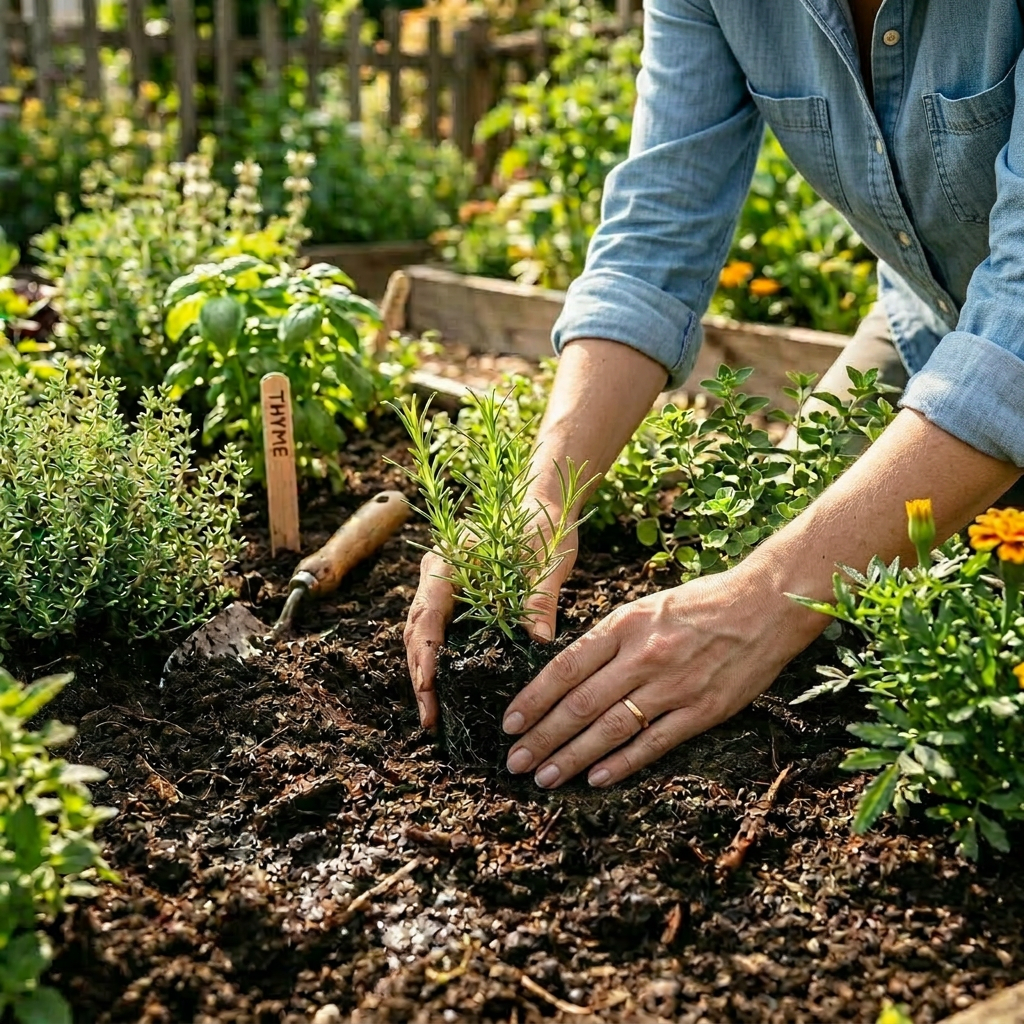
    Hands planting a small herb seedling in soil with thyme label visible
    A person plants a young herb in a sunny garden bed surrounded by labeled plants and gardening tools.

    I am not Gen Z. I did not discover cottagecore because the hustle culture finally broke me during lockdown. I chose this life because I fell in love—with a person, with a pace, with a vision of days that felt like poetry instead of performance.

    While the world was collectively reevaluating during those strange years, my slower lifestyle was already taking root. The pandemic did not force my hand; it simply confirmed what my heart already knew. I did not want to optimize my life for maximum output. I wanted to nurture. To create a home that felt like an embrace. To build something sustainable not just for my bank account, but for my spirit.

    There is profound strength in choosing the wooden spoon over the corner office. In trading stilettos for wool socks and well-worn boots. In measuring success by how many jars of jam line your pantry shelves instead of how many LinkedIn connections you have made.

    This is not about cosplaying: romanticizing poverty or playing pretend farm. It is about reclaiming what actually makes us feel alive.

    Cottagecore reminds us that caring— for a home, a garden, a partner, ourselvesis not weakness. It is the most radical act in a culture that tells us to outsource our softness.

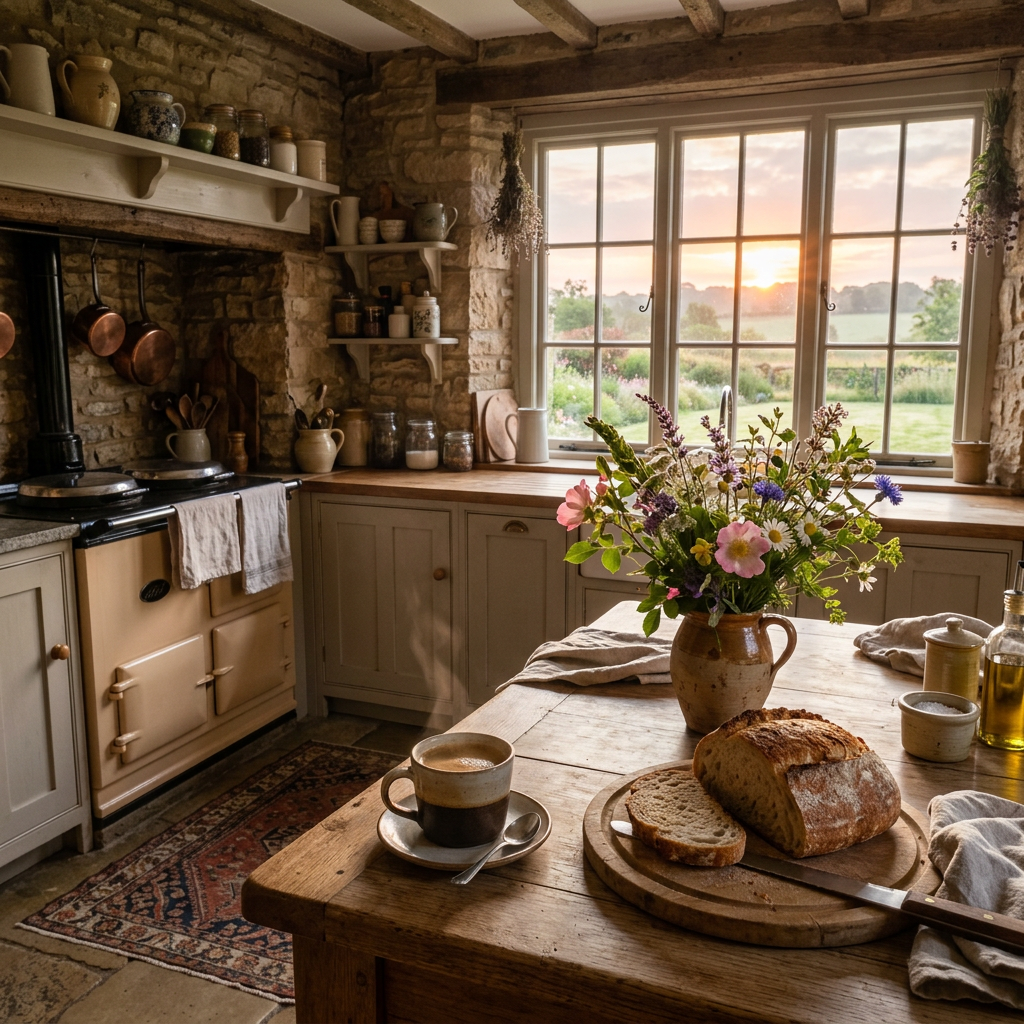
    Rustic kitchen interior with wooden table, bread, coffee, and a floral bouquet
    A warm rustic kitchen bathed in morning sunlight overlooking a garden

    We were not built for constant performance. Our bodies and minds crave the slow turn of seasons, the satisfaction of self-sufficiency, the deep peace that comes from creating rather than consuming.

    To every soul who feels the pull toward this softer path: you are not lazy. You are not failing at modern life. You are remembering something ancient and true.

    Cottagecore is not an escape. It is a homecoming.

  • Retardmaxxing: Just Do It

    Retardmaxxing: Just Do It

    In a timeline where every girl and soyboy is perfecting and enhancing their looks via what is referred to as “looksmaxxing”(my man likes to say that we are “soulmatemaxxing”),there is a new trend called Retardmaxxing. So instead of journaling morning routines, tracking macros like an autist, and listening to productivity podcasts, the gods have delivered the ultimate middle finger for succeeding in life : Retardmaxxing.

    It is the philosophy of massive, glorious, unhinged action while telling your neurotic overthinking brain to shut up.

    Popularized by Elisha Long and boosted when based tech bro Marc Andreessen started tweeting “Day 19,977 of retardmaxxing. Things going really well.” I personally heard about it from Chamath Palihapitiya on his recent Joe Rogan podcast episode. The core thesis? Stop being a paralyzed genius. Start being a retarded warrior who just goes.

    It reminded me of a movie I adore: Forest Gump. I know, I know…. It is so original to love a cult classic movie, but my man literally just showed it to me a couple years ago!

    I love how Gump approaches life. He literally does not know any other options exist so he goes head first into literally anything he does!

    This is honestly even how I started approaching life. From diet to physical exercise to relationships— I just go. No overthinking or “Oh no” thoughts— just the simple “I want it. I do it.” Overthinking consequences manifests those consequences. Not “low IQ.” Not actual brain damage. It is weaponized anti-perfectionism. Throw everything at the wall so hard it leaves a dent. See what sticks. Adjust later. Momentum is king.

    This is the antidote to looksmaxxing, sigma male grindset, and every other sterilized self-improvement cult that has you measuring your jawline instead of living.

    It is spreading like wildfire because modern life turned everyone into anxious, over-educated bitches.

    Retardmaxxing says: Send the risky text. Launch the business. Lift the heavy weights like a caveman. Your brain is not smarter than reality. Reality rewards the guy who moves first and figures it out in the trenches.

    It is not recklessness. It is pattern recognition that overthinking is the real retard.

    “Oh no, think of the disabled people!”

    This is ironic internet warfare. We are reclaiming slurs faster than your therapist can prescribe your medication. The term exists to trigger exactly the pearl-clutching midwits who need retardmaxxing most. If you are too fragile for the packaging, you will never handle the content.

    The message stands: God blesses his most retarded warriors. The ones who charge headfirst while the smart kids are still running simulations.

    So find the thing you have been overthinking for months. That book? That cold approach? That risky career move? Good.

    Make the first step so braindead easy a goldfish could do it. Open the doc. Send the message. Put on shoes.

    Embrace public humiliation. Your first attempt will suck. Post it anyway. The second will suck less. By the tenth you should be cooking.

    Stop listening to/ skimming podcasts and articles. Stop consuming. Start producing like a degenerate with nothing to lose.

    When in doubt: be retarded. Calm when you need calm. Retarded when you need results. Never anxious.

    Stop waiting for perfect conditions. Conditions are never perfect. The universe runs on chaos, not your iCalendar.

    Bottom Line

    Retardmaxxing is not a lifestyle. It is a nuke for your inner voice.

    Intelligence without execution is mental masturbation. Stop jerking your ego and start painting the walls with your mistakes. So simply put— just do it!

  • Big Pharma’s Sleep Scam Is Peak Clown World (And Your Brain Is Laughing at You)

    Big Pharma’s Sleep Scam Is Peak Clown World (And Your Brain Is Laughing at You)

    This morning I was leaning on the counter like a zombie in my kitchen, waiting for the espresso machine to spit out liquid salvation, when my eyes land on it: a shiny new jar of melatonin pills, perched innocently next to the vitamins like it was just another harmless little health hack. Boom. Instant flashback to that Huberman Lab episode that my man and I devoured years ago. Your body already makes melatonin. It is this beautiful, natural hormone your pineal gland pumps out when the sun dips and your circadian rhythm says “lights out, bitch.” Pop a supplement and you are not “helping” sleep—you are straight-up telling your brain, “Nah, I got this from the factory now, you can stop producing the real stuff.” Congrats, you have just trained your own biology to go on strike.

    And yeah, I am that person who deeply despises every single unnatural aid cooked up by Big Pharma. Those greedy corporate vampires do not give a damn about your actual health; they are too busy counting cash while you swallow side effects that make the original problem look cute. Groggy mornings? Check. Hormone chaos? Check. Dependency that turns you into a walking zombie who cannot sleep without their chemical crutch? Double check. Is it really worth it? For what—maybe shaving off ten extra minutes of tossing and turning? Hard pass. I would rather stare at the ceiling counting conspiracy theories than hand my sleep over to the same people who brought us opioid epidemics and “trust the science” campaigns that aged like milk.

    Look, I am not pretending I am some flawless sleeper. Some nights my brain decides 1 a.m. is the perfect time to freak out about my life. I have tried the classic “count sheep” method and somehow ended up at 1,000 because my brain would not turn off. Absolutely pathetic . But here is the thing I have learned the hard way: it is not about the sheep, the pills, or even how many hours you are actually logging. It is about your routine and the ruthless power of your mindset.

    Every single day after lunch I crash for a nap like it is my duty. Is it because I am magically fixing some sleep debt? Nah. It is the ritual. The signal to my brain that says, “We’ve got this handled, queen.” And that is where the real happens. 

    I dug into this wild study on PubMed (yeah, the actual peer-reviewed one, not some social media “sleep guru” nonsense): “Placebo Sleep Affects Cognitive Functioning.” Researchers straight-up gaslit people about their sleep quality using fake data—told half of them they had amazing REM sleep and the other half they had garbage sleep. The group told they slept like champions crushed cognitive tests—faster processing, sharper attention, better everything—even if their actual sleep was trash. The “bad sleep” group tanked, even when they had actually rested fine.  So stop strapping on those dorky looking smart watches/ rings. 

    Mindset is not some woo-woo buzzword. It is the cheat code. Your brain decides how wrecked (or unstoppable) your day is going to be way more than the raw hours on the clock. Big Pharma wants you chasing pills because pills = repeat customers. Your brain wants you to own the narrative: “I slept like shit but I’m still running this day.” That placebo effect? It is not fake—it is proof that perception is king. I am not saying ignore real insomnia or medical issues (talk to a real doctor, not Dr. Google). But for the average “I scroll social media till 2 a.m. and wonder why I’m tired” crowd? Ditch the jar. Build the routine. Tell your brain it is the boss, not some synthetic hormone from a lab that treats your pineal gland like it is optional.

    So I guess I will take my espresso, my post-lunch nap ritual, and the smug satisfaction of knowing my own brain is running the show. Sleep poorly? Sure. But I refuse to let it own me.

    Your move, sheeple. The revolution will not be supplemented.