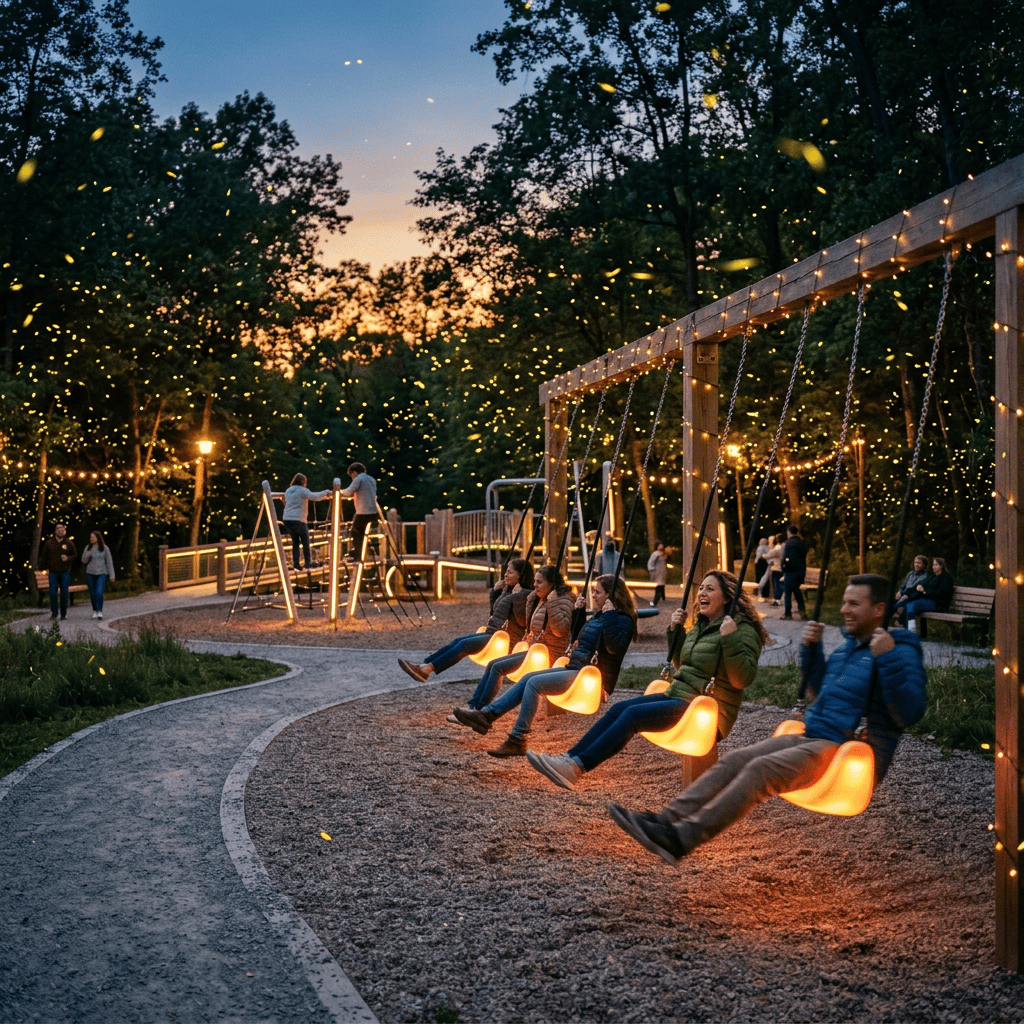
I am sitting here in the middle of 2026 staring at the same ceiling I have stared at for years, and I am telling you: I believe in more magic and miracles today than I did when I was a little tike.
Not the polite, quote-infested version of magic. Not the “manifest your best life” corporate sorcery. The real, messy, slightly unhinged kind. The kind that makes you feel like the universe occasionally winks at you when nobody is looking.
As a kid I was already half-skeptical, and it was not even my fault. The Santa situation was a cultural mess. While other children were being fed the story of a jolly, cookie-eating, red-suited American grandfather who somehow fit down every chimney on the planet in one night, I was being told about a tall, stern, frost-covered Ded Moroz who rolled up on New Year’s with a staff and zero tolerance for bullshit. Different beard energy. Different gift-giving calendar. Different everything. My young brain tried to reconcile both myths and just short-circuited. So I did what practical little kids do: I filed Santa under “probably not” and moved on. I believed that we were all given gifts during this time. I just did not question it. I remember the door bell ringing and opening the door to a Santa figurine. Something put it there. So it was a sort of magic. I did not dismiss the concept of Santa because I was wise. But because the stories did not match and I hated loose ends.
I was the child who believed everything else, though. Ghosts in the hallway. Monsters under the bed that only came out if you dangled your foot off the mattress. The idea that if you wished hard enough on a star, something might actually shift in the fabric of reality (I still believe that!). I did not question motives. I did not run cost-benefit analyses on hope. I just blindly accepted whatever cartoons fed me.
Then adulthood showed up with its clipboard and its spreadsheets and its gentle, soul-eroding suggestion that maybe we should all be “realistic” now. I said “no” to that life. People started using the word “mature” like it was a compliment instead of a warning label. Play became something you scheduled on weekends if the weather was good and you were not too tired from pretending to be a serious person.
I watched it happen to everyone around me. The slow, polite surrender. The way wonder gets treated like a childhood disease you were supposed to grow out of. The way adults start speaking about magic in the same tone they use for astrology or crypto—cute, but do not dare get carried away.
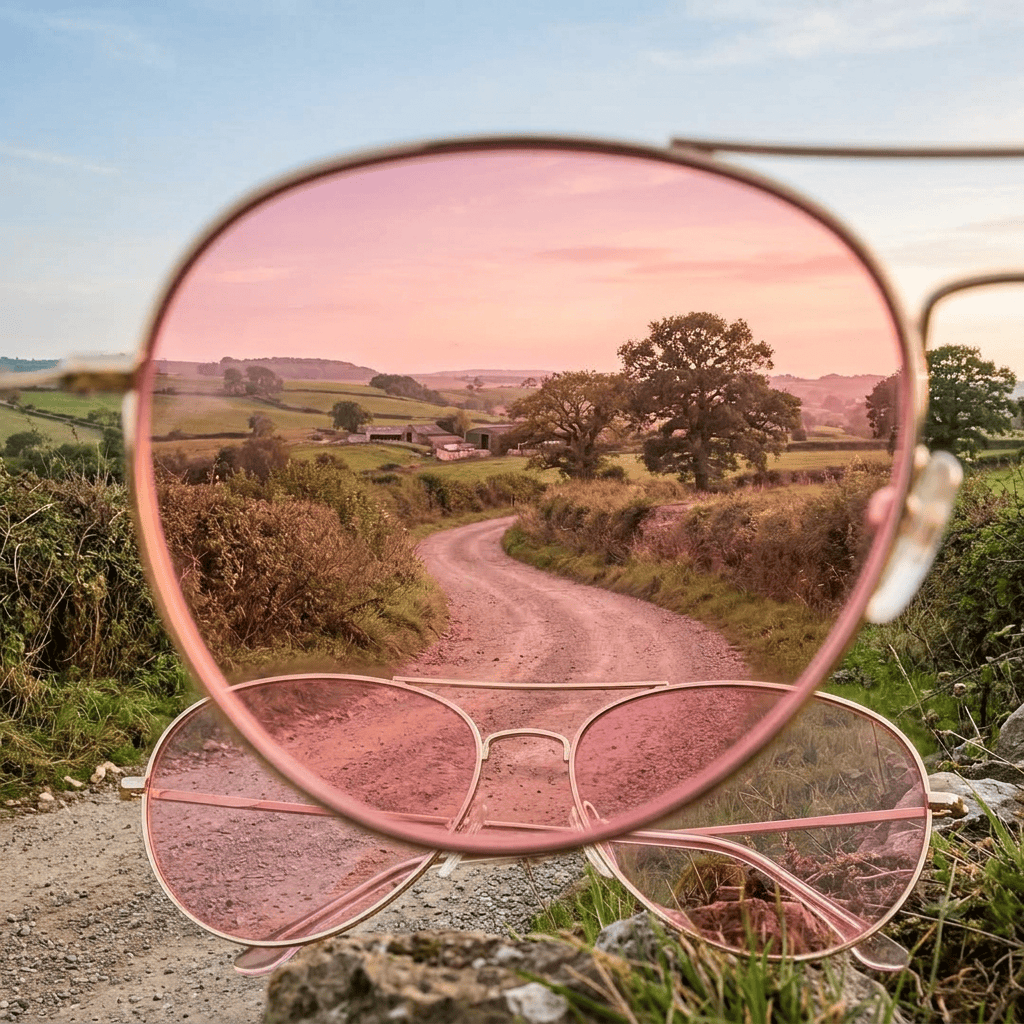
So I put the rose-colored glasses back on.
Not as escapism. As strategy.
Because your brain is a prediction machine that gets better at finding whatever you train it to look for. Feed it nothing but traffic, emails, and the slow death of your own potential, and it will become an expert at locating more traffic, more emails, and more despair. Feed it beauty, synchronicity, strange little coincidences, and the occasional “what was that?” moment, and suddenly the world starts offering you more of the same. It is not part of the delulu agenda . It is deliberate pattern recognition. It is hacking the hardware you were born with.
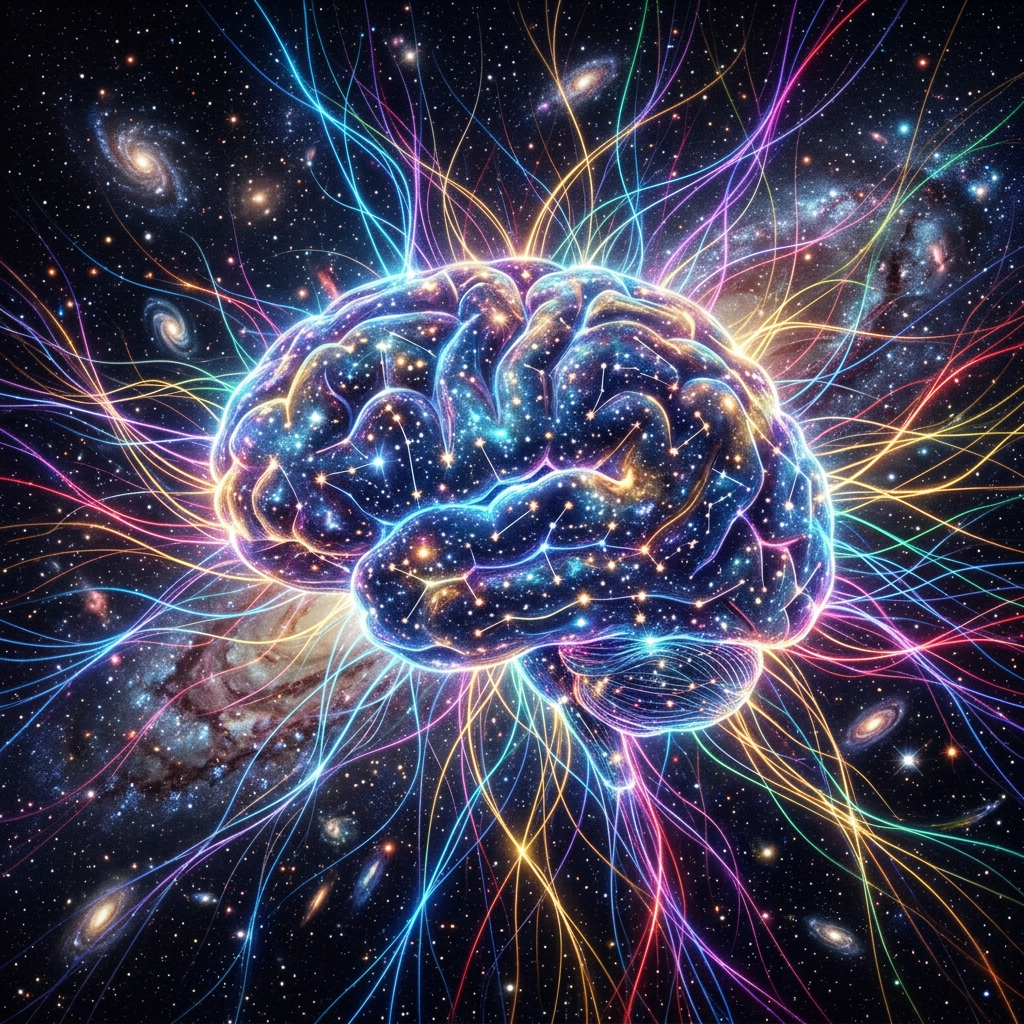
I choose to see beauty on purpose now. Not because I am soft. Because I got tired of the alternative being so boring.
I play more than I did as a child, not less. I make up rules to games nobody else is playing. I talk to animals like they are carrying messages. I notice when the light hits a puddle in a way that looks like the sky fell into the street and decided to stay. I let myself get stupidly excited about small things because the alternative is letting the world turn me into another well-adjusted corpse who “doesn’t believe in that stuff anymore.”
Belief is not a child’s privilege. It is an adult’s last line of defense.
The people who tell you to stop believing in magic are usually the same ones who need you numb so they can keep selling you the cure for the numbness they helped create. They want you practical. Predictable. Easy to manage. They want you to treat wonder like a guilty pleasure instead of a survival skill.
I refuse.
I am not going back to the version of me who needed the stories to line up perfectly before I was willing to feel anything. I have seen what happens on the other side of that particular maturity. It is gray. It is quiet. It is safe in the worst possible way.
I believe in more magic now.
I believe the universe still has a sense of humor, even if it is dark sometimes.
I believe some doors only open if you knock like you already know someone is home.
I believe play is not optional if you want to stay human.
And if that makes me childish in the eyes of people who traded their spark for a 401(k) and a respectable level of cynicism, then good. Let them keep score.
I will be over here, wearing my ridiculous glasses, making up rules, talking to animals, and noticing when the light does something stupid and beautiful in a puddle.
Because the alternative stopped being interesting a long time ago.
And I am not interested in interesting being optional anymore.

