Tag: love story

  • September: A Month for Routines and New Beginnings

    September: A Month for Routines and New Beginnings

    September is here. The calendar has flipped, the light is shifting, and the year has entered its most transitional stretch: still warm in many places, already carrying the first hints of autumn in others.

    A new month is a clean page. It is also a reminder that most of what we actually do with time is continue the conversations we were already having. If we have been talking about routines, projects, travel, food, or how to start something again, September is a useful month to pick those threads back up instead of pretending we are starting from zero.

    Labor Day weekend in the United States and Canada marks the unofficial close of summer. Schools reopen. The autumnal equinox arrives around the 22nd or 23rd, when day and night briefly balance. Around the world there are observances for literacy, peace, the ozone layer, and tourism. None of these dates require you to reinvent yourself. They simply give the month a rhythm.

    Sunlit stone path winding through a lush garden with autumn foliage
    A sunlit stone path winds through lush grasses, flowers, and colorful autumn foliage.

    The useful move is usually modest. Finish the half-done thing you mentioned last time you asked how to get unstuck. Try the recipe or the itinerary you were weighing. Adjust the schedule you were already trying to make work. September rewards continuation more than spectacle.

    The days are still long enough to use. The evenings are starting to feel different as now when I get outside to write, my body covers itself in goose pimples. That is enough of a reason to treat the month as an invitation rather than a demand.

    Welcome to September. Let’s keep going with whatever we were already working on.

  • Dinner with F. Scott Fitzgerald: The Allure of Literary Luxury

    Dinner with F. Scott Fitzgerald: The Allure of Literary Luxury

    Which author would you love to have dinner with?

    If I were to have dinner with an author, it would be F. Scott Fitzgerald. Not because of the obvious masterpiece everyone names first—The Great Gatsby—but because he understood luxury as a temperature, a texture, a way of moving through a room. He did not merely describe wealth. He lived inside its shimmer and its hangover, and he wrote as if both were equally sacred.

    Ornate wood-paneled library with bookshelves, seating, chandelier, and city views
    A richly appointed library lounge invites quiet reading beneath a glowing chandelier and tall arched windows.

    I have never been especially moved by stories that ask me to stay where I already am. Many people prefer fantasy worlds they can visit and leave, or novels that feel “relatable,” which often means ordinary kitchens, ordinary disappointments, ordinary weather. I have always been drawn the other way: toward silk, late hours, expensive mistakes, and the particular loneliness that arrives when the party is still going and you realize you are the only one who notices the light has changed. Fitzgerald paints that picture better than almost anyone. He makes luxury look not like a shopping list but like a climate.

    The Great Gatsby is the public cathedral. It is the book of the green light, the orchestra, the rumor. It is magnificent. But The Beautiful and Damned is the private room. Anthony Patch and Gloria Gilbert are not striving toward a dream so much as they are already inside one and slowly ruining the furniture. They are beautiful, idle, certain the future will keep paying their bills because it always has. They drink, they quarrel, they buy a second house they cannot afford because the idea of a gray country house is prettier than the math. They treat inheritance like weather: something that will arrive if you wait long enough in the right clothes. I recognize that hunger. Not the poverty of wanting more, but the more dangerous appetite of people who already have enough to be ruined by taste.

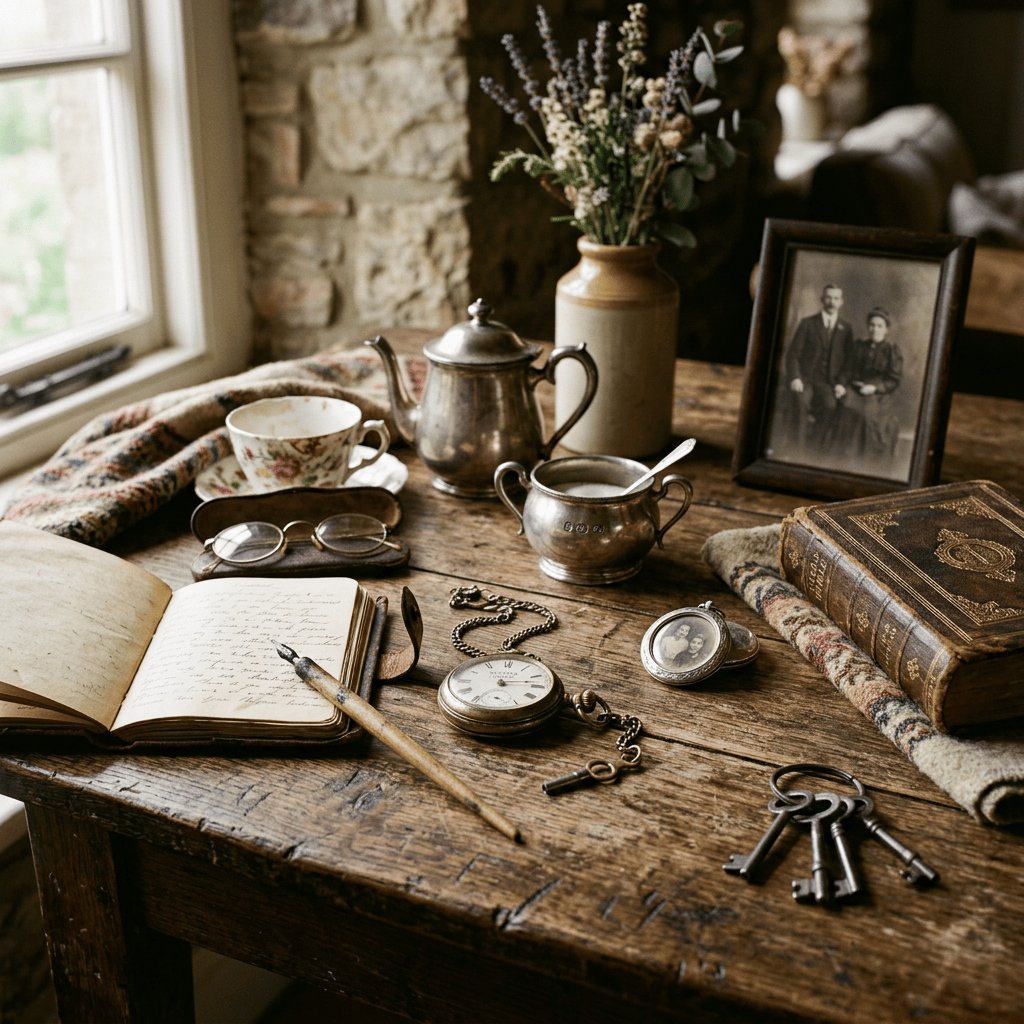
    Dried roses and scattered letters covered in golden dust on dark fabric
    Dried roses, scattered letters, and golden dust create a hauntingly romantic still life.

    Fitzgerald and his wife Zelda lived the same plot in public. Newly famous, they took over hotel lobbies as if the city were a set built for them. They spun in revolving doors, slid down banisters, jumped into fountains, arrived at parties on all fours, locked a jazz band in a bedroom and made it play until morning. They crossed the Atlantic with too much luggage and rented villas above the Mediterranean because New York had become too loud and too expensive for the kind of living they refused to scale back. He wrote about living on practically nothing a year while still ordering champagne. The contradiction is the point. Luxury, in Fitzgerald, is never only possession. It is performance, mood, and the brief conviction that beauty can postpone consequence.

    Elegant dinner table beside a roaring fireplace with champagne and flowers
    A warmly lit fireside table is prepared with champagne, flowers, and handwritten invitations.

    That is why I want dinner with him rather than a seminar on his most famous novel. I do not want the monument. I want the man who knew that parties are intimate precisely because they are large, that the very rich are different because they possess early and grow soft and cynical in places the rest of us stay hard, that “eat, drink, and be merry” is both a philosophy and a slow form of suicide. I want the writer who could make a cloth-of-gold dress and a platinum ring feel like plot. Zelda once advertised The Beautiful and Damned by listing the clothes she could buy if enough people purchased the book. That is not a joke to me. That is the aesthetic I live toward: art that funds the next beautiful object, beauty that funds the next sentence.

    Dinner would not be modest. I imagine a table that looks casually expensive and is, in fact, carefully so: low light, heavy silver, something cold and gold in the glass, a room that smells of perfume, cigarette smoke, and citrus from a bowl no one will eat. He would talk too much and then go quiet in a way that makes you lean in. He would notice the cut of a jacket before the content of a confession. He would be funny about money and then suddenly exact about it. He would understand, without needing it explained, why some of us do not want stories that return us to the life we already know how to survive. We want stories we can project onto the life we are trying to inhabit: the late dinner, the borrowed glamour, the risk that beauty is both the prize and the damage.

    The Beautiful and Damned is that projection. It is not a cautionary tale I read in order to become more responsible. It is a mirror I hold up when I want to see the version of myself that still believes atmosphere is a moral category. Anthony and Gloria fail, of course. They waste time, money, youth, and each other. Fitzgerald knew the bill always comes. He just refused to pretend the evening was not worth it while the candles were still lit.

    More stories about that, please. Not more worlds of dragons or more kitchens of quiet endurance. More rooms where the lighting is unforgivable, the clothes are too fine for the bank balance, the conversation is half seduction and half autopsy, and someone at the table still believes that if you live beautifully enough, the universe might keep the lights on a little longer. Fitzgerald made that belief look like literature. I would like to sit across from him and see whether, for one night, it still looks like a plan.

  • Coincidences: Are They Signs from the Universe?

    Coincidences: Are They Signs from the Universe?

    What’s the weirdest coincidence you’ve ever experienced?

    The Universe Doesn’t Whisper Twice

    I do not believe in coincidences. Not the small ones that make you smile and shrug, and not the large ones that rearrange your life. If something is meant to happen, it will happen. It will find the crack in the schedule, the delayed train, the wrong turn that somehow becomes the right street. It will arrive wearing the face of chance so that those who need to dismiss it can do so without discomfort. I have stopped dismissing it.

    Everything is a sign from the universe. Not in the loud, cinematic way people imagine when they talk about destiny. There is no booming voice, no sky writing, no sudden spotlight. It is quieter than that. A whisper. A particular song playing at a particular moment. A sentence overheard in a café that answers a question you have not yet asked out loud. A person appearing in your path with the exact piece of information, or the exact kindness, or the exact friction you needed. Most people walk past these things. They call them random. They keep their eyes on the ground and their minds on the next task. The whisper is easy to miss when you have already decided the world is only noise.

    I used to miss it too. I treated life like a series of isolated events that happened to me rather than through me. Something fell through and I called it bad luck. A conversation ended abruptly and I called it timing. Even my brain injury somehow managed to lead me to my twin flame. I could just shrug it off and say that my brain blew up because of a bad diet, stress, bad luck, a body that finally called in a debt I had been ignoring. That version of the story is tidy. It keeps the event inside the realm of cause and effect I can name. It lets me treat the injury as an accident that interrupted my life instead of a rupture that redirected it. But if I tell it that way, I erase the chain that followed. I would never have found myself scrolling my life away in the aftermath, half-present, half-searching, desperate for a face or a voice that felt like home. I would never have been cracked open enough to look that hard. I would never have been still enough, or raw enough, or lonely enough in the particular way that made recognition possible when it finally arrived.

    Dried leaves, dark berries, threads, and droplets arranged on a dark surface
    Dried leaves, dark berries, and fine threads create a moody autumn-inspired still life.

    The injury did not feel like a gift when it happened. It felt like theft. It took language, stamina, certainty, the old version of myself that knew how to move through a day without having to invent the day from scratch. And still, something in that wreckage made a path. Not because suffering is noble. Not because pain is always a teacher we should thank on the spot. Because the life I had been living was not going to bring me to that person. The uninjured version of me was too occupied, too armored, too convinced she already knew the shape of her story. The universe did not cause the injury so that a romance could bloom. I do not need the story to be that clean. What I know is simpler and stranger: the injury happened, the searching began, and the person who felt like a missing frequency appeared inside that searching. To call the whole sequence a coincidence would require me to pretend the seeking never mattered.

    The more I paid attention, the more the pattern revealed itself. Not a rigid script. Not a promise that every desire will be granted or every wound will be explained. Something subtler: a conversation between the inner life and the outer world. When I am restless, the universe sends restlessness back to me in the form of unexpected delays and unfinished conversations, as if to say, sit with this. When I am ready to move, doors that were locked for months swing open with almost embarrassing ease. People I needed to meet appear in places I had no logical reason to be. Opportunities arrive wearing the clothes of inconvenience. Losses arrive wearing the clothes of protection I only recognize later.

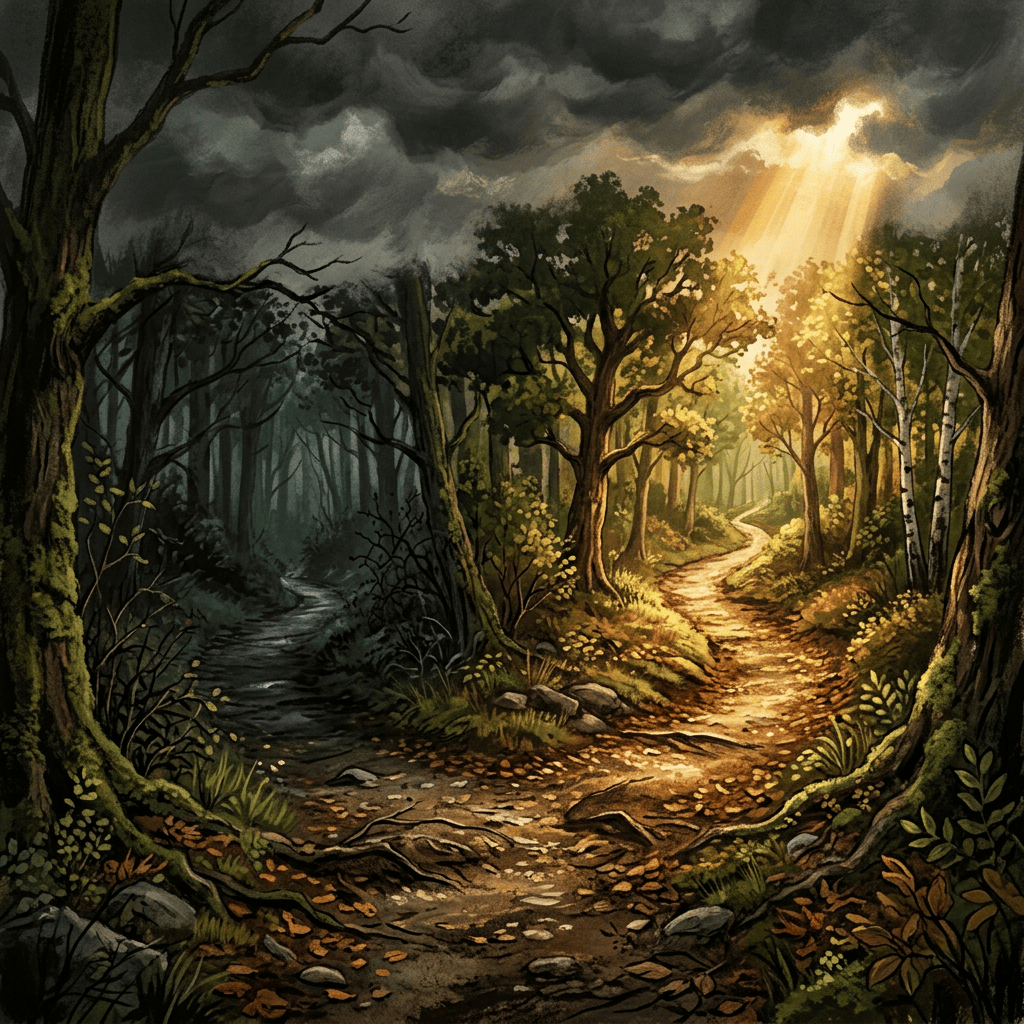
    Winding forest path lit by golden sunlight beneath storm clouds
    A winding woodland trail emerges from shadow as golden sunlight breaks through stormy clouds.

    It is easy to romanticize this and turn it into a slogan. “Trust the universe.” “Everything happens for a reason.” Those phrases can become another way to avoid looking closely. I am not interested in comfort slogans. I am interested in the texture of the moments themselves. The way a certain light falls across a room at the exact second a decision crystallizes. The way a stranger’s offhand comment lodges in the mind and will not leave until you act on it. The way the same number (17,27,37), the same image, the same phrase keeps appearing until you finally stop and ask what it is pointing toward.

    Many people fail to notice because noticing requires a kind of stillness that modern life does not reward. We are trained to explain things away. Coincidence is a tidy category. It lets us keep our sense of control. If the meeting was random, then we remain the authors of our story. If the meeting was a sign, then something larger is participating, and that is both comforting and unsettling. It means we are not as separate as we pretend. It means the world is speaking, and we have been talking over it.

    I have learned to treat the whisper with more respect. Not superstition. Not the desperate search for meaning in every fallen leaf. A quieter discipline: when something repeats, I listen. When an opportunity arrives wrapped in inconvenience, I consider whether the inconvenience is the point. When a person crosses my path more than once without an obvious reason, I stop assuming it is nothing. Sometimes it is nothing. Sometimes the universe is simply dense with possibility and not every thread is meant for me. Discernment still matters. But I no longer start from the assumption that the thread is accidental.

    If something is meant to happen, it will happen. That sentence used to sound passive to me, as if I could sit still and wait for life to deliver itself. I still kind of hate it when my boyfriend approaches our relationship path this way. But it is not an excuse for inaction. It is a recognition that timing has its own intelligence. Effort still matters. Showing up still matters. Doing the work still matters. But the work is not only the visible kind. There is also the work of becoming the kind of person who can recognize the sign when it arrives, and the kind of person who can act on it without needing the entire map first.

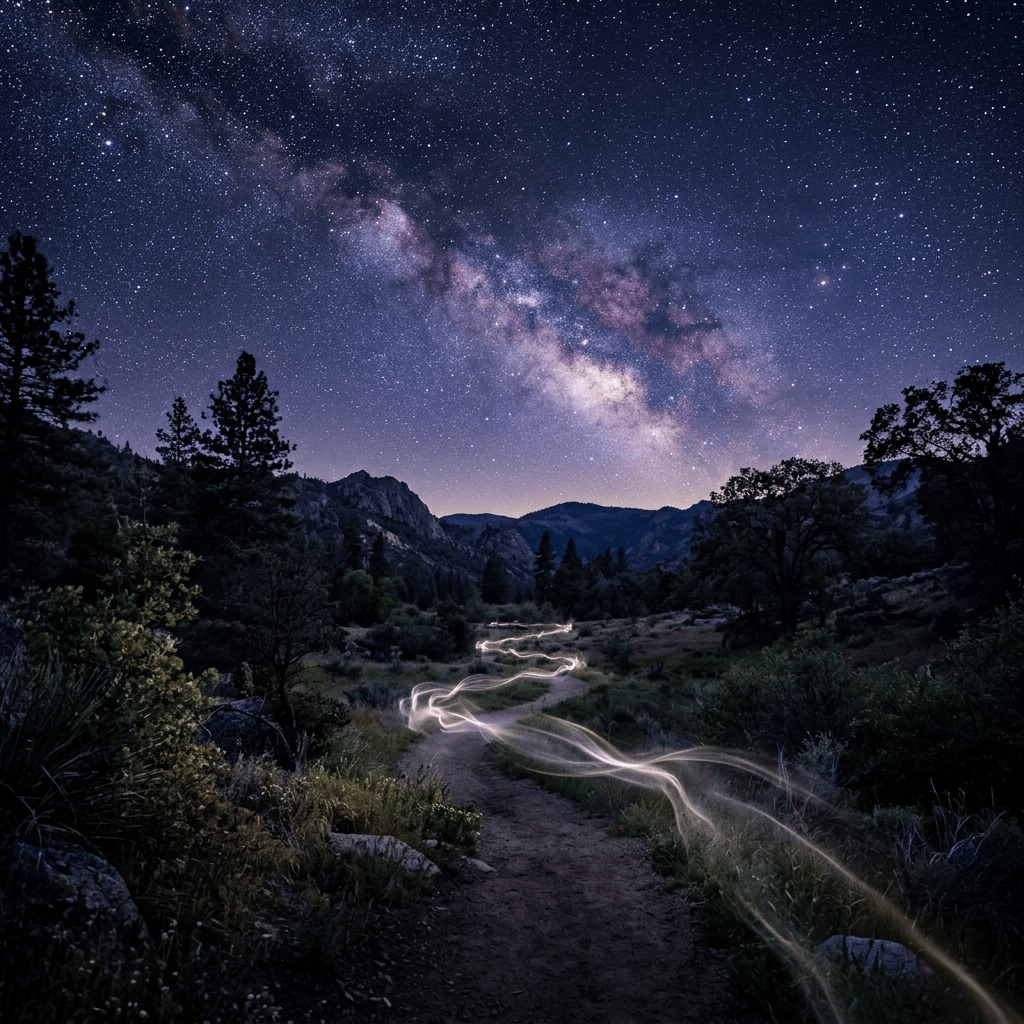
    Milky Way over a mountain trail with winding light trails
    The Milky Way glows above a mountain trail traced by flowing light trails.

    The universe does not shout. It does not compete with the noise we generate. It waits. It repeats itself politely. It leaves small, persistent traces for those willing to look up from their phones and their plans and their certainty that they already know how the story is supposed to go. Most people will keep walking. That is their right. I have decided I would rather not miss the whisper again.

    It has been speaking the whole time. I was simply too busy calling it coincidence.

  • Being trad.

    Being trad.

    What’s a cultural tradition from your country that you love?

    Being Raised Russian Has Truly Taught Me How to Be a Traditional Woman/Wife

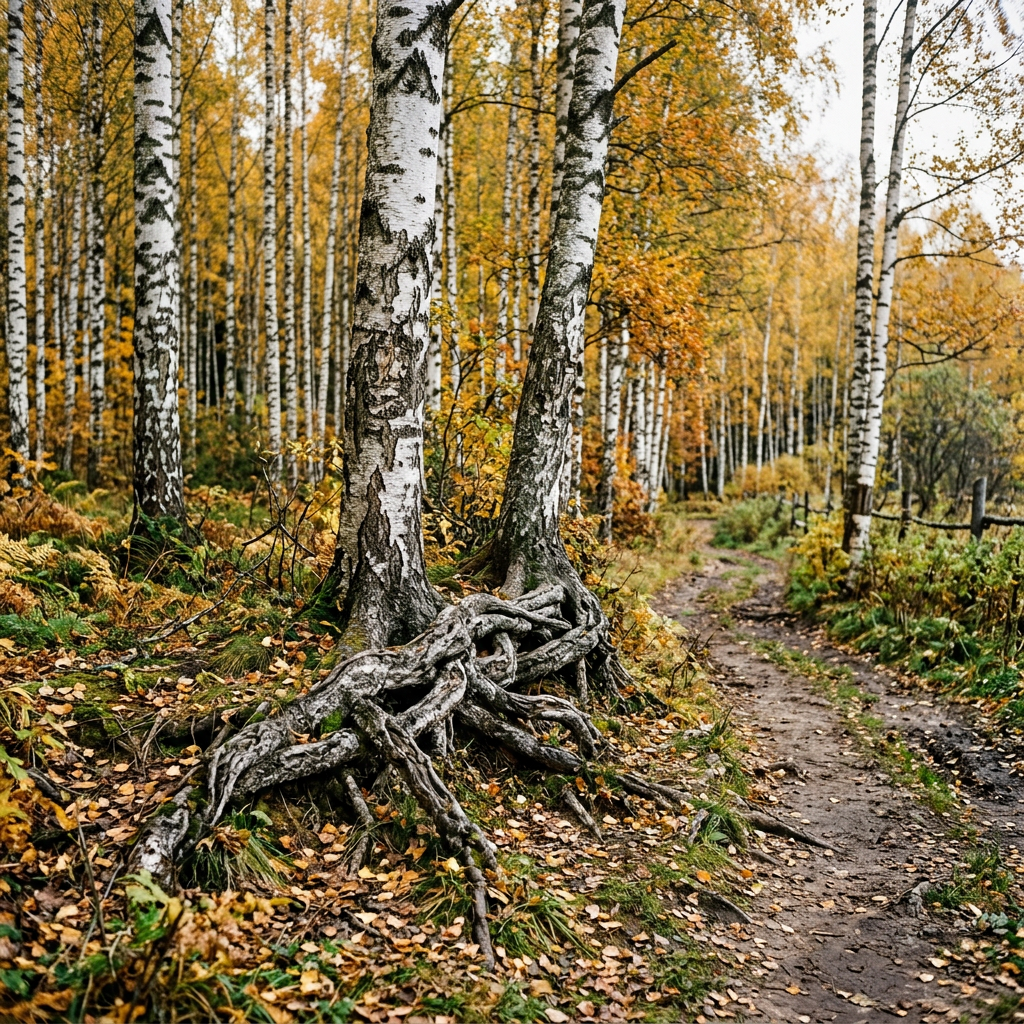
    Winding dirt path through an autumn birch forest with exposed roots
    A winding woodland path passes beneath golden birch trees and exposed twisting roots.

    There is something powerful about the way I was raised. Growing up Russian did not just give me a language, a cuisine, or a set of holidays—it shaped an entire understanding of womanhood and marriage that feels increasingly rare in this modern world. It taught me, without lectures or manifestos, how to be a traditional woman and wife: grounded, capable, devoted, and proud of the role rather than apologetic for it.

    In a Russian household, the home is not merely a place you sleep. It is the center of life, the domain where a woman’s care, order, and warmth determine the emotional climate for everyone else. From an early age, I watched my mother transform ordinary spaces into places of comfort and beauty. Floors were clean, tables were set properly, food was prepared with intention, and the atmosphere mattered. This was never framed as oppression. It was framed as competence and love. A well-kept home and a well-fed man was an expressions of strength, not subordination. I absorbed the lesson that domestic skill is not “less than” a career; it is a different, equally demanding form of mastery.

    Brass samovar and tea setting inside a rustic cabin beside snowy window
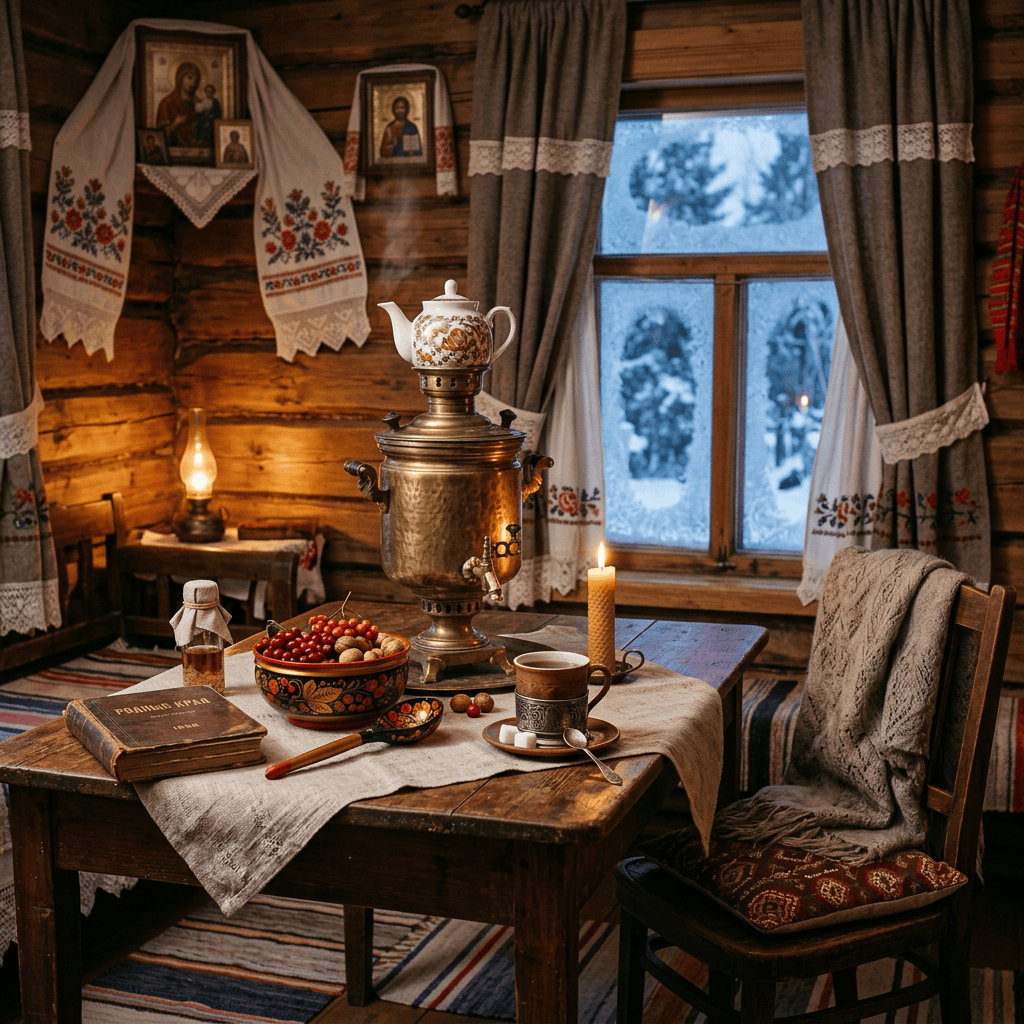
    A warmly lit cabin table features a brass samovar, tea, berries, and embroidered folk textiles.

    Traditional Russian upbringing also instills a clear-eyed view of complementarity between men and women. Men are expected to protect, provide, and lead with responsibility. Women are expected to nurture, support, and create the emotional and physical conditions in which that protection and provision can flourish. This is not a rigid hierarchy of worth; it is a practical division of labor rooted in observed differences and mutual dependence. I was never taught that needing a man’s strength made me weak, or that offering softness and loyalty made me less intelligent. On the contrary, the ability to soften a hard world for the people you love was presented as one of the highest forms of feminine power.

    Loyalty sits at the center of this model. Russian culture has long valued endurance—through winters, through history, through difficulty. That same endurance is expected in marriage. You do not discard a partnership at the first serious inconvenience. You work, you adapt, you protect the family unit. This does not mean tolerating abuse or remaining in a destructive situation. It means entering marriage with the seriousness of a lifelong covenant rather than a temporary lifestyle arrangement. Being raised with that expectation made me less interested in endless options and more interested in depth, continuity, and the quiet satisfaction of building something that lasts.

    There is also an unspoken standard of self-presentation. Russian women are often raised with an awareness that appearance is part of how you honor yourself and those around you. Looking put-together is not vanity for its own sake; it is a form of respect—for your husband, for guests, for the occasion, and for your own dignity. Combined with an expectation of competence in the kitchen and the home, it produces a woman who can be both soft and capable, elegant and practical.

    None of this requires rejecting education, ambition, or personal development. Many of the strongest traditional Russian wives I know are highly educated, multilingual, and sharp. The difference is priority. Career and self-expression are valuable, but they do not automatically outrank the creation of a stable, loving home and the support of a husband who carries heavy external burdens. The traditional model I absorbed does not demand that a woman disappears; it asks her to invest her gifts where they produce the deepest long-term fruit for the people she loves most.

    Of course, no culture is the same, and not every Russian family embodies these ideals perfectly. Yet the cultural inheritance is real. It prizes resilience over fragility, duty over pure self-expression, and the tangible results of care over abstract declarations of independence. In a time when many people feel adrift in relationships that prioritize individual fulfillment above all else, that inheritance feels like a quiet advantage.

    Being raised Russian did not only teach me to be smaller. It taught me how to be solid. It showed me that there is profound dignity in cooking a real meal, keeping a peaceful home, standing beside a man through difficulty, and having clear values. Traditional womanhood and wifehood, in this framing, are not relics. They are disciplines—demanding, beautiful, and deeply rewarding when practiced with eyes open and heart engaged.

    That is the gift the culture handed me. I am still learning how to live it fully, but I no longer question its worth.

  • I Cannot Erase Any Part of My Life

    I Cannot Erase Any Part of My Life

    If you could erase one event from your history, what would it be?

    There are days when the weight of everything I have lived through presses so heavily on my chest that the temptation to rewrite history feels almost unbearable. I catch myself wondering what it would be like to go back—to delete the chapters filled with pain, the choices I regret, the nights I barely survived. Yet every time that thought surfaces, I stop myself cold. I cannot erase any part of my life. Because if I did, I would not have met him. The love of my life.

    It is a strange and beautiful paradox, is it not? The very path that brought me to my lowest points is the same one that led me straight into his arms. Every wrong turn, every heartbreak, every season of darkness carved the version of me that was ready to recognize him when he appeared. Had I skipped the struggle, I might never have developed the depth, the resilience, or the quiet hunger for real connection that allowed me to see him—and to be seen by him in return.

    Winding path through woodland with autumn leaves, spring flowers, and distant green hills
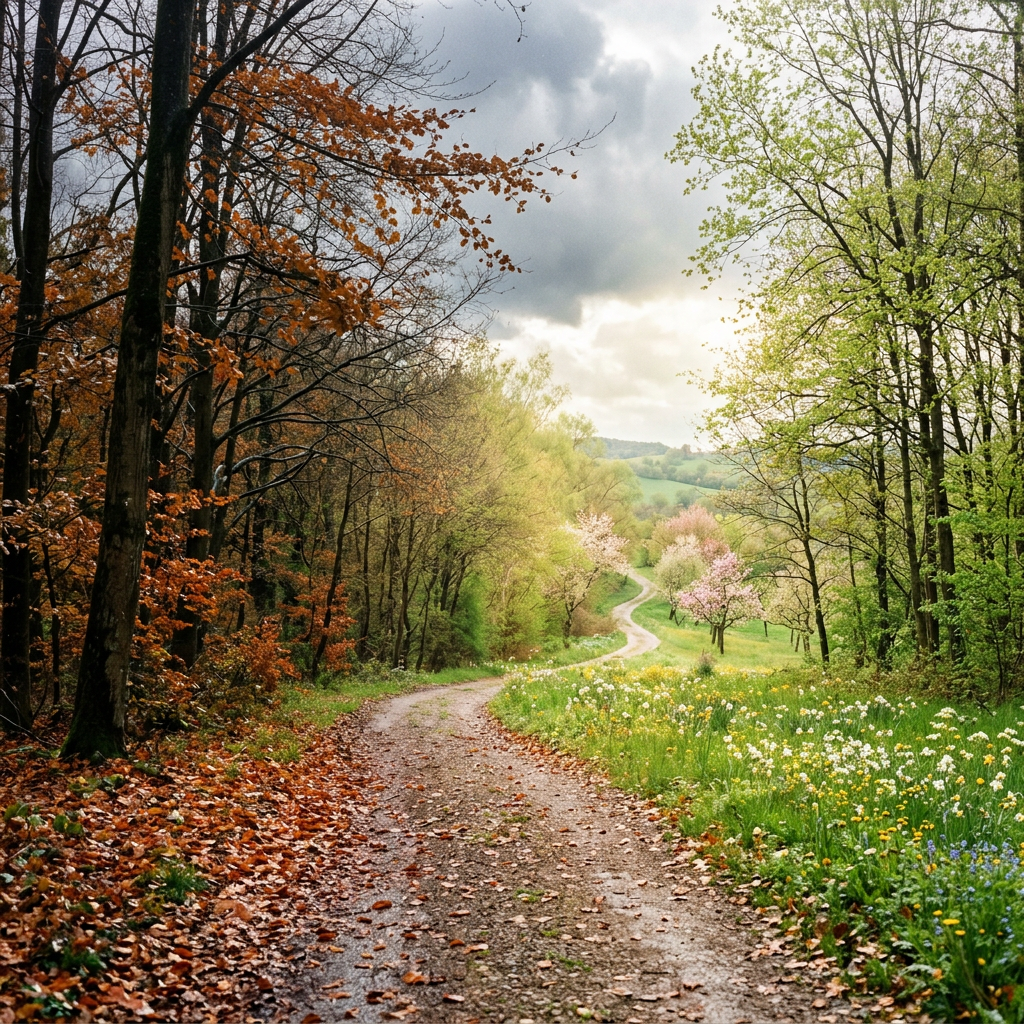
    A winding woodland path leads through autumn leaves and spring wildflowers toward sunlit hills.

    I know I am not where I need to be in life. My recovery is still a work in progress, messy and nonlinear. Some mornings I wake up feeling strong, only to find myself slipping by afternoon. There are still triggers I have not fully disarmed, still patterns I catch myself repeating, still days when the old version of me tries to reclaim the driver’s seat. Progress is not a straight line; it is a spiral. I revisit the same lessons at higher altitudes, learning them more gently each time. And while I can acknowledge that I am not yet the healed, steady person I aspire to become, I also know this truth with absolute clarity: I would not trade a single moment of the journey that brought me here.

    Because “here” includes him. Even if he is not physically here.

    He did not arrive after I had everything figured out. He showed up in the middle of the unfinished story. He has seen the raw edges of my recovery—the days I struggle, the moments when old “wounds” reopen without warning, the quiet battles I still fight behind a brave face. And somehow, instead of turning away, he stays He stays even though no one wants this. To be a part of this.. Yet, he holds space for the parts of me that are still healing. In his presence I feel both completely known and completely safe, a rare combination I never believed I would find.

    Looking back, I can trace the invisible thread that connects every hardship to this love. The loneliness that came with my disability taught me how to cherish companionship. The heartbreak (that I received from my own family) taught me what I would never again settle for. The rock bottom taught me that I am worth fighting for—and that lesson made me capable of receiving the kind of love that does not demand perfection, only honesty. If I had erased the pain, I would have erased the soil in which this relationship took root.

    So I choose, again and again, to keep the whole story. The beautiful and the broken. The triumphs and the near-misses. The version of me who fell is the same version who eventually looked up and found him standing there. I may still be climbing toward the place I need to be in my recovery, but I carry no desire to rewrite the map that led me to this love.

    I cannot erase any part of my life.
    And more than that—I no longer want to, despite the fact that I still get frustrated and incredibly sad/ angry (I just do my best to be positive about it).

  • Curating My X Feed: Choosing Positivity, Personal Beliefs, and the Lifestyle I Crave

    In a world overflowing with noise, division, and endless hot takes, I made a deliberate choice to shape my X (formerly Twitter) experience around what truly matters to me. My entire account is now intentionally curated to reflect my personal beliefs and, above all, to center positivity.

    Smartphone held in hands showing time 07:18 and text Calm & Connected against fiery and smoky background
    A smartphone displaying ‘Calm & Connected’ held amid swirling fire and smoke effects

    I want my feed to uplift, inspire, and align with the kind of life I am actively building—one rooted in growth, joy, healing, and possibility. That does not mean I live in a bubble or ignore reality. It simply means I am protective of my mental and emotional space.

    Yes, I do follow a handful of accounts that could be described as strong Trump supporters—people who sometimes come across as riding the “Trump can do no wrong” wave. I am fully aware of the echo-chamber risk there. I approach them with the same healthy skepticism I apply to sports accounts, news outlets, or any single-source content. I do not take everything at face value, and I cross-reference when something feels off.

    I am not on X primarily for political analysis or to debate policy. I am there to be inundated with feel-good positivity and reminders of the lifestyle I crave—wellness, personal development, meaningful connections, beauty, humor, and inspiration. Those accounts, even with their strong biases, often deliver bursts of optimism, patriotism, or motivational energy that resonate with the uplifting vibe I want more of.

    At the end of the day, social media should serve you—not drain you, enrage you, or pull you into endless negativity loops. I have unfollowed, muted, and blocked enough accounts to create a space that feels like a warm, intentional garden rather than a battlefield.

    Smartphone with an assortment of blooming flowers, greenery, and succulents growing on its screen
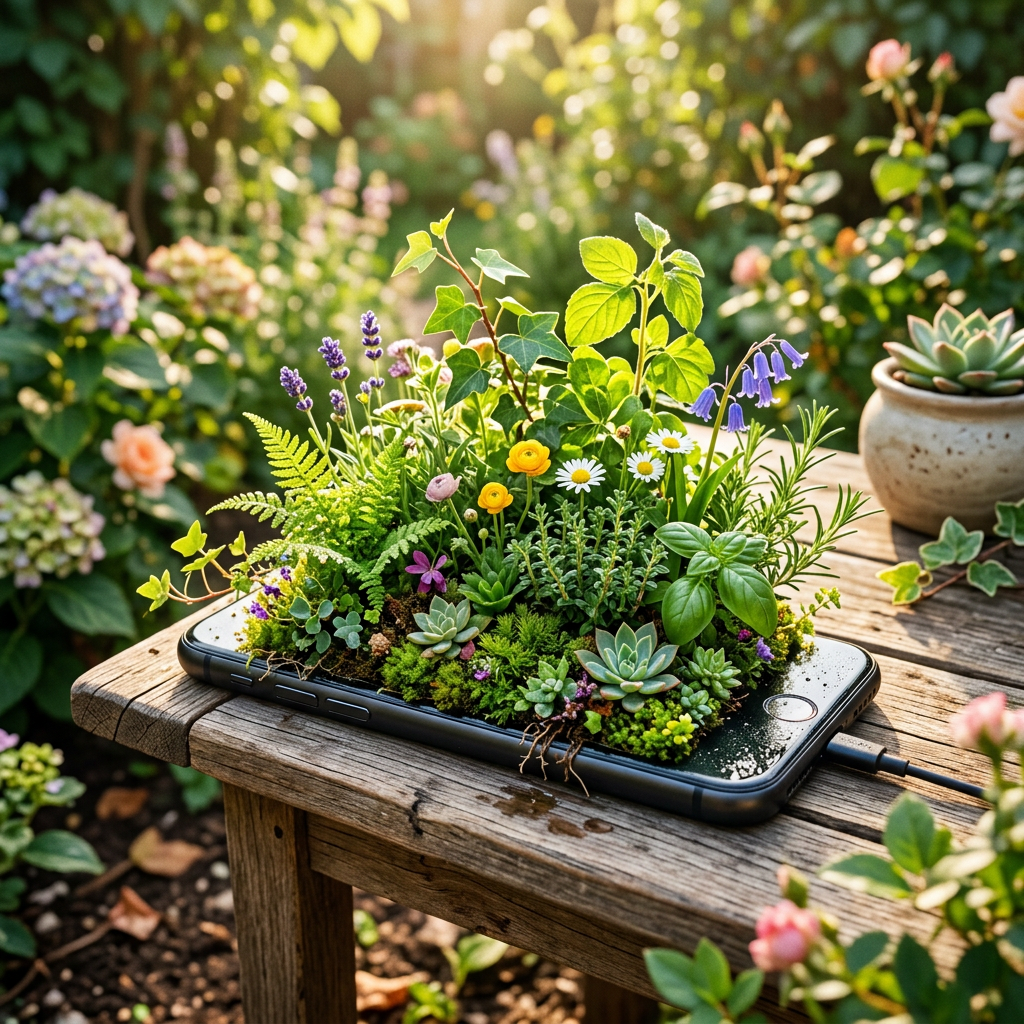
    A smartphone displaying a vibrant mix of blooming garden plants and succulents

    My feed is not perfect, and it is not meant to be a complete reflection of the world. It is a reflection of the world I am choosing to create for myself. One post, one follow, and one boundary at a time.

    Some of my favorite social media follows are:

    Smartphone screen showing abstract swirling dark and golden light pattern
    A hand holding a smartphone displaying an abstract swirling light pattern
    •  @PeytonElroy : a wellness and spiritual healing-focused account with over 61,000 followers. Setting a consistent tone of optimism, empowerment, and alternative health perspectives, Peyton posts a mix of personal stories (especially her father’s recent stage 4 colon cancer “healing” journey). and practical health tips (e.g., hibiscus tea for inflammation, dates for heart rhythm stabilization via potassium, broccoli sprouts, blueberries, soursop). I particularly love the spiritual/energy concepts (auras, emotional states influencing physical health, colors affecting energy, the idea that everyone is inherently “spiritual”) and relationship/life advice (e.g., how to stand out when approaching beautiful women by complimenting non-physical traits).The tone is warm, encouraging, and emoji-heavy (lots of hearts, flowers, and green tones). Posts often include disclaimers like “I’m not claiming this cures cancer alone” while sharing strong opinions and anecdotes. Recent content has leaned heavily into cancer discussions—viewing it as inflammation, potentially linked to parasites or trauma, with emphasis on mindset, diet, and natural compounds rather than fear-based conventional narratives (my own personal belief). 
    • @mtnhousewife (Mountain Housewife🏠) is a Christian homemaking and traditional marriage account run by a 41-year-old wife, mother, grandmother (“mimi”), and homemaker.  Her posts promote biblical womanhood, wifely submission, contentment, and practical homemaking. Key themes include: Covenant marriage — Long-term harmony through scriptural roles (e.g., she highlights 42 years of marriage with “no conflict” due to submission as taught in scripture), Christian living — Bible study reflections (e.g., Philippians on contentment), faith encouragement, and church life, Homemaking — Simple recipes and tips (e.g., okra dishes, pimiento cheese). The tone is gentle, grateful, and encouraging, aimed at women seeking traditional roles. She emphasizes joy in submission, building a happy home, and living out a wife’s calling according to Christian principles. Content mixes personal testimony, scripture, practical advice, and light community interaction.
    • Maneesha (@ManeeshaSem) is a popular writer, content creator, and self-described “moonbathing apsarā” (celestial nymph) on X, with over 71,000 followers. @maneeshasem has built a significant following through poetic, feminine, and spiritually infused posts that emphasize beauty, serenity, nervous system regulation, self-love, and creating “paradise on Earth.” Her content blends mysticism, aesthetics, wellness, and gentle life philosophy, often evoking softness, harmony, and divine femininity. She frequently shares visions of serene villas, lush nature, silk robes, self-care rituals (e.g., affirmations, chocolate-covered strawberries, vanilla chai), intentional beauty, and protective auras created by harmonious environments. @maneeshasem posts focus on holding calm energy, avoiding urgency/dysregulation, beauty as spiritual protection, and aligning with cosmic/natural rhythms. 
    • @wolffdew (The Cooking Lady) is a Danish 22-year-old homemaker and from-scratch cooking content creator on X.She shares homemade recipes, cooking videos/processes, meal ideas, and everyday kitchen content with a warm, enthusiastic style. Posts often feature scratch cooking, traditional or comforting dishes, and personal touches as a young married woman. She promotes her two digital cookbooks directly in her bio. The account appeals to fans of simple, authentic home cooking, Scandinavian influences, and lifestyle content from a Gen Z homemaker perspective. It’s positive, food-focused, and interactive, with frequent replies to followers.
    • @amandaperera (Cleopatra 🪷 ✞) is a faith-centered self-improvement and relationship advice account on X with a strong emphasis on personal growth, emotional intelligence, and Christian values. The account mixes inspirational quotes, relationship insights, personal reflections, and calls to subscribe to her newsletter or book 1:1 sessions. It appeals to audiences interested in faith-based personal development, neuroscience-informed emotional health, and mature views on love and identity. Content is positive, relational, and growth-oriented rather than purely dating-strategy focused.This account is warm, empowering, and reflective. Posts often explore:
      • Healthy relationships and love dynamics (e.g., references to Yellowstone’s Rip and Beth as an ideal of a strong man supporting a fiery, intelligent woman; the importance of entering relationships as a “whole” person rather than seeking fulfillment from a partner). 
      • Self-acceptance, authenticity, and resilience (e.g., disagreement as a sign of staying true to yourself; embracing your “weird” side).
      • Faith-first mindset (“Jesus first always”), emotional wholeness, and devotional partnership.al advice, and light community interaction.
    •  @TrinaNuance (Trina Nuance || The Fractional Muse 🌿🌞🌊) is slightly different than my other follows. She is thoughtful writer, coach, and strategist with a philosophical, introspective style focused on personal growth, mindset, entrepreneurship, and human behavior. Trina shares long-form reflections, threads, and insights on: Self-awareness & transformation — Dark night of the soul, breaking self-sabotaging cycles, shifting from external to internal locus of control, and authoring new self-fulfilling prophecies., Parasocial relationships, narrative-building, perception biases, and cultural shifts (e.g., craving analog experiences like handwritten letters).  Her tone is wise, empathetic, and nuanced — often weaving personal experience, client stories, and cultural observations. She positions herself as a bridge between worlds (e.g., founders building in the dark, inner work vs. business goals) with a creative, almost poetic voice. Content resonates with introspective entrepreneurs, creators, and those on personal development journeys. It is more reflective/strategic than purely motivational or tactical.
    • And my kooky health beliefs lead me to accounts like @AlpacaAurelius (Carnivore Aurelius ©🥩 ☀️🦙) a highly popular health, wellness, and lifestyle influencer on X known for promoting carnivore/ancestral diets, natural living, and anti-modern-food messaging.He posts short, punchy advice, memes, book recommendations, and visual comparisons that criticize processed/seed-oil-heavy foods while praising meat, sunlight, walking, and traditional lifestyles. Common themes include: Diet & Nutrition — Strong advocacy for carnivore or nose-to-tail eating, local/farm-fresh produce over industrial options (e.g., local farm strawberries vs. Driscolls), and warnings against “the shit” in modern foods, Lifestyle — Sunlight, movement (walking), positive mindset, and simple joys (e.g., Spain’s longevity linked to meat, olive oil, wine, and activity), Mindset & Philosophy — Anti-worry messages, book lists blending spirituality (Tao Te Ching, Untethered Soul) with self-development and ancestral health (e.g., Nutrition and Physical Degeneration).  The tone is motivational, meme-friendly, contrarian, and humorous, often with a Stoic/Aurelius-inspired flair mixed with bro-science and wellness maximalism. He sells or promotes related products like clean collagen and coffee.
  • Happy Birthday to the First Man I Ever Loved: A Letter to My Father

    Happy Birthday to the First Man I Ever Loved: A Letter to My Father

    Today marks another trip around the sun for the man who has quietly shaped every corner of my life—the one who taught me what strength looks like when it is wrapped in laughter, what loyalty feels like when it is served with a side of sarcasm, and what unconditional love actually is. Happy Birthday, Dad.

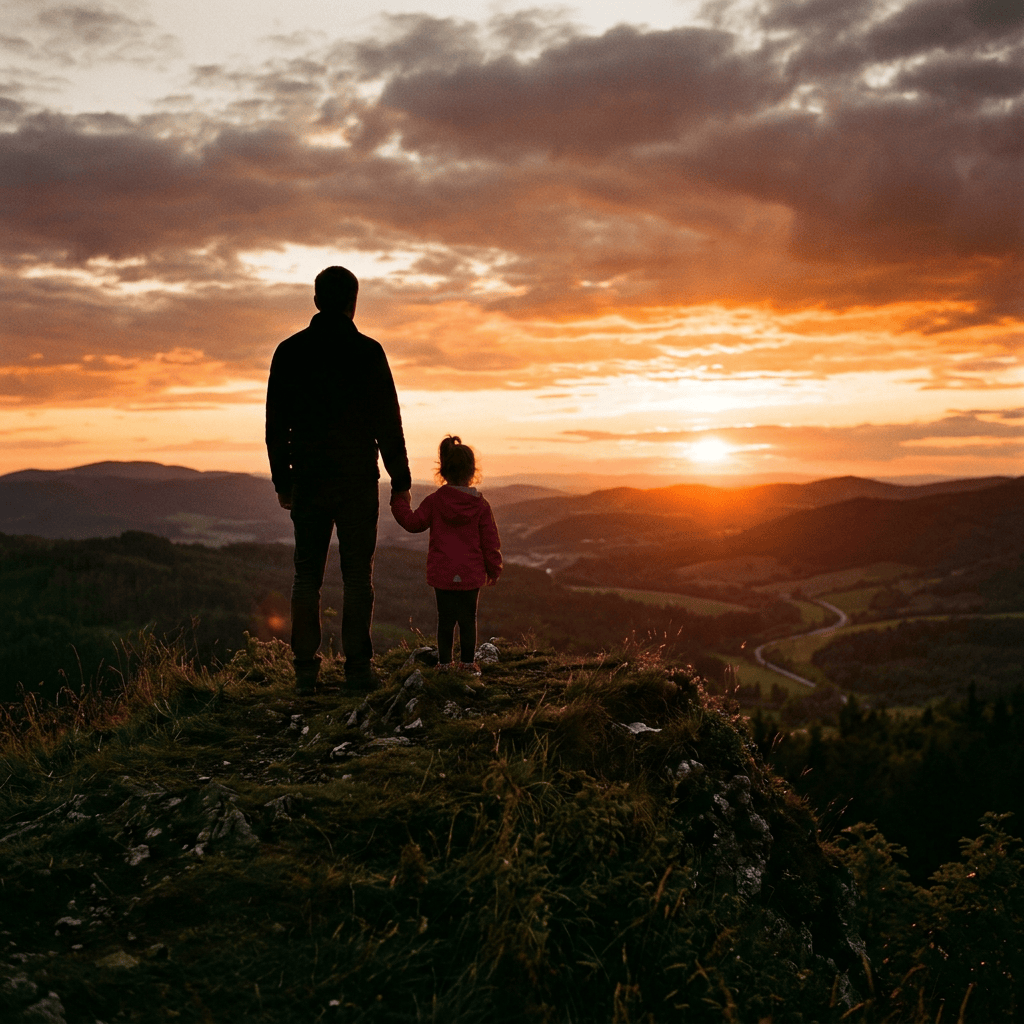
    Silhouettes of a father and child holding hands on a hill during sunset
    A father and his young daughter hold hands while watching a vibrant sunset from a hilltop.

    From the moment I entered this world, you have been my benchmark. You did not just raise me; you modeled the kind of man I should look for one day. Patient but firm. Protective but playful. Someone who shows up, every single time, even when life throws curveballs. You became more than a father—you became my friend. The kind of friend I can call with zero judgment,

    Then there are the political debates. Oh lord, the debates. You with your Russian-state-media deep dives and me with my Fox News/ X.com rabbit holes. We yell, we gesture wildly, we both refuse to back down… and then we laugh about it over ice cream because at the end of the day, none of it matters as much as the fact that we can still sit across from each other. That is us—passionate, opinionated, and bonded by something far stronger than any headline.

    You have always been an incredibly hardworking silly goose. I used to call you my little brother when I was small because you were more fun than any grown-up had a right to be. You built/drew my school projects like an architect, and you would turn grocery runs into adventures. Yet the moment life demanded it, that military toughness kicked in. Stoic. Disciplined. The man who could fix anything with the right tools and sheer willpower. You taught me resilience without ever making it feel like a lecture—just by living it.

    And yes, the spoiling. You spoiled your baby girl rotten, and I have zero shame in admitting it. Whatever craving hit me, luxury trips, and endless courage to chase dreams that probably sounded delulu to you. You turned me into this proud delulu queen who believes anything is possible because you made me feel like the world was soft enough to catch me if I fell. Thank you for that safety net. Thank you for letting me stay your little girl even when I am all grown up and pretending to have it all together.

    Father, you are my first love. The love that taught me how to love others. The steady heartbeat I measure my current relationship against. The voice that still calms me, the arms that still feel like the safest place on earth.

    The steady heartbeat I measure my current relationship against

    So on your birthday, I hope you feel every ounce of gratitude and love I carry for you. I hope the year ahead brings you desserts worth drooling over, jokes that make you snort-laugh, and maybe—just maybe—a story where we both pretend to agree.

    Happy Birthday, my favorite silly goose, my hero, my friend. I love you more than all the words in every language combined.

    Forever your baby girl.

  • Reconnecting Through Documentaries: JFK Jr. & Carolyn Bessette

    Reconnecting Through Documentaries: JFK Jr. & Carolyn Bessette

    In the whirlwind of modern life, where days blur between deadlines, workouts, and endless to-do lists, my boyfriend and I have carved out a sacred little sanctuary each afternoon. After powering through afternoon gym sessions—and once the work emails have finally been answered (by him), I take my afternoon shower and settle down with my MacBook…Lights dimmed, blankets/ sweatshirt draped just so and the show waiting for me to delve into (hopefully we will do this with a couple of glasses of wine someday soon!).

    This is our time to disconnect from the chaos and plug into something that feels both entertaining and enriching. This past week, our nightly ritual transported us back to the glittering, tragic world of the Kennedy family with a captivating streaming documentary series focused on John F. Kennedy Jr. and his whirlwind romance with Carolyn Bessette (Love Story on Hulu).

    Our routine is simple but intentional. By the time the sun dips below the horizon, we have earned this pause. Exercise clears the mental fog, work gives him purpose, and then… release. We dim the lights, queue up the show, and for about an hour , the outside world fades. No scrolling social media (well…. Occasionally), no multitasking. Just us, the story unfolding, and the occasional pause to chat about what we are watching. It has become our favorite way to reconnect after busy days—sharing laughs, theories, and those “wait, did that really happen?” moments that make history feel alive.

    This last week’s choice was particularly mesmerizing: a deep-dive documentary chronicling the life of JFK Jr., the golden boy of American royalty, and his intense, fairytale-like love story with Carolyn Bessette. Carolyn was not some “random girl”—she was a stylish, former publicist at Calvin Klein, the kind of woman whose effortless New York cool turned heads in the fashion world long before she stepped into the spotlight as a Kennedy. She plays the hard-to-get game and follows “The Rules”—like I did when I first met him.

    I could not help comparing the two. A man who is simultaneously a boy who needs a woman to rescue him (like Edward in Pretty Woman). He craves for a soulmate to hold his hand through his traumatic past. It was full of dramatic recreations of history to paint a portrait of two people who found each other amid the blinding flash of fame.

    What struck us most was how the series humanized them. John F. Kennedy Jr.—“John-John” to the world—grew up in the shadow of his father’s assassination, America’s Camelot dream, and relentless media scrutiny. He was the handsome, charming magazine publisher (George magazine) who could have coasted on his name but chose ambition and adventure instead: piloting planes, kayaking dangerous waters, and searching for something real. Enter Carolyn, a Calvin Klein insider known for her icy-blonde elegance, razor-sharp intellect, and quiet confidence. Their meeting in the ‘90s New York scene was electric from the start. The documentary does not shy away from the messiness—the paparazzi chases, the strain of constant public eyes, the pressures of blending her low-key fashion life with his high-profile legacy.  She gave up her job (and seemingly her life) for him. And she was constantly criticized for it by her normie family members. 

    We were glued to the screen as it explored their secret courtship, the whirlwind 1996 wedding on a tiny island off Georgia (Cumberland Island, with its rustic charm and zero media seclusion), and the honeymoon phase that looked picture-perfect from afar. But the show also delves into the harder truths: the tabloid frenzy that followed them everywhere (and how this very frenzy killed Princess Diana), rumors of relationship strains, Carolyn’s discomfort with the spotlight, and the tragic end that still feels surreal decades later—their fatal 1999 plane crash off Martha’s Vineyard.

    The producers did an excellent job balancing the glamour with the grit, showing how love can be both a sanctuary and a casualty of fame.

    Watching it together sparked so many conversations between us. We would pause and debate: How would we handle that level of intrusion? What does it say about privacy in the age of influencers and 24/7 news? My boyfriend, ever the history buff, pointed out parallels to today’s celebrity culture—how little has changed since the ‘90s in terms of media obsession. I loved the fashion details; Carolyn’s minimalist, sleek style (think slip dresses, oversized sunglasses, and that iconic wedding gown by Narciso Rodriguez) still influences runways and Pinterest boards today. It made us reflect on our own relationship—grateful for the quiet normalcy we share, the ability to just be without cameras flashing.

    Beyond the romance, the series touched on broader Kennedy lore: glimpses of Jackie O.‘s influence, the weight of the family name, and John’s quest to forge his own path. It was never just a love story; it was a meditation on legacy, loss, and the price of being “American royalty.” By the final episode, we were both a little misty-eyed, discussing how stories like this remind us to cherish the present.

    Our nightly shows have become more than entertainment—they are little windows into other worlds that make our own feel richer. Whether it is his beloved historical documentaries or something romantic —our exercises crushed, (his) work conquered, and stories that linger long after the credits roll.

    My advice is to pair this show with your own unwind ritual: maybe some cozy socks, a charcuterie board, (or a nut butter snack?!) or just the comfort of someone you love beside you.