There is a particular stretch of early fall when the light gets thinner, the evenings cool off just enough to justify a sweater dress you do not actually need, and every coffee shop starts smelling like a candle that has opinions. I have, for longer than I usually admit out loud, been extremely susceptible to that smell.
A warm autumn landscape brings together pumpkins, spices, winding paths, and a glowing sunrise.
Pumpkin spice and I have a long, mostly private relationship. I do not announce it, even though I crave pumpkin pie year round. I do not post the seasonal cup. I just quietly order it, or make it, or accept it when it appears, and feel briefly and uncomplicatedly pleased. My long-distance boyfriend, who has a talent for noticing the things I like and then arranging for them to show up at my door, once sent a small jar of pumpkin spice nut butter. It arrived on an afternoon when he was virtually unavailable to me. I opened it while watching Bridgerton, ate a spoonful with no particular plan, and then, somehow, the jar was empty. I am not proud of the speed. I am also not especially sorry.
So yes: a bit of a basic bitch, if we are using the technical term. I have made my peace with it. The problem is not the flavor. The problem is the vehicle.
My stomach and dairy have been on uneasy terms for years. I went years without it, which was fine until it was not. It is just consistent enough that I have stopped testing the boundary for fun. And yet the thing I want, specifically, is a pumpkin spice milk or creamer I can pour into coffee without thinking about it later. Hot girls contain multitudes, including, occasionally, a sensitive gut. This is not news.
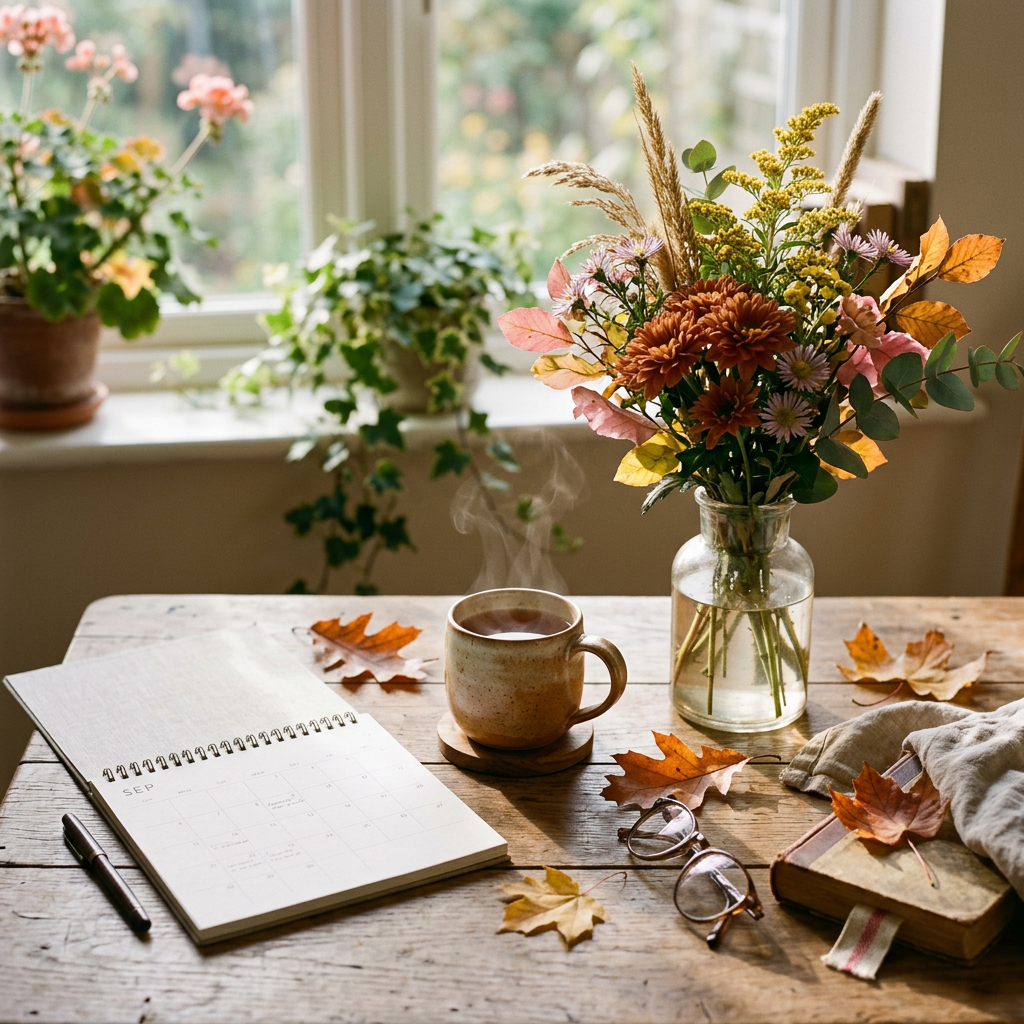
A steaming spiced coffee, pumpkins, and homemade pie create a warm autumn kitchen scene.
Which is how I ended up deep in the non-dairy aisle, and then deeper into the internet, looking for something that tastes like October and behaves like it has never met a cow. The one I had my eye on was the Malk pumpkin spice version. It kept appearing in recommendations, looking exactly like the thing I wanted: simple ingredients, the right seasonal notes, no dairy. Every time he went to actually buy it, it was gone. Sold out. Restock date vague. The digital equivalent of a shrug.
So I am still looking. Something creamy enough to cut coffee, spiced enough to feel intentional, and gentle enough that I do not spend the rest of the day bargaining with my own digestive system. If you have a non-dairy pumpkin spice milk or creamer that has actually earned a permanent spot in your fridge, I would genuinely like to know what it is. The nut butter jar is already a memory. The coffee, is every morning.
A winding autumn path leads through pumpkin fields beneath a glowing sunset, with jars of seasonal spices in the foreground.
I spent the entire weekend alone—rotting on my chair while my boyfriend was up in Maine. Laptop open, Bridgerton on, snacks within reach, and almost no intention of moving. It was the kind of low-effort weekend that feels indulgent precisely because nothing productive happens.
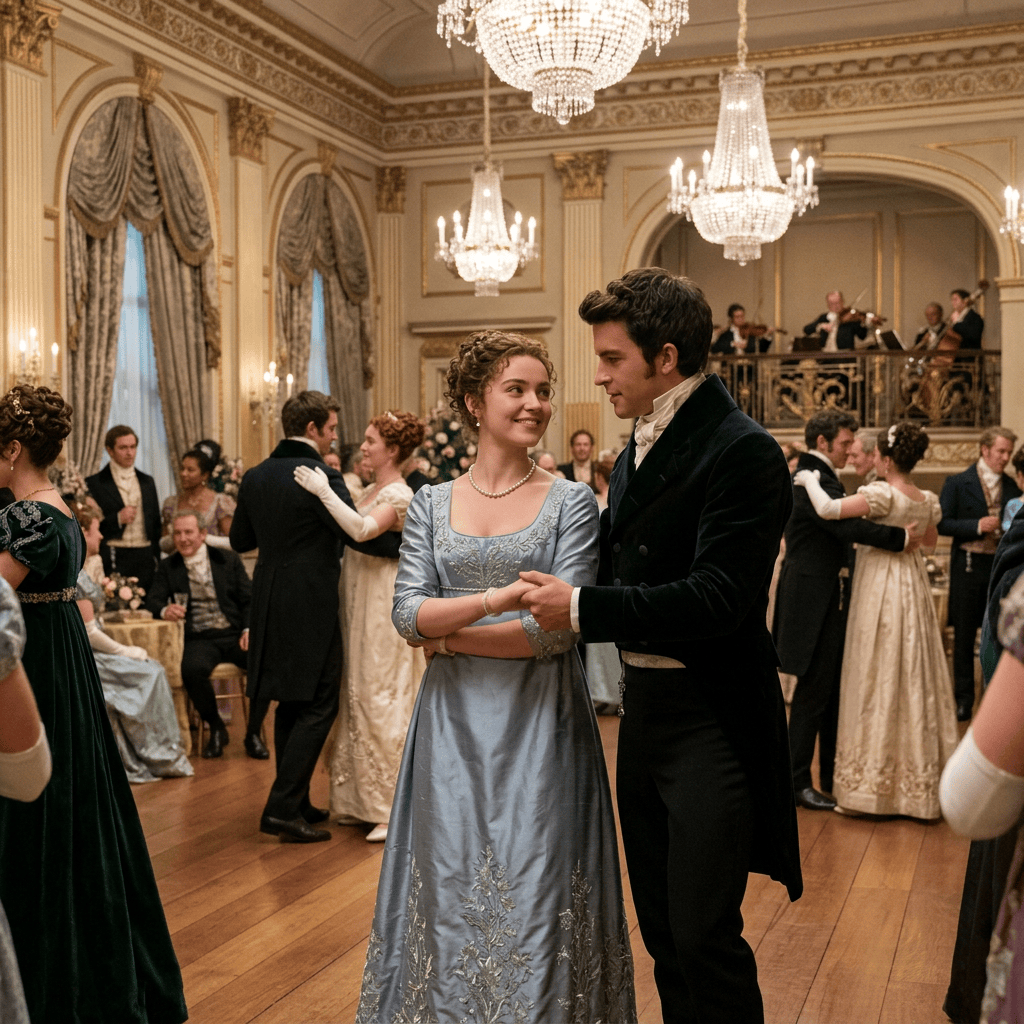
A young couple shares an elegant dance at a lavish Regency-era ballroom.
What pulled me in was the surface of the thing. The show sells an upscale world of ladies and gentlemen, drawing rooms, formal calls, gossip columns, and carefully managed reputations. I like that register. The costumes, the houses, the rules of the marriage market, the idea that desire has to move through manners—that is the lifestyle fantasy I actually wanted. Season 1, centered on Daphne Bridgerton and the Duke of Hastings, delivered the version of it I came for: a rake with a reputation, a debutante who is sharper than she looks, and a romance that spends a long time circling the tension before it pays off. That was the sexiest of the storylines to me, and the one I stayed for.
An open wooden door reveals a warmly lit sequence of rooms in an aged interior.
The rest of the framing was harder to ignore. The series is a Shonda Rhimes production, and it is very woke in the specific way her projects tend to be. The most obvious example is the decision to depict Black characters as royalty and members of the highest aristocracy in a Regency setting, without treating that as a departure from history or even as something the story needs to explain. The show wants the balls, the titles, the inheritance plots, and the social season, but it also wants a modern casting ideology laid over them. Even though the blacks were more likely slaves in the 1800s. Once you notice it, it sits on top of every scene. I was not looking for a lecture about representation inside a costume drama;I was looking for the rake and the love story.
That is also why I am not continuing. Each season shifts to a different Bridgerton sibling and a new central romance. The Duke’s arc was the one that held my attention, and once it resolved I had no particular reason to stay for the next set of characters. The aesthetic is still pretty, the snacks were still there, and the weekend still passed. Like in life,I do not need another season of the same world once the part I actually wanted is over.
My Red Sox lost in the Wild Card series—on the road to the World Series so let me focus on something else…
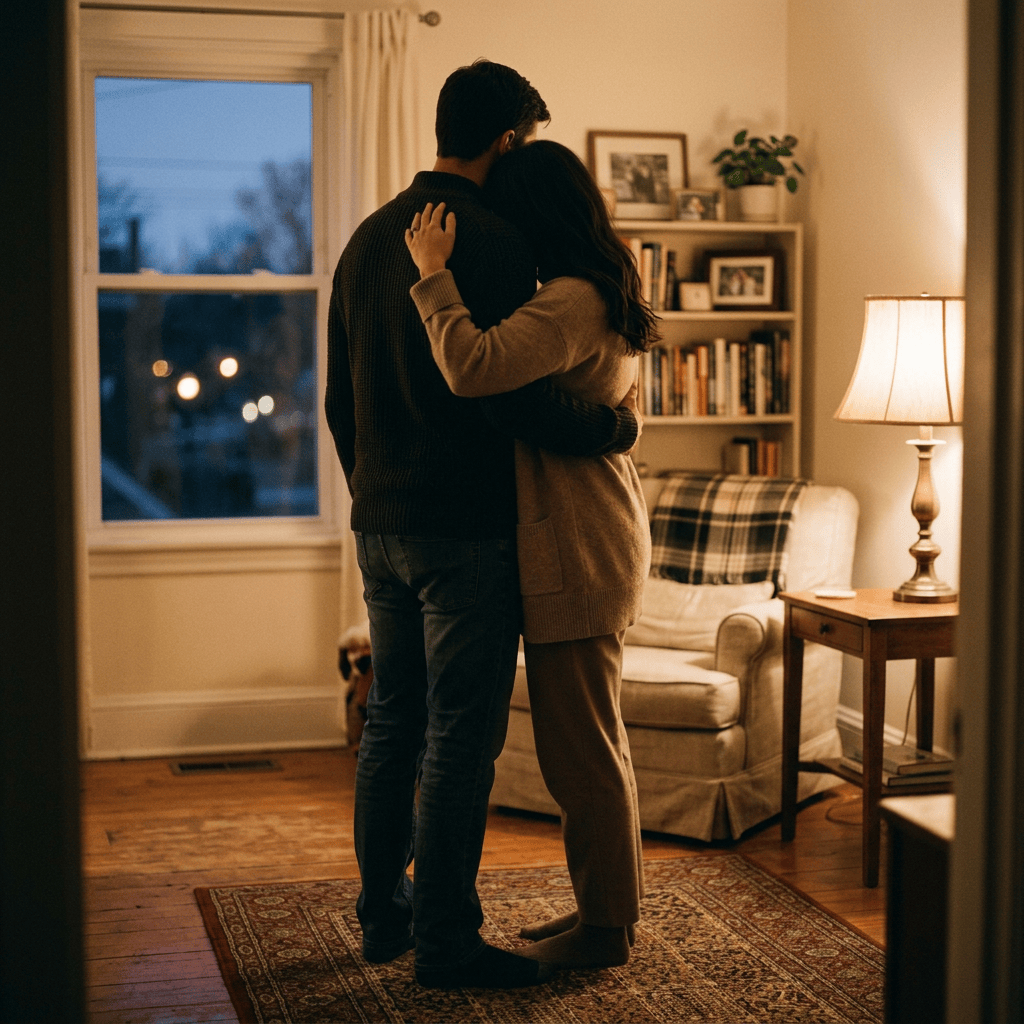
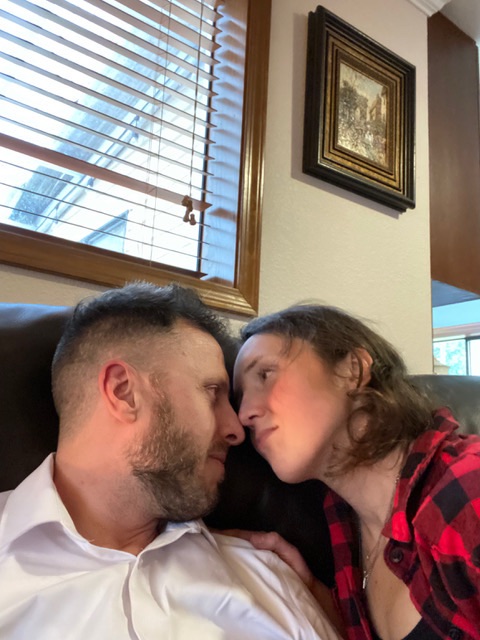
I feel at home in his arms.
Not the kind of home with the walls all scratched up via my wheelchair or the kind you decorate for the holidays. The kind that arrives after years of being in doorways that never quite opened. When he holds me, the rest of the world does not disappear so much as it loses its sharpness. The noise thins. My shoulders drop. My breath remembers how to land instead of hover. I actually smile. I am not performing calm. I am not bracing for the next disappointment. I am simply there, against him, and that is enough.
For a long time I dreamt of a love like this without knowing its shape. I only knew the absence of it. I knew the particular ache of lying awake and feeling too much and not enough at the same time. Anxiety has a way of making a person feel both crowded and abandoned. Loneliness does the same. I spent years searching for someone who could ease that double weight, not by fixing me, but by staying close enough that I no longer had to carry it alone.
I looked in the usual places and in the desperate ones. I learned how to hope carefully, which is another way of saying I learned how to protect myself with hope. There were nights I cried until my body felt wrung out, not because one particular person had failed me, but because I could not shake the suspicion that I was the problem. That I was too much. That I was not enough. That the kind of love I wanted existed only in stories written for other women.
Then we met online. I was not searching for anything. Neither was he.
It did not arrive like fireworks. It arrived like recognition. Conversation after conversation, something in me unclenched. He did not rush to complete me, and I did not have to shrink to be understood. I could tell him about the trembling parts of myself without watching him look for the exit. For the first time in years, the old story began to loosen: the story that said my loneliness was proof of my unworthiness, that my anxiety made me unlovable, that I would always be waiting just outside the warmth.
I started to believe, slowly and almost against my will, that the long season of crying might actually have an ending.
When we finally met in person, the body confirmed what the heart had already begun to trust. There is a difference between imagining a person and standing close enough to feel the heat of them. There is a difference between written affection and the moment a hand finds the small of your back and stays there. I had wanted this for so long that part of me expected to freeze, to second-guess it, to ruin it with my own fear. Instead I felt something simpler and more startling: relief.
Eventually he held me.
Not as a gesture. Not as a performance. He held me as if he had been waiting for the same thing, as if my body was not a question he needed to solve but a place he already knew how to inhabit. I melted. That is the only honest word for it. The tightness I had worn for years softened. The girl who used to apologize for needing comfort stopped apologizing. In his arms I was not a collection of old wounds trying to look presentable. I was a woman being received.
He feels like a cozy home.
Unfortunately, I still know what loneliness feels like. I still know the old reflex of bracing. But now I also know this: there is a kind of love that does not ask you to earn rest. There is a kind of holding that tells the nervous system, at last, you can come down from the watchtower. I dreamt of that love for years. Then I met him. Then he put his arms around me, and for the first time in a long time, I felt like I had arrived.
I love football. I love the first Patriots kickoff of the year, that stupid surge of hope. I even love pumpkin spice, the whole corporate autumn circus, the lattes that taste like a candle and a dessert had a baby. What I do not love is being cold. Being cold all the time is depressing as hell. It does not feel seasonal or charming. It feels like the air is quietly stealing from you.
Everyone else is out here romanticizing the -ber months like September through December is a personality. Sweater weather. Cozy season. Holiday magic. I am not buying it. I am not looking forward to any of it. Maybe that is because I do not have a man here to warm my feet, so I sleep in my fuzzy socks like I am hiding from the temperature. Fuzzy socks in bed. Slippers and socks all day. I look like I am preparing for a blizzard that never quite arrives. Cold is not “crisp.” Cold is just uncomfortable. It makes the house feel like it is working against you.
What I actually want is a body next to mine. Not the holiday version. The everyday version. Cuddle weather should not be a seasonal event. I want it when it is raining, when it is ugly out, when there is nothing special happening. This time of year just turns the volume up on the distance. I loathe that part. The earlier dark, the extra blankets, the empty side of the bed all start sounding the same sentence: he is not here.
And still. I love the holidays. I love that he visits. I love the stretch of days when the house finally has another pulse in it and my parents and I briefly look like an actual family instead of three people orbiting the same rooms. He does that. He stitches it together. Those visits are the only reason I tolerate the rest of this stretch.
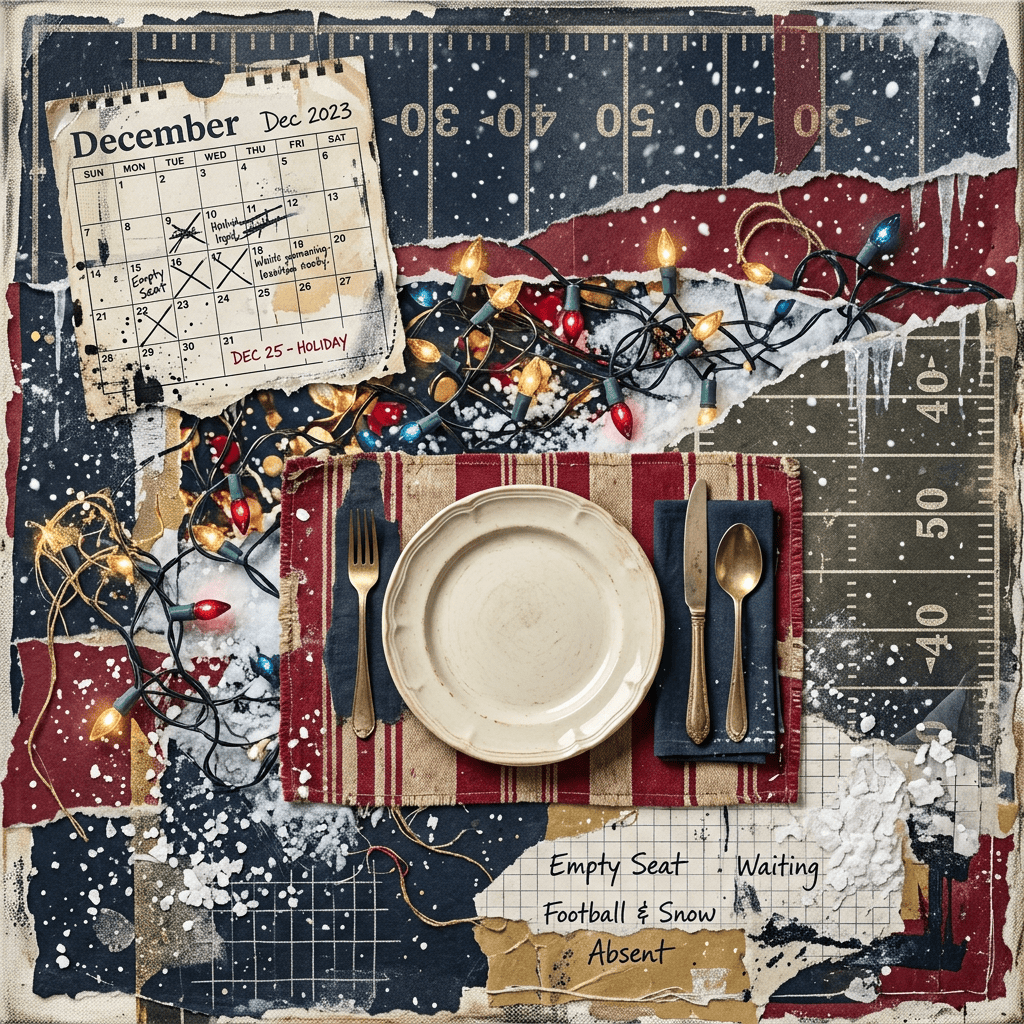
A festive place setting sits beneath Christmas lights beside a December calendar marked for an empty seat.
So here is the whole messy thing: I love that football is back. I love the ridiculous coffee flavors. I love being with him when he is here. I just do not miss the cold, and I do not miss having to wear a second life of clothes just to exist indoors. I prefer not to wear clothes at all. Autumn can keep its aesthetic. I want heat, contact, and someone on the other side of the mattress who does not disappear.
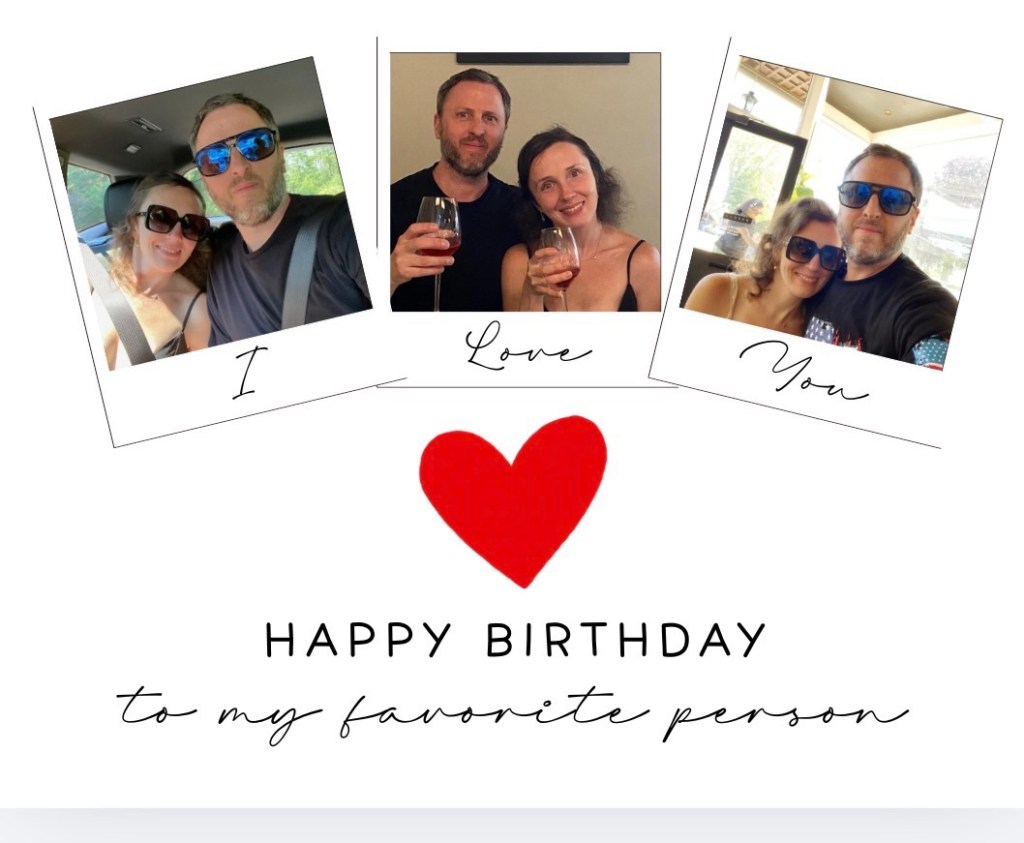
Happy Birthday to the Man Who Taught Me How to Believe Again
Happy birthday to my man.
I met you in a season of my life when I no longer believed in love. Not the kind people write about. Not the kind that lasts. Not even the kind that felt safe enough to hope for. I had already decided that some parts of a person stay locked away forever, that certain armor is worn for a reason, and that loneliness, once it settles in, is simply the new normal.
Then there was you.
You did not arrive with grand speeches or instant certainty. You arrived with time. With persistence. With a patience so steady it felt almost unbelievable at first. Little by little, you taught me how to believe in love again. More than that, you taught me how to believe in myself. I am forever grateful for your pure heart and for the quiet, consistent way you made space for me to grow into someone I had only ever pretended to be.
When we first met online, I did not know myself. Not really. I portrayed the version of me I wanted to become. Fake it till you make it, I told myself. I showed up as someone lighter, more open, more possible than I felt on the inside. Most people would have grown impatient with the gap between the performance and the person. You did not. You were kind enough, and patient enough, to wait while I slowly eased out of my shell. You let me become more feminine. You let me set down the armor I had been wearing for years. You never treated my caution like a flaw. You treated it like something that could, with enough safety, finally rest.
By the time we met in person, I had already dedicated my life to you. That dedication did not happen in a single dramatic moment. It happened in the months and years of messages, of waiting, of watching each other become more ourselves. I had a front-row seat as you grew into the incredible man who stood in front of me in November 2022. I saw the becoming. I still see it.
Our lives intertwined when we were in completely different places. Different cities. Different time zones. Different realities. Different versions of what we thought the future would look like. None of that mattered as much as the fact that we kept choosing each other. Now I am completely addicted. I only want more. Not more noise or more spectacle. A simple little life entirely dedicated to you. That is the life I want.
There was a time I wanted life to end. After I became disabled, after the loneliness became so complete it felt like the air itself had thinned, I could not imagine excitement ever returning. Days ticked forward without purpose. Hope felt like a luxury I could no longer afford.
And then you.
You made me feel excited for life again. Not in a vague, inspirational way. In a specific, daily, breathtaking way. I wake up wanting the next day because you are in it. I look forward to ordinary hours because they belong to us. I cannot wait to start this new life with you. The one we have already been building in pieces, across distance and difficulty, until it finally becomes the only life I want.
Happy birthday to the kindest, most loving man who has ever come into my life.
Thank you for seeing me before I knew how to be seen. Thank you for staying. Thank you for making a future feel possible again.
I love you. I am yours. And I cannot wait for everything that comes next.
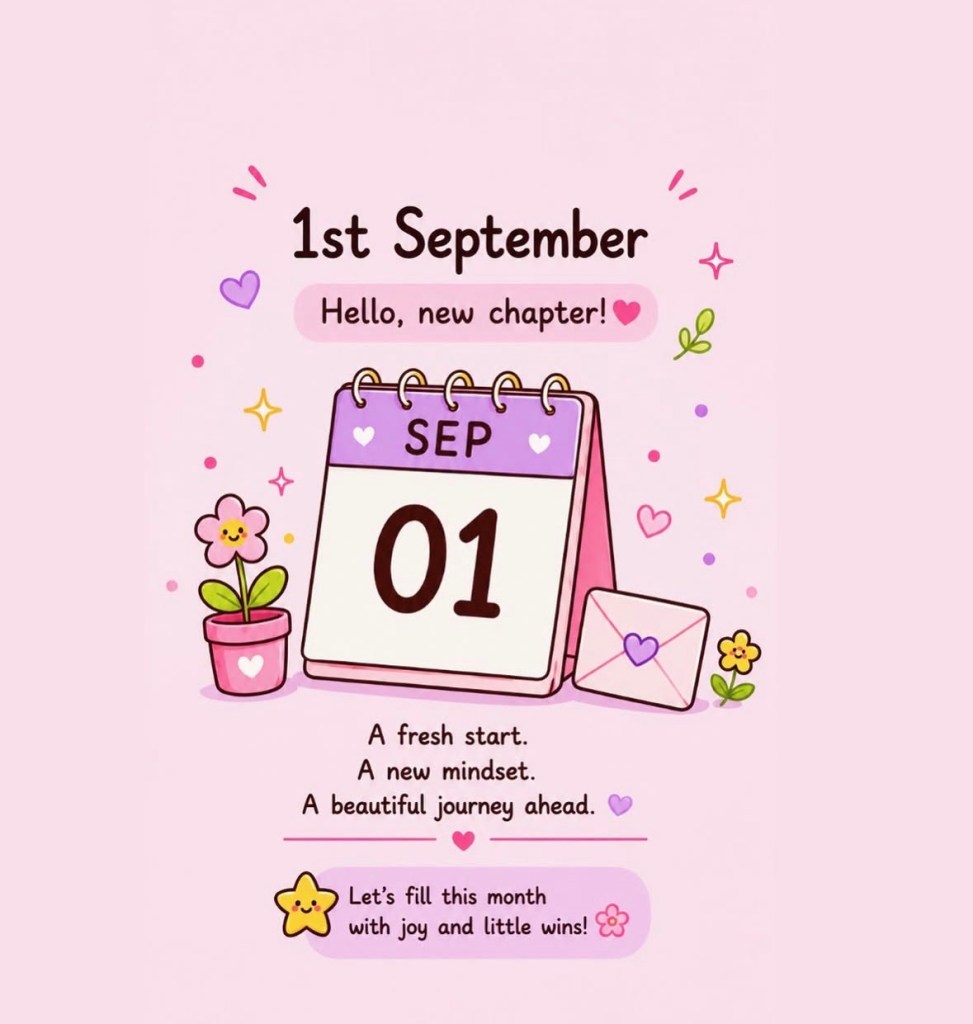
September is here. The calendar has flipped, the light is shifting, and the year has entered its most transitional stretch: still warm in many places, already carrying the first hints of autumn in others.
A new month is a clean page. It is also a reminder that most of what we actually do with time is continue the conversations we were already having. If we have been talking about routines, projects, travel, food, or how to start something again, September is a useful month to pick those threads back up instead of pretending we are starting from zero.
Labor Day weekend in the United States and Canada marks the unofficial close of summer. Schools reopen. The autumnal equinox arrives around the 22nd or 23rd, when day and night briefly balance. Around the world there are observances for literacy, peace, the ozone layer, and tourism. None of these dates require you to reinvent yourself. They simply give the month a rhythm.
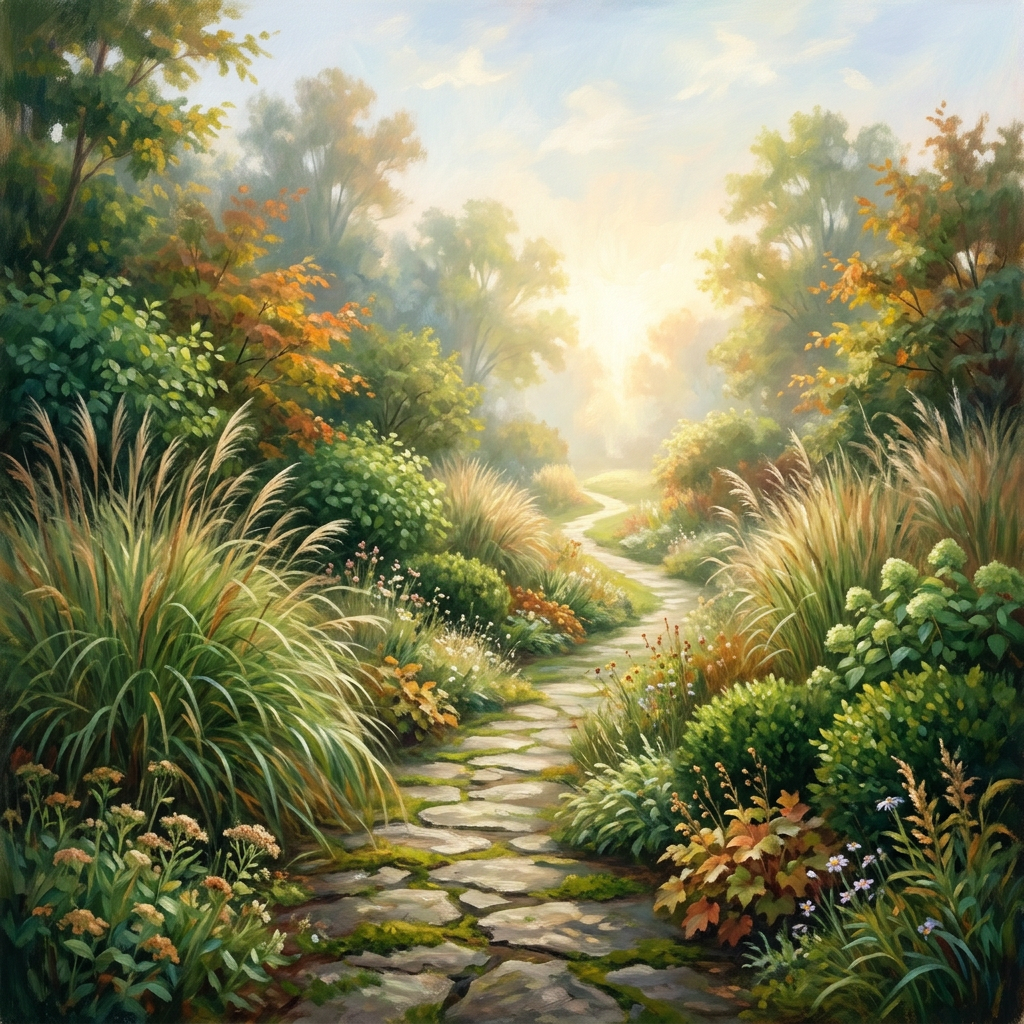
A sunlit stone path winds through lush grasses, flowers, and colorful autumn foliage.
The useful move is usually modest. Finish the half-done thing you mentioned last time you asked how to get unstuck. Try the recipe or the itinerary you were weighing. Adjust the schedule you were already trying to make work. September rewards continuation more than spectacle.
The days are still long enough to use. The evenings are starting to feel different as now when I get outside to write, my body covers itself in goose pimples. That is enough of a reason to treat the month as an invitation rather than a demand.
Welcome to September. Let’s keep going with whatever we were already working on.
What’s the weirdest coincidence you’ve ever experienced?
The Universe Doesn’t Whisper Twice
I do not believe in coincidences. Not the small ones that make you smile and shrug, and not the large ones that rearrange your life. If something is meant to happen, it will happen. It will find the crack in the schedule, the delayed train, the wrong turn that somehow becomes the right street. It will arrive wearing the face of chance so that those who need to dismiss it can do so without discomfort. I have stopped dismissing it.
Everything is a sign from the universe. Not in the loud, cinematic way people imagine when they talk about destiny. There is no booming voice, no sky writing, no sudden spotlight. It is quieter than that. A whisper. A particular song playing at a particular moment. A sentence overheard in a café that answers a question you have not yet asked out loud. A person appearing in your path with the exact piece of information, or the exact kindness, or the exact friction you needed. Most people walk past these things. They call them random. They keep their eyes on the ground and their minds on the next task. The whisper is easy to miss when you have already decided the world is only noise.
I used to miss it too. I treated life like a series of isolated events that happened to me rather than through me. Something fell through and I called it bad luck. A conversation ended abruptly and I called it timing. Even my brain injury somehow managed to lead me to my twin flame. I could just shrug it off and say that my brain blew up because of a bad diet, stress, bad luck, a body that finally called in a debt I had been ignoring. That version of the story is tidy. It keeps the event inside the realm of cause and effect I can name. It lets me treat the injury as an accident that interrupted my life instead of a rupture that redirected it. But if I tell it that way, I erase the chain that followed. I would never have found myself scrolling my life away in the aftermath, half-present, half-searching, desperate for a face or a voice that felt like home. I would never have been cracked open enough to look that hard. I would never have been still enough, or raw enough, or lonely enough in the particular way that made recognition possible when it finally arrived.
Dried leaves, dark berries, and fine threads create a moody autumn-inspired still life.
The injury did not feel like a gift when it happened. It felt like theft. It took language, stamina, certainty, the old version of myself that knew how to move through a day without having to invent the day from scratch. And still, something in that wreckage made a path. Not because suffering is noble. Not because pain is always a teacher we should thank on the spot. Because the life I had been living was not going to bring me to that person. The uninjured version of me was too occupied, too armored, too convinced she already knew the shape of her story. The universe did not cause the injury so that a romance could bloom. I do not need the story to be that clean. What I know is simpler and stranger: the injury happened, the searching began, and the person who felt like a missing frequency appeared inside that searching. To call the whole sequence a coincidence would require me to pretend the seeking never mattered.
The more I paid attention, the more the pattern revealed itself. Not a rigid script. Not a promise that every desire will be granted or every wound will be explained. Something subtler: a conversation between the inner life and the outer world. When I am restless, the universe sends restlessness back to me in the form of unexpected delays and unfinished conversations, as if to say, sit with this. When I am ready to move, doors that were locked for months swing open with almost embarrassing ease. People I needed to meet appear in places I had no logical reason to be. Opportunities arrive wearing the clothes of inconvenience. Losses arrive wearing the clothes of protection I only recognize later.
A winding woodland trail emerges from shadow as golden sunlight breaks through stormy clouds.
It is easy to romanticize this and turn it into a slogan. “Trust the universe.” “Everything happens for a reason.” Those phrases can become another way to avoid looking closely. I am not interested in comfort slogans. I am interested in the texture of the moments themselves. The way a certain light falls across a room at the exact second a decision crystallizes. The way a stranger’s offhand comment lodges in the mind and will not leave until you act on it. The way the same number (17,27,37), the same image, the same phrase keeps appearing until you finally stop and ask what it is pointing toward.
Many people fail to notice because noticing requires a kind of stillness that modern life does not reward. We are trained to explain things away. Coincidence is a tidy category. It lets us keep our sense of control. If the meeting was random, then we remain the authors of our story. If the meeting was a sign, then something larger is participating, and that is both comforting and unsettling. It means we are not as separate as we pretend. It means the world is speaking, and we have been talking over it.
I have learned to treat the whisper with more respect. Not superstition. Not the desperate search for meaning in every fallen leaf. A quieter discipline: when something repeats, I listen. When an opportunity arrives wrapped in inconvenience, I consider whether the inconvenience is the point. When a person crosses my path more than once without an obvious reason, I stop assuming it is nothing. Sometimes it is nothing. Sometimes the universe is simply dense with possibility and not every thread is meant for me. Discernment still matters. But I no longer start from the assumption that the thread is accidental.
If something is meant to happen, it will happen. That sentence used to sound passive to me, as if I could sit still and wait for life to deliver itself. I still kind of hate it when my boyfriend approaches our relationship path this way. But it is not an excuse for inaction. It is a recognition that timing has its own intelligence. Effort still matters. Showing up still matters. Doing the work still matters. But the work is not only the visible kind. There is also the work of becoming the kind of person who can recognize the sign when it arrives, and the kind of person who can act on it without needing the entire map first.
The Milky Way glows above a mountain trail traced by flowing light trails.
The universe does not shout. It does not compete with the noise we generate. It waits. It repeats itself politely. It leaves small, persistent traces for those willing to look up from their phones and their plans and their certainty that they already know how the story is supposed to go. Most people will keep walking. That is their right. I have decided I would rather not miss the whisper again.
It has been speaking the whole time. I was simply too busy calling it coincidence.
I roll my eyes so hard it almost hurts, as I (not so secretly) loathe it when people complain. Not the occasional vent after a genuinely brutal day. The habit. The reflex. The way some people turn every inconvenience into a monologue, as if the universe personally owes them cheaper gas, a bigger kitchen, quieter neighbors, and a life that never pinches.
To me it is one of the most unattractive things a person can do. Not morally unforgivable. Just ugly. It changes the face. It slumps the shoulders. It makes the voice thinner and more entitled at the same time. You can watch someone become less magnetic in real time the second they start listing everything that is “so unfair” and acting like a victim over something that you cannot even control.
Gas prices too high? Oh no. Whatever are you going to do? Not drive? Walk a little? Combine errands? Sit with the fact that the world does not run on your preferred numbers? I am not saying prices cannot be painful.
I am a millennial after all. I watched people lose houses, jobs, and the story they had been told about adulthood in 2008. I was handed student debt as if it were a rite of passage. I lived through the surreal, politicized, isolating stretch we still casually call “the pandemic.” I was even priced out of the little boondocks hometown I once assumed would always have a place for me. None of that made complaining noble. It made it tempting. Tempting is not the same as useful.
An abstract storm gathers above a warmly grounded home interior, suggesting emotional refuge and resilience.
There is also the energetic piece people skip because it sounds soft until you watch it happen in real time. Complaining is not just words. It is a frequency. You glow differently when you live in grievance. The jaw tightens. The eyes scan for the next offense. The body rehearses scarcity.
Appreciation does the opposite. It does not pretend the apartment is a penthouse. It notices that there is a roof and running water. It does not erase the bill. It refuses to let the bill become the whole identity.
Yes, your place could be better. The kitchen is small. The landlord is slow. The neighborhood is louder than you wanted. And you still have shelter. Heat. A door that locks. A toilet that flushes. Those are not consolation prizes. For a lot of human history, and for a lot of people alive right now, they are the prize.
A sunlit reading nook pairs a cozy armchair with coffee, books, and greenery.
I say this from a body that does not let me pretend otherwise. I sit here in a wheelchair with one working hand and reteach myself how to use the restroom or reteach myself how to breathe/how to talk. The learning is not poetic— it is slow, humiliating, necessary, and occasionally holy. Occasionally it can feel terrifying. Some days the victory is simply that I did the thing without panicking. Some days the victory is that I did not scream.
From that seat, a lot of the usual complaints sound like luxury noise. You still get to stand up and walk to the fridge. You still get to drive. You still get two hands that do what you ask. And—this is the part that lands hardest—you at least get to live with the person you love. Same rooms. Same ordinary evenings. The privilege of proximity that people treat as background furniture until it is threatened or gone.
Sunlight fills this welcoming living room, centered around books, plants, and comfortable seating.
You get to turn toward your person in the night without asking a body that no longer cooperates. You get to share a joke across a room without calculating air and effort. You get ordinary proximity. Do not waste that on a running commentary about what is missing.
Gratitude is not denial. It is discipline. It is the decision to name what is still intact before you catalog what is broken. It will not lower gas prices. It will not erase student debt or bring a hometown back within reach. It will change the way you inhabit the life you actually have. And that life, even when it is smaller, stranger, or harder than the one you pictured, is still a life. Treat it like one.
The performance of outrage has become a social default, and it is exhausting to witness. The same goes for the apartment that “could be better.” Of course it could. Almost everything could. And yet: roof. Walls. Running water. A door that locks. Heat or at least the possibility of it. That is not nothing.
I am not asking anyone to perform fake cheer or pretend pain is not real. Pain is real. Limits are real. Money stress is real. I am asking for proportion. For a pause before the reflex. For the humility to notice what is already working before you catalog what is missing.
Appreciation is not denial. It is orientation. It is choosing, again and again, to look at the roof before you curse the square footage. It is remembering that a working body, a shared home, a person who comes back to you at night—these are not small things. They are the whole plot for a lot of us.
So yes. I will keep rolling my eyes at the soundtrack of complaint. And I will keep trying, from this smaller, harder life, to glow like someone who still knows how lucky some of the unglamorous parts actually are.
If you could erase one event from your history, what would it be?
There are days when the weight of everything I have lived through presses so heavily on my chest that the temptation to rewrite history feels almost unbearable. I catch myself wondering what it would be like to go back—to delete the chapters filled with pain, the choices I regret, the nights I barely survived. Yet every time that thought surfaces, I stop myself cold. I cannot erase any part of my life. Because if I did, I would not have met him. The love of my life.
It is a strange and beautiful paradox, is it not? The very path that brought me to my lowest points is the same one that led me straight into his arms. Every wrong turn, every heartbreak, every season of darkness carved the version of me that was ready to recognize him when he appeared. Had I skipped the struggle, I might never have developed the depth, the resilience, or the quiet hunger for real connection that allowed me to see him—and to be seen by him in return.
A winding woodland path leads through autumn leaves and spring wildflowers toward sunlit hills.
I know I am not where I need to be in life. My recovery is still a work in progress, messy and nonlinear. Some mornings I wake up feeling strong, only to find myself slipping by afternoon. There are still triggers I have not fully disarmed, still patterns I catch myself repeating, still days when the old version of me tries to reclaim the driver’s seat. Progress is not a straight line; it is a spiral. I revisit the same lessons at higher altitudes, learning them more gently each time. And while I can acknowledge that I am not yet the healed, steady person I aspire to become, I also know this truth with absolute clarity: I would not trade a single moment of the journey that brought me here.
Because “here” includes him. Even if he is not physically here.
He did not arrive after I had everything figured out. He showed up in the middle of the unfinished story. He has seen the raw edges of my recovery—the days I struggle, the moments when old “wounds” reopen without warning, the quiet battles I still fight behind a brave face. And somehow, instead of turning away, he stays He stays even though no one wants this. To be a part of this.. Yet, he holds space for the parts of me that are still healing. In his presence I feel both completely known and completely safe, a rare combination I never believed I would find.
Looking back, I can trace the invisible thread that connects every hardship to this love. The loneliness that came with my disability taught me how to cherish companionship. The heartbreak (that I received from my own family) taught me what I would never again settle for. The rock bottom taught me that I am worth fighting for—and that lesson made me capable of receiving the kind of love that does not demand perfection, only honesty.If I had erased the pain, I would have erased the soil in which this relationship took root.
So I choose, again and again, to keep the whole story. The beautiful and the broken. The triumphs and the near-misses. The version of me who fell is the same version who eventually looked up and found him standing there. I may still be climbing toward the place I need to be in my recovery, but I carry no desire to rewrite the map that led me to this love.
I cannot erase any part of my life. And more than that—I no longer want to, despite the fact that I still get frustrated and incredibly sad/ angry (I just do my best to be positive about it).
Seven Years: How Love Found Me When I Least Expected It
Today is our anniversary. Seven years.
Seven years ago, I was sitting on my ass, absolutely hating life. Recovery had stripped away so much of what I thought I needed, forcing me into a kind of isolation that felt heavy and permanent. The world kept moving, but I was stuck in a quiet, lonely version of myself—proud of the progress I made, yet aching for connection I did not know how to find. Loneliness had become the default setting. I had finally discovered my own voice after so much silence, and I was fiercely proud of it. I wanted the world to hear it. So I took to the internet and let that voice run wild. I acted out as much as possible—raw, unfiltered, sometimes chaotic—because for the first time in a long time, I felt like I existed out loud.
And somehow, he noticed.
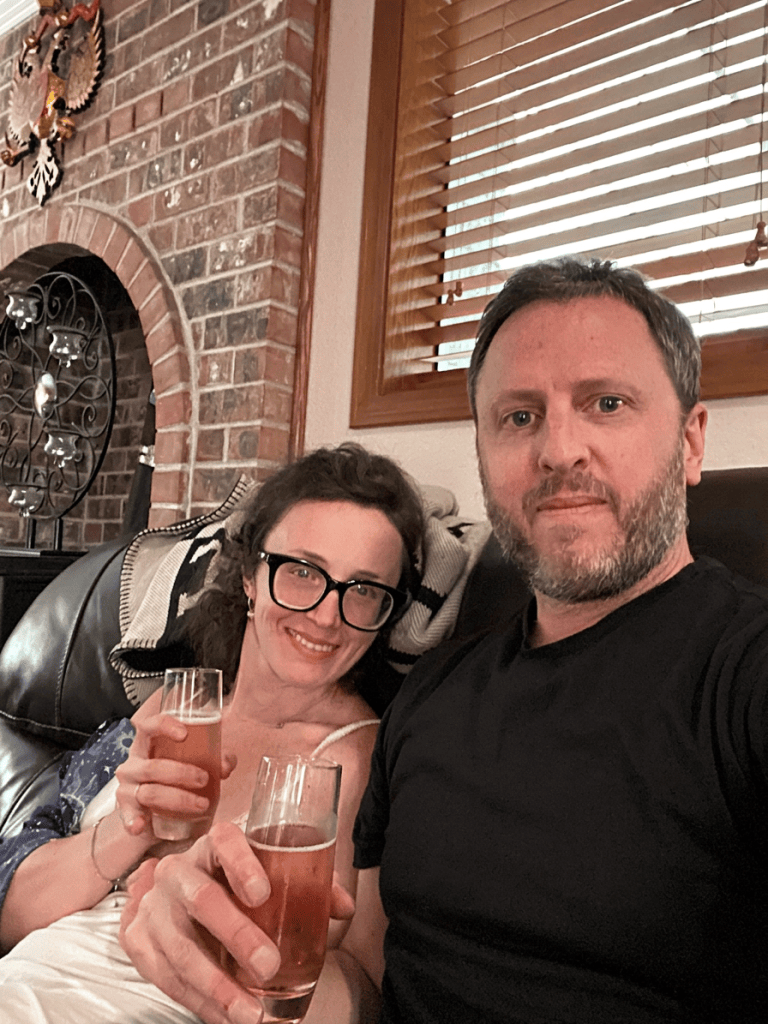
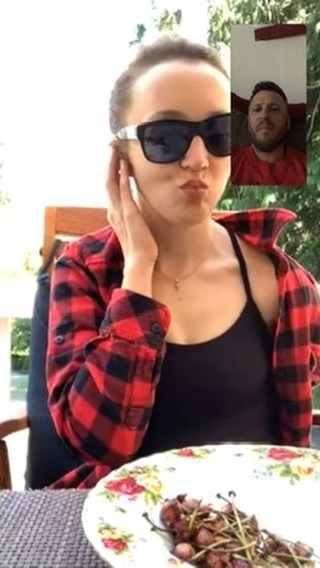
FaceTime life (same outfit!)
That single moment of being seen changed everything. My life did not just shift; it flipped completely. The sadness and the loneliness that had settled into my bones began to loosen their grip. This man walked into my digital world and rewrote the story I thought I was stuck in. Before I ever laid eyes on him in person, my soul recognized him. It fell in love first—quietly, completely, without needing permission from the rest of me. He showed me a love and kindness I had never even known existed. Not the loud, performative kind, but the steady, patient, everyday kind that makes you feel safe enough to keep becoming yourself.
For four years we messaged back and forth, building something real across screens and time zones. Those three-hour FaceTime coffee dates every weekend became sacred. We talked about everything and nothing, shared the ordinary and the hard, laughed until our faces hurt, and somehow made the distance feel smaller than it was. When I finally met him in person after all that time, it did not feel like meeting someone new. It felt like arriving. Like my body finally caught up to what my heart had known for years. I stood there and thought, This is where I was meant to be.
From day one—truly from the first messages—he understood me. Not the polished version, not the version I sometimes still try to present, but the full, complicated, recovering, loud-voiced me. He inspires me. He motivates me. And when we are together, the impossible starts to look doable. We can conquer and accomplish anything, not because life suddenly became easy, but because we face it side by side.
We are truly best friends—as corny as that sounds. Best friends who chose each other long before the physical world caught up. Before he ever held me in his arms, he held me in his heart. That truth still takes my breath away.
I love you always and forever. Thank you for giving me my life back. Not just the version I thought I wanted, but a fuller, warmer, more honest one than I ever imagined possible.
Seven years in, and I am still grateful every single day that you noticed. Cheers to seven years— cheers to many more years.
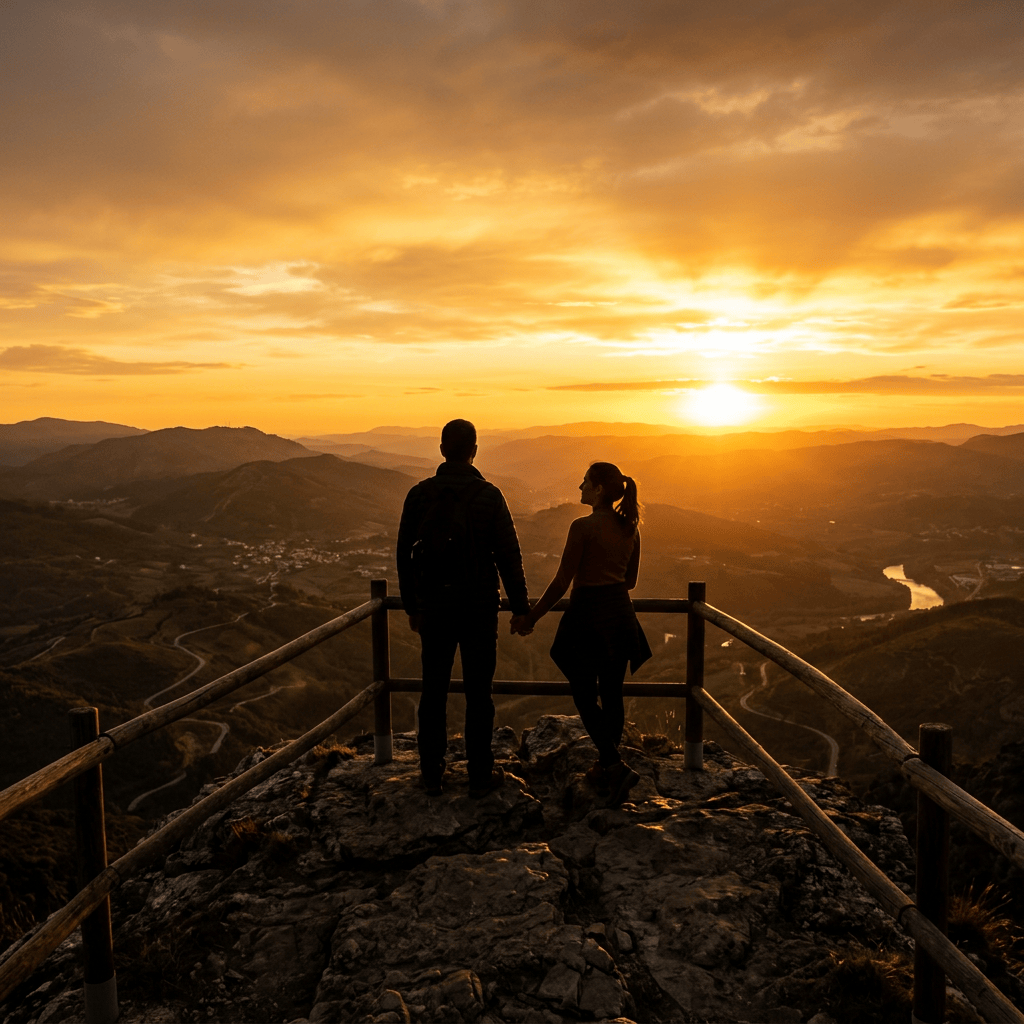
A couple holding hands while watching a stunning sunset over the mountains