Tag: immigrants

  • Being trad.

    Being trad.

    What’s a cultural tradition from your country that you love?

    Being Raised Russian Has Truly Taught Me How to Be a Traditional Woman/Wife
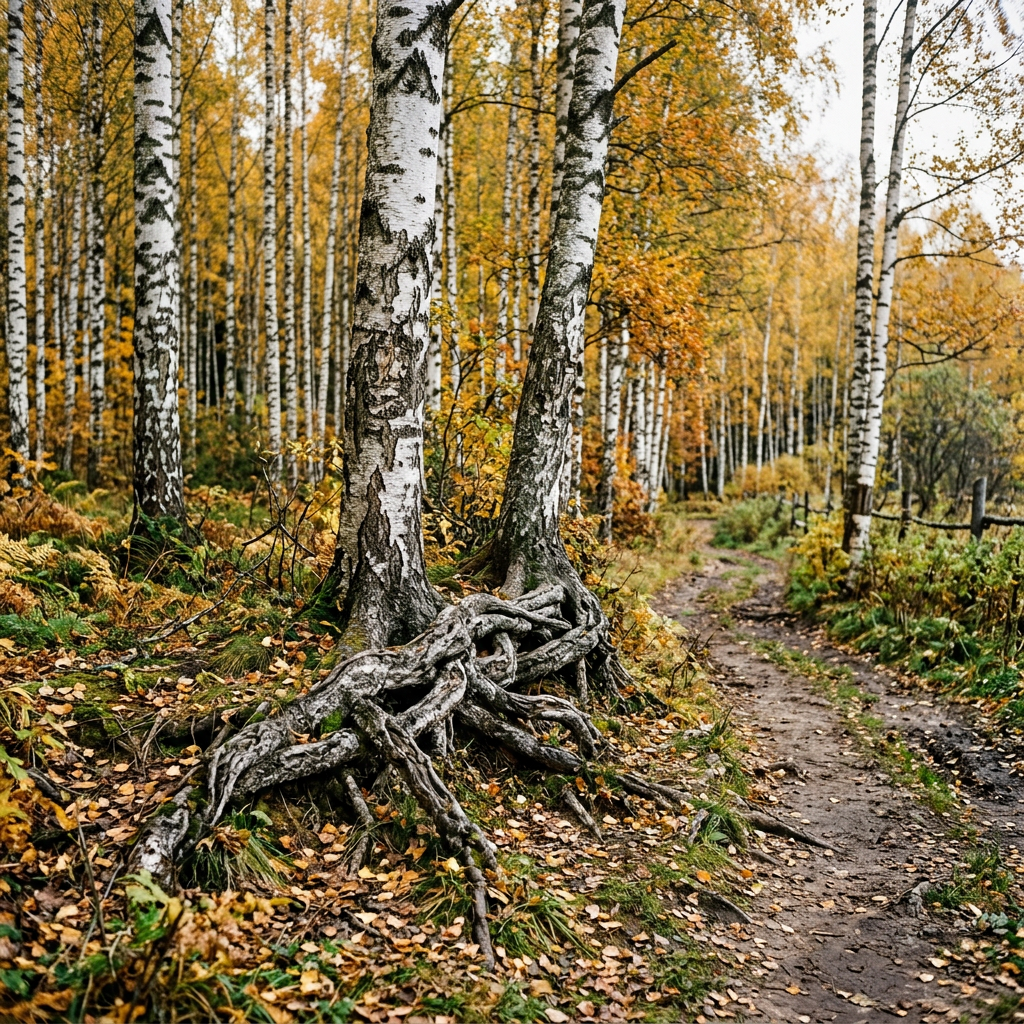
    Winding dirt path through an autumn birch forest with exposed roots
    A winding woodland path passes beneath golden birch trees and exposed twisting roots.

    There is something powerful about the way I was raised. Growing up Russian did not just give me a language, a cuisine, or a set of holidays—it shaped an entire understanding of womanhood and marriage that feels increasingly rare in this modern world. It taught me, without lectures or manifestos, how to be a traditional woman and wife: grounded, capable, devoted, and proud of the role rather than apologetic for it.

    In a Russian household, the home is not merely a place you sleep. It is the center of life, the domain where a woman’s care, order, and warmth determine the emotional climate for everyone else. From an early age, I watched my mother transform ordinary spaces into places of comfort and beauty. Floors were clean, tables were set properly, food was prepared with intention, and the atmosphere mattered. This was never framed as oppression. It was framed as competence and love. A well-kept home and a well-fed man was an expressions of strength, not subordination. I absorbed the lesson that domestic skill is not “less than” a career; it is a different, equally demanding form of mastery.
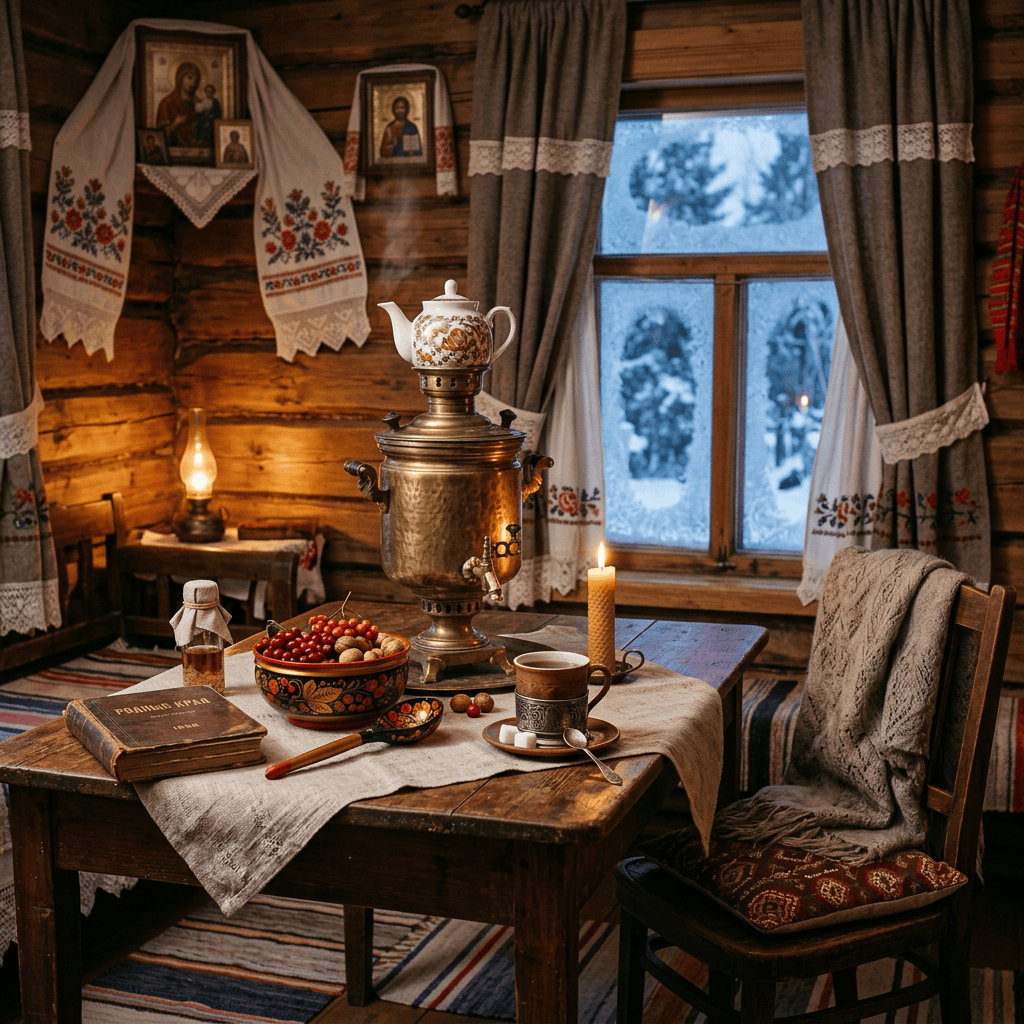
    Brass samovar and tea setting inside a rustic cabin beside snowy window
    A warmly lit cabin table features a brass samovar, tea, berries, and embroidered folk textiles.

    Traditional Russian upbringing also instills a clear-eyed view of complementarity between men and women. Men are expected to protect, provide, and lead with responsibility. Women are expected to nurture, support, and create the emotional and physical conditions in which that protection and provision can flourish. This is not a rigid hierarchy of worth; it is a practical division of labor rooted in observed differences and mutual dependence. I was never taught that needing a man’s strength made me weak, or that offering softness and loyalty made me less intelligent. On the contrary, the ability to soften a hard world for the people you love was presented as one of the highest forms of feminine power.

    Loyalty sits at the center of this model. Russian culture has long valued endurance—through winters, through history, through difficulty. That same endurance is expected in marriage. You do not discard a partnership at the first serious inconvenience. You work, you adapt, you protect the family unit. This does not mean tolerating abuse or remaining in a destructive situation. It means entering marriage with the seriousness of a lifelong covenant rather than a temporary lifestyle arrangement. Being raised with that expectation made me less interested in endless options and more interested in depth, continuity, and the quiet satisfaction of building something that lasts.

    There is also an unspoken standard of self-presentation. Russian women are often raised with an awareness that appearance is part of how you honor yourself and those around you. Looking put-together is not vanity for its own sake; it is a form of respect—for your husband, for guests, for the occasion, and for your own dignity. Combined with an expectation of competence in the kitchen and the home, it produces a woman who can be both soft and capable, elegant and practical.

    None of this requires rejecting education, ambition, or personal development. Many of the strongest traditional Russian wives I know are highly educated, multilingual, and sharp. The difference is priority. Career and self-expression are valuable, but they do not automatically outrank the creation of a stable, loving home and the support of a husband who carries heavy external burdens. The traditional model I absorbed does not demand that a woman disappears; it asks her to invest her gifts where they produce the deepest long-term fruit for the people she loves most.

    Of course, no culture is the same, and not every Russian family embodies these ideals perfectly. Yet the cultural inheritance is real. It prizes resilience over fragility, duty over pure self-expression, and the tangible results of care over abstract declarations of independence. In a time when many people feel adrift in relationships that prioritize individual fulfillment above all else, that inheritance feels like a quiet advantage.

    Being raised Russian did not only teach me to be smaller. It taught me how to be solid. It showed me that there is profound dignity in cooking a real meal, keeping a peaceful home, standing beside a man through difficulty, and having clear values. Traditional womanhood and wifehood, in this framing, are not relics. They are disciplines—demanding, beautiful, and deeply rewarding when practiced with eyes open and heart engaged.

    That is the gift the culture handed me. I am still learning how to live it fully, but I no longer question its worth.
  • Happy Birthday to the First Man I Ever Loved: A Letter to My Father

    Happy Birthday to the First Man I Ever Loved: A Letter to My Father

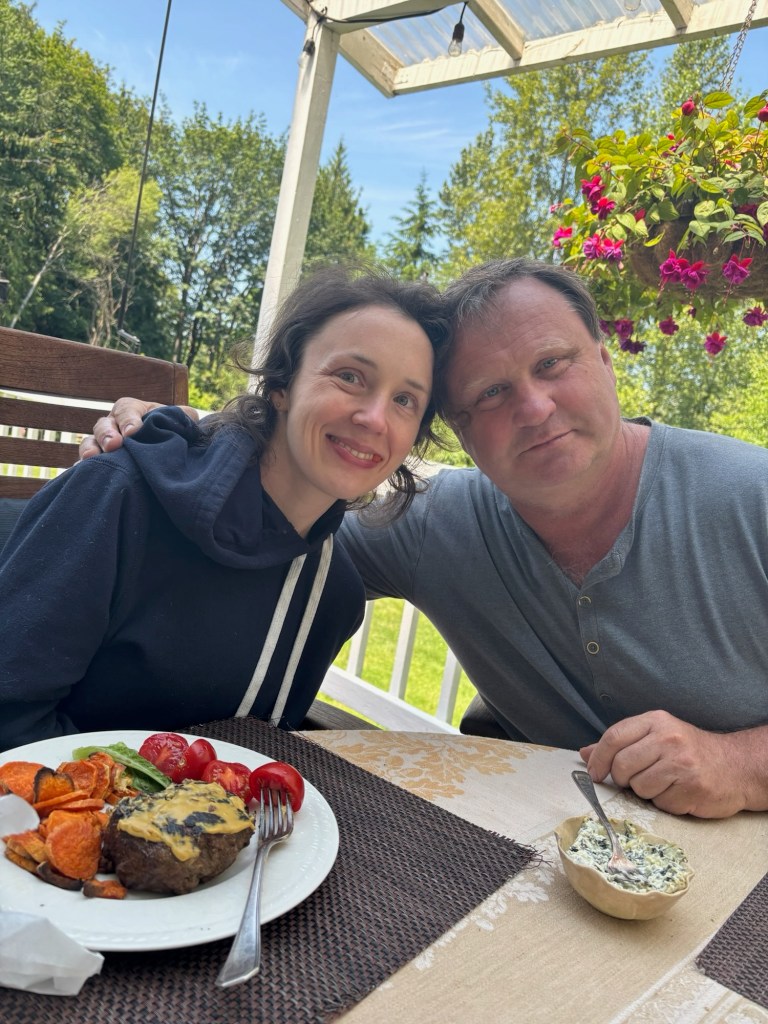
    Today marks another trip around the sun for the man who has quietly shaped every corner of my life—the one who taught me what strength looks like when it is wrapped in laughter, what loyalty feels like when it is served with a side of sarcasm, and what unconditional love actually is. Happy Birthday, Dad.

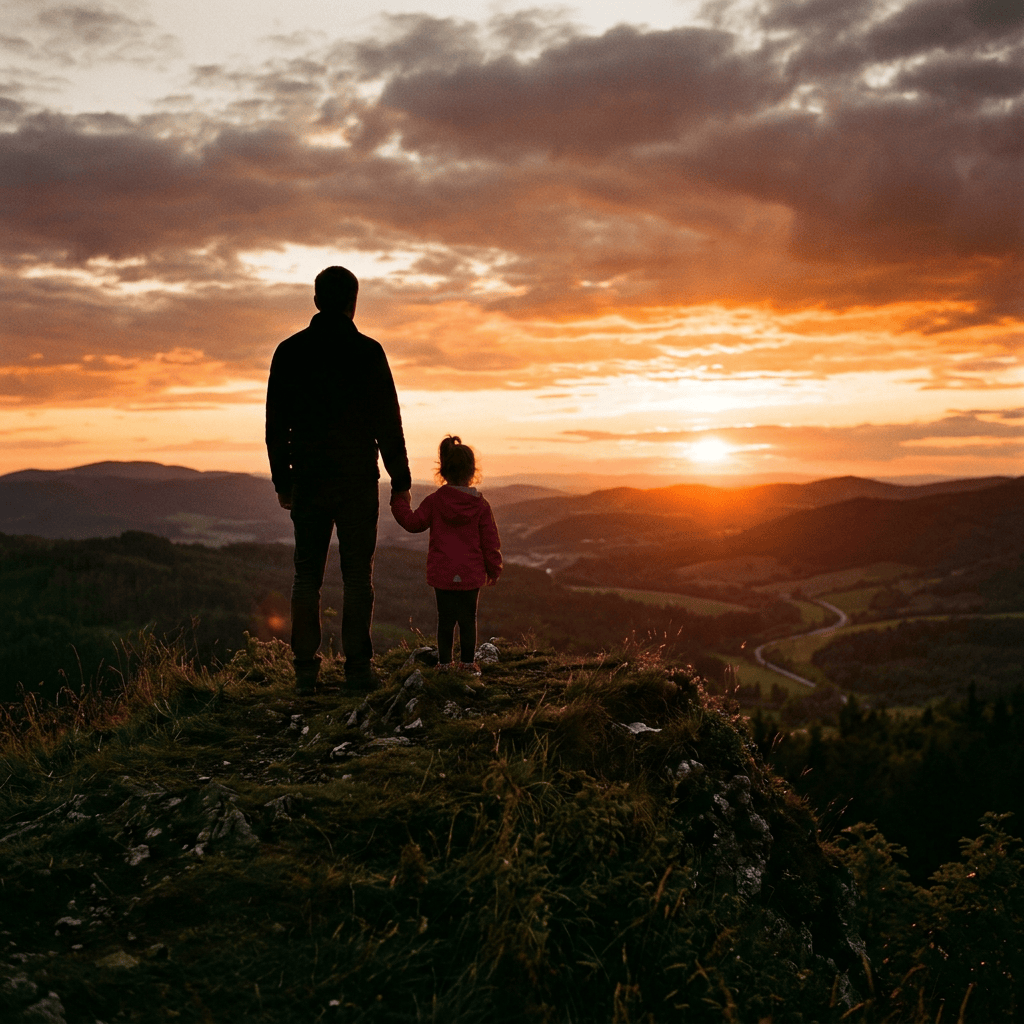
    Silhouettes of a father and child holding hands on a hill during sunset
    A father and his young daughter hold hands while watching a vibrant sunset from a hilltop.

    From the moment I entered this world, you have been my benchmark. You did not just raise me; you modeled the kind of man I should look for one day. Patient but firm. Protective but playful. Someone who shows up, every single time, even when life throws curveballs. You became more than a father—you became my friend. The kind of friend I can call with zero judgment,

    Then there are the political debates. Oh lord, the debates. You with your Russian-state-media deep dives and me with my Fox News/ X.com rabbit holes. We yell, we gesture wildly, we both refuse to back down… and then we laugh about it over ice cream because at the end of the day, none of it matters as much as the fact that we can still sit across from each other. That is us—passionate, opinionated, and bonded by something far stronger than any headline.

    You have always been an incredibly hardworking silly goose. I used to call you my little brother when I was small because you were more fun than any grown-up had a right to be. You built/drew my school projects like an architect, and you would turn grocery runs into adventures. Yet the moment life demanded it, that military toughness kicked in. Stoic. Disciplined. The man who could fix anything with the right tools and sheer willpower. You taught me resilience without ever making it feel like a lecture—just by living it.

    And yes, the spoiling. You spoiled your baby girl rotten, and I have zero shame in admitting it. Whatever craving hit me, luxury trips, and endless courage to chase dreams that probably sounded delulu to you. You turned me into this proud delulu queen who believes anything is possible because you made me feel like the world was soft enough to catch me if I fell. Thank you for that safety net. Thank you for letting me stay your little girl even when I am all grown up and pretending to have it all together.

    Father, you are my first love. The love that taught me how to love others. The steady heartbeat I measure my current relationship against. The voice that still calms me, the arms that still feel like the safest place on earth.

    The steady heartbeat I measure my current relationship against

    So on your birthday, I hope you feel every ounce of gratitude and love I carry for you. I hope the year ahead brings you desserts worth drooling over, jokes that make you snort-laugh, and maybe—just maybe—a story where we both pretend to agree.

    Happy Birthday, my favorite silly goose, my hero, my friend. I love you more than all the words in every language combined.

    Forever your baby girl.

  • Americana.

    Americana.

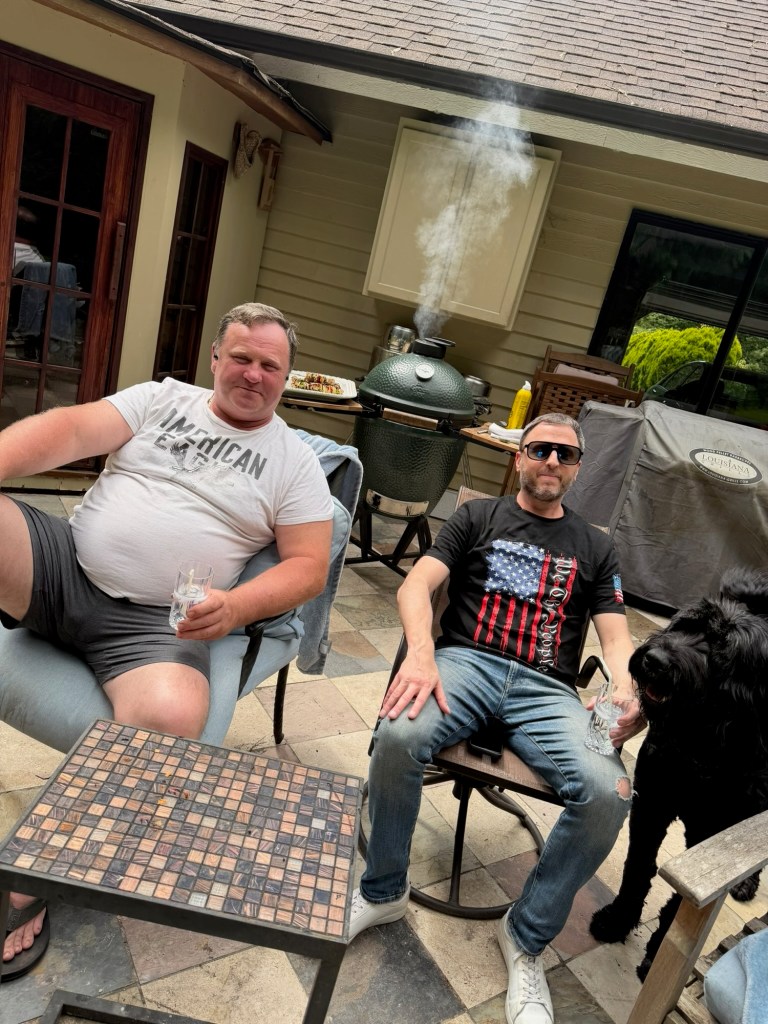
    I have lived in the tiny town of Snohomish, Washington,since I was seven years old. Snohomish is not flashy. It is not Seattle. It is the kind of place where you grow up slow. The biggest drama is who forgot to lock the barn. In Snohomish, “good morning” still means something.

    I used to hate that. I wanted to be a big city girl (ala Samantha Jones in Sex and the City). I even went away from the public school I was supposed to attend. I did this so I could dress and be a little more high class. 

    The girls who live in Snohomish pride themselves for living in a Bodunk town. “Fancy” usually means that you will sink into the muddy fields. It is not the norm.  But I did not like that. I did not want to wear pajamas and slippers to class. I wanted to wear stilettos and I dreamt of living in a penthouse. 

     None of that ended up happening. It became dangerous to even visit a city. Now I have a different perspective of this small town. It feels like living inside a postcard and that postcard smells like rain and fresh-cut grass most days. 

    This town is tiny, maybe ten thousand people. Main Street still looks like it did in the nineteen-twenties. It has brick storefronts, a hardware store that sells everything from nails to fudge, and diners. The river runs right through the middle—Snohomish River, wide and slow. Packed with sunburned locals in July. Around here, summers are for the county fair (something that I do not partake in). It is not the flashy kind with Ferris wheels taller than trees. It’s just a dusty field off Second Street, filled with goats baaa-ing, cotton candy, and sketchy ride operators. Winters are quieter. Fog rolls in off of Puget Sound like a blanket, and school buses crawl through it, headlights glowing. 

    People here do not rush. You wave at strangers because you have seen them before— since the town is so small. Everyone knows everyone’s business. They do not judge, or at least, they do not judge out loud. This was new to this little Russian girl. I left for college, came back since. The river still smells the same. The hardware store still sells fudge. And yes it rains, but it rains softly— as if this place is giving you a hug. 

    I want to share this hug with the love of my life. Convincing my boyfriend to move out to Washington state was like my experience of recognizing my hometown in the past. It is different from the postcard version I see now. 

    While we would not be living in Snohomish, small towns are so much more attractive than the big bad cities. While I do not want to dress like a slob or float down a river in the summer— I would rather that than be raped by an immigrant and encounter needles in the storefronts.  He would rather cheer for the teams that his family has always supported and not be surrounded by “aw shucks” coworkers. 

    So I do not belong in Snohomish, Washington, but I have definitely developed an appreciation for small towns. I might live in a small “Americana” town in Montana or the Carolinas. Wherever I end up, I will always waive “hello” and will not judge (out loud).