Tag: Immigrant

  • Being trad.

    Being trad.

    What’s a cultural tradition from your country that you love?

    Being Raised Russian Has Truly Taught Me How to Be a Traditional Woman/Wife
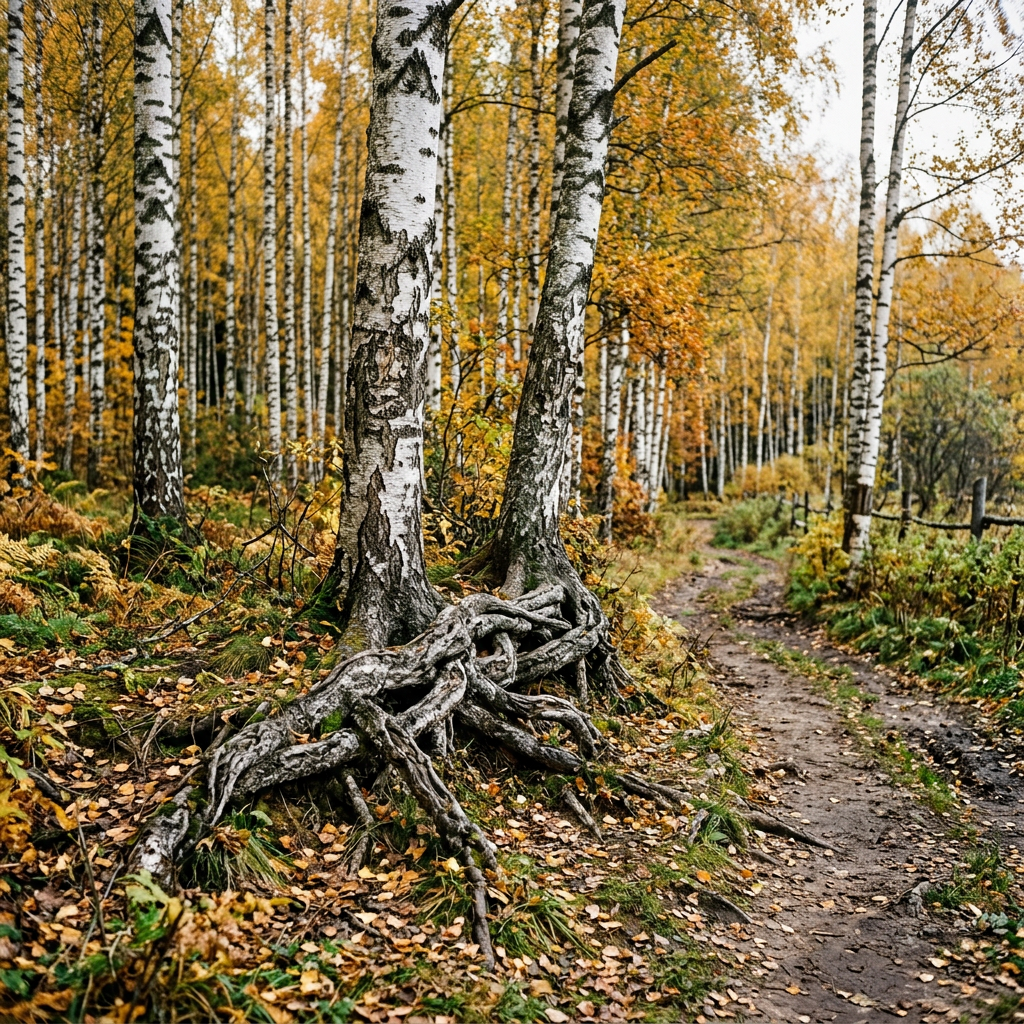
    Winding dirt path through an autumn birch forest with exposed roots
    A winding woodland path passes beneath golden birch trees and exposed twisting roots.

    There is something powerful about the way I was raised. Growing up Russian did not just give me a language, a cuisine, or a set of holidays—it shaped an entire understanding of womanhood and marriage that feels increasingly rare in this modern world. It taught me, without lectures or manifestos, how to be a traditional woman and wife: grounded, capable, devoted, and proud of the role rather than apologetic for it.

    In a Russian household, the home is not merely a place you sleep. It is the center of life, the domain where a woman’s care, order, and warmth determine the emotional climate for everyone else. From an early age, I watched my mother transform ordinary spaces into places of comfort and beauty. Floors were clean, tables were set properly, food was prepared with intention, and the atmosphere mattered. This was never framed as oppression. It was framed as competence and love. A well-kept home and a well-fed man was an expressions of strength, not subordination. I absorbed the lesson that domestic skill is not “less than” a career; it is a different, equally demanding form of mastery.
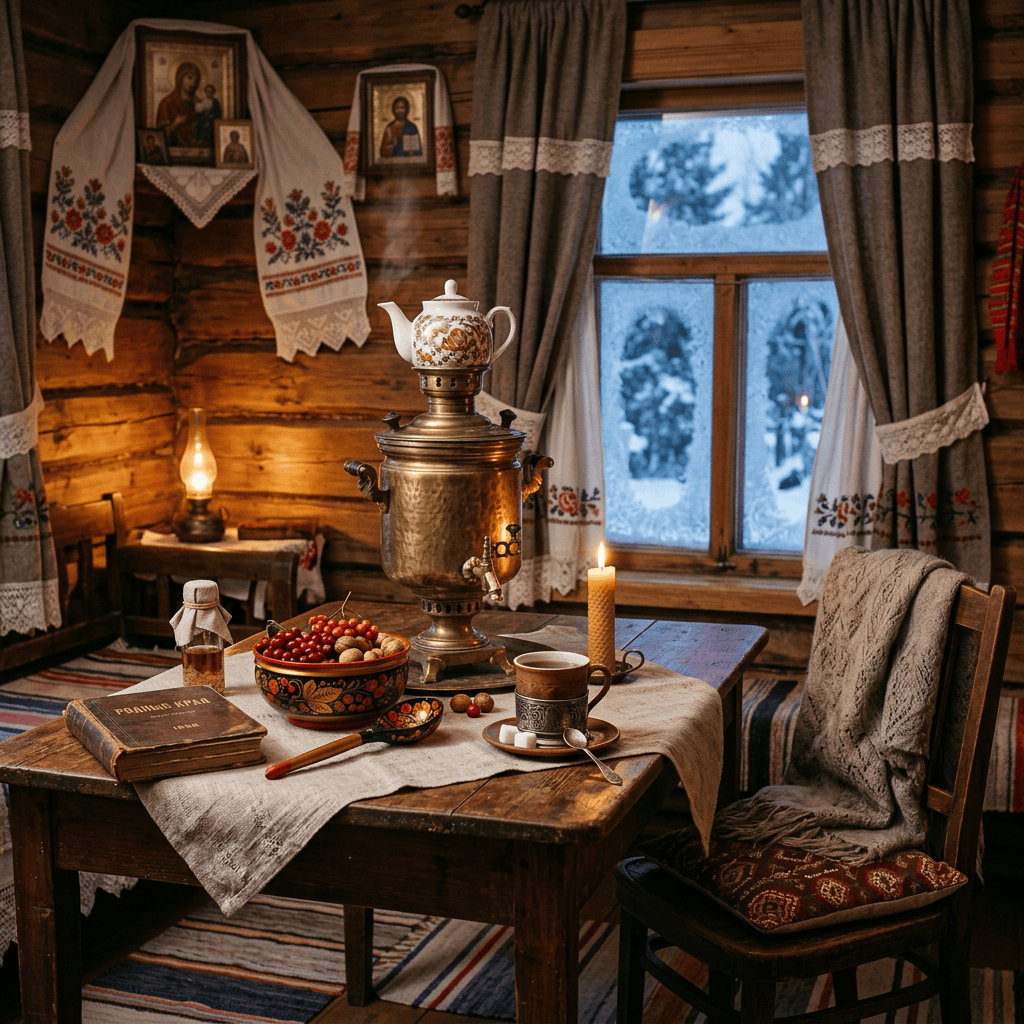
    Brass samovar and tea setting inside a rustic cabin beside snowy window
    A warmly lit cabin table features a brass samovar, tea, berries, and embroidered folk textiles.

    Traditional Russian upbringing also instills a clear-eyed view of complementarity between men and women. Men are expected to protect, provide, and lead with responsibility. Women are expected to nurture, support, and create the emotional and physical conditions in which that protection and provision can flourish. This is not a rigid hierarchy of worth; it is a practical division of labor rooted in observed differences and mutual dependence. I was never taught that needing a man’s strength made me weak, or that offering softness and loyalty made me less intelligent. On the contrary, the ability to soften a hard world for the people you love was presented as one of the highest forms of feminine power.

    Loyalty sits at the center of this model. Russian culture has long valued endurance—through winters, through history, through difficulty. That same endurance is expected in marriage. You do not discard a partnership at the first serious inconvenience. You work, you adapt, you protect the family unit. This does not mean tolerating abuse or remaining in a destructive situation. It means entering marriage with the seriousness of a lifelong covenant rather than a temporary lifestyle arrangement. Being raised with that expectation made me less interested in endless options and more interested in depth, continuity, and the quiet satisfaction of building something that lasts.

    There is also an unspoken standard of self-presentation. Russian women are often raised with an awareness that appearance is part of how you honor yourself and those around you. Looking put-together is not vanity for its own sake; it is a form of respect—for your husband, for guests, for the occasion, and for your own dignity. Combined with an expectation of competence in the kitchen and the home, it produces a woman who can be both soft and capable, elegant and practical.

    None of this requires rejecting education, ambition, or personal development. Many of the strongest traditional Russian wives I know are highly educated, multilingual, and sharp. The difference is priority. Career and self-expression are valuable, but they do not automatically outrank the creation of a stable, loving home and the support of a husband who carries heavy external burdens. The traditional model I absorbed does not demand that a woman disappears; it asks her to invest her gifts where they produce the deepest long-term fruit for the people she loves most.

    Of course, no culture is the same, and not every Russian family embodies these ideals perfectly. Yet the cultural inheritance is real. It prizes resilience over fragility, duty over pure self-expression, and the tangible results of care over abstract declarations of independence. In a time when many people feel adrift in relationships that prioritize individual fulfillment above all else, that inheritance feels like a quiet advantage.

    Being raised Russian did not only teach me to be smaller. It taught me how to be solid. It showed me that there is profound dignity in cooking a real meal, keeping a peaceful home, standing beside a man through difficulty, and having clear values. Traditional womanhood and wifehood, in this framing, are not relics. They are disciplines—demanding, beautiful, and deeply rewarding when practiced with eyes open and heart engaged.

    That is the gift the culture handed me. I am still learning how to live it fully, but I no longer question its worth.

  • Curating My X Feed: Choosing Positivity, Personal Beliefs, and the Lifestyle I Crave

    In a world overflowing with noise, division, and endless hot takes, I made a deliberate choice to shape my X (formerly Twitter) experience around what truly matters to me. My entire account is now intentionally curated to reflect my personal beliefs and, above all, to center positivity.

    Smartphone held in hands showing time 07:18 and text Calm & Connected against fiery and smoky background
    A smartphone displaying ‘Calm & Connected’ held amid swirling fire and smoke effects

    I want my feed to uplift, inspire, and align with the kind of life I am actively building—one rooted in growth, joy, healing, and possibility. That does not mean I live in a bubble or ignore reality. It simply means I am protective of my mental and emotional space.

    Yes, I do follow a handful of accounts that could be described as strong Trump supporters—people who sometimes come across as riding the “Trump can do no wrong” wave. I am fully aware of the echo-chamber risk there. I approach them with the same healthy skepticism I apply to sports accounts, news outlets, or any single-source content. I do not take everything at face value, and I cross-reference when something feels off.

    I am not on X primarily for political analysis or to debate policy. I am there to be inundated with feel-good positivity and reminders of the lifestyle I crave—wellness, personal development, meaningful connections, beauty, humor, and inspiration. Those accounts, even with their strong biases, often deliver bursts of optimism, patriotism, or motivational energy that resonate with the uplifting vibe I want more of.

    At the end of the day, social media should serve you—not drain you, enrage you, or pull you into endless negativity loops. I have unfollowed, muted, and blocked enough accounts to create a space that feels like a warm, intentional garden rather than a battlefield.

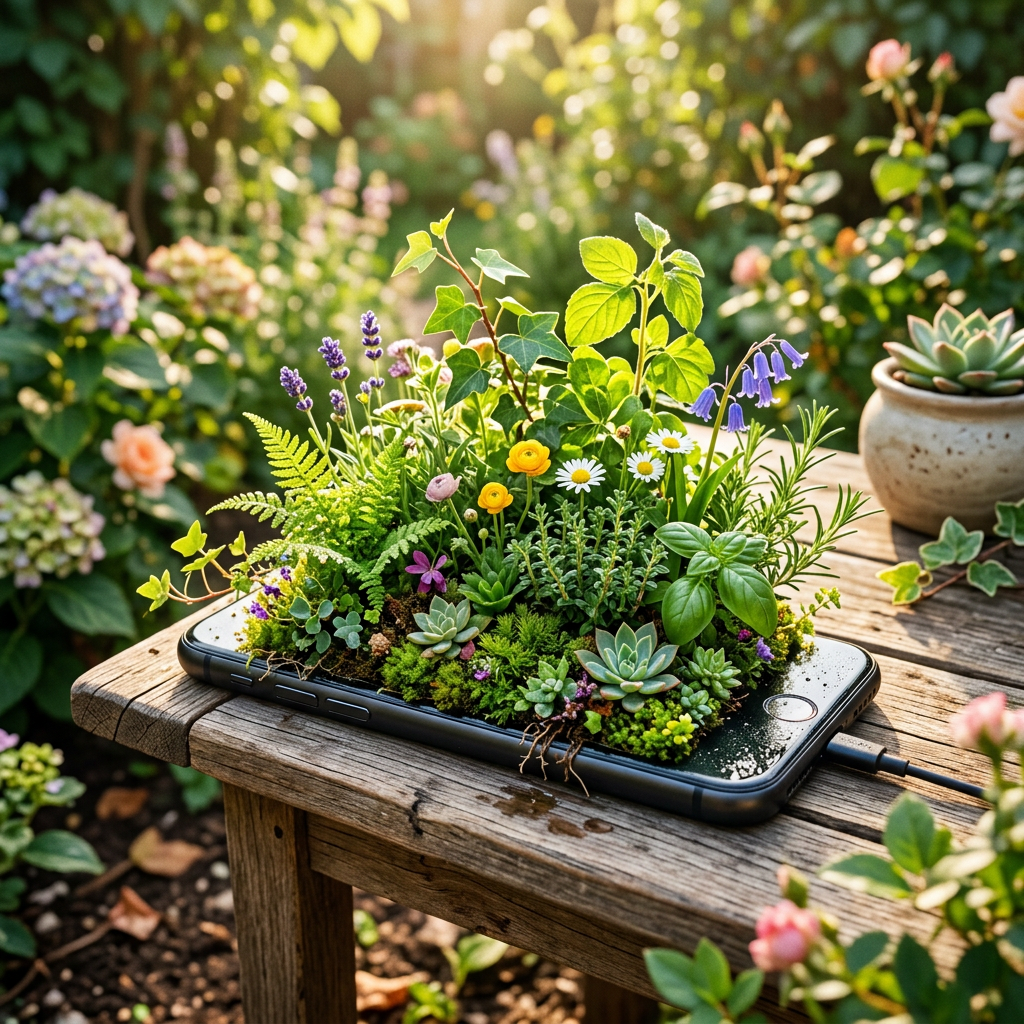
    Smartphone with an assortment of blooming flowers, greenery, and succulents growing on its screen
    A smartphone displaying a vibrant mix of blooming garden plants and succulents

    My feed is not perfect, and it is not meant to be a complete reflection of the world. It is a reflection of the world I am choosing to create for myself. One post, one follow, and one boundary at a time.

    Some of my favorite social media follows are:

    Smartphone screen showing abstract swirling dark and golden light pattern
    A hand holding a smartphone displaying an abstract swirling light pattern
    •  @PeytonElroy : a wellness and spiritual healing-focused account with over 61,000 followers. Setting a consistent tone of optimism, empowerment, and alternative health perspectives, Peyton posts a mix of personal stories (especially her father’s recent stage 4 colon cancer “healing” journey). and practical health tips (e.g., hibiscus tea for inflammation, dates for heart rhythm stabilization via potassium, broccoli sprouts, blueberries, soursop). I particularly love the spiritual/energy concepts (auras, emotional states influencing physical health, colors affecting energy, the idea that everyone is inherently “spiritual”) and relationship/life advice (e.g., how to stand out when approaching beautiful women by complimenting non-physical traits).The tone is warm, encouraging, and emoji-heavy (lots of hearts, flowers, and green tones). Posts often include disclaimers like “I’m not claiming this cures cancer alone” while sharing strong opinions and anecdotes. Recent content has leaned heavily into cancer discussions—viewing it as inflammation, potentially linked to parasites or trauma, with emphasis on mindset, diet, and natural compounds rather than fear-based conventional narratives (my own personal belief). 
    • @mtnhousewife (Mountain Housewife🏠) is a Christian homemaking and traditional marriage account run by a 41-year-old wife, mother, grandmother (“mimi”), and homemaker.  Her posts promote biblical womanhood, wifely submission, contentment, and practical homemaking. Key themes include: Covenant marriage — Long-term harmony through scriptural roles (e.g., she highlights 42 years of marriage with “no conflict” due to submission as taught in scripture), Christian living — Bible study reflections (e.g., Philippians on contentment), faith encouragement, and church life, Homemaking — Simple recipes and tips (e.g., okra dishes, pimiento cheese). The tone is gentle, grateful, and encouraging, aimed at women seeking traditional roles. She emphasizes joy in submission, building a happy home, and living out a wife’s calling according to Christian principles. Content mixes personal testimony, scripture, practical advice, and light community interaction.
    • Maneesha (@ManeeshaSem) is a popular writer, content creator, and self-described “moonbathing apsarā” (celestial nymph) on X, with over 71,000 followers. @maneeshasem has built a significant following through poetic, feminine, and spiritually infused posts that emphasize beauty, serenity, nervous system regulation, self-love, and creating “paradise on Earth.” Her content blends mysticism, aesthetics, wellness, and gentle life philosophy, often evoking softness, harmony, and divine femininity. She frequently shares visions of serene villas, lush nature, silk robes, self-care rituals (e.g., affirmations, chocolate-covered strawberries, vanilla chai), intentional beauty, and protective auras created by harmonious environments. @maneeshasem posts focus on holding calm energy, avoiding urgency/dysregulation, beauty as spiritual protection, and aligning with cosmic/natural rhythms. 
    • @wolffdew (The Cooking Lady) is a Danish 22-year-old homemaker and from-scratch cooking content creator on X.She shares homemade recipes, cooking videos/processes, meal ideas, and everyday kitchen content with a warm, enthusiastic style. Posts often feature scratch cooking, traditional or comforting dishes, and personal touches as a young married woman. She promotes her two digital cookbooks directly in her bio. The account appeals to fans of simple, authentic home cooking, Scandinavian influences, and lifestyle content from a Gen Z homemaker perspective. It’s positive, food-focused, and interactive, with frequent replies to followers.
    • @amandaperera (Cleopatra 🪷 ✞) is a faith-centered self-improvement and relationship advice account on X with a strong emphasis on personal growth, emotional intelligence, and Christian values. The account mixes inspirational quotes, relationship insights, personal reflections, and calls to subscribe to her newsletter or book 1:1 sessions. It appeals to audiences interested in faith-based personal development, neuroscience-informed emotional health, and mature views on love and identity. Content is positive, relational, and growth-oriented rather than purely dating-strategy focused.This account is warm, empowering, and reflective. Posts often explore:
      • Healthy relationships and love dynamics (e.g., references to Yellowstone’s Rip and Beth as an ideal of a strong man supporting a fiery, intelligent woman; the importance of entering relationships as a “whole” person rather than seeking fulfillment from a partner). 
      • Self-acceptance, authenticity, and resilience (e.g., disagreement as a sign of staying true to yourself; embracing your “weird” side).
      • Faith-first mindset (“Jesus first always”), emotional wholeness, and devotional partnership.al advice, and light community interaction.
    •  @TrinaNuance (Trina Nuance || The Fractional Muse 🌿🌞🌊) is slightly different than my other follows. She is thoughtful writer, coach, and strategist with a philosophical, introspective style focused on personal growth, mindset, entrepreneurship, and human behavior. Trina shares long-form reflections, threads, and insights on: Self-awareness & transformation — Dark night of the soul, breaking self-sabotaging cycles, shifting from external to internal locus of control, and authoring new self-fulfilling prophecies., Parasocial relationships, narrative-building, perception biases, and cultural shifts (e.g., craving analog experiences like handwritten letters).  Her tone is wise, empathetic, and nuanced — often weaving personal experience, client stories, and cultural observations. She positions herself as a bridge between worlds (e.g., founders building in the dark, inner work vs. business goals) with a creative, almost poetic voice. Content resonates with introspective entrepreneurs, creators, and those on personal development journeys. It is more reflective/strategic than purely motivational or tactical.
    • And my kooky health beliefs lead me to accounts like @AlpacaAurelius (Carnivore Aurelius ©🥩 ☀️🦙) a highly popular health, wellness, and lifestyle influencer on X known for promoting carnivore/ancestral diets, natural living, and anti-modern-food messaging.He posts short, punchy advice, memes, book recommendations, and visual comparisons that criticize processed/seed-oil-heavy foods while praising meat, sunlight, walking, and traditional lifestyles. Common themes include: Diet & Nutrition — Strong advocacy for carnivore or nose-to-tail eating, local/farm-fresh produce over industrial options (e.g., local farm strawberries vs. Driscolls), and warnings against “the shit” in modern foods, Lifestyle — Sunlight, movement (walking), positive mindset, and simple joys (e.g., Spain’s longevity linked to meat, olive oil, wine, and activity), Mindset & Philosophy — Anti-worry messages, book lists blending spirituality (Tao Te Ching, Untethered Soul) with self-development and ancestral health (e.g., Nutrition and Physical Degeneration).  The tone is motivational, meme-friendly, contrarian, and humorous, often with a Stoic/Aurelius-inspired flair mixed with bro-science and wellness maximalism. He sells or promotes related products like clean collagen and coffee.
  • Happy Birthday to the First Man I Ever Loved: A Letter to My Father

    Happy Birthday to the First Man I Ever Loved: A Letter to My Father

    Today marks another trip around the sun for the man who has quietly shaped every corner of my life—the one who taught me what strength looks like when it is wrapped in laughter, what loyalty feels like when it is served with a side of sarcasm, and what unconditional love actually is. Happy Birthday, Dad.

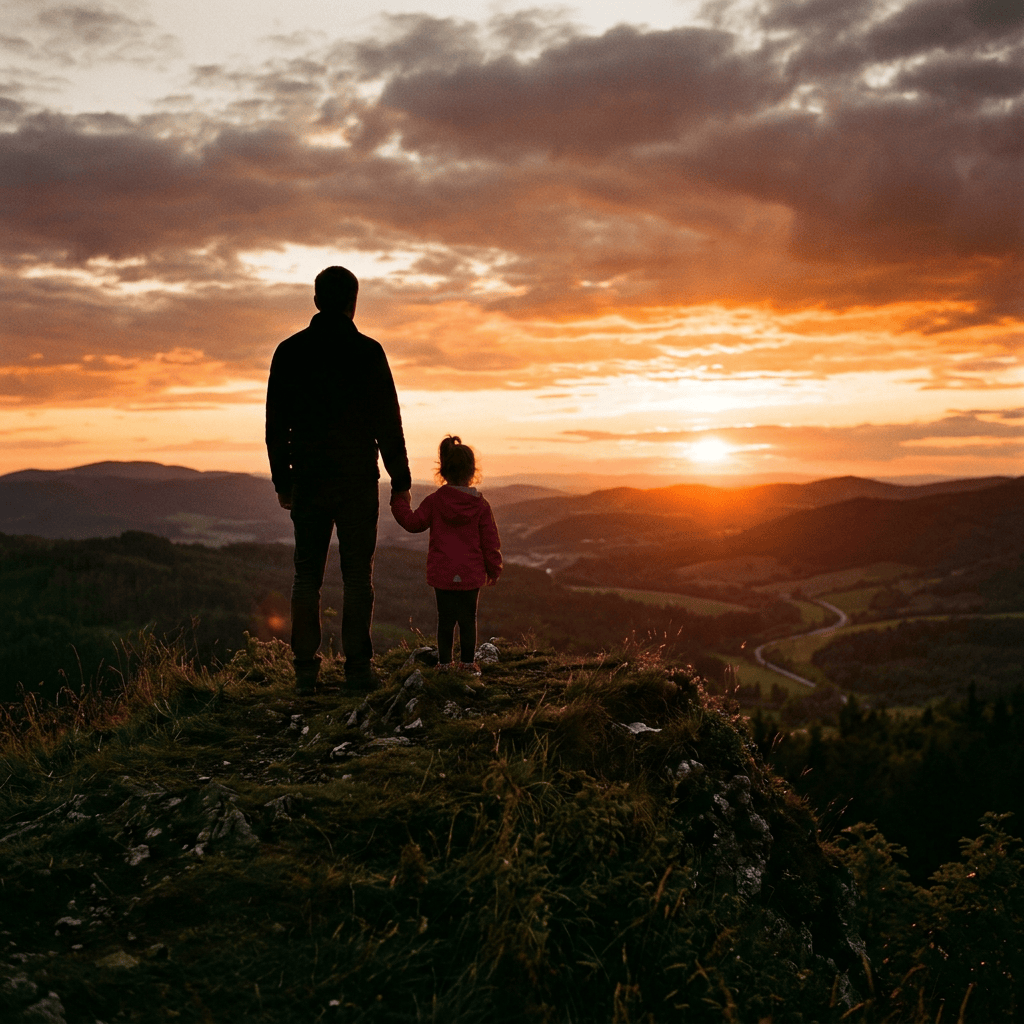
    Silhouettes of a father and child holding hands on a hill during sunset
    A father and his young daughter hold hands while watching a vibrant sunset from a hilltop.

    From the moment I entered this world, you have been my benchmark. You did not just raise me; you modeled the kind of man I should look for one day. Patient but firm. Protective but playful. Someone who shows up, every single time, even when life throws curveballs. You became more than a father—you became my friend. The kind of friend I can call with zero judgment,

    Then there are the political debates. Oh lord, the debates. You with your Russian-state-media deep dives and me with my Fox News/ X.com rabbit holes. We yell, we gesture wildly, we both refuse to back down… and then we laugh about it over ice cream because at the end of the day, none of it matters as much as the fact that we can still sit across from each other. That is us—passionate, opinionated, and bonded by something far stronger than any headline.

    You have always been an incredibly hardworking silly goose. I used to call you my little brother when I was small because you were more fun than any grown-up had a right to be. You built/drew my school projects like an architect, and you would turn grocery runs into adventures. Yet the moment life demanded it, that military toughness kicked in. Stoic. Disciplined. The man who could fix anything with the right tools and sheer willpower. You taught me resilience without ever making it feel like a lecture—just by living it.

    And yes, the spoiling. You spoiled your baby girl rotten, and I have zero shame in admitting it. Whatever craving hit me, luxury trips, and endless courage to chase dreams that probably sounded delulu to you. You turned me into this proud delulu queen who believes anything is possible because you made me feel like the world was soft enough to catch me if I fell. Thank you for that safety net. Thank you for letting me stay your little girl even when I am all grown up and pretending to have it all together.

    Father, you are my first love. The love that taught me how to love others. The steady heartbeat I measure my current relationship against. The voice that still calms me, the arms that still feel like the safest place on earth.

    The steady heartbeat I measure my current relationship against

    So on your birthday, I hope you feel every ounce of gratitude and love I carry for you. I hope the year ahead brings you desserts worth drooling over, jokes that make you snort-laugh, and maybe—just maybe—a story where we both pretend to agree.

    Happy Birthday, my favorite silly goose, my hero, my friend. I love you more than all the words in every language combined.

    Forever your baby girl.

  • The Ripple Effect: More of What You Love

    The Ripple Effect: More of What You Love

    It is easy to overlook the quiet “miracles” that surround us every single day. Yet one of the most profound truths about human fulfillment—and about creating even more goodness in our lives—is this: It is vital to be thankful for everything that is good in your life.

    Gratitude has become an overused buzzword. Gratitude is not just a polite “thank you” or a fleeting warm feeling. It is a deliberate, heart-centered practice that shifts your entire energy, perspective, and ultimately, your reality. We all know, on some level, that we should not take the basics for granted. Running water that flows clean and hot at the turn of a tap. Reliable heating that keeps your home cozy when winter bites (this is uber important to my constantly freezing body!). A solid roof overhead that shields you from rain, wind, and the elements. Yet for many of us, these “luxuries” become background noise.

    The same goes for the people in our lives. Friends and family. My family—especially—have shown up, even imperfectly. I am beyond grateful that I was not tossed out when I became needy and helpless. Typically, we appreciate them in moments of crisis or celebration, but how often do we pause in ordinary moments to truly feel the gift of our family’s presence?

    Here is where the magic happens. Casual appreciation is nice, but to bring about more in our lives, we need to feel truly grateful for everything and everyone—not just the obvious blessings, but the small, the mundane, and even the challenging things that shape us.

    Think about it. When you wake up and genuinely feel thankful for the bed that held you through the night, the air filling your lungs, the sunlight (or even the rain) outside your window, something inside you softens and expands. Your nervous system calms. Your mind clears. Opportunities that once hid in plain sight suddenly become visible. Psychologists call this the “broaden-and-build” theory: positive emotions like gratitude widen our awareness and help us build resources—relationships, skills, resilience—for the future.

    On a more spiritual or energetic level, many traditions and modern manifestation teachings emphasize that what you appreciate appreciates. Gratitude acts like a magnet. When you radiate sincere thanks for what you already have, you signal to the universe that you are a good steward of blessings. You are ready for more. Contrast this with the scarcity mindset: constant wanting, complaining, or comparing. That energy tends to keep us stuck exactly where we are, focused on lack.

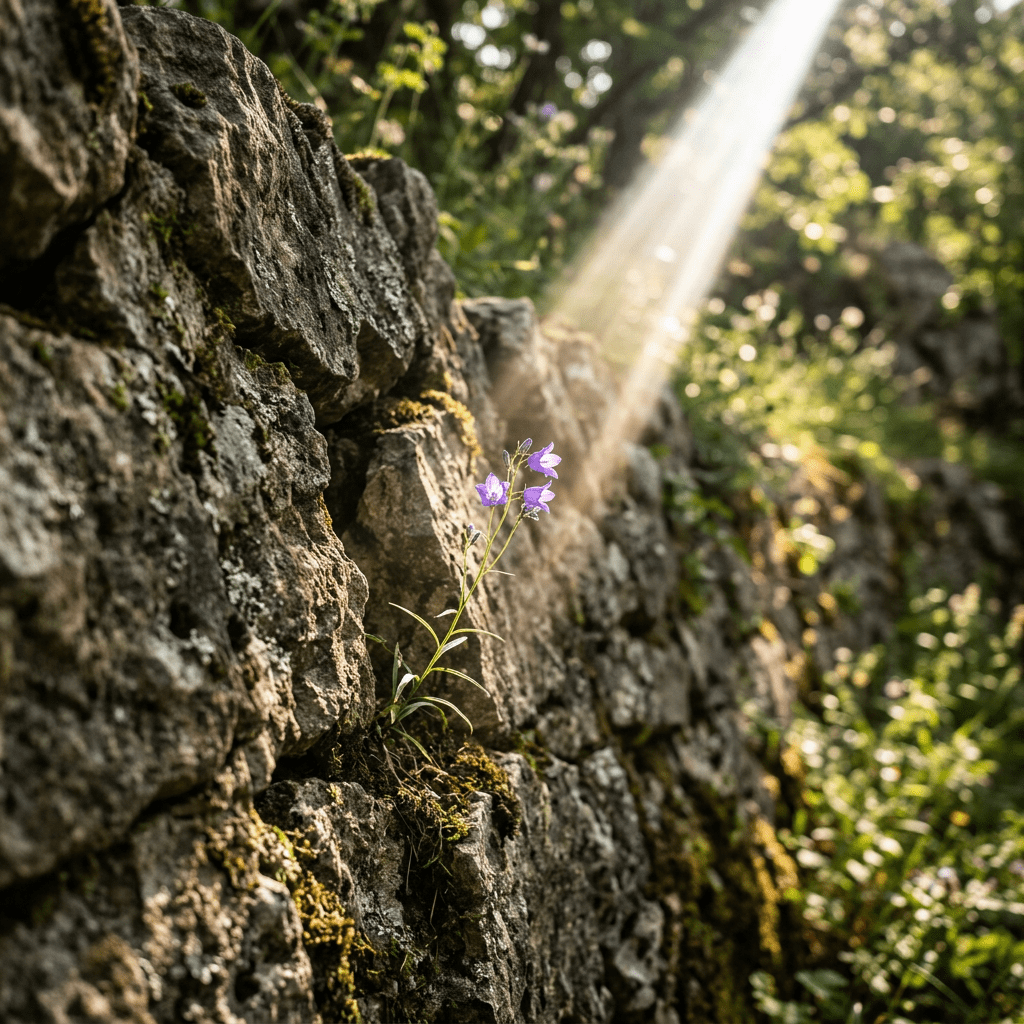
    Purple wildflower growing out of a crevice in a moss-covered stone wall with sunbeam
    A delicate purple wildflower blooms from a crack in a mossy stone wall illuminated by sunlight

    Even in hardship, gratitude works its alchemy. Being grateful for the quiet strength you discover in loss is something that I had to discover. These are not toxic positivity exercises—they are honest acknowledgments that every experience contains seeds of growth.

    Turning gratitude into a life-changing habit does not require hours of your day. Ask, “What is this situation trying to teach me?” Then thank it in advance for the wisdom or strength it will bring.Bookend your day with gratitude. Start with thanks for the day ahead and end with thanks for what unfolded.

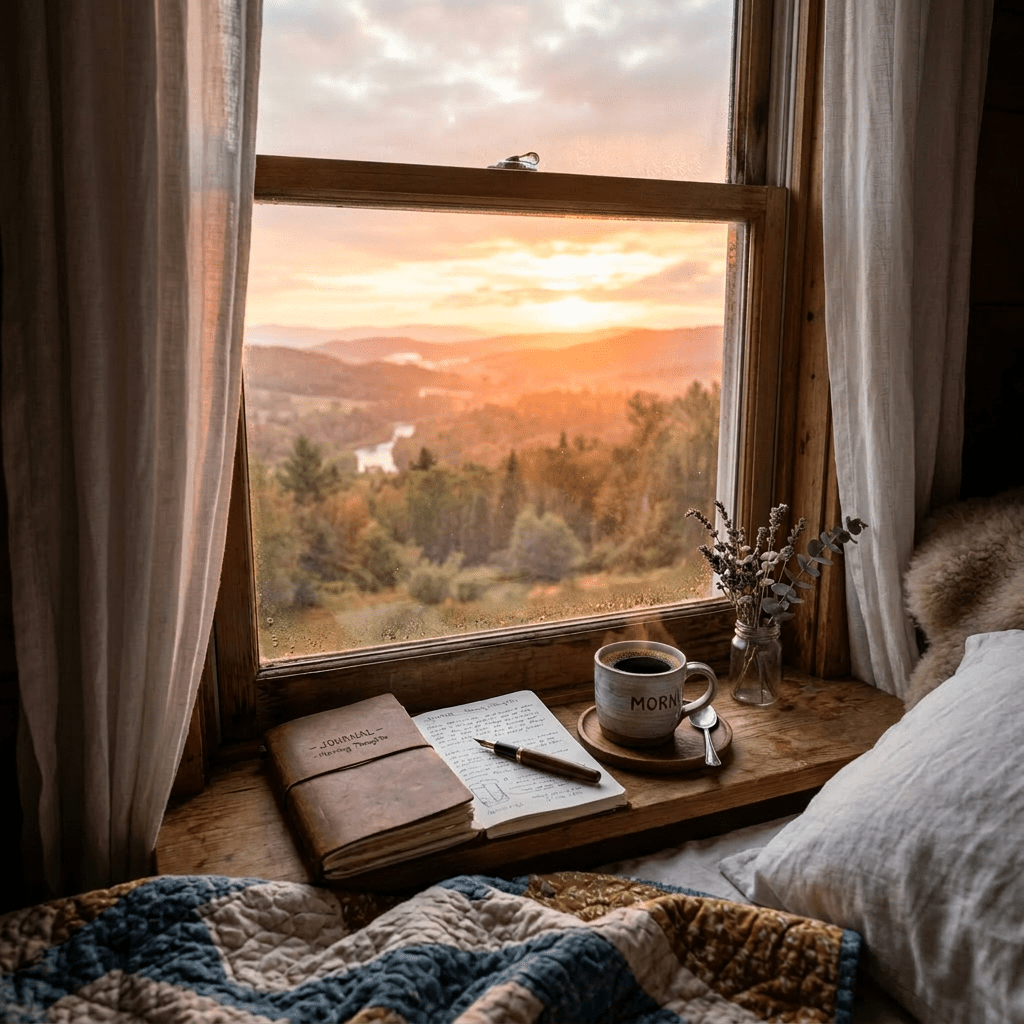
    Journal, pen, steaming coffee cup, and vase on a windowsill with sunrise over mountains
    A peaceful morning scene with a journal, coffee, and sunrise view

    When you embody this level of gratitude, life responds. Relationships deepen because people feel genuinely valued. Health improves as stress decreases and joy increases. Abundance flows—at least in steady, meaningful ways: unexpected help, creative ideas, synchronicities, and a profound sense of “enough” that paradoxically opens the door to more.

    So today, pause. Look around. Feel the chair supporting you, the device in your hands bringing these words, the breath moving through you. Say thank you—and really mean it. For the basics. For the people. For the lessons. For everything.

  • How Pretty Woman Shaped My Understanding of Love

    How Pretty Woman Shaped My Understanding of Love

    I want to elaborate on this post. Pretty Woman was one of the first movies that I watched in America. I was four years old. I did not speak any English. But I understood it completely. 


    To me, it is not a story about a sex worker. This contrasts with the Oscar movie Anora, which I was told was a modern version of Pretty Woman. It is a story of a woman who needs saving. So I spent my entire life aspiring to be a damsel in distress.

    At four years old, I was not sure what I would need to be saved from. I knew that Vivienne also saved Edward. So, I aspired that I would need to be a savior to my own man. 

    Ultimately, this is how I have arranged my own life. I am strong enough for him but I need him to save me from..myself? And everything that have been through. Women are not supposed to be “I do not need a man” strong—and while I do not blame anyone or anything that has happened to me— I simply should have reacted differently.

    Therefore, I need some saving. I need my man to save me from overreacting and overthinking everything that happens.


    I guess that is what I admire about this character and this story. Vivienne did not simply demand a check or cash to cure her status in life. She needed a man who actually cared enough about her and gave her guidance to achieve a better life. She also showed him that there is more to life than the money and status that he was chasing. She helped him overcome his fear of heights etc. overall, this movie is a beautiful fairytale for girls of all ages. 


    After viewing this fairytale throughout the years, I now know what is happening in the dialogue and the story. While Vivienne is definitely sharp and witty, she is a character who I am proud to have embodied as an influence

  • Americana.

    Americana.

    I have lived in the tiny town of Snohomish, Washington,since I was seven years old. Snohomish is not flashy. It is not Seattle. It is the kind of place where you grow up slow. The biggest drama is who forgot to lock the barn. In Snohomish, “good morning” still means something.

    I used to hate that. I wanted to be a big city girl (ala Samantha Jones in Sex and the City). I even went away from the public school I was supposed to attend. I did this so I could dress and be a little more high class. 

    The girls who live in Snohomish pride themselves for living in a Bodunk town. “Fancy” usually means that you will sink into the muddy fields. It is not the norm.  But I did not like that. I did not want to wear pajamas and slippers to class. I wanted to wear stilettos and I dreamt of living in a penthouse. 

     None of that ended up happening. It became dangerous to even visit a city. Now I have a different perspective of this small town. It feels like living inside a postcard and that postcard smells like rain and fresh-cut grass most days. 

    This town is tiny, maybe ten thousand people. Main Street still looks like it did in the nineteen-twenties. It has brick storefronts, a hardware store that sells everything from nails to fudge, and diners. The river runs right through the middle—Snohomish River, wide and slow. Packed with sunburned locals in July. Around here, summers are for the county fair (something that I do not partake in). It is not the flashy kind with Ferris wheels taller than trees. It’s just a dusty field off Second Street, filled with goats baaa-ing, cotton candy, and sketchy ride operators. Winters are quieter. Fog rolls in off of Puget Sound like a blanket, and school buses crawl through it, headlights glowing. 

    People here do not rush. You wave at strangers because you have seen them before— since the town is so small. Everyone knows everyone’s business. They do not judge, or at least, they do not judge out loud. This was new to this little Russian girl. I left for college, came back since. The river still smells the same. The hardware store still sells fudge. And yes it rains, but it rains softly— as if this place is giving you a hug. 

    I want to share this hug with the love of my life. Convincing my boyfriend to move out to Washington state was like my experience of recognizing my hometown in the past. It is different from the postcard version I see now. 

    While we would not be living in Snohomish, small towns are so much more attractive than the big bad cities. While I do not want to dress like a slob or float down a river in the summer— I would rather that than be raped by an immigrant and encounter needles in the storefronts.  He would rather cheer for the teams that his family has always supported and not be surrounded by “aw shucks” coworkers. 

    So I do not belong in Snohomish, Washington, but I have definitely developed an appreciation for small towns. I might live in a small “Americana” town in Montana or the Carolinas. Wherever I end up, I will always waive “hello” and will not judge (out loud). 

  • Coming to America.

    Coming to America.

    Growing up Russian in the heart of America felt like living in two worlds at once—one where borscht simmered on the stove while the neighbor’s barbecue smoke drifted through the window. 

    My parents landed in a quiet Montana suburb in nineteen-ninety-four, after the Soviet collapse. They brought suitcases stuffed with pickled mushrooms, a samovar (Russian wood burning tea kettle) and a stubborn belief that silence was louder than shouting. My father delivered pizzas while my mother cleaned houses while watching English speaking soap operas to grasp the language. 

    School was the real culture shock. I showed up to first grade with a thick accent and a lunchbox full of black bread and salo—pig fat, basically. Kids stared. I had a terrible time making friends. None of my classmates were wearing the clothes that mother picked out for me. Instead of ironed on puppies and monkeys from stores like Gap and Old Navy, I was wearing thick Pippy Longstocking type tights underneath short overalls and turtleneck shirts. Hot. 

    Home was different. Dinner wasn’t tacos or pizza—it was pelmeni, cabbage rolls, or whatever my mother could stretch from a single chicken. We ate together—no phones, no TV. I could not be a kid who watched cartoons, I had to attend Russian school in order to learn Russian language, writing and enhance my culture by learning Pushkin poetry. I just wanted to be normal. Going to Russian school was not going to diminish my thick accent and my weird way of speaking— I needed to watch the cartoons and I wanted my parents to shop at popular places. 

    The holidays were wild. New Year’s Eve wasn’t about fireworks and resolutions—it was about Old New Year, January thirteenth, when we’d stay up until two in the morning eating Olivier salad and watching Soviet cartoons on VHS. We would toast to surviving another year, like it was a victory. 

    But America crept in. I learned to love American food (unfortunately), begged for Halloween costumes and even made a few friends. My parents hated it. Instead of drinking hot tea in the mornings, friends would ask for some soda alongside the hot pancakes my mother made. You’re turning American, my family grumbled, watching me eat cereal straight from the box. It hurt, but eventually I laughed—because yeah, I was. 

    Because now I am in love with an American and no one can convince me otherwise. This man actually sees me for me. My Russian and my American. I tell him about how I grew up and he amazes me with stories about life in an American family. Stories that I never even thought were possible. Yes, we are different but if this country is supposed to be a melting pot then we are it. Mixed together and forever making each other better. 

    So I guess some things stuck. I did not choose to be one culture or another. Because that is what growing up Russian in the middle of America teaches you: you don’t pick a side. You just mix everything together until it tastes like home.  And I found that home.