Tag: hope

  • The Things I Never Thought I Would Do

    The Things I Never Thought I Would Do

    What’s something you’ve done that you never thought you could?

    When it comes to doing something I never imagined I would do, I could go on and on. I could talk about meeting and falling in love with someone I first encountered online—someone who, against every practical expectation, became the person I want to build a life with. I could talk about graduating from college with what often felt like only half of a functioning brain, or about writing for others when, before, there were days I could barely string a clear thought together for myself. But the one that still catches me off guard, even now, is this: after many years had passed, I was told I would never walk again. I never believed it.

    I remember the way the words landed. They were not delivered with cruelty, just with the flat certainty of medical experience. The scans, the history, the pattern of recovery up to that point—all of it pointed to a permanent limit. Walking, the doctors said, was no longer a realistic goal. I nodded. I asked the necessary questions. And then, somewhere quieter, I set the prognosis down. I was not in denial in the dramatic sense, but something in me refused to treat their words as the final sentence of the story. I had already lived long enough inside my own brain to know it could surprise me.
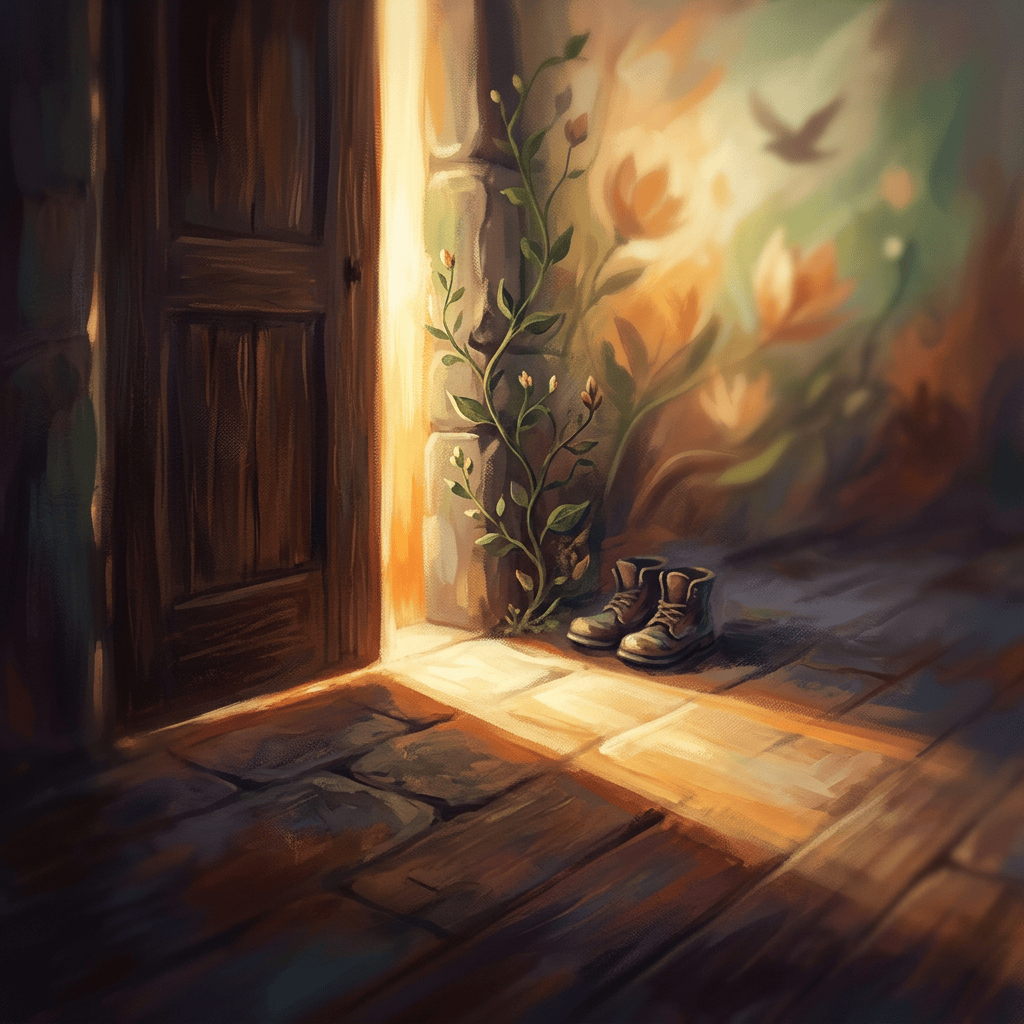
    Hopeful open doorway casting golden light

    What followed was not a sudden miracle. It was slow, uneven, and often discouraging work. There were stretches where progress looked like nothing more than better balance on a single step, or the ability to stand a few seconds longer without the room tilting. There were setbacks that made the original prognosis feel less like a prediction and more like a prophecy. Yet the recovery I have made since then keeps returning me to the same two forces: the adaptability of the brain, and the stubborn influence of what a person chooses to believe is still possible.

    I had already been given reasons to trust both. Graduating required navigating coursework and deadlines while managing a brain that sometimes processed information in fragments, that tired faster, that forgot or scrambled details other people took for granted. I finished anyway—not because the deficits disappeared, but because I learned, slowly, how to work around and through them. Writing became another version of the same practice. Putting thoughts into sentences for other people forced clarity I did not always feel internally. Each piece was a small negotiation with a mind that did not always cooperate, and yet the act of writing itself seemed to strengthen the pathways I was trying to use.

    The relationship that began online carried a similar quality of the unexpected. Distance and screens can flatten people into profiles; they can also, when the timing and the honesty align, let two people meet without some of the usual distractions. What grew from those early conversations was ordinary in the best way—shared days, disagreements, loyalty, the gradual decision to keep choosing each other. None of it required me to walk. All of it required me to keep showing up as I was, which turned out to be its own form of recovery.
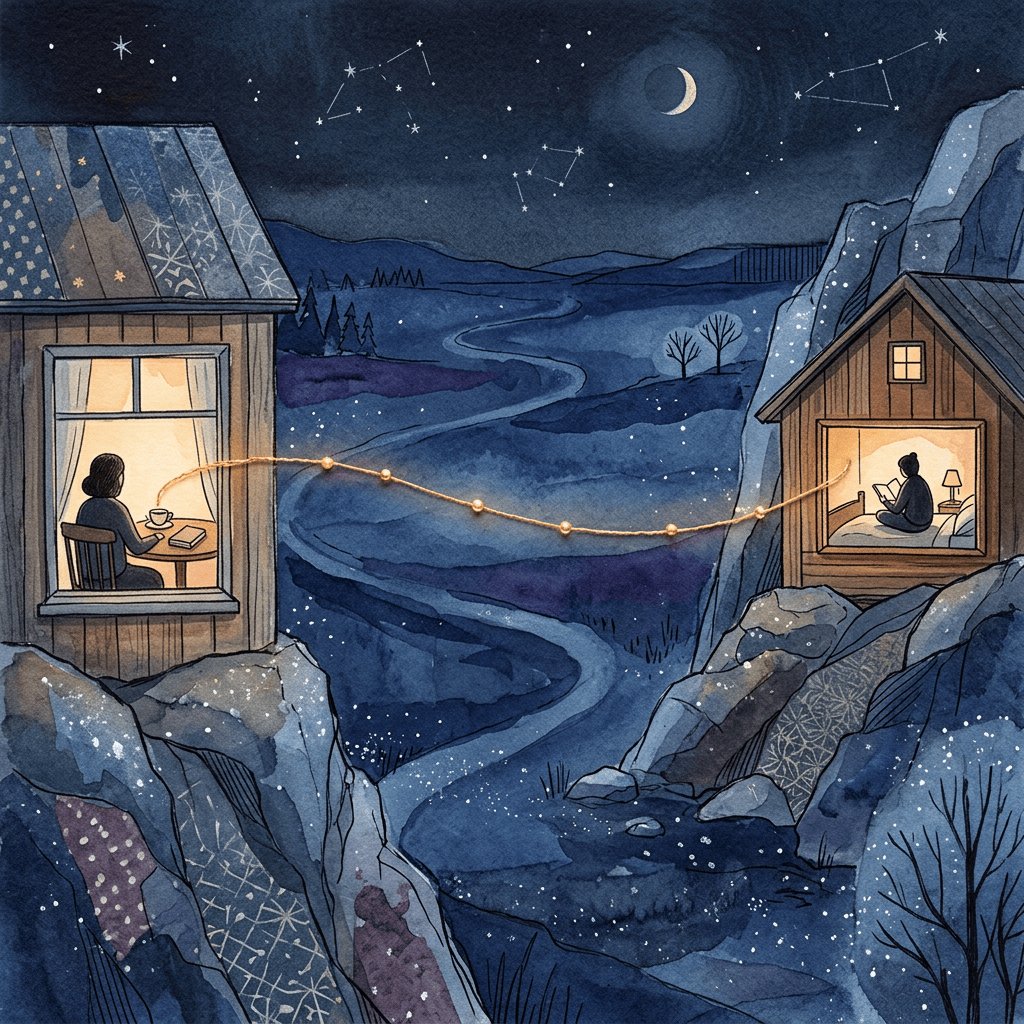
    Two spaces connected by warm light

    None of this erases the hard facts. The body still has limits. Some days the brain still feels incomplete. Belief is not a substitute for rehabilitation, therapy, rest, or medical care. What it does, in my experience, is keep the door from slamming shut on the possibility that more is still available. Neuroplasticity is real; the brain can reorganize, compensate, and sometimes reclaim functions that once seemed lost. Mindset is not magic, but it shapes how consistently a person returns to the work, how they interpret setbacks, and whether they treat a prognosis as information or as a verdict.
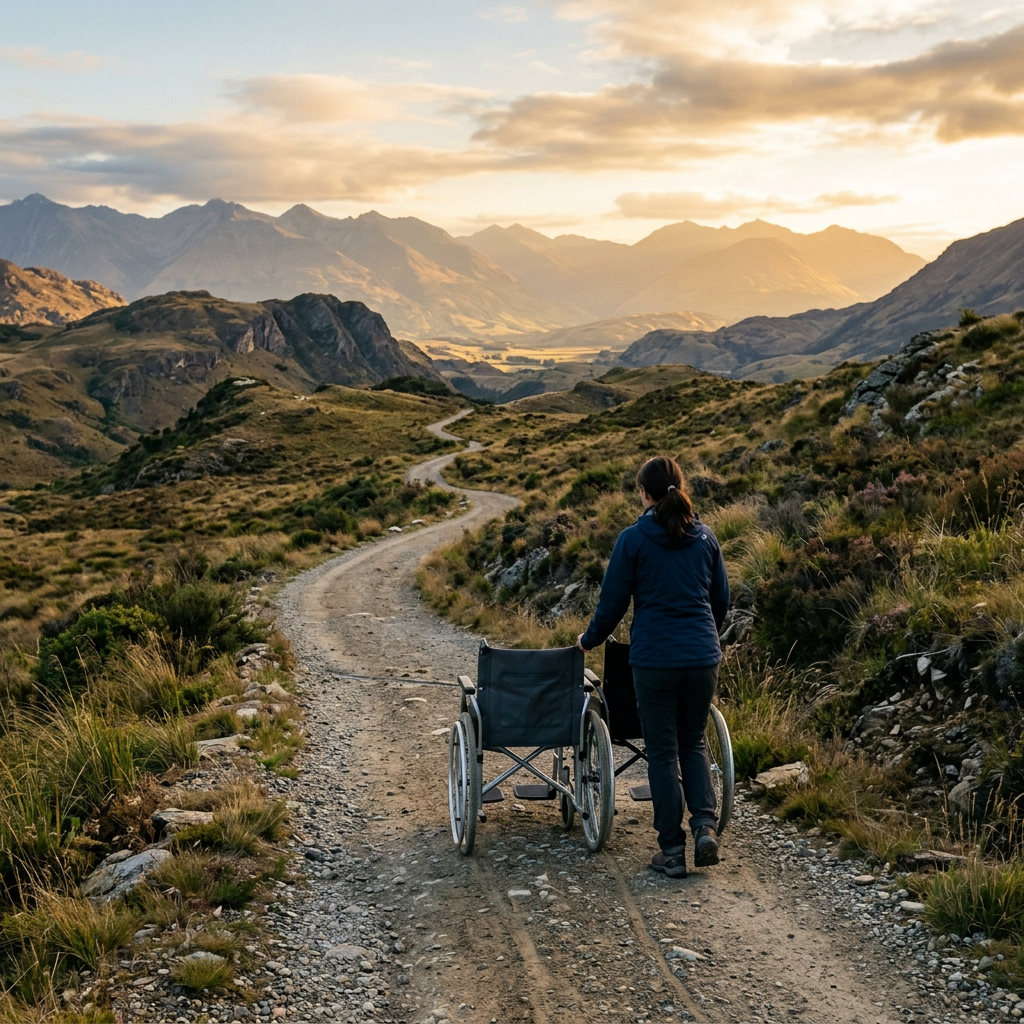
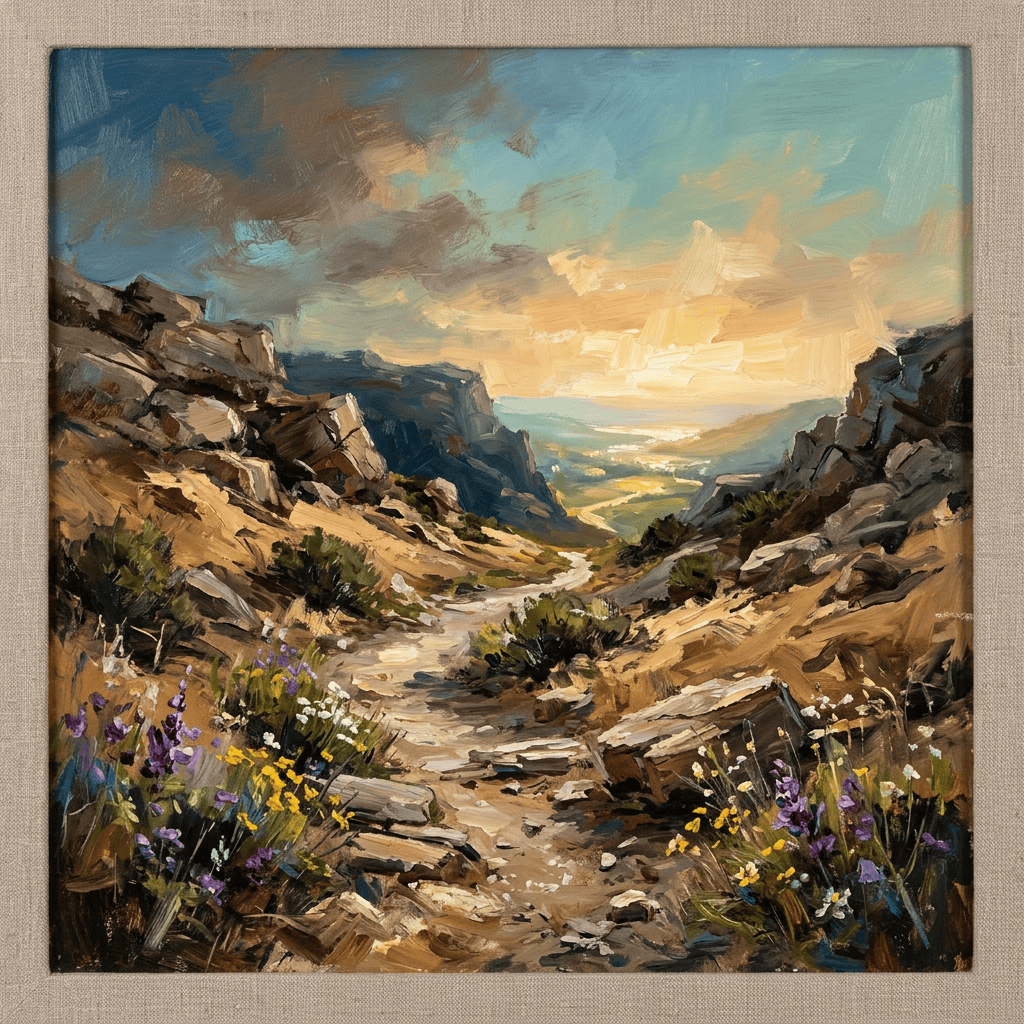
    Woman pushing a wheelchair along a rugged mountain trail at sunset
    A woman pushes a wheelchair along a rugged mountain trail beneath a glowing sunset.

    Years later, I still do not walk. But I walk better than before. Not perfectly, not always without thought or effort, but I walk. (With some help or assistance). That single fact still feels like proof of something larger than my own case. The brain is more resourceful than it is often given credit for. And what we decide to believe—repeatedly, even when the evidence is incomplete—can become part of the conditions that allow recovery to continue. I did not set out to prove anyone wrong. I simply refused to treat “never” as the end of the sentence. The rest has been a long, imperfect process of finding out what else might still be true.

  • The Real Reason We Secretly Root for the Villain

    The Real Reason We Secretly Root for the Villain

    Have you ever liked a villain more than the hero? Who and why?

    I have always preferred the villain.

    Not in the cheap, poster-on-the-dorm-wall way. Not because of the dominatrix vibes— leather looks good in low lighting— or because a monologue about destiny is more interesting than a speech about believing in yourself. I prefer the villain because the heroine keeps asking me to pretend I am someone I am not.

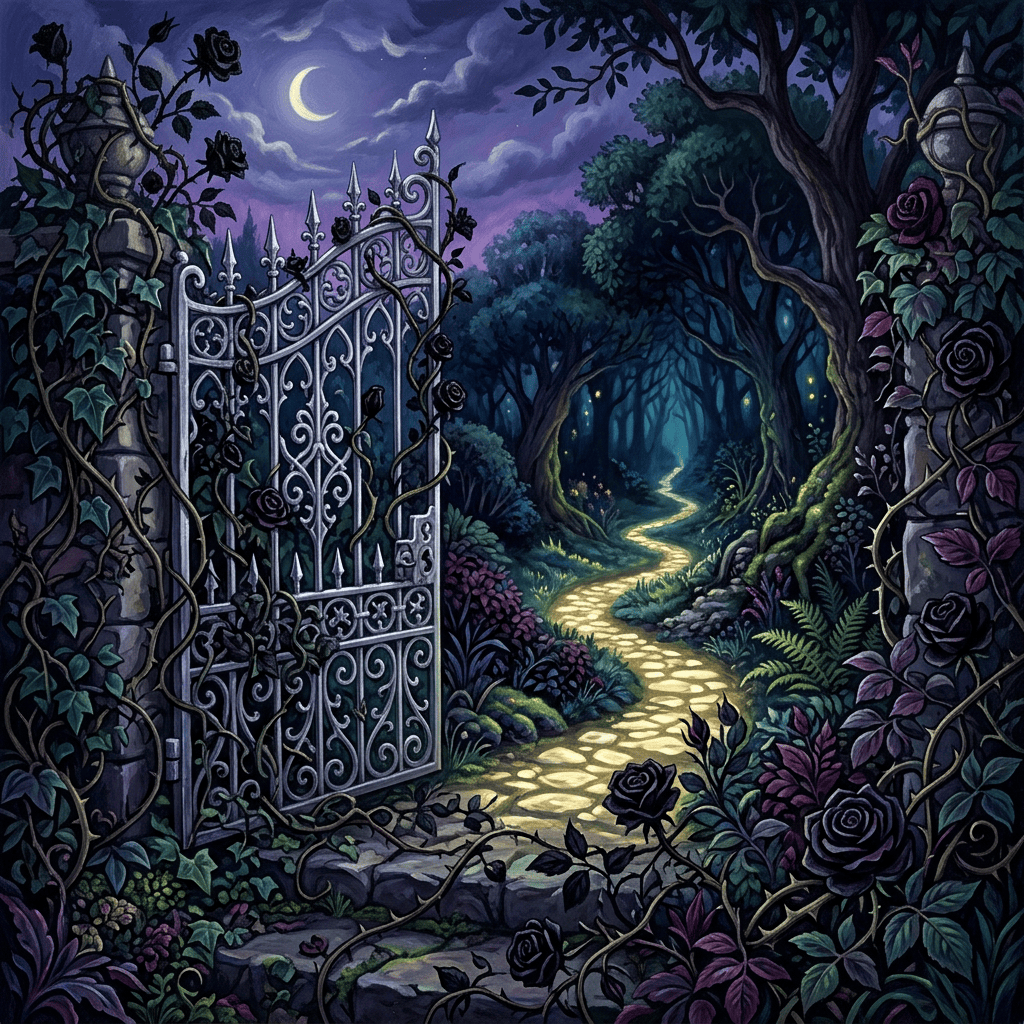
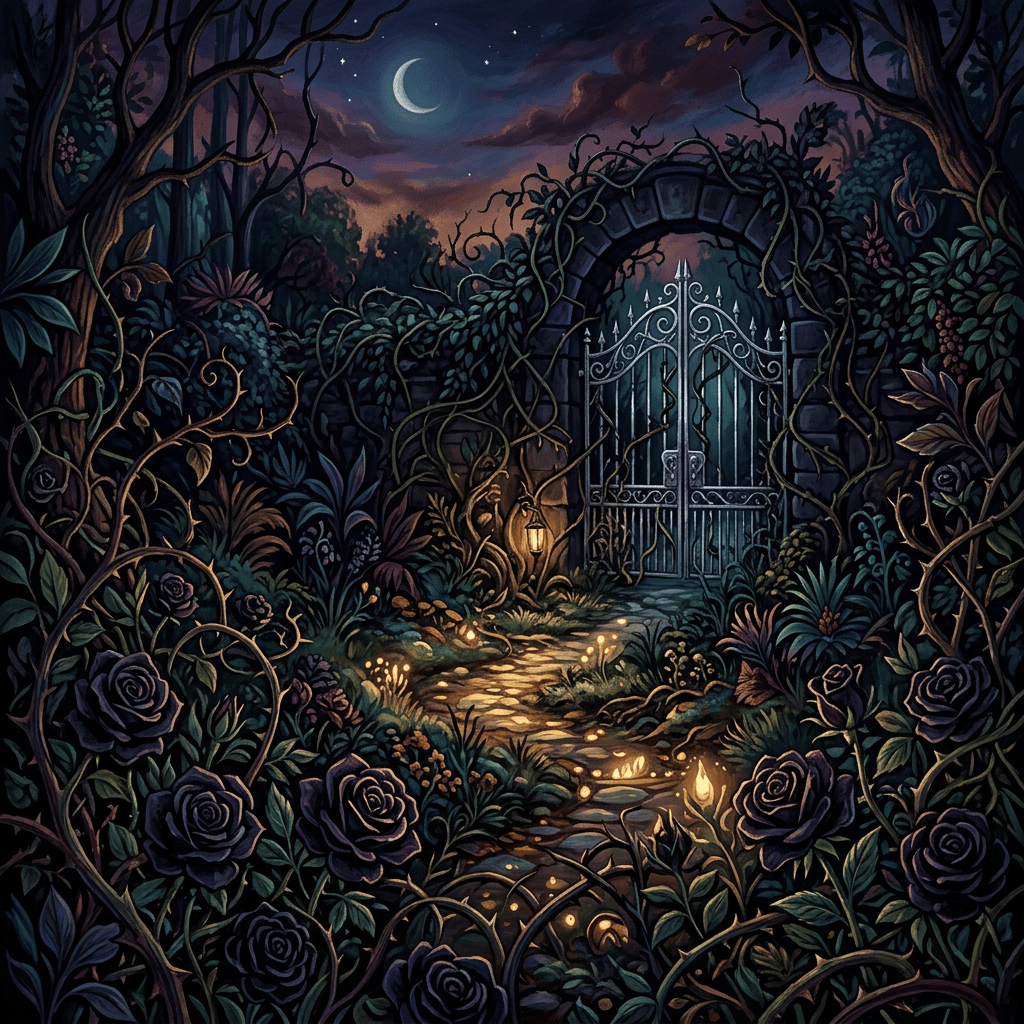
    Enchanted twilight garden with black roses

    You know the one. She sings to animals. Birds land on her finger as if they have been waiting all morning for the privilege. Mice stitch her a dress. Squirrels pause mid-scamper to receive her wisdom. She is luminous, unguarded, and permanently slightly out of breath from all the hope. My own mother talks to the squirrels we see out the window. She does it with genuine warmth, the way some people bless the mail. I would never. I watch the same squirrel, note that it is fat and opportunistic, and go back to whatever I was doing. That is the distance.

    I am, for the record, extremely optimistic. A vibes gal. I am generally whimsical. I believe in second chances, late-night plans that should not work, and the possibility that something beautiful is still unfolding even when the evidence is mixed. I am not cynical. I am just not going to perform enchantment on command. You are far more likely to find me rolling my eyes and swearing under my breath about the thing that is actually happening than composing a verse about how the forest loves me.

    Face-obscured figure in gothic candlelit library

    The classic heroine often feels like a demand. Be bubbly. Softer. Be more grateful. Be astonished by ordinary animals. Let the world rearrange itself around your goodness. The villain, by contrast, rarely asks you to lie about your temperature. They are allowed to be irritated. They are allowed to want something specific and then pursue it with unpretty competence. They notice the machinery. They do not pretend the castle is kind just because the lighting is flattering.

    That is the real seduction. Not evil. Attention.

    Heroes in the old template are frequently written as if awareness itself were a moral failing. To see the cost of the system, to name the bargain, to refuse the song—that is framed as corruption. Villains get to keep their eyes open. They get strategy. They get a private language. They get the dignity of not having to make every feeling edible for an audience of woodland creatures.

    I do not actually want to poison the kingdom. I want permission to be complicated without being recast as the problem. I want a character who can love the world and still find it faintly ridiculous. Who can be hopeful and still say, out loud, that this particular meeting, this particular speech, this particular expectation that I will melt at the sight of a deer is nonsense.

    There is a version of “relating to the villain” that is just edgelord cosplay. That is not what I mean. I mean the relief of a figure who does not require me to flatten my voice. The heroine’s sweetness is often a costume the story needs her to wear so the plot can stay simple. The villain’s sharpness is frequently just the story admitting that people have interiors.

    My optimism is not the singing kind. It is the kind that survives the eye-roll. It is the kind that swears, then keeps going. It looks at the squirrel and thinks: impressive little opportunist, truly, and also I am not having a conversation with you. That is not bitterness. That is proportion.

    So yes. Give me the one in the darker coat. Not because I want the throne (although I do). Because I want the room to be a person who can see the joke, keep the hope, and still refuse to perform a duet with the wildlife. The forest can keep its chorus. I will take the character who notices the wiring.

    Enchanted twilight garden with black roses