Tag: Healing

  • So Much For Therapy’s Deficit Model: I’m Actually Winning Right Now

    So Much For Therapy’s Deficit Model: I’m Actually Winning Right Now

    I am done pretending I need to hunt for problems like some emotional truffle pig. Therapy loves to open every session with that tired script: “What’s been bothering you lately?” or the classic “What’s on your mind today?” Like clockwork. Every. Single. Time.

    It is exhausting. Not because I am repressing trauma or whatever buzzword they are peddling this week, but because it forces you into this permanent defeatist mindset. Your brain starts scanning for cracks in life.. I used to play along. I used to dutifully excavate my worries about recovery—will my body ever feel like mine again? Will the future with my boyfriend actually stick or are we just trauma-bonded?—and hand them over like a good little patient.

    Not lately though. Lately the script flipped and I am not apologizing for it.
    I have been incredibly blessed, and saying that out loud feels almost rebellious in a culture addicted to struggle porn. My recovery is not some fragile domino set anymore; it is steady. The kind of steady where I wake up and do not immediately audit every pain like a hypochondriac auditor. My relationship? We are not just surviving—we are actually building something that does not feel like it is one bad night away from collapsing. He promises me the world and I hold him to it. We are laughing more than we are spiraling. Wild concept.

    And then there was Friday.

    I met my friend at that little corner café—the one with the ketogenic goodies. She has not seen me in a couple months, but she was the only one I met with post-stroke-we reconnected in 2015– when I was still drooling all over the place and pissing myself. She has since divorced, remarried, birthed two children and dominated the business world.

    I just smirked and ordered my usual. Because, my own glow-up is also real. And yes I owe it mostly to him— making me less self-conscious about my body and showing me how I can be loved just by being me. Unfortunately, my entire existence has been riddled with the feeling that I am somehow “not good enough” (read more about that here and here). Enter him. My boyfriend. My knight in shining armor. Skin clearer, posture straighter, that quiet confidence that does not need to announce itself with neon. Quietly improving in all aspects of life. I have been working out with actual consistency instead of performative self-punishment. Eating like I respect my body instead of bargaining with it. Dressing like I actually want to be seen. The kind of changes that happen when you stop waiting for permission to feel good.

    She kept saying I looked “different.” Lighter. Like I have shed an invisible backpack full of other people’s expectations. And she is right. I have.

    Therapy wants me to pathologize this. To poke at it until I find the hidden rot. “But what if the other shoe drops?” “Are you avoiding processing—?” Nope. I am not avoiding. I am just refusing to live in the waiting room of my own life anymore, endlessly prepping for the next disaster that might not even show up.

    This is not toxic positivity. This is pattern recognition. For once the scale is tipping toward good, and I am not going to self-sabotage by being suspicious about it . The universe finally tossed me a W streak and I am milking it. I am wearing the glow like it is my princess crown. Let the worried voices stay with the parents; I am out here collecting evidence that healing does not have to be miserable theater.

    So next time some well-meaning therapist asks what is bothering me, I might just lean back, smile like the villain who won, and say:

    “Nothing. For the first time in forever, absolutely fucking nothing. Next question.”

    The glow-up is not just skin-deep. It is systemic. And I am not going back to deficit mode just to make the session notes sound productive.

    Stay winning.
  • Down Under Dreams: My Wild Teenage Adventure in Australia with People to People

    Down Under Dreams: My Wild Teenage Adventure in Australia with People to People

    At fifteen years old, I stepped off a plane into a world that felt like it had leaped straight out of a National Geographic. The air was warmer, drier, and carried the faint scent of eucalyptus. I was part of the People to People Ambassador Program, a life-changing opportunity that took a group of wide-eyed American teens halfway around the globe to Australia. What started as a simple cultural exchange trip quickly became a whirlwind of big-city glamour, rugged outback exploration, family-style homestays, and the kind of teenage chaos that only happens when you are far from home and the usual rules do not quite apply (the innocent kind though, not really what we see on teenager television shows).

    Our itinerary was perfectly balanced between urban sophistication and raw Australian wilderness. We bounced between the gleaming harbors of Sydney and Melbourne and endless stretches of red earth in the outback. Long bus rides became our moving classrooms—hours spent watching the landscape shift from bustling streets to golden grasslands. We stayed with local families who opened their homes (and hearts) to us, sharing meals, stories, and glimpses into everyday Aussie life that no guidebook could ever capture.

    Sydney hit me like a fever dream. The iconic Opera House rose like white sails against the sparkling harbor, its curves even more breathtaking in person than in any photo I had seen. We toured the Olympic facilities from the 2000 Games, walking through stadiums that once echoed with global cheers. I remember standing there, imagining the roar of the crowd, feeling tiny yet somehow part of something enormous.

    But beneath the excitement, I carried a heavy secret. This was the year after I started high school, and the pressure to look and be “perfect” had already taken root in my mind. Australia felt like the ultimate reset button—a chance to reinvent myself far from judgmental eyes back home. Before the trip even began, I emailed the volunteer chaperones with a carefully worded note: I would not be eating much, and they should not worry about me. Looking back now, it breaks my heart to think of that determined, insecure fifteen-year-old girl trying so hard to control the one thing she could in a brand-new country.

    On those long bus rides, packed lunches were handed out like clockwork—sandwiches thick with deli meats, crisp chips, and sweet treats. I would politely unwrap mine, eat only the apple, and quietly put the rest aside. The volunteers were kind, but I could feel their concerned glances. During our homestay in Melbourne, the warm “mom” of the house cooked a hearty Australian meal just for us. I pushed the plate away after a few bites, murmuring something about being full. Her disappointed but understanding look still lingers with me. Food became both enemy and background noise while the real adventure swirled around me.

    Of course, no trip at fifteen would be complete without plenty of youthful mischief. I flirted shamelessly with the boys in our group—stolen glances across bus aisles, whispered jokes during tours, and that electric buzz of first crushes amplified by the freedom of being overseas.

    The Australian sun, however, showed no mercy. Wanting to be perfect meant that I wanted golden skin. I ended up severely sunburned. My skin turned lobster-red, peeling in painful sheets for days. Lesson learned: respect the ozone hole Down Under.

    One of my biggest hurdles was begging my mother—via crackly payphone calls from a random shopping mall —to let me get my belly button pierced. I pleaded, I reasoned, I dramatically described how “everyone” was doing it. She held firm.

    Instead, I settled for a temporary tattoo from a quirky shop near the harbor. It was some butterfly design that I proudly showed off to the group. When I got home, I let everyone believe it was real, basking in the temporary cool factor before it faded in the shower. Small rebellions, big memories.

    The real soul of the trip was during our long bus tours through the outback. The landscape stretched endlessly—red dirt, scrubby bushes, and skies so vast they made you feel wonderfully insignificant. We learned about Aboriginal culture, their deep connection to the land, and the stories passed down through oldtime legends.

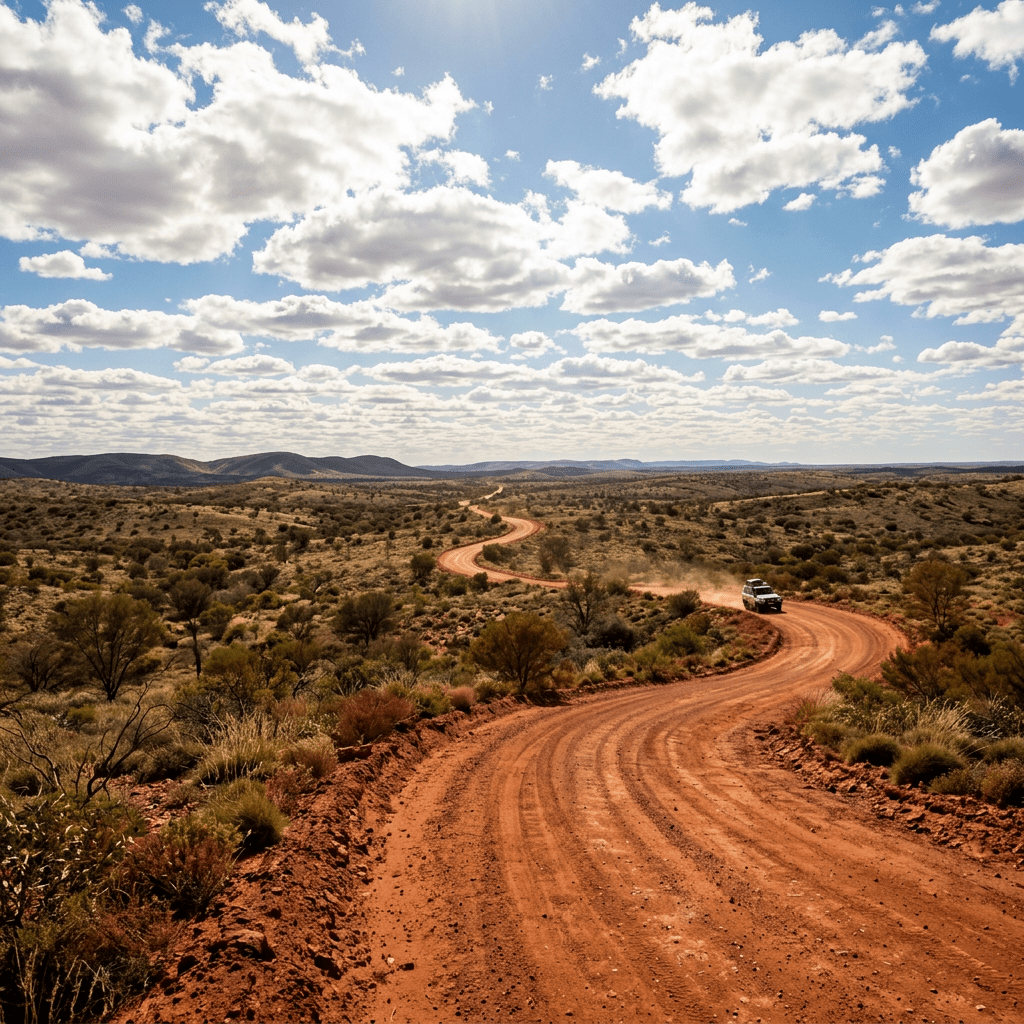
    Vehicle driving on winding red dirt road in arid outback landscape
    A vehicle traverses a winding red dirt road through arid outback terrain under a partly cloudy sky

    One unforgettable stop was a wildlife sanctuary where I finally got to hold a tiny koala. He was everything I imagined: fluffy gray fur, button eyes, and a sleepy demeanor (apparently they are constantly high from eating the eucalyptus). I beamed for the camera, arms gently cradling him. But internally? I was screaming. Those adorable little claws dug into my arm like tiny needles. Sharp did not even begin to describe it. Still, worth every scratch for that photo and the story.

    We spotted kangaroos hopping freely in the wild—elegant, powerful creatures that seemed to defy gravity. At the sanctuary, we got closer, feeding them and watching their curious faces up close. Later, in a remote outback experience hosted by Aboriginal elders, we were treated to kangaroo tail. It was an honor to share in their traditional food. The tail was tough, mostly dense muscle with very little fat or tenderness—chewy, gamey, and completely unlike anything I had eaten before. It was not about gourmet flavor; it was about connection, respect, and tasting a piece of the land itself.

    That trip to Australia did not magically fix my insecurities around food and body image. Those battles continued for years as I eventually got down to double digits on the bathroom scale. But it planted seeds of perspective. I saw a country that was both modern and ancient, vibrant and harsh, welcoming and wild. I learned that adventures are messy—full of sunburns, awkward flirtations, hidden struggles, and moments of pure wonder.

    Holding that koala, even through the pain, symbolized something bigger: sometimes the cutest, most picture-perfect experiences are actually concealing something painful. Pushing away plates did make me feel more in control; but it also made me miss out on shared meals and hospitality. The temporary tattoo washed off, but the memories never did.

    Years later, I look back on that fifteen-year-old girl with compassion. She was brave enough to travel across the world, curious enough to embrace new cultures, and human enough to make mistakes. Australia taught me that life is best experienced fully—sunburns, sharp claws, kangaroo tail, and all.

    If you ever get the chance to say yes to an adventure that scares and excites you, just do it (like Nike!). Whether it is Australia or somewhere closer to home, the outback of your own growth is waiting.

  • The Faux Pas of Following the Script in Life

    The Faux Pas of Following the Script in Life

    Faux pas.

    Literally, it means “false step” in French—like you tripped over your own feet in the middle of a crowded ballroom and everyone turned to stare. In American English, we have borrowed the term to describe any social blunder, any tiny (or not-so-tiny) violation of the invisible rulebook that supposedly keeps society running smoothly. Say the wrong thing at a dinner party. Wear white after Labor Day. Ask a woman when she is expecting … when she is not actually pregnant. Boom. Faux pas. Social death.

    The phrase has always fascinated me because it is so perfectly French in its elegance and so perfectly American in its judgment. It sounds sophisticated, almost romantic—but really it is just polite code for “you messed up and now everyone’s secretly judging you.”

    And that got me thinking.

    Why are we so obsessed with these invisible lines? Who drew them? Who keeps redrawing them every few years? And why does the mere idea of being told how I am“supposed” to behave in any given situation make my skin crawl and my inner rebel kick into overdrive?

    I have never been good at following scripts. Not in recitals, not in job interviews, and definitely not in the grand theater of adult life. The older I get, the more I realize that a huge chunk of my personal growth has come from deliberately stepping on the lines everyone else is so busy tiptoeing around. Not out of spite (okay, sometimes out of spite), but because performing for an invisible audience feels like slow suffocation.

    Let me give you an example. My lack of job or career. My relationship and its status.

    Translation: Sweetie, that’s a faux pas. You’re supposed to say you are a “marketing coordinator” or “nurse practitioner” or anything that sounds like you have a 401(k) and a five-year plan.

    And: He is suppossed to choose you immediately. You should live together, get married and become a family, like everyone else…

    Because apparently everyone is the same and has the same path in life.

    Stability is overrated when you are busy living the life you actually want. And I want to be his 100%.

    That moment I am told how to live my life is never about being rude. It is all about refusing to shrink myself into the neat little box labeled “Acceptable Adult Woman.” Society has a whole collection of those boxes—career boxes, relationship boxes, body boxes, personality boxes—and they all come with instruction manuals disguised as “just common sense” or “what everyone does.”  News flash: most people do not even have any sense whatsoever (so it is not really that common). 

    Here is the thing I have learned the hard way: those expectations are not there to protect us. They are there to keep things comfortable. Comfortable for everyone else. Predictable. Easy to categorize. If I follow the script—get the degree, land the safe job, marry at the right age, have the right number of kids, post the curated vacation photos, never admit I sometimes cry in my shower—then nobody has to feel awkward. Nobody has to question their own choices. The machine keeps humming.

    But what if the machine is boring? What if the script was written by people who were terrified of their own shadow? What if “fitting in” is just another way of saying “quietly dying inside”?

    I am not advocating for chaos. I still say please and thank you. Basic decency is not the enemy. The enemy is the quiet tyranny of “this is how it’s done” when “it” no longer fits who you actually are.

    I hate being told what to do because I spent too many years doing exactly that and waking up wondering whose life I was living. I hate performative expectations because they turn human connection into a performance review. And I especially hate the way media has turned every single faux pas into a public execution. One off-color political joke, one long distance relationship, one honest opinion and suddenly you are struggling to get followers on social networks.

    The irony is that the people quickest to call out faux pas are often the ones most trapped by them. They are not free; they are just better at pretending.

    So here is my quiet rebellion: I am going to keep committing the occasional faux pas. Not the cruel ones—never those—but the ones that come from refusing to edit myself for other people’s comfort. I am going to wear the “wrong” outfit, say the “wrong” thing at the “wrong” time, and build a life that looks messy and inconsistent and deeply, unapologetically mine.

    Because the real false step is not tripping over some arbitrary social rule.

    The real false step is spending your whole life walking someone else’s path so carefully that you forget how to walk your own.

    And relearning how to walk has taught me that:  I would rather stumble forward in my own Yeezys than glide perfectly in someone else’s shoes. 

  • The Rise of Comfort: Embracing the Free-Bra Movement

    The Rise of Comfort: Embracing the Free-Bra Movement

    Remember when getting a bra that actually fit felt like a sacred, slightly humiliating pilgrimage? We would trek to the mall, hearts pounding, ready to surrender our bare chests to a stranger armed with nothing but a measuring tape and a clipboard. Victoria’s Secret was not just a store—it was a temple. And the goddess was that perfectly coiffed sales associate with the tape dangling around her neck.

    You would stand there in a tiny fitting room that smelled faintly of vanilla candles and desperation, arms raised while she poked, prodded, lifted, and adjusted. “Okay, honey, breathe out… now inhale… A cup? Or is that a B on a heavy day?” Brassiere itself sounds like industrial equipment. We endured it all for the promise of “lift and separation,” for the illusion of perfect, perky cleavage that could launch a thousand thirsty glances in high school. We contorted our bodies, sucked in our stomachs, and prayed the underwire would make us look like a goddess instead of committing war crimes on our young teenage bodies.

    Those were the days.

    Fast-forward to now, and the entire ritual has collapsed. I do not even think most women under 36 could tell you their real bra size if you held a gun to their head. We have collectively ghosted the fitting rooms. The measuring tape is an old relic only used by the boys now. Victoria’s Secret angels? Still gorgeous, but we are no longer buying what they are selling—literally.

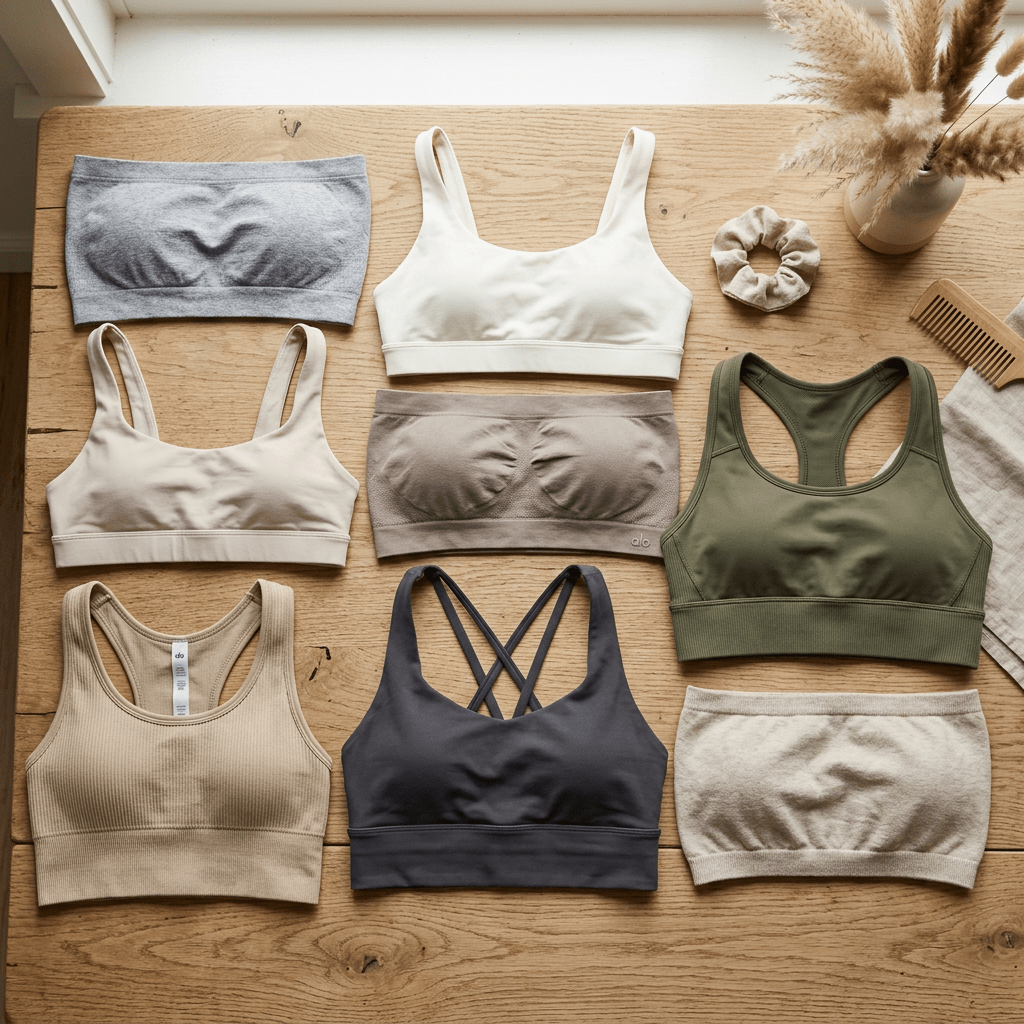
    Instead, we are out here living our best soft-girl lives in cute little bandeaus, buttery-soft sports bras, and those barely-there bralettes that feel like a gentle hug from a cloud rather than a structural engineering project. No more wires digging into our ribs (I have a large ribcage!) like medieval torture devices. No more adjusting straps in public like a nervous tic. We are free-boobing it through Zoom calls, grocery runs, and yes, even date nights if the vibe is right (plus, my man enjoys my itty bittys).

    Let’s be real—this shift is not just about laziness. It is a quiet revolution.

    Society spent decades telling us our boobs needed to be contained, supported, weaponized. Push-up bras. Minimizer bras. Convertible bras with more hooks than a slasher film. We bought into the lie that comfort was secondary to looking “put together.” All for the boys to pay attention to us. That a proper lady had to have everything strapped down and presented like gift-wrapped perfection.

    Then came the pandemic. Sweatpants became uniforms. Loungewear went mainstream. And suddenly, we realized something revolutionary: our boobs do not actually need constant structural support to be valid. They are not structural hazards waiting to collapse. They are just… there. Soft, warm, part of us. And when we stopped squeezing them into unnatural shapes for eight hours a day, the world did not end. In fact, it got better. For me, nothing changed whether there was a pandemic or not. So I was free- boobing before it was “cool”.

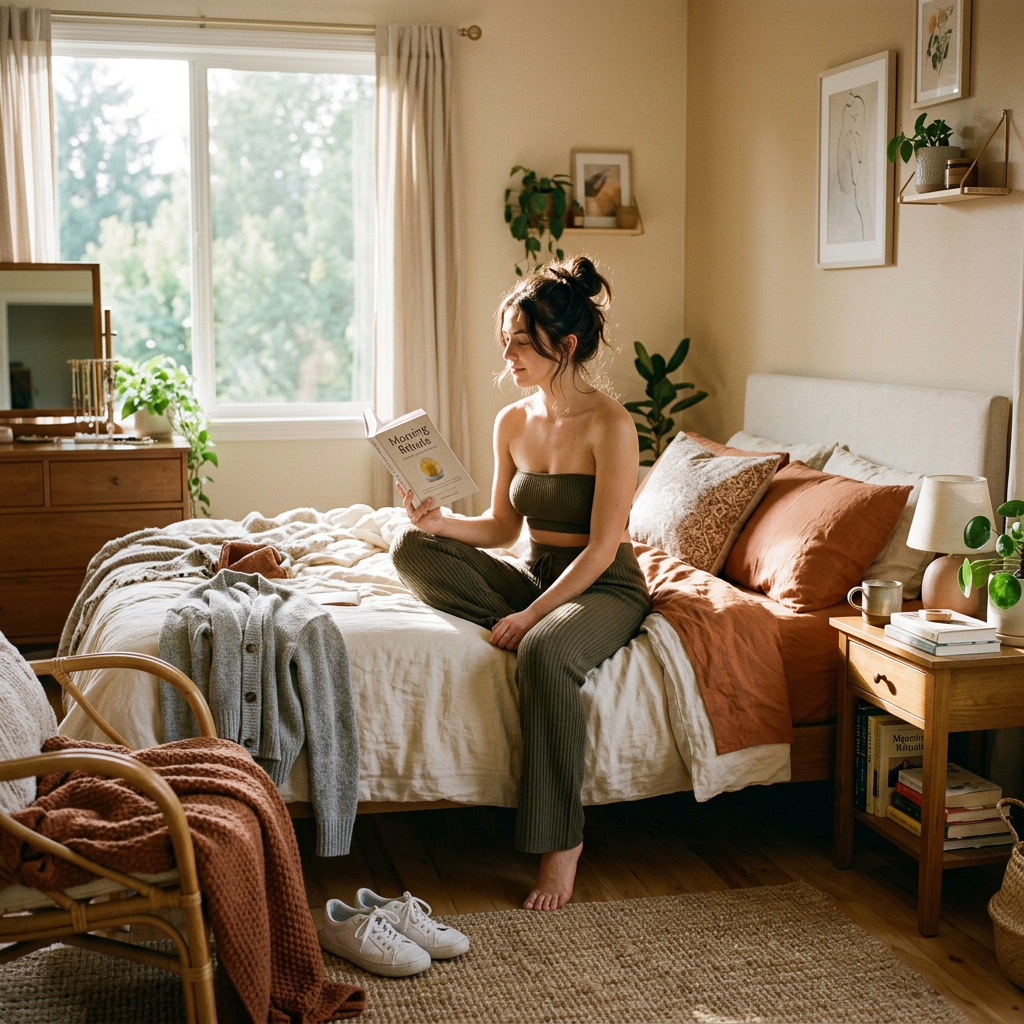
    Woman sitting cross-legged on bed reading a book in cozy bedroom with natural light
    A woman enjoys a quiet morning reading a book in a sunlit bedroom.

    We discovered the joy of the bandeau—that rebellious little tube top that says, “I’m cute, I’m comfy, and I’m not apologizing for jiggle.” Sports bras that handle actual movement without turning us into armored tanks. Wireless wonders that whisper sweet nothings like, “Girl, breathe.”

    And let us talk about the knowledge gap. Ask a group of women their bra size today and watch the panic. “Umm… medium? Whatever fits” We have stopped obsessing over the numbers because the numbers were always a scam anyway. Bra sizing is notoriously inconsistent across brands. One store’s 32C is another’s 34B. It was all smoke, mirrors, and marketing.

    Ditching the heavy-duty bra is not just about comfort. It also is about reclaiming ownership of our bodies in a world that has long tried to dictate their shape, size, and presentation. I personally prefer being on the Itty Bitty Titty Committee , but advertisements and media companies love to shove triple Ds and Sydney Sweeney in my face…

    We are done performing for the male gaze with engineered cleavage. Done pretending that underwire equals empowerment. The free-boob movement—yes, I am calling it that—feels like the only level of body positivity I accept. It says: my breasts do not need to be edited, lifted, or minimized to be worthy.

    Of course, not everyone is on board. Older women clutch their pearls. The fitness bros complain about the materials in said bras. Some days even I miss the old sculpted look, but mostly I love sliding into a soft bralette and feeling like my natural body is enough.

    We traded poking and prodding for stretchy, breathable freedom. And I do not think we are going back.

    So next time you catch yourself reaching for that lacy, restrictive contraption out of habit, ask yourself: Do I really need this? Or am I just performing femininity from 2007?

    Throw on the bandeau. Rock the sports bra. Let them breathe.

  • Lessons from Dogs: Unconditional Love and Healing

    Lessons from Dogs: Unconditional Love and Healing

    I have never been much of a people person. Crowds exhaust me, small talk feels like a chore, and I have always found it easier to connect with animals than with most humans. But dogs? Dogs have been my constants, my comforters, my chaos-makers, and my greatest teachers in love. From the high-energy terriers of my childhood to the massive guardians who came later, each one has left paw prints on my heart—some gentle, some chaotic, and a few that healed wounds I did not even know were bleeding.

    Our first dog arrived when we moved to America: Visa, a spirited Jack Russell Terrier. She was pure gasoline wrapped in a small, wiry body—endless energy, boundless affection, and an ability to produce litters of adorable puppies every few years. We sold those puppies, but keeping Visa was never a question. She was family. She lived with us until my senior year of high school, long enough to see me through the awkward years with her wagging tail and zoomies that could clear a room.

    Then there was Boy, our gentle giant Rottweiler. He was the ultimate teddy bear—massive, sweet, and protective in that quiet, soulful way Rottweilers can be. Losing him to choking on a golf ball felt like losing a piece of the family in a cruel way. I still remember the heavy silence in the house after he was gone. He was replaced by Toby— a Pitt Bull who was also a sweetheart of a burly dog. He died of cancer as my family and I were in Cuba– one year before I got sick.

    In high school, I went through a full Paris Hilton phase. You know the one—tiny dog in a designer carrier, strutting like it was a runway. In order to properly cosplay, I begged my parents relentlessly until they surprised me with Gucci, a toy Maltese so small and fluffy he looked like a living stuffed animal (I did not want a chihuahua-like creature). He rode proudly in his carrier as I paraded him around, living my best Y2K celebrity fantasy. Gucci was my accessory and my buddy.

    But college changed everything. When I left for school, my mother “babysat” him, and by the time I returned, he was a completely different dog—yappy, spoiled, and obsessed with spinning in circles for treats. The quiet cuddles we once shared were replaced by constant begging and zoomie demands. I loved him, but it was a lesson in how dogs absorb the energy of their environment.

    While I was away at university, my parents brought home Max, an Argentinian Mastiff built like a tank. He was… a character. He growled at me whenever I tried to lie down on my childhood bed and he had expensive taste—specifically, my mother’s designer shoes. Our relationship was tense at best.

    Then came the day the wheelchair van dropped me off from the hospital after the stroke. As soon as the door opened, Max made his great escape. He bolted and never looked back. Respect. Even the big tough dog knew when it was time to hit the road.

    Not long after, my father brought home a Cane Corso puppy from Oregon that we named Polo. From the moment he entered our lives, we clicked. By then I was navigating life as a disabled young woman, and Polo only ever knew me that way. He did not see limitations—he saw his person. We became inseparable. He would lean his solid, muscular body against me for support (both literal and emotional), and his calm presence grounded me on the hardest days.

    Losing Polo in 2018 shattered me. My friends had drifted away as my health changed, and I felt profoundly alone. Polo’s death left a hole that nothing else could fill. I was heartbroken in a way I still feel echoes of today. He was not just a dog; he was my solace, my companion through isolation, and proof that unconditional love can come with fur and a wet nose.

    A couple years later, my parents rescued Xena from a trailer park nearby. An Anatolian Shepherd. She was scruffy, wild, and full of attitude. I could not stand her. I would lovingly (or not-so-lovingly) call her “Trash” and physically squirm away whenever she tried to get close. She was too much—too… everything.

    Then, a year later, they brought home Zorro, a Black Russian Terrier puppy. I was instantly smitten. He was tiny, ridiculously cute, and fit perfectly in my lap. I met him over FaceTime with my boyfriend, who watched my face light up and immediately got on board with the new puppy fever. Zorro was pure joy in a fluffy black coat.

    When my boyfriend finally met the whole crew in person, something magical happened. He fell in love with Xena—the dog I had written off. He played with her, doted on her, and treated her like the treasure she actually was. Seeing his genuine affection for my “Trash” dog melted every wall I had built. Suddenly, I saw Xena through new eyes. Now, on lonely days, I find myself talking to her. Her kind eyes see deep into my soul. She has become a source of comfort I never expected.

    Zorro, of course, grew into a massive, still-adorable giant. He is a total mama’s boy these days and mostly ignores me in favor of my mother. That is okay—dogs get to choose their favorites too.

    Looking back across Visa, Boy, Gucci, Max, Polo, Xena, and Zorro, I realize dogs have been consistent relationships in my life. They do not care about social performance or perfect health. They meet you where you are—whether you are a high schooler dreaming of Paris Hilton fame or a disabled woman learning to rebuild her world.

    They have brought chaos (puppies, chewed shoes, runaway Mastiffs), heartbreak (medical incidents, cancer, putting down beloved companions), and healing (lap-sized puppies and unexpected second chances with “Trash” dogs). Through it all, they have reminded me that love does not always come from people. Sometimes it barks and teaches you that even the dogs you initially reject can become the ones you talk to when you feel alone.

    If you are not a people person either, consider this your sign: open your heart to a dog (or several). They might just turn your “Trash” into treasure—and fill your life with more loyalty and laughter than you ever thought possible.

  • The Power of Positive Thinking on Health

    The Power of Positive Thinking on Health

    A positive mindset does not just make you feel fuzzy and motivated. It straight-up rewires your biology, dials down inflammation, cranks up your immune system, and turns everyday movement into fat-burning rocket fuel.

    A negative mindset is slow-motion poison. It floods your veins with stress hormones, tanks your recovery, packs on visceral fat, and basically programs your body to break down faster.

    This is no woo-woo Instagram spirituality. This is hard science meeting cold, hard reality. And yeah, I am saying it loud because I have lived the nightmare version.

    I truly believe the reason I am sitting here in my current health status—in a wheelchair and the use of only one arm—is because for years I viewed myself and my life like absolute garbage. I woke up every day expecting the worst, replaying every failure on loop, and treating my body like it was already doomed. Surprise: it started acting doomed.

    The Brutal Science: Your Brain Is Running the Show Whether You Like It or Not

    Your thoughts are not cute little clouds floating in your head. They are chemical commands. Sugar coating this fact is keeping people sick. 

    Every time you think “I’m such a worthless piece of shit” or “Nothing ever works out for me,” your brain hits the panic button. Cortisol and adrenaline spike. Inflammation skyrockets. Your immune system gets told to stand down. Sleep quality tanks. Cravings for junk food go nuclear because your body is now in survival mode, hoarding energy (calories).

    Chronic negative mindset is not“just stress.” It is a physiological wrecking ball [enter Miley Cyrus “Wrecking Ball”]. Studies show people who marinate in pessimism have higher rates of heart disease, slower wound healing, weaker immune responses, and even faster cellular aging. Your telomeres—the protective caps on your DNA—literally shorten faster when you are stuck in doom-scroll mode.

    Flip it around, like a pancake: shift to a positive, resilient mindset and the opposite happens. Blood pressure drops. Recovery speeds up. You actually enjoy moving your body instead of dragging yourself through workouts like punishment. Inflammation cools off. Your gut stops revolting. Hell, even the placebo effect proves it—people who believe a sugar pill will fix them often get real, measurable improvements because their brain buys in and starts the repair work.

    The nocebo effect is the evil twin: tell someone a harmless thing will make them sick and watch their body obey. Expectation is that powerful. Your mindset is not a passenger—it is the driver.

    I used to roll my eyes at this stuff. “Yeah, sure, just think happy thoughts and your autoimmune issues vanish.” But the data does not lie, and neither does my mirror. I spent years in that negative spiral, and my body paid the bill.

    Look, I am not here to play victim. I am just here to own it.

    For the longest time I looked at myself and saw failure. “Too broken to fix. Too tired to try. Life’s already screwed me, why fight it?” I would stare at my reflection and pick apart every flaw, every pound, every missed workout. I would doom-scroll through other people’s perfect lives and feel physically sick with envy and resentment. That is one reason why I deleted all of my social media.

    That constant inner monologue was never harmless. It was a full-time job for my stress response. My sleep turned to garbage. My digestion went haywire. I gained weight— more than doubled it—because my body was too busy pumping out cortisol to let any real healing or fat-burning happen.

    I genuinely believe that is exactly why I am in the health spot I am in right now. The mindset that I have been carrying around throughout this life. So it was not one bad year. Not “bad luck.” It was years of treating myself like I did not deserve better. Years of expecting my body to fail because that is what I kept telling it.

    And the craziest part was that once I started calling myself on that toxic bullshit, things began to shift. Not overnight fairy-tale magic, but measurable changes. Energy crept back. Cravings got quieter. My body started responding to the same workouts and meals that used to do nothing.

    Thus. your mindset is not just affecting your health—it is the architect of it.

    A positive mindset does not mean pretending everything is sunshine and rainbows while your life burns down.

    That is toxic positivity and it is just as damaging. Real positive mindset is gritty optimism: “This sucks right now, but I’m capable of handling it and coming out stronger.” It also is hope. How I approach Boston Sports. It is choosing to see your body as an ally that has been waiting for better instructions, not an enemy that is out to get you.

    People with this mindset move more because exercise stops feeling like torture and starts feeling like investment. They recover faster because they are not marinating in self-sabotaging thoughts. Their immune systems stay online. Their hormones chill out. Even food tastes better and digests better when you are not eating it with a side of guilt and shame.

    Alia Crum’s Stanford research proved it in real life: hotel housekeepers who were told their daily grind counted as exercise suddenly dropped weight, lowered blood pressure, and improved body composition—without changing a single thing about their routine. Same work, different story in their heads. Same bodies, different outcomes. Mindset flipped the switch.

    That is not motivational poster nonsense. That is biology bending to belief.

    The Bottom Line: Your Mindset Is Either Medicine or Poison—Choose

    I am not claiming positive thinking cures everything. You still need sleep, real food, movement, and actual medical care when shit is broken. But your mindset is the multiplier. It decides whether those things work for you or against you.

    I believe—deep in my bones—that my own health turnaround started the day I stopped viewing myself as a lost cause and started viewing myself as worth the fight. My body is finally listening.

    Stop feeding the negative loop. Start rewriting the story. Your body is waiting for new orders.

  • Peptides: The Biohackers’ Secret to Recovery and Longevity

    Peptides: The Biohackers’ Secret to Recovery and Longevity

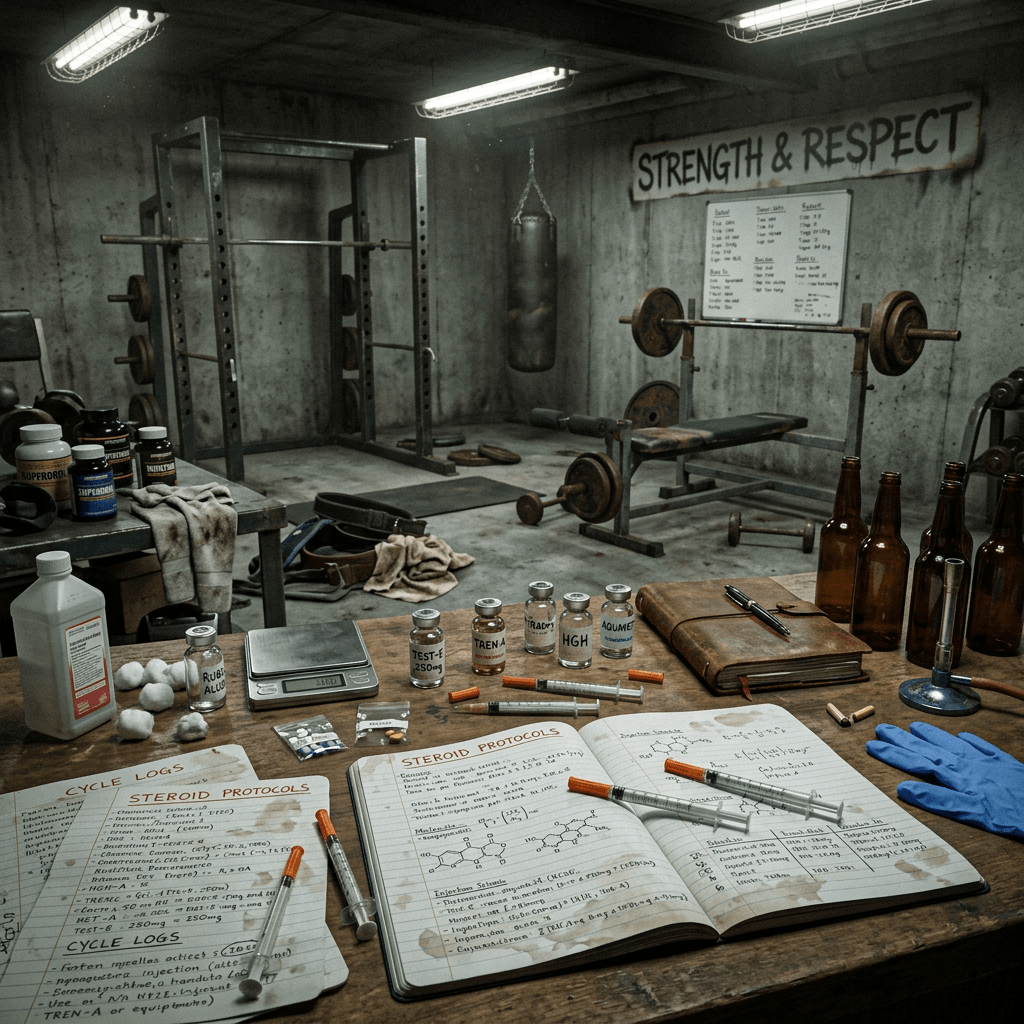
    While the normies are out there grinding away on treadmills, choking down kale smoothies, and begging their physicians for another round of statins like good little compliant cattle, a shadow economy of peptides is rewriting the rules of human performance, recovery, and even mortality. These are not your grandma’s collagen powders from the health aisle. These are lab-synthesized chains of amino acids that tell your body to stop acting like a broken-down car and start performing like a war machine.

    Peptides are short protein fragments. Sounds boring until you realize they are the cheat code Big Pharma and the supplement bros both desperately ignore. One side calls them “research chemicals” to cover their asses. The other side pretends they do not exist because they cannot patent the fountain of youth and sell it for $200 a pill. All while I call them the middle finger to aging, injury, and the slow, pathetic decline we are all supposed to accept.

    Proteins are the big, lumbering construction workers of your body. Peptides are the snipers—tiny, precise signals that flip switches in your cells without the bureaucratic bullshit. Your body makes thousands of them naturally, but modern life—stress, seed oils, blue light, and whatever microplastic cocktail we are all marinating in—has turned those signals into static.

    Inject, swallow, or slap on a cream version of the right peptide, and suddenly your body gets very specific instructions: “Heal faster.” “Burn fat like it is 1999.” “Grow more muscle while you sleep.” “Don’t die of inflammation.”

    This is no bro-science. It is cold, hard biochemistry that has been weaponized by biohackers, athletes, and the kind of rich weirdos who treat their bodies like experimental Ferraris. The FDA hates it because they cannot control the narrative. Your local gym rat loves it because it works when creatine and chicken breast tap out.

    BPC-157 – The ultimate of the peptide world. Derived from a stomach protein Nature already solved gut health; we just stole the cheat sheet. This thing repairs tendons, ligaments, and leaky guts like it. Torn rotator cuff? BPC says “hold my beer.” People are using it off-label for everything from IBS to blown knees, and the recovery stories sound like science fiction. The side effects are the occasional “I feel too good to be legal” vibes.

    TB-500 – BPC’s partner in crime. Promotes actin production, which basically means your cells rebuild tissue at warp speed. Bodybuilders swear by it for nagging injuries that would normally sideline them for months. It is like giving your body a “factory reset” button for damage control.

    CJC-1295 + Ipamorelin stack – The growth hormone secret without the full roid rage or the $10k-a-month bill. These  trick your pituitary into pumping out more of your own natural GH. Result? Deeper sleep, faster fat loss, skin that looks like you sold your soul to a Korean skincare influencer. No water retention bullshit. Just quiet, clean gains that make your bloodwork look like you time-traveled back to age 25.

    Semaglutide/Tirzepatide (the Ozempic cousins) – Yeah, the weight-loss drugs everyone is suddenly on. They are peptides too. They do not just suppress appetite; they hack your entire metabolic signaling. The mainstream acts like it was some miracle breakthrough. Biohackers have been stacking peptide versions of this tech for years in the gray market, titrating doses like mad scientists while the normies pay $1,300 a month for the branded version. 

    Melanotan II – Because why settle for pale and pasty when you can look like you vacation in Mykonos year-round? Tanning, fat loss, and a libido that makes 19-year-old you look like a monk. Side effect: spontaneous boners in public. Worth it.

    And that is just the tip of the iceberg. Thymosin alpha-1 for immune hacking. DSIP for sleep that feels like a coma. The list goes on, and the underground forums are full of people turning themselves into optimized freaks while the rest of society argues about seed oils on Reddit.

    Do not pretend this is all sunshine and six-packs. Peptides exist in a legal gray zone that makes the Wild West look regulated. Sourcing them means trusting some Chinese lab or a dude in a Discord server who swears his batch is “third-party tested.” Dosing wrong can mess you up in creative ways—hormone crashes, injection site reactions, etc. 

    The medical establishment screams “dangerous and unproven!” while happily pushing antidepressants that turn people into emotional zombies. Make it make sense. The real risk is not the peptides. It is becoming so optimized that you start looking down on everyone still playing the game on difficult mode.

    We are in the middle of the great biohacking schism. One side is still preaching “eat less, move more, die at 78 with dignity” (I live by this!). The other side is quietly extending health span by decades using tools that were “experimental” five years ago. Peptides are not the endgame—they are the gateway drug to gene therapy, senolytics, and whatever longevity tech comes next.

    The elites have been on this for years. You think billionaires look 20 years younger because of kale? Please. The plebs get Ozempic commercials. The players get custom peptide stacks delivered in discreet packaging.

    You gonna keep waiting for “more studies” while your telomeres shorten? Or are you gonna do the research, find a reputable source, and start hacking the meat suit before it hacks you?

    The peptides are already here. The future doesn’t give a shit about your comfort zone.

  • M.I.L.F (Man I Love Fruit!)

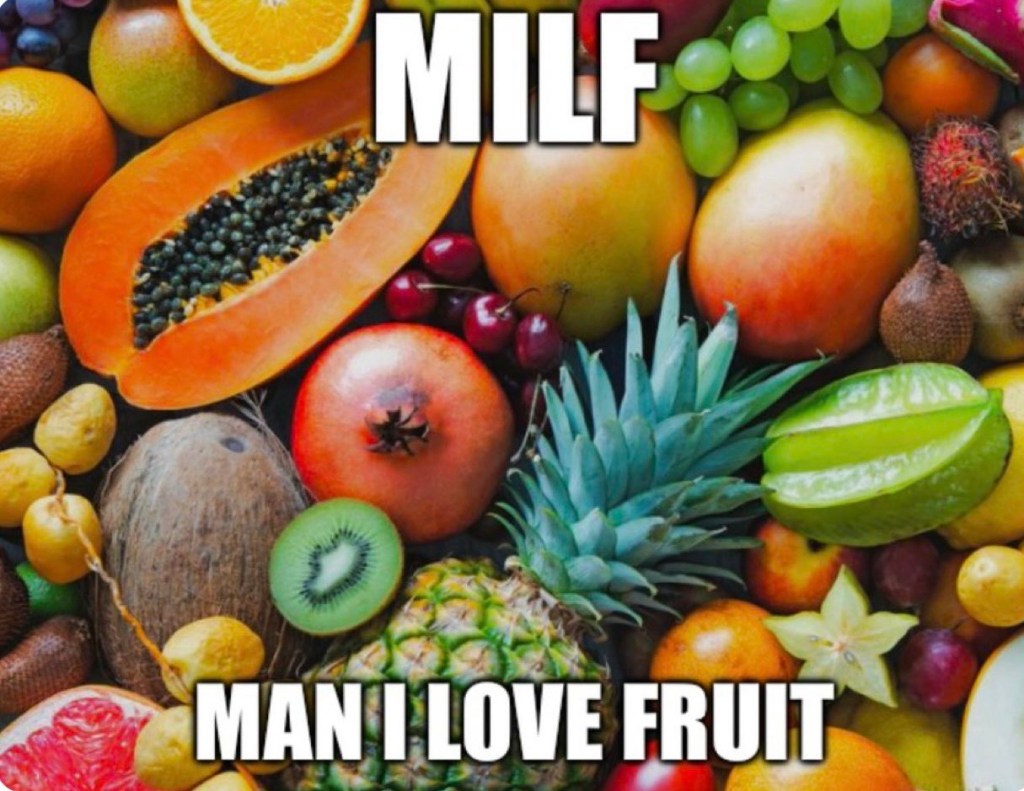
    M.I.L.F (Man I Love Fruit!)

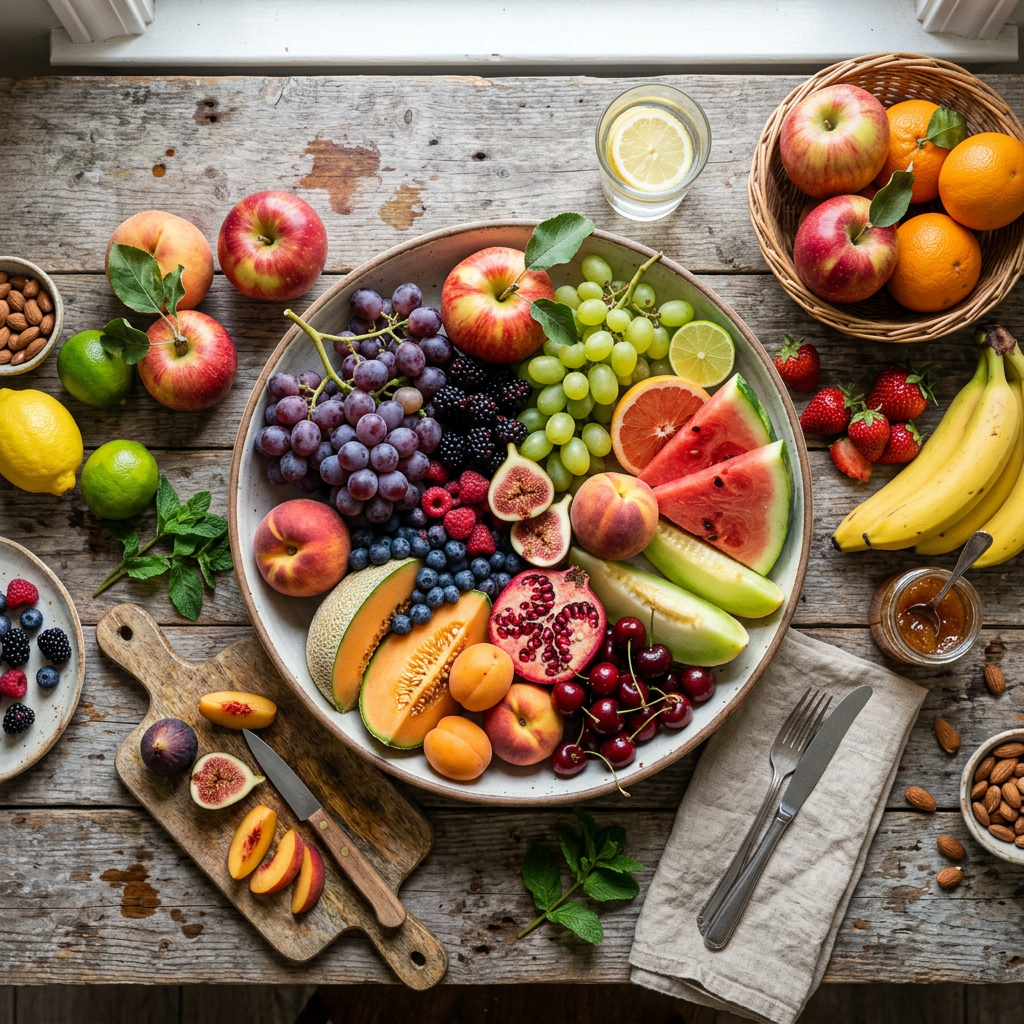
    I adore the sharp, explosive taste of real fruit. Not that syrupy canned bullshit or sad mealy apples from the back of the fridge — I am talking proper, juicy, nature’s middle finger to boring snacks. I demolish fruit. An entire 4 lb. box of grapes? Vaporized in one sitting. Massive haul of berries or cherries? Do not test me. I will finish them while you are probably still peeling the plastic off of yours.

    My ranking right now:

    1. Green Grapes — Crisp snappy globes that snap like they are personally offended by your eating them. They are basically edible crack. Zero mush tolerance. These things keep me hydrated and sane.
    2. Rainier Cherries (Yellow ones especially) — These golden-reds taste like someone spiked a peach with caramel and told it to get sexy. Sweet as hell and low acid. I hoard them in the summer.
    3. Blueberries — Tiny antioxidant grenades. I shove handfuls in my face straight from the carton. They stain everything and I definitely do not give a shit. Brain food that actually works.
    4. Banana — especially coupled with espresso — Creamy and potassium-packed. But here is the move: semi-green banana + fresh espresso shot = sweet-bitter chaos that hits better than most desserts.
    5. Obviously my top tier fruits are tropical fruits(pineapple, mango, kiwi etc)! However living around here makes it difficult to get good quality (organic!) ones. Once you have sunk your teeth into a giant mango sold at the Cuban roadside by a local vendor, you will turn your nose up at the plastic-tasting ones here. (I went to Cuba in 2009– the last trip I had taken before my disability)

    Apples and pears stay in heavy rotation too. Reliable crunch dealers. And perfect vehicles for nut butter.

    Plus I love dried fruits!! Charcuterie boards are my ultimate meal. Especially figs and dates! I adore fresh figs too— they are very pretty!

    My boyfriend has also gotten me hooked on dehydrated fruits (thanks to Top Chef!) so I can easily polish those apple/ banana chips off without the guilt (there is literally only one ingredient— no added sugars or oils)

    I am weird as hell about texture and I own it. If it is mushy, it is dead to me. Overripe pears, peaches, nectarines — straight to the trash or the compost. I want bite. That satisfying resistance before the juice explodes. Give me a pear that fights back. A peach that still has attitude. Nectarines with actual structure.

    Semi-green bananas? Hell yes. That starchy, firm snap is elite. Perfectly ripe is a myth peddled by people who enjoy sadness in their mouth. I prefer borderline unripe over sloppy any day

    This is no cute “healthy eating” talk. It is fuel. Fruit is not some gentle wellness trend. It is raw, seasonal, messy joy that reminds you that you are alive.In complete disregard for those around me, I literally have an entire meal. of just fruits at times.If it was acceptable, I would only eat fruits! As for now, I will keep devouring it like a savage while the mush-lovers suffer in silence.

    Photo credit to @PeytonElroy on X.com
  • The Healing Power of a Good Nap:

    The Healing Power of a Good Nap:

    Why Rest Is My Secret Weapon in Recovery (and Why It Could Help You Too)

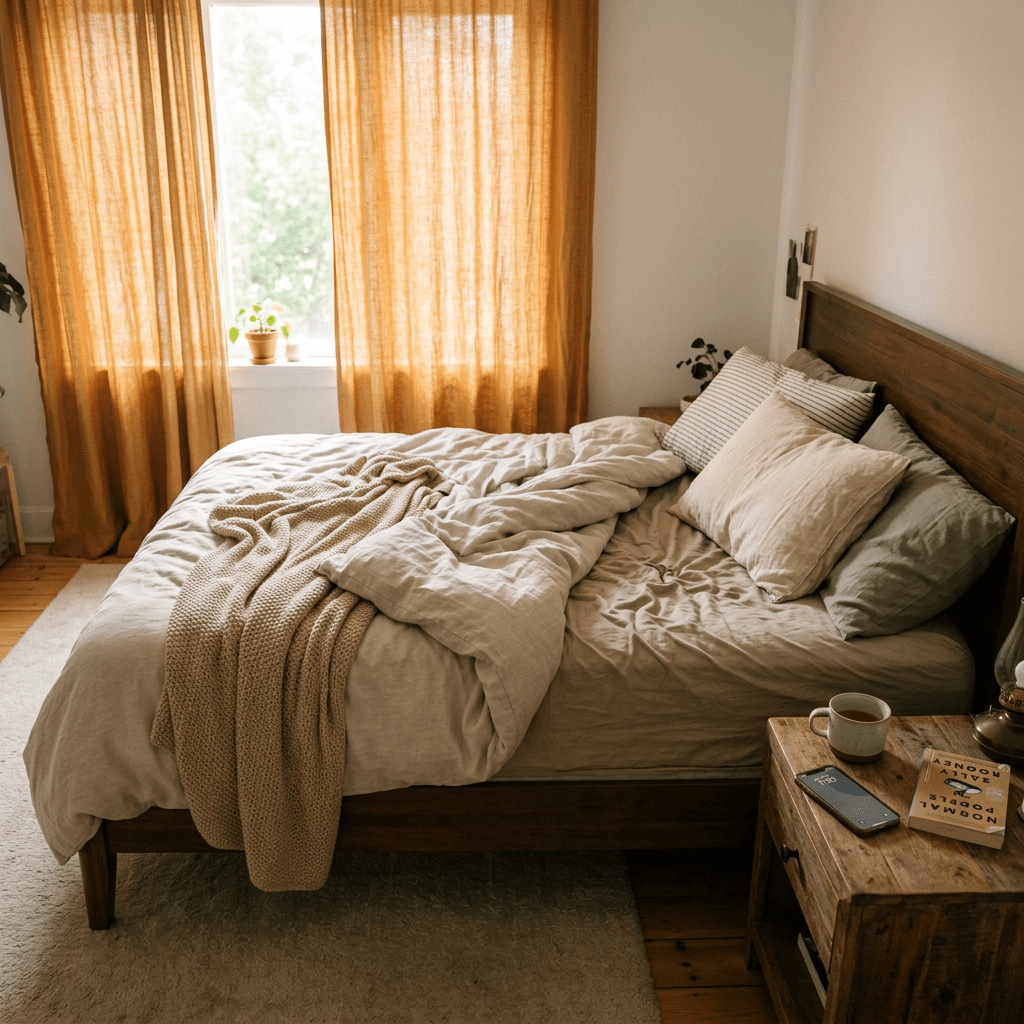
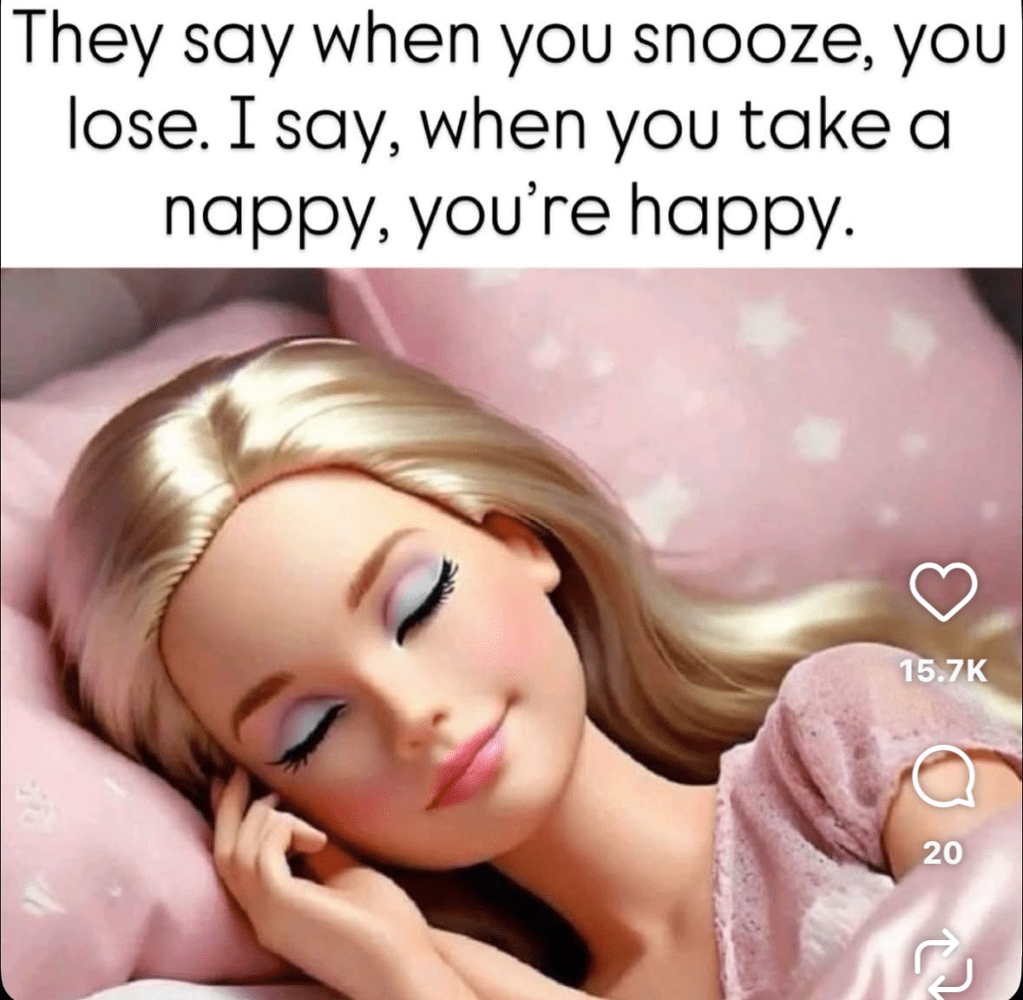
    In the midst of my recovery journey, I have learned that some of the most profound healing does not happen through pushing harder or doing more—it happens in the quiet, intentional moments of surrender to rest. For me, taking long naps is not just a luxury or a nice-to-have. It also has become one of the non-negotiables that helps me get through each day. Without them, my body and mind simply would not recover at the pace they need to. But here is the beautiful part: the benefits of napping are not reserved only for those in recovery. I truly believe strategic napping can enhance life for almost everyone.

    Recovery—whether from illness, injury, mental health challenges, burnout, or any deep personal work—demands an enormous amount of energy from your system. Your body is busy repairing tissues, recalibrating hormones, processing emotions, and rebuilding neural pathways. It is like running a full-time construction crew inside yourself 24/7.

    For me, long naps (often 60–120 minutes or more) have become sacred. They allow my nervous system to drop out of the constant low-level stress response that recovery can trigger. During these naps, my body shifts into deeper restorative stages—slow-wave sleep where physical repair accelerates, inflammation decreases, and emotional processing happens without me having to “do” anything.

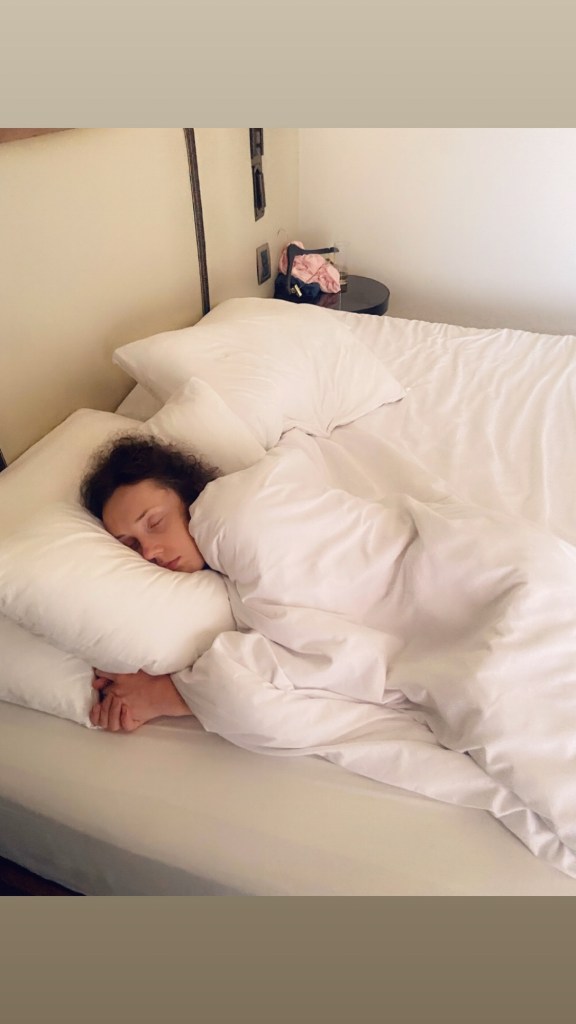
    When he takes pictures of me during my nap ritual

    On days when I skip or shorten my nap, I feel it immediately: fogier thinking, higher pain levels, shorter emotional fuse, and a general sense that I am running on empty (AKA I get very cranky). When I do get this beauty sleep, I wake up clearer, steadier, and more capable of handling the next part of my day. Napping has taught me that true strength sometimes looks like lying down and trusting the process.

    You do need to be in a formal recovery period to reap the rewards. When you are using your body or brain, your body needs to recharge. Research consistently shows that napping can be a powerful tool for cognitive, emotional, and physical health:

    • Improved Memory and Learning: A nap can help absorb information you have taken in during the day.
    • Enhanced Mood and Emotional Regulation: Naps reduce cortisol (the stress hormone) and give your brain a chance to reset. Many people report feeling less irritable and more optimistic after resting (Not cranky!)
    • Better Physical Recovery: During sleep, your body releases growth hormone, repairs muscles, and strengthens your immune system. In our always-on culture, this natural repair process often gets the short end of the stick.
    • Increased Alertness and Productivity: A well-timed nap can reduce afternoon fatigue more effectively than another cup of coffee. Studies on pilots, shift workers, and students show measurable improvements in reaction time and focus after napping.
    • Creativity Boost: That dreamy state between wakefulness and sleep (hypnagogia) is fertile ground for new ideas. Some of history’s most innovative minds were famous nappers.

    In our hustle-obsessed world, rest is often stigmatized as laziness. But biology does not lie: humans are not designed for relentless output. We are designed for cycles—work, rest, restore, repeat.

    Not all naps are created equal. Here are some practical tips:

    1. Timing Matters: Early to mid-afternoon (roughly 1–3 PM) tends to be ideal. Napping too late can interfere with nighttime sleep.
    2. Length Is Personal 😜: I have never believed that short power naps (10–20 minutes) are great for quick refreshment. (It often takes me 20 minutes to fall asleep!) Longer ones (60–90 minutes) allow you to reach deeper restorative stages, which is what I usually need in recovery.
    3. Create a Ritual: Dark room, eye mask, comfortable temperature, maybe some white noise or calming music/ sports radio like me. Treat it like an appointment with yourself.
    4. Listen to Your Body: If you are exhausted, do not force productivity. That nap might be the most productive thing you do all day.
    5. Combine with Gentle Movement: A short walk afterwards can enhance the benefits by improving circulation and mood.

    Of course, there can be challenges. Some people worry about sleep inertia (that groggy feeling after waking). Starting with shorter naps or using an alarm (I definitely do not use alarms– no bedroom electronics!) set for 90 minutes (one full sleep cycle) can help. Others fear it will disrupt their nighttime sleep, if you are truly tired, a good nap actually improves nighttime rest by reducing sleep pressure overload.

    Rest is productive. It is not giving up— it is refueling. Whether you are navigating recovery like me, juggling a demanding career, parenting, studying, or simply living in this fast-paced world, giving yourself permission to nap is an act of self-respect.

    My long naps have become non-negotiable acts of self-compassion. They have carried me through some of the hardest stretches of my journey. And while your reasons might be different—maybe you are a night owl fighting afternoon slumps, a creative needing mental space, or just someone who wants to feel more vibrant—napping can support you too.

    So the next time you feel that midday dip, instead of fighting it with more caffeine or scrolling, consider lying down. Close your eyes. Let your body do what it does best when given the chance: heal, integrate, and prepare you for whatever comes next.

    Your future self (and your present self) will thank you.


  • Walking Ten Feet at a Time: My Daily Dance with Recovery

    Walking Ten Feet at a Time: My Daily Dance with Recovery

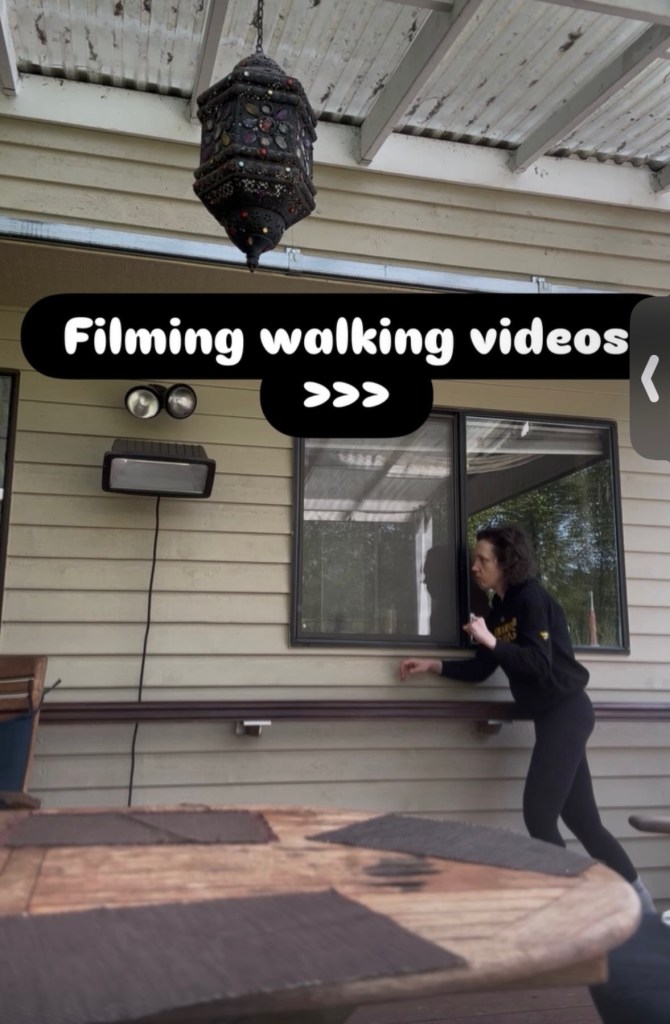
    Every single afternoon, after the nap my body demands like a stubborn toddler, I film myself walking. It is only about ten feet. To most people, that probably looks like nothing at all. But to me, those ten feet are everything. A step closer. They are proof that I am still moving forward—literally—one brave, wobbly step at a time. It feels incredible.

    My days start brutally early. I am up at 4 a.m., already chasing the version of myself I desire. By the time lunch is over, my body is spent from the morning’s workout and the constant grind of rehabilitation. My eyes grow heavy, my muscles scream for mercy, and I surrender to the bed like a little baby who earned her nap time. I used to fight it, but I learned to listen. The nap is not weakness; it is fuel. When I wake up an hour or two later, something magical happens. Energy surges back. Determination reignites. And suddenly I am excited—actually excited—to challenge myself again.

    That is when I head to the back deck.

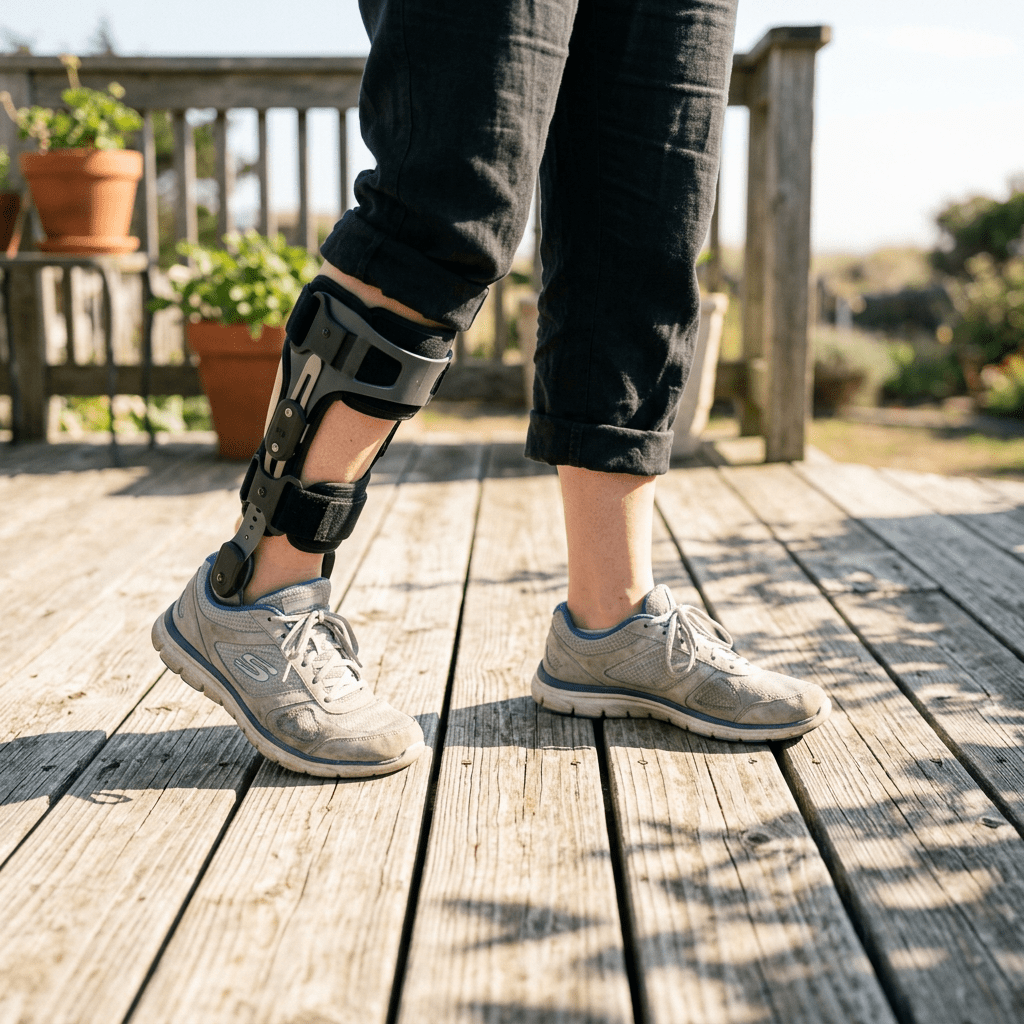
    I strap on my brace even though I hate it. Most days I go without, stubborn as hell, refusing any device that reminds me I am not “normal” yet. But when I am about to push my limits, safety first applies (*eye roll*). The deck has a sturdy railing on one side—my own private parallel bar. I used to grip it at first, today I just walk along it slowly, no longer feeling the wood warm under my palm. At the end of the railing, I just stand there, working on my balance. Feet planted, core engaged, eyes focused on a spot in the distance (the heating lamp usually). The world narrows to that single task: don’t fall.

    I film every attempt. Sometimes it is a clean walk. Sometimes it is shaky. First, my left (weak) leg pushes forward. That is the easy one. I do not need balance or strength help on this side, but then I have to shift onto this weak side and move my right leg forward. Sometimes the left side refuses to hold me up. Sometimes I end up on the ground. I have fallen more times than I can count out there—head cracking against the deck, shoulder slamming into the wall. Each bruise is a story. Each tumble is data.

    I send the videos to my boyfriend anyway. I do not even know if he is watching them but the simple act of having an audience changes everything. It turns a lonely struggle into a performance. It makes me bolder. I love showing off for him. There is something powerful about letting the person you love witness your rawest, most determined moments.

    I remember the early days when I had to clutch that railing for dear life, knuckles white, heart pounding. Letting go felt terrifying—like stepping off a cliff (hence why I wear my brace out there— in case my weak side refuses to hold me upright). But I did it anyway. Because I want this more than I fear the falls. I want to walk across a room without thinking. I want to stroll through a park holding his hand instead of a cane or brace. I want zero differentiation between me and everyone else. No explanations. No pitying glances. Just me, moving through the world the way I used to—freely, confidently, joyfully.

    This recovery is not linear. Some days the ten feet feel like a marathon. Other days I surprise myself and push for more. The falls rarely happen anymore , but they sting a little less because I know they are temporary. Every time I stand back up, dust myself off, and hit record again, I am rewriting my story.

    Small steps matter. Naps are not laziness; they are strategy. Now I see that my stubborn refusal to stay down is beautiful. I keep filming. Keep showing off. Keep chasing the version othat refuses to be defined by limitations.

    I am not there yet. But every afternoon, after my nap, I get a little closer. Ten feet at a time.

    And it feels amazing.


    I am already dreaming bigger—longer distances, no railing, maybe even a real walk around the block. I will keep sharing the journey here, bruises and all.