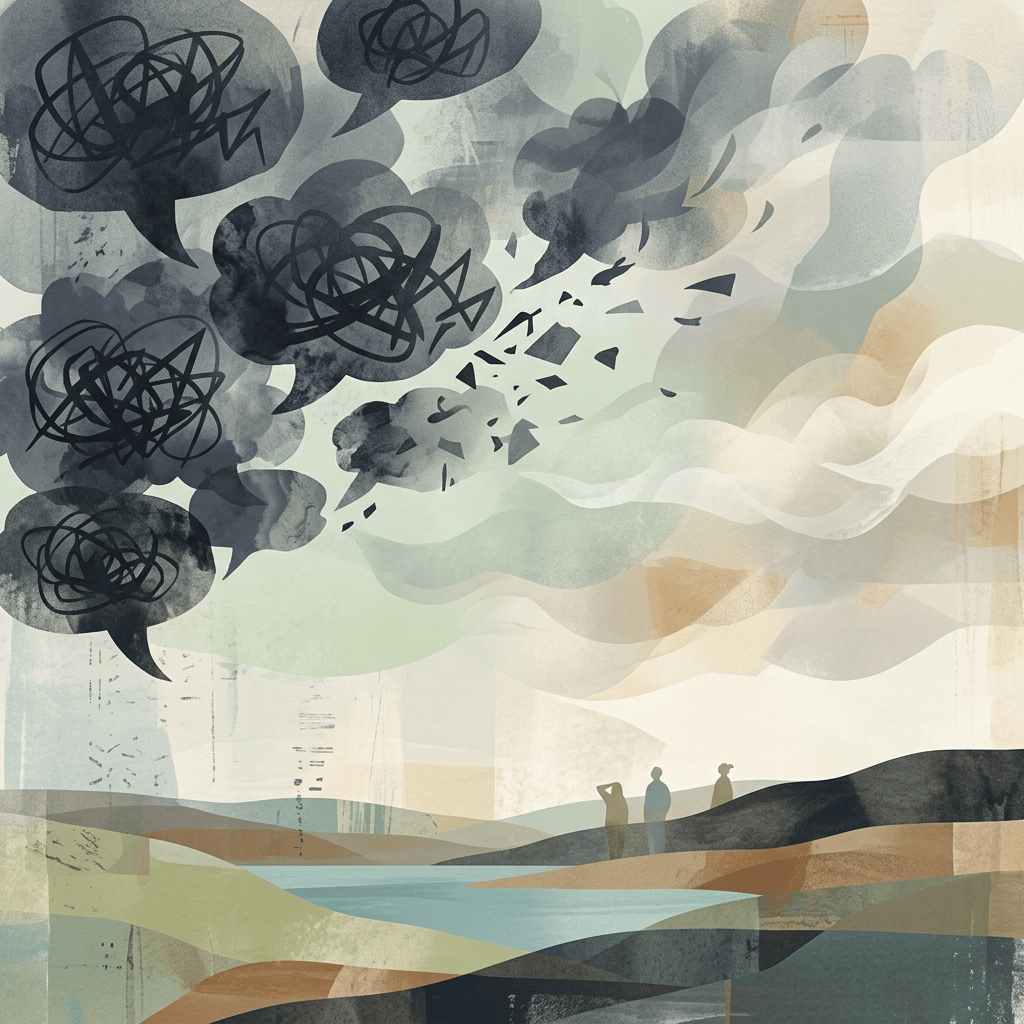
I roll my eyes so hard it almost hurts, as I (not so secretly) loathe it when people complain. Not the occasional vent after a genuinely brutal day. The habit. The reflex. The way some people turn every inconvenience into a monologue, as if the universe personally owes them cheaper gas, a bigger kitchen, quieter neighbors, and a life that never pinches.
To me it is one of the most unattractive things a person can do. Not morally unforgivable. Just ugly. It changes the face. It slumps the shoulders. It makes the voice thinner and more entitled at the same time. You can watch someone become less magnetic in real time the second they start listing everything that is “so unfair” and acting like a victim over something that you cannot even control.
Gas prices too high? Oh no. Whatever are you going to do? Not drive? Walk a little? Combine errands? Sit with the fact that the world does not run on your preferred numbers? I am not saying prices cannot be painful.
I am a millennial after all. I watched people lose houses, jobs, and the story they had been told about adulthood in 2008. I was handed student debt as if it were a rite of passage. I lived through the surreal, politicized, isolating stretch we still casually call “the pandemic.” I was even priced out of the little boondocks hometown I once assumed would always have a place for me. None of that made complaining noble. It made it tempting. Tempting is not the same as useful.
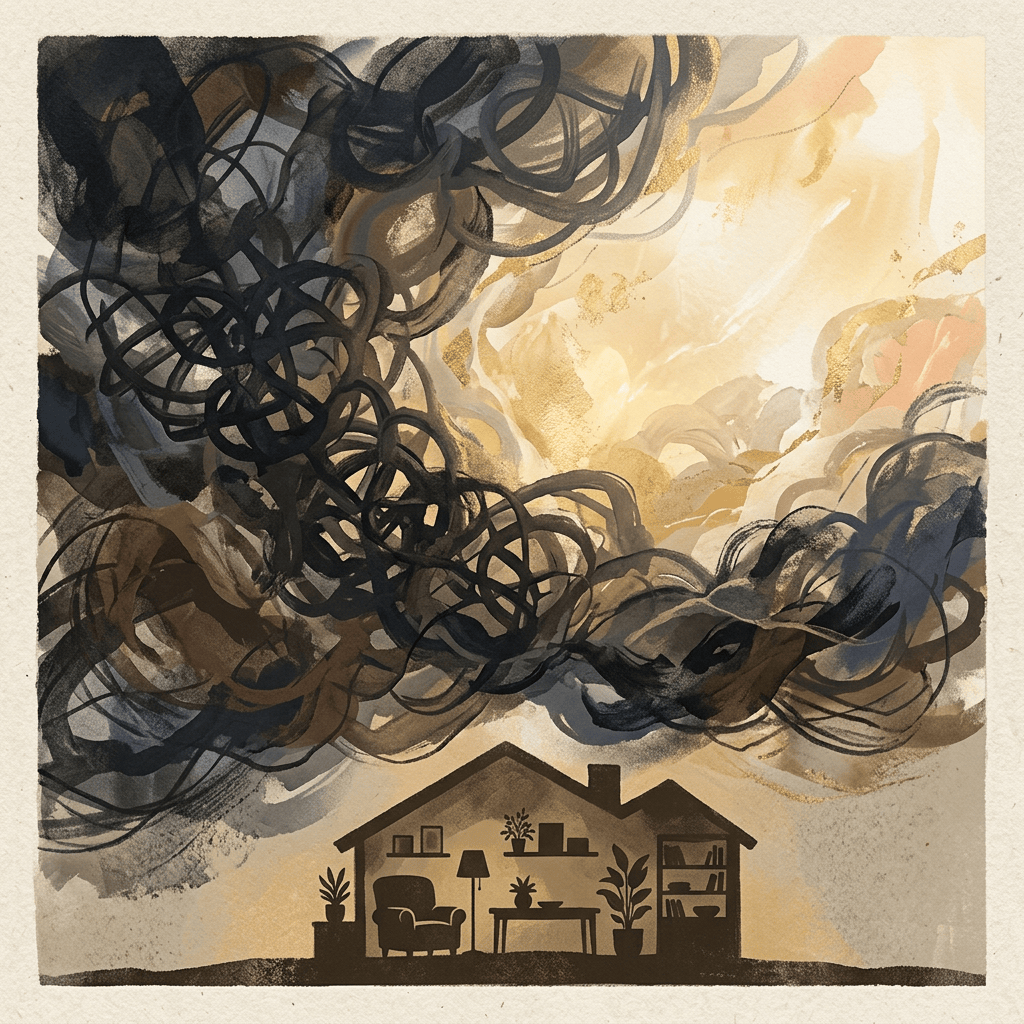
There is also the energetic piece people skip because it sounds soft until you watch it happen in real time. Complaining is not just words. It is a frequency. You glow differently when you live in grievance. The jaw tightens. The eyes scan for the next offense. The body rehearses scarcity.
Appreciation does the opposite. It does not pretend the apartment is a penthouse. It notices that there is a roof and running water. It does not erase the bill. It refuses to let the bill become the whole identity.
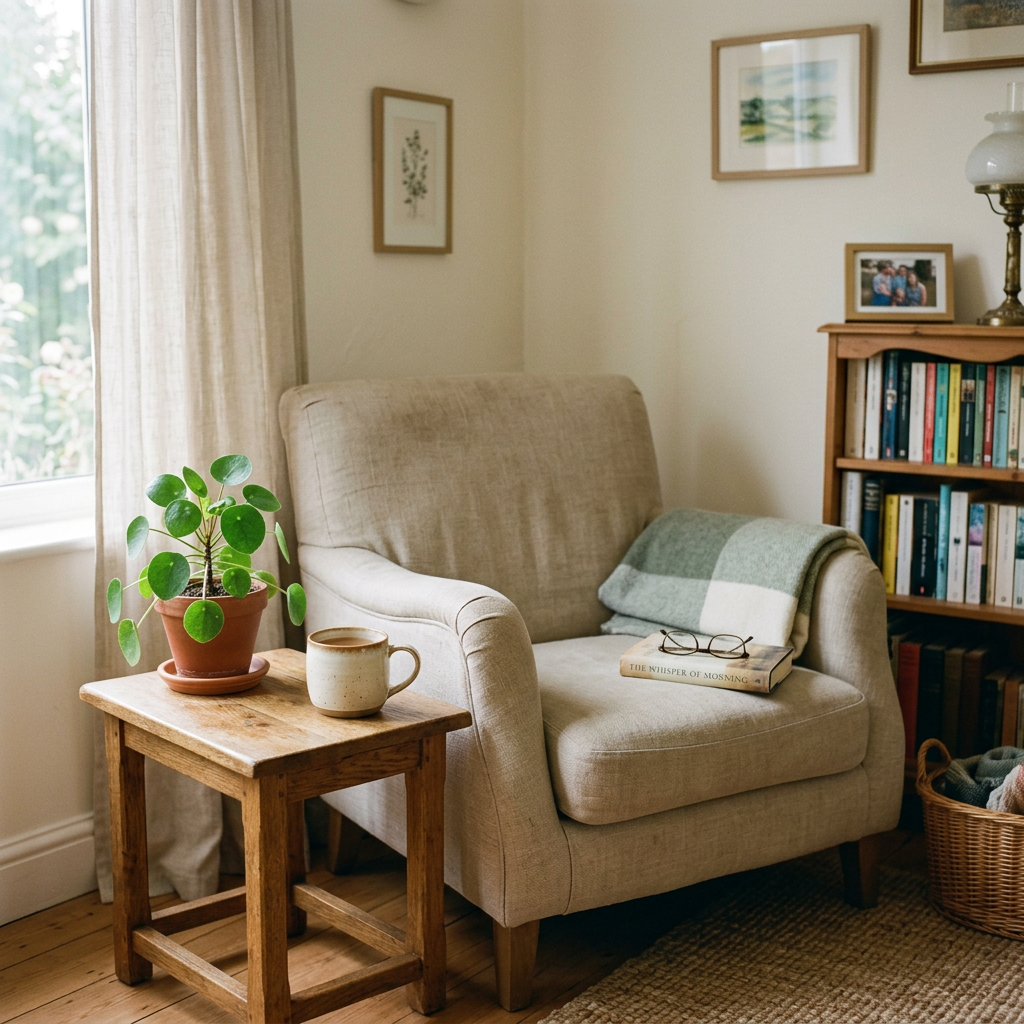
Yes, your place could be better. The kitchen is small. The landlord is slow. The neighborhood is louder than you wanted. And you still have shelter. Heat. A door that locks. A toilet that flushes. Those are not consolation prizes. For a lot of human history, and for a lot of people alive right now, they are the prize.
I say this from a body that does not let me pretend otherwise. I sit here in a wheelchair with one working hand and reteach myself how to use the restroom or reteach myself how to breathe/how to talk. The learning is not poetic— it is slow, humiliating, necessary, and occasionally holy. Occasionally it can feel terrifying. Some days the victory is simply that I did the thing without panicking. Some days the victory is that I did not scream.
From that seat, a lot of the usual complaints sound like luxury noise. You still get to stand up and walk to the fridge. You still get to drive. You still get two hands that do what you ask. And—this is the part that lands hardest—you at least get to live with the person you love. Same rooms. Same ordinary evenings. The privilege of proximity that people treat as background furniture until it is threatened or gone.
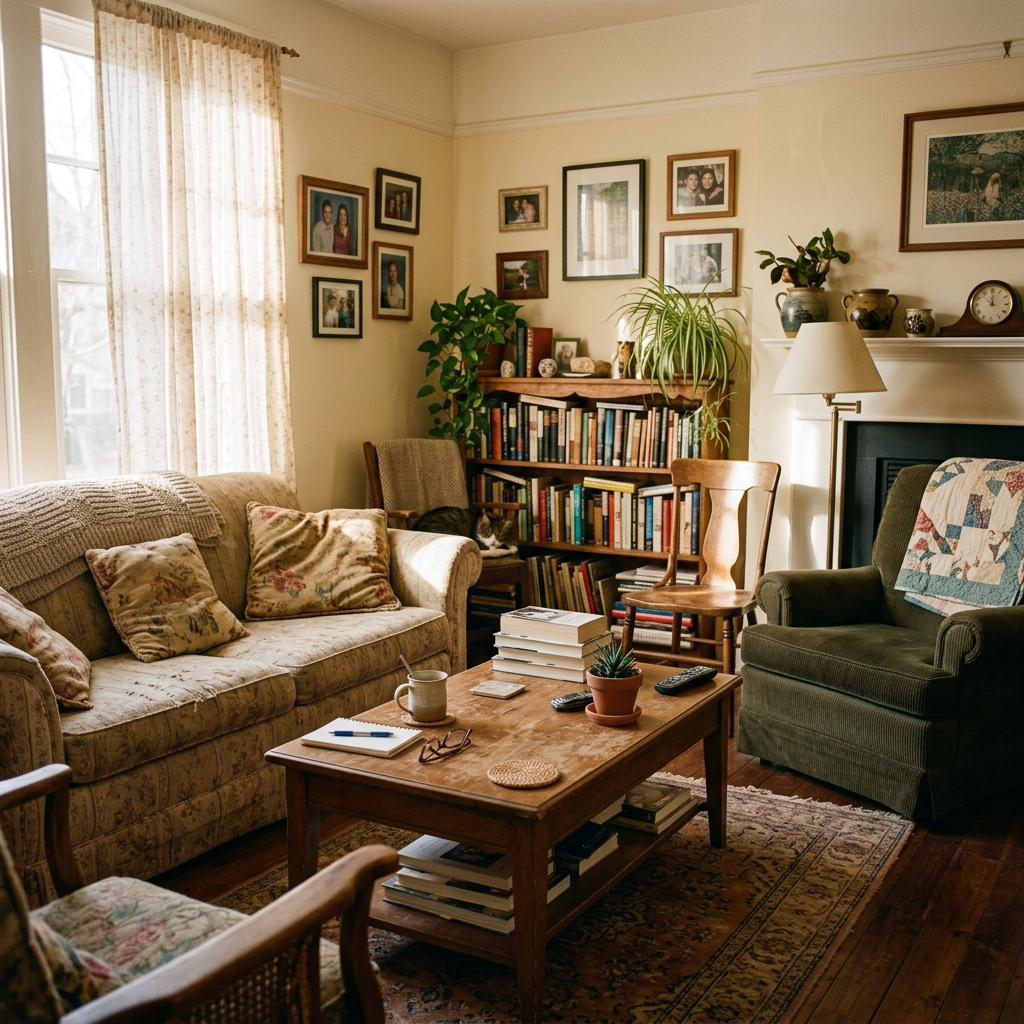
You get to turn toward your person in the night without asking a body that no longer cooperates. You get to share a joke across a room without calculating air and effort. You get ordinary proximity. Do not waste that on a running commentary about what is missing.
Gratitude is not denial. It is discipline. It is the decision to name what is still intact before you catalog what is broken. It will not lower gas prices. It will not erase student debt or bring a hometown back within reach. It will change the way you inhabit the life you actually have. And that life, even when it is smaller, stranger, or harder than the one you pictured, is still a life. Treat it like one.
The performance of outrage has become a social default, and it is exhausting to witness. The same goes for the apartment that “could be better.” Of course it could. Almost everything could. And yet: roof. Walls. Running water. A door that locks. Heat or at least the possibility of it. That is not nothing.
I am not asking anyone to perform fake cheer or pretend pain is not real. Pain is real. Limits are real. Money stress is real. I am asking for proportion. For a pause before the reflex. For the humility to notice what is already working before you catalog what is missing.
Appreciation is not denial. It is orientation. It is choosing, again and again, to look at the roof before you curse the square footage. It is remembering that a working body, a shared home, a person who comes back to you at night—these are not small things. They are the whole plot for a lot of us.
So yes. I will keep rolling my eyes at the soundtrack of complaint. And I will keep trying, from this smaller, harder life, to glow like someone who still knows how lucky some of the unglamorous parts actually are.