Tag: fruit

  • Down Under Dreams: My Wild Teenage Adventure in Australia with People to People

    Down Under Dreams: My Wild Teenage Adventure in Australia with People to People

    At fifteen years old, I stepped off a plane into a world that felt like it had leaped straight out of a National Geographic. The air was warmer, drier, and carried the faint scent of eucalyptus. I was part of the People to People Ambassador Program, a life-changing opportunity that took a group of wide-eyed American teens halfway around the globe to Australia. What started as a simple cultural exchange trip quickly became a whirlwind of big-city glamour, rugged outback exploration, family-style homestays, and the kind of teenage chaos that only happens when you are far from home and the usual rules do not quite apply (the innocent kind though, not really what we see on teenager television shows).

    Our itinerary was perfectly balanced between urban sophistication and raw Australian wilderness. We bounced between the gleaming harbors of Sydney and Melbourne and endless stretches of red earth in the outback. Long bus rides became our moving classrooms—hours spent watching the landscape shift from bustling streets to golden grasslands. We stayed with local families who opened their homes (and hearts) to us, sharing meals, stories, and glimpses into everyday Aussie life that no guidebook could ever capture.

    Sydney hit me like a fever dream. The iconic Opera House rose like white sails against the sparkling harbor, its curves even more breathtaking in person than in any photo I had seen. We toured the Olympic facilities from the 2000 Games, walking through stadiums that once echoed with global cheers. I remember standing there, imagining the roar of the crowd, feeling tiny yet somehow part of something enormous.

    But beneath the excitement, I carried a heavy secret. This was the year after I started high school, and the pressure to look and be “perfect” had already taken root in my mind. Australia felt like the ultimate reset button—a chance to reinvent myself far from judgmental eyes back home. Before the trip even began, I emailed the volunteer chaperones with a carefully worded note: I would not be eating much, and they should not worry about me. Looking back now, it breaks my heart to think of that determined, insecure fifteen-year-old girl trying so hard to control the one thing she could in a brand-new country.

    On those long bus rides, packed lunches were handed out like clockwork—sandwiches thick with deli meats, crisp chips, and sweet treats. I would politely unwrap mine, eat only the apple, and quietly put the rest aside. The volunteers were kind, but I could feel their concerned glances. During our homestay in Melbourne, the warm “mom” of the house cooked a hearty Australian meal just for us. I pushed the plate away after a few bites, murmuring something about being full. Her disappointed but understanding look still lingers with me. Food became both enemy and background noise while the real adventure swirled around me.

    Of course, no trip at fifteen would be complete without plenty of youthful mischief. I flirted shamelessly with the boys in our group—stolen glances across bus aisles, whispered jokes during tours, and that electric buzz of first crushes amplified by the freedom of being overseas.

    The Australian sun, however, showed no mercy. Wanting to be perfect meant that I wanted golden skin. I ended up severely sunburned. My skin turned lobster-red, peeling in painful sheets for days. Lesson learned: respect the ozone hole Down Under.

    One of my biggest hurdles was begging my mother—via crackly payphone calls from a random shopping mall —to let me get my belly button pierced. I pleaded, I reasoned, I dramatically described how “everyone” was doing it. She held firm.

    Instead, I settled for a temporary tattoo from a quirky shop near the harbor. It was some butterfly design that I proudly showed off to the group. When I got home, I let everyone believe it was real, basking in the temporary cool factor before it faded in the shower. Small rebellions, big memories.

    The real soul of the trip was during our long bus tours through the outback. The landscape stretched endlessly—red dirt, scrubby bushes, and skies so vast they made you feel wonderfully insignificant. We learned about Aboriginal culture, their deep connection to the land, and the stories passed down through oldtime legends.

    Vehicle driving on winding red dirt road in arid outback landscape
    A vehicle traverses a winding red dirt road through arid outback terrain under a partly cloudy sky

    One unforgettable stop was a wildlife sanctuary where I finally got to hold a tiny koala. He was everything I imagined: fluffy gray fur, button eyes, and a sleepy demeanor (apparently they are constantly high from eating the eucalyptus). I beamed for the camera, arms gently cradling him. But internally? I was screaming. Those adorable little claws dug into my arm like tiny needles. Sharp did not even begin to describe it. Still, worth every scratch for that photo and the story.

    We spotted kangaroos hopping freely in the wild—elegant, powerful creatures that seemed to defy gravity. At the sanctuary, we got closer, feeding them and watching their curious faces up close. Later, in a remote outback experience hosted by Aboriginal elders, we were treated to kangaroo tail. It was an honor to share in their traditional food. The tail was tough, mostly dense muscle with very little fat or tenderness—chewy, gamey, and completely unlike anything I had eaten before. It was not about gourmet flavor; it was about connection, respect, and tasting a piece of the land itself.

    That trip to Australia did not magically fix my insecurities around food and body image. Those battles continued for years as I eventually got down to double digits on the bathroom scale. But it planted seeds of perspective. I saw a country that was both modern and ancient, vibrant and harsh, welcoming and wild. I learned that adventures are messy—full of sunburns, awkward flirtations, hidden struggles, and moments of pure wonder.

    Holding that koala, even through the pain, symbolized something bigger: sometimes the cutest, most picture-perfect experiences are actually concealing something painful. Pushing away plates did make me feel more in control; but it also made me miss out on shared meals and hospitality. The temporary tattoo washed off, but the memories never did.

    Years later, I look back on that fifteen-year-old girl with compassion. She was brave enough to travel across the world, curious enough to embrace new cultures, and human enough to make mistakes. Australia taught me that life is best experienced fully—sunburns, sharp claws, kangaroo tail, and all.

    If you ever get the chance to say yes to an adventure that scares and excites you, just do it (like Nike!). Whether it is Australia or somewhere closer to home, the outback of your own growth is waiting.

  • Farmers Markets: My Glorious, Pretentious, Overpriced Heaven on Earth

    Farmers Markets: My Glorious, Pretentious, Overpriced Heaven on Earth

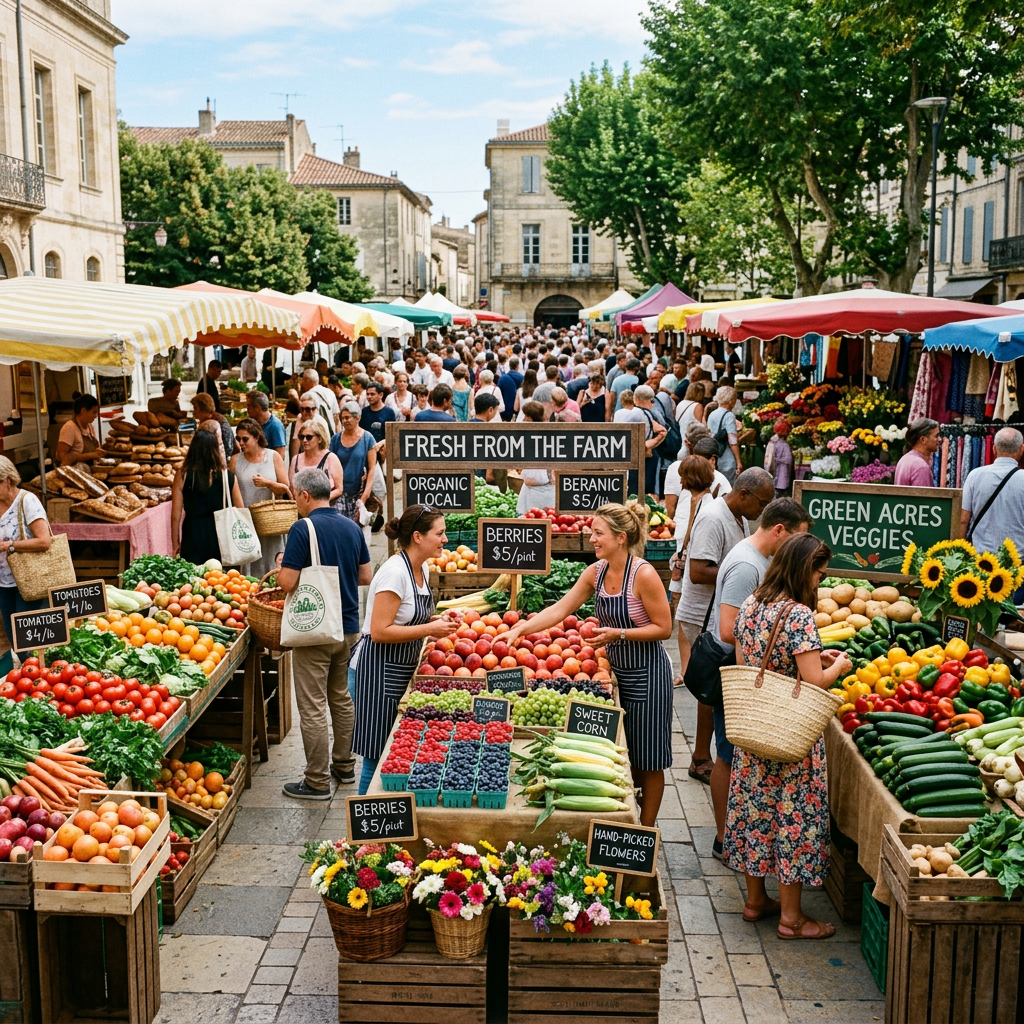
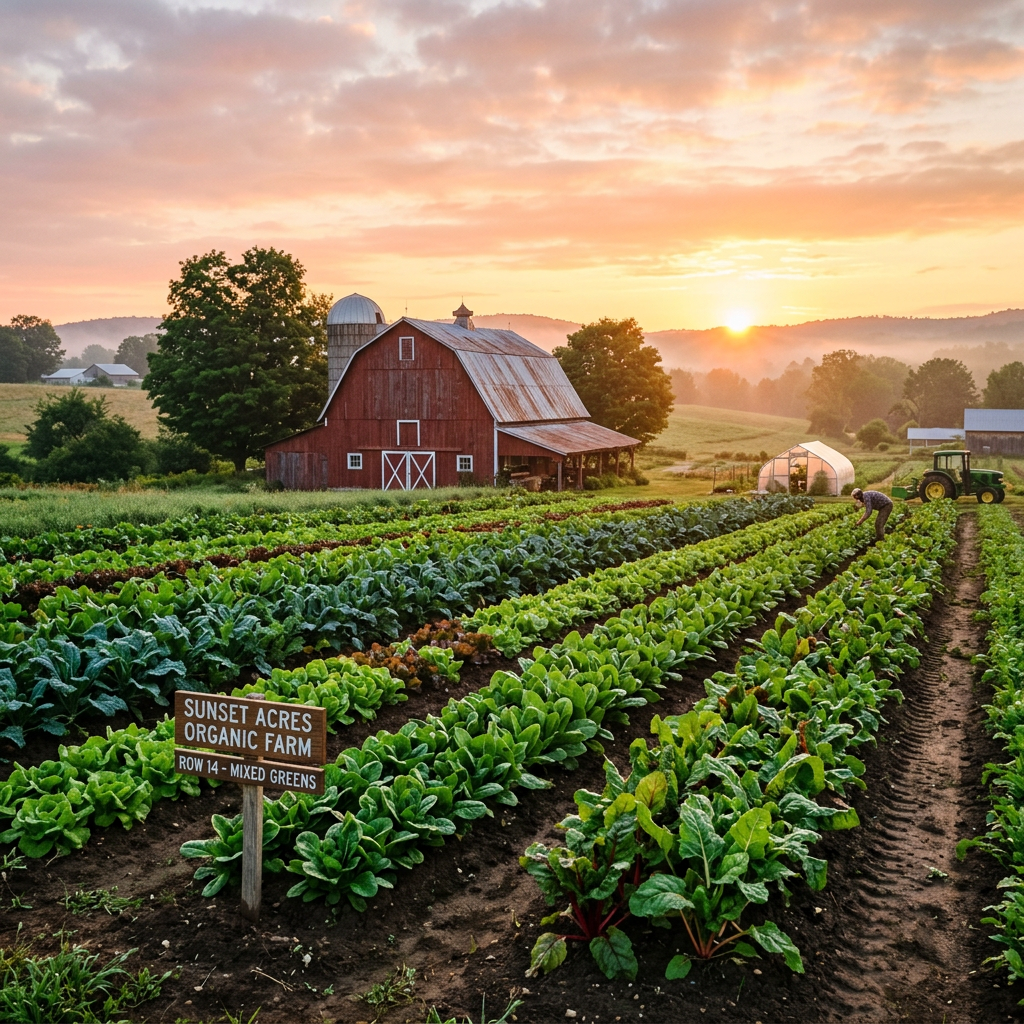
    Listen up, you cynical pricks hiding behind your Costco hauls—I adore farmers’ markets. Every time I am there like I am visiting a Holy Land, ready to worship at the church of rainbow chard and $12 avocados (you will never see me with one of those reusable tote bags though!). This is where the real ones gather. This is my happy place.

    Yeah, I am that girl. Like the ones in the thrifted overalls and clogs that cost more than your rent, filming a slow-living reel while their gas guzzling SUV gently idles (because parking here is a mess). I want to pay $9 for eggs laid by chickens that live better than most humans. I crave that smug little rush when he (or my mother) drops $17 on a sourdough loaf that tastes like it was kissed by actual angels and fermented in someone’s grandma’s basement. Keep your sad plastic-wrapped bread, normies. I will take the one with the charmingly inconsistent crumble.

    The smells? Intoxicating. Patchouli, dirt, overripe peaches, and that faint hint of unwashed authenticity—it is the scent of people who decided life is too short for deodorant politics (AKA cosplaying as hippies). I breathe it in deep while some trust-fund “farmer” with perfect teeth tells me about his heirloom tomatoes like he is reciting poetry. I eat that shit up. Literally. Those tomatoes probably cost more than therapy, but until I get my own garden, they will be worth every penny.

    I love the performers. The wellness girlies comparing fermentation jars. The melting pot of cuisines from different cultures. The dudes in linen who lecture you about soil health while smelling like they just rolled. But this is peak Americana. This is community, baby. Chaotic, expensive, beautiful community.

    Call me a mark. I wear that label with pride while sipping my $6 mason jar iced coffee and pretending that a single peach cannot bankrupt you . I know half this produce probably took a scenic route from the next town over, but I really could not care less about carbon emissions. I know I could get functionally the same shit cheaper at a local grocery store, but can that store guarantee health or allow every customer to be zany and beautifully weird? I do not want functional. I want vibes. I want to role play as a peasant who is gifted $300 linen and feels morally superior.

    This is peak modern romance: pretending we are connected to the land while dropping stupid money on vegetables. And I am here for every hypocritical, joyfully overpriced second of it. The grass-fed beef guy who eyes me like I am about to ask if it is grass-fed? Legend. The honey Chad with his ayahuasca stories? Pour it straight into my soul (and my latte).

    Clearly, I adore farmers’ markets. They are ridiculous. They are pretentious. They are everything I never knew I needed in a weekend morning ritual. Keep your conventional meat and your pesticides. I will be over here, grinning like an idiot, biting into a tomato that costs as much as a latte and tasting pure, unfiltered bliss.

    The Historical Timeline Of This Glorious Phenomenon:

    My history-buff-man has me looking up the why behind farmers’ markets and my sudden desire to be a whimsy, pretentious health nut. Ultimately, farmers’ markets are history. Farmers’ markets have ancient roots in Europe and have evolved as direct links between food producers and consumers for thousands of years.

    The earliest recorded open-air markets resembling farmers’ markets date back over 5,000 years to ancient Egypt along the Nile River (ala Aladdin). People bartered or sold staples like wheat, fruits, vegetables, and other goods. Similar marketplaces existed in many ancient civilizations, where farmers and producers gathered to trade directly with buyers. The introduction of currency helped formalize these exchanges into structures more like modern markets.

    European settlers brought the tradition to North America in the 1600s. Like everything else: we copied it from Europe!

    One of the first recorded European-style farmers’ markets in what is now the United States was established in Boston in 1634 (no wonder I love!). It started as an open-air market and later included a wooden building by 1662. Other early markets followed in places like Hartford (1643), New York City (by 1686), and Philadelphia (1693).

    These markets quickly became focal points of urban commerce and social life, where farmers sold fresh produce, meats, dairy, and other goods directly to consumers.

    Markets flourished through the 1800s and early 1900s as cities expanded and rail lines improved access. They were essential for fresh food distribution before widespread refrigeration and supermarkets.

    A resurgence began in the late 20th century, driven by interest in fresh, local, and sustainable food, support for small farms, environmental concerns, and community building. Plus it is simply a vibe. Way more character than a simp grocery store.

    This growth aligns with broader movements for healthier eating, preserving local varieties, and connecting urban and rural communities.

    Today, farmers’ markets vary widely—from small weekly gatherings to large established ones—and often include crafts, prepared foods, and entertainment alongside produce.

    The core purpose of a farmers’ market is linking producers and consumers. It has remained remarkably consistent across millennia, even as the context shifts with technology, economics, and culture.

    They continue to emphasize direct farm-to-consumer connections, though challenges like seasonality and competition with grocery stores persist. I personally think that we just like to pretend that we are all hipsters and that a grocery shop will never produce these feelings.

  • M.I.L.F (Man I Love Fruit!)

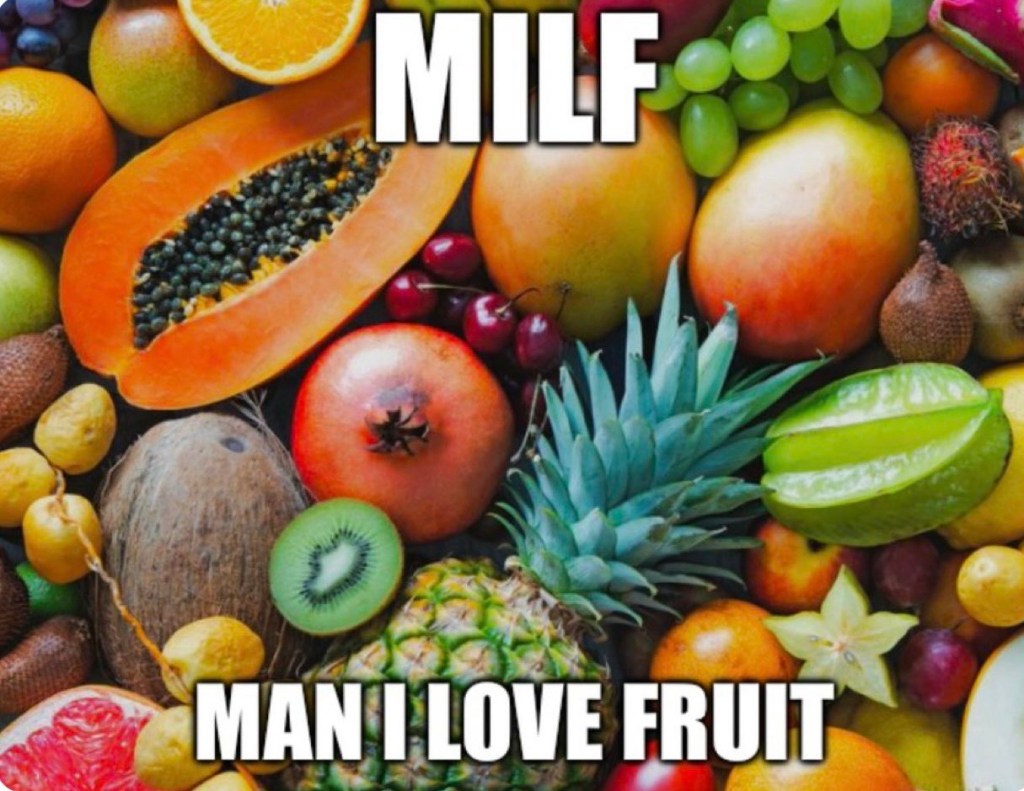
    M.I.L.F (Man I Love Fruit!)

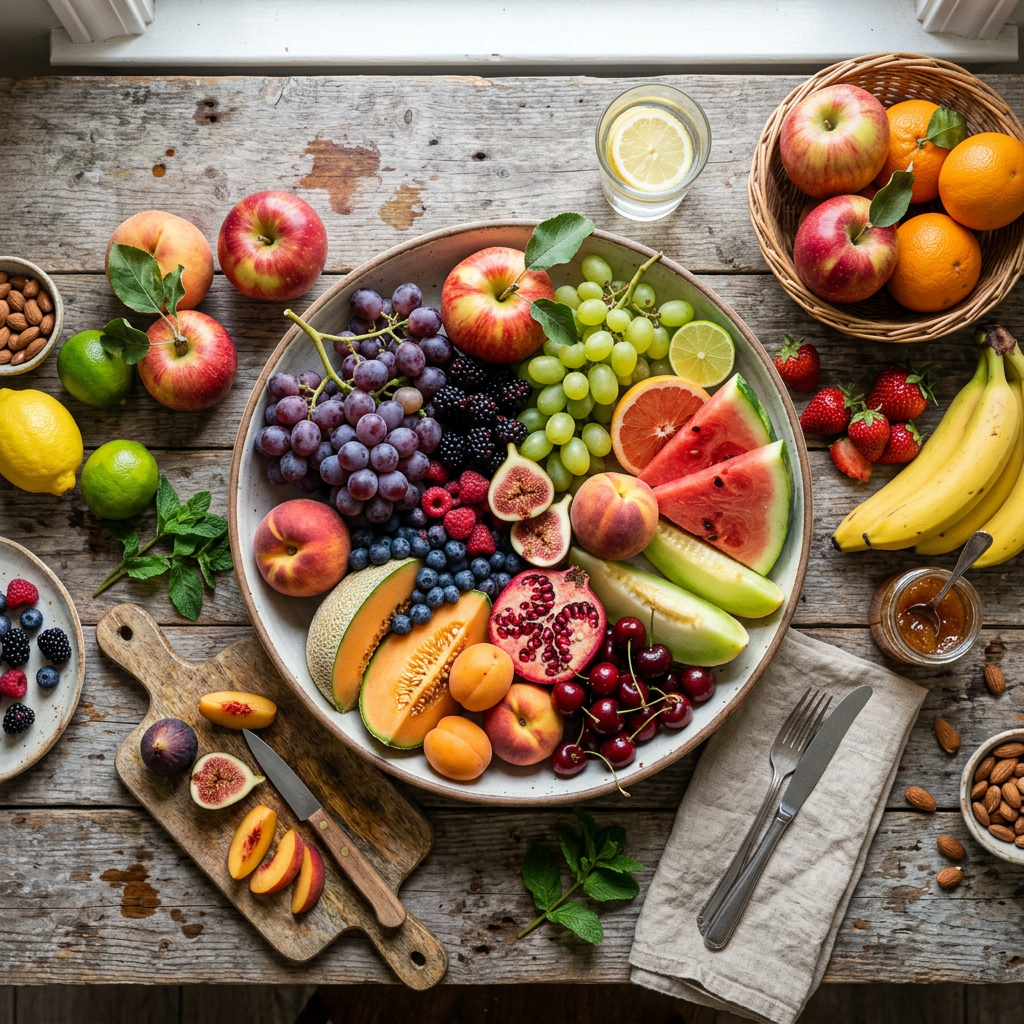
    I adore the sharp, explosive taste of real fruit. Not that syrupy canned bullshit or sad mealy apples from the back of the fridge — I am talking proper, juicy, nature’s middle finger to boring snacks. I demolish fruit. An entire 4 lb. box of grapes? Vaporized in one sitting. Massive haul of berries or cherries? Do not test me. I will finish them while you are probably still peeling the plastic off of yours.

    My ranking right now:

    1. Green Grapes — Crisp snappy globes that snap like they are personally offended by your eating them. They are basically edible crack. Zero mush tolerance. These things keep me hydrated and sane.
    2. Rainier Cherries (Yellow ones especially) — These golden-reds taste like someone spiked a peach with caramel and told it to get sexy. Sweet as hell and low acid. I hoard them in the summer.
    3. Blueberries — Tiny antioxidant grenades. I shove handfuls in my face straight from the carton. They stain everything and I definitely do not give a shit. Brain food that actually works.
    4. Banana — especially coupled with espresso — Creamy and potassium-packed. But here is the move: semi-green banana + fresh espresso shot = sweet-bitter chaos that hits better than most desserts.
    5. Obviously my top tier fruits are tropical fruits(pineapple, mango, kiwi etc)! However living around here makes it difficult to get good quality (organic!) ones. Once you have sunk your teeth into a giant mango sold at the Cuban roadside by a local vendor, you will turn your nose up at the plastic-tasting ones here. (I went to Cuba in 2009– the last trip I had taken before my disability)

    Apples and pears stay in heavy rotation too. Reliable crunch dealers. And perfect vehicles for nut butter.

    Plus I love dried fruits!! Charcuterie boards are my ultimate meal. Especially figs and dates! I adore fresh figs too— they are very pretty!

    My boyfriend has also gotten me hooked on dehydrated fruits (thanks to Top Chef!) so I can easily polish those apple/ banana chips off without the guilt (there is literally only one ingredient— no added sugars or oils)

    I am weird as hell about texture and I own it. If it is mushy, it is dead to me. Overripe pears, peaches, nectarines — straight to the trash or the compost. I want bite. That satisfying resistance before the juice explodes. Give me a pear that fights back. A peach that still has attitude. Nectarines with actual structure.

    Semi-green bananas? Hell yes. That starchy, firm snap is elite. Perfectly ripe is a myth peddled by people who enjoy sadness in their mouth. I prefer borderline unripe over sloppy any day

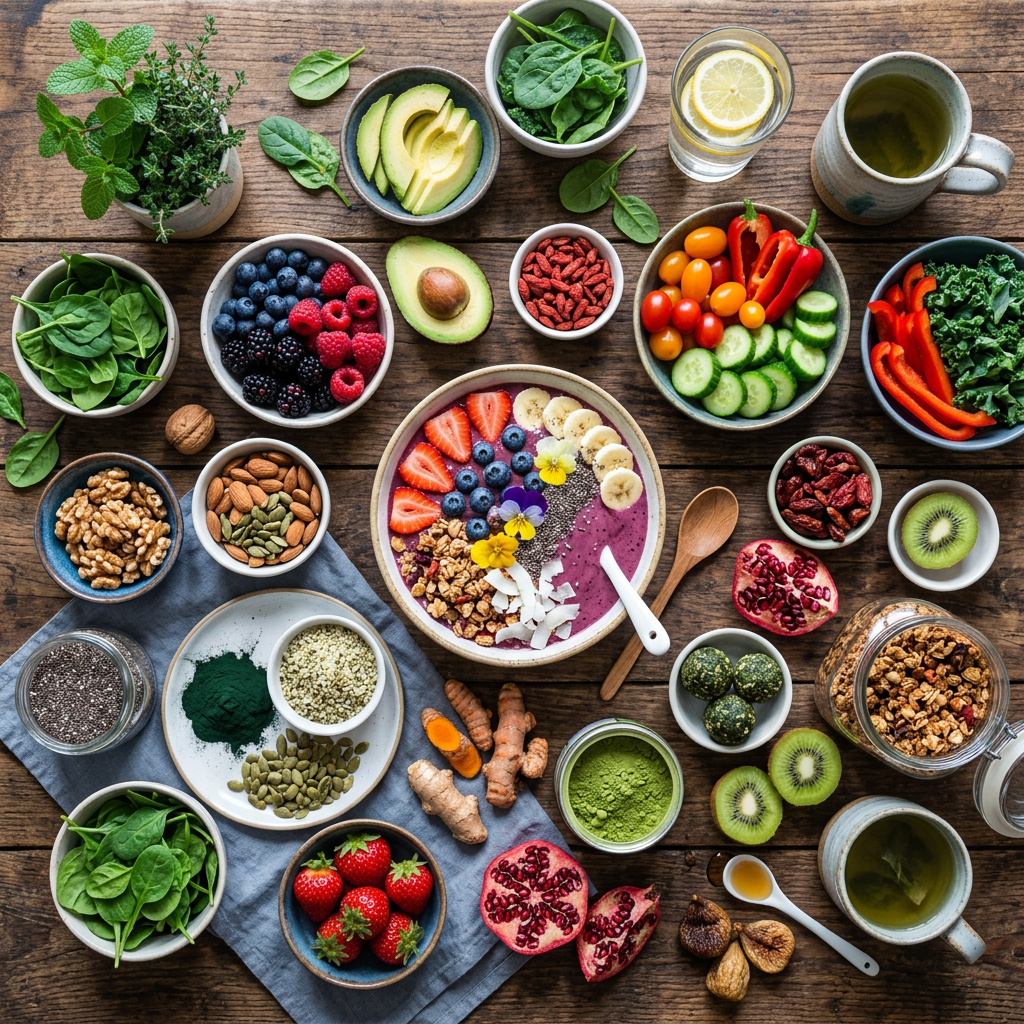
    This is no cute “healthy eating” talk. It is fuel. Fruit is not some gentle wellness trend. It is raw, seasonal, messy joy that reminds you that you are alive.In complete disregard for those around me, I literally have an entire meal. of just fruits at times.If it was acceptable, I would only eat fruits! As for now, I will keep devouring it like a savage while the mush-lovers suffer in silence.

    Photo credit to @PeytonElroy on X.com
  • Crunchy Life: Organic Edition.

    Crunchy Life: Organic Edition.

    You all know that I absolutely love eating healthy (fruit!), but no matter what I eat it should always be organic!  I know, I know…. The higher price point, but it is so worth it. Organic refers to foods produced according to specific standards that emphasize natural processes. In the United States (and similar systems in the EU and elsewhere), organic certification requires:

    • No synthetic pesticides, herbicides, or fertilizers
    • No genetically modified organisms (GMOs)
    • No sewage sludge as fertilizer
    • For animals: access to outdoors, organic feed, and no routine antibiotics or growth hormones

    The USDA Organic seal is the most recognized marker in the U.S. Seek it out!—products labeled “made with organic ingredients” contain at least 70% organic content, while “100% organic” is the strictest.


    Studies consistently show lower levels of pesticide residues in organic produce compared to conventional. Switching to organic versions of crops that contain the most residues (strawberries, grapes, etc. OH MY!) can meaningfully cut your pesticide intake.


    Organic farming practices promote soil health (you would have to eat nine oranges today to consume the same amount of vitamin C that was in one orange in the 70s), biodiversity, and water quality. I personally am obsessed with Regenerative Farming. Letting chickens run around the yard and peck at the ground?  So cute.

    They often use crop rotation, cover crops, and natural pest control, which can reduce runoff pollution and support pollinators like bees. Long-term, this supports more resilient ecosystems.
    Some research suggests organic fruits and vegetables may have higher levels of certain antioxidants and nutrients. The differences are often modest, but for frequent consumers, they can add up. Organic dairy and meat frequently show better fatty acid profiles (more omega-3s).
    Organic livestock standards require more space, outdoor access, and prohibit routine antibiotic use. This means no “Bird Flu” or “Mad Cow Disease.”

    Organic is not perfect, and it is not always necessary (foods with natural protection, like oranges and bananas do not contain extra sprayed on chemicals).:

    • Higher Cost: Organic foods typically cost 20–50% more (sometimes double for meat and dairy). Supply chain limitations and certification expenses drive this.
    • Availability and Shelf Life: Not every store carries a full range, and organic produce can sometimes spoil faster without synthetic preservatives.
    • Not Automatically Healthier: An organic cookie is still a cookie. Processing matters. It could contain oils and synthetic chemicals…A conventionally grown apple is far healthier than ultra-processed organic snacks.
    • Yield and Global Impact: Some studies debate whether widespread organic adoption could feed the planet at current yields, though regenerative organic methods are improving this picture.

    The bottom line: Organic is a tool, not a magic bullet. Prioritizing it for high-residue items and animal products often gives the best return on investment.

    How to Choose Organic Smartly

    Use this tiered approach:

    1. Start with the Dirty Dozen (more here) (EWG’s latest high-pesticide list includes strawberries, spinach, kale/collard/mustard greens, grapes, peaches, pears, nectarines, apples, bell/hot peppers, cherries, blueberries, and green beans). Buy these organic when possible.
    2. Relax on the Clean Fifteen (avocados, sweet corn, pineapples, onions, papaya, frozen sweet peas, asparagus, honeydew melon, kiwi, cabbage, watermelon, mushrooms, mangoes, sweet potatoes, carrots). These have very low residues even when conventional.
    3. Focus on Animal Products: Organic milk, eggs, and meat deliver clearer benefits for hormones, antibiotics, and omega-3 content.
    4. Check Labels Carefully:
      • USDA Organic seal
      • For imported foods: Look for equivalent certifications (EU Organic, etc.)
      • Local farmers’ markets: Many small farms use organic methods but skip expensive certification—ask them directly.

    Budget Tips:

    • Buy in season and from bulk bins
    • Prioritize organic for the “big three”: produce on Dirty Dozen, dairy, and eggs
    • Frozen organic fruits and vegetables are often cheaper and just as nutritious
    • Wash all produce thoroughly regardless of organic status

    Going 100% organic overnight is not realistic for most households. Aim for progress, not perfection. Many families find that shifting 30–50% of their budget toward targeted organic items delivers noticeable peace of mind without breaking the bank.

    Pair organic choices with other healthy habits: eating more plants overall, reducing food waste, and supporting regenerative farmers when you can. Your health and the planet both benefit from thoughtful, consistent decisions rather than all-or-nothing extremes.

    Final Thought
    Choosing organic is ultimately about aligning your purchases with your priorities—whether that is minimizing synthetic chemicals,or voting with your dollars for animal welfare. Start small, stay informed, and adjust as your budget and values evolve.

  • Forget Diet Rules: Enjoy Ray Peat’s Nutrient-Rich Approach

    Forget Diet Rules: Enjoy Ray Peat’s Nutrient-Rich Approach

    You know that heavy, bloated, “I just swallowed a brick” feeling after smashing a carb- or protein-loaded meal? Yeah, that is not happening to me anymore. So I ditched the rules and went full “Eat Whatever the Fuck I Want” — and for me, that means going Ray Peat/ paleo.

    This is not some calorie-counting prison or macro-obsessed cult. It is a pro-metabolic, bioenergetic middle finger to the standard “choke down kale” or chicken breasts for every meal bullshit. Basically it is a scientific excuse for me to indulge in my dainty way of enjoying all sorts of goodies. 

    Developed by the late biologist Dr. Ray Peat, it is all about cranking your metabolism, supporting your thyroid, balancing hormones (more progesterone, less estrogen and cortisol chaos), and keeping inflammation down.

    Peat basically said most of our problems — fatigue, stubborn fat, hormonal issues, premature aging — boil down to one thing: a sluggish metabolism. I am 100% on board with that diagnosis.

    The goal is to create a safe, energy-rich environment inside your body with easy-to-digest, nutrient-dense foods that let your cells actually produce energy instead of just being stressed. 

    The Core Rules (that I mostly follow when I feel like it):

    • Carbs are king. Simple sugars from fruit, juice, honey, and sugar. Enough of the “sugar is poison” crowd — I am loading up on orange juice, mangoes, papayas, cherries, melons, ripe berries, and apples. I adore fruits!  Fast fuel, vitamins, minerals, antioxidants. Tastes like victory.
    • Saturated fats over everything. Butter, coconut oil, ghee, full-fat dairy, cocoa butter. Seed oils (canola, soy, sunflower, corn) are straight-up toxic according to Peat. I avoid that industrial sludge (I write about this, here).
    • Smart sources of protein: This is an aspect of my diet that I do not particularly prioritize. I am not some big hulking man   Gelatin, collagen, bone broth, shellfish, oysters, eggs, and dairy. I could see myself enjoying a nice cup of bone broth for lunch. 
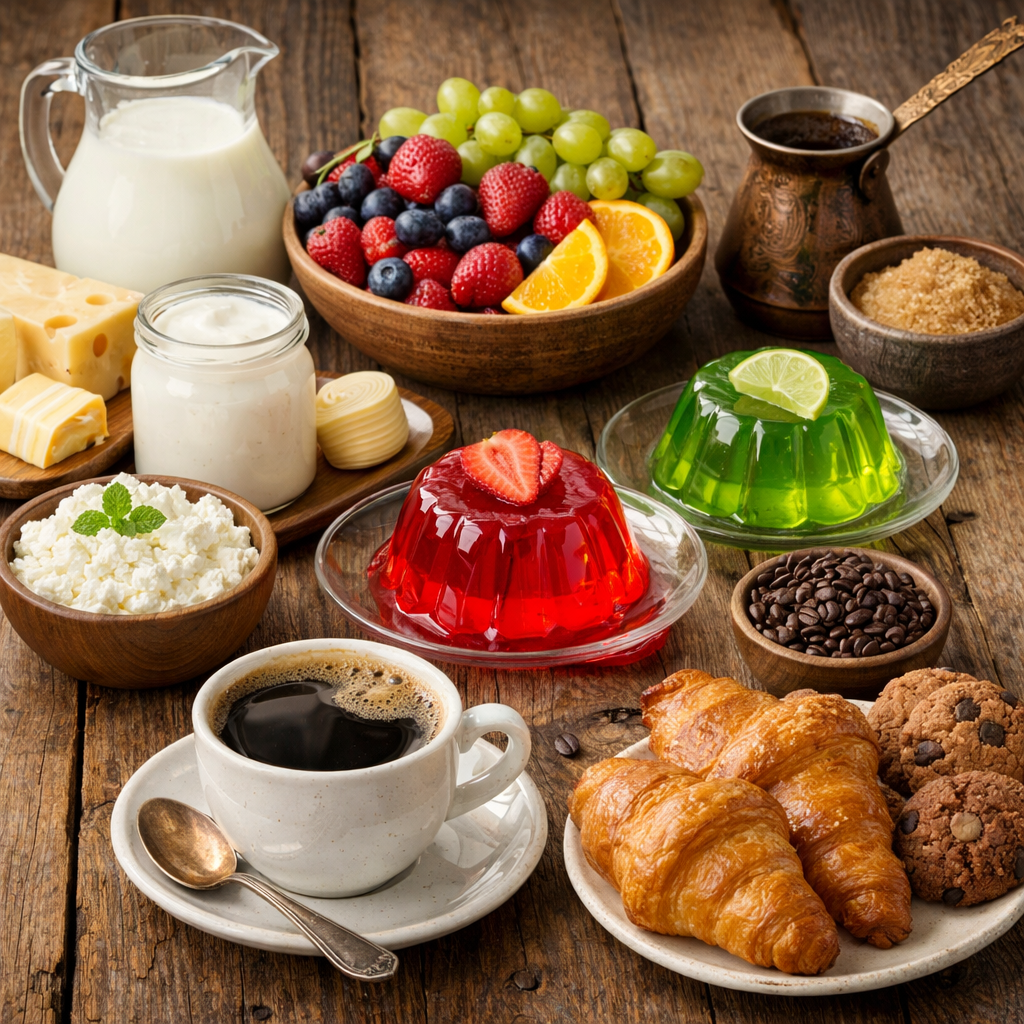
    • Dairy is back and might be a new favorite: Milk, cheese, ice cream — preferably full-fat and high quality. Cheese. My new obsession.
    • Root veggies and well-cooked starches. Potatoes, sweet potatoes (I LOVE ME SOME SWEET POTATO!), carrots, squash. Cooked fully so your gut will not throw a tantrum.
    • Coffee, salt, sugar (in reason), and constant fluids. My black espresso still fits. Peat loved it with milk and sugar anyway.
    • Avoid the inflammatory: Most grains, legumes, raw cruciferous veggies,  fatty fish, and all that processed garbage loaded with iron and additives.

    Peat said eat frequently — no fasting, no severe restriction — to keep blood sugar and energy steady. Here is where we clash: I still love fasting and eating like a dainty fairy princess who barely needs calories to look after her man, run the house, and do activaties like Pilates. But I am playing with the Peaty principles because they feel better for me. 

    He wants you eating to appetite, 4-6 times a day, pairing protein with carbs and fat. I love to get these protein and fats in through avocado and nut butters for dipping, but I will never eat more than once a day (plus an evening snack). Plus, he suggests cooking everything well. I will cook most things well… but tartare and sushi still hit my personal menu because rules are suggestions when they taste good.

    People on this way of eating report better energy, thyroid function, digestion, skin, hair, hormones, and way fewer cravings. Ray Peat himself lived to 86, slamming orange juice and ice cream while most diet gurus look like they are one kale smoothie from the grave.

    Critics scream it is”too much sugar,” lacks big clinical trials, and laughs in the face of mainstream advice to avoid sat fat and eat more fiber. I love that part. If the mainstream says it, I am already suspicious.

    It might not work for everyone — dairy issues, specific conditions, etc. Talk to a doctor before you go full rebel, blah blah.

    Bottom line: This is a flexible framework inspired by Peat’s work (raypeat.com has the deep dives). I am not following it like scripture — I am stealing the parts that make me feel alive, energetic, and less bloated while still indulging my sweet tooth (plus I am stealing most of my dietary “rules” from the cavemen— paleo— but with a bit more sweetness). 

    So I stopped feeling weighted down. I would rather feel light, sharp, and fueled by fruit, ice cream, and spite.