Tag: food

  • Stop Subtracting Joy, Start Adding It

    Stop Subtracting Joy, Start Adding It

    The wellness industry has been gaslighting you for decades. We have all bought into this masochistic cult of “less is more.” Cut the carbs. Skip the sugar. Punish your body into submission with celery juice and intermittent fasting until you are a hollow-eyed shell pretending kale tastes like freedom.

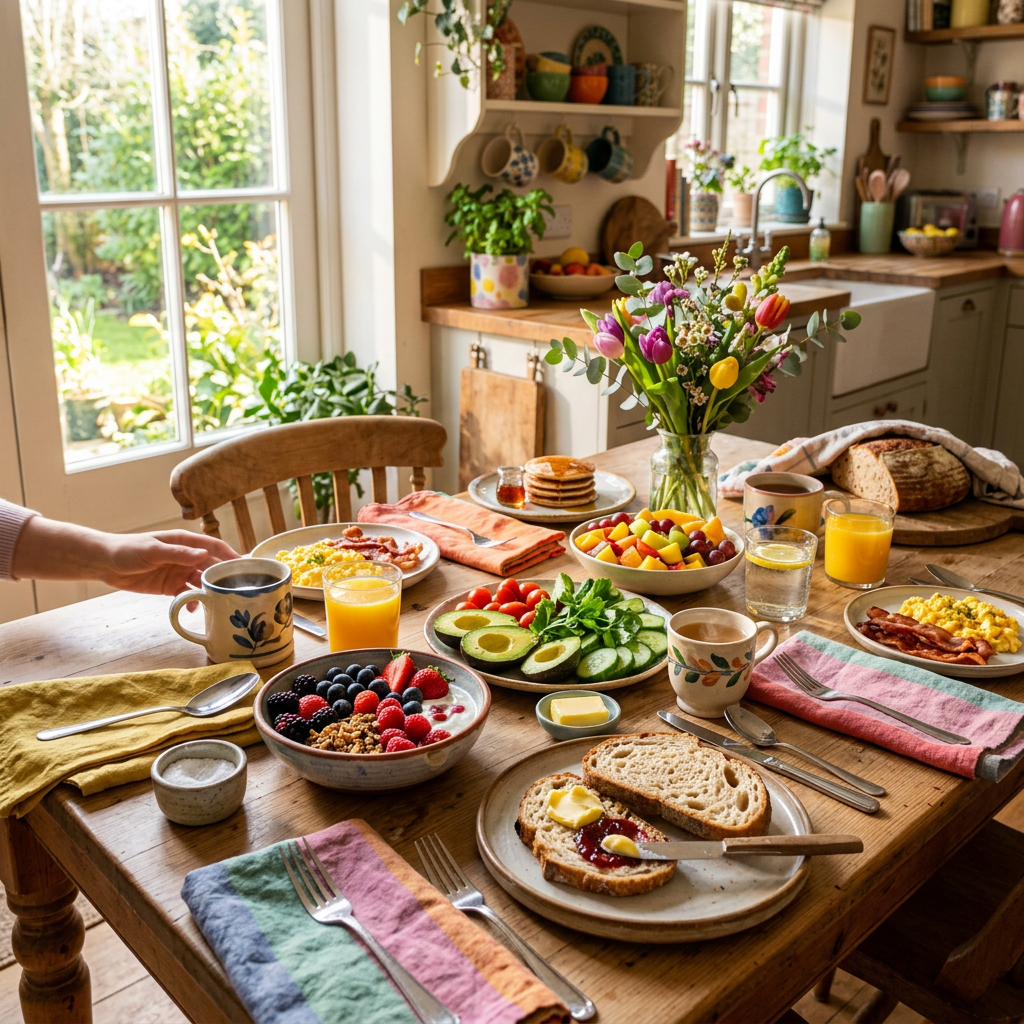
    Table with breakfast foods including bread, berries, avocado, eggs, pancakes, juice, coffee, and flower vase
    A cozy kitchen table set with a colorful, healthy breakfast and fresh flowers

    Maybe the real path to joy is not about what you remove from your life—it is about what you add. Add in love. Add in laughter. Stop playing defense against pleasure and start stacking the deck with everything that actually lights you up. Your body is not a prison to be starved into submission. It is a playground (you can have your kale and some cake too!)

    Think about food. The moment something tastes amazing—creamy pasta, rich chocolate, a greasy burger that hits like a warm hug—we are trained to feel immediate guilt. “That’s bad.” “You’ll regret this.” Cue the shame spiral, the compensatory workout from hell, the mental ledger where every bite is tallied like a war crime.

    What if we flipped the script? Instead of obsessing over what to banish, what if we flooded our plates (and lives) with more of what genuinely feels good: real, unapologetic pleasure?

    Add more meals that make you moan a little when you eat them. Add spices that make your tongue dance. Obviously you should never add that second helping because no one’s soul needs that today. Fat is not beautiful. It is masked shame and sadness. Instead we should add movement that feels like play instead of penance—dancing in your kitchen at 2 a.m. to terrible music, not another soul-crushing HIIT session. Workouts do not work anyway (bodies are made in the kitchen). You can “workout” daily, but the gut does not go away when you drink booze every day. So just be happy. Do not add anything that will only make you stressed and anxious. Often, telling yourself that you cannot have something leads to unnecessary stress. Add people who make you laugh until your abs hurt. Add boundaries that protect your peace instead of toxic productivity.

    The subtraction mindset is for control freaks and people who secretly hate themselves. “I must suffer to be worthy.” No. You add layers of joy until everything that does not serve you naturally falls away. Because you are too busy feeling alive to waste time on garbage.

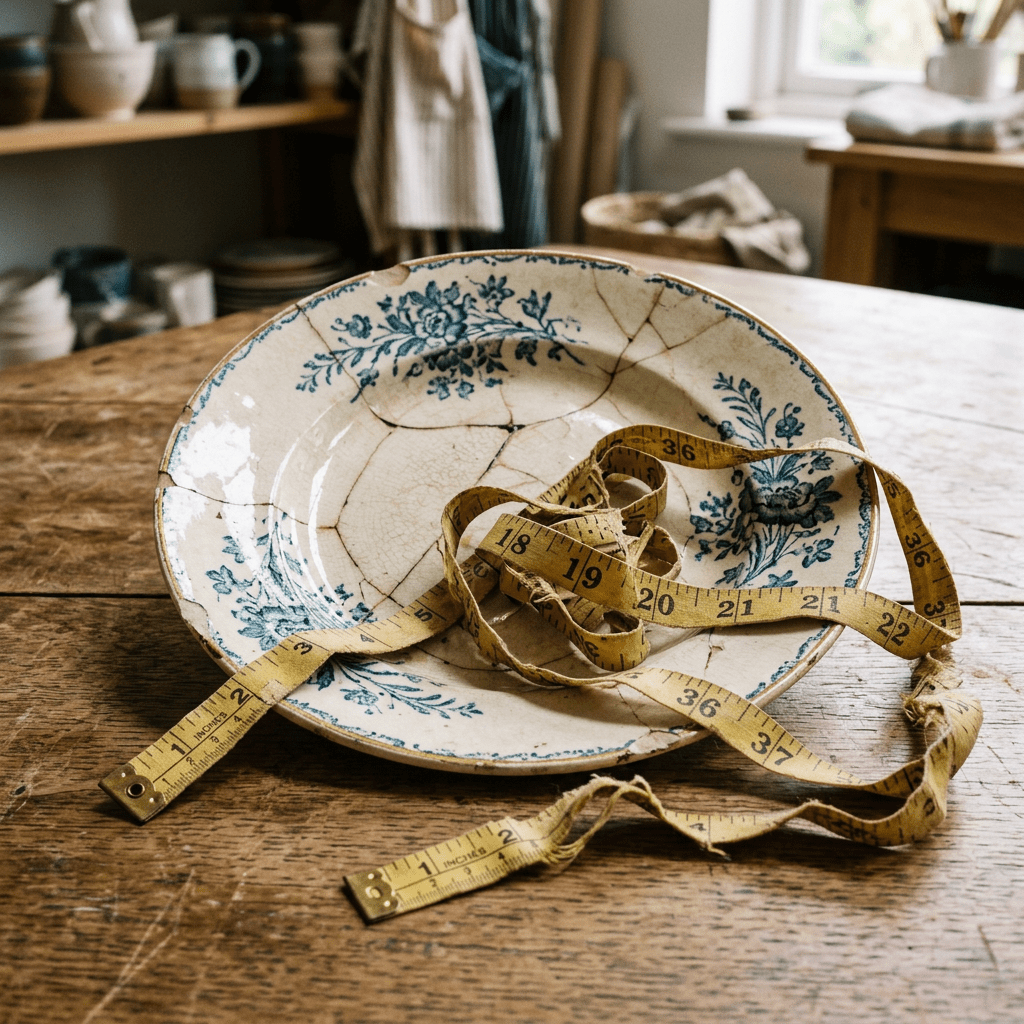
    Cracked floral ceramic plate with coiled yellow measuring tape on wooden surface

    Your relationships? Start adding more of the ones that make you feel electric. Your career? Add skills, side hustles, or straight-up pivots that excite you. Your downtime? Delete the endless scroll that makes you feel bad and add books, hobbies, or straight-up doing nothing without guilt.

    Constant restriction does not build character. It builds resentment, binge cycles, and a weird superiority complex that alienates everyone around you. Believe me: I know this from my personal journey. Joy compounds. Pleasure is information—your body’s way of saying “more of this, please.” Shame is just cultural programming designed to sell you supplements, apps, and memberships.

    I have watched people torture themselves into “optimal” bodies only to crash harder— me in college for example. Meanwhile, the people who seem genuinely radiant? They are not perfect, but they are the ones who chase what feels good without performing virtue.

    This is not hedonistic chaos. Being disciplined is definitely still important. This is radical self-trust. Your body knows what it needs if you stop shouting over it with diet dogma. Crave something? Add it mindfully. Do not feel well after? Micro-dose it. Add more of what restores you next time. Experiment like a mad scientist of your own life instead of following some guru’s subtraction gospel.

    The wellness industry wants you broken and buying. True vitality is additive. Greedy, even. Pile on the good until the bad has no oxygen left.

    So next time that voice whispers “you shouldn’t,” tell it off and take another bite. Add the walk in the sun. Speak the truth. Add the nap, the indulgence, the unfiltered laugh.

    We do not need a diet of “no.” Make it a feast of “hell yes.”

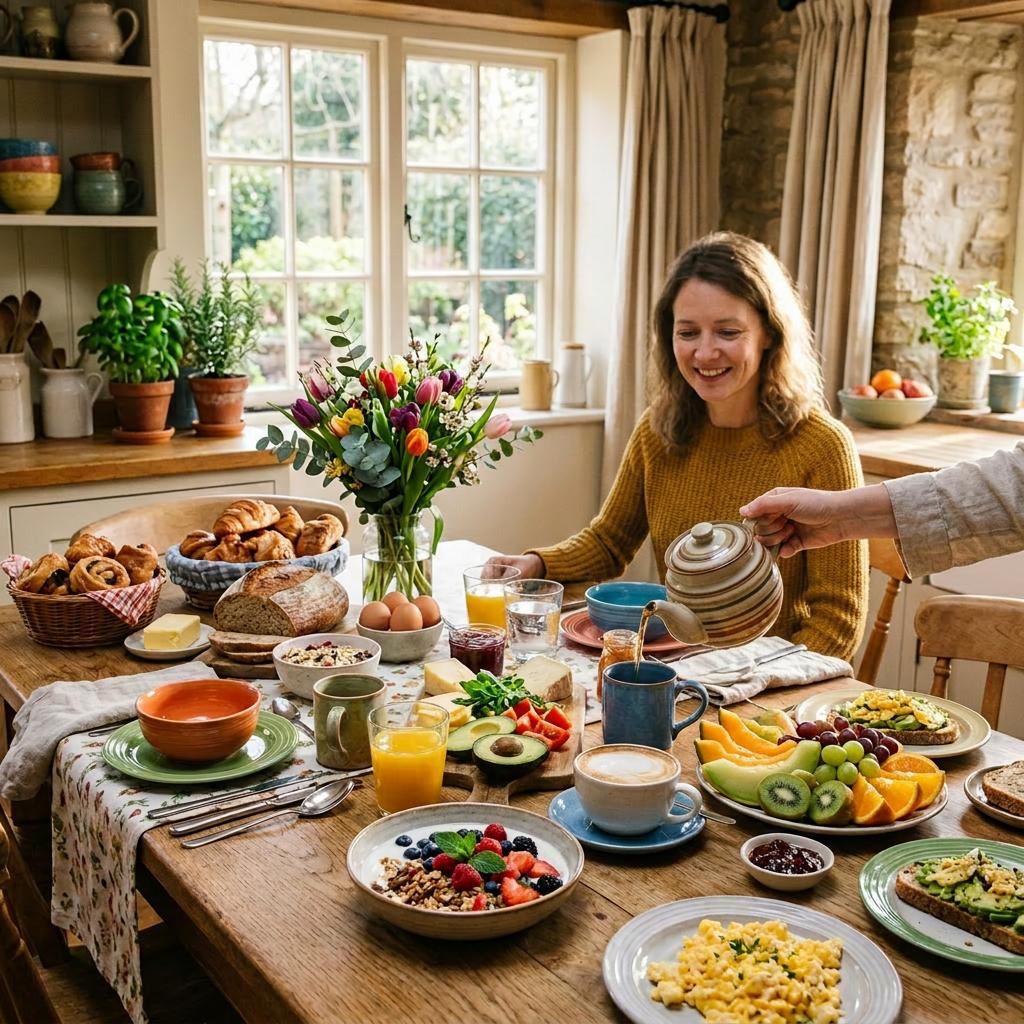
    Breakfast table with fresh fruit, pastries, coffee, and people enjoying meal
    A cheerful morning breakfast spread featuring fresh fruits, pastries, and coffee

    All in all, I am not just talking about food. But do not overdo things. If a food makes you happy in the moment, but makes you feel like shit afterwords, you should probably cut down. Basically, just stop taking life so seriously— add in some fun and play.

  • Fasting: A Game Changer for Self-Control and Pleasure

    Fasting: A Game Changer for Self-Control and Pleasure

    I am not exaggerating, and this is not hyperbole: fasting legitimately saved my life.

    I am an all-or-nothing girl. Always have been. That same wired-in extremity that nearly destroyed me with anorexia is the exact thing that is now keeping me thriving. For years I could starve myself into oblivion without blinking. My body knew how to disappear. But here is the twisted part—I love food. Not in a “oh I enjoy a nice salad” way. I am talking deep, carnal, mouth-watering obsession. Decadent, buttery, chocolate-drenched, sprinkle-covered, still-warm-from-the-oven baked goods that make you moan when you bite into them. Yeah, those.

    University was a sad, hollow circus. I was not “enjoying food”—I was scarfing down everything that I would not allow myself to have before. Cabinets stuffed with chips, cookies, chocolate bars, fancy cheeses—anything I could get my hands on—but also chips, ramen and full trays from the dining hall. Whole pizzas and pints of ice cream. It was punishment dressed up as control. I was miserable and secretly dying inside.

    Then I flipped the script.

    Now I eat like a queen on my terms. I worship treats, but I do not let them run my life. I am not some joyless monk. I have boundaries.

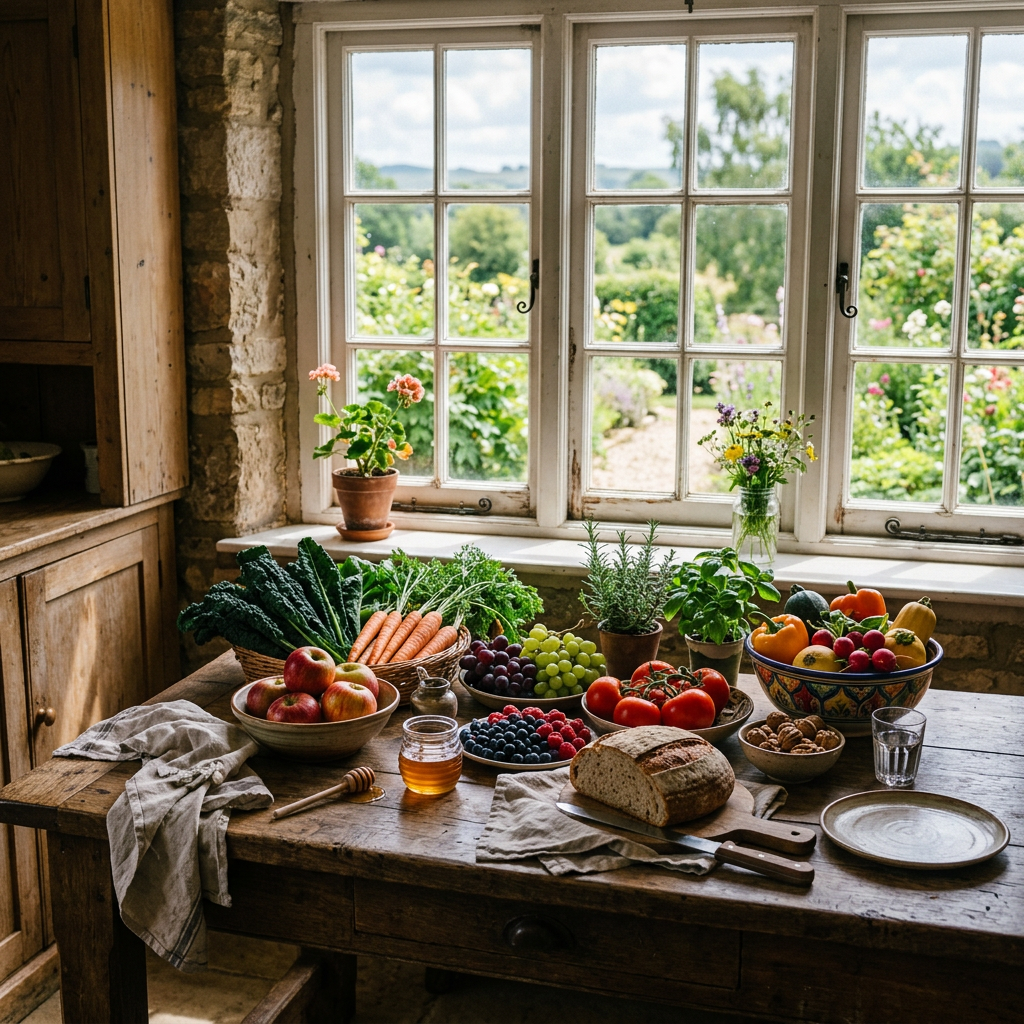
    Wooden table with apples, carrots, tomatoes, grapes, berries, bread, herbs, nuts, and honey in a rustic kitchen
    A wooden table in a rustic kitchen filled with fresh fruits, vegetables, bread, and herbs near a window

    I run a brutal but beautiful intermittent fasting schedule. Lunch around 11 a.m.—usually something vibrant, colorful, and actually nutritious, because I am not an idiot. Then one snack somewhere between 2 and 5 p.m. That is it. The rest of the day my body gets to chill, burn fat, repair itself, and stop being a slave to constant digestion.

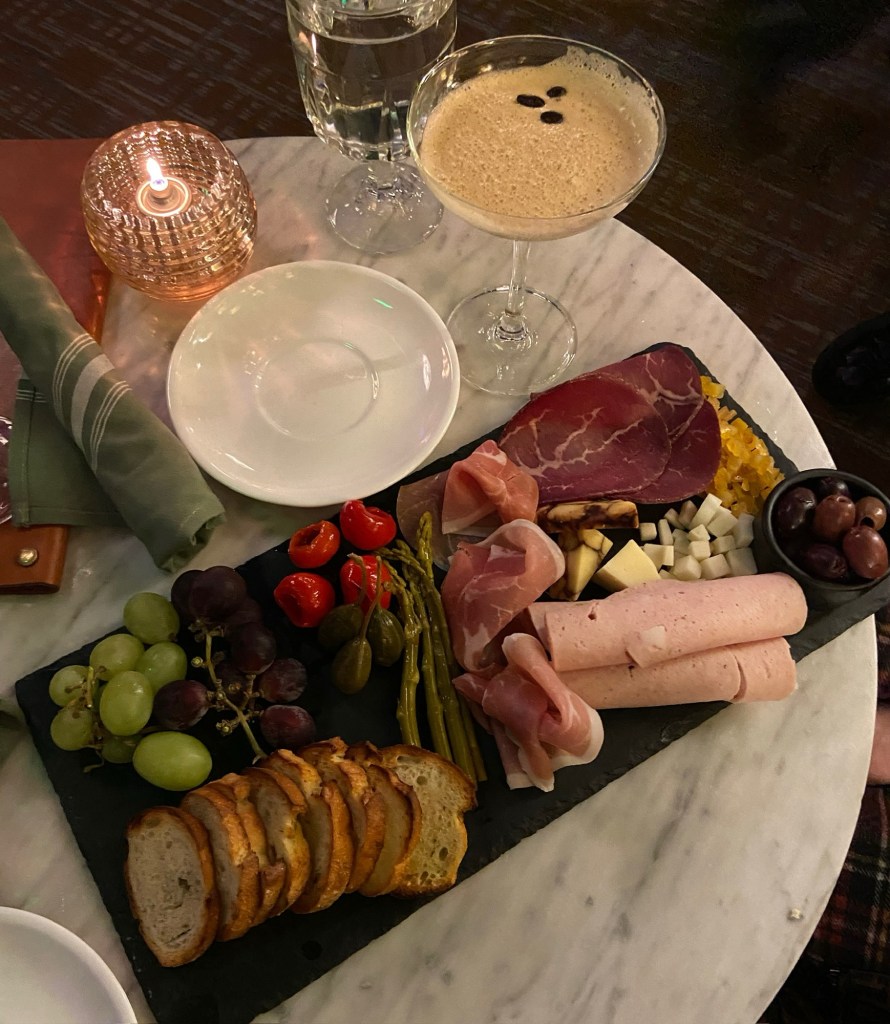
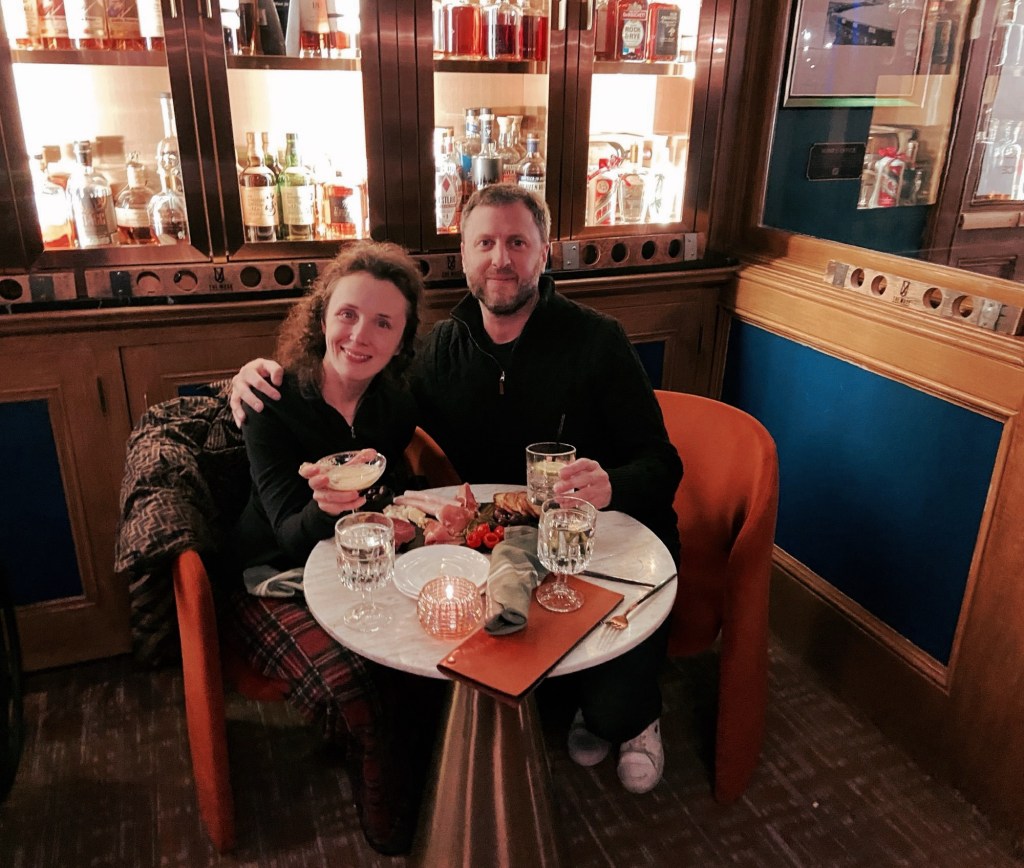
    Eating out on holiday with my man.

    Weekends are when I let the beast out. Chocolate. Nuts. Freshly baked pastries. I go all out. And because I have kept my weekdays tight, I do not blow up or hate myself on Monday. This is not restriction for restriction’s sake. This is strategy. This is power.

    This way of eating does not look perfect for cohabitation. Living with my man means I am going to have some late dinners. And plenty of steak and potatoes (his favorites). But right now, this is how I learned to enjoy my life without turning into a bloated, anxious mess. I am still dedicated. I am still disciplined. And most importantly—I am still playing.

    I love my body now. I am done punishing it. Done with the war. Fasting showed me I could have both: the thrill of indulgence and the iron grip of self-control. It is the ultimate flex.

    Intermittent Fasting is my daily weapon—the one that actually fits real life. 16:8, 18:6, whatever. You shrink the window of the hours in which you allow yourself to eat, expand your freedom.

    But there is more. The dark arts:

    Water Fasting—just water, sometimes electrolytes, for days. This one takes god-tier discipline. Your body goes full apocalypse mode: autophagy on steroids, inflammation crashing, mental clarity. I have done shorter ones. The first 48 hours can suck your soul out, but then something shifts. You float. You feel dangerous. Powerful. Like you could conquer anything on nothing but spite and sparkling water.

    Fruit Fasting—basically what I did during my high school years. Flooding your system with natural sugars and enzymes from fresh, ripe fruit only. It is a gentler cleanse, great for resetting taste buds and giving your gut a break without going full nuclear. Sweet, juicy, vibrant—feels less like punishment and more like a tropical vacation for your cells.

    Dry Fasting—the final boss. No food, no water. Absolute zero intake. This one is not for beginners or clout-chasers. It is extreme, it is controversial, and it forces your body into survival—pulling water from metabolic processes, accelerating repair like nothing else. I respect the hell out of it, but I approach with caution. Your body has to be ready.

    All of them revolve around the same truth: sometimes the most radical act of self-love is not putting food in your mouth 24/7.

    Fasting did not just fix my body. It rewired my relationship with control, pleasure, and power. I am no longer the girl hoarding snacks. I am the woman who decides when and how she feasts—and when she lets the fire burn clean.

    If you are all-or-nothing like me, maybe this is your answer too. Stop the endless grazing. Stop the guilt-shame spiral. Draw a hard line, protect your window, and then truly enjoy yourself when it is time.

    Your body is not a temple to be constantly decorated with snacks. It is a weapon. Sharpen it.

    I am living proof.

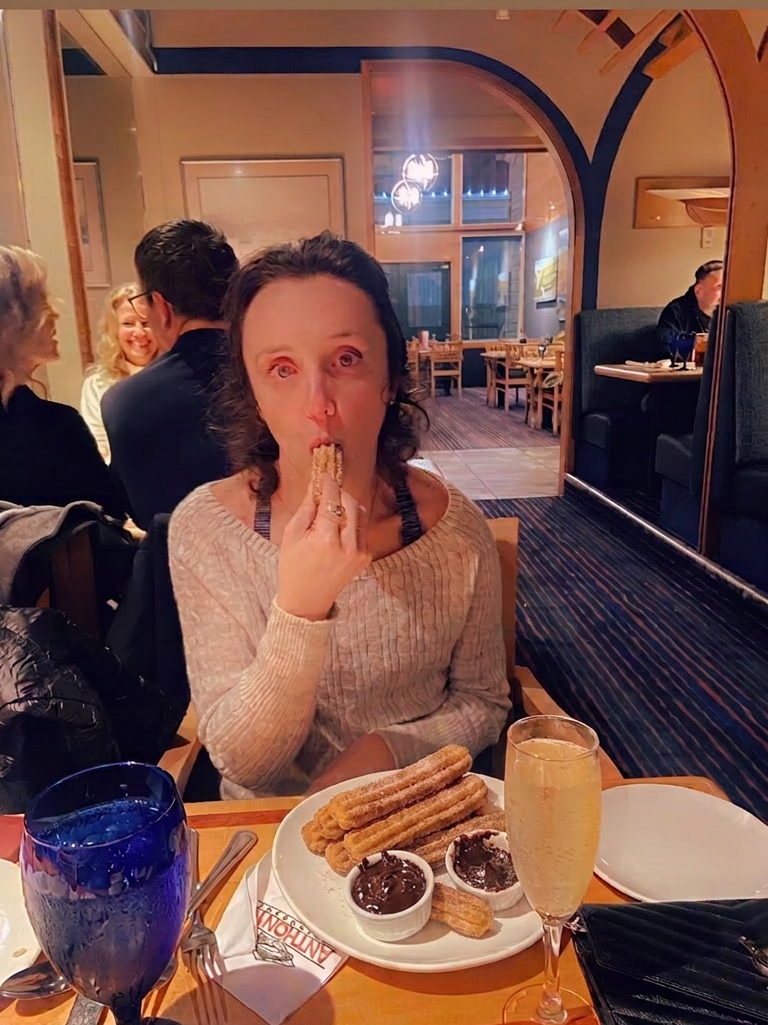
    He loves to take pictures of me indulging!

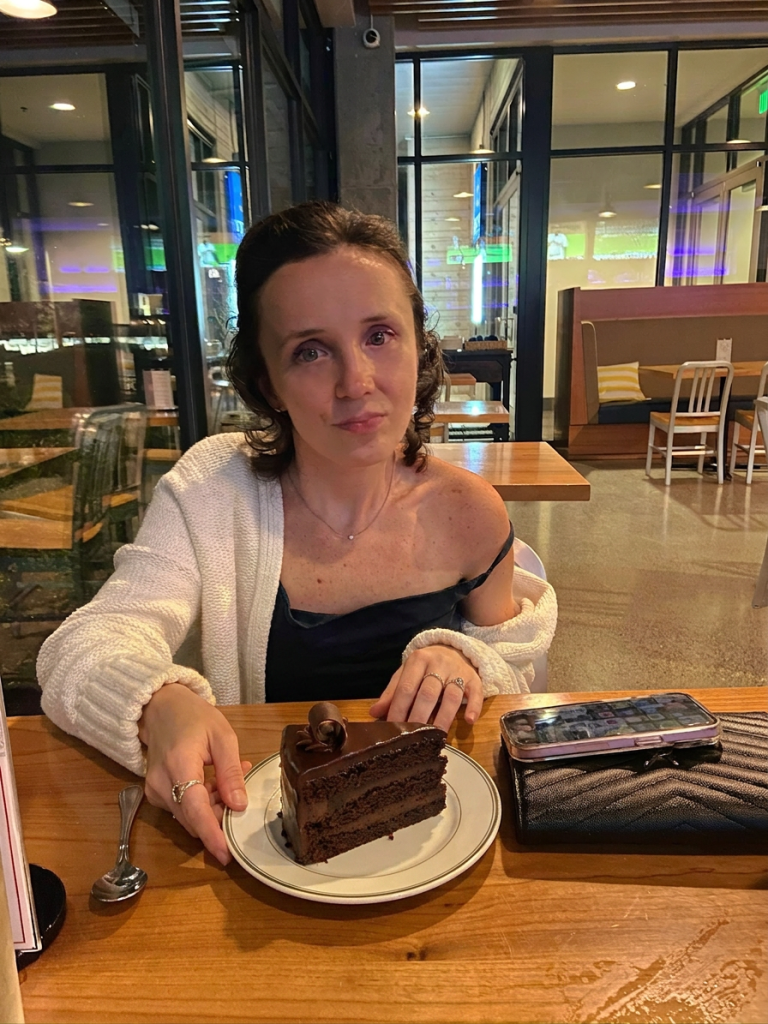
    Now if you will excuse me… it is Sunday. There is something chocolate calling my name.

  • Embracing MAHA: Reclaiming Our Health, One Pure Sip at a Time

    Embracing MAHA: Reclaiming Our Health, One Pure Sip at a Time

    I have always been passionate about the Make America Healthy Again (MAHA) movement. In a world full of processed foods, additives, and policies that seem more interested in managing sickness than preventing it, MAHA feels like an awakening. Under this administration, we are finally seeing the government prioritizing nutrition, whole foods, and root-cause solutions to the chronic disease epidemic plaguing our families.

    From reforming SNAP benefits to restrict unhealthy items (the average weight of a woman on SNAP is ~211 pounds versus ~146 pounds for the average woman!), to turning the dietary guidelines upside down — they put real, nutrient-dense foods front and center. They are also pushing Farm to School programs that connect kids with fresh produce from American farmers—this is the kind of change I have dreamed about (I adore farm-to-table dining!). MAHA is not just a slogan; it is a commitment to making our children healthier, our communities stronger, and our nation resilient again.

    But one issue hits especially close to home for me: fluoride in our water supply (read my blogpost about water and hydration here). It has been a controversial topic for decades, amplified by memes, podcasts, and the bro-science community who refuse to accept the official narrative. The question that keeps echoing in my mind—and in so many conversations online—is this: Do you really believe the government added fluoride to our drinking water purely to fight cavities?

    For years, we have been told that community water fluoridation is one of the greatest public health achievements of the 20th century. At optimal levels (around 0.7 mg/L), it supposedly strengthens tooth enamel and reduces decay, especially for those without regular dental care.

    Yet, the skepticism runs deep—and for good reason. Large doses of fluoride have been linked in studies and discussions to brittle bones (skeletal fluorosis), lower IQ in children, memory issues, and other neurological concerns. So you are actually poisoning yourselves by boiling healthy foods, like vegetables. Podcasts and viral content often highlight how fluoride accumulates in the body, potentially crossing the blood-brain barrier and affecting cognitive development (funnily/ironically enough, the kids who test the lowest in cognitive abilities, etc. live in communities who cannot afford to filter their water). And would it not be beneficial for the people who you rule over you to be dumb and ignorant?  Animal and epidemiological studies, particularly from areas with naturally high fluoride levels, raise red flags about neurotoxicity, thyroid disruption, and weakened bone structure.

    RFK Jr. has been vocal about this for years, calling fluoride a neurotoxin and industrial byproduct that does not belong in our taps. Under MAHA, we are seeing action: efforts to review CDC recommendations, state-level bans or restrictions (like in Utah and Florida), and a broader push for transparency on what we are actually ingesting every single day.

    Was it ever really just about teeth? Whether you lean toward conspiracy theories or simply demand better evidence, the pattern is clear: mass medication via water supply bypasses individual choice and informed consent.

    We now have alternatives for dental health: better diets low in sugar and ultra-processed foods and improved access to dental care. MAHA’s focus on nutrition and real food aligns perfectly here: stronger teeth and bodies come from the inside out, not from a chemical added to every glass of water, shower, or boiled meal.

    Chronic disease is skyrocketing—diabetes, obesity, cognitive issues in kids. If even a portion of that stems from exposures like fluoride, then removing it is common-sense (something that is not necessarily common) prevention. MAHA is about ending corporate capture of our food and health systems, questioning outdated beliefs, and empowering people with pure water, clean air, and nourishing food.

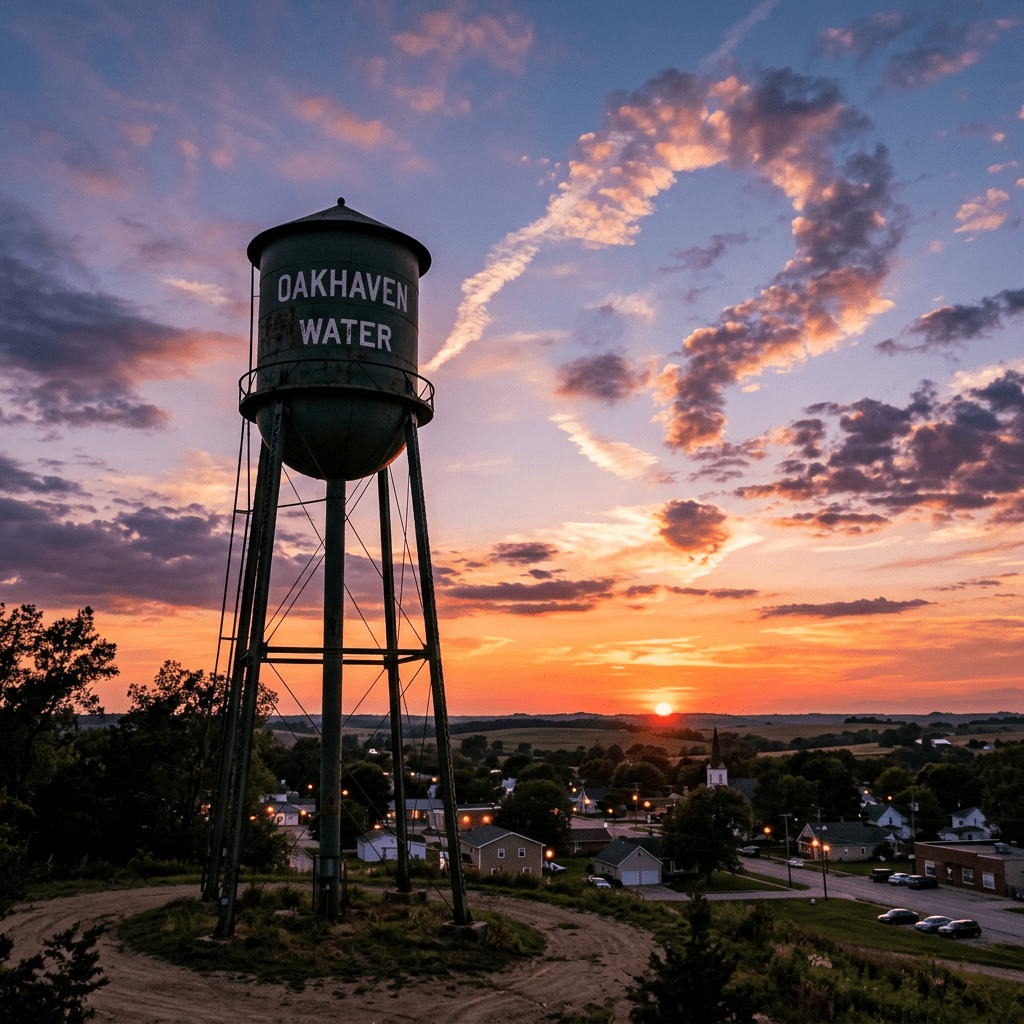
    Oakhaven water tower with sunset and town in background
    Questions about small town water supply

    I love how this administration is tackling nutrition head-on: new dietary guidelines emphasizing whole foods, proteins, healthy fats, and vegetables over junk. States experimenting with SNAP reforms. Investments in soil health and regenerative farming. These steps build a foundation where we do not need bandaids like mass fluoridation. 

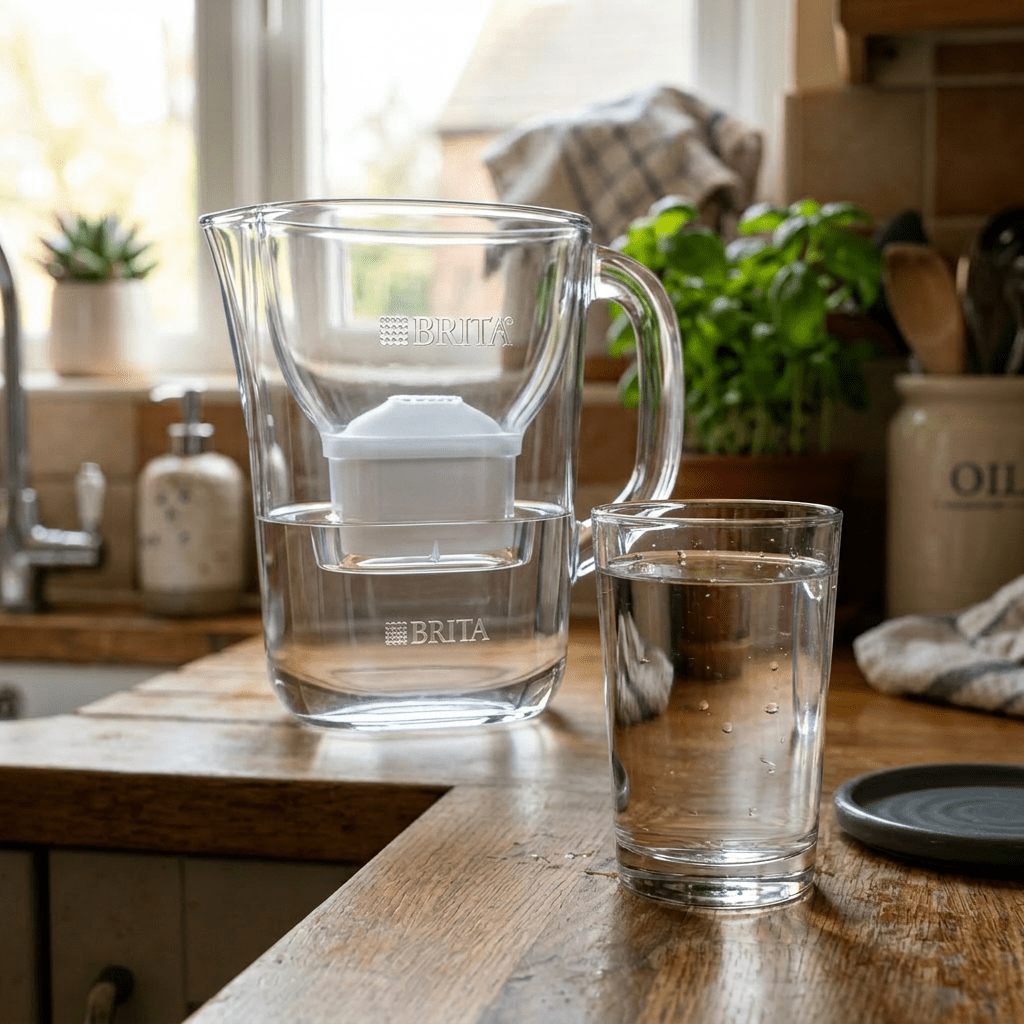
    Personally, I have switched to filtered water , researched remineralization options (electrolytes!), and focused on mineral-rich diets. My love for MAHA grows with every new ruling. The memes are funny, but the science and lived experience are compelling.

    Fluoride in water might have started with good intentions (or not), but in 2026, with better tools and awareness, it is time to rethink it. Support local efforts to review or remove it. Back MAHA initiatives that prioritize transparency and choice. Demand studies that look at total exposure from all sources, not just narrow dental metrics.

    This movement is not anti-science—it is pro-truth, pro-freedom, and pro-health. I am all in because I want to thrive without hidden burdens in our most basic necessity: water.

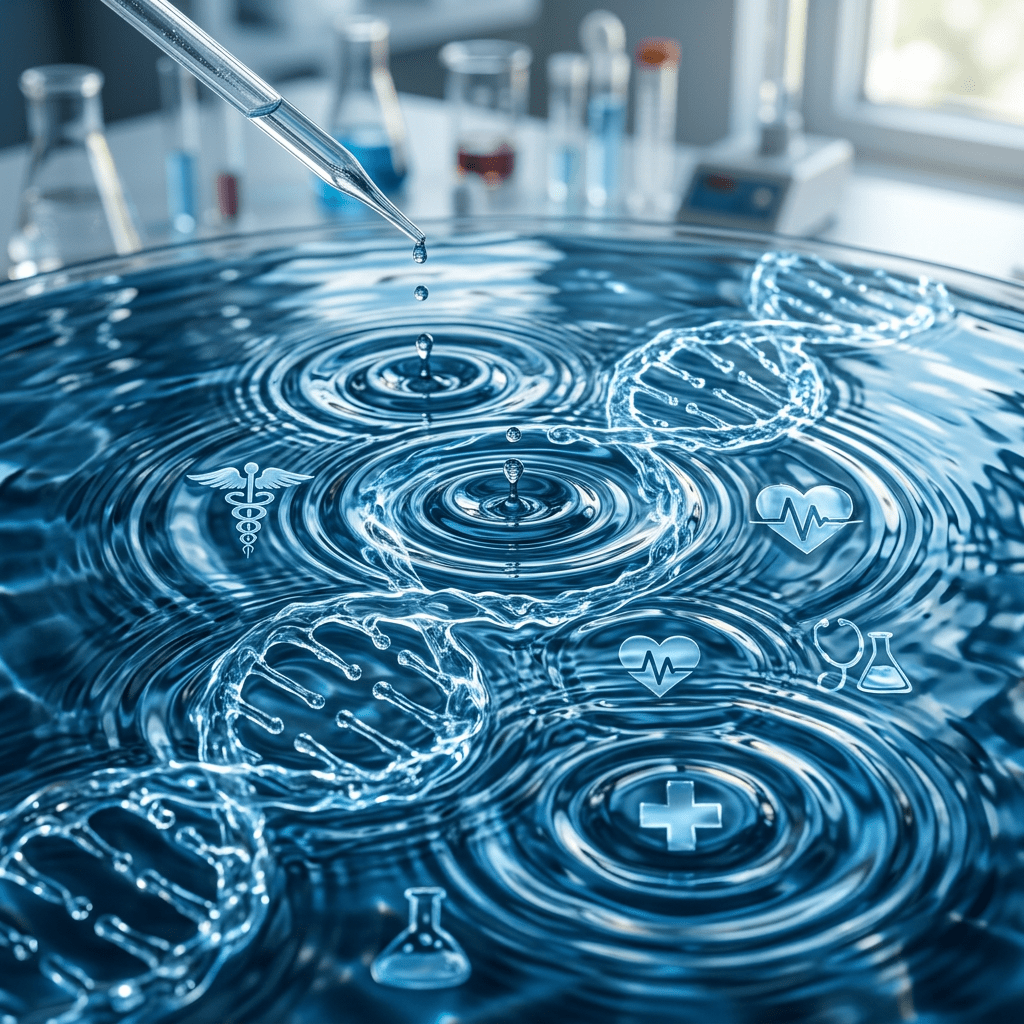
    Water surface with DNA helix and medical icons alongside liquid drops from a pipette
    Water ripples with DNA strand and medical icons in a lab setting
  • Understanding Candida: Your Gut’s Hidden Struggle

    Understanding Candida: Your Gut’s Hidden Struggle

    I have been known for mainlining sugar, stress, and antibiotics like they are essential vitamins (add in some coffee and bubbles and I am in nutrition heaven!). That often leads to a condition called Candida.

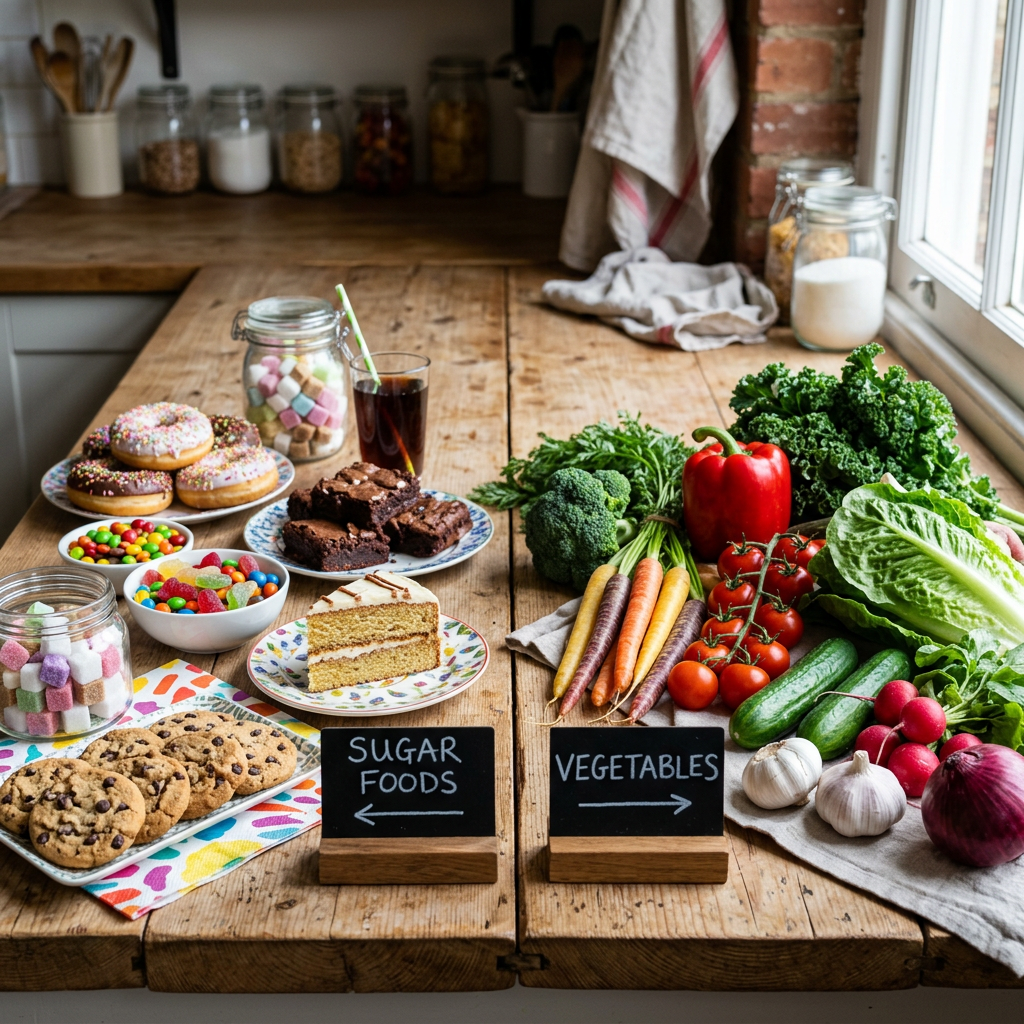
    Sugary foods including donuts, brownies, cookies, candy, and a slice of cake on the left; fresh vegetables such as carrots, broccoli, tomatoes, cucumbers, lettuce, garlic, and radishes on the right.
    An array of sugary treats contrasts with fresh vegetables on a wooden kitchen table.

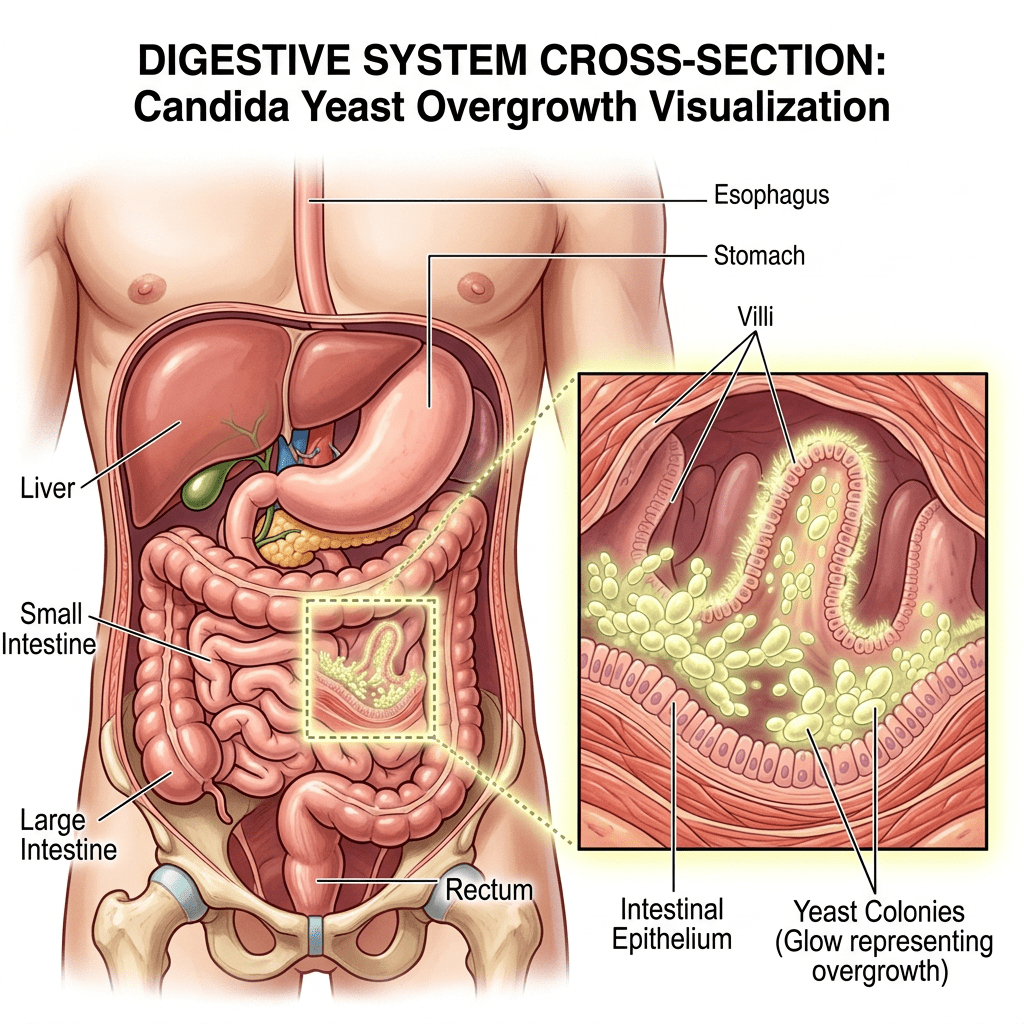
    If you have never heard of it, Candida is not a bacterial infection. It is a yeast, a type of fungus that lives in all of us in small amounts. But when your gut ecosystem goes haywire, it throws a wild party and multiplies like crazy. The result is extreme bloating that makes your jeans beg for mercy and brain fog so thick you could cut it with a knife.

    I have always been the queen of “Treat Yourself” and yes, sometimes stress can make me take the playing a bit too far. I have always had a preference for fruits and sweets. Plus I would hydrate myself only with caffeine and I would treat drinking as if it was a medical necessity (aperol spritz, champagne, Chardonnay?)— and , we cannot forget obsession for my bubbly water with yummy flavored electrolytes!

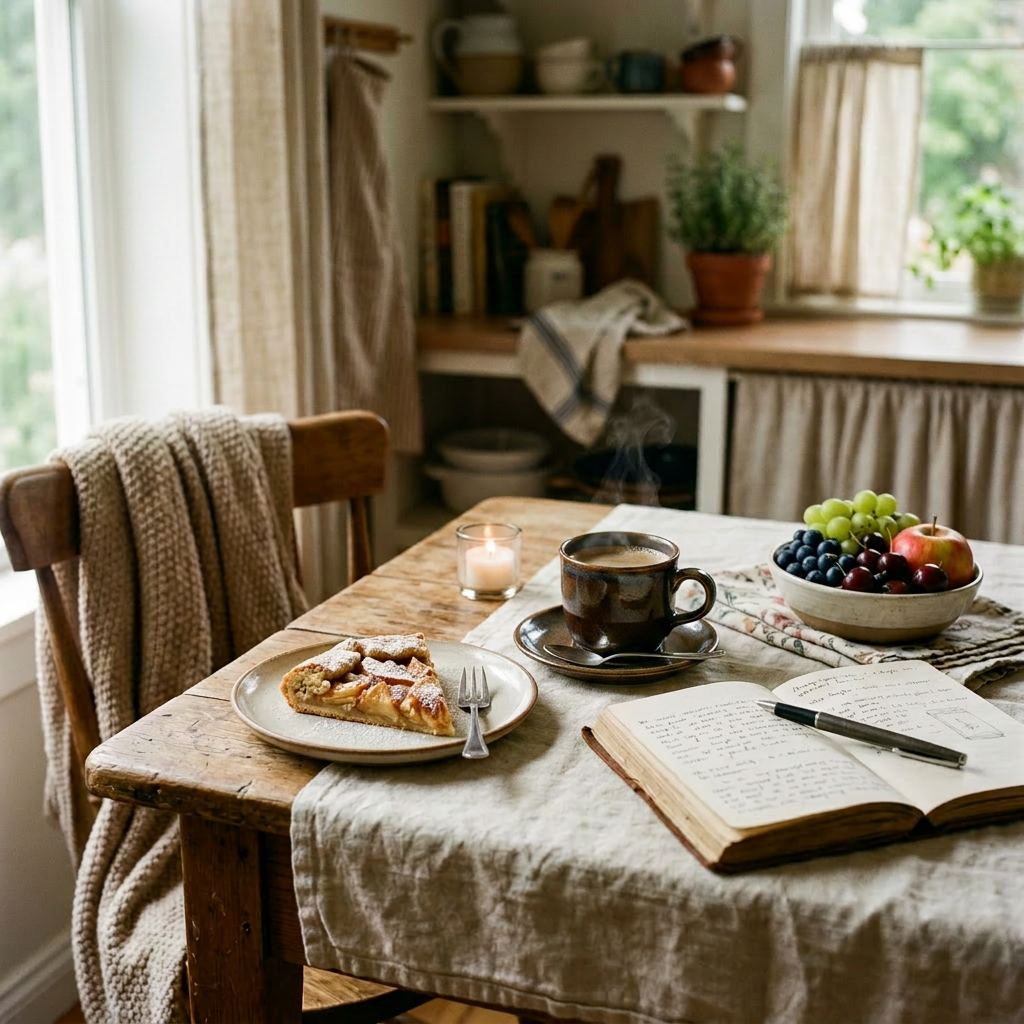
    Tea cup, fruit bowl, pie slice on plate with fork, and open journal on wooden kitchen table
    A peaceful morning scene with coffee fruit, pie, and a journal on a rustic table

    Yes, I thought I was functioning. But looking years back, my body was waving red flags. That post-meal bloat was not just “I ate too much.” That mental haze where I could not remember simple tasks or focus for more than 10 minutes was never just the side effect of brain damage. It was my gut screaming for help.

    Sugar and refined carbs are Candida’s favorite fuel. These are also the main sources that make up my diet. Stress pumps out cortisol, which further imbalances your microbiome and weakens immunity. Coffee keeps the party going. It is a vicious cycle: the yeast craves sugar, you feed it, it grows, symptoms worsen, you stress-eat more. Heaven for Candida, hell for me.

    Then it stopped. I did not seek help from the western medical establishment… as you ask them for help and they turn into pill pushers (telling you that Big Pharma will heal you— never mind what the blood work etc shows).

    It is sneaky because symptoms overlap with so many other things—stress, thyroid issues, etc. Many people (myself included) brush it off for years. Fatigue that no amount of coffee can cure and intense sugar cravings.

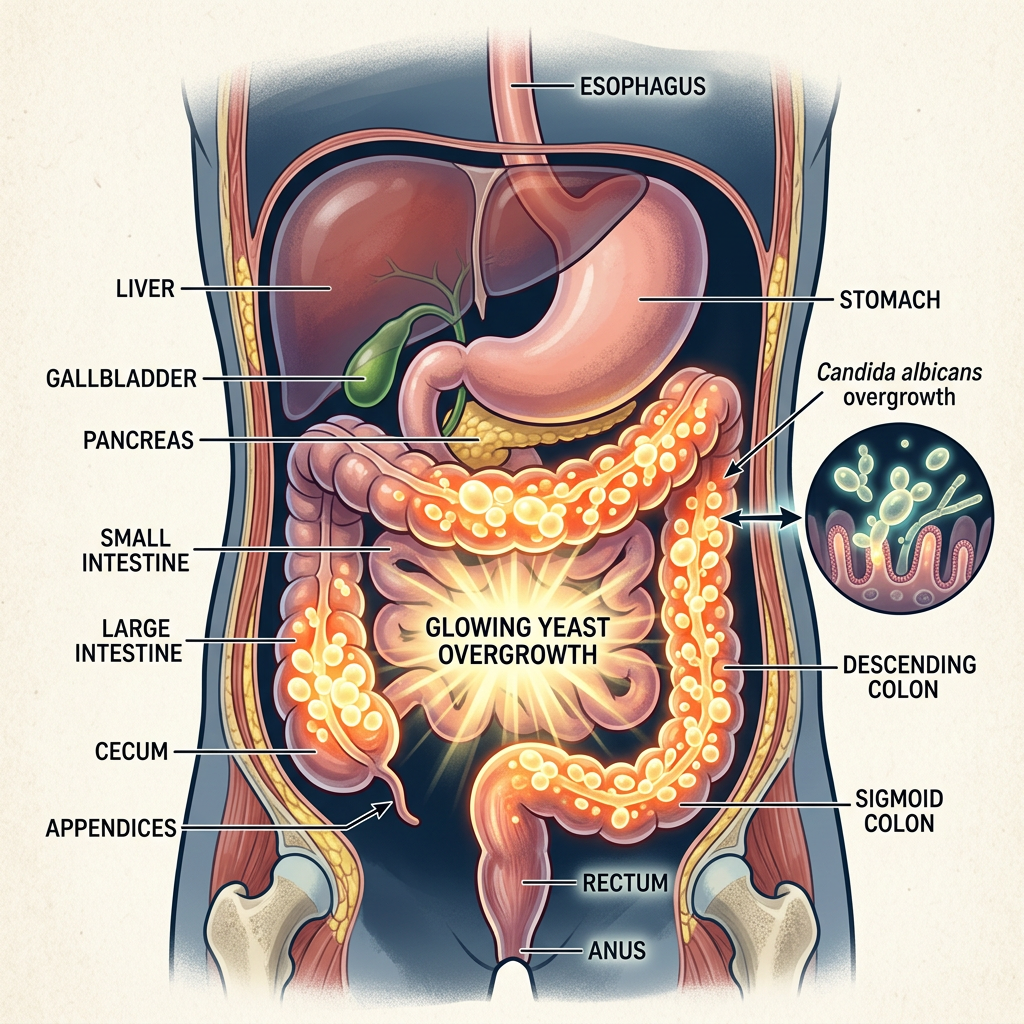
    Digestive system cross-section with labeled organs and inset showing candida yeast overgrowth on intestinal villi
    Cross-section of the digestive system showing candida yeast overgrowth in the small intestine

    Candida overgrowth is not always a formal medical diagnosis everyone agrees on (some doctors are skeptical of “systemic” claims), but the symptoms are real, and addressing the root causes helps a ton of people feel better. Realizing that any gut issue is an issue with something that you are eating is the first step. Yes, most doctors will say that you have some sort of Irritable Bowel Syndrome (IBS), but I have found that starving out the yeast is the way to go. Plus, eliminating any stress in your life. So ultimately mindfulness is most important. Not some sort of medicine.

    No, I am not eliminating all of the yummy joy out of my life— I am not about to spend my life being miserable. I simply added in fasting, limiting the overly sugary/ processed and voila! I get to play again. I will treat myself and then practice self discipline. Weekends are often for indulgence. Weekdays are definitely disciplined. One meal per day and always full of vibrant and nutritious foods. It is pretty fun (plus the reflection in my mirror and the look on my my boyfriend’s face are both ecstatic!)

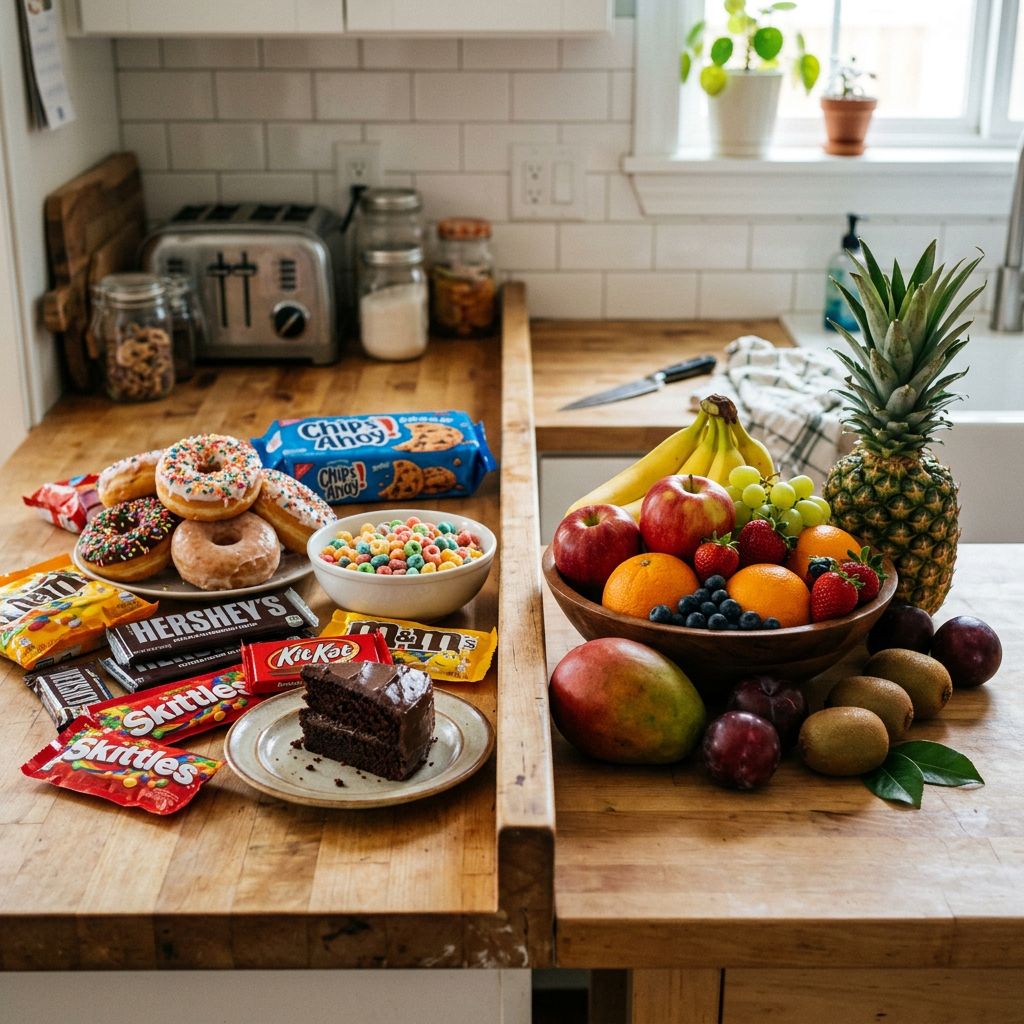
    Plate of donuts, chocolate bars, cookies, candy, and bowl of cereal next to a bowl of fresh fruits including bananas, apples, grapes, strawberries, oranges, pineapple, mango, plums, and kiwis
    Side-by-side display of sugary snacks and fresh fruits on a kitchen counter
  • My Passion for Nutrition (pt. 4)

    My Passion for Nutrition (pt. 4)

    Bread has been a dietary staple for thousands of years, but not all loaves are created equal. Sourdough — the ancient, tangy favorite that has seen a massive resurgence in home kitchens— is not only a cottagecore trend in which people are opting to live a quiet and peaceful lifestyle. Conventional bread — the convenient, soft slices that fill supermarket shelves— is basically just considered optimal because of the mass production ability of it.

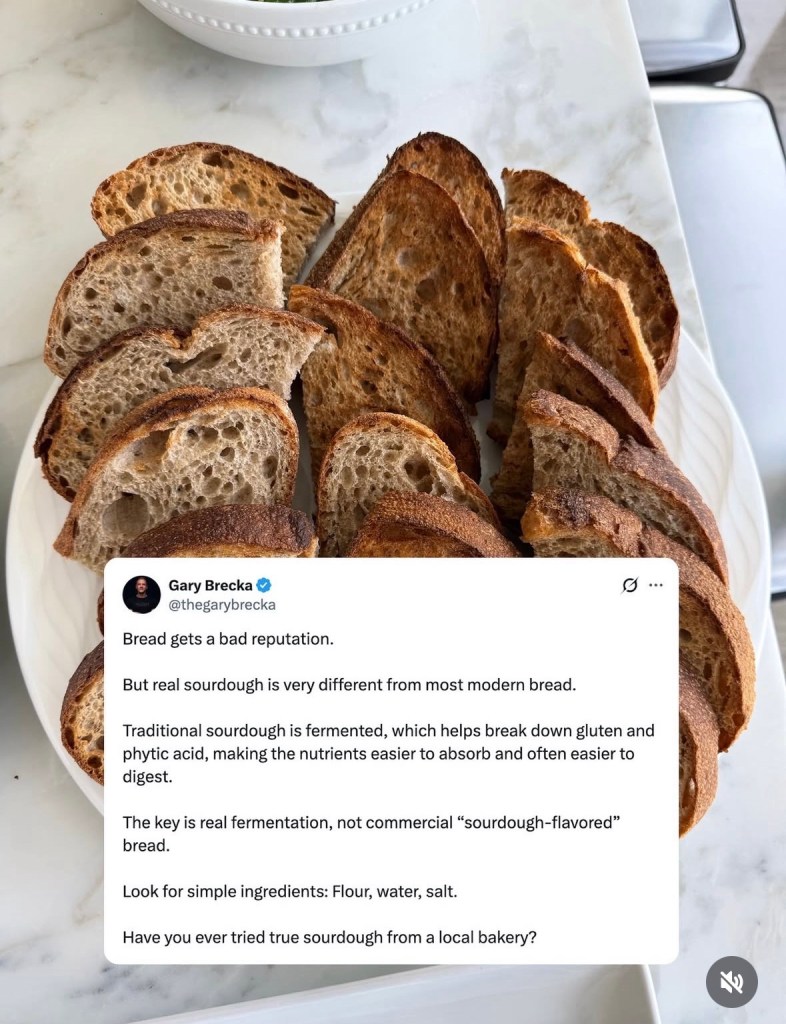
    The great health guru- Gary Brecka!

    Sourdough Bread vs. Conventional Bread: Which One Deserves a Spot on Your Table?

    Sourdough is one of the oldest forms of leavened bread, dating back to ancient Egypt around 1500 BCE (with even earlier evidence possibly from 3700 BCE in Switzerland). It likely started accidentally when dough was left out and colonized by wild yeast and bacteria. This method spread to the Greeks and Romans and remained the primary way to make bread for most of human history until the late 19th and early 20th centuries.

    Commercial baker’s yeast, isolated in the 19th century, revolutionized bread-making by speeding up the process. This enabled mass production of consistent, soft loaves.

    Sourdough stuck around in places like San Francisco (famous during the Gold Rush, where miners kept starters warm), but conventional bread became the everyday norm.

    The biggest distinction between the two types lies in leavening and fermentation:

    • Sourdough: Made with a “starter” — a live culture of flour and water harboring wild yeast and lactic acid bacteria. The dough ferments slowly (often 12–48 hours or more). Ingredients are simple: flour, water, salt, and the starter. No commercial yeast needed. This long fermentation creates lactic and acetic acids, giving the signature tang.
    • Conventional bread: Uses fast-acting commercial yeast for a quick rise (often just 1–2 hours). Many store-bought versions include additives like dough conditioners, preservatives (e.g., calcium propionate), emulsifiers, sugars, or even vinegar for fake “sour” flavor. “Sourdough” labels on grocery shelves are not always true sourdough — check ingredients! It should literally be 3-4 items listed.

    True artisan sourdough is a labor of love. Handmade from the loving baker in your home (or a small local bakery). Conventional bread prioritizes speed, shelf life, and uniformity (a sad state of affairs).

    Sourdough often helps with digestion and blood sugar, thanks to fermentation.

    Fermentation breaks down phytic acid (which binds minerals), reducing it significantly more than yeast alone (up to 62% vs. 38%). It also lowers hard-to-digest carbs. Fermentation also partially breaks down gluten, helping many with sensitivities. Result: Less bloating!

    Sourdough bread has a lower glycemic index (GI): Sourdough typically has a lower GI (~54) than white bread (~71), leading to steadier blood sugar and potentially more satiety.

    It also has a better absorption of minerals like magnesium, iron, and zinc. It may support gut health via prebiotics from the fermentation.

    Unfortunately, sourdough can be similar or slightly higher in calories/protein/fiber depending on the flour. This is why most normies prefer regular shelf life. They think that the less calories the better. Never mind the quality and nutrients.

    Conventional breads are often fortified with vitamins. Whole-grain conventional options can be healthy too. Sourdough is definitely not a miracle food, but the slow process generally makes it more “gut-friendly.”

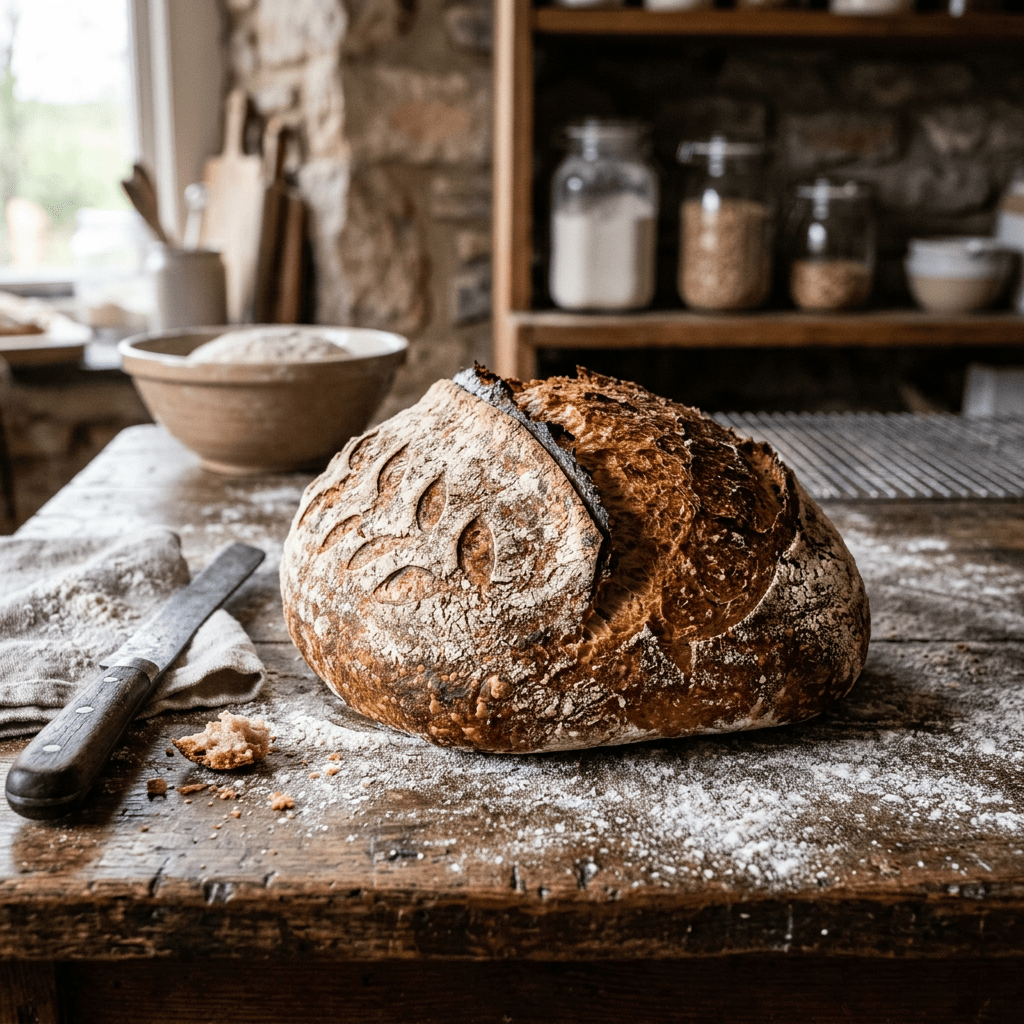
    Sourdough is very complex and tangy in flavor with nutty, acidic notes. It has a chewy crumb, crisp crust, and open holes from the long fermentation. It toasts beautifully and pairs with everything from butter to soups.

    Conventional bread is a milder, sweeter taste. Softer, more uniform texture — great for sandwiches or French toast, but often lacks depth.

    Many prefer sourdough for its artisanal appeal, though it stales faster without preservatives. All natural is not always cute. Think of sourdough as a beautiful woman who does not get work done versus all the “Instagram models” who often look identical full of plastic surgery.

    Sourdough bread is certainly superior in flavor, with potential health perks, and very minimal ingredients, (plus it is satisfying to make!) however it is often time-intensive (or pricier if buying), with variable results and a shorter shelf life.

    Personally, I adore sourdough… We get fresh loaves from a local (gluten free!) bakery. It is so scrumptious; literally whenever I feel like I am wasting away, I go to the kitchen and fist the inside of the loaf- leaving the inside for everyone else (smirk)…

  • Down Under Dreams: My Wild Teenage Adventure in Australia with People to People

    Down Under Dreams: My Wild Teenage Adventure in Australia with People to People

    At fifteen years old, I stepped off a plane into a world that felt like it had leaped straight out of a National Geographic. The air was warmer, drier, and carried the faint scent of eucalyptus. I was part of the People to People Ambassador Program, a life-changing opportunity that took a group of wide-eyed American teens halfway around the globe to Australia. What started as a simple cultural exchange trip quickly became a whirlwind of big-city glamour, rugged outback exploration, family-style homestays, and the kind of teenage chaos that only happens when you are far from home and the usual rules do not quite apply (the innocent kind though, not really what we see on teenager television shows).

    Our itinerary was perfectly balanced between urban sophistication and raw Australian wilderness. We bounced between the gleaming harbors of Sydney and Melbourne and endless stretches of red earth in the outback. Long bus rides became our moving classrooms—hours spent watching the landscape shift from bustling streets to golden grasslands. We stayed with local families who opened their homes (and hearts) to us, sharing meals, stories, and glimpses into everyday Aussie life that no guidebook could ever capture.

    Sydney hit me like a fever dream. The iconic Opera House rose like white sails against the sparkling harbor, its curves even more breathtaking in person than in any photo I had seen. We toured the Olympic facilities from the 2000 Games, walking through stadiums that once echoed with global cheers. I remember standing there, imagining the roar of the crowd, feeling tiny yet somehow part of something enormous.

    But beneath the excitement, I carried a heavy secret. This was the year after I started high school, and the pressure to look and be “perfect” had already taken root in my mind. Australia felt like the ultimate reset button—a chance to reinvent myself far from judgmental eyes back home. Before the trip even began, I emailed the volunteer chaperones with a carefully worded note: I would not be eating much, and they should not worry about me. Looking back now, it breaks my heart to think of that determined, insecure fifteen-year-old girl trying so hard to control the one thing she could in a brand-new country.

    On those long bus rides, packed lunches were handed out like clockwork—sandwiches thick with deli meats, crisp chips, and sweet treats. I would politely unwrap mine, eat only the apple, and quietly put the rest aside. The volunteers were kind, but I could feel their concerned glances. During our homestay in Melbourne, the warm “mom” of the house cooked a hearty Australian meal just for us. I pushed the plate away after a few bites, murmuring something about being full. Her disappointed but understanding look still lingers with me. Food became both enemy and background noise while the real adventure swirled around me.

    Of course, no trip at fifteen would be complete without plenty of youthful mischief. I flirted shamelessly with the boys in our group—stolen glances across bus aisles, whispered jokes during tours, and that electric buzz of first crushes amplified by the freedom of being overseas.

    The Australian sun, however, showed no mercy. Wanting to be perfect meant that I wanted golden skin. I ended up severely sunburned. My skin turned lobster-red, peeling in painful sheets for days. Lesson learned: respect the ozone hole Down Under.

    One of my biggest hurdles was begging my mother—via crackly payphone calls from a random shopping mall —to let me get my belly button pierced. I pleaded, I reasoned, I dramatically described how “everyone” was doing it. She held firm.

    Instead, I settled for a temporary tattoo from a quirky shop near the harbor. It was some butterfly design that I proudly showed off to the group. When I got home, I let everyone believe it was real, basking in the temporary cool factor before it faded in the shower. Small rebellions, big memories.

    The real soul of the trip was during our long bus tours through the outback. The landscape stretched endlessly—red dirt, scrubby bushes, and skies so vast they made you feel wonderfully insignificant. We learned about Aboriginal culture, their deep connection to the land, and the stories passed down through oldtime legends.

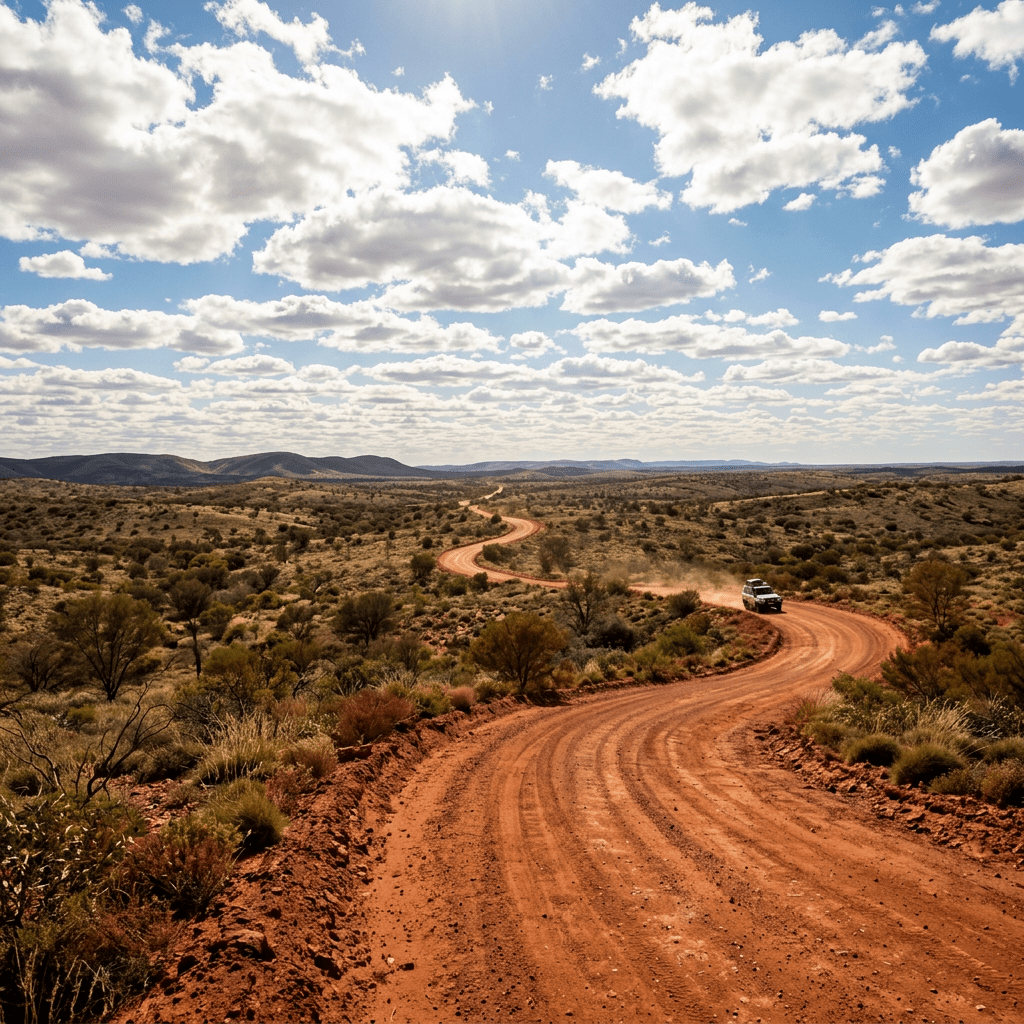
    Vehicle driving on winding red dirt road in arid outback landscape
    A vehicle traverses a winding red dirt road through arid outback terrain under a partly cloudy sky

    One unforgettable stop was a wildlife sanctuary where I finally got to hold a tiny koala. He was everything I imagined: fluffy gray fur, button eyes, and a sleepy demeanor (apparently they are constantly high from eating the eucalyptus). I beamed for the camera, arms gently cradling him. But internally? I was screaming. Those adorable little claws dug into my arm like tiny needles. Sharp did not even begin to describe it. Still, worth every scratch for that photo and the story.

    We spotted kangaroos hopping freely in the wild—elegant, powerful creatures that seemed to defy gravity. At the sanctuary, we got closer, feeding them and watching their curious faces up close. Later, in a remote outback experience hosted by Aboriginal elders, we were treated to kangaroo tail. It was an honor to share in their traditional food. The tail was tough, mostly dense muscle with very little fat or tenderness—chewy, gamey, and completely unlike anything I had eaten before. It was not about gourmet flavor; it was about connection, respect, and tasting a piece of the land itself.

    That trip to Australia did not magically fix my insecurities around food and body image. Those battles continued for years as I eventually got down to double digits on the bathroom scale. But it planted seeds of perspective. I saw a country that was both modern and ancient, vibrant and harsh, welcoming and wild. I learned that adventures are messy—full of sunburns, awkward flirtations, hidden struggles, and moments of pure wonder.

    Holding that koala, even through the pain, symbolized something bigger: sometimes the cutest, most picture-perfect experiences are actually concealing something painful. Pushing away plates did make me feel more in control; but it also made me miss out on shared meals and hospitality. The temporary tattoo washed off, but the memories never did.

    Years later, I look back on that fifteen-year-old girl with compassion. She was brave enough to travel across the world, curious enough to embrace new cultures, and human enough to make mistakes. Australia taught me that life is best experienced fully—sunburns, sharp claws, kangaroo tail, and all.

    If you ever get the chance to say yes to an adventure that scares and excites you, just do it (like Nike!). Whether it is Australia or somewhere closer to home, the outback of your own growth is waiting.

  • Farmers Markets: My Glorious, Pretentious, Overpriced Heaven on Earth

    Farmers Markets: My Glorious, Pretentious, Overpriced Heaven on Earth

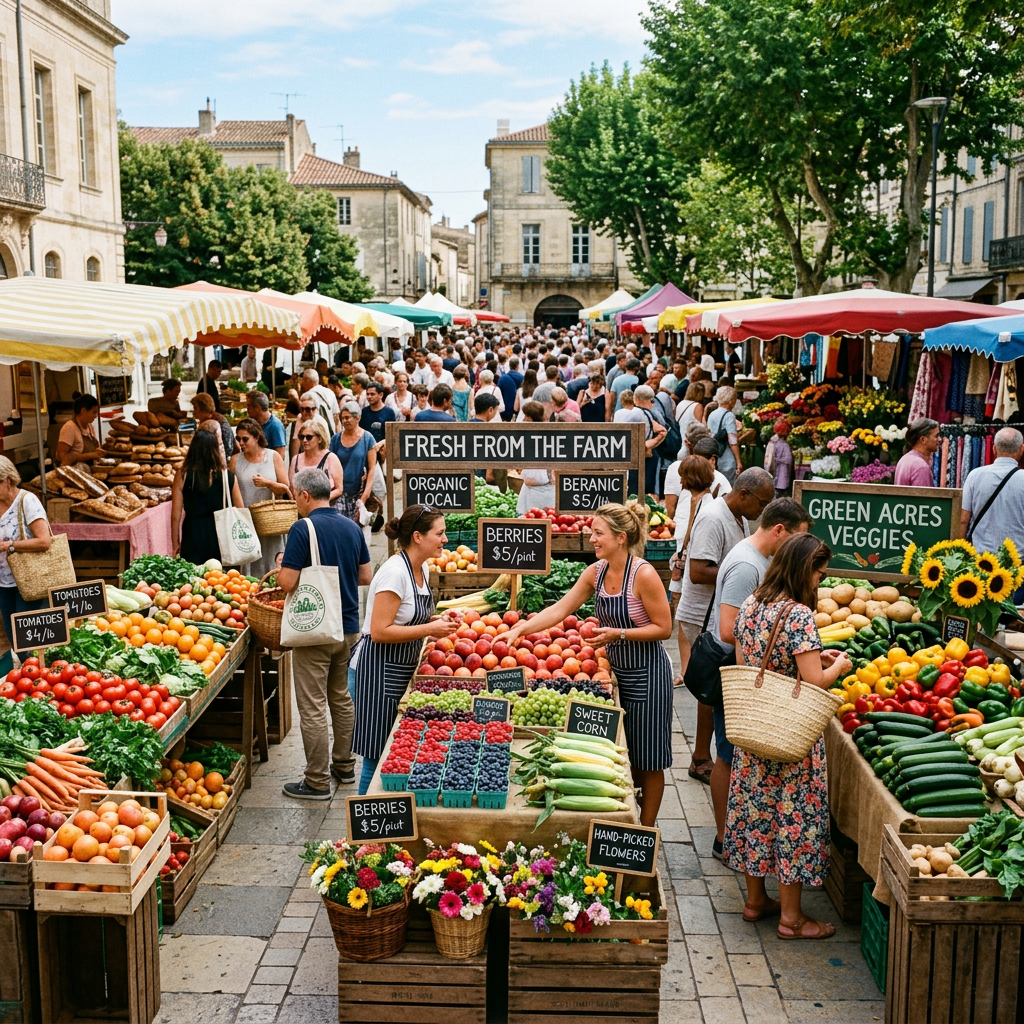
    Listen up, you cynical pricks hiding behind your Costco hauls—I adore farmers’ markets. Every time I am there like I am visiting a Holy Land, ready to worship at the church of rainbow chard and $12 avocados (you will never see me with one of those reusable tote bags though!). This is where the real ones gather. This is my happy place.

    Yeah, I am that girl. Like the ones in the thrifted overalls and clogs that cost more than your rent, filming a slow-living reel while their gas guzzling SUV gently idles (because parking here is a mess). I want to pay $9 for eggs laid by chickens that live better than most humans. I crave that smug little rush when he (or my mother) drops $17 on a sourdough loaf that tastes like it was kissed by actual angels and fermented in someone’s grandma’s basement. Keep your sad plastic-wrapped bread, normies. I will take the one with the charmingly inconsistent crumble.

    The smells? Intoxicating. Patchouli, dirt, overripe peaches, and that faint hint of unwashed authenticity—it is the scent of people who decided life is too short for deodorant politics (AKA cosplaying as hippies). I breathe it in deep while some trust-fund “farmer” with perfect teeth tells me about his heirloom tomatoes like he is reciting poetry. I eat that shit up. Literally. Those tomatoes probably cost more than therapy, but until I get my own garden, they will be worth every penny.

    I love the performers. The wellness girlies comparing fermentation jars. The melting pot of cuisines from different cultures. The dudes in linen who lecture you about soil health while smelling like they just rolled. But this is peak Americana. This is community, baby. Chaotic, expensive, beautiful community.

    Call me a mark. I wear that label with pride while sipping my $6 mason jar iced coffee and pretending that a single peach cannot bankrupt you . I know half this produce probably took a scenic route from the next town over, but I really could not care less about carbon emissions. I know I could get functionally the same shit cheaper at a local grocery store, but can that store guarantee health or allow every customer to be zany and beautifully weird? I do not want functional. I want vibes. I want to role play as a peasant who is gifted $300 linen and feels morally superior.

    This is peak modern romance: pretending we are connected to the land while dropping stupid money on vegetables. And I am here for every hypocritical, joyfully overpriced second of it. The grass-fed beef guy who eyes me like I am about to ask if it is grass-fed? Legend. The honey Chad with his ayahuasca stories? Pour it straight into my soul (and my latte).

    Clearly, I adore farmers’ markets. They are ridiculous. They are pretentious. They are everything I never knew I needed in a weekend morning ritual. Keep your conventional meat and your pesticides. I will be over here, grinning like an idiot, biting into a tomato that costs as much as a latte and tasting pure, unfiltered bliss.

    The Historical Timeline Of This Glorious Phenomenon:

    My history-buff-man has me looking up the why behind farmers’ markets and my sudden desire to be a whimsy, pretentious health nut. Ultimately, farmers’ markets are history. Farmers’ markets have ancient roots in Europe and have evolved as direct links between food producers and consumers for thousands of years.

    The earliest recorded open-air markets resembling farmers’ markets date back over 5,000 years to ancient Egypt along the Nile River (ala Aladdin). People bartered or sold staples like wheat, fruits, vegetables, and other goods. Similar marketplaces existed in many ancient civilizations, where farmers and producers gathered to trade directly with buyers. The introduction of currency helped formalize these exchanges into structures more like modern markets.

    European settlers brought the tradition to North America in the 1600s. Like everything else: we copied it from Europe!

    One of the first recorded European-style farmers’ markets in what is now the United States was established in Boston in 1634 (no wonder I love!). It started as an open-air market and later included a wooden building by 1662. Other early markets followed in places like Hartford (1643), New York City (by 1686), and Philadelphia (1693).

    These markets quickly became focal points of urban commerce and social life, where farmers sold fresh produce, meats, dairy, and other goods directly to consumers.

    Markets flourished through the 1800s and early 1900s as cities expanded and rail lines improved access. They were essential for fresh food distribution before widespread refrigeration and supermarkets.

    A resurgence began in the late 20th century, driven by interest in fresh, local, and sustainable food, support for small farms, environmental concerns, and community building. Plus it is simply a vibe. Way more character than a simp grocery store.

    This growth aligns with broader movements for healthier eating, preserving local varieties, and connecting urban and rural communities.

    Today, farmers’ markets vary widely—from small weekly gatherings to large established ones—and often include crafts, prepared foods, and entertainment alongside produce.

    The core purpose of a farmers’ market is linking producers and consumers. It has remained remarkably consistent across millennia, even as the context shifts with technology, economics, and culture.

    They continue to emphasize direct farm-to-consumer connections, though challenges like seasonality and competition with grocery stores persist. I personally think that we just like to pretend that we are all hipsters and that a grocery shop will never produce these feelings.

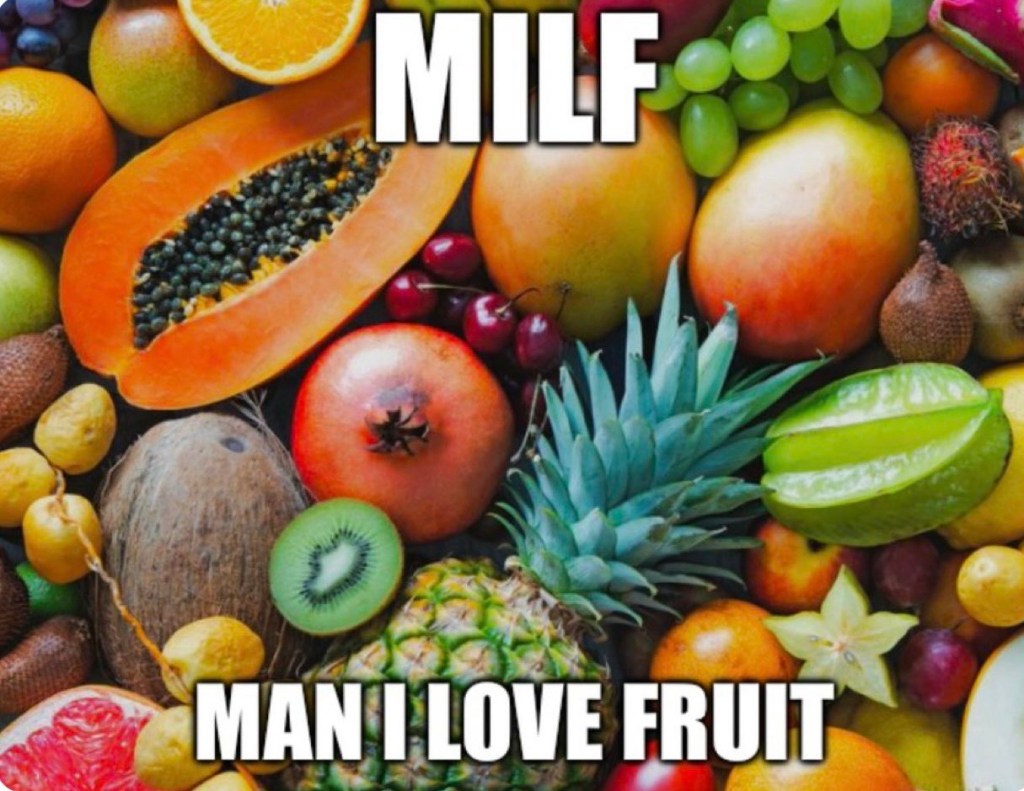
  • M.I.L.F (Man I Love Fruit!)

    M.I.L.F (Man I Love Fruit!)

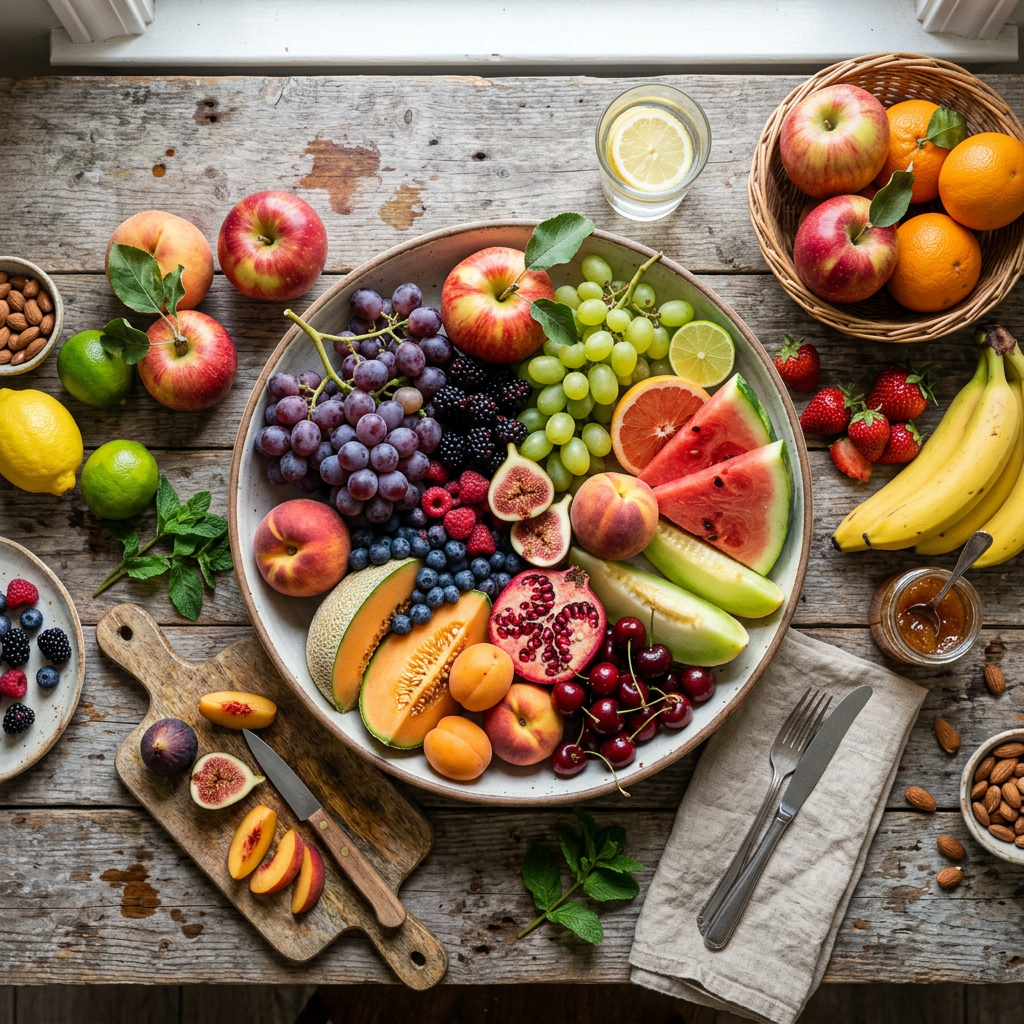
    I adore the sharp, explosive taste of real fruit. Not that syrupy canned bullshit or sad mealy apples from the back of the fridge — I am talking proper, juicy, nature’s middle finger to boring snacks. I demolish fruit. An entire 4 lb. box of grapes? Vaporized in one sitting. Massive haul of berries or cherries? Do not test me. I will finish them while you are probably still peeling the plastic off of yours.

    My ranking right now:

    1. Green Grapes — Crisp snappy globes that snap like they are personally offended by your eating them. They are basically edible crack. Zero mush tolerance. These things keep me hydrated and sane.
    2. Rainier Cherries (Yellow ones especially) — These golden-reds taste like someone spiked a peach with caramel and told it to get sexy. Sweet as hell and low acid. I hoard them in the summer.
    3. Blueberries — Tiny antioxidant grenades. I shove handfuls in my face straight from the carton. They stain everything and I definitely do not give a shit. Brain food that actually works.
    4. Banana — especially coupled with espresso — Creamy and potassium-packed. But here is the move: semi-green banana + fresh espresso shot = sweet-bitter chaos that hits better than most desserts.
    5. Obviously my top tier fruits are tropical fruits(pineapple, mango, kiwi etc)! However living around here makes it difficult to get good quality (organic!) ones. Once you have sunk your teeth into a giant mango sold at the Cuban roadside by a local vendor, you will turn your nose up at the plastic-tasting ones here. (I went to Cuba in 2009– the last trip I had taken before my disability)

    Apples and pears stay in heavy rotation too. Reliable crunch dealers. And perfect vehicles for nut butter.

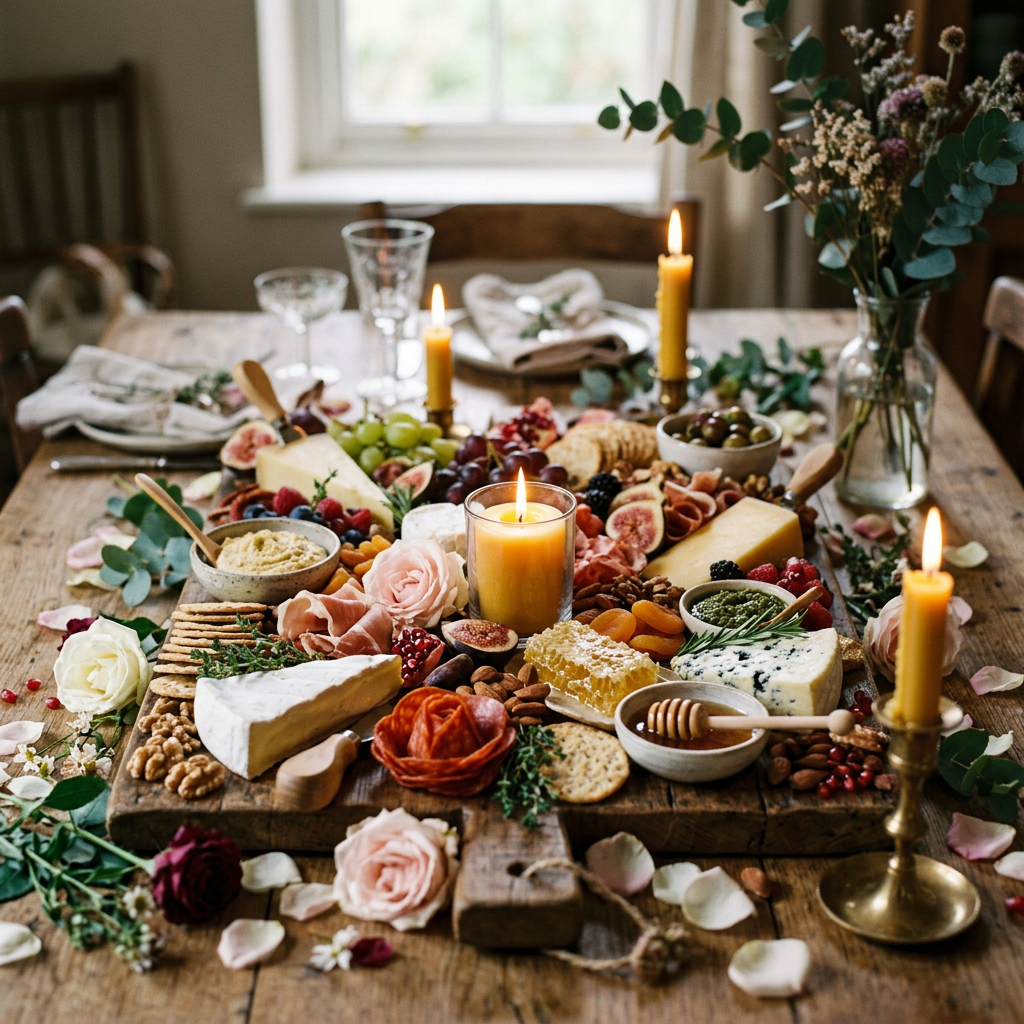
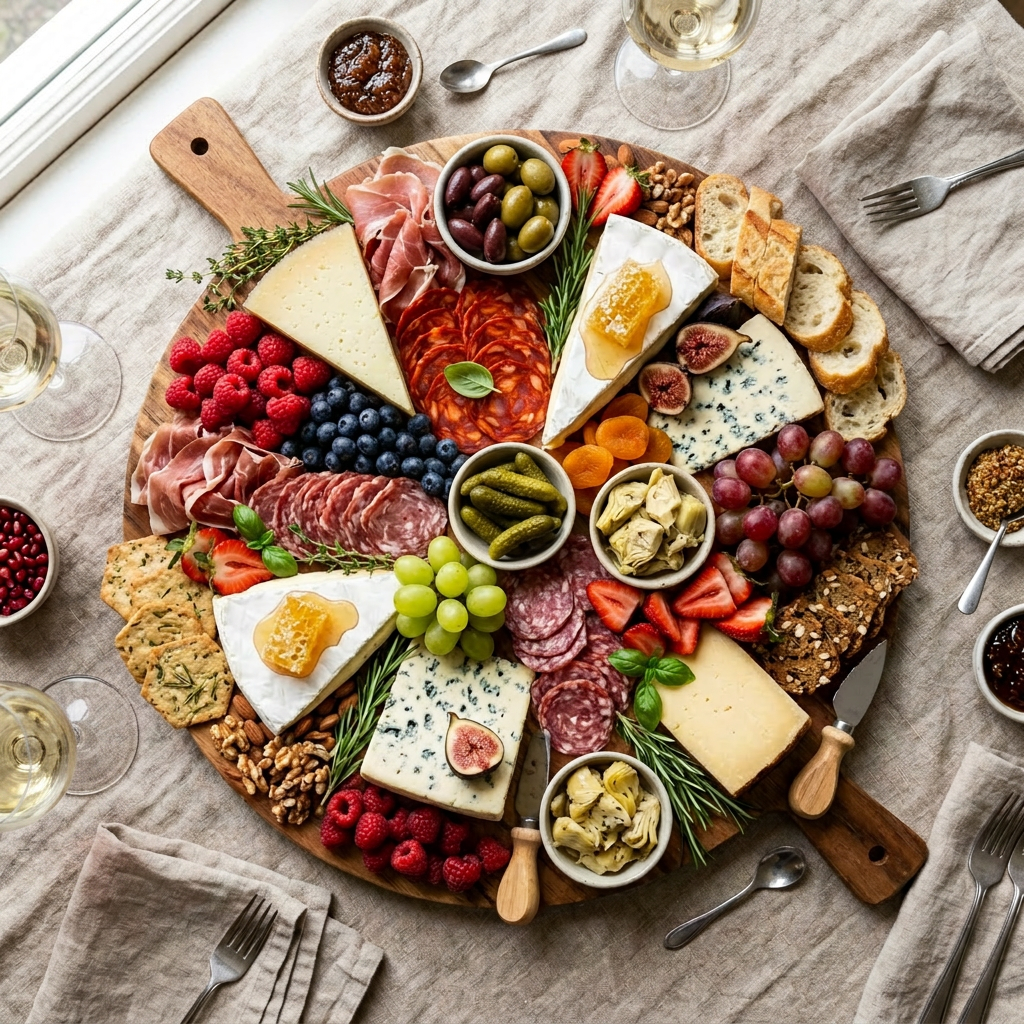
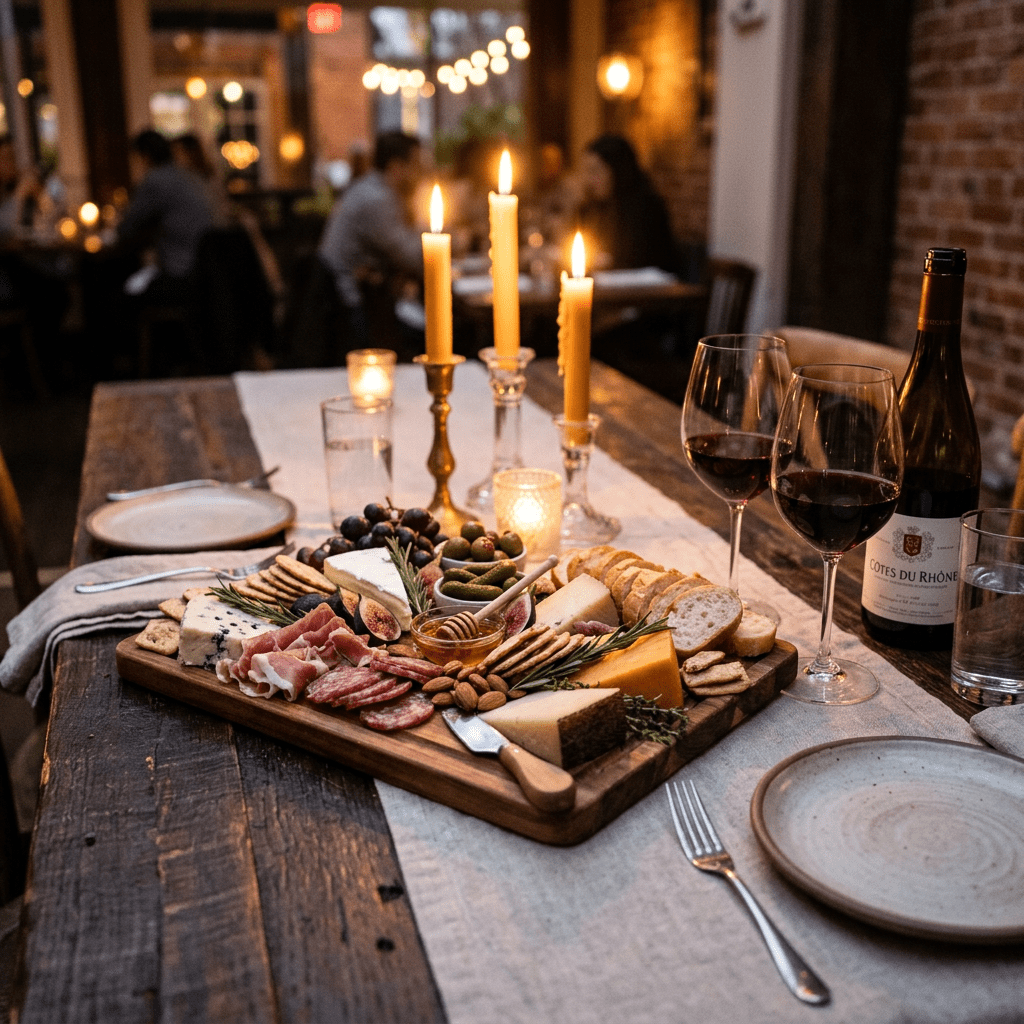
    Plus I love dried fruits!! Charcuterie boards are my ultimate meal. Especially figs and dates! I adore fresh figs too— they are very pretty!

    My boyfriend has also gotten me hooked on dehydrated fruits (thanks to Top Chef!) so I can easily polish those apple/ banana chips off without the guilt (there is literally only one ingredient— no added sugars or oils)

    I am weird as hell about texture and I own it. If it is mushy, it is dead to me. Overripe pears, peaches, nectarines — straight to the trash or the compost. I want bite. That satisfying resistance before the juice explodes. Give me a pear that fights back. A peach that still has attitude. Nectarines with actual structure.

    Semi-green bananas? Hell yes. That starchy, firm snap is elite. Perfectly ripe is a myth peddled by people who enjoy sadness in their mouth. I prefer borderline unripe over sloppy any day

    This is no cute “healthy eating” talk. It is fuel. Fruit is not some gentle wellness trend. It is raw, seasonal, messy joy that reminds you that you are alive.In complete disregard for those around me, I literally have an entire meal. of just fruits at times.If it was acceptable, I would only eat fruits! As for now, I will keep devouring it like a savage while the mush-lovers suffer in silence.

    Photo credit to @PeytonElroy on X.com
  • Weekend Snack Ideas for Healthy Living

    Weekend Snack Ideas for Healthy Living

    I am all about living a balanced, feel-good life, but I am not here to obsess over every single calorie. If I am reaching for real, whole foods (and skipping the breads, pastas, and heavy gluten stuff that I personally avoid), I give myself full permission to snack without the mental math. I literally do not count calories. My body feels better, my energy stays steady, and I do not spiral into restriction mode.

    On weekdays, my eating is pretty minimal and focused. I usually have one solid, satisfying meal—often something high-protein with plenty of veggies and healthy fats. Some days I add a simple side of apple slices dipped in nut butter for an afternoon snack. That is it. No endless snacking, just real hunger and real satisfaction.

    This approach keeps me lean, energized for my daily workouts, and… it just feels natural. I am not forcing tiny “meals” every three hours. I eat when I am actually hungry.

    Weekends are a totally different story—and I love it that way. This is when I actually enjoy spending time in the kitchen. Case in point: I make the fluffiest gluten-free waffles “for him”… while wearing nothing but a cute bra (and pants obviously) so he can admire the view (and yes, he takes plenty of pictures).

    Those waffles are dense, nutrient-packed, and satisfying enough (Simple Mills) that just one does the trick. They are gluten-free, made with better-for-you ingredients, and hit that weekend comfort-food craving without derailing how I feel in my body.

    After the waffles? I snack. Unapologetically. But I am strategic about it. I reach for options that taste indulgent but will not leave me bloated or uncomfortable—especially important when I know I will be filming more “cooking in a bra” content soon. Here are my go-to weekend snacks right now:

    • Siete Chips
    These are my salty, crunchy obsession. Made from cassava or almond flour, they are grain-free, super crispy, and come in amazing flavors (the sea salt elite). I pair them with guacamole or just eat them straight. Plus they are made with avocado oil— no seed oils in sight! Zero guilt, big satisfaction.

    Masa Chips
    Another chip win—thicker, with that perfect corn-like taste but usually cleaner ingredients. They feel more “traditional” while still fitting my no-gluten, no-junk preferences.

    Honey Mamas Chocolate Bars
    If you have not tried these, you are missing out. They are raw, honey-sweetened, and packed with coconut and cacao. The texture is fudgy and rich, and they melt in your mouth. I break off a half for my espresso during an our “coffee date“.

    • Dried Fruit
    Mango, pineapple, even apple chips —whatever looks good. I love the natural chew and sweetness. But I also just love fruit and the sweetness and charcuterie vibe of dried figs or dates is too intoxicating to not indulge.

    Enjoy Life Chocolate Chips
    These are my secret weapon for “I need chocolate right now” moments. They are allergen-friendly (no dairy, no soy, no nuts if you get the right ones), and I like to either eat them by the handful or pick at them throughout the day while I keep them under my laptop.

    I do not eat bowls of cereal — I literally just stick my hand into this delicious mixture and enjoy!

    The key for me is choosing snacks that are light, but nutritious and not overly processed. These options keep my skin clear, my digestion happy, and my energy high enough to keep working out. I am not worried about “ruining” my next video because I know I am fueling with foods that love me back.

    I have learned that balance looks different for everyone. For me, it is strict during the week so I can play on the weekends—without shame or spreadsheets. Food is joy. Cooking (half-naked) is joy. Sharing it with my boyfriend is joy. And these snacks let me keep all of that while still feeling confident and strong in my body.

  • Beef Tallow: The Timeless Fat Making a Modern Comeback

    Beef Tallow: The Timeless Fat Making a Modern Comeback

    In a world obsessed with the latest superfoods and wellness trends, sometimes the best ingredients are the oldest ones. Beef tallow—rendered beef fat—has been used for centuries in cooking, skincare, and household goods. Today, it is experiencing a resurgence as people seek natural, stable alternatives to highly processed seed oils. Whether you are a home cook, skincare enthusiast, or simply curious about traditional fats, beef tallow deserves a spot in your pantry (and maybe your beauty routine).

    Beef tallow is the rendered (melted and purified) fat from beef, typically from suet (the hard fat around the kidneys and loins) or trimmings. When rendered properly, it becomes a creamy, white-to-pale-yellow solid at room temperature that melts easily for cooking.

    Its fatty acid profile includes a mix of saturated fats (like palmitic and stearic acid), monounsaturated fats (like oleic acid), and some polyunsaturated fats. It also naturally contains fat-soluble vitamins A, D, E, and K, especially when sourced from grass-fed cattle.

    Before vegetable oils dominated supermarket shelves in the 20th century, tallow was a kitchen staple. Ancient Egyptians, Greeks, and Romans used it for skincare and soaps. Traditional cooks relied on it for frying, baking, and preserving food due to its stability.

    Fast food chains like McDonald’s famously fried French fries in beef tallow until the 1990s for superior flavor and crispiness. Sounds amazing, right?!  Now, as concerns about ultra-processed oils grow, tallow is back on menus and in home kitchens.

    A tablespoon of beef tallow provides about 115 calories, mostly from fat. It is stable at high heat and contains no trans fats when rendered cleanly. Grass-fed versions offer more conjugated linoleic acid (CLA) and vitamins.

    Potential benefits:

    • High smoke point (around 400°F/204°C), making it excellent for frying without breaking down into harmful compounds.
    • Rich flavor that enhances savory dishes.
    • May support skin barrier function when used topically due to fatty acids. 

    Beef tallow excels in high-heat applications:

    • Frying: Crispy French fries, chicken, or fish and chips with restaurant-quality results.
    • Searing: Perfect crust on steaks or burgers.
    • Roasting: Toss vegetables or potatoes for golden, flavorful sides.
    • Baking: Use in pie crusts, biscuits, or cookies for flakiness and subtle richness.

    It adds a savory depth that vegetable oils cannot match.

    I have not personally tried it (yet ), but tallow’s composition closely mimics human skin oils, making it a popular natural moisturizer. Fans report it helps with dryness, eczema, and even acne for some due to its non-comedogenic properties in pure form. It can be used as a balm, lip moisturizer, or base for DIY soaps and candles. 

    Beef tallow represents a return to whole, traditional foods. It is versatile, flavorful, and nutrient-dense when used thoughtfully. Source it from reputable, grass-fed suppliers for the best quality, and enjoy it as part of a balanced diet.

    Whether you are frying up dinner or soothing dry skin, this “liquid gold” might just become your new kitchen (and bathroom) essential.