Tag: farmers market

  • From Homewrecker to Homemaker.

    From Homewrecker to Homemaker.

    What is your career plan?

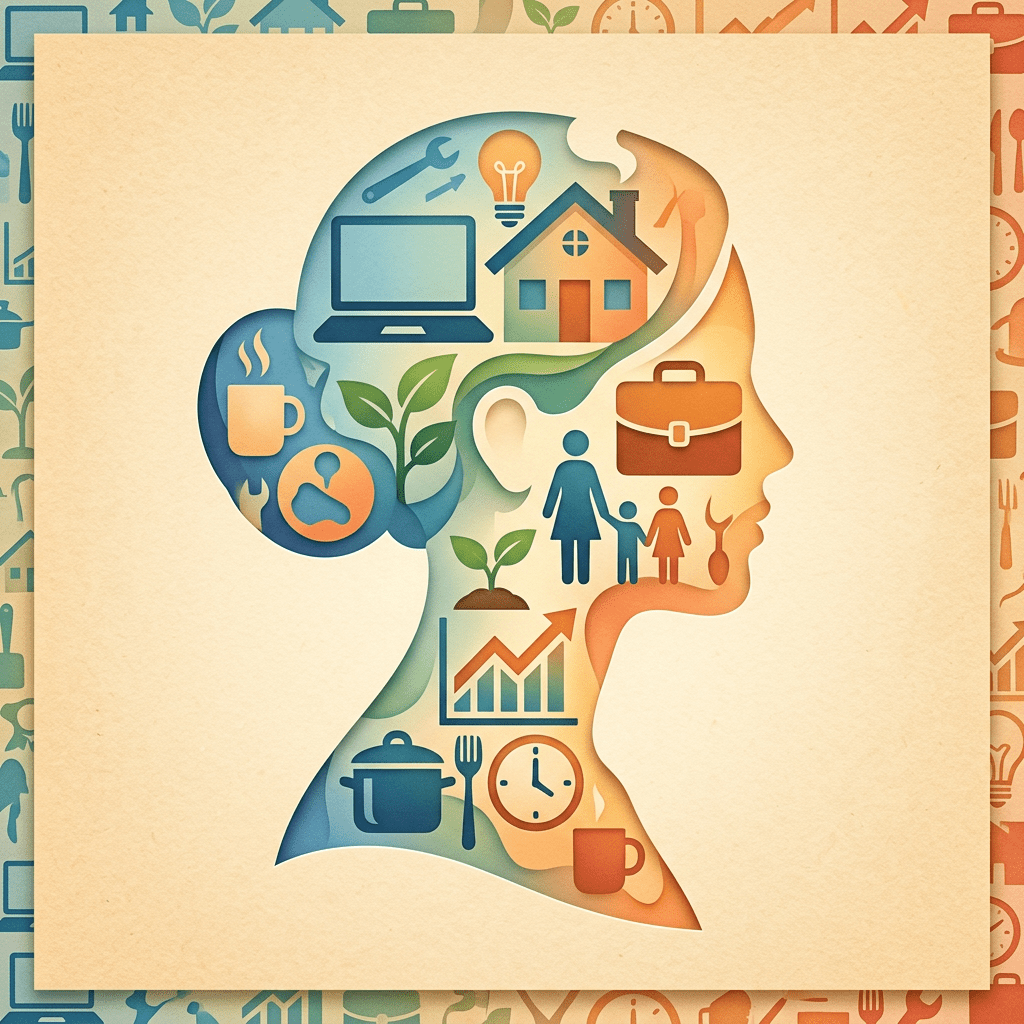
    The “It” Girls—the glossy, untouchable, “main character” women who once defined the era—are quietly, deliciously, scandalously… going domestic. Yes, those girls. The ones who used to jet-set to Mykonos in mini dresses, post mirror selfies in vintage Dior, and make “hot girl summer” a global brand. We are now knee-deep in homemade pasta, linen napkins, and 6 a.m. lattes brewed in our own perfectly imperfect kitchens.

    This is not your grandmother’s homemaking. This is haute homemaking. Cottagecore on ‘roids and cashmere. The new “It” Girl is not just nesting—she is curating a whole aesthetic religion around it. Think: barefoot in a silk slip dress whisking eggs, filming 45-second reels of her sourdough rising while her engagement ring catches the golden hour light, (🙏🏼🙏🏼🙏🏼). She is not hiding the domestic labor. She is flaunting it because it is the ultimate flex.

    Remember the 2010s “It” Girl blueprint? Hustle. Club to boardroom. Rosé all day. Side hustle turned empire (you can still rosè in the kitchen!). Burnout was a badge of honor. “I have not slept in three days but the bag is secure.” We were sold the fantasy that real power looked like never being home long enough to need a vacuum.

    I am not someone who claims that the pandemic caused this renaissance. Articles claim that post-pandemic exhaustion hit like a truck and that is why we are choosing to stay home. The “girlboss” script started sounding hollow—lonely hotel rooms, endless content creation, dating apps full of situationships, and a quiet ache that no amount of brand deal could fill. Personally, I see that the same women who once bragged about never cooking (famously Carrie Bradshaw in Sex in the City kept her sweaters in the oven!) are posting stories of them slow-roasting a chicken with rosemary from their windowsill garden.

    It is seen as rebellious/ controversial because it is a direct middle finger to the narrative we have been force-fed for decades: domesticity equals oppression. That wanting a beautiful home, a stocked fridge, and a man who comes home to the smell of garlic and love is somehow regressive. The hottest, most followed, most desired women on the planet are proving the opposite—homemaking done right is high-value, high-status, and insanely seductive.

    Walk into any cool girl’s apartment in 2026 and you can see it: the Le Creuset Dutch oven in a tasteful color, the vintage rolling pin displayed like art, and of course the sourdough starter. They are not just cooking—they are romanticizing the mundane. Morning dewy skin routines followed by watering herbs. Evening candlelit dinners they actually prepared instead of ordering from some immigrant driver.

    This is not tradwife cosplay for the poor. These are women with options. Models. Influencers. Actresses. They could be on yachts in Ibiza but they are choosing farmers’ markets and Sunday roasts. Why? Because it feels good. It feels feminine. It feels like control in a chaotic world.

    And let me be brutally honest—the men are losing their minds over it (at least mine is!). There is something primal about watching a beautiful woman who could have the world at her feet choose to pour that energy into creating a sanctuary. It hits different. It is not submission; it is sovereignty. She is not forced into the kitchen. She claimed it as her “queendom.”

    Hence, modern career feminism sold women a version of success that left many emotionally bankrupt. The “It” Girls who are “opting in” to homemaking are not rejecting ambition—they are redefining it. They are building empires in the home. We are not anti-work. We are anti-misery.

    Of course the purists are furious. “This is anti-feminist!” “You are setting women back!” Meanwhile those same critics are stress-eating takeout alone in their minimalist apartments wondering why their stress is through the roof. The new homemaker “It” Girl does not care. She is too busy teaching her followers how to make the perfect bolognese while looking like a Renaissance painting.

    This movement exposes the lie: that fulfillment can only come from cubicles and corner offices. That domestic skills are beneath a “modern woman.” The “It” Girls are proving domesticity—when chosen freely and done beautifully—is one of the ultimate luxuries.

    They are not trapped. They are thriving. Soft lighting, slow mornings, real food, real connection. And yes, sometimes a hot husband who worships the ground they walk on because they make the house feel like heaven.

    You do not need to quit your job tomorrow. But maybe the “It” Girl homemaker renaissance is permission to stop demonizing the domestic. To light the damn candle. To learn how to roast vegetables everyone asks for the recipe. To make your space so warm and intentional that people feel it the second they walk in.
  • Farmers Markets: My Glorious, Pretentious, Overpriced Heaven on Earth

    Farmers Markets: My Glorious, Pretentious, Overpriced Heaven on Earth

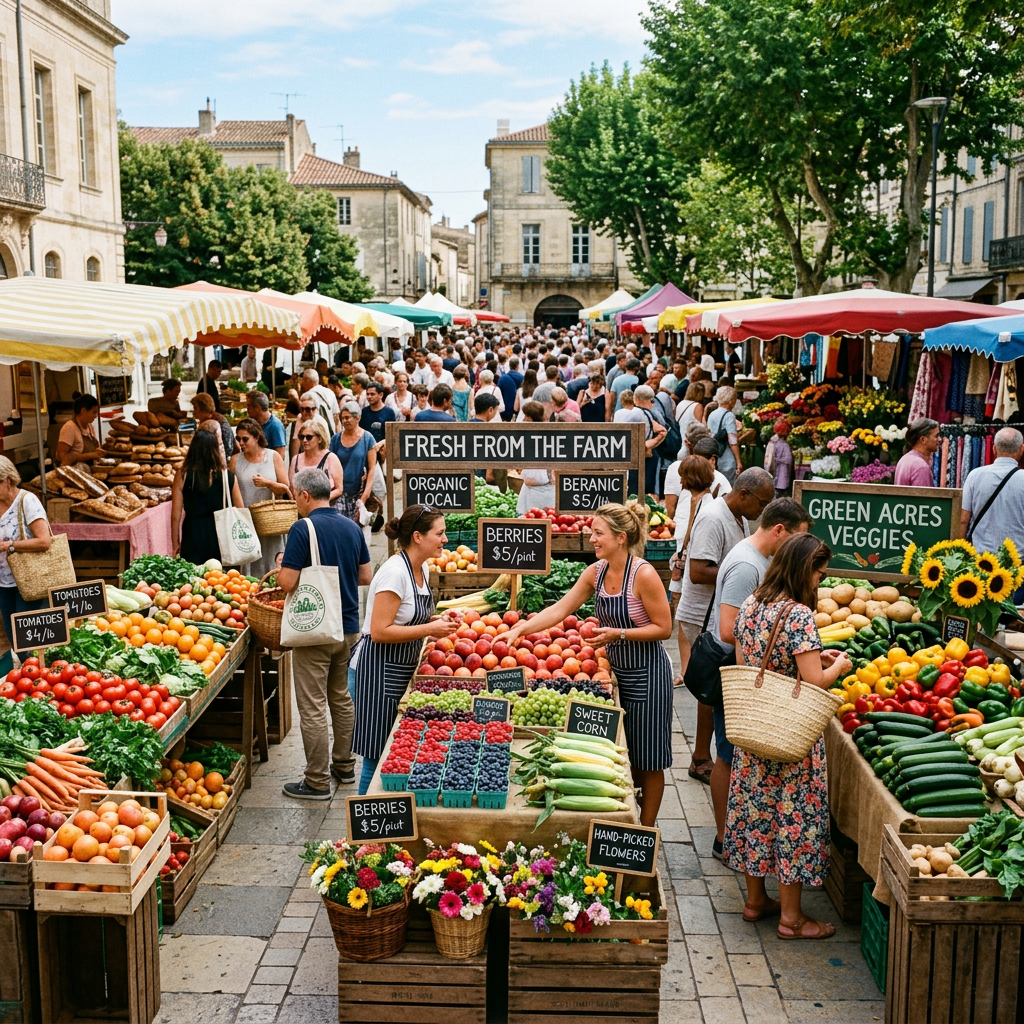
    Listen up, you cynical pricks hiding behind your Costco hauls—I adore farmers’ markets. Every time I am there like I am visiting a Holy Land, ready to worship at the church of rainbow chard and $12 avocados (you will never see me with one of those reusable tote bags though!). This is where the real ones gather. This is my happy place.

    Yeah, I am that girl. Like the ones in the thrifted overalls and clogs that cost more than your rent, filming a slow-living reel while their gas guzzling SUV gently idles (because parking here is a mess). I want to pay $9 for eggs laid by chickens that live better than most humans. I crave that smug little rush when he (or my mother) drops $17 on a sourdough loaf that tastes like it was kissed by actual angels and fermented in someone’s grandma’s basement. Keep your sad plastic-wrapped bread, normies. I will take the one with the charmingly inconsistent crumble.

    The smells? Intoxicating. Patchouli, dirt, overripe peaches, and that faint hint of unwashed authenticity—it is the scent of people who decided life is too short for deodorant politics (AKA cosplaying as hippies). I breathe it in deep while some trust-fund “farmer” with perfect teeth tells me about his heirloom tomatoes like he is reciting poetry. I eat that shit up. Literally. Those tomatoes probably cost more than therapy, but until I get my own garden, they will be worth every penny.

    I love the performers. The wellness girlies comparing fermentation jars. The melting pot of cuisines from different cultures. The dudes in linen who lecture you about soil health while smelling like they just rolled. But this is peak Americana. This is community, baby. Chaotic, expensive, beautiful community.

    Call me a mark. I wear that label with pride while sipping my $6 mason jar iced coffee and pretending that a single peach cannot bankrupt you . I know half this produce probably took a scenic route from the next town over, but I really could not care less about carbon emissions. I know I could get functionally the same shit cheaper at a local grocery store, but can that store guarantee health or allow every customer to be zany and beautifully weird? I do not want functional. I want vibes. I want to role play as a peasant who is gifted $300 linen and feels morally superior.

    This is peak modern romance: pretending we are connected to the land while dropping stupid money on vegetables. And I am here for every hypocritical, joyfully overpriced second of it. The grass-fed beef guy who eyes me like I am about to ask if it is grass-fed? Legend. The honey Chad with his ayahuasca stories? Pour it straight into my soul (and my latte).

    Clearly, I adore farmers’ markets. They are ridiculous. They are pretentious. They are everything I never knew I needed in a weekend morning ritual. Keep your conventional meat and your pesticides. I will be over here, grinning like an idiot, biting into a tomato that costs as much as a latte and tasting pure, unfiltered bliss.

    The Historical Timeline Of This Glorious Phenomenon:

    My history-buff-man has me looking up the why behind farmers’ markets and my sudden desire to be a whimsy, pretentious health nut. Ultimately, farmers’ markets are history. Farmers’ markets have ancient roots in Europe and have evolved as direct links between food producers and consumers for thousands of years.

    The earliest recorded open-air markets resembling farmers’ markets date back over 5,000 years to ancient Egypt along the Nile River (ala Aladdin). People bartered or sold staples like wheat, fruits, vegetables, and other goods. Similar marketplaces existed in many ancient civilizations, where farmers and producers gathered to trade directly with buyers. The introduction of currency helped formalize these exchanges into structures more like modern markets.

    European settlers brought the tradition to North America in the 1600s. Like everything else: we copied it from Europe!

    One of the first recorded European-style farmers’ markets in what is now the United States was established in Boston in 1634 (no wonder I love!). It started as an open-air market and later included a wooden building by 1662. Other early markets followed in places like Hartford (1643), New York City (by 1686), and Philadelphia (1693).

    These markets quickly became focal points of urban commerce and social life, where farmers sold fresh produce, meats, dairy, and other goods directly to consumers.

    Markets flourished through the 1800s and early 1900s as cities expanded and rail lines improved access. They were essential for fresh food distribution before widespread refrigeration and supermarkets.

    A resurgence began in the late 20th century, driven by interest in fresh, local, and sustainable food, support for small farms, environmental concerns, and community building. Plus it is simply a vibe. Way more character than a simp grocery store.

    This growth aligns with broader movements for healthier eating, preserving local varieties, and connecting urban and rural communities.

    Today, farmers’ markets vary widely—from small weekly gatherings to large established ones—and often include crafts, prepared foods, and entertainment alongside produce.

    The core purpose of a farmers’ market is linking producers and consumers. It has remained remarkably consistent across millennia, even as the context shifts with technology, economics, and culture.

    They continue to emphasize direct farm-to-consumer connections, though challenges like seasonality and competition with grocery stores persist. I personally think that we just like to pretend that we are all hipsters and that a grocery shop will never produce these feelings.