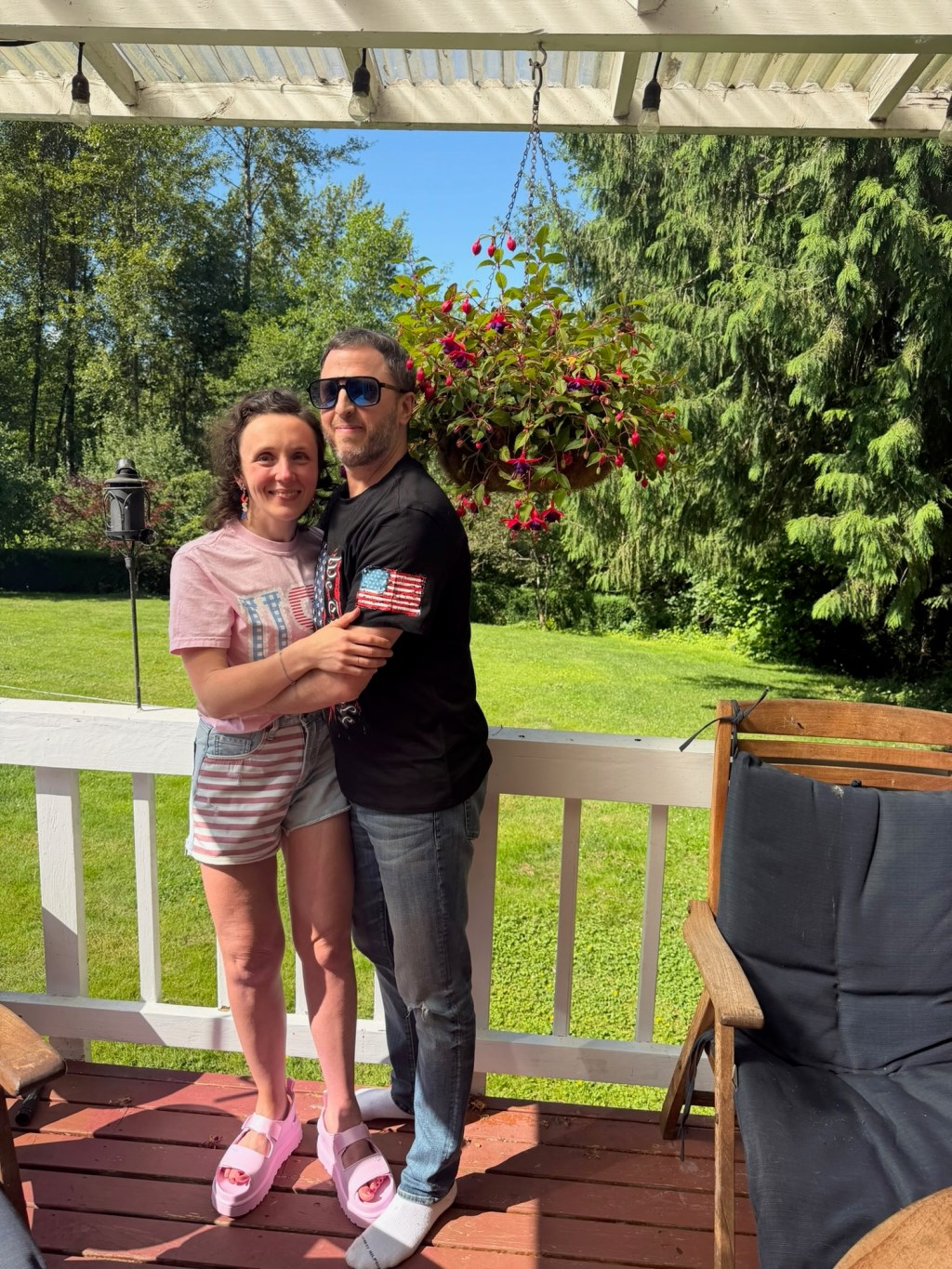
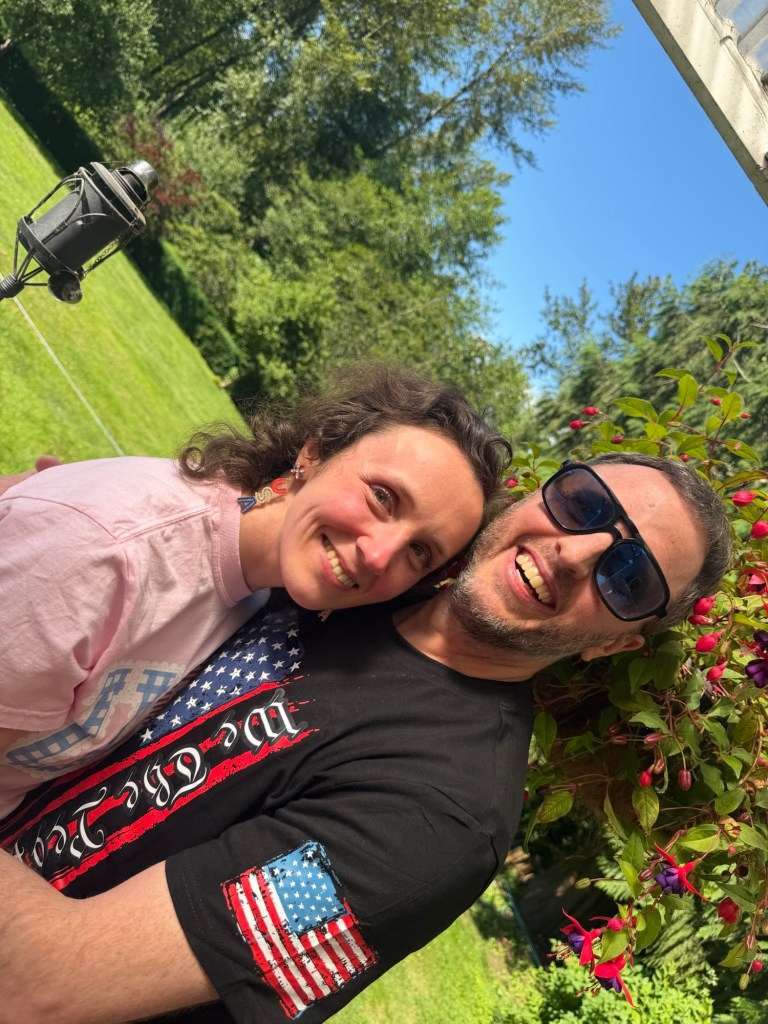
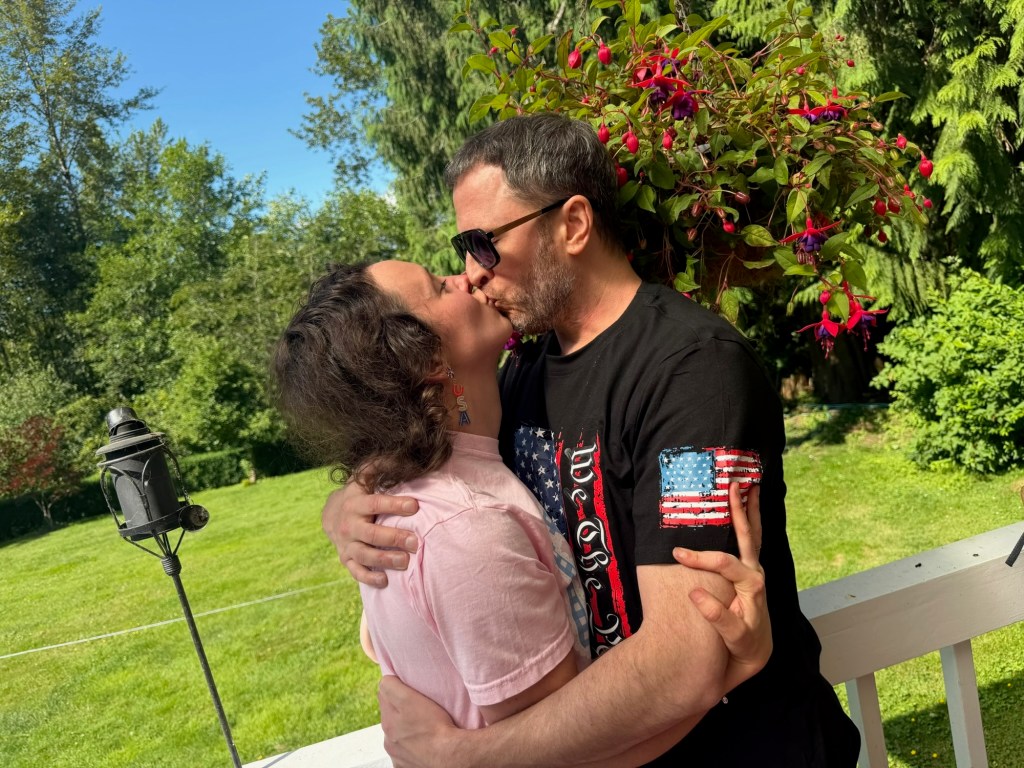
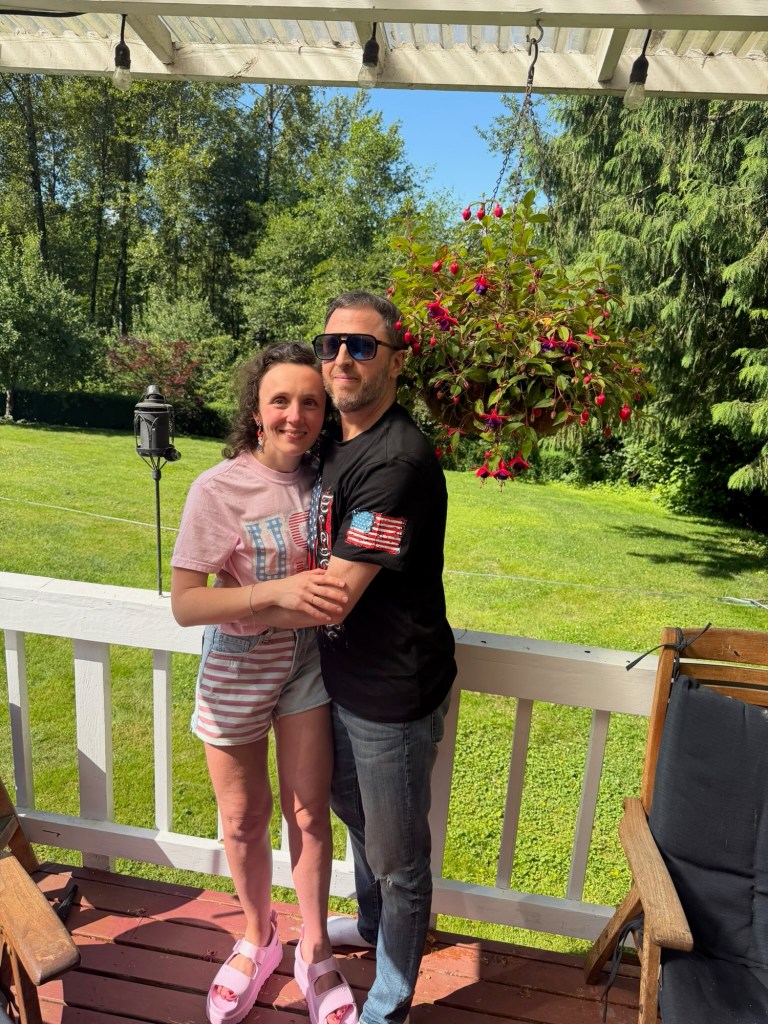
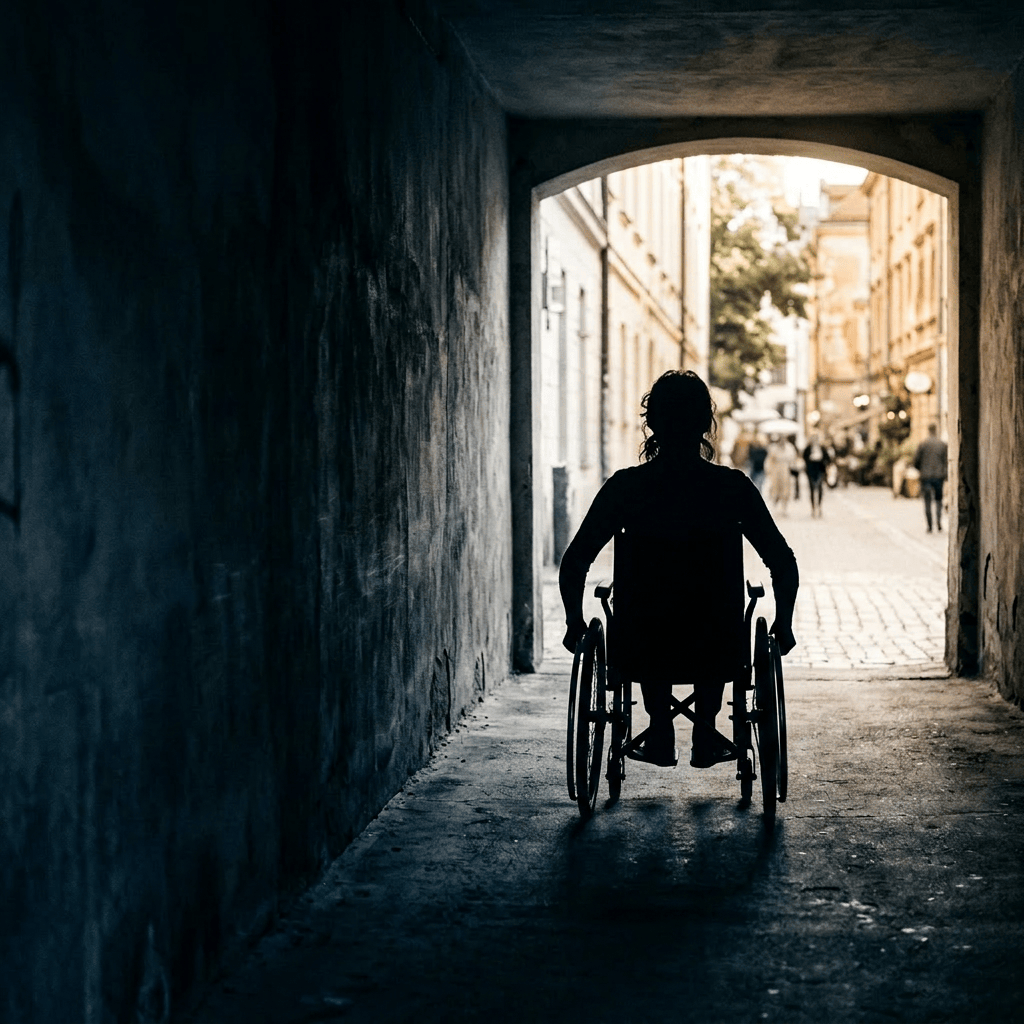
Today marks a day unlike any other in my calendar. It is my anniversary—not the kind with candlelit dinners and whispered sweet nothings (though we do plenty of that too)—but my second birthday. The day I chose, or rather, was given the chance to keep on living. This year, it is the sixteenth anniversary of the stroke that rewrote my entire story.
I still remember the moment with a clarity that surprises me. It was an ordinary evening, the kind where plans feel light and full of promise. I was supposed to go out to sushi with my girlfriends. Instead, I found myself clutching my phone, heart hammering, as an alarm louder than any fire siren screamed inside my skull. I called my parents first, my voice cracking with panic. “Something’s wrong,” I gasped. “It’s so loud in my head.” Then I fired off a quick text to the girls: Sorry, I can’t make it tonight. Not feeling well. I hit send, set the phone down, and the world went black.
I did not wake up for the next two weeks.
Those fourteen days were a blur I only know through other people’s stories—my parents’ exhausted faces at my bedside, the beeps of machines, having to be resuscitated back to life, the slow crawl back to consciousness. When I finally opened my eyes, everything had changed. My body felt foreign. (I thought it was a dream that I could wake up from, for another few weeks). My mind had to relearn basic things. The recovery stretched on for years: physical therapy, speech exercises, the quiet frustration of realizing my old life had slipped away while I slept.
The friends I texted that night? We drifted. Life has a way of pruning relationships that no longer fit the new version of you, and that is okay. I do not shoot off last-minute texts to that crew anymore. I just built a quieter, deeper connection since then.
But here is what I have learned after sixteen years: this day is not about mourning what was lost. It is about throwing the biggest, brightest celebration for what was gained.
Every year on this date, my boyfriend turns home into a sanctuary of joy. There are gifts—thoughtful ones that make me laugh and tear up in equal measure. He knows this day is sacred. Eventually we will sit together, most likely with coffee in hand or a special dinner on the table, and marvel at how perfectly the stars aligned in the aftermath of my darkest moment.
If that stroke had never happened, I would not have needed to switch to online school to finish my degree on my own timeline. I would not have taken that Communications class where the professor required us to create a Twitter account for the semester. That account—meant to be a temporary school project—became the bridge that carried me straight to him.
I was deep in my Boston sports and controversial era back then, posting passionately about teams I had only ever watched on TV and opinions that I was no longer afraid to share. Admittedly I became kind of “bitchy.” I had never set foot in the city, but my feed was full of red, blue and silver, stats, and unfiltered excitement. He noticed. I messaged. What started as playful banter about games and rivalries slowly unfolded into something real, something lasting.
At the same time, I was quietly reinventing myself. The long recovery gave me time to reflect on what kind of woman I wanted to be. I studied the art of keeping a home—not out of obligation, but out of love. I learned to create peaceful spaces, to put the man I loved at the center of my efforts without losing myself. I trained myself in patience, in thoughtfulness, in the small daily acts that say “you matter” louder than any grand gesture. And somehow, in doing so, I became exactly the person capable of attracting and holding onto a love like his.
We talk about it often—how my greatest trial became the unlikely matchmaker for our story. Without that terrifying night, without my ultimate bitter and bitchy heart, without the years of healing, without the pivot to online classes and that single Twitter assignment, our paths might never have crossed. I would not be here, in this beautiful life, celebrating sixteen years of survival and counting.
Before I met him, I was constantly reminded that I was not good enough (hence the bitchy-ness)… Now I am all about loving and celebrating!
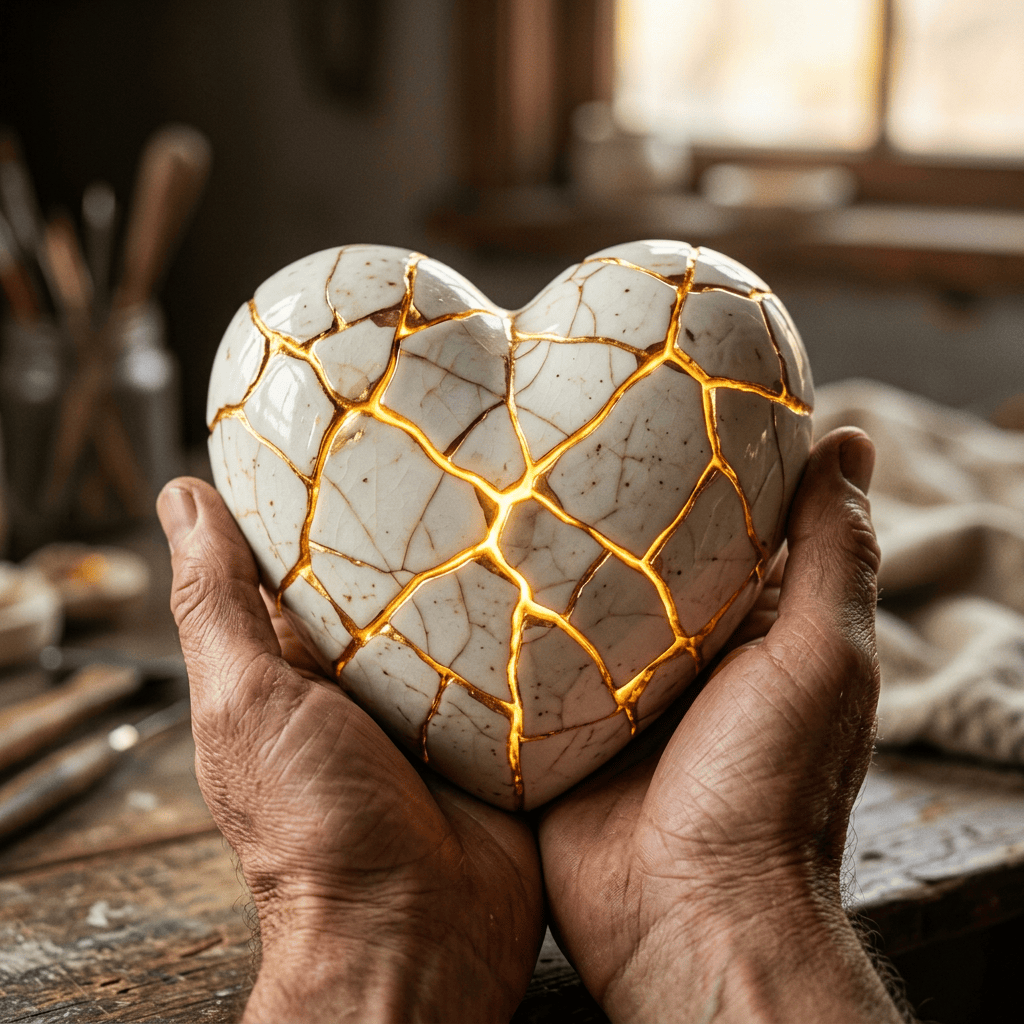
So today, I choose gratitude. I choose celebration. I choose to look at the scar tissue—both visible and invisible—and see it as proof of resilience. Life does not always give us the path we planned, but sometimes it hands us a detour that leads to something far sweeter than we could have imagined.
Cheers to second birthdays. Here is to surviving. And here is to the love that makes every extra day feel like the greatest gift.
I am sitting here in the middle of 2026 staring at the same ceiling I have stared at for years, and I am telling you: I believe in more magic and miracles today than I did when I was a little tike.
Not the polite, quote-infested version of magic. Not the “manifest your best life” corporate sorcery. The real, messy, slightly unhinged kind. The kind that makes you feel like the universe occasionally winks at you when nobody is looking.
As a kid I was already half-skeptical, and it was not even my fault. The Santa situation was a cultural mess. While other children were being fed the story of a jolly, cookie-eating, red-suited American grandfather who somehow fit down every chimney on the planet in one night, I was being told about a tall, stern, frost-covered Ded Moroz who rolled up on New Year’s with a staff and zero tolerance for bullshit. Different beard energy. Different gift-giving calendar. Different everything. My young brain tried to reconcile both myths and just short-circuited. So I did what practical little kids do: I filed Santa under “probably not” and moved on. I believed that we were all given gifts during this time. I just did not question it. I remember the door bell ringing and opening the door to a Santa figurine. Something put it there. So it was a sort of magic. I did not dismiss the concept of Santa because I was wise. But because the stories did not match and I hated loose ends.
I was the child who believed everything else, though. Ghosts in the hallway. Monsters under the bed that only came out if you dangled your foot off the mattress. The idea that if you wished hard enough on a star, something might actually shift in the fabric of reality (I still believe that!). I did not question motives. I did not run cost-benefit analyses on hope. I just blindly accepted whatever cartoons fed me.
Then adulthood showed up with its clipboard and its spreadsheets and its gentle, soul-eroding suggestion that maybe we should all be “realistic” now. I said “no” to that life. People started using the word “mature” like it was a compliment instead of a warning label. Play became something you scheduled on weekends if the weather was good and you were not too tired from pretending to be a serious person.
I watched it happen to everyone around me. The slow, polite surrender. The way wonder gets treated like a childhood disease you were supposed to grow out of. The way adults start speaking about magic in the same tone they use for astrology or crypto—cute, but do not dare get carried away.
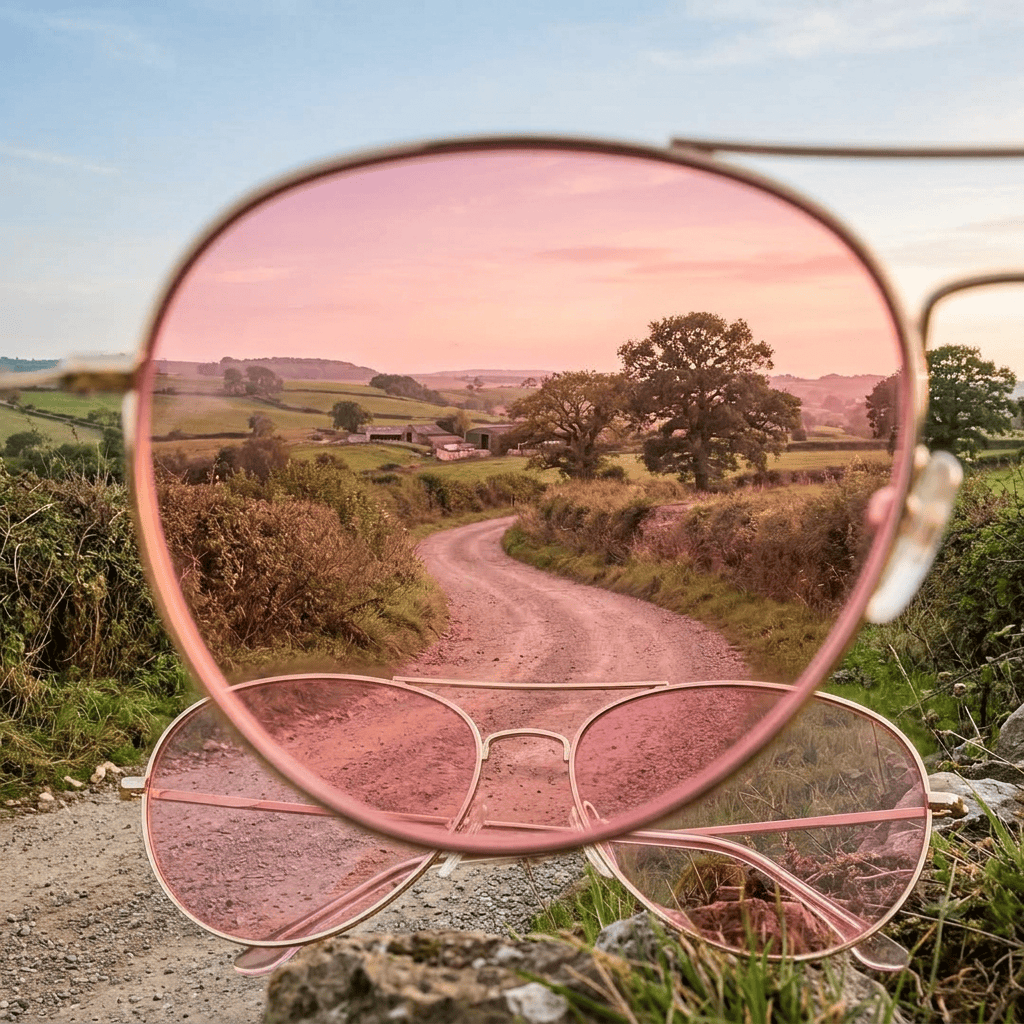
So I put the rose-colored glasses back on.
Not as escapism. As strategy.
Because your brain is a prediction machine that gets better at finding whatever you train it to look for. Feed it nothing but traffic, emails, and the slow death of your own potential, and it will become an expert at locating more traffic, more emails, and more despair. Feed it beauty, synchronicity, strange little coincidences, and the occasional “what was that?” moment, and suddenly the world starts offering you more of the same. It is not part of the delulu agenda . It is deliberate pattern recognition. It is hacking the hardware you were born with.
I choose to see beauty on purpose now. Not because I am soft. Because I got tired of the alternative being so boring.
I play more than I did as a child, not less. I make up rules to games nobody else is playing. I talk to animals like they are carrying messages. I notice when the light hits a puddle in a way that looks like the sky fell into the street and decided to stay. I let myself get stupidly excited about small things because the alternative is letting the world turn me into another well-adjusted corpse who “doesn’t believe in that stuff anymore.”
Belief is not a child’s privilege. It is an adult’s last line of defense.
The people who tell you to stop believing in magic are usually the same ones who need you numb so they can keep selling you the cure for the numbness they helped create. They want you practical. Predictable. Easy to manage. They want you to treat wonder like a guilty pleasure instead of a survival skill.
I refuse.
I am not going back to the version of me who needed the stories to line up perfectly before I was willing to feel anything. I have seen what happens on the other side of that particular maturity. It is gray. It is quiet. It is safe in the worst possible way.
I believe in more magic now.
I believe the universe still has a sense of humor, even if it is dark sometimes.
I believe some doors only open if you knock like you already know someone is home.
I believe play is not optional if you want to stay human.
And if that makes me childish in the eyes of people who traded their spark for a 401(k) and a respectable level of cynicism, then good. Let them keep score.
I will be over here, wearing my ridiculous glasses, making up rules, talking to animals, and noticing when the light does something stupid and beautiful in a puddle.
Because the alternative stopped being interesting a long time ago.
And I am not interested in interesting being optional anymore.
The kind of life that would finally allow me to fully exist is:
• A life with him: there is no such thing as “focus on yourself first” as I have found that being dedicated to the love of my life does so much for me. My soul recognizing its favorite home. Everything I thought I needed to “work on” in isolation suddenly becomes irrelevant because the thing that was actually starving me was the absence of him. This life brings me much more joy and happiness than getting whatever I want delivered to my doorstep etc. Being together physically makes my entire soul let out a giant sigh of relief.
I do not want to be a self-sufficient island. I want to be his. Fully, stupidly, unapologetically his. I want the version of me that only exists when I am pouring into someone who pours back. That version feels more alive than any solo “healed” version I have ever performed.
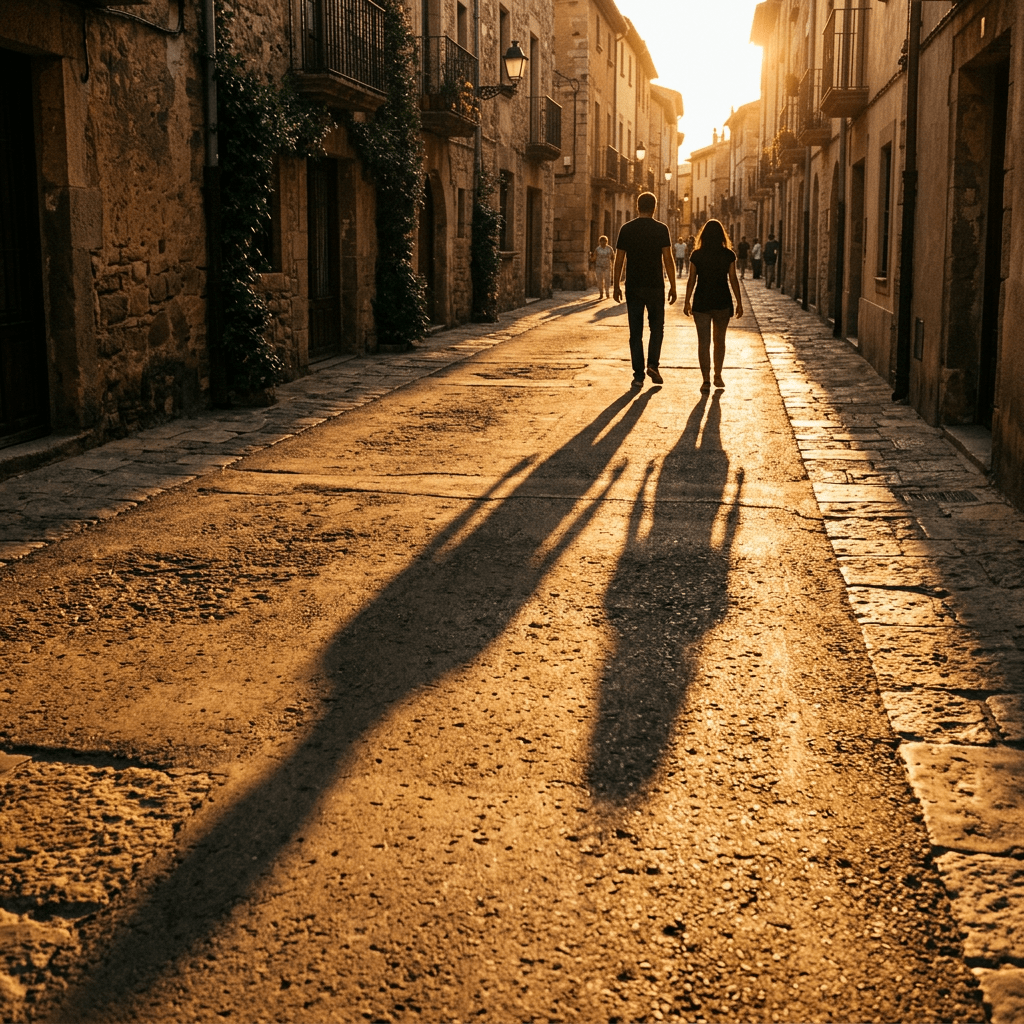
• Able- bodied life: And yes, I want the body that can actually meet that life.
All in all, I am not interested in the gentle, realistic, disability-acceptance script everyone tries to hand me like a participation trophy. I do not want to “redefine beauty” or “find new ways to move through the world.” I want my left side to cooperate again. I want to walk for miles without calculating how much pain I am willing to trade for the view. I want to put on a pair of stilettos and feel my hips sway instead of my balance negotiate with gravity. I want to hold his hand on a long hike and not have to pretend the cane is some cute accessory.
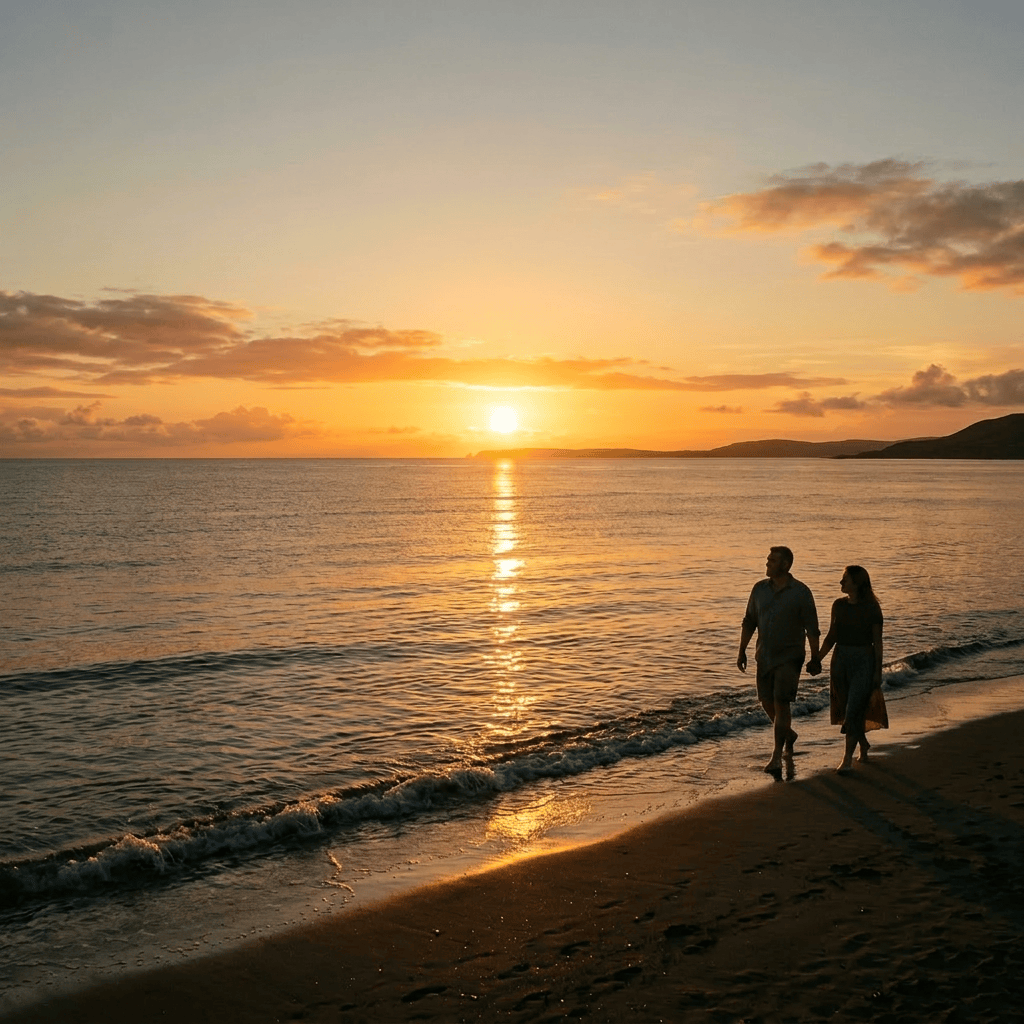
Doctors and well-meaning realists can keep their timelines and their “you’ll probably always need…” speeches. The universe is not running a charity. It is not on a budget. If I can imagine my fingers threading through his while we walk through tall grass at golden hour, if I can see myself in the kitchen moving freely, cooking for the man I chose, then that version is already on its way. I am not manifesting from a place of lack. I am remembering forward. My arms will work. My balance will hold. I will be the woman who can be a proper wife to him without negotiating with my own nervous system every time I stand up.
• Warm and sunny life: There is something about the amount of dopamine and serotonin I get from the sunshine. Plus I am forever freezing so I would rather survive somewhere naturally warm than have my man pump in synthetic heat for the majority of the year. I want mornings where the light pours through the windows onto our bed and neither of us has to reach for a sweater.
• Unemployed life:while I do love writing ; let it be my own little hobby. I refuse to let my words turn into another job that pulls me away from him. In order to fully dedicate myself to my man, I will not to answer to anyone else/ have any stress or anxiety running through my veins. Girls are meant to live easy and whimsy little lives. I want to be the woman who makes his house feel like home instead of the woman who comes home exhausted and has nothing left to give.
• Childless life: I am an incredibly selfish person and I know that I will always put me and my man first. Unfortunately I know what it is like to be completely ignored/ neglected by a parent and I will never wish that kind of pain and suffering upon a child, but I know that my personality is to do just that.
So no kids. Not as some enlightened childfree flex. Just as the only honest choice I can make. Better an empty house than a child who grows up feeling like an afterthought.
This is the life that would finally let me exist instead of survive.
Him. Walks. Sunshine that actually warms me. No boss, no inbox, no tiny humans I would inevitably fail. Just the two of us in a warm house where my body works, my soul is quiet, and I get to pour every single drop of myself into the only thing that has ever made the noise stop.
Call it codependent. Call it regressive. Call it whatever makes you feel better about the life you settled for.
I am not settling anymore. I am asking for the whole thing. And I am not ashamed of how badly I want it.
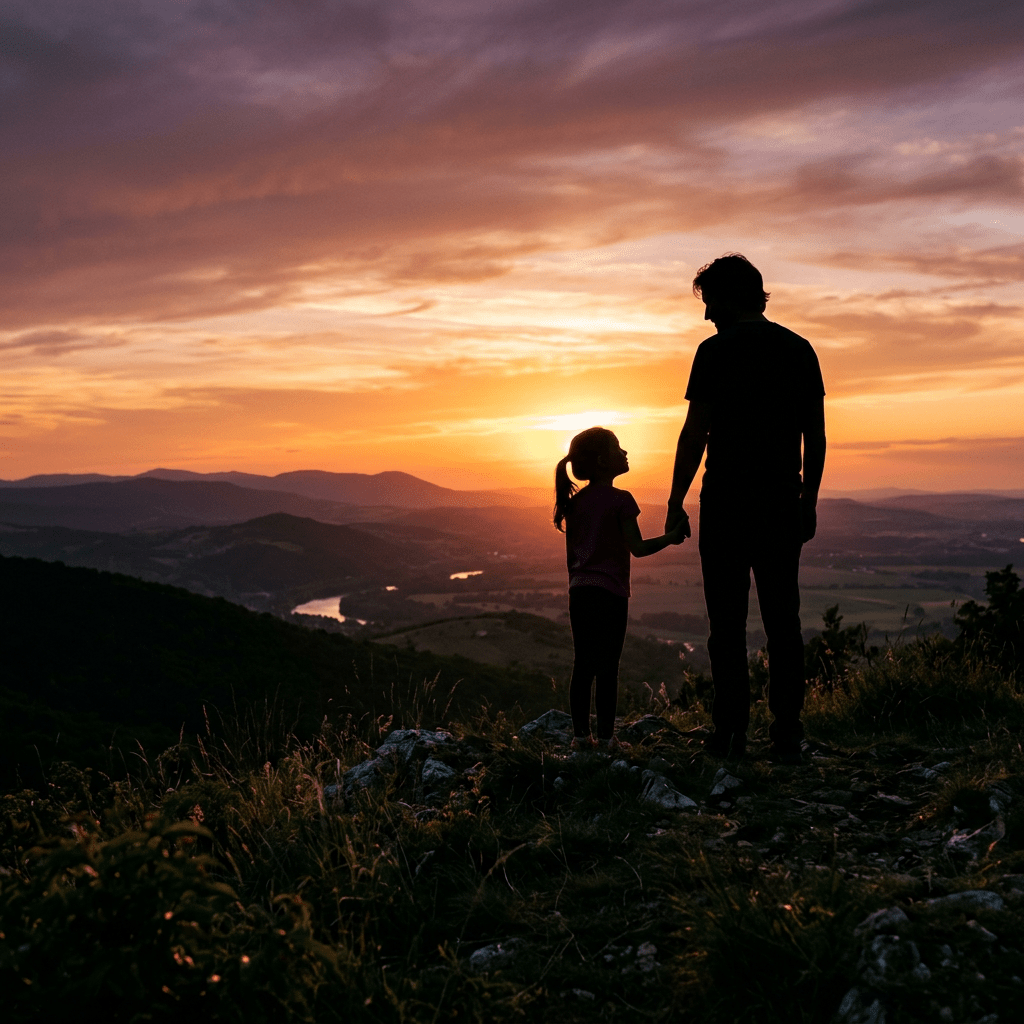
In the quiet corners of my heart, I have always been a daddy’s girl. Not in the cliché, ribbon-and-bows kind of way (my father always wanted a son so I had a little more tomboy in me!), but in the deep, soul-level sense that makes me believe we would have chosen each other as friends even if blood had not already bound us. There is a rare ease between us—an unspoken shorthand that lets us slide from the mundane to the profound without ever feeling the friction of small talk. We talk politics with the kind of honesty most people reserve for therapy sessions. We dissect social issues, cultural shifts, and the messy gray areas of human behavior until the drinks deplete and the clock forgets its job. However, he does not share in my passion for sports or my housewife aspirations…In those conversations, I see the man who shaped my worldview, not by lecturing, but by listening—really listening—and then offering perspectives that challenge me without ever dismissing me.
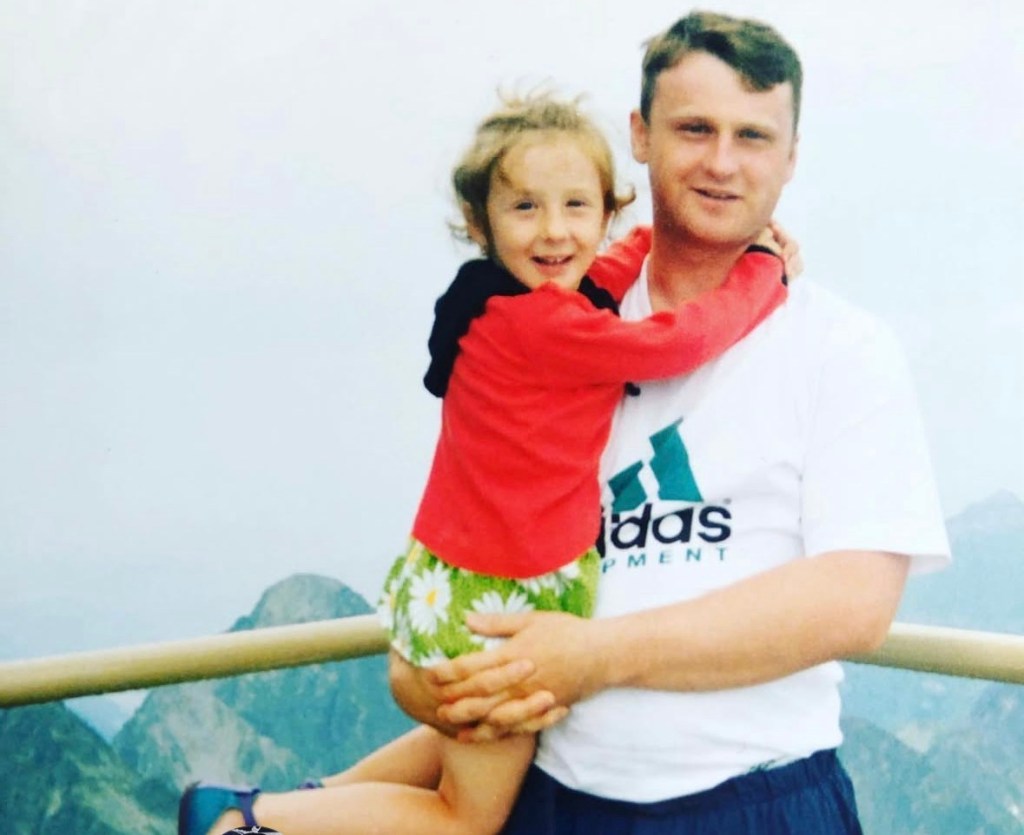
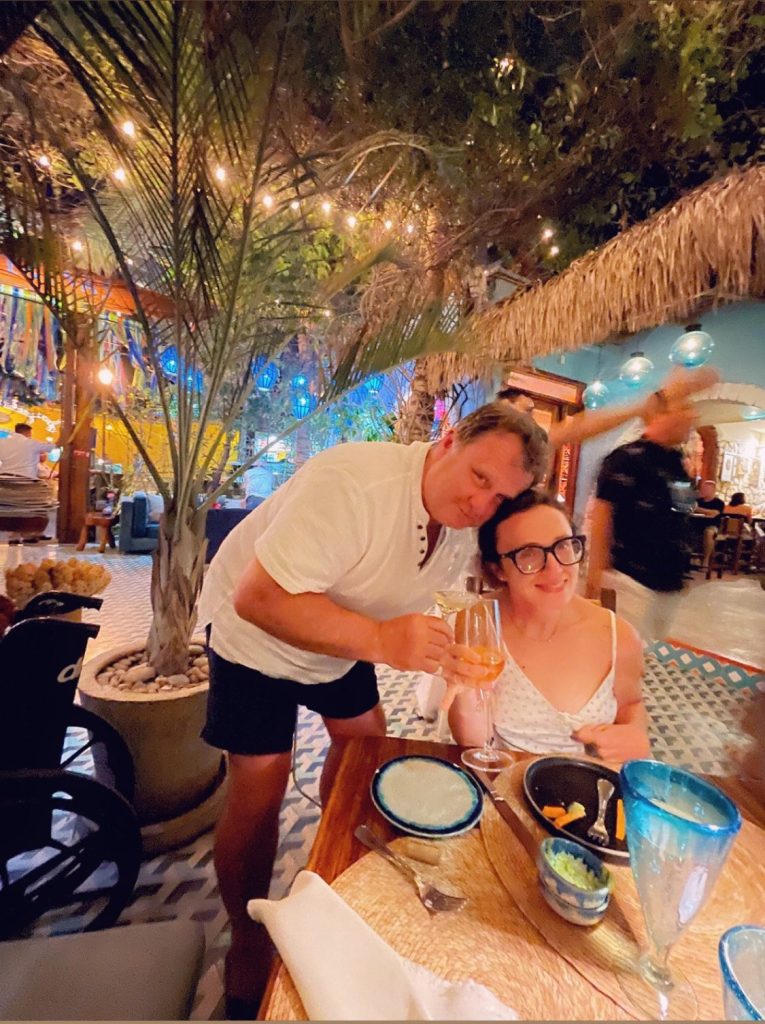
What has always struck me most about my father is the sheer, unrelenting force of his work ethic. I have watched it play out across my entire life like a quiet, steady beat. He would come home after long, exhausting days—days that would have flattened most people—and instead of collapsing into the couch, he would disappear into his shop (well sometimes he does love a good couch time). The door would close, the lights would flicker on, and soon the rhythmic sounds of tools and the faint scent of grease, metal, and sawdust would drift through the house. Boats. Cars. Whatever needed fixing or building or restoring. He did not do it for show or for extra money. He did it because something inside him simply could not sit idle when there was work to be done. That kind of drive is not loud or boastful; it is woven into the fabric of who he is. Watching him taught me that real strength often looks like showing up again and again, long after the applause has stopped and the easy path has been taken by everyone else.
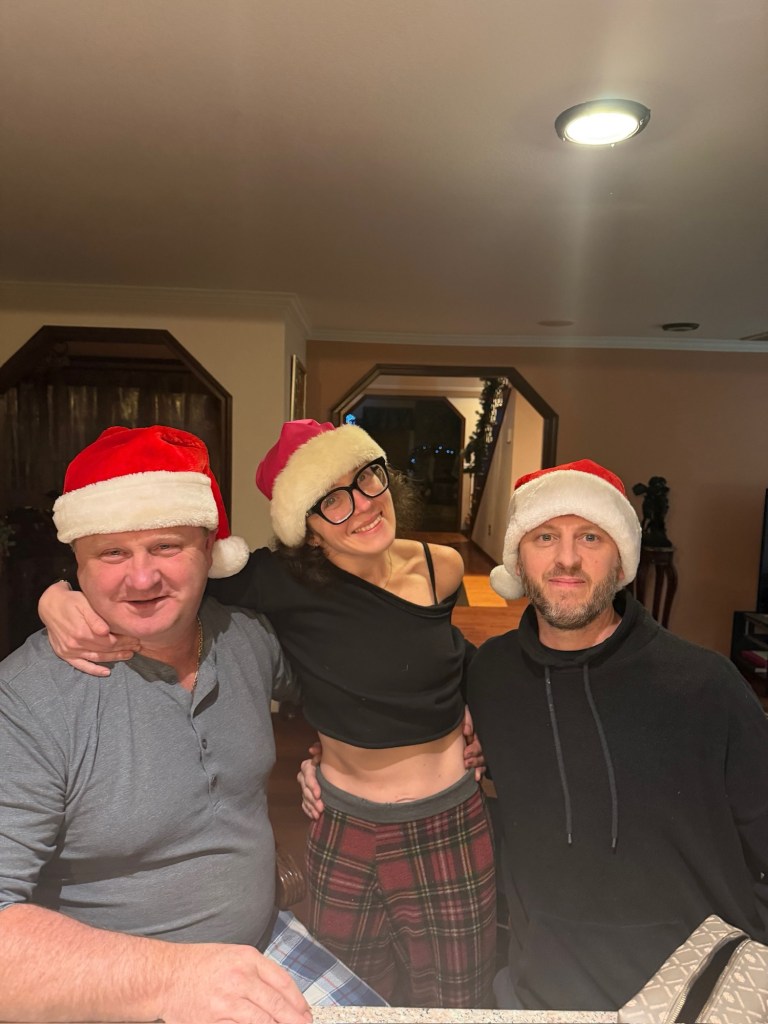
Through his example more than any lecture, he also taught me what it means for a man to lead a family. Not with dominance or control, but with quiet responsibility, steady presence, and the willingness to put in the unseen labor that holds everything together. He showed me that leadership in a home is not about being the loudest voice—it is about being the one who notices what needs fixing, who anticipates needs before they become crises, and who carries the weight so others do not have to carry it alone. Those lessons settled into my bones long before I had words for them.
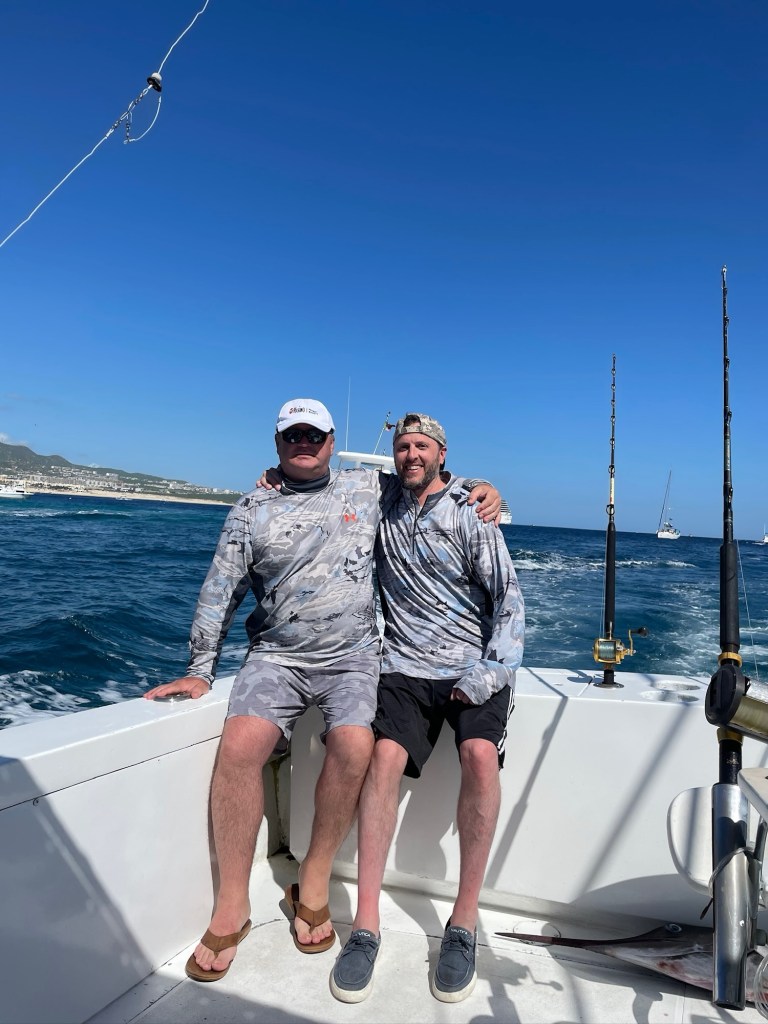
Then disability arrived and rewrote the script of my life. In the chaos of that transition—when everything I had taken for granted suddenly required new strategies and new strength—it was my father who stepped forward without hesitation. He did not offer empty platitudes or well-meaning but impractical advice. He got to work. With the same hands that had rebuilt engines and restored boats, he built ramps so I could move through our home without barriers. He installed handles and supports that allowed me to lift myself out of my chair with dignity and a measure of independence. He turned what could have been an overwhelming obstacle course into something navigable. His actions did not just make daily life physically easier; they protected my sense of self during a time when so much else felt stripped away. In those years, his quiet, relentless problem-solving became one of the most tangible expressions of love I have ever known.
Still, in the softer hours of reflection, a complicated question sometimes rises. I wonder whether the profound ease and comfort he provided during that season might have, in some small way, slowed the urgency of my own recovery. He made adaptation feel almost seamless, and because of that, I never had to fight quite as hard against the new limitations. Now I find myself at a different crossroads—ready, truly ready, to shift my focus and pour energy into my legs, into rebuilding strength and mobility with everything I have. Part of me wonders: Would that readiness have arrived sooner if the path had been rockier from the beginning? If every small movement had required more struggle, would the fire inside me have ignited earlier? These questions do not come from resentment or regret; they come from a place of deep self-examination. I carry immense gratitude for every ramp, every handle, every moment he made the impossible feel manageable. Yet I also recognize that comfort and challenge exist in a delicate balance, and sometimes the very things that protect us can also delay the moment we decide to push beyond protection.
In the end, none of us can run the simulations of alternate timelines. We do not get to know what might have happened if the support had been less or the obstacles greater. All we have is the story that actually unfolded—and in this story, everything happened exactly as it was supposed to. The conversations, the debates, the late nights in the shop, the ramps and handles, the lessons in quiet leadership, and even the complicated gratitude that now sits beside my growing determination: all of it belongs. My father’s love did not just carry me through the hardest chapter; it helped shape the woman who is now strong enough to write the next one on her own terms.
And through it all, I remain, unmistakably and unapologetically, his daughter.
It is easy to overlook the quiet “miracles” that surround us every single day. Yet one of the most profound truths about human fulfillment—and about creating even more goodness in our lives—is this: It is vital to be thankful for everything that is good in your life.
Gratitude has become an overused buzzword. Gratitude is not just a polite “thank you” or a fleeting warm feeling. It is a deliberate, heart-centered practice that shifts your entire energy, perspective, and ultimately, your reality. We all know, on some level, that we should not take the basics for granted. Running water that flows clean and hot at the turn of a tap. Reliable heating that keeps your home cozy when winter bites (this is uber important to my constantly freezing body!). A solid roof overhead that shields you from rain, wind, and the elements. Yet for many of us, these “luxuries” become background noise.
The same goes for the people in our lives. Friends and family. My family—especially—have shown up, even imperfectly. I am beyond grateful that I was not tossed out when I became needy and helpless. Typically, we appreciate them in moments of crisis or celebration, but how often do we pause in ordinary moments to truly feel the gift of our family’s presence?
Here is where the magic happens. Casual appreciation is nice, but to bring about more in our lives, we need to feel truly grateful for everything and everyone—not just the obvious blessings, but the small, the mundane, and even the challenging things that shape us.
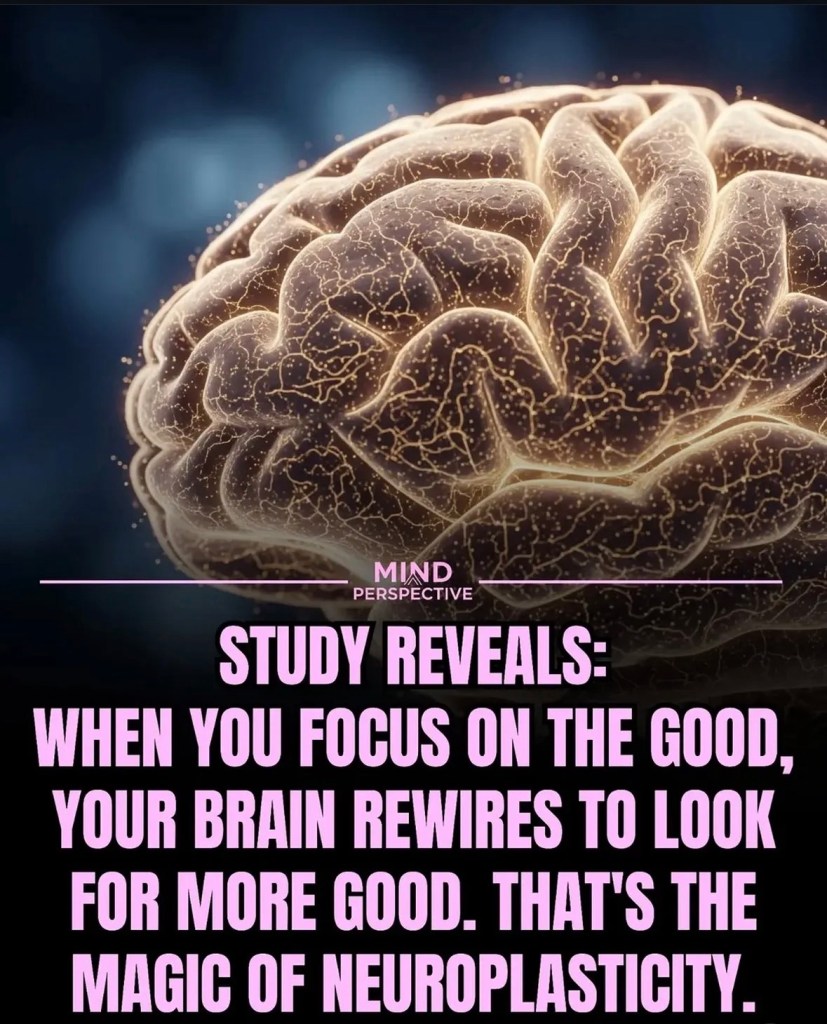
Think about it. When you wake up and genuinely feel thankful for the bed that held you through the night, the air filling your lungs, the sunlight (or even the rain) outside your window, something inside you softens and expands. Your nervous system calms. Your mind clears. Opportunities that once hid in plain sight suddenly become visible. Psychologists call this the “broaden-and-build” theory: positive emotions like gratitude widen our awareness and help us build resources—relationships, skills, resilience—for the future.
On a more spiritual or energetic level, many traditions and modern manifestation teachings emphasize that what you appreciate appreciates. Gratitude acts like a magnet. When you radiate sincere thanks for what you already have, you signal to the universe that you are a good steward of blessings. You are ready for more. Contrast this with the scarcity mindset: constant wanting, complaining, or comparing. That energy tends to keep us stuck exactly where we are, focused on lack.
Even in hardship, gratitude works its alchemy. Being grateful for the quiet strength you discover in loss is something that I had to discover. These are not toxic positivity exercises—they are honest acknowledgments that every experience contains seeds of growth.
Turning gratitude into a life-changing habit does not require hours of your day. Ask, “What is this situation trying to teach me?” Then thank it in advance for the wisdom or strength it will bring.Bookend your day with gratitude. Start with thanks for the day ahead and end with thanks for what unfolded.
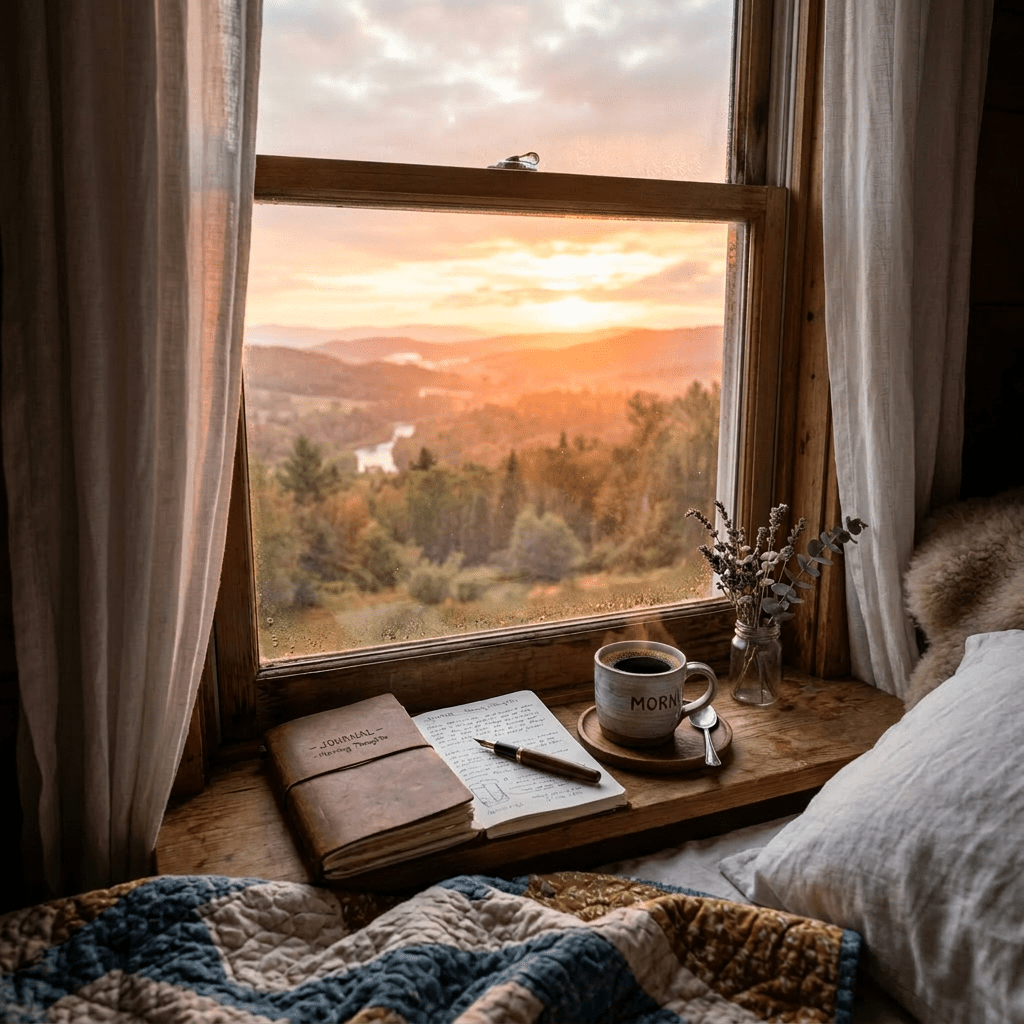
When you embody this level of gratitude, life responds. Relationships deepen because people feel genuinely valued. Health improves as stress decreases and joy increases. Abundance flows—at least in steady, meaningful ways: unexpected help, creative ideas, synchronicities, and a profound sense of “enough” that paradoxically opens the door to more.
So today, pause. Look around. Feel the chair supporting you, the device in your hands bringing these words, the breath moving through you. Say thank you—and really mean it. For the basics. For the people. For the lessons. For everything.
What are you passionate about?
He is the prize at the end of the journey. To fully receive that gift and build the life I dream of with him, I have made my health non-negotiable. Nutrition is not just a hobby for me; it is something I can wax poetic about for hours with genuine excitement. I have explored it all — from the MAHA movement (seed oils, fluoride, ultra-processed additives, and all the hidden toxins) to Ray Peat’s principles and everything in between. I have lived the experiments myself: vegan, gluten-free, paleo, keto. I have been underweight and overweight. Through trial and error, I have learned what truly makes the body and mind thrive.

A brain injury years ago left me with some lasting effects I can be self-conscious about. It does not stop me from loving deeply or building a lasting relationship— as seen in my current form attracting him (thankfully, the “disability” does not seem to bother him at all), but I still carry that quiet desire to show up as my strongest, healthiest self. I want to move through life with ease — for me, and especially for him.
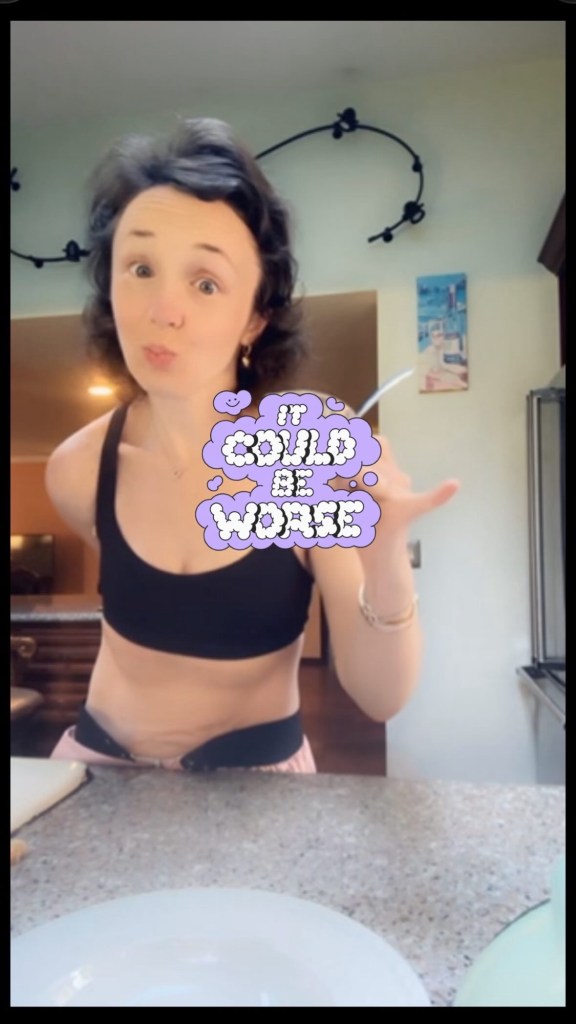
Because more than anything, I long to be his perfect little housewife. I can already manage it beautifully with one hand, but two steady hands would let me pour even more love into our home. And yes — almost every girl dreams of the aisle. So I am committed to walking strong, not just so I can hold his hand while we stroll down the street or along the beach, but so I can walk down that damn aisle toward him, radiant and ready for forever.
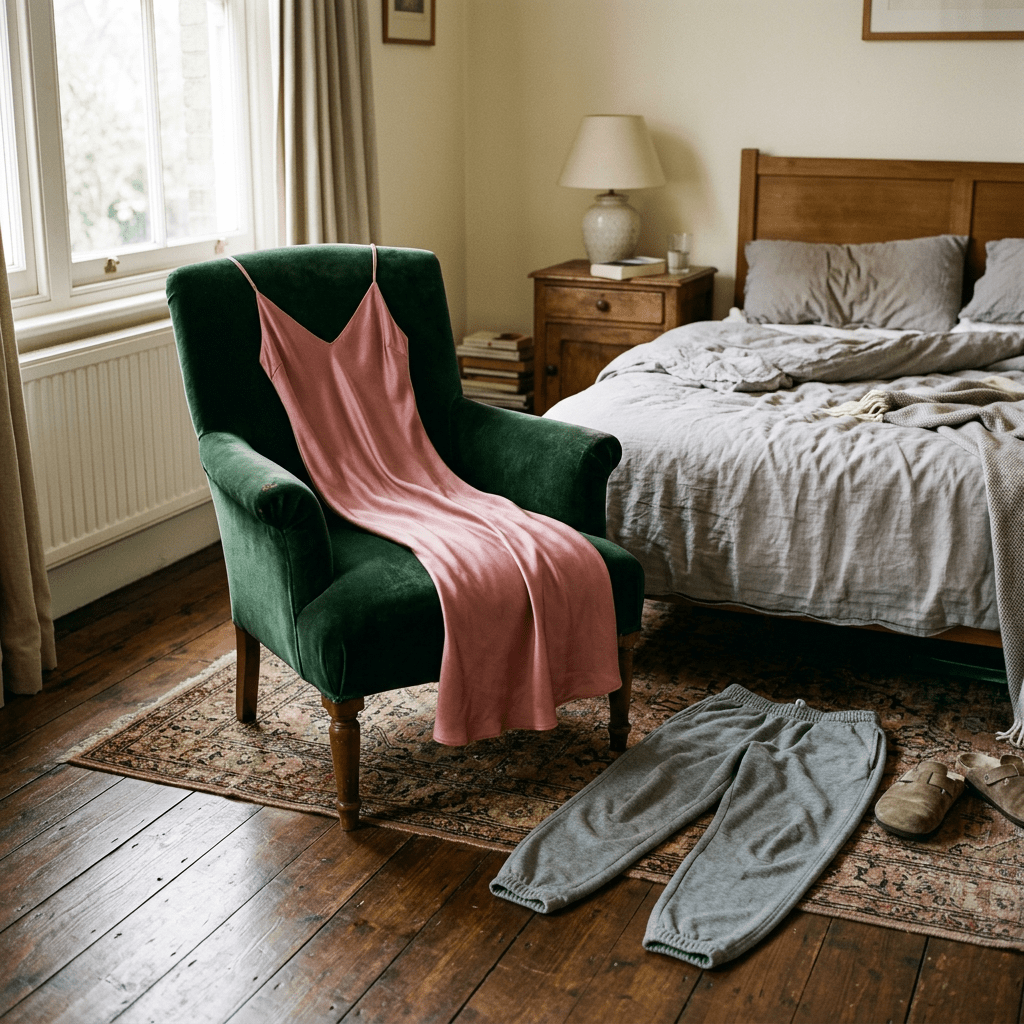
In a world drowning in sloppy sweatpants, filtered selfies, and the exhausting cult of “I’m a strong independent woman who don’t need no man,”: a woman should not only be beautiful. She should be dangerously interesting.
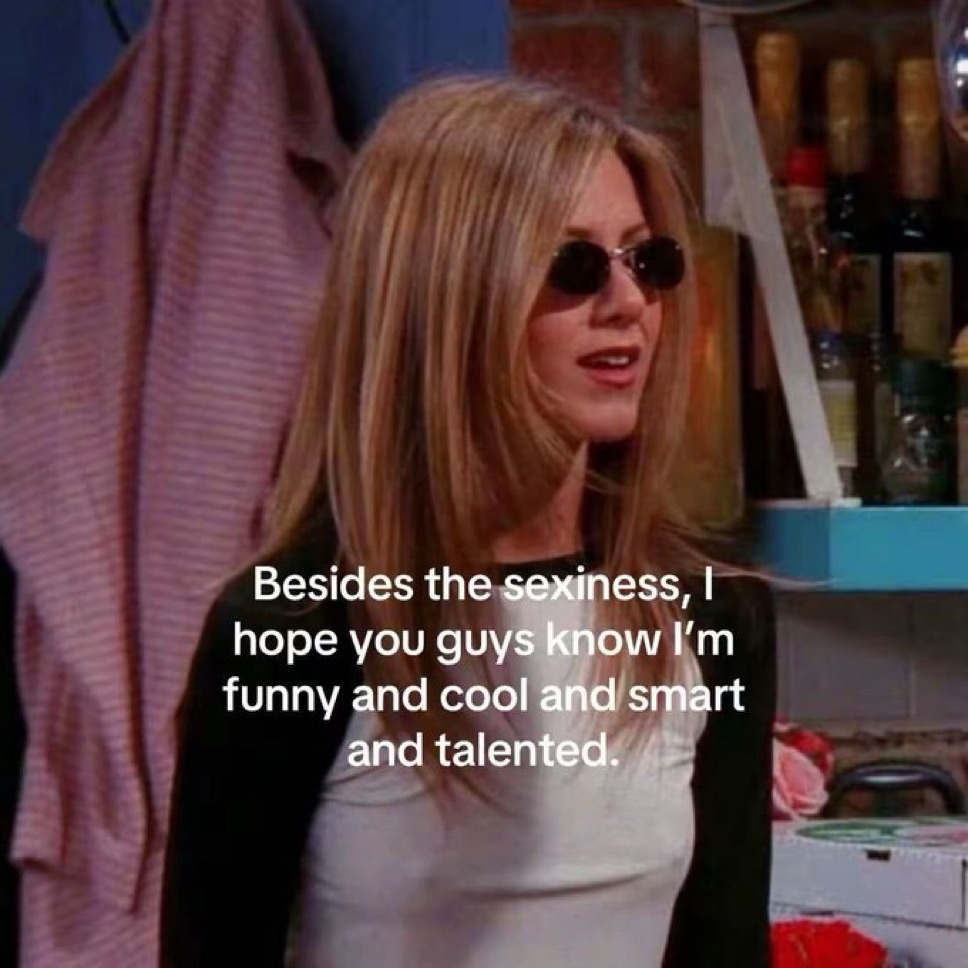
Beauty opens doors, sure. It turns heads, stops conversations mid-sentence, and makes weak men stutter. But beauty without substance? That is just expensive wallpaper. Pretty to look at until someone better walks by. Why do you think men are always leaving the Halle Berrys and Victoria’s Secret models?!
It is a honor to be beautiful. Own it. Revel in it. Wake up every morning and treat your femininity like the rare, intoxicating weapon it is. Keep your legs (and the rest of your body) smooth like it is foreplay. Move with the kind of grace that makes other women clutch their pearls and men adjust their pants. Speak with eloquence that drips like honey—slow, deliberate, unforgettable. Wear the dress that shows off every bone like it is personally offended by fabric. Because your body, your presence, your entire aura is a privilege, not a participation trophy.
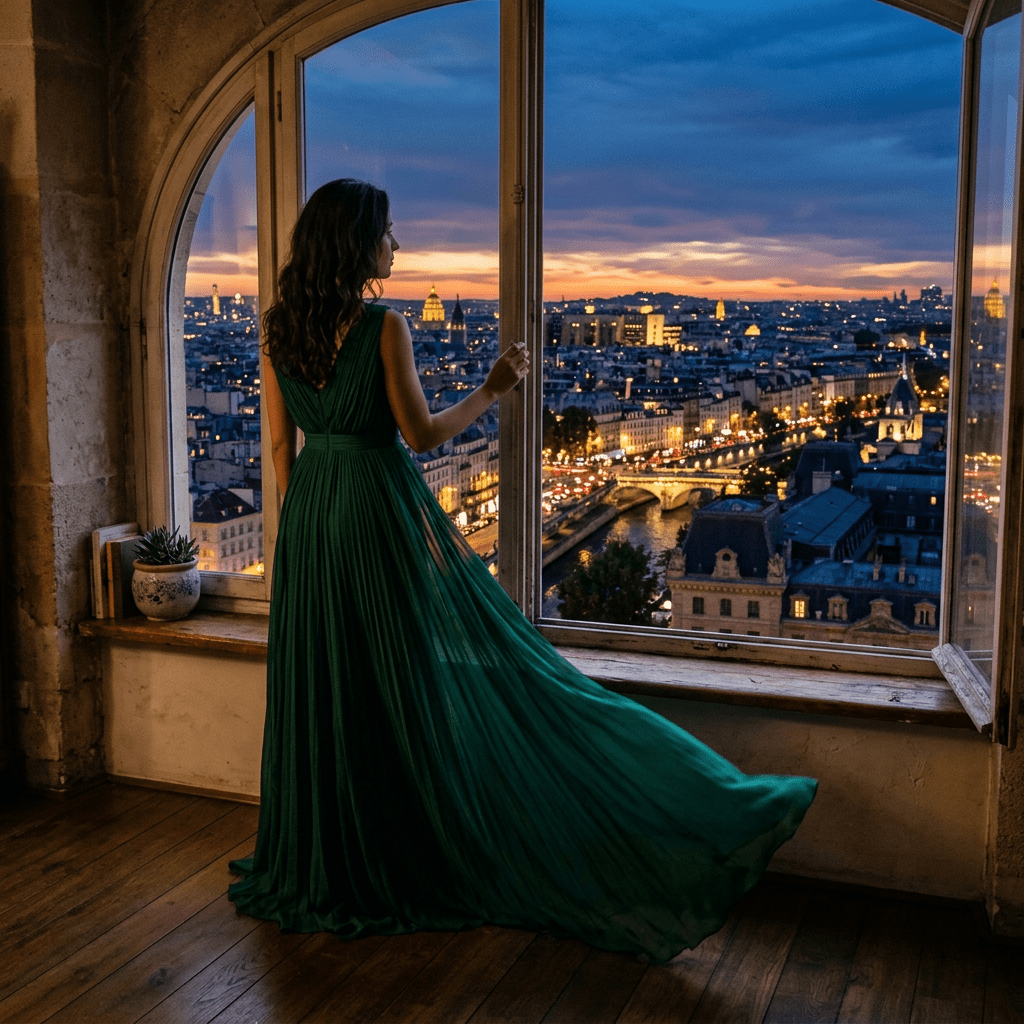
But here is where the modern girlies lose the plot: please do not dare stop there.
Your man does not just want a pretty face on his arm at events. He wants a woman who makes his blood run hot, his mind race, and his ego feel like that of a king. Beauty gets you in the door. Depth keeps you locked in his bed, his heart, and his future. Cook for him like you are seducing his soul. Laugh at his jokes even when they are mid, but roast him when he deserves it—sharp, playful, never bitter. Read books. Have opinions that are not just recycled social media drivel. Know when to be soft and yielding and when to challenge him just enough.
My boyfriend was initially drawn to me because of my edgy and controversial personality that I exhibited on my old X account (Twitter). I have always been book smart— not naturally intelligent— but my man is always amazed by the amount of information I retain. I am obsessed with listening to podcasts (although I have been on a bit of a hiatus) and yes I read X.com like it is my personality curated newspaper. So I tend to be well versed and able to discuss his interests with him. (But I also had a fire profile picture…)
Yes, it has always been my number one goal to be arm candy for my husband.
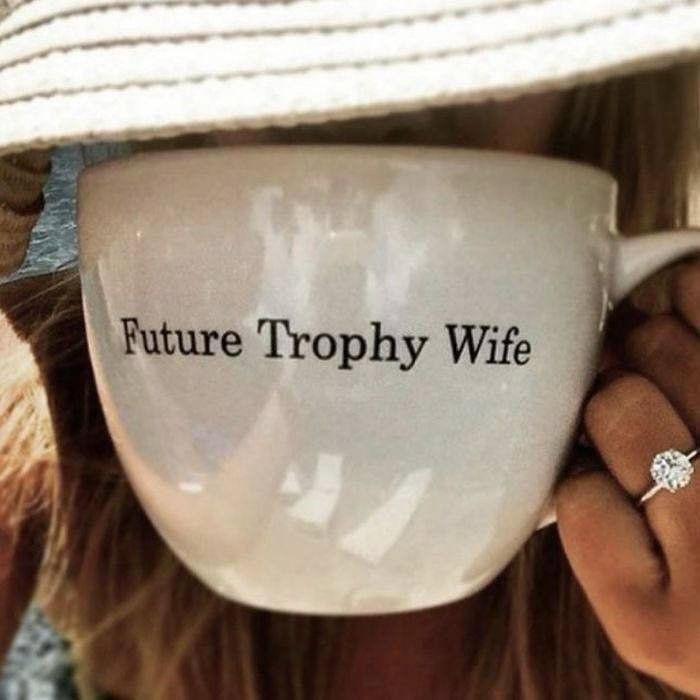
I did not stumble into this. I craved it for years before I even met him. While my friends were out chasing careers, validation from strangers, and that mythical “self-love” that somehow always required new hair dye and more therapy, I was curating myself like a masterpiece. I was sitting there in my wheelchair all fat and bloated— just daydreaming about the day my husband can show me off. I wanted to be the woman other men envy and other women quietly resent. I still do. The one who turns heads in the restaurant and makes his hand instinctively tighten on my waist. The trophy that is not just shiny but sharp as a blade underneath.
And now? I take immense pleasure in being exactly that for my man.
There is something deliciously powerful about being on his arm, knowing every eye is on us—and that I am the one he gets to take home, unwrap, and ruin. I love being the visual feast he shows off and the private obsession he devours behind closed doors. I crave the way people glance a second too long and then look away because they know they could never have this. I love the quiet pride in his eyes when I charm, when I look flawless at four a.m. with bed hair that somehow still looks intentionality messy, when I anticipate his needs before he voices them.
Call it outdated. Call it anti-feminist. I call it honest.
Because let me be real: the “girlboss” who spends her nights crying into takeout because her “high-value” standards left her with a vibrator and an empty calendar is not winning. She is exhausted. Meanwhile, I am glowing, desired, and secure in the kind of traditional dynamic that actually satisfies something primal in both of us.
Femininity is not weakness. It is strategy. It is power wrapped in silk and perfume. Being beautiful is the baseline. Being interesting—the kind of interesting that makes him obsessed—is the flex. And being unapologetically his arm candy? That is the victory lap.
Maybe it is time to stop competing with men and start completing the one worth keeping.
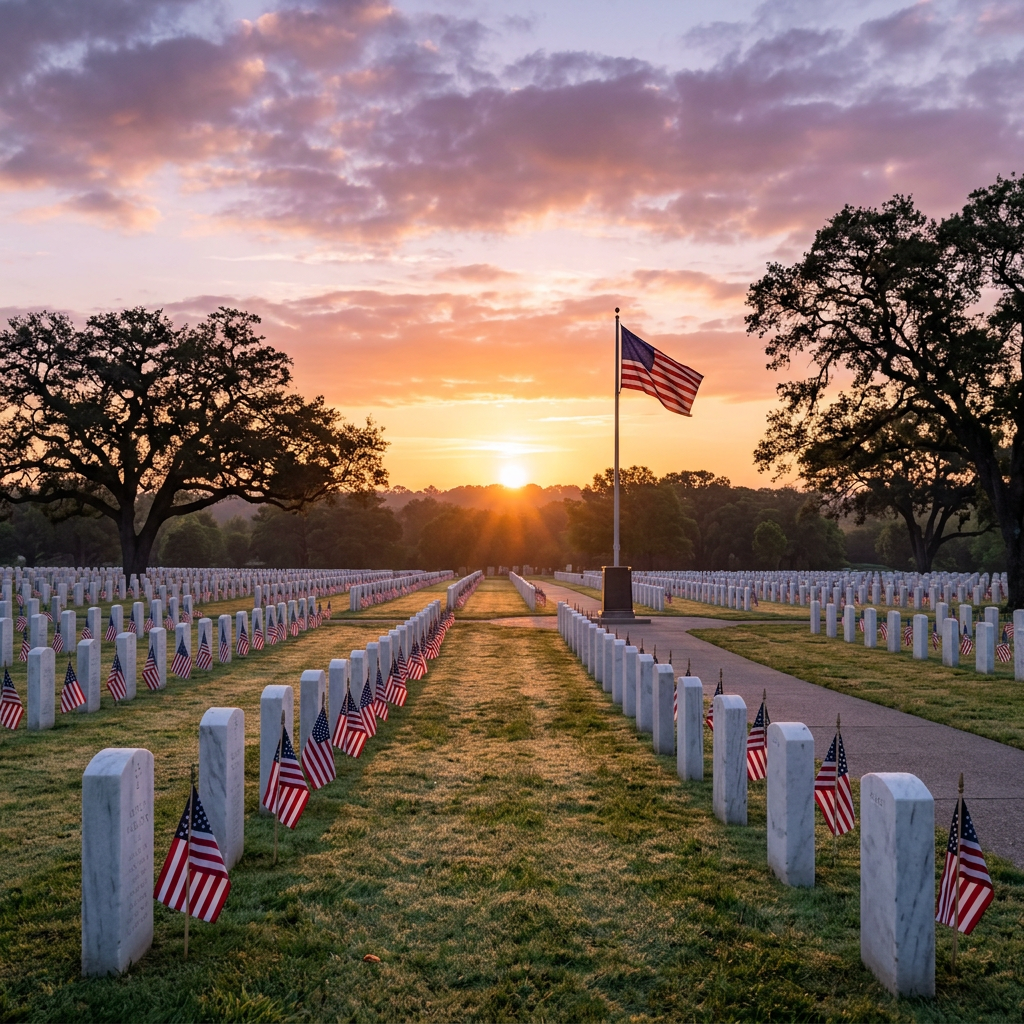
This Memorial Day, my boyfriend and I will be doing what we do best lately: sharing our usual FaceTime coffee date from opposite sides of the country. We have spent several recent Memorial Day weekends physically together, but somehow these long holiday stretches still end up with us glued to our phones — sipping coffee, chatting, and wishing we were in the same room. His grandfather served in the Second World War (but passed away in 2010). Because of that, my history-buff boyfriend feels a deep, personal connection to this holiday that I, as a Russian immigrant, can never quite match.
In Russia, we grow up honoring May 9th — Victory Day — with parades, red carnations, and stories of grandparents who fought in the Great Patriotic War. Patriotism there is loud, emotional, and woven into everyday life. Here in America, it feels quieter. More subdued. I understand why. This land has not seen the kind of devastation and loss that so many other countries have endured on their own soil. America’s wars have largely been fought far away, on someone else’s beaches and battlefields. That distance changes how the day lands in people’s hearts.Still, I find myself reflecting on the sacrifices made by those who came before — especially the ones who made my boyfriend’s family possible. Even from a screen, I am grateful to share this day with him.
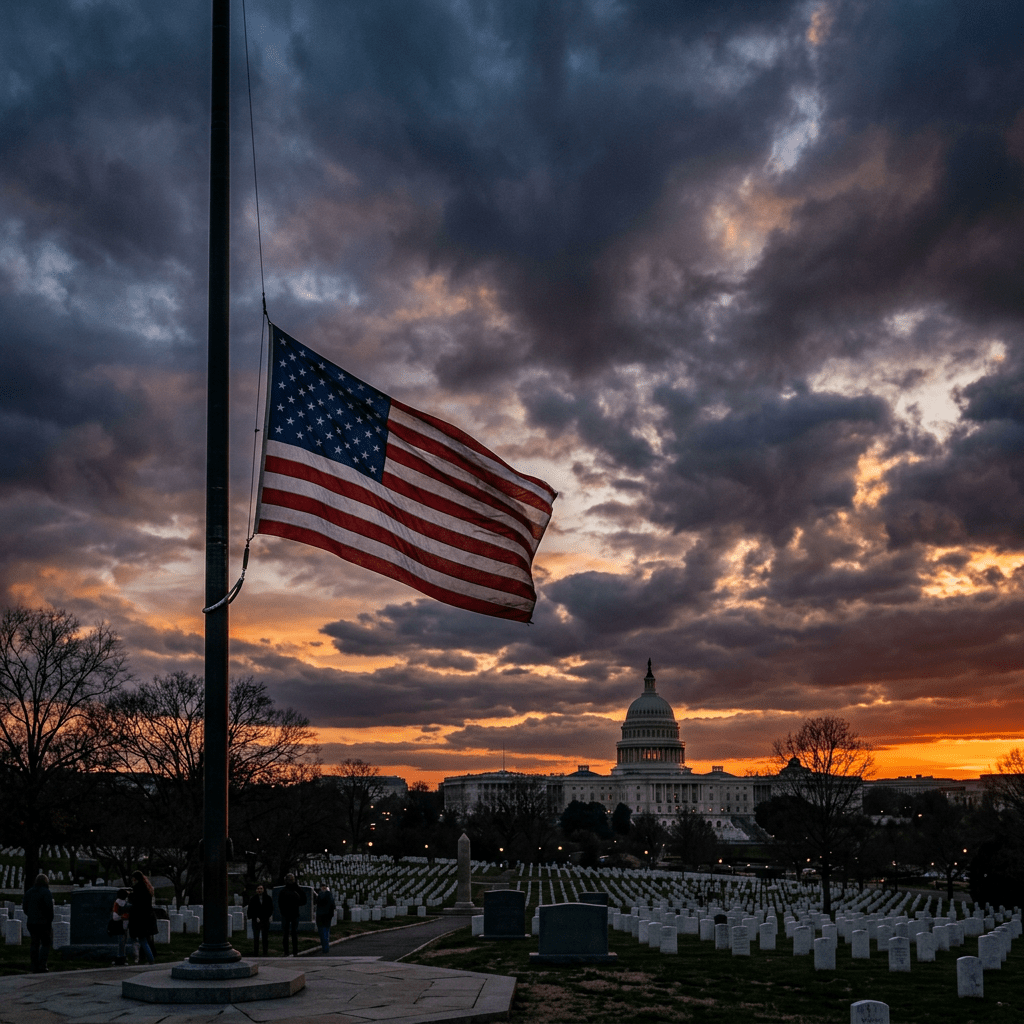
Most people treat Memorial Day as the beginning of the summer. However, Memorial Day is more than just a long weekend marking the unofficial start of summer. It should not just be a holiday for another coffee date. It is a solemn national holiday dedicated to remembering and honoring the men and women of the United States Armed Forces who made the ultimate sacrifice in service to their country.
The roots of Memorial Day trace back to the aftermath of the American Civil War, one of the bloodiest conflicts in U.S. history, which claimed the lives of approximately 620,000 soldiers. In the years following the war, communities across the nation began decorating the graves of fallen soldiers with flowers, wreaths, and flags—a practice that gave rise to the original name, “Decoration Day.”
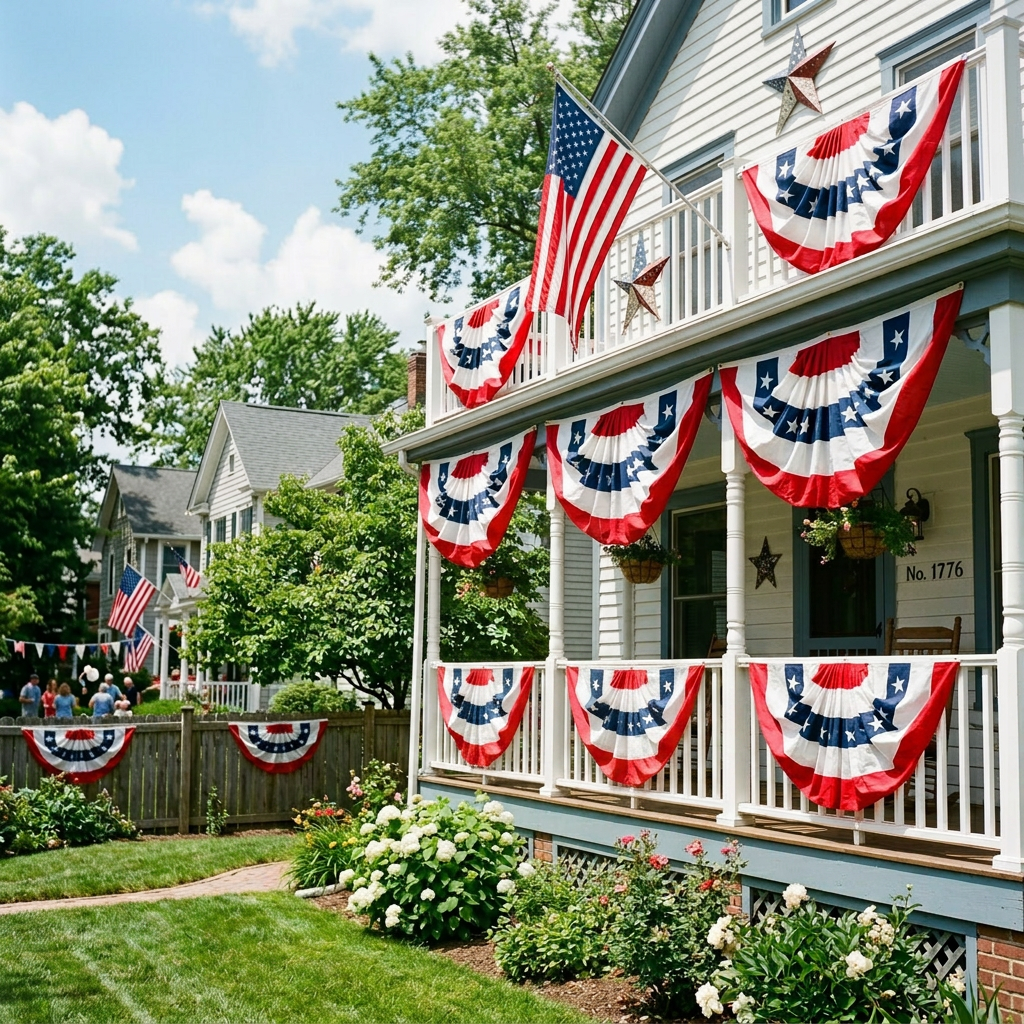
On May 5, 1868, General John A. Logan, commander-in-chief of the Grand Army of the Republic (an organization of Union veterans), issued a proclamation establishing Decoration Day on May 30. That first national observance drew thousands to Arlington National Cemetery, where flowers were placed on the graves of both Union and Confederate soldiers.
While several locations claim to be the birthplace of the holiday (including Charleston, South Carolina, and Boalsburg, Pennsylvania), the tradition spread rapidly. After World War I, it expanded to honor all American service members who died in any war. The name officially became “Memorial Day,” and in 1971, Congress passed the Uniform Monday Holiday Act, moving it to the last Monday in May to create a three-day weekend.
At its core, Memorial Day is about remembrance and gratitude. It acknowledges that freedom is not free and that countless individuals—sons, daughters, fathers, mothers, brothers, and sisters—paid with their lives to defend the ideals of liberty, democracy, and justice.
This day serves as a powerful reminder of the human cost of conflict. From the Revolutionary War through today’s global operations, these heroes stepped forward when their nation called, often knowing the risks involved. Their sacrifice ensures that future generations can enjoy the blessings of peace and opportunity.
Memorial Day also fosters national unity. It transcends politics, reminding Americans of shared values and the collective debt owed to those who defended them.
Traditions vary, but the spirit remains consistent:
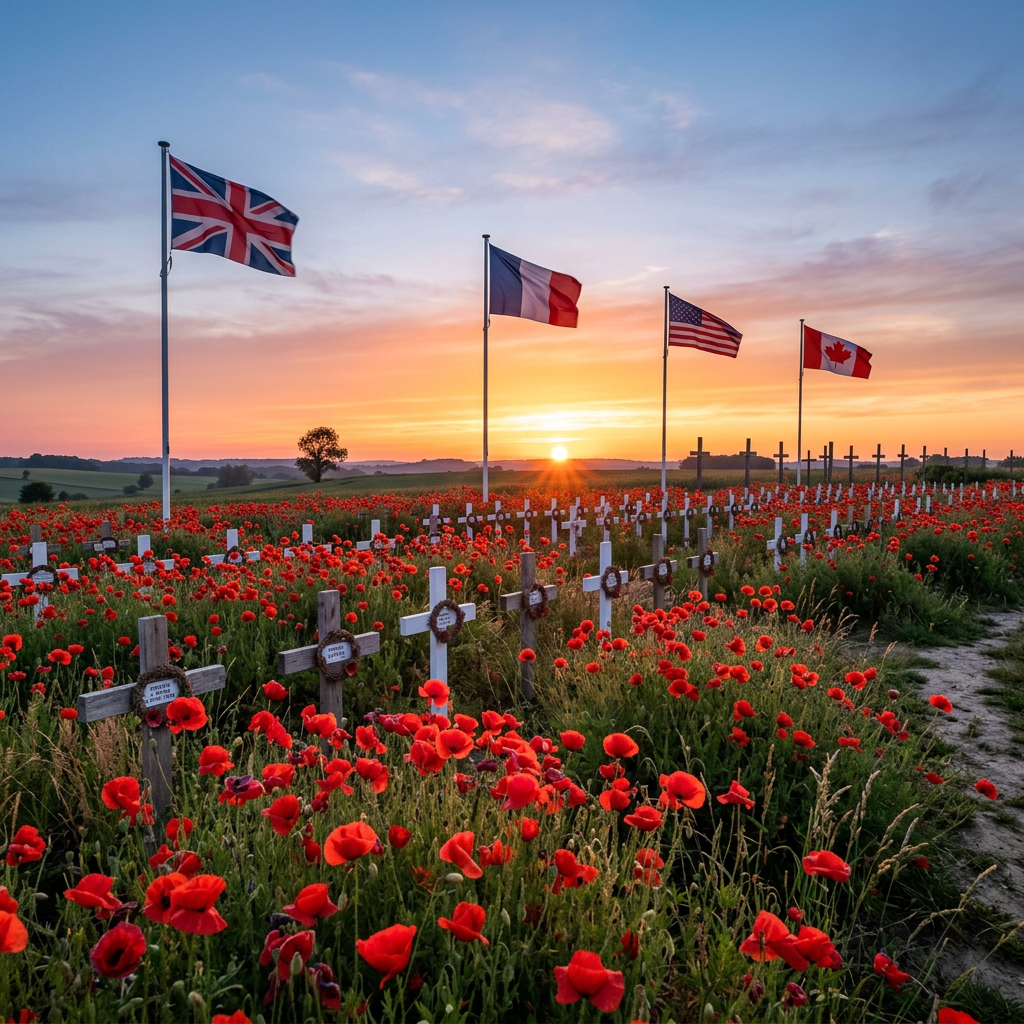
It is important to distinguish Memorial Day from Veterans Day (November 11 AKA my boyfriend and I’s physical anniversary!)), which honors all who have served—living and deceased. Memorial Day specifically focuses on those who died in service.
In an increasingly fast-paced world, Memorial Day calls us to pause. It invites reflection on sacrifice, service, and the responsibilities that come with freedom. For Gold Star families—those who have lost loved ones—it is a day of both profound grief and national recognition.
As we enjoy barbecues, beach trips, and time with loved ones, let us remember the true reason for the holiday.
To all who gave their lives so we might live in freedom: Thank you. We will never forget.
This Memorial Day, may we honor their memory not just with words, but with lives lived in gratitude and service to the country they loved.
My boyfriend and I have been mainlining our childhood like it is a caffeine drip—Beverly Hills, 90210, Melrose Place, and now it is my turn to open his eyes to my own high school drama—the glossy, sun-soaked fever dream that was The OC. God, I used to worship that world. I wanted the luxury car, the beach house, the effortless drama. Mostly I wanted the body. Marissa Cooper’s surfboard silhouette—long, lean, zero percent body fat, the kind of thin that makes clothes hang on your protruding bones. Paris Hilton-esque. vacant-eyed and untouchable. I wanted to be built like a surfboard. Instead, I got my own high school experience, which played out less like a Fox teen soap and more like a psychological horror.
I changed school districts right before freshman year so that I could attend private school. Fresh start! New hallways, new faces, new chance to reinvent myself as someone people actually wanted to sit with at lunch. I showed up with the kind of desperate optimism only a fourteen-year-old can muster. I smiled too wide. I laughed at jokes that were not actually funny. I even joined the school soccer team, even though I was only a little speedster without any soccer ball skills. I was ready to collect friends like limited-edition.
Middle school had already done its damage, though (read here). That was where I learned the rules of the game: be thin, get straight A’s, and the world will throw compliments at you like confetti. Teachers beamed. Boys stared. My mother bragged. It was the easiest dopamine I had ever scored. So when high school hit, I doubled down like a junkie with a new dealer. Social life? Optional. Body? A full-time job. Grades? Non-negotiable. Everything else could rot.
I did try, in my own half-assed way. I met boys. Kissed one. The “bad boy” ala Ryan from The OC. Let him finger me through my Juicy Couture jeans (try explaining that hole in your jeans). I even went back to my old district just to play tennis for their team—commuting like a masochist because apparently I still needed some thread connecting me to “normal” teenage life. Those bus rides were surreal: me in my little skirt, racquet between my knees, pretending I was just like everyone else while my brain screamed calorie counts and tomorrow’s biology test.
But the obsession was already metastasizing. One solid year of high school—that is all I really got before the sickness took the wheel. Freshman year had moments of light. I remember walking the halls in low-rise jeans that showed the sharp edges of my hip bones like trophies. I remember the rush when a senior looked twice. I remember thinking, This is working. Keep going.
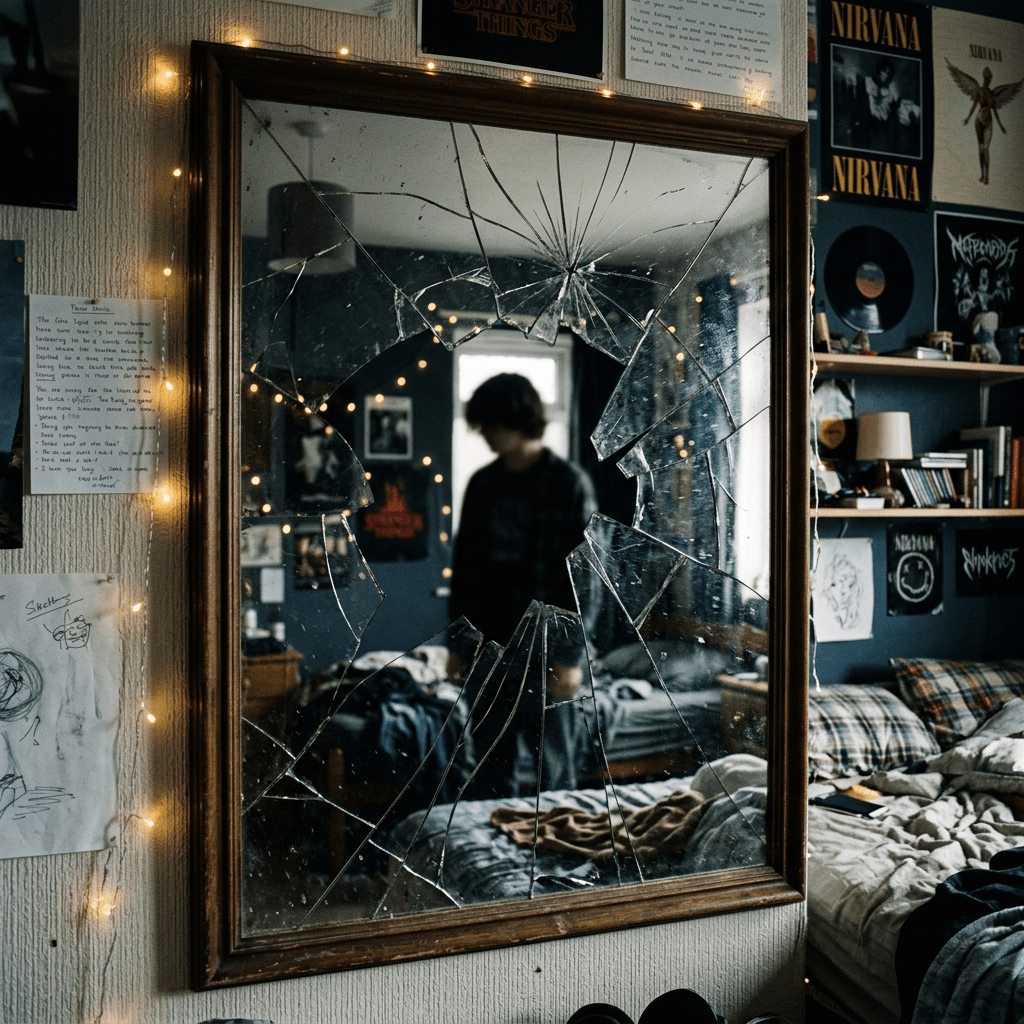
Then the mirror became my enemy, my priest, and my dealer all at once. I stopped eating lunch. I did sit-ups until 2 am. I measured my worth in the gap between my thighs and the numbers on the scale. Straight A’s were never enough anymore—they were just part of the game. The real prize was disappearing. Becoming so small that people worried. That kind of worry felt like love.
The new school never really knew me. How could they? I was a ghost in Abercrombie. I showed up, aced everything, then vanished into my room to count ribs and cry over missed carbs. Friends tried. I pushed them away with the polite brutality of a girl who is already in love with her own destruction. Boys were easier—they wanted the fantasy, not the full dossier of my neuroses. So I became that girl… the boys’ friend. I gave them pieces. Never the whole haunted house.
Looking back, it is grotesque how romantic I made it all seem. The OC soundtrack in my head while I did crunches at midnight. The way I would stare at Marissa’s collarbones like they were scripture. I wanted that coastal California emptiness so badly I carved it into myself in the middle of nowhere suburbia. Meanwhile, the real kids around me were making memories—bonfires, breakups, bad decisions with cheap beer. I was making spreadsheets of my intake and hating myself in HD.
There is something darkly funny about it now. I traded four years of messy, stupid, glorious teenage chaos for a body that still was not thin enough and a transcript that could not hug me back. I was the girl who had it “together.” Teachers loved me. My report cards were porn for my Russian parents. And I was rotting from the inside out, polite smile stapled to my face.
If I could go back, I would tell that wide-eyed freshman something brutal: the praise feels good until it does not. The boys will not save you. The scale lies. And no amount of straight A’s will make you feel safe in your own skin. Sometimes the rebellion is not starving—it is eating the pizza and going to the dumb party anyway.
But I cannot go back. So instead I am here, rewatching The OC with my boyfriend, laughing at how fake it all looks now. Marissa’s tragic glamour hits different when you have lived a version of it and survived. I am softer now. Older. Still fucked up in new and exciting ways. But at least I am not measuring my worth in negative space anymore.
High school me would call that weak. Adult me calls it winning.
What a twisted little victory lap.

