Tag: faith

  • Embrace the Summer Solstice: A Celebration of the Season

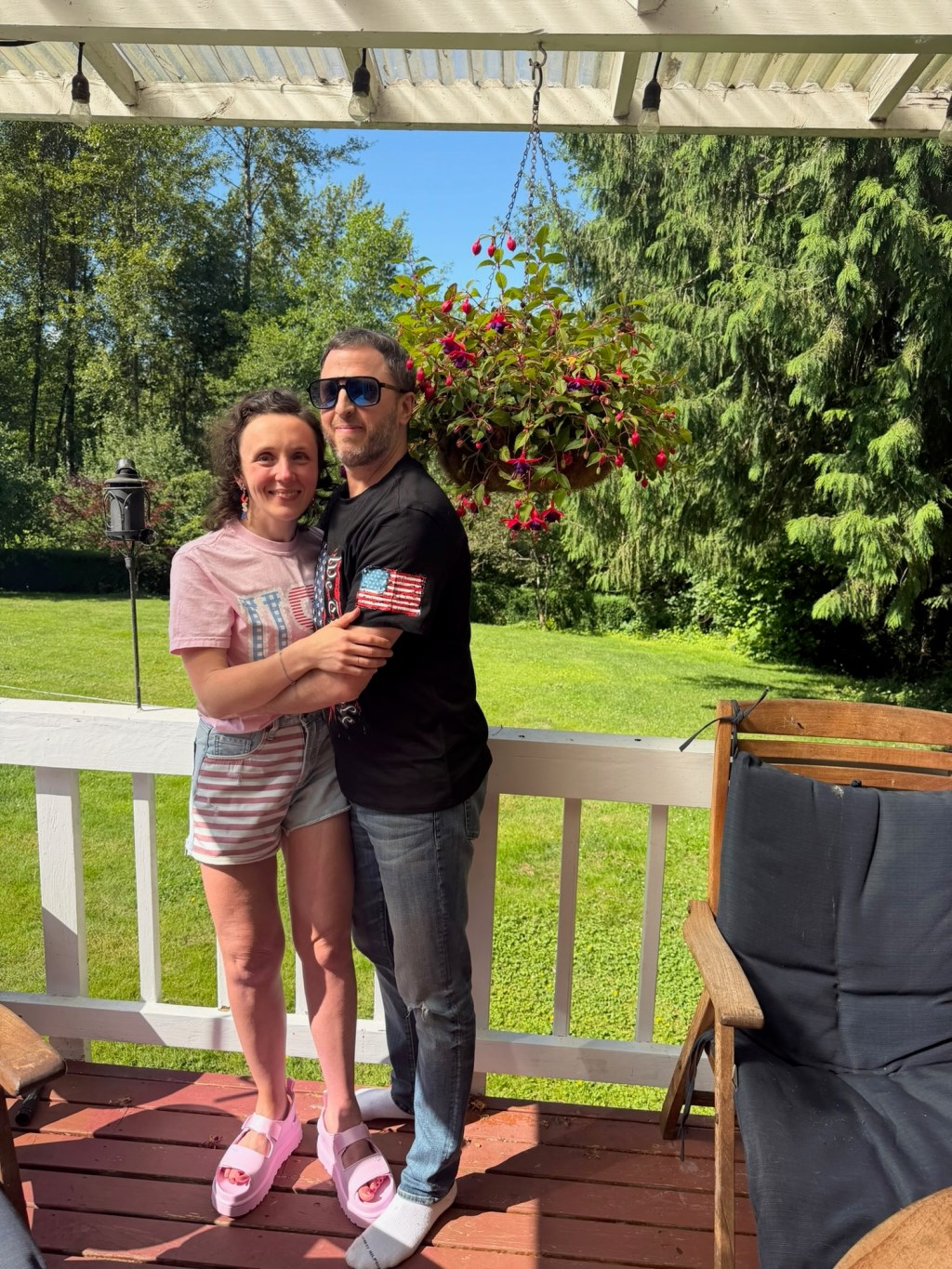
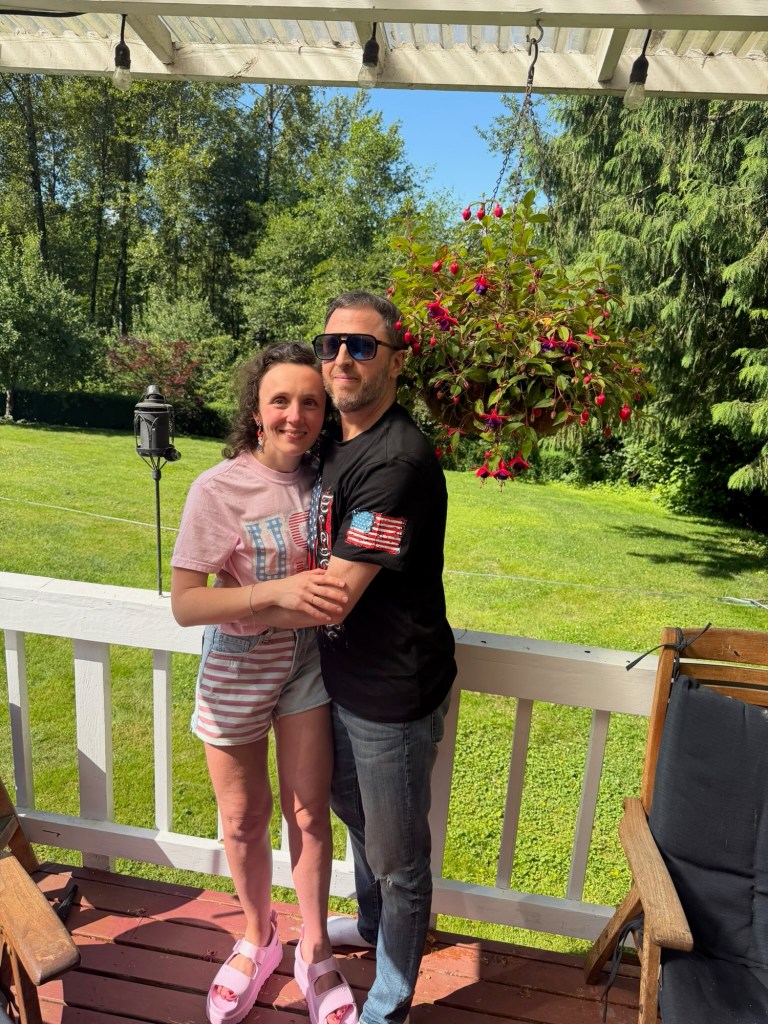
    I love the Summer time— and I really love celebrating. Summer solstice is my ideal. It is finally here — the longest day of the year, the sun’s victory lap, and the official middle finger to cold, dark, depressive days. My favorite goal for me and my man is to be out here treating it like the whimsical rave it was always meant to be.

    In ancient history, midsummer (the celebration of the summer season) was dedicated to Pagan gods, fertility, crops etc. but I do not see why we should not be celebrating the solstice in the religious sense (thanking God’s/the Universe’s creation).

    I am talking quiet little picnics with iced drinks and polite conversation. I also want bonfires that scare the neighbors. I want to stay up until the sky finally gives up and turns dark (which, thanks to the solstice, feels like never). I want to chase the last rays of sunlight. Because this is the one day the universe hands us maximum daylight and says, “Go be reckless, animals.

    Couple sitting on red checkered blanket having a picnic in a wildflower meadow at sunset
    A couple enjoys a sunset picnic in a vibrant wildflower meadow

    Ancient cultures got it right. They lit massive fires, danced until they dropped, mated in the fields, and basically celebrated the sun. Modern life turned it into “wear white linen and drink rosé on a rooftop.” Cute. But weak. I am here for the chaos edition.

    We start at sunrise like lunatics who respect the assignment. (Iced) coffee, loud music, minimal clothing. We drag ourselves outside because the sun is literally showing off and we are not wasting a single golden hour. Then it is beach, lake, rooftop, forest — anywhere the light hits hardest.

    Bonfire burning in a stone fire pit surrounded by wildflowers and grassy meadow at sunset
    A glowing bonfire lights up a colorful meadow at dusk with people nearby

    We eat: grilled everything, fresh fruit that drips down your arm, cold wine or champagne because yes, we are always on that bottle-a-night agenda.

    At night? Bonfire mandatory. Even if it is a little fire pit in the backyard, I want my Americana s’more snack. Throw in some herbs, some music that makes your ancestors proud, and dance like the veil between worlds is thin (because on solstice it kinda is). Light sparklers. Howl at the sky. Jump over the flames if you are brave enough. Make out like teenagers because the sun blessed the whole day (and season).

    Life is mostly gray office lighting and existential dread. The summer solstice is one of the few times the planet throws us a proper party. The sun is at its strongest, the earth is fertile, and everything feels electric. Do not spend it folding laundry or doing the mundane.

    Get outside. Get loud. Get a little unhinged. Burn something. Fuck someone. Worship the light while it lasts because in six months we will be back in the void, writing about seasonal depression.

    This is our peak. Our longest day. Our reminder that even in this clown timeline, the sun still shows up and cooks the planet just to watch us thrive.

    So celebrate like you mean it.

    Strip down. Heat up. Light it up.

    Happy solstice (I am waiting to properly celebrate with him).

    See you at the bonfire. Bring champagne.

    Radiant sun with flowing flames and glowing flowers against a starry space background
    A radiant sun surrounded by glowing floral motifs in a cosmic background
  • The Ripple Effect: More of What You Love

    The Ripple Effect: More of What You Love

    It is easy to overlook the quiet “miracles” that surround us every single day. Yet one of the most profound truths about human fulfillment—and about creating even more goodness in our lives—is this: It is vital to be thankful for everything that is good in your life.

    Gratitude has become an overused buzzword. Gratitude is not just a polite “thank you” or a fleeting warm feeling. It is a deliberate, heart-centered practice that shifts your entire energy, perspective, and ultimately, your reality. We all know, on some level, that we should not take the basics for granted. Running water that flows clean and hot at the turn of a tap. Reliable heating that keeps your home cozy when winter bites (this is uber important to my constantly freezing body!). A solid roof overhead that shields you from rain, wind, and the elements. Yet for many of us, these “luxuries” become background noise.

    The same goes for the people in our lives. Friends and family. My family—especially—have shown up, even imperfectly. I am beyond grateful that I was not tossed out when I became needy and helpless. Typically, we appreciate them in moments of crisis or celebration, but how often do we pause in ordinary moments to truly feel the gift of our family’s presence?

    Here is where the magic happens. Casual appreciation is nice, but to bring about more in our lives, we need to feel truly grateful for everything and everyone—not just the obvious blessings, but the small, the mundane, and even the challenging things that shape us.

    Think about it. When you wake up and genuinely feel thankful for the bed that held you through the night, the air filling your lungs, the sunlight (or even the rain) outside your window, something inside you softens and expands. Your nervous system calms. Your mind clears. Opportunities that once hid in plain sight suddenly become visible. Psychologists call this the “broaden-and-build” theory: positive emotions like gratitude widen our awareness and help us build resources—relationships, skills, resilience—for the future.

    On a more spiritual or energetic level, many traditions and modern manifestation teachings emphasize that what you appreciate appreciates. Gratitude acts like a magnet. When you radiate sincere thanks for what you already have, you signal to the universe that you are a good steward of blessings. You are ready for more. Contrast this with the scarcity mindset: constant wanting, complaining, or comparing. That energy tends to keep us stuck exactly where we are, focused on lack.

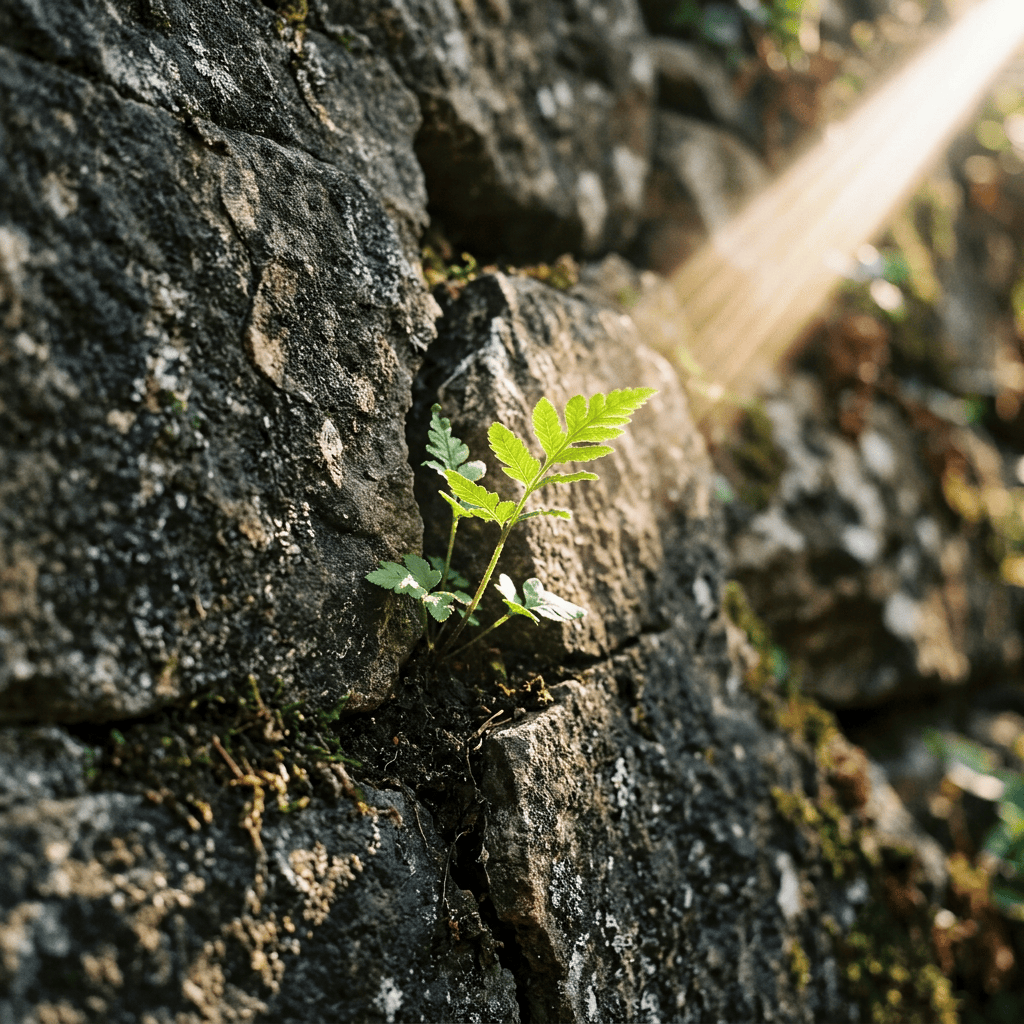
    Purple wildflower growing out of a crevice in a moss-covered stone wall with sunbeam
    A delicate purple wildflower blooms from a crack in a mossy stone wall illuminated by sunlight

    Even in hardship, gratitude works its alchemy. Being grateful for the quiet strength you discover in loss is something that I had to discover. These are not toxic positivity exercises—they are honest acknowledgments that every experience contains seeds of growth.

    Turning gratitude into a life-changing habit does not require hours of your day. Ask, “What is this situation trying to teach me?” Then thank it in advance for the wisdom or strength it will bring.Bookend your day with gratitude. Start with thanks for the day ahead and end with thanks for what unfolded.

    Journal, pen, steaming coffee cup, and vase on a windowsill with sunrise over mountains
    A peaceful morning scene with a journal, coffee, and sunrise view

    When you embody this level of gratitude, life responds. Relationships deepen because people feel genuinely valued. Health improves as stress decreases and joy increases. Abundance flows—at least in steady, meaningful ways: unexpected help, creative ideas, synchronicities, and a profound sense of “enough” that paradoxically opens the door to more.

    So today, pause. Look around. Feel the chair supporting you, the device in your hands bringing these words, the breath moving through you. Say thank you—and really mean it. For the basics. For the people. For the lessons. For everything.

  • Believe Before You See: Unlocking Your Potential

    Believe Before You See: Unlocking Your Potential

    If humans had taglines, what would yours be?

    She Believed She Could, So She Did: This is not just a cute little motto—it is the tagline of my entire life. It is the quiet battle cry that has carried me through every pivot, every failure, and every hard-won triumph.

    I had this exact quote bedazzled across the top of my graduation cap the day I finally walked in 2018 (six years after I was supposed to graduate university). After years of stops, starts, and detours, that single line summed up everything I had learned the hard way: You have to have faith even before there is any proof.

    The hardest part is believing when everything tells you not to.

    Person standing on a hilltop facing sunrise above fog-covered valleys
    .

    The first half of the motto—“believe”—was the one that nearly broke me during my recovery. When you are surrounded by limitations, when every appointment, every test result, every well-meaning person keeps reminding you of what you cannot do, faith starts to feel impossible. But nothing is impossible! When the evidence against you is loud, the proof you are waiting for is nowhere in sight.

    There were days I could not even picture a future version of myself that was not defined by pain or restriction. How do you keep moving when your own body (and sometimes the people around you) seems to be saying “this is as good as it gets”?

    I learned that belief is not the absence of doubt—it is the decision to keep going in spite of it. It is waking up and choosing to do the tiny, unglamorous thing anyway: the extra set of exercises, the scary conversation with a physical therapist, the dream that says “I will walk farther this month” even when yesterday felt like failure.

    Proof comes later. Faith comes first.

    That is the magic no one tells you. The moment you start acting as if the outcome you want is already on its way, doors begin to crack open. Opportunities show up. Your nervous system starts to relax just enough to let healing in. Small wins compound. What once looked impossible slowly becomes your new normal.

    I have seen it in my education (I basically graduated Magna Cum Laude with half of a brain!), in my health, in my relationship, and in every pivot I have made since. The times I waited for perfect proof before I believed, I stayed stuck. The times I chose to believe anyway—messy, scared, imperfect belief—I eventually got the proof I was craving.

    Wooden pedestrian bridge over reflective water towards bright sunset.
    A wooden bridge stretches across calm water towards a vibrant sunset.

    So now I am in that in-between season right now—where the dream feels ridiculous, the recovery feels endless, and the next chapter feels invisible—So I keep reminding myself:

    Believe before you see.

    Bedazzle it on your cap, write it on your mirror, tattoo it on your heart if you have to. Because I am proof that the belief you choose today is quietly building the proof you will celebrate tomorrow.

  • Overcoming Challenges: My Journey to Walking Again

    Overcoming Challenges: My Journey to Walking Again

    There is something viciously satisfying about stomping up a grassy knoll with nothing but your own two shaky legs and your physical therapist’s hand clamped on the gait belt like a human safety harness. No clanking metal nightmare beside you. Just dirt under your sneakers, wind slapping your face, and the quiet middle finger you are flipping to the broken version of yourself that once existed…. Every step feels like a small rebellion against the version of me that once was told that walking again might not be feasible.

    Woman walking along a sunlit park path holding a water bottle
    A smiling woman takes a leisurely walk on a sunny park trail.

    I carry immense pride in these walks. Not just because I am challenging my body, but because I remember—vividly—how it all began. The early days of rehabilitation were a blur of frustration, disbelief, and a stubborn refusal to accept what my body had become. I kept envisioning the woman that I desired to be… Yet, I could not walk. And balance was a foreign concept, something I had taken for granted like breathing. I was like a baby giraffe on an ice rink. When my parents and therapists first brought out the walker, I stared at it like it was an alien artifact dropped into my life. This clunky, industrial-looking one sided thing

    Given that my entire left side does not function, I have to use this contraption

    with its ugly gray frame was supposed to be my new normal?

    I was young. Walkers were for “the olds,” for geriatrics with silver hair and stories spanning decades. Not for me. In my head, I was still the person who moved through the world with effortless confidence. So I resisted. I would not lean into it properly. I refused to put meaningful weight through my arms, convinced it looked weak, pitiful, unnatural. Seeing someone else shuffle along with a cane or walker had always struck me as heartbreakingly vulnerable. Now that vulnerability was mine, and I rejected it outright.It looks weird,” I would think, as if aesthetics could somehow override physics or healing.

    The wheelchair, oddly enough, felt more palatable. Sleeker. Less like an admission of defeat and more like a temporary chariot. I could sit tall, roll with some semblance of dignity, and pretend this was just a phase. Anything but gripping that handle and hobbling along like I was suddenly ancient at a young age. Like I had given up. Denial is a powerful force—it shields you from the full weight of loss, but it also delays the work of rebuilding.

    Years passed in that strange space. Progress came slowly, measured in inches and small victories that felt monumental. There were falls. Many falls. There were days when fear gripped my chest so tightly that my legs simply refused to cooperate, as if my brain and body had declared a temporary truce that fear could shatter in seconds. That is when the gait belt became more than a safety tool—it became psychological armor. My therapist’s steady hand there gives me the permission to take risks. Without it, panic creeps in, muscles lock, and suddenly I am frozen, overthinking every shift of weight. With it, I can push. I can try. I can be.

    Legs of a person walking on a sidewalk with a crutch
    A person walking on a sidewalk using a support

    And now? I am walking without devices. Real, unassisted (mostly) steps outdoors, feeling the breeze, hearing birds, noticing how the ground changes texture from pavement to grass to mulch. The pride swells in my chest because I fought for this. I outlasted the version of myself that was not good enough. Thankfully, I was too proud, too vain, too scared to accept help in the “ugly” forms it took. Healing is not always graceful or Instagram-worthy. Sometimes it looks like tight muscles and shaky legs. Sometimes it requires stubbornness, not swallowing your ego and refusing to grip the walker that you swore you would never need.

    I still cannot stand the walker, if I am honest. I am still vain. The idea of using my arms to walk feels fundamentally wrong to me—like recruiting the wrong tools for the job. Legs are for walking. Arms are for reaching, hugging, creating. For a long time, that mental block held me back. But I have learned that true strength is in believing. Even if it is believing you do not need support.

    These outdoor walks with my therapist are more than exercise. They are proof of resilience. They are quiet celebrations of a body that was broken and is mending. They are reminders that “human again” is not about returning to who you were before (I do not want to be that person)—it is about becoming someone new, someone wiser…

    Cheers to every awkward, eyesore-assisted mile that led me here. And to every device-free one still ahead.

  • Reconnecting Through Documentaries: JFK Jr. & Carolyn Bessette

    Reconnecting Through Documentaries: JFK Jr. & Carolyn Bessette

    In the whirlwind of modern life, where days blur between deadlines, workouts, and endless to-do lists, my boyfriend and I have carved out a sacred little sanctuary each afternoon. After powering through afternoon gym sessions—and once the work emails have finally been answered (by him), I take my afternoon shower and settle down with my MacBook…Lights dimmed, blankets/ sweatshirt draped just so and the show waiting for me to delve into (hopefully we will do this with a couple of glasses of wine someday soon!).

    This is our time to disconnect from the chaos and plug into something that feels both entertaining and enriching. This past week, our nightly ritual transported us back to the glittering, tragic world of the Kennedy family with a captivating streaming documentary series focused on John F. Kennedy Jr. and his whirlwind romance with Carolyn Bessette (Love Story on Hulu).

    Our routine is simple but intentional. By the time the sun dips below the horizon, we have earned this pause. Exercise clears the mental fog, work gives him purpose, and then… release. We dim the lights, queue up the show, and for about an hour , the outside world fades. No scrolling social media (well…. Occasionally), no multitasking. Just us, the story unfolding, and the occasional pause to chat about what we are watching. It has become our favorite way to reconnect after busy days—sharing laughs, theories, and those “wait, did that really happen?” moments that make history feel alive.

    This last week’s choice was particularly mesmerizing: a deep-dive documentary chronicling the life of JFK Jr., the golden boy of American royalty, and his intense, fairytale-like love story with Carolyn Bessette. Carolyn was not some “random girl”—she was a stylish, former publicist at Calvin Klein, the kind of woman whose effortless New York cool turned heads in the fashion world long before she stepped into the spotlight as a Kennedy. She plays the hard-to-get game and follows “The Rules”—like I did when I first met him.

    I could not help comparing the two. A man who is simultaneously a boy who needs a woman to rescue him (like Edward in Pretty Woman). He craves for a soulmate to hold his hand through his traumatic past. It was full of dramatic recreations of history to paint a portrait of two people who found each other amid the blinding flash of fame.

    What struck us most was how the series humanized them. John F. Kennedy Jr.—“John-John” to the world—grew up in the shadow of his father’s assassination, America’s Camelot dream, and relentless media scrutiny. He was the handsome, charming magazine publisher (George magazine) who could have coasted on his name but chose ambition and adventure instead: piloting planes, kayaking dangerous waters, and searching for something real. Enter Carolyn, a Calvin Klein insider known for her icy-blonde elegance, razor-sharp intellect, and quiet confidence. Their meeting in the ‘90s New York scene was electric from the start. The documentary does not shy away from the messiness—the paparazzi chases, the strain of constant public eyes, the pressures of blending her low-key fashion life with his high-profile legacy.  She gave up her job (and seemingly her life) for him. And she was constantly criticized for it by her normie family members. 

    We were glued to the screen as it explored their secret courtship, the whirlwind 1996 wedding on a tiny island off Georgia (Cumberland Island, with its rustic charm and zero media seclusion), and the honeymoon phase that looked picture-perfect from afar. But the show also delves into the harder truths: the tabloid frenzy that followed them everywhere (and how this very frenzy killed Princess Diana), rumors of relationship strains, Carolyn’s discomfort with the spotlight, and the tragic end that still feels surreal decades later—their fatal 1999 plane crash off Martha’s Vineyard.

    The producers did an excellent job balancing the glamour with the grit, showing how love can be both a sanctuary and a casualty of fame.

    Watching it together sparked so many conversations between us. We would pause and debate: How would we handle that level of intrusion? What does it say about privacy in the age of influencers and 24/7 news? My boyfriend, ever the history buff, pointed out parallels to today’s celebrity culture—how little has changed since the ‘90s in terms of media obsession. I loved the fashion details; Carolyn’s minimalist, sleek style (think slip dresses, oversized sunglasses, and that iconic wedding gown by Narciso Rodriguez) still influences runways and Pinterest boards today. It made us reflect on our own relationship—grateful for the quiet normalcy we share, the ability to just be without cameras flashing.

    Beyond the romance, the series touched on broader Kennedy lore: glimpses of Jackie O.‘s influence, the weight of the family name, and John’s quest to forge his own path. It was never just a love story; it was a meditation on legacy, loss, and the price of being “American royalty.” By the final episode, we were both a little misty-eyed, discussing how stories like this remind us to cherish the present.

    Our nightly shows have become more than entertainment—they are little windows into other worlds that make our own feel richer. Whether it is his beloved historical documentaries or something romantic —our exercises crushed, (his) work conquered, and stories that linger long after the credits roll.

    My advice is to pair this show with your own unwind ritual: maybe some cozy socks, a charcuterie board, (or a nut butter snack?!) or just the comfort of someone you love beside you.

  • My Cringey, Hungry, Blonde Obsession Years

    My Cringey, Hungry, Blonde Obsession Years

    When I was young, I was obsessed with Britney Spears (another basic bitch tendency). I know today she is a total mess, but there was a time when my walls were covered in pictures of her—I was straight-up obsessed with Britney Spears. The one with the flat stomach, tiny outfits, and that “Hit Me Baby One More Time” schoolgirl fantasy that made every pre-teen’s hormones go haywire.

    My bedroom walls were a full-on Britney shrine. Posters from floor to ceiling, magazine cutouts taped up in my closet. I wanted to be her — that perfect blend of innocent and filthy, the girl every guy wanted and every girl secretly envied. People definitely thought I was a lesbian back then. I mean, can you blame them? I was plastering my room with images of a half-naked pop princess. 

    And yes, I took it to the extreme. During the darkest days of my eating disorder, I followed her old workout routine religiously. Twelve hundred sit-ups a day. That was my way of insuring that I was working off every calorie I was forced to eat. No exaggeration. I would lie on my living room floor, starving, counting every crunch while imagining my stomach getting as flat and tight as hers. (Sometimes it would be until two in the morning and then I would be up at six). That kind of obsession is not cute — it is unhinged. But at the time it felt like devotion. Britney was my thinspiration, my goddess, my unattainable fuck-you to my own body.

    Then eighth grade hit and I had a full personality 180. I ditched the pop princess fantasy and became the ultimate “surfer girl.” Still skinny, but not glitzy and glamorous. You know the type — sun-bleached hair, golden skin (spray on tans FTW), that effortless, just-fucked beach vibe. I traded in my old wardrobe for head-to-toe Abercrombie & Fitch and Hollister. I lived in those graphic tees and low-rise jeans that sat dangerously on my hip bones. I wanted to look like I just rolled out of a beach bonfire with sand still in my hair and saltwater on my skin.

    I begged my parents to send me to surfing camp in California. I actually went all the way to Australia chasing that fantasy life. I studied the skinny beach bum girls like they were my new religion — the ones with long, tangled blonde hair, tiny bikini bodies, and that lazy, seductive way they carried themselves. I dyed my hair with platinum blonde streaks and spent hours perfecting the windswept look. I wanted to be the girl guys stared at while I walked down the beach carrying a surfboard, all tan legs and collarbones. 

    This was right in the middle of my most extreme anorexic era, too. The thinner I got, the better my “surfer girl” costume fit. My hip bones jutted out, my thighs did not touch, and my stomach was concave enough to make those Abercrombie shorts hang just right. I was starving myself into the aesthetic. Every wave I caught, every mile I ran, every skipped meal was part of the transformation. I was not just playing dress-up — I was trying to disappear into this fantasy version of myself: blonde, effortless, desired, and dangerously thin.

    Looking back, it was wild how seamlessly I went from worshipping Britney’s polished, sexy pop-star body to chasing the raw, sun-drenched, barely-there surfer chick fantasy. Both versions of me were starving — literally and figuratively — for the same thing: to be wanted. To be the fantasy. To be the girl that made people lose their minds a little.

    I chased that high hard. From bedroom Britney dances to riding waves, bleaching my hair until it snapped, and counting every single sit-up like it would bring me closer to perfection.

    Those years were intense, messy, desperate for attention, and strangely formative.

  • A Blended Easter: Chocolate, Kulich, and the Joy of Pascha

    A Blended Easter: Chocolate, Kulich, and the Joy of Pascha

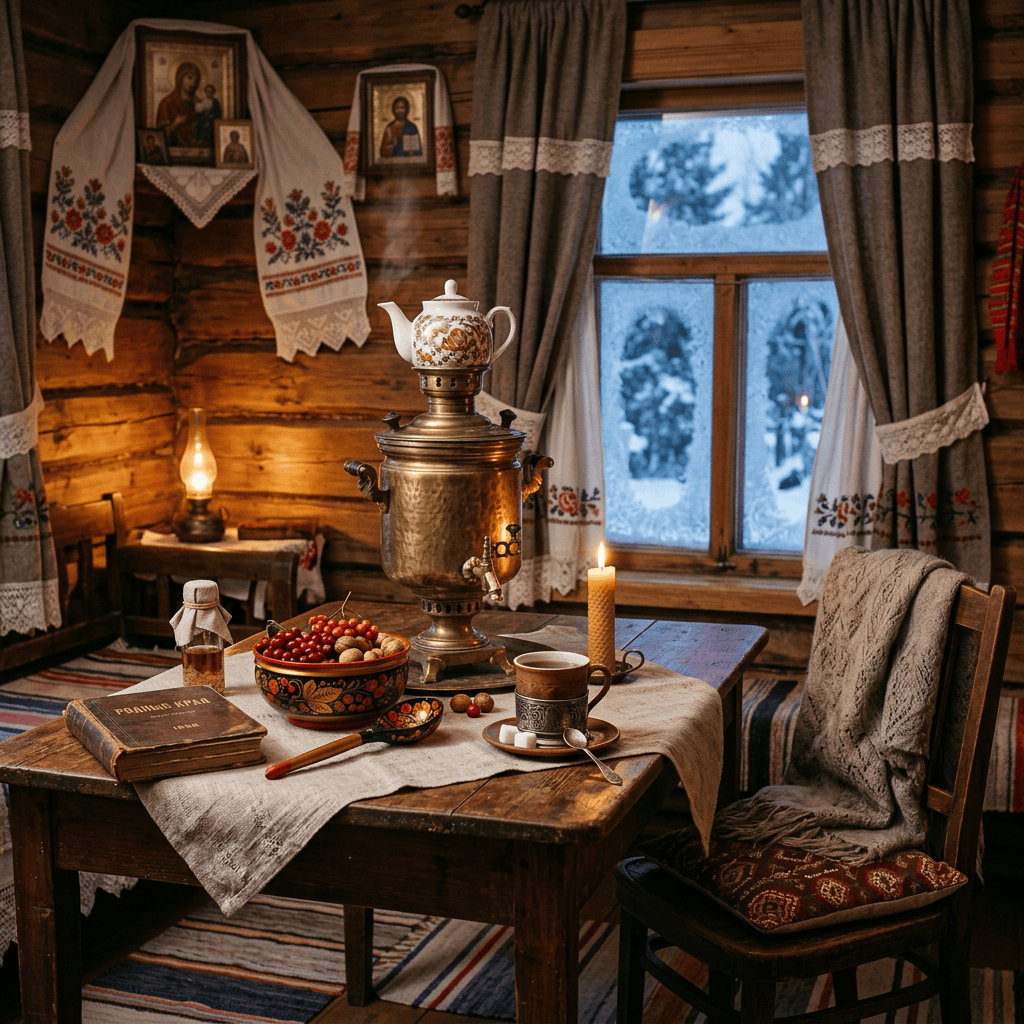
    This morning, I celebrated with my love over one of our weekly coffee dates—savoring the sweet decadence of chocolate bunnies and chocolate eggs. Now, I am celebrating with my other family—my parents—to continue the festivities diving fully into the spiritual heart of Russian Orthodox Easter.

    In Russia and the Orthodox world, spring’s arrival is marked by Pascha (Пасха), a profoundly moving celebration of Christ’s Resurrection. Far less commercial than Western Easter, Orthodox Pascha is a deeply spiritual observance that unfolds over weeks, centered entirely on the triumph of life over death.

    We no longer attend church services as regularly, but the traditions remain vivid. Pascha falls according to the Julian calendar, often several weeks after Catholic and Protestant Easter—sometimes as much as five weeks later. Its date is calculated as the first Sunday after the first full moon following the spring equinox.

    The journey to Pascha begins with Great Lent: a rigorous 40-day period of fasting, prayer, and introspection. The fast is stricter—no meat, dairy, or eggs for anyone (unless you are ill)—making the eventual Easter feast all the more glorious.

    The peak of the celebration is the Paschal Midnight Service. On Saturday night, churches fill with worshippers holding unlit candles. Just before midnight, the priest leads a solemn procession around the church three times, carrying the icon of the Resurrection. At the stroke of midnight, the church doors swing open, lights flood the space, and the triumphant cry echoes:

    The service overflows with hymns, the Easter Gospel read in multiple languages, and the blessing of food baskets. Many stay until dawn, basking in the victory of light over darkness.

    Families traditionally bring their baskets to church for blessing before the grand Sunday feast begins.

    Even though church attendance has varied since the Soviet years when religion was not allowed (your President is supposed to be the almighty one!), Pascha remains one of Russia’s most beloved holidays. In Moscow and St. Petersburg, cathedrals overflow at midnight. Across the Orthodox observers—from New York to Sydney—Russian Orthodox communities celebrate with deep passion and tradition.

    Pascha truly feels like the Russian soul’s awakening—after the long, dark winter and the discipline of Lent comes light, renewal, warmth, and peace. (Read my Spring post here)!

    Christ is Risen! Truly He is Risen!

  • Stop Romanticizing the Past: Embrace Today

    Stop Romanticizing the Past: Embrace Today

    We have all heard it. We have all said it. “Man, things were better back then.” People are always yearning for the good old days—start appreciating everything today:

    Nostalgia is not a memory—it is a seductive liar.

    It edits out the bad.

    The ugly.

    We airbrush the boredom, the limited choices, the untreated depression, the rotten teeth (yay for healthcare!) and the way information trickled so slowly that ignorance felt like wisdom. I kind of do wish we ladies were still dumb, though… I rely more on my man to know what is going on in the world so that I can just be delulu about things.

    And while we are busy pining for that heavily filtered past, the actual miracles are all around us right now. We are living in the most abundant, connected, opportunistic era in human history, and most of us are too busy doom-scrolling and whining to notice.

    Technology seems to be sprinting. AI that writes better essays than most college students. Instant access to the entire library of human knowledge in your pocket. You can video call your grandmother on another continent while ordering takeout that arrives piping hot. And still, people scroll past miracles to complain that their coffee order took four minutes instead of three.

    This change terrifies people. It always has. That is why every generation thinks the next one is doomed. But here is my hot take: your nostalgia is a coping mechanism for your fear of the unknown. It is easier to idealize 1997 than confront 2026. People are afraid. What is going to happen tomorrow or next month?

    It seems easier to romanticize rotary phones than master and learn the new tools.

    Stop yearning. Start appreciating—aggressively.

    The secret is not in the past. It is in the lens. Shift it—or stay miserable.

    Look at your smartphone not as a distraction device but as a doorway for wonder. With it, you can learn a language in weeks, watch a live surgery in Tokyo, or hear the voice of someone who died decades ago (I know… Creepy.) We treat these luxuries like it is normal. It is not. It is insane.

    We find food in our grocery stores from every corner of the world. Planes and automobiles have actually united us. We consume other cultures and cuisines. This is the true meaning of America.

    Surgery and modern medicine (despite its faults) make it absolutely insane to continue complaining about the small aches and pains. Some of us do not even walk; are you really going to cry about a hangnail?

    The internet has also demolished geographic and social barriers. You can meet your person- someone who actually matches your weird frequency- instead of settling for the least awful option within a 10-mile radius. I personally would despise settling down with someone from around here. The old days had arranged marriages and shotgun weddings. We now have sad dating apps and yes, we rate each other based on our looks. So yes, trade-offs exist, but pretending the past was pure romance is historical fan-fiction.

    In a culture addicted to outrage and comparison, choosing to appreciate the present is rebellious. It is punk rock. It flips off the algorithm that profits from dissatisfaction. People really do love to complain, criticize, and comment.

    Essentially, the world is blossoming with possibility while you are staring at old yearbooks. One thing that has always bothered me is that most of our bodies are a biological marvel capable of running, dancing, orgasming, and healing—and yet people are mad about theirs not looking like a filtered influencer. It is called do something about it—if a disabled girl can lose more than one hundred pounds, you can do anything. The body is truly a marvel.

    The mind is too.
    Your mind can comprehend quantum physics (or silly girly things—like writing a blog!) and write love poems, yet you use it to relive 2008 politics.

    The good old days are a trap. They keep you small, bitter, and blind to the abundance screaming for your attention. Every moment you spend mourning a myth is a moment stolen from building something better.

    The world is changing so fast that if you blink too long in nostalgia, you will miss the best parts of being alive right here, right now. The coffee is hot. The internet works—until the power goes out, because living in the woods is great. Your heart is beating. The future is wide open.

    Appreciate it all—fiercely, obnoxiously, unapologetically.

    Or keep complaining. The past will not care, and the present will keep delivering miracles whether you notice them or not.

    The choice is yours. But only one of them feels like living.

  • Easter Reflections: A Blended Faith Journey

    Easter Reflections: A Blended Faith Journey

    Today is Easter Sunday for much of the Western world. However, in my home growing up, the day feels a little different. My family is Russian Orthodox. This means we follow the Julian calendar rather than the Gregorian one. Yes, our holidays often land on different dates than everyone else’s. Friends and social media are filled with pastel eggs, chocolate bunnies, and sunrise services this weekend. My family’s Easter—Pascha—will not arrive for another week, but I still crave those mainstream Easter goodies. As a child, I coveted my classmates’ holiday treats. It is a rhythm I have known my whole life. It always made me feel a bit out of step with mainstream culture. 

    I was baptized in the Russian Orthodox Church. I attended Orthodox services every Sunday for years. It was during a very tender, searching time in my life. This was especially true when I first got sick. But, my spiritual path has taken some beautiful turns. These days, my boyfriend and I celebrate his Roman Catholic traditions with real enthusiasm and joy. We throw ourselves into it fully. We plan on attending Mass. We will observe the full Holy Week. We will also share in the resurrection joy on his Easter morning.

    It feels natural and right. I attended a Catholic high school, and those years left a lasting imprint on me. The rituals resonated with me. I was touched by the reverence and the rich sense of community. The deep focus on Christ’s sacrifice and triumph all resonated with me. There is something profoundly moving about the the solemnity of Good Friday, and the triumphant Easter Vigil. I learned to love the beauty and structure of Catholic worship, and that appreciation has only grown stronger in adulthood.

    My biological family is preparing for their Paschal celebration next weekend. My chosen family—my boyfriend and I—will be lighting candles in the future. We will sing church songs and soak in every moment of our future Easter Sundays together. It is a lovely reminder that faith is not always one straight path. Sometimes it weaves together different traditions, calendars, and experiences into something uniquely meaningful.

    I feel incredibly blessed. I hold space for both my Orthodox heritage and the Catholic traditions I have come to cherish. They both point to the same risen Lord, after all. This year, my heart is full of gratitude. Love has expanded my spiritual world. It has not shrunk it.

    Happy Easter to all who are celebrating today. And to my fellow Orthodox family and friends—see you next week when our Pascha arrives. ️

  • Fragrance Obsession: A Journey through Scents and Memories

    Fragrance Obsession: A Journey through Scents and Memories

    My boyfriend is obsessed with fragrances in the most delicious way. He can spend hours watching reviews. He dissects notes like a mad scientist. He chases the perfect dry-down and obsesses over base notes. Years ago, he introduced me to Jeremy Fragrance. Back then, Jeremy was still deep in the fragrance rabbit hole. He was not preaching fitness and health yet. Now my man plays with layers of tonka bean. He experiments with creamy vanillas, warm spices, and light, fresh sea-notes. It is as if he was composing his own signature pheromone. I am not a certified nose. However, I have become dangerously good at finding scents. These scents will drive him insane. Those scents are especially anything heavy with tonka bean. The rich, sweet, almost edible warmth clings to his skin. It makes me want to bury my face in his neck for hours.

    I never really had “my” scent growing up. In college, I went through a shameless phase where I only wore men’s cologne—bold, woody, masculine fragrances that screamed confidence. (I even wore Old Spice deodorant). I did it on purpose. I wanted every man who spent the night tangled in my sheets to walk out the door carrying my scent. It lingered on his skin, his clothes, and his hair. Let his girlfriend or wife catch a whiff of something undeniably male when he got home. A little floral or berry note from me would have been too obvious, too sweet, too feminine. No—I wanted to mark them. Quietly. Dangerously. Provocatively.

    I NEVER EXPECTED THAT THE UNIVERSE WOULD PUNISH ME FOR IT—

    Now that I am proudly spoken for, I have embraced my own rotation of scents. These scents make me feel like pure sin wrapped in silk. I adore my YSL Mon Paris. Its massive, unapologetic floral notes bloom loud and wet on my skin. Then there is Baccarat Rouge 540. It is expensive and addictive, with its fiery saffron and ambergris edge. It feels like liquid luxury. I wear Kai Ali Santal Wedding Silk more often than I probably should, partly because of the ridiculously romantic name. But honestly? I steal his Missoni Wave constantly. It is fresh, aquatic, and a little citrusy. It carries that signature Italian warmth. It smells like him—clean and expensive, yet somehow still filthy in all the right ways. I spray it on my wrists. I also spray between my breasts and along the inside of my thighs. It mixes with my own scent to convey that he is with me. I do this with all of his colognes. I have a nice little collection so that I can smell him at every moment of every day. 

    In this collection is his Abercrombie cologne—the one we bought purely for the scent memories it drags up. That one hits different. It pulls me straight back to those dimly lit, aggressively cologned stores of my teenage years. It was the kind of place where the bass thumped low. The lights were turned down just enough to make everything feel forbidden. Half-naked male models stared down from every wall and catalog page like gods you were not allowed to touch. I remember standing there as a high school girl. I was desperate to buy enough clothes to finally belong. I wanted to look like one of those catalog girls. They had sun-kissed skin and tiny waists. They radiated that effortless “fuck me” energy. I wanted to be wanted that badly. I wanted to be the fantasy.

    Scent memory is such a beautiful thing. My boyfriend surprised me with Tom Ford Tobacco Vanille one day, and I became instantly obsessed. That rich, boozy tobacco takes me right back. The thick vanilla and warm spice remind me of the skinny French cigarettes. My “Auntie” (who is not actually related, but a really good family friend) used to smoke them when I was little. She smoked those elegant little sticks, lighting them with a flick of her lighter. The smoke would curl around her red lips like a dirty little secret. I used to crave sucking on those delectables when visiting a little French cafe in the future (I will never though, unfortunately, because they are no longer sold!) It is nostalgic and erotic all at once, like childhood innocence mixed with grown-woman hunger.

    Every spray now feels layered with meaning. His cologne on my body. My perfume on his neck after I bury myself in it. Our scents collide and create something new. It says we belong to each other in the most primal, possessive way. We are together even when we are apart. It is foreplay. It is memory. It is identity. It is pure, delicious obsession.